Research Articles
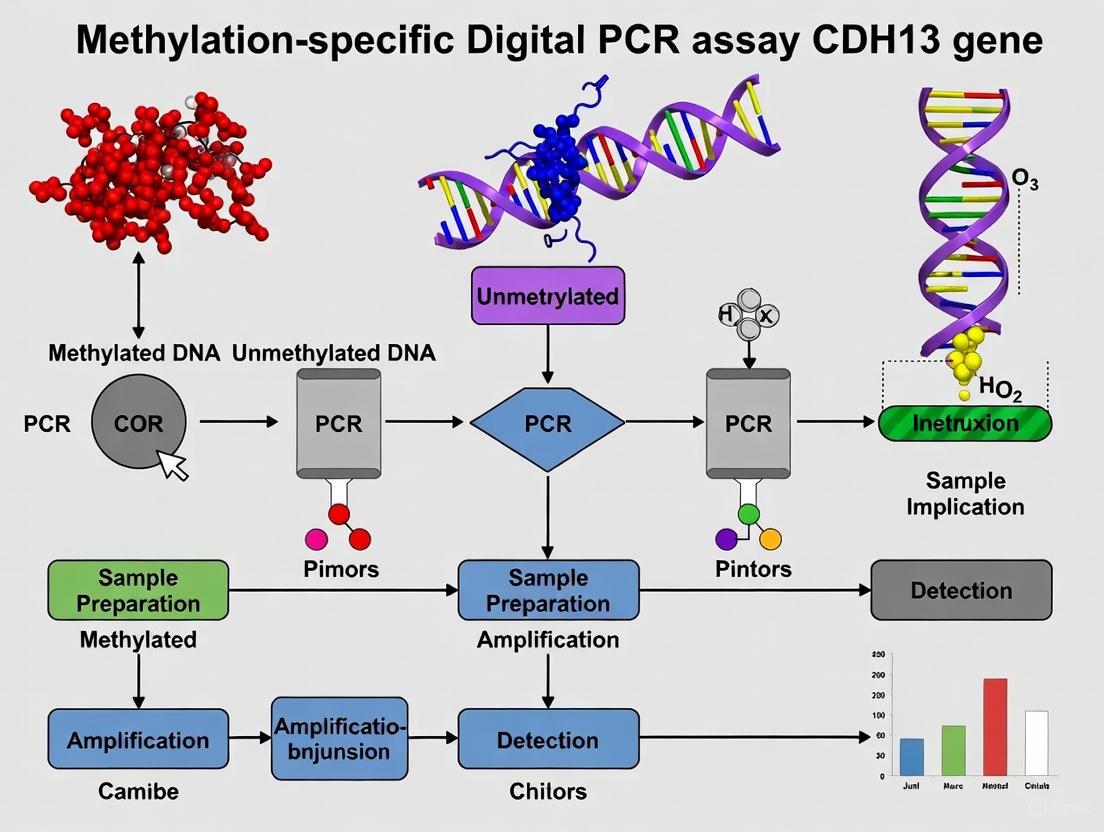
Methylation-Specific Digital PCR for CDH13 Analysis: A Comprehensive Guide for Biomarker Development and Clinical Application
DNA methylation of the CDH13 tumor suppressor gene is a promising biomarker for various cancers.
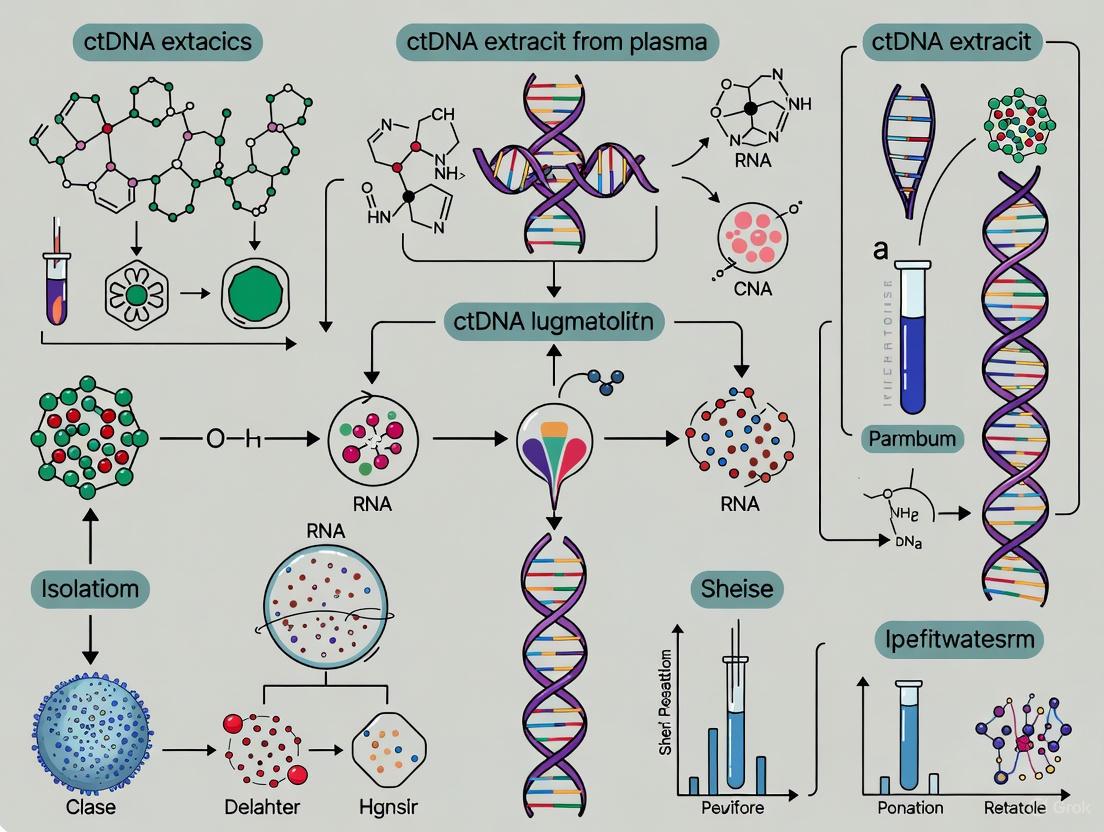
Optimizing ctDNA Extraction from Plasma: A Comprehensive Guide for Precision Oncology Research
This article provides a detailed examination of circulating tumor DNA (ctDNA) extraction techniques from plasma, a critical pre-analytical step in liquid biopsy.
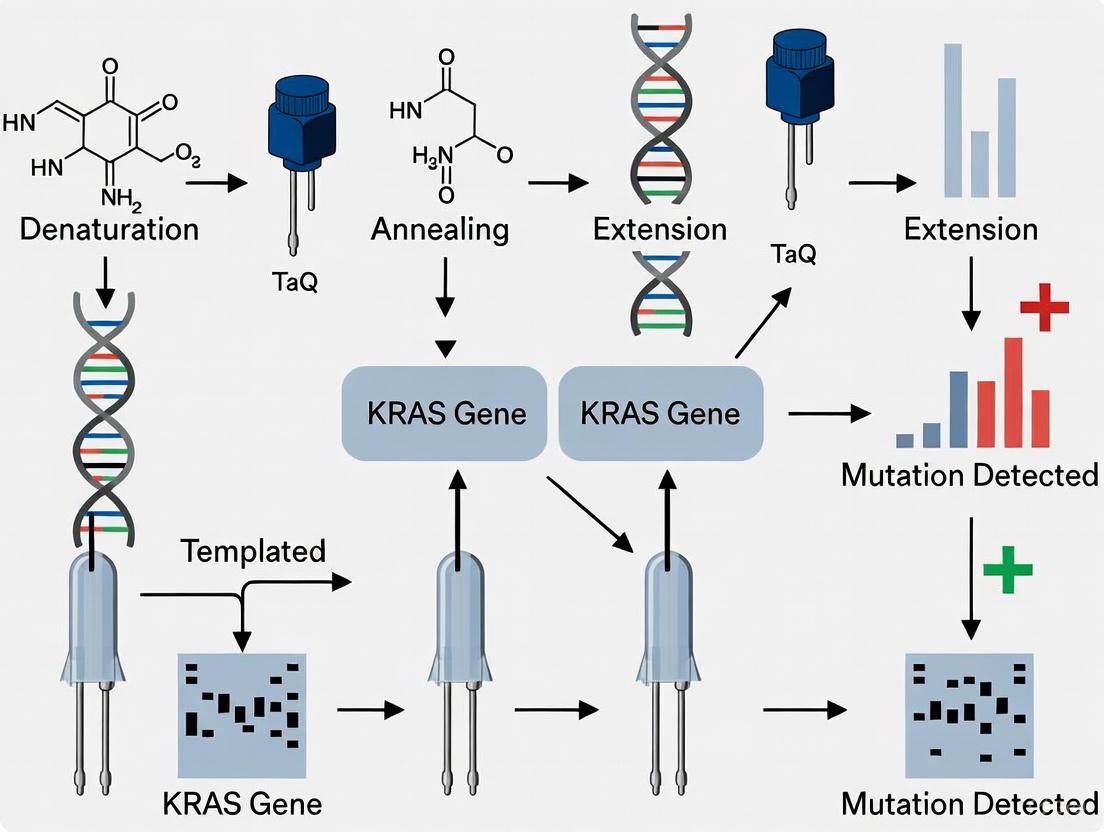
Advanced Digital PCR Protocols for KRAS Mutation Detection: A Comprehensive Guide for Precision Oncology Research
This article provides a comprehensive overview of digital PCR (dPCR) methodologies for sensitive and specific detection of KRAS mutations, crucial biomarkers in colorectal, pancreatic, and other cancers.
A Complete Guide to the ctDNA Analysis Workflow: From Blood Collection to Clinical Insights
This article provides a comprehensive guide to the circulating tumor DNA (ctDNA) analysis workflow, tailored for researchers, scientists, and drug development professionals.
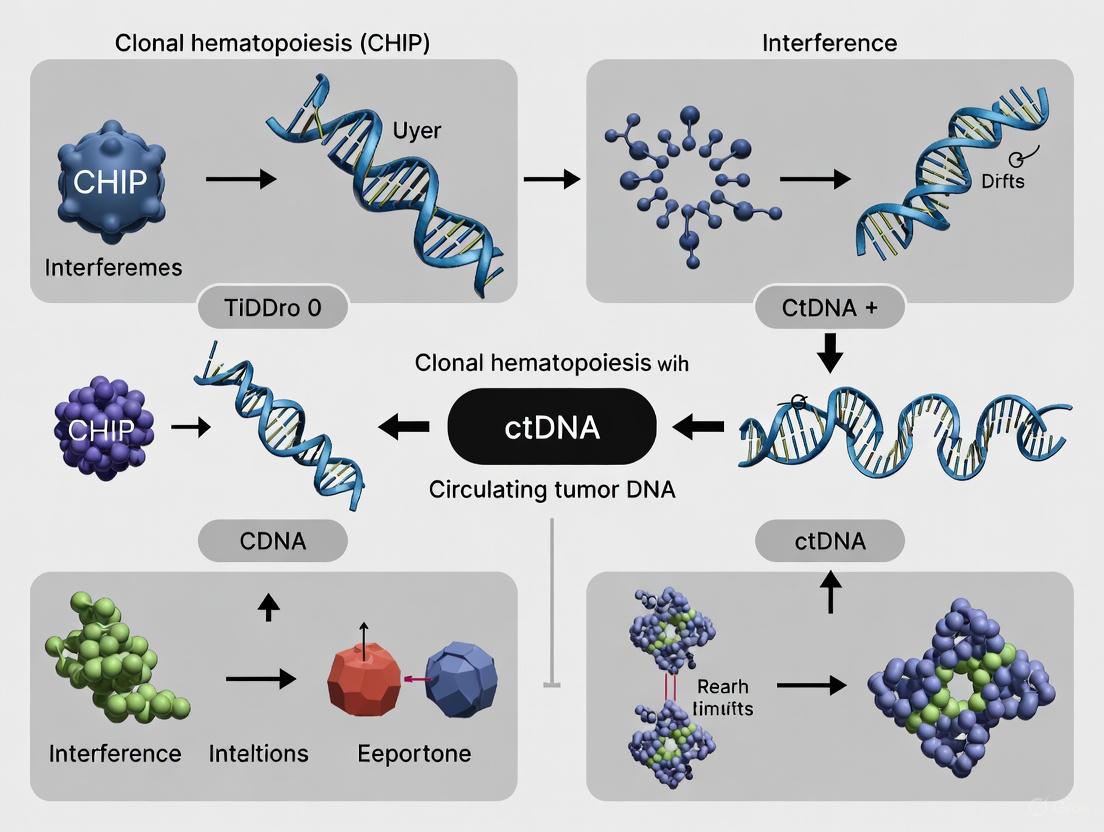
Decoding the Signal from the Noise: A Researcher's Guide to Clonal Hematopoiesis Interference in ctDNA Analysis
The analysis of circulating tumor DNA (ctDNA) is revolutionizing cancer diagnostics and monitoring, but its accuracy is critically challenged by the presence of clonal hematopoiesis (CH).
Digital PCR for Rare Mutation Detection: Unlocking Ultra-Sensitive Analysis in Biomedical Research
Digital PCR (dPCR) represents a transformative advancement in nucleic acid quantification, enabling the absolute quantification of rare genetic mutations with unparalleled sensitivity.
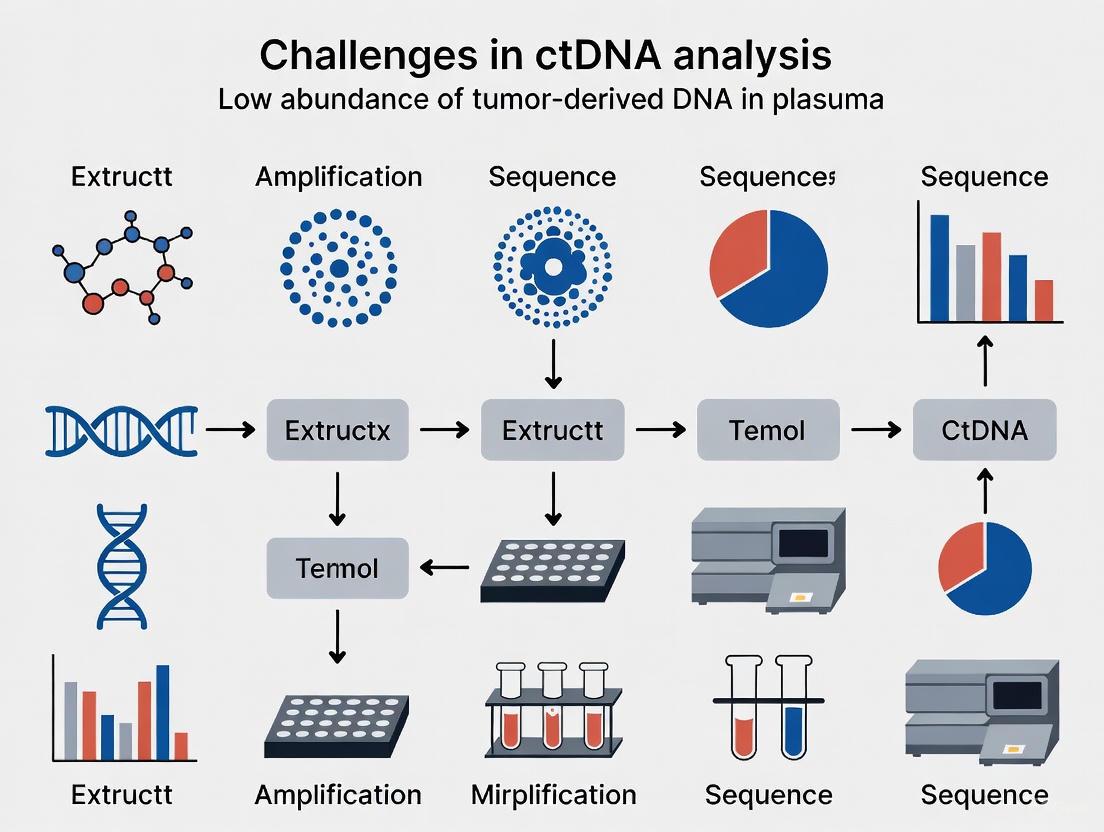
Overcoming the Low Abundance Hurdle: Technical Challenges and Innovative Solutions in ctDNA Analysis
Circulating tumor DNA (ctDNA) analysis has emerged as a transformative tool in precision oncology, enabling non-invasive cancer detection, treatment monitoring, and minimal residual disease assessment.
Circulating Tumor DNA (ctDNA): The Transformative Biomarker Powering Precision Oncology
This article explores the pivotal role of circulating tumor DNA (ctDNA) in advancing precision oncology.
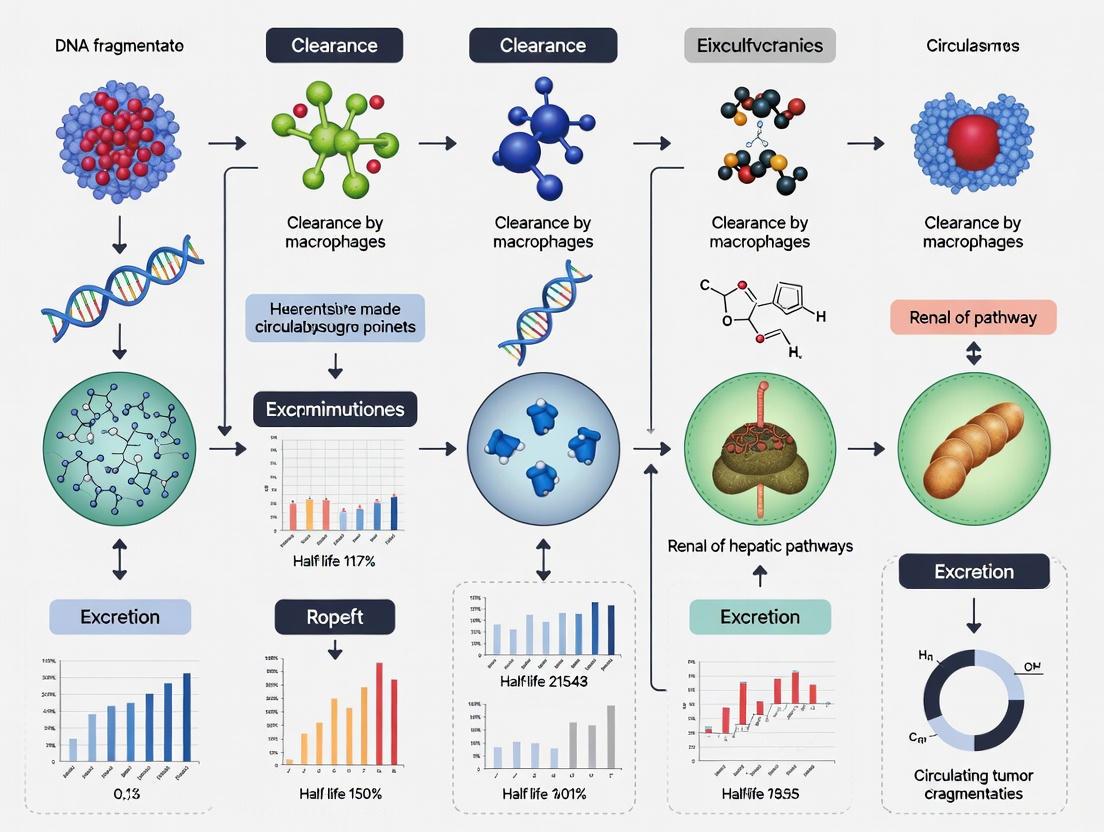
Circulating Tumor DNA Clearance: From Biological Mechanisms to Clinical Applications in Oncology Drug Development
This comprehensive review examines the half-life and clearance dynamics of circulating tumor DNA (ctDNA) and their critical implications for cancer research and drug development.
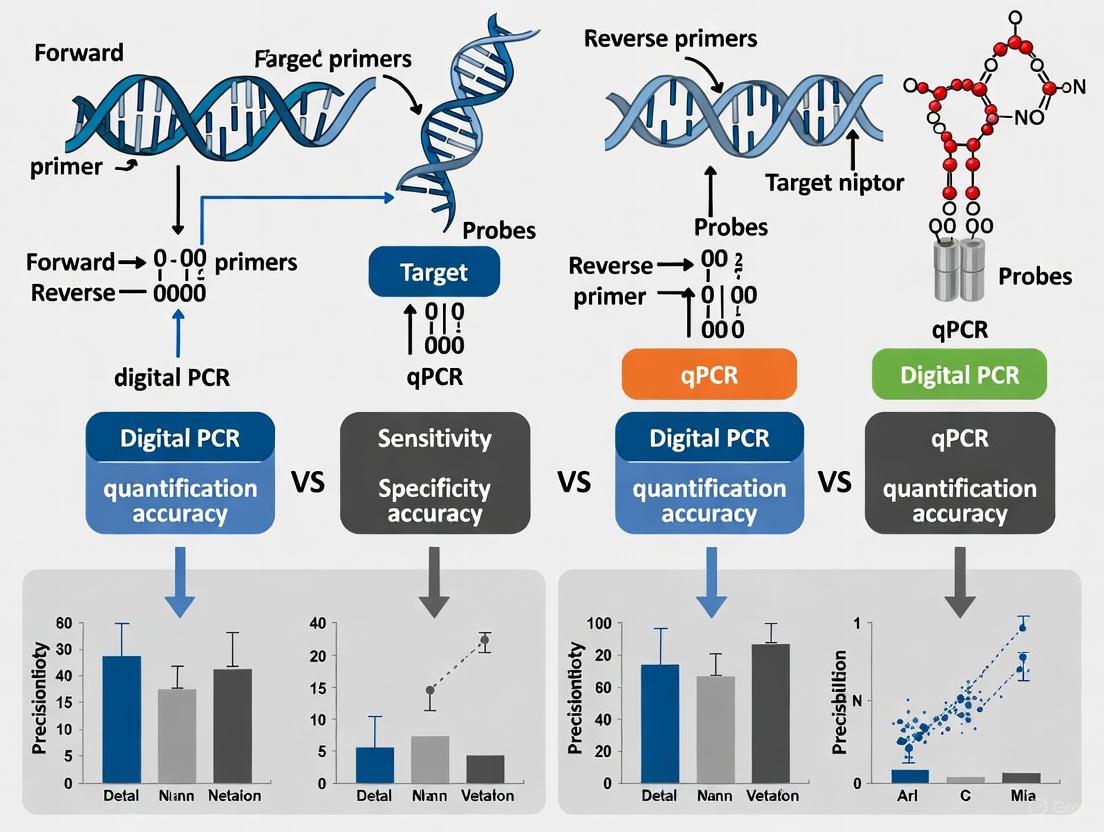
Digital PCR vs qPCR for ctDNA Analysis: Unlocking Superior Sensitivity in Cancer Research
This article provides a comprehensive analysis of how digital PCR (dPCR) is revolutionizing circulating tumor DNA (ctDNA) research by overcoming critical limitations of quantitative real-time PCR (qPCR).