Overcoming Genetic Heterogeneity in Cancer Biomarker Discovery: Integrated Strategies for Precision Oncology
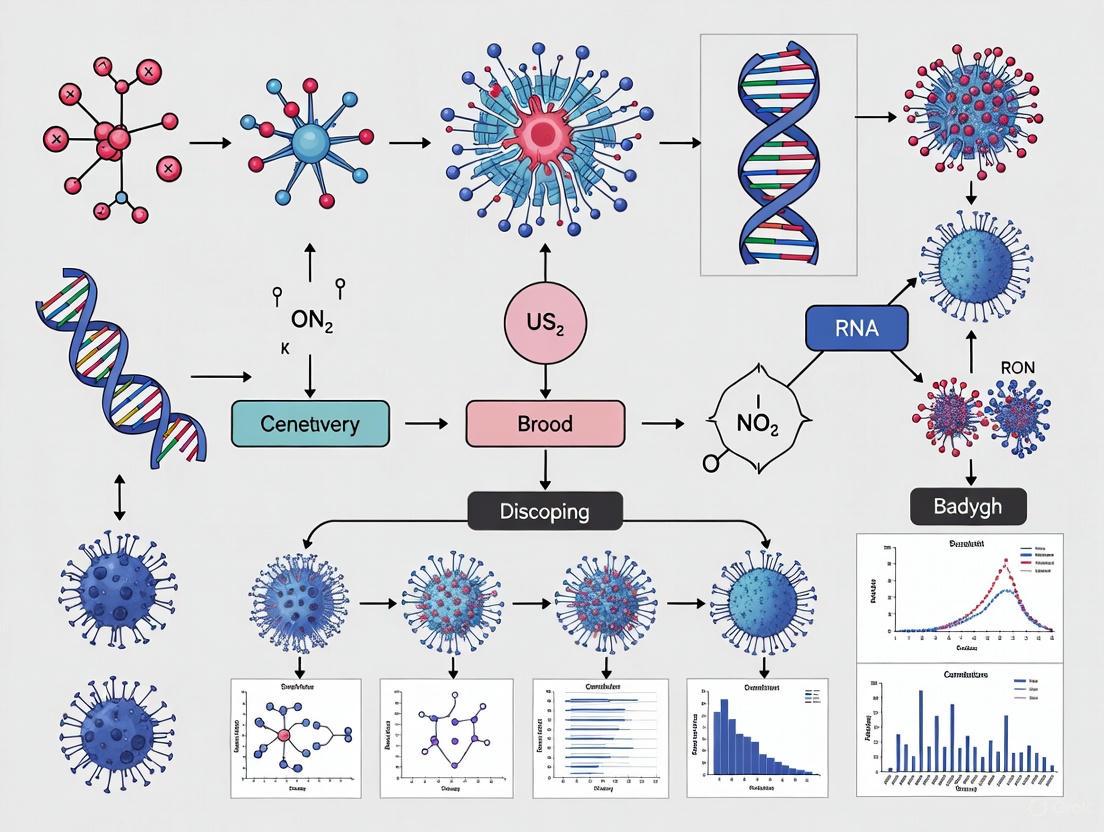
Genetic heterogeneity presents a fundamental challenge in oncology, undermining the discovery and clinical application of reliable biomarkers for cancer diagnosis, prognosis, and treatment.
Overcoming Genetic Heterogeneity in Cancer Biomarker Discovery: Integrated Strategies for Precision Oncology
Abstract
Genetic heterogeneity presents a fundamental challenge in oncology, undermining the discovery and clinical application of reliable biomarkers for cancer diagnosis, prognosis, and treatment. This article synthesizes current knowledge and emerging strategies to address this complexity. We first deconstruct the nature of genetic heterogeneity and its impact on biomarker performance. We then explore innovative methodological approaches, including multi-omics integration, liquid biopsies, and AI-driven analytics, which are revolutionizing biomarker discovery. The discussion critically assesses translational bottlenecks and offers optimization frameworks for study design and analysis. Finally, we evaluate rigorous validation paradigms and performance metrics essential for establishing clinical utility. This comprehensive resource equips researchers and drug development professionals with the conceptual and practical tools needed to advance biomarker science in the era of precision medicine.
Deconstructing the Challenge: How Genetic Heterogeneity Undermines Cancer Biomarker Development
Conceptual Troubleshooting Guide: Understanding Heterogeneity
Q1: What are the main categories of heterogeneity I might encounter in my cancer genomics research?
A foundational challenge is accurately identifying the type of heterogeneity affecting your experiments. We propose a three-category framework to guide your analysis [1].
- Feature Heterogeneity: This refers to variation in your explanatory variables (inputs). In a genomics study, this could be heterogeneity in gene expression, epigenetic marks, or the cellular microenvironment across your samples. This variation can be a source of noise or a confounder if not properly accounted for [1].
- Outcome Heterogeneity: This describes variation in your dependent variables (outputs). In cancer research, this includes clinical heterogeneity (variability in symptoms) or phenotype heterogeneity (variation in disease presentation among individuals with the same genetic drivers) [1].
- Associative Heterogeneity (Genetic Heterogeneity): This is the core challenge in biomarker discovery. It occurs when the same or similar disease phenotype is caused by different genetic mechanisms in different individuals. This is not simple variation in data, but a complex pattern of association that can lead to missed discoveries and incorrect inferences if not modeled correctly [1].
Q2: Why does my single-gene biomarker fail to generalize across patient cohorts?
This is a classic symptom of unaccounted-for genetic heterogeneity. Your biomarker might be suffering from locus heterogeneity, where mutations in different genes (e.g., RHO and PRPF31) all lead to the same disease outcome (e.g., retinitis pigmentosa) [2]. Alternatively, allelic heterogeneity, where different mutations within the same gene (e.g., over 2,000 variants in CFTR for cystic fibrosis) cause the same disease, can also complicate biomarker specificity [2]. A single-gene approach often cannot capture this complexity.
Q3: My bulk RNA-seq analysis of a tumor shows a clear signal, but subsequent single-cell analysis reveals overwhelming diversity. What happened?
Your experiment has encountered intra-tumor heterogeneity. Bulk sequencing provides an average signal across all cells in a sample, masking the presence of distinct cellular subpopulations [2]. Your "clear signal" from bulk data might be an average of several conflicting signals from different subclones. Single-cell sequencing has revealed that a single tumor can contain genetically distinct cancer cell populations with different mutation profiles, growth rates, and metastatic potential [2]. This diversity is a major driver of drug resistance, as a treatment may eliminate one subclone while leaving another unaffected.
Technical Troubleshooting Guide: Methodological Challenges
Q4: My multi-omics clustering results are inconsistent and not biologically reproducible. What can I do?
Consider moving beyond single-method clustering to a consensus approach. Inconsistent results often stem from technical noise and the high dimensionality of multi-omics data. The consensus MSClustering method is an unsupervised hierarchical network approach designed to address this [3]. It integrates diverse data types to identify robust molecular subtypes and has demonstrated superior performance over existing methods (like COCA/SNF) in classification accuracy, cluster robustness, and computational efficiency [3].
- Protocol Outline: Consensus MSClustering for Robust Subtyping
- Data Input: Integrate multi-omics data (e.g., genomic, transcriptomic, epigenomic) from your tumor samples.
- Key Gene Selection: Use a heterogeneity index to select a functionally coherent set of key genes (e.g., 167 genes were selected in one pan-cancer study) [3].
- Network Construction & Consensus Clustering: Apply an unsupervised hierarchical network approach to build a consensus across the data.
- Validation: Validate the resulting subtypes through:
Q5: How can I accurately model the tumor microenvironment given its immense cellular heterogeneity?
A multi-modal approach that combines single-cell resolution with spatial context is essential. Relying on a single technology will give an incomplete picture.
- Experimental Protocol: Mapping the Tumor Microenvironment
- Single-Cell RNA Sequencing (scRNA-seq): Perform scRNA-seq on dissociated tumor samples. This allows for unsupervised clustering and identification of all major cell types (neoplastic epithelial, immune, stromal, endothelial) and their transcriptionally distinct sub-states [4]. For example, in breast cancer, this has revealed 15 major cell clusters and numerous subclusters of fibroblasts, endothelial, and myeloid cells with unique functional programs [4].
- Spatial Transcriptomics: Integrate spatial transcriptomic data from consecutive tissue sections. This preserves the architectural context that scRNA-seq loses.
- Data Integration and Deconvolution:
- Use computational tools like
inferCNVfor copy number variation inference to classify tumor vs. non-tumor areas. - Use deconvolution tools (e.g.,
CARD) to map the cell types identified in step 1 onto the spatial locations from step 2 [4]. - This reveals region-specific cell distribution, such as immune-enriched versus tumor-enriched zones, and their associations with tumor grade [4].
- Use computational tools like
Q6: My patient-derived organoid (PDO) models show high variability. How can I improve reproducibility?
High variability in PDO generation is a common hurdle, often linked to sample quality and handling. Here is a standardized troubleshooting protocol for establishing colorectal cancer PDOs [5].
- Troubleshooting Protocol: High-Efficiency PDO Generation
- CRITICAL STEP - Tissue Procurement: Transfer samples immediately into cold Advanced DMEM/F12 medium supplemented with antibiotics. Minimize processing delays to preserve cell viability [5].
- CRITICAL STEP - Handling Delays:
- If delay is 6-10 hours: Perform an antibiotic wash and store the tissue at 4°C in DMEM/F12 with antibiotics. Process the next morning.
- If delay exceeds 14 hours: Cryopreserve the tissue. Wash with antibiotic solution and cryopreserve using a freezing medium (e.g., 10% FBS, 10% DMSO in 50% L-WRN conditioned medium). Note that a 20-30% variability in live-cell viability can be expected between these two preservation methods [5].
- Culture Establishment: Isolate crypts and embed in Matrigel. Culture in a specialized medium containing essential growth factors (e.g., EGF, Noggin, R-spondin1) to support long-term expansion [5].
Frequently Asked Questions (FAQs)
Q1: What is the difference between inter-tumor and intra-tumor heterogeneity?
- Inter-tumor heterogeneity refers to differences between tumors from different patients. Tumors of the same histological type can have completely different genetic mutation profiles, which is why a treatment effective for one patient may not work for another [2].
- Intra-tumor heterogeneity refers to the genetic and phenotypic diversity of cancer cells within a single tumor or lesion. This arises from ongoing genetic instability and clonal evolution, leading to subpopulations of cells with different capacities for growth, metastasis, and drug resistance [2].
Q2: What are the most powerful techniques currently available to study tumor heterogeneity?
The table below summarizes the key techniques and their primary applications.
| Technique | Primary Application in Studying Heterogeneity | Key Strength |
|---|---|---|
| Single-Cell Sequencing (scRNA-seq, scDNA-seq) | Analyzing genomic and transcriptomic profiles of individual cells; identifying rare subpopulations and reconstructing clonal evolution [2]. | Reveals diversity masked by bulk sequencing. |
| Spatial Transcriptomics / Multiplex Imaging | Visualizing how different cell populations are organized and interact within the tumor microenvironment [4] [2]. | Provides crucial spatial context. |
| Liquid Biopsy (e.g., ctDNA analysis) | Non-invasively capturing a snapshot of tumor-derived genetic material to monitor heterogeneity, treatment response, and emerging resistance in real-time [6] [2]. | Enables longitudinal monitoring. |
| Consensus Multi-Omic Clustering (e.g., MSClustering) | Integrating multiple data types to discover robust molecular subtypes across different cancers [3]. | Improves classification accuracy and prognostic stratification. |
Q3: How does genetic heterogeneity impact the development of biomarkers for early cancer detection?
Genetic heterogeneity is a major translational barrier. A biomarker based on a single genetic alteration may only be effective for a small subset of patients whose tumors are driven by that specific alteration [6]. For example, emerging biomarkers like circulating tumor DNA (ctDNA) must overcome the challenge of low concentration and high fragmentation, which is compounded by the fact that the genetic alterations being sought can differ vastly between patients [6]. Successful biomarker strategies must therefore target conserved pathways or use multi-analyte panels (e.g., combining ctDNA, exosomes, and microRNAs) to capture a broader range of heterogeneity [6].
The Scientist's Toolkit: Essential Research Reagents & Materials
The table below lists key materials used in the advanced experiments cited in this guide.
| Research Reagent / Material | Function in Experimental Protocols |
|---|---|
| Advanced DMEM/F12 Medium | Serves as the base medium for tissue transport and the foundation for organoid culture growth medium [5]. |
| L-WRN Conditioned Medium | Provides a consistent source of essential growth factors (Wnt3a, R-spondin, Noggin) for establishing and expanding colorectal organoids [5]. |
| Matrigel | A basement membrane extract used as a 3D scaffold to support the self-organization and growth of patient-derived organoids [5]. |
| Antibiotic Solution (e.g., Penicillin-Streptomycin) | Prevents microbial contamination during tissue procurement, transport, and the initial phases of organoid culture establishment [5]. |
| 167 Key Genes (from Heterogeneity Index) | A functionally coherent set of genes, identified via a heterogeneity index, used for precise molecular classification and subtype discovery in pan-cancer studies [3]. |
Visualizing Concepts and Workflows
Genetic Heterogeneity Categorization
Single-Cell & Spatial Analysis Workflow
Consensus Clustering for Robust Subtyping
Troubleshooting Guide: Common Biomarker Failure Points
Why do most proposed single-molecule biomarkers fail to reach clinical practice?
The failure rate for new cancer biomarkers is exceptionally high, with less than 1% entering clinical practice [7]. The challenges are particularly pronounced for single markers intended to detect heterogeneous diseases, where a complex interplay of biological, technical, and statistical factors leads to failure.
- Primary Issue: A single biomarker often cannot capture the molecular diversity of a heterogeneous disease. A marker effective for one disease subtype may have low sensitivity for other subtypes, capping its overall performance at the prevalence of that subtype [8].
- Underlying Biology: Diseases like cancer are not monolithic. High-grade serous ovarian cancer (HGSC), for example, shows substantial anatomical site-to-site variation in protein expression, meaning a biomarker discovered in ovarian tissue may not perform reliably in metastatic omental tissue from the same patient [9].
- Troubleshooting Step: If your single-marker candidate shows promising but inconsistent results in your initial cohort, investigate whether its performance is linked to a specific molecular or anatomical subset of the disease.
How does intra-tumoral heterogeneity specifically cause biomarker failure?
Intra-tumoral heterogeneity is a major driver of failure for single-marker strategies, leading to both false-negative results and inaccurate disease classification.
- Primary Issue: A single biopsy may not capture the full genetic, epigenetic, and phenotypic diversity present throughout the entire tumor or in metastatic sites [10]. A biomarker targeting a specific mutation present in only a subpopulation of cells will miss other malignant cells, leading to treatment resistance and disease recurrence [10].
- Experimental Evidence: A 2025 proteomic study of HGSC demonstrated that while many proteins show stable expression within an individual, a significant number vary between the primary ovarian site and the omental metastasis in the same patient. This spatial heterogeneity directly complicates the discovery of a universally reliable single marker [9].
- Troubleshooting Step: When designing a discovery study, profile multiple spatially separated samples from the same tumor and from different metastatic sites, if available. This will help you assess the variability of your candidate marker and avoid overestimating its utility.
What are the critical statistical pitfalls in biomarker discovery for heterogeneous diseases?
Using inappropriate statistical methods and insufficient sample sizes are common errors that generate non-reproducible results.
- Primary Issue: Standard statistical tests (e.g., t-tests) that look for a consistent mean shift between all cases and controls are poorly suited for detecting signals that are only present in a disease subtype [8]. This can cause a powerful biomarker for a 20%-prevalent subtype to be discarded for having "low sensitivity."
- Quantitative Data: Simulation studies show that discovering biomarkers for a heterogeneous disease requires more than a 2-fold larger sample size compared to a homogeneous disease to achieve the same statistical power. The table below summarizes the performance of different statistical selection methods in this context [8].
Table 1: Performance of Statistical Selection Methods for Heterogeneous Diseases
| Method Category | Example Methods | Performance in Heterogeneous Disease |
|---|---|---|
| Tests of Mean Difference | t-test, Welch's t-test, moderated t-test | Suboptimal; fails to detect subtype-specific signals |
| Tests of Stochastic Dominance | Mann-Whitney U test, Kolmogorov-Smirnov test | Better than t-tests, but not ideal |
| Tail-Based Metrics | Sensitivity at fixed specificity (e.g., 95%), Partial AUC | Optimal; directly targets the clinically relevant portion of the ROC curve |
- Troubleshooting Step: For heterogeneous diseases, prioritize statistical methods that are sensitive to changes in the tail of the distribution, such as tests based on sensitivity at high fixed specificity or the partial AUC. Ensure your sample size is calculated to account for disease subtype prevalence [8].
What is the difference between technical validation and clinical validation, and why does the latter often fail?
A crucial misunderstanding is that technical validation of an assay is sufficient to prove a biomarker's clinical value.
- Technical Validation establishes that the test method itself is reliable, evaluating its accuracy, precision, sensitivity, and specificity [11]. It confirms you are "measuring the thing right."
- Clinical Validation establishes that the biomarker acceptably identifies, measures, or predicts the concept of interest for its intended clinical use [11]. It confirms you are "measuring the right thing" for a clinical decision.
- Point of Failure: A biomarker can be technically perfect but fail clinical validation. This happens when the discovered association does not hold in an independent, clinically representative population because it was initially overfitted to a specific dataset or confounded by unaccounted biological variables like heterogeneity [7].
- Troubleshooting Step: Before initiating costly clinical validation, ensure your analytical and clinical validation plans are based on a precisely defined Context of Use (COU), which specifies the biomarker's category and intended clinical decision-making role [11].
Frequently Asked Questions (FAQs)
What is the fundamental reason single biomarkers struggle with heterogeneous diseases like cancer?
Heterogeneous diseases such as cancer consist of multiple molecular subtypes. A single biomarker is analogous to a single key trying to open many different locks; it may work for one but fails for the others. The overall sensitivity of the biomarker is therefore capped by the prevalence of the subtype it detects [8]. Tumor heterogeneity, characterized by diverse genetic, epigenetic, and phenotypic variations within and between tumors, ensures that a single molecular target is seldom present across all malignant cells [10].
Are there experimental designs that can mitigate the risk of failure?
Yes, employing a two-stage design can be a cost-effective strategy. In the first stage, a moderate number of samples are used to screen a large number of candidate biomarkers. The most promising candidates are then advanced to a second stage for validation with the remaining samples. This approach can achieve nearly the same statistical power as a single-stage design at a significantly reduced cost, allowing resources to be focused on the most viable candidates [8]. Furthermore, proactively planning for multimodal biomarker approaches that integrate genomic, proteomic, and clinical data may be necessary to capture a sufficiently full picture of complex biology [12].
How can we discover stable biomarker signatures in a heterogeneous disease?
The key is to focus on identifying molecular features with stable expression within an individual but variable expression between individuals. A 2025 proteomic study on HGSC successfully used this approach. Researchers applied a rigorous qualification filter, requiring proteins to have low variation (Coefficient of Variation < 25%) between multiple samples from the same patient while also showing non-uniform detection across the cohort. This process identified 1,651 stable discriminative proteins, which formed co-expression modules reflecting core biological processes like interferon-mediated inflammation, providing a more robust foundation for biomarker development [9].
What are the operational considerations for a successful biomarker test?
Beyond pure performance, several practical factors determine adoption [12]:
- Actionability: The test result must clearly support a clinical decision (e.g., "use drug A").
- Turnaround Time: Rapid results cause less disruption to clinical workflow.
- Sample Type: Tests using routinely collected biomaterial (e.g., FFPE tissue, blood) are more easily adopted.
- Cost and Reimbursement: The test must demonstrate cost-effectiveness to payers.
Visualizing the Challenge: From Heterogeneity to Biomarker Failure
The following diagram illustrates the central problem: intra-tumoral heterogeneity leads to the failure of single-marker approaches, creating a path to biomarker failure that can only be overcome by robust, multi-faceted strategies.
The Scientist's Toolkit: Key Reagents & Materials for Robust Biomarker Discovery
Table 2: Essential Research Reagents and Materials for Biomarker Discovery in Heterogeneous Cancers
| Item | Function in Research | Consideration for Heterogeneity |
|---|---|---|
| Fresh Frozen (FF) & Formalin-Fixed Paraffin-Embedded (FFPE) Tissues | Source of biomolecules for analysis. | Using matched FF and FFPE samples from the same patient validates biomarker stability across handling protocols [9]. |
| Multi-Region Tumor Samples | Tissue samples from the primary tumor and its metastatic sites. | Critical for assessing spatial heterogeneity and ensuring a candidate biomarker is not site-specific [9]. |
| DNA/RNA Extraction Kits | Isolation of nucleic acids from tissue or blood. | Quality control is paramount. Ensure high-quality yields from both high-tumor-purity and stroma-rich samples. |
| Mass Spectrometry Reagents | For proteomic profiling via Data-Independent Acquisition (DIA-MS). | Allows for deep, quantitative profiling of thousands of proteins to discover stable signatures beyond genomics [9]. |
| Next-Generation Sequencing (NGS) Panels | For mutation profiling and copy number variation analysis. | Helps correlate biomarker expression with underlying genetic drivers of heterogeneity (e.g., TP53, BRCA1/2 status) [9]. |
| Immune Deconvolution Algorithms (e.g., CIBERSORTx) | Computational tool to estimate immune cell abundance from RNA-Seq data. | Quantifies tumor microenvironment heterogeneity, which can confound biomarker signals [9]. |
| Stromal & Immune Signature Panels | Pre-defined gene/protein sets for pathway analysis. | Helps determine if a candidate biomarker's signal is derived from cancer cells or the surrounding microenvironment [9]. |
Technical Support Center: FAQs & Troubleshooting Guides
This technical support center is designed for researchers grappling with the challenges of genetic heterogeneity in cancer biomarker discovery. The following guides provide targeted solutions for common experimental issues.
Frequently Asked Questions
FAQ 1: How can we obtain a representative molecular profile when our tumor biopsy seems to contain multiple distinct cell populations?
Answer: A single biopsy is often insufficient due to spatial heterogeneity. To address this, consider these approaches:
- Multi-Region Sampling: If feasible, collect multiple samples from different regions of the tumor. For glioblastoma, studies using 5-aminolevulinic acid (5-ALA) fluorescence-guided surgery have successfully isolated distinct cellular populations (e.g., from the fluorescent tumor core, the pale infiltrating margin, and the non-fluorescent healthy tissue) for separate analysis [13].
- Liquid Biopsy: Utilize circulating tumor DNA (ctDNA) or circulating tumor cells (CTCs) to capture a global, cross-sectional snapshot of the tumor's genetic landscape from the blood. This can provide a more comprehensive view than a single tissue biopsy [14] [15].
- Single-Cell Sequencing: Employ single-cell RNA or DNA sequencing to deconvolute the different cell populations within a bulk sample. This technology has been pivotal in revealing unique gene expression patterns and cell-to-cell variability in cancers like breast cancer [16].
FAQ 2: Our discovered biomarker shows high sensitivity for only a subset of patient samples. Is this a failure?
Answer: Not necessarily. This is a classic signature of disease heterogeneity. A biomarker with high sensitivity for a specific molecular subtype will have its overall sensitivity capped by the prevalence of that subtype [8]. The solution is to:
- Re-stratify Your Cohort: Re-analyze your data by segregating patients based on established molecular subtypes (e.g., luminal A, basal-like, HER2+ for breast cancer) [16].
- Develop a Multi-Biomarker Panel: Instead of a single biomarker, aim to discover a panel of biomarkers where each member is specific to a different disease subtype. This combined approach can significantly increase overall sensitivity [8].
FAQ 3: Our in vitro drug sensitivity results do not translate to our animal model. What could be going wrong?
Answer: This discrepancy often stems from a lack of tumor microenvironment (TME) in simple cell culture systems. The TME is a critical contributor to heterogeneity and drug response [17].
- Use Advanced Models: Transition to more complex models that better recapitulate the in vivo TME. Patient-derived organoids or patient-derived xenograft (PDX) models maintain more of the original tumor's cellular diversity and stromal interactions [17].
- Characterize Your Model: For PDX models, ensure you are using severely immunocompromised mice to improve engraftment rates. For immunotherapy studies, consider "humanized" mouse models that possess a reconstituted human immune system to provide the necessary immune context [17].
Troubleshooting Guides
Problem: Inconsistent results from bulk sequencing of tumor tissues.
| Potential Cause | Diagnostic Steps | Solution |
|---|---|---|
| High Intratumor Heterogeneity | Perform single-cell RNA sequencing on a subset of samples to identify distinct subpopulations. | - Shift to single-cell or spatial transcriptomics [16].- Use multi-region sampling [13].- Use liquid biopsy for a global profile [15]. |
| Sampling Bias | Compare the histology of the sampled region with other regions of the tumor. | Implement image-guided biopsy (e.g., using 5-ALA in glioma) to ensure sampling of representative and viable tumor regions [13]. |
| Low Tumor Purity | Review H&E-stained sections and estimate the percentage of tumor nuclei. | Use laser-capture microdissection to enrich for tumor cells before nucleic acid extraction. |
Problem: Isolated cancer stem cells (CSCs) show variable morphology, growth patterns, and drug responses.
| Observation | Interpretation | Recommended Action |
|---|---|---|
| Mixed adherent and sphere-forming clones from a single tumor. | Evidence of functional heterogeneity at the cellular level, even within the CSC population [18]. | Subclone and characterize individually. Isolate single cells and expand clonally. Compare their growth kinetics, marker expression, and tumorigenic potential in vivo [18]. |
| Differential expression of surface markers (e.g., CD133, CD44, CD24) between subclones. | Indicates the presence of multiple CSC subpopulations, which may have different roles in tumor progression [18]. | Use a panel of markers for isolation and study, rather than relying on a single marker like CD133. |
| Variable drug sensitivity in subclones, e.g., to EGFR inhibitors. | Demonstrates that therapeutic resistance can be intrinsic to specific subclones [18]. | Profile signaling pathways (e.g., PI3K-Akt, MAPK-Erk1/2) in each subclone to identify the molecular basis of resistance and test combination therapies [18]. |
Structured Data & Protocols
Quantitative Data from Key Studies
Table 1: Biomarker Performance in Heterogeneous vs. Homogeneous Disease Models Data derived from simulation studies comparing statistical power in different disease models [8].
| Disease Model | Sensitivity at 95% Specificity | Area Under Curve (AUC) | Required Sample Size (N per group) for 80% Power |
|---|---|---|---|
| Homogeneous Disease | 20% | 0.71 | ~50 |
| Heterogeneous Disease | 20% | 0.59 | >100 |
Table 2: Experimental Profile of Single-Cell Derived Glioblastoma Subclones Data summarizing the functional heterogeneity found in four subclones derived from a single patient's glioblastoma [18].
| Clone ID | In Vitro Morphology | Proliferative Capacity | Tumorigenic Potential In Vivo | Sensitivity to EGFR Inhibitor (Gefitinib) |
|---|---|---|---|---|
| #2 | Sphere-forming | High | High / Lethal | Insensitive |
| #4 | Sphere-forming | High | High / Lethal | Sensitive |
| #3 | Adherent | Low | Low | Insensitive |
| #5 | Adherent | Low | Low | Sensitive |
Detailed Experimental Protocols
Protocol 1: Establishing Single-Cell Derived Subclones from Glioblastoma This protocol is adapted from the methodology used to demonstrate functional heterogeneity in GBM [18].
- Tissue Dissociation: Mechanically and enzymatically dissociate fresh glioblastoma tissue into a single-cell suspension.
- Single-Cell Plating: Using limiting dilution or fluorescence-activated cell sorting (FACS), deposit individual cells into the wells of an uncoated 96-well plate.
- Stem Cell Culture: Culture the cells in serum-free medium supplemented with epidermal growth factor (EGF) and fibroblast growth factor (FGF).
- Clonal Expansion: Monitor wells and expand colonies originating from a single cell. Passage them serially to establish stable subclones.
- Phenotypic Characterization:
- Morphology: Document growth patterns (e.g., spherical vs. adherent).
- Proliferation: Perform growth kinetic assays by counting cell numbers over time.
- Stem Cell Markers: Confirm the expression of neural stem cell markers like Nestin, Sox2, and Musashi-1 via immunocytochemistry.
- Functional Analysis: Proceed with molecular profiling (e.g., FACS for surface markers, cDNA microarrays) and in vivo tumorigenesis assays.
Protocol 2: Multi-Region Sampling and Microenvironment Analysis via 5-ALA FGS This protocol leverages fluorescence-guided surgery to study region-specific heterogeneity in GBM [13].
- Patient Preparation: Administer 5-aminolevulinic acid (5-ALA) prior to surgery as per clinical guidelines.
- Intraoperative Sampling: Under fluorescent light, collect separate tissue specimens from:
- ALA+ Region: Solid tumor core with bright fluorescence.
- ALA PALE Region: Infiltrating margin with pale fluorescence.
- ALA- Region: Non-fluorescent, presumably healthy tissue.
- Histopathological Confirmation: Fix a portion of each sample for H&E staining to confirm the histological features of each region.
- Stromal Cell Isolation: Mechanically and enzymatically dissociate the remaining tissue from each region. Isolate glioma-associated stem cells (GASC) or other stromal components by culturing in appropriate mesenchymal stem cell media.
- Comparative Analysis: Compare the isolated cells from different regions in terms of:
- Growth kinetics.
- Cell surface phenotype (e.g., by flow cytometry).
- Transcriptomic profiles using targeted gene arrays (e.g., for cancer inflammation and immunity genes).
The Scientist's Toolkit
Table 3: Research Reagent Solutions for Heterogeneity Studies
| Item | Function/Application in Heterogeneity Research |
|---|---|
| 5-Aminolevulinic Acid (5-ALA) | A fluorescent dye used in guided surgery to visually distinguish the tumor core (ALA+), infiltrating margin (ALA PALE), and healthy tissue (ALA-), enabling region-specific sampling and analysis [13]. |
| Epithelial Cell Adhesion Molecule (EpCAM) | A common surface marker used for the immunomagnetic enrichment and detection of circulating tumor cells (CTCs) from blood samples [14]. |
| Cancer Stem Cell Markers (e.g., CD133, CD44) | Antibodies against these cell surface proteins are used to isolate and study cancer stem cell (CSC) populations via flow cytometry, which often represent a source of functional heterogeneity [18]. |
| EGFR Inhibitors (e.g., Gefitinib) | Small molecule inhibitors used in functional assays to test the sensitivity of different tumor subclones to targeted therapy, revealing heterogeneity in drug response pathways [18]. |
| Patient-Derived Xenograft (PDX) Models | Immunodeficient mice engrafted with human tumor tissue. These models maintain the heterogeneity of the original patient tumor and are used for in vivo drug testing and biology studies [17]. |
Signaling Pathways & Experimental Workflows
Tumor Heterogeneity and Research Pathways
Single-Cell Subcloning Workflow
Troubleshooting Guide: Frequently Asked Questions
FAQ 1: Why does my discovered biomarker show high sensitivity in some patient cohorts but fails in others?
This is a classic symptom of underlying disease heterogeneity. What is often clinically diagnosed as a single disease (e.g., breast cancer) frequently comprises multiple molecular subtypes, each with unique biological drivers [8]. A biomarker may be exquisitely sensitive for one specific molecular subtype but have little to no sensitivity for others. Its overall performance is therefore capped by the prevalence of that subtype within the tested population [8]. In a heterogeneous disease, a biomarker with 98% sensitivity for a subtype that constitutes 20% of the patient population cannot achieve more than 20% overall sensitivity [8].
- Recommended Action: Re-analyze your discovery cohort data to check for underlying clusters or subgroups. Consider using statistical methods designed for heterogeneous populations, such as tests of stochastic dominance (e.g., Mann-Whitney U test) or metrics focused on the tail of the distribution (e.g., sensitivity at high specificity), which can outperform standard t-tests in these conditions [8].
FAQ 2: My validation study failed to replicate the promising results from my initial biomarker discovery. Could heterogeneity be the cause?
Yes, this is a common consequence of poor patient stratification and unaccounted-for heterogeneity during the discovery phase. If the initial discovery cohort unintentionally over-represents a particular disease subtype, the biomarker will appear strong. When validated in a separate, more representative cohort where that subtype's prevalence is lower, the biomarker's performance will drop significantly [8]. This is often compounded by underpowered studies; heterogeneous diseases require significantly larger sample sizes (more than 2-fold in some simulations) to ensure all relevant subtypes are adequately represented [8].
- Recommended Action: Ensure your discovery cohort is large and clinically diverse. Employ a two-stage discovery design: a first stage to screen many candidates with a moderate number of samples, and a second stage to validate top candidates with the remaining samples. This can achieve nearly the same statistical power as a single-stage design at a reduced cost [8].
FAQ 3: How does intra-tumoral heterogeneity impact the reliability of tissue-based biomarkers?
Spatial heterogeneity within a single tumor and between anatomical sites (e.g., primary ovary vs. metastatic omentum in ovarian cancer) can lead to profound sampling bias [9]. A protein that is highly expressed in one region of a tumor may be absent in another. A biomarker discovered from a single biopsy may not represent the entire tumor's molecular landscape, limiting its utility as a clinical predictive tool [9].
- Recommended Action: For biomarker discovery, prioritize proteins or signatures that demonstrate stable expression across multiple samples from the same individual, yet show variable expression between individuals (stable discriminative proteins) [9]. In high-grade serous ovarian cancer, for instance, focusing on such stable features has revealed consistent inflammatory pathways like the cGAS-STING pathway, which are more reliable for biomarker development [9].
FAQ 4: What are the major pitfalls in using machine learning for patient stratification, and how can I avoid them?
Machine learning (ML) models for stratification are highly vulnerable to overfitting, especially when trained on small, low-quality, or biased datasets [19]. Common flaws include:
- Data Leakage: Improper handling of feature selection during cross-validation, which inflates performance estimates.
- Lack of External Validation: Few models are tested on independent datasets from different clinical sites, which is critical for assessing real-world generalizability [19].
- Selection Bias: Training data from Electronic Health Records (EHR) often over-represents certain patient groups, leading to models that perform poorly on underrepresented populations [19].
- Recommended Action: Use large, representative datasets. Embed all preprocessing and feature selection steps rigorously within cross-validation. The most critical step is to validate your final model on a completely external dataset not used in any part of the training or optimization process [19].
Quantitative Data: Impact of Heterogeneity on Study Design
The table below summarizes key quantitative findings from simulation studies on biomarker discovery in heterogeneous diseases.
Table 1: Sample Size and Method Selection for Biomarker Discovery
| Factor | Homogeneous Disease | Heterogeneous Disease | Implications and Recommendations |
|---|---|---|---|
| Required Sample Size | Smaller (Baseline) | >2-fold larger [8] | Larger samples are needed to ensure adequate representation of all disease subtypes. |
| Optimal Statistical Methods | Traditional t-tests, linear models [8] | Tests of stochastic dominance (e.g., Mann-Whitney U), partial AUC, sensitivity at fixed specificity [8] | Methods focused on distribution tails or stochastic dominance are more robust for detecting subtype-specific signals. |
| Biomarker Performance | Consistent across population | Capped by subtype prevalence [8] | A biomarker's overall sensitivity is limited by the fraction of patients who have the subtype it detects. |
| Study Design Efficiency | Single-stage design | Two-stage design [8] | A two-stage design can achieve similar power to a single-stage design at significantly reduced cost for large studies. |
Detailed Experimental Protocol: Identifying Stable Biomarkers in Heterogeneous Tissues
This protocol is adapted from a study on high-grade serous ovarian cancer (HGSC) to discover biomarkers that remain stable despite spatial heterogeneity [9].
Objective: To identify proteins with stable expression within an individual patient but variable expression between patients, making them suitable candidates for clinical biomarkers.
Materials:
- Tissue Samples: Multiple fresh-frozen (FF) and formalin-fixed, paraffin-embedded (FFPE) tissue samples from different anatomical sites (e.g., ovary and omentum) from the same patient cohort.
- Proteomic Profiling: Data-Independent Acquisition Mass Spectrometry (DIA-MS) platform.
- Bioinformatic Tools: Software for coefficient of variation (CV) calculation, weighted correlation network analysis (WGCNA), and single-sample gene set enrichment analysis (ssGSEA).
Methodology:
- Extensive Multi-Site Sampling: Collect a large number of samples per patient (e.g., 11-80) from both primary and metastatic sites [9].
- Proteomic Data Generation: Perform DIA-MS on all samples to quantify protein abundance. The cited study quantified a median of 5,299 proteins per sample [9].
- Protein Matrix Qualification: Apply a series of filters to the raw protein data:
- Detection Filter: Include only proteins detected in both FF and FFPE tissue types.
- Stability Filter: Retain proteins with a low Coefficient of Variation (CV < 25%) across multiple samples from the same individual. This ensures the protein's expression is consistent within a patient [9].
- Discriminative Power Filter: Exclude proteins that are uniformly detected across all patients to avoid housekeeping proteins. The goal is to find proteins that can differentiate between patients [9].
- Network and Pathway Analysis:
Expected Outcome: A refined list of proteins (e.g., 1,651 stable discriminative proteins as in the cited study) and co-expression modules (e.g., a 52-protein module reflecting interferon inflammation) that are robust to intra-tumoral heterogeneity and represent reliable features for biomarker development [9].
Visualizing the Workflow and Signaling Pathway
Biomarker Discovery Workflow
DNA Sensing and Inflammation in HGSC
The Scientist's Toolkit: Research Reagent Solutions
Table 2: Essential Materials for Biomarker Discovery in Heterogeneous Cancers
| Research Reagent / Material | Function in Experimental Protocol |
|---|---|
| Fresh-Frozen (FF) & Formalin-Fixed Paraffin-Embedded (FFPE) Tissues | Provides complementary sample types for discovery and validation. FF tissue is ideal for high-quality proteomics, while FFPE allows the use of vast archival clinical repositories [9]. |
| Data-Independent Acquisition Mass Spectrometry (DIA-MS) | A high-sensitivity proteomic platform capable of quantifying thousands of proteins from biopsy-sized tissue samples, enabling deep profiling of the tumor proteome [9]. |
| Stable Isotope-Labeled Peptide Standards | Used in mass spectrometry for absolute quantification of proteins, improving the accuracy and reproducibility of biomarker measurements across many samples. |
| Weighted Correlation Network Analysis (WGCNA) | A bioinformatic algorithm (R package) used to identify modules of highly correlated proteins or genes. It helps reduce data dimensionality and find co-regulated biological pathways [9]. |
| Single-Sample GSEA (ssGSEA) | An algorithm that calculates the enrichment of a predefined gene or protein set in a single sample. It is used to score pathway activity (e.g., DNA sensing/inflammation score) in individual tumor samples [9]. |
| CIBERSORTx | A computational tool to impute immune cell composition from bulk tumor gene expression or proteomic data, allowing assessment of the tumor immune microenvironment alongside biomarker discovery [9]. |
Innovative Approaches and Technologies for Heterogeneity-Aware Biomarker Discovery
Intratumour heterogeneity (ITH) presents a significant challenge in cancer biomarker discovery, as molecular profiles can vary dramatically between different regions of the same tumour. This variability fosters vulnerability in RNA expression-based biomarkers derived from a single biopsy, making them susceptible to tumour sampling bias and leading to unreliable patient stratification. Fortunately, innovative approaches utilizing multi-marker panels and signature-based methods are demonstrating remarkable potential to overcome these limitations by providing a more comprehensive molecular portrait that transcends regional genetic variations.
The ITH Challenge in Cancer Biomarker Research
Intratumour heterogeneity manifests at multiple biological levels, including genomic, transcriptomic, proteomic, and metabolomic dimensions. At the transcriptomic level, studies have revealed astonishing heterogeneity that directly confounds existing expression-based biomarkers across multiple cancer types.
Quantifying the ITH Problem
Research in hepatocellular carcinoma (HCC) has quantified this challenge, demonstrating that applying 13 published prognostic signatures to classify tumour regions from the same patient resulted in an average discordance rate of 39.9% at the level of individual patients [20]. Similarly, in colorectal cancer (CRC), stromal-derived ITH has been shown to undermine molecular stratification of patients into appropriate prognostic/predictive subgroups, with significant variations observed between central tumour, invasive front, and lymph node metastasis regions from the same patients [21].
Table 1: Impact of Transcriptomic ITH on Biomarker Concordance in HCC
| Metric | Finding | Implication |
|---|---|---|
| Regional classification discordance | 39.9% average discordance across 13 signatures | Single-biopsy approaches yield unreliable patient stratification |
| Sample clustering by patient-of-origin | 0-88% depending on signature type | Signature design determines resistance to ITH effects |
| Cancer-cell intrinsic signatures | Significantly higher concordance | Overcoming stromal-derived ITH contamination |
Multi-Omics Integration Strategies
Multi-omics strategies integrating genomics, transcriptomics, proteomics, and metabolomics have revolutionized biomarker discovery by providing a multidimensional framework for understanding cancer biology [22]. This approach enables the characterization of molecular signatures that drive tumour initiation, progression, and therapeutic resistance beyond what single analytes can reveal.
Multi-Omics Workflow for Overcoming ITH
The diagram below illustrates how multi-omics data integration creates robust biomarkers resistant to heterogeneity effects:
Analytical Techniques for Multi-Omics Data
The computational integration of multi-omics datasets employs both horizontal and vertical integration strategies, complemented by sophisticated machine learning and deep learning approaches for data interpretation [22]. Publicly available multi-omics databases include:
- DriverDBv4: Encompasses data from over 70 cancer cohorts, integrating genomic, epigenomic, transcriptomic, and proteomic data
- GliomaDB: Specifically focuses on glioma research, integrating 21,086 glioblastoma multiforme samples
- HCCDBv2: A comprehensive liver cancer multi-omics database incorporating clinical phenotype data and multiple transcriptomic technologies [22]
Signature-Based Approaches to Overcome ITH
Cancer-Cell Intrinsic Signatures
Research in colorectal cancer has demonstrated that signatures focused on cancer-cell intrinsic gene expression produce more clinically useful, patient-centred classifiers. The CRC intrinsic signature (CRIS) exemplifies this approach, robustly clustering samples by patient-of-origin rather than region-of-origin, thereby minimizing the confounding effects of stromal-derived ITH [21].
In comparative analyses, cancer-cell intrinsic signatures significantly outperformed stroma-influenced signatures:
Table 2: Performance Comparison of CRC Gene Signatures Against ITH
| Signature | Clustering by Patient-of-Origin | Resistance to Stromal ITH |
|---|---|---|
| Kennedy et al. | 88% | High |
| Popovici et al. | 88% | High |
| Sadanandam et al. (CRCA) | 54% | Moderate |
| Eschrich et al. | 38% | Low |
| Jorissen et al. | 29% | Low |
| Stromal-derived signature | 0% | None |
Development of ITH-Free Biomarkers
A novel strategy for developing ITH-free biomarkers involves quantifying transcriptomic heterogeneity utilizing multiregional transcriptome datasets. The AUGUR approach exemplifies this methodology:
This de novo strategy based on heterogeneity metrics was used to develop a surveillant biomarker (AUGUR) that showed significant positive associations with adverse features of HCC and maintained prognostic concordance across multiple cohorts [20].
Liquid Biopsy and Multi-Cancer Detection Platforms
Liquid biopsy approaches represent another powerful strategy for overcoming ITH by capturing tumour heterogeneity through minimally invasive blood-based tests.
Multi-Cancer Detection (MCD) Tests
MCD tests, also referred to as multi-cancer early detection (MCED) tests, measure biological substances that cancer cells may shed in blood and other body fluids [23]. These include:
- Circulating tumor cells (CTCs)
- Circulating tumor DNA (ctDNA)
- Extracellular vesicles (EVs)
- Proteins and metabolites
MCD tests differ from other cancer screening tests in that they use a single blood test to check for many types of cancer from different organ sites simultaneously [23]. Current MCD tests in development measure different biological signals in blood plasma, including changes in DNA and/or RNA sequences, patterns of DNA methylation, patterns of DNA fragmentation, levels of protein biomarkers, and antibodies against tumor components [23].
Multibiomarker Panels in Pancreatic Cancer
For challenging malignancies like pancreatic ductal adenocarcinoma (PDAC), multibiomarker panels in liquid biopsy show promise for early detection. Single biomarkers such as CA19-9 lack sufficient sensitivity and/or specificity for reliable PDAC detection, especially in early stages [24]. Combining circulating biomarkers in multimarker panels significantly improves the sensitivity and specificity of blood test-based diagnosis.
Table 3: Liquid Biopsy Biomarkers for Multi-Marker Panels in PDAC
| Biomarker Category | Specific Analytes | Advantages | Challenges |
|---|---|---|---|
| Cellular Biomarkers | CTCs, cCAFs | Representative of tumour heterogeneity | Low abundance in early stages |
| Nucleic Acids | ctDNA, cfRNA, miRNA | Genetic and epigenetic information | Low concentration in early disease |
| Proteins | CA19-9, novel protein panels | Established methodologies | Limited specificity of individual markers |
| Extracellular Vesicles | Proteins, nucleic acids | Protected cargo, abundant | Standardization of isolation methods |
Technical Support Center
Troubleshooting Guides
FAQ: How can we validate that our multi-marker signature truly overcomes ITH?
Issue: Uncertainty in determining whether a signature reliably classifies patients regardless of tumour sampling region.
Solution:
- Utilize multiregional sampling datasets from public repositories or generate in-house data
- Apply signature to each region independently and assess classification concordance
- Employ correlation analyses comparing intra-patient versus inter-patient sample similarity
- Validate signature performance in multiple independent cohorts with different sampling protocols
Methodology:
- Calculate Pearson correlation coefficients between multi-region samples from the same patient versus different patients
- Implement hierarchical clustering to visualize whether samples cluster by patient-of-origin rather than region-of-origin
- Assess signature stability using metrics like the Sadanandam CRIS classifier, which demonstrated 88% concordant clustering in CRC multi-region data [21]
FAQ: What are common computational challenges in multi-omics integration?
Issue: Technical difficulties in integrating diverse data types with different scales, dimensions, and noise characteristics.
Solution:
- Implement batch effect correction methods to address technical variations
- Employ dimensionality reduction techniques (PCA, t-SNE, UMAP) for visualization
- Use supervised and unsupervised integration algorithms (MOFA, iCluster, mixOmics)
- Apply machine learning approaches for feature selection and pattern recognition
Methodology:
- Pre-process each omics dataset individually with appropriate normalization
- Address missing data using imputation methods or model-based approaches
- Select integration methods based on research question: early (data concatenation), intermediate (transformation to common space), or late (separate analysis with model integration)
- Validate integrated signatures using cross-validation and independent test sets [22]
FAQ: How do we address reproducibility issues in multi-marker panel development?
Issue: Inconsistent results across different experimental batches or platforms.
Solution:
- Implement rigorous quality control measures at each processing step
- Use standardized protocols for sample collection, storage, and processing
- Incorporate internal controls and reference materials
- Apply cross-platform normalization methods when combining datasets
Methodology:
- Establish standard operating procedures (SOPs) for sample processing
- Utilize automation to minimize manual variability (e.g., automated homogenization reduces contamination risks and improves consistency) [25]
- Include technical replicates and randomize processing order
- Validate findings in multiple independent cohorts with different demographic characteristics [20]
Research Reagent Solutions
Table 4: Essential Research Tools for Multi-Marker Panel Development
| Reagent/Technology | Function | Application in Biomarker Discovery |
|---|---|---|
| Next-generation sequencing (NGS) platforms | Comprehensive molecular profiling | Genomics, transcriptomics, epigenomics |
| Mass spectrometry systems | Protein and metabolite identification | Proteomics, metabolomics |
| Automated homogenization systems | Standardized sample preparation | Reduces cross-contamination, improves reproducibility [25] |
| Multiplex immunoassay platforms | Simultaneous protein marker measurement | Validation of protein signatures |
| Single-cell RNA sequencing | Resolution of cellular heterogeneity | Identification of cell-type specific markers |
| Spatial transcriptomics technologies | Tissue context preservation | Correlation of molecular features with histopathology |
The transition from single analyte biomarkers to multi-marker panels and signature-based approaches represents a paradigm shift in cancer biomarker research that directly addresses the challenge of intratumour heterogeneity. Through strategies including multi-omics integration, cancer-cell intrinsic signature development, liquid biopsy platforms, and sophisticated computational integration, researchers can now develop classification systems that remain robust despite the sampling biases introduced by ITH. As these technologies continue to evolve and validate in larger clinical cohorts, they hold tremendous promise for delivering on the goal of precision oncology—reliable patient stratification for improved diagnosis, prognosis, and therapeutic selection.
Frequently Asked Questions (FAQs)
FAQ 1: What are the core components of a liquid biopsy, and how do they help overcome tumor heterogeneity? Liquid biopsy focuses on analyzing tumor-derived components from bodily fluids. The key biomarkers are:
- Circulating Tumor Cells (CTCs): Intact cells shed from primary or metastatic tumors into the bloodstream. They provide a global view of the tumor as they can originate from different sites, capturing cellular-level heterogeneity. They allow for functional analyses and culture [14] [26].
- Circulating Tumor DNA (ctDNA): Short DNA fragments released into the blood from apoptotic or necrotic tumor cells. ctDNA carries genetic alterations (e.g., mutations) from all tumor subclones, enabling a comprehensive genomic profile of the disease burden. It has a short half-life, allowing for real-time monitoring of tumor dynamics [14] [26] [27].
FAQ 2: My tissue biopsy results show a specific mutation, but my liquid biopsy is negative. Why might this happen? This discrepancy can often be attributed to tumor heterogeneity. The tissue biopsy may have sampled a specific region of the tumor harboring the mutation, while the liquid biopsy captures DNA shed from all tumor sites. If the mutation is not present in all subclones or is shed inefficiently into the bloodstream, it may fall below the detection limit of the liquid biopsy assay [8] [9]. It is recommended to interpret results in the clinical context and consider re-testing if the clinical suspicion remains high.
FAQ 3: How can I improve the capture efficiency of rare CTCs from a blood sample? Capturing rare CTCs (as few as 1 per billion blood cells) is a technical challenge [26]. The optimal method depends on your research question. The table below summarizes the primary technologies:
| Method | Principle | Advantages | Limitations |
|---|---|---|---|
| Immunomagnetic Positive Enrichment [26] | Uses antibodies (e.g., anti-EpCAM) on magnetic beads to capture CTCs. | High specificity for EpCAM-positive CTCs. | Misses CTCs that have downregulated epithelial markers (e.g., during EMT). |
| Microfluidics [26] | Uses fluid dynamics and surface markers to isolate CTCs. | High capture efficiency, can process small volumes. | Can be limited by predefined surface markers. |
| Size-Based Filtration [26] | Filters blood based on the larger size and rigidity of most CTCs. | Preserves cell viability, not reliant on surface markers. | May miss small or deformable CTCs; low purity. |
| Density Gradient Centrifugation [26] | Separates CTCs based on buoyant density. | Low cost, can isolate various cell types. | Low separation efficiency and recovery. |
FAQ 4: What are the best practices for ensuring the quality of ctDNA samples for downstream mutation analysis? The quality of ctDNA analysis is highly dependent on the pre-analytical phase. Key considerations include:
- Blood Collection: Use specific blood collection tubes designed to stabilize nucleated cells and prevent genomic DNA contamination from white blood cell lysis.
- Plasma Separation: Process blood samples within a few hours of collection. A double-centrifugation protocol is recommended to obtain cell-free plasma and remove residual cells.
- DNA Extraction: Use dedicated kits optimized for recovering short-fragment DNA. Quantify ctDNA yield and quality, remembering it often constitutes only 0.1-1.0% of total cell-free DNA [14].
- Analysis: Employ highly sensitive and validated methods like PCR-based assays or next-generation sequencing (NGS) to detect low-frequency mutations.
Troubleshooting Common Experimental Challenges
Problem: Low detection rate of ctDNA mutations in early-stage cancer.
- Potential Cause: The tumor burden may be too low, resulting in ctDNA levels below the analytical sensitivity of your assay [14].
- Solutions:
- Increase Input Volume: Use a larger volume of plasma for DNA extraction to obtain more template molecules.
- Use Ultra-Sensitive Assays: Switch to more sensitive technologies like digital PCR or targeted NGS with unique molecular identifiers (UMIs) that can detect mutations at an allele frequency of 0.1% or lower.
- Analyze Multiple Time Points: A single negative result may not be conclusive. Serial monitoring can help detect the emergence of ctDNA as the disease progresses.
Problem: Inconsistent CTC counts between replicate samples.
- Potential Cause: The inherent rarity of CTCs and potential technical variability in enrichment and identification protocols [26].
- Solutions:
- Standardize Protocols: Ensure all sample processing steps (blood draw, storage, enrichment) are rigorously standardized.
- Implement Spike-In Controls: Use defined numbers of cultured tumor cells spiked into healthy donor blood to validate the entire workflow and calculate recovery rates.
- Automate Processes: Where possible, use automated platforms to reduce manual handling variability.
Problem: High background noise in ctDNA sequencing from wild-type DNA.
- Potential Cause: The signal from non-tumor-derived cell-free DNA can obscure low-frequency tumor variants [14].
- Solutions:
- Optimize Bioinformatics Pipelines: Use robust bioinformatics tools specifically designed to distinguish true low-frequency variants from sequencing errors and background noise.
- Apply Duplex Sequencing: Use sequencing methods that sequence both strands of a DNA molecule, significantly reducing errors.
- Improve Blood Collection: As mentioned in the pre-analytical steps, using superior blood collection tubes can minimize white blood cell lysis and the release of wild-type DNA.
Experimental Protocols for Key Applications
Protocol 1: Isolation and Enumeration of CTCs using Immunomagnetic Enrichment
This protocol is based on the principles of the FDA-cleared CellSearch system [14] [26].
1. Sample Preparation:
- Collect peripheral blood (7.5-10 mL) into a CellSave-type tube or similar, which contains an anticoagulant and preservative.
- Store samples at room temperature and process within a specified window (e.g., 96 hours).
2. CTC Enrichment:
- Incubate the blood sample with ferromagnetic nanoparticles coated with antibodies against Epithelial Cell Adhesion Molecule (EpCAM).
- Pass the sample through a magnetic field. The EpCAM-positive CTCs are retained while other blood components are washed away.
3. CTC Identification:
- Stain the enriched cells with fluorescently labeled antibodies:
- Pan-cytokeratin (CK): Positive stain for epithelial-derived CTCs.
- CD45: Negative stain to exclude leukocytes.
- DAPI: Nuclear stain to identify nucleated cells.
- A CTC is defined as a DAPI+/CK+/CD45- cell. Analyze slides using a semi-automated fluorescence microscope system.
Protocol 2: Detection of Somatic Mutations from Plasma ctDNA
This protocol outlines a common workflow for targeted mutation detection [14].
1. Plasma Processing and ctDNA Extraction:
- Centrifuge whole blood to separate plasma. Perform a second, high-speed centrifugation of the plasma to remove any residual cells.
- Extract cell-free DNA from the plasma using a commercial kit (e.g., QIAamp Circulating Nucleic Acid Kit). Elute in a low-volume buffer.
2. Library Preparation and Target Enrichment:
- Prepare a sequencing library from the extracted DNA.
- Use a targeted gene panel (e.g., covering hotspots in KRAS, EGFR, TP53, APC) to enrich for regions of interest via hybrid capture or amplicon-based approaches. Incorporating UMIs at the library preparation step is highly recommended for error correction.
3. Sequencing and Data Analysis:
- Sequence the libraries on a high-throughput sequencer (e.g., Illumina platform).
- Process the raw data through a bioinformatics pipeline: align reads to a reference genome, group reads by UMI to create consensus sequences, and call variants using specialized algorithms for low-frequency mutations.
Table 1: Key Characteristics of Liquid Biopsy Components [14] [26]
| Biomarker | Origin | Approximate Concentration in Blood | Half-Life | Primary Information Carried |
|---|---|---|---|---|
| CTC | Shed from primary or metastatic tumors | 1-10 cells per mL of blood in metastatic cancer | 1-2.5 hours | Whole genome, transcriptome, proteome, functional capacity |
| ctDNA | Released from apoptotic or necrotic tumor cells | 0.1-1.0% of total cell-free DNA | ~2 hours | Somatic mutations, copy number alterations, methylation patterns |
Table 2: Comparison of CTC Isolation Technologies [26]
| Technology | Enrichment Principle | Purity | Cell Viability | Throughput |
|---|---|---|---|---|
| Immunomagnetic (CellSearch) | Biological (EpCAM antibody) | Moderate | Low (fixed cells) | Medium |
| Microfluidic Chips | Biological/Physical | High | High | Low to Medium |
| Size-Based Filtration | Physical (size/deformability) | Low | High | Medium |
| Density Centrifugation | Physical (density) | Low | Variable | High |
The Scientist's Toolkit: Research Reagent Solutions
Table 3: Essential Materials for Liquid Biopsy Research
| Item | Function/Description | Example Application |
|---|---|---|
| CellSave Tubes | Blood collection tubes with preservative for CTC stabilization | Maintains CTC integrity for up to 96 hours post-draw [26]. |
| EpCAM-coated Magnetic Beads | Antibody-conjugated beads for immunomagnetic positive selection of epithelial CTCs | Isolation of CTCs from whole blood for enumeration or molecular analysis [26]. |
| CD45 Antibody | Marker for hematopoietic cells (leukocytes) | Used in negative enrichment strategies or as a fluorescent stain to exclude white blood cells during CTC identification [26]. |
| Cell-Free DNA Blood Collection Tubes | Tubes containing reagents to prevent white blood cell lysis | Preserves the native cell-free DNA profile and prevents dilution of ctDNA by genomic DNA [27]. |
| Circulating Nucleic Acid Kit | Silica-membrane based kits for isolating short-fragment DNA | Extraction of high-quality ctDNA from plasma or serum [14]. |
| Digital PCR Master Mix | Reagents for partitioning DNA into thousands of individual reactions | Absolute quantification of low-frequency mutations (e.g., KRAS, EGFR) in ctDNA with high sensitivity [14]. |
Workflow and Pathway Visualizations
Liquid Biopsy Workflow for Heterogeneity Assessment
Tumor Heterogeneity & Biomarker Discovery Challenge
cGAS-STING Pathway in Tumor Microenvironment
Core Challenges in Multi-Omic Data Integration
FAQ: What are the primary technical hurdles when combining genomics, proteomics, and epigenetics data?
The integration of multi-omics data presents several key challenges that can impact the robustness of your analysis and the validity of your biological conclusions.
Data Heterogeneity and Scale: Different omics layers produce data in vastly different formats, scales, and dimensions. For instance, RNA-seq can yield thousands of transcripts, while proteomics and metabolomics may produce only hundreds to thousands of features. This complicates direct comparison and integration [28]. Furthermore, the relationship between molecular layers is not linear; a single gene can produce multiple transcripts, which in turn can be translated into different protein isoforms with various post-translational modifications, each potentially having distinct functions [28].
Missing Data Points: Inherent technical limitations lead to missing data across omics layers. Proteomics and metabolomics are particularly affected due to limitations in mass spectrometry, including varying ionization efficiencies and the presence of isomers [28]. Single-cell techniques can have missing value rates as high as 30% due to low capture efficiency and technical variation [28].
Batch Effects and Technical Variation: Unwanted technical variability, such as differences in sample processing days or reagent batches, can introduce strong artifacts that obscure biological signals. If not corrected, analytical models will prioritize capturing this technical noise over more subtle biological variation [29].
Biological Interpretation: Successfully integrating data is only the first step. The subsequent challenge is interpreting the complex, non-linear relationships between different molecular types to extract meaningful biological insights, such as understanding how a genetic variant ultimately influences metabolite abundance [30] [28].
FAQ: How does tumor heterogeneity specifically complicate multi-omics biomarker discovery?
Intratumor heterogeneity (ITH) presents a significant obstacle for reliable biomarker discovery, as molecular profiles can vary substantially within a single tumor.
Spatial Heterogeneity: Molecular profiles differ between anatomical sites. In high-grade serous ovarian cancer (HGSC), for example, inflammatory and immune responses are significantly higher in omental (metastatic) sites compared to ovarian (primary) sites [9]. This means a biomarker identified from a single biopsy may not represent the entire tumor.
Cellular Heterogeneity: A tumor consists of diverse subpopulations of cancer cells with distinct molecular features, alongside various non-malignant cell types like cancer-associated fibroblasts and immune cells, each contributing to the overall molecular signature [31]. A single biopsy may miss critical subclones that drive therapy resistance or metastasis [31].
Epigenetic Plasticity: Epigenetic modifications, such as DNA methylation and histone modifications, can vary between cancer cells without underlying genetic changes and are influenced by the tumor microenvironment [31]. This plasticity allows tumors to adapt and survive under therapeutic pressure, making biomarkers based on a single epigenetic snapshot potentially unreliable over time.
Experimental Design & Quality Control
FAQ: How should I design a robust multi-omics study from the start?
A well-designed experiment is the foundation for successful multi-omics integration. Careful planning at this stage prevents insurmountable problems during analysis.
Define a Clear Biological Question: Let your specific research question guide which omics layers to include, how many time points to collect, and from what sample sources. For complex questions like therapy resistance in cancer, multiple omics approaches applied to the same samples are often necessary [28].
Ensure Adequate Sample Size: Multi-omics studies require sufficient statistical power. The sample size needed is strongly influenced by background noise and expected effect size. Tools like
MultiPowercan help estimate the optimal sample size for your specific experimental design [28]. As a general rule, factor analysis models require a minimum of 15 samples to be useful [29].Plan for Technical Replicates: Include technical replicates during sample preparation and analysis stages to objectively assess the reproducibility and variability of your data. Statistical metrics like the coefficient of variation (CV) can be used to quantify reproducibility across omics layers [30].
Standardize Sample Collection: To minimize batch effects, process samples in randomized order across batches whenever possible. For multi-site studies, implement standard operating procedures (SOPs) for sample collection, storage, and nucleic acid/protein extraction to ensure consistency [32].
Table: Key Considerations for Multi-Omics Experimental Design
| Consideration | Genomics/Epigenetics | Transcriptomics | Proteomics |
|---|---|---|---|
| Sample Input Requirements | Varies by method (e.g., WGBS, RRBS) | RNA quantity and quality (RIN) | Protein amount; consider FFPE compatibility |
| Common Normalization Methods | Quantile normalization, Beta-value transformation | Size factor + variance stabilization, log transformation | Total ion current normalization, log transformation |
| Primary QC Metrics | Bisulfite conversion efficiency (WGBS), peak distribution (ChIP-seq) | Library size, gene body coverage, 3' bias | Ion injection time, number of MS/MS spectra, missing data per sample |
| Handling of Missing Data | Usually minimal with sufficient coverage | Imputation for low-expression genes | High rate of missing data; requires careful imputation or filtering |
FAQ: What are the critical pre-processing steps before data integration?
Proper data pre-processing and normalization are crucial to ensure that different omics datasets are compatible and that technical artifacts are minimized.
Normalize to Remove Technical Bias: Each data type requires a specific normalization approach. For count-based data like RNA-seq or ATAC-seq, size factor normalization followed by variance-stabilizing transformation (e.g., log-transformation) is recommended. For DNA methylation array data (beta values), quantile normalization is often applied [29]. Metabolomics data frequently benefits from log transformation to stabilize variance and reduce skewness [30].
Filter Uninformative Features: It is strongly recommended to filter for highly variable features (HVGs) within each assay before integration. This reduces noise and computational load. When working with multiple sample groups, regress out the group effect before selecting HVGs [29].
Explicitly Regress Out Batch Effects: If you have known technical covariates (e.g., processing batch, sequencing lane), use methods like linear models (
limma) to regress them out prior to integration. Failure to do this will cause integration algorithms to focus on this dominant technical variation, potentially missing more subtle biological signals [29].Address Data Dimensionality Imbalance: Larger data modalities (e.g., transcriptomics with 20,000 genes) can dominate the integration model over smaller ones (e.g., proteomics with 5,000 proteins). Filter uninformative features from the larger datasets to bring the dimensionality of different views to a similar order of magnitude [29].
Data Processing & Integration Workflows
The following diagram illustrates a generalized workflow for processing and integrating multi-omics data, from raw input to biological insight.
FAQ: What are the main computational strategies for integrating different omics layers?
Integration methods can be broadly categorized based on when the different datasets are combined in the analytical pipeline.
Horizontal (Early) Integration: This method involves concatenating or merging different omics datasets into a single large matrix before analysis. While straightforward, this approach can be challenging due to the high dimensionality and heterogeneous scales of the data. It requires careful normalization and scaling to ensure one data type does not dominate [22] [32].
Vertical (Intermediate) Integration: These methods project different omics datasets into a common latent space, where shared sources of variation across the datasets are captured. Tools like Multi-Omics Factor Analysis (MOFA) are powerful examples. MOFA extracts a set of factors that capture the major axes of variability across all omics layers, which can then be interpreted by examining the feature weights for each factor [22] [29].
Multi-Stage (Late) Integration: In this approach, analyses are performed separately on each omics dataset, and the results are combined at the end. For example, you might perform feature selection on each omics type independently, then integrate the selected features into a final predictive model, as seen in the PRISM framework [33]. This can be more flexible but may miss interactions between molecular layers.
FAQ: How do I choose the right normalization method for each data type?
Selecting an appropriate normalization method is critical for making different omics datasets comparable.
Genomics/Epigenomics (e.g., DNA methylation arrays): Use quantile normalization to make the overall distribution of probe intensities consistent across samples. For bisulfite sequencing data (WGBS, RRBS), ensure proper correction for bisulfite conversion efficiency [34] [35].
Transcriptomics (RNA-seq): For count-based data, implement size factor normalization (as in DESeq2) to account for differences in library size, followed by a variance-stabilizing transformation (e.g., log2(x+1)). Avoid inputting raw counts directly into models that assume a Gaussian distribution [29] [33].
Proteomics (LC-MS): Apply total ion current (TIC) normalization to correct for overall differences in protein concentration between samples. Log-transformation is also commonly used to stabilize variance [30].
Table: Common Tools for Multi-Omics Data Processing and Integration
| Tool Name | Primary Function | Key Strengths | Applicable Omics |
|---|---|---|---|
| MOFA2 | Vertical integration via factor analysis | Identifies shared & specific sources of variation; handles missing data | Genomics, Transcriptomics, Epigenomics, Proteomics |
| WGCNA | Network-based integration | Identifies co-expression modules correlated with traits | Transcriptomics, Proteomics, Metabolomics |
| DMRichR | Differential methylation analysis | Statistical analysis and visualization of DMRs from bisulfite sequencing | DNA Methylation (WGBS, RRBS) |
| ChAMP | Quality control and analysis of methylation arrays | Comprehensive pipeline for 450K/EPIC array data, includes CNV detection | DNA Methylation (Array) |
| nf-core/chipseq & nf-core/rnaseq | Standardized pipeline for sequencing data | Portable, reproducible Nextflow workflows for ChIP-seq and RNA-seq | Epigenomics (ChIP-seq), Transcriptomics |
| mixOmics (R) | Multivariate analysis for integration | Wide range of methods (DIABLO, sGCCA) for multi-omics data exploration | All major omics types |
Analytical Approaches & Troubleshooting
FAQ: My integrated model is dominated by technical artifacts. How can I fix this?
If technical factors like batch effects are dominating your model, you need to address them prior to integration.
Proactive Batch Correction: If you have clear technical factors (e.g., processing date), regress them out a priori using a linear model (e.g.,
limma). This is more effective than hoping the integration model will ignore them [29].Validate with Positive Controls: Include known biological positive controls in your experiment. If your model fails to capture variation associated with these controls, it suggests technical noise is masking the biological signal.
Leverage Multi-Group Frameworks: If your experimental design includes multiple groups (e.g., different treatment conditions), use the multi-group functionality in tools like MOFA. This framework is designed to identify sources of variability that are shared across groups versus those that are group-specific, after regressing out the mean group effect [29].
FAQ: How can I link genomic variations to changes in other omics layers?
Connecting genetic variants to downstream molecular phenotypes is a key goal of multi-omics studies.
Correlation-Based Approaches: Perform statistical correlation analyses (e.g., Spearman or Pearson correlation) to assess relationships between genetic variant alleles and transcript, protein, or metabolite levels. A positive correlation suggests a potential regulatory relationship [30].
Pathway-Centric Integration: Map genes, proteins, and metabolites to known biological pathways using databases like KEGG, Reactome, or MetaCyc. If a set of genes involved in a specific pathway shows coordinated changes in both protein and metabolite levels, it provides strong evidence for pathway regulation [30] [28].
Employ Multi-Omic QTL Mapping: Extend the concept of expression Quantitative Trait Loci (eQTLs) to other molecular layers by searching for genomic loci associated with protein abundance (pQTLs) or metabolite levels (mQTLs). This directly links genetic variation to its molecular consequences [30].
Validation & Interpretation
FAQ: How do I resolve discrepancies between transcriptomics, proteomics, and metabolomics data?
Lack of direct correlation between different molecular layers is common and can be biologically informative.
Investigate Post-Transcriptional Regulation: High mRNA levels do not always lead to high protein abundance. Consider factors like miRNA-mediated repression, translational efficiency, and protein degradation rates. These post-transcriptional controls are major sources of discrepancy [30].
Check for Post-Translational Modifications (PTMs): A protein's activity and stability can be heavily modulated by PTMs (e.g., phosphorylation, ubiquitination). An active, modified protein may be present at low abundance but have a high functional impact, while an abundant protein may be inactive [22].
Consider Metabolic Feedback Loops: In metabolic pathways, end-products can exert feedback inhibition on enzymes. This could manifest as high enzyme protein levels with low metabolite levels, indicating the pathway is being actively regulated and not simply "off" [30].
FAQ: What is the best way to validate multi-omics biomarkers?
Robust validation is essential to move a multi-omics biomarker from discovery to clinical application.
Prioritize Stable Discriminative Features: Focus on biomarkers that show stable expression within an individual patient but variable expression between individuals. This involves calculating metrics like the coefficient of variation (CV) across multiple samples from the same patient and selecting features with low intra-individual CV but high inter-individual variability [9].
Independent Cohort Validation: The most critical step is to validate your biomarker signature in an independent patient cohort that was not used in the discovery phase. This tests the generalizability of your findings and protects against overfitting [30].
Functional Validation: Use experimental models (e.g., cell lines, organoids, or animal models) to perturb your candidate biomarker and test whether it causally influences the phenotype of interest, such as drug sensitivity [22].
Research Reagent Solutions
Table: Essential Research Reagents and Tools for Multi-Omic Studies
| Reagent/Tool | Primary Function | Key Applications |
|---|---|---|
| Illumina Infinium MethylationEPIC BeadChip | Genome-wide DNA methylation profiling | Interrogates ~930,000 CpG sites; ideal for biomarker discovery in human studies [35] |
| Bisulfite Conversion Reagents | Converts unmethylated cytosines to uracils | Required for WGBS and RRBS to distinguish methylated from unmethylated cytosines [35] |
| Proteinase K | Digests proteins and inactivates nucleases | Essential for DNA and RNA extraction from FFPE tissues for integrated genomics/transcriptomics [9] |
| Anti-Histone Modification Antibodies | Immunoprecipitation of modified histones | Key for ChIP-seq experiments to map histone modifications (e.g., H3K27ac, H3K4me3) [34] [35] |
| Liquid Chromatography-Mass Spectrometry (LC-MS) | Separates and identifies proteins/metabolites | Core technology for proteomics and metabolomics; enables quantification of thousands of molecules [22] [30] |
| Single-Cell Multi-Omic Kits (e.g., 10x Genomics Multiome) | Simultaneous profiling of ATAC-seq and RNA-seq from single cells | Allows for coupled analysis of chromatin accessibility and gene expression in complex tissues [22] |
Signaling Pathways & Biological Workflows
The following diagram illustrates a specific inflammatory signaling pathway identified through multi-omics integration in cancer research, highlighting how data from different layers contributes to understanding the pathway's activity.
This technical support center provides troubleshooting guides and FAQs for researchers incorporating functional genomics data, specifically from cancer dependency maps, into their biomarker discovery pipelines. This approach is critical for overcoming the challenges posed by genetic heterogeneity in cancer research.
Frequently Asked Questions (FAQs)
What is a Cancer Dependency Map and how can it improve biomarker discovery? A Cancer Dependency Map, such as the one developed by the DepMap project, is a comprehensive resource that identifies genes essential for the survival and proliferation of cancer cells through large-scale loss-of-function genetic screens (e.g., RNAi or CRISPR-Cas9) [36] [37]. Unlike expression-based biomarkers alone, dependency data directly reveals genes that cancer cells rely on to survive. Integrating this functional data with gene expression profiles from resources like The Cancer Genome Atlas (TCGA) helps pinpoint biomarkers that are not only differentially expressed but also critically linked to cancer progression. This integration significantly improves the predictive power of gene signatures for patient survival and treatment response [38].
My biomarker candidate is essential in dependency maps but not differentially expressed in my patient cohort. How should I proceed? This is a common scenario. A gene's essentiality does not always correlate with its expression level due to complex factors like post-translational modifications or synthetic lethality. Focus on the functional context:
- Investigate Protein Activity: The gene's product might be constitutively active or regulated at the protein level. Examine phosphorylation status or other relevant post-translational modifications.
- Explore Co-dependencies: The essentiality might be context-specific, dependent on the mutation or silencing of another gene (synthetic lethality). Analyze your patient cohort for genomic alterations in potential partner genes.
- Validate Technically: Ensure your expression assay is robust. Use a positive control from a cell line known to express the gene at a detectable level.
How do I handle off-target effects in historical RNAi screen data from dependency maps? Early RNAi screens were confounded by seed-based off-target effects, where the "seed" sequence of an shRNA (nucleotides 2-8) can cause miRNA-like silencing of unintended transcripts [36]. The analytical framework DEMETER was developed specifically to address this. When working with RNAi data from resources like DepMap:
- Use Corrected Data: Always rely on DEMETER-processed data, which computationally segregates on-target gene-knockdown effects from off-target seed-based effects [36].
- Verify with CRISPR: Corroborate findings from RNAi datasets with more recent CRISPR-based dependency screens, as CRISPR has different and typically fewer off-target effects.
My progression gene signature (PGS) performs well in one cancer type but poorly in another. Is this expected? Yes, this highlights the principle of context-specific dependency. A gene that is essential in one cancer type (or subtype) may be dispensable in another due to differences in genetic background, tissue of origin, or pathway redundancy [39] [40]. This is not a failure but a reflection of cancer heterogeneity. The solution is to:
- Validate by Lineage: Always validate your PGS within the specific cancer type or molecular subtype for which it was developed.
- Stratify Patients: Use the PGS to stratify patients within a specific cancer type rather than applying it pan-cancer.
- Refine the Model: Incorporate additional lineage-specific molecular features to improve the model's performance for that context.
Troubleshooting Guides
Problem: High False Positive Rate in Biomarker Discovery
Issue: Gene signatures identified from expression data alone fail to validate in independent patient cohorts or show poor correlation with clinical outcomes.
Explanation: Traditional approaches are highly susceptible to cross-cohort variability and may identify genes that are differentially expressed but not functionally relevant to tumor survival and progression [38].
Solution: Integrate functional genomics data from dependency maps to prioritize genes that are critical for cancer cell survival.
Step-by-Step Guide:
- Generate Candidate List: Start with a list of candidate genes from your transcriptomic analysis of patient data (e.g., from TCGA).
- Filter for Essentiality: Cross-reference this list with data from DepMap. Filter for genes that show a strong dependency effect (e.g., a DEMETER score ≤ -1 or a similar stringent threshold) in cell lines relevant to your cancer of interest.
- Build an Integrated Model: Use the filtered gene list to build a predictive model (e.g., a regression model for survival) that incorporates both expression and dependency data.
- Validate Clinically: Test the performance of this integrated signature in stratifying patients by survival risk in independent clinical cohorts.
Table: Key Quantitative Metrics from a Landmark Dependency Map Study [36]
| Metric | Description | Value |
|---|---|---|
| Cell Lines Screened | Number of human cancer cell lines analyzed with genome-scale RNAi. | 501 |
| Differential Dependencies | Strong, differential gene dependencies identified (at 6σ threshold). | 769 genes |
| Predictive Models | Dependencies for which predictive models were built using molecular features. | 426 models (55%) |
| Top Biomarkers | Proportion of models where the top predictive feature was gene expression. | 82% |
Problem: Inconsistent Biomarker Performance Due to Tumor Heterogeneity
Issue: A biomarker works for a subset of patients but not others, likely due to intra-tumoral or inter-tumoral heterogeneity.
Explanation: Tumors are composed of subpopulations of cells with genetic, epigenetic, and phenotypic differences. A therapy targeting a biomarker present in only one subclone may leave other subclones to proliferate, leading to drug resistance [39] [40].
Solution: Leverage dependency maps to identify and target "core" dependencies shared across heterogeneous cell populations or to identify combination therapies.
Step-by-Step Guide:
- Identify Common Vulnerabilities: Use DepMap to find essential genes that are required across a wide array of cell lines representing your cancer type, regardless of their specific mutational background.
- Map Co-dependencies: Analyze dependency data to find pairs of genes that show a correlated dependency profile. This can reveal pathways or complexes that are universally essential and whose targeting could overcome heterogeneity-driven resistance [36].
- Check for Synthetic Lethality: Look for gene pairs where the dependency of one gene is strongly correlated with the mutation or silencing of another. This can reveal opportunities for targeted therapies that are specific to a tumor's genetic context.
Three Strategies to Overcome Heterogeneity
Experimental Protocols
Protocol: Building a Progression Gene Signature (PGS) by Integrating TCGA and DepMap
This protocol outlines the methodology for identifying robust biomarkers of cancer progression by integrating gene expression data with functional dependency data [38].
Methodology:
- Data Retrieval:
- Obtain RNA-seq or microarray gene expression data and corresponding clinical data (e.g., overall survival) for your cancer of interest from TCGA.
- Obtain gene-level dependency data (e.g., DEMETER scores or CRISPR gene effect scores) from the DepMap portal for cell lines corresponding to your cancer type.
Data Pre-processing:
- Normalize and batch-correct the expression data from TCGA.
- For DepMap data, use pre-processed gene dependency scores. Ensure you understand the metric (e.g., more negative scores indicate stronger dependency).
Signature Identification:
- From the TCGA cohort, perform a Cox regression or similar survival analysis to identify genes whose expression is significantly associated with patient survival.
- Filter this list of genes to retain only those that are also identified as significant dependencies (e.g., top 10% most dependent genes) in the DepMap cell line data.
- This filtered list is your candidate Progression Gene Signature (PGS).
Validation:
- Test the PGS's ability to stratify patients into high-risk and low-risk groups in the original TCGA cohort using Kaplan-Meier survival analysis.
- Validate the PGS in one or more independent patient cohorts from repositories like the Gene Expression Omnibus (GEO).
PGS Development Workflow
Protocol: Troubleshooting a Failed Functional Validation of a Biomarker
Scenario: You have identified a biomarker gene using bioinformatics. However, when you knock it down in a cell line model, you do not observe the expected reduction in cell viability, despite confirmation of successful knockdown.
Troubleshooting Steps:
- Confirm the Dependency in Your Model:
- Check DepMap: Verify that the cell line you are using is indeed dependent on your biomarker gene according to DepMap data. Not all cell lines depend on the same genes.
- Action: If your cell line is not dependent, select a new model from DepMap that shows a strong dependency.
Verify Technical Execution:
- Knockdown Efficiency: Use qPCR and western blot to confirm that your siRNA/shRNA achieves sufficient knockdown at both the mRNA and protein levels.
- Off-Target Effects: If using RNAi, ensure you have used multiple independent shRNAs/siRNAs targeting the same gene and that they produce congruent phenotypes. Consider using CRISPR-Cas9 knockout as an orthogonal approach.
- Assay Sensitivity: Ensure your cell viability assay (e.g., MTT assay) is optimized and sensitive enough to detect changes. Include a positive control, such as a known essential gene, to confirm the assay is working [41].
Consider Biological Context:
- Genetic Background: The dependency might be conditional on a specific mutation or the presence/absence of another gene (synthetic lethality). Re-analyze DepMap data to see if your biomarker's essentiality is correlated with other genomic features and check if your cell line has that context.
- Adaptation: The cell line may have adapted or acquired compensatory mutations during culture. Use a low-passage cell line and perform the experiment in a timely manner.
The Scientist's Toolkit: Research Reagent Solutions
Table: Essential Resources for Dependency-Map Driven Research
| Resource / Reagent | Function / Description | Key Consideration |
|---|---|---|
| DepMap Portal [37] | Primary database to query gene dependencies, explore cell line molecular data, and use analytical tools. | Check the release notes (e.g., 25Q3) for the latest data and pipeline improvements. |
| DEMETER Processed Data [36] | Corrected RNAi gene dependency scores that account for seed-based off-target effects. | Essential for working with RNAi data; not needed for more recent CRISPR-based dependency data. |
| Project Achilles shRNA Library [36] [38] | A genome-scale library of ~100,000 shRNAs used for loss-of-function screens. | Used to generate the foundational data in DepMap; understanding its design helps interpret data. |
| TCGA & cBioPortal [38] | Source of patient-derived genomic, transcriptomic, and clinical data for biomarker validation. | Integration of DepMap with TCGA is the core of the PGS pipeline. |
| Validated Cell Line Panels | A set of well-characterized cancer cell lines from repositories like ATCC. | Crucial for experimental validation; select lines based on their dependency status in DepMap. |
Technical Support Center: Troubleshooting AI-Driven Biomarker Discovery
Frequently Asked Questions (FAQs)
FAQ 1: Our AI model for predicting biomarker status from histopathology images performs well on our internal dataset but fails to generalize to external validation cohorts. What could be the cause?
- Answer: This is a common issue often stemming from batch effects and data heterogeneity. Internal datasets may have hidden biases in sample preparation, staining protocols, or scanner types. To address this:
- Implement rigorous data normalization: Use techniques like ComBat or domain-specific normalization to minimize technical variation before training [42].
- Employ data augmentation: Artificially expand your training set with variations in color, rotation, and contrast to make your model more robust to technical differences.
- Adopt federated learning: Train your model across multiple institutions without sharing raw data. This approach, mentioned as a future direction, inherently exposes the model to a wider range of data distributions, improving generalizability and addressing privacy concerns [43].
FAQ 2: We have identified a promising biomarker signature using a deep learning model, but it operates as a "black box." How can we improve model interpretability for clinical translation?
- Answer: For clinical adoption, explaining a model's prediction is as important as its accuracy.
- Utilize explainable AI (XAI) techniques: Apply methods like SHAP (SHapley Additive exPlanations) or LIME (Local Interpretable Model-agnostic Explanations) to highlight which features (e.g., specific cell morphologies or genomic regions) most influenced the model's decision [44].
- Incorporate attention mechanisms: Use deep learning models with built-in attention layers. These can visually indicate which regions of a whole-slide image the model found most informative, providing intuitive insights for pathologists [43].
- Validate with biological knowledge: Cross-reference the top features identified by your model with known biological pathways from scientific literature to ensure they make mechanistic sense [44].
FAQ 3: Our single-cell RNA sequencing data reveals significant heterogeneity in biomarker expression within tumors. How can we account for this in our AI models?
- Answer: Spatial and temporal heterogeneity is a major challenge, particularly for biomarkers like PD-L1 and CLDN18.2 [45] [42].
- Leverage single-cell resolution: Move beyond bulk analysis. Train models on single-cell data to identify rare subpopulations of cells that drive resistance, as demonstrated in breast cancer cell lines resistant to CDK4/6 inhibitors [42].
- Spatial mapping: If using spatial transcriptomics, incorporate spatial coordinates into your model to understand how the tumor microenvironment influences local biomarker expression.
- Model heterogeneity as a feature: Instead of seeking a single value, quantify heterogeneity metrics (e.g., Shannon diversity index of biomarker expression across cells) and use these as direct input features for predicting outcomes like therapy resistance [42].
FAQ 4: We are concerned about data privacy when pooling patient data from multiple centers for AI training. What are our options?
- Answer: Data privacy is a critical ethical consideration [46].
- Federated Learning: As noted in the future directions of AI, this is a primary solution. The model is sent to each institution's data server for training, and only the model updates (not the data) are aggregated centrally. This maintains data privacy while leveraging diverse datasets [43].
- Synthetic Data Generation: Train generative AI models on your existing data to create high-quality, synthetic datasets that preserve the statistical properties and relationships of the original data but contain no real patient information. These synthetic datasets can then be shared and used for model development.
- Differential Privacy: Introduce calibrated noise during the training process to prevent the model from memorizing or leaking details about any individual patient in the dataset.
FAQ 5: Our AI project showed great promise in a proof-of-concept but failed to scale or integrate into clinical workflows. What went wrong?
- Answer: This "science experiment trap" is a common reason for AI project failure [47].
- Engage stakeholders early: Include pathologists, oncologists, and IT staff from the very beginning of the project to ensure the tool solves a real clinical problem and fits within existing workflows.
- Focus on the data foundation: An estimated 1% of enterprise data is used in AI models. Ensure your data is clean, well-annotated, and organized in a scalable platform. Solid data strategy is the backbone of a successful AI program [47].
- Plan for regulatory pathways: Early in development, consider the regulatory requirements for software as a medical device (SaMD). Understanding the need for clinical validation and explainability from the start will smooth the path to clinical adoption [43] [44].
Experimental Protocols & Methodologies
Protocol 1: Single-Cell RNA Sequencing for Deconvoluting Biomarker Heterogeneity
This protocol is based on the methodology used to investigate CDK4/6 inhibitor resistance in breast cancer [42].
- 1. Cell Line & Model Preparation: Establish parental (sensitive) and resistant derivative cell lines (e.g., through prolonged exposure to increasing doses of a drug like palbociclib).
- 2. Single-Cell Suspension: Create a single-cell suspension from both model types, ensuring high cell viability (>90%).
- 3. scRNA-seq Library Preparation: Use a platform like the 10x Genomics Chromium system for cell barcoding, RNA capture, and cDNA synthesis.
- 4. Sequencing: Perform high-throughput sequencing on an Illumina platform to a recommended depth of >50,000 reads per cell.
- 5. Bioinformatic Preprocessing:
- Quality Control: Filter out cells with low unique molecular identifier (UMI) counts (<2000 genes/cell) or high mitochondrial gene content, indicating dead or stressed cells.
- Normalization & Integration: Normalize UMI counts and use tools like Seurat or Scanpy to integrate data from parental and resistant models, correcting for batch effects.
- Dimensionality Reduction & Clustering: Perform Principal Component Analysis (PCA) followed by graph-based clustering. Visualize cells in 2D using UMAP (Uniform Manifown Approximation and Projection).
- 6. Differential Expression & Pathway Analysis:
- Identify differentially expressed genes (DEGs) between clusters or between parental and resistant cells.
- Perform gene set enrichment analysis (GSEA) on DEGs to identify upregulated or downregulated pathways (e.g., "Hallmark Estrogen Response Early," "MYC Targets") [42].
Protocol 2: Developing an AI Classifier for Biomarker Status from Histopathology Images
- 1. Data Curation:
- Collect a large set of whole-slide images (WSIs) with corresponding, clinically validated biomarker status (e.g., HER2, PD-L1 by IHC).
- Annotate regions of interest (e.g., tumor regions) on WSIs. This can be done by expert pathologists or using weakly supervised methods.
- 2. Preprocessing:
- Split WSIs into smaller, manageable image patches (e.g., 256x256 pixels).
- Apply color normalization to standardize stain appearance across images from different sources.
- 3. Model Training:
- Architecture Selection: Use a deep learning model like a Convolutional Neural Network (CNN). For large WSIs, a multiple-instance learning (MIL) framework is often effective, where the WSI is a "bag" of patches.
- Training Loop: Train the model to predict the biomarker status from the input patches. Use a validation set to monitor performance and prevent overfitting.
- 4. Model Interpretation:
- Employ a technique like Gradient-weighted Class Activation Mapping (Grad-CAM) to generate heatmaps overlaying the original WSI, showing which areas most strongly influenced the prediction.
- 5. Validation:
- Rigorously test the final model on a held-out test set from a different institution to assess real-world generalizability.
Table 1: Biomarker Concordance Between Primary Gastric/Esophagogastric Junction (G/EGJ) Tumors and Paired Peritoneal Metastases (PM) [45]
| Biomarker | Type of Assessment | Concordance Rate | Notes |
|---|---|---|---|
| MMR | Protein (IHC) | 100% | Perfect concordance; highly stable. |
| EBER | In situ hybridization | 100% | Perfect concordance; highly stable. |
| HER2 | Protein (IHC) | 97.3% | Low discordance rate. |
| CLDN18 | Protein (IHC) | 86.5% | Good concordance; promising target in HER2/PD-L1 negative cases. |
| PD-L1 | Protein (IHC) | 67.6% | Highest discordance rate (32.4%); high spatial heterogeneity. |
Table 2: Expression Heterogeneity of Established Resistance Markers in Breast Cancer Cell Lines [42]
| Biomarker | Observed Heterogeneity in Resistant vs. Parental Cells | Functional Implication |
|---|---|---|
| CCNE1 | Significantly upregulated in all PDR models, but extent varied. | Drives cell cycle progression independent of CDK4/6. |
| RB1 | Significantly downregulated in all PDR models. | Loss removes a key cell cycle checkpoint. |
| CDK6 | Upregulated in MCF7, EDR, ZR751, MDAMB361 PDR; unchanged in others. | Provides an alternative route for cell cycle progression. |
| FAT1 | Downregulated in MCF7, TamR, ZR751, MDAMB361 PDR; unchanged in others. | Context-dependent role in resistance. |
| Interferon Pathway | Upregulated in MCF7, EDR, T47D, MDAMB361 PDR; downregulated in ZR751 PDR. | Highlights marked inter-cell-line heterogeneity in immune response pathways. |
Signaling Pathways and Experimental Workflows
AI-Driven Biomarker Discovery Workflow
Biomarker Heterogeneity Challenges
The Scientist's Toolkit: Research Reagent Solutions
Table 3: Essential Research Reagents for AI-Driven Biomarker Discovery
| Item | Function in Research | Application Note |
|---|---|---|
| CDK4/6 Inhibitors (e.g., Palbociclib) | To generate therapy-resistant cell line models for studying mechanisms of resistance and associated biomarker changes. | Used to create resistant derivatives from parental cell lines for comparative single-cell RNA-seq analysis [42]. |
| Antibodies for IHC (HER2, PD-L1, CLDN18, MMR proteins) | For protein-level validation and spatial mapping of biomarker expression in primary and metastatic tumor tissues. | Critical for assessing concordance/discordance between primary and metastatic sites, as done in G/EGJ carcinoma studies [45]. |
| Single-Cell RNA Sequencing Kits (10x Genomics) | To profile the full transcriptome of individual cells within a tumor, enabling the dissection of cellular heterogeneity. | Allows identification of rare subpopulations and transcriptional features of resistance that are masked in bulk analyses [42]. |
| Cell Line Panels (Luminal Breast Cancer) | Provide models with diverse genomic backgrounds to test the generalizability of discovered biomarker signatures. | Using a panel of 7 parental cell lines and their resistant derivatives helps ensure findings are not model-specific [42]. |
| Pathway Enrichment Analysis Tools (GSEA) | To interpret AI-identified gene lists by determining which biological pathways are significantly enriched. | Used to connect differentially expressed genes from single-cell data to hallmarks like "Estrogen Response" or "MYC Targets" [42]. |
Navigating Translational Bottlenecks: Study Design and Analytical Optimization
Calculating Sample Size Requirements for Heterogeneous versus Homogeneous Disease Populations
Frequently Asked Questions
1. Why do sample size requirements differ between heterogeneous and homogeneous diseases? Many complex diseases, like cancer, are not single entities but comprise multiple molecular subtypes. A biomarker that is excellent for detecting one subtype might have low overall sensitivity because its performance is capped by the prevalence of that subtype in the overall disease population [8]. This heterogeneity means that to ensure all relevant subtypes are adequately represented in a study, sample sizes need to be significantly larger—often more than twofold—compared to studies of a homogeneous disease [8].
2. Which statistical methods are best for biomarker discovery in heterogeneous diseases? The optimal statistical method depends on the nature of the disease. For heterogeneous diseases, non-parametric tests that evaluate the tail ends of distributions (where a biomarker signal from a subtype may be hidden) often outperform traditional methods. One simulation study found that permutation tests on sensitivity at a fixed high specificity or on the partial AUC were more powerful for heterogeneous diseases, while t-tests performed better for homogeneous diseases [8].
3. What is a two-stage study design and when should I use it? A two-stage design is a cost-effective strategy for screening a large number of biomarker candidates [8].
- Stage 1 (Pre-screen): A moderate number of cases and controls are used to screen all candidate biomarkers, with the goal of eliminating poorly performing candidates.
- Stage 2 (Validation): The remaining promising candidates are tested on the remaining, often larger, set of samples. This design can achieve nearly the same statistical power as a single-stage design that uses all samples at once, but at a significantly reduced cost, especially for larger studies [8].
4. How does intratumor heterogeneity impact biomarker discovery? Genetic and molecular variations within a single tumor (intratumor heterogeneity) can lead to underpowered studies and unstable biomarker signatures [48] [10]. If a single biopsy does not capture the full diversity of the tumor, a discovered biomarker might only apply to a specific subclone of cells and fail in broader application. Accounting for this heterogeneity during study design is critical for success [48].
Troubleshooting Guides
Problem: Failure to identify a validated biomarker panel despite a seemingly well-powered study.
- Potential Cause: The disease population is heterogeneous, and the study was underpowered to detect biomarkers for less prevalent subtypes.
- Solutions:
- Increase Sample Size: Plan for a larger sample size from the outset. Simulations suggest that for a disease with subtypes at 20% prevalence, sample sizes may need to be more than double those for a homogeneous disease [8].
- Use Subtype-Specific Analysis: If the subtypes are known (e.g., breast cancer molecular subtypes), consider stratifying the analysis or specifically powering the study to detect biomarkers within each major subtype.
- Employ Robust Statistical Methods: Utilize statistical methods designed to detect signals in heterogeneous populations, such as tests focusing on the partial AUC or sensitivity at high specificity [8].
Problem: High variability and poor reproducibility of biomarker signals across different sample sets.
- Potential Cause: High intratumor or inter-patient heterogeneity, combined with a small sample size, leads to the selection of biomarkers that are not universally stable [49].
- Solutions:
- Account for Heterogeneity in Power Calculations: When estimating sample size, include parameters for the expected level of heterogeneity, which can be informed by preliminary data or the literature [48].
- Implement a Two-Stage Design: Use a first stage to reduce the number of candidate biomarkers, then a second, larger stage to validate them. This can improve stability and reduce costs [8].
- Assess Biomarker Stability: Use methods that evaluate the stability of feature selection across multiple subsets of your data to ensure the identified biomarkers are robust [49].
Problem: A biomarker with high overall sensitivity and specificity fails to predict treatment response.
- Potential Cause: The biomarker may be prognostic (correlated with disease outcome) but not predictive (indicative of response to a specific therapy). Evaluating predictive biomarkers requires a different study design and sample size calculation [50].
- Solutions:
- Use a Predictive Biomarker Framework: Sample size calculations for predictive biomarkers must be based on parameters that quantify the expected benefit of biomarker-guided therapy, such as the improvement in survival probability when patients receive their optimal treatment based on their biomarker status [50].
- Ensure Randomized Data: The evaluation of a predictive biomarker ideally requires data from a randomized controlled trial where patients are assigned to different treatments and biomarker values are collected [50].
Quantitative Data and Sample Size Comparisons
The table below summarizes key findings from simulations comparing sample size and method performance between homogeneous and heterogeneous disease models. In the simulated scenario, the heterogeneous disease model assumed that each biomarker was only responsive in a distinct 20% of the case population, a common challenge in diseases like breast cancer [8].
Table 1: Sample Size and Method Performance in Homogeneous vs. Heterogeneous Disease Models
| Factor | Homogeneous Disease | Heterogeneous Disease | Key Implication |
|---|---|---|---|
| Relative Sample Size Need | Baseline | >2-fold larger [8] | Studies of heterogeneous diseases require substantially more participants. |
| Optimal Statistical Methods | Traditional parametric tests (e.g., t-tests) [8] | Tests focused on distribution tails (e.g., permutation test on sensitivity at 95% specificity) [8] | Method choice is critical; using a homogeneous-focused method on a heterogeneous disease reduces power. |
| Area Under the Curve (AUC) | Higher (0.71 in simulation) [8] | Lower (0.59 in simulation) [8] | Overall AUC may be misleadingly low for a heterogeneous disease, even when a biomarker is excellent for a subtype. |
Experimental Protocols
Protocol: Monte Carlo Simulation for Power Analysis in Biomarker Discovery
This methodology is used to estimate statistical power and compare experimental designs before conducting a costly study [8].
Define the Disease Model:
- Homogeneous Model: Simulate case responses for true biomarkers from a normal distribution with a small mean shift relative to controls (e.g., mean=0.80, SD=1) [8].
- Heterogeneous Model: Simulate case responses as a mixture distribution. For a true biomarker, a subset of cases (e.g., 20%) has a large mean shift (e.g., mean=2.49, SD=1), while the rest have no shift (mean=0, SD=1) [8].
Set Simulation Parameters:
- Specify the number of candidate biomarkers (e.g., 10,000), the number of true biomarkers (e.g., 50), and the number of cases and controls (N) to test (e.g., N=25, 50, 75, 100, 150, 200) [8].
- Control responses for all biomarkers and case responses for non-biomarkers are typically drawn from a standard normal distribution (mean=0, SD=1) [8].
Run the Simulation:
Calculate Power and Compare:
- For each method and sample size, calculate power as the proportion of simulated datasets in which a true biomarker was correctly selected. Control the False Discovery Rate (FDR) at a desired level (e.g., 10%) when determining "hits" [8].
- Compare power across methods and sample sizes to determine the optimal design for a given disease model [8].
Workflow Diagram
The Scientist's Toolkit
Table 2: Essential Reagents and Resources for Biomarker Discovery Studies
| Item | Function in Research |
|---|---|
| Monte Carlo Simulation Software | Used to model complex disease populations and estimate statistical power and required sample sizes before wet-lab experiments begin [8]. |
| Formalin-Fixed Paraffin-Embedded (FFPE) Tumor Blocks | Archival tissue source for biomarker discovery and validation; studies show that a single block can be sufficient for biomarker application in NSCLC, but block-to-block variation must be considered [48]. |
| Plasma/Serum Samples | Source for blood-based biomarker (BBM) discovery, enabling less invasive detection of pathologies like Alzheimer's disease [51]. |
| Genetic/Genomic Profiling Tools | Used to characterize inter- and intra-tumor heterogeneity, which is a critical factor in designing robust biomarker studies [10]. |
| Patient-Derived Xenograft (PDX) Models | Advanced preclinical models that better preserve tumor heterogeneity and genomics compared to traditional cell lines, useful for validating candidate biomarkers [10]. |
Optimized Statistical Selection Methods for Detecting Subtype-Specific Biomarkers
Troubleshooting Guides and FAQs
Frequently Asked Questions
Q1: Why do my biomarker models fail to generalize across different cancer subtypes? Cancer subtypes often have diverse biological characteristics, a challenge known as biological heterogeneity. Standard model-building techniques frequently fall short in accurately incorporating these diverse characteristics. A proposed solution is a nested biomarker model, which accounts for this heterogeneity by building subtype-specific models. For example, in lung cancer, such a model demonstrated a particular advantage for predicting small cell subtypes [52].
Q2: What is the key statistical consideration for identifying a predictive (rather than prognostic) biomarker? The fundamental distinction lies in the study design and statistical test used. A prognostic biomarker is identified through a main effect test of association between the biomarker and the outcome in a cohort representing the target population. In contrast, a predictive biomarker must be identified through a statistical test for interaction between the treatment and the biomarker using data from a randomized clinical trial [53].
Q3: Our lab's biomarker data is inconsistent. What are common sources of this variability? Pre-analytical errors account for a significant portion of laboratory diagnostic mistakes. Key sources of variability include:
- Sample Handling: Inconsistent processing or temperature fluctuations during storage can degrade biomarkers like nucleic acids and proteins [25].
- Contamination: Environmental contaminants or cross-sample transfer can introduce misleading signals [25].
- Human Error: Complex manual procedures are prone to variability. Automation has been shown to reduce manual errors in workflows like sample preparation by over 85% in some cases [25].
Q4: How can we improve the statistical power of our biomarker study when sample sizes are limited? Many studies are not specifically designed to evaluate treatment effect heterogeneity and thus are underpowered. A scoping review found that nearly half (45%) of breast cancer biomarker studies acknowledged this limitation. When evaluating multiple biomarkers, it is crucial to implement control for multiple comparisons, such as using a measure of the False Discovery Rate (FDR), to minimize false positives [53] [54].
Q5: What is an integrated approach to discovering more robust biomarker signatures? An effective strategy integrates functional genomic data with traditional gene expression profiles. One pipeline combined gene expression data from The Cancer Genome Atlas (TCGA) with data on genes essential for cancer cell survival from The Cancer Dependency Map (DepMap). This integration identified Progression Gene Signatures (PGSs) that were more predictive of patient survival and outcomes than signatures from expression data alone [55].
Performance of Different Biomarker Models
This table summarizes quantitative data on the performance of various modeling approaches as reported in the research.
| Model or Signature | Cancer Type | Key Feature | Reported Performance (AUC) | Key Advantage/Application |
|---|---|---|---|---|
| Nested Biomarker Model [52] | Lung Cancer | Accounts for histologic subtype heterogeneity | 77.3 (testing) | Superior for small cell subtype prediction; addresses biological heterogeneity. |
| Progression Gene Signature (PGS) [55] | Lung Adenocarcinoma (LUAD) | Integrates gene expression with essential survival genes | More accurate than previous biomarkers (exact AUC not provided) | Better stratification of high-risk patients; validated in independent cohorts. |
| Progression Gene Signature (PGS) [55] | Glioblastoma (GBM) | Integrates gene expression with essential survival genes | More accurate than previous biomarkers (exact AUC not provided) | Predicts poor response to chemotherapy; associated with worse prognosis. |
Statistical Considerations for Biomarker Studies
This table outlines core statistical concepts and methods critical for robust biomarker development.
| Concept/Method | Description | Application in Biomarker Development |
|---|---|---|
| Interaction Test [53] [54] | A statistical test to determine if the effect of a treatment differs across levels of a biomarker. | Essential for validating predictive biomarkers. Example: Testing the interaction between EGFR mutation status and treatment with gefitinib vs. carboplatin+paclitaxel [53]. |
| False Discovery Rate (FDR) [53] | A statistical method for controlling the expected proportion of false positives when conducting multiple hypothesis tests. | Crucial in discovery phases using high-throughput genomic data to avoid false leads from thousands of simultaneous tests. |
| Discrimination [53] | The ability of a biomarker to distinguish between cases (e.g., diseased) and controls (e.g., healthy). | Often measured by the Area Under the ROC Curve (AUC). An AUC of 0.5 indicates no discrimination, while 1.0 indicates perfect discrimination. |
| Qualitative vs. Quantitative Interaction [54] | A qualitative interaction occurs when a treatment's effect changes direction (beneficial to harmful) across biomarker levels. A quantitative interaction is when only the magnitude of effect changes. | Qualitative interactions are more clinically useful for therapy selection, as they clearly identify subgroups that should or should not receive a treatment. |
Experimental Protocols
Protocol 1: Developing a Nested Biomarker Model for Heterogeneous Cancers
This methodology is designed to address biological heterogeneity across histologic subtypes [52].
- Cohort Selection: Assemble a patient cohort that includes the range of malignant and benign nodules, ensuring representation of all relevant cancer subtypes (e.g., different lung cancer histologies).
- Biomarker Analysis: Analyze blood-based or tissue-based biomarkers for all patients.
- Model Building:
- Instead of a single model, develop a nested structure.
- The first level of the model distinguishes between major biological groups (e.g., benign vs. malignant).
- The second level consists of subtype-specific models for each major cancer subtype (e.g., a separate model for small cell lung cancer).
- Validation: Compare the performance of the nested model against traditional models (e.g., standard logistic regression) using metrics like AUC in both training and independent testing sets.
Protocol 2: An Integrated Pipeline for Identifying Progression Gene Signatures (PGS)
This protocol leverages functional genomic data to discover biomarkers with direct relevance to cancer progression [55].
- Data Retrieval:
- Obtain RNA-seq or microarray gene expression data and corresponding clinical data (e.g., overall survival) for your cancer of interest from a source like The Cancer Genome Atlas (TCGA). This serves as the training set.
- Retrieve genome-wide RNAi screen data (e.g., from the Cancer Dependency Map/DepMap), which provides information on genes essential for cancer cell survival.
- Data Pre-processing:
- Normalize the gene expression data from the training set.
- Process the RNAi data to calculate an average dependency score for each gene across relevant cancer cell lines.
- Signature Identification:
- Integrate the two datasets to filter and prioritize genes that are not only differentially expressed but also functionally essential for cancer cell survival.
- Use statistical methods (e.g., Cox regression for survival outcomes) to identify a multi-gene signature—the Progression Gene Signature (PGS)—highly associated with cancer progression.
- Validation:
- Test the robustness of the PGS in one or more independent validation cohorts, which can be from public repositories like GEO or a held-out portion of the original cohort.
Workflow and Pathway Visualizations
Biomarker Discovery and Validation Workflow
Statistical Identification of Biomarker Types
The Scientist's Toolkit: Research Reagent Solutions
| Resource or Material | Function in Biomarker Research |
|---|---|
| The Cancer Genome Atlas (TCGA) [55] [56] | A comprehensive public database containing genomic, epigenomic, transcriptomic, and proteomic data from thousands of patient samples across multiple cancer types. Serves as a foundational resource for discovery-phase analysis. |
| The Cancer Dependency Map (DepMap) [55] | A database from the Project Achilles initiative that catalogs genes essential for cancer cell survival through genome-wide RNAi and CRISPR screens. Used to identify functionally relevant biomarker candidates. |
| Genomic Data Commons (GDC) [56] | NCI's data sharing and analysis platform that provides a standardized, harmonized collection of cancer genomic and clinical data, making it accessible for cross-study comparison and analysis. |
| Short Hairpin RNA (shRNA) [55] | A tool used in RNAi screens to knock down gene expression. The depletion of shRNAs targeting survival genes in functional screens helps identify genes critical for cancer progression. |
| Automated Homogenizer (e.g., Omni LH 96) [25] | A tool for standardizing sample preparation (e.g., tissue homogenization), which reduces manual variability and contamination risk, thereby improving the reproducibility of downstream biomarker assays. |
Implementing Cost-Effective Two-Stage Discovery Designs to Improve Flux through the Pipeline
FAQs: Navigating Two-Stage Biomarker Discovery
Q1: What is the primary strategic advantage of using a two-stage design in biomarker discovery? A two-stage design maximizes resource efficiency and statistical rigor by separating discovery from validation. The first stage uses high-throughput, cost-effective methods on a smaller cohort to identify promising candidate biomarkers. The second stage then rigorously validates only the top-performing candidates in a larger, independent cohort. This approach minimizes the cost of large-scale validation, which is often the most expensive phase, and reduces the rate of false positives that plague single-stage studies [57].
Q2: How can we address the "small n, large p" problem in the initial discovery stage? The "small n, large p" problem (few patients, many potential biomarker features) is a major cause of failure. In Stage 1, employ feature selection algorithms and regularized regression models (e.g., Lasso, Elastic Net) that are designed to handle high-dimensional data. Furthermore, using biologically informed priors to pre-filter features (e.g., focusing on genes in known cancer pathways) can reduce the multiple-testing burden and increase the likelihood that selected candidates are biologically relevant and reproducible [57] [22].
Q3: What are the key considerations for sample partitioning between stages? The partitioning of samples is critical for unbiased validation.
- Independence: The Stage 2 validation cohort must be completely independent from the Stage 1 discovery cohort to avoid over-optimistic performance estimates.
- Adequate Power: The size of the Stage 2 cohort should be determined by a power analysis based on the effect sizes observed in Stage 1, ensuring it is large enough to confirm the biomarker's utility.
- Representativeness: Both cohorts must be representative of the target patient population to ensure the biomarker's generalizability. Stratified sampling can help maintain a similar distribution of key clinical variables (e.g., cancer stage, age) across both stages [57].
Q4: How does a two-stage design help overcome tumor genetic heterogeneity? Tumor heterogeneity means a biomarker identified in one region of a tumor may not be generalizable. Two-stage designs combat this by:
- Stage 1 (Discovery): Using multi-region sampling or liquid biopsies (ctDNA) to capture a broader spectrum of molecular alterations present in the tumor ecosystem [15].
- Stage 2 (Validation): Confirming that the biomarker remains robust when measured in a standard, clinically feasible manner (e.g., a single blood draw) across a large, diverse patient population, proving its stability despite underlying heterogeneity [15] [22].
Q5: What is the role of AI and machine learning in a two-stage framework? AI/ML is transformative but must be applied judiciously.
- Stage 1: Use ML for high-dimensional pattern recognition to identify complex, multi-analyte biomarker signatures from genomics, proteomics, or imaging data ("radiomics") [15] [57].
- Stage 2: The performance of the AI-derived model must be locked and validated on the independent Stage 2 cohort without any retraining. Employ Explainable AI (XAI) techniques to provide biological insights into the model's predictions, which is crucial for clinical acceptance and understanding the biological mechanisms affected by heterogeneity [57].
Troubleshooting Common Experimental Issues
Problem: High Candidate Attrition Between Stages
Symptoms: Many biomarkers that perform well in the discovery cohort fail in the validation cohort.
| Potential Cause | Diagnostic Check | Corrective Action |
|---|---|---|
| Overfitting in Stage 1 | Check if model performance (AUC, accuracy) drops significantly (>15%) in Stage 2. | Increase sample size in Stage 1. Use cross-validation and regularized models. Simplify the biomarker panel. |
| Cohort Drift | Compare clinical/demographic data (age, stage, prior treatment) between Stage 1 and 2 cohorts. | Ensure cohort matching during study design. Use stratified sampling. Collect more homogeneous samples if drift is severe. |
| Batch Effects | Use Principal Component Analysis (PCA) to see if samples cluster more by processing batch than by disease state. | Implement randomized sample processing. Use batch correction algorithms (e.g., ComBat). Include control samples across batches. |
| Technical Variability | Replicate a subset of samples within and across batches to assess reproducibility (calculate CV%). | Standardize SOPs for sample collection, processing, and analysis. Use validated assays with established QC metrics. |
Problem: Inability to Distinguish Signal from Heterogeneity-Driven Noise
Symptoms: Biomarker signal is inconsistent and confounded by intra-tumor genetic diversity.
| Potential Cause | Diagnostic Check | Corrective Action |
|---|---|---|
| Insufficient Tumor Representation | Analyze multiple regions of the same tumor (if tissue is available) to assess clonal vs. subclonal alterations. | Shift to a liquid biopsy approach (ctDNA) in Stage 2 to capture a global, integrated snapshot of tumor heterogeneity [15]. |
| Clonal Hematopoiesis (CH) | (For liquid biopsies) Compare ctDNA variants with matched white blood cell DNA to rule out CH-derived mutations. | Sequence matched germline (WBC) DNA and filter out variants present in the germline. |
| Stromal Contamination | (For tissue biopsies) Perform pathology review to estimate tumor cellularity. | Set a minimum tumor cellularity threshold (e.g., >20%) for samples in Stage 1. Use microdissection to enrich for tumor cells. |
Essential Experimental Protocols
Protocol 1: Two-Stage Design for a ctDNA-Based Diagnostic Biomarker
Objective: To discover and validate a plasma ctDNA methylation signature for the early detection of colorectal cancer.
Stage 1: Discovery and Feature Selection
- Cohort: 200 cases (early-stage CRC), 200 controls (healthy age-matched individuals).
- Sample Processing: Isolate cell-free DNA (cfDNA) from plasma using a magnetic bead-based kit. Treat with bisulfite using a commercial kit.
- Data Generation: Perform genome-wide bisulfite sequencing (WGBS) or a targeted methylation sequencing panel on all samples.
- Bioinformatics & Analysis:
- Alignment & Calling: Map bisulfite-treated reads to a reference genome and call methylation status at individual CpG sites.
- Differential Analysis: Identify CpG sites with significantly different methylation levels between cases and controls (adjusted p-value < 0.05).
- Feature Reduction: Use a regularized regression model (Lasso) on the top 10,000 differentially methylated CpGs to select a parsimonious panel of 50-100 sites that best predict case/control status. Lock this model.
Stage 2: Analytical and Clinical Validation
- Cohort: 1000 cases, 1000 controls (independent from Stage 1).
- Assay: Develop a targeted bisulfite sequencing assay (e.g., using Illumina EPIC array or a custom NGS panel) focused only on the 50-100 sites identified in Stage 1.
- Validation: Apply the locked model from Stage 1 to the Stage 2 data without any retraining.
- Endpoint Analysis: Calculate the biomarker's sensitivity, specificity, and Area Under the Curve (AUC) with 95% confidence intervals in the Stage 2 cohort.
Protocol 2: Two-Stage Design for a Multi-Omic Predictive Biomarker
Objective: To discover and validate a integrated multi-omics biomarker (RNA + Protein) for predicting response to immunotherapy in NSCLC.
Stage 1: Multi-Omic Discovery
- Cohort: 50 responders, 50 non-responders to anti-PD-1 therapy.
- Sample & Data: Use RNA sequencing and proteomics (e.g., LC-MS/MS) on tumor tissue.
- Data Integration:
- Process RNA-seq and proteomics data independently to generate normalized expression matrices.
- Use a multi-block integration algorithm (e.g., MOFA+) to identify latent factors that capture shared and unique variation across the two data types.
- Correlate these latent factors with treatment response to identify the most predictive multi-omic features.
Stage 2: Practical Validation
- Cohort: 300 responders, 300 non-responders (independent cohort).
- Assay Translation: Translate the multi-omic signature into a clinically actionable assay. For example:
- Convert the RNA signature into a targeted NanoString nCounter panel.
- Convert the protein signature into an immunohistochemistry (IHC) or multiplex immunofluorescence (mIF) assay.
- Validation: Test the performance of the combined (RNA + protein) biomarker score in predicting response in the large validation cohort.
Workflow and Pathway Visualizations
Two-Stage Biomarker Discovery Workflow
Biomarker Pipeline Failure Points
The Scientist's Toolkit: Research Reagent Solutions
| Item | Function & Rationale |
|---|---|
| Cell-free DNA Blood Collection Tubes | Stabilizes nucleated blood cells during sample transport and storage, preventing genomic DNA contamination and preserving the integrity of circulating tumor DNA (ctDNA) for liquid biopsy applications [15]. |
| Bisulfite Conversion Kit | Chemically converts unmethylated cytosines to uracils, while leaving methylated cytosines unchanged, enabling downstream detection and sequencing of DNA methylation patterns, a key epigenomic biomarker [22]. |
| Multiplex Immunofluorescence (mIF) Panels | Allows simultaneous detection of multiple protein biomarkers (e.g., PD-L1, CD3, CD8, CK) on a single tissue section, enabling spatial analysis of the tumor immune microenvironment and cell-cell interactions [15] [58]. |
| Targeted Next-Generation Sequencing (NGS) Panels | Focuses sequencing power on a predefined set of genes known to be relevant in cancer (e.g., for NSCLC: EGFR, ALK, ROS1, BRAF, etc.), providing a cost-effective and sensitive method for mutation profiling in validation stages [59]. |
| Single-Cell RNA-seq Kits | Enables transcriptomic profiling at the resolution of individual cells, which is critical for deconvoluting tumor heterogeneity, identifying rare cell subpopulations, and discovering cell-type-specific biomarkers in the discovery phase [15] [22]. |
Standardization in Biomarker Discovery
Why is standardized study design critical for overcoming genetic heterogeneity in cancer research?
A well-defined study design is the first defense against irreproducible results in biomarker discovery. Imprecise goals, vague biomedical outcomes, or loosely defined subject criteria can lead to inappropriate feasibility assessments and misunderstandings between collaborators. To ensure a study is adequately powered and resources are used efficiently, you should apply dedicated methods for sample size determination and confounder matching between cases and controls [60].
Key considerations for standardized study design:
- Precisely define the scientific objective, scope, and primary biomedical outcomes.
- Establish clear subject inclusion and exclusion criteria.
- Select a suitable measurement platform and biological sampling design.
- Plan the measurement design carefully, including the arrangement of samples across different measurement batches to account for technical variability [60].
What are the most common lab issues that impact biomarker data quality and standardization?
Pre-analytical errors account for approximately 70% of all laboratory diagnostic mistakes [25]. Several common lab issues significantly impact the quality and reproducibility of biomarker data.
Table 1: Common Laboratory Issues Affecting Biomarker Data Standardization
| Issue Category | Specific Examples | Impact on Data |
|---|---|---|
| Sample Handling | Specimen mislabeling, temperature fluctuations, improper storage [25] | Compromised biomarker stability, degradation, unreliable results |
| Sample Preparation | Variability in homogenization, extraction methods, reagent lots [25] | Introduced bias, affects sequencing, mass spectrometry, or PCR results |
| Contamination | Environmental contaminants, cross-sample transfer, reagent impurities [25] | False positives, skewed biomarker profiles, obscured biological findings |
| Human Factors | Cognitive fatigue, complex procedures, lack of adherence to SOPs [25] | Decreased cognitive function (up to 70%), increased error rates in analysis [25] |
| Equipment | Improper calibration, inconsistent maintenance, software glitches [25] | Measurement drift, performance issues, data collection errors |
Implementing automated systems, such as automated homogenizers, has been shown to reduce manual errors by up to 88% in some clinical genomics labs [25].
How can researchers ensure data quality, curation, and standardization?
Biomedical datasets are often affected by multiple sources of noise and bias. Quality control, curation, and standardization are essential initial steps [60].
- Implement Type-Specific QC: Use established software packages (e.g., fastQC for NGS data, arrayQualityMetrics for microarray data) for statistical outlier checks and quality metrics [60].
- Apply Checks Pre- and Post-Preprocessing: Ensure quality issues are resolved and that preprocessing doesn't introduce artificial patterns [60].
- Use Standard Data Formats: Adopt standard formats for annotations, such as MIAME for microarray experiments or MIAPE for proteomics data [60].
- Evaluate Multiple Endpoint Definitions: Consider different definitions for disease outcomes to address lack of clarity or loss of information [60].
Troubleshooting Assay Sensitivity
What strategies can enhance the sensitivity of immunoassays like ELISA?
Conventional ELISA is limited to the pico- to nanomolar range, creating a significant sensitivity gap compared to nucleic acid tests. Enhancing sensitivity focuses on improving biomarker capture efficiency and signal amplification [61].
A. Surface Modification Strategies
- Nonfouling Surface Modifications: Use synthetic polymers like polyethylene glycol (PEG) or polysaccharides (chitosan, dextran) to prevent non-specific protein adsorption, thereby improving the signal-to-noise ratio [61].
- Antibody Orientation: Employ Protein A/G or the biotin-streptavidin system to ensure a uniform and stable orientation of capture antibodies via their Fc region. This increases antigen accessibility and assay reproducibility [61].
- Alternative Carriers: Consider magnetic beads for improved washing efficiency or paper-based platforms for low-cost applications [61].
B. Signal Generation and Amplification
- Cell-Free Synthetic Biology: Integrate programmable nucleic acid and protein synthesis systems. Emerging methods include:
- Expression Immunoassays: Utilize cell-free systems for protein synthesis as a readout.
- CRISPR-Linked Immunoassays (CLISA): Leverage CRISPR technology for signal amplification.
- T7 RNA Polymerase–Linked Immunosensing Assays (TLISA): Employ transcriptional amplification for heightened sensitivity [61].
C. Process Efficiency
- Microfluidic Systems: Implement microfluidic techniques to automate fluid manipulation in miniaturized channels. This conserves reagents, enables portability, and replaces manual mixing and washing with automated processes, reducing variability [61].
The following workflow illustrates how these strategies integrate into an optimized assay development process:
Can you provide a specific example of optimizing an ELISA for low-abundance targets?
Optimizing an ELISA for the nervous necrosis virus (NNV) provides a technical blueprint for improving sensitivity and reducing background [62].
Dry Immobilization of Antigen: Instead of traditional coating buffers, drying a purified NNV particle suspension diluted in deionized water onto the microplate wells at 37°C allows for efficient and stable immobilization, enhancing the availability of surface epitopes [62].
Critical Reagents and Dilutions: Using highly purified virus particles is essential to avoid competition from free coat proteins. All reagents, including antisera, should be properly diluted with a solution like SM-PBS (5% skim milk in PBS) to minimize non-specific reactions [62].
What are the performance characteristics of a modern multi-cancer early detection test?
Novel technologies are demonstrating high sensitivity in clinical settings. The Carcimun test, which detects conformational changes in plasma proteins, was evaluated in a cohort of 172 participants.
Table 2: Performance Metrics of the Carcimun MCED Test [63]
| Metric | Value | Context |
|---|---|---|
| Accuracy | 95.4% | Ability to differentiate cancer patients from healthy individuals and those with inflammatory conditions |
| Sensitivity | 90.6% | Proportion of actual cancer patients correctly identified (n=64, stages I-III) |
| Specificity | 98.2% | Proportion of healthy individuals correctly identified as cancer-free (n=80) |
| Mean Extinction Value (Cancer) | 315.1 | Significantly higher than healthy individuals (23.9) and those with inflammation (62.7) (p<0.001) |
Ensuring and Troubleshooting Specificity
How can I reduce non-specific background signal in my immunoassay?
High background optical density (OD) is a common cause of poor reproducibility in ELISA, often due to non-specific reactions of immunoglobulins or changes in the aggregation state of antigens [62].
- Optimize Blocking Conditions: Use effective blocking agents like bovine serum albumin (BSA), skim milk, or casein to occupy uncoated surface areas [61] [62].
- Purify Capture Antigens: For viral antigens, use highly purified virus particles (e.g., via sucrose density gradient centrifugation) to remove free proteins and cellular debris that cause non-specific binding [62].
- Control Antigen Aggregation: Be aware that the aggregation state of particles like NNV can change with salt concentration and the presence of other proteins, impacting specificity. Adjust salt conditions to manage aggregation [62].
- Use Proper Diluents: Dilute antisera and other reagents with protein-containing solutions like SM-PBS instead of plain PBS or TBS to suppress non-specific interactions [62].
How do I validate the specificity of an in situ hybridization (ISH) assay like RNAscope?
The RNAscope assay provides a robust framework for ensuring specificity in detecting RNA targets [64].
- Run Control Probes Concurrently: Always include positive control probes (e.g., for housekeeping genes like PPIB or POLR2A) and a negative control probe (e.g., bacterial dapB) on your sample.
- A successful assay should show a score of ≥2 for PPIB and a dapB score of <1, indicating low background [64].
- Follow a Rigorous Workflow: Adhere to a standardized workflow to qualify sample RNA quality and optimal permeabilization before testing your target gene.
- Score Dots, Not Intensity: Interpret staining by scoring the number of distinct dots per cell, which correlates to RNA copy numbers, rather than overall signal intensity [64].
What is the difference between liquid and tissue biopsies for biomarker specificity?
Understanding the performance characteristics of different sample types is key to selecting the right test [65].
- Liquid Biopsies (e.g., using ctDNA):
- High Specificity: If a biomarker is detected in a liquid biopsy, the physician can be confident it is present. "If a biomarker appears in a liquid biopsy, the physician is pretty confident the patient has that biomarker." [65]
- Lower Sensitivity: They may miss biomarkers if tumor shedding is low (e.g., when a patient is responding well to treatment) or for complex alterations like gene fusions [65].
- Tissue Biopsies:
Researcher's Toolkit: Essential Reagent Solutions
Table 3: Key Research Reagents and Their Functions in Biomarker Assays
| Reagent / Material | Function | Application Examples |
|---|---|---|
| Protein A & Protein G | Bacterial proteins that bind the Fc region of antibodies, enabling oriented immobilization on solid surfaces. | ELISA; improving antibody-binding efficiency and assay sensitivity [61]. |
| Biotin-Streptavidin System | Exceptionally strong interaction used for stable and uniform immobilization of biotinylated antibodies. | ELISA; various immunoassays for controlled orientation [61]. |
| Polyethylene Glycol (PEG) | Synthetic polymer used for nonfouling surface modifications to resist non-specific protein adsorption. | Coating ELISA plates to reduce background noise [61]. |
| Skim Milk (in PBS, SM-PBS) | A common and effective blocking agent that occupies uncovered plastic surfaces on a microplate. | Blocking in ELISA to reduce non-specific binding [61] [62]. |
| Positive Control Probes (PPIB, POLR2A, UBC) | Target housekeeping genes with known expression levels to verify sample RNA integrity and assay performance. | RNAscope; qualifying samples and optimal permeabilization [64]. |
| Negative Control Probe (dapB) | Targets a bacterial gene not present in human tissues; any signal indicates non-specific background. | RNAscope; assessing levels of background staining [64]. |
| Next-Generation Sequencing (NGS) Panels | High-throughput sequencing to test for multiple DNA and RNA biomarkers (mutations, fusions) simultaneously. | Comprehensive genomic profiling of tumor tissue [65]. |
| Superfrost Plus Slides | Microscope slides with an improved coating to ensure tissue adhesion during multi-step procedures. | RNAscope; preventing tissue detachment during hybridization and washing [64]. |
Experimental Protocol: Dry Immobilization for Sensitive Antigen Detection
This protocol is adapted from methods used to immobilize nervous necrosis virus (NNV) for a highly sensitive and specific ELISA [62].
Objective: To stably immobilize protein or viral particle antigens on a microtiter plate while preserving their native conformational epitopes, thereby enhancing assay sensitivity and reducing background.
Materials:
- Purified antigen (e.g., NNV particles)
- Sterilized deionized water (DIW)
- Polystyrene microplate (e.g., 96-well)
- PBS (Phosphate Buffered Saline)
- Skim milk
- Incubator or dry bath set to 37°C
Procedure:
- Dilution: Dilute the purified antigen suspension to an appropriate concentration using sterilized DIW. Note: The optimal concentration should be determined empirically. As a guide, for NNV, a suspension yielding an OD of ~1.0 after the complete ELISA reaction (approximately 10^6.3 TCID50/100 µl/well) is recommended.
- Coating: Add 100 µl of the diluted antigen solution to each well of the microplate.
- Immobilization: Place the uncovered microplate in an incubator or dry bath and incubate at 37°C until the solution completely evaporates (typically several hours or overnight).
- Blocking: After drying, block the wells with 5% skim milk in PBS (SM-PBS) at 25°C for 30 minutes.
- Washing: Wash the plate three times with PBS before proceeding with the standard steps of your immunoassay.
Troubleshooting Note: This dry immobilization method helps stabilize labile surface structures on antigens like viruses, which can be disrupted by standard coating buffers, leading to improved specificity [62].
Establishing Clinical Utility: Validation Paradigms and Performance Benchmarking
The journey of a biomarker candidate from discovery to clinical use is a complex, multi-stage pipeline, often described as a "tar pit" due to the high attrition rate of potential candidates [66]. This challenge is profoundly exacerbated in the context of cancer, a disease characterized by significant inter-patient and intra-tumor heterogeneity (ITH) [31] [67]. Modern genomic and proteomic studies reveal that many cancers comprise multiple molecular subtypes, meaning a single biomarker may not be predictive for all patients [8]. Instead, each molecular subtype may have its own unique set of biomarkers. This heterogeneity introduces new challenges for biomarker discovery, including the need for larger sample sizes to ensure adequate representation of all relevant subtypes and the requirement for different statistical selection methods [8]. This technical support guide is designed to help researchers and drug development professionals navigate these specific challenges, providing troubleshooting advice and detailed protocols for verifying and validating biomarkers in the face of pervasive heterogeneity.
Troubleshooting Guides & FAQs
FAQ 1: How does disease heterogeneity impact our biomarker discovery study design?
Answer: Disease heterogeneity fundamentally changes the statistical power and design requirements for biomarker discovery studies.
- Increased Sample Size: Studies to identify biomarkers for the early detection of heterogeneous diseases require larger sample sizes—more than 2-fold larger in some models—compared to studies for homogeneous diseases. This ensures that low-prevalence subtypes are adequately represented [8].
- Different Statistical Methods: The optimal statistical method for selecting biomarkers differs between homogeneous and heterogeneous diseases. For heterogeneous cases, non-parametric tests that evaluate the tail of the case response distribution (e.g., permutation tests on sensitivity at 95% specificity) can outperform traditional t-tests [8].
- Two-Stage Designs: For large-scale studies, a two-stage screening design can be a cost-effective strategy. The first stage pre-screens all candidate biomarkers with a moderate number of samples to eliminate poor performers, while the second stage tests the remaining candidates with the rest of the samples. This can achieve nearly the same statistical power as a single-stage design at a significantly reduced cost [8].
FAQ 2: A biomarker we identified in tissue is not detectable in plasma. How can we overcome this?
Answer: This is a common bottleneck, often termed the "verification tar pit" [66]. The following integrated pipeline can help prioritize candidates likely to be measurable in blood.
- Integrated Discovery & Verification Pipeline: Implement a coherent, mass spectrometry-intensive pipeline that integrates discovery, qualification, and verification [68].
- Discovery in Proximal Fluids/Tissues: Conduct initial discovery in tissue or proximal fluids where biomarkers are enriched, rather than starting directly in plasma [66] [68].
- Qualification via AIMS: Use targeted, label-free methods like Accurate Inclusion Mass Screening (AIMS) to qualify candidates by confirming their highly specific detection in peripheral plasma. This step filters candidates before investing in quantitative assays [68].
- Quantitative Verification: Verify the most promising candidates using quantitative, targeted mass spectrometry (e.g., SID-MRM-MS) or immunoassays in peripheral plasma from relevant patient cohorts [68].
- Leverage Biology for Prioritization: Prioritize candidates from tissue discovery that are predicted to be secreted or located on the cell surface, as they are more likely to access the circulation [66].
FAQ 3: Our single tumor biopsy shows a promising biomarker, but how do we account for spatial heterogeneity?
Answer: A single biopsy may not represent the complete genomic or proteomic landscape of a tumor due to extensive spatial heterogeneity [9] [31].
- Multi-Region Sampling: Where feasible, sample multiple regions of the primary tumor and, if available, metastatic sites. Studies in renal-cell cancer and high-grade serous ovarian cancer (HGSC) have shown that a significant proportion of mutations and protein expressions are not detectable in every tumor region [9] [31].
- Focus on Stable Discriminative Features: In proteomic studies, identify proteins with stable expression between multiple samples from one individual but variable expression between individuals. These "stable discriminative proteins" are more likely to serve as reliable clinical biomarkers than those with high intra-tumoral variation [9].
- Liquid Biopsy for a Systemic View: Consider using liquid biopsies (e.g., plasma ctDNA) to capture the entire tumor burden and molecular heterogeneity, which may provide a more comprehensive view than a single tissue biopsy [69].
FAQ 4: What are the key considerations when choosing a liquid biopsy source for a DNA methylation biomarker?
Answer: The choice of liquid biopsy source is critical for signal-to-noise ratio and clinical utility [69].
- Blood (Plasma): A systemic source that is ideal for many cancer types. However, the ctDNA fraction can be low, especially in early-stage disease, limiting sensitivity. Use plasma over serum for higher ctDNA enrichment and stability [69].
- Local Fluids (e.g., Urine, Bile): For cancers in direct contact with a body fluid (e.g., bladder cancer with urine, biliary tract cancer with bile), local sources often provide a much higher concentration of tumor-derived material and significantly reduced background noise, leading to greater accuracy [69].
- DNA Methylation Stability: DNA methylation patterns are stable and emerge early in tumorigenesis. Methylated DNA is also relatively enriched in cfDNA due to resistance to nuclease degradation, making it a robust analyte for liquid biopsies [69].
FAQ 5: What is the difference between biomarker verification and clinical validation?
Answer: These are distinct stages in the biomarker pipeline with different goals and resource requirements.
- Verification: This is an intermediate stage where a small number of candidate biomarkers (10s-100s) are tested in a few hundred samples to confirm they are detectable and show a statistically significant association with the disease or condition. The goal is to prioritize the best 1-2 candidates for costly clinical validation [66] [68]. Technologies like MRM-MS are often used here.
- Clinical Validation: This is the final stage where the performance of the verified biomarker is assessed in large, independent clinical cohorts (1000s of samples) to determine its clinical sensitivity, specificity, and utility for a specific clinical scenario [66] [70]. This stage is lengthy and expensive, requiring clinical-grade assays.
Table 1: Statistical Power Considerations for Heterogeneous Diseases [8]
| Factor | Homogeneous Disease | Heterogeneous Disease | Notes |
|---|---|---|---|
| Sample Size Requirement | Lower | >2-fold larger | Ensures representation of all subtypes |
| Optimal Selection Methods | t-tests, linear models | Tests focusing on distribution tails (e.g., sensitivity at fixed specificity) | Mann-Whitney U test and partial AUC tests also performed well |
| Study Design Efficiency | Single-stage | Two-stage design | Two-stage design can maintain power while reducing costs |
Detailed Experimental Protocols
Protocol 1: Integrated MS Pipeline for Biomarker Verification
This protocol outlines a proven pipeline for moving from biomarker discovery to verification, designed to overcome the bottleneck of transitioning from tissue to plasma measurements [68].
Workflow Diagram: Integrated MS Pipeline
Materials & Reagents:
- Patient plasma samples (e.g., from coronary sinus and peripheral blood)
- Immunoaffinity depletion columns (e.g., for 12 high-abundance proteins)
- Sequencing-grade trypsin/Lys-C
- Strong cation exchange (SCX) chromatography system
- Nanoflow LC-MS/MS system
- Stable Isotope-labeled Peptide Standards (for SID-MRM-MS)
Step-by-Step Method:
- Discovery in Enriched Samples:
- Collect plasma from a site proximal to the disease (e.g., coronary sinus for cardiac injury) at multiple time points (e.g., baseline, 10-min, 60-min post-injury) [68].
- Deplete top 12 high-abundance plasma proteins to deepen proteome coverage.
- Digest depleted plasma with Lys-C/trypsin and fractionate peptides into 80 fractions using SCX chromatography.
- Analyze fractions by nanoflow LC-MS/MS. Identify proteins using a database search engine (e.g., Spectrum Mill) with a strict false discovery rate (FDR ≤1.5%) [68].
- Perform label-free quantification. Nominate candidate biomarkers requiring a minimum fivefold change in abundance for at least two unique peptides between case and control samples [68].
Qualification via AIMS:
- Prepare peripheral plasma samples from a new set of patients.
- Use Accurate Inclusion Mass Screening (AIMS)—a targeted LC-MS/MS method—to specifically detect the candidate biomarker peptides in these peripheral plasma samples.
- Qualify candidates based on highly specific detection, confirming they are measurable in a clinically relevant matrix [68].
Quantitative Verification via SID-MRM-MS:
- Develop targeted, quantitative multiple reaction monitoring (MRM) assays for the qualified candidates.
- Use stable isotope dilution (SID) with synthetic, heavy-isotope-labeled peptides as internal standards for precise quantification.
- Analyze peripheral plasma from well-defined patient and control cohorts (e.g., planned MI and spontaneous MI patients) [68].
- Verify candidates that show significant differential expression between groups, meriting further clinical validation.
Protocol 2: Addressing Spatial Heterogeneity in Tissue Proteomics
This protocol describes a method for identifying stable protein biomarkers in cancer tissue despite significant site-to-site variation [9].
Workflow Diagram: Proteomic Analysis of Spatial Heterogeneity
Materials & Reagents:
- Fresh-frozen (FF) and Formalin-Fixed, Paraffin-Embedded (FFPE) tumor tissue samples from multiple anatomical sites (e.g., ovary/adnexa and omentum) from the same patient.
- Lysis buffer for protein extraction
- Data-Independent Acquisition Mass Spectrometry (DIA-MS) system
- Bioinformatics software for WGCNA and ssGSEA
Step-by-Step Method:
- Extensive Multi-Site Tissue Sampling:
- Obtain a large number of samples (e.g., 11-80 per individual) from the primary tumor site (e.g., ovary) and a common metastatic site (e.g., omentum) from multiple patients [9].
Comprehensive Proteomic Profiling:
- Perform protein extraction from all FF and FFPE samples.
- Conduct thorough proteomic profiling using Data-Independent Acquisition Mass Spectrometry (DIA-MS) to consistently quantify thousands of proteins across all samples [9].
Identify Stable Discriminative Proteins:
- Calculate the Coefficient of Variation (CV) for each protein across multiple samples from the same individual.
- Apply filters to select proteins with:
- Low intra-patient variation (CV < 25%).
- Detection in both FF and FFPE tissues.
- Non-uniform detection across the cohort to exclude housekeeping proteins [9].
- This yields a list of "stable discriminative proteins" that are consistent within a patient but differ between patients, making them robust biomarker candidates.
Functional Analysis:
- Perform Weighted Correlation Network Analysis (WGCNA) to identify modules of co-expressed stable discriminative proteins.
- Analyze these modules for enrichment in specific biological pathways (e.g., interferon response, DNA repair) [9].
- Derive pathway scores (e.g., dsDNA sensing/inflammation score) for each sample using single-sample GSEA (ssGSEA) to create potential composite biomarkers.
The Scientist's Toolkit: Key Research Reagent Solutions
Table 2: Essential Reagents for Biomarker Verification & Validation
| Item | Function & Application | Examples / Notes |
|---|---|---|
| Stable Isotope-Labeled Peptide Standards | Internal standard for absolute quantification in targeted MS (e.g., SID-MRM-MS); corrects for variability in sample prep and MS ionization. | Synthetic peptides with heavy isotopes (e.g., 13C, 15N); crucial for verification [68]. |
| Immunoaffinity Depletion Columns | Remove high-abundance plasma proteins (e.g., albumin, IgG) to deepen proteomic coverage and detect lower-abundance candidate biomarkers. | Columns for top 6, 12, or 14 proteins; used in discovery phase [68]. |
| Patient-Derived Xenograft (PDX) Models | In vivo models for preclinical biomarker validation; maintain tumor heterogeneity and drug response profiles of original patient tumors. | Used to assess biomarker response in a clinically relevant system [71]. |
| CpG Methylation Standards | Controls for assay development and validation of DNA methylation biomarkers in liquid biopsies. | Used with methods like bisulfite sequencing or PCR to ensure accurate detection [69]. |
| Data-Independent Acquisition (DIA) Kits | For comprehensive, reproducible proteomic profiling of tissue samples; creates a digital archive of all detectable peptides. | Ideal for large cohort studies analyzing spatial heterogeneity [9]. |
Visualizing Key Biological Pathways
The cGAS-STING pathway, identified as a stable discriminative feature in HGSC, is a key example of a pathway-derived biomarker that can overcome heterogeneity [9].
Pathway Diagram: cGAS-STING Pathway & Inflammatory Signature
Frequently Asked Questions (FAQs)
Q1: What is the primary goal of benchmarking a new biomarker or biomarker platform? The primary goal is to rigorously evaluate the performance (e.g., accuracy, predictive power) of a novel biomarker or technology against an established, validated benchmark or "gold standard" method. This process is crucial for verifying that the new test provides reliable, clinically actionable information and to understand its advantages, such as improved multiplexing or lower sample volume, over traditional methods [72] [15].
Q2: Why is tumor heterogeneity a significant challenge in biomarker discovery and validation? Tumor heterogeneity refers to the presence of diverse subpopulations of cancer cells with distinct genetic, epigenetic, and phenotypic profiles within a single tumor or between a primary tumor and its metastases. This diversity means that a biomarker detected in one biopsy sample may not be present in another from the same patient, leading to inaccurate diagnosis, mischaracterization of the tumor, and failure to predict treatment response for all cell populations [9] [31]. A single biopsy may not capture the complete genomic landscape of a tumor.
Q3: What strategies can be used to overcome tumor heterogeneity in biomarker studies? Several strategies are emerging:
- Multi-region Sampling: Analyzing multiple samples from different anatomical sites of the same tumor to better capture its diversity [9] [73].
- Liquid Biopsies: Using circulating tumor DNA (ctDNA) or circulating tumor cells (CTCs) from blood to obtain a "global" snapshot of tumor heterogeneity, as these components are shed from all tumor sites in the body [15].
- Focusing on Stable Discriminative Proteins: In proteomic studies, identifying proteins that show stable expression within a patient but variable expression between individuals can form a more reliable basis for biomarkers [9].
- AI-Driven Frameworks: Utilizing computational models to discover predictive biomarkers from large, multi-modal datasets that can account for underlying heterogeneity [74].
Q4: How can I determine if my biomarker is prognostic or predictive?
- A prognostic biomarker provides information about the patient's likely overall disease outcome, regardless of therapy. It identifies patients with different risks of a outcome, such as cancer recurrence.
- A predictive biomarker provides information about the likely response to a specific therapeutic intervention. It identifies patients who are more or less likely to benefit from a particular drug [74]. Validation requires well-designed clinical trials where patient outcomes are compared between treatment and control groups, stratified by the biomarker status.
Troubleshooting Guides
Issue 1: Poor Correlation Between New Platform and Gold Standard Assay
Problem: Measurements from your novel multiplex platform (e.g., NULISA, Olink) show low correlation with established, single-plex assays (e.g., ELISA, IP-MS) for the same biomarker.
| Possible Cause | Diagnostic Steps | Recommended Solution |
|---|---|---|
| Epitope/Analyte Disparity | Check if the antibodies/aptamers in the new platform bind to a different epitope or protein species than the reference assay. | Perform a thorough characterization of the analyte being measured. Use orthogonal methods (like Western Blot) to confirm identity. |
| Matrix Effects | The sample type (e.g., plasma, CSF) may contain interfering substances that affect the new platform differently. | Dilute the sample to see if the correlation improves (indicates interference). Validate the assay in the specific matrix you plan to use [72]. |
| Pre-analytical Variables | Differences in sample collection, processing, and storage can degrade some analytes more than others. | Standardize all pre-analytical protocols. Ensure sample integrity and avoid repeated freeze-thaw cycles. |
Issue 2: Biomarker Fails to Stratify Patients in Validation Cohort
Problem: A biomarker that showed promising predictive power in the discovery cohort fails to stratify patient outcomes (e.g., response vs. non-response) in an independent validation cohort.
| Possible Cause | Diagnostic Steps | Recommended Solution |
|---|---|---|
| Overfitting in Discovery | The biomarker model was too complex and fit to the noise in the discovery data. | Use simpler models, apply regularization techniques, and ensure the discovery cohort is sufficiently large. Always validate in an independent cohort [75]. |
| Cohort Differences | The validation cohort may have different clinical characteristics (e.g., prior therapies, cancer stage, comorbidities). | Ensure cohort matching for key clinical variables. Use multivariate analysis to adjust for confounding factors. |
| Tumor Heterogeneity | The biomarker may only be present in a subclone of the tumor that was sampled in discovery but not consistently in validation. | Employ strategies like liquid biopsies or multi-region sequencing to account for heterogeneity [9] [15]. Consider biomarker panels instead of single markers. |
Experimental Protocols for Key Benchmarking Analyses
Protocol 1: Head-to-Head Correlation with Gold Standard
Objective: To determine the correlation and agreement between a new biomarker measurement platform and a validated reference method.
Materials:
- Matatched sample set (e.g., paired plasma or CSF aliquots from the same donors)
- New platform reagent kit (e.g., NULISA CNS Panel)
- Reagents for reference method (e.g., ELISA kits, IP-MS reagents)
- Laboratory equipment per platform requirements (sequencers, mass spectrometers, plate readers)
Method:
- Sample Selection: Identify a cohort of samples with available reference assay data. The cohort should encompass a wide range of biomarker concentrations [72].
- Experimental Run: Run the same set of samples on both the new platform and the reference assay in parallel. For the new platform, follow the manufacturer's protocol. For example, the NULISA platform requires ~15μL of sample to measure over 100 analytes [72].
- Data Analysis:
- Calculate correlation coefficients (Pearson or Spearman) for the raw values of each biomarker.
- Perform Bland-Altman analysis to assess the agreement and identify any systematic bias between the two methods.
- Compare the predictive performance for a clinical endpoint (e.g., amyloid positivity) using metrics like Area Under the Curve (AUC) for both platforms [72].
Protocol 2: Assessing Predictive Power via Machine Learning
Objective: To build and validate a model that uses a biomarker (or panel) to predict a clinical outcome (e.g., treatment response) and compare its performance to traditional factors.
Materials:
- Dataset with biomarker measurements and associated clinical outcome data.
- Statistical software (e.g., R, Python) with machine learning libraries.
Method:
- Data Preprocessing: Clean the data, handle missing values (e.g., using random forest imputation), and normalize biomarker values if necessary [76].
- Feature Selection: Identify the most predictive biomarkers using methods like Area Under the Curve (AUC) analysis, minimal joint mutual information maximization (JMIM), or correlation filters to avoid redundancy [76].
- Model Training and Validation:
- Split the data into training and hold-out test sets.
- Train a model (e.g., Cox Proportional Hazards model, CatBoost) using the selected biomarkers on the training set.
- Assess performance on the test set using the C-index (for time-to-event data) or AUC [76].
- Benchmarking: Compare the performance of your biomarker-based model against a model built only with traditional risk factors (e.g., age, sex, clinical stage). Use statistical tests to determine if the improvement is significant.
- Interpretability: Use tools like SHapley Additive exPlanations (SHAP) to interpret the model and identify the most important predictors [76].
Table 1: Benchmarking Performance of a Novel Multiplex Platform (NULISA) vs. Established Assays in Alzheimer's Disease Biomarkers (Adapted from [72])
| Biomarker | Fluid | Correlation with Gold Standard | Key Performance Metric (e.g., AUC for Amyloidosis) |
|---|---|---|---|
| Aβ42/40 | CSF | High | Similar performance to IP-MS and immunoassays |
| p-tau217 | CSF | High | Similar performance to IP-MS and immunoassays |
| p-tau217 | Plasma | - | Performance similar to other leading technologies |
| NfL | CSF | High | Similar performance to IP-MS and immunoassays |
| GFAP | CSF | High | Similar performance to IP-MS and immunoassays |
| Total tau, p-tau181, YKL40, etc. | CSF & Plasma | Wide range of correlation values | Varies by fluid and platform |
Table 2: Key Biomarkers for Major Adverse Cardiovascular Events (MACE) from a Machine Learning Study [76]
| Biomarker | Association with MACE | Potential Function/Interpretation |
|---|---|---|
| Cystatin C | Risk Predictor | Marker of renal function, independently associated with CVD risk |
| HbA1c | Risk Predictor | Marker of long-term glycemic control |
| GlycA | Risk Predictor | Inflammatory biomarker |
| Gamma-glutamyl transferase (GGT) | Risk Predictor | Marker of liver function and oxidative stress |
| IGF-1 | Protective | Insulin-like growth factor, associated with reduced risk |
| Docosahexaenoic Acid (DHA) | Protective | Omega-3 fatty acid, anti-inflammatory and cardioprotective |
Signaling Pathways and Workflows
Biomarker Discovery Workflow
AI-Driven Predictive Biomarker Discovery
The Scientist's Toolkit: Research Reagent Solutions
Table 3: Essential Reagents and Platforms for Biomarker Benchmarking
| Item | Function in Research | Example/Note |
|---|---|---|
| NULISA Platform | A mid-throughput, antibody-based multiplex platform that uses a sequencing output. Requires low sample volume (~15μL) to measure >100 analytes. | Used for benchmarking AD biomarkers against IP-MS and immunoassays [72]. |
| IP-MS Reagents | Immunoprecipitation followed by Mass Spectrometry. High-sensitivity method for measuring protein biomarkers, often considered a gold standard. | Provides high correlation with PET imaging for amyloid and tau pathology in AD [72]. |
| Olink & SomaScan | High-throughput proteomic platforms (antibody and aptamer-based, respectively) for discovering and measuring hundreds to thousands of proteins. | Useful for broad discovery, but may show variable correlation with established assays for specific biomarkers [72]. |
| Liquid Biopsy Kits | Reagents for isolating and analyzing circulating tumor DNA (ctDNA) or circulating tumor cells (CTCs) from blood. | Helps overcome tumor heterogeneity by providing a global tumor profile [15]. |
| NMR Metabolomics Platform | A high-throughput platform for quantifying a wide array of metabolites and lipoprotein lipids from blood plasma. | Used in large cohorts like UK Biobank to discover novel biomarkers for cardiovascular disease [76]. |
| SHAP Library | A Python library for interpreting the output of machine learning models. It identifies which features (biomarkers) are most important for a prediction. | Crucial for making "black box" ML models interpretable for clinical use [76]. |
Frequently Asked Questions (FAQs)
FAQ 1: Why do my biomarker signatures fail to validate in independent patient cohorts?
This is often due to unaccounted heterogeneity in the patient population. Single-cohort studies frequently strive to limit biological, clinical, and technical heterogeneity to increase statistical power. However, this very limitation reduces their generalizability to real-world, heterogeneous populations [77]. Furthermore, a biomarker excellent for one molecular subtype may have low overall sensitivity because its performance is capped by the prevalence of that subtype in the broader disease population [8]. Solutions include using meta-analysis to leverage heterogeneity across cohorts and ensuring your discovery cohort represents known disease subtypes.
FAQ 2: What is the minimum number of datasets and samples needed for a robust meta-analysis?
Traditional frequentist meta-analysis typically requires at least 4-5 independent datasets with a total of approximately 250 samples to achieve reliable results [77]. However, newer Bayesian meta-analysis frameworks have demonstrated the ability to select generalizable biomarkers with fewer datasets, reducing this barrier for diseases with limited publicly available data [77].
FAQ 3: How can I differentiate between a lack of reproducibility and a lack of generalizability?
- Reproducibility (Replicability): The ability to duplicate the results of a prior study using the same procedures but new data. A failure to replicate often points to issues in internal validity, such as technical variability, overfitting, or incorrect application of analytical protocols [78] [79].
- Generalizability (External Validity): The persistence of a biomarker's performance in settings and populations outside the original experimental framework. A failure to generalize indicates that the biomarker's effect is not robust to population differences, such as variations in disease subtypes, co-morbidities, or technical settings [79] [80].
FAQ 4: My machine learning model performs excellently on the training/held-out test set but fails on external data. What went wrong?
This is a classic sign of overfitting and biased study design. Common causes include:
- Data Leakage: Performing feature selection or pre-processing steps (like normalization) before splitting data into training and test sets, allowing the model to gain an unfair advantage from information in the test data [78].
- Insufficient Resampling: Relying on a single, static split of data into training and test sets, which can produce highly unstable and optimistic results [78].
- Ignoring Sample Size Dependence: Not evaluating how the model's performance varies with different sample sizes, leading to unreliable performance estimates [78].
Troubleshooting Guides
Issue 1: High False Positive Biomarker Rates in Meta-Analysis
| Potential Cause | Solution | Key Benefit |
|---|---|---|
| Outlier Sensitivity | Switch from a frequentist to a Bayesian meta-analysis framework (e.g., using the bayesMetaIntegrator R package). |
Bayesian estimation is more resistant to outliers within individual datasets, as it relies on parameter estimation and sampling rather than being confounded by a small number of outlier samples [77]. |
| Underestimated Heterogeneity | Adopt Bayesian methods for estimating between-study heterogeneity (τ²). | Provides more conservative and informative estimates of between-dataset heterogeneity, preventing false confidence in biomarkers that are not consistently differential [77]. |
| Multiple Hypothesis Testing | Leverage the Bayesian framework, which does not require multiple-hypothesis correction. | Yields more efficient and reliable estimates of effect, reducing false positives compared to multiple-hypothesis corrected p-values in frequentist approaches [77]. |
Experimental Protocol: Bayesian Meta-Analysis for Biomarker Discovery
- Data Collection: Gather at least 2-3 publicly available gene expression datasets for your disease of interest. Ensure they have comparable case/control definitions.
- Effect Size Calculation: For each dataset, calculate the effect size (e.g., Hedge's g) for each gene comparing cases and controls.
- Model Fitting: Use the
bayesMetaIntegratorpackage to fit a Bayesian meta-analysis model. This involves specifying prior distributions and using Markov Chain Monte Carlo (MCMC) sampling to obtain posterior distributions for the summary effect size and between-study heterogeneity for each gene. - Biomarker Selection: Identify significantly differentially expressed genes based on the Bayesian posterior probability (e.g., probability > 0.9) rather than a frequentist p-value [77].
Issue 2: Managing Disease Heterogeneity in Study Design
| Challenge | Solution | Application Note |
|---|---|---|
| Sample Size Estimation | Increase sample size requirements significantly for heterogeneous diseases. | Simulation studies show that sample sizes for heterogeneous diseases may need to be more than 2-fold larger than for homogeneous diseases to achieve the same statistical power [8]. |
| Biomarker Selection Method | Use statistical tests that detect signals in subpopulations. | For heterogeneous diseases, permutation tests on sensitivity at high specificity (e.g., 95%) or the partial AUC outperform standard t-tests, which assess mean differences across the entire population [8]. |
| Two-Stage Design | Implement a two-stage screening process to manage costs. | Stage 1 (Pre-screen): Use a moderate number of samples to screen all candidate biomarkers and eliminate poor performers. Stage 2: Test the remaining promising candidates on the remaining samples. This can achieve nearly the same power as a single-stage design at a significantly reduced cost [8]. |
Issue 3: Poor Generalizability of AI/ML Models
| Problem | Diagnostic Check | Corrective Action |
|---|---|---|
| Over-optimistic Performance | Was feature screening done unsupervised with respect to the test set? | Implement a rigorous nested cross-validation or repeated resampling protocol. Use tools like RENOIR, which automates this process and evaluates performance as a function of sample size [78]. |
| Lack of External Validation | Has the model only been tested on data from the same institution or protocol? | Always perform external validation using data acquired from different settings (different scanners, protocols, patient populations). Fewer than 4% of high-impact medical AI studies do this, which is essential for assessing real-world utility [81]. |
| Uncertainty Ignorance | Does your model output only a prediction without a measure of confidence? | Integrate uncertainty quantification techniques. Understanding and reporting model uncertainty helps practitioners assess the reliability of predictions in real-world clinical settings [81]. |
| Item | Function in Validation | Example/Note |
|---|---|---|
| The Cancer Genome Atlas (TCGA) | Provides large-scale, multi-omics data (RNA-seq, DNA methylation) and clinical data for a wide variety of cancers. Serves as a primary source for discovery and training [38]. | cBioPortal web resource offers user-friendly access and visualization [67]. |
| Cancer Dependency Map (DepMap) | A database of gene essentiality scores from genome-wide RNAi and CRISPR screens in hundreds of cancer cell lines. | Used to identify genes essential for cancer cell survival. Integrating this functional data with expression data can reveal highly predictive biomarker signatures [38]. |
| Gene Expression Omnibus (GEO) | A public repository of functional genomics data. | The primary source for finding independent validation cohorts to test the generalizability of biomarkers identified in a discovery cohort [38]. |
| bayesMetaIntegrator R Package | An R package for performing Bayesian meta-analysis of gene expression data. | Specifically designed to be more robust to outliers and require fewer datasets than frequentist approaches [77]. |
| RENOIR Platform | An open-source software for robust and reproducible machine learning analysis. | Automates standardized pipelines for model training/testing, including repeated resampling and performance evaluation across sample sizes [78]. |
Visual Guide: Integrated Biomarker Discovery Workflow
Integrated Workflow for Robust Biomarkers
Visual Guide: Bayesian vs. Frequentist Meta-Analysis
Meta-Analysis Comparison
Frequently Asked Questions (FAQs)
Q1: Why is a single tumor biopsy often insufficient for reliable biomarker discovery, and how can this challenge be overcome? Intratumoral heterogeneity (ITH) means that different regions of the same tumor can have distinct molecular profiles. A single biopsy may miss critical subclonal mutations or protein expression patterns present in other parts of the tumor. One study on high-grade serous ovarian cancer (HGSC) demonstrated substantial anatomical site-to-site variation in protein expression between the ovary and omental metastasis. Overcoming this requires multi-region sampling and focusing on biomarkers that show stable expression within an individual patient but variable expression between individuals [9] [31] [82].
Q2: What are the key performance metrics for validating a biomarker's clinical utility in real-world settings? The key metrics for clinical-grade performance are sensitivity (ability to correctly identify patients with the condition), specificity (ability to correctly identify patients without the condition), Positive Predictive Value (PPV), and Negative Predictive Value (NPV). Furthermore, the Area Under the Curve (AUC) of the Receiver Operating Characteristic (ROC) curve is a vital summary metric. For example, a rapid EGFR test (Idylla) demonstrated a sensitivity of 0.918 and specificity of 0.993 in a real-world benchmarking study, while a novel computational biomarker (EAGLE) for detecting EGFR mutations from histopathology images achieved an AUC of 0.890 in a prospective trial [83].
Q3: How can artificial intelligence (AI) models help address heterogeneity in biomarker development? AI, particularly deep learning models applied to digital histopathology slides, can integrate complex, multi-feature patterns across entire tissue samples, effectively summarizing heterogeneous information. Foundation models like Virchow, trained on millions of whole-slide images, can achieve high pan-cancer detection accuracy (AUC of 0.95) and can be fine-tuned for specific tasks, such as predicting EGFR mutation status, thus providing a rapid, cost-effective tissue-preserving biomarker [83] [84].
Q4: What is the role of real-world data (RWD) in the biomarker development pipeline? RWD, collected from electronic health records (EHRs), claims data, and patient-generated data, provides insights into biomarker performance in broader, more diverse patient populations compared to sanitized clinical trials. It helps validate clinical utility, understand real-world effectiveness, and can be used to create synthetic control arms in trials, potentially reducing development costs and timelines by 3-5 years [85].
Troubleshooting Guides
Problem 1: Inconsistent Biomarker Measurements Due to Sample Site Variation
- Problem: Protein or gene expression levels of a candidate biomarker vary significantly between primary and metastatic tumor sites, complicating clinical interpretation.
- Background: The tumor microenvironment differs between anatomical sites. For instance, in HGSC, the omentum often has higher stromal content and different immune cell infiltration compared to the ovarian site [9].
- Solution:
- Systematic Multi-Site Sampling: During discovery, analyze paired samples from primary and common metastatic sites (e.g., ovary and omentum for HGSC).
- Identify Stable Discriminative Proteins: Use high-throughput proteomics (e.g., Data-Independent Acquisition Mass Spectrometry - DIA-MS) to identify proteins with low intra-patient variation but high inter-patient variation. One study identified 1,651 such proteins in HGSC [9] [82].
- Focus on Core Pathways: Proteins related to stable biological processes, like a 52-protein module reflecting interferon-mediated inflammation and cGAS-STING pathway activation, are promising candidates for reliable biomarkers [9].
Problem 2: Translating a Biomarker from a Controlled Study to Real-World Clinical Practice
- Problem: A biomarker demonstrates high accuracy in a retrospective, single-institution study but fails to generalize in broader, multi-center real-world settings.
- Background: Performance can drop due to variations in sample processing, laboratory protocols, scanner types, and patient demographics across different clinical sites [85] [83].
- Solution:
- Prospective "Silent Trials": Deploy the biomarker assay in a real-time clinical workflow without impacting patient care to evaluate its performance prospectively. The EAGLE model for EGFR detection was validated this way, achieving an AUC of 0.890 [83].
- Rigorous External Validation: Test the biomarker on large, independent cohorts from multiple national and international institutions to ensure generalization. EAGLE was validated on cohorts from five institutions [83].
- Leverage Extended RWD: Partner with healthcare data analytics vendors to access deep, linked datasets that capture the full patient journey, from diagnosis to outcomes, for robust validation [85].
Quantitative Performance Data from Recent Studies
Table 1: Clinical Performance of Selected Biomarker Testing Modalities
| Biomarker / Technology | Cancer Type | Key Performance Metrics | Clinical Context / Impact |
|---|---|---|---|
| Idylla EGFR Rapid Test [83] | Lung Adenocarcinoma (LUAD) | Sensitivity: 0.918, Specificity: 0.993, NPV: 0.954 | Benchmarking against NGS; rapid but requires tissue and has lower sensitivity than NGS. |
| EAGLE (AI Model) [83] | LUAD | AUC: 0.890 (Prospective Trial) | Computational biomarker from H&E slides; can reduce rapid molecular tests by up to 43%. |
| Virchow (Foundation AI Model) [84] | Pan-Cancer (9 common, 7 rare types) | Mean AUC: 0.950 | Detects cancer from H&E slides; performs nearly as well as clinical-grade specialized models. |
| Machine Learning with Biomarkers [86] | Ovarian Cancer | AUC > 0.90 (Diagnosis) | Integrates CA-125, HE4, and other markers; outperforms traditional statistical methods. |
Table 2: Key Research Reagent Solutions for Biomarker Discovery
| Reagent / Technology | Function in Research | Application in Context |
|---|---|---|
| Data-Independent Acquisition Mass Spectrometry (DIA-MS) | High-throughput, precise quantification of thousands of proteins from tissue samples. | Used to profile the HGSC proteome across multiple tumor sites to identify stable discriminative proteins [9]. |
| Next-Generation Sequencing (NGS) Panels | Comprehensive profiling of mutations, gene rearrangements, and other genomic alterations. | Serves as ground truth for mutation status (e.g., MSK-IMPACT for EGFR) to validate new biomarkers like EAGLE [83]. |
| Immunohistochemistry (IHC) | Visualizes protein expression and localization in tissue sections using antibody-based staining. | A standard, affordable tool for detecting protein biomarkers like PD-L1, hormone receptors, and ALK fusions [87]. |
| Formalin-Fixed, Paraffin-Embedded (FFPE) Tissue | The standard method for preserving and archiving clinical pathology specimens. | Enables retrospective biomarker studies using vast hospital archives; compatible with modern techniques like DIA-MS [9]. |
| Hematoxylin and Eosin (H&E) Staining | Routine histological stain that provides information on tissue and cell morphology. | Substrate for computational pathology; AI models can predict genomic alterations and cancer directly from H&E slides [83] [84]. |
Detailed Experimental Protocols
Protocol 1: Multi-Region Proteomic Analysis for Overcoming Heterogeneity
- Objective: To identify stably expressed, clinically actionable protein biomarkers in the face of intra-tumoral heterogeneity.
- Materials: Fresh-frozen (FF) and Formalin-Fixed, Paraffin-Embedded (FFPE) tissue samples from multiple anatomical sites (e.g., primary and metastatic) from the same patient.
- Methodology [9] [82]:
- Extensive Sampling: Collect a large number of samples (e.g., 404 FF and 78 FFPE) from paired sites (e.g., ovary and omentum in HGSC).
- Multi-Omic Profiling: Perform parallel analyses:
- Proteomics: Data-Independent Acquisition Mass Spectrometry (DIA-MS) to quantify protein abundance.
- Genomics: NGS panel testing for mutations and whole-genome copy number variation (CNV) profiling.
- Transcriptomics: Whole-transcriptome analysis (RNA-Seq).
- Data Integration and Filtering:
- Quantify proteins across all samples.
- Apply a qualification matrix to filter for proteins with:
- Low intra-patient coefficient of variation (CV < 25%).
- High inter-patient variability.
- Detection in both FF and FFPE tissues.
- Bioinformatic Analysis:
- Use Weighted Correlation Network Analysis (WGCNA) to identify co-expressed protein modules.
- Perform pathway enrichment analysis (e.g., Hallmark pathways) on the stable discriminative proteins.
Protocol 2: Prospective Silent Trial for AI-Based Biomarker Validation
- Objective: To evaluate the real-world clinical utility and performance of a computational biomarker without disrupting the standard clinical workflow.
- Materials: Digital H&E slides from diagnostic biopsies, a validated AI model, access to clinical genomic test results as ground truth.
- Methodology [83]:
- Model Development and Fine-Tuning:
- Assemble a large international dataset of digital slides.
- Fine-tune a pre-trained pathology foundation model on task-specific data (e.g., predicting EGFR status).
- Prospective Silent Trial Deployment:
- Integrate the AI model into the clinical pathology workflow.
- For each new qualifying case, the AI model automatically analyzes the digitized H&E slide and generates a prediction.
- The AI prediction is not reported to the clinician or used for patient management.
- Performance Assessment:
- After a pre-defined number of cases, compare the AI's predictions against the gold-standard clinical genomic test results (e.g., NGS).
- Calculate sensitivity, specificity, PPV, NPV, and AUC to assess real-world performance.
- Impact Analysis:
- Model how the AI could have altered the clinical workflow (e.g., by simulating the reduction in rapid molecular tests needed if the AI was used as a pre-screening tool).
- Model Development and Fine-Tuning:
Signaling Pathways and Workflow Diagrams
dsDNA Sensing to Immune Activation
AI-Assisted EGFR Testing Workflow
Conclusion
Overcoming genetic heterogeneity is not merely a technical obstacle but a paradigm shift in cancer biomarker discovery. The path forward requires a fundamental move away from seeking single, universal biomarkers toward embracing signature-based, multi-analyte approaches that reflect the complex biological reality of cancer. Success hinges on the integrated application of novel technologies like liquid biopsies and AI, coupled with rigorous, heterogeneity-aware study designs and validation frameworks. Future efforts must focus on creating standardized, scalable, and cost-effective pipelines that can credential biomarker candidates for specific clinical scenarios. By systematically addressing heterogeneity, the field can unlock the full potential of precision oncology, delivering biomarkers that truly guide personalized diagnosis and treatment, ultimately improving patient outcomes. The future of cancer biomarker discovery lies in intelligent, data-driven, and integrated systems that mirror the complexity of the disease they aim to conquer.
References
- 1. Genetic heterogeneity: Challenges, impacts, and methods ... [https://pmc.ncbi.nlm.nih.gov/articles/PMC9669229/]
- 2. Genetic heterogeneity [https://en.wikipedia.org/wiki/Genetic_heterogeneity]
- 3. a consensus network approach to subtypes and pathways [https://pubmed.ncbi.nlm.nih.gov/40905375/]
- 4. Machine learning analysis reveals tumor heterogeneity ... [https://www.nature.com/articles/s41746-025-01967-7]
- 5. A Practical Guide to Developing and Troubleshooting Patient ... [https://pmc.ncbi.nlm.nih.gov/articles/PMC12566426/]
- 6. Emerging biomarkers for early cancer detection and diagnosis [https://eurjmedres.biomedcentral.com/articles/10.1186/s40001-025-03003-6]
- 7. Why your new cancer biomarker may never work [https://pmc.ncbi.nlm.nih.gov/articles/PMC3513583/]
- 8. Biomarker Discovery for Heterogeneous Diseases - PMC [https://pmc.ncbi.nlm.nih.gov/articles/PMC3842033/]
- 9. Overcoming intra-tumoral heterogeneity for biomarker ... [https://www.nature.com/articles/s41698-025-00911-y]
- 10. Overcoming Barriers in Cancer Biology Research - PMC - NIH [https://pmc.ncbi.nlm.nih.gov/articles/PMC12248693/]
- 11. Biomarker Program FAQs [https://www.ninds.nih.gov/current-research/focus-tools-topics/biomarkers-research/biomarker-program-faqs]
- 12. Navigating biomarker validation [https://www.tempus.com/resources/content/articles/navigating-biomarker-validation/?srsltid=AfmBOopK56iGfIKNT2X92nl7R6G3bWTOY5Kmt3BMsRplQ-ka0nUWWsY_]
- 13. Heterogeneity Matters: Different Regions of Glioblastoma ... [https://www.mdpi.com/2072-6694/12/10/2960]
- 14. Liquid biopsy in cancer: current status, challenges and ... [https://www.nature.com/articles/s41392-024-02021-w]
- 15. Bridging Discovery and Treatment: Cancer Biomarker [https://www.mdpi.com/2072-6694/17/22/3720]
- 16. Advancing Breast Cancer Heterogeneity Analysis: Insights ... [https://pmc.ncbi.nlm.nih.gov/articles/PMC10452610/]
- 17. Tumor heterogeneity: preclinical models, emerging ... [https://www.frontiersin.org/journals/oncology/articles/10.3389/fonc.2023.1164535/full]
- 18. The Evidence of Glioblastoma Heterogeneity [https://www.nature.com/articles/srep07979]
- 19. Electronic health records and stratified psychiatry: bridge to ... [https://www.nature.com/articles/s41386-023-01724-y]
- 20. A transcriptomic intratumour heterogeneity-free signature ... [https://pmc.ncbi.nlm.nih.gov/articles/PMC10206488/]
- 21. Cancer-cell intrinsic gene expression signatures overcome ... [https://www.nature.com/articles/ncomms15657]
- 22. Multi-omics strategies for biomarker discovery and application ... [https://pmc.ncbi.nlm.nih.gov/articles/PMC12638490/]
- 23. Questions and Answers about Multi-Cancer Detection Tests [https://prevention.cancer.gov/research-areas/networks-consortia-programs/csrn/q-a-about-mcd-tests]
- 24. Multibiomarker panels in liquid biopsy for early detection of ... [https://jeccr.biomedcentral.com/articles/10.1186/s13046-024-03166-w]
- 25. Common Lab Issues That Impact Biomarker Data [https://blog.omni-inc.com/blog/common-lab-issues-that-impact-biomarker-data]
- 26. Research progress of CTC, ctDNA, and EVs in cancer liquid ... [https://pmc.ncbi.nlm.nih.gov/articles/PMC10850354/]
- 27. Liquid biopsy in cancer management: Integrating ... [https://www.sciencedirect.com/science/article/pii/S2352551724000921]
- 28. Chapter 2 — Designing a Multiomics Study [https://www.metabolon.com/multiomics-guide/designing-a-multiomics-study/]
- 29. FAQ | Multi-Omics Factor Analysis [https://biofam.github.io/MOFA2/faq.html]
- 30. Multi-omics Data Analysis FAQ [https://www.metwarebio.com/multi-omics-data-analysis-faq/]
- 31. Epigenetic heterogeneity in cancer - Biomarker Research [https://biomarkerres.biomedcentral.com/articles/10.1186/s40364-019-0174-y]
- 32. Ten quick tips for avoiding pitfalls in multi-omics data ... [https://pmc.ncbi.nlm.nih.gov/articles/PMC10325053/]
- 33. Multi-omics prognostic marker discovery and survival ... [https://www.nature.com/articles/s41598-025-20572-y]
- 34. Epigenetic Tools and Databases for Bioinformatic Analyses [https://epigenie.com/epigenetic-tools-and-databases/]
- 35. Essential Tools for Epigenetic Research [https://www.psomagen.com/blog/essential-tools-for-epigenetic-research]
- 36. Defining a Cancer Dependency Map - PMC [https://pmc.ncbi.nlm.nih.gov/articles/PMC5667678/]
- 37. DepMap: The Cancer Dependency Map Project at Broad ... [https://depmap.org/]
- 38. An integrated approach to biomarker discovery reveals ... [https://www.nature.com/articles/s41598-020-78126-3]
- 39. Decoding Cancer Heterogeneity for Enhanced Treatment ... [https://pmc.ncbi.nlm.nih.gov/articles/PMC10525472/]
- 40. Heterogeneity in Cancer [https://www.mdpi.com/2072-6694/17/3/441]
- 41. Teaching troubleshooting skills to graduate students - PMC [https://pmc.ncbi.nlm.nih.gov/articles/PMC11407763/]
- 42. Single-cell transcriptomics reveals biomarker ... [https://www.nature.com/articles/s41523-025-00803-1]
- 43. Artificial Intelligence in Cancer Drug Discovery in 2025 [https://oncodaily.com/oncolibrary/artificial-intelligence-in-cancer-drug-discovery]
- 44. AI and Cancer - NCI [https://www.cancer.gov/research/infrastructure/artificial-intelligence]
- 45. Heterogeneity of predictive biomarker expression in gastric ... [https://pubmed.ncbi.nlm.nih.gov/40205072/]
- 46. AI and Cancer: The Emerging Revolution [https://www.cancerresearch.org/blog/ai-cancer]
- 47. Why AI projects fail: The science experiment trap and how ... [https://www.ibm.com/think/insights/why-ai-projects-fail-science-experiment-trap]
- 48. Implications for Powering Biomarker Discovery Studies [https://www.sciencedirect.com/science/article/pii/S1525157811003126]
- 49. Effect of Size and Heterogeneity of Samples on Biomarker ... [https://journals.plos.org/plosone/article?id=10.1371/journal.pone.0032200]
- 50. Sample size methods for evaluation of predictive biomarkers [https://pmc.ncbi.nlm.nih.gov/articles/PMC9233020/]
- 51. Alzheimer's Association Clinical Practice Guideline on ... [https://pmc.ncbi.nlm.nih.gov/articles/PMC12306682/]
- 52. Models for Biologically Optimizing ... Biomarker Heterogeneous [https://pubmed.ncbi.nlm.nih.gov/40072122/]
- 53. Biomarker Discovery and Validation: Statistical Considerations [https://pmc.ncbi.nlm.nih.gov/articles/PMC8012218/]
- 54. A scoping review of statistical in studies of... methods [https://bmcmedresmethodol.biomedcentral.com/articles/10.1186/s12874-023-01982-w]
- 55. An integrated approach to biomarker reveals gene... discovery [https://www.nature.com/articles/s41598-020-78126-3?error=cookies_not_supported&code=e8322c5a-4b53-42f2-9f52-f1cba18c0f2b]
- 56. Computational Genomics Research - NCI [https://www.cancer.gov/ccg/research/computational-genomics]
- 57. Biomarker discovery pipeline: 3 Critical Steps 2025 [https://lifebit.ai/blog/biomarker-discovery-pipeline/]
- 58. Emerging hallmarks and the rise of complexities ... [https://www.sciencedirect.com/science/article/pii/S2405580825004340]
- 59. Strategies for improving biomarker testing rates in non-small ... [https://jtd.amegroups.org/article/view/107385/html]
- 60. Ten quick tips for biomarker discovery and validation ... [https://pmc.ncbi.nlm.nih.gov/articles/PMC9371329/]
- 61. Enhancing ELISA Sensitivity: From Surface Engineering to ... [https://pmc.ncbi.nlm.nih.gov/articles/PMC12293621/]
- 62. Optimization of enzyme-linked immunosorbent assay for ... [https://www.sciencedirect.com/science/article/abs/pii/S0166093425001831]
- 63. Frontiers | Evaluation of an innovative multi-cancer early detection test: high sensitivity and specificity in differentiating cancer, inflammatory conditions, and healthy individuals [https://www.frontiersin.org/journals/oncology/articles/10.3389/fonc.2025.1520869/full]
- 64. RNAscope Troubleshooting Guide and FAQ [https://acdbio.com/technical-support/solutions]
- 65. Navigating Biomarker Testing: Frequently Asked Questions [https://www.lung.org/lung-health-diseases/lung-disease-lookup/lung-cancer/symptoms-diagnosis/biomarker-testing/biomarker-faqs]
- 66. The tar pit of the protein biomarker pipeline [https://pmc.ncbi.nlm.nih.gov/articles/PMC2957839/]
- 67. Characterization of cancer genomic heterogeneity by next ... [https://pmc.ncbi.nlm.nih.gov/articles/PMC6333046/]
- 68. A pipeline that integrates the discovery and verification of ... [https://pmc.ncbi.nlm.nih.gov/articles/PMC3366591/]
- 69. a roadmap for DNA methylation biomarkers in liquid biopsies [https://www.nature.com/articles/s41388-025-03624-5]
- 70. Biomarker Discovery: Types, Phases and Applications [https://lifesciences.danaher.com/us/en/library/biomarker-discovery.html]
- 71. Preclinical vs. Clinical Biomarkers: Understanding Their ... [https://blog.crownbio.com/preclinical-vs-clinical-biomarkers-understanding-their-distinct-roles-in-drug-development]
- 72. Benchmarking of a multi-biomarker low-volume panel for ... [https://pmc.ncbi.nlm.nih.gov/articles/PMC11213109/]
- 73. Overcome tumor heterogeneity-imposed therapeutic ... [https://www.sciencedirect.com/science/article/abs/pii/S1084952116302865]
- 74. AI-driven predictive biomarker discovery with contrastive ... [https://www.sciencedirect.com/science/article/pii/S1535610825001308]
- 75. Applications and challenges of biomarker-based predictive ... [https://pmc.ncbi.nlm.nih.gov/articles/PMC12399543/]
- 76. Improved prediction and risk stratification of major adverse ... [https://cardiab.biomedcentral.com/articles/10.1186/s12933-025-02711-x]
- 77. Increasing reproducibility, robustness, and generalizability of ... [https://pmc.ncbi.nlm.nih.gov/articles/PMC9269905/]
- 78. Robustness and reproducibility for AI learning in ... [https://www.nature.com/articles/s41598-024-51381-4]
- 79. Generalizability, Robustness and Replicability When ... [https://www.mdpi.com/2076-2615/12/21/2927]
- 80. Toward Generalizing Inferences From Trials to Target ... [https://hdsr.mitpress.mit.edu/pub/pzkwyen2]
- 81. Show and tell: A critical review on robustness ... [https://www.sciencedirect.com/science/article/pii/S138650562500187X]
- 82. Overcoming intra-tumoral heterogeneity for biomarker ... [https://pubmed.ncbi.nlm.nih.gov/40500315/]
- 83. Real-world deployment of a fine-tuned pathology ... [https://www.nature.com/articles/s41591-025-03780-x]
- 84. A foundation model for clinical-grade computational ... [https://www.nature.com/articles/s41591-024-03141-0]
- 85. Enabling Real-World Data to Accelerate the Development ... [https://pmc.ncbi.nlm.nih.gov/articles/PMC10205392/]
- 86. A Review on Biomarker‐Enhanced Machine Learning for ... [https://pmc.ncbi.nlm.nih.gov/articles/PMC12421415/]
- 87. Cancer Biomarkers - Emerging Trends and Clinical ... [https://pmc.ncbi.nlm.nih.gov/articles/PMC7616034/]