Research Articles
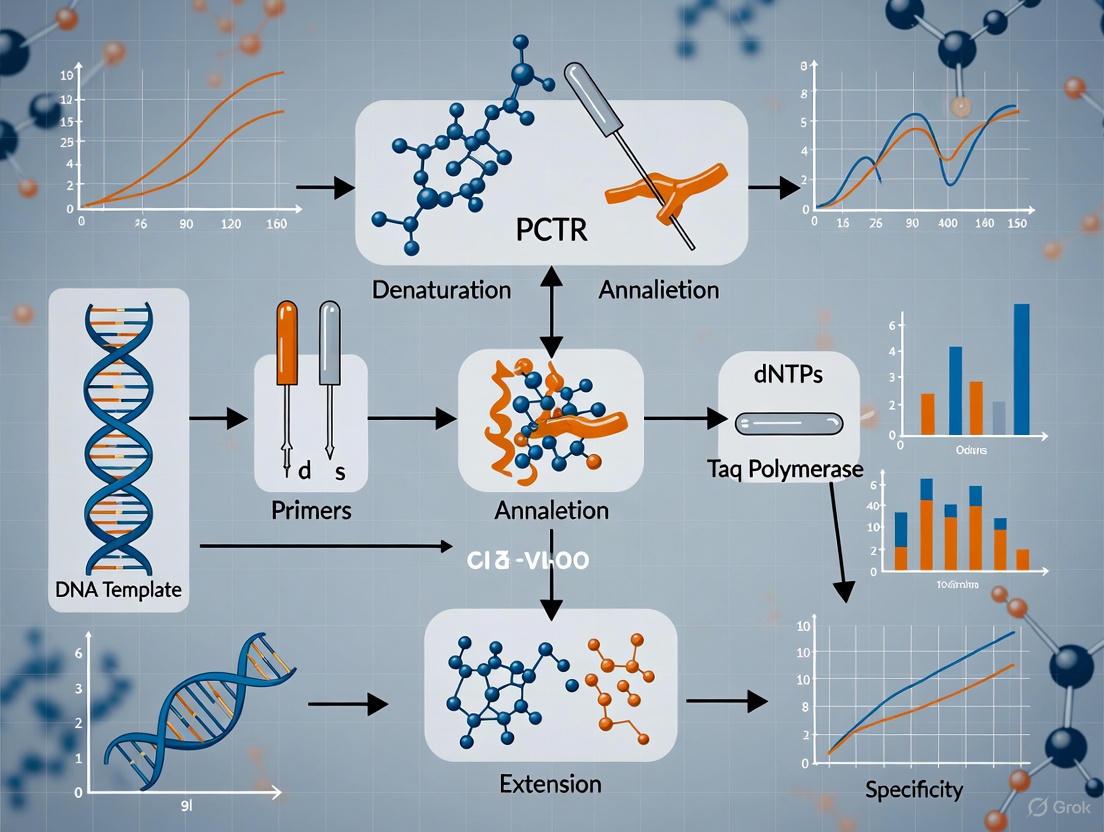
Digital PCR in Liquid Biopsy: Principles, Applications, and Frontiers in Clinical Research
This article provides a comprehensive overview of digital PCR (dPCR) and its transformative role in liquid biopsy for researchers and drug development professionals.
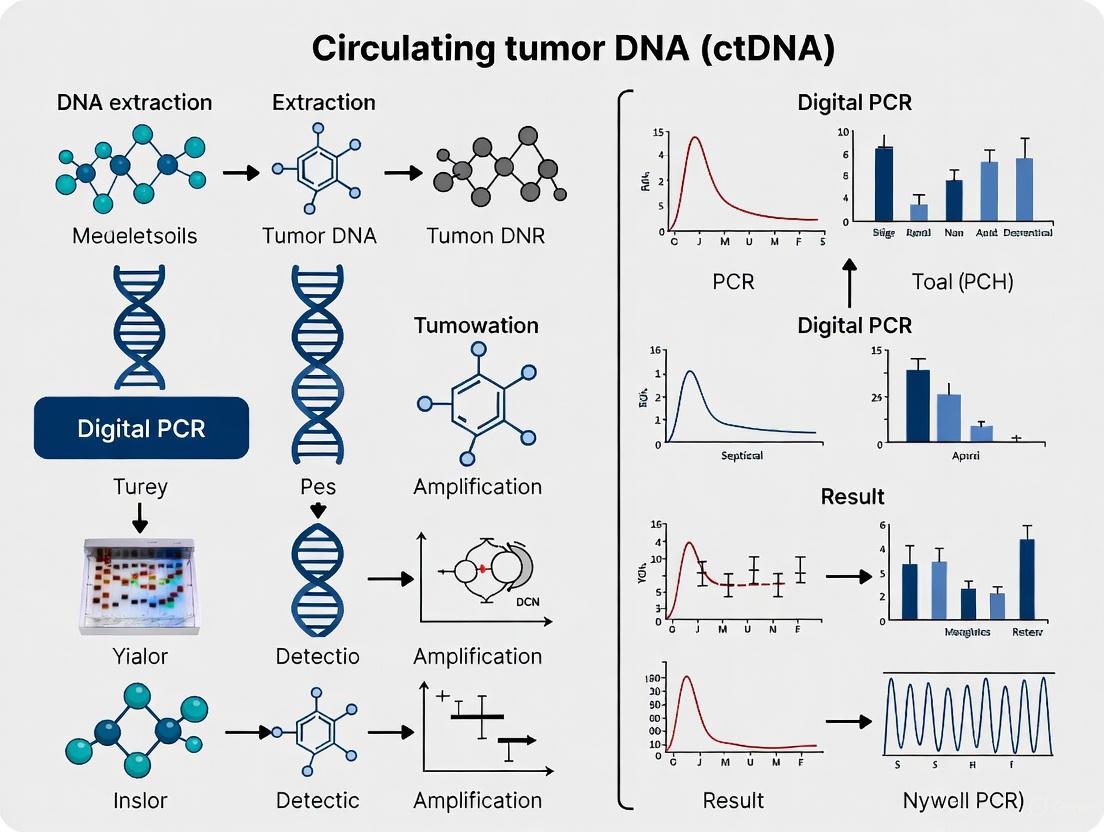
Circulating Tumor DNA and Digital PCR: A Comprehensive Guide for Cancer Researchers and Drug Developers
This article provides a comprehensive overview of circulating tumor DNA (ctDNA) and digital PCR (dPCR) for researchers, scientists, and drug development professionals.
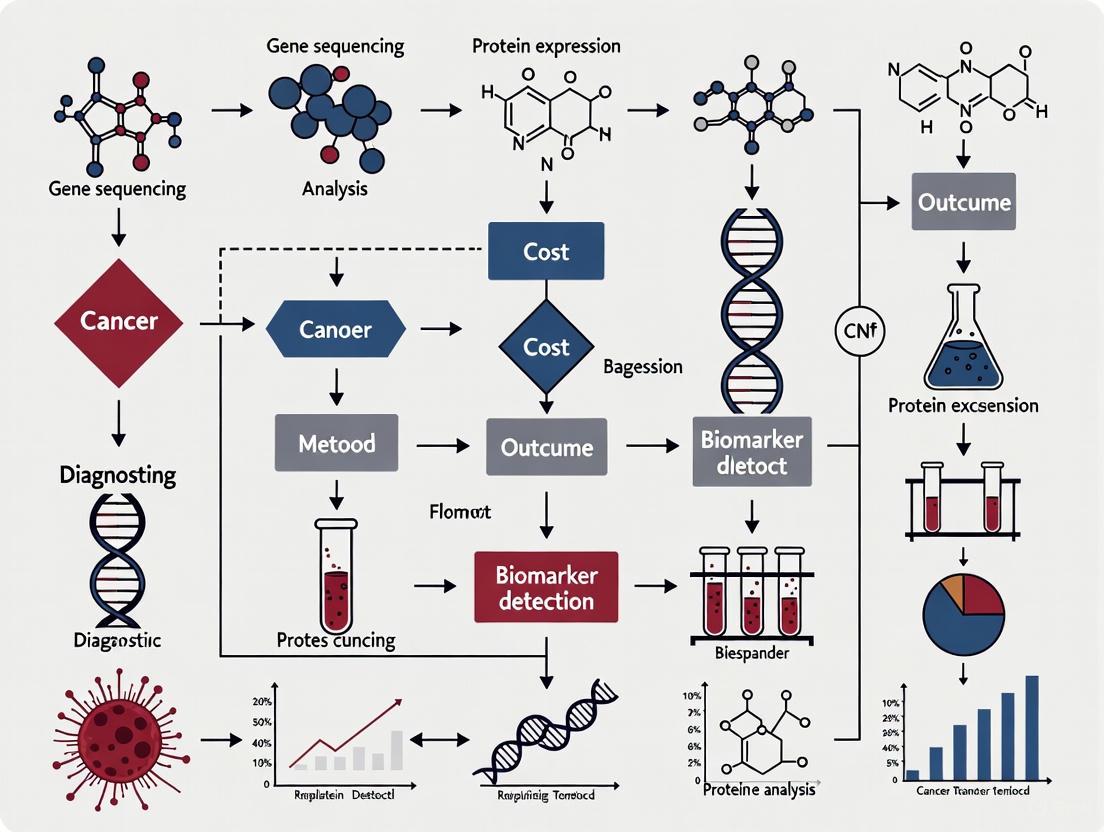
Cost-Effectiveness in Modern Oncology: An Economic Analysis of Genomic, AI-Driven, and Traditional Testing Approaches
This article provides a comprehensive analysis of the cost-effectiveness of evolving cancer testing modalities, tailored for researchers, scientists, and drug development professionals.
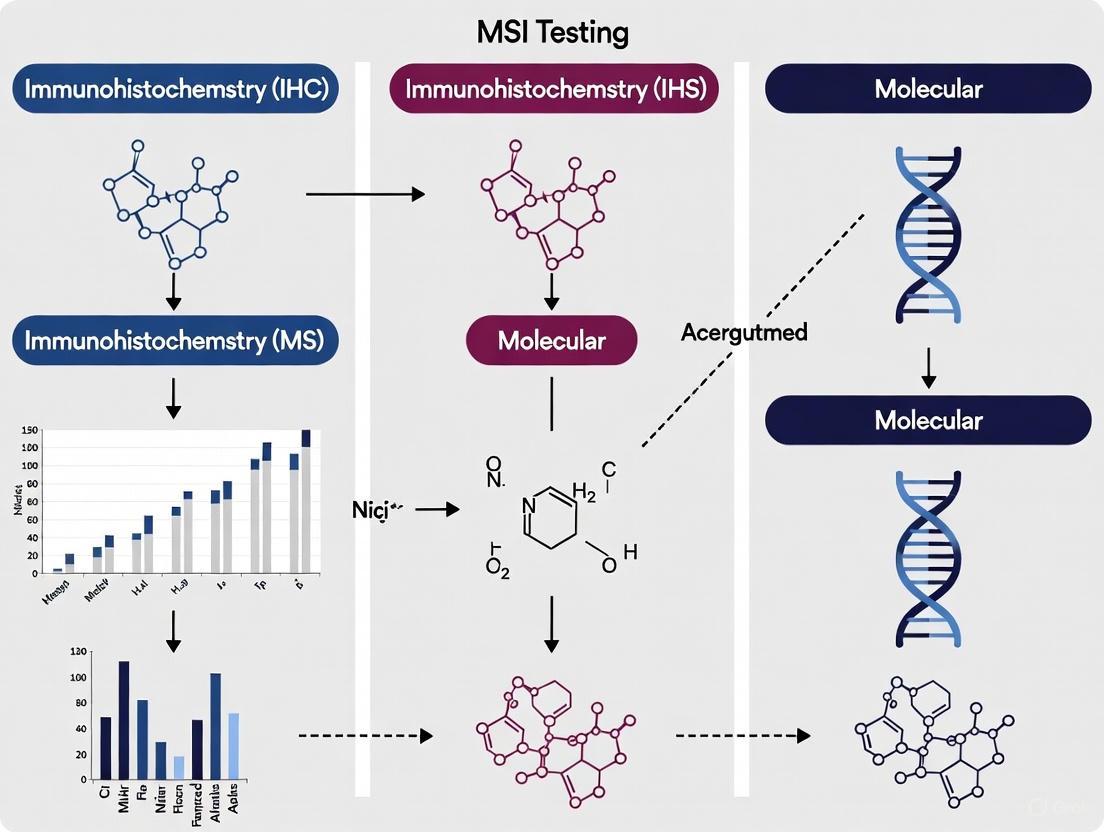
MSI Testing in Precision Oncology: A Comparative Guide to Immunohistochemistry vs. Molecular Methods for Researchers
This article provides a comprehensive analysis for researchers and drug development professionals on the two primary methodologies for detecting microsatellite instability (MSI) and mismatch repair deficiency (dMMR)—immunohistochemistry (IHC) and molecular...
Large vs. Focused Cancer Gene Panels: A Performance Evaluation for Research and Drug Development
This article provides a comprehensive performance evaluation of large (comprehensive) versus focused (limited) gene panels in oncology next-generation sequencing.
RNA-seq vs. DNA-seq for Gene Fusion Detection: A Comprehensive Guide for Researchers and Clinicians
Accurate detection of oncogenic gene fusions is critical for cancer classification, prognosis, and targeted therapy.
Benchmarking Mutation Calling Algorithms: A Comprehensive Guide for Genomic Research and Precision Medicine
This article provides a comprehensive comparative analysis of mutation calling algorithms, addressing a critical need in genomics research and clinical diagnostics.
Concordance Between Tissue and Liquid Biopsy: A Foundational Guide for Precision Oncology Research and Drug Development
This article provides a comprehensive analysis of the concordance between tissue and liquid biopsy for genomic profiling in cancer.
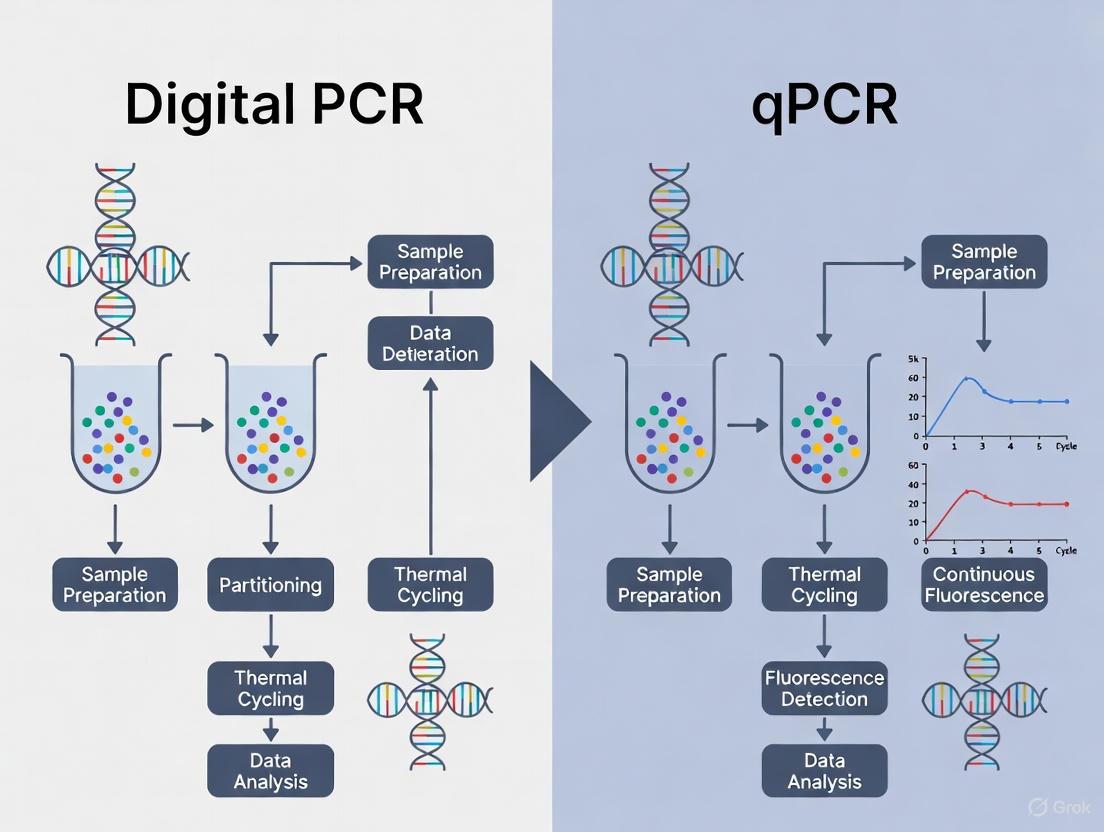
Digital PCR vs. qPCR for Liquid Biopsy: A Comprehensive Guide for Precision Oncology and Clinical Research
This article provides a detailed comparison of digital PCR (dPCR) and quantitative real-time PCR (qPCR) for liquid biopsy applications, tailored for researchers, scientists, and drug development professionals.
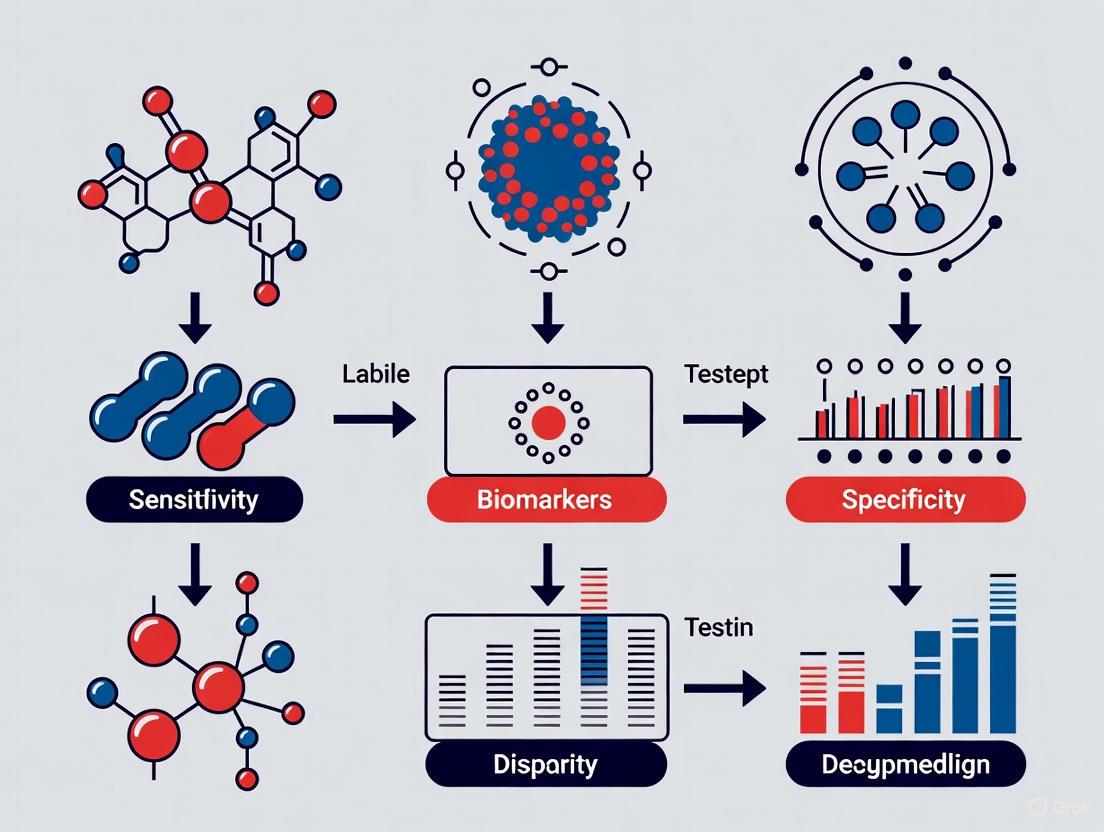
Sensitivity and Specificity in Cancer Diagnostics: A Comparative Analysis of Modern Testing Platforms
This article provides a comprehensive analysis of the sensitivity and specificity profiles of current and emerging cancer testing platforms, tailored for researchers, scientists, and drug development professionals.