Targeted NGS Panels for Solid Tumors: A Comprehensive Guide for Precision Oncology Development
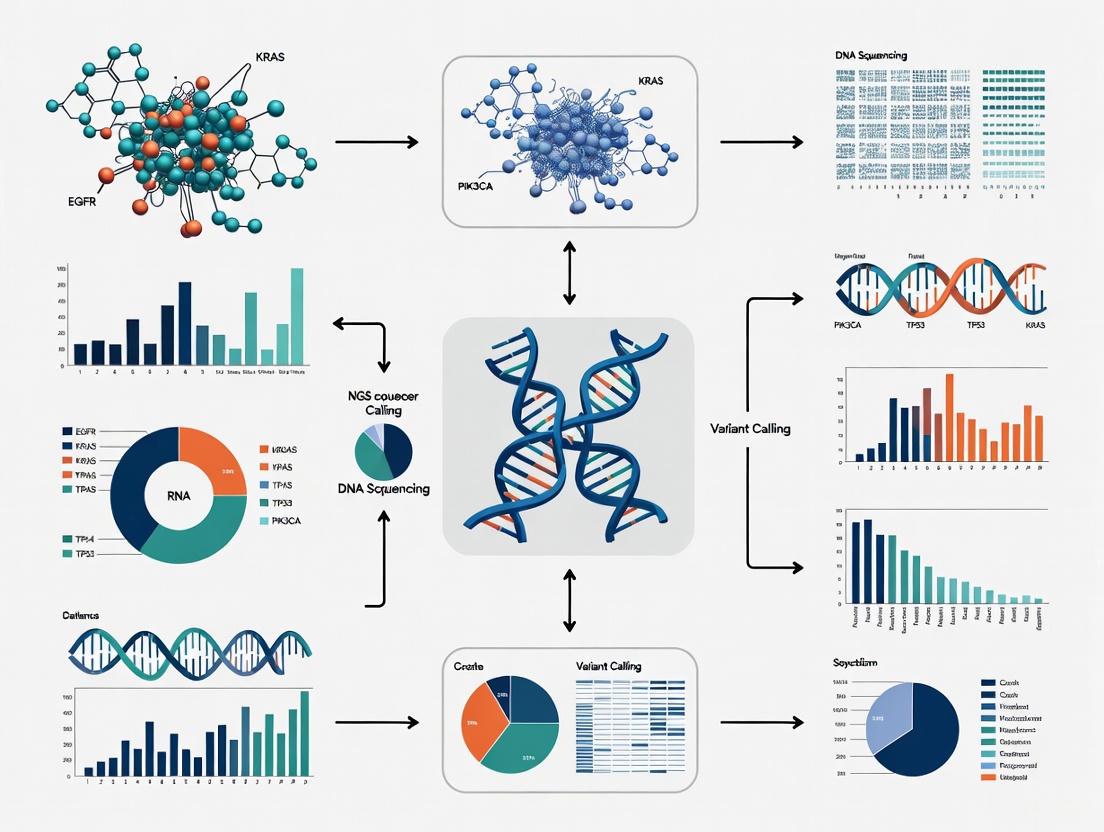
Targeted Next-Generation Sequencing (NGS) panels are revolutionizing precision oncology by enabling comprehensive genomic profiling of solid tumors.
Targeted NGS Panels for Solid Tumors: A Comprehensive Guide for Precision Oncology Development
Abstract
Targeted Next-Generation Sequencing (NGS) panels are revolutionizing precision oncology by enabling comprehensive genomic profiling of solid tumors. This article provides researchers, scientists, and drug development professionals with a detailed exploration of targeted NGS panels, covering their foundational principles, design methodologies, and clinical applications. It further addresses key challenges in optimization and troubleshooting, presents rigorous validation frameworks, and offers comparative analyses of current technologies. By synthesizing the latest advancements and practical insights, this resource aims to support the development and implementation of robust, clinically actionable NGS panels that accelerate personalized cancer therapy and biomarker discovery.
The Rise of Targeted NGS: Foundational Principles and Clinical Imperatives in Solid Tumor Profiling
Core Concepts of Targeted NGS Panels
Targeted Next-Generation Sequencing (NGS) panels are a focused genomic approach that sequences a predefined set of genes or genomic regions with known clinical or research relevance [1] [2]. Unlike broader sequencing methods, targeted panels use a process called target enrichment to selectively capture and amplify specific regions of interest from the genome before sequencing [3] [4]. This focused strategy is particularly powerful in oncology for profiling solid tumors, as it allows researchers to concentrate on known cancer-associated genes, biomarkers, and therapeutic targets [5] [2].
The two primary technical methods for target enrichment are:
- Hybridization Capture: Utilizes biotinylated oligonucleotide probes (baits) that are complementary to the target sequences. These probes hybridize to the regions of interest in solution or on a solid substrate, enabling their isolation from the rest of the genomic material [3] [4].
- Amplicon-Based Enrichment: Employs polymerase chain reaction (PCR) with primers specifically designed to flank and amplify the target regions. This method is known for its simplicity, speed, and efficiency with low input samples [3].
Quantitative Comparison of NGS Approaches
The table below summarizes the key technical and practical differences between Whole-Genome Sequencing (WGS), Whole-Exome Sequencing (WES), and Targeted NGS Panels.
Table 1: Comparison of Whole-Genome, Whole-Exome, and Targeted Sequencing Approaches
| Feature | Whole-Genome Sequencing (WGS) | Whole-Exome Sequencing (WES) | Targeted NGS Panels |
|---|---|---|---|
| Sequencing Region | Entire genome (~3 Gb) [6] | Whole exome (>30 Mb); protein-coding regions (~2% of genome) [6] [7] | Selected genes or regions (tens to thousands) [6] |
| Sequencing Depth | >30X [6] | 50-150X [6] | >500X, often 1000X or higher [6] [1] |
| Data Volume | >90 GB [6] | 5-10 GB [6] | Significantly smaller than WGS/WES [4] |
| Detectable Variants | SNPs, InDels, CNVs, Fusions, Structural Variants [6] | SNPs, InDels, CNVs, Fusions [6] | SNPs, InDels, CNVs, Fusions [6] [8] |
| Primary Advantage | Most comprehensive; discovers novel variants [9] [1] | Balances coverage of coding regions with cost [9] | High sensitivity for low-frequency variants; cost-effective for focused questions [1] [7] |
Advantages of Targeted NGS in Solid Tumor Research
For research on solid tumors, targeted NGS panels offer several distinct advantages over WGS and WES, making them particularly suitable for clinical research and diagnostic applications.
Higher Sensitivity and Accuracy: By sequencing at a much greater depth (often exceeding 500x), targeted panels can confidently identify low-frequency mutations that might be missed by WGS or WES [7]. This is critical for detecting subclonal populations within a heterogeneous tumor or for analyzing samples with low tumor content, such as circulating tumor DNA (ctDNA) from liquid biopsies [1] [2]. The high depth also provides more confidence in variant calling.
Cost-Effectiveness and Faster Turnaround: Targeted sequencing is more affordable than WGS or WES because it focuses only on clinically or research-relevant genes, reducing the amount of sequencing required [1] [7]. This focused approach also streamlines data analysis, leading to a significantly shorter turnaround time. One study reported reducing the time from sample processing to results to just 4 days for an in-house solid tumor panel, compared to approximately 3 weeks when outsourcing [5].
Simplified Data Analysis and Management: Targeted panels generate smaller, more manageable datasets compared to the massive data volumes of WGS [4] [2]. This reduces the computational resources and bioinformatics expertise needed for data storage and interpretation, allowing researchers and clinicians to focus on actionable findings [1].
Optimized for Challenging Clinical Samples: Solid tumor research often relies on Formalin-Fixed Paraffin-Embedded (FFPE) tissue, which yields fragmented and degraded DNA [10]. Targeted panels, especially amplicon-based approaches, are designed to work robustly with these low-quality and low-quantity input samples, ensuring reliable results from precious clinical material [3].
Experimental Protocol for Validating a Targeted NGS Panel for Solid Tumors
The following workflow and detailed protocol describe the key steps for establishing and validating a targeted NGS panel, such as the 61-gene "TTSH-oncopanel" for solid tumors [5].
Step 1: Sample Collection and Quality Control
Collect tumor samples, which can include tissue biopsies (e.g., FFPE blocks) or liquid biopsies (blood for ctDNA) [2]. For FFPE samples, careful preparation and preservation are crucial, as DNA is often fragmented, and poor quality can compromise results [10]. Assess DNA quality and quantity using methods like fluorometry. The validated protocol for the TTSH-oncopanel recommends using ≥ 50 ng of DNA as input for reliable performance [5].
Step 2: Library Preparation and Target Enrichment
Convert the isolated DNA into a sequencing library by fragmenting the DNA and ligating platform-specific adapters [2]. Enrich the target regions using either:
- Hybridization Capture: Incubate the library with biotinylated probes targeting the 61 cancer-associated genes, followed by capture with magnetic streptavidin beads [5] [3].
- Amplicon-Based Enrichment: Use a multiplex PCR approach with primers designed to flank all targeted regions [3].
Step 3: Next-Generation Sequencing
Pool the enriched libraries and load them onto a benchtop sequencer, such as an MGI DNBSEQ-G50RS or Illumina MiSeq [5]. Sequence to a high depth of coverage to ensure high sensitivity. The TTSH-oncopanel achieved a median read coverage of 1671x, which is typical for targeted sequencing [5].
Step 4: Bioinformatic Analysis and Interpretation
Process the raw sequencing data through a pipeline that includes:
- Alignment: Map sequence reads to a reference human genome (e.g., hg19).
- Variant Calling: Identify single nucleotide variants (SNVs), insertions/deletions (indels), and copy number variations (CNVs) using specialized software [5] [2].
- Annotation and Filtering: Annotate variants using clinical databases (e.g., COSMIC, ClinVar) and filter based on quality metrics and allele frequency. The TTSH-oncopanel validation used Sophia DDM software with machine learning for variant analysis [5].
Performance Metrics and Validation
Rigorous validation is essential before implementing a targeted NGS panel in a clinical research setting. The following performance characteristics were demonstrated during the validation of the 61-gene solid tumor panel [5]:
Table 2: Analytical Performance Metrics of a Validated Solid Tumor NGS Panel
| Performance Metric | Result | Description |
|---|---|---|
| Sensitivity | 98.23% | Ability to detect true positive mutations [5] |
| Specificity | 99.99% | Ability to correctly identify true negatives [5] |
| Precision | 97.14% | Reproducibility of variant detection [5] |
| Accuracy | 99.99% | Overall correctness of the assay [5] |
| Limit of Detection (VAF) | 2.9% | Lowest variant allele frequency reliably detected [5] |
| Turnaround Time | ~4 days | From sample processing to final report [5] |
Key Validation Experiments:
- Limit of Detection (LoD): Serially dilute a reference standard (e.g., HD701) to determine the minimum variant allele frequency (VAF) the assay can reliably detect. The TTSH-oncopanel established an LoD of 2.9% for both SNVs and INDELs [5].
- Reproducibility and Repeatability: Process and sequence the same sample across multiple runs (inter-run) and within the same run (intra-run) to assess consistency. The panel demonstrated 99.99% reproducibility and repeatability [5].
- Concordance with Orthogonal Methods: Compare the NGS panel results with known data from external quality assessment (EQA) samples or other validated methods (e.g., Sanger sequencing). The validation achieved 100% concordance for 92 known variants [5].
The Scientist's Toolkit: Essential Research Reagents and Materials
Table 3: Key Reagents and Materials for Targeted NGS in Solid Tumors
| Item | Function/Description | Example in Validated Protocol |
|---|---|---|
| Hybridization Capture Probes | Biotinylated oligonucleotides designed to bind and enrich specific genomic regions of interest. | Custom 61-gene pan-cancer panel probes [5]. |
| Library Preparation Kit | Reagents for fragmenting DNA, ligating adapters, and amplifying the library for sequencing. | Library kit from Sophia Genetics, compatible with an automated system [5]. |
| Automated Library Prep System | Instrument to standardize and streamline library preparation, reducing human error and contamination. | MGI SP-100RS library preparation system [5]. |
| NGS Benchtop Sequencer | Platform for performing massively parallel sequencing of the prepared libraries. | MGI DNBSEQ-G50RS sequencer [5]. |
| Reference Control DNA | Genetically characterized material used for assay validation, quality control, and monitoring performance. | HD701 reference standard with 13 known mutations [5]. |
| Bioinformatics Software | Computational tools for sequence alignment, variant calling, annotation, and clinical interpretation. | Sophia DDM software with machine learning for variant analysis [5]. |
Precision oncology has evolved from a conceptual framework to a clinically validated strategy, fundamentally transforming cancer treatment and drug development over the past decade [11]. This approach utilizes comprehensive genomic profiling to identify "actionable mutations" - specific molecular alterations in tumors that can be targeted with matched therapeutic agents. The clinical utility of this paradigm depends on effectively linking three critical components: robust identification of actionable mutations, access to appropriate targeted therapies, and validated companion diagnostics to connect the right patient with the right treatment [12].
The European Society for Medical Oncology (ESMO) has established the Scale for Clinical Actionability of Molecular Targets (ESCAT) to provide oncologists with a standardized, evidence-based approach for prioritizing molecular targets based on the strength of clinical evidence [11]. This framework categorizes molecular targets into tiers ranging from tier I (alterations suitable for specific targeted therapies based on clinical trial evidence) to tier IV (alterations with preliminary clinical evidence supporting potential efficacy) [11]. The integration of next-generation sequencing (NGS) technologies into clinical diagnostics has been instrumental in advancing this field, enabling simultaneous analysis of hundreds of cancer-related genes with unprecedented speed, accuracy, and cost-effectiveness [13].
Table 1: ESMO Scale for Clinical Actionability of Molecular Targets (ESCAT)
| ESCAT Tier | Level of Evidence | Clinical Implication |
|---|---|---|
| Tier I | Alterations validated as biomarkers for FDA/EMA-approved targeted therapies in specific cancer types | Ready for implementation in clinical practice; standard of care |
| Tier II | Alterations that function as biomarkers for targeted therapies, but evidence comes from clinical trials in different tumor types or settings | Strong rationale for targeted therapy, but may require consultation of molecular tumor board |
| Tier III | Alterations with compelling clinical evidence in basket trials or retrospective cohorts | Support inclusion in clinical trials when available |
| Tier IV | Preclinical evidence supporting biological plausibility for targeting | Consider for clinical trials if no higher-tier alterations are present |
This application note examines the integrated workflow connecting mutation detection to therapy, presents performance data for NGS-based testing approaches, details experimental protocols for solid tumor profiling, and highlights essential research tools driving innovation in companion diagnostic development.
Actionable Mutation Detection and Therapy Matching: Performance Metrics
Long-term data from institutional precision medicine programs demonstrates the evolving success of linking actionable mutations to matched therapies. The Vall d'Hebron Institute of Oncology (VHIO) precision medicine program reported a substantial increase in actionable alteration detection over a decade, from 10.1% in 2014 to 53.1% in 2024, paralleling advances in sequencing technologies, expanded assay content, and growing biomarker knowledge [11]. This improved detection directly translated to enhanced therapy access, with patients receiving molecularly matched therapies rising from 1% in 2014 to 14.2% in 2024 [11].
Critically, among patients with identified actionable alterations, 23.5% received biomarker-guided therapies, with annual rates ranging from 19.5% to 32.7% [11]. These metrics approach ESMO's recommended benchmark of 25% and optimal benchmark of 33% for patients with ESCAT tier I-IV alterations receiving molecularly guided treatments [11]. Liquid biopsy integration has notably enhanced both actionable target detection and therapy access by overcoming tissue availability limitations [11] [14].
Table 2: Performance Metrics for Actionable Mutation Detection and Therapy Matching in Solid Tumors
| Parameter | Performance Metric | Context/Trend |
|---|---|---|
| Actionable Alteration Detection Rate | 53.1% (2024) | Increased from 10.1% in 2014 [11] |
| Patients Receiving Matched Therapies | 14.2% (2024) | Increased from 1% in 2014 [11] |
| Therapy Matching in Actionable Alteration Patients | 23.5% (overall) | Ranges annually between 19.5%-32.7% [11] |
| Tissue-Plasma Concordance | 82% (NSCLC) | UltraSEEK Lung Panel vs. tissue NGS [14] |
| Therapeutically Relevant Mutation Detection | 23% (NSCLC plasma) | Identified as eligible for BRAF/EGFR/KRASG12C therapies [14] |
| NGS Panel Turnaround Time | 4 days (in-house) | Reduced from approximately 3 weeks with external testing [5] |
The growing clinical utility of comprehensive genomic profiling is reflected in the expanding companion diagnostics market, which is projected to grow from USD 7.03 billion in 2024 to USD 22.83 billion by 2034, representing a compound annual growth rate of 12.5% [15]. This expansion is driven by rising cancer prevalence, advancements in precision medicine, and increasing regulatory approvals for companion diagnostic tests [15].
Companion Diagnostics: Bridging Mutation Detection to Targeted Therapy
Companion diagnostics (CDx) are medical devices that provide information essential for the safe and effective use of a corresponding therapeutic product [12]. These tests are clinically proven to accurately and reliably identify patients who are most likely to benefit from FDA-approved therapies and must undergo rigorous review and approval processes before clinical use [12]. The fundamental role of companion diagnostics is to serve as the critical decision-making tool that connects molecular characterization to therapeutic intervention.
Companion diagnostics must demonstrate robust analytical validity (accurately and reliably detecting specific biomarkers), clinical validity (proven ability to predict patient response to treatment), and clinical utility (improving patient outcomes) [12]. Regulatory approvals for novel companion diagnostics have expanded significantly, with examples including the recent NMPA approval in China for the PanTRKare NTRK1/NTRK2/NTRK3 Gene Fusion Detection Kit as the first NGS-based pan-solid tumor companion diagnostic to identify patients with NTRK fusion-positive solid tumors eligible for entrectinib [16]. This assay successfully detected over 200 unique NTRK fusion variants across 33 tumor types in validation studies [16].
Similarly, the FDA-approved FoundationOne CDx and FoundationOne Liquid CDx tests analyze 324 cancer-related genes and provide companion diagnostic information for over 55 FDA-approved targeted therapies across multiple cancer types [12]. The TruSight Oncology Comprehensive test represents another advance as the first and only FDA-approved test offering a distributable comprehensive genomic profiling IVD kit with pan-cancer companion diagnostic claims, evaluating both DNA and RNA to better match cancer patients with targeted therapies or clinical trials [17].
Experimental Protocols: NGS-Based Solid Tumor Profiling
Sample Preparation and Quality Control
Protocol: DNA Extraction from Formalin-Fixed Paraffin-Embedded (FFPE) Tissue and Circulating Cell-Free DNA (ccfDNA) from Plasma
FFPE DNA Extraction:
- Obtain 5-10 μm FFPE tissue sections and deparaffinize using xylene or alternative deparaffinization solutions.
- Digest tissue samples with proteinase K at 56°C for 3-24 hours (duration depends on tissue size and fixation).
- Extract DNA using commercially available FFPE DNA extraction kits (e.g., QIAamp DNA FFPE Tissue Kit).
- Elute DNA in low-EDTA TE buffer or nuclease-free water.
- Quantify DNA using fluorometric methods (e.g., Qubit dsDNA HS Assay); assess quality via spectrophotometric ratios (A260/A280 ≈ 1.8-2.0) and fragment analysis.
Circulating Cell-Free DNA Extraction:
- Collect blood in specialized collection tubes (e.g., Cell-Free DNA BCTs by Streck).
- Process within 48 hours with a double-centrifugation protocol: first centrifugation at 1600 × g for 10 minutes, followed by supernatant transfer and second centrifugation at 16,000 × g for 10 minutes [14].
- Extract ccfDNA from 2 mL plasma using silica-based membrane technology (e.g., QiaAMP Circulating Nucleic Acid Kit) and elute in 47 μL AVE elution buffer [14].
- Quantify ccfDNA using both fluorometric methods (Qubit dsDNA HS Assay) and digital PCR-based quantification (e.g., LiquidIQ Panel) [14].
Quality Control Requirements:
- FFPE DNA: Minimum input ≥50 ng; DNA concentration ≥2.5 ng/μL; fragment size >300 bp preferred.
- ccfDNA: Minimum input ≥50 ng; concentration ≥0.5 ng/μL; fragment size peak ~167 bp.
Library Preparation and Target Enrichment
Protocol: Hybridization Capture-Based Library Preparation for Targeted NGS Panels
Library Construction:
- Fragment DNA to desired size (200-500 bp) if necessary (typically required for high molecular weight DNA but not for already fragmented FFPE or ccfDNA).
- Repair DNA ends and adenylate 3' ends.
- Ligate platform-specific adapters with unique dual indexing barcodes to enable sample multiplexing.
Target Enrichment:
- Hybridize library to biotinylated oligonucleotide probes targeting specific gene panels (e.g., 61-gene oncopanel or comprehensive 324-gene panels).
- Incubate at 65°C for 16-24 hours with rotation.
- Capture probe-bound fragments using streptavidin-coated magnetic beads.
- Wash to remove non-specifically bound DNA.
- Amplify captured libraries with limited-cycle PCR (typically 10-12 cycles).
Library QC:
- Quantify final libraries using fluorometric methods.
- Assess library size distribution using microfluidic capillary electrophoresis (e.g., Bioanalyzer, TapeStation).
- Normalize libraries to equal concentration for pooling.
Sequencing and Data Analysis
Protocol: Sequencing on Illumina Platforms and Bioinformatic Processing
Sequencing:
- Denature pooled libraries with NaOH and dilute to optimal loading concentration (typically 1.2-1.8 pM).
- Load onto appropriate sequencing platforms (e.g., MiSeqDx, MiSeq i100, DNBSEQ-G50RS).
- Perform sequencing with paired-end reads (2×75 bp to 2×150 bp) to achieve minimum coverage of 500× for tissue and 3000× for liquid biopsy samples.
Bioinformatic Analysis:
- Demultiplex reads based on index sequences.
- Align sequences to reference genome (GRCh37/hg19 or GRCh38/hg38) using optimized aligners (e.g., BWA, STAR).
- Perform base quality score recalibration and local realignment around indels.
- Call variants (SNVs, indels, CNVs, fusions) using validated algorithms with minimum variant allele frequency thresholds (typically 2.9-5% for tissue, 0.5-1% for liquid biopsy) [5] [18].
- Annotate variants using curated databases (e.g., COSMIC, dbSNP, ClinVar).
- Filter variants based on quality metrics, population frequency, and clinical relevance.
- Interpret variants according to established guidelines (ESCAT, AMP/ASCO/CAP) [11].
Quality Metrics:
- Minimum 80% of targets covered at ≥100× for tissue, ≥500× for liquid biopsy.
- Sensitivity >95% for SNVs/Indels at 5% VAF in tissue, 0.5% VAF in liquid biopsy.
- Specificity >99% for all variant types [18].
Signaling Pathways and Workflow Visualization
Diagram 1: Linking actionable mutations to targeted therapies through companion diagnostics. The workflow begins with comprehensive genomic profiling of tumor samples, identifies actionable mutations, validates them through companion diagnostics, and connects appropriate patients to matched targeted therapies.
Research Reagent Solutions for NGS-Based Companion Diagnostic Development
Table 3: Essential Research Reagents and Platforms for NGS-Based Companion Diagnostic Development
| Reagent/Platform | Function | Example Applications |
|---|---|---|
| Hybridization Capture Kits | Target enrichment for comprehensive genomic profiling | TruSight Oncology Comprehensive (Illumina); covers 500+ genes with DNA and RNA analysis [17] |
| Amplicon-Based Panels | Targeted amplification of specific gene regions | oncoReveal CDx (Pillar Biosciences); targeted panels for solid tumors and hematologic malignancies [19] |
| Liquid Biopsy Assays | Detection of circulating tumor DNA in plasma | FoundationOne Liquid CDx; Guardant360 CDx; Hedera Profiling 2 (HP2) ctDNA panel [18] [12] |
| Automated Library Preparation Systems | Standardized, high-throughput NGS library preparation | MGI SP-100RS library preparation system; reduces human error and contamination risk [5] |
| NGS Platforms | Benchtop sequencing instruments | Illumina MiSeqDx, MiSeq i100; DNBSEQ-G50RS; support IVD and RUO testing [5] [17] |
| Variant Annotation Software | Clinical interpretation of genomic variants | Sophia DDM with OncoPortal Plus; classifies somatic variations by clinical significance [5] |
| Reference Standards | Quality control and assay validation | HD701 and other commercial reference standards with known variant profiles [5] |
The integration of comprehensive genomic profiling, validated companion diagnostics, and targeted therapies represents a transformative approach in oncology care. The protocols and data presented in this application note demonstrate that robust detection of actionable mutations, when coupled with appropriate companion diagnostic strategies, enables precise matching of patients to effective targeted treatments. As the field advances, continued innovation in NGS technologies, liquid biopsy applications, and bioinformatic interpretation will further enhance our ability to identify clinical drivers in cancer and connect them to appropriate therapeutic interventions, ultimately improving outcomes for cancer patients through precision medicine.
The precision oncology market is undergoing a period of rapid expansion, fueled by technological advancements in genomic sequencing, increasing cancer prevalence, and growing adoption of personalized treatment approaches. This market encompasses diagnostic technologies, targeted therapeutics, and comprehensive analytical tools designed to deliver cancer care based on an individual's unique genetic profile.
Global Market Projections
The table below summarizes the current and projected global market size for precision oncology from multiple authoritative sources:
| Source/Year | 2024/2025 Market Size | Projected Year | Projected Market Size | Compound Annual Growth Rate (CAGR) |
|---|---|---|---|---|
| Research and Markets [20] | $106.21 Billion (2025) | 2029 | $158.9 Billion | 10.6% |
| SNS Insider [21] | $118.69 Billion (2025) | 2033 | $400.67 Billion | 16.45% |
| Industry Research [22] | $60,416.45 Million (2025) | 2034 | $140,216.77 Million | 9.81% |
North America dominates the global landscape, accounting for approximately 44-45% of the market share, followed by Europe (27%) and the Asia-Pacific region, which is poised for the fastest growth [20] [22] [23]. This growth is primarily driven by the rising adoption of genomics-based diagnostics, next-generation sequencing (NGS), and targeted cancer therapies [20].
Key Market Trends and Drivers
Dominant Market Segments and Applications
Analysis of the market segmentation reveals critical insights into the core components and applications driving the precision oncology field.
Table 2: Precision Oncology Market Segmentation
| Segment | Dominant Sub-Segment | Key Statistics & Trends |
|---|---|---|
| Type | Therapeutics [22] [23] | Holds 39% [22] to 87% [23] of market share. Over 145 FDA-approved precision drugs available [22]. |
| Diagnostics [23] | Fastest-growing segment; accounts for 61% of market activities [22]. | |
| Technology | Next-Generation Sequencing (NGS) [21] | Held 38.91% share in 2025; adoption increased by 46% in 2024 [21] [22]. |
| Application | Oncology [21] | Accounted for 42.36% market share in 2025 [21]. Over 75% of cancer centers integrated genomic profiling in 2024 [22]. |
| End User | Hospitals [21] | Largest share (40.58%) due to infrastructure and integrated diagnosis systems [21]. |
| Pharma & Biotech Companies [23] | Fastest-growing sector, driven by R&D investments in targeted therapies [23]. |
Emerging Technological and Clinical Trends
- Advancements in Genomic Profiling: There is a significant shift from single-gene tests and small panels (≤60 genes) to Comprehensive Genomic Profiling (CGP) using larger panels (>60 genes) and whole-exome/transcriptome sequencing [24] [25]. CGP significantly improves patient eligibility for targeted therapies, particularly in cancers like cholangiocarcinoma, pancreatic carcinoma, and gastro-oesophageal carcinoma [24].
- Liquid Biopsy and Non-Invasive Monitoring: Liquid biopsy adoption rose by 38% in 2024, enabling non-invasive detection of circulating tumor DNA (ctDNA) for early cancer detection, monitoring treatment response, and tracking minimal residual disease (MRD) [22] [2].
- Integration of Artificial Intelligence (AI): AI and machine learning are revolutionizing diagnostics and drug discovery. Approximately 49% of institutions implemented AI for tumor mutation burden assessment, and AI-driven bioinformatics platforms are essential for analyzing vast genomic datasets [22] [23].
- Molecular Tumour Boards (MTBs): MTBs are becoming standard in clinical practice, where multidisciplinary specialists interpret complex genomic data to guide therapy. MTB discussion adds a minimal cost (2-3% of the diagnostic journey) while significantly optimizing treatment matching [20] [24].
Application Note: Implementing a Targeted NGS Panel for Solid Tumors
Experimental Protocol: Validation of a Targeted NGS Panel
The following protocol is adapted from a recent study developing and validating a 61-gene oncopanel for routine clinical testing in solid tumors [5].
Objective
To establish a sensitive, high-throughput, and clinically applicable targeted NGS assay for identifying somatic mutations in solid tumor samples with a reduced turnaround time.
Materials and Workflow
Diagram 1: Targeted NGS Workflow
Key Reagents and Equipment
Table 3: Research Reagent Solutions for Targeted NGS
| Item | Function/Description | Example/Specification |
|---|---|---|
| Solid Tissue or Liquid Biopsy | Source of tumor DNA/RNA. | FFPE tissue, fresh frozen tissue, or blood for ctDNA [5] [2]. |
| Nucleic Acid Extraction Kits | Isolation of high-quality DNA/RNA. | Spin column or magnetic bead-based kits [2]. |
| Hybrid-Capture Based Library Kit | Prepares sequencing libraries from isolated DNA. | Sophia Genetics kit, compatible with automated systems [5]. |
| Targeted Gene Panel | Biotinylated oligonucleotides to enrich cancer-associated genes. | Custom 61-gene pan-cancer panel [5]. |
| Automated Library Prep System | Automates library prep to reduce error and contamination. | MGI SP-100RS system [5]. |
| NGS Sequencer | Platform for high-throughput parallel sequencing. | MGI DNBSEQ-G50RS or similar (e.g., Illumina, Ion Torrent) [5] [2]. |
| Bioinformatics Software | Analyzes raw data, aligns sequences, and calls variants. | Sophia DDM with machine learning for variant analysis [5]. |
Critical Experimental Parameters and Validation Results
The validation of the 61-gene panel established key performance metrics, demonstrating its robustness for clinical application [5].
Table 4: Assay Performance and Validation Metrics
| Parameter | Established Metric | Experimental Detail |
|---|---|---|
| DNA Input Requirement | ≥ 50 ng | Inputs ≤ 25 ng resulted in missed mutations [5]. |
| Limit of Detection (VAF) | 2.9% for SNVs and INDELs | Validated using diluted reference standards [5]. |
| Sensitivity | 98.23% | Ability to detect unique variants at 95% CI [5]. |
| Specificity | 99.99% | Ability to avoid false positives at 95% CI [5]. |
| Repeatability | 99.99% | Intra-run precision [5]. |
| Reproducibility | 99.98% | Inter-run precision [5]. |
| Turnaround Time (TAT) | ~4 days | From sample processing to final report [5]. |
Data Interpretation and Clinical Actionability
The final and most crucial step is translating genomic data into clinically actionable insights. This involves using specialized software to annotate variants and interpret their clinical significance, often guided by a structured tier system [5] [2]. A large-scale study of over 10,000 advanced solid tumors using CGP found that 92.0% of samples harbored at least one therapeutically actionable alteration [25]. This underscores the critical value of comprehensive genomic profiling in modern oncology.
Diagram 2: Clinical Decision Pathway
The precision oncology market is robust and expanding, propelled by the clinical necessity for personalized cancer care. The implementation of targeted NGS panels, as detailed in this application note, provides researchers and clinicians with a validated, efficient, and actionable framework for solid tumor profiling. The convergence of advanced diagnostics like CGP, integrative data analysis platforms, and multidisciplinary clinical review structures such as MTBs is fundamentally enhancing patient eligibility for matched therapies and improving outcomes in oncology.
Comprehensive Genomic Profiling (CGP) using next-generation sequencing (NGS) has become fundamental to precision oncology, enabling the identification of therapeutically actionable genomic alterations in solid tumors. These key alterations—single nucleotide variants (SNVs), copy number variations (CNVs), gene fusions, and microsatellite instability (MSI)—serve as critical biomarkers for diagnosis, prognosis, and treatment selection. The shift from single-gene tests to multi-gene panels reflects the growing recognition of their clinical utility and the need to efficiently map a complex genomic landscape [26]. Between 2015 and 2021, at least 25% of drugs approved by the US FDA were biomarker-matched therapies, underscoring the critical importance of this profiling [26]. This document details the prevalence, clinical significance, and standardized protocols for detecting these alterations in the context of targeted NGS panels for solid tumor research.
Landscape and Prevalence of Key Alterations
Large-scale genomic studies provide essential data on the frequency and distribution of alterations, which informs panel design and clinical decision-making. The following tables summarize the prevalence of actionable alterations and specific fusion genes across major tumor types.
Table 1: Prevalence of Actionable Genomic Alterations Across Common Solid Tumors [26]
| Tumor Type | SNVs | CNV Amplifications | CNV Deletions | Gene Fusions | Any Actionable Alteration |
|---|---|---|---|---|---|
| All Solid Tumors (n=11,091) | 85.3% | 20.2% | 6.6% | 3.9% | 92.0% |
| Breast Cancer | ~85%* | ~35%* | ~7%* | ~4%* | ~92%* |
| Colorectal Cancer (CRC) | ~85%* | ~20%* | ~6%* | ~4%* | ~92%* |
| Prostate Cancer | ~70%* | ~20%* | ~6%* | 42.0% | ~92%* |
| Non-Small Cell Lung Cancer (NSCLC) | ~85%* | ~20%* | ~6%* | ~4%* | ~92%* |
| Epithelial Ovarian Cancer (EOC) | ~85%* | ~20%* | ~6%* | ~4%* | ~92%* |
Note: Distributions for specific tumor types are estimated from Figure 2A in [26], where SNVs were less prevalent in prostate cancer and CNV amplifications more prevalent in breast cancer.
Biomarkers associated with on-label FDA-approved therapies were detected in 29.2% of samples, while those associated with off-label therapies were found in 28.0% [26]. Therapeutically actionable alterations of any kind were present in the vast majority (92.0%) of patient samples, highlighting the utility of broad genomic profiling [26].
Table 2: Prevalence of Select Fusion Genes in Solid Tumors
| Fusion Gene | Tumor Type with Highest Frequency | Prevalence in Specific Context |
|---|---|---|
| NRG1 | Prostate Cancer | 0.65% (in prostate cancer) [27] |
| NRG1 | Lung Cancer | 0.29% (in lung cancer) [27] |
| NRG1 | Breast Cancer | 0.47% (in breast cancer) [27] |
| METΔ14 | NSCLC | 2.7% (in NSCLC samples) [26] |
| RET | Pan-Cancer | Co-occurs with NRG1 fusions [27] |
The most frequent NRG1 fusion partner was CD74, accounting for 29.3% of cases [27]. A study of 25,203 solid tumors found that patients with NRG1 fusions had a significantly higher co-occurrence of FGFR1 mutations and RET fusions compared to those without NRG1 fusions [27].
Table 3: Prevalence of MSI-H and TMB-H Biomarkers
| Biomarker | Prevalence in All Solid Tumors | Clinical Significance |
|---|---|---|
| Microsatellite Instability-High (MSI-H) | Varies by tumor type | FDA-approved tissue-agnostic biomarker for immunotherapy; associated with Lynch syndrome [28] |
| Tumor Mutational Burden-High (TMB-H) | ≥10 mutations/megabase (FDA-approved threshold) [28] | FDA-approved tissue-agnostic biomarker for predicting response to immune checkpoint inhibitors [26] |
Experimental Protocols for Targeted NGS
Sample Collection and Nucleic Acid Isolation
Sample Types:
- Tissue Biopsy: Formalin-Fixed Paraffin-Embedded (FFPE) tissue is the most common sample type. Core needle or excisional biopsies are preferred to ensure sufficient tumor content.
- Liquid Biopsy: Blood samples collected in cell-stabilizing tubes (e.g., Streck Cell-Free DNA BCT) for plasma separation and circulating tumor DNA (ctDNA) analysis [2].
Nucleic Acid Isolation:
- DNA Extraction: Use commercially available kits (e.g., spin-column or magnetic bead-based) optimized for FFPE tissue or plasma. For FFPE, include a de-crosslinking step.
- Quality Control: Quantify DNA using a fluorometric method (e.g., Qubit). Assess DNA integrity via genomic DNA quality metrics or by PCR-based assays for FFPE DNA. A minimum input of 50 ng of DNA is recommended for robust library preparation [5].
Library Preparation and Target Enrichment
Two primary methods are used for target enrichment in library preparation:
- Hybridization-Capture-Based Method: DNA is sheared, and adapters are ligated to create a library. Biotinylated oligonucleotide probes complementary to the target regions are used to capture and enrich the sequences. This method is highly specific and efficient for large gene panels [5] [2].
- Amplicon-Based Enrichment: Target-specific primers amplify the regions of interest directly via PCR. This method is rapid and suitable for smaller panels [2].
Quality Control at Library Preparation: Post-preparation, libraries should be evaluated for size distribution, concentration, and purity using tools like the Bioanalyzer or qPCR to ensure sequencing readiness [2].
Next-Generation Sequencing
- Sequencing Platforms: Common platforms include Illumina (high accuracy, throughput) and Thermo Fisher's Ion Torrent (rapid turnaround) [2].
- Sequencing Parameters: Aim for a minimum of 500x median read coverage for tissue samples to reliably detect low-frequency variants. For liquid biopsies, which require higher sensitivity, a coverage of 5,000x to 10,000x or more is recommended [5] [29].
Bioinformatic Analysis and Interpretation
Data Analysis Workflow:
- Raw Data Processing: NGS platforms generate FASTQ files. These are quality-trimmed and aligned to a reference genome (e.g., GRCh37/38) using aligners like BWA.
- Variant Calling:
- SNVs/Indels: Use tools like GATK Mutect2 or VarScan2.
- CNVs: Utilize tools based on read-depth analysis (e.g., CNVkit, ADTEx).
- Fusions: Employ specialized callers (e.g., STAR-Fusion, Arriba).
- MSI: Use tools that compare microsatellite loci in tumor vs. normal samples (e.g., MANTIS, MSIsensor).
- Annotation and Interpretation: Variants are annotated using databases like COSMIC, ClinVar, and dbSNP. Clinical actionability is interpreted based on guidelines from OncoKB, CGC, and NCCN [2].
Key Performance Metrics: A validated targeted NGS panel demonstrated a sensitivity of 98.23% and specificity of 99.99% for detecting unique variants. The limit of detection (LOD) for SNVs and Indels was determined to be as low as 2.9% variant allele frequency (VAF) for tissue, and can reach 0.15% VAF for optimized liquid biopsy assays [5] [29].
Signaling Pathways and Biological Mechanisms
Genomic alterations drive oncogenesis by dysregulating critical cellular signaling pathways. The following diagram illustrates how the key alterations discussed converge on common oncogenic pathways.
Pathway Descriptions:
- RTK/RAS/MAPK Pathway: This pathway is frequently activated by SNVs in KRAS, NRAS, and BRAF, CNV amplifications in EGFR and MET, and fusion genes involving NRG1, NTRK, and RET. These alterations lead to constitutive signaling that drives cell proliferation and survival [26] [27].
- PI3K/AKT/mTOR Pathway: SNVs in PIK3CA and AKT1, as well as CNVs such as the loss of PTEN, hyperactivate this pathway, promoting cell growth and inhibiting apoptosis [26].
- Cell Cycle Dysregulation: CNV deletions of CDKN2A and other tumor suppressors remove critical cell cycle checkpoints, allowing uncontrolled cell division [26].
- Altered Immune Recognition: MSI-H status results from a deficient DNA mismatch repair (dMMR) system. This leads to the accumulation of thousands of frameshift mutations, which can generate novel neoantigens, making these tumors particularly susceptible to immune checkpoint blockade therapy [28].
The Scientist's Toolkit: Research Reagent Solutions
Table 4: Essential Reagents and Kits for Targeted NGS in Solid Tumors
| Reagent/Kits | Function | Example Use-Case |
|---|---|---|
| Hybridization-Capture Kit | Uses biotinylated probes to selectively enrich target genomic regions from a sequencing library. | Sophia Genetics DDM or similar kits for custom pan-cancer panels [5]. |
| Nucleic Acid Extraction Kits | Isolate high-quality DNA/RNA from challenging sample types like FFPE tissue or plasma. | Spin-column or magnetic bead-based kits (e.g., from Qiagen, Thermo Fisher) optimized for low-yield samples [2]. |
| Library Preparation Kit | Prepares fragmented nucleic acids for sequencing by adding platform-specific adapters and indexes. | Kits compatible with automated systems (e.g., MGI SP-100RS) to reduce human error and ensure consistency [5]. |
| Reference Standard (Control Material) | Provides a DNA sample with known mutations at defined allele frequencies for assay validation and quality control. | HD701 or similar multiplex reference standards used to determine limit of detection (LOD) and assay precision [5]. |
| Bioinformatic Pipelines & Databases | Software for variant calling, annotation, and clinical interpretation against curated knowledge bases. | Sophia DDM software with OncoPortal Plus for variant classification; databases like COSMIC and ClinVar for annotation [5] [2]. |
The design and application of targeted next-generation sequencing (NGS) panels for solid tumors are not merely technical decisions but are profoundly guided by established clinical practice frameworks. The National Comprehensive Cancer Network (NCCN) and the European Society for Medical Oncology (ESMO) stand as two preeminent organizations that systematically translate emerging evidence into clinical recommendations. These guidelines serve as the essential bridge between molecular discoveries and their practical implementation in patient care, directly influencing the gene content, analytical validation approaches, and clinical reporting frameworks for targeted NGS panels. For researchers and drug development professionals, understanding this interplay is crucial for developing clinically relevant genomic tools that can effectively inform therapeutic decision-making within existing oncology care pathways.
The development processes of these guideline bodies ensure their recommendations reflect rigorous evidence evaluation and multidisciplinary consensus. NCCN Guidelines are created through an iterative process incorporating real-time updates based on the latest cancer research, with recommendations derived from critical evidence review and consensus from multidisciplinary expert panels that include patient advocates [30]. Similarly, ESMO's Precision Oncology Working Group establishes expert consensus through structured processes to address complex challenges in genomic data interpretation [31]. These systematic approaches establish the clinical validity and utility benchmarks that targeted NGS panels must meet for successful integration into precision oncology practice.
Comparative Framework of NCCN and ESMO Guidelines
Organizational Structures and Development Processes
The NCCN and ESMO employ distinct but similarly rigorous frameworks for guideline development, with each system designed to produce evidence-based, clinically actionable recommendations for oncology practice.
Table 1: Organizational Structure and Development Process Comparison
| Aspect | NCCN Guidelines | ESMO Precision Oncology Recommendations |
|---|---|---|
| Governance | Steering Committee with representatives from 32 NCCN Member Institutions [30] | Precision Oncology Working Group (POWG) with international expert panel [31] |
| Panel Composition | Multidisciplinary experts from member institutions, including patient advocates; one vote per institution [30] | Interdisciplinary expertise with key roles for oncologists with genomic expertise, pathologists with molecular training, and clinical geneticists [31] |
| Update Frequency | At least annually, with interim updates based on new evidence or regulatory approvals [30] | Not explicitly stated, but typically through working group consensus as evidence emerges |
| Conflict of Interest Management | Financial relationships limited (<$20,000 from single entity); recusal from relevant deliberations; development funded by member dues [30] | Not explicitly detailed in available source, but typically follows ESMO's comprehensive disclosure policies |
| Primary Output | Detailed clinical practice guidelines with therapeutic recommendations and algorithms [30] [32] | Structured recommendations for implementing precision oncology tools and processes [31] |
The NCCN framework employs a highly structured, institutionally representative model with formal voting mechanisms and stringent conflict of interest policies. Panel membership includes representatives from NCCN Member Institutions across relevant specialties, with final recommendations determined through formal voting where each member institution holds one vote [30]. This process ensures broad institutional buy-in for the resulting guidelines. The development process is shielded from industry influence through a firewall policy that prohibits industry funding for guideline development, with costs supported by member institution dues [30].
ESMO's approach, particularly for precision oncology implementation, emphasizes international expertise and practical workflow integration. The ESMO Precision Oncology Working Group focuses on defining quality standards and operational frameworks for implementing molecular tools in clinical practice, such as their recent recommendations for Molecular Tumour Boards (MTBs) [31]. This approach aims to harmonize practices across diverse healthcare settings while allowing for adaptation to local resources and regulations.
Evidence Integration and Clinical Recommendation Frameworks
Both organizations employ systematic approaches to evidence evaluation, though with somewhat different categorization and implementation frameworks.
Table 2: Evidence Integration and Recommendation Frameworks
| Evidence Aspect | NCCN Approach | ESMO Approach |
|---|---|---|
| Evidence Categorization | Categories of Evidence and Consensus with transparency documents posted online [30] | Consensus level for each recommendation through expert consultation process [31] |
| Clinical Utility Standard | Recommendations must meaningfully impact clinical management; NCCN Category 2A or higher often required for biomarker testing [33] | Genomic-informed clinical recommendations particularly for cases with complex genomic alterations [31] |
| Therapeutic Alignment | FDA-approved agents or those with Category 2A recommendations for specific cancer scenarios [33] | Emphasis on actionable genomic alterations with targeted therapy implications, including clinical trial options |
| Implementation Focus | Algorithmic pathways for specific cancer types with detailed diagnostic and therapeutic sequences [32] | Structured processes for genomic data interpretation and implementation through Molecular Tumour Boards [31] |
NCCN Guidelines employ a systematic categorization system for both evidence quality and consensus level, with detailed transparency documents capturing changes to evidence categories, drug indications, and panel voting outcomes [30]. This structured approach provides clarity on the strength of evidence supporting specific recommendations. The guidelines are updated through an annual institutional review process, with interim updates implemented when new evidence or regulatory approvals change clinical practice [30].
ESMO's precision oncology recommendations emphasize practical implementation challenges, focusing on the interpretation of complex genomic data and its translation into individualized care plans. Their recent Molecular Tumour Board recommendations address the growing need for structured approaches to manage the volume and complexity of genomic information in clinical practice [31]. This includes defining quality indicators for MTB operations, such as turnaround times for case discussion and the proportion of cases with actionable recommendations successfully implemented.
Guideline-Driven NGS Panel Design and Implementation
Analytical Validation and Quality Assurance
The technical requirements for somatic tumor testing are explicitly addressed in guidelines, establishing essential standards for NGS panel validation and implementation in clinical practice. Carelon Medical Benefits Management guidelines specify that somatic genomic testing must have established analytical and clinical validity and be performed in an appropriately certified laboratory [33]. This foundational requirement ensures that NGS panels provide reliable, clinically actionable results that can confidently inform treatment decisions.
For solid tumor biomarker testing, guidelines emphasize that testing must be reasonably targeted in scope with established clinical utility, such that results will meaningfully impact clinical management and likely improve net health outcomes [33]. The clinical utility standard requires that a positive or negative result from the NGS panel would lead to specific management changes, particularly through selection of biomarker-linked therapies that are FDA-approved or recommended by NCCN as Category 2A or higher for the patient's specific cancer scenario [33]. This framework directly influences NGS panel content selection, favoring genes and alterations with demonstrated predictive value for available targeted therapies.
Molecular Tumour Boards as Implementation Vehicles
ESMO's detailed recommendations for Molecular Tumour Boards provide a structured framework for implementing NGS panel findings in clinical practice. The MTB process encompasses five critical components that ensure comprehensive genomic data interpretation and clinical integration:
The ESMO Working Group emphasizes that MTBs require interdisciplinary expertise with key roles for oncologists with genomic expertise, pathologists with molecular training, and clinical geneticists [31]. This multidisciplinary composition ensures comprehensive interpretation of NGS panel results within appropriate clinical context. The recommendations further specify that MTB outputs should include structured documentation with genomic-informed treatment strategies, management plans for potential tumor-detected germline alterations, and guidance for additional genomic testing when warranted [31].
Quality indicators proposed by ESMO for MTB operations include measurable metrics such as turnaround times for case discussion and the proportion of cases for which actionable recommendations and clinical trial enrollments were successfully implemented [31]. These indicators allow for benchmarking and continuous quality improvement of the NGS interpretation process, ensuring that panel findings translate effectively into clinical actions.
Experimental Protocols for Guideline-Compliant NGS Analysis
Sample Processing and DNA Extraction
Protocol Title: DNA Extraction from FFPE Tumor Tissue for Targeted NGS Sequencing
Principle: High-quality DNA extraction from formalin-fixed paraffin-embedded (FFPE) tumor tissue is critical for successful targeted NGS analysis. This protocol optimizes DNA yield and quality while preserving tumor content for accurate variant detection.
Reagents and Materials:
- FFPE tissue sections (5-10 μm thickness)
- Xylene or xylene substitute for deparaffinization
- Absolute ethanol and ethanol dilutions (90%, 70%)
- Proteinase K digestion buffer
- Commercially available FFPE DNA extraction kit (e.g., QIAamp DNA FFPE Tissue Kit)
- RNase A solution
- DNA quantification system (e.g., Qubit fluorometer)
- DNA quality assessment reagents (e.g., TapeStation genomic DNA screen tape)
Procedure:
- Cut 3-5 sections of 5-10 μm thickness from FFPE tissue block
- Deparaffinize tissue by adding 1 mL xylene, vortexing, and incubating at room temperature for 5 minutes
- Pellet tissue by centrifugation at full speed for 5 minutes
- Remove supernatant and repeat deparaffinization with fresh xylene
- Wash twice with 1 mL absolute ethanol, centrifuging between washes
- Air-dry pellet briefly until no ethanol remains
- Resuspend tissue in 180 μL digestion buffer with 20 μL proteinase K
- Incubate at 56°C for 1 hour, then at 90°C for 1 hour to reverse formalin cross-links
- Add 4 μL RNase A and incubate at room temperature for 2 minutes
- Complete DNA purification according to manufacturer's instructions for extraction kit
- Elute DNA in 50-100 μL elution buffer
- Quantitate DNA using fluorometric methods and assess quality via genomic DNA integrity number (DV200 for FFPE)
Quality Control:
- Minimum DNA concentration: 5 ng/μL
- Minimum total DNA: 50 ng for targeted NGS panels
- A260/A280 ratio: 1.8-2.0
- A260/A230 ratio: >2.0
- DV200 >30% for FFPE samples
Targeted NGS Library Preparation and Sequencing
Protocol Title: Targeted NGS Library Preparation Using Hybridization Capture
Principle: This protocol utilizes hybridization-based capture to enrich for genomic regions of clinical relevance as defined by NCCN and ESMO guidelines, enabling sensitive detection of somatic variants in solid tumors.
Reagents and Materials:
- Fragmented genomic DNA (50-200 ng)
- Library preparation kit (e.g., Illumina DNA Prep)
- Target-specific hybridization capture probes (designed per guideline recommendations)
- Streptavidin magnetic beads
- Hybridization reagents (buffer, blocking agents)
- PCR amplification reagents with unique dual indexes
- Size selection beads (e.g., AMPure XP)
- Qubit dsDNA HS Assay Kit
- High Sensitivity DNA Kit for Bioanalyzer/TapeStation
Procedure:
- Perform DNA end repair and A-tailing according to manufacturer's instructions
- Ligate sequencing adapters with unique dual indexes
- Clean up ligation reaction using size selection beads (0.8X ratio)
- Assess library quantity and quality (fragment size ~250-350 bp)
- Hybridize libraries with biotinylated capture probes for 16-24 hours at 65°C
- Include genes with NCCN Level 1/2A evidence and ESMO level A/B actions
- Capture target-bound fragments using streptavidin magnetic beads
- Wash beads to remove non-specifically bound fragments
- Amplify captured libraries with 10-12 PCR cycles
- Perform final bead-based cleanup (1.0X ratio)
- Quantify final library using fluorometric methods
- Assess library size distribution using microcapillary electrophoresis
- Pool libraries at equimolar concentrations for sequencing
- Sequence on appropriate platform (e.g., Illumina) with minimum 150bp paired-end reads
Quality Control:
- Library concentration: >5 nM
- Library profile: single peak with expected size distribution
- Minimum sequencing depth: 500X for targeted regions
- >95% of target bases covered at ≥100X
Bioinformatic Analysis and Variant Interpretation
Protocol Title: Bioinformatic Pipeline for Somatic Variant Calling in Solid Tumors
Principle: This analytical protocol identifies somatic variants with clinical significance according to guideline frameworks, emphasizing detection of actionable alterations with therapeutic implications.
Reagents and Materials (Computational):
- Raw sequencing data (FASTQ format)
- Reference genome (GRCh38/hg38)
- Target BED file specifying panel coverage regions
- Bioinformatics software:
- BWA-MEM for alignment
- GATK for base quality recalibration and variant calling
- VarDict or MuTect2 for somatic variant detection
- Annovar or VEP for variant annotation
- IGV for visualization
Procedure:
- Perform quality control on raw sequencing data using FastQC
- Align sequencing reads to reference genome using BWA-MEM
- Process BAM files: sort, mark duplicates, and recalibrate base qualities
- Perform targeted regional analysis using panel BED file
- Call somatic variants using matched tumor-normal pairs or tumor-only with specialized filters
- Annotate variants with population frequency, functional impact, and clinical databases
- Filter variants based on:
- Depth (≥100X)
- Allele frequency (≥5% for tumor-only; VAF appropriate for tumor purity)
- Mapping quality (≥50)
- Strand bias filters
- Prioritize variants according to:
- NCCN guideline annotations for specific cancer types
- ESMO Scale of Clinical Actionability for targeted agents
- OncoKB levels of evidence
- FDA-approved drug associations
- Generate comprehensive variant report with therapeutic implications
- Review variants through Molecular Tumour Board workflow
Quality Control:
- Mapping efficiency: >95%
- Mean target coverage: ≥500X
- >95% target bases covered at ≥100X
- Positive control variants detected at expected VAF
- Cross-validation with orthogonal methods for key alterations
Essential Research Reagents and Materials
The following reagents and materials represent essential components for implementing guideline-compliant targeted NGS panels in solid tumor research:
Table 3: Research Reagent Solutions for Guideline-Compliant NGS Analysis
| Reagent/Material | Function | Guideline Consideration |
|---|---|---|
| FFPE DNA Extraction Kits | Isolation of high-quality DNA from archived clinical specimens | Must provide sufficient DNA yield and quality for reliable detection of guideline-recommended biomarkers [33] |
| Targeted Hybridization Capture Probes | Enrichment of clinically relevant genomic regions | Should cover all NCCN-recommended genes and ESMO actionable alterations for specific cancer types [33] [31] |
| Unique Dual Index Adapters | Sample multiplexing and prevention of cross-contamination | Essential for tracking samples in high-throughput clinical research settings [33] |
| Reference Standard Materials | Assay validation and quality control | Should include mutations in key guideline-recommended genes (EGFR, KRAS, BRAF, etc.) at various allele frequencies [33] |
| Bioinformatic Annotation Databases | Variant interpretation and clinical actionability assessment | Must incorporate NCCN and ESMO evidence levels, OncoKB, CIViC, and drug-gene interaction databases [30] [31] |
The development and implementation of targeted NGS panels for solid tumors exist within a sophisticated ecosystem of clinical guidelines that continuously evolve to incorporate emerging evidence. NCCN and ESMO recommendations provide the essential clinical validity framework that determines which genomic alterations warrant inclusion in testing panels based on their demonstrated utility for informing therapeutic decisions. The rigorous development processes, multidisciplinary input, and structured update cycles employed by these organizations ensure that their recommendations reflect current evidence standards while addressing practical implementation challenges.
For researchers and drug development professionals, understanding this guideline landscape is paramount for creating NGS panels that effectively bridge discovery and clinical application. The protocols and frameworks presented here provide a roadmap for aligning genomic testing with established quality standards and clinical decision-making processes. As precision oncology continues to advance, the integration of guideline recommendations with technical innovation will remain critical for realizing the full potential of targeted NGS approaches to improve cancer patient outcomes.
From Design to Diagnosis: Methodological Strategies and Translational Applications of NGS Panels
Targeted next-generation sequencing (NGS) has become an indispensable tool in solid tumor research, enabling researchers to focus on specific genomic regions of interest while omitting regions irrelevant to their investigation [34]. This approach significantly decreases the time and cost associated with whole genome sequencing while generating manageable, highly relevant data for downstream analysis [34]. The two predominant methods for target enrichment are amplicon-based sequencing and hybridization capture-based sequencing, each with distinct technical principles, performance characteristics, and optimal application scenarios in oncology research.
The fundamental difference between these approaches lies in their mechanism of target enrichment. Amplicon sequencing utilizes polymerase chain reaction (PCR) with target-specific primers to directly amplify regions of interest, creating amplicons that are subsequently sequenced [35] [36]. In contrast, hybridization capture employs biotinylated oligonucleotide probes (baits) that hybridize to target sequences in a genomic library, followed by magnetic bead-based purification of these target-probe complexes [36] [37]. This core distinction drives differences in workflow complexity, performance metrics, and suitability for various research applications in solid tumor profiling.
Technical Comparison of Enrichment Methods
Performance Characteristics and Metrics
The selection between amplicon and hybridization capture approaches requires careful consideration of multiple technical parameters, which directly impact data quality and experimental outcomes in solid tumor research.
Table 1: Comprehensive Performance Comparison of Enrichment Methods
| Feature | Amplicon Sequencing | Hybridization Capture |
|---|---|---|
| Number of Steps | Fewer steps [34] | More steps [34] |
| Number of Targets per Panel | Flexible, usually fewer than 10,000 amplicons [34] | Virtually unlimited by panel size [34] |
| Total Time | Less time [34] | More time [34] |
| Cost per Sample | Generally lower cost per sample [34] | Varies [34] |
| DNA Input Requirement | 10-100 ng [36] | 1-250 ng for library preparation + 500 ng library into capture [36] |
| Sensitivity | <5% [36] | <1% [36] |
| On-target Rate | Naturally higher due to primer design resolution [34] | Lower than amplicon [34] |
| Uniformity of Coverage | Lower uniformity [38] | Greater uniformity [34] [38] |
| Variant Detection False Positives | Higher potential for false positives [34] | Lower noise levels and fewer false positives [34] |
| Variant Type Strengths | Germline SNPs, indels, known fusions [34] | Rare variant identification, low-frequency somatic variants [34] [36] |
Analytical Performance in Solid Tumor Context
For solid tumor research, specific analytical performance metrics are particularly crucial. Hybridization capture demonstrates superior performance in detecting low-frequency variants, with validated protocols reliably identifying somatic single-nucleotide variants (SNVs) down to 1% variant allele frequency (VAF) at a de-duplicated read depth of >1000× [39]. This enhanced sensitivity is invaluable for characterizing tumor heterogeneity and identifying minor subclones in complex tumor samples.
The uniformity of coverage provided by hybridization capture methods significantly impacts the reliability of variant calling across all target regions. While amplicon methods typically achieve higher raw on-target rates, hybridization capture provides more consistent coverage across targets, including GC-rich regions that often challenge amplicon approaches [38]. This advantage is particularly relevant for comprehensive tumor profiling panels that must uniformly cover cancer-associated genes with varying sequence contexts, including challenging regions like CEBPA with its high GC-rich content [39].
Diagram 1: Decision workflow for selecting between amplicon and hybridization capture methods for solid tumor NGS panels.
Amplicon Sequencing Methodology
Workflow and Protocol Specifications
Amplicon sequencing employs a streamlined workflow that leverages multiplex PCR to simultaneously amplify multiple target regions, making it particularly suitable for projects requiring rapid turnaround and cost efficiency.
Table 2: Amplicon Sequencing Step-by-Step Protocol
| Step | Procedure | Critical Parameters | Time Requirement |
|---|---|---|---|
| Sample Preparation | Isolate nucleic acids (DNA/RNA) from tumor samples | Optimize yield and purity; mechanical/enzymatic disruption for tissues | Variable by sample type |
| Library Preparation | Amplify regions of interest using multiplex PCR primers | Primer design specificity; avoid primer-dimers | ~3 hours for entire library prep [35] |
| Amplicon Cleaning | Remove primer dimers and non-specific products | Enzymatic cleaning (e.g., CleanPlex technology) | 30-45 minutes |
| Adapter Ligation | Add sequencing adapters via index PCR | Unique barcodes for sample multiplexing | 1-2 hours |
| Sequencing | Load onto NGS platform (Illumina, Ion Torrent, etc.) | Appropriate read length for amplicon size | 24-40 hours |
| Data Analysis | Align reads, detect variants, compare to reference | High sensitivity for rare mutation detection | Variable |
Critical Protocol Optimization Points
The success of amplicon sequencing heavily depends on primer design and optimization. Advanced technologies like MultipSeq multiplex amplicon sequencing can achieve up to 5,000-plex amplification in a single reaction with starting genomic DNA as low as 100 pg [40]. This high-level multiplexing requires sophisticated primer design algorithms that account for thermodynamic stability and minimize primer-primer interactions. For continuous genomic regions, a tiling strategy with overlapping amplicons ensures comprehensive coverage, though adjacent amplicon primers must be separated into different pools to prevent unwanted amplification products [40].
Protocol optimization must address challenges associated with hard-to-capture regions, including high GC content sequences, repetitive sequences, and homologous sequences. Based on evaluation results, some problematic target regions might be excluded if they adversely affect overall performance or introduce errors [40]. For solid tumor applications, the amplicon length typically ranges from 160-260 bp for paired-end 150 bp sequencing, though shorter amplicons are preferred for formalin-fixed paraffin-embedded (FFPE) or cell-free DNA samples due to DNA fragmentation [40].
Hybridization Capture Methodology
Workflow and Protocol Specifications
Hybridization capture employs solution-based capture using biotinylated oligonucleotide probes, offering broader coverage and better uniformity for larger target regions.
Table 3: Hybridization Capture Step-by-Step Protocol
| Step | Procedure | Critical Parameters | Time Requirement |
|---|---|---|---|
| DNA Fragmentation | Shear genomic DNA via ultrasonication or enzymatic methods | Target peak size: 150-200 bp (Covaris) [38] | 20-30 minutes |
| Library Preparation | End repair, A-tailing, adapter ligation | Platform-specific adapters with unique indices | 3-4 hours |
| Hybridization | Incubate with biotinylated capture probes | Temperature control (±2°C impacts performance) [37] | 30 min - 16 hours [37] [39] |
| Bead Capture | Streptavidin bead binding of probe-target complexes | Vortex every 10-12 minutes during 45-min capture [37] | 45-60 minutes |
| Wash Steps | Remove non-specifically bound fragments | Preheated wash buffers; precise temperature control | 30-45 minutes |
| Amplification | PCR amplification of captured library | Appropriate cycle number to maintain complexity | 1-2 hours |
| Sequencing | Load onto NGS platform | Sufficient depth for sensitivity requirements | 24-48 hours |
Critical Protocol Optimization Points
Hybridization time represents a key optimization parameter in capture protocols. Standard protocols typically employ 4-hour hybridization, but extending this to 16 hours may improve performance, particularly for smaller panels (<1,000 probes) [37]. Recent advancements have led to rapid hybridization protocols that complete this step in just 30 minutes while maintaining data quality comparable to standard protocols [39]. Temperature control is critical throughout the process, as even small deviations (±2°C) during hybridization and wash steps significantly impact on-target percentage and GC bias [37]. Hotter wash temperatures cause drop-out of low GC regions, while colder washes reduce on-target percentage.
Sample processing format affects result consistency. The plate protocol demonstrates lower sample-to-sample variability compared to processing individual tubes [37]. When using plates, it is recommended to avoid perimeter wells where evaporation is more likely to occur. Proper sealing of hybridization reaction vessels is essential, as evaporation can lead to complete capture failure. Additionally, bead-based purification steps require careful execution to prevent carryover of SPRI beads into hybridization reactions, which negatively impacts on-target percentage and probe coverage [37].
Diagram 2: Comparative workflows of amplicon sequencing and hybridization capture methods.
Application to Solid Tumor Research
Panel Design Considerations for Solid Tumors
The development of targeted NGS panels for solid tumors requires careful consideration of genomic characteristics and clinical research requirements. A validated oncopanel targeting 61 cancer-associated genes demonstrated exceptional performance in solid tumor profiling, achieving 99.99% repeatability and 99.98% reproducibility across 43 unique samples including clinical tissues and reference controls [5]. This panel detected 794 mutations including all 92 known variants from orthogonal methods, with sensitivity of 98.23% and specificity of 99.99% at 95% confidence interval [5].
For comprehensive solid tumor profiling, the TruSight Oncology 500 panel provides a solution for assessing multiple variant types, including tumor mutational burden (TMB) and microsatellite instability (MSI), even from challenging low-quality samples [41]. The incorporation of these biomarkers requires careful panel design, with hybridization capture generally preferred for these applications due to its more uniform coverage and ability to accurately assess larger genomic regions. The NCC Oncopanel targets 114 genes using hybridization capture, while the Oncomine Dx Target Test focuses on 23 genes using amplicon sequencing, illustrating the different design philosophies for clinical research applications [10].
Sample Quality Considerations
Sample quality preservation is paramount for successful solid tumor molecular profiling. Most clinical samples from cancer patients are stored as formalin-fixed paraffin-embedded (FFPE) tissue, which can be used for DNA extraction and NGS analysis if processed and preserved appropriately [10]. However, DNA in FFPE tissue is often fragmented and suboptimal for NGS analysis due to careless sample preparation and preservation practices [10].
The TTSH-oncopanel validation study determined that ≥50 ng of DNA input was necessary for reliable targeted sequencing, with sensitivity dramatically reduced when DNA input was ≤25 ng [5]. The minimum detectable variant allele frequency was established at 2.9% for both SNVs and INDELs [5]. These parameters provide important guidelines for sample quality assessment in solid tumor research using targeted NGS panels.
Research Reagent Solutions and Materials
Table 4: Essential Research Reagents and Materials for Targeted NGS
| Category | Specific Products/Functions | Application Notes |
|---|---|---|
| Hybridization Capture Panels | xGen Hybridization Capture Panels (IDT), SureSeq Panels (OGT) | Custom designs possible; consider target size and coverage requirements [37] [39] |
| Amplicon Panels | CleanPlex Panels (Paragon), MultipSeq Panels (iGeneTech) | Suitable for ≤10,000 amplicons; optimized for multiplexing efficiency [35] [40] |
| Library Preparation Kits | xGen Hyb and Wash Reagents v3 Kit (IDT), SureSeq LPK (OGT) | Include fragmentation, adapter ligation, and amplification components [37] [39] |
| Blocking Oligos | xGen Universal Blockers (IDT), Human Cot DNA | Reduce nonspecific binding of adapter arms; species-specific alternatives available [37] |
| Capture Beads | Streptavidin-coated magnetic beads | Do not let beads dry out during protocol; maintain resuspension during washes [37] |
| DNA Quantification | Qubit dsDNA HS Assay, TapeStation/ Bioanalyzer | Accurate quantification critical for input normalization [5] [38] |
| Automation Systems | MGI SP-100RS library preparation system | Reduces human error, contamination risk; increases consistency [5] |
| Sequencing Platforms | Illumina MiSeq/NextSeq, Ion Torrent, MGI DNBSEQ-G50 | Platform choice affects read length, accuracy, and throughput [5] [41] |
The choice between amplicon and hybridization capture approaches for solid tumor NGS panel design depends primarily on research objectives, target size, and required sensitivity. Amplicon sequencing provides a rapid, cost-effective solution for focused panels targeting specific mutational hotspots, with simpler workflow and faster turnaround times. Hybridization capture offers superior performance for larger target regions, better uniformity of coverage, and enhanced sensitivity for detecting low-frequency variants in heterogeneous tumor samples.
Recent advancements in both methodologies have expanded their applications in oncology research. Streamlined hybridization protocols now enable same-day target enrichment, bridging the workflow efficiency gap with amplicon approaches [39]. Meanwhile, improved amplicon technologies like CleanPlex and MultipSeq can achieve high-level multiplexing with minimal input DNA, addressing previous limitations in scalability and sensitivity [35] [40]. By understanding the technical capabilities and limitations of each approach, researchers can design optimized targeted NGS panels that generate reliable, clinically relevant mutation profiles in solid tumors, ultimately advancing precision cancer medicine.
Targeted Next-Generation Sequencing (NGS) panels have become fundamental tools in oncology research and drug development, enabling the simultaneous analysis of multiple genetic aberrations from limited tissue samples. Unlike whole-genome sequencing, targeted panels provide a cost-effective, rapid approach for deep sequencing of clinically relevant genomic regions, making them particularly suitable for clinical trials and translational research. The core advantage lies in their ability to identify therapeutic targets, predict treatment response, and uncover resistance mechanisms by focusing on specific genes, hotspots, and pharmacogenomic markers implicated in solid tumors [42] [43]. The design of these panels requires strategic selection of content based on evolving cancer genomics knowledge, regulatory guidelines, and therapeutic applicability. This application note details the essential components for constructing robust targeted NGS panels for solid tumor analysis, providing structured frameworks for gene selection, technical design considerations, and validation protocols to ensure reliable data generation for research and drug development applications.
Strategic Gene Selection for Solid Tumor Panels
Core Gene Selection Based on Evidence and Guidelines
Selecting genes for a targeted NGS panel requires a balanced approach integrating evidence-based medicine, regulatory guidelines, and practical research needs. The National Comprehensive Cancer Network (NCCN) guidelines for non-small cell lung cancer (NSCLC) provide a framework for core gene inclusion, recommending testing for ALK, EGFR, KRAS, ROS1, BRAF, NTRK1/2/3, MET, RET, and ERBB2 (HER2) [43]. These genes represent critical biomarkers with validated diagnostic, prognostic, and therapeutic implications. Similarly, colorectal cancer mandates inclusion of KRAS, NRAS, and BRAF for predicting response to anti-EGFR therapies [44]. Beyond organ-specific recommendations, pan-cancer panels should incorporate frequently mutated genes with broad therapeutic relevance, including TP53, PIK3CA, BRCA1, BRCA2, PALB2, and PTEN [42] [45]. Tumor suppressor genes often require full coding sequence analysis, as mutations can occur throughout the gene, while oncogenes may be effectively covered through hotspot regions [45].
Incorporating Pharmacogenomic Markers
Pharmacogenomic markers are essential components for predicting drug metabolism, efficacy, and toxicity. Genes involved in drug metabolism pathways, particularly the CYP450 family, represent critical inclusions for understanding inter-individual variations in drug exposure [42]. Furthermore, cancer-driving mutations can themselves modify key metabolic pathways that influence drug pharmacokinetics and pharmacodynamics. For instance, TP53 mutations differentially impact metabolic pathways and apoptotic responses, thereby modifying the effect of chemotherapeutic agents [42]. Similarly, c-Myc activation impacts ribosomal biogenesis and lipid metabolism, influencing response to agents like the Bcl-2 antagonist ABT-737 [42]. Including these markers allows researchers to stratify patient populations based on predicted treatment response and toxicity profiles, enhancing clinical trial design and supporting personalized treatment approaches.
Emerging Biomarkers and Adaptive Panel Design
Customized NGS panels ranging from 20 to over 500 genes enable researchers to adapt to the rapidly evolving landscape of cancer genomics [43]. Beyond single nucleotide variants (SNVs) and small insertions/deletions (indels), modern panels should accommodate assessment of complex biomarkers including:
- Tumor Mutational Burden (TMB): Requires panels with sufficient genomic footprint (typically >1 Mb) for reliable calculation.
- Microsatellite Instability (MSI): Needs inclusion of appropriate repetitive genomic regions.
- Homologous Recombination Deficiency (HRD): Requires a set of genes involved in DNA repair pathways.
- Copy Number Variations (CNVs): Essential for detecting amplifications of therapeutic targets like ERBB2 or deletions of tumor suppressors like PTEN [43].
Table 1: Essential Gene Categories for Solid Tumor NGS Panels
| Gene Category | Examples | Primary Utility | Design Consideration |
|---|---|---|---|
| Therapeutic Targets | EGFR, ALK, BRAF, ROS1 | Targeted therapy selection | Hotspot coverage for some; full gene for others |
| Resistance Markers | KRAS, NRAS, MET | Predicting treatment resistance | Specific codon coverage (e.g., KRAS codons 12, 13) |
| Tumor Suppressors | TP53, PTEN, RB1 | Diagnosis, prognosis, therapeutic implications | Full gene coverage essential |
| DNA Repair Genes | BRCA1, BRCA2, PALB2 | PARP inhibitor response | Full gene coverage; CNV detection |
| Pharmacogenomic Genes | CYP450 family, TP53 | Predicting toxicity and efficacy | Functional variant coverage |
| Emerging Biomarkers | NTRK, RET, MSI-related genes | Investigational targets and immunotherapy response | Various approaches based on gene |
Technical Design Considerations for Panel Optimization
Hotspot vs. Comprehensive Gene Coverage
The decision between hotspot-focused and comprehensive gene coverage significantly impacts panel performance and clinical utility. Hotspot designs targeting specific exons (e.g., EGFR exons 18-21, BRAF exon 15, PIK3CA exons 9 and 20) offer cost efficiency and higher sequencing depth for detecting low-frequency variants [45]. This approach is particularly valuable for screening known activating mutations in oncogenes and for analyzing samples with limited DNA quantity or quality. However, comprehensive coding sequence coverage is essential for tumor suppressor genes like TP53, PTEN, and BRCA1/2, where pathogenic mutations may occur throughout the gene [45]. For fusion detection, DNA-based approaches require intronic coverage to capture breakpoints, while RNA-based sequencing can directly detect expressed fusion transcripts [45]. The hybrid capture-based enrichment method offers advantages for comprehensive designs, as longer probes can tolerate mismatches without allele dropout, unlike amplification-based approaches [45].
Analytical Performance and Validation Requirements
Robust validation of NGS panels is essential for reliable somatic variant detection. The Association of Molecular Pathology (AMP) and College of American Pathologists (CAP) recommend determining positive percentage agreement and positive predictive value for each variant type [45]. Key performance parameters include:
- Minimum Depth of Coverage: Typically >500× for somatic variants, enabling detection of low-frequency mutations [44].
- Variant Allele Frequency Threshold: Actionable variants are typically called at ≥5%, though some applications may use 1% cutoff [44].
- Limit of Detection: Establish for each variant type (SNV, indel, CNA, fusions) considering tumor fraction.
- Gene Copy Number Assessment: Requires multiple probes/amplicons across the gene; single hotspot regions provide insufficient accuracy [45].
Validation should utilize well-characterized reference materials and cell lines across the reportable range, with a minimum of 20-30 samples recommended to establish test performance characteristics [45]. For copy number variation detection, the limit of detection is heavily dependent on tumor cell fraction, highlighting the importance of tumor enrichment through macrodissection or microdissection [45].
Table 2: Analytical Validation Requirements for Targeted NGS Panels
| Parameter | Recommended Specification | Considerations |
|---|---|---|
| Sequencing Depth | Average >500×; minimum 250× | Higher depth (>1000×) for low-frequency variant detection |
| Variant Types | SNVs, indels, CNVs, fusions | Validate each separately with appropriate controls |
| Sensitivity | >95% for SNVs at ≥5% VAF | Lower for indels and structural variants |
| Specificity | >99% for all variant types | Reduces false positives in clinical reporting |
| Tumor Purity | Minimum 20% for reliable CNA detection | Microdissection improves sensitivity |
| Sample Types | FFPE, fresh frozen, cytology | Validate each matrix separately |
| Concordance with Orthogonal Methods | >90% for established biomarkers | Essential for clinical implementation |
Experimental Protocol for Panel Validation
Sample Preparation and Quality Control
Proper sample preparation and quality control are foundational to successful NGS panel implementation. For solid tumor samples, microscopic review by a qualified pathologist is essential to confirm tumor type, assess cellularity, and identify areas for dissection to enrich tumor content [45]. The protocol should include:
- Tumor Fraction Estimation: Determine through histopathological evaluation of hematoxylin and eosin-stained slides, acknowledging potential interobserver variability and conservative estimation in inflamed or necrotic samples [45].
- Macrodissection/Microdissection: Enrich tumor cells to improve variant detection sensitivity, particularly for copy number alteration assessment [45].
- Nucleic Acid Extraction: Isolate DNA from FFPE sections, fresh frozen tissue, or cytology specimens, with quantification using fluorometric methods.
- DNA Quality Assessment: Evaluate fragmentation (e.g., DNA Integrity Number) particularly for FFPE-derived DNA, with acceptable thresholds established during validation.
For laboratories establishing molecular pathology capabilities, physical separation of pre-PCR and post-PCR activities is critical to prevent contamination. Unidirectional workflow from "clean" areas (reagent preparation, nucleic acid extraction) to "dirty" areas (amplification, post-PCR analysis) must be maintained, with dedicated equipment and protective clothing for each area [46].
Library Preparation and Sequencing
Two major approaches are used for targeted NGS library preparation:
- Hybrid Capture-Based Methods: Utilize biotinylated oligonucleotide probes complementary to regions of interest, hybridizing to and capturing target sequences from fragmented genomic DNA. This approach tolerates mismatches in probe binding sites, circumventing allele dropout issues [45].
- Amplification-Based Methods: Employ PCR primers to amplify specific target regions, offering simplicity but potential for allele dropout due to polymorphisms in primer binding sites [45].
Following library preparation, quality control should include quantification and assessment of library size distribution. Sequencing should be performed on approved platforms with calibration using standardized controls. For targeted panels, coverage uniformity should exceed 90% across all targets, with minimum depth requirements established during validation [45].
Bioinformatic Analysis and Interpretation
Bioinformatic analysis constitutes a critical component of the NGS workflow:
- Primary Analysis: Base calling, demultiplexing, and quality score assignment.
- Secondary Analysis: Read alignment to reference genome (e.g., GRCh38), duplicate marking, and local realignment around indels.
- Variant Calling: Application of algorithms for detecting SNVs, indels, CNVs, and structural variants, with filtering against population databases and internal controls.
- Annotation and Interpretation: Functional effect prediction, population frequency assessment, and clinical interpretation based on established guidelines.
For somatic variant calling, establishing appropriate thresholds for variant allele frequency is crucial, with typically ≥5% for actionable variants but potentially lower thresholds (≥1%) for highly actionable markers [44]. Gene amplification is typically defined as copy number ≥4, though clinical context and tumor purity must be considered [44].
Workflow Visualization
The Scientist's Toolkit: Essential Research Reagent Solutions
Table 3: Essential Research Reagents for Targeted NGS Implementation
| Reagent Category | Specific Examples | Function & Application |
|---|---|---|
| Nucleic Acid Extraction Kits | FFPE DNA extraction kits, Blood DNA kits | High-quality DNA recovery from various sample matrices |
| Hybrid Capture Panels | Commercially available cancer panels, Custom designs | Target enrichment for genes of interest |
| Library Preparation Kits | Fragmentation, end-repair, adapter ligation kits | NGS library construction compatible with sequencing platforms |
| Quality Control Assays | Fluorometric quantitation, Fragment analyzers | Assess DNA quantity, quality, and library distribution |
| Reference Materials | Cell line DNA, Synthetic controls, Reference standards | Assay validation, quality control, and performance monitoring |
| Bioinformatic Tools | Alignment algorithms (BWA), Variant callers (GATK) | Data processing, variant identification, and annotation |
| Orthogonal Validation Kits | ddPCR assays, Sanger sequencing reagents | Confirmatory testing of variants identified by NGS |
Well-designed targeted NGS panels represent powerful tools for advancing precision oncology research and drug development. Strategic selection of genes, hotspots, and pharmacogenomic markers based on evolving evidence and guidelines ensures comprehensive molecular profiling while maintaining practical efficiency. Rigorous validation following established recommendations for analytical performance, combined with robust laboratory practices and bioinformatic analysis, generates reliable data to support therapeutic development. As the field evolves, flexible panel designs that accommodate new biomarkers and technical advancements will continue to drive innovations in cancer research and treatment. The frameworks and protocols presented herein provide researchers with structured approaches for implementing targeted NGS solutions that generate clinically actionable insights from solid tumor specimens.
Targeted next-generation sequencing (NGS) panels have become an effective tool for comprehensive genomic analysis in solid tumours, overcoming the limitations of single-gene assays and enabling precision medicine approaches [5]. This protocol details the establishment of a sensitive, high-throughput NGS workflow for identifying clinically relevant mutation profiles in solid tumours, a process that can be completed with an average turnaround time of just four days [5]. The following sections provide a detailed, step-by-step guide from nucleic acid extraction through data analysis, with supporting quantitative data and visual workflows.
Nucleic Acid Extraction and Quality Control
The initial and critical step in any NGS workflow is the isolation of high-quality genetic material [47].
Experimental Protocol: DNA Extraction from FFPE Tumour Samples
- Sample Requirements: Process formalin-fixed, paraffin-embedded (FFPE) tissue sections, fresh frozen tissue, or blood samples [48]. For FFPE samples, ensure section thickness is between 5-10 µm.
- Deparaffinization: For FFPE tissues, incubate sections in xylene (or a xylene substitute) to remove paraffin, followed by ethanol washes for dehydration.
- Cell Lysis: Incubate the sample in a lysis buffer containing Proteinase K (e.g., at 56°C for 3 hours or until the tissue is fully lysed) to digest proteins and release nucleic acids.
- Nucleic Acid Purification: Use silica-based membrane columns or magnetic bead-based purification methods to bind and isolate DNA from the lysate. Wash with appropriate buffers to remove contaminants like salts, enzymes, and inhibitors.
- Elution: Elute the purified DNA in a low-EDTA TE buffer or nuclease-free water.
- Quality Control (QC): Assess DNA purity using UV spectrophotometry (e.g., Nanodrop; acceptable A260/A280 ratio is 1.8-2.0) [47] [48]. Quantitate DNA using fluorometric methods (e.g., Qubit) for high accuracy, as recommended by Illumina [47]. The requisite DNA input for the described targeted NGS panel is ≥ 50 ng [5].
Table 1: Sample and DNA Input Requirements for Targeted NGS
| Sample Type | Minimum DNA Mass | Minimum Concentration | Purity (A260/A280) | QC Method |
|---|---|---|---|---|
| Standard Genomic DNA | ≥ 10 ng [48] | ≥ 1 ng/µL [48] | 1.8 - 2.0 [48] | Fluorometry, Spectrophotometry |
| FFPE-derived DNA | ≥ 50 ng [5] | Varies | 1.8 - 2.0 | Fluorometry (Recommended) |
Library Preparation
Library preparation converts a genomic DNA sample into a library of fragments that can be sequenced on an NGS instrument [47]. For targeted sequencing of solid tumours, this involves two key processes: library construction and target enrichment.
Experimental Protocol: Hybridization-Capture Based Target Enrichment
This protocol uses a method compatible with automated systems to reduce human error, contamination risk, and improve consistency [5].
- DNA Shearing/Fragmentation: Fragment the purified genomic DNA to a desired size (e.g., 200-500 bp) using acoustic shearing (covaris) or enzymatic fragmentation (e.g., tagmentation).
- Library Construction: Repair the ends of the fragmented DNA, followed by A-tailing to prevent chimera formation [49]. Ligate double-stranded DNA adapters to both ends of the fragments. These adapters contain sequences essential for sequencing and can also include sample-specific barcodes (indexes) to allow for multiplexing—sequencing multiple samples in a single run [49].
- Target Enrichment via Hybridization Capture: Hybridize the adapter-ligated library with biotinylated oligonucleotide probes designed to target the 61 cancer-associated genes in the panel [5]. Incubate the probe-library mixture to allow the probes to bind complementary target regions. Capture the probe-target hybrids using streptavidin-coated magnetic beads, and wash away non-specific, non-hybridized fragments. Elute the final enriched library, which is now highly enriched for the targeted genomic regions [48].
- Library QC and Quantification: Quantify the final library yield using fluorometry and assess the size distribution using a bioanalyzer or tape station.
Table 2: Key Performance Metrics for a Validated Solid Tumour NGS Panel
| Performance Measure | Observed Value | Industry-Standard Goal |
|---|---|---|
| Sensitivity (for unique variants) | 98.23% [5] | > 95% |
| Specificity | 99.99% [5] | > 99.9% |
| Precision (Repeatability) | 99.99% [5] | > 99.9% |
| Reproducibility (Inter-run) | 99.98% [5] | > 99.9% |
| Limit of Detection (VAF) | 2.9% [5] | < 5% |
| Median Read Coverage | 1671x [5] | > 500x for cancer samples [48] |
Sequencing
This step involves reading the nucleotides of the prepared library on a sequencer. The choice of platform depends on the required scale and application [47].
Experimental Protocol: Sequencing on a Benchtop Sequencer
- Library Loading and Cluster Amplification: For platforms like the MGI DNBSEQ-G50RS or Illumina MiSeq, load the pooled and quantified libraries onto a flow cell. The DNA fragments bind to the flow cell surface and are amplified in situ to form clusters, generating millions of copies of each fragment in a tight physical space.
- Sequencing by Synthesis: The sequencer uses proven sequencing-by-synthesis (SBS) chemistry [47]. For the DNBSEQ-G50RS, this is based on combinatorial Probe-Anchor Synthesis (cPAS), which allows for precise sequencing with high SNP and Indel detection accuracy [5]. The instrument sequentially adds fluorescently labelled nucleotides, and a high-resolution camera captures the incorporated base at each cluster in each cycle. This process generates millions of short DNA sequences, called "reads".
- Sequencing Specifications: For targeted panels, a read length of 150 bp paired-end is common. The critical parameter is depth of coverage, which should be high (e.g., a median of 1671x as reported) [5] to confidently identify somatic mutations present at low variant allele frequencies (VAFs) in tumour samples.
Data Analysis and Interpretation
Bioinformatics tools are used to transform the raw sequence data (series of As, Ts, Gs, and Cs) into actionable biological insights [47].
Experimental Protocol: Bioinformatic Analysis for Somatic Variant Calling
- Primary Analysis (Base Calling and Demultiplexing): The sequencer's software performs real-time analysis (RTA) to convert raw fluorescence images into sequence data (base calls). The resulting data (in BCL format) is converted into FASTQ files, and sequences are separated by their unique barcodes (demultiplexing) into per-sample FASTQ files.
- Secondary Analysis (Alignment and Variant Calling):
- Raw Data Quality Control: Assess read quality using tools like FastQC.
- Read Alignment: Map the sequenced reads to the human reference genome (e.g., GRCh38) using aligners like BWA-MEM or Bowtie2, producing BAM files.
- Post-Alignment Processing: Sort and mark PCR duplicates (using tools like Picard MarkDuplicates) to minimize amplification bias [49].
- Variant Calling: Use specialized callers (e.g., Sophia DDM, Mutect2) to identify somatic single nucleotide variants (SNVs) and insertions/deletions (Indels) by comparing the tumour sample to a matched normal or using a panel of normals. Filter the raw variants based on quality scores, read depth, and strand bias.
- Tertiary Analysis (Annotation and Interpretation): Annotate the filtered variant list (VCF file) using databases like ClinVar, COSMIC, and dbSNP. Use clinical interpretation software (e.g., Sophia Genetics' OncoPortal Plus) to classify somatic variations by clinical significance in a four-tiered system (e.g., Tier 1: strong clinical significance) [5]. The final report should highlight clinically actionable mutations in key genes such as KRAS, EGFR, ERBB2, PIK3CA, TP53, and BRCA1 [5].
The Scientist's Toolkit: Research Reagent Solutions
Table 3: Essential Materials and Reagents for Targeted NGS of Solid Tumours
| Item | Function/Description | Example Product/Catalog |
|---|---|---|
| DNA Extraction Kit | Iserts high-quality genomic DNA from challenging samples like FFPE tissue. | Various silica-column or magnetic bead-based kits. |
| Library Prep Kit | Prepares sequencing libraries via fragmentation, end-repair, A-tailing, and adapter ligation. | Sophia Genetics Library Kit (compatible with MGI SP-100RS) [5]. |
| Targeted Gene Panel | Set of biotinylated probes designed to capture specific genomic regions of interest. | Custom 61-gene pan-cancer panel [5]. |
| Sequenceing Platform | Benchtop instrument that performs massively parallel sequencing. | MGI DNBSEQ-G50RS [5] or Illumina MiSeq/NextSeq 1000/2000 [47]. |
| Bioinformatics Software | Analyzes NGS data for variant calling, annotation, and clinical interpretation. | Sophia DDM with OncoPortal Plus [5]. |
This detailed workflow breakdown demonstrates that implementing a robust, in-house targeted NGS panel for solid tumour research is achievable with a turnaround time of approximately four days. By adhering to stringent quality control measures at each step—from nucleic acid extraction using validated methods to sophisticated bioinformatics analysis—researchers can achieve high sensitivity, specificity, and reproducibility. This enables the reliable detection of clinically actionable mutations, thereby facilitating timely and personalized clinical interventions for cancer patients.
Circulating tumor DNA (ctDNA) has emerged as a transformative analyte in precision oncology, enabling non-invasive assessment of tumor genomics through a simple blood draw. This fraction of cell-free DNA, released into the bloodstream from apoptotic and necrotic tumor cells, carries tumor-specific genetic alterations and provides a comprehensive representation of tumor heterogeneity across multiple disease sites [50] [51]. The half-life of ctDNA is approximately 2 hours, allowing for real-time monitoring of disease dynamics and treatment response [51]. Within the framework of targeted next-generation sequencing (NGS) panel research for solid tumors, ctDNA analysis has become quintessential for multiple clinical applications, particularly in minimal residual disease (MRD) detection and therapy selection [52].
The clinical utility of ctDNA spans the entire cancer care continuum, from early detection and diagnosis to monitoring treatment response and detecting recurrence. Compared to traditional protein biomarkers like carcinoembryonic antigen (CEA), ctDNA demonstrates superior cancer specificity and sensitivity, especially in detecting residual disease and early recurrence in surgically resected colorectal cancer patients [51]. The integration of ctDNA analysis with advanced NGS technologies provides unprecedented opportunities for personalized cancer management and offers a practical solution to overcome the challenges of tumor heterogeneity and serial tissue sampling [5] [53].
Clinical Applications of ctDNA for MRD Detection and Monitoring
Prognostic Stratification and Recurrence Risk Assessment
The detection of ctDNA after curative-intent therapy, termed molecular residual disease (MRD), demonstrates powerful prognostic value across multiple solid tumor types. MRD status identifies patients with residual tumor cells that may not be detectable through conventional imaging or clinical assessment, serving as the earliest indicator of impending clinical recurrence.
Table 1: Clinical Impact of ctDNA-Based MRD Detection Across Tumor Types
| Tumor Type | Clinical Context | Prognostic Impact | Supporting Evidence |
|---|---|---|---|
| Colorectal Cancer | Post-curative resection | ctDNA positivity associated with significantly higher recurrence risk | DYNAMIC-III trial; Large meta-analyses [54] [51] |
| Breast Cancer | During adjuvant endocrine therapy | ctDNA dynamics predict treatment response and recurrence risk | DARE clinical trial [54] |
| Multiple Myeloma | Post-therapy monitoring | MRD negativity correlates with prolonged PFS and OS | NGF and NGS studies demonstrating 10-5 to 10-6 sensitivity [55] |
| Multiple Solid Tumors | Post-neoadjuvant therapy | ctDNA more prognostic than pathological response at surgery | PREDICT-DNA clinical trial [54] |
Multiple large-scale studies have validated the prognostic significance of ctDNA-based MRD detection. In the DYNAMIC-III clinical trial for stage III colon cancer, ctDNA-positive patients after resection demonstrated significantly higher recurrence risk compared to ctDNA-negative patients [54]. Similarly, in multiple myeloma, achieving MRD negativity detected by NGS correlates with significantly higher 5-year progression-free survival rates [55]. The DARE clinical trial further confirmed that ctDNA dynamics during adjuvant endocrine therapy in breast cancer are strongly prognostic for patient outcomes [54].
Therapeutic Guidance and Treatment Escalation/De-Escalation
Beyond prognostic stratification, ctDNA analysis enables more personalized adjuvant treatment strategies. The detection of MRD can guide treatment escalation in high-risk patients, while its absence may identify candidates for treatment de-escalation to minimize unnecessary toxicity.
In advanced disease settings, ctDNA analysis provides real-time insights into evolving tumor biology and emerging resistance mechanisms. The SERENA-6 trial, a landmark study presented at ASCO 2025, demonstrated that switching therapies based on ctDNA findings improves clinical outcomes. Patients with advanced HR-positive/HER2-negative breast cancer receiving CDK4/6 inhibitors and aromatase inhibitors were monitored for emerging ESR1 mutations in ctDNA. Those with detectable ESR1 mutations without radiological progression were randomized to switch to camizestrant (a selective estrogen receptor degrader) or continue aromatase inhibition. The study demonstrated significant improvement in progression-free survival and quality of life for patients who switched therapies upon molecular progression detection [54].
Similar clinical utility has been observed in prostate cancer, where ctDNA analysis helps track tumor burden, genomic alterations, and resistance mechanisms, enabling immediate assessment of treatment response and guiding therapeutic decisions [50]. The VERITAC-2 study further confirmed that clinical benefit from novel agents like vepdegestrant (a PROTAC protein degrader) was restricted to patients testing positive for ESR1 mutations on pretreatment ctDNA, highlighting the critical role of ctDNA in patient selection [54].
Integration with Imaging Modalities for Comprehensive Disease Assessment
The combination of ctDNA analysis with advanced imaging techniques provides a multidimensional approach to disease monitoring that surpasses either modality alone. In multiple myeloma, the agreement between complete metabolic response on FDG-PET/CT and bone marrow MRD negativity was 0.76, with patients achieving both endpoints demonstrating significantly prolonged progression-free survival [55]. At 24 and 48 months, survival probabilities were 95% and 81%, respectively, compared to 70% and 59% in other patients (HR 0.45, CI 0.23-0.88, P 0.020) [55].
This synergistic approach captures both the metabolic activity of persistent lesions and the molecular evidence of residual disease, providing complementary information for comprehensive disease assessment. Imaging identifies the anatomical location and metabolic activity of persistent disease, while ctDNA analysis confirms the presence of viable tumor cells at the molecular level and characterizes their genomic features [55].
Experimental Protocols for ctDNA-Based MRD Detection
Sample Collection and Pre-analytical Processing
Proper sample collection and processing are critical for reliable ctDNA analysis, particularly given the low abundance of ctDNA in early-stage disease and MRD settings.
Table 2: Sample Collection and Processing Specifications for ctDNA Analysis
| Parameter | Specification | Notes |
|---|---|---|
| Blood Collection Tube | Cell-stabilizing tubes (e.g., Streck, PAXgene) | Preserves nucleated blood cell integrity and prevents cfDNA release |
| Blood Volume | 10-20 mL whole blood | Larger volumes may improve sensitivity for low-frequency variants |
| Processing Time | Within 2-6 hours of collection | Critical for maintaining sample integrity |
| Centrifugation | Dual-step: 1600g for 10 min (plasma), 16,000g for 10 min (cfDNA) | Removes residual cells and debris |
| Plasma Storage | -80°C in low-binding tubes | Prevents DNA adsorption to tube walls |
| cfDNA Quantification | Fluorometric methods (e.g., Qubit) | More accurate than spectrophotometry for low-concentration samples |
For optimal results, blood should be collected in cell-stabilizing tubes that preserve nucleated blood cell integrity and prevent additional cfDNA release from these cells during sample storage and transport. Plasma separation should be performed through a dual-centrifugation approach to ensure complete removal of cellular components. Isolated plasma can be stored at -80°C in low-binding tubes to prevent DNA adsorption, though immediate extraction is preferred for optimal results [5] [52].
ctDNA Extraction and Quality Control
The extraction of high-quality ctDNA from plasma requires specialized kits designed for low-abundance cfDNA. Most commercial kits employ silica membrane-based technology or magnetic bead-based approaches optimized for the shorter fragment sizes characteristic of ctDNA (typically 160-180 bp).
Quality control should assess both DNA quantity and fragment size distribution. Fluorometric quantification methods are preferred over spectrophotometry for accurate measurement of low-concentration samples. Fragment analyzers or high-sensitivity bioanalyzers can confirm the expected size distribution of cfDNA, with a prominent peak at approximately 167 bp representing mononucleosomal DNA [5].
The typical yield of cfDNA from 1 mL of plasma ranges from 1-20 ng, with higher amounts typically seen in advanced malignancies and lower amounts in MRD settings or early-stage disease. Input of ≥50 ng of ctDNA is generally recommended for targeted NGS library preparation to ensure adequate coverage and sensitivity [5].
Targeted NGS Library Preparation and Sequencing
Targeted NGS approaches for ctDNA MRD detection typically employ either hybrid capture or amplicon-based target enrichment methods, each with distinct advantages for different applications.
Diagram 1: NGS Library Preparation Workflow for Targeted Sequencing
The TTSH-oncopanel development study demonstrated that hybridization-capture based target enrichment using custom-designed biotinylated oligonucleotides provides comprehensive genomic coverage while maintaining high sensitivity and specificity. This approach, compatible with automated library preparation systems like the MGI SP-100RS, offers faster, more reliable processing with reduced human error, contamination risk, and greater consistency compared to manual methods [5].
For MRD detection, the sequencing depth must be sufficient to identify low-frequency variants. Panel designs should prioritize frequently mutated genomic regions with high coverage uniformity. In the TTSH-oncopanel validation, the average percentage of target regions covering at least 100× unique molecules was >98%, with coverage 10% quantile metric ranging between 251×-329× across sequencing runs [5].
Bioinformatic Analysis and Variant Calling
Bioinformatic analysis of ctDNA sequencing data requires specialized approaches to distinguish true low-frequency variants from sequencing artifacts and background noise. The analytical pipeline typically includes:
- Raw data processing: Demultiplexing, adapter trimming, and quality control of raw sequencing reads
- Alignment: Mapping of processed reads to the reference genome using optimized aligners
- Duplicate marking: Identification and handling of PCR duplicates to avoid overcounting
- Variant calling: Application of specialized algorithms for sensitive detection of low-frequency variants
- Filtering: Implementation of multiple filters to remove technical artifacts and false positives
Sophia DDM software, which employs machine learning for rapid variant analysis and visualization, demonstrated 98.23% sensitivity for detecting unique variants with specificity at 99.99%, precision at 97.14%, and accuracy at 99.99% at 95% confidence intervals in validation studies [5]. The limit of detection for variant allele frequency was determined to be 2.9% for both SNVs and INDELs [5].
For MRD applications, particularly sensitive methods like CAPP-Seq (cancer personalized profiling by deep sequencing) incorporate frequently observed hypermutated immunoglobulin loci and other non-coding genomic regions to maximize the number of trackable mutations per case. This approach significantly improves the limit of detection compared to panels focusing only on coding mutations [56].
Analytical Validation and Quality Assurance
Robust validation of ctDNA assays is essential for clinical implementation, particularly in the MRD setting where variant allele frequencies can be extremely low. Comprehensive validation should address several key performance characteristics.
Table 3: Analytical Validation Parameters for ctDNA MRD Assays
| Parameter | Acceptance Criteria | Assessment Method |
|---|---|---|
| Accuracy | >99% | Concordance with orthogonal methods on reference standards |
| Precision | >99% (repeatability and reproducibility) | Inter-run and intra-run replicate analysis |
| Sensitivity | Limit of detection ≤0.1% VAF for key variants | Dilution series of reference standards |
| Specificity | >99% | Analysis of healthy donor samples |
| Reportable Range | 0.1%-100% VAF | Linear dilution series across dynamic range |
| Input Requirements | Consistent performance with ≥50 ng input DNA | Titration of DNA input |
The TTSH-oncopanel validation demonstrated exceptional performance metrics, with repeatability and reproducibility both at 99.99% for total variants. Sensitivity to detect unique variants was 98.23%, with specificity at 99.99%, precision at 97.14%, and accuracy at 99.99% all at 95% confidence intervals [5]. Long-term reproducibility assessed through repeated testing of positive controls showed consistent detection of all expected variants with a coefficient of variation less than 0.1× [5].
Quality control metrics should be established for each step of the process, including:
- Sample adequacy: Minimum cfDNA concentration and volume requirements
- Library preparation: Efficiency of adapter ligation and amplification
- Sequencing: Total read count, on-target rate, coverage uniformity, and depth
- Variant calling: Minimum supporting reads and quality scores
Regular participation in external quality assessment programs and validation using standardized reference materials are recommended to maintain assay performance and inter-laboratory consistency.
Essential Research Reagents and Materials
Successful implementation of ctDNA analysis for MRD detection requires carefully selected reagents and materials optimized for low-input, high-sensitivity applications.
Table 4: Essential Research Reagents for ctDNA-Based MRD Detection
| Reagent/Material | Function | Key Considerations |
|---|---|---|
| Cell-stabilizing Blood Collection Tubes | Preserve blood sample integrity during storage and transport | Prevents leukocyte lysis and release of genomic DNA that dilutes ctDNA |
| cfDNA Extraction Kit | Isolation of high-quality ctDNA from plasma | Optimized for recovery of short DNA fragments (160-180 bp) |
| Library Preparation Kit | Construction of sequencing libraries | Compatible with low DNA input (≥50 ng) with minimal bias |
| Target Enrichment System | Hybrid capture or amplicon-based enrichment of target regions | Custom panels should include clinically relevant mutations and resistance markers |
| Sequencing Platform | High-throughput DNA sequencing | Must support ultra-deep sequencing (minimum 10,000x coverage) |
| Bioinformatic Tools | Variant calling and interpretation | Specialized algorithms for low-frequency variant detection in ctDNA |
The selection of appropriate reagents should be guided by the specific application and required sensitivity. For MRD detection, where variant allele frequencies may be 0.1% or lower, all components must be optimized for maximal sensitivity and minimal background noise. Validation studies should confirm that the complete workflow, from blood collection to variant calling, meets the required performance characteristics for the intended clinical or research use [5] [52].
Implementation Considerations and Challenges
The integration of ctDNA-based MRD monitoring into clinical research and practice requires careful consideration of several practical challenges. While ctDNA assays demonstrate significant promise, limitations remain in early cancer detection due to the difficulty in detecting very low levels of ctDNA found in early-stage disease with non-tumor informed ctDNA assays [54].
Pre-analytical variables represent a critical challenge in ctDNA analysis. Standardized protocols for blood collection, processing, and storage are essential to minimize pre-analytical artifacts and ensure reproducible results. Sample hemolysis can significantly impact ctDNA quality and quantification, necessitating rigorous quality assessment at sample receipt [52].
The turnaround time for ctDNA testing has important implications for clinical utility. In-house development of targeted NGS panels, such as the TTSH-oncopanel, has demonstrated the feasibility of reducing turnaround time from 3 weeks to as little as 4 days while maintaining high accuracy and sensitivity [5]. This accelerated timeline enables more timely clinical decision-making and intervention.
Bioinformatic challenges in ctDNA analysis include distinguishing true low-frequency variants from sequencing artifacts and accounting for clonal hematopoiesis of indeterminate potential (CHIP) mutations that may originate from blood cells rather than tumors. Integration with white blood cell sequencing can help identify and filter CHIP-related variants [56].
Diagram 2: Integrated Workflow for ctDNA Research Implementation
Finally, the clinical interpretation of ctDNA results requires careful consideration of the clinical context, assay limitations, and available evidence. The development of standardized reporting frameworks, such as the four-tiered system used in Sophia DDM software that classifies somatic variations by clinical significance, promotes consistency and appropriate interpretation of results [5]. As the field evolves, continued refinement of evidence-based guidelines for ctDNA utilization in different clinical scenarios will be essential for maximizing its clinical utility.
Application Notes: Clinical Implementation and Validation
The adoption of custom next-generation sequencing (NGS) panels in clinical oncology represents a paradigm shift in solid tumor management, enabling comprehensive molecular profiling for precision medicine. This document summarizes real-world clinical validation data and performance metrics from implemented custom panels.
Clinical Validation of a 10-Gene Custom Panel for Multiple Solid Tumors
A capture-based custom NGS panel was designed to address the critical need for reliable molecular results within timeframes suitable for patient management decisions. The panel targeted coding regions of ten genes with associations to approved treatments for lung cancer, colorectal cancer, melanoma, and gastrointestinal stromal tumors (GIST) [57].
Table 1: Performance Metrics of a 10-Gene Custom NGS Panel
| Parameter | Solid Biopsies | Liquid Biopsies |
|---|---|---|
| Genes Covered | ALK, BRAF, EGFR, ERBB2, KIT, KRAS, MAP2K1, MET, NRAS, PDGFRA | ALK, BRAF, EGFR, ERBB2, KIT, KRAS, MAP2K1, MET, NRAS, PDGFRA |
| Sample Types | Formalin-Fixed Paraffin-Embedded (FFPE) tissue | Blood plasma (cell-free DNA) |
| Read Depth | 80X per nucleotide | Not Specified |
| Genotype Detection Accuracy | 100% | 91.19% (concordance with paired solid samples) |
| Clinical Samples Processed | 2,289 samples over 3 years | Paired samples |
| Tumor Types Analyzed | 1,299 lung cancers, 790 colorectal cancers, 158 melanomas, 42 GISTs | Not Specified |
| Accreditation | ISO15189 certification met | ISO15189 certification met |
This panel demonstrated robust real-world application, with the study noting the detection of slightly more gain-of-function variants than described in the literature, as well as unexpected loss-of-function variants in certain genes [57].
Real-World Clinical Utility in a Tertiary Hospital Setting
A separate prospective study of 990 patients with advanced solid tumors evaluated the real-world utility of a larger, 544-gene custom panel (SNUBH Pan-Cancer v2) [58].
Table 2: Real-World Performance of a 544-Gene Pan-Cancer Panel
| Metric | Result |
|---|---|
| Total Tests Ordered | 1,014 |
| Success Rate | 97.6% (990/1,014) |
| Failure Reasons | Insufficient tissue (7), DNA extraction failure (10), library prep failure (4), poor sequencing quality (1), decalcification (1) |
| Patients with Tier I Variants | 26.0% (257/990) |
| Patients with Tier II Variants | 86.8% (859/990) |
| Most Frequent Tier I Alterations | KRAS (10.7%), EGFR (2.7%), BRAF (1.7%) |
| Patients Receiving NGS-Based Therapy | 13.7% of those with Tier I variants |
| Objective Response Rate | 37.5% (12/32 with measurable lesions achieved partial response) |
This study confirmed that NGS tumor profiling could be successfully implemented in routine practice, facilitating molecularly-guided therapy that improved outcomes for selected patients [58].
Validation of a Custom Panel for Cytology Specimens in Lung Cancer
The prospective, multicenter cPANEL trial (2025) validated the use of cytology specimens with the Lung Cancer Compact Panel (LCCP), an amplicon-based NGS panel targeting eight druggable genes in lung cancer (EGFR, BRAF, KRAS, ERBB2, ALK, ROS1, MET, RET) [59].
Table 3: Performance of the LCCP Panel on Cytology vs. Tissue Specimens
| Performance Characteristic | Cytology Specimens | Tissue (FFPE) Specimens |
|---|---|---|
| Analysis Success Rate | 98.4% (95% CI, 95.9–99.6%) | Conventional rate: 72-90% (historical data) |
| Positive Concordance Rate | 97.3% (95% CI, 90.7–99.7%) with other CDx kits | N/A |
| Median Nucleic Acid Yield | DNA: 546.0 ng; RNA: 426.5 ng | Not Specified |
| Median Nucleic Acid Quality | DNA Integrity Number (DIN): 9.2; RNA Integrity: RIN/eRIN 4.7 | Lower than cytology specimens |
| Correlation of VAF with Tissue | Pearson coefficient = 0.815 | Reference |
| Key Advantage | Minimally invasive collection, high quality DNA | Standard of care, but often limited quantity/quality |
The trial concluded that the success rate for gene panel analysis using cytology specimens was significantly higher than with conventional tissue samples, establishing cytology specimens as suitable substitutes for tissue in panel testing [59].
Experimental Protocols
Protocol 1: DNA Extraction and Library Preparation from FFPE Tissue
This protocol is adapted from validated methods used in the 10-gene custom panel study and the SNUBH pan-cancer study [57] [58].
Materials and Equipment
- Formalin-Fixed Paraffin-Embedded (FFPE) tumor tissue blocks or slides
- Maxwell 16 FFPE Plus LEV DNA Purification Kit (Promega) or QIAamp DNA FFPE Tissue Kit (Qiagen)
- Covaris LE220-plus sonication device
- SureSelectXT Library Preparation Kit (Agilent Technologies)
- Qubit 4 Fluorometer and associated dsDNA HS Assay Kit (Thermo Fisher Scientific)
- Agilent 2100 Bioanalyzer system with High Sensitivity DNA Kit
Method
Pathological Review and Macrodissection:
- A certified pathologist must review tumor slides stained with Hematoxylin and Eosin (H&E) to determine the region of interest, marking areas with >5% tumor cell content.
- Macrodissection or microdissection is performed to enrich tumor fraction if necessary.
DNA Extraction:
- Cut five to ten 8-µm-thick sections from the FFPE block.
- Follow the manufacturer's protocol for the selected DNA extraction kit.
- Elute DNA in a low-EDTA TE buffer or the kit's elution buffer.
- Quantification and Quality Control: Quantify DNA concentration using the Qubit fluorometer. Assess purity via spectrophotometry (e.g., NanoDrop), accepting A260/A280 ratios between 1.7 and 2.2.
Library Preparation (Hybrid Capture-Based):
- Fragmentation: Use 400 ng of DNA and fragment to ~300 bp using the Covaris sonicator.
- End Repair and A-Tailing: Perform according to the SureSelectXT protocol.
- Adapter Ligation: Ligate indexing adapters to the fragmented DNA.
- Target Enrichment (Hybrid Capture):
- Hybridize the library with biotinylated probes complementary to the panel's genomic regions of interest.
- Capture probe-library complexes using streptavidin-coated magnetic beads.
- Wash away non-hybridized fragments.
- Amplify the captured library via PCR.
- Library QC: Determine the average library size and concentration using the Bioanalyzer system. A typical library should be 250–400 bp with a concentration ≥2 nM.
Protocol 2: Targeted Sequencing from Cytology Specimens
This protocol is based on the validated workflow from the prospective cPANEL trial [59].
Materials and Equipment
- Cytology samples (e.g., bronchial brushing rinses, needle aspiration washing solution, pleural effusion)
- GM tube or similar nucleic acid stabilizer (e.g., ammonium sulfate-based)
- Maxwell RSC Blood DNA Kit and simplyRNA Cells Kit (Promega)
- Lung Cancer Compact Panel (LCCP) or equivalent amplicon-based panel
- MiSeq or similar NGS sequencer (Illumina)
Method
Sample Collection and Stabilization:
- Collect specimen (e.g., brush rinsing in saline, needle flush fluid, pleural effusion) directly into a container prefilled with 2 mL of nucleic acid stabilizer.
- Invert the tube several times to mix. Do not centrifuge or freeze.
- Store refrigerated and ship to the testing facility under cool conditions.
Nucleic Acid Purification:
- Process stabilized cytology specimens using the Maxwell RSC Blood DNA Kit and simplyRNA Cells Kit for simultaneous DNA/RNA extraction, following the manufacturer's instructions.
- Quantify DNA/RNA using a fluorometric method (Qubit).
- Quality Control: Assess DNA integrity (DIN) using the Genomic DNA assay on a TapeStation and RNA quality (RIN/eRIN) using a Bioanalyzer.
Library Preparation (Amplicon-Based):
- Use the LCCP or a similar amplicon-based panel.
- The panel uses highly multiplexed PCR primers to amplify the target regions from purified DNA and RNA (after cDNA synthesis).
- Purify the resulting amplicons and attach sequencing adapters and indices.
Sequencing:
- Pool the final libraries and load onto an Illumina MiSeq system.
- Perform paired-end sequencing (e.g., 2x111 bp) according to the platform's standard protocol.
Bioinformatic Analysis Pipeline
A standardized bioinformatics workflow is crucial for consistent variant calling [57] [58].
- Data Generation and QC: Generate FASTQ files from the sequencer. Perform initial quality control using tools like FastQC.
- Alignment: Align reads to the human reference genome (e.g., GRCh37/hg19) using the Burrows-Wheeler Aligner (BWA).
- Post-Alignment Processing:
- Perform local realignment around indels and base quality score recalibration using the Genome Analysis Toolkit (GATK).
- Mark or remove duplicate reads using Picard tools.
- Variant Calling:
- Call single nucleotide variants (SNVs) and small insertions/deletions (indels) using a variant caller such as Mutect2.
- Filtering: Filter out variants with a population frequency >1% (e.g., from gnomAD) and those with a variant allele frequency (VAF) below a set threshold (e.g., 2% for tissue, lower for liquid biopsy).
- Annotation and Interpretation:
- Annotate filtered variants using tools like SnpEff and Annovar.
- Classify variants according to clinical guidelines (e.g., AMP/ASCO/CAP tiers: Tier I - strong clinical significance, Tier II - potential clinical significance, etc.).
Signaling Pathways and Workflows
Key Signaling Pathways in Solid Tumors Targeted by Custom Panels
Custom NGS panels for solid tumors focus on genes within critical signaling pathways that drive oncogenesis. The following diagram illustrates the core pathways and drug targets.
End-to-End Workflow for Custom NGS Panel Implementation
The following diagram outlines the complete workflow from sample collection to clinical reporting, integrating both tissue and cytology pathways.
The Scientist's Toolkit: Research Reagent Solutions
Table 4: Essential Reagents and Kits for Custom NGS Panel Implementation
| Reagent / Kit | Function / Application | Key Features / Considerations |
|---|---|---|
| Nucleic Acid Stabilizer (e.g., GM Tube) | Preserves DNA/RNA in cytology/liquid biopsy samples at room temperature [59]. | Inhibits nuclease activity; enables non-invasively collected sample transport without freezing. |
| Maxwell RSC FFPE / Blood Kits (Promega) | Automated nucleic acid extraction from specific sample types [57] [59]. | Optimized for challenging samples; integrated system reduces hands-on time and variability. |
| SureSelectXT (Agilent) | Hybrid capture-based target enrichment for library preparation [57] [58]. | Ideal for larger panels (>50 genes); comprehensive variant detection; longer hands-on time. |
| AmpliSeq for Illumina Panels | Amplicon-based target enrichment for library preparation [60]. | Streamlined workflow for smaller panels (<50 genes); focuses on SNVs/indels. |
| Qubit dsDNA HS Assay Kit (Thermo Fisher) | Accurate quantification of double-stranded DNA for NGS [57] [58]. | Fluorometric method is superior to spectrophotometry for quantifying low-concentration samples. |
| Agilent Bioanalyzer / TapeStation | Microfluidic electrophoresis for assessing nucleic acid quality and library size [58] [59]. | Provides critical QC metrics: DNA Integrity Number (DIN), RNA Integrity Number (RIN), and library profile. |
Navigating Technical Challenges: Optimization and Troubleshooting for Robust NGS Assays
The successful implementation of targeted next-generation sequencing (NGS) panels in solid tumor research hinges on the quality of the starting biological material. In clinical practice, samples often present significant challenges, including degradation from formalin-fixed paraffin-embedded (FFPE) processing, limited cellularity yielding low-input DNA, and contaminants affecting nucleic acid purity [61] [62]. These factors can severely compromise sequencing accuracy, leading to false positives, failed library preparations, and unreliable variant calling, thereby obstructing personalized treatment decisions [5] [49]. This application note provides detailed, practical protocols and strategies to overcome these challenges, ensuring robust and reproducible NGS results from suboptimal solid tumor samples within a research context.
Understanding Sample-Specific Challenges and Quality Control
FFPE-Derived Samples
FFPE tissues are archives precious for retrospective cancer studies but pose unique molecular challenges. The formalin fixation process induces protein-nucleic acid cross-links and causes cytosine deamination, leading to artifactual C>T (or G>A) transitions during sequencing, which are often misinterpreted as false-positive mutations [61]. Furthermore, DNA extracted from FFPE tissues is often significantly degraded and fragmented, complicating library construction [61] [62]. The duration of formalin fixation is critical; under-fixation compromises preservation, while over-fixation exacerbates cross-linking and nucleic acid damage [62].
Low-Input and Degraded Samples
Samples such as fine-needle aspirates, liquid biopsy-derived cfDNA, or small tumor biopsies yield minimal DNA. A targeted NGS panel for solid tumors requires sufficient DNA input to ensure adequate coverage and detect low-frequency variants. Sequencing these samples without proper optimization results in low library complexity, inadequate coverage, and failure to detect clinically significant mutations [63] [49].
Low-Purity Samples
The presence of contaminants—such as salts, phenol, proteins, or carbohydrates—from the nucleic acid extraction process can inhibit enzymatic reactions during library preparation [64] [65]. The purity of a DNA sample is accurately assessed using spectrophotometric absorbance ratios.
Table 1: Key Quality Control Parameters for DNA in Solid Tumor NGS
| Parameter | Target Value | Method | Implication of Deviation |
|---|---|---|---|
| Quantity (dsDNA) | Varies by panel; often ≥50 ng [5] | Fluorometry (e.g., Qubit, PicoGreen) | Underestimation leads to failed libraries; overestimation leads to poor sequencing performance [64] [65]. |
| Purity (A260/280) | ~1.8 [64] | Spectrophotometry | Lower ratios indicate protein contamination [64]. |
| Purity (A260/230) | >2.0 [64] | Spectrophotometry | Lower ratios indicate contamination by salts, EDTA, or phenol [64] [65]. |
| Degradation/Fragment Size | Intact, high molecular weight (>50 kb) preferred [64] | Agarose Gel, Bioanalyzer | Smearing or short fragments indicates degradation, affecting library complexity [61] [64]. |
Experimental Protocols for Challenging Solid Tumor Samples
Protocol 1: DNA Purification and Artifact Suppression for FFPE Samples
This protocol is designed to extract high-quality DNA from FFPE tissue sections while enzymatically removing sequencing artifacts common in such samples [61].
Key Reagent Solution: GeneRead DNA FFPE Kit (Qiagen) or similar, which includes specific enzymes to address cytosine deamination.
Methodology:
- Sectioning: Cut 5-10 μm thick sections from the FFPE block using a microtome. To minimize cross-contamination, use a clean blade for each block and clean the microtome between samples.
- Deparaffinization: Add 1 mL of xylene (or a less toxic alternative like isopropanol) to the sections, vortex, and incubate for 5 minutes at room temperature. Centrifuge at full speed for 2 minutes and discard the supernatant [62].
- Rehydration: Wash the pellet sequentially with 1 mL of 100% ethanol, 90% ethanol, and 70% ethanol, centrifuging and discarding the supernatant after each step. Air-dry the pellet for 10-15 minutes.
- Proteinase K Digestion: Resuspend the tissue pellet in a buffer containing Proteinase K and incubate at 56°C until the tissue is completely lysed (may take 3 hours to overnight). This step reverses protein-nucleic acid cross-links.
- Artifact Removal (Critical Step): Incubate the lysate with a specific enzyme (e.g., Uracil-DNA Glycosylase in the GeneRead kit) that recognizes and removes deaminated cytosine bases (uracil), preventing false C>T calls in subsequent sequencing [61].
- DNA Purification: Purify the DNA using a spin-column-based method according to the manufacturer's instructions. Elute in a low-EDTA buffer or nuclease-free water.
- Quality Control: Quantify the DNA using a fluorometric method and assess purity via spectrophotometry (see Table 1). Analyze the fragment size distribution using a Bioanalyzer or TapeStation.
Protocol 2: Library Construction from Low-Input and Degraded DNA
This protocol utilizes specialized library prep kits to rescue sequencing data from low-input (as low as 10 pg) and highly fragmented DNA, common in challenging solid tumor samples [63].
Key Reagent Solution: xGen ssDNA & Low-Input DNA Library Prep Kit (IDT) or equivalent, which uses Adaptase technology to handle single-stranded DNA fragments.
Methodology:
- DNA Input Assessment: Use a fluorometer to accurately quantify the available dsDNA/ssDNA. Do not proceed if the quantity is below the kit's recommended minimum input.
- Adaptase Reaction (Core Technology): This single-tube reaction simultaneously performs tailing and ligation of an adapter to the 3' ends of single-stranded DNA fragments. This is crucial for capturing the complexity of degraded samples where double-stranded ligation methods fail [63].
- Incubation: 15 minutes at 25°C, followed by 15 minutes at 95°C.
- Extension: A primer binds to the newly added adapter sequence, and a high-fidelity polymerase generates the second strand, creating a double-stranded library molecule.
- Thermal Cycler Conditions: 5 minutes at 65°C, 5 minutes at 75°C, then hold at 4°C.
- Ligation: Add a second adapter (R1 Stubby Adapter) to the original strand via ligation.
- Incubation: 15 minutes at 25°C.
- Indexing PCR and Clean-up: Amplify the library using a limited-cycle PCR to incorporate full-length adapter sequences and sample-specific barcodes (UDIs). Purify the final library using magnetic beads to remove primers, dimers, and unwanted fragments [63] [49].
- Library QC: Quantify the final library using a fluorometric assay and validate the size distribution (typically a broad peak between 200-500 bp) using a bioanalyzer.
Protocol 3: Quality Control and Normalization of Low-Purity Samples
A rigorous QC workflow is essential to identify samples with contaminants that would otherwise lead to costly sequencing failures [64] [65].
Key Reagent Solutions: Quant-iT PicoGreen dsDNA Assay Kit (for quantity); microplate reader capable of UV-Vis spectrophotometry (e.g., from BMG LABTECH) for purity.
Methodology:
- Fluorometric Quantification:
- Prepare a standard curve according to the PicoGreen assay kit protocol.
- Mix 1-20 μL of each DNA sample and standard with the PicoGreen working solution in a 96-well plate.
- Incubate in the dark for 5 minutes.
- Read fluorescence on a microplate reader (e.g., excitation ~480 nm, emission ~520 nm).
- Calculate the DNA concentration of unknowns based on the standard curve [64] [65].
- Spectrophotometric Purity Assessment:
- Use a microplate reader with spectrometer capabilities to measure the absorbance of each sample at 230 nm, 260 nm, 280 nm, and 340 nm.
- The software will automatically calculate the A260/A280 and A260/A230 ratios.
- Visually inspect the spectrum for a smooth curve with a peak at ~260 nm; irregularities indicate contamination [65].
- Remediation and Normalization:
- For low A260/230 or A260/280 ratios: Perform a magnetic bead-based clean-up of the DNA sample to remove contaminants. Re-quantify the cleaned-up sample.
- For all samples: Based on the fluorometric quantification, dilute or concentrate samples to the uniform concentration required for the targeted NGS panel library preparation (e.g., 50 ng/μL in a defined volume) [5].
The following workflow diagram summarizes the decision-making process for managing different sample types.
Diagram 1: Sample Quality Assessment and Protocol Selection Workflow. This chart guides the selection of the appropriate protocol(s) based on initial quality control results.
The Scientist's Toolkit: Essential Research Reagent Solutions
Successful NGS for solid tumors relies on specialized reagents and kits designed to overcome specific sample challenges.
Table 2: Key Research Reagent Solutions for Challenging NGS Samples
| Reagent/Kits | Primary Function | Application in Solid Tumor Research |
|---|---|---|
| GeneRead DNA FFPE Kit (Qiagen) | Purifies DNA while enzymatically removing cytosine-deamination artifacts [61]. | Critical for eliminating false-positive C>T mutations in archival FFPE tumor blocks, ensuring accurate variant calling [61]. |
| xGen ssDNA & Low-Input DNA Library Prep Kit (IDT) | Prepares sequencing libraries from degraded and low-input samples via Adaptase technology [63]. | Enables profiling of precious low-yield samples (e.g., biopsies, cfDNA) by converting short, single-stranded fragments into sequencable libraries [63]. |
| Quant-iT PicoGreen dsDNA Assay (Thermo Fisher) | Fluorometric quantification of double-stranded DNA [64] [65]. | Provides accurate DNA concentration measurements for library prep, preventing over- or under-loading which is crucial for pooling samples in targeted panels [64]. |
| Hybridization-Capture Based NGS Panel | Target enrichment method using biotinylated oligonucleotides to capture genomic regions of interest [5]. | Provides comprehensive mutation profiling across 50+ cancer-associated genes (e.g., KRAS, EGFR, TP53) with high specificity and uniformity, ideal for FFPE-derived DNA [5]. |
| Automated Library Preparation System | Automates library prep steps on an open platform [5]. | Reduces human error and contamination risk while increasing throughput and consistency for processing multiple tumor samples [5]. |
The move toward precision oncology in solid tumor research necessitates reliable genomic data from a wide spectrum of sample qualities. By implementing the specific protocols and quality control strategies outlined herein—including enzymatic repair of FFPE-derived artifacts, specialized library construction for low-input samples, and rigorous purity assessment—researchers can significantly improve the success rate of their targeted NGS panels. These methods ensure that even the most challenging clinical samples can be leveraged to yield robust, actionable genomic insights, thereby accelerating drug development and translational cancer research.
The reliable detection of low-frequency variants is a critical challenge in clinical cancer genomics, particularly for solid tumor profiling using targeted next-generation sequencing (NGS) panels. Accurate identification of subclonal mutations is essential for understanding tumor heterogeneity, tracking resistance mechanisms, and guiding targeted therapy decisions [10]. In precision oncology, the limit of detection (LOD) directly impacts clinical utility, as false positives can lead to inappropriate treatment recommendations, while false negatives may overlook actionable alterations [5]. This Application Note establishes a framework for optimizing LOD validation and provides detailed protocols for achieving reliable low-frequency variant calling in targeted NGS panels for solid tumors, with a focus on techniques that maintain sensitivity while ensuring specificity in clinical settings.
Establishing Analytical Performance Benchmarks
Comprehensive validation of low-frequency variant detection requires establishing rigorous performance benchmarks across multiple parameters. The following metrics must be empirically determined during assay validation.
Table 1: Key Performance Metrics for Low-Frequency Variant Detection
| Performance Metric | Target Specification | Experimental Approach | Clinical Significance |
|---|---|---|---|
| Limit of Detection (LOD) | ≤3% Variant Allele Frequency (VAF) | Serial dilution of reference standards with known mutations | Determines minimum actionable variant frequency |
| Analytical Sensitivity | >98% at 95% CI | Comparison with orthogonal methods (digital PCR, Sanger) | Minimizes false negatives in clinical decision-making |
| Analytical Specificity | >99.9% at 95% CI | Analysis of known wild-type samples | Reduces false positives and unnecessary treatments |
| Repeatability | >99.9% concordance | Intra-run replicates of positive controls | Ensures consistent results across routine operations |
| Reproducibility | >99.9% concordance | Inter-run, inter-operator, inter-instrument testing | Maintains performance across clinical environments |
Empirical data from validated oncopanels demonstrates that with optimized protocols, sensitivity of 98.23% and specificity of 99.99% can be achieved for low-frequency variants, with precision and accuracy metrics exceeding 99.9% at 95% confidence intervals [5]. The establishment of a 2.9% VAF threshold for both SNVs and INDELs has been shown to provide an optimal balance between detection sensitivity and technical artifact minimization [5].
Experimental Protocols for LOD Validation
Determination of Limit of Detection Using Serial Dilution
Purpose: To empirically establish the minimum variant allele frequency that can be reliably detected with ≥95% confidence.
Materials:
- Reference DNA standards with known mutations (e.g., HD701 with 13 validated mutations)
- Wild-type genomic DNA from matched tissue type
- Quantitation platform (Qubit, Picogreen)
- Targeted NGS library preparation kit
- Sequencing platform (MGI DNBSEQ-G50RS, Illumina MiSeq)
Procedure:
- Quantify reference standard and wild-type DNA using fluorometric methods
- Prepare serial dilutions of reference standard in wild-type background to generate VAFs from 5% to 0.5%
- Extract DNA using validated methods with input ≥50 ng to ensure detection sensitivity [5]
- Process samples through complete NGS workflow (library preparation, target capture, sequencing)
- Analyze sequencing data with optimized bioinformatics pipeline
- Plot detected VAF against expected VAF to determine linearity and LOD
Validation Criteria: The LOD is defined as the lowest VAF where all expected variants are detected with 100% sensitivity and specificity. Below this threshold, variants may be detected but with reduced sensitivity or increased background noise [5].
In Silico Simulation of Low-Frequency Variants
Purpose: To model detection performance across varying mutation frequencies and types using computational approaches.
Materials:
- GENOMICON-Seq simulation tool (Docker container)
- Reference genome (GRCh38/hg38 assembly)
- Target region BED files (e.g., xGen Exome Research Panel v2)
- High-performance computing cluster
Procedure:
- Install GENOMICON-Seq Docker container from https://github.com/Rounge-lab/GENOMICON-Seq
- Configure "deterministic mode" for controlled introduction of ground truth mutations
- Set mutation parameters to mimic expected variant profiles (SBS signatures, APOBEC3-like edits)
- Simulate technical noise sources including PCR errors and probe-capture biases
- Generate FASTQ files with known mutation status for benchmarking
- Process simulated data through variant calling pipeline
- Compare detected variants with ground truth to calculate sensitivity and precision
Validation Criteria: Simulation should recapitulate known mutational signatures (e.g., COSMIC SBS profiles) while modeling key technical variables affecting low-frequency detection, including polymerase fidelity, capture efficiency, and sequencing depth [66].
Table 2: Research Reagent Solutions for Low-Frequency Variant Detection
| Reagent/Category | Specific Examples | Function/Application | Technical Considerations |
|---|---|---|---|
| Reference Standards | HD701, Seraseq | LOD determination, assay validation | Contains known mutations at defined VAFs; essential for QC |
| Target Enrichment | Sophia Genetics Capture Kit, xGen probes | Selective amplification of target regions | Hybridization capture offers better uniformity than amplicon |
| Library Prep | MGI SP-100RS automated system | DNA fragment processing for sequencing | Automation reduces human error and improves reproducibility |
| NGS Panels | TTSH-oncopanel (61 genes), NCC Oncopanel (114 genes) | Comprehensive tumor profiling | Gene selection balances clinical utility with cost-effectiveness |
| Analysis Software | Sophia DDM with OncoPortal Plus | Variant calling and interpretation | Machine learning enhances classification accuracy |
Workflow Optimization Strategies
Low-Frequency Variant Calling Workflow
Pre-Analytical Optimization
Sample quality directly impacts the reliability of low-frequency variant detection. DNA extracted from formalin-fixed, paraffin-embedded (FFPE) tissue must meet minimum quality thresholds, with input quantities of ≥50 ng required for optimal detection of variants at low allele frequencies [5] [10]. DNA fragmentation, a common issue in FFPE samples, can reduce capture efficiency and introduce biases that affect variant detection sensitivity. Implementation of standardized DNA extraction protocols and pre-library preparation QC measures is essential for maintaining consistent performance across samples.
Bioinformatics Pipeline Configuration
Variant calling parameters must be optimized to distinguish true low-frequency variants from technical artifacts:
Base Quality Recalibration: Adjust base quality scores using machine learning approaches to account for context-specific errors
Duplicate Marking: Remove PCR duplicates while preserving unique molecules from low-input samples
Local Realignment: Correct alignment artifacts around indels to improve variant calling accuracy
Variant Filtering: Implement multi-parameter filters including strand bias, mapping quality, and position-specific error models
Sophia DDM software exemplifies the application of machine learning for variant classification, connecting molecular profiles to clinical insights through a four-tiered system that distinguishes pathogenic variants from technical artifacts [5].
Impact of Technical Parameters on LOD
Technical Parameters Affecting Detection Sensitivity
Sequencing Depth and Coverage Uniformity
The relationship between sequencing depth and variant detection sensitivity follows a logarithmic pattern, with diminishing returns beyond optimal coverage. For reliable detection of variants at 2-5% VAF, a minimum of 500× unique molecular coverage is recommended, with high coverage uniformity (>98% of targets at ≥100×) across all targeted regions [5]. Notably, regions with poor coverage (<0.2×) should not contain known mutational hotspots to prevent false negatives in clinically relevant positions.
Molecular Barcoding and Duplex Sequencing
For applications requiring detection below 1% VAF, molecular barcoding techniques enable error correction by tracking individual DNA molecules through the sequencing workflow. Unique molecular identifiers (UMIs) attached to each template molecule before amplification allow bioinformatic consensus generation, significantly reducing errors introduced during PCR and sequencing. While not explicitly detailed in the validation of the 61-gene oncopanel, this approach provides a pathway for further enhancing LOD beyond conventional targeted sequencing methods.
Clinical Implementation and Quality Assurance
Successful implementation of low-frequency variant detection in clinical settings requires robust quality assurance measures. The TTSH-oncopanel validation demonstrated that in-house NGS testing could reduce turnaround time to 4 days while maintaining high accuracy (99.99%), representing a significant improvement over external laboratory testing which typically requires approximately 3 weeks [5]. Longitudinal monitoring of assay performance using positive controls like HD701, with all alterations successfully detected across repeated tests and coefficient of variation less than 0.1×, ensures ongoing assay stability [5].
Routine monitoring should include:
- Weekly runs of reference standards across the VAF range
- Tracking of coverage uniformity metrics across all targeted regions
- Correlation of detected VAF with expected values for control materials
- Inter-laboratory comparison programs for assay harmonization
Optimizing the limit of detection for low-frequency variant calling in targeted NGS panels requires a comprehensive approach spanning pre-analytical sample preparation, analytical wet-lab procedures, and post-analytical bioinformatics analysis. Through implementation of the protocols and quality measures outlined in this Application Note, clinical laboratories can achieve reliable detection of variants at 2.9% VAF while maintaining the rapid turnaround times essential for personalized cancer therapy. The validation framework presented enables laboratories to balance sensitivity and specificity according to clinical needs, ultimately supporting more precise therapeutic decisions in solid tumor management.
In the context of targeted next-generation sequencing (NGS) panels for solid tumors, bioinformatics pipeline refinement is paramount for distinguishing true somatic variants from technical artifacts. The complexity of cancer genomes, coupled with challenges such as tumor heterogeneity and low variant allele frequencies (VAF), demands sophisticated computational approaches. As demonstrated by large-scale genomic studies, therapeutically actionable alterations are present in approximately 92.0% of solid tumor samples, with biomarkers associated with FDA-approved therapies detected in 29.2-28.0% of cases [26]. However, accurate detection is complicated by sequencing artifacts that can mimic true biological signals, particularly at low VAF levels where 9.8% of therapeutically relevant hotspot alterations occur below 5% VAF [26]. This application note provides detailed protocols and analytical frameworks for optimizing bioinformatics pipelines to manage data quality, noise, and background artifacts in targeted NGS panels for solid tumor research.
Understanding NGS Artifacts in Solid Tumor Profiling
In targeted NGS for solid tumors, artifacts originate from multiple sources throughout the sequencing workflow. Understanding their characteristics is essential for developing effective filtering strategies. Sequencing-induced artifacts manifest as systematic errors that affect entire sequencing runs at discrete cycles, creating "noise spikes" that generate high-coverage false positives challenging to distinguish from genuine alleles [67]. These artifacts often appear as sequences with single-base substitutions compared to true alleles and can bypass standard analytical thresholds due to their high read counts.
Sample-specific artifacts include PCR duplicates arising during library amplification, which can skew variant allele frequency calculations and coverage metrics. Base call quality degradation, particularly at the 3' ends of reads, represents another significant source of error that requires computational correction [68]. Additionally, library preparation contaminants such as adapter sequences and primers can persist through sequencing if not properly removed, leading to misalignments and false positive variant calls [68].
Table 1: Common NGS Artifacts in Solid Tumor Profiling and Their Characteristics
| Artifact Type | Primary Source | Characteristic Signature | Impact on Variant Calling |
|---|---|---|---|
| Noise spike artifacts | Sequencing process | Substitutions at specific cycle positions across entire run | False positive SNVs with high read counts |
| PCR duplicates | Library amplification | Identical read pairs with same start/end positions | Skewed VAF estimates and coverage metrics |
| Adapter contamination | Library preparation | Adapter sequences in read sequences | Misalignment and false indels |
| Low-quality bases | Sequencing chemistry | Quality scores declining toward read ends | False positive SNVs/indels in low-quality regions |
| Index hopping | Multiplexed sequencing | Reads assigned to wrong samples | Sample cross-contamination |
Impact of Artifacts on Solid Tumor Analysis
In solid tumor profiling, technical artifacts directly compromise clinical interpretation by obscuring true driver mutations and creating false therapeutic targets. Artifactual sequences have been shown to cause false exclusions in mixture profiles, particularly problematic in heterogeneous tumor samples or minimal residual disease detection [67]. For low-frequency variants, which are critical for detecting subclonal populations in cancer, artifacts can completely obscure true biological signals, leading to inaccurate assessment of tumor evolution and heterogeneity.
The limit of detection (LOD) for validated NGS assays in solid tumors is typically established at 2.9-5.0% VAF, with sensitivity significantly reduced below this threshold due to background noise [26] [5]. This is particularly relevant for liquid biopsy applications where tumor DNA fraction may be low, requiring exceptional noise control to maintain assay sensitivity [18]. Without proper artifact removal, variants with clinical significance may be missed or misclassified, directly impacting patient management decisions.
Experimental Protocols for Artifact Identification and Validation
Reference Material Preparation and Sequencing
Objective: To establish ground truth datasets for benchmarking bioinformatics pipeline performance in distinguishing artifacts from true variants.
Materials:
- HD701 reference standard (Horizon Discovery) or similar characterized control material
- Formalin-fixed paraffin-embedded (FFPE) cell lines with known mutation profiles
- Tumor-normal paired samples from well-characterized biobanks
- Orthogonal validation platforms (digital PCR, Sanger sequencing)
Methods:
- DNA Extraction and Quantification: Extract DNA from reference materials using silica-membrane based kits. Quantify using fluorometric methods to ensure ≥50 ng input DNA, as lower inputs reduce detection sensitivity [5].
- Library Preparation: Employ hybridization capture-based target enrichment using pan-cancer gene panels (e.g., TTSH-oncopanel targeting 61 cancer-associated genes). Use automated library preparation systems (e.g., MGI SP-100RS) to minimize manual errors and improve reproducibility [5].
- Sequencing: Sequence on appropriate platforms (e.g., MGI DNBSEQ-G50RS or Illumina MiSeq) to achieve minimum 250-500x median coverage with >98% of target regions covered at ≥100x [5].
- Data Generation: Include samples with known variant spectrum at different allelic frequencies (0.5-5% VAF) to establish limit of detection.
Validation:
- Establish known positive (KP) variants and known negative (KN) positions from orthogonal verification
- Define high-confidence negative position list for false positive rate calculation
- Assess inter-run and intra-run reproducibility using replicate sequencing [5]
Bioinformatics Pipeline Optimization Protocol
Objective: To systematically evaluate and optimize each step of the bioinformatics pipeline for artifact reduction.
Materials:
- Raw FASTQ files from reference materials and clinical samples
- High-performance computing cluster with sufficient RAM and storage
- Reference genome (GRCh38) with appropriate annotations
- Curated databases of recurrent artifacts and sequencing errors
Methods:
- Quality Control Assessment:
- Run FastQC on raw sequencing data to assess base quality, adapter contamination, and sequence duplication
- Establish quality thresholds: Q-score ≥20, adapter content <5%, N-content <10%
Read Trimming and Filtering:
- Implement adapter trimming using Trimmomatic or Cutadapt with stringent parameters
- Remove low-quality bases using sliding window approach (4-base window, mean Q<15)
- Discard reads shorter than 30 bp after trimming [68]
Alignment and Post-Alignment Processing:
- Align to reference genome using optimized BWA-MEM parameters
- Perform duplicate marking using bi-directional best hit method
- Conduct base quality score recalibration using known variant sites
Variant Calling and Filtering:
- Implement multiple callers (VarDict, Mutect2, LoFreq) for sensitive variant detection
- Apply panel-specific filters for strand bias, read position, and mapping quality
- Set minimum thresholds: VAF ≥2.9%, total depth ≥20, alternative allele depth ≥2 [5]
Validation Metrics:
- Calculate sensitivity: TP/(TP+FN) ≥98%
- Determine specificity: TN/(TN+FP) ≥99.9%
- Assess precision: TP/(TP+FP) ≥97%
- Establish accuracy: (TP+TN)/(TP+TN+FP+FN) ≥99.9% [5]
Data Analysis and Visualization
Bioinformatics Workflow for Solid Tumor NGS Data
The following diagram illustrates the comprehensive bioinformatics pipeline for processing targeted NGS data from solid tumors, highlighting key quality control checkpoints and artifact mitigation strategies.
Integrated DNA-RNA Sequencing Approach
For comprehensive variant verification in solid tumors, integrating DNA and RNA sequencing data provides orthogonal validation of expressed mutations, helping distinguish functional variants from technical artifacts.
Quantitative Performance Metrics for NGS Panels in Solid Tumors
Table 2: Analytical Performance Metrics for Validated Targeted NGS Panels
| Performance Measure | Minimum Requirement | Optimal Performance | Validation Method |
|---|---|---|---|
| Sensitivity (SNVs/Indels) | ≥95% at 5% VAF | ≥98% at 2.9% VAF | Reference standards with known variants |
| Specificity | ≥99.5% | ≥99.9% | High-confidence negative positions |
| Precision/Positive Predictive Value | ≥95% | ≥97% | Concordance with orthogonal methods |
| Reproducibility (inter-run) | ≥99% | ≥99.9% | Replicate sequencing of same sample |
| Repeatability (intra-run) | ≥99% | ≥99.9% | Multiple library preps from same sample |
| Coverage Uniformity | ≥90% at 0.2x-5x mean | ≥98% at 0.2x-5x mean | Percentage of target bases |
| Limit of Detection | 5% VAF | 2.9% VAF | Serial dilution of reference standards |
Data derived from validation studies of targeted NGS panels demonstrates that rigorous bioinformatics optimization enables detection of variants at VAF as low as 2.9% while maintaining specificity >99.9% [5]. For liquid biopsy applications, sensitivity of 96.92% and specificity of 99.67% can be achieved for SNVs/Indels at 0.5% allele frequency using optimized hybrid capture-based approaches [18].
Tool Comparison for NGS Data Preprocessing
Table 3: Bioinformatics Tools for NGS Data Preprocessing in Solid Tumor Analysis
| Tool | Primary Function | Strengths | Limitations | Recommended Use Cases |
|---|---|---|---|---|
| Trimmomatic | Read trimming | Versatile, customizable parameters | Limited contaminant database | Illumina RNA/DNA-seq, paired-end reads |
| Fastp | All-in-one preprocessing | Extremely fast, integrated QC | Less customizable | Large datasets, routine trimming |
| Cutadapt | Adapter removal | Precise adapter trimming | Focused primarily on adapters | Small RNA-seq, amplicon sequencing |
| BBduk | Contaminant filtering | Comprehensive contaminant databases | Complex parameter setup | Metagenomics, host DNA removal |
| FastQC | Quality control | Comprehensive visual reports | Identification only, no correction | All sequencing types, QC reporting |
Tool selection should be guided by sequencing application, with Trimmomatic recommended for DNA-seq and RNA-seq of solid tumors due to its customizable parameters and robust performance [68]. For large-scale studies where processing speed is critical, Fastp provides an efficient alternative with integrated quality reporting.
The Scientist's Toolkit: Research Reagent Solutions
Table 4: Essential Research Reagents and Computational Tools for NGS Pipeline Validation
| Item | Function | Application Notes |
|---|---|---|
| HD701 Reference Standard | Positive control for variant detection | Contains 13 known mutations; enables LOD determination at 2.9-5% VAF |
| FFPE Reference Material | Control for extraction and library prep from FFPE | Assesses degradation effects and extraction efficiency |
| Sophia DDM Software | Variant annotation and classification | Machine learning-based variant prioritization with clinical interpretation |
| Panel Normalizer Pool | Normalization for hybrid capture panels | Balances coverage across targets; improves uniformity >98% |
| Unique Molecular Identifiers (UMIs) | PCR duplicate removal | Enables accurate quantification and reduces amplification bias |
| Fusion Reference Standards | Control for structural variant detection | Validates sensitivity for gene fusions in RNA and DNA |
| Automated Library Prep Systems | Standardized library construction | Reduces manual errors; improves reproducibility to 99.99% |
Implementation of these research reagents enables systematic benchmarking of bioinformatics pipelines, with reference standards providing ground truth for sensitivity and specificity calculations [5]. Automated library preparation systems have demonstrated significant improvement in reproducibility (99.99%) compared to manual methods [5].
Refining bioinformatics pipelines for targeted NGS panels in solid tumor research requires systematic approach to artifact identification and removal. Through implementation of the protocols and analytical frameworks described herein, researchers can achieve sensitivity >98% and specificity >99.9% for variant detection, even at low allele frequencies relevant to tumor heterogeneity and liquid biopsy applications. The integration of DNA and RNA sequencing data provides orthogonal validation of expressed mutations, while comprehensive quality control metrics ensure reliable detection of clinically actionable variants. As targeted NGS panels continue to expand their role in precision oncology, optimized bioinformatics pipelines will remain essential for distinguishing true biological signals from technical artifacts in solid tumor profiling.
In the era of precision oncology, targeted next-generation sequencing (NGS) panels have become indispensable for comprehensive genomic profiling of solid tumors, enabling the identification of therapeutic targets and predictive biomarkers [69] [70]. However, the clinical application of these technologies faces significant interpretation challenges, primarily centered on distinguishing functional driver mutations from biologically neutral passenger mutations and resolving the clinical significance of variants of uncertain significance (VUS) [71] [72]. Driver mutations confer selective growth advantage to cancer cells and are positively selected during tumorigenesis, whereas passenger mutations, which constitute the vast majority (approximately 97%) of somatic alterations in cancer genomes, do not contribute to cancer development and accumulate passively during cell division [72]. The accurate classification of these variants is paramount for appropriate therapeutic decision-making, yet remains methodologically complex.
The difficulty of determining biological function from sequencing data alone, coupled with the low recurrence rate of many driver mutations across patient populations, increasingly hinders the discovery of novel cancer drivers [71] [73]. Furthermore, the extensive mutational heterogeneity observed both between and within tumors complicates the development of standardized interpretation frameworks. This application note addresses these challenges by presenting integrated experimental and bioinformatic strategies for robust mutation classification within the context of targeted NGS panels for solid tumor profiling, providing researchers and clinical scientists with practical tools to enhance genomic interpretation in cancer research and drug development.
Molecular Characteristics and Clinical Significance
Defining Driver and Passenger Mutations
The conceptual distinction between driver and passenger mutations is fundamental to cancer genomics. Driver mutations are causal genetic alterations that provide a selective growth advantage to cancer cells, driving oncogenesis through activation of oncogenes or inactivation of tumor suppressor genes [72]. These mutations occur in "driver genes" and are subject to positive selection in the tumor microenvironment. In contrast, passenger mutations are biologically inert alterations that do not confer clonal growth advantage and have no functional consequences for cancer development, despite representing the vast majority (approximately 97%) of somatic mutations in cancer genomes [72].
A critical nuance in this classification recognizes that not all mutations within a driver gene necessarily function as drivers. For example, in the APC gene (a recognized driver in colorectal cancer), only mutations that truncate the protein in its N-terminal region act as driver mutations, while missense mutations throughout the gene or truncating mutations in the C-terminal region typically represent passenger mutations [72]. This distinction highlights the importance of functional annotation at the mutation level rather than merely at the gene level.
Biological and Clinical Implications
From a biological perspective, driver mutations directly impact essential cancer hallmarks including sustained proliferative signaling, evasion of growth suppressors, resistance to cell death, and activation of invasion and metastasis [72]. Passenger mutations, while not directly contributing to oncogenic transformation, may still influence tumor behavior through secondary mechanisms. Recent evidence suggests that the accumulation of mildly deleterious passenger mutations can collectively slow cancer progression, and clinical data indicate associations between passenger mutation load and response to therapeutics [72].
The ratio of driver to passenger mutations varies significantly across cancer types and individuals. Tumors typically contain 40-100 gene-coding alterations, with only 5-15 representing genuine driver mutations [72]. The proportion of drivers among reported point mutations has been estimated at 57.8% for glioblastoma multiforme and 16.8% for ovarian carcinoma, highlighting considerable variability across cancer types [71] [73].
Table 1: Comparative Features of Driver and Passenger Mutations
| Feature | Driver Mutations | Passenger Mutations |
|---|---|---|
| Functional Impact | Confer selective growth advantage; causal in oncogenesis | No functional consequences for cancer development |
| Prevalence in Cancer Genomes | ~3-5% of all mutations [72] | ~95-97% of all mutations [72] |
| Recurrence | Recurrent patterns across patients | Random distribution with no recurrence patterns |
| Selection Pressure | Positive selection | Neutral or mildly deleterious |
| Therapeutic Relevance | Directly actionable | Generally not actionable |
| Impact on Protein Function | Often affect critical functional domains | Distributed throughout gene without functional pattern |
| Representative Examples | TP53 missense, APC truncating (N-terminal), KRAS G12D | APC missense, APC truncating (C-terminal) |
Methodological Approaches for Mutation Classification
Frequency-Based Statistical Methods
Traditional approaches for identifying driver mutations have relied heavily on frequency-based statistical methods that identify genes mutated more frequently than expected by chance given background mutation rates [71]. These methods typically require large sample sizes to achieve sufficient statistical power, with the International Cancer Genome Consortium estimating that approximately 500 samples per tumor type are needed to detect novel cancer genes mutated in at least 3% of patients [71] [73].
The "20/20 rule" represents a well-established frequency-based framework for driver classification, proposing that a driver gene can be classified as an oncogene if at least 20% of its recorded mutations are recurrent missense mutations at specific positions, and as a tumor suppressor gene if at least 20% of its mutations are inactivating [71] [73]. While frequency-based methods have successfully identified many high-prevalence cancer drivers, they exhibit limited sensitivity for detecting rare drivers and cannot evaluate the functional impact of specific mutations in individual patients.
Functional Network Analysis
Network-based approaches address fundamental limitations of frequency-based methods by incorporating functional genomic context into mutation evaluation. The Network Enrichment Analysis (NEA) framework represents an advanced implementation of this approach, probabilistically evaluating functional network links between different mutations within the same genome and connections between individual mutations and established cancer pathways [71] [73].
This method operates on individual genomes without requiring sample pooling, making it particularly valuable for identifying personalized driver mutations in patients with rare alterations [71] [73]. The analytical workflow involves mapping mutated genes onto a global network of functional couplings, then statistically evaluating their connectivity to other mutated genes in the same genome and to known cancer pathway components. This approach has demonstrated strong agreement with gold standard cancer gene sets and effectively complements frequency-based analyses [71].
Panel Design and Technical Optimization for Reliable Detection
The accurate discrimination between driver and passenger mutations fundamentally depends on the technical performance of the NGS panel employed. Key technical parameters significantly influence variant detection reliability and consequent classification accuracy. Recent multi-laboratory assessments have quantified the impact of panel size, design, and bioinformatic pipelines on detection performance [74] [75] [5].
Comprehensive validation of a 1021-gene NGS panel demonstrated high sensitivity and specificity across variant types, achieving 100% sensitivity for single nucleotide variants (SNVs), insertions/deletions (indels), copy number variations (CNVs), and fusions at 2% variant allele frequency (VAF) [76]. The lower limit of detection for SNVs/indels was established at 0.5-0.65% VAF with 84.62% sensitivity, highlighting the importance of sufficient sequencing depth for reliable mutation detection [76]. For tumor mutational burden (TMB) assessment, which indirectly informs mutation classification, panels exceeding 1.04 Mb and 389 genes are necessary for basic discrete accuracy, with somatic mutation detection requiring a reciprocal gap of recall and precision below 0.179 for reliable results [74].
Table 2: Technical Performance Metrics of Targeted NGS Panels for Mutation Detection
| Performance Parameter | Optimal Specification | Impact on Mutation Classification |
|---|---|---|
| Panel Size | >1.04 Mb [74] | Improves statistical power for driver identification |
| Gene Content | >389 genes [74] | Enhances coverage of cancer-related pathways |
| Sequencing Depth | ≥500× for 2% VAF; ≥1000× for 0.5% VAF [76] | Enables detection of low-frequency variants |
| VAF Sensitivity | 0.5-0.65% for SNVs/indels [76] | Identifies subclonal mutations |
| VAF Cut-off for TMB | 5% for tumors with ≥20% purity [74] | Standardizes mutation burden assessment |
| Precision/Recall Balance | Reciprocal gap <0.179 [74] | Minimizes false positives/negatives in mutation calling |
| Included Mutation Types | Synonymous, nonsense, hotspot [74] | Enhances TMB accuracy and driver identification |
Experimental Protocol for Mutation Classification
Sample Preparation and Quality Control
Robust mutation classification begins with stringent sample preparation and quality control measures. DNA should be extracted from tumor samples using validated methods, with input quantities ≥50 ng for reliable detection [5] [76]. For formalin-fixed paraffin-embedded (FFPE) tissue specimens, review hematoxylin and eosin (H&E) stained sections to ensure tumor content exceeds 20%, with macrodissection enrichment if necessary to achieve this threshold.
Quality control metrics should include DNA quantification by fluorometry, fragmentation analysis, and assessment of PCR amplifiability. For liquid biopsy applications, cell-free DNA extraction from 2-4 mL plasma is recommended, with quantification using high-sensitivity assays [77]. Library preparation should incorporate unique molecular identifiers (UMIs) to enable duplicate removal and consensus sequencing for error suppression [5] [76].
Sequencing and Variant Calling
Perform targeted sequencing using validated NGS panels with coverage sufficient for intended VAF sensitivity. For comprehensive profiling, panels covering >1.04 Mb with mean coverage >500× are recommended [74] [76]. Following sequencing, implement a multi-step variant calling pipeline:
- Primary Variant Calling: Use established tools (e.g., bcftools) with minimum mapping quality (MQ≥10) and minimum base quality (Q≥20) thresholds [77].
- Umi Processing: Deduplicate reads using UMIs and generate consensus sequences to reduce PCR and sequencing errors [5].
- Variant Filtering: Apply minimum coverage filters (e.g., ≥50 unique molecules) and variant allele frequency thresholds (e.g., VAF≥0.5-1% for tissue, VAF≥0.1-0.5% for liquid biopsy) [77] [76].
- Annotation: Annotate variants using established databases (COSMIC, ClinVar, gnomAD) to determine population frequency and prior evidence of pathogenicity.
Integrated Driver Mutation Classification
Implement a multi-dimensional classification framework that integrates evidence from complementary approaches:
- Functional Impact Prediction: Utilize computational tools (SIFT, PolyPhen-2, CADD) to predict functional consequences of missense variants.
- Recurrence Analysis: Compare mutation frequency against population databases and internal cohorts to identify statistically recurrent events.
- Network Enrichment Analysis: Apply NEA to evaluate functional connections between mutated genes and known cancer pathways [71] [73].
- Hotspot Identification: Annotate mutations against known functional domains and established mutation hotspots (e.g., KRAS G12, BRAF V600).
- Pathway Analysis: Aggregate mutations at the pathway level to identify functionally convergent alterations even when individual genes are infrequently mutated.
The Scientist's Toolkit: Research Reagent Solutions
Table 3: Essential Research Reagents and Platforms for Mutation Classification Studies
| Reagent/Platform | Specifications | Research Application |
|---|---|---|
| Targeted NGS Panels | 1.04 Mb - 1.8 Mb size range; 400-1000+ genes; hybridization-capture based [74] [5] | Comprehensive genomic profiling with optimized coverage of cancer-related genes |
| Reference Standards | S800-1/S800-2, Tru-Q, OncoSpan, Structural Multiplex with known VAFs [76] | Assay validation, sensitivity determination, and quality control |
| UMI Adapters | Unique molecular identifiers for error correction [5] [76] | Duplicate removal and consensus sequencing to reduce false positives |
| Bioinformatic Pipelines | Sophia DDM, custom machine learning frameworks [5] [77] | Variant annotation, filtering, and classification with clinical interpretation |
| Functional Network Databases | Human interactome maps, pathway databases (KEGG, Reactome) [71] [73] | Network enrichment analysis for driver mutation identification |
| Cell Line Controls | Engineered cell lines with MMR and proofreading deficiency [75] | Somatic mutation detection performance assessment |
The reliable discrimination between driver and passenger mutations in targeted NGS panels remains a fundamental challenge in cancer genomics, with significant implications for both basic research and clinical translation. The integrated methodological framework presented here, combining frequency-based analysis, functional network evaluation, and rigorous technical validation, provides a systematic approach to address this challenge. As targeted NGS panels continue to evolve toward larger genomic content and improved sensitivity, the implementation of robust classification pipelines will become increasingly critical for drug development and personalized cancer therapy. The protocols and analytical strategies outlined in this application note offer practical solutions for researchers navigating the complexities of mutation interpretation in solid tumor profiling.
Within solid tumor research, the adoption of targeted Next-Generation Sequencing (NGS) panels is paramount for identifying actionable mutations. However, outsourcing these assays often results in extended turnaround times (TAT) of approximately three weeks, impeding rapid therapeutic decision-making in drug development [5]. This application note details the experimental protocols and key metrics for establishing a robust, in-house targeted NGS workflow that significantly reduces TAT while maintaining high analytical performance, thereby accelerating oncology research.
Performance Benchmarking and Quantitative Data
To ensure reliability, a comprehensive validation of any NGS panel is required. The following tables summarize critical performance metrics from recent studies, providing a benchmark for assay development.
Table 1: Key Analytical Performance Metrics from NGS Panel Validations
| Performance Metric | TTSH-Oncopanel (61 genes) [5] | Action OncoKitDx (50 genes) [78] |
|---|---|---|
| Sensitivity | 98.23% | >99% (for variants ≥5% VAF) |
| Specificity | 99.99% | >99% |
| Precision | 97.14% | >99% |
| Accuracy | 99.99% | Not Specified |
| Repeatability | 99.99% | >99% |
| Reproducibility | 99.98% | >99% |
| Limit of Detection (VAF) | 2.9% | 5% |
| Minimum DNA Input | ≥50 ng | 50-200 ng |
Table 2: Sequencing Quality Metrics for the TTSH-Oncopanel [5]
| Sequencing Metric | Observed Performance | Target/Expected Range |
|---|---|---|
| Average Base Call Quality (Q≥20) | >99% | 85% - 100% |
| Target Coverage ≥100X | >98% | 95% - 100% |
| Coverage 10% Quantile | 251X - 329X | Varies by panel |
| Median Coverage Uniformity | >99% | Varies by panel |
| Median Read Coverage | 1671X (Range: 469X - 2320X) | Varies by application |
Experimental Protocols for Workflow Optimization
Protocol: In-house NGS Panel Implementation and Validation
This protocol outlines the key steps for establishing and validating a targeted NGS panel for solid tumor research.
1. Sample Selection and DNA Extraction
- Samples: Use formalin-fixed paraffin-embedded (FFPE) tumor specimens, fresh frozen tissue, or cell line-derived DNA. Include samples with known mutations from orthogonal methods (e.g., Sanger sequencing, external quality assessment samples) for validation [5] [78].
- Pathological Review: Perform a review to estimate tumor cellularity [78].
- DNA Extraction: Use commercial kits (e.g., RecoverAll Total Nucleic Acid Isolation Kit or QIAamp DNA Investigator Kit) [78].
- Quality Control (QC): Quantify DNA fluorometrically (e.g., Qubit Fluorimeter). Assess DNA integrity (e.g., DNA Integrity Number (DIN) using Agilent TapeStation); a DIN ≥2.0 is acceptable, though ≥3.0 is recommended [78].
2. Library Preparation and Target Enrichment
- Method Selection: Employ hybridization-capture for its comprehensive coverage and efficiency [5] [78].
- Fragmentation: Mechanically shear 50-200 ng of gDNA to an average size of 200 bp using a focused-ultrasonicator (e.g., Covaris ME220) [78].
- Library Construction: Use a commercial kit (e.g., SureSelect XT HS kit). Perform end-repair, adenylation, and ligation of adapters containing Unique Molecular Indexes (UMIs) to distinguish original DNA molecules [78].
- Library Amplification: Amplify libraries with 10-16 PCR cycles, depending on input DNA quality and quantity [78].
- Target Capture: Hybridize libraries with a custom, biotinylated probe panel (e.g., 61-gene oncopanel). Perform post-capture PCR amplification (e.g., 12 cycles) to enrich for target regions [5] [78].
- Library QC: Validate final library size and quantity using a Tapestation/ Bioanalyzer and fluorometric quantification [78].
3. Sequencing
4. Bioinformatic Analysis
- Primary Analysis: Use platform-specific software for base calling and demultiplexing.
- Secondary Analysis: Align reads to a reference genome (e.g., GRCh37/38). Use UMI information to deduplicate reads and correct for amplification biases [78].
- Variant Calling: Call single nucleotide variants (SNVs) and small insertions/deletions (indels) using validated algorithms. For comprehensive profiling, also call copy number variants (CNVs) and gene fusions [78].
- Annotation and Filtering: Annotate variants using databases that link molecular profiles to clinical insights (e.g., OncoPortal Plus) and filter based on population frequency, functional impact, and clinical significance [5].
Protocol: Key Performance Metric Assessment
This protocol describes how to evaluate the quality of the sequencing run and the resulting data.
1. Assess Enrichment Efficiency and Specificity
- On-target Rate: Calculate the percentage of sequencing reads that map to the target regions. A high rate indicates strong probe specificity and efficient enrichment [79].
- Fold-80 Base Penalty: Determine the uniformity of coverage across targets. A value of 1 indicates perfect uniformity; values >1 indicate uneven coverage, requiring more sequencing to cover 80% of bases to the mean depth [79].
- Duplicate Rate: Calculate the fraction of mapped reads that are PCR or optical duplicates. A high rate can indicate low library complexity or over-amplification. Use UMIs to accurately identify and remove duplicates [79].
2. Determine Sequencing Depth and Coverage
- Depth of Coverage: Calculate the average number of times each base in the target region is sequenced. For reliable somatic variant detection in tumors, a minimum mean coverage of 500X-1000X is often targeted [5] [79].
- Coverage Uniformity: Ensure >98% of the target regions are covered at a minimum depth (e.g., 100X) to confidently call variants across the entire panel [5].
3. Evaluate Analytical Sensitivity and Specificity
- Limit of Detection (LOD): Titrate a reference standard (e.g., Horizon Dx HD701) to establish the minimum variant allele frequency (VAF) detectable by the assay. The LOD is typically between 3-5% VAF for well-optimized panels [5] [78].
- Precision: Perform replicate sequencing of the same sample across different runs (reproducibility) and within the same run (repeatability) to ensure consistent variant detection [5].
Workflow Visualization and Strategic Optimization
Optimized In-house NGS Workflow
The following diagram illustrates the integrated workflow from sample to analysis, highlighting stages critical for time savings.
Relationship Between NGS Metrics and Assay Quality
Understanding the interplay between key sequencing metrics is crucial for diagnosing and optimizing assay performance.
The Scientist's Toolkit: Essential Research Reagent Solutions
Table 3: Key Research Reagent Solutions for Targeted NGS
| Item | Function | Example Products / Notes |
|---|---|---|
| FFPE DNA Extraction Kit | Isolves high-quality genomic DNA from challenging formalin-fixed tissue samples. | RecoverAll Total Nucleic Acid Isolation Kit, QIAamp DNA Investigator Kit [78]. |
| Hybridization Capture Kit | Enables preparation of sequencing libraries from fragmented DNA, often optimized for FFPE-derived DNA. | SureSelect XT HS Kit, Sophia Genetics Library Kit [5] [78]. |
| Custom Target Enrichment Panel | A set of biotinylated oligonucleotide probes designed to capture specific genomic regions of interest. | Custom 61-gene pan-cancer panel; should include actionable genes (e.g., KRAS, EGFR, TP53, PIK3CA) [5] [43]. |
| Reference Standard DNA | Provides a known set of mutations at defined allelic frequencies for assay validation, LOD determination, and quality control. | Horizon Dx HD701, Coriell Cell Repositories [5] [78] [80]. |
| Sequence Analysis Software | A platform for secondary analysis (alignment, variant calling) and tertiary analysis (annotation, clinical interpretation). | Sophia DDM with OncoPortal Plus, Illumina MiSeq Reporter [5] [78]. |
Ensuring Clinical Grade Assays: Validation Frameworks and Comparative Technology Analysis
The implementation of targeted next-generation sequencing (NGS) panels in oncology represents a transformative advancement in precision medicine, enabling comprehensive genomic profiling of solid tumors. The clinical utility of these panels hinges on the rigorous analytical validation of their performance characteristics, ensuring that results are reliable, reproducible, and clinically actionable [2]. Analytical validation provides documented evidence that an analytical test procedure is suitable for its intended purpose, verifying that the method consistently delivers accurate and precise results under normal operating conditions [81] [82]. For targeted NGS panels used in solid tumor research and diagnostics, establishing robust validation standards for sensitivity, specificity, and reproducibility is paramount, as these parameters directly impact patient diagnosis, treatment selection, and clinical trial enrollment [5] [78].
This application note outlines the core principles and experimental protocols for validating the analytical performance of targeted NGS panels within the context of solid tumor research. Adherence to these standards ensures data integrity and fosters confidence in the genomic information used to guide therapeutic decisions.
Core Analytical Performance Parameters
The validation of a targeted NGS panel requires a systematic assessment of key performance parameters. The following criteria form the foundation of analytical validation and must be thoroughly investigated using well-characterized reference materials and clinical samples.
Sensitivity
Sensitivity defines the lowest value at which an analyte can be reliably detected and is typically subdivided into two metrics:
- Limit of Detection (LOD): The lowest concentration of an analyte that the analytical procedure can reliably differentiate from background "noise" [81] [82]. For NGS panels, this is expressed as the variant allele fraction (VAF) at which a mutation can be consistently detected. For instance, the Belay Summit assay demonstrated an LOD of 0.30% VAF for single-nucleotide variants [83], while the Lung Cancer Compact Panel (LCCP) reported an LOD as low as 0.14% for specific EGFR mutations [59].
- Clinical Sensitivity: The proportion of positive samples that are correctly identified by the assay. In a validation of 124 specimens, the Belay Summit assay achieved a clinical sensitivity of 90% [83].
Specificity
Specificity is the ability of an analytical procedure to assess unequivocally the analyte in the presence of components that may be expected to be present, such as impurities, degradation products, or normal tissue [81] [82].
- Analytical Specificity: This refers to the method's ability to distinguish the target variant from sequencing artifacts or non-targeted sequences. The TTSH-oncopanel demonstrated a specificity of 99.99% [5] [84].
- Clinical Specificity: The proportion of true negative samples that are correctly identified by the assay. The Belay Summit assay reported a clinical specificity of 95% [83].
Reproducibility and Precision
Precision expresses the closeness of agreement between a series of measurements obtained from multiple sampling of the same homogeneous sample under prescribed conditions. It is considered at three levels [81] [82]:
- Repeatability (Intra-run Precision): Precision under the same operating conditions over a short time period. The TTSH-oncopanel showed 99.99% repeatability [5].
- Intermediate Precision: Variations within a laboratory, such as different days, different analysts, or different equipment.
- Reproducibility (Inter-run Precision): Precision among different laboratories. The TTSH-oncopanel demonstrated 99.98% reproducibility [5] [84].
Table 1: Summary of Key Analytical Performance Metrics from Validated NGS Panels
| NGS Panel Name | Sensitivity | Specificity | Precision / Reproducibility | Limit of Detection (VAF) |
|---|---|---|---|---|
| Belay Summit Assay [83] | 96% (Analytical), 90% (Clinical) | 95% (Clinical) | Not Specified | 0.30% (for SNVs/Indels) |
| TTSH-Oncopanel [5] [84] | 98.23% | 99.99% | 99.99% Repeatability, 99.98% Reproducibility | 2.9% |
| Action OncoKitDx [78] | >95% | >95% | Good reproducibility and repeatability | 5% |
| Lung Cancer Compact Panel (LCCP) [59] | Not Specified | Not Specified | Not Specified | 0.14% - 0.48% (for specific EGFR/BRAF mutations) |
| Penn Precision Panel (PPP) [85] | 96.75% | 99.9% | High concordance (r=0.98) with orthogonal methods | Optimized for low-input DNA (0.5-10 ng) |
Experimental Protocols for Validation
A robust validation strategy requires carefully designed experiments to quantify each performance parameter. The following protocols detail the key experiments for establishing sensitivity, specificity, and reproducibility.
Protocol for Determining Sensitivity and Limit of Detection
Objective: To establish the lowest variant allele fraction (VAF) that can be reliably detected by the NGS panel.
Materials:
- Certified reference standards with known mutations (e.g., from Horizon Discovery or Coriell Cell Repositories)
- Wild-type genomic DNA
- Qubit Fluorometer and dsDNA HS Assay Kit for DNA quantification [78]
- NGS Library Preparation Kit (e.g., SureSelect XT HS) [78]
- Next-generation sequencer (e.g., Illumina MiSeq, MGI DNBSEQ-G50RS) [5] [59]
Method:
- Sample Preparation: Serially dilute the reference standard DNA with wild-type DNA to create a dilution series encompassing the expected LOD (e.g., 5%, 2%, 1%, 0.5%, 0.1% VAF).
- Library Preparation and Sequencing: Process each dilution in replicates (n≥3) through the entire NGS workflow, including library preparation, target enrichment, and sequencing, following the manufacturer's instructions [78].
- Data Analysis:
- Align sequencing reads to a reference genome and call variants using a validated bioinformatics pipeline.
- For each known variant in the reference standard, record whether it was detected and its measured VAF.
- The LOD is the lowest VAF at which ≥95% of the expected variants are detected across all replicates [83] [59].
Protocol for Establishing Specificity
Objective: To verify that the NGS panel accurately identifies true positives and true negatives without cross-reactivity or interference.
Materials:
- Formalin-fixed paraffin-embedded (FFPE) samples with previously characterized mutations [78]
- Normal control samples (e.g., peripheral blood, normal tissue)
- Cell lines or synthetic DNA spikes with known variants
Method:
- Sample Selection: Assay a set of samples with previously confirmed mutations (positive controls) and normal samples (negative controls) using an orthogonal method (e.g., Sanger sequencing, digital PCR) [5] [85].
- Blinded Analysis: Process all samples through the NGS workflow in a blinded manner.
- Concordance Assessment:
- Compare NGS results with the orthogonal data.
- Calculate specificity as: (Number of True Negatives) / (Number of True Negatives + Number of False Positives) × 100% [5].
- Investigate any discordant results to determine the cause (e.g., low DNA quality, bioinformatic errors).
Protocol for Assessing Reproducibility and Precision
Objective: To evaluate the consistency of NGS results across multiple runs, operators, and instruments.
Materials:
- Homogeneous sample with known variants (e.g., commercial reference standard or well-characterized patient sample)
- Multiple library preparation kits (from the same lot and different lots)
- Access to multiple sequencers of the same model
Method:
- Experimental Design:
- Repeatability: One operator prepares and sequences the same sample in multiple replicates (n≥5) in a single run [82].
- Intermediate Precision: Different operators prepare and sequence the same sample on different days and using different instruments within the same laboratory.
- Execution: Process all samples according to the standardized NGS protocol.
- Data Analysis:
- For each known variant, calculate the mean, standard deviation, and coefficient of variation (CV) of the measured VAF across all replicates.
- The assay is considered precise if the CV for VAF measurements is less than a pre-defined threshold (e.g., <15-20%) and all expected variants are consistently detected across all conditions [5].
The Scientist's Toolkit: Research Reagent Solutions
The successful validation and deployment of a targeted NGS panel rely on a suite of essential reagents and tools. The following table details key solutions and their functions in the validation workflow.
Table 2: Essential Research Reagents and Tools for NGS Panel Validation
| Research Reagent / Tool | Function in Validation | Example Products / Kits |
|---|---|---|
| Reference Standard Materials | Provide samples with known mutations and VAFs for determining sensitivity, accuracy, and precision [78] [85]. | Horizon Dx, Coriell Cell Repositories, Seraseq |
| Nucleic Acid Stabilizers | Preserve DNA/RNA integrity in cytology or liquid biopsy samples, ensuring high-quality input material [59]. | GM tube (Ammonium sulfate-based stabilizer), PAXgene Tissue System |
| DNA/RNA Extraction Kits | Isolate high-quality, amplifiable nucleic acids from various sample types (FFPE, cytology, blood) [78] [59]. | QIAamp DNA Investigator Kit, RecoverAll Total Nucleic Acid Isolation Kit, Maxwell RSC systems |
| Target Enrichment Kits | Selectively capture or amplify genomic regions of interest for sequencing [78] [2]. | SureSelect XT HS Kit (Hybrid-capture), AmpliSeq (Amplicon-based) |
| Library Quantification Kits | Accurately measure the concentration of sequencing libraries to ensure optimal loading on the sequencer [78]. | Qubit dsDNA HS Assay Kit, qPCR-based kits |
| Bioinformatics Pipelines | Analyze raw sequencing data, including alignment, variant calling, and annotation [5] [78]. | Sophia DDM, GATK, custom in-house pipelines |
Workflow and Data Analysis
A standardized workflow is critical for generating consistent and reliable NGS data during validation and routine use. The following diagram illustrates the key stages from sample receipt to final report.
Diagram 1: NGS Panel Validation Workflow. This flowchart outlines the sequential steps involved in the analytical validation process, from initial quality control of samples to the final validation report.
The analysis of data generated from validation experiments requires a structured approach to compute key metrics. The relationship between the raw data, calculated parameters, and acceptance criteria is logical and sequential, as shown below.
Diagram 2: Data Analysis Logic for Validation. This diagram shows the logical flow of analyzing validation data, where raw sequencing data is used to calculate core performance metrics, which are then evaluated against pre-defined acceptance criteria to determine the overall success of the validation.
Application in Solid Tumor Research
The application of rigorously validated NGS panels is critical for advancing solid tumor research. These panels enable the detection of clinically actionable mutations in key oncogenes and tumor suppressor genes such as KRAS, EGFR, BRAF, PIK3CA, and TP53 [5] [84]. The TTSH-oncopanel, for example, identified such mutations and significantly reduced the turnaround time from sample processing to results to just 4 days, facilitating more timely and personalized clinical interventions [5] [84].
Furthermore, the use of validated panels extends to challenging sample types common in solid tumor diagnostics. The Penn Precision Panel (PPP) was explicitly optimized for low-input DNA (0.5-10 ng), making it suitable for fine-needle aspirates and other scant specimens [85]. Similarly, the prospective cPANEL trial demonstrated that cytology specimens preserved in nucleic acid stabilizer achieved a 98.4% success rate in gene panel analysis, with quality metrics that were significantly higher than those of traditional FFPE specimens [59]. This underscores the importance of a validated, robust workflow that can accommodate the real-world limitations of solid tumor sample acquisition.
Within solid tumor research, next-generation sequencing (NGS) has become indispensable for precision oncology. While commercially available companion diagnostic (CDx) assays like FoundationOne CDx (F1CDx) and MSK-IMPACT are widely used, custom targeted panels offer a flexible and cost-effective alternative for specific research applications [5] [86]. This application note provides a structured framework for benchmarking the performance of custom panels against established commercial assays, ensuring data reliability and clinical relevance in translational research.
The primary challenge for researchers lies in objectively evaluating whether a custom panel's performance is fit-for-purpose, especially when these panels often feature smaller gene sets, different technological platforms, and custom bioinformatics pipelines compared to their commercial counterparts. This document outlines standardized experimental designs, performance metrics, and analytical protocols to facilitate a comprehensive comparison, empowering research teams to make informed decisions about their genomic profiling tools.
Performance Benchmarking Data
Direct comparisons between custom panels and commercial CDx assays reveal key differences in genomic coverage and detection capabilities. The data below summarize quantitative performance metrics from published studies.
Table 1: Comparative Analysis of Custom vs. Commercial Panel Designs
| Panel Feature | Custom Panels (Examples) | Commercial CDx (Examples) | Research Implications |
|---|---|---|---|
| Gene Content | 61 genes (TTSH-oncopanel) [5], 84 genes (Northstar Select) [29], 150 genes (NCC-GP150) [87] | 324 genes (FoundationOne CDx) [86] | Custom panels focus on clinically actionable targets, reducing data complexity and cost. |
| Variant Detection Concordance | 100% concordance for known variants in validation studies [5] | Reference standard | High concordance validates custom panels for known targets, though scope is narrower. |
| Sensitivity (SNV/Indels) | 98.23% (TTSH-oncopanel) [5], 95% LOD at 0.15% VAF (Northstar Select) [29] | Varies by assay | High sensitivity, especially at low VAF, is critical for detecting low-frequency clones in liquid biopsies. |
| Specificity | 99.99% (TTSH-oncopanel) [5] | Varies by assay | Ultra-high specificity minimizes false positives, essential for reliable biomarker identification. |
| Turnaround Time (TAT) | ~4 days (TTSH-oncopanel) [5] | ~3 weeks (outsourced testing) [5] | Shorter in-house TAT accelerates research workflows and preliminary data generation. |
Table 2: Detection of Specific Alterations in Head-to-Head Comparisons
A study comparing the Genexus system (using Oncomine Comprehensive Assay v3) to FoundationOne CDx on matched tissue and blood samples from six cancer patients revealed the following [86]:
| Detection Category | Alterations Detected by Both Assays | Alterations Detected Only by Genexus | Alterations Detected Only by FoundationOne |
|---|---|---|---|
| Single Nucleotide Variants (SNVs) | 9 SNVs | 1 SNV (MAP2K1 F53V) | 2 SNVs (TP53 Q331*, KRAS G12V) |
| Copy Number Alterations (CNAs) | 1 CNA | 2 CNAs (AKT3, MYC) | None |
| Gene Fusions | 1 Fusion | 1 Fusion (ESR-CCDC170) | None |
| Overall Sensitivity/Specificity | Sensitivity: 55%, Specificity: 99% [86] |
Experimental Protocols for Benchmarking
Sample Selection and Preparation
A robust benchmarking study requires carefully characterized samples to serve as a ground truth for comparison.
- Sample Cohorts: Utilize banked Formalin-Fixed Paraffin-Embedded (FFPE) tissue samples, cytology specimens preserved in nucleic acid stabilizers, and plasma samples for liquid biopsy assessment [59] [88]. The cohort should include a range of tumor fractions and variant allele frequencies (VAFs).
- Reference Materials: Incorporate commercially available reference standards (e.g., HD701) with known mutations and VAFs to objectively assess sensitivity and limit of detection (LOD) [5].
- Nucleic Acid Extraction: Follow standardized, manufacturer-recommended protocols for DNA/RNA extraction. For FFPE samples, use kits designed for cross-linked DNA/RNA (e.g., Maxwell RSC DNA FFPE Kit). For cytology and liquid biopsy samples, use specialized kits for cell-free total nucleic acid (e.g., Maxwell RSC miRNA Plasma and Serum Kit) [86] [59]. Quantify nucleic acids using fluorometric methods (e.g., Qubit) and assess quality with systems like TapeStation or Bioanalyzer [59].
Sequencing and Data Analysis Workflow
Parallel processing of samples through both custom and commercial assay workflows is essential for a controlled comparison.
- Library Preparation & Sequencing:
- Custom Panels: Follow the specific protocol for the custom panel, whether it is hybridization-capture based (e.g., Sophia Genetics) or amplicon-based (e.g., Oncomine Precision Assay) [5] [86]. For the Unique Molecular Assay (UMA) for multiple myeloma, a customized capture NGS assay is used [88].
- Commercial Assays: Ship samples to the designated vendor (e.g., Foundation Medicine) for processing according to their certified procedures [86].
- Bioinformatic Analysis:
- Custom Pipeline: Utilize the bioinformatic pipeline optimized for the custom panel. This often includes alignment to a reference genome (hg19/GRCh37), variant calling, and filtering. Advanced panels may employ machine learning models (e.g., a random-forest decision model) to improve the accuracy of variant calls [89].
- Commercial Pipeline: Rely on the vendor's proprietary bioinformatic pipeline and reporting system for data analysis.
Performance Metric Calculation
After data generation, calculate the following key performance indicators (KPIs) to objectively compare the assays.
- Concordance Rates: Calculate positive percentage agreement (PPA) and negative percentage agreement (NPA) for the detection of SNVs, Indels, CNAs, and fusions against the commercial assay or a validated orthogonal method [86].
- Sensitivity and Limit of Detection (LOD): Determine the variant allele frequency (VAF) LOD for SNVs/Indels using dilution series of reference standards. The LOD is the lowest VAF at which a variant is detected with ≥95% probability [5] [29].
- Specificity and Precision: Assess inter-run and intra-run precision (reproducibility and repeatability) by testing replicates across multiple sequencing runs. Specificity is the ability to correctly identify the absence of a variant [5].
The Scientist's Toolkit: Research Reagent Solutions
Successful implementation and benchmarking of custom NGS panels rely on a suite of specialized reagents and tools.
Table 3: Essential Materials for Custom Panel Development and Benchmarking
| Research Reagent / Solution | Function / Application | Example Products / Kits |
|---|---|---|
| Nucleic Acid Stabilizer | Preserves DNA/RNA in cytology and liquid biopsy samples during storage and transport, inhibiting nuclease activity. | GM tube [59], Non-formalin, ammonium sulfate-based stabilizers |
| Nucleic Acid Extraction Kits | Isolate high-quality DNA and/or RNA from various sample types (FFPE, plasma, cytology). | Maxwell RSC FFPE Plus DNA Kit, Maxwell RSC miRNA Plasma and Serum Kit [86] [59] |
| Targeted Enrichment Kits | Enable library preparation for custom panels via hybridization-capture or amplicon-based approaches. | Sophia Genetics kits [5], Oncomine Comprehensive Assay [86] |
| Reference Standard Materials | Provide ground truth with known mutations at defined VAFs for assay validation and LOD determination. | HD701 [5] |
| Bioinformatic Tools | For alignment, variant calling, and implementing machine learning models to improve variant filtration. | BWA (alignment), Delly/SvABA/Manta (SV calling), Random-forest models [89] [88] |
Analysis of Fragmentomics as an Emerging Application
Beyond variant calling, cfDNA fragmentomics is an emerging application where custom panels show significant utility. This involves analyzing the size, distribution, and end motifs of cell-free DNA fragments to infer nucleosome positioning and gene expression in tumors [90].
- Metric Comparison: A study comparing 13 fragmentomics metrics found that normalized fragment read depth across all exons was the best-performing metric for predicting cancer types and subtypes, achieving an average AUROC of 0.943 in one cohort and 0.964 in another [90].
- Commercial Panel Applicability: The study demonstrated that even when analysis was restricted to the smaller gene sets of commercial panels (e.g., Guardant360 with 55 genes, FoundationOne Liquid CDx with 309 genes), predictive performance remained high, with minimal decrease [90]. This confirms that fragmentomics analysis can be successfully applied to data from both custom and commercial targeted panels without the need for whole-genome sequencing.
Targeted next-generation sequencing (NGS) using multigene panels has become an effective tool for comprehensive genomic analysis in cancer research, overcoming limitations of single-gene assays [5]. This approach enables researchers to identify clinically actionable mutations, gene amplifications, and fusions in solid tumors using limited nucleic acid quantities from formalin-fixed paraffin-embedded (FFPE) tissue samples [91]. The selection of an appropriate sequencing platform is critical for generating reliable data that can inform therapeutic decision-making and drug development strategies.
The global market for DNA sequencing is predicted to grow from $15.7 billion in 2021 to $37.7 billion by 2026, with oncology dominating the market share at 24.4% in 2019 [92]. This growth is driven by the rising prevalence of cancer and the increasing integration of NGS technologies into precision medicine approaches. Three major platforms—Illumina, Ion Torrent, and MGI DNBSEQ—currently dominate the landscape, each with distinct technological advantages and limitations for targeted sequencing applications in solid tumor research.
Technology Comparison and Performance Metrics
Fundamental Technological Differences
The three platforms employ distinct sequencing chemistries and detection methods that significantly impact their performance characteristics for targeted sequencing applications. Illumina platforms utilize sequencing-by-synthesis with fluorescently labeled, reversible chain terminators. DNA fragments are amplified through bridge PCR on a solid substrate, followed by repeated cycles of single-base extension, imaging, and chemical cleavage [93]. This technology supports paired-end sequencing, enabling higher accuracy for specific applications.
Ion Torrent (Thermo Fisher Scientific) employs semiconductor sequencing technology that detects hydrogen ions released during DNA polymerase-mediated nucleotide incorporation. Unlike Illumina chemistries, multiple nucleotides may be incorporated during a single sequencing cycle, which can lead to errors in quantitating the length of homopolymer repeats [93]. The platform utilizes emulsion PCR for template amplification, where DNA fragments are clonally amplified on the surfaces of individual particles [93].
MGI DNBSEQ platforms utilize DNA nanoball (DNB) generation and combinatorial Probe-Anchor Synthesis (cPAS) sequencing technology [5] [92]. This approach involves creating DNA nanoballs through rolling circle amplification, which are then loaded into patterned arrays for sequencing. The DNBSEQ-G50RS sequencer with cPAS technology provides precise sequencing with high SNP and Indel detection accuracy [5].
Performance Metrics for Solid Tumor Analysis
Table 1: Performance Metrics Comparison of NGS Platforms for Targeted Sequencing
| Parameter | Illumina MiSeq | Ion Torrent PGM | MGI DNBSEQ-G50RS |
|---|---|---|---|
| Read Length | Up to 2×300 bp (paired-end) [93] | Up to 600 bp [92] | Median 144 bp (112-179 bp range) [5] |
| Accuracy | High sequence accuracy [92] | Higher error rates, homopolymer errors [93] | High SNP and Indel detection accuracy [5] |
| DNA Input Requirements | As little as 1 ng FFPE [94] | 20 ng FFPE DNA [91] | ≥50 ng [5] |
| Sensitivity | Not specified | Not specified | 98.23% for unique variants [5] |
| Specificity | Not specified | Not specified | 99.99% [5] |
| Variant Detection Limit | Not specified | Not specified | 2.9% VAF for SNVs and INDELs [5] |
| Key Advantages | Bidirectional sequencing, low error rates [93] | Rapid turnaround (1 day for Genexus) [92] | Low duplication rate, high data utilization [95] |
Table 2: Application-Specific Performance in Solid Tumor Profiling
| Tumor Type | Genes Analyzed | Platform | Concordance with Orthogonal Methods | Key Findings |
|---|---|---|---|---|
| Various Solid Tumors (13 types) [91] | 143 genes | Ion Torrent Proton | High analytic sensitivity and reproducibility | Robust detection of SNVs, INDELs, CNAs, and fusions |
| Diverse Tumor Specimens [5] | 61 genes | MGI DNBSEQ-G50RS | 100% for 92 known variants | 794 mutations detected including clinically actionable variants |
| NSCLC, mCRC, Melanoma [96] | EGFR, BRAF, KRAS | Ion Torrent PGM | ~98% concordance | 2% of cases showed discordant results with therascreen test |
For solid tumor research, each platform demonstrates distinct strengths. Illumina systems offer high accuracy with minimal base-specific errors, making them suitable for detecting low-frequency variants. Ion Torrent platforms provide rapid turnaround times, with the Ion Torrent Genexus System capable of delivering results in just one day with only five minutes of hands-on time [92]. MGI DNBSEQ technology exhibits outstanding performance for high-depth sequencing of samples with relatively low concentration and complex background such as circulating tumor DNA (ctDNA), making it particularly suitable for minimal residual disease (MRD) detection in solid tumors [95].
Experimental Design and Protocols
Library Preparation Methods
The foundation of successful targeted sequencing lies in optimized library preparation protocols tailored to each platform and sample type. For FFPE-derived DNA, which is commonly used in solid tumor research, special considerations must be addressed due to DNA fragmentation and cross-linking. The OncoMine Comprehensive Assay, validated for Ion Torrent platforms, demonstrates robust performance with only 20 ng of FFPE DNA input [91]. This protocol utilizes a targeted high-multiplex PCR-based approach to screen 143 genes associated with solid tumors, enabling detection of single-nucleotide variants (SNVs), insertions or deletions (INDELs), copy number aberrations (CNAs), and gene fusions.
For MGI DNBSEQ platforms, library preparation can be performed using the automated MGI SP-100RS library preparation system with hybridization-capture-based target enrichment [5]. This approach offers faster, reliable, and efficient processing with reduced human error, contamination risk, and greater consistency compared to manual library preparation methods. The TTSH-oncopanel, targeting 61 cancer-associated genes, requires ≥50 ng of DNA input for optimal performance and demonstrates 99.99% repeatability and 99.98% reproducibility [5].
Illumina platforms offer flexibility in library preparation, with the TruSight Oncology Comprehensive Assay enabling comprehensive genomic profiling from as little as 1 ng of high-quality input or 10 ng of FFPE samples [94]. This FDA-approved testinterrogates over 500 genes to profile a patient's solid tumor, helping to increase the likelihood that an immuno-oncology biomarker or clinically actionable biomarkers will be identified [97].
Platform-Specific Sequencing Protocols
Ion Torrent Sequencing Protocol:
- Template Preparation: Perform emulsion PCR using the OneTouch 2 and OneTouch ES systems according to manufacturer instructions [93].
- Chip Loading: Enrich template-positive particles and load onto 314 v2 or 318 v2 chips. The Ion Chef system provides automated bead templating and chip loading, representing a major workflow improvement [91].
- Sequencing: Run sequencing using 400-bp sequencing kits with either default flow order or optimized flow order (TGCTCAGAGTACATCACTGCGATCTCGAGATG) for improved phase correction [93].
- Base Calling: Use TorrentServer software with default parameters for the General Sequencing application (-Basecaller–trim-qual-cutoff 15, –trim-qual-window-size 30, –trim-adapter-cutoff 16) [93].
Illumina MiSeq Protocol:
- Library Denaturation: Dilute libraries in hybridization buffer and denature at 96°C for 2 minutes.
- Cluster Generation: Load samples onto MiSeq flow cell for bridge amplification.
- Sequencing: Perform paired-end sequencing using custom primers and a 500-cycle sequencing kit (version 2) [93].
- Data Processing: Perform real-time analysis using RTA software version 1.17.28 with integrated run demultiplexing [93].
MGI DNBSEQ-G50RS Protocol:
- Library Preparation: Use hybridization-capture based DNA target enrichment with compatible library kits on the automated MGI SP-100RS system [5].
- DNB Generation: Create DNA nanoballs through rolling circle amplification.
- Array Loading: Load DNBs into patterned nanoarrays on the sequencing flow cell.
- Sequencing: Perform sequencing using cPAS technology with median read coverage of 1671× (469×-2320×) for targeted panels [5].
Targeted NGS Workflow for Solid Tumors: This diagram illustrates the key steps in targeted next-generation sequencing for solid tumor research, highlighting platform-specific differences at critical stages.
Quality Control and Validation
Rigorous quality control measures are essential throughout the targeted sequencing workflow. For the TTSH-oncopanel on MGI DNBSEQ platforms, sequencing runs should meet specific quality metrics: average percentage of processed reads with base call quality ≥20 should be >99%, percentage of target region with coverage ≥100× unique molecules should be >98%, and median coverage uniformity should be >99% in each sequencing run [5].
For Ion Torrent platforms, specific quality thresholds include: -Basecaller–trim-qual-cutoff 15, –trim-qual-window-size 30, and –trim-adapter-cutoff 16 [93]. Additionally, the platform demonstrates potential issues with premature sequence truncation that is dependent on both sequencing directionality and target species, which can be minimized by using bidirectional amplicon sequencing and optimized flow order [93].
Illumina platforms typically incorporate PhiX control (approximately 7%) to allow proper focusing and matrix calculations, with base calling and run demultiplexing performed by on-instrument software [93].
The Scientist's Toolkit: Essential Research Reagents and Materials
Table 3: Essential Research Reagents for Targeted NGS in Solid Tumors
| Reagent/Material | Function | Platform Compatibility | Key Specifications |
|---|---|---|---|
| QIAamp DNA FFPE Tissue Kit (Qiagen) | DNA extraction from FFPE samples | All platforms | Extracts DNA from 4×10μm FFPE sections; elution in 20-30μL buffer [96] |
| Ion AmpliSeq HD Panels (Thermo Fisher) | Target enrichment for low-frequency variants | Ion Torrent | 0.1% limit of detection; 1 ng FFPE DNA input [98] |
| TruSight Oncology Comprehensive Assay (Illumina) | Comprehensive genomic profiling | Illumina | 500+ genes; 1 ng high-quality DNA or 10 ng FFPE input [94] [97] |
| Sophia Genetics Library Kits | Hybridization-capture target enrichment | MGI DNBSEQ | Compatible with MGI SP-100RS automated system [5] |
| Ion Xpress Barcodes (Life Technologies) | Sample multiplexing | Ion Torrent | 10-12 bp sequences optimized for error correction [93] |
| AMPure Beads (Agencourt) | PCR purification | All platforms | 0.7 volumes for post-amplification clean-up [93] |
Data Analysis and Clinical Applications
Bioinformatics Pipelines
The analysis of targeted sequencing data requires specialized bioinformatics approaches tailored to each platform's characteristics. For Ion Torrent data, initial processing involves discarding reads of <100 bp, followed by run-length encoding to optimize alignments between homopolymer tracts with different lengths [93]. This process improves the sensitivity for detecting primer sequences by minimizing pairwise alignment differences attributable to disparities in homopolymer runs.
For MGI DNBSEQ data, the Sophia DDM software utilizes machine learning for rapid variant analysis and visualization of mutated and wild type hotspot positions [5]. The software connects molecular profiles to clinical insights through OncoPortal Plus, classifying somatic variations by clinical significance in a four-tiered system.
Illumina data analysis typically involves on-instrument software for base calling, demultiplexing, and initial quality control, with subsequent variant calling using specialized oncology-focused bioinformatics pipelines that can handle both DNA and RNA data for comprehensive genomic profiling [97].
Applications in Solid Tumor Research
Targeted NGS panels have demonstrated significant utility across various cancer types. In non-small cell lung cancer (NSCLC), targeted sequencing enables detection of mutations in EGFR, ALK, ROS1, RET, MET, BRAF, HER2, and KRAS genes, guiding targeted therapy selection [96] [91]. For metastatic colorectal cancer (mCRC), analysis of KRAS, NRAS, and BRAF mutation status predicts response to anti-EGFR therapies [96]. In melanoma, mutational assessment of BRAF, NRAS, and c-KIT guides treatment with molecular targeted drugs [96].
NGS Data Analysis Pipeline: This workflow outlines the key bioinformatics steps for processing targeted sequencing data from solid tumors, from initial quality control through final clinical interpretation.
Clinical Validation and Regulatory Considerations
For clinical implementation of targeted NGS panels, rigorous validation is essential. The OncoMine Comprehensive Assay on Ion Proton sequencers demonstrated high levels of analytic sensitivity and reproducibility across 121 tumor samples representing 13 tumor types and 6 cancer cell lines [91]. The assay successfully detected 148 single-nucleotide variants, 49 insertions or deletions, 40 copy number aberrations, and a subset of gene fusions.
The TTSH-oncopanel on MGI DNBSEQ platforms showed 99.99% repeatability and 99.98% reproducibility, with sensitivity of 98.23% and specificity of 99.99% at 95% confidence intervals [5]. The assay detected 794 mutations including all 92 known variants from orthogonal methods, demonstrating robust performance for clinical screening.
Illumina's TruSight Oncology Comprehensive test has received FDA approval as a distributable comprehensive genomic profiling IVD kit with pan-cancer companion diagnostic claims, evaluating both DNA and RNA [97]. This represents a significant advancement in regulatory acceptance of NGS-based approaches for clinical oncology applications.
The selection of an appropriate NGS platform for targeted sequencing in solid tumor research depends on multiple factors, including required sensitivity, available sample input, turnaround time requirements, and budget constraints. Illumina platforms offer high accuracy and comprehensive genomic profiling capabilities; Ion Torrent systems provide rapid turnaround times with minimal hands-on time; and MGI DNBSEQ technologies deliver cost-effective solutions with high data quality, particularly for MRD detection applications. As targeted sequencing continues to evolve, integration of these platforms into routine clinical practice will increasingly enable personalized treatment approaches based on the molecular characteristics of individual tumors.
The integration of targeted next-generation sequencing (NGS) panels into routine oncology practice represents a cornerstone of precision medicine, yet quantifying its real-world clinical utility remains an active area of investigation. Framed within broader research on targeted NGS for solid tumors, this application note defines clinical utility as the measurable improvement in patient outcomes resulting from the use of genomic information to guide therapeutic decisions. The primary hypothesis is that institutionally integrated precision medicine programs (PMPs) enable sustained improvements in the detection of actionable genomic alterations and subsequent patient access to molecularly matched therapies [11]. This document provides a structured framework for evaluating the key performance indicators (KPIs) of clinical NGS implementation, supported by quantitative data from recent studies and detailed protocols for assay validation and clinical application.
Performance Metrics from Real-World Studies
Large-scale retrospective studies and institutional PMP analyses provide the most compelling evidence for the clinical utility of targeted NGS panels. The following tables summarize critical quantitative data on actionability and treatment matching from recent real-world analyses.
Table 1: Key Performance Indicators from the VHIO Precision Medicine Program (2014-2024)
| Performance Indicator | 2014 Baseline | 2024 Performance | Overall 10-Year Data | Source/Study |
|---|---|---|---|---|
| Patients with Actionable Alterations | 10.1% | 53.1% | Not Reported | [11] |
| Patients Receiving Matched Therapies | 1.0% | 14.2% | 10.1% of all tested patients | [11] |
| Therapy Matching in "Actionable" Patients | Not Reported | Not Reported | 23.5% (range: 19.5%-32.7% annually) | [11] |
| Clinical Trials with Molecular Criteria | 40.2% (2014) | 34.2% | Varied (Low: 19.4% in 2020) | [11] |
Table 2: Real-World NGS Utility in a South Korean Cohort (2019-2020)
| Metric | Result | Detail | Clinical Outcome | Source |
|---|---|---|---|---|
| Patients with Tier I Alterations | 26.0% (257/990) | Most common: KRAS (10.7%), EGFR (2.7%), BRAF (1.7%) | [58] | |
| Patients Receiving NGS-Based Therapy | 13.7% (of Tier I) | By cancer: Thyroid (28.6%), Skin (25.0%), Gyn (10.8%), Lung (10.7%) | [58] | |
| Objective Response Rate (ORR) | 37.5% | 12 of 32 patients with measurable lesions achieved partial response | [58] | |
| Disease Control Rate (DCR) | 71.9% | 12 partial response + 11 stable disease | [58] | |
| Median Treatment Duration | 6.4 months | 95% CI: 4.4 - 8.4 months | [58] |
The data from the VHIO program demonstrates a significant increase in actionable alteration detection over a decade, attributable to advances in sequencing technology, expanded panel size, and the integration of liquid biopsy [11]. Notably, the rate of therapy matching among patients with actionable findings (pragmatic actionability) meets the ESMO-recommended benchmark of 25% in some years [11]. The South Korean study confirms that this matching translates to tangible patient benefit, with a disease control rate of 71.9% in a real-world setting [58].
Experimental Protocols for NGS Implementation and Validation
Protocol: Development and Validation of a Targeted NGS Panel
Objective: To establish a sensitive, high-throughput targeted NGS panel for routine clinical testing of solid tumors, minimizing turnaround time (TAT) for personalized clinical intervention [5].
Materials and Reagents:
- Tissue Samples: Formalin-Fixed Paraffin-Embedded (FFPE) tumor specimens.
- DNA Extraction Kit: QIAamp DNA FFPE Tissue kit (Qiagen).
- Library Preparation Kit: Hybridization-capture based library kit (e.g., from Sophia Genetics), compatible with automated systems like the MGI SP-100RS.
- Target Enrichment Panel: A custom-designed panel targeting frequently altered cancer genes (e.g., 61-gene oncopanel).
- Sequencing Platform: MGI DNBSEQ-G50RS sequencer or equivalent.
- Bioinformatics Software: Sophia DDM with OncoPortal Plus for variant analysis and classification.
Methodology:
- Sample Preparation and QC:
- Manually microdissect FFPE blocks to select representative tumor areas with sufficient tumor cellularity.
- Extract genomic DNA and quantify concentration using a fluorometric method (e.g., Qubit dsDNA HS Assay). Assess purity via spectrophotometry (A260/A280 ratio of 1.7-2.2).
- Input Requirement: Use a minimum of 50 ng of DNA for library preparation [5].
Library Preparation and Sequencing:
- Prepare DNA libraries using an automated library preparation system to reduce human error and ensure consistency.
- Enrich target regions using a hybridization-capture method with the custom biotinylated oligonucleotide panel.
- Sequence the libraries on the chosen platform to a median read coverage of >450x (e.g., a demonstrated median of 1671x) [5].
Data Analysis and Variant Calling:
- Align sequencing reads to the reference genome (e.g., hg19).
- Call single nucleotide variants (SNVs) and small insertions/deletions (INDELs) using tools like Mutect2. Annotate variants with SnpEff.
- Filtering: Set a minimum Variant Allele Frequency (VAF) threshold of 2.9% for SNVs and INDELs [5].
- Identify copy number variations (CNVs) using CNVkit (amplification: average CN ≥ 5) and gene fusions using LUMPY.
- Determine Microsatellite Instability (MSI) status and calculate Tumor Mutational Burden (TMB).
Validation and QC Metrics:
- Analytical Performance: Establish a limit of detection (LOD) at 3.0% VAF [5].
- Precision: Demonstrate >99.99% repeatability (intra-run precision) and >99.98% reproducibility (inter-run precision) [5].
- Turnaround Time (TAT): Monitor and optimize the workflow to achieve a TAT of 4 days from sample processing to report [5].
Protocol: Assessing Clinical Actionability and Therapy Matching
Objective: To interpret NGS results within a clinical framework and determine eligibility for matched targeted therapies, either as standard-of-care or through clinical trials.
Materials and Reagents:
- Structured Clinical Reports: Reports generated following consensus guidelines (e.g., from the Association for Molecular Pathology and College of American Pathologists) to enhance provider-friendliness [99].
- Variant Classification System: Use the ESMO Scale for Clinical Actionability of Molecular Targets (ESCAT) or the AMP/ASCO/CAP tier system to categorize variants [11] [58].
- Molecular Tumor Board (MTB): A multidisciplinary team including oncologists, pathologists, geneticists, and bioinformaticians.
Methodology:
- Variant Annotation and Tiering:
- Classify all identified variants into tiers based on clinical significance.
- Tier I: Variants of strong clinical significance (FDA-approved, professional guidelines) [58].
- Tier II: Variants of potential clinical significance (e.g., FDA-approved for a different tumor type) [11] [58].
- Tier III: Variants of unknown significance (VUS).
- Tier IV: Benign or likely benign variants.
Multidisciplinary Review:
- Present all Tier I and relevant Tier II alterations at a weekly MTB.
- The MTB should discuss the clinical evidence supporting each actionable alteration and prioritize therapy options based on the level of evidence (ESCAT) and drug availability (on-label, off-label, clinical trial) [11].
Therapy Matching and Outcome Tracking:
- For patients with actionable alterations, identify corresponding targeted therapies available as standard-of-care or within the institution's clinical trial portfolio.
- KPI Monitoring: Track the proportion of patients with Tier I-IV alterations who receive molecularly guided treatment. The ESMO recommended benchmark is 25% [11].
- Outcome Assessment: For patients receiving NGS-based therapy, monitor objective response rate (ORR), disease control rate (DCR), and treatment duration, as demonstrated in [58].
Workflow and Pathway Visualization
Clinical NGS Implementation and Actionability Assessment Workflow
The following diagram illustrates the end-to-end process from sample acquisition to therapy matching and outcome measurement, integrating key metrics for evaluating clinical utility.
Clinical NGS Workflow and KPIs - This diagram outlines the core pathway from sample to outcome, highlighting the key performance indicators measured at each stage to assess real-world clinical utility.
NGS Data Processing and Analysis Pathway
The diagram below details the computational workflow for transforming raw sequencing data into a structured clinical report, a critical component of the overall process.
NGS Data Analysis Pathway - This diagram shows the bioinformatics pipeline from raw data to a clinically actionable report, which feeds into the Molecular Tumor Board in the main workflow.
The Scientist's Toolkit: Essential Research Reagents and Materials
The successful implementation and validation of a clinical targeted NGS panel require a suite of carefully selected reagents, software, and reference materials.
Table 3: Essential Research Reagent Solutions for Targeted NGS Panel Validation
| Item Name | Function/Application | Specific Example/Detail |
|---|---|---|
| FFPE DNA Extraction Kit | Isolation of high-quality genomic DNA from archived clinical tumor specimens. | QIAamp DNA FFPE Tissue Kit (Qiagen) [58]. |
| Hybridization-Capture Library Kit | Preparation of sequencing libraries and enrichment of target genomic regions. | Kits compatible with automated systems (e.g., MGI SP-100RS) [5]. |
| Custom Target Enrichment Panel | Focused sequencing of genes with clinical relevance to solid tumors. | A designed panel targeting 61-544 cancer-associated genes [58] [5]. |
| Automated Library Prep System | Standardizes and accelerates library preparation, reducing manual error. | MGI SP-100RS library preparation system [5]. |
| Reference Standard DNA | Analytical validation, determining sensitivity, specificity, and limit of detection. | Commercially available mutation-positive controls (e.g., HD701) [5]. |
| Bioinformatics Software | Tertiary analysis: variant calling, annotation, visualization, and clinical interpretation. | Sophia DDM with OncoPortal Plus; integrates AMP/ESCAT tiering [5]. |
| Structured Reporting Template | Ensures clear, consistent, and provider-friendly communication of complex NGS results. | Template following AMP/CAP consensus recommendations [99]. |
The real-world clinical utility of targeted NGS panels in solid tumors is definitively demonstrated through robust metrics: increasing rates of actionable alteration detection and, most importantly, a growing proportion of patients receiving matched therapies that lead to improved clinical outcomes. Sustained success requires a structured approach encompassing validated technical protocols, standardized variant interpretation frameworks like ESCAT, and multidisciplinary clinical review. Future progress hinges on continued innovation in diagnostic modalities—particularly liquid biopsy and multiomic integration—and the expansion of access to molecularly guided clinical trials, ultimately ensuring that the promise of precision oncology is delivered to a greater number of patients.
The implementation of targeted Next-Generation Sequencing (NGS) panels for solid tumor analysis requires navigation through a complex regulatory landscape designed to ensure test safety, efficacy, and quality. In the United States, this framework primarily involves the Clinical Laboratory Improvement Amendments (CLIA) enforced by the Centers for Medicare & Medicaid Services (CMS), accreditation programs such as those offered by the College of American Pathologists (CAP), and various approval pathways administered by the U.S. Food and Drug Administration (FDA). For researchers and drug development professionals, understanding the interplay between these regulatory bodies is crucial for successfully translating a novel NGS panel from the research bench to clinical application. The recent regulatory shifts in 2025, particularly concerning Laboratory Developed Tests (LDTs) and updated CLIA requirements, make a current and detailed guide especially valuable [100] [101] [102].
This document outlines the specific pathways and requirements for CLIA/CAP certification and FDA approval, providing a structured protocol for laboratories developing targeted NGS panels for solid tumors. The information is contextualized within a broader thesis on NGS panel development, with a focus on practical application and compliance.
Laboratory Certification: CLIA and CAP Accreditation
CLIA Certification Fundamentals
The Clinical Laboratory Improvement Amendments (CLIA) establish the baseline federal quality standards for all clinical laboratory testing in the U.S. Any laboratory performing testing on human specimens for diagnosis, prevention, or treatment must hold a CLIA certificate appropriate to the complexity of the tests it performs. NGS-based tests for solid tumors are universally classified as high-complexity testing.
The CLIA regulations are focused on the analytical quality of the testing process and are not product-specific. The key pillars of CLIA compliance include:
- Personnel Qualifications: Specific requirements for directors, technical supervisors, clinical consultants, and testing personnel.
- Proficiency Testing (PT): Successful participation in external PT programs for each analyte or test.
- Quality Control (QC) and Quality Assurance (QA): Robust daily QC procedures and a comprehensive QA program.
- Method Validation: Extensive documentation of analytical validity (accuracy, precision, reportable range, reference range, etc.) for each test offered.
2025 CLIA Updates
In 2025, CMS implemented significant updates to the CLIA regulations, marking the first major overhaul in decades. Labs must be aware of the following key changes [100] [101]:
- Digital-Only Communication: CMS is phasing out paper mailings and will rely exclusively on electronic communication for official correspondence. Laboratories must ensure their contact information is up-to-date and actively monitored.
- Updated Personnel Qualifications: The rules have been tightened for laboratory directors and testing personnel. Notably, nursing degrees no longer automatically qualify as equivalent to biological science degrees for high-complexity testing, though new equivalency pathways have been established. "Board eligibility only" is also no longer sufficient for director roles [101].
- Stricter Proficiency Testing: Standards for PT have been enhanced, with the addition of newly regulated analytes. For example, hemoglobin A1c is now a regulated analyte with performance criteria set at ±8% by CMS and ±6% by the CAP [101].
- Announced Inspections: Accrediting bodies like the CAP can now announce inspections up to 14 days in advance. This provides labs with some preparation time but underscores the need for continuous inspection readiness [100].
Table 1: Key 2025 CLIA Updates and Their Impact on Laboratory Operations
| Update Area | Previous Norm | 2025 CLIA Requirement | Impact on Laboratory |
|---|---|---|---|
| Communication | Paper and electronic mailings | Digital-only correspondence from CMS | Must maintain accurate digital contact info and monitor regularly |
| Personnel (High-Complexity) | Nursing degrees often accepted | New, specific coursework & credit pathways required [101] | Job descriptions and hiring practices must be updated |
| Proficiency Testing (Hemoglobin A1c) | Not a regulated analyte | A regulated analyte with strict performance thresholds (±6-8%) [101] | Requires enhanced PT program review and performance monitoring |
| Inspection Protocol | Typically unannounced | Can be announced with up to 14 days' notice [100] | Labs must maintain a state of perpetual audit-readiness |
CAP Accreditation
While CLIA certification is mandatory, many laboratories seek additional accreditation from the College of American Pathologists (CAP). CAP accreditation is considered the gold standard in laboratory medicine and is often more stringent than base CLIA requirements. The CAP program uses discipline-specific checklists that are updated annually to reflect the latest advances in laboratory medicine and technology [103].
These checklists provide a clear roadmap for laboratories, detailing requirements for all aspects of laboratory operations, including:
- Director Responsibilities and Staff Training
- Physical Environment and Safety
- Quality Management and Performance Improvement
- Method Validation and Verification
- Proficiency Testing and External Quality Assurance
Prior to an inspection, the CAP creates a customized checklist for the laboratory based on its exact test menu, ensuring the inspection is tailored to the lab's specific operations [103]. This removes guesswork and simplifies preparation.
FDA Approval Pathways for NGS-Based Tests
For an NGS-based test to be marketed as an in vitro diagnostic (IVD) device in the U.S., it generally requires FDA review and clearance or approval. The choice of pathway depends on the test's intended use, risk profile, and whether a legally marketed predicate device exists.
- 510(k) Clearance: This pathway is appropriate for devices that are substantially equivalent to a legally marketed predicate device. It is typically used for low-to-moderate risk (Class II) devices. The sponsor must demonstrate that their new device is as safe and effective as the predicate [104]. For example, Tempus received 510(k) clearance for its xR IVD, an RNA NGS test for detecting rearrangements in two genes [105].
- De Novo Classification: This is a pathway for novel devices of low-to-moderate risk for which there is no predicate. After a De Novo request is granted, the device becomes a predicate for future 510(k) submissions for similar devices [104].
- Premarket Approval (PMA): This is the most rigorous FDA pathway and is required for high-risk (Class III) devices. A PMA application must provide extensive scientific evidence, typically including data from clinical trials, to demonstrate the device's safety and effectiveness [104]. For instance, the Oncomine Dx Express Test received PMA approval (P240040) as a qualitative NGS-based companion diagnostic for 42 DNA and 18 RNA genes from FFPE tumor samples [106].
The Evolving Landscape for Laboratory Developed Tests (LDTs)
An LDT is a test that is designed, manufactured, and used within a single CLIA-certified, high-complexity laboratory. Historically, the FDA exercised enforcement discretion, meaning it generally did not enforce FDA approval requirements for LDTs, which were regulated solely under CLIA [102].
However, this landscape has been in flux. The FDA issued a final rule in April 2024 to phase out its enforcement discretion and actively regulate LDTs as medical devices. In a landmark ruling on March 31, 2025, the U.S. District Court for the Eastern District of Texas vacated this final rule, stating that the FDA "lacks the authority to regulate laboratory-developed test services" and that Congress had chosen to regulate labs separately through CLIA [102].
As of November 2025, LDTs therefore continue to be regulated under the CLIA framework by CMS, and not by the FDA. This is a significant victory for many laboratories, as it preserves their ability to develop and offer innovative tests without the additional burden of FDA premarket review. However, the situation remains dynamic, and future regulatory efforts from Congress or HHS cannot be ruled out [102].
Table 2: Comparison of FDA Regulatory Pathways for NGS-Based IVDs
| Pathway | Risk Class | Predicate Device | Evidence Level | Example NGS Test |
|---|---|---|---|---|
| 510(k) | Class I or II | Required - Substantial Equivalence | Comparative analytical performance data | Tempus xR IVD (RNA fusion test) [105] |
| De Novo | Class I or II | None - Novel Device | Analytical and Clinical Validity data | Next Generation Sequencing Based Tumour Profiling Test (PZM) [104] |
| PMA | Class III | Not Applicable | Extensive scientific evidence, including clinical trial data | Oncomine Dx Express Test (P240040) [106] |
| LDT (Current Status) | N/A (CLIA-regulated) | N/A | Laboratory-based Analytical and Clinical Validity | Any internally developed and validated test used within a single lab [102] |
Integrated Protocol for Regulatory Compliance and Test Validation
This integrated protocol provides a detailed methodology for establishing a targeted NGS panel for solid tumors within a regulatory-compliant framework, from initial setup to final clinical reporting.
Phase 1: Laboratory Setup and Certification
Objective: Establish a CLIA-certified and CAP-accredited laboratory environment.
- Secure CLIA Certificate: Submit an application (Form CMS-116) to the local State Agency and CMS. Designate a Laboratory Director who meets the updated 2025 CLIA qualifications [100] [101].
- Join CAP Accreditation Program: Enroll with the College of American Pathologists and obtain the relevant checklists for molecular pathology and NGS [103].
- Develop a Quality Management System: Establish policies and procedures for document control, personnel training, competency assessment, non-conforming event management, and corrective actions.
- Environmental Monitoring: Implement a validated Environmental Monitoring System (EMS) to continuously log temperature, humidity, and other critical parameters for equipment and storage areas. This provides audit-ready records and supports test integrity [100].
Phase 2: Analytical Validation of the NGS Panel
Objective: Generate evidence demonstrating the test's analytical performance characteristics, a core requirement for both CAP accreditation and any potential FDA submission. The following experiments should be conducted using a mix of commercially available reference standards and clinical FFPE samples [5].
Table 3: Key Analytical Validation Experiments and Performance Targets for a Solid Tumor NGS Panel
| Validation Parameter | Experimental Design | Target Performance | Example from TTSH-Oncopanel [5] |
|---|---|---|---|
| Accuracy | Compare variant calls to known genotypes from orthogonal methods (e.g., Sanger sequencing) or reference standards. Calculate Positive Percent Agreement (PPA) and Negative Percent Agreement (NPA). | PPA & NPA ≥ 99% | 99.99% Accuracy (95% CI) |
| Precision (Repeatability & Reproducibility) | Run multiple replicates of the same sample within a single run (intra-run) and across different runs, operators, and instruments (inter-run). | Concordance ≥ 99% | 99.99% Repeatability; 99.98% Reproducibility |
| Limit of Detection (LOD) | Serially dilute a positive control with known variants (e.g., HD701) to determine the lowest Variant Allele Frequency (VAF) reliably detected. | Establish minimum VAF for SNVs and Indels | LOD determined at 2.9% VAF |
| Analytical Sensitivity | Assess the proportion of true positive variants correctly identified by the test. | Sensitivity ≥ 98% | 98.23% Sensitivity (95% CI) |
| Analytical Specificity | Assess the proportion of true negative variants correctly identified by the test. | Specificity ≥ 99% | 99.99% Specificity (95% CI) |
| DNA Input | Titrate DNA input (e.g., from 10ng to 100ng) to determine the minimum required for reliable performance. | Establish minimum input requirement | ≥ 50 ng of DNA input required |
Phase 3: Test Implementation and Ongoing Compliance
Objective: Integrate the validated NGS panel into routine clinical operation while maintaining compliance.
- Standard Operating Procedure (SOP) Development: Draft and approve detailed SOPs for every step of the testing process, from specimen accessioning to bioinformatics analysis and reporting.
- Proficiency Testing (PT): Enroll in an external PT program for solid tumor NGS. Analyze the PT samples as routine clinical specimens and submit results. Investigate and document any failures with corrective actions [101].
- Clinical Reporting and Interpretation: Implement a structured clinical report that includes the variant list, VAF, and clinical interpretation based on established guidelines (e.g., AMP/ASCO/CAP tiers). The TTSH-oncopanel utilized Sophia Genetics' OncoPortal Plus for this purpose [5].
- Prepare for Announced Inspection: Conduct regular internal audits against the CAP checklist. Ensure all documentation, including quality control records, PT results, and personnel qualifications, is organized and readily accessible for the announced CAP inspection [103] [100].
The Scientist's Toolkit: Research Reagent Solutions
The following reagents and platforms are critical for developing and running a targeted NGS panel for solid tumors. The selection below is based on components cited in the validation of a recent research oncopanel [5].
Table 4: Essential Research Reagents and Platforms for Targeted NGS
| Item Category | Specific Example | Function in Workflow |
|---|---|---|
| Library Prep Kit | Sophia Genetics Library Kit | Prepares DNA fragments for sequencing by adding platform-specific adapters and sample barcodes. |
| Target Enrichment Method | Hybridization-capture based (Sophia Genetics) | Isolates and enriches target genomic regions of interest from the entire genome library using custom biotinylated oligonucleotide probes. |
| Automated Library Prep System | MGI SP-100RS | Automates the library preparation process, reducing human error, contamination risk, and improving consistency [5]. |
| Sequencing Platform | MGI DNBSEQ-G50RS | A benchtop sequencer that uses Combinatorial Probe-Anchor Synthesis (cPAS) sequencing technology to generate the sequencing data [5]. |
| Bioinformatics Software | Sophia DDM with OncoPortal Plus | A bioinformatics platform that performs secondary and tertiary analysis (variant calling, annotation) and provides clinical interpretation of somatic variants [5]. |
| Positive Control Reference | HD701 (Horizon Discovery) | A well-characterized multiplex reference standard containing multiple known mutations used for assay validation, LOD determination, and ongoing quality control [5]. |
Visual Workflows
Regulatory Pathway Decision Tree
NGS Test Validation Workflow
Conclusion
Targeted NGS panels have firmly established themselves as indispensable tools in precision oncology, providing a practical and powerful platform for guiding therapeutic decisions in solid tumors. The successful implementation of these panels hinges on a solid foundational understanding of their clinical rationale, meticulous methodological design, proactive troubleshooting of technical challenges, and rigorous analytical validation. Future directions point toward the integration of AI for enhanced data interpretation, the expanded use of liquid biopsies for dynamic monitoring, the development of ethnically-specific panels to address genomic diversity, and the continued harmonization of bioinformatics pipelines. For researchers and drug developers, mastering the development and application of these panels is critical for advancing personalized cancer care, accelerating biomarker discovery, and ultimately improving patient outcomes in the evolving landscape of oncology.
References
- 1. Targeted Sequencing Approach and Its Clinical ... [https://pmc.ncbi.nlm.nih.gov/articles/PMC9913990/]
- 2. Targeted Gene Panels: Revolutionizing Genomic Testing ... [https://blog.crownbio.com/targeted-gene-panels-genomic-testing-oncology]
- 3. Targeted Sequencing Approaches for NGS [https://www.thermofisher.com/us/en/home/life-science/sequencing/sequencing-learning-center/next-generation-sequencing-information/ngs-basics/targeted-sequencing-approaches.html]
- 4. Targeted next generation sequencing (NGS) | IDT [https://www.idtdna.com/pages/technology/next-generation-sequencing/dna-sequencing/targeted-sequencing]
- 5. A targeted next-generation sequencing panel for ... [https://www.nature.com/articles/s41598-025-08039-6]
- 6. WGS vs. WES vs. Targeted Sequencing Panels [https://www.cd-genomics.com/resource-wgs-vs-wes-vs-targeted-panels.html]
- 7. Whole-Genome vs. Whole-Exome Sequencing vs. ... [https://www.healio.com/hematology-oncology/learn-genomics/whole-genome-sequencing/whole-genome-whole-exome-sequencing-and-targeted-sequencing-panels]
- 8. Webinars and events [https://digitalinsights.qiagen.com/webinars-and-events/benefits-of-integrating-targeted-next-generation-sequencing-ngs-panels-into-molecular-diagnostics-of-solid-tumors/]
- 9. Panels, WES, or WGS: Which is Best for Rare Disease ... [https://3billion.io/blog/which-is-the-best-ngs-approach-for-rare-disease-diagnosis-panels-wes-or-wgs]
- 10. Next generation sequencing‐based gene panel tests for ... [https://pmc.ncbi.nlm.nih.gov/articles/PMC6317963/]
- 11. Genomic actionability and matched targeted therapy in a ... [https://pmc.ncbi.nlm.nih.gov/articles/PMC12639418/]
- 12. Companion Diagnostics Explained [https://www.foundationmedicine.com/blog/companion-diagnostics-explained-their-critical-role-cancer-care-and-our-latest-approvals]
- 13. NGS Approaches in Clinical Diagnostics: From Workflow to ... [https://www.mdpi.com/1422-0067/26/19/9597]
- 14. Detection of actionable mutations in circulating tumor DNA ... [https://pmc.ncbi.nlm.nih.gov/articles/PMC12120126/]
- 15. Companion Diagnostics Market Forecast Report 2025-2034 [https://finance.yahoo.com/news/companion-diagnostics-market-forecast-report-080300195.html]
- 16. PanTRKare Approved in China as Companion Diagnostic ... [https://www.onclive.com/view/pantrkare-approved-in-china-as-companion-diagnostic-for-entrectinib-in-ntrk-solid-tumors]
- 17. Fast, reliable solutions for oncology workflows: Illumina ... [https://www.pillarbiosci.com/2025/10/17/fast-reliable-solutions-for-oncology-workflows-illumina-and-pillar-team-up-at-esmo-2025-to-showcase-a-powerful-combination-of-ngs-tests/]
- 18. Analytical Validation of a Pan-Cancer NGS Assay for In- ... [https://www.sciencedirect.com/science/article/pii/S152515782500220X]
- 19. Pillar Biosciences to Showcase NGS Research Insights at ... [https://www.pillarbiosci.com/2025/10/22/pillar-biosciences-to-showcase-ngs-research-insights-at-2025-amp-meeting/]
- 20. Precision Oncology Research Report 2025: Market to Hit ... [https://finance.yahoo.com/news/precision-oncology-research-report-2025-090800765.html]
- 21. Precision Medicine Market Projected to Surpass USD 400.67 [https://www.globenewswire.com/news-release/2025/11/24/3193478/0/en/Precision-Medicine-Market-Projected-to-Surpass-USD-400-67-Billion-by-2033-at-a-CAGR-of-16-45-SNS-Insider.html]
- 22. Precision Oncology Market Size & Growth, Forecast [2034] [https://www.industryresearch.biz/market-reports/precision-oncology-market-115220]
- 23. Precision Oncology Market Size & Share Analysis [https://www.mordorintelligence.com/industry-reports/precision-oncology-market]
- 24. Impact of comprehensive genomic profiling and molecular ... [https://pmc.ncbi.nlm.nih.gov/articles/PMC12086881/]
- 25. Comprehensive genomic profiling of over 10000 advanced ... [https://www.oncotarget.com/article/28757/text/]
- 26. Comprehensive genomic profiling of over 10,000 advanced ... [https://pmc.ncbi.nlm.nih.gov/articles/PMC12406462/]
- 27. Comprehensive identification of NRG1 fusions in 25203 ... [https://www.nature.com/articles/s41698-025-01044-y]
- 28. ARCHIVED Somatic Tumor Testing 2025-10-05 to 2025-11-15 [https://guidelines.carelonmedicalbenefitsmanagement.com/somatic-tumor-testing-2025-10-05/]
- 29. Validation of a liquid biopsy assay with increased ... [https://www.sciencedirect.com/science/article/pii/S2950195425000384]
- 30. Development and Update of Guidelines [https://www.nccn.org/guidelines/guidelines-process/development-and-update-of-guidelines]
- 31. Special article ESMO Precision Oncology Working Group ... [https://www.sciencedirect.com/science/article/pii/S0923753425000808]
- 32. Treatment by Cancer Type [https://www.nccn.org/guidelines/category_1]
- 33. Somatic Tumor Testing 2025-11-15 [https://guidelines.carelonmedicalbenefitsmanagement.com/somatic-tumor-testing-2025-11-15/]
- 34. Hybridization capture vs amplicon sequencing | IDT [https://www.idtdna.com/page/support-and-education/decoded-plus/targeted-sequencing-hybridization-capture-or-amplicon-sequencing/]
- 35. Amplicon Sequencing Workflow: A Step-by-Step Guide [https://www.paragongenomics.com/amplicon-sequencing-workflow-a-step-by-step-guide/]
- 36. Amplicon Sequencing vs. Hybridization Capture [https://www.cd-genomics.com/diseasepanel/amplicon-sequencing-vs-hybridization-capture-the-comparison-of-target-enrichment-methods-for-disease-panel.html]
- 37. Protocol tips to boost your NGS target capture success [https://eu.idtdna.com/page/support-and-education/decoded-plus/protocol-tips-to-boost-your-ngs-target-capture-success/]
- 38. Evaluation of Hybridization Capture Versus Amplicon‐ ... [https://pmc.ncbi.nlm.nih.gov/articles/PMC4832303/]
- 39. One-day hybridization-based enrichment protocol for NGS [https://www.ogt.com/us/resources/ngs-resources-and-support/ngs-resources/the-application-of-a-one-day-hybridization-based-enrichment-protocol-for-ngs-incorporating-a-rapid-30-minute-hybridization-step/]
- 40. Custom Multiplex Amplicon Sequencing Panels [https://www.igenetech.com/products/custom-multiplex-amplicon-sequencing-panels/]
- 41. Solid tumor molecular profiling - Clinical Cancer Research [https://www.illumina.com/areas-of-interest/cancer/clinical-cancer-research/somatic-mutations/solid-tumors.html]
- 42. Pharmacogenetic and pharmacogenomic discovery ... [https://pmc.ncbi.nlm.nih.gov/articles/PMC8992635/]
- 43. Good practices for NGS customization panel [https://www.news-medical.net/whitepaper/20250117/Good-practices-for-NGS-panel-customization.aspx]
- 44. Comparison of the Data of a Next-Generation Sequencing ... [https://pmc.ncbi.nlm.nih.gov/articles/PMC8756135/]
- 45. Guidelines for Validation of Next-Generation Sequencing– ... [https://pmc.ncbi.nlm.nih.gov/articles/PMC6941185/]
- 46. How to Set Up a Molecular Pathology Lab [https://pmc.ncbi.nlm.nih.gov/articles/PMC10510618/]
- 47. NGS Workflow Steps - Next-Generation Sequencing [https://www.illumina.com/science/technology/next-generation-sequencing/beginners/ngs-workflow.html]
- 48. Targeted Region Sequencing [https://www.cd-genomics.com/targeted-region-sequencing.html]
- 49. Sample Preparation for NGS – A Comprehensive Guide [https://frontlinegenomics.com/sample-preparation-for-ngs-a-comprehensive-guide/]
- 50. Circulating Tumor DNA in Prostate Cancer [https://pmc.ncbi.nlm.nih.gov/articles/PMC12346699/]
- 51. Research trends and prospects of Circulating tumor DNA ... [https://pmc.ncbi.nlm.nih.gov/articles/PMC12360996/]
- 52. Implementation of Circulating Tumor DNA (ctDNA) Testing ... [https://www.sciencedirect.com/science/article/pii/S2950195425000359]
- 53. Next-generation sequencing in cancer diagnosis and ... [https://pmc.ncbi.nlm.nih.gov/articles/PMC12009796/]
- 54. Circulating tumour DNA assays in focus - Nature [https://www.nature.com/articles/s44276-025-00181-y]
- 55. Advancing MRD Detection in Multiple Myeloma [https://pmc.ncbi.nlm.nih.gov/articles/PMC12180695/]
- 56. Deciphering response dynamics and treatment resistance ... [https://www.nature.com/articles/s41467-025-56486-6]
- 57. Custom multi-tumor next-generation sequencing panel for ... [https://pmc.ncbi.nlm.nih.gov/articles/PMC8920498/]
- 58. Clinical implementation of next-generation sequencing ... [https://www.nature.com/articles/s41598-024-84909-9]
- 59. Prospective multicenter validation of a next-generation ... [https://bmccancer.biomedcentral.com/articles/10.1186/s12885-025-14770-0]
- 60. Targeted Gene Sequencing Panels [https://www.illumina.com/techniques/sequencing/dna-sequencing/targeted-resequencing/targeted-panels.html]
- 61. NGS from FFPE samples [https://www.qiagen.com/us/qdm/qfdk/ngs-from-ffpe-samples/]
- 62. What are FFPE samples and how are they prepared? [https://www.lexogen.com/blog/what-are-ffpe-samples-and-how-are-they-prepared/]
- 63. xGen ssDNA & Low-Input DNA Library Prep Kit | IDT [https://www.idtdna.com/pages/products/next-generation-sequencing/workflow/xgen-ngs-library-preparation/dna-library-preparation/ssdna-low-input-dna-library-prep-kit]
- 64. Evaluating the quality of DNA for Next Generation ... [https://www.tecan.com/blog/evaluating-the-quality-of-dna-for-next-generation-sequencing]
- 65. How fast nucleic acid quantification and purity assessment ... [https://www.ddw-online.com/how-fast-nucleic-acid-quantification-and-purity-assessment-support-ngs-33273-202501/]
- 66. GENOMICON-Seq enables realistic simulation of amplicon ... [https://www.nature.com/articles/s41598-025-05267-8]
- 67. Sequencing-induced artefacts in NGS STR data [https://www.sciencedirect.com/science/article/abs/pii/S1872497324000826]
- 68. Why Trimming and Filtering Your NGS Data Is Non- ... [https://www.linkedin.com/pulse/bad-reads-results-why-trimming-filtering-your-ngs-data-sehgeet-kaur-xll5c]
- 69. Cancer Biomarkers | NGS detection [https://www.illumina.com/areas-of-interest/cancer/ngs-in-oncology/biomarkers.html]
- 70. Cancer Biomarkers - Emerging Trends and Clinical ... [https://pmc.ncbi.nlm.nih.gov/articles/PMC7616034/]
- 71. Distinguishing between driver and passenger mutations in individual cancer genomes by network enrichment analysis - PMC [https://pmc.ncbi.nlm.nih.gov/articles/PMC4262241/]
- 72. Passenger mutations in cancer evolution [https://www.oatext.com/passenger-mutations-in-cancer-evolution.php]
- 73. Distinguishing between driver and passenger mutations in individual cancer genomes by network enrichment analysis | BMC Bioinformatics | Full Text [https://bmcbioinformatics.biomedcentral.com/articles/10.1186/1471-2105-15-308]
- 74. Enhancing the quality of panel-based tumor mutation burden ... [https://pmc.ncbi.nlm.nih.gov/articles/PMC10805867/]
- 75. Multi-laboratory assessment of somatic mutation detection ... [https://www.sciencedirect.com/science/article/pii/S2090123222000789]
- 76. Comprehensive Evaluation of a 1021-Gene Panel in FFPE ... [https://pmc.ncbi.nlm.nih.gov/articles/PMC12249698/]
- 77. Machine learning-based somatic variant calling in cell-free ... [https://www.nature.com/articles/s41598-023-37409-1]
- 78. Comprehensive NGS Panel Validation for the Identification ... [https://pmc.ncbi.nlm.nih.gov/articles/PMC8145002/]
- 79. Making the Most of Your NGS Data: Understanding Metrics ... [https://sequencing.roche.com/us/en/article-listing/metrics-for-target-enriched-ngs.html]
- 80. Determining Performance Metrics for Targeted Next ... [https://pmc.ncbi.nlm.nih.gov/articles/PMC6172655/]
- 81. Method Validation Guidelines [https://www.biopharminternational.com/view/method-validation-guidelines]
- 82. A review on specific and sensitive analytical method ... [https://ijpca.org/archive/volume/10/issue/1/article/22024]
- 83. Analytical Validation and Clinical Sensitivity of the Belay ... [https://pubmed.ncbi.nlm.nih.gov/40280408/]
- 84. A targeted next-generation sequencing panel for ... [https://pubmed.ncbi.nlm.nih.gov/40593313/]
- 85. Validation of a next-generation sequencing oncology panel ... [https://www.sciencedirect.com/science/article/abs/pii/S2210776218300814]
- 86. Comparison of Comprehensive Genomic Profiling Testing “ ... [https://ar.iiarjournals.org/content/45/8/3479]
- 87. Assessment of Blood Tumor Mutational Burden as a ... [https://pmc.ncbi.nlm.nih.gov/articles/PMC6512308/]
- 88. Unique molecular assay (UMA): a next-generation ... [https://pmc.ncbi.nlm.nih.gov/articles/PMC12485320/]
- 89. A benchmarking framework for the accurate and cost-effective ... [https://pmc.ncbi.nlm.nih.gov/articles/PMC10792779/]
- 90. Analysis of cfDNA fragmentomics metrics and commercial ... [https://pmc.ncbi.nlm.nih.gov/articles/PMC12521513/]
- 91. A Targeted High-Throughput Next-Generation Sequencing ... [https://www.sciencedirect.com/science/article/pii/S1525157816302343]
- 92. DNA Sequencing: How to Choose the Right Technology [https://frontlinegenomics.com/dna-sequencing-how-to-choose-the-right-technology/]
- 93. Performance Comparison of Illumina and Ion Torrent Next ... [https://pmc.ncbi.nlm.nih.gov/articles/PMC4249215/]
- 94. Cancer Panels | Target known cancer variants with NGS [https://www.illumina.com/products/by-area/oncology/cancer-panels.html]
- 95. Application of MGI's DNBSEQ™ Technology* in MRD ... [https://en.mgi-tech.com/news/319/]
- 96. Comparative Study of NGS Platform Ion Torrent Personal ... [https://pmc.ncbi.nlm.nih.gov/articles/PMC7151067/]
- 97. Illumina expands clinical oncology portfolio unlocking new ... [https://www.illumina.com/company/news-center/press-releases/press-release-details.html?newsid=c2c4f149-6192-49bc-85a2-8b823b63aff3]
- 98. Target Selection for Ion Torrent Next-Generation Sequencing [https://www.thermofisher.com/us/en/home/life-science/sequencing/next-generation-sequencing/ion-torrent-next-generation-sequencing-workflow/ion-torrent-next-generation-sequencing-select-targets.html]
- 99. Developing Consensus for a More Provider-Friendly Next ... [https://www.sciencedirect.com/science/article/abs/pii/S1525157825002247]
- 100. What 2025 CLIA Updates Mean for Labs and Compliance [https://reesscientific.com/blog/2025-clia-updates-for-labs]
- 101. 2025 Changes to Point-of-Care Testing Regulatory ... [https://myadlm.org/education/point-of-care-testing-professional-certification/the-point/articles/2025/may]
- 102. March 2025 Court Ruling on FDA Regulation of LDTs [https://www.streamlinesci.com/blog/understanding-the-march-2025-court-ruling-regarding-ldt-regulation-by-the-fda]
- 103. Accreditation Checklists [https://www.cap.org/laboratory-improvement/accreditation/accreditation-checklists]
- 104. Next Generation Sequencing: 510k Regulatory ... [https://www.i3cglobal.com/next-generation-sequencing/]
- 105. Tempus Receives U.S. FDA 510(k) Clearance ... [https://investors.tempus.com/news-releases/news-release-details/tempus-receives-us-fda-510k-clearance-tempus-xr-ivd-its-rna-ngs]
- 106. Premarket Approval (PMA) - FDA [https://www.accessdata.fda.gov/scripts/cdrh/cfdocs/cfpma/pma.cfm?id=P240040]