Research Articles
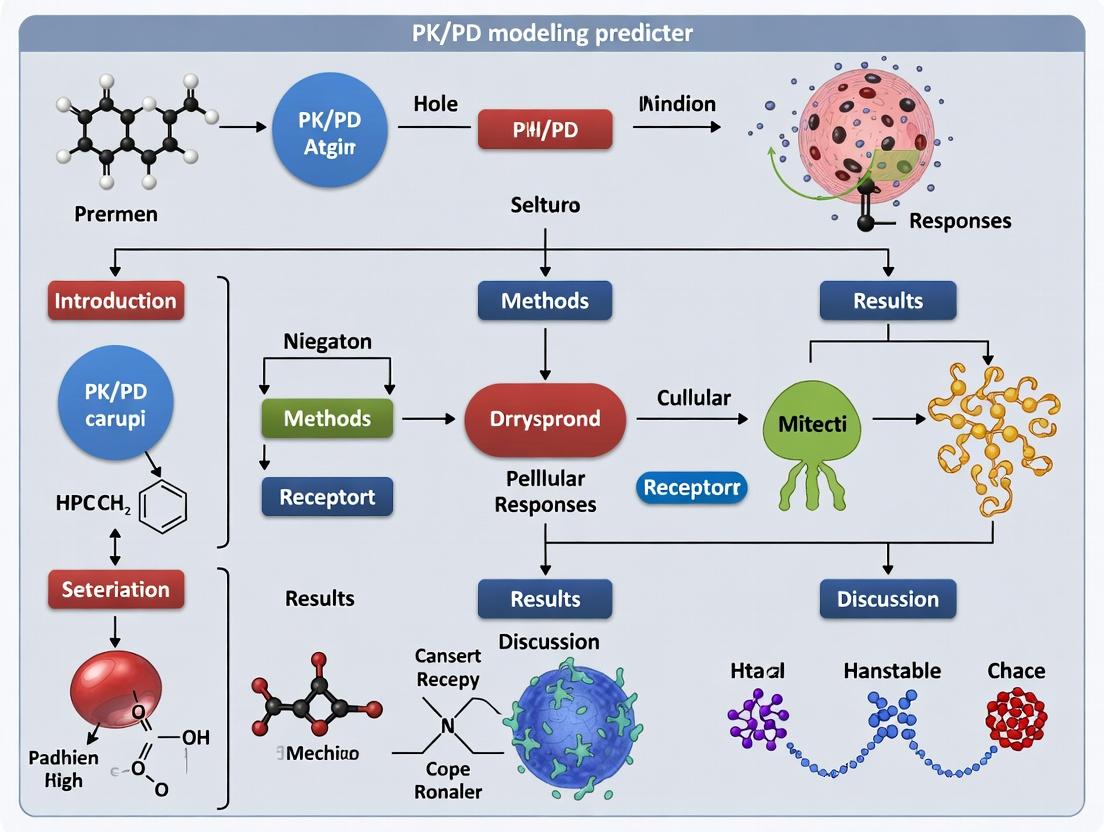
Harnessing PK/PD Modeling: A Comprehensive Guide to Predicting Anticancer Treatment Response
This article provides a detailed exploration of Pharmacokinetic/Pharmacodynamic (PK/PD) modeling as a cornerstone of modern oncology drug development and personalized treatment.
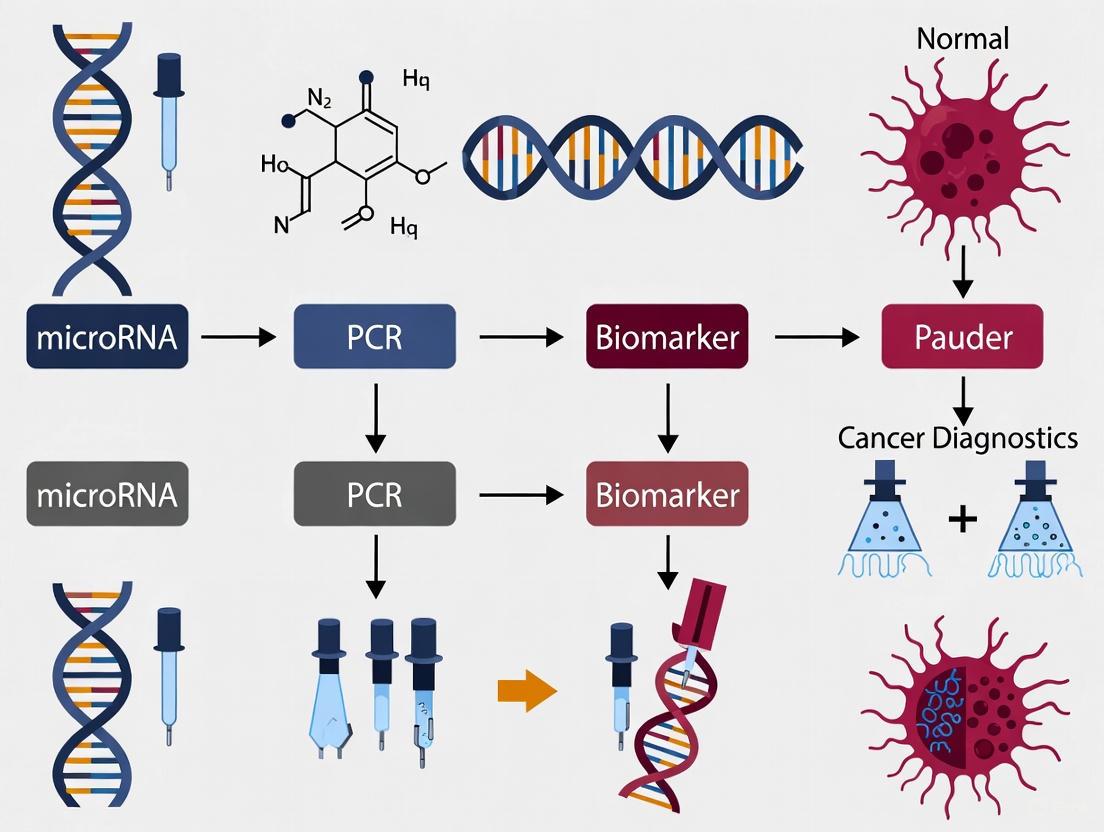
MicroRNAs as Biomarkers in Cancer Diagnostics: PCR-Based Approaches, Clinical Challenges, and Emerging Alternatives
This article comprehensively examines the role of microRNAs (miRNAs) as biomarkers in PCR-based cancer diagnostics for research and drug development professionals.
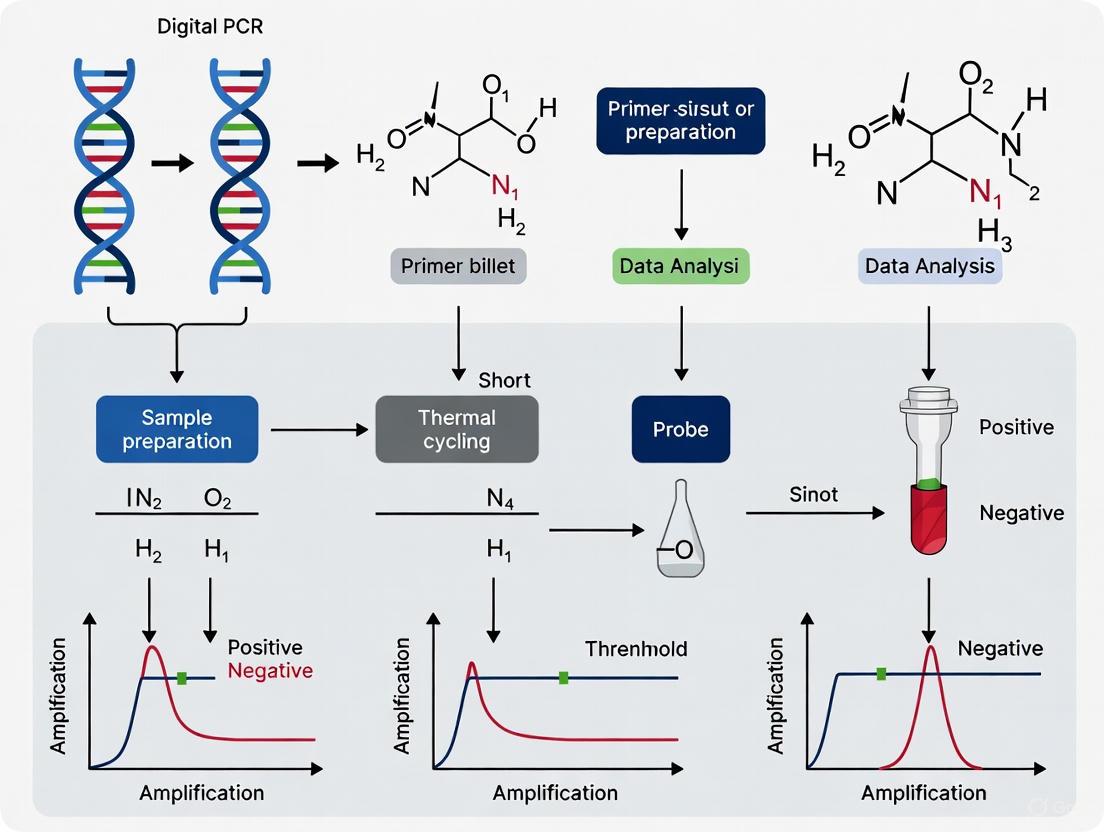
Digital PCR for Rare Allele Detection in Oncology: Principles, Applications, and Advanced Methodologies
This article provides a comprehensive overview of digital PCR (dPCR) and its transformative role in detecting rare alleles for oncology research and diagnostics.
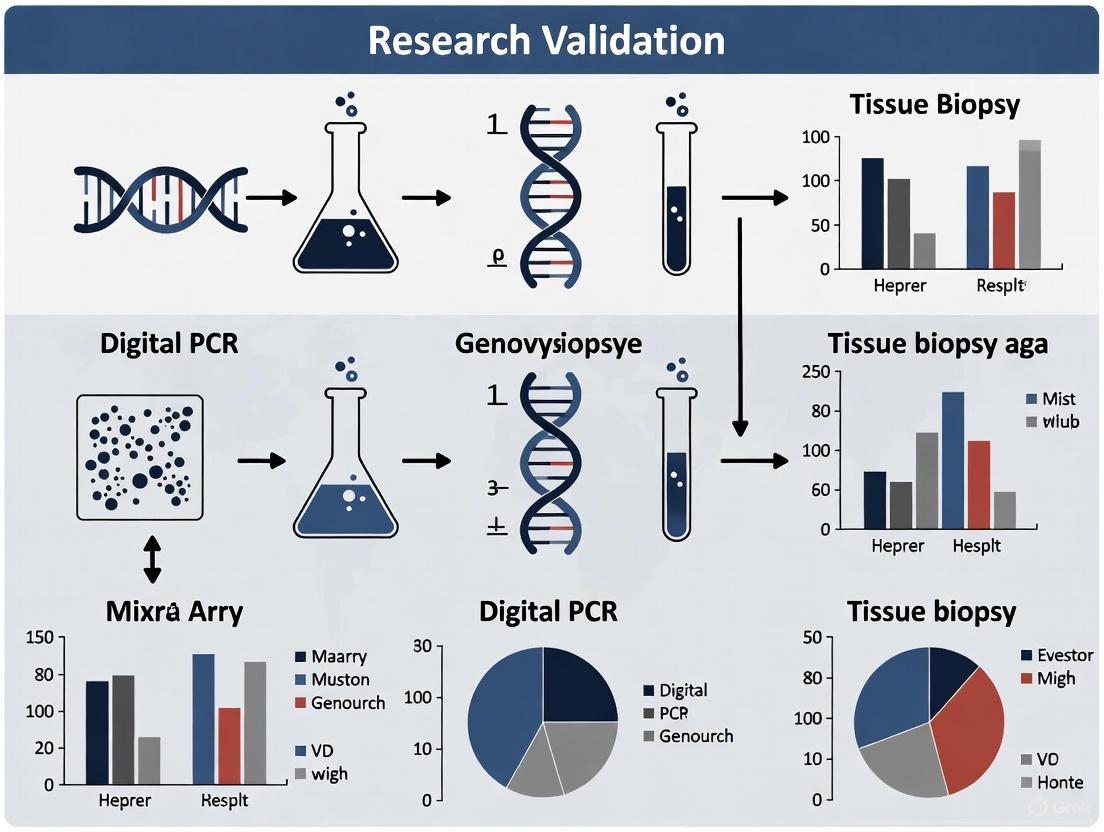
Digital PCR Validation Against Tissue Biopsy Genotyping: A Comprehensive Guide for Precision Oncology
This article provides a systematic review of digital PCR (dPCR) as a robust methodology for genotyping validation against the traditional gold standard of tissue biopsy.
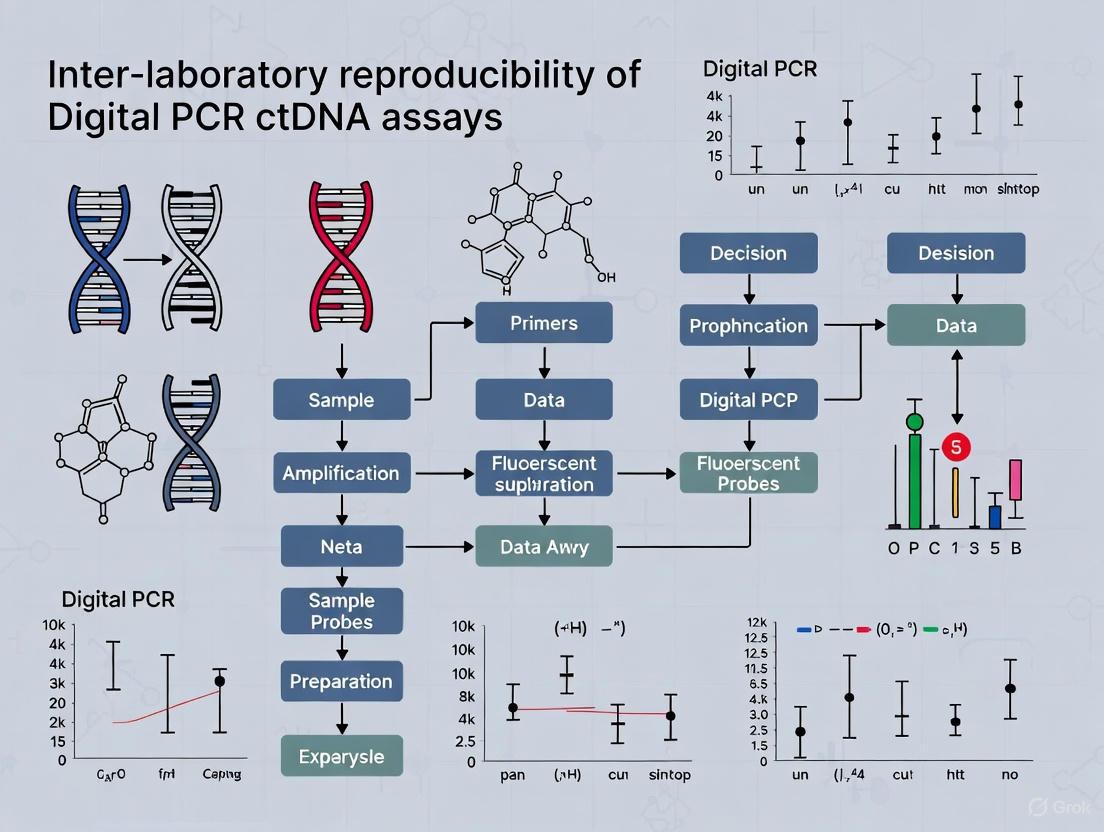
Ensuring Reproducible Results: A Deep Dive into Inter-laboratory Variability of Digital PCR ctDNA Assays
The analysis of circulating tumor DNA (ctDNA) using digital PCR (dPCR) is transforming cancer management through non-invasive monitoring of minimal residual disease and treatment response.
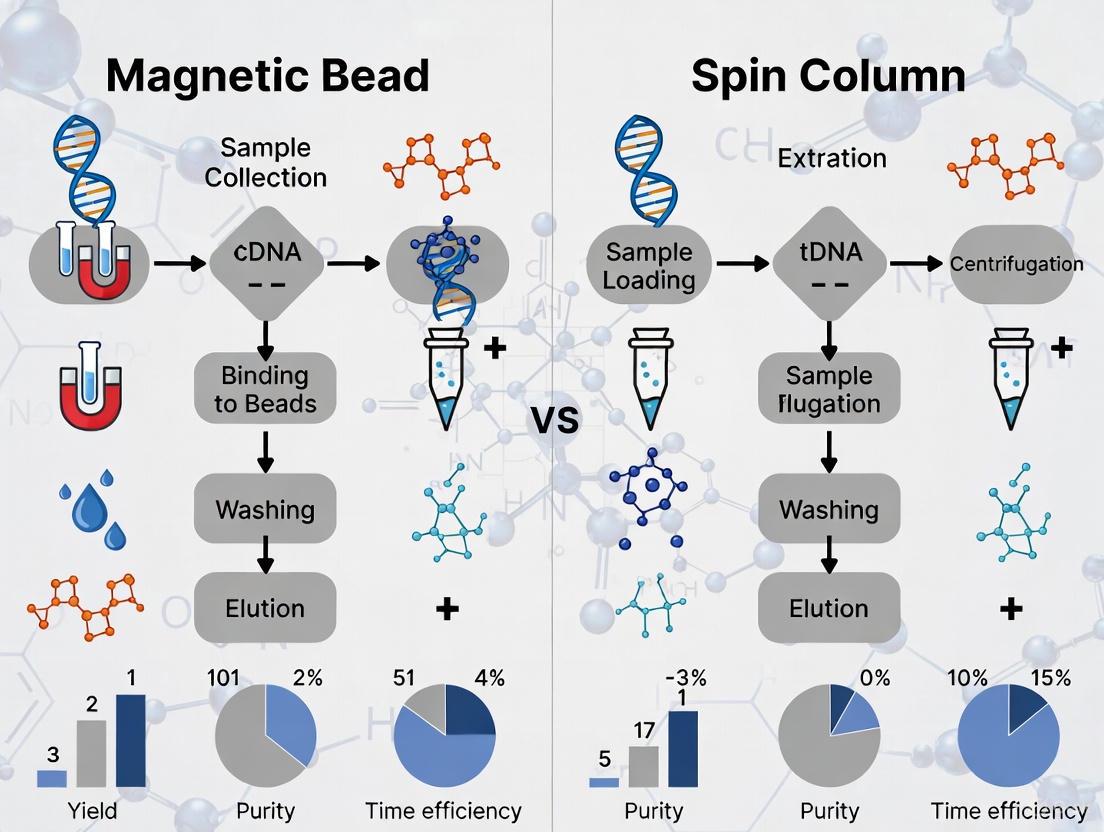
Spin Columns vs. Magnetic Beads: A Comprehensive Guide to ctDNA Extraction Methods
The choice between spin column and magnetic bead-based methods is critical for efficient circulating tumor DNA (ctDNA) extraction, directly impacting the sensitivity and reliability of downstream liquid biopsy applications.
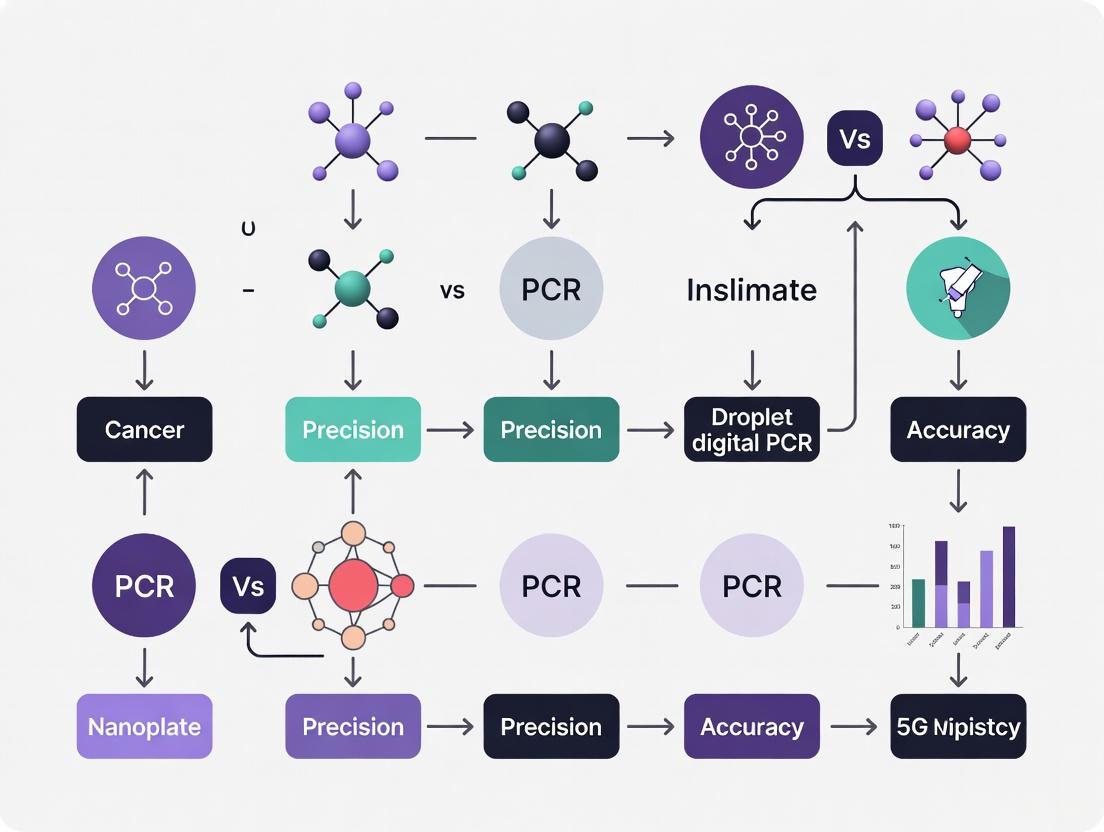
Nanoplate vs. Droplet Digital PCR: A 2025 Comparison of Precision, Accuracy, and Application
This article provides a comprehensive analysis of two principal digital PCR technologies: nanoplate-based and droplet-based dPCR.
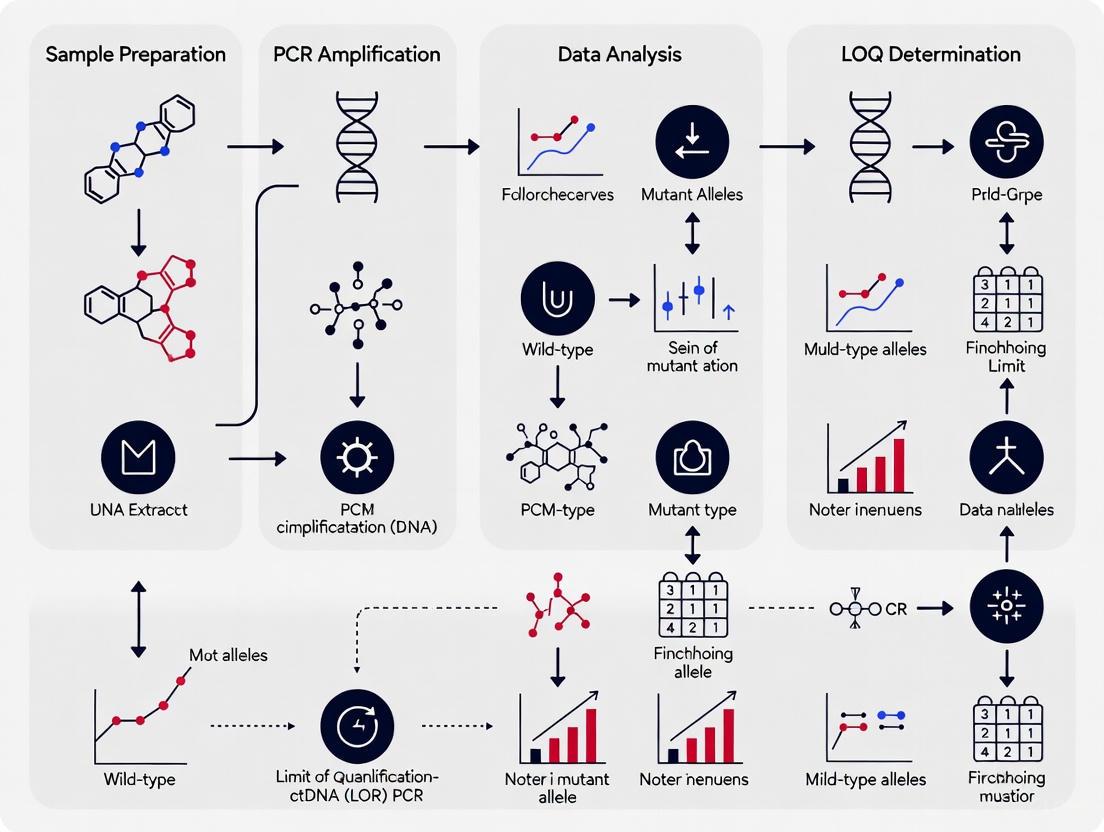
A Researcher's Guide to LOQ for ctDNA Digital PCR: From Foundational Concepts to Clinical Validation
This article provides a comprehensive resource for researchers and drug development professionals on determining the Limit of Quantification (LOQ) for circulating tumor DNA (ctDNA) using digital PCR (dPCR).
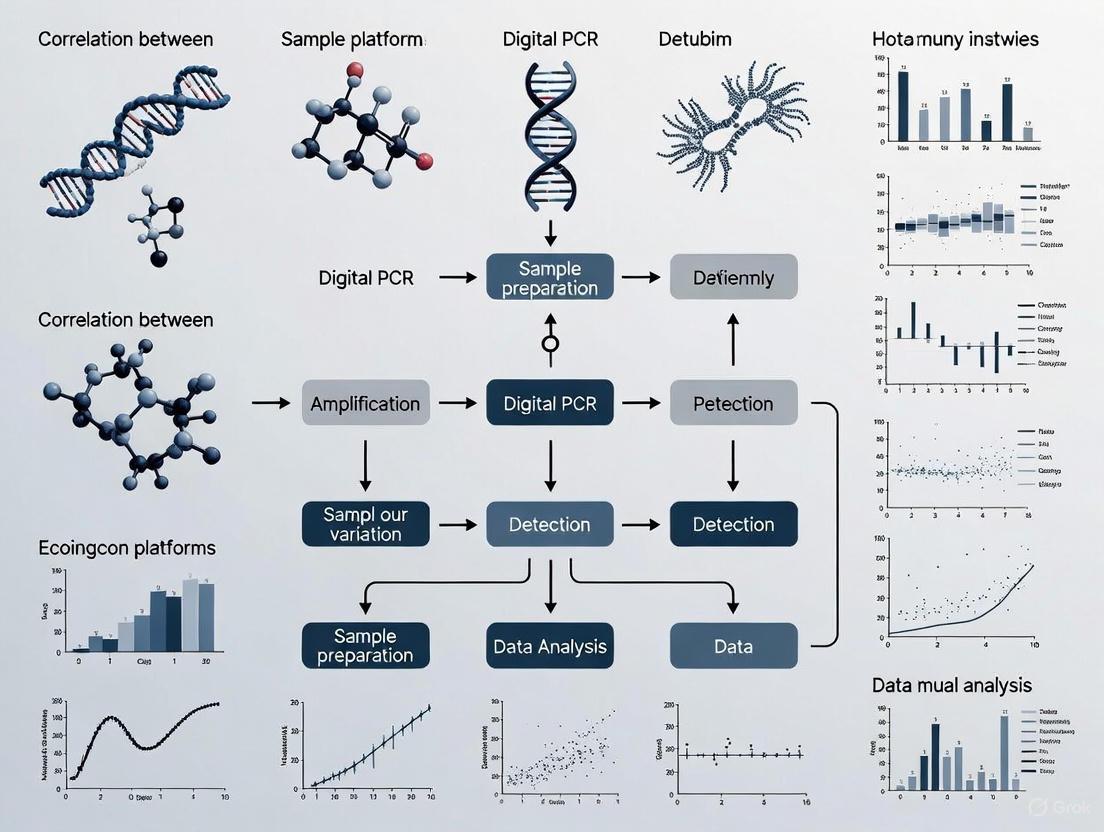
Digital PCR Platform Comparison for Copy Number Analysis: A Cross-Platform Validation Guide for Researchers
This article provides a comprehensive analysis of the correlation between different digital PCR (dPCR) platforms for copy number quantification, a critical task in biomedical research and drug development.
Validating Digital PCR for Clinical Diagnostics: A Comprehensive Guide to Implementation, Troubleshooting, and Superior Performance
This article provides a comprehensive framework for researchers, scientists, and drug development professionals seeking to validate digital PCR (dPCR) assays for clinical applications.