Research Articles
Analytical Validation in Cancer Molecular Diagnostics: Standards, Methods, and Clinical Translation
This article provides a comprehensive overview of the principles and practices of analytical validation for molecular diagnostics in oncology.
NGS vs Sanger Sequencing in Oncology: A Strategic Guide for Precision Mutation Detection
This article provides a comprehensive comparison of Next-Generation Sequencing (NGS) and Sanger sequencing for cancer mutation detection, tailored for researchers and drug development professionals.
Essential Quality Control Metrics for Cancer Gene Panels: A Comprehensive Guide for Researchers and Developers
This article provides a comprehensive framework for implementing robust quality control (QC) metrics in cancer genomic profiling using targeted gene panels.
Navigating the Signal: Advanced Strategies to Minimize False Positives in ctDNA Detection
This article provides a comprehensive analysis of the challenges and innovative solutions surrounding false positives in circulating tumor DNA (ctDNA) detection, a critical barrier in liquid biopsy applications.
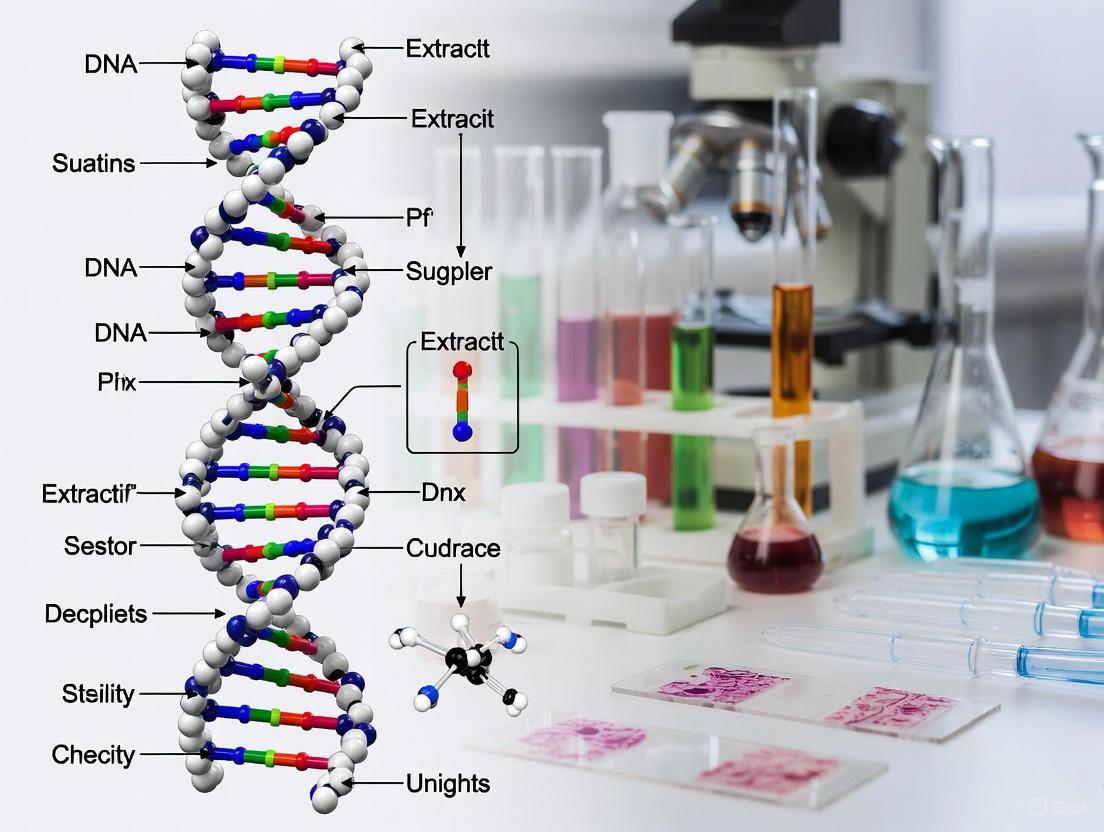
Optimizing DNA Yield from Tumor Samples: A 2025 Guide to Extraction, Troubleshooting, and Quality Control
Obtaining high-quality, high-yield DNA from tumor samples is a critical yet challenging step in modern oncology research and drug development.
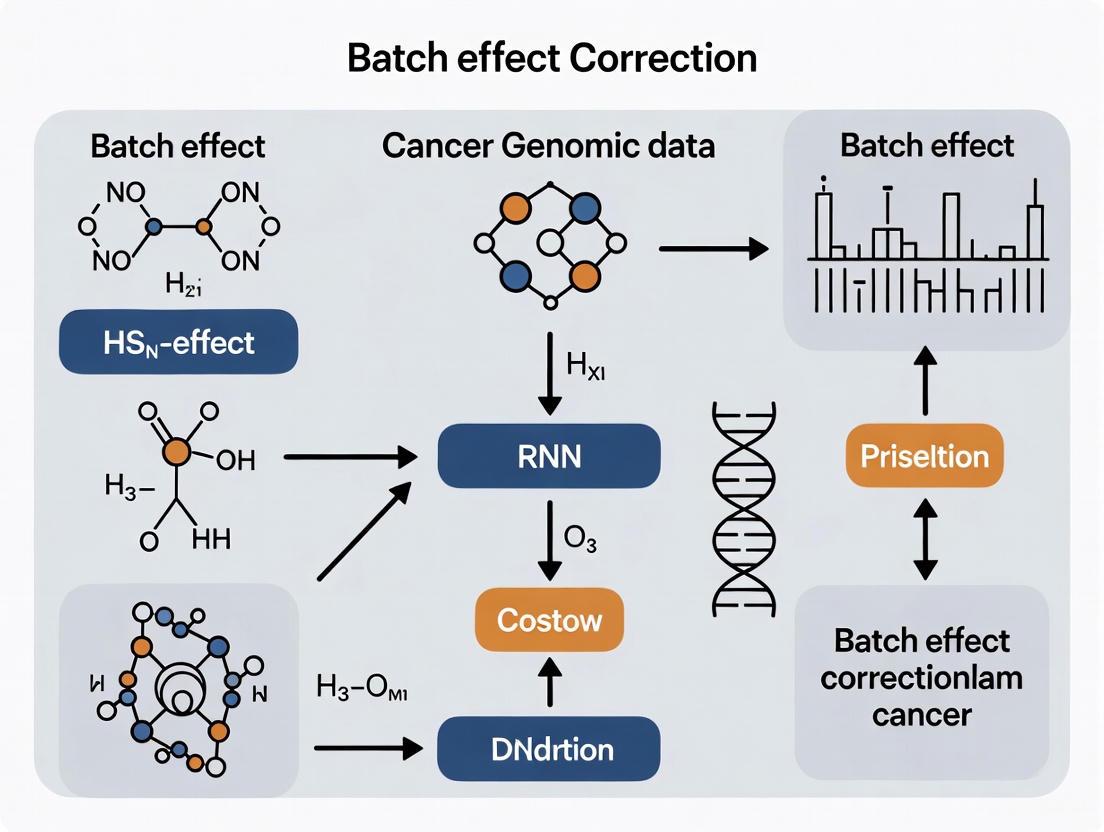
Batch Effect Correction in Cancer Genomics: A Comprehensive Guide for Reliable Biomarker Discovery and Clinical Translation
This article provides a comprehensive framework for understanding, correcting, and validating batch effects in cancer genomic studies.
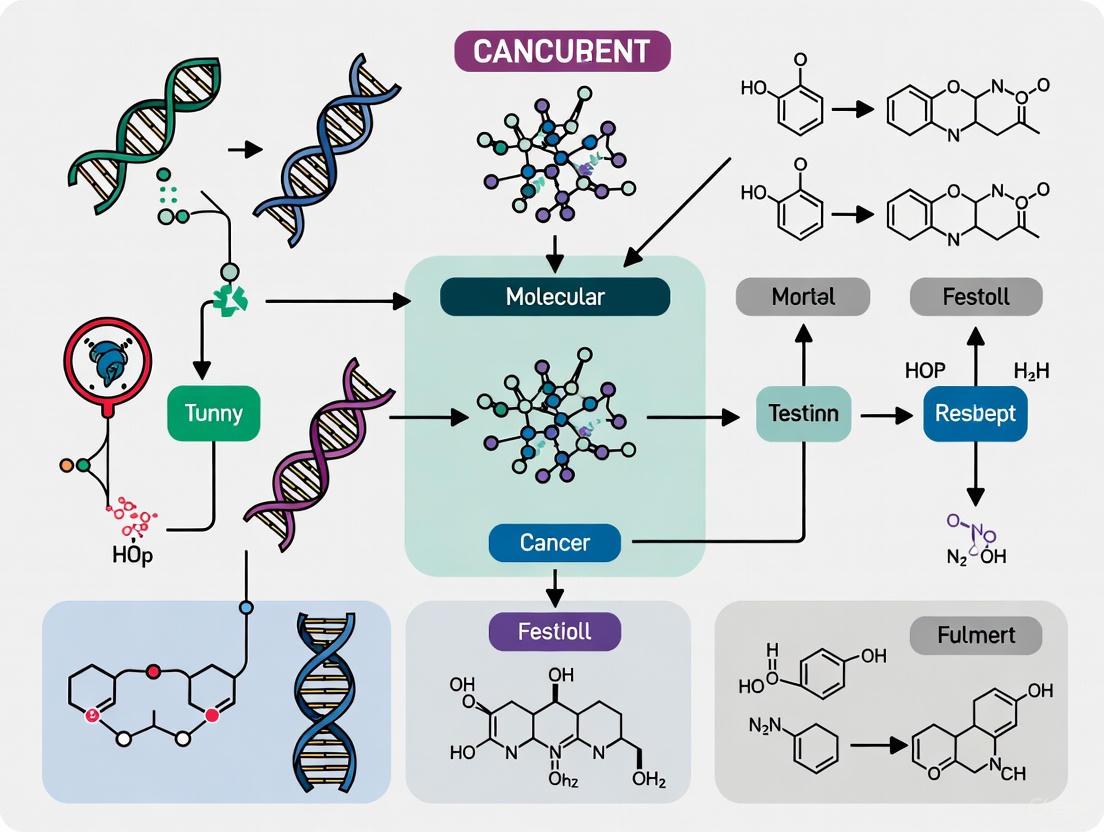
Conquering Tumor Heterogeneity: Advanced Molecular Profiling for Precision Oncology
Tumor heterogeneity presents a fundamental challenge to accurate molecular diagnosis and effective targeted therapy in oncology.
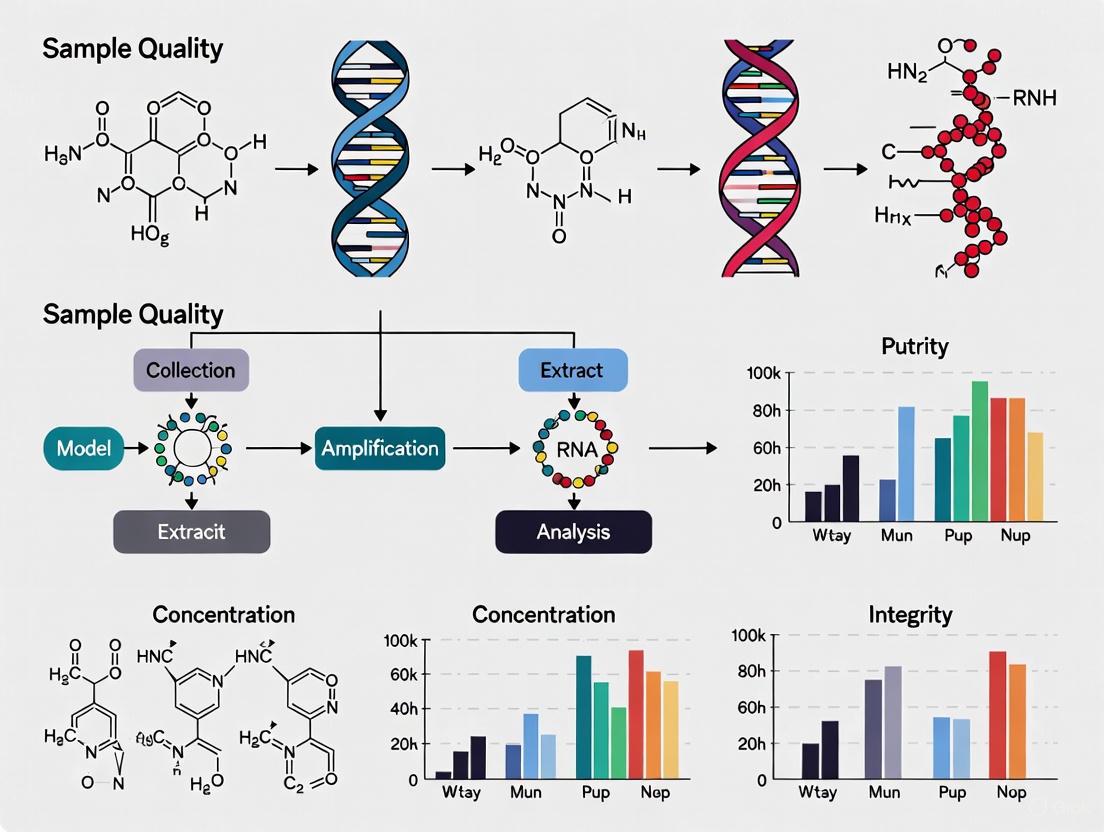
Sample Quality in Cancer Molecular Testing: Foundational Principles, Methodological Advances, and Optimization Strategies for Researchers
This comprehensive review addresses the critical role of sample quality in cancer molecular testing, a fundamental determinant of diagnostic accuracy and research validity.
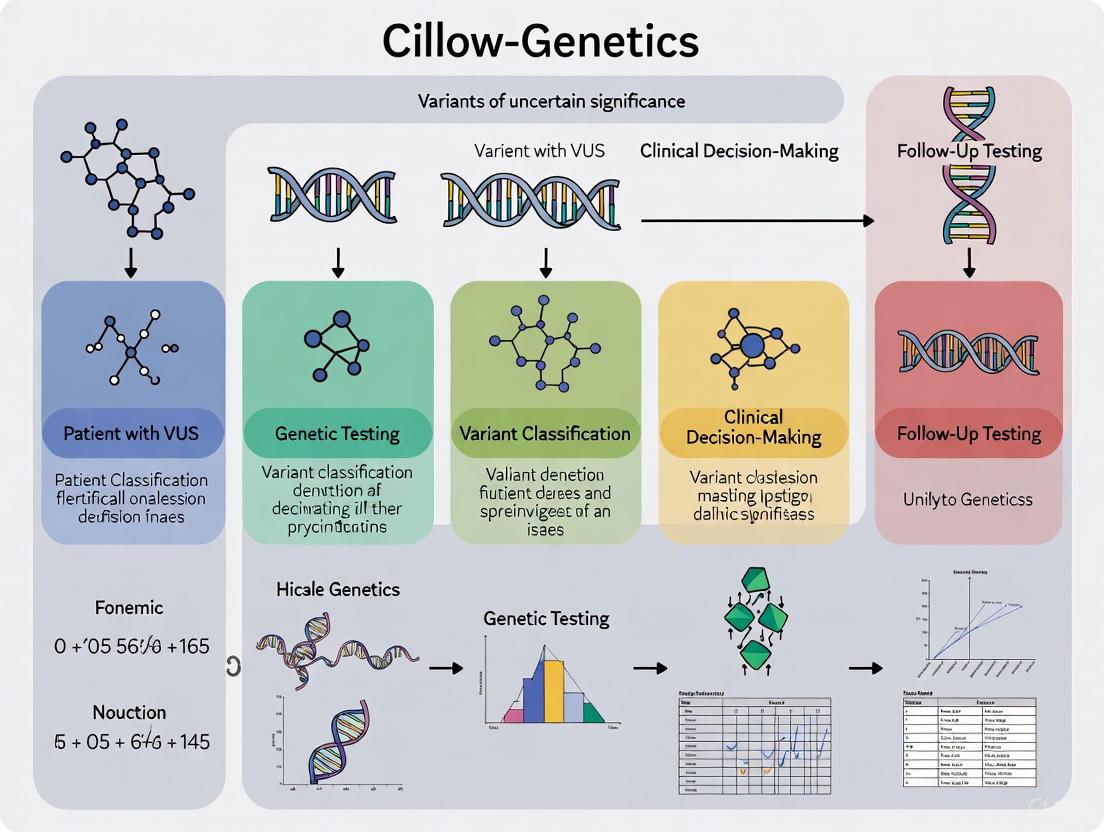
Navigating the Gray Zone: A Research-Focused Framework for Managing Variants of Uncertain Significance in Cancer Genetics
This article provides a comprehensive analysis of Variants of Uncertain Significance (VUS) management in cancer genetics for researchers and drug development professionals.
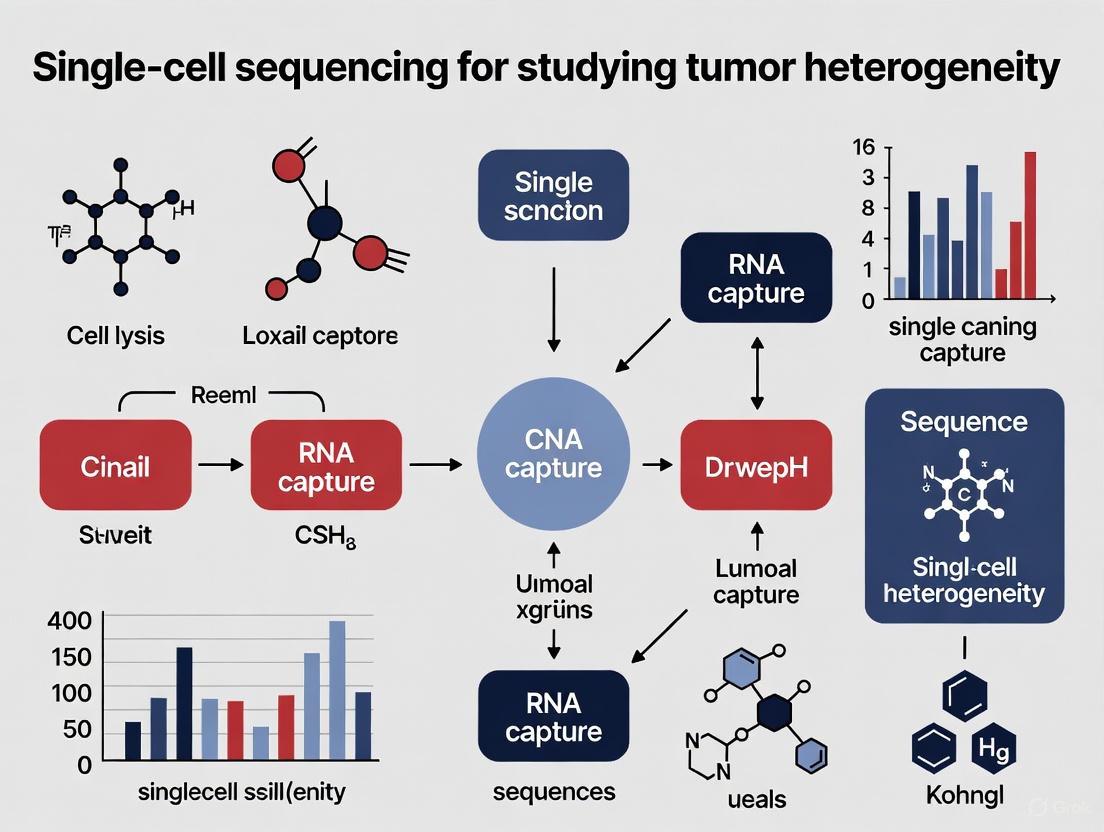
Decoding Cancer Complexity: How Single-Cell Sequencing Unravels Tumor Heterogeneity for Precision Oncology
Single-cell RNA sequencing (scRNA-seq) has revolutionized our understanding of tumor heterogeneity by characterizing the complex cellular ecosystems of cancers at unprecedented resolution.