Optimizing Machine Learning Pipelines for Cancer Diagnostics: From Data to Clinical Deployment
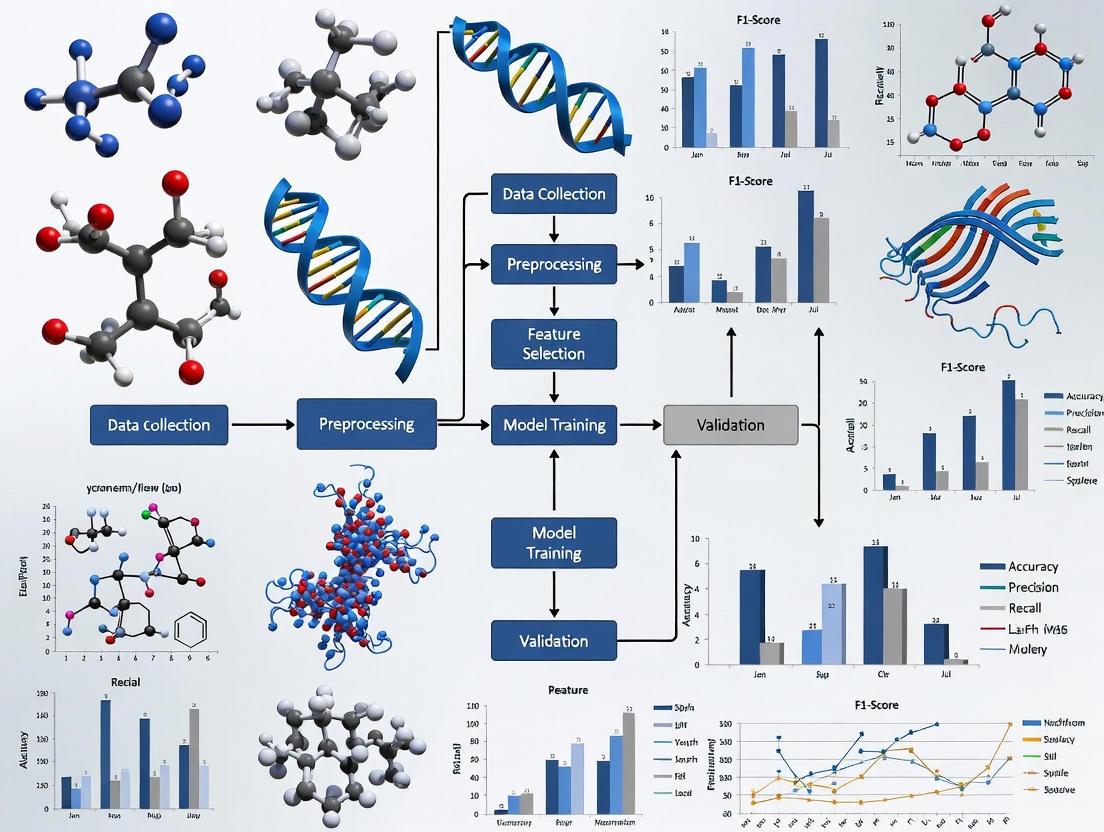
This article provides a comprehensive guide for researchers and drug development professionals on building and optimizing robust machine learning pipelines for cancer diagnostics.
Optimizing Machine Learning Pipelines for Cancer Diagnostics: From Data to Clinical Deployment
Abstract
This article provides a comprehensive guide for researchers and drug development professionals on building and optimizing robust machine learning pipelines for cancer diagnostics. It covers the foundational principles of ML in oncology, explores advanced methodological applications like multimodal AI, addresses critical troubleshooting and optimization challenges in production environments, and presents rigorous validation frameworks. By synthesizing the latest research and real-world case studies, this resource aims to bridge the gap between experimental models and reliable, clinically impactful tools that can enhance diagnostic accuracy, personalize treatment strategies, and ultimately improve patient outcomes.
The Foundation of AI in Oncology: Core Concepts and Clinical Imperatives
The Growing Cancer Burden and the Need for Advanced Diagnostics
Cancer remains a principal cause of global mortality, with projections estimating approximately 35 million cases by 2050 [1]. This alarming rise underscores the critical imperative to accelerate progress in cancer research and develop more effective diagnostic strategies. Traditional methods for cancer detection and diagnosis, including tissue biopsies, present several limitations, such as invasive acquisition, clinical complications, and an inability to fully capture tumor heterogeneity [2].
In response to these challenges, artificial intelligence (AI) and machine learning (ML) are revolutionizing the landscape of oncological research and clinical practice [1]. These technologies leverage sophisticated algorithms to analyze complex datasets, enabling automated cancer detection with unprecedented speed, accuracy, and scalability [3] [4]. This document provides detailed application notes and experimental protocols for implementing ML pipelines in cancer diagnostics research, with a specific focus on liquid biopsy analysis and imaging-based detection.
Key Machine Learning Protocols in Cancer Diagnostics
The successful implementation of machine learning for cancer diagnostics relies on a rigorous, multi-stage protocol. The following section outlines the core procedures, from data preparation to model evaluation.
Data Preprocessing and Feature Engineering
Data preprocessing is a foundational step that significantly influences the performance of subsequent ML models [2]. High-dimensional data from liquid biopsies or medical images require careful curation to ensure robust and generalizable model performance.
- Missing Value Solutions: Simply deleting samples with missing values can introduce bias and discard valuable data [2]. Preferred imputation methods include:
- Simple Imputation: Replacing missing values with the feature's mean, median, or mode.
- Model-Based Imputation: Using inference from existing data to predict missing values. For a feature with missing data, a regression or classification model is built using other complete features from the same dataset. This model then predicts the missing values [2].
- Data Normalization: Normalization prevents predictions from being dominated by features with large numeric ranges and ensures comparability across samples [2]. Common techniques include:
- Z-Score Standardization:
x' = (x - μ) / σ, where μ is the mean and σ is the standard deviation of the feature. - Max-Min Normalization:
x' = (x - min) / (max - min), which rescales features to a [0, 1] range. - Decimal Scaling:
x' = x / 10^j, where j is the smallest integer such that max(|x'|) < 1.
- Z-Score Standardization:
- Dimension Reduction: High-dimensional data can lead to model overfitting and increased computational cost. Dimension reduction techniques are essential to mitigate these issues [2].
- Feature Extraction: This method transforms the original high-dimensional space into a new, lower-dimensional space. Principal Component Analysis (PCA) is a widely used linear feature extraction technique [2].
- Feature Selection: This technique directly selects a valuable subset of the original features, retaining their interpretability. It is categorized into three types:
- Filter Methods: Assess feature importance based on statistical properties (e.g., Pearson correlation, F-statistic) independent of any ML model.
- Wrapper Methods: Use a search algorithm to generate feature subsets and evaluate them by training and testing a specific ML model (e.g., Sequential Selection, Genetic Algorithms).
- Embedded Methods: Perform feature selection during the model training process itself (e.g., LASSO, Elastic Net regression) [2].
Model Evaluation and Selection
Once data is preprocessed, the next critical step is to evaluate and select the most appropriate model. This process should incorporate rigorous validation techniques to ensure the model generalizes well to unseen data.
- Performance Metrics: The choice of metrics depends on the clinical task. For classification, key metrics include sensitivity (recall), specificity, precision, and area under the receiver operating characteristic curve (AUC-ROC) [5].
- Validation and Hypothesis Testing: It is crucial to evaluate models on held-out test datasets that were not used during training. Further, statistical hypothesis testing should be employed to confirm that the performance of a proposed model is statistically significant and not due to chance [2].
The workflow for these core protocols is outlined in the diagram below.
Application Notes: AI-Powered Diagnostic Tools
Automated Detection in Liquid Biopsy
Liquid biopsy, which analyzes components such as circulating tumor DNA (ctDNA) in blood, offers a non-invasive alternative to tissue biopsies [2]. A novel AI algorithm named RED (Rare Event Detection) has been developed to automate the detection of rare cancer cells in blood samples [3].
- Principle: Unlike traditional methods that search for known cancer cell features, the RED algorithm uses a deep learning approach to identify unusual patterns, ranking cells by rarity. This allows the "most unusual" cells, which are likely to be cancerous, to rise to the top for review, functioning as a "needle in a haystack" detector [3].
- Performance: In validation tests, the RED algorithm demonstrated high sensitivity, finding 99% of added epithelial cancer cells and 97% of added endothelial cells. It also reduced the amount of data a human specialist needed to review by 1,000 times and was able to identify twice as many "interesting" cells associated with cancer compared to previous methods [3].
- Protocol Summary:
- Sample Acquisition: Collect peripheral blood sample.
- Sample Processing: Isolate and prepare mononuclear cells from the blood sample.
- Image Acquisition: Capture high-resolution images of the cells.
- AI Analysis: Process cell images using the RED algorithm to identify and rank rare, anomalous cells based on deep learning-derived patterns.
- Pathologist Review: Examine the top-ranked cells flagged by the AI to confirm the presence of cancer.
Multi-Cancer Early Detection Tests
Multi-cancer early detection (MCED) tests represent a transformative application of liquid biopsy, screening for multiple cancers from a single blood draw [5]. Evaluating their potential population impact requires a specific quantitative framework.
- Key Outcome Metrics:
- Cancers Detected (CD): The expected number of true positive findings.
CD = N * (ρ_A * MS_A + ρ_B * MS_B), where N is the number tested, ρ is cancer prevalence, and MS is marginal sensitivity [5]. - Exposed to Unnecessary Confirmation (EUC): The expected number of people directed to unnecessary confirmatory tests (e.g., biopsies) due to false positives or correct cancer signal with incorrect tissue of origin. For a two-cancer test,
EUC = N * [ρ_A * P_A(T+) * (1-L_A(T+)) + ρ_B * P_B(T+) * (1-L_B(T+)) + (1-ρ_A-ρ_B)(1-Sp)], where Sp is specificity [5]. - Lives Saved (LS): The expected number of cancer deaths averted.
LS = N * (m_A * MS_A * R_A + m_B * MS_B * R_B), where m is the probability of cancer death without screening, and R is the mortality reduction from early detection [5].
- Cancers Detected (CD): The expected number of true positive findings.
- Framework Insight: The harm-benefit tradeoff is overwhelmingly determined by test specificity. For a given specificity, the ratio of unnecessary confirmations per cancer detected (EUC/CD) is most favorable for higher-prevalence cancers. Similarly, the tradeoff improves when the test includes cancers with higher mortality for which effective treatments exist [5].
The relationship between test performance and clinical outcomes is quantified in the table below.
Table 1: Quantitative Framework for a Hypothetical Multi-Cancer Test (Single-Occasion Screening)
| Cancer Type | Prevalence (per 100,000) | Test Sensitivity | Marginal Sensitivity | Specificity | EUC/CD Ratio | Lives Saved per 100,000 Screened |
|---|---|---|---|---|---|---|
| Breast + Lung | ~300-400 | ~60-90%* | Varies by stage | 99.0% | 1.1 | ~20 (assuming 10% mortality reduction) |
| Breast + Liver | ~100-200 | ~60-90%* | Varies by stage | 99.0% | 1.3 | ~10 (assuming 10% mortality reduction) |
| Breast + Pancreatic | ~100-200 | ~60-90%* | Varies by stage | 99.5% | 0.7 | ~15 (assuming 10% mortality reduction) |
Note: *Sensitivities are often stage-dependent, with lower sensitivity for early-stage cancers. EUC/CD and Lives Saved are illustrative estimates based on the framework from [5].
Enhanced Detection in Medical Imaging
AI is playing an increasingly important role in improving the speed and accuracy of cancer detection from medical images, including colonoscopy, mammography, and histopathology slides [1].
- Colorectal Cancer (CRC):
- CADe (Computer-Aided Detection): Deep learning models like CRCNet are trained on large annotated datasets of colonoscopic images to enable real-time, automated polyp detection. Multiple AI systems have received regulatory clearance (FDA K211951, K223473) [1].
- CADx (Computer-Aided Diagnosis): These systems go beyond detection to distinguish benign from malignant lesions. Some research suggests autonomous AI diagnosis can achieve non-inferior accuracy to endoscopists for determining surveillance intervals [1].
- Breast Cancer (BC):
- Mammography: AI systems have been developed that outperform radiologists in identifying breast cancer from 2D and 3D mammograms. Several FDA-cleared products (K220105, K211541) are now available to aid radiologists [1].
- Risk Prediction: Systems like Mirai can predict future five-year breast cancer risk directly from mammograms, offering potential for personalized screening schedules [1].
- Protocol Summary for AI in Histopathology:
- Tissue Preparation: Process tissue sample and create a whole-slide image (WSI).
- AI Segmentation: Use a Convolutional Neural Network (CNN) to segment and classify glands and tumor regions in the WSI.
- Quantitative Analysis: The AI model extracts quantitative features, such as the Tumor-Stroma Ratio (TSR), which has been validated as a prognostic factor for patient survival in colorectal cancer [1].
- Pathologist Review: The pathologist reviews the AI-generated annotations and quantitative data to make a final diagnosis.
The Scientist's Toolkit: Research Reagent Solutions
The following table details key resources and data repositories essential for conducting research in AI and cancer diagnostics.
Table 2: Essential Data and Biospecimen Resources for Cancer Diagnostics Research
| Resource Name | Type | Description & Function | Access |
|---|---|---|---|
| The Cancer Genome Atlas (TCGA) [6] | Genomics Data | A comprehensive, publicly available repository of genomic, epigenomic, transcriptomic, and proteomic data from over 30 cancer types. Used for biomarker discovery and model training. | Open |
| Genomic Data Commons (GDC) [6] | Genomics Data | A unified data repository that supports several NCI cancer genome programs (including TCGA), enabling data sharing and analysis for precision medicine. | Open / Controlled |
| The Cancer Imaging Archive (TCIA) [6] | Imaging Data | A curated archive of medical images (e.g., MRI, CT) linked to other data types like genomics and pathology. Essential for training AI models in radiology. | Open |
| NCI Clinical and Translational Data Commons (CTDC) [6] | Clinical Data | Provides access to clinical and translational data from NCI-funded clinical trials and correlative studies, including the Cancer Moonshot Biobank. | Controlled |
| CellMinerCDB / NCI-60 [6] | Drug Discovery | A database containing the NCI-60 panel of 60 human tumor cell lines, with drug screening data for over 100,000 compounds. Used for drug response studies. | Open |
| RED Algorithm [3] | Software Tool | An AI algorithm for rare event detection in liquid biopsy samples, used to automate the finding of cancer cells in blood. | Upon Request / Code Publication |
Implementation Challenges and Future Directions
Despite its promise, the integration of AI into clinical oncology faces several substantial challenges that must be addressed for broader adoption [4].
- Data Quality and Standardization: AI models require large volumes of high-quality, well-annotated, and standardized data. Variations in data acquisition protocols across institutions can hinder model generalizability [4].
- Model Interpretability and Transparency: The "black box" nature of some complex AI models can erode trust among clinicians. The field of Explainable AI (XAI) is emerging to make model decisions more transparent and understandable [4].
- Ethical and Regulatory Concerns: Key issues include patient data privacy, security, and the potential for algorithmic bias if models are trained on non-representative datasets. Robust regulatory frameworks are needed to ensure the safety and efficacy of AI-based medical devices [1] [7].
- Emerging Solutions:
- Federated Learning: This technique allows AI models to be trained across multiple institutions without sharing raw patient data, thus preserving privacy [4].
- Synthetic Data Generation: Using Generative Adversarial Networks (GANs) or Variational Autoencoders (VAEs) to create synthetic, realistic patient data can help augment limited datasets and mitigate bias [4].
- Interdisciplinary Collaboration: Close collaboration between computer scientists, oncologists, pathologists, and regulatory experts is crucial for developing clinically impactful and ethically sound AI tools [4].
The interconnected nature of these challenges and solutions is visualized below.
The optimization of machine learning (ML) pipelines is critical for advancing cancer diagnostics research. Such a pipeline provides a structured, reproducible framework for transforming raw, heterogeneous medical data into reliable, deployable diagnostic tools. For researchers and drug development professionals, a well-defined pipeline ensures that models are not only statistically sound but also clinically relevant and robust enough for real-world application. This document details the core components of an ML pipeline—data preparation, model development, and deployment strategies—within the context of cancer diagnostics, providing application notes and experimental protocols to guide research and implementation.
The Data Preparation Phase
Data Acquisition and Preprocessing
The foundation of any effective ML pipeline in cancer diagnostics is high-quality, well-curated data. This typically involves acquiring multi-modal data, such as histopathology images, ultrasound and mammography scans, and structured or unstructured data from Electronic Health Records (EHRs) [8] [9] [10].
A critical challenge in medical ML is the prevalence of class imbalance, where one class (e.g., non-cancerous cases) significantly outnumbers another (e.g., cancerous cases). This can lead to models that are biased toward the majority class. To address this, data augmentation techniques are routinely employed. For image data, this can include geometric transformations (rotation, flipping) and color space adjustments [8]. For tabular data, such as patient risk factors, synthetic minority over-sampling techniques like K-Means SMOTE have been shown to be effective, achieving high accuracy and AUC-ROC scores when paired with classifiers like Multi-Layer Perceptrons [11].
Clinical notes within EHRs contain invaluable patient information but are often unstructured. Natural Language Processing (NLP) techniques, particularly Named Entity Recognition (NER) models, can extract critical patient characteristics such as cognitive frailty or non-adherence to medication. Studies show that NER models can achieve high recall (0.81-0.90) and specificity (0.96-1.00) for such tasks, outperforming simpler rule-based queries for complex terminology [12].
Research Reagent Solutions: Data & Annotation
Table 1: Essential Reagents for Data Preparation
| Reagent Category | Example / Tool | Primary Function in the Pipeline |
|---|---|---|
| Structured Datasets | Kaggle Lung Cancer Dataset [11] | Provides a standardized, annotated benchmark for model training and validation. |
| Clinical Text Annotation | SpaCy NLP Library [12] | Facilitates the creation of custom NER models to extract structured data from clinical notes. |
| Data Augmentation | K-Means SMOTE [11] | Generates synthetic samples for minority classes to mitigate dataset imbalance and model bias. |
| Image Pre-processing | ITK-SNAP Software [10] | Used for cropping irrelevant regions and defining regions of interest in medical images. |
Model Development and Experimental Protocols
Model Architecture Selection and Optimization
Selecting the right model architecture is a balance between computational efficiency and diagnostic performance. Research indicates that lightweight models like MobileNet can achieve superior results in certain diagnostic tasks. For instance, in breast cancer diagnosis from ultrasound images, MobileNet with a 224x224 input resolution achieved an Area Under the Curve (AUC) of 0.924, outperforming both senior radiologists and more complex, dense networks [9].
Ensemble methods, which combine the strengths of multiple architectures, have also demonstrated remarkable accuracy. An ensemble of EfficientNetB0, ResNet50, and DenseNet121, optimized using Cat Swarm Optimization (CSO), reported a classification accuracy of 98.19% for breast histopathology images [13]. Similarly, a pipeline integrating EfficientNetV2L for feature extraction with LightGBM (LGBM) for classification achieved a validation accuracy of 99.93% for skin cancer detection [8]. For multi-modal data, fusion models that integrate features from different imaging types, such as a deep learning network combining ultrasound and mammography (DL-UM), have shown improved sensitivity and specificity over single-modality models [10].
Experimental Protocol: Image-Based Cancer Classification
This protocol outlines the key steps for training and validating a deep learning model for cancer diagnosis from medical images, based on methodologies from recent studies [8] [9] [10].
- Objective: To develop a robust deep learning model for the binary classification (benign vs. malignant) of cancer from medical images (e.g., skin lesions, breast ultrasound).
Materials and Equipment:
- Dataset of annotated medical images (e.g., 3,297 skin lesion images [8]).
- High-performance computing workstation with GPU(s) (e.g., NVIDIA RTX 3090).
- Deep Learning Frameworks: TensorFlow or PyTorch.
- Data preprocessing tools (e.g., ITK-SNAP, OpenCV).
Procedure:
- Data Partitioning: Randomly split the dataset at the patient level into training (e.g., 70-80%), validation (e.g., 10-15%), and a held-out independent testing set (e.g., 10-20%) to ensure no data leakage.
- Preprocessing and Augmentation:
- Resize all images to a uniform resolution (e.g., 224x224, 320x320, or 448x448 pixels) [9].
- Normalize pixel values to a [0, 1] range.
- Apply data augmentation techniques to the training set, such as random rotation, flipping, and color jittering.
- Model Training:
- Initialize a pre-trained model (e.g., MobileNet, EfficientNetV2L).
- Train the model using an optimizer (e.g., Adam or AdamW) with a learning rate scheduler (e.g., cosine annealing).
- Use a loss function suitable for imbalanced data (e.g., focal loss [10] or weighted cross-entropy).
- Validate the model on the validation set after each epoch and save the model with the best performance.
- Model Evaluation:
- Evaluate the final model on the independent test set.
- Report standard metrics: Accuracy, Precision, Recall, F1-Score, and AUC-ROC.
- Use 5-fold cross-validation to ensure result stability [8].
Performance Metrics from Recent studies
Table 2: Model Performance in Recent Cancer Diagnostic Studies
| Cancer Type | Proposed Model | Key Performance Metrics | Citation |
|---|---|---|---|
| Skin Cancer | EfficientNetV2L + LightGBM | Validation Accuracy: 99.93%; Test Accuracy: 99.90%; Precision: 0.99 (Benign), 0.98 (Malignant) | [8] |
| Breast Cancer | MobileNet (224x224) | AUC: 0.924; Accuracy: 87.3% (outperformed senior radiologists) | [9] |
| Breast Cancer | CSO-Ensemble (EfficientNetB0, ResNet50, DenseNet121) | Accuracy: 98.19% | [13] |
| Lung Cancer | K-Means SMOTE + Multi-Layer Perceptron | Accuracy: 93.55%; AUC-ROC: 96.76% | [11] |
Deployment and MLOps in Clinical Practice
From Model to Clinical Tool
Deploying a validated model into a clinical environment requires a robust MLOps (Machine Learning Operations) framework. In 2025, this involves a focus on automated pipelines for continuous integration and delivery (CI/CD), real-time monitoring, and scalable deployment strategies [14].
A key decision is the choice of deployment environment. Edge computing allows for models to be run on local devices (e.g., an ultrasound machine), which is ideal for low-latency applications and preserving data privacy. Studies have successfully evaluated models on edge-computing devices like the Jetson AGX Xavier to simulate clinical deployment [9]. Alternatively, cloud-based deployment offers greater scalability and easier updates but may introduce latency and data transmission concerns.
Ensuring Robust Deployment
Once deployed, models must be continuously monitored for model drift, where the statistical properties of the live data change over time, degrading model performance [15]. MLOps practices mandate the establishment of a feedback loop where model predictions and real-world outcomes are logged. This data is used to trigger alerts and schedule model retraining, ensuring long-term reliability.
Furthermore, for clinical adoption, model interpretability is paramount. Techniques like LIME (Local Interpretable Model-agnostic Explanations) can be employed to provide post-hoc explanations for individual predictions, helping clinicians understand the model's reasoning and build trust [11]. Integrating model outputs and heatmaps into clinical workflows has been shown to improve radiologists' diagnostic confidence and interobserver agreement [10].
A meticulously defined machine learning pipeline is the cornerstone of translating algorithmic innovation into tangible improvements in cancer diagnostics. By systematically addressing the challenges of data preparation, model selection and optimization, and deployment through modern MLOps practices, researchers can develop tools that not only achieve high statistical performance but also integrate seamlessly into clinical workflows. The continuous monitoring and refinement of these deployed systems will be crucial for sustaining their accuracy and building the trust required to usher in a new era of AI-assisted medicine.
The advancement of cancer diagnostics is increasingly powered by the integration of multimodal data. Imaging, genomics, and clinical records form the foundational triad of data modalities that, when processed through modern machine learning pipelines, enable a more comprehensive understanding of tumor biology and heterogeneity. The convergence of these data types allows researchers and clinicians to move beyond traditional diagnostic silos, facilitating a holistic approach that spans from macroscopic phenotypic manifestations to molecular and clinical characteristics. This integration is critical for developing robust predictive models that can inform personalized treatment strategies and improve patient outcomes in oncology.
The field of imaging genomics (also known as radiogenomics) exemplifies this integrative approach, seeking to establish connections between medical imaging features and genomic characteristics [16]. This interdisciplinary field lies at the intersection of medical imaging and genomics, with the primary objective of identifying relationships between image features and genomic information to construct association maps that can be correlated with clinical outcomes [16]. The underlying premise is that distinct phenotypic patterns observed on medical images reflect specific molecular alterations within tumors, creating a bridge between macroscopic imaging findings and microscopic genomic drivers.
Table 1: Key Characteristics of Primary Data Modalities in Cancer Diagnostics
| Data Modality | Data Sources & Examples | Key Quantitative Features | Primary Applications in Cancer Diagnostics |
|---|---|---|---|
| Medical Imaging | CT, MRI, PET, X-ray, Digital Pathology [17] [16] | Tumor size, shape, margin, texture, radiomic features (first-order statistics, GLCM, GLRLM) [16] [18] | Early detection, tumor segmentation, treatment response monitoring, subtype classification [17] [19] |
| Genomics | Whole Genome Sequencing, Targeted NGS Panels, Transcriptomics [16] [18] | Mutations, copy number variants, structural variants, gene expression profiles, pathway alterations [20] [18] | Molecular subtyping, identification of actionable mutations, prognosis prediction, targeted therapy selection [21] [18] |
| Clinical Records | EHRs, Pathology Reports, Clinical Notes, Lab Values [22] [1] | Structured data (lab values, medications) and unstructured data (clinical notes) processed via NLP [1] [19] | Patient risk stratification, outcome prediction, treatment trajectory analysis, comorbidity assessment [1] |
Table 2: Data Volume and Processing Considerations by Modality
| Data Modality | Annual Data Generation | Common Data Formats | Primary ML Approaches | Key Preprocessing Challenges |
|---|---|---|---|---|
| Medical Imaging | Hospitals generate ~50 petabytes/year collectively [22] | DICOM, NIfTI, Whole Slide Images (WSI) [19] | Convolutional Neural Networks (CNNs), Deep Learning [17] [20] | Standardization across devices, tumor segmentation, feature extraction [16] [19] |
| Genomics | Whole genome sequencing produces ~200 GB per sample [20] | FASTQ, BAM, VCF, GFF | Recurrent Neural Networks (RNNs), Transformers, Graph Neural Networks (GNNs) [1] [20] | Sequence alignment, variant calling, batch effects, pathway analysis [20] [18] |
| Clinical Records | Significant portion of 80% of medical data is unstructured [22] | HL7 FHIR, CSV, JSON, Plain Text | Natural Language Processing (NLP), Transformer models [1] [19] | De-identification, structuring unstructured notes, data harmonization across systems [22] |
Experimental Protocols for Multimodal Data Integration
Protocol 1: Radiogenomic Analysis for Glioblastoma Subtyping
This protocol details a methodology for identifying distinct glioblastoma subtypes through joint learning applied to radiomic and genomic data, based on a study of 571 IDH-wildtype glioblastoma patients [18].
Materials and Equipment
Table 3: Research Reagent Solutions for Radiogenomic Analysis
| Item | Specification/Function | Implementation Example |
|---|---|---|
| Imaging Data | Pre-operative multi-parametric MRI scans (T1, T1-Gd, T2, T2-FLAIR, DTI, DSC-MRI) [18] | 3 Tesla scanner with standardized acquisition parameters |
| Genomic Data | Targeted Next-Generation Sequencing (NGS) panels for glioblastoma-associated genes [18] | Custom panels covering key pathways (RB1, P53, MAPK, PI3K, RTK) |
| Image Processing Platform | Software for co-registration, normalization, and feature extraction [18] | CaPTk (Cancer Imaging Phenomics Toolkit) version 1.9.0 |
| Feature Selection Method | Algorithm for identifying most informative features from high-dimensional data [18] | L21-norm minimization for radiomic feature selection |
| Joint Learning Framework | Computational method for integrating multimodal data with incomplete entries [18] | Anchor-based Partial Multi-modal Clustering (APMC) |
| Statistical Analysis Tools | Software for survival analysis and cluster validation [18] | R or Python with survival, clustering, and CCA packages |
Procedure
Data Acquisition and Preprocessing
- Acquire pre-operative multi-parametric MRI scans according to standardized protocols [18]
- Perform image preprocessing: reorient to LPS coordinate system, co-register and resample to 1 mm³ resolution using Greedy Algorithm, skull-strip using CaPTk [18]
- Segment tumors into three subregions: enhancing tumor (ET), non-enhancing core (NC), and peritumoral edema (ED) [18]
- Extract radiomic features from all subregions using CaPTk, including first-order statistics, histogram, volumetric, GLCM, GLRLM, GLSZM, NGTDM, and Collage features (total 971 features) [18]
- Normalize features using z-scoring, remove dimensions with small standard deviation (σ ≤ 1E-6) and high correlation (r ≥ 0.85) [18]
Genomic Data Processing
- Sequence tumor samples using targeted NGS panels covering key glioblastoma genes [18]
- Focus on 13 genes from 5 core signaling pathways: RB1 pathway (RB1, CDKN2A), P53 pathway (MDM4, TP53), MAPK pathway (BRAF, NF1), PI3K pathway (PTEN, PIK3R1, PIK3CA), RTK pathway (FGFR2, MET, PDGFRA, EGFR) [18]
- Exclude patients with IDH1 or IDH2 mutations to maintain cohort homogeneity [18]
Feature Selection
- Employ L21-norm minimization for radiomic feature selection, using pathway mutation information as supervised labels [18]
- Apply leave-one-out cross validation to determine optimal number of selected features (12 imaging features selected in reference study) [18]
- Divide patient cohort equally into discovery and replication sets [18]
Joint Learning and Subtyping
- Apply Anchor-based Partial Multi-modal Clustering to handle data incompleteness (some subjects missing one modality) [18]
- Construct anchor graphs to connect all patients' modalities, establish stationary Markov random walks over the graph [18]
- Calculate one-step and two-step transition probabilities to serve as similarities [18]
- Perform Spectral Clustering on the fused similarity matrix [18]
- Determine optimal number of clusters using gap statistic [18]
Subtype Analysis and Validation
- Perform Kaplan-Meier survival analysis to identify distinct subtypes based on overall survival [18]
- Characterize imaging and genomic features of each subtype [18]
- Apply Canonical Correlation Analysis (CCA) to quantify relationships between the two modalities [18]
- Validate subtypes in replication cohort [18]
Diagram 1: Radiogenomic analysis workflow for GBM subtyping.
Protocol 2: Deep Learning for Multi-modal Cancer Detection
This protocol outlines a comprehensive methodology for applying deep learning architectures to integrated imaging and genomic data for cancer detection, based on current approaches in the field [20] [4].
Materials and Equipment
Table 4: Research Reagent Solutions for Deep Learning Implementation
| Item | Specification/Function | Implementation Example |
|---|---|---|
| Deep Learning Framework | Software environment for building and training neural networks | TensorFlow, PyTorch, or Keras with GPU acceleration |
| Convolutional Neural Networks (CNNs) | Architecture for processing imaging data [20] | Models for CT, MRI, or histopathology image analysis |
| Recurrent Neural Networks (RNNs) | Architecture for processing sequential genomic data [20] | LSTM or GRU variants for gene sequence analysis |
| Data Standardization Tools | Methods for normalizing heterogeneous data sources | Z-scoring, min-max scaling, batch normalization |
| Fusion Architectures | Models for integrating multimodal data | Early, intermediate, or late fusion approaches |
| Validation Framework | Methods for assessing model performance | Cross-validation, bootstrapping, external validation sets |
Procedure
Data Preparation and Preprocessing
- Imaging Data: Collect and preprocess medical images (CT, MRI, PET, or digital pathology) according to clinical standards [20]
- Apply data augmentation techniques (rotation, flipping, intensity adjustments) to increase dataset diversity and reduce overfitting [20]
- Genomic Data: Process whole genome or targeted sequencing data, including quality control, alignment, and variant calling [20]
- Encode genomic variants using appropriate numerical representations (one-hot encoding, embeddings) [20]
- Clinical Data: Extract structured and unstructured data from EHRs, applying NLP techniques where necessary for unstructured text [1]
Model Architecture Selection and Design
- Imaging Pathway: Implement CNN architectures (e.g., ResNet, DenseNet) for feature extraction from images [20]
- Genomic Pathway: Implement RNN variants (LSTM, GRU) or Transformers for sequence data processing [20]
- Clinical Data Pathway: Implement MLP or Transformer architectures for structured clinical data [1]
- Fusion Strategy: Select appropriate fusion approach:
- Early Fusion: Concatenate raw data inputs before processing
- Intermediate Fusion: Combine features from intermediate layers
- Late Fusion: Combine predictions from separate models [20]
Model Training and Optimization
- Implement appropriate loss functions for the specific task (cross-entropy for classification, mean squared error for regression) [20]
- Apply regularization techniques (dropout, weight decay) to prevent overfitting [20]
- Utilize optimization algorithms (Adam, SGD with momentum) for parameter optimization [20]
- Employ learning rate scheduling and early stopping based on validation performance [20]
Model Interpretation and Validation
- Apply interpretability techniques (attention mechanisms, saliency maps, SHAP) to understand model decisions [20] [4]
- Perform rigorous validation using held-out test sets and external validation cohorts where available [20]
- Conduct ablation studies to understand contribution of different data modalities [20]
Diagram 2: Deep learning architecture for multi-modal cancer detection.
Implementation Considerations for ML Pipelines
Data Quality and Harmonization
The implementation of robust machine learning pipelines for cancer diagnostics requires careful attention to data quality and harmonization across modalities. Medical data often suffers from heterogeneity due to variations in equipment, protocols, and institutional practices [22]. This is particularly challenging for imaging data, where differences in scanner manufacturers, acquisition parameters, and reconstruction algorithms can introduce significant variability that negatively impacts model generalizability [16]. Establishing standardized preprocessing protocols is essential, including image resampling to consistent resolutions, intensity normalization, and appropriate data augmentation strategies to increase dataset diversity while preserving biological signals [20].
Genomic data presents its own harmonization challenges, with batch effects, different sequencing depths, and variant calling pipelines potentially introducing technical artifacts [18]. Implementing rigorous quality control metrics, utilizing batch correction algorithms, and standardizing processing workflows across datasets are critical steps to ensure data consistency [20]. For clinical records, the extensive use of unstructured text requires robust natural language processing (NLP) approaches to extract structured information, while dealing with variations in terminology, abbreviations, and documentation practices across healthcare systems [1]. The emergence of large language models (LLMs) has significantly advanced capabilities in processing clinical text, enabling more accurate extraction of key clinical concepts and relationships from unstructured narratives [1].
Computational Infrastructure and Model Optimization
The computational demands of processing multimodal cancer data require specialized infrastructure and careful model optimization. Deep learning approaches, particularly for high-resolution imaging data, typically require GPU acceleration and distributed computing resources to manage training times effectively [20]. Memory management becomes particularly important when working with whole slide images in digital pathology or high-resolution 3D medical images, which can exceed several gigabytes per patient [19].
Model optimization should address both performance and efficiency considerations. Techniques such as transfer learning can leverage pre-trained models on large-scale datasets (e.g., ImageNet for CNN architectures) to improve performance with limited medical data [20]. Appropriate regularization strategies, including dropout, batch normalization, and data augmentation, help prevent overfitting given the typically limited dataset sizes in medical applications [20]. For genomic sequence analysis, specialized architectures such as Transformers and Graph Neural Networks (GNNs) have shown promise in capturing long-range dependencies and topological relationships within biological data [20].
Validation Strategies and Clinical Translation
Rigorous validation is essential for establishing the reliability and generalizability of multimodal cancer diagnostic models. Internal validation through techniques such as k-fold cross-validation provides initial performance estimates, but external validation on completely independent datasets from different institutions is necessary to assess true model generalizability [20]. The use of synthetic data generation through approaches such as Generative Adversarial Networks (GANs) can help address data scarcity issues and create diverse validation scenarios, though careful attention must be paid to preserving biological fidelity [4].
Clinical translation of these models requires additional considerations beyond technical performance. Model interpretability is crucial for building clinician trust and facilitating integration into clinical workflows [20] [4]. Techniques such as attention mechanisms, saliency maps, and SHAP (SHapley Additive exPlanations) values can help elucidate the contribution of different input features to model predictions [4]. Regulatory compliance, including adherence to frameworks such as HIPAA for data privacy and FDA requirements for software as a medical device, must be addressed throughout the development process [22]. Finally, prospective clinical validation studies are ultimately necessary to demonstrate real-world clinical utility and impact on patient outcomes before widespread clinical adoption [20].
Artificial intelligence (AI) is revolutionizing the landscape of oncological research and the advancement of personalized clinical interventions [23] [1]. Progress in three interconnected areas—including the development of methods and algorithms for training AI models, the evolution of specialized computing hardware, and increased access to large volumes of cancer data such as imaging, genomics, and clinical information—has converged, leading to promising new applications of AI in cancer research [23]. The selection of AI models depends fundamentally on the data type and clinical objective, with Convolutional Neural Networks (CNNs) and Transformers emerging as two of the most impactful architectures driving innovations across the cancer care continuum [23].
This application note provides a structured overview of these major AI model types, their specific oncological applications, detailed experimental protocols for their implementation, and essential reagent solutions for researchers building optimized machine learning pipelines for cancer diagnostics.
Convolutional Neural Networks (CNNs) in Oncology
Architecture and Clinical Rationale
CNNs are deep learning architectures specifically designed for processing structured, grid-like data such as images, making them exceptionally well-suited for analyzing medical images including histopathology slides, mammograms, and radiology scans [23]. Their architecture utilizes convolutional layers that act as learnable filters, scanning input images to extract hierarchical features—from simple edges and textures in early layers to complex morphological patterns and tissue structures in deeper layers [24]. This spatial hierarchy enables CNNs to identify subtle cancerous patterns that may be imperceptible to the human eye.
Key Oncological Applications and Performance
CNNs have demonstrated remarkable success across multiple cancer types and diagnostic modalities. The table below summarizes quantitative performance data from recent studies implementing CNN architectures for various oncological applications.
Table 1: Performance Metrics of CNN Applications in Oncology
| Cancer Type | Application | AI Model | Dataset Size | Key Metric | Performance | Reference |
|---|---|---|---|---|---|---|
| Colorectal Cancer | Histopathology tissue classification | Lightweight CNN | NCT-CRC-HE-100K & CRC-VAL-HE-7K datasets | Test Accuracy | 0.990 ± 0.003 | [24] [25] |
| Breast Cancer | Screening detection on 2D mammography | Ensemble of three DL models | 25,856 women (UK) & 3,097 women (US) | AUC | 0.889 (UK) & 0.810 (US) | [23] |
| Colorectal Cancer | Polyp detection during colonoscopy | CRCNet | 464,105 training images from 12,179 patients | Sensitivity | 91.3% vs. 83.8% (human) | [23] |
| Breast Cancer | Detection on 2D/3D mammography | Progressively trained RetinaNet | 131 index cancers + 154 confirmed negatives | Absolute Sensitivity Increase | +14.2% at average reader specificity | [23] |
Specialized CNN Architectures
Beyond standard architectures, specialized CNN implementations are addressing specific clinical challenges:
- Lightweight CNNs: Designed for resource-constrained environments, these models offer high performance with significantly reduced computational requirements. One recent example achieves 99.0% accuracy in colon cancer tissue classification with only 4.4 million parameters and a model size of 16.9 megabytes, enabling deployment on mobile health applications and embedded devices [24].
- Hybrid CNN-Transformer Architectures: Frameworks like TransBreastNet combine CNNs for spatial encoding of lesions with Transformer modules for temporal encoding, enabling simultaneous prediction of breast cancer subtypes (95.2% accuracy) and lesion progression stages (93.8% accuracy) [26]. This approach integrates longitudinal image sequences with clinical metadata for more holistic patient assessment.
Transformer Architectures in Oncology
Architecture and Clinical Rationale
Transformer architectures utilize self-attention mechanisms to weigh the importance of different elements in a sequence when processing data, enabling them to capture complex, long-range dependencies and contextual relationships [27]. Unlike CNNs, which are specialized for spatial data, Transformers are sequence-to-sequence models that have demonstrated remarkable flexibility across diverse data modalities including genomic sequences, clinical time-series data, and structured electronic health records [23] [27].
The self-attention mechanism is particularly valuable in oncology for interpreting multimodal patient data, where the clinical significance of a single biomarker often depends on the context provided by other clinical and molecular features [27].
Key Oncological Applications and Performance
Transformers are advancing oncology applications, particularly those involving complex, multimodal data integration. The table below summarizes performance data from recent transformer implementations.
Table 2: Performance Metrics of Transformer Applications in Oncology
| Application Domain | Specific Task | Model Name | Dataset | Key Metric | Performance | Reference |
|---|---|---|---|---|---|---|
| Survival Prediction | Pan-cancer immunotherapy response prediction | Clinical Transformer | 12 datasets, 156,192 patients | Concordance Index (C-index) | 0.73 | [27] |
| Biomarker Discovery | FGFR alteration prediction in bladder cancer | Vision Transformer (ViT) foundation model | >58,000 whole slide images | AUC | 80-86% | [28] |
| Treatment Outcome Prediction | Long-term outcome in NSCLC patients | Transformer-based AI (NAIM) | 1,050 patients across 61 institutions | C-index for risk of death | 62.98 ± 2.11 | [29] |
| Mutational Analysis | Classification of pathogenic variants | Large Language Model | TCGA & AACR Project GENIE | Validation against known pathways | Consistent with Vogelstein model | [30] |
Advanced Transformer Implementations
- Clinical Transformer Framework: This specialized implementation addresses unique challenges in clinical oncology, including small dataset sizes, sparse features, and missing data [27]. Through transfer learning and self-supervised pretraining on large datasets, the model can be fine-tuned for specific prediction tasks while maintaining interpretability through attention mechanisms and SHapley Additive exPlanations (SHAP) analysis [27].
- Vision Transformers in Digital Pathology: Applied to whole slide images, Vision Transformers can predict molecular alterations directly from H&E-stained slides, potentially reducing reliance on more costly molecular tests [28]. For example, Johnson & Johnson's MIA:BLC-FGFR algorithm predicts FGFR alterations in bladder cancer with 80-86% AUC, addressing tissue scarcity challenges in non-muscle invasive bladder cancer [28].
Experimental Protocols for AI Implementation in Oncology
Protocol: Developing a Lightweight CNN for Histopathology Classification
This protocol outlines the procedure for developing and validating a lightweight CNN for colon cancer tissue classification using histopathology images [24].
1. Data Acquisition and Curation
- Obtain annotated histopathology image datasets (e.g., NCT-CRC-HE-100K and CRC-VAL-HE-7K).
- Implement a parametric Gaussian distribution-based data cleaning approach to remove outliers and enhance data quality.
- Partition data into training, validation, and test sets (typical ratio: 70:15:15).
2. Model Architecture Design
- Design a non-pretrained CNN architecture optimized for computational efficiency.
- Configure convolutional layers with increasing filter sizes (e.g., 32, 64, 128) to capture hierarchical features.
- Incorporate pooling layers for spatial dimension reduction and dropout layers for regularization.
- Set the final fully connected layer with softmax activation for multi-class classification.
3. Model Training and Optimization
- Initialize model parameters using He or Xavier initialization.
- Select appropriate loss function (categorical cross-entropy for multi-class classification).
- Implement an optimization algorithm (Adam or SGD with momentum) with learning rate scheduling.
- Train for a sufficient number of epochs (typically 50-100) with batch sizes of 32-64.
- Apply data augmentation techniques (rotation, flipping, color jittering) to improve generalization.
4. Model Validation and Interpretation
- Evaluate model performance on the held-out test set using accuracy, precision, recall, specificity, and F1 scores.
- Generate confusion matrices to identify class-specific performance patterns.
- Implement visualization techniques (Grad-CAM, attention maps) to interpret model decisions and highlight clinically relevant regions.
Protocol: Implementing a Clinical Transformer for Survival Prediction
This protocol details the process for implementing a transformer-based model for predicting cancer survival outcomes [29] [27].
1. Data Preprocessing and Integration
- Collect multimodal patient data including clinical variables, genomic features, and treatment histories.
- Handle missing data through explicit encoding of missingness or using model capabilities that natively handle missing values without imputation.
- Normalize continuous variables and encode categorical variables appropriately.
- Structure data into feature matrices with associated survival time and event indicators.
2. Model Configuration and Pretraining
- Implement transformer encoder layers with multi-head self-attention mechanisms.
- Utilize transfer learning by pretraining on large datasets (e.g., TCGA, GENIE) using self-supervised learning for masked feature prediction.
- Gradually fine-tune the model on the target dataset and specific survival prediction task.
- Configure output heads for survival prediction, typically using a Cox proportional hazards formulation.
3. Model Interpretation and Validation
- Apply explainable AI techniques (SHAP, attention rollout) to quantify feature contributions to predictions.
- Validate model performance on independent test sets using concordance index (C-index) and time-dependent AUC metrics.
- Generate Kaplan-Meier curves to visualize survival stratification between risk groups.
- Perform ablation studies to confirm the contribution of individual model components.
Essential Research Reagent Solutions
The table below catalogues key computational tools and resources essential for developing AI models in oncological research.
Table 3: Essential Research Reagent Solutions for AI Oncology Research
| Reagent Category | Specific Tool/Platform | Primary Function | Application Example | Reference |
|---|---|---|---|---|
| Histopathology Datasets | NCT-CRC-HE-100K & CRC-VAL-HE-7K | Annotated colon tissue images for training | CNN development for colorectal cancer classification | [24] [25] |
| Genomic Data Resources | TCGA & AACR Project GENIE | Curated cancer genomic datasets | Pretraining foundation models for variant interpretation | [30] |
| Vision Foundation Models | Pre-trained Vision Transformers (ViT) | Feature extraction from whole slide images | Predicting molecular alterations from H&E slides | [28] |
| Explainability Frameworks | SHAP (SHapley Additive exPlanations) | Model interpretation and feature importance | Identifying key predictors in survival models | [29] [27] |
| Digital Pathology Platforms | Concentriq, Aperture | Whole slide image management and analysis | Deploying AI algorithms in clinical workflows | [28] |
The integration of CNNs and Transformers into oncology research represents a paradigm shift in cancer diagnostics and treatment optimization. CNNs excel at extracting spatial features from medical images, while Transformers capture complex contextual relationships in multimodal clinical and genomic data. Together, these architectures are enabling more precise cancer classification, prognostic stratification, and treatment response prediction. As these technologies continue to evolve, their clinical translation will increasingly depend on robust validation, interpretability, and seamless integration into diagnostic workflows. The experimental protocols and reagent solutions outlined in this document provide a foundation for researchers to build optimized machine learning pipelines that advance the field of computational oncology.
In cancer diagnostics research, the transition from a high-performing experimental model to a reliable clinical tool represents a critical challenge. Machine Learning Operations (MLOps) provides the essential engineering culture and practices to bridge this gap, ensuring that predictive models for tasks such as tumor detection or risk stratification become dependable production assets [31] [32]. This discipline adapts DevOps principles to manage the unique complexities of ML systems, where performance depends not only on code but also on evolving data and models [33]. Framing this approach within oncology is paramount, as it directly impacts the development of tools that can accelerate progress toward improved health outcomes for all populations [23].
The Core Distinction: Experimentation vs. Production
The fundamental distinction between the experimental and production mindsets lies in their primary objectives. Experimentation is a research-centric process focused on exploratory data analysis, hypothesis testing, and achieving the highest possible predictive performance on historical datasets. In contrast, production is an engineering discipline concerned with reliability, scalability, monitoring, and maintaining model performance over time in a live clinical environment [34] [33].
This dichotomy manifests in the tools and methodologies employed. Data scientists often work interactively with notebooks to verify the applicability of ML for a given problem, delivering a stable proof-of-concept model [34] [33]. The production phase, or "ML Operations," uses established engineering practices such as testing, versioning, continuous delivery, and monitoring to deploy this model into a real-world setting [34].
Table 1: Characterizing the Experimentation and Production Environments in Cancer Research
| Dimension | Experimentation (The Lab) | Production (The Clinic) |
|---|---|---|
| Primary Goal | Verify ML applicability; maximize offline metric performance on holdout datasets [34]. | Deliver reliable, low-latency predictions; maintain performance on live, evolving data [32]. |
| Process | Manual, script-driven, interactive iteration of algorithms and parameters [33]. | Automated, orchestrated pipelines for retraining, validation, and deployment [31]. |
| Output | A single trained model artifact and an evaluation report [33]. | A deployed prediction service (e.g., REST API) with continuous monitoring [33]. |
| Data | Static, historical dataset, often split into train/validation/test sets [35]. | Continuously arriving live data subject to concept drift and shifting distributions [32]. |
| Key Metrics | Offline accuracy, F1-score, Area Under the Curve (AUC) [35]. | Up-time, inference latency, data drift, and business KPIs tied to clinical outcomes [32]. |
A Maturity Framework for MLOps in Healthcare
The progression from a purely manual process to a fully automated MLOps pipeline can be understood through a maturity framework. This framework helps diagnostic research teams assess their current state and identify the next steps toward robust operationalization [31].
Table 2: MLOps Maturity Levels for a Cancer Diagnostics Pipeline
| Maturity Level | Key Characteristics | Training & Deployment Trigger | Monitoring & Retraining |
|---|---|---|---|
| Level 0: Manual Process | Entirely manual, interactive process driven by notebooks; disconnect between ML and operations teams [33]. | Manually triggered by data scientists [33]. | No active performance monitoring; retraining is an infrequent, manual event [33]. |
| Level 1: ML Pipeline Automation | Introduction of automated data and model pipelines; continuous training of the model [34]. | Automated pipeline execution triggered by new data availability [34]. | Presence of continuous monitoring (CM); model retraining is triggered manually by engineers [31]. |
| Level 2: CI/CD Pipeline Automation | Full automation with a CI/CD system; fast and reliable deployments [34]. | Automated triggers from new data, model code changes, or performance alerts [34]. | Presence of continuous monitoring (CM) and continual learning (CL); fully automated retraining and deployment [31]. ``` |
The following workflow diagram illustrates the automated pipeline architecture characteristic of a high-maturity (Level 2) MLOps system in a cancer diagnostics context.
Quantitative Data: Evidence of MLOps Impact in Healthcare
A scoping review on MLOps implementations in healthcare provides quantitative insight into its current adoption. The review analyzed 19 studies and synthesized the reported MLOps workflow components and maturity levels [31].
Table 3: MLOps Workflow Implementation in Healthcare (n=19 Studies)
| MLOps Workflow Stage | Implementation Rate |
|---|---|
| Data Extraction | 19/19 (100%) |
| Data Preparation and Engineering | 18/19 (95%) |
| Model Training | 19/19 (100%) |
| Model Evaluation (ML Metrics) | 17/19 (89%) |
| Model Serving and Deployment | 15/19 (79%) |
| Model Validation and Test in Production | 14/19 (74%) |
| Continuous Monitoring (CM) | 14/19 (74%) |
| Continual Learning (CL) | 13/19 (68%) |
Table 4: Reported MLOps Maturity in Healthcare Studies
| Maturity Level | Prevalence | Key Characteristics |
|---|---|---|
| Low Maturity | 5/19 Studies | Absence of Continuous Monitoring (CM) and Continual Learning (CL) [31]. |
| Partial Maturity | 1/19 Studies | Presence of CM, but lack of CL (model retraining manually triggered) [31]. |
| Full Maturity | 13/19 Studies | Presence of both CM and CL, enabling automated retraining and deployment [31]. |
Experimental Protocols for MLOps Implementation
Protocol: Establishing Model Evaluation and Quality Standards
Objective: To define and automate rigorous evaluation metrics that align model performance with clinical business KPIs, ensuring only high-quality models progress to production [32].
Methodology:
- Define Metric Thresholds: Establish performance thresholds (e.g., minimum precision for cancer detection, maximum mean absolute error for survival prediction) that are directly tied to clinical success criteria [32].
- Build Testing Suites: Develop automated testing suites that execute with every training job. These should validate:
- Capture Lineage Artifacts: For full reproducibility, automatically capture and store data snapshots, hyperparameters, environment details, and evaluation reports for every training run in a model registry [32].
Protocol: Deploying Comprehensive Production Monitoring
Objective: To detect model performance degradation and data drift in real-time after deployment, enabling proactive intervention [32].
Methodology:
- Instrument Inference Services: Capture and log every prediction request, including the feature vector, model version, prediction, and confidence score [32].
- Monitor Key Signals:
- Data Drift: Statistically compare the distribution of live production features against the training data baseline using metrics like Population Stability Index (PSI) [32].
- Concept Drift: Monitor for decay in the relationship between input features and the target output by tracking performance proxies or comparing predictions with later-arriving ground-truth labels [31] [33].
- Business KPIs: Track operational metrics such as inference latency and service uptime [32].
- Configure Alerting: Set up alerting policies tied to service-level objectives. For example, trigger an alert if data drift for a key feature like "tumor size" exceeds a predefined limit, prompting investigation or automated retraining [32].
Protocol: Implementing a Continuous Integration Pipeline for ML
Objective: To automate the building, testing, and validation of ML assets upon every change, reducing manual hand-offs and accelerating release cycles [34] [33].
Methodology:
- Store Pipeline Definitions: Use infrastructure-as-code to define the entire ML pipeline (data processing, training, evaluation) and store it in a version control system (e.g., Git) alongside application code [34].
- Automate the Pipeline: Configure a CI system to automatically trigger the pipeline on every code commit. The pipeline should:
- Lint code and run unit tests.
- Validate data schemas and run data quality checks.
- Execute the model training process.
- Run the comprehensive evaluation suite from Protocol 5.1.
- Package the validated model artifact and store it in a model registry [32].
- Integrate Quality Guardrails: Embed automated evaluation as a gate in the pipeline. If a model fails to meet the predefined accuracy, fairness, or data quality thresholds, the pipeline is halted, and the model is not promoted [32].
The Scientist's Toolkit: Essential MLOps Research Reagents
Implementing a robust MLOps pipeline requires a suite of tools and components that act as the essential "research reagents" for operationalizing cancer diagnostics models.
Table 5: Essential MLOps Components for Cancer Diagnostics Research
| Tool Category | Function | Example Solutions |
|---|---|---|
| Source Control | Versioning for code, data, and ML model artifacts to ensure auditable and reproducible training [34]. | Git, DVC |
| Experiment Tracking | Tracking hyperparameters and metrics of parallel ML experiments to decide which model to promote [34]. | Weights & Biases (wandb), MLflow |
| Feature Store | Providing identical feature transformation logic for both model training and inference to prevent training-serving skew [34] [32]. | Tecton, Feast |
| Model Registry | A centralized repository for storing, versioning, and managing trained ML models throughout their lifecycle [34]. | MLflow Model Registry |
| ML Pipeline Orchestrator | Automating and coordinating the steps of the end-to-end ML workflow, from data ingestion to model deployment [34]. | Kubeflow Pipelines, Apache Airflow |
| Monitoring Platform | Continuously tracking model performance, data drift, and business metrics in production [32]. | Galileo, Evidently AI |
Adopting the MLOps mindset is not merely a technical shift but a fundamental cultural one that is critical for translating predictive models from experimental research into reliable clinical tools. By embracing automation, continuous monitoring, and rigorous governance, research teams can build cancer diagnostic systems that are not only accurate but also resilient, scalable, and trustworthy. This evolution from a focus on isolated model performance to a holistic view of the entire system lifecycle is the key to unlocking the full potential of machine learning in the fight against cancer.
Building Effective Diagnostic Pipelines: Methods and Real-World Applications
Multimodal artificial intelligence (MMAI) is redefining oncology by integrating heterogeneous datasets from diverse diagnostic modalities into cohesive analytical frameworks for more accurate and personalized cancer care [36]. Cancer manifests across multiple biological scales, from molecular alterations and cellular morphology to tissue organization and clinical phenotype [36]. Predictive models relying on a single data modality fail to capture this multiscale heterogeneity, limiting their ability to generalize across patient populations [36].
MMAI approaches enhance predictive accuracy and robustness by contextualizing molecular features within anatomical and clinical frameworks, yielding a more comprehensive representation of disease [36]. Such models are more likely to support mechanistically plausible inferences, improving interpretability and clinical relevance [36]. This integration enables a holistic view of tumor biology that mirrors clinical decision-making, where physicians naturally synthesize information from multiple sources—including imaging results, clinical data, and family history—to reach accurate diagnoses [37].
Current State of MMAI Applications in Oncology
Multimodal AI applications span the entire cancer care continuum, from prevention and early detection to diagnosis, treatment selection, and monitoring. The table below summarizes key applications and representative studies.
Table 1: MMAI Applications Across the Cancer Care Continuum
| Application Area | Specific Task | Data Modalities Integrated | Reported Performance |
|---|---|---|---|
| Cancer Diagnosis | Distinguishing cancer subtypes [37] | Histopathology WSIs, pathology reports | 94.65% accuracy, 0.9553 precision, 0.9472 recall [37] |
| Cancer Diagnosis | Alzheimer's disease diagnosis [38] | Imaging, clinical, genetic information | AUC of 0.993 [38] |
| Risk Stratification | Breast cancer risk prediction [36] | Clinical metadata, mammography, trimodal ultrasound | Similar or better than pathologist-level assessments [36] |
| Risk Stratification | Lung cancer risk prediction [36] | Low-dose CT scans | ROC-AUC up to 0.92 [36] |
| Treatment Response | Melanoma relapse prediction [36] | Histology, genomics | ROC-AUC 0.833 for 5-year relapse [36] |
| Treatment Response | Glioma and renal cell carcinoma risk stratification [36] | Histology, genomics | Outperformed WHO 2021 classification [36] |
| Survival Prediction | Colorectal cancer overall survival [1] | Histology WSIs (tumor-stroma ratio) | Validated in two independent cohorts [1] |
| Drug Development | Target identification [39] | Multi-omics data (genomics, transcriptomics, proteomics) | Reduced discovery timeline from years to months [39] |
The integration of MMAI in clinical workflows addresses fundamental limitations of unimodal approaches. In digital pathology, for instance, AI-assisted diagnostic approaches have demonstrated 96.3% sensitivity and 93.3% specificity across common tumor-type classifiers in a meta-analysis [36]. Furthermore, lightweight architectures can infer genomic alterations directly from histology slides (ROC-AUC 0.89), reducing turnaround time and cost of targeted sequencing across solid tumors [36].
Technical Frameworks for Multimodal Integration
Fusion Strategies and Architectures
Multimodal fusion techniques can be categorized based on the stage at which integration occurs, each with distinct advantages and limitations:
- Early Fusion: Raw data from different modalities are combined before feature extraction. This approach preserves potential cross-modal interactions but requires solving the alignment problem between heterogeneous data sources [40].
- Intermediate (Feature-level) Fusion: Features extracted from unimodal networks are combined using various techniques including operation-based (concatenation, element-wise operations), subspace-based, tensor-based, or graph-based methods [40]. This allows the model to learn cross-modal interactions while handling modality-specific characteristics.
- Late Fusion: Decisions from unimodal models are combined through majority vote, weighted sum, or averaging [40]. This approach is computationally simpler but may miss important cross-modal correlations.
Table 2: Multimodal Fusion Architectures and Their Applications
| Architecture | Mechanism | Advantages | Clinical Applications |
|---|---|---|---|
| Transformer-based Models [38] | Self-attention mechanisms weight importance of different data components | Parallel processing, handles sequential data well, models long-range dependencies | Cancer subtype classification [37], survival prediction [36] |
| Graph Neural Networks (GNNs) [38] | Models data as graph-structured format with nodes and edges | Handles non-Euclidean data structures, captures complex relationships between modalities | Tumor microenvironment modeling [38], cellular interaction networks [41] |
| Tensor Fusion Networks [37] | Uses outer product for intermodal and intramodal feature interactions | Captures higher-order interactions between modalities | Pathomic fusion (histopathology + genomics) [37] |
| Multiple Instance Learning (MIL) [37] | Aggregates patch-level information for slide-level supervision | Handles gigapixel WSIs with weak supervision | WSI classification [37], tumor-stroma ratio quantification [1] |
Foundation Models in Computational Pathology
Recent advances in foundation models are transforming computational pathology by enabling development of AI tools for diagnosis, prognosis, and biomarker prediction from digitized tissue sections [42]. The TITAN (Transformer-based pathology Image and Text Alignment Network) model represents a significant breakthrough—a multimodal whole-slide foundation model pretrained on 335,645 whole-slide images via visual self-supervised learning and vision-language alignment with corresponding pathology reports and 423,122 synthetic captions [42].
TITAN introduces a large-scale pretraining paradigm that leverages millions of high-resolution region-of-interests (ROIs) for scalable whole-slide image encoding [42]. Without any fine-tuning or requiring clinical labels, TITAN can extract general-purpose slide representations and generate pathology reports that generalize to resource-limited clinical scenarios such as rare disease retrieval and cancer prognosis [42].
Experimental Protocols for MMAI Implementation
Multimodal Whole-Slide Image Classification
The MPath-Net framework provides a reproducible protocol for integrating histopathology images with clinical data for cancer subtype classification [37]:
Data Preparation:
- Collect whole-slide images (WSIs) and corresponding pathology reports from cancer genomics programs (e.g., TCGA dataset) [37].
- For WSIs: Extract smaller patches (512×512 pixels) from regions of interest using automated segmentation or tissue detection algorithms [37].
- For text data: Process pathology reports using natural language processing tools (e.g., tokenization, SciSpaCy) to extract meaningful clinical features [37].
Feature Extraction:
- Image features: Use Multiple Instance Learning (MIL) approaches (ABMIL, TransMIL) with self-supervised pretraining on patch-level features [37].
- Text features: Generate embeddings using Sentence-BERT or ClinicalBERT transformers, frozen during initial training to preserve pretrained contextual representations [37].
Multimodal Fusion and Training:
- Concatenate 512-dimensional image and text embeddings [37].
- Pass combined features through custom fine-tuning layers (fully connected layers with dropout) [37].
- Employ end-to-end training where image encoder and fusion layers are trained jointly [37].
- Use cross-entropy loss for classification tasks with Adam optimizer and learning rate 1e-4 [37].
- Validate using k-fold cross-validation (typically k=5) on independent test sets [37].
Performance Evaluation:
- Assess using accuracy, precision, recall, F1-score, and AUC-ROC [37].
- Generate attention heatmaps for model interpretability and tumor localization [37].
- Compare against unimodal baselines and alternative fusion strategies [37].
MMAI for Survival Prediction
For survival analysis using multimodal data, the following protocol has demonstrated success:
Data Integration:
- Combine histopathology WSIs with genomic features (mutation status, gene expression) and clinical variables (age, stage, treatment history) [41].
- Process WSIs using deep learning models (ResNet-50, VGG) pretrained on natural images or via self-supervised learning on medical images [1].
- Encode genomic data using pathway analysis or gene signature methods (PAM50, Oncotype DX) [41].
Fusion Architecture:
- Implement cross-modal attention mechanisms to weight importance of features from different modalities [41].
- Use Cox proportional hazards models with neural network extensions for survival prediction [40].
- Regularize using L1/L2 penalties to prevent overfitting on high-dimensional multimodal data [41].
Validation:
- Evaluate using concordance index (c-index) to measure agreement between predicted risk and observed survival [40].
- Perform stratified analysis across cancer subtypes and demographic groups to ensure generalizability [41].
- Use time-dependent AUC and calibration plots to assess predictive performance at specific timepoints [41].
MMAI Integration Workflow
Successful implementation of MMAI pipelines requires specific computational tools and data resources. The table below details essential components for developing and validating multimodal AI systems in oncology research.
Table 3: Essential Research Resources for MMAI in Oncology
| Resource Category | Specific Tools/Platforms | Key Functionality | Application Context |
|---|---|---|---|
| Whole-Slide Image Analysis | TITAN [42] | Whole-slide foundation model for general-purpose slide representation | Rare cancer retrieval, zero-shot classification, pathology report generation |
| Whole-Slide Image Analysis | CONCH [42] | Patch encoder for feature extraction from histopathology images | Preprocessing WSIs for slide-level representation learning |
| Genomic Data Processing | GATK [41] | Genome Analysis Toolkit for variant discovery | Somatic mutation calling from tumor-normal pairs |
| Genomic Data Processing | DESeq2, EdgeR [41] | Differential expression analysis | Identifying gene expression patterns across cancer subtypes |
| Multimodal Fusion Frameworks | MPath-Net [37] | End-to-end multimodal framework combining WSIs and pathology reports | Cancer subtype classification |
| Multimodal Fusion Frameworks | Pathomic Fusion [36] | Fusion strategy combining histology and genomics | Glioma and renal-cell carcinoma risk stratification |
| Medical Imaging Platforms | MONAI [36] | Open-source PyTorch-based framework for medical imaging | Radiology image analysis, tumor segmentation, detection |
| Data Resources | TCGA [37] | The Cancer Genome Atlas providing multi-omics and clinical data | Pan-cancer analysis, model training and validation |
| Data Resources | CPTAC [40] | Clinical Proteomic Tumor Analysis Consortium | Proteogenomic correlation studies |
Implementation Challenges and Future Directions
Despite promising advances, several challenges remain in the widespread clinical adoption of MMAI systems:
Data Heterogeneity and Quality: Different modalities vary in format, structure, and coding standards, often originating from multiple vendors or institutions, making normalization and harmonization crucial before integration [41]. Data quality issues such as missing values, inconsistencies, and noise can compromise integration efforts and model performance [41].
Computational Demands: The storage and processing requirements for large-scale multimodal datasets—particularly high-resolution imaging and raw genomics data—necessitate advanced infrastructure and scalable analytical tools [37] [41].
Interpretability and Validation: Many AI models, especially deep learning, operate as "black boxes," limiting mechanistic insight into their predictions [39]. Extensive preclinical and clinical validation remains resource-intensive, requiring rigorous evaluation across diverse patient populations [1].
Future development should focus on creating standardized methodologies and workflows for multimodal fusion [41], improving model interpretability through attention mechanisms and explainable AI techniques [37], and advancing federated learning approaches to enable collaboration while preserving data privacy [39]. As these technical and validation challenges are addressed, MMAI is poised to fundamentally transform oncology research and clinical practice, ultimately enabling more precise, personalized cancer care.
MMAI Fusion Strategies
Homologous recombination deficiency (HRD) is a characteristic of cancer cells that impairs their ability to effectively repair double-strand DNA breaks. This condition arises from deficiencies in the homologous recombination repair (HRR) pathway, a high-fidelity DNA repair mechanism [43]. The clinical significance of HRD status is profound, as it serves as a key predictive biomarker for response to targeted therapies like PARP inhibitors (PARPi) and platinum-based chemotherapy [43] [44]. Tumors with HRD positivity exhibit genomic instability, making them particularly vulnerable to these DNA-damaging agents, which lead to synthetic lethality in cancer cells already deficient in DNA repair mechanisms.
Traditional methods for HRD detection rely on molecular biology assays, including genomic instability scoring (e.g., assessment of loss of heterozygosity, telomeric allelic imbalance, and large-scale state transitions), mutational signature analysis, and sequencing of HRR-related genes such as BRCA1 and BRCA2 [43]. While these approaches are established in clinical practice, they present substantial limitations, including high costs, extended turnaround times, and significant failure rates (reported to be 20-30%) due to insufficient tissue quality or quantity [21]. Furthermore, access to these advanced molecular tests is often restricted to specialized centers in high-income countries, creating substantial healthcare disparities in cancer diagnostics and precision oncology implementation [44].
DeepHRD represents a transformative approach that leverages artificial intelligence to predict HRD status directly from routinely available hematoxylin and eosin (H&E)-stained whole slide images (WSIs) of tumor samples [43] [44]. Developed by researchers at the University of California, San Diego, and built on io9's OncoGaze platform, this deep learning tool demonstrates how computational pathology can overcome the limitations of conventional molecular testing while providing faster, more accessible, and cost-effective biomarker assessment [44]. By identifying subtle morphological patterns in the tumor microenvironment that are indicative of HRD status – including features such as high tumor cell density, conspicuous nucleoli, tissue necrosis, distinctive laminated fibrosis, and tumor infiltration – DeepHRD integrates pathologists more centrally into precision oncology and creates a more efficient, economical, and digital diagnostic workflow [43] [44].
DeepHRD has demonstrated robust performance across multiple validation cohorts, outperforming standard FDA-approved molecular tests for HRD detection. The model was initially trained using H&E-stained WSIs from The Cancer Genome Atlas (TCGA) breast cancer cohort, with its performance subsequently confirmed in multiple independent external validation cohorts [44].
Table 1: Performance Metrics of DeepHRD Across Cancer Types
| Cancer Type | Cohort/Study | AUC | Key Clinical Validation | Reference |
|---|---|---|---|---|
| Breast Cancer | TCGA (Primary Cohort) | 0.887 ± 0.034 | HRD prediction from WSIs | [43] |
| Breast Cancer | Multiple External Cohorts | >0.76 | Consistent performance across different staining/protocols | [44] |
| High-Grade Serous Ovarian Cancer | First-line Therapy | HR: 0.46 (P=0.030) | Improved overall survival with platinum therapy | [44] |
| High-Grade Serous Ovarian Cancer | Neoadjuvant Platinum Therapy | HR: 0.49 (P=0.015) | Improved overall survival | [44] |
| Metastatic Breast Cancer | Platinum-Treated | HR: 0.45 (P=0.0047) | 3.7-fold increase in median PFS (14.4 vs 3.9 months) | [44] |
The clinical validation of DeepHRD extends beyond predictive accuracy to demonstrate significant association with treatment outcomes. In patients with metastatic breast cancer receiving platinum-based chemotherapy, those identified as HRD-positive by DeepHRD showed a 3.7-fold increase in median progression-free survival (14.4 months versus 3.9 months) compared to HRD-negative patients [44]. Similarly, in high-grade serous ovarian cancer, DeepHRD-predicted HRD status was associated with significantly improved overall survival following both first-line and neoadjuvant platinum therapies [44]. Importantly, no significant impact on outcomes was observed in patients receiving non-platinum treatments, confirming DeepHRD's specificity as a predictive biomarker for platinum-based therapies [44].
Table 2: Advantages of DeepHRD Over Conventional HRD Testing
| Parameter | DeepHRD | Standard Molecular Tests |
|---|---|---|
| Input Material | H&E-stained whole slide images (routinely available) | DNA from tumor tissue (requires additional sampling) |
| Turnaround Time | Potentially same-day results | Weeks to months |
| Failure Rate | Negligible | 20-30% |
| Cost | Significantly lower | High (thousands of dollars per test) |
| Accessibility | Can be deployed widely, including resource-limited settings | Primarily available in specialized centers in high-income countries |
| Tissue Requirements | Standard pathology slides | Sufficient tumor tissue for DNA extraction |
DeepHRD identified 1.8 to 3.1 times more patients with HRD than standard tests while maintaining predictive accuracy, potentially expanding the population eligible for targeted therapies [44]. This increased detection rate suggests that the AI approach may capture biological features of HRD that are not detected by conventional genomic scar assays.
Technical Methodology and Architecture
DeepHRD utilizes a sophisticated deep learning pipeline specifically designed to process high-resolution whole slide images and extract meaningful morphological features associated with homologous recombination deficiency. The technical architecture addresses the fundamental challenge of analyzing gigapixel-sized WSIs, which can be computationally prohibitive for standard deep learning approaches [43]. Rather than processing entire slides at full resolution, the framework employs a patch-based selection strategy that identifies representative regions of interest for detailed analysis while maintaining computational feasibility.
The model is built on a ResNet-18 backbone architecture pre-trained using Momentum Contrast (MoCo) on a large curated breast cancer WSI dataset [43]. This pre-training approach enables the model to learn robust feature representations from unlabeled histopathology data, which is particularly valuable given the limited availability of annotated medical images. The architecture incorporates multiple instance learning (MIL) frameworks to handle the weakly supervised learning problem, where slide-level HRD labels are available but specific region-level annotations are not [43]. This allows the model to identify informative regions within each WSI without requiring pixel-level annotations for training.
Innovative Computational Approaches
More recent advancements beyond the original DeepHRD implementation include transformer-based architectures that better capture global context in WSIs. The Sufficient and Representative Transformer (SuRe-Transformer) framework addresses limitations of MIL approaches by incorporating several technical innovations [43]:
Cluster-size-weighted sampling: Instead of randomly selecting patches from WSIs, this method ensures representativeness by sampling proportionally to cluster sizes identified through unsupervised feature learning, mathematically guaranteeing better coverage of the morphological diversity within each slide.
Radial decay self-attention (RDSA): This novel attention mechanism extends the input sequence length in transformer architectures by prioritizing local spatial relationships while still maintaining global context, enabling the model to process a sufficient number of patches to represent entire slides adequately.
DINO-based unsupervised feature extraction: The framework leverages self-supervised learning with DINO (DIstillation with NO labels) on a large breast cancer WSI dataset to learn discriminative features without manual annotation, improving the quality of patch embeddings for both clustering and transformer processing.
These technical innovations enable more effective modeling of the complex morphological patterns associated with HRD status, capturing both local cellular features and global tissue architecture characteristics that may be missed by simpler approaches [43].
Experimental Protocols
Model Training and Validation Protocol
Dataset Curation and Preprocessing
- Data Sources: Collect H&E-stained whole slide images from formalin-fixed, paraffin-embedded (FFPE) tumor tissue blocks. Primary cohort: The Cancer Genome Atlas (TCGA) breast cancer dataset [43] [44]. Validation cohorts: Multiple independent datasets with varied staining and imaging protocols (e.g., Georges-François Leclerc Cancer Center, Memorial Sloan Kettering Cancer Center, Canada/UK Molecular Taxonomy of Breast Cancer International Consortium) [44].
- HRD Labeling: Obtain genomic HRD scores calculated based on: (1) number of subchromosomal regions with allelic imbalance extending to the telomere, (2) number of chromosomal breakpoints between adjacent regions ≥10 Mb, and (3) number of regions with loss of heterozygosity of intermediate size [43]. Apply binary labeling strategy (mHRD) by partitioning HRD scores at the median, or ternary strategy (tHRD) by designating top third as HRD, bottom third as HRP, and discarding middle third [43].
- Whole Slide Image Processing: Convert WSIs to multi-resolution pyramid structure. For patch-based processing, extract tissue regions using automated segmentation. For SuRe-Transformer implementation, apply cluster-size-weighted sampling to select representative patches [43].
Model Training Protocol
- Architecture Selection: Implement ResNet-18 backbone with multiple instance learning framework (original DeepHRD) or SuRe-Transformer architecture with DINO-based feature extraction [43].
- Training Configuration: Employ 5-fold cross-validation with patient-level splitting. Use 80% of cases for training and 20% for internal validation [43].
- Optimization Parameters: Train using gradient descent with appropriate learning rate scheduling. For transformer models, incorporate radial decay self-attention to handle long patch sequences [43].
- Evaluation Metrics: Primary metrics: Area Under the Receiver Operating Characteristic Curve (AUROC/AUC) and F1 score. Secondary metrics: Precision-Recall curves with AUC values [43].
Clinical Validation Protocol
Retrospective Clinical Outcome Analysis
- Cohort Selection: Identify patient cohorts with available H&E slides and documented treatment history, specifically those treated with platinum-based therapies or PARP inhibitors [44].
- Outcome Measures: For ovarian cancer: overall survival following first-line therapy and neoadjuvant platinum therapies. For breast cancer: progression-free survival in metastatic setting with platinum treatment [44].
- Statistical Analysis: Apply Cox proportional hazards models to compare outcomes between DeepHRD-predicted HRD-positive and HRD-negative groups. Report hazard ratios (HR) with confidence intervals and p-values [44].
Comparative Performance Assessment
- Benchmarking: Compare DeepHRD performance against standard FDA-approved HRD tests using the same patient cohorts [44].
- Analysis of Discordant Cases: Specifically examine cases where DeepHRD identifies additional HRD-positive patients missed by conventional tests. Track clinical outcomes in these discordant cases to validate true HRD status [44].
DeepHRD Analysis Workflow
Research Reagent Solutions
Table 3: Essential Research Materials and Computational Tools
| Category | Item/Resource | Specification/Version | Function in Protocol |
|---|---|---|---|
| Biological Samples | FFPE Tumor Tissue Blocks | Standard clinical pathology specimens | Source of H&E-stained slides for analysis |
| H&E Staining Reagents | Standard histopathology protocols | Tissue staining for morphological assessment | |
| Data Resources | TCGA Breast Cancer Dataset | Publicly available via NCI Genomic Data Commons | Primary training and validation data [43] [44] |
| Independent Validation Cohorts | Multiple sources with varied protocols (e.g., MSKCC, GFLC Center) | External validation across different populations [44] | |
| Computational Tools | Whole Slide Image Scanners | Various models (e.g., Aperio, Hamamatsu) | Digital conversion of glass slides |
| Deep Learning Framework | PyTorch/TensorFlow with custom modifications | Model implementation and training | |
| SuRe-Transformer Architecture | Custom implementation [43] | Advanced patch aggregation and analysis | |
| DINO Self-Supervised Learning | Facebook Research implementation [43] | Unsupervised feature extraction from WSIs |
Biological Pathway and Clinical Implications
The homologous recombination repair pathway represents a critical DNA damage response mechanism that maintains genomic stability in normal cells. This pathway is particularly essential for repairing double-strand DNA breaks, which are among the most cytotoxic forms of DNA damage. In HRD-positive tumors, functional impairments in this pathway – whether through mutations in genes such as BRCA1, BRCA2, or other HRR-related genes, or through epigenetic alterations – create a state of genomic instability that drives tumorigenesis but also creates a unique therapeutic vulnerability [43] [44].
The clinical application of HRD testing rests on the principle of synthetic lethality, where simultaneous disruption of two pathways leads to cell death, while disruption of either alone remains viable. PARP inhibitors exploit this principle by blocking the base excision repair pathway through poly(ADP-ribose) polymerase inhibition, leading to the accumulation of single-strand DNA breaks that collapse into double-strand breaks during DNA replication. In HRD-positive tumors incapable of repairing these lesions through homologous recombination, this dual disruption proves lethal to cancer cells while sparing normal cells with intact DNA repair mechanisms [43]. Similarly, platinum-based chemotherapeutic agents cause intra-strand and inter-strand DNA crosslinks that normally require functional HRR for effective repair, making HRD-positive tumors particularly sensitive to these agents [44].
HRD Clinical Significance Pathway
DeepHRD represents a paradigm shift in precision oncology by enabling democratization of biomarker testing through computational pathology. By detecting morphological patterns associated with HRD status – including specific features in the tumor microenvironment such as necrotic regions, macrophage infiltration, and distinctive stromal patterns – the AI model effectively deciphers the biological consequences of DNA repair deficiency as manifested in tissue architecture [43] [44]. This approach creates a more accessible pathway for identifying patients who may benefit from targeted therapies, particularly in resource-limited settings where genomic testing infrastructure is unavailable or unaffordable.
Integration in Machine Learning Pipelines for Cancer Diagnostics
The development and validation of DeepHRD offers valuable insights for optimizing machine learning pipelines in cancer diagnostics, particularly regarding several key challenges in translational AI research:
Data Heterogeneity and Generalization DeepHRD's robust performance across multiple external validation cohorts with varied staining protocols, slide scanners, and tissue fixation methods demonstrates the importance of building models resilient to real-world technical variability [44]. The implementation of cluster-size-weighted sampling in SuRe-Transformer represents an advanced approach to ensuring representative patch selection, mathematically guaranteeing better morphological coverage and reducing sampling bias [43]. For machine learning pipelines in cancer diagnostics, incorporating multi-center validation from diverse populations and technical conditions should be considered essential rather than optional.
Computational Efficiency in Whole Slide Image Analysis The patch-based processing strategies employed in DeepHRD, particularly the innovative radial decay self-attention mechanism in transformer architectures, address the fundamental challenge of analyzing gigapixel-sized WSIs within feasible computational constraints [43]. These approaches enable the analysis of a sufficient number of patches to represent entire slides while maintaining attention to both local features and global context. Optimization strategies that balance computational efficiency with analytical comprehensiveness are critical for the practical implementation of AI diagnostics in clinical workflows.
Interpretability and Biological Plausibility While not explicitly detailed in the available sources, the biological plausibility of DeepHRD's predictions is supported by the identification of specific morphological features known to pathologists as associated with HRD status, including high tumor cell density, conspicuous nucleoli, tissue necrosis, distinctive laminated fibrosis, and tumor infiltration [43]. For machine learning pipelines in cancer diagnostics, incorporating explainable AI techniques such as attention visualization and feature importance mapping can enhance clinical trust and provide valuable biological insights that extend beyond predictive accuracy alone.
The success of DeepHRD underscores the transformative potential of integrating deep learning with routine pathology practice to expand access to precision oncology. Future developments in this space will likely focus on extending this approach to additional biomarkers, cancer types, and therapeutic contexts, ultimately creating comprehensive AI-powered diagnostic platforms that leverage the rich morphological information embedded in standard histopathology specimens [44].
Colorectal cancer (CRC) ranks as the third most common cancer and the second leading cause of cancer-related mortality worldwide [45] [46]. Since most CRCs originate from precursor adenomas, colonoscopy with polypectomy serves as a crucial preventive intervention [45]. The adenoma detection rate (ADR), defined as the percentage of colonoscopies where at least one adenoma is found, is a key quality indicator linked to reduced post-colonoscopy CRC risk [45]. However, ADR varies significantly among endoscopists, with over 20% of adenomas missed during procedures due to factors like polyp morphology, endoscopic skill, and fatigue [45] [46].
Artificial intelligence (AI), particularly through computer-aided detection (CADe) systems, addresses these limitations by providing real-time polyp detection during colonoscopy. This case study analyzes the implementation and outcomes of an AI-assisted colonoscopy system, providing detailed protocols and data for researchers and clinicians focused on optimizing machine learning pipelines for cancer diagnostics.
Key Performance Data
The following tables summarize quantitative outcomes from a recent real-world study comparing AI-assisted colonoscopy with standard colonoscopy.
Table 1: Patient Characteristics and Procedure Metrics (After Propensity Score Matching)
| Characteristic | AI-Assisted Colonoscopy (n=474) | Standard Colonoscopy (n=474) | P-value |
|---|---|---|---|
| Mean Age (years) | Matched | Matched | >0.05 |
| Male Sex (%) | Matched | Matched | >0.05 |
| Indication for Colonoscopy (%) | Matched | Matched | >0.05 |
| Bowel Preparation Score (BBPS) | Matched | Matched | >0.05 |
| Net Inspection Time (min) | Matched | Matched | >0.05 |
Note: Propensity score matching was conducted based on age, sex, BMI, indications, bowel preparation score, and inspection time to ensure comparable groups [45].
Table 2: Primary and Secondary Outcomes from Comparative Study
| Outcome Measure | AI-Assisted Colonoscopy (n=474) | Standard Colonoscopy (n=474) | P-value |
|---|---|---|---|
| Primary Outcome | |||
| Adenoma Detection Rate (ADR, %) | 35.9% | 26.4% | 0.002 |
| Secondary Outcomes | |||
| Adenomas Per Colonoscopy (mean ± SD) | 0.69 ± 1.22 | 0.43 ± 0.91 | <0.001 |
| Advanced Adenoma Detection Rate (%) | No significant difference | No significant difference | >0.05 |
| Sessile Serrated Lesion (SSL) Detection Rate (%) | No significant difference | No significant difference | >0.05 |
| Non-Neoplastic Lesions Per Colonoscopy | No significant difference | No significant difference | >0.05 |
Note: The study was a single-center, retrospective, propensity score-matched analysis [45].
The AI System: Architecture and Workflow
The featured study utilized the SmartEndo system (INFINITT Healthcare, Seoul, Korea), a real-time, computer-aided polyp detection system based on a deep-learning algorithm that can be integrated with any endoscopic system [45]. When the system identifies a potential colorectal polyp, it displays a green bounding box around the lesion on the endoscopy monitor and triggers an alarm sound.
Deep Learning Architecture
The technical backbone of the system, termed SmartEndo-Net, employs the following optimized architecture [45]:
- Backbone: A ResNet-50 network utilizing residual blocks to extract rich, hierarchical features from the input colonoscopy video frames.
- Feature Pyramid Network (FPN): Constructs a top-down pathway with lateral connections to obtain detailed multiscale polyp information, enhancing detection of polyps of varying sizes.
- Dual Subnetworks: Two specialized subnets are attached to each scale of the FPN:
- A classification subnet for categorizing the predicted bounding box.
- A regression subnet for refining the coordinates of the predicted bounding box to match the ground-truth box.
- Loss Function: Focal loss is applied to the classification subnet's output to address the foreground-background class imbalance common in object detection, by down-weighting the loss assigned to well-classified examples.
- Inference: A polyp is confirmed and flagged in real-time when the probability score of a bounding box exceeds a threshold value of 0.5.
AI Polyp Detection Flow
Real-Time Clinical Workflow
The integration of the AI system into the standard colonoscopy procedure creates a synergistic human-machine workflow.
Clinical AI Colonoscopy Workflow
Experimental Protocol for AI-Assisted Colonoscopy
This protocol is adapted from the methodology of the cited real-world study [45] and can serve as a template for validation experiments in other settings.
Pre-Procedure Setup
- AI System Calibration: Integrate the CADe software (e.g., SmartEndo) with the video endoscopy processor (e.g., Fujifilm ELUXEO 7000 system). Ensure real-time video processing is active and the display overlay (bounding box) is clearly visible.
- Hardware: Use high-definition colonoscopes (e.g., 600 series colonoscopes). Distal attachments (transparent caps) may be used per endoscopist preference.
- Bowel Preparation: Patients undergo standard bowel cleansing with polyethylene glycol or oral sulfate-based preparation regimens. Exclusion Criteria: Boston Bowel Preparation Scale (BBPS) total score < 6 or any segmental score < 2.
- Sedation: Most patients receive standard sedation (e.g., midazolam and/or propofol), though unsedated procedures are permissible based on patient preference or medical condition.
Colonoscopy Procedure Execution
- Assignment: In this study, patients were assigned to AI-assisted or standard endoscopy units by nursing staff according to routine workflow, creating concurrent control groups.
- Cecal Intubation: Confirm successful cecal intubation. Exclusion Criteria: Failure to intubate the cecum.
- Withdrawal and Inspection:
- Perform careful inspection during both insertion and withdrawal phases.
- Use CO₂ insufflation for optimal bowel distension.
- Utilize standard white-light imaging for primary inspection. Image-enhanced endoscopy (e.g., chromoendoscopy) may be used for lesion characterization after initial detection.
- The AI system analyzes the video feed in real-time. Upon polyp detection, it displays a green bounding box and sounds an alert.
- Data Recording:
- Net Inspection Time: Record the total withdrawal time, subtracting any time spent on biopsy or polyp resection.
- Polyp Data: For each detected polyp, record location, size, morphology (Paris classification), and the method of resection.
- Histopathological Correlation: Resect all detected polyps (unless invasive cancer is suspected) and send them for histological evaluation. This pathology report is the ground truth for final diagnosis (adenoma, SSL, hyperplastic, etc.).
Outcome Measures and Analysis
- Primary Outcome: Adenoma Detection Rate (ADR): Calculate as the proportion of procedures where at least one histologically confirmed adenoma is found.
- Secondary Outcomes:
- Mean adenomas per colonoscopy
- Advanced adenoma detection rate (adenoma ≥10 mm, with high-grade dysplasia, or villous component)
- Sessile serrated lesion (SSL) detection rate
- Non-neoplastic lesion detection rate
- Statistical Analysis:
- Use propensity score matching (e.g., for age, sex, BMI, indication, bowel preparation, inspection time) to ensure group comparability in retrospective studies.
- Compare categorical variables (e.g., ADR) using Chi-square tests and continuous variables (e.g., adenomas per colonoscopy) using t-tests. A p-value < 0.05 is considered statistically significant.
The Scientist's Toolkit: Essential Research Reagents & Solutions
Table 3: Key Resources for AI-Assisted Colonoscopy Research
| Category | Item / Reagent | Function / Application in Research | Example / Specification |
|---|---|---|---|
| AI Software Platform | Computer-Aided Detection (CADe) System | Real-time polyp detection; provides bounding box visual and audio alerts for suspected lesions. | SmartEndo (INFINITT); FDA-cleared systems (e.g., K211951, K223473) [45] [1] |
| Endoscopy Hardware | HD Video Endoscopy System & Colonoscopes | Captures high-quality video data essential for both AI processing and clinical assessment. | Fujifilm ELUXEO 7000 system with 600 series colonoscopes [45] |
| Data Annotation & Training | Annotated Colonoscopy Image Datasets | Used for training and validating deep learning models; requires expert-labeled bounding boxes or segmentation masks. | SUN Colonoscopy Video Database; Kvasir-SEG; CVC-ClinicDB [47] |
| Bowel Preparation | Polyethylene Glycol (PEG) or Oral Sulfate-Based Solutions | Cleanses the colon to ensure mucosal visibility; quality is critical for AI and human performance. | Standard clinical regimens (e.g., 4L PEG) [45] |
| Quality Assessment Tool | Boston Bowel Preparation Scale (BBPS) | Validated scoring system to quantitatively assess bowel cleanliness; used for patient inclusion/exclusion. | Scores 0-3 per colonic segment (right, transverse, left); total score 0-9 [45] |
| Histopathological Standard | Pathological Analysis of Resected Polyps | Provides the ground truth diagnosis (e.g., adenoma, SSL, hyperplastic) for validating AI findings and calculating ADR. | Standard hospital pathology protocols [45] |
Discussion and Future Directions
This case study confirms that AI-assisted colonoscopy significantly improves the ADR—a key quality metric—in real-world clinical practice [45]. The increase in "adenomas per colonoscopy" further suggests that AI helps endoscopists find more polyps per procedure, not just more patients with at least one polyp. However, the lack of significant improvement in advanced adenoma or SSL detection highlights an area for future development, as these lesions carry higher clinical significance [45] [1].
Integrating these systems into the machine learning pipeline for cancer diagnostics requires addressing several challenges. Future work should focus on developing computer-aided diagnosis (CADx) systems that not only detect polyps but also characterize them in real-time, predicting histology to guide resection strategies [46] [1]. Furthermore, optimizing models for generalizability across diverse populations and endoscopic equipment, while addressing cost and data privacy concerns, will be crucial for widespread adoption [46] [48]. The continued refinement of AI pipelines holds the promise of standardizing high-quality colonoscopy, reducing operator-dependent variation, and ultimately, decreasing the incidence and mortality of colorectal cancer.
Artificial intelligence (AI) is revolutionizing the early detection and risk stratification of lung cancer, addressing critical limitations of traditional screening methods. Current USPSTF screening guidelines, based primarily on age and pack-years of smoking, often contribute to disparities in early detection, particularly among Black patients who experience higher lung cancer incidence and mortality despite lower cumulative tobacco exposure [49]. AI models, particularly deep learning systems like Sybil, demonstrate transformative potential by predicting individual lung cancer risk directly from low-dose computed tomography (LDCT) scans without requiring clinical data or manual annotations [49]. This document provides detailed application notes and experimental protocols for implementing these AI technologies within optimized machine learning pipelines for cancer diagnostics research, offering researchers and drug development professionals standardized methodologies for validation and deployment.
Performance Comparison of AI Risk Stratification Models
The table below summarizes the quantitative performance of various AI and traditional models for lung cancer risk prediction, highlighting their applicability across different patient populations.
Table 1: Performance Metrics of Lung Cancer Risk Prediction Models
| Model Name | Target Population | Input Data | Key Performance Metrics | Validation Cohort |
|---|---|---|---|---|
| Sybil AI Model [49] | General screening population | Single LDCT scan | AUC: 0.94 (Year 1), 0.79 (Year 6) | Diverse cohort (62% Black, 16% White, 13% Hispanic, 4% Asian) |
| Longitudinal Radiomics Model [50] | USPSTF-ineligible non/light-smokers | Serial CT scans with radiomic features | C-index: 0.69; Accuracy: 78%, Sensitivity: 89%, Specificity: 67% | Real-world cohort (30% never-smokers) |
| Brock University Model [50] | Heavy smokers meeting USPSTF criteria | Initial CT + demographics | Accuracy: 67%, Sensitivity: 100%, Specificity: 33% | Screening populations with substantial smoking history |
Experimental Protocols for AI Model Validation
Protocol: Validation of AI Models in Diverse Cohorts
This protocol outlines the methodology for validating AI-based risk prediction models in racially and socioeconomically diverse populations, based on the validation study of the Sybil model [49].
Research Reagent Solutions
Table 2: Essential Materials for AI Model Validation
| Category | Specific Item | Function/Application |
|---|---|---|
| Imaging Data | Baseline Low-Dose CT (LDCT) scans | Raw input data for AI model prediction |
| Software Tools | PyRadiomics package (Python 3.8) | Extraction of quantitative imaging features |
| Validation Frameworks | Time-varying survival regression (lifelines 0.27.8) | Dynamic assessment of cancer risk progression |
| Performance Metrics | Area Under Curve (AUC), Concordance Index (C-index) | Quantification of model discrimination performance |
Methodology
Cohort Selection: Recruit participants from diverse lung screening programs, ensuring representation across racial and socioeconomic groups. The University of Illinois Chicago validation study included 2,092 baseline LDCTs from a population where 62% identified as non-Hispanic Black, 16% as non-Hispanic white, 13% as Hispanic, and 4% as Asian [49].
Data Collection: Acquire baseline LDCT scans following standardized imaging protocols. Collect follow-up data for 0-10 years to identify incident lung cancer cases, with at least 68 diagnosed patients recommended for adequate statistical power [49].
AI Model Implementation:
- Apply the pre-trained Sybil model to baseline LDCT scans
- Extract 1-year and 6-year risk scores without clinical data or radiologist annotations
- Use open-source algorithm available through the Sybil Implementation Consortium
Performance Validation:
- Calculate area under the curve (AUC) for year-specific predictions
- Assess performance consistency when limited to Black participants only
- Evaluate performance after excluding cancers diagnosed within 3 months to avoid inflation of early metrics
Bias Assessment: Compare AUC metrics across racial subgroups to evaluate minimal bias, with successful validation demonstrating strong performance across all demographic groups [49].
Protocol: Longitudinal Radiomics for Non-Screening Eligible Patients
This protocol details the development of radiomic-based risk prediction models for patients ineligible for traditional screening programs, incorporating time-varying feature analysis [50].
Methodology
Data Curation: Query real-world databases like the MD Anderson GEMINI database to identify patients ineligible for USPSTF screening (smoking history <20 pack-years and/or quit >15 years ago). Include patients with available demographic information and multiple CT scans [50].
Image Segmentation and Feature Extraction:
- Perform quality checks on all CT scans
- Manually segment target nodules from longitudinal CT images using 3D Slicer (v4.11.20200930) or ITK-SNAP 3.8.0
- Extract 107 radiomic features from each primary nodule using PyRadiomics package in Python 3.8, including:
- 14 shape-based features
- 18 first-order statistical features
- Multiple texture-based features (24 GLCM, 14 GLDM, 16 GLRLM, 16 GLSZM, and 5 NGTDM)
Delta-Radiomics Calculation:
- Calculate differences in feature values between consecutive scans
- Normalize these differences by the time elapsed between scans to address irregular intervals
Time-Varying Survival Modeling:
- Implement time-varying survival regression using lifelines 0.27.8 Python package
- Track each patient's radiomics and Sybil features over multiple intervals
- Identify features with highest hazard ratios for selection
Model Training and Validation:
- Use Random Survival Forests (RSFs) for dynamic risk prediction
- Employ nested cross-validation with data split at patient level
- Perform hyperparameter optimization via grid search with five-fold cross-validation
- Compare performance against established models (Brock, Sybil) using C-index and Kaplan-Meier analysis
Implementation Workflows
The following diagram illustrates the complete experimental workflow for developing and validating a longitudinal radiomics model for lung cancer risk prediction.
Integration with Machine Learning Pipelines
Data Pipeline Optimization
Implementing robust healthcare AI data pipelines is essential for successful model deployment. Key considerations include:
Data Quality Assurance: Establish rigorous data governance with deduplication of patient records, handling of missing values, and standardization of medical coding (LOINC, ICD-10) before AI implementation [22].
MLOps Automation: Utilize automated extract-transform-load (ETL) processes with tools like Apache NiFi for continuous data ingestion. Implement version control for data transformations and automated retraining triggers [22].
Hybrid Validation Framework: Combine AI-driven processes with rule-based checks and human oversight. Maintain clinician review of AI-generated reports and implement validation rules to flag outputs contradicting medical logic [22].
Regulatory and Compliance Considerations
Explainability Requirements: Under emerging regulations like the EU AI Act and ONC's HTI-1 Rule, implement tracking of metadata to explain AI decision-making processes [22].
Privacy-Preserving Techniques: Employ federated learning approaches to train AI models across institutions without moving sensitive patient data, ensuring compliance with HIPAA and GDPR [22].
Staged Implementation: Begin AI pipeline development in sandbox environments using synthetic or de-identified data, progressing to production deployment only after performance and compliance validation [22].
Future Directions and Clinical Implementation
The Sybil Implementation Consortium is advancing prospective clinical trials to integrate the model into real-world lung cancer screening workflows [49]. Future applications include:
- Tailoring screening intervals based on individual Sybil risk scores [49]
- Developing personalized population lung screening strategies similar to colon cancer screening paradigms [49]
- Enabling preventive trials for high-risk individuals identified through AI stratification [49]
- Implementing dynamic risk monitoring through longitudinal imaging analysis [50]
These approaches demonstrate how AI tools like Sybil can transform the current landscape of lung cancer screening and potentially address existing racial and socioeconomic disparities in outcomes [49].
Precision oncology aims to tailor cancer treatment based on the individual molecular characteristics of a patient's tumor. Multimodal artificial intelligence (MMAI) represents a transformative approach that integrates diverse data types—including genomic, transcriptomic, proteomic, radiomic, and clinical data—into unified analytical frameworks [36] [51]. Unlike traditional models that rely on single data modalities, MMAI captures the complex, non-linear relationships across biological scales, enabling more accurate diagnostics, prognostics, and therapeutic recommendations [36]. This paradigm shift addresses the profound heterogeneity of cancer, which often leads to treatment resistance and variable patient outcomes [51]. The core strength of MMAI lies in its ability to convert multimodal complexity into clinically actionable insights, thereby moving beyond population-based averages to truly personalized cancer care [36].
The clinical implementation of MMAI faces several challenges, including data harmonization across different platforms, the "curse of dimensionality" inherent in high-throughput biological data, and the need for robust validation to ensure generalizability [51]. Furthermore, operationalizing these models requires careful attention to algorithm transparency, batch effect robustness, and ethical equity in data representation [51]. Despite these hurdles, MMAI frameworks are already demonstrating significant potential across the oncology care continuum, from early detection and diagnosis to treatment selection and drug development [36].
Experimental Protocols for MMAI Implementation
Protocol 1: Multi-Omics Data Integration for Treatment Response Prediction
Objective: To develop an MMAI model that integrates histopathology, genomics, and radiomics to predict response to immune checkpoint inhibitors in metastatic non-small cell lung cancer (NSCLC).
Materials and Reagents:
- Patient Cohort: Formalin-fixed, paraffin-embedded (FFPE) tumor tissue and paired blood samples from 500 patients with metastatic NSCLC.
- Sequencing Reagents: Whole-exome sequencing kit, RNA sequencing library preparation kit, and a companion diagnostic approved NGS panel (e.g.,
Guardant360 CDxfor liquid biopsy orcobas EGFR Mutation Test v2for tissue) [52] [53]. - Imaging Data: Pre-treatment contrast-enhanced CT scans of the chest and abdomen.
- Pathology Data: Digitized Hematoxylin and Eosin (H&E)-stained whole-slide images (WSIs) from tumor biopsies.
Methodology:
- Data Acquisition and Preprocessing:
- Extract genomic DNA and total RNA from FFPE sections. Perform WES and RNA-seq using standard protocols. Identify somatic mutations, copy-number alterations, and gene expression profiles.
- Process CT scans using a standardized radiomics pipeline (e.g.,
PyRadiomics). Segment tumor volumes and extract quantitative features (e.g., texture, shape, intensity). - Digitize H&E slides at 40x magnification. Employ a pre-trained convolutional neural network (CNN) for automated tumor region segmentation and feature extraction [54].
Data Integration and Model Training:
- Feature Engineering: Perform batch correction and normalization within each data modality (genomics, radiomics, pathomics). Use principal component analysis (PCA) for dimensionality reduction.
- Multimodal Fusion: Implement a cross-modal transformer architecture to fuse the feature sets [51]. This model uses self-attention mechanisms to weight the importance of features across different modalities.
- Training: Train the model to predict the binary endpoint of objective response (per RECIST 1.1 criteria) using a cohort of 400 patients. Employ 5-fold cross-validation and use an Adam optimizer with a learning rate of 0.001.
Model Validation:
- Validate the trained model on a held-out test set of 100 patients.
- Evaluate performance using the area under the receiver operating characteristic curve (AUC-ROC), precision, recall, and F1-score.
- Apply explainable AI (XAI) techniques, such as SHapley Additive exPlanations (SHAP), to interpret the model's predictions and identify the most influential features from each modality [51].
Logical Workflow: The following diagram illustrates the step-by-step process for this multi-omics data integration protocol.
Protocol 2: Development of a Dermatoscopy-Based Prognostic Signature for Melanoma
Objective: To create a machine learning algorithm that predicts the risk of metastasis in cutaneous melanoma using dermatoscopic images, potentially augmenting traditional staging.
Materials and Reagents:
- Image Dataset: A minimum of 5,000 dermatoscopic images from confirmed melanoma cases, with associated clinical outcomes (metastasis status, Breslow thickness, ulceration).
- Computational Resources: High-performance computing cluster with multiple GPUs (e.g., NVIDIA A100) for deep learning model training.
- Software Frameworks: Python-based deep learning libraries (e.g., TensorFlow, PyTorch) and specialized medical imaging toolkits (e.g., MONAI) [36].
Methodology:
- Data Curation: Collect and de-identify dermatoscopic images. Annotate each image with ground truth labels, including Breslow thickness and metastasis status confirmed by histopathology and clinical follow-up.
- Image Preprocessing: Standardize all images to a uniform resolution (e.g., 512x512 pixels). Apply data augmentation techniques (rotation, flipping, color jittering) to increase dataset size and improve model robustness.
- Model Development:
- Employ a ResNet50 or a Vision Transformer architecture, pre-trained on a large natural image dataset (ImageNet), as the foundational model [55].
- Use transfer learning by replacing the final classification layer and fine-tuning the network on the melanoma dermatoscopy dataset.
- Train the model to perform two key prognostic tasks: a) regression for continuous Breslow thickness prediction, and b) classification for binary metastasis risk (low vs. high) [55].
- Validation and Interpretation:
- Validate model performance on a separate test set using metrics like AUC for metastasis prediction and mean absolute error (MAE) for Breslow thickness.
- Use Gradient-weighted Class Activation Mapping (Grad-CAM) to generate heatmaps highlighting image regions most influential for the prediction, providing visual explanations for clinicians [55].
Table 1: Performance Benchmarks of MMAI Models in Oncology
| Model / Application | Cancer Type | Data Modalities | Performance Metric | Result |
|---|---|---|---|---|
| TRIDENT [36] | Metastatic NSCLC | Radiomics, Digital Pathology, Genomics | Hazard Ratio (HR) for PFS | HR: 0.56-0.88 |
| Pathomic Fusion [36] | Glioma, Renal Cancer | Histology, Genomics | Risk Stratification | Outperformed WHO 2021 classification |
| Dermatoscopy MLA [55] | Melanoma | Dermatoscopic Images | AUC for Metastasis Prediction | 0.96 |
| 14-Gene Signature [56] | Melanoma | Bulk & Single-cell RNA-seq | Concordance Index (C-index) | 0.758 (validation) |
| MUSK [36] | Melanoma | Multimodal Data | AUC for 5-year Relapse | 0.833 |
Key Performance Benchmarks and Clinical Validation
Rigorous validation is critical for translating MMAI models from research to clinical practice. The performance of several pioneering models, as summarized in Table 1, demonstrates the potential of this approach. For instance, the TRIDENT model, which integrates radiomics, digital pathology, and genomics from a Phase 3 study in metastatic NSCLC, identified a patient subgroup that derived significant benefit from a specific treatment strategy, achieving a hazard ratio reduction for progression-free survival as low as 0.56 [36]. Similarly, in melanoma, a foundation model trained on dermatoscopic images achieved an impressive AUC of 0.96 for predicting metastasis, a task crucial for treatment planning [55].
Beyond predictive accuracy, the stability and generalizability of MMAI signatures are paramount. A recent study developed a 14-gene prognostic signature for melanoma by systematically integrating 101 machine learning algorithms on bulk and single-cell RNA sequencing data from 636 patients [56]. The resulting model achieved a high C-index of 0.908 in the primary cohort and a mean C-index of 0.758 across four independent validation cohorts, demonstrating robust performance across diverse patient populations [56]. This model also outperformed 19 existing prognostic models, highlighting the advantage of sophisticated machine learning integration.
The clinical utility of MMAI is further evidenced by its integration into drug development and regulatory frameworks. The ABACO platform, a pilot real-world evidence (RWE) platform utilizing MMAI, is being used to identify predictive biomarkers for targeted treatment selection and optimize therapy response predictions in patients with hormone receptor-positive metastatic breast cancer [36]. Furthermore, FDA-approved companion diagnostics, such as the Guardant360 CDx blood test, which identifies ESR1 mutations in advanced breast cancer, exemplify how genomic data is already being used to guide targeted therapies like imlunestrant, representing a foundational step toward full MMAI-driven treatment selection [53].
Computational Frameworks and Workflow Management
Implementing MMAI protocols requires robust computational infrastructure and workflow management systems to handle large-scale data and complex model training. The CANDLE/Supervisor framework is an exemplary workflow system designed to address the challenges of scaling machine learning ensembles on supercomputers [57]. It provides a structured environment for hyperparameter optimization, a critical step in developing high-performing models. CANDLE uses efficient search algorithms, such as Bayesian optimization and evolutionary algorithms, to navigate vast hyperparameter spaces that can contain over 10^21 possible combinations, a task infeasible with brute-force methods [57].
Another key framework is MONAI (Medical Open Network for AI), an open-source, PyTorch-based framework that provides a comprehensive suite of AI tools for medical imaging applications [36]. In breast cancer screening, MONAI-based models enable precise delineation of the breast area in digital mammograms, improving both the accuracy and efficiency of screening programs [36]. For hyperparameter tuning, tools like HyperOpt and mlrMBO offer model-based strategies for tackling expensive black-box optimization of mixed continuous, categorical, and conditional parameters, which are common in MMAI model configurations [57].
Logical Workflow: The following diagram outlines the high-level computational workflow for managing and executing an MMAI project, from data intake to clinical interpretation.
Table 2: Essential Research Toolkit for MMAI Implementation in Oncology
| Tool / Resource Category | Specific Examples | Primary Function | Relevance to MMAI Pipeline |
|---|---|---|---|
| High-Throughput Sequencing Kits | Guardant360 CDx, cobas EGFR Mutation Test v2 [52] [53] |
Genomic variant profiling from tissue or liquid biopsy | Provides crucial genomic input data for the multimodal model. |
| Medical Imaging Analysis | MONAI, PyRadiomics [36] |
Extract quantitative features from radiology and pathology images. | Generates standardized radiomic and pathomic feature sets. |
| Multimodal Fusion Architectures | Cross-Modal Transformers, Graph Neural Networks (GNNs) [51] | Integrate disparate data types (e.g., image, sequence, clinical). | The core AI model that performs integration and prediction. |
| Hyperparameter Optimization | CANDLE/Supervisor, HyperOpt [57] |
Efficiently search for optimal model configurations. | Essential for maximizing model performance on large compute systems. |
| Explainable AI (XAI) | SHAP, Grad-CAM [51] [55] |
Interpret model predictions and identify driving features. | Builds clinical trust and provides biological insights. |
Navigating Production Hurdles: Optimization, Scalability, and Bias Mitigation
Application Note: A Multi-Dimensional Framework for Data Quality Assurance
High-quality, reliable data is the foundational pillar upon which trustworthy machine learning (ML) models for cancer diagnostics are built. The "garbage in, garbage out" axiom is particularly critical in healthcare, where model errors can have direct clinical consequences [22]. In the context of oncology research, data is often fragmented, heterogeneous, and multimodal, originating from sources such as Electronic Health Records (EHRs), Picture Archiving and Communication Systems (PACS), digital pathology slides, and genomic sequencers [58] [19]. This variability poses a significant challenge for developing robust and generalizable AI models.
A structured framework for data validation, applied before model training (pre-validation), is essential to address these challenges. The INCISIVE project, focused on creating a federated repository of cancer imaging and clinical data, provides a transferable methodology for systematic data quality assessment [58]. This framework evaluates data across five core dimensions to ensure it is fit for purpose in AI development for oncology.
Table 1: Multi-Dimensional Data Quality Framework for Cancer AI Pipelines
| Quality Dimension | Definition | Assessment Method | Typical Metric |
|---|---|---|---|
| Completeness | The degree to which expected data is present [58]. | Checks for missing values in mandatory clinical metadata or imaging sequences. | Percentage of missing values per key field (e.g., patient age, cancer grade) [58]. |
| Validity | Conformance to the required format, type, and range [58]. | Verification against standard terminologies (e.g., ICD-10, LOINC) and data type rules. | Percentage of records adhering to predefined syntactic and semantic rules [58]. |
| Consistency | Absence of contradictions in the data [58]. | Checks for logical conflicts (e.g., a diagnosis date before birth) and format uniformity. | Number of records flagged for logical or temporal inconsistencies [58]. |
| Integrity & Uniqueness | Structural soundness of data and avoidance of duplicates [58]. | Analysis of DICOM metadata structure and deduplication of patient records. | Count of corrupted files and duplicate entries post-deduplication [58]. |
| Fairness | Balanced representation of key demographic and clinical subgroups [58]. | Assessment of distributions across sex, age, cancer type, and cancer grade. | Subgroup balance metrics to identify under-represented populations [58]. |
Experimental Protocol: Data Pre-Validation for a Multicenter Cancer Imaging Repository
This protocol outlines the steps for implementing the multi-dimensional quality framework from Table 1, suitable for curating a dataset for training a cancer diagnostic model.
I. Hypothesis: Applying a structured pre-validation framework will identify and enable the remediation of critical data quality issues in a multicenter cancer imaging dataset, ensuring its suitability for robust AI model development.
II. Materials and Reagent Solutions
Table 2: Key Research Reagent Solutions for Data Quality Assurance
| Item Name | Function / Explanation |
|---|---|
| DICOM Standard Files | The international standard for transmitting medical images; contains both pixel data and rich metadata [58] [59]. |
| Structured Clinical Metadata | Patient information formatted using controlled vocabularies (e.g., ICD-10, SNOMED CT) to ensure semantic interoperability [22] [58]. |
| De-identification Software | Tools that automatically remove Protected Health Information (PHI) from DICOM headers and clinical records to comply with privacy regulations [58]. |
| FHIR (Fast Healthcare Interoperability Resources) API | A standard for exchanging healthcare data electronically, crucial for pulling structured data from EHRs into the pipeline [22]. |
| Federated Learning Framework | A privacy-preserving technique that enables model training across multiple decentralized data sources without moving the data itself [22] [58]. |
III. Procedure:
- Data Acquisition and Ingestion:
- Establish secure connections to data sources, including hospital PACS for DICOM images (CT, MRI, PET-CT) and EHR systems for clinical metadata [58].
- Use FHIR-standard APIs where possible to extract structured clinical data, ensuring interoperability from the outset [22].
- Ingest data into a controlled "sandbox" environment for validation, using synthetic or de-identified data if necessary to preserve privacy during development [22].
Multi-Dimensional Quality Assessment:
- Completeness & Validity Check: Execute automated scripts to scan for missing values in key fields (e.g., tumor size, diagnosis code) and validate data against standard code systems (e.g., ensure all diagnosis codes use ICD-10) [58].
- Consistency & Integrity Check: Run algorithms to detect logical contradictions (e.g., a treatment record before a diagnosis date) and analyze DICOM file integrity. Perform deduplication based on patient identifiers and study instance UIDs [58].
- Fairness Audit: Calculate the distribution of the dataset across critical demographic (age, sex) and clinical (cancer type, stage) variables. The goal is to identify and report significant imbalances that could lead to biased models [58].
Anonymization Compliance Verification:
Quality Reporting and Curation:
- Generate a comprehensive quality report detailing the metrics from Table 1 for the entire dataset.
- Based on the report, make an evidence-based decision: proceed with AI model training, or mandate further data curation from the source institutions to address identified gaps and biases.
Diagram 1: Data quality assurance workflow for a multicenter cancer imaging repository.
Application Note: Architectural Patterns for Scalable and Low-Latency Pipelines
Once data quality is assured, the architecture of the data pipeline itself determines its ability to scale with growing data volumes and deliver predictions with the low latency required for clinical decision support. The core challenge lies in designing systems that can handle the exponential growth of healthcare data—hospitals generate over 50 petabytes annually—while providing real-time insights from sources like wearable devices or telehealth platforms [22].
Modern scalable systems prioritize horizontal scaling (adding more machines) over vertical scaling (upgrading a single machine) due to its flexibility and cost-effectiveness at large scale [60]. This is achieved through distributed system patterns, such as stateless services, which allow incoming requests to be routed to any available server, greatly simplifying scaling and reliability [60]. Furthermore, the industry is evolving from manual, script-based workflows to automated MLOps practices, which treat data pipelines and ML models with a disciplined, automated workflow [22] [61]. This includes version control for data transformations, automated retraining triggers, and continuous monitoring, all of which are essential for maintaining model performance in a production environment [22].
Experimental Protocol: Designing a Hybrid Batch and Real-Time Inference Pipeline
This protocol details the design of a hybrid ML pipeline capable of handling large-scale batch model retraining while also serving low-latency inferences for real-time clinical decision support.
I. Hypothesis: A decoupled architecture that separates batch processing for training from real-time services for inference will yield a scalable, reliable, and low-latency ML pipeline for cancer diagnostics.
II. Materials and Reagent Solutions
Table 3: Key Research Reagent Solutions for Pipeline Architecture
| Item Name | Function / Explanation |
|---|---|
| Apache Kafka | A distributed event streaming platform for handling high-volume, real-time data feeds from sources like IoT medical devices [22] [62]. |
| Feature Store | A centralized repository for storing, managing, and serving standardized features, ensuring consistency between features used in model training and inference [62]. |
| Model Registry (e.g., MLflow) | A tool to track model versions, metadata, and performance metrics, supporting model governance, rollback, and audit trails [62]. |
| TensorFlow Serving / TorchServe | Optimized, dedicated systems for serving machine learning models in production via API endpoints, ensuring low-latency inference [62]. |
| Docker Containers | Lightweight, portable virtual environments used to package models and their dependencies, ensuring consistent execution from development to production [62]. |
III. Procedure:
- System Architecture Design:
- Adopt a microservices-based architecture to ensure components (data ingestion, training, serving) can be developed, scaled, and updated independently [62].
- Design the system with two parallel pathways:
- A batch processing pipeline for periodic retraining of models on large, historical datasets.
- A real-time inference pathway for serving patient-specific predictions with minimal delay.
Implementation of the Batch Training Pipeline:
- Data Ingestion: Use batch ingestion tools to periodically pull large datasets from data lakes (e.g., stored in Amazon S3 or HDFS) for retraining [62].
- Feature Engineering: Process raw data into features, storing them in the Feature Store to make them available for both subsequent training runs and the real-time inference service [62].
- Model Training & Validation: Execute distributed training jobs on GPU clusters using frameworks like TensorFlow or PyTorch. Validate model performance on a hold-out set before promoting it to the Model Registry [62].
Implementation of the Real-Time Inference Service:
- Model Deployment: Package the validated model from the registry into a Docker container and deploy it using a dedicated serving system like TensorFlow Serving [62].
- API Exposure: Expose the model as a REST or gRPC API endpoint, protected by authentication and load-balanced to handle concurrent requests [62].
- Feature Retrieval: When an inference request is received, the service first retrieves the latest pre-computed features for the patient from the Feature Store to ensure prediction consistency [62].
Performance and Monitoring:
- Implement caching strategies (e.g., using Redis) for features and frequent inference results to reduce database load and minimize latency [62].
- Set up continuous monitoring for key metrics: model prediction latency (p95, p99), throughput, data drift in input features, and model accuracy against ground truth [62].
Diagram 2: Hybrid batch and real-time ML pipeline architecture for scalable cancer diagnostics.
Application Note: Optimization Techniques for Latency Reduction
In clinical settings, the utility of an AI model is not determined by accuracy alone; the speed of prediction—its latency—is equally critical. High latency can render a diagnostic tool unusable in time-sensitive scenarios, such as assisting during surgical procedures or analyzing critical care data streams. ML latency is primarily governed by three bottlenecks: compute (calculation speed), memory (data transfer speed, known as the von Neumann bottleneck), and communication (data transfer between systems) [63].
Addressing these bottlenecks requires a systematic, profiling-driven approach rather than guesswork. The "Performance Loop" (Profile → Strip Down → Fix → Repeat) is a proven methodology for iterative optimization [63]. Techniques such as model quantization (reducing the numerical precision of weights) and pruning (removing non-essential weights) directly reduce the computational and memory footprint of a model, leading to faster inference times [63]. Furthermore, for real-time applications, leveraging edge AI deployment can bring intelligence directly to the data source (e.g., an ultrasound machine), eliminating network latency and enhancing data privacy [64].
Experimental Protocol: Performance Profiling and Latency Optimization for a Diagnostic Model
This protocol provides a detailed methodology for identifying and remediating latency bottlenecks in a trained cancer diagnostic model before its deployment.
I. Hypothesis: A structured, profiling-first optimization cycle will systematically reduce inference latency of a cancer imaging model while preserving its diagnostic accuracy.
II. Materials and Reagent Solutions
Table 4: Key Research Reagent Solutions for Latency Optimization
| Item Name | Function / Explanation |
|---|---|
| PyTorch Profiler / TensorFlow Profiler | Framework-native tools that provide detailed insights into operator-level execution time and hardware utilization during model training and inference [63]. |
| Scalene | A high-performance CPU and GPU profiler for Python that identifies which code lines are bottlenecks and distinguishes between Python and native time [63]. |
| NVIDIA Nsight Systems | A system-wide performance analysis tool designed to optimize the performance of code running on NVIDIA GPUs [63]. |
| ONNX Runtime | A cross-platform inference accelerator that can apply graph optimizations and execute models quantized to lower precision (e.g., FP16, INT8) for faster performance [61]. |
III. Procedure:
- Baseline Establishment:
- Establish a performance baseline by measuring the model's current throughput (samples/second) and inference latency (p95, p99) on the target deployment hardware using a representative dataset [63].
Structured Profiling (The "Profile" Phase):
- Macro-level Profiling: Use
torch.profilerortf.profilerto capture a trace of the model's execution. Analyze this trace to identify the most time-consuming operators (e.g., specific convolution layers) [63]. - Micro-level Profiling: Use a tool like Scalene to perform a line-by-line analysis of any custom pre- or post-processing code, which can often be a hidden bottleneck [63].
- Hardware Utilization Check: Monitor GPU and CPU utilization. Consistently low GPU utilization (<90%) often indicates a bottleneck in data loading or CPU-to-GPU communication, not in the model's compute [63].
- Macro-level Profiling: Use
Targeted Optimization (The "Fix" Phase):
- If Compute-Bound: Apply mixed-precision inference (FP16/BF16) to leverage Tensor Cores on modern GPUs, which can drastically speed up matrix multiplications [63]. Consider model quantization (e.g., to INT8) for further speed gains if accuracy is maintained [63].
- If Memory-Bound: Apply pruning techniques to increase model sparsity, reducing the number of parameters and memory bandwidth required [63].
- If I/O-Bound: Optimize data loading pipelines by implementing prefetching and using multiple worker processes. Ensure data is stored in an efficient, binary format [62].
Validation and Iteration:
- After applying an optimization, re-run the baseline benchmarks to quantify the improvement in latency and throughput.
- Crucially, re-evaluate the model's accuracy on the test set to ensure performance has not degraded.
- Repeat the profile-fix-validate cycle until the model meets the target latency and accuracy requirements for clinical deployment.
Diagram 3: The iterative performance loop for profiling and optimizing ML model latency.
The integration of machine learning (ML) into cancer diagnostics represents a paradigm shift in oncological research and clinical practice, offering unprecedented opportunities for early detection, accurate diagnosis, and personalized treatment planning. This field leverages sophisticated algorithms to analyze complex datasets ranging from genomic sequences and proteomic profiles to medical images and clinical records [65]. However, researchers and clinicians face a fundamental challenge: selecting appropriate models that balance the competing demands of predictive accuracy, computational complexity, and interpretability. As these models increasingly support high-stakes clinical decisions, from risk assessment to treatment selection, understanding these trade-offs becomes critical for both methodological rigor and clinical translation [66] [67].
The relationship between model performance and interpretability often presents a tension in development pipelines. Highly complex models such as deep neural networks can achieve remarkable accuracy but function as "black boxes" with limited transparency into their decision-making processes [67]. Conversely, inherently interpretable models may offer clearer reasoning but sometimes at the cost of reduced predictive power [68]. In cancer diagnostics, where understanding the biological rationale behind a prediction is as crucial as the prediction itself, navigating this balance is particularly important for building trust and facilitating clinical adoption [66] [69]. This document provides a structured framework and practical protocols to guide researchers in making informed model selection decisions tailored to specific diagnostic challenges within oncology.
Performance Benchmarks Across Model Architectures
Model performance varies significantly across architectures, data types, and clinical applications. The tables below summarize quantitative benchmarks from recent studies, providing a reference for researchers evaluating model options.
Table 1: Performance Comparison of Deep Learning Models in Multi-Cancer Image Classification
| Model Architecture | Cancer Types | Accuracy | Precision | Recall | RMSE |
|---|---|---|---|---|---|
| DenseNet121 | 7 types [70] | 99.94% | - | - | 0.036 |
| DenseNet201 | 7 types [70] | - | - | - | - |
| InceptionV3 | 7 types [70] | - | - | - | - |
| MobileNetV2 | 7 types [70] | - | - | - | - |
| VGG19 | 7 types [70] | - | - | - | - |
| ResNet152V2 | 7 types [70] | - | - | - | - |
Table 2: Performance of Traditional ML and Ensemble Models in Cancer Detection and Risk Prediction
| Model Type | Application | Accuracy | Sensitivity | Specificity | AUC |
|---|---|---|---|---|---|
| Stacked Generalization | Breast/Lung cancer detection [71] | 100% | 100% | 100% | 100% |
| CatBoost | Cancer risk prediction [35] | 98.75% | - | - | - |
| Logistic Regression | Breast/Lung cancer detection [71] | >98% | - | - | - |
| SVM with Polynomial Kernel | Breast/Lung cancer detection [71] | 98.6% | - | - | - |
| Random Forest | General cancer detection [71] | 96% | - | - | - |
| Artificial Neural Networks | Breast cancer prognosis [71] | Highest among tested models | - | - | - |
These benchmarks demonstrate that both advanced deep learning architectures and carefully designed traditional ML approaches can achieve excellent performance in specific cancer diagnostic tasks. The choice between them should consider factors beyond pure accuracy, including dataset size, computational resources, and interpretability requirements.
Quantitative Framework for Model Interpretability
Interpretability is a multidimensional concept that encompasses how easily humans can understand a model's decision-making process. Recent research has proposed quantitative frameworks to evaluate interpretability, allowing for more systematic comparisons across model types.
Table 3: Composite Interpretability (CI) Scores Across Model Types
| Model Type | Simplicity | Transparency | Explainability | Parameter Count | CI Score |
|---|---|---|---|---|---|
| VADER (Rule-based) [67] | 1.45 | 1.60 | 1.55 | 0 | 0.20 |
| Logistic Regression [67] | 1.55 | 1.70 | 1.55 | 3 | 0.22 |
| Naïve Bayes [67] | 2.30 | 2.55 | 2.60 | 15 | 0.35 |
| Support Vector Machines [67] | 3.10 | 3.15 | 3.25 | 20,131 | 0.45 |
| Neural Networks [67] | 4.00 | 4.00 | 4.20 | 67,845 | 0.57 |
| BERT [67] | 4.60 | 4.40 | 4.50 | 183.7M | 1.00 |
The CI score incorporates expert assessments of simplicity, transparency, and explainability, weighted against model complexity as measured by parameter count [67]. This framework demonstrates that while a general trend exists where performance improves as interpretability decreases, the relationship is not strictly monotonic. In some cases, interpretable models can outperform black-box alternatives, particularly when data patterns align well with the model's structural assumptions [67].
Experimental Protocols for Model Evaluation
Protocol: Multi-Stage Feature Selection for Classification Tasks
This protocol outlines a hybrid filter-wrapper approach for feature selection to optimize model performance while maintaining interpretability, adapted from successful implementations in cancer detection research [71].
Materials and Reagents:
- Dataset with labeled samples (e.g., Wisconsin Breast Cancer dataset with 30 features)
- Computing environment with Python/R and necessary libraries (scikit-learn, pandas)
- Evaluation metrics framework (accuracy, sensitivity, specificity, AUC)
Procedure:
- Phase 1: Hybrid Filter-Wrapper Feature Selection
- Apply Greedy stepwise search algorithm to select features highly correlated with the class but not among themselves
- For WBC Dataset: select 9 features; for LCP Dataset: select 10 features
- Evaluate feature importance using mutual information and correlation coefficients
Phase 2: Refined Feature Selection
- Implement best first search combined with logistic regression algorithm
- Further reduce feature set to 6 features for breast cancer and 8 for lung cancer datasets
- Validate feature subsets through cross-performance metrics
Phase 3: Model Training and Evaluation
- Train multiple classifiers (LR, Naïve Bayes, Decision Tree, SVM, MLP) using selected features
- Implement stacked generalization model with LR, NB, and DT as base classifiers and MLP as meta-classifier
- Evaluate using data splitting (50-50, 66-34, 80-20) and 10-fold cross-validation
- Apply explainability techniques (SHAP, LIME, saliency maps) to provide model insights
Validation:
- Compare performance metrics before and after feature selection
- Assess model stability across different train-test splits
- Evaluate clinical relevance of selected features through domain expert consultation
This protocol assesses model robustness when applied to data from different institutions or processing methods, a critical consideration for clinical deployment [69].
Materials and Reagents:
- Primary dataset for model training (e.g., The Cancer Genome Atlas whole slide images)
- External validation dataset from different source (e.g., local hospital images with different processing protocols)
- Data harmonization tools (normalization, batch effect correction)
Procedure:
- Model Training
- Train initial model on primary dataset (e.g., CNN on whole slide images from TCGA)
- Optimize architecture and hyperparameters using validation split from primary dataset
Performance Assessment
- Evaluate model on internal test set from primary dataset
- Apply model to external validation dataset without retraining
- Compare performance metrics (AUC, accuracy, precision, recall) between internal and external tests
Domain Adaptation
- Identify significant performance drops indicative of poor generalizability
- Apply transfer learning techniques to fine-tune model on portion of external dataset
- Implement domain adaptation methods to align feature distributions between sources
Validation:
- Statistical comparison of performance metrics across datasets
- Qualitative assessment of failure cases and edge cases
- Evaluation of clinical utility in real-world settings
Integrated Workflow for Model Selection
The following diagram illustrates a comprehensive workflow for model selection that balances accuracy, complexity, and interpretability considerations:
Model Selection Workflow
Table 4: Key Research Reagent Solutions for Cancer Diagnostic ML Pipelines
| Resource Type | Specific Examples | Function in Research Pipeline |
|---|---|---|
| Public Datasets | The Cancer Genome Atlas (TCGA) [69], Cancer Prediction Dataset [35] | Provide standardized, annotated data for model training and validation |
| Genomic Platforms | Cancer gene panels (17,18 genes) [66], Whole-exome/genome sequencing [66] | Generate molecular profiling data for predictive feature extraction |
| Imaging Data | Whole Slide Images (WSIs) [69], MRI/CT/PET scans [19] | Serve as input for computer vision algorithms in tumor detection and classification |
| ML Frameworks | TensorFlow, PyTorch, scikit-learn [71] [70] | Provide implemented algorithms and neural network architectures for model development |
| Interpretability Tools | SHAP, LIME, Saliency maps [71] | Generate post-hoc explanations for model predictions and feature importance |
| Validation Platforms | Prov-GigaPath [19], Owkin's models [19], CHIEF [19] | Offer benchmarked environments for model comparison and performance assessment |
Navigating the trade-offs between accuracy, complexity, and interpretability requires a nuanced approach tailored to specific clinical contexts and application requirements. In high-stakes diagnostic scenarios where understanding the biological rationale is critical, inherently interpretable models often provide the most appropriate solution despite potentially lower accuracy metrics [66] [67]. For applications prioritizing detection performance with complex data patterns, advanced deep learning architectures may be warranted, especially when supplemented with post-hoc explanation methods [70] [19].
The future of model selection in cancer diagnostics lies in developing hybrid approaches that leverage the strengths of multiple methodologies. This includes creating interpretable surrogates for black-box models, designing inherently transparent deep learning architectures, and establishing standardized evaluation frameworks that comprehensively assess not just predictive performance but also clinical utility and explanatory value [66] [65]. As the field evolves, the most successful implementations will be those that strategically balance these competing demands while maintaining focus on the ultimate goal: improving patient outcomes through more accurate, reliable, and actionable diagnostic tools.
Addressing Data Drift and Ensuring Continuous Model Monitoring in Clinical Settings
In clinical artificial intelligence (AI), data drift refers to the mismatch between the conditions of model training and those encountered during clinical deployment, leading to performance degradation and potential patient harm [72]. For machine learning (ML) pipelines in cancer diagnostics, this represents a critical challenge, as models must remain accurate amidst evolving medical practices, shifting patient populations, and changing data acquisition technologies [72] [73]. Continuous model monitoring provides the necessary framework to detect these drifts and trigger model updates, ensuring sustained reliability and effectiveness of diagnostic tools [74].
The implications of unaddressed data drift are particularly severe in oncology. For example, in cancer imaging, drift can cause models to miss early-stage tumors or misclassify novel pathologies, directly impacting patient survival chances [73]. Performance deterioration due to data drift has been empirically demonstrated across multiple clinical domains, necessitating systematic approaches to detection and mitigation [72] [75].
Types and Monitoring Strategies for Data Drift
Classification of Data Drift
Data drift in clinical settings manifests in distinct forms, each requiring specific detection strategies [72]:
- Input Data Drift (Covariate Shift): Changes in the distribution of input features, such as differences in image acquisition devices, patient demographics, or clinical protocols. For instance, a model trained on CT scans from one manufacturer may underperform on images from different scanners [72].
- Concept Drift: Shifts in the relationship between input data and target variables. This occurred when certain chest X-ray patterns previously labeled as bacterial pneumonia were reclassified as COVID-19 pneumonia after 2020 [72].
- Deployment-Induced Feedback Loops: Model predictions that trigger clinical interventions, subsequently altering the distribution of features and labels. For example, correctly identifying high-risk cases leads to interventions that then label those cases as low risk, potentially degrading future model retraining if not accounted for [74].
Monitoring Strategies and Performance Comparison
Proactive monitoring requires tracking both data distributions and model performance. Research demonstrates that monitoring performance metrics alone is insufficient, as aggregate measures like AUROC can remain stable despite significant underlying data drift [73]. The following table summarizes key monitoring approaches and their characteristics:
Table 1: Data Drift Monitoring Strategies for Clinical AI Models
| Monitoring Approach | Key Features | Detection Capability | Implementation Requirements |
|---|---|---|---|
| Performance Monitoring [73] | Tracks model performance metrics (AUROC, F1-score) | Limited; fails to detect drift that doesn't immediately affect aggregate performance | Ground truth labels, which can be delayed or costly to obtain |
| Black Box Shift Detection (BBSD) [75] [73] | Uses classifier softmax outputs to detect distribution shifts in model predictions | High sensitivity to label and concept drift; works without ground truth labels | Source dataset for comparison, statistical testing framework (e.g., MMD) |
| Data-Based Detection (TAE) [73] | Analyzes input data directly (e.g., images using autoencoders) | Effective for input data drift; detects changes in raw data distributions | Representative source data, feature extraction pipeline |
| Combined Methods (TAE+BBSD) [73] | Integrates both data and model output monitoring | Highest sensitivity; detects multiple drift types simultaneously | More complex infrastructure for parallel monitoring |
Empirical studies on chest X-ray classification have demonstrated that combined methods (TAE+BBSD) successfully detected COVID-19-related data drift that performance monitoring alone missed [73]. The sensitivity of these methods depends on sample size and the specific feature undergoing drift, with larger drift magnitudes being more readily detected [73].
Data Drift Detection Methodologies
Label-Agnostic Monitoring Pipeline
A robust, label-agnostic monitoring pipeline is essential when ground truth labels are delayed or expensive to obtain [75]. This methodology employs the following workflow:
- Shift Application: Split electronic health record (EHR) data into source (training) and target (deployment) datasets based on clinical drift experiments (e.g., hospital type, time periods) [75].
- Dimensionality Reduction: Reduce feature dimensions to enable efficient statistical testing.
- Statistical Testing: Conduct two-sample testing using Maximum Mean Discrepancy (MMD) to detect data shifts between source and target data [75].
- Sensitivity Testing: Perform drift detection across increasing target data sample sizes to establish detection thresholds.
- Rolling Window Analysis: Implement a 14-day rolling window to assess temporal data drift in continuous clinical data streams [75].
This pipeline successfully identified significant data shifts resulting from changes in patient demographics, admission sources from nursing homes and acute care centers, and variations in critical laboratory assays like brain natriuretic peptide and D-dimer [75].
Feedback-Aware Retraining Strategies
Standard retraining approaches can degrade model performance when deployment-induced feedback loops are present. Novel feedback-aware monitoring strategies have been developed to address this challenge [74]:
- Adherence Weighted Monitoring: Accounts for clinical adherence to model recommendations when evaluating performance and initiating retraining.
- Sampling Weighted Monitoring: Adjusts sampling strategies to compensate for feedback-loop-induced distortions in the data distribution.
In simulations with true data drift, standard unweighted retraining approaches resulted in an AUROC score drop from 0.72 to 0.52. In contrast, retraining based on adherence-weighted and sampling-weighted strategies recovered performance to 0.67, comparable to what a new model trained from scratch on shifted data would achieve [74].
Experimental Protocols for Drift Detection and Mitigation
Protocol: Detecting Data Drift in Medical Imaging
This protocol outlines the experimental methodology for detecting distributional drift in medical imaging data, such as CT scans for cancer detection [76].
- Objective: To detect distributional data drift in medical imaging pipelines using data sketches and fine-tuned vision transformers.
Materials and Reagents:
- Medical image datasets (e.g., DICOM files from CT scans)
- Data sketching algorithms for compact representation
- Pre-trained Vision Transformer (ViT) models
- Computational resources for deep learning inference
Procedure:
- Data Preprocessing: Normalize pixel values across all images to ensure consistent scale. Apply enhancement techniques to increase contrast between healthy and abnormal tissue. Use segmentation to isolate regions of interest (e.g., tumors) [76].
- Data Sketch Generation: Create compact, approximate representations (sketches) of large imaging datasets. These sketches retain key characteristics while using significantly less memory, enabling faster analysis and drift detection [76].
- Feature Extraction: Fine-tune a pre-trained Vision Transformer (ViT) model to extract relevant features from medical images. For breast cancer detection, this approach has achieved 99.11% accuracy [76].
- Similarity Comparison: Calculate cosine similarity scores between source and target data sketches. Improved stability in these comparisons indicates effective drift detection.
- Anomaly Detection: Implement real-time anomaly detection by comparing incoming images against the baseline model using the data sketches and fine-tuned features.
Validation: The method demonstrated sensitivity to even 1% salt-and-pepper and speckle noise, with cosine similarity scores between similar datasets improving from approximately 50% to 100% [76].
Diagram 1: Medical imaging drift detection workflow.
Protocol: Mitigating Drift with Continual Learning
This protocol details the use of transfer learning and continual learning to maintain model performance during data drift [75].
- Objective: To implement drift-triggered continual learning for clinical AI models predicting in-hospital mortality.
Materials and Reagents:
- EHR data from general internal medicine wards
- LSTM model architecture with 2 hidden layers and 128 hidden cells
- Black box shift estimator (BBSE) with MMD testing
Procedure:
- Baseline Model Training: Train an LSTM model on source data (2010-2018) using a time-series approach with 24-hour timesteps over 144 hours. Aggregate input features by taking the mean for each timestep [75].
- Data Shift Detection: Continuously monitor incoming deployment data using the BBSE with MMD testing to detect significant distribution shifts [75].
- Drift Trigger: When drift is detected at a statistically significant level (p < 0.05), initiate the continual learning process.
- Model Retraining: Update the LSTM model using the most recent data while retaining knowledge from previous training through transfer learning techniques.
- Performance Validation: Evaluate the updated model on a separate test set to ensure performance recovery without catastrophic forgetting.
Validation: During the COVID-19 pandemic, this drift-triggered continual learning approach improved overall model performance (Delta AUROC [SD], 0.44 [0.02]; P = .007, Mann-Whitney U test) [75].
Diagram 2: Continual learning for drift mitigation.
Implementation Toolkit for Clinical Settings
Research Reagent Solutions
Table 2: Essential Components for Data Drift Management in Clinical AI
| Component | Function | Implementation Example |
|---|---|---|
| Black Box Shift Estimator (BBSE) [75] [73] | Detects distribution shifts in model predictions without requiring ground truth labels | Uses classifier softmax outputs with MMD testing to compare source and target distributions |
| Data Sketches [76] | Creates compact representations of large datasets for efficient drift detection | Generates approximate summaries of medical images retaining key characteristics for similarity comparison |
| Vision Transformer (ViT) Models [76] | Extracts relevant features from complex medical imaging data | Fine-tuned pre-trained ViT models for specific tasks like breast cancer detection |
| Maximum Mean Discrepancy (MMD) [75] | Statistical test to determine if two samples come from the same distribution | Used in label-agnostic pipelines to detect significant data shifts in EHR data |
| Adherence Weighted Monitoring [74] | Accounts for clinical adherence to model recommendations in feedback loops | Adjusts performance evaluation and retraining triggers based on whether model alerts prompted interventions |
Implementation Framework for Cancer Diagnostics
Implementing continuous monitoring in cancer diagnostics requires a systematic approach:
Pre-Deployment Assessment:
- Establish baseline performance metrics across diverse patient subgroups
- Document expected data distributions and acquisition protocols
- Implement data sketch generation for future comparison
Continuous Monitoring Infrastructure:
- Deploy a label-agnostic monitoring pipeline using BBSE and MMD testing
- Set up rolling window analysis for temporal drift detection
- Establish alert thresholds for significant drift requiring intervention
Mitigation Protocol:
- Implement drift-triggered continual learning for gradual shifts
- Utilize adherence-weighted retraining for models affecting clinical workflows
- Maintain version control for all model updates with detailed documentation
Validation and Governance:
- Regularly audit model performance across patient demographics
- Maintain human oversight for model updates in critical diagnostic pathways
- Document all drift incidents and mitigation actions for regulatory compliance
This comprehensive approach ensures that ML models in cancer diagnostics remain accurate, reliable, and equitable throughout their deployment lifecycle, ultimately supporting early detection and personalized treatment in evolving clinical environments.
Strategies for Mitigating Bias and Ensuring Fairness Across Patient Populations
Artificial intelligence (AI) models are revolutionizing cancer diagnostics but carry the risk of perpetuating or amplifying existing healthcare disparities if biased. Algorithmic bias arises when predictive model performance varies significantly across sociodemographic classes, potentially exacerbating systemic inequities for historically underserved patient populations [77] [78]. In oncology, studies have revealed pervasive gaps where models exhibit environmental, contextual, provider expertise, and implicit biases [79]. This application note provides a structured framework and practical protocols for identifying, quantifying, and mitigating bias throughout the AI model lifecycle to ensure equitable performance across diverse patient populations in cancer diagnostics research.
Background: Understanding Bias in Cancer Diagnostics
Types and Origins of Bias
Bias in healthcare AI can manifest in numerous forms and originate from various stages of model development and deployment. The dominant origin of biases observed in healthcare AI are human, reflecting historic or prevalent human perceptions, assumptions, or preferences [77]. Table 1 categorizes common bias types relevant to cancer diagnostics.
Table 1: Common Types of Bias in Cancer AI Diagnostics
| Bias Type | Origin Phase | Description | Potential Impact in Oncology |
|---|---|---|---|
| Implicit Bias [77] | Human/Data Collection | Subconscious attitudes/stereotypes about person's or group's characteristics | Replication of historical healthcare inequalities in diagnostic algorithms |
| Systemic Bias [77] | Human/Data Collection | Broader institutional norms, practices, or policies leading to societal harm | Inadequate representation of minority groups in training datasets |
| Selection Bias [79] | Data Collection | Systematic differences between selected participants and target population | Underrepresentation of racial/ethnic minorities in clinical trial data [80] |
| Measurement Bias [79] | Data Preparation | Systematic error in data collection or annotation | Inconsistencies in staining protocols, slide preparation in histopathology [80] |
| Algorithmic Bias [81] | Model Development | Bias introduced through model architecture or optimization choices | Models prioritizing performance majority groups at expense of minorities |
| Representation Bias [77] | Data Collection | Underrepresentation of specific populations in training data | Reduced model generalizability for demographic subgroups |
Bias may be introduced into all stages of an algorithm's life cycle, including conceptual formation, data collection and preparation, algorithm development and validation, clinical implementation, and surveillance [77]. The complexity is compounded by the inadequacy of methods for routinely detecting or mitigating biases across various stages, emphasizing the need for comprehensive bias detection frameworks [77].
Quantitative Framework for Bias Assessment
Fairness Metrics and Statistical Measures
Robust bias assessment requires quantification using multiple fairness metrics. Different metrics capture various aspects of equitable performance, and selecting appropriate measures depends on the clinical context and potential impact of model errors [81]. Table 2 summarizes key metrics for evaluating algorithmic fairness in cancer diagnostics.
Table 2: Key Fairness Metrics for Bias Assessment in Cancer AI
| Metric | Formula/Calculation | Interpretation | Clinical Context |
|---|---|---|---|
| Equal Opportunity Difference (EOD) [78] | EOD = FNRgroup A - FNRgroup B | Difference in false negative rates between subgroups | Critical in cancer diagnosis where false negatives delay life-saving treatment |
| Demographic Parity [77] | P(Ŷ=1⎮Group A) = P(Ŷ=1⎮Group B) | Equal prediction rates across groups | Ensures equal attention/resources across demographics |
| Equalized Odds [81] | TPRgroup A = TPRgroup B AND FPRgroup A = FPRgroup B | Equal true and false positive rates | Maintains similar error profiles across groups |
| Predictive Parity [81] | PPVgroup A = PPVgroup B | Equal positive predictive values | Ensures equal confidence in positive predictions |
| AUROC Difference [82] | AUROCgroup A - AUROCgroup B | Difference in area under ROC curve | Measures discrimination disparity |
Establishing Bias Thresholds and Performance Standards
Defining acceptable thresholds for bias metrics is essential for standardized assessment. Research suggests that absolute EOD values exceeding 5 percentage points represent meaningful bias requiring mitigation [78]. Performance disparities should be evaluated across multiple protected attributes including race, ethnicity, sex, language, insurance status, and socioeconomic factors [78] [83].
Bias Mitigation Strategies: Protocols and Applications
Pre-Processing Mitigation Protocol: Synthetic Data Augmentation
Objective: Address representation bias and data scarcity for rare cancer subtypes or underrepresented populations through synthetic data generation.
Background: Clinical trial datasets often represent specific patient groups and disease stages, limiting model generalizability to broader populations [80]. Synthetic data generation has emerged as a complementary strategy to expand training datasets while preserving patient privacy [80].
Experimental Protocol:
Data Preparation and Quality Control
- Collect and normalize histopathological images from radical prostatectomy and needle biopsies
- Apply pre-processing normalization to address variability in staining protocols, tissue quality, and section thickness [80]
- Exclude outliers with mean RGB intensity beyond two standard deviations
- Use HistoQC to exclude low-quality samples [80]
- Generate patches containing at least 75% tissue and no more than 25% whitespace using PyHIST [80]
GAN Selection and Training
- Evaluate GAN architectures (cGAN, StyleGAN, dcGAN) for synthetic image generation
- Train selected GAN (dcGAN recommended based on efficiency/quality balance) [80]
- Determine optimal iteration value using Adam optimization algorithm (14,000 iterations recommended) [80]
- Generate synthetic images in appropriate sizes (128×128 and 256×256 pixels)
Quality Validation
- Perform manual quality control assessment by board-certified pathologists
- Target ≥80% diagnostic quality approval rate [80]
- Assess granularity using Spatial Heterogeneous Recurgence Quantification Analysis (SHRQA)
- Evaluate Fréchet Inception Distance (FID) to quantify similarity to real images (lower FID indicates better quality) [80]
Integration and Model Training
Validation Results: In prostate cancer Gleason grading applications, this approach improved classification accuracy for Gleason 3 (26%, p=0.0010), Gleason 4 (15%, p=0.0274), and Gleason 5 (32%, p<0.0001), with sensitivity and specificity reaching 81% and 92%, respectively [80].
Post-Processing Mitigation Protocol: Threshold Adjustment
Objective: Mitigate performance disparities across demographic groups by adjusting classification thresholds for each subgroup.
Background: Post-processing mitigation methods are scalable and less resource-intensive than other approaches as they don't require access to training data or highly skilled developers to deploy [78]. Threshold adjustment has successfully reduced bias in real-world healthcare settings [78].
Experimental Protocol:
Baseline Performance Assessment
- Calculate overall model performance metrics (AUROC, accuracy, FNR, alert rate)
- Compute subgroup performance across protected attributes (race/ethnicity, sex, language, insurance)
- Identify subgroups with performance disparities using EOD (absolute EOD >5pp indicates bias) [78]
Bias Identification and Prioritization
- Calculate EOD for all subgroups (EOD = FNRsubgroup - FNRreferent)
- Flag subgroups with absolute EOD >5 percentage points
- Identify class with highest burden of bias using maximum EOD, crude average EOD, and weighted average EOD [78]
- Select the most biased class for mitigation prioritization
Threshold Optimization
- Implement custom threshold adjustment code to minimize EOD
- Slightly increase risk threshold for highest-performing groups
- Significantly decrease thresholds for low-performing subgroups (approximately 50% reduction) [78]
- Validate using Aequitas open-source bias audit toolkit
Mitigation Validation
- Apply new subgroup-specific thresholds
- Verify absolute subgroup EODs <5 percentage points
- Ensure accuracy reduction <10%
- Confirm alert rate change <20% [78]
- Document number of patients reclassified
Application Example: In asthma prediction models implemented at NYC Health + Hospitals, threshold adjustment decreased crude absolute average EOD from 0.191 to 0.017, successfully mitigating racial bias while maintaining clinical utility [78].
Data-Centric Mitigation Protocol: AEquity for Bias Detection and Mitigation
Objective: Identify and mitigate bias at the data level through guided dataset collection and relabeling using the AEquity metric.
Background: AEquity uses a learning curve approximation to distinguish and mitigate bias via guided dataset collection or relabeling, functioning at small sample sizes and identifying issues with both independent variables and outcomes [82].
Experimental Protocol:
Bias Characterization
- Partition dataset into mutually exclusive sets based on sensitive characteristics (race, gender, socioeconomic status)
- Calculate performance metrics (AUROC, FNR, precision) for each subgroup
- Identify performance-affecting bias (different performance metrics across subgroups) [82]
- Identify performance-invariant bias (different distributions of predicted positive cases across subgroups) [82]
AEquity Calculation
- Utilize autoencoder architecture to generate compressed data representations
- Compute learnability curves for each subgroup
- Calculate AEquity metric based on learning curve approximations
- Identify whether bias stems from dataset or outcome labels [82]
Intervention Application
- For data-related bias: Prioritize collection of additional data from disadvantaged subgroup
- For outcome-related bias: Select different, less biased outcome measures
- Implement guided data collection based on AEquity recommendations [82]
Validation and Benchmarking
- Compare AEquity against state-of-the-art methods (balanced empirical risk minimization, calibration)
- Evaluate across multiple model architectures (fully connected networks, ResNet-50, ViT-B-16, LightGBM)
- Assess effectiveness using traditional fairness metrics [82]
Performance Results: AEquity-guided data collection demonstrated bias reduction of up to 80% on mortality prediction with the National Health and Nutrition Examination Survey dataset (absolute bias reduction=0.08, 95% CI 0.07-0.09) and outperformed standard approaches like balanced empirical risk minimization and calibration [82].
The Scientist's Toolkit: Research Reagent Solutions
Table 3: Essential Resources for Bias Assessment and Mitigation
| Tool/Resource | Type | Primary Function | Application Context |
|---|---|---|---|
| Aequitas [78] | Open-source toolkit | Bias audit and fairness metrics calculation | Post-hoc bias detection in deployed models |
| AEquity [82] | Data-centric metric | Bias detection via learning curve approximation | Guided data collection and outcome selection |
| PROBAST [77] | Assessment framework | Risk of bias assessment in prediction models | Systematic evaluation of model methodology |
| GANs (dcGAN) [80] | Generative models | Synthetic data generation for underrepresented classes | Addressing data scarcity and representation bias |
| Vision Transformers (ViTs) [84] | Model architecture | Capturing long-range dependencies in medical images | Breast cancer detection in mammography and histopathology |
| EfficientNet [80] | CNN architecture | Scalable image classification with high accuracy | Gleason grading in prostate cancer |
| RABAT [81] | Assessment tool | Risk of Algorithmic Bias Assessment | Systematic review of bias reporting in research |
Implementation Framework and Best Practices
Integrated Bias Mitigation Pipeline
Successful bias mitigation requires a comprehensive approach spanning the entire AI lifecycle. The ACAR (Awareness, Conceptualization, Application, Reporting) framework provides a structured methodology for addressing fairness across the ML lifecycle [81]. Implementation should include stakeholder engagement, institutional commitment, and ongoing evaluation, especially in public health where fairness challenges are complex and multifaceted [81].
Validation and Monitoring Protocols
Robust validation should include both internal and external evaluation with assessment of statistical performance (discrimination and calibration) and clinical utility [85]. Post-deployment monitoring is essential to detect performance degradation or emergent biases, particularly given the challenges of "Concept shift" where changes in perceived meanings occur over time [77].
Mitigating bias in cancer diagnostics AI requires systematic approaches throughout the model lifecycle. The protocols presented—synthetic data augmentation, threshold adjustment, and data-centric AEquity applications—provide practical, validated strategies for enhancing equity. As the field evolves, priorities include multi-site prospective evaluations, transparent reporting, robust calibration, and lifecycle monitoring to ensure sustained safety and equity in cancer AI applications [84]. By implementing these structured protocols, researchers and drug development professionals can advance both innovation and equity in cancer diagnostics.
The integration of Artificial Intelligence (AI) into clinical workflows represents a paradigm shift in modern oncology, offering unprecedented potential to enhance diagnostic accuracy, personalize treatment, and streamline research. AI, particularly machine learning (ML) and deep learning (DL), has demonstrated remarkable capabilities in analyzing complex medical datasets, from histopathology images to genomic sequences [19]. In cancer diagnostics research, optimized ML pipelines can improve early detection of malignancies like hepatocellular carcinoma (HCC) and classify various cancer types with accuracy rivalling human experts [86] [70]. However, the path to seamless integration is fraught with challenges spanning human, organizational, and technological dimensions [87]. This application note provides a detailed framework and experimental protocols to overcome these barriers, ensuring AI tools are effectively embedded into clinical and research workflows for cancer diagnostics.
A Structured Framework for AI Integration
A systematic approach is crucial for successful AI integration. The Human-Organization-Technology (HOT) framework provides a comprehensive model for categorizing and addressing key barriers [87]. The following diagram illustrates the core pillars of this framework and their interconnected nature in a successful implementation strategy.
Human-Related Challenges: A significant barrier is resistance from healthcare providers, often stemming from insufficient training, fear of obsolescence, or mistrust of "black-box" models [87] [88]. Furthermore, AI tools that are poorly integrated can increase workload rather than alleviate it. Strategies to address these include co-designing tools with end-users, implementing comprehensive training programs, and selecting AI systems that demonstrate clear time-saving benefits, such as AI-powered scribes that can reduce after-hours documentation by 30% [89].
Organizational Challenges: Infrastructure limitations, financial constraints, and regulatory hurdles often impede AI adoption [87]. Successful integration requires strong leadership support, strategic budget allocation for digital transformation, and engagement with evolving regulatory frameworks like the EU AI Act, which classifies healthcare AI as high-risk [89]. Creating a culture that values data-driven decision-making is equally important.
Technology-Related Challenges: Key technological barriers include data quality and availability, model accuracy, and a lack of transparency and contextual adaptability [87]. AI models require large volumes of high-quality, standardized data for training and validation. Issues of data bias must be actively mitigated. Furthermore, the inability of complex models to provide explanations for their outputs—the "black-box" problem—can erode clinician trust. The emerging field of Explainable AI (XAI) is critical for overcoming this barrier [88].
Quantitative Performance of AI in Cancer Diagnostics
The following tables summarize empirical data on the performance of various AI models in cancer diagnostics, providing a benchmark for researchers and clinicians evaluating potential tools.
Table 1: Performance of Deep Learning Models in Multi-Cancer Image Classification
| Model Architecture | Application / Cancer Type | Reported Accuracy | Key Metrics | Reference |
|---|---|---|---|---|
| DenseNet121 | Multi-Cancer Classification (7 types) | 99.94% | Loss: 0.0017, RMSE (train/val): 0.036/0.046 | [70] |
| U-Net with Residual Connections | HCC Tumor Segmentation (CT) | 81-93% (Dice Score) | Robust performance across diverse populations | [86] |
| DeepLab V3+ | HCC Segmentation & MVI Prediction (MRI) | High Segmentation Accuracy | Improved microvascular invasion (MVI) prediction | [86] |
| CNN (DCNN-US) | HCC Detection (Ultrasound) | 84.7% | Sensitivity: 86.5%, Specificity: 85.5%, AUC: 0.924 | [86] |
| Successive Encoder-Decoder (SED) | Liver & Lesion Segmentation (CT) | Liver Dice: 0.92, Tumor Dice: 0.75 | Enables 3D image reconstruction from CT scans | [86] |
Table 2: Impact of AI on Clinical Workflow Efficiency
| Application Area | AI Technology | Reported Outcome | Context / Study |
|---|---|---|---|
| Clinical Documentation | AI-Powered Scribes | 20% reduction in note-taking time; 30% reduction in after-hours work | Duke University Study [89] |
| Clinical Documentation | AI Transcription | 40% reduction in physician burnout | Mass General Brigham Pilot [89] |
| Clinical Trial Planning | AI-Driven Site Selection | 10-15% acceleration in patient enrollment | McKinsey Analysis [90] |
| Research Protocol Development | AI-Driven Chatbot Assistance | High user confidence and reduced waiting times for expert review | Medway NHS Foundation Trust [91] |
Experimental Protocols for AI Implementation
Protocol for Validating an AI Diagnostic Model
This protocol outlines the steps for evaluating a deep learning model, such as a Convolutional Neural Network (CNN), for cancer image classification prior to clinical integration [70].
- Objective: To assess the performance and robustness of a pre-trained CNN model (e.g., DenseNet121) for the classification of histopathology images across multiple cancer types.
- Materials: (See "The Scientist's Toolkit" in Section 6 for details)
- Curated dataset of histopathology whole-slide images (WSIs) with confirmed diagnoses.
- High-performance computing unit with GPUs.
- Pre-trained deep learning models (e.g., from TensorFlow PyTorch frameworks).
- Methodology:
- Data Preprocessing: Convert images to grayscale. Apply Otsu binarization for segmentation. Use watershed transformation for separating clustered objects. Extract contour features (perimeter, area, epsilon).
- Model Training & Validation: Employ transfer learning by fine-tuning pre-trained models on the target cancer dataset. Use a 70-15-15 split for training, validation, and test sets. Train models using adaptive moment estimation (Adam) optimizer.
- Performance Evaluation: Calculate accuracy, precision, recall, F1-score, and Root Mean Square Error (RMSE). Compare model performance against human expert readings and established benchmarks.
- Explainability Analysis: Apply Grad-CAM or similar techniques to generate heatmaps visualizing image regions that most influenced the model's decision.
The workflow for this validation protocol is methodically structured as follows:
Protocol for Integrating an AI Tool into a Clinical Workflow
This protocol provides a roadmap for deploying a validated AI model into an active clinical setting, such as a radiology or pathology department.
- Objective: To integrate an AI diagnostic tool into the clinical workflow for HCC detection from CT/MRI scans, ensuring minimal disruption and maximal clinician adoption.
- Materials: Validated AI model; Picture Archiving and Communication System (PACS); secure API gateway; user interface (UI) prototype.
- Methodology:
- Workflow Mapping: Conduct observational studies and interviews with radiologists to map the current patient journey and identify the optimal integration point for the AI tool.
- Phased Integration (Pilot):
- Phase 1 - Silent Mode: The AI model runs in the background on incoming scans. Results are logged but not shown to radiologists. Data is collected to assess model performance in a live environment.
- Phase 2 - Decision Support: AI results are displayed alongside native PACS images as a "second read" tool. Radiologists are encouraged to consult the AI output but make final decisions independently.
- Usability & Impact Assessment: Monitor key metrics pre- and post-integration, including time-to-diagnosis, report turnaround time, and diagnostic confidence via Likert-scale surveys. Conduct follow-up interviews to gather qualitative feedback on usability and trust.
- Scale and Optimize: Refine the UI and integration based on feedback. Expand access to the tool across the department, accompanied by structured training sessions.
The Scientist's Toolkit: Research Reagent Solutions
Table 3: Essential Materials and Tools for AI Cancer Diagnostics Research
| Item Name | Function / Application | Specification / Example |
|---|---|---|
| Curated Cancer Image Datasets | Training and validation of deep learning models. Requires confirmed diagnoses. | HCC-Tumor-Seg, TCIA (The Cancer Imaging Archive), datasets from public repositories for specific cancers (e.g., brain, breast, kidney) [70] [19]. |
| Pre-trained Deep Learning Models | Transfer learning to accelerate model development and improve performance on specific tasks. | Architectures such as DenseNet121, U-Net, DeepLab V3+, InceptionV3, ResNet152V2 [70] [86]. |
| High-Performance Computing (HPC) Unit | Provides computational power for training complex models on large datasets. | Workstations with high-end GPUs (e.g., NVIDIA Tesla, A100), sufficient RAM, and parallel processing capabilities. |
| AI Framework & Libraries | Software environment for building, training, and deploying AI models. | TensorFlow, PyTorch, Keras, Scikit-learn. |
| Digital Pathology Whole-Slide Scanner | Converts glass slides into high-resolution digital images for AI analysis. | Scanners from manufacturers like Hamamatsu, Aperio, or 3DHistech. |
| Integrated Development Environment (IDE) | Software for coding, debugging, and testing AI algorithms. | Jupyter Notebook, PyCharm, Visual Studio Code. |
| Explainability (XAI) Toolkits | Interprets model predictions to build trust and verify reasoning. | Libraries like SHAP, LIME, or built-in methods like Grad-CAM for CNNs [88]. |
The integration of AI into clinical workflows for cancer diagnostics is a multifaceted endeavor that extends beyond mere technological prowess. Success hinges on a balanced, systematic approach that addresses human, organizational, and technological factors in tandem [87]. By adhering to structured frameworks like HOT, rigorously validating models against clinical benchmarks, and implementing tools through phased, user-centric protocols, researchers and clinicians can unlock the full potential of AI. This will pave the way for more precise, efficient, and personalized cancer care, ultimately transforming the oncology landscape from diagnosis through to treatment and drug development.
Ensuring Clinical Reliability: Validation Frameworks and Model Benchmarking
In the field of oncology machine learning, rigorous validation is the cornerstone of developing diagnostic and prognostic models that are reliable, generalizable, and ultimately fit for clinical translation. The complexity of cancer biology, combined with the high-dimensional nature of medical data, creates models particularly vulnerable to overfitting and overoptimism [92]. Validation techniques, primarily encompassing cross-validation and external test cohorts, provide the methodological framework to accurately estimate a model's performance on unseen data, safeguarding against these pitfalls.
This document outlines standardized protocols and application notes for implementing rigorous validation techniques within machine learning pipelines for cancer diagnostics research. These guidelines are designed to help researchers, scientists, and drug development professionals build models that not only perform well on internal data but also maintain their predictive power across diverse populations and clinical settings.
Cross-Validation: Principles and Protocols
Conceptual Foundation and Purpose
Cross-validation (CV) is a set of data resampling methods used to assess how the results of a statistical analysis will generalize to an independent dataset [92]. In cancer diagnostics, it is primarily used for three key tasks during algorithm development: (1) estimating an algorithm's generalization performance, (2) selecting the best algorithm from several candidates, and (3) tuning model hyperparameters [92]. The core principle involves repeatedly partitioning the available dataset into complementary training and validation sets, fitting a model on the training set, and evaluating it on the validation set.
The need for CV arises from the susceptibility of AI algorithms, especially modern deep neural networks, to overfitting. Overfitting occurs when an algorithm learns to make predictions based on features specific to the training dataset that do not generalize to new data [92]. This results in a gap between expected and actual model performance, a common source of disappointment in the clinical translation of AI algorithms [92].
Common Cross-Validation Approaches
Table 1: Comparison of Common Cross-Validation Techniques in Cancer Diagnostics
| Method | Procedure | Best-Suited For | Advantages | Disadvantages |
|---|---|---|---|---|
| Holdout (One-Time Split) | Dataset is randomly split once into training and test sets [92]. | Very large datasets [92]. | Simple to implement; computationally efficient [92]. | Vulnerable to high variance if dataset is small; test set may be non-representative [92]. |
| K-Fold CV | Dataset is partitioned into k disjoint folds. Each fold serves as validation once, while the remaining k-1 folds are used for training [92]. | Medium-sized datasets; general purpose use [92]. | Reduces variance compared to holdout; makes efficient use of data [92]. | Computationally more intensive than holdout; optimal k depends on dataset size [92]. |
| Stratified K-Fold CV | A variant of k-fold that preserves the overall class distribution in each fold [92]. | Imbalanced datasets; small datasets with known subclasses [92]. | Prevents bias in performance estimation due to class imbalance. | Does not address hidden subclasses; requires known stratification variables. |
| Nested CV | An inner CV loop (for hyperparameter tuning) is embedded within an outer CV loop (for performance estimation) [92]. | Hyperparameter tuning and unbiased performance estimation [92]. | Provides an almost unbiased performance estimate; prevents data leakage. | Computationally very expensive. |
| Bootstrap & Random Sampling | Repeated random sampling with replacement from the original dataset [92]. | Very small datasets; estimating performance variance [92]. | Works well with very small sample sizes. | Training sets overlap significantly, leading to biased performance estimates. |
Detailed Experimental Protocol: K-Fold Cross-Validation
Objective: To perform a 5-fold cross-validation for hyperparameter tuning and performance estimation of a logistic regression model predicting cancer metastasis from biomarker data.
Materials and Dataset:
- Dataset: Thyroglobulin hormone levels and related clinical features for thyroid cancer metastasis diagnosis [93].
- Software: Python with scikit-learn library.
Procedure:
- Data Preparation: Load the dataset. Perform necessary preprocessing (e.g., handling missing values, feature scaling). Ensure partitioning is done at the patient level to maintain data independence [92].
- Initial Split: Split the entire dataset into a temporary development set (80%) and a final holdout test set (20%). The holdout test set must be set aside and not used in any model development or CV process [92].
- CV Loop Setup: On the development set, initialize a 5-fold cross-validator. Set
shuffle=Trueand define a random state for reproducibility. - Hyperparameter Grid: Define the hyperparameter space to search (e.g.,
{'C': [0.1, 1, 10, 100], 'penalty': ['l1', 'l2']}for logistic regression). - Model Training & Tuning: For each fold:
- The cross-validator splits the development data into 4 training folds and 1 validation fold.
- For each hyperparameter combination, train the model on the 4 training folds.
- Evaluate the model on the validation fold using the chosen metric (e.g., AUC-ROC).
- Retain the validation score for that hyperparameter set.
- Optimal Parameter Selection: After iterating over all folds and hyperparameters, identify the hyperparameter set that yields the highest average validation score across all 5 folds.
- Final Model Training: Train a new model on the entire development set (100%) using the optimal hyperparameters identified in the previous step.
- Final Evaluation: Evaluate this final model on the held-out test set from Step 2 to obtain an unbiased estimate of its generalization performance.
Diagram 1: K-Fold Cross-Validation Workflow
External Validation: The Gold Standard for Generalizability
The Critical Role of External Validation
While cross-validation provides a robust internal assessment, external validation—evaluating a model on data completely independent of the development process—is the definitive test of generalizability [94]. It assesses whether a model can perform well on data from different sources, such as other hospitals, geographical regions, or patient populations, which is a prerequisite for clinical deployment.
External validation helps to mitigate the risks of dataset shift, where the statistical properties of the target data differ from the training data [92]. This is a common challenge in multi-center cancer studies due to variations in scanner technologies, patient demographics, and clinical protocols [92] [94].
Case Studies in External Validation
Several recent large-scale studies in cancer research underscore the importance of external validation:
- Cancer Prediction Algorithms: A study developing diagnostic prediction algorithms for 15 cancer types used a derivation cohort of 7.46 million patients from England. The models were then externally validated on two separate cohorts totaling 5.38 million patients from across the UK (England, Scotland, Wales, and Northern Ireland) [94]. This large-scale external validation confirmed the model's superior discrimination and calibration compared to existing scores [94].
- Duodenal Adenocarcinoma Recurrence: A machine learning model to predict postoperative recurrence was developed on a multicenter cohort in China. Its performance was then rigorously assessed in three independent external validation cohorts from different hospitals. The model maintained a C-index of 0.734-0.747 across these external cohorts, demonstrating consistent predictive ability [95].
- AI for Lung Cancer Recurrence: An AI model using CT radiomics to stratify recurrence risk in early-stage lung cancer was developed on data from the U.S. National Lung Screening Trial and other databases. It was subsequently externally validated on a cohort from the North Estonia Medical Centre, where it showed a hazard ratio of 3.34 for disease-free survival in stage I patients, confirming its ability to generalize [96].
- Multi-Cancer Early Detection Test: The OncoSeek test, an AI-empowered blood test, underwent a large-scale validation across 15,122 participants from seven centers in three countries, using four different laboratory platforms. This extensive external validation demonstrated the test's consistent performance (AUC 0.829, 58.4% sensitivity, 92.0% specificity) across diverse populations and conditions [97].
Detailed Experimental Protocol: External Validation
Objective: To externally validate a pre-trained model for cancer detection using a completely independent cohort from a different clinical center.
Materials:
- Pre-trained model (architecture and weights).
- Internal development dataset (e.g., from Hospital A).
- External validation dataset (e.g., from Hospital B) [94] [95].
- Agreement on data sharing and use.
Procedure:
- Model Freezing: The model to be validated, including its architecture and all trained parameters, must be completely frozen. No further tuning or training on the external data is permitted.
- Data Harmonization (if applicable): The external dataset may require preprocessing to match the format and standards of the training data (e.g., image normalization, consistent unit reporting for lab values) [95]. This process must be documented meticulously.
- Blinded Prediction: Researchers apply the frozen model to the external validation dataset to generate predictions. Ideally, this evaluation should be performed by researchers blinded to the true outcomes to minimize bias [95].
- Performance Assessment: Calculate the same performance metrics used in the internal validation (e.g., C-index, AUC, sensitivity, specificity) on the external cohort [95] [97].
- Statistical Comparison: Compare the model's performance on the external cohort with its internal performance. A significant drop in performance may indicate overfitting or a dataset shift.
- Clinical Correlation: Analyze the model's predictions in the context of clinical outcomes and known pathological risk factors to establish clinical validity [96].
Diagram 2: External Validation Workflow
The Scientist's Toolkit: Essential Research Reagents and Materials
Table 2: Key Research Reagent Solutions for Validation in Cancer Diagnostics
| Item Name | Function/Purpose | Example from Literature |
|---|---|---|
| Electronic Health Record (EHR) Databases | Large-scale, real-world data for model derivation and initial validation. | QResearch and CPRD databases used to develop cancer prediction algorithms with millions of patient records [94]. |
| Multi-Center Patient Cohorts | Provide independent external validation datasets from diverse populations and clinical settings. | 16 Chinese hospitals for duodenal adenocarcinoma study [95]; 7 centers across 3 countries for OncoSeek validation [97]. |
| Liquid Biopsy Platforms | Non-invasive sample collection for biomarker analysis in multi-cancer early detection tests. | Roche Cobas e411/e601 and Bio-Rad Bio-Plex 200 platforms used for protein tumor marker quantification [97]. |
| Medical Imaging Datasets | Curated collections of radiology images (CT, MRI, PET) for developing and testing imaging AI models. | U.S. National Lung Screening Trial (NLST) and Stanford NSCLC Radiogenomics databases for lung cancer AI model [96]. |
| Feature Selection Algorithms | Identify the most predictive variables from high-dimensional data to improve model generalizability. | Wrapper methods with machine learning learners (e.g., Random Survival Forest, Gradient Boosting) used to select optimal predictors [95]. |
| Statistical Analysis Software (R/Python) | Open-source programming environments for implementing complex validation schemes and performance analysis. | "mlr3proba" R package for predictor selection and model development [95]; Python with scikit-learn for cross-validation [92]. |
For a robust machine learning pipeline in cancer diagnostics, cross-validation and external validation are not mutually exclusive but are complementary components of a comprehensive validation strategy. Cross-validation should be used extensively during the internal development phase for tasks like hyperparameter tuning and algorithm selection. Following this, external validation on completely independent cohorts is non-negotiable for establishing true generalizability before clinical deployment [92] [94] [95].
Researchers must remain vigilant of common pitfalls throughout this process, such as creating non-representative test sets, data leakage between training and validation splits, and the pervasive issue of unintentionally tuning the model to the test set [92]. Adherence to the protocols outlined in this document, combined with transparent reporting, will significantly enhance the reliability and translational potential of machine learning models in oncology, ultimately contributing to improved cancer care through more precise diagnostics and personalized treatment strategies.
Machine learning (ML) has emerged as a transformative tool in oncology, enhancing the precision of diagnostic procedures for various cancer types. The integration of ML models into cancer diagnostics represents a significant advancement, enabling the analysis of complex, multidimensional data to identify patterns that may elude conventional analysis [35]. This application note provides a systematic comparison of the performance metrics of diverse ML algorithms applied to cancer diagnostics, detailing experimental protocols and offering a toolkit for researchers aiming to implement or validate these models within optimized data pipelines. Adherence to robust methodological and reporting standards is paramount to ensure the development of reliable, clinically applicable models [98] [99].
Evaluating ML models requires a suite of metrics beyond simple accuracy, especially given the frequent class imbalance in medical datasets. The "accuracy paradox" describes a scenario where a model achieves high accuracy by consistently predicting the majority class, while failing to identify the critical minority class, such as malignant cases [100]. A comprehensive evaluation should therefore include precision, recall (sensitivity), F1 score, and the area under the receiver operating characteristic curve (AUC) [100]. These metrics provide a more nuanced view of model performance, particularly for imbalanced datasets common in medical diagnostics [100].
Table 1: Key Performance Metrics for ML Model Evaluation
| Metric | Formula | Clinical Interpretation |
|---|---|---|
| Accuracy | (TP + TN) / (TP + TN + FP + FN) | Overall correctness of the model; can be misleading for imbalanced data [100]. |
| Precision | TP / (TP + FP) | When false positives are costly (e.g., leading to unnecessary, invasive follow-ups) [100]. |
| Recall (Sensitivity) | TP / (TP + FN) | When missing a positive case is critical (e.g., failing to diagnose cancer) [100]. |
| F1 Score | 2 * (Precision * Recall) / (Precision + Recall) | Harmonic mean of precision and recall; useful for a single balanced metric [100]. |
| AUC | Area under the ROC curve | Overall measure of model discriminative ability across all classification thresholds [101]. |
Comparative Performance of ML Models in Cancer Diagnostics
Empirical evidence demonstrates that the performance of ML models varies significantly across different cancer types and datasets. No single algorithm universally outperforms all others, highlighting the need for comparative validation in specific diagnostic contexts.
Table 2: Comparative Performance of ML Models Across Different Cancers
| Cancer Type | Best-Performing Model(s) | Reported Performance | Key Findings |
|---|---|---|---|
| Lung Cancer | XGBoost, Logistic Regression [102] | Accuracy: ~100% [102] | Traditional ML models outperformed deep learning, with careful tuning minimizing overfitting [102]. |
| Cervical Cancer | Multiple Models (Pooled) [103] | Sensitivity: 0.97, Specificity: 0.96 [103] | ML models showed high diagnostic performance in a meta-analysis, supporting feasibility for screening programs [103]. |
| Breast Cancer | K-Nearest Neighbors (KNN), AutoML (H2OXGBoost) [104] | High Accuracy [104] | Traditional models (KNN) and AutoML excelled; synthetic data generation (Gaussian Copula, TVAE) improved predictions [104]. |
| Psoriatic Arthritis | Multiple Models (Pooled) [101] | Sensitivity: 0.72, Specificity: 0.81, AUC: 0.81 [101] | Meta-analysis showed promising but variable accuracy, with country and sample size as key heterogeneity sources [101]. |
| Asthma | Support Vector Machine (SVM), AdaBoost [105] | AUC: 0.72 and 0.71 [105] | Demonstrated the use of demographic/clinical data where traditional tests are insufficient [105]. |
The selection of an optimal model is highly context-dependent. For instance, in lung cancer stage classification, traditional models like XGBoost and Logistic Regression achieved near-perfect accuracy, outperforming more complex deep learning models, particularly on smaller datasets [102]. In breast cancer prediction, K-Nearest Neighbors (KNN) and AutoML frameworks demonstrated top-tier performance [104]. Ensemble methods like Categorical Boosting (CatBoost) have also proven highly effective, achieving test accuracies as high as 98.75% in tasks integrating lifestyle and genetic data for general cancer risk prediction [35].
Experimental Protocols for Model Development and Validation
A rigorous, standardized protocol is essential for developing robust and clinically translatable ML models. The following workflow outlines the critical stages from problem definition to model deployment and monitoring.
Protocol Definition and Data Preparation
- Define Clinical Purpose and Engage End-Users: Before development, engage clinicians, patients, and other stakeholders to ensure the model addresses a genuine clinical need and fits within real-world workflows [99]. Conduct a systematic review of existing models to avoid redundant development efforts [99].
- Protocol Registration: Develop and publicly register a detailed study protocol, for example on clinicaltrials.gov, to enhance transparency and reduce selective reporting bias [99].
- Data Curation and Preprocessing: Use representative data from the target population. Handle missing data appropriately using methods like K-Nearest Neighbors (KNN) imputation, rather than excluding incomplete records [105] [99]. Proactively assess and address potential biases in the data that could lead to unfair predictions across different demographic groups [99].
Model Development and Training
- Feature Selection and Engineering: Identify the most predictive variables through statistical methods and domain knowledge. Techniques like SHapley Additive exPlanations (SHAP) can aid in interpreting feature importance [105].
- Algorithm Selection and Training: Select a diverse set of algorithms for benchmarking. Common choices include SVM, Random Forest, XGBoost, and neural networks [105] [104]. The rationale for model selection should be clearly documented [98].
- Hyperparameter Tuning: Optimize model performance by carefully tuning hyperparameters, such as learning rate and child weight in XGBoost, to minimize the risk of overfitting [102].
Model Evaluation and Validation
- Internal Validation: Employ resampling techniques like 5-fold cross-validation to assess model stability and performance on the development data [105] [99]. This involves partitioning the data into five subsets, iteratively training on four and validating on one.
- Performance Metrics Calculation: Calculate a comprehensive set of metrics on the hold-out test set, including sensitivity, specificity, precision, F1-score, and AUC [98] [100]. Always examine the confusion matrix to understand the nature of classification errors [100].
- External Validation: Evaluate the final model on a completely separate, geographically distinct dataset to provide the strongest evidence of generalizability and readiness for clinical application [99].
The Scientist's Toolkit: Research Reagent Solutions
Table 3: Essential Tools for Developing ML-based Cancer Diagnostic Models
| Tool / Reagent | Type | Function in Protocol | Example/Note |
|---|---|---|---|
| Structured Clinical Datasets | Data | Provides labeled data for model training and testing. | NHANES [105], MIMIC-IV [106], institutional EHR data. |
| SHAP (SHapley Additive exPlanations) | Software Library | Interprets model output by quantifying feature contribution. | Identifies key predictors (e.g., family history, chronic bronchitis) [105]. |
| Scikit-learn | Software Library | Provides implementations for data preprocessing, model training, and evaluation. | Includes SVM, RF, KNN imputation, and metric functions [105]. |
| TRIPOD+AI / CREMLS | Reporting Guideline | Ensures transparent and complete reporting of model development and validation. | Critical for reproducibility, peer review, and clinical adoption [98] [99]. |
| PROBAST (Prediction Model Risk of Bias Assessment Tool) | Assessment Tool | Assesses the risk of bias and applicability of prediction model studies. | Used for critical appraisal during systematic review of existing models [98] [99]. |
This application note synthesizes evidence demonstrating that machine learning models, particularly traditional and ensemble methods like XGBoost and Random Forest, hold substantial promise for improving cancer diagnostics. Their successful integration into clinical research and practice hinges on a rigorous, protocol-driven approach that emphasizes robust methodology, comprehensive evaluation beyond accuracy, transparent reporting, and continuous post-deployment monitoring. By adhering to these principles and utilizing the provided toolkit, researchers can contribute to the development of reliable, equitable, and impactful diagnostic tools that optimize oncology care.
In the high-stakes field of cancer diagnostics, the optimization of machine learning (ML) pipelines extends far beyond conventional accuracy metrics. For researchers, scientists, and drug development professionals, the differentiation between sensitivity (the ability to correctly identify patients with a disease) and specificity (the ability to correctly identify patients without the disease) is paramount. These metrics directly influence a model's clinical impact, determining whether a cancer is detected early enough for effective intervention or whether a patient avoids the trauma of a false-positive result. The transition of ML from an experimental technology to business-critical infrastructure in 2025 underscores the need for robust, reliable, and clinically relevant evaluation frameworks [64]. This document provides application notes and detailed protocols for integrating a comprehensive analysis of sensitivity and specificity into ML pipelines for cancer diagnostics, framed within the broader thesis of optimizing these pipelines for translational research.
Application Notes: Performance Metrics in Context
Comparative Performance of Organismal Biosensors in Cancer Detection
Emerging diagnostic modalities, particularly organismal biosensing, validate the critical balance between sensitivity and specificity. These systems leverage the natural olfactory capabilities of organisms to detect cancer-specific volatile organic compounds (VOCs), and their performance highlights the trade-offs inherent in any diagnostic tool [107].
Table 1: Performance Metrics of Organismal Biosensing Platforms in Cancer Detection
| Organismal Platform | Biosample Used | Reported Sensitivity | Reported Specificity | Key Clinical Implication |
|---|---|---|---|---|
| C. elegans (Chemotaxis Assay) | Urine | 87% - 96% | 90% - 95% | High sensitivity and specificity for a non-invasive, high-throughput screen [107]. |
| C. elegans (Neural Imaging) | Urine | ~97% (Accuracy) | ~97% (Accuracy) | Potential for extremely high accuracy in pilot studies; requires further validation [107]. |
| Canines (Olfaction) | Urine | ~71% | 70% - 76% | Demonstrates feasibility but highlights potential for false negatives and positives [107]. |
| AI-Augmented Canines | Breath | ~94-95% (Accuracy) | ~94-95% (Accuracy) | Shows how AI/ML integration can enhance overall performance, including sensitivity and specificity [107]. |
The Precision Oncology Perspective: Beyond Binary Classification
The application of AI/ML in precision oncology requires moving beyond a simple "cancer present/absent" binary output. Modern techniques, such as the analysis of whole-slide images (WSIs) in digital pathology, aim for more nuanced diagnostic and predictive tasks. For instance, convolutional neural networks (CNNs) have been developed to automatically calculate PD-L1 tumor proportion scores, a critical biomarker for immunotherapy selection [54]. In a retrospective analysis of over 1700 samples, an automated AI system classified more patients as PD-L1 positive compared to manual pathologist scoring. Crucially, the AI-powered method maintained a strong correlation with patient response and survival outcomes, suggesting it could identify more patients who might benefit from treatment without compromising the test's predictive power—a direct enhancement of clinical sensitivity while preserving specificity [54]. This illustrates the evolution of ML from a pure diagnostic tool to one that informs complex treatment decisions.
Experimental Protocols
Protocol for a High-Dimensional Behavioral Biosensing Assay
This protocol outlines a methodology for utilizing C. elegans in a ML-driven biosensing pipeline, as proposed in the "Dual-Pathway Framework" [107]. Pathway 1 uses a simple Chemotaxis Index for high-throughput screening, while Pathway 2 employs high-dimensional behavioral vectors for advanced subtyping.
1. Research Reagent Solutions & Essential Materials
Table 2: Key Research Reagents and Materials
| Item Name | Function/Description |
|---|---|
| Strain N2 (Wild-type) C. elegans | The model organism used as the biosensor. |
| Urine Sample Collection Kits | For standardized collection and storage of patient biosamples. |
| Automated Microfluidics Platform | Enables high-throughput presentation of samples to nematodes. |
| High-Resolution Automated Microscope | Captures real-time behavioral data of the nematode population. |
| Computational Ethology Software | Tracks and extracts multi-dimensional behavioral features (e.g., trajectory, velocity, turn frequency). |
2. Procedure
- Sample Preparation:
- Collect urine samples from confirmed cancer patients and healthy controls under a standardized protocol.
- Blind and randomize all samples before the assay to prevent bias.
- Data Acquisition (Biosensing):
- Load samples into the microfluidics platform.
- Introduce a population of synchronized adult C. elegans into the device.
- Record the nematodes' behavior for a set duration (e.g., 1 hour) using the high-resolution microscope.
- Data Processing:
- Pathway 1 (High-Throughput Screening): Calculate the population-level Chemotaxis Index (CI), a scalar value representing attraction to the sample.
- Pathway 2 (High-Dimensional Analysis): Extract the behavioral vector, B(t), comprising time-indexed features (e.g., posture, velocity, reorientation rate) for each organism.
- Machine Learning & Analysis:
- Pathway 1: Establish a threshold CI value that optimally balances sensitivity and specificity for cancer detection using a Receiver Operating Characteristic (ROC) curve.
- Pathway 2: Train a deep learning model (e.g., a Recurrent Neural Network) on the behavioral vectors to classify cancer subtypes or stages. Validate the model's performance using a held-out test set, reporting sensitivity and specificity for each class.
Protocol for AI-Based IHC Biomarker Scoring
This protocol describes the use of a CNN for automated scoring of PD-L1 expression from WSIs, a method shown to reduce inter-observer variability among pathologists [54].
1. Research Reagent Solutions & Essential Materials
- Whole-Slide Image Scanners
- Annotated WSI Dataset: A curated set of tumor WSIs with pathologist-annotated PD-L1 scores (TPS).
- Computational Infrastructure: GPU-accelerated servers for model training and inference.
- MLOps Platforms: Tools like Weights & Biases or Neptune.ai for experiment tracking, dataset versioning, and model management [108].
- Context-Aware ML Models: Such as the Context-Aware Multiple Instance Learning (CAMIL) model, which prioritizes relevant regions within WSIs to improve diagnostic accuracy [54].
2. Procedure
- Data Curation:
- Assemble a large, multi-institutional dataset of WSIs stained for PD-L1.
- Have expert pathologists annotate the Tumor Proportion Score (TPS) for each WSI.
- Split data into training, validation, and held-out test sets.
- Model Training:
- Employ a pre-trained CNN (e.g., ResNet) as a feature extractor.
- Train the model using a multiple-instance learning framework, where the WSI is a "bag" of patches, and the slide-level TPS is the label.
- Integrate context-aware mechanisms like CAMIL to model spatial relationships between tumor regions.
- Model Validation & Deployment:
- Evaluate the trained model on the held-out test set. Generate a confusion matrix and calculate slide-level sensitivity and specificity against the pathologist-defined gold standard.
- Deploy the model within an MLOps framework that includes continuous monitoring for data drift and performance degradation in a clinical setting [108].
Visualization of Workflows and Logical Relationships
Diagnostic Decision Framework and ML Pipeline
The following diagram illustrates the logical relationship between diagnostic outcomes and the critical metrics of sensitivity and specificity, framed within a simplified ML pipeline.
Diagram 1: Diagnostic Decision Framework Mapping Model Predictions to Clinical Truth.
End-to-End Optimized ML Pipeline for Cancer Diagnostics
This diagram outlines a comprehensive MLOps pipeline, highlighting stages where sensitivity and specificity are actively monitored and optimized.
Diagram 2: End-to-End MLOps Pipeline for Continuous Performance Monitoring.
The integration of artificial intelligence (AI) and machine learning (ML) into clinical oncology represents a paradigm shift in cancer diagnostics, offering unprecedented potential for improving detection accuracy, personalizing treatment, and optimizing workflows. However, the transition from experimental models to clinically impactful tools requires rigorous benchmarking frameworks that validate performance in real-world settings. Real-world benchmarking moves beyond theoretical performance metrics to assess how AI tools function within the complex, dynamic environment of clinical care, where factors such as data heterogeneity, workflow integration, and temporal drift directly impact utility and safety.
The critical need for such frameworks is underscored by the significant gap between algorithm development and clinical implementation. While numerous models demonstrate excellent performance in retrospective studies, many suffer from methodological flaws that limit their real-world application [99]. Furthermore, comprehensive analyses reveal consistent deficiencies in reporting quality, particularly regarding sample size calculation, data quality reporting, and handling of outliers [98]. This document establishes a comprehensive framework for benchmarking AI success in oncology diagnostics, providing researchers and clinicians with structured protocols for evaluating model performance, stability, and clinical utility throughout the deployment lifecycle.
Performance Benchmarking: Quantitative Metrics from Real-World Deployments
Effective benchmarking requires quantification across multiple performance dimensions. The following metrics, drawn from recent large-scale implementations, provide a standardized basis for comparison.
Table 1: Key Performance Metrics from Real-World AI Implementations in Cancer Diagnostics
| Cancer Type | Application | Study/Model | Key Metric | Performance Result | Comparison Baseline |
|---|---|---|---|---|---|
| Breast Cancer | Mammography screening | PRAIM Study [109] | Cancer Detection Rate | 6.7 per 1000 | 5.7 per 1000 (standard care) |
| Breast Cancer | Mammography screening | PRAIM Study [109] | Recall Rate | 37.4 per 1000 | 38.3 per 1000 (standard care) |
| Breast Cancer | Mammography screening | PRAIM Study [109] | Positive Predictive Value (PPV) of Recall | 17.9% | 14.9% (standard care) |
| Breast Cancer | Mammography screening | PRAIM Study [109] | PPV of Biopsy | 64.5% | 59.2% (standard care) |
| Various Cancers | Homologous Recombination Deficiency Detection | DeepHRD [21] | Accuracy for HRD-positive cancers | 3x more accurate | Current genomic tests |
| Various Cancers | Homologous Recombination Deficiency Detection | DeepHRD [21] | Test Failure Rate | Negligible | 20-30% (current tests) |
| Various Cancers | PD-L1 Scoring | CNN-based Automated Scoring [54] | Patient Identification for Immunotherapy | More patients identified | Manual pathologist assessment |
Beyond these domain-specific metrics, comprehensive benchmarking should include standard ML performance indicators:
Table 2: Core Statistical Metrics for Model Evaluation
| Metric Category | Specific Metrics | Optimal Benchmark Values | Clinical Interpretation |
|---|---|---|---|
| Discrimination | Area Under ROC Curve (AUC), C-statistic | >0.80 (diagnostic), >0.70 (prognostic) | Model's ability to distinguish between classes |
| Calibration | Calibration slope, intercept, Brier score | Slope ≈1, Intercept ≈0 | Agreement between predicted and observed probabilities |
| Clinical Utility | Net Benefit, Decision Curve Analysis | Superior to alternative strategies across clinically relevant thresholds | Clinical value of using the model for decision-making |
| Technical Performance | Sensitivity, Specificity, F1-score | Context-dependent on clinical consequence of errors | Diagnostic accuracy measures |
Protocol: Performance Evaluation in Real-World Settings
Objective: To comprehensively evaluate AI model performance using retrospective data that mirrors intended use conditions.
Materials:
- Retrospective dataset representative of target population (minimum sample size calculated via appropriate methods)
- Pre-registered analysis plan (e.g., on ClinicalTrials.gov)
- TRIPOD+AI checklist [98] for reporting guidance
- Computing environment with necessary ML libraries (Python, R, etc.)
Procedure:
- Data Curation: Assemble dataset that reflects real-world population characteristics, including appropriate representation across demographic groups, disease stages, and clinical settings.
- Sample Size Calculation: Employ appropriate methods (e.g., Riley et al. [99]) to ensure adequate sample size for precise performance estimation, accounting for expected prevalence and desired confidence interval width.
- Data Partitioning: Split data into development and validation sets using temporal splitting (e.g., train on earlier years, validate on more recent years) to assess temporal performance decay.
- Model Validation:
- Apply trained model to validation set
- Calculate discrimination metrics (AUC, C-statistic)
- Assess calibration using calibration plots and statistics
- Evaluate clinical utility using decision curve analysis
- Subgroup Analysis: Perform stratified analysis across clinically relevant subgroups (e.g., by age, ethnicity, cancer stage, imaging equipment) to identify performance disparities.
- Comparison to Standards: Compare model performance to existing clinical standards or previously validated models using appropriate statistical tests.
- Reporting: Document all results following TRIPOD+AI guidelines [98], including comprehensive description of the study population, missing data, and model specifications.
Temporal Validation Framework: Addressing Model Longevity
The dynamic nature of clinical oncology presents unique challenges for AI model sustainability. Changes in clinical practice, technology, and disease patterns can lead to model drift, diminishing performance over time. The temporal validation framework addresses this critical aspect of real-world benchmarking.
Table 3: Components of Temporal Model Validation
| Validation Approach | Implementation | Key Outputs | Interpretation Guidelines |
|---|---|---|---|
| Temporal Split Validation | Train on data from time period T, validate on T+1, T+2, etc. | Performance metrics over time | Performance decay >10% indicates significant drift |
| Sliding Window Retraining | Incrementally update training data with most recent observations | Comparison of static vs. updated models | Regular retraining needed if updated models show >5% improvement |
| Feature/Label Stability Analysis | Track distribution shifts in key predictors and outcomes over time | Population stability index, Jensen-Shannon divergence | Significant distribution shifts warrant model recalibration |
| Data Valuation | Apply data valuation algorithms to identify most informative time periods for training | Data value scores across time periods | Identifies optimal historical data periods for model training |
Protocol: Implementing Temporal Validation
Objective: To assess and maintain model performance over time in dynamic clinical environments.
Materials:
- Longitudinal dataset spanning multiple years (minimum 3-5 years recommended)
- Timestamped patient records with consistent feature definitions
- Computing environment capable of handling large temporal datasets
Procedure:
- Data Preparation: Extract EHR data with precise timestamps for each patient encounter. For oncology applications, use therapy initiation date as index date [110].
- Temporal Splitting: Partition data by year of index date, ensuring sufficient sample size in each temporal segment.
- Baseline Model Training: Train reference model on the earliest available data (e.g., 2010-2015).
- Temporal Validation: Validate baseline model on subsequent yearly cohorts (e.g., 2016, 2017, 2018, etc.).
- Performance Tracking: Document performance metrics (AUC, calibration) for each validation cohort.
- Drift Detection:
- Monitor feature distributions using statistical distance measures
- Track outcome prevalence changes over time
- Calculate performance decay rates
- Retraining Strategy Evaluation: Compare static model performance against regularly retrained models using sliding window approaches.
- Data Valuation Analysis: Apply data valuation algorithms (e.g., based on Shapley values) to identify which historical periods contribute most to current performance.
Diagram 1: Temporal validation workflow for assessing model longevity.
Implementation Workflow: From Validation to Clinical Integration
Successful deployment requires careful attention to workflow integration, stakeholder engagement, and performance monitoring. The following workflow outlines the critical pathway from model validation to sustained clinical use.
Diagram 2: End-to-end implementation workflow for clinical AI deployment.
Protocol: Clinical Implementation and Workflow Integration
Objective: To successfully integrate AI tools into clinical workflows while maintaining safety and efficacy.
Materials:
- CE-certified or FDA-approved AI system
- Integration capability with existing hospital systems (PACS, EHR)
- Training materials for clinical staff
- Monitoring infrastructure for performance tracking
Procedure:
- Pre-Implementation Planning:
- Engage end-users (clinicians, radiologists, pathologists) early to align model with clinical needs [99]
- Develop implementation protocol addressing integration points and failure modes
- Establish governance structure for monitoring and response
Workflow Integration:
Staff Training and Acceptance:
- Conduct simulation training with real clinical cases
- Establish feedback mechanism for clinician input
- Address transparency concerns through explainability features
Post-Implementation Monitoring:
- Track performance metrics in live environment
- Monitor adoption rates and user satisfaction
- Assess impact on workflow efficiency and diagnostic throughput
- Document clinical outcomes and adverse events potentially related to AI use
The Scientist's Toolkit: Essential Research Reagents and Solutions
Table 4: Key Research Reagent Solutions for Oncology AI Benchmarking
| Category | Specific Tool/Resource | Function/Purpose | Implementation Notes |
|---|---|---|---|
| Data Quality Assessment | PROBAST (Prediction Model Risk of Bias Assessment Tool) [98] | Assess risk of bias in prediction model studies | Use before model development to identify methodological pitfalls |
| Reporting Standards | TRIPOD+AI Checklist [98] | Guideline for transparent reporting of prediction models | Complete all relevant items for publication |
| Temporal Validation | Diagnostic Framework for Time-Stamped Data [110] | Validate models on temporally split data | Implement using Python/R with focus on distribution shifts |
| Performance Evaluation | Decision Curve Analysis | Evaluate clinical utility of models | Compare net benefit across decision thresholds |
| Feature Analysis | Shapley Additive Explanations (SHAP) | Interpret model predictions and feature importance | Critical for model explainability in clinical settings |
| Digital Pathology | Whole Slide Imaging (WSI) Systems [54] | Digitize pathology slides for AI analysis | Ensure consistent staining protocols and scanning parameters |
| Radiomics Feature Extraction | PyRadiomics (Open-source platform) | Extract quantitative features from medical images | Standardize feature definitions across institutions |
| Genomic Integration | DeepHRD [21] | Detect homologous recombination deficiency from biopsy slides | Alternative to genomic testing with lower failure rates |
| Workflow Integration | AI-Supported Viewers [109] | Clinical interface for AI-assisted diagnosis | Integrate with existing PACS and reporting systems |
Benchmarking success in real-world clinical deployments requires a multifaceted approach that extends beyond traditional performance metrics. Through rigorous temporal validation, thoughtful workflow integration, and continuous performance monitoring, researchers and clinicians can develop AI tools that not only demonstrate statistical efficacy but also sustain clinical impact in dynamic healthcare environments. The protocols and frameworks presented here provide a structured pathway for translating promising algorithms into trustworthy clinical tools that enhance cancer diagnostics and ultimately improve patient outcomes.
The future of AI in oncology will increasingly depend on such comprehensive benchmarking approaches, with emphasis on fairness, explainability, and seamless integration into clinical workflows. By adopting these standardized evaluation frameworks, the research community can accelerate the development of robust, equitable, and clinically impactful AI tools that fulfill the promise of precision oncology.
The Role of Explainable AI (XAI) in Building Clinical Trust and Adoption
The integration of Artificial Intelligence (AI) into clinical oncology presents a paradox: while AI models, particularly deep learning, demonstrate remarkable performance in tasks ranging from tumor detection to treatment outcome prediction, their widespread adoption is hindered by their "black-box" nature [111] [112]. This opacity fosters skepticism and mistrust among clinicians, who are rightfully hesitant to base critical decisions on systems whose reasoning is obscure [111]. Explainable AI (XAI) has emerged as a critical field aimed at resolving this tension by making the internal logic and decision-making processes of AI models transparent, interpretable, and accountable [113] [114].
In high-stakes fields like cancer diagnostics, the demand for transparency is not merely academic but practical and ethical. Regulatory bodies like the US Food and Drug Administration (FDA) increasingly emphasize the need for transparent evaluation of AI-enabled medical devices [112]. More importantly, explainability is a cornerstone for building the trust required for clinical adoption, ensuring that AI tools are not only accurate but also fair, reliable, and unbiased [114]. It enables clinicians to validate a model's recommendation against their clinical expertise, detect potential errors or spurious correlations, and ultimately foster appropriate reliance—where the AI is used when it is correct and overridden when it is wrong [115] [114]. Furthermore, XAI can transform AI from a passive prediction tool into an active partner in scientific discovery, helping to generate new hypotheses by uncovering novel, biologically plausible patterns within complex multimodal data [112]. This is particularly relevant for precision oncology, where understanding the "why" behind a prediction can be as valuable as the prediction itself.
XAI Techniques: A Taxonomy for Clinical Research
The landscape of XAI methods is diverse, and selecting the appropriate technique depends on the model type, data modality, and clinical question. These methods can be broadly categorized as follows [113] [114]:
- Interpretable Models: These are inherently transparent models whose internal logic is accessible and understandable. Examples include linear regression (where coefficients indicate feature importance), decision trees (with clear rule-based paths), and Bayesian models. While sometimes less complex, their use is advocated by some for high-stakes decision-making [114].
- Post-hoc Explainability Techniques: These methods are applied after a complex "black-box" model has been trained to explain its predictions. They can be further divided:
- Model-Agnostic Methods: Can be applied to any machine learning model. LIME (Local Interpretable Model-agnostic Explanations) approximates the black-box model locally around a specific prediction with an interpretable one [114] [112]. SHAP (SHapley Additive exPlanations) uses concepts from game theory to assign each feature an importance value for a particular prediction, ensuring a consistent and theoretically grounded explanation [114] [112]. Counterfactual Explanations illustrate how to change the input features to alter the model's decision (e.g., "If the patient's tumor size was 2cm smaller, the model would have classified it as benign") [114].
- Model-Specific Methods: These techniques exploit the internal structure of specific model architectures. Activation analysis examines neuron activation patterns in deep neural networks, while attention weights in transformer models highlight which parts of an input (e.g., words in a clinical note or patches in a histopathology image) the model "attended" to most [114] [112].
Table 1: Common XAI Techniques and Their Clinical Applications
| Category | Method | Description | Example Clinical Use Cases in Oncology |
|---|---|---|---|
| Interpretable Models | Linear/Logistic Regression | Models with transparent, directly interpretable parameters. | Risk scoring, resource planning [114]. |
| Decision Trees | Tree-based logic flows for classification or regression. | Triage rules, patient segmentation [114]. | |
| Post-hoc Model-Agnostic | SHAP | Assigns feature importance based on marginal contribution using game theory. | Global & local explanation for tree-based models, neural networks; identifying key biomarkers [114] [112]. |
| LIME | Approximates black-box predictions locally with simple interpretable models. | Explaining an individual patient's cancer subtype classification [114] [112]. | |
| Counterfactual Explanations | Shows how small input changes could alter model decisions. | Clinical eligibility, exploring alternative treatment scenarios [114]. | |
| Post-hoc Model-Specific | Activation Analysis | Examines neuron activation patterns to interpret outputs. | Interpreting deep neural networks (CNNs, RNNs) for image or sequence analysis [114]. |
| Attention Weights | Highlights input components most attended to by the model. | Identifying crucial image regions in histopathology or key words in clinical notes [114] [112]. |
Application Notes: XAI for Multi-Modal Cancer Diagnostics
Cancer is a multifactorial and highly heterogeneous disease. A holistic understanding requires the integration of diverse data types, or modalities. Multimodal deep learning (MDL) frameworks are designed for this purpose, and XAI is essential for interpreting their complex, integrated predictions [112].
Multi-Modal Data Fusion and Explainability
MDL combines complementary data sources to capture a more complete picture of a patient's cancer. Key modalities include:
- Genomics/Transcriptomics: Identify driver mutations and molecular subtypes.
- Histopathology: Provides spatial context and cellular morphology from whole-slide images (WSIs).
- Radiomics: Extracts quantitative features from medical images (CT, MRI, PET).
- Clinical Data: Includes electronic health records (EHRs), lab values, and patient history.
- Immunological Profiles: Data from multiplex immunohistochemistry (IHC) or immune repertoire sequencing [112].
Fusion strategies can be "early" (combining raw data), "late" (combining model outputs), or "hybrid" (e.g., using attention mechanisms to dynamically weigh the importance of each modality) [112]. For instance, a unified framework for glioma prognosis might use hierarchical attention to integrate MRI, histopathology, and genomic data, outperforming single-modality models [112]. XAI techniques like SHAP can then be applied to the fused model to determine which modality and which specific features within them were most influential for a given prediction, such as forecasting response to immunotherapy in Non-Small Cell Lung Cancer (NSCLC) [112].
Experimental Protocol: Evaluating XAI in a Clinical Reader Study
To empirically assess the impact of an XAI system on clinician trust, reliance, and performance, a controlled reader study is the gold standard. The following protocol, adapted from a study on gestational age estimation, can be tailored for oncology tasks like tumor classification or treatment recommendation [115].
Objective: To evaluate the effect of model predictions and explanations on the diagnostic accuracy, confidence, and appropriate reliance of oncologists.
Materials:
- Dataset: A curated set of de-identified patient cases (e.g., 65 cases per stage) with a verified ground truth diagnosis or outcome. The dataset should include a mix of straightforward and challenging cases.
- AI Model: A pre-trained model for the specific task (e.g., cancer detection from histopathology WSIs).
- XAI Interface: A software interface that can present cases in three conditions: 1) No AI assistance, 2) AI prediction only, and 3) AI prediction with explanation (e.g., SHAP force plots or attention heatmaps overlaid on the WSI).
Procedure:
- Participant Recruitment: Recite a cohort of clinical experts (e.g., 10 pathologists/oncologists). Collect baseline data on experience and attitudes toward AI.
- Study Design: A within-subjects, 3-stage design is recommended:
- Stage 1 (Baseline): Participants review cases and provide their diagnosis/estimate without any AI assistance.
- Stage 2 (AI Prediction): Participants review a new set of cases and are provided with the AI model's prediction (e.g., "Malignant, 92% confidence"). They then provide their final diagnosis, which may or may not incorporate the AI's advice.
- Stage 3 (AI Prediction + XAI): Participants review a final set of cases and are provided with both the AI prediction and its explanation. They again provide their final diagnosis.
- Data Collection: For each case and stage, record:
- Participant's diagnosis/estimate.
- Time taken per case.
- Self-reported confidence in their decision.
- In Stages 2 and 3, record whether and how much they adjusted their initial estimate toward the AI's prediction (a measure of reliance).
Data Analysis:
- Performance: Calculate the Mean Absolute Error (MAE) or diagnostic accuracy for each stage and compare using statistical tests (e.g., paired T-tests).
- Appropriate Reliance: Categorize each decision in Stages 2 and 3 as [115]:
- Appropriate Reliance: Relying on the AI when it was correct, or ignoring it when it was incorrect.
- Over-Reliance: Relying on the AI when it was incorrect.
- Under-Reliance: Ignoring the AI when it was correct.
- Trust & Confidence: Analyze changes in self-reported trust and confidence scores across stages using questionnaires.
Expected Outcomes and Pitfalls: The referenced study found that while AI predictions significantly improved clinician performance, the addition of explanations had a variable effect, with some clinicians performing worse with explanations than without [115]. This highlights that the impact of XAI is not universally positive and can depend on individual clinician factors. Furthermore, explanations may increase confidence without objectively improving performance, a potential pitfall that requires careful measurement.
Visualizing an XAI-Informed Clinical Workflow
The following Graphviz diagram illustrates a proposed clinical decision-making workflow that integrates XAI to promote appropriate reliance and safety.
Diagram 1: XAI Clinical Decision Workflow. This flowchart outlines a clinician's process when interacting with an AI tool, emphasizing the critical step of evaluating the explanation's plausibility to avoid both over- and under-reliance.
For researchers developing and evaluating XAI systems in cancer diagnostics, the following tools and data resources are essential.
Table 2: Key Research Reagents and Resources for XAI in Cancer Diagnostics
| Resource Category | Specific Examples & Tools | Function & Application in XAI Research |
|---|---|---|
| Software Libraries & Frameworks | SHAP (SHapley Additive exPlanations), LIME (Local Interpretable Model-agnostic Explanations), Captum (for PyTorch) | Generate post-hoc explanations for model predictions, enabling feature attribution and local approximation [114] [112]. |
| Multimodal Cancer Data Repositories | The Cancer Genome Atlas (TCGA), Cancer Imaging Archive (TCIA) | Provide large-scale, multi-platform data (genomics, histopathology, radiology) for training and validating multimodal AI/XAI models [112]. |
| AI/ML Development Platforms | TensorFlow, PyTorch, Scikit-learn | Core frameworks for building, training, and deploying interpretable and black-box machine learning models. |
| Medical Image Analysis Tools | OpenSlide (for WSIs), ITK, MONAI | Facilitate the handling and processing of high-resolution medical images for input into AI models and the visualization of XAI heatmaps. |
| Model Evaluation Metrics | AUC-ROC, Accuracy, F1-Score; Explanation Faithfulness, Simulatability | Standard metrics for predictive performance, complemented by XAI-specific metrics to assess the quality of explanations [113]. |
The path to trustworthy AI in clinical oncology runs directly through explainability. While technical performance is necessary, it is insufficient for widespread adoption. XAI provides the critical bridge between model accuracy and clinical utility by fostering transparency, enabling validation, and calibrating trust. As the field progresses, the focus must shift from simply creating explainable models to rigorously evaluating their impact on human decision-makers in real-world clinical workflows. By integrating robust XAI methodologies into the machine learning pipeline for cancer diagnostics, researchers and clinicians can work together to build systems that are not only powerful but also partners in delivering safer, more effective, and equitable patient care.
Conclusion
Optimizing machine learning pipelines for cancer diagnostics is a multifaceted endeavor that extends far beyond achieving high accuracy on a static dataset. Success hinges on building robust, scalable systems grounded in MLOps principles, leveraging multimodal data for a comprehensive patient view, and rigorously validating models for real-world clinical impact. Future progress will depend on overcoming key challenges such as data standardization, ensuring model interpretability for clinician trust, and expanding access to these technologies across diverse populations. The integration of federated learning for privacy-preserving collaboration and the continued advancement of explainable AI will be critical in shaping the next generation of clinically deployable, equitable, and life-saving diagnostic tools.
References
- 1. Artificial intelligence in cancer: applications, challenges, and ... [https://molecular-cancer.biomedcentral.com/articles/10.1186/s12943-025-02450-3]
- 2. Machine Learning Protocols in Early Cancer Detection Based ... [https://pmc.ncbi.nlm.nih.gov/articles/PMC8308091/]
- 3. Researchers Invent New AI Tool to Automate Detection ... [https://viterbischool.usc.edu/news/2025/10/researchers-invent-new-ai-tool-to-automate-detection-of-cancer-in-blood-samples/]
- 4. Deep Learning Applications in Clinical Cancer Detection [https://www.sciencedirect.com/science/article/pii/S2949761225000604]
- 5. A Quantitative Framework to Study Potential Benefits and ... [https://pmc.ncbi.nlm.nih.gov/articles/PMC8755582/]
- 6. NCI Data Catalog [https://www.cancer.gov/about-nci/organization/cbiit/catalog]
- 7. AI and Cancer: The Emerging Revolution [https://www.cancerresearch.org/blog/ai-cancer]
- 8. Accelerated and precise skin cancer detection through an enhanced... [https://cris.maastrichtuniversity.nl/en/publications/accelerated-and-precise-skin-cancer-detection-through-an-enhanced]
- 9. Optimizing breast cancer ultrasound diagnosis [https://pmc.ncbi.nlm.nih.gov/articles/PMC12209847/]
- 10. Optimizing breast lesions diagnosis and decision-making with ... [https://breast-cancer-research.biomedcentral.com/articles/10.1186/s13058-025-02033-6]
- 11. Frontiers | Lung cancer risk prediction using augmented machine ... [https://www.frontiersin.org/journals/artificial-intelligence/articles/10.3389/frai.2025.1602775/full]
- 12. Applying text-mining to clinical notes: the identification of ... [https://bmcmedinformdecismak.biomedcentral.com/articles/10.1186/s12911-025-03137-x]
- 13. Optimizing breast cancer classification based on cat swarm ... [https://www.nature.com/articles/s41598-025-95481-1]
- 14. MLOps in 2025 : Best Practices for Deploying and Scaling Machine ... [https://medium.com/@vanitaaiofficial/mlops-in-2025-best-practices-for-deploying-and-scaling-machine-learning-models-5e9287d0c840]
- 15. Real-Time Machine for AI Data... Learning Deployment Strategies [https://pingax.com/ws/real-time-machine-learning-deployment-strategies-for-ai-data-scientists-2025/]
- 16. Imaging genomics of cancer: a bibliometric analysis and review [https://pmc.ncbi.nlm.nih.gov/articles/PMC11877899/]
- 17. How Artificial Intelligence Is Transforming Cancer Care in ... [https://oncodaily.com/oncolibrary/artificial-intelligence-ai]
- 18. Integrating imaging and genomic data for the discovery of ... [https://www.nature.com/articles/s41598-024-55072-y]
- 19. Current AI technologies in cancer diagnostics and treatment [https://molecular-cancer.biomedcentral.com/articles/10.1186/s12943-025-02369-9]
- 20. Deep Learning for Cancer Detection Based on Genomic and ... [https://pmc.ncbi.nlm.nih.gov/articles/PMC12459622/]
- 21. Top Oncology Innovations That Shaped the First Half of 2025 [https://binaytara.org/cancernews/article/top-oncology-innovations-that-shaped-the-first-half-of-2025]
- 22. Optimizing Healthcare AI Data Pipelines in 2025 [https://edenlab.io/blog/healthcare-ai-data-pipeline-optimization]
- 23. Artificial intelligence in cancer: applications, challenges, and ... [https://pmc.ncbi.nlm.nih.gov/articles/PMC12574039/]
- 24. A lightweight CNN for colon cancer tissue classification ... [https://www.frontiersin.org/journals/oncology/articles/10.3389/fonc.2025.1659010/full]
- 25. A lightweight CNN for colon cancer tissue classification ... [https://pubmed.ncbi.nlm.nih.gov/41179693/]
- 26. TransBreastNet a CNN transformer hybrid deep learning ... [https://www.nature.com/articles/s41598-025-19173-6]
- 27. Pretrained transformers applied to clinical studies improve ... [https://www.nature.com/articles/s41467-025-57181-2]
- 28. Digital Pathology and AI Highlights from ASCO 2025 [https://proscia.com/digital-pathology-and-ai-highlights-from-asco-2025/]
- 29. Transformer-based AI approach to unravel long-term, time ... [https://pmc.ncbi.nlm.nih.gov/articles/PMC12481261/]
- 30. Applying AI to Drive Cancer Research, Part 1 | Blog [https://www.aacr.org/blog/2025/08/01/eye-on-ai-applying-artificial-intelligence-to-drive-cancer-research-part-1/]
- 31. Maturity Framework for Operationalizing Machine Learning ... [https://pmc.ncbi.nlm.nih.gov/articles/PMC12448258/]
- 32. The MLOps Guide to Transform Model Failures Into ... [https://galileo.ai/blog/mlops-operationalizing-machine-learning]
- 33. MLOps: Continuous delivery and automation pipelines in ... [https://docs.cloud.google.com/architecture/mlops-continuous-delivery-and-automation-pipelines-in-machine-learning]
- 34. MLOps Principles [https://ml-ops.org/content/mlops-principles]
- 35. Predicting cancer risk using machine learning on lifestyle ... [https://www.nature.com/articles/s41598-025-15656-8]
- 36. The AI revolution: how multimodal intelligence will reshape ... [https://www.nature.com/articles/s44387-025-00044-4]
- 37. Multimodal Data Fusion for Whole-Slide Histopathology ... [https://link.springer.com/article/10.1007/s41666-025-00212-w]
- 38. The future of multimodal artificial intelligence models for integrating imaging and clinical metadata: a narrative review - PMC [https://pmc.ncbi.nlm.nih.gov/articles/PMC12239537/]
- 39. Artificial Intelligence in Cancer Drug Discovery in 2025 [https://oncodaily.com/oncolibrary/artificial-intelligence-in-cancer-drug-discovery]
- 40. Deep multimodal fusion of image and non-image data in ... [https://pmc.ncbi.nlm.nih.gov/articles/PMC10288577/]
- 41. Multimodal integration strategies for clinical application in ... [https://pmc.ncbi.nlm.nih.gov/articles/PMC12405423/]
- 42. A multimodal whole-slide foundation model for pathology [https://www.nature.com/articles/s41591-025-03982-3]
- 43. Breast cancer homologous recombination deficiency ... [https://pmc.ncbi.nlm.nih.gov/articles/PMC12125258/]
- 44. AI Outperforms Standard HRD Tests for Breast, Ovarian ... [https://www.targetedonc.com/view/ai-outperforms-standard-hrd-tests-for-breast-ovarian-cancers]
- 45. Artificial intelligence-assisted colonoscopy improves ... [https://pmc.ncbi.nlm.nih.gov/articles/PMC12551233/]
- 46. Could artificial intelligence-powered colonoscopies ... [https://pmc.ncbi.nlm.nih.gov/articles/PMC12635752/]
- 47. Deep learning with refined single candidate optimizer for ... [https://www.nature.com/articles/s41598-025-24374-0]
- 48. Comprehensive application of artificial intelligence in ... [https://www.sciencedirect.com/science/article/pii/S2589004225012416]
- 49. Sybil AI Model Demonstrates Strong Performance in ... [https://www.ilcn.org/sybil-ai-model-demonstrates-strong-performance-in-predicting-lung-cancer-risk-with-minimal-bias/]
- 50. Radiomics for Dynamic Lung Cancer Risk Prediction in ... [https://pmc.ncbi.nlm.nih.gov/articles/PMC12611041/]
- 51. AI-driven multi-omics integration in precision oncology [https://pmc.ncbi.nlm.nih.gov/articles/PMC12634751/]
- 52. List of Cleared or Approved Companion Diagnostic Devices [https://www.fda.gov/medical-devices/in-vitro-diagnostics/list-cleared-or-approved-companion-diagnostic-devices-in-vitro-and-imaging-tools]
- 53. FDA Approves Guardant360® CDx as Companion ... [https://investors.guardanthealth.com/press-releases/press-releases/2025/FDA-Approves-Guardant360-CDx-as-Companion-Diagnostic-for-Eli-Lilly-and-Companys-Inluriyo-imlunestrant-for-Treatment-of-ESR1-mutated-Advanced-Breast-Cancer/default.aspx]
- 54. Convergence of evolving artificial intelligence and machine ... [https://www.nature.com/articles/s41746-025-01471-y]
- 55. Machine learning algorithms using dermatoscopy for the ... [https://www.sciencedirect.com/science/article/pii/S2772611825004896]
- 56. Determining a Stability Prognostic Panel for 636 Patients ... [https://pmc.ncbi.nlm.nih.gov/articles/PMC12612982/]
- 57. CANDLE/Supervisor: a workflow framework for machine ... [https://pmc.ncbi.nlm.nih.gov/articles/PMC6302440/]
- 58. A Multi-Dimensional Framework for Data Quality Assurance in ... [https://pmc.ncbi.nlm.nih.gov/articles/PMC12524141/]
- 59. Digital pathology imaging artificial intelligence in cancer ... [https://www.sciencedirect.com/science/article/pii/S2153353925001178]
- 60. Scalability Patterns for Modern Distributed Systems [https://blog.bytebytego.com/p/scalability-patterns-for-modern-distributed]
- 61. What Is an ML Pipeline? Stages, Architecture & Best ... [https://www.clarifai.com/blog/ml-pipeline]
- 62. ML System Design: The Complete Guide 2025 [https://www.systemdesignhandbook.com/guides/ml-system-design/]
- 63. Crushing ML Latency: The (Un)Official Best Practices for ... [https://towardsai.net/p/machine-learning/crushing-ml-latency-the-unofficial-best-practices-for-systems-optimisation]
- 64. Machine Learning Trends 2025: What Every ML Engineer ... [https://devbysatyam.medium.com/machine-learning-trends-2025-what-every-ml-engineer-should-know-70159c5a3b29?source=rss------artificial_intelligence-5]
- 65. Machine learning in cancer prognostic and diagnostic ... [https://www.sciencedirect.com/science/article/pii/S2666053925001031]
- 66. The Hallmarks of Predictive Oncology - PMC - PubMed Central [https://pmc.ncbi.nlm.nih.gov/articles/PMC11969157/]
- 67. Demystifying the Accuracy-Interpretability Trade-Off [https://arxiv.org/html/2503.07914v1]
- 68. Interpretability and accuracy of machine learning ... [https://www.sciencedirect.com/science/article/pii/S1746809425006640]
- 69. How to evaluate deep learning for cancer diagnostics [https://pmc.ncbi.nlm.nih.gov/articles/PMC8068597/]
- 70. Automating cancer diagnosis using advanced deep ... [https://www.nature.com/articles/s41598-024-75876-2]
- 71. Multistage feature selection and stacked generalization ... [https://www.nature.com/articles/s41598-025-08865-8]
- 72. Data drift in medical machine learning: implications and ... [https://pmc.ncbi.nlm.nih.gov/articles/PMC10546450/]
- 73. Empirical data drift detection experiments on real-world ... [https://www.nature.com/articles/s41467-024-46142-w]
- 74. Monitoring strategies for continuous evaluation of deployed ... [https://pubmed.ncbi.nlm.nih.gov/40482691/]
- 75. Detecting and Remediating Harmful Data Shifts for the ... [https://pmc.ncbi.nlm.nih.gov/articles/PMC12138723/]
- 76. Addressing Data Drift to Ensure Fair and Optimal Patient Care [https://idsc.miami.edu/addressing-data-drift-to-ensure-fair-and-optimal-patient-care/]
- 77. Bias recognition and mitigation strategies in artificial ... [https://www.nature.com/articles/s41746-025-01503-7]
- 78. Identifying and mitigating algorithmic bias in the safety net [https://www.nature.com/articles/s41746-025-01732-w]
- 79. Exploring Artificial Intelligence Biases in Predictive Models ... [https://pmc.ncbi.nlm.nih.gov/articles/PMC11816222/]
- 80. Mitigating bias in prostate cancer diagnosis using synthetic ... [https://www.nature.com/articles/s41698-025-00934-5]
- 81. Identifying and Mitigating Algorithmic Bias through a ... [https://arxiv.org/html/2510.14669v1]
- 82. Algorithm Development and Validation Study [https://www.jmir.org/2025/1/e71757]
- 83. Bias Mitigation in Primary Health Care Artificial Intelligence ... [https://www.jmir.org/2025/1/e60269/]
- 84. Exploring AI Approaches for Breast Cancer Detection and ... [https://pmc.ncbi.nlm.nih.gov/articles/PMC12553387/]
- 85. Clinical prediction models using machine learning in ... [https://pubmed.ncbi.nlm.nih.gov/41070156/]
- 86. An Artificial Intelligence Pipeline for Hepatocellular Carcinoma [https://pmc.ncbi.nlm.nih.gov/articles/PMC12229156/]
- 87. Artificial intelligence adoption challenges from healthcare ... [https://www.sciencedirect.com/science/article/pii/S092575352500253X]
- 88. The integration of artificial intelligence into clinical medicine [https://pubmed.ncbi.nlm.nih.gov/40140300/]
- 89. AI in Hospital Operations: 2025 Trends, Efficiency & Data [https://intuitionlabs.ai/articles/ai-hospital-operations-2025-trends]
- 90. Clinical Trial Planning: How AI is Transforming the Process [https://www.medidata.com/en/life-science-resources/medidata-blog/clinical-trial-planning-ai/]
- 91. The Impact of AI-Driven Chatbot Assistance on Protocol ... [https://pmc.ncbi.nlm.nih.gov/articles/PMC12300609/]
- 92. A Guide to Cross-Validation for Artificial Intelligence in ... [https://pmc.ncbi.nlm.nih.gov/articles/PMC10388213/]
- 93. Analysis based on diagnostics of thyroid cancer metastasis [https://www.sciencedirect.com/science/article/pii/S2405959521000552]
- 94. Development and external validation of prediction ... [https://www.nature.com/articles/s41467-025-57990-5]
- 95. Development and external validation of a machine learning ... [https://bmcmedicine.biomedcentral.com/articles/10.1186/s12916-025-03912-7]
- 96. External Validation Confirms Ability of AI Model to Stratify ... [https://ascopost.com/news/november-2025/external-validation-confirms-ability-of-ai-model-to-stratify-recurrence-risk-in-early-stage-lung-cancer/]
- 97. A large-scale, multi-centre validation study of an AI- ... [https://www.nature.com/articles/s41698-025-01105-2]
- 98. Methodological and reporting quality of machine learning ... [https://www.frontiersin.org/journals/oncology/articles/10.3389/fonc.2025.1555247/full]
- 99. Clinical prediction models using machine learning in ... [https://pmc.ncbi.nlm.nih.gov/articles/PMC12506039/]
- 100. How to Check the Accuracy of Your Machine Learning ... [https://www.deepchecks.com/how-to-check-the-accuracy-of-your-machine-learning-model/]
- 101. Diagnostic accuracy of machine learning approaches to ... [https://pmc.ncbi.nlm.nih.gov/articles/PMC12335396/]
- 102. A Comprehensive Analysis on Machine Learning based ... [https://www.sciencedirect.com/science/article/pii/S2666521225001139]
- 103. Performance evaluation of Machine Learning models in ... [https://www.sciencedirect.com/science/article/pii/S0959804925005544]
- 104. Advancing breast cancer prediction: Comparative analysis of ... [https://journals.plos.org/plosone/article?id=10.1371/journal.pone.0326221]
- 105. Assessing the diagnostic accuracy of machine learning ... [https://www.nature.com/articles/s41598-025-88345-1]
- 106. A meta-analysis of the diagnostic test accuracy of artificial ... [https://bmcmedinformdecismak.biomedcentral.com/articles/10.1186/s12911-025-03010-x]
- 107. Beyond Binary: A Machine Learning Framework for ... [https://pmc.ncbi.nlm.nih.gov/articles/PMC12561682/]
- 108. MLOps Landscape in 2025: Top Tools and Platforms [https://neptune.ai/blog/mlops-tools-platforms-landscape]
- 109. Nationwide real-world implementation of AI for cancer ... [https://www.nature.com/articles/s41591-024-03408-6]
- 110. Diagnostic framework to validate clinical machine learning ... [https://www.nature.com/articles/s43856-025-00965-w]
- 111. The Limitations of Artificial Intelligence in Head and Neck ... [https://pmc.ncbi.nlm.nih.gov/articles/PMC12085315/]
- 112. Explainable Artificial Intelligence for Multi-Modal Cancer ... [https://www.sciencedirect.com/science/article/pii/S1040842825004287]
- 113. Explainable Artificial Intelligence (XAI): What we know and ... [https://www.sciencedirect.com/science/article/pii/S1566253523001148]
- 114. The crucial role of explainable artificial intelligence (XAI) in ... [https://pmc.ncbi.nlm.nih.gov/articles/PMC12535480/]
- 115. The human factor in explainable artificial intelligence [https://www.nature.com/articles/s41746-025-02023-0]