Leveraging Transfer Learning for Accurate Cancer Prediction with Limited Genomic Data
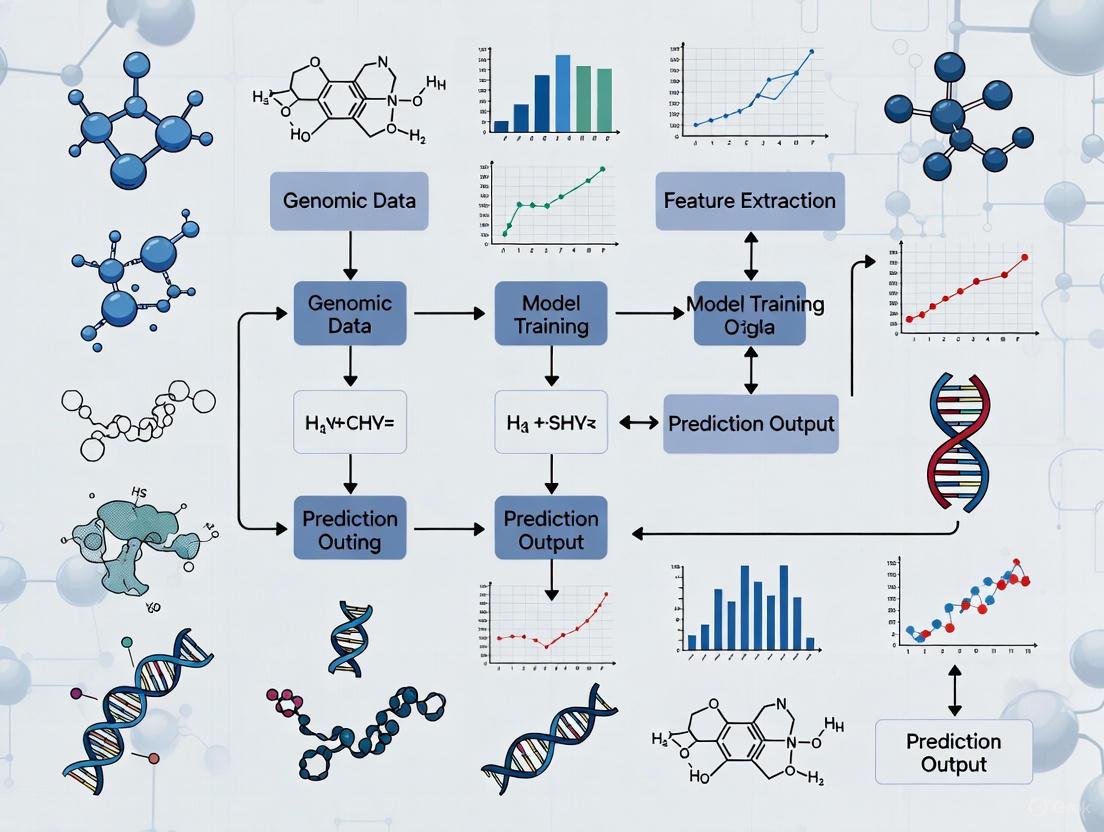
This article addresses the critical challenge of developing robust cancer prediction models when genomic data is scarce, a common scenario in clinical and research settings.
Leveraging Transfer Learning for Accurate Cancer Prediction with Limited Genomic Data
Abstract
This article addresses the critical challenge of developing robust cancer prediction models when genomic data is scarce, a common scenario in clinical and research settings. We explore how transfer learning (TL) mitigates data limitations by leveraging knowledge from large-scale source domains, such as public cell line databases or image repositories. The content covers foundational TL concepts, details methodological applications for genomic and imaging data, provides strategies for troubleshooting and optimization, and presents rigorous validation frameworks. Aimed at researchers, scientists, and drug development professionals, this review synthesizes current evidence to guide the effective implementation of TL, ultimately enhancing the accuracy and clinical applicability of cancer prediction tools.
Why Transfer Learning? Overcoming Data Scarcity in Cancer Genomics
In the field of cancer genomics, the pursuit of predictive models is fundamentally constrained by the "dual challenge": the scarcity of large, labeled genomic datasets and the inherent high dimensionality of genomic data. Data scarcity arises from the high costs and logistical complexities of sequencing, particularly for rare cancer subtypes, leading to cohorts that are often insufficient for training complex models [1] [2]. Concurrently, high dimensionality—where each sample is characterized by thousands to millions of features (e.g., genes, mutations) while the number of samples is limited—increases the risk of model overfitting and complicates the extraction of robust biological insights [3]. This combination poses a significant barrier to the clinical translation of AI in oncology. However, within this challenge lies the promise of transfer learning, a paradigm that adapts knowledge from large-scale, data-rich source domains (such as general cancer genome atlases) to enhance performance on data-poor target tasks, effectively bridging the gap between limited data and model generalizability [4].
Quantifying the Challenge: Data and Dimensionality in Perspective
The scale of the data problem in genomics is immense. The following table summarizes the data characteristics and performance impacts observed in contemporary genomic studies.
Table 1: Data Characteristics and Performance Impacts in Genomic Studies
| Aspect | Exemplary Data / Metrics | Context / Impact |
|---|---|---|
| Data Volume | Human Genome: Over 3 billion base pairs; TCGA: >10,000 genomes, 2.5 petabytes of multi-omics data [2]. | Creates storage and processing bottlenecks; necessitates robust computational frameworks [5]. |
| Sequencing Cost | ~$525 per genome (as of 2022) [2]. | A limiting factor for assembling large-scale cohorts, especially for rare cancers. |
| Dimensionality | Single-cell RNA-seq: Tens of thousands of genes (features) per sample [6]. | "Curse of dimensionality"; data sparsity increases overfitting risk and complicates analysis [3]. |
| Model Performance | Deep learning models reduce false-negative rates in variant calling by 30–40% compared to traditional pipelines [1]. | Demonstrates AI's potential but is contingent on sufficient, high-quality data. |
| Feature Selection Impact | Proposed deep learning feature selection method achieved average improvements of 1.5% in accuracy and ~1.8% in precision/recall [3]. | Highlights the critical role of dimensionality reduction in improving model efficacy. |
Application Note: A Transfer Learning Protocol for Limited Genomic Data
This protocol outlines a methodology for adapting large-scale genomic foundation models to specific cancer prediction tasks with limited data, based on the approach described by Jiahui Yu (2025) [4].
Background and Principle
Pre-trained genomic "language models" (e.g., DNA-BERT, Nucleotide Transformer) have learned rich, generalizable representations of genomic sequence context from population-scale germline data. The principle of this protocol is to fine-tune these models on a smaller, targeted dataset of cancer genomes. This allows the model to leverage its pre-existing knowledge of genomic "grammar" while specializing in the detection of somatic variations and other cancer-specific alterations, thereby overcoming the limitations of a small dataset.
Experimental Materials and Reagents
Table 2: Essential Research Reagents and Computational Tools
| Item / Resource | Function / Description | Example Tools / Sources |
|---|---|---|
| Source (Pre-trained) Model | Provides the foundational knowledge of genomic sequences. | DNA-BERT, Nucleotide Transformer, Evo [4] [7]. |
| Target Domain Dataset | The smaller, task-specific cancer genomic dataset for model adaptation. | ICGC Pan-Cancer cohort, TCGA, or in-house WGS/WES data [1] [4]. |
| Raw Sequencing Data | Direct model input, forcing it to learn representations of complex alterations. | WGS/WES data in BAM or FASTA format [4] [6]. |
| High-Performance Computing (HPC) Infrastructure | Provides the computational power required for model fine-tuning. | Cloud platforms (AWS, Google Cloud) or local clusters with GPUs [5] [6]. |
| Explainability Toolkit | Interprets model predictions and validates biological plausibility. | Attention visualization, SHAP, feature occlusion tests [4] [6]. |
Step-by-Step Workflow Protocol
Step 1: Model and Data Acquisition
- 1.1. Obtain a pre-trained genomic language model (e.g., DNA-BERT).
- 1.2. Secure your target domain dataset. For cancer prediction, this should consist of raw sequencing data (e.g., BAM files) from a cohort like ICGC Pan-Cancer, encompassing the cancer types of interest [4].
Step 2: Data Preprocessing
- 2.1. If not using raw data, perform standard bioinformatics preprocessing on the target data: alignment to a reference genome, duplicate removal, and base quality recalibration [6].
- 2.2. Partition the target dataset into training, validation, and hold-out test sets. The hold-out test set must be sequestered before any model fitting or parameter tuning begins [8].
Step 3: Model Fine-Tuning
- 3.1. Initialize the model architecture with weights from the pre-trained source model.
- 3.2. Replace the model's final output layer to match the number of classes in your target task (e.g., cancer type classification).
- 3.3. Train (fine-tune) the model on the training split of your target data. Use the validation split for hyperparameter optimization and to monitor for overfitting. A lower learning rate for the pre-trained layers is typically used to avoid catastrophic forgetting [4].
Step 4: Model Validation and Interpretation
- 4.1. Generalization Assessment: Evaluate the final fine-tuned model's performance on the sequestered hold-out test set and, if possible, on independent external cohorts with varying sequencing technologies [4] [9].
- 4.2. Biological Interpretation: Implement explainability techniques.
- Use attention mechanisms to identify which genomic segments the model "focuses on" for its predictions.
- Perform feature occlusion tests, systematically masking parts of the input sequence to observe changes in prediction confidence [4].
- Compare the model-derived important features against established driver-gene databases (e.g., COSMIC) to assess biological plausibility and clinical relevance.
The following diagram visualizes the end-to-end workflow of this transfer learning protocol.
Complementary Protocol: Advanced Feature Selection for High-Dimensional Data
For scenarios not using raw sequencing data but pre-processed feature matrices (e.g., gene expression counts), advanced feature selection is critical. This protocol is based on a novel deep learning and graph-based method [3].
Background and Principle
Traditional feature selection methods often struggle with the complex, non-linear relationships in high-dimensional genomic data. This protocol uses a deep similarity measure to capture intricate dependencies between features, models the feature space as a graph, and employs community detection to identify and select the most influential, non-redundant features from each cluster.
Step-by-Step Workflow Protocol
Step 1: Graph Representation
- 1.1. Input the high-dimensional dataset (e.g., rows=samples, columns=genes/features).
- 1.2. Model the feature space as a graph, where each node represents a feature (e.g., a gene).
- 1.3. Use a deep learning model to calculate a sophisticated similarity measure between every pair of features (nodes), which serves as the weight of the edge connecting them. This step captures complex, non-linear relationships [3].
Step 2: Feature Clustering
- 2.1. Apply a community detection algorithm (e.g., Louvain method) to the constructed graph. This algorithm automatically identifies clusters (communities) of highly interconnected, similar features without requiring a pre-specified number of clusters [3].
Step 3: Influential Feature Selection
- 3.1. Within each identified cluster, calculate a node centrality measure (e.g., PageRank centrality) for every feature.
- 3.2. Select the feature with the highest centrality score from each cluster as the most influential and representative feature for that group.
- 3.3. The union of these selected features from all clusters forms the final, reduced feature set for downstream model training [3].
The logical flow of this feature selection method is illustrated below.
In the field of machine learning applied to biomedical research, transfer learning (TL) represents a powerful paradigm that enables the knowledge gained from solving one problem to be applied to a different but related problem [10]. This approach is particularly transformative for cancer prediction, where acquiring large-scale, labeled genomic and histopathological datasets is often prohibitively expensive, time-consuming, and limited by patient privacy concerns [11] [12]. By leveraging transfer learning, researchers can develop robust models that perform effectively even with limited target data, accelerating the pace of discovery in precision oncology.
The foundational concepts of transfer learning can be defined as follows:
- Source Domain: The original domain from which knowledge is drawn, typically characterized by a large dataset and a specific task on which a model has been pre-trained. In cancer research, common source domains include large public repositories like The Cancer Genome Atlas (TCGA), the Genomics of Drug Sensitivity in Cancer (GDSC) database, or even general-purpose image collections like ImageNet for histopathological image analysis [12] [13]. The source domain provides the initial feature representations and model weights that will be adapted.
- Target Domain: The new, specific domain of interest where knowledge from the source domain is applied. In the context of cancer prediction with limited genomic data, this could be a smaller, institution-specific cohort of patients, a different cancer type, or a new predictive task such as forecasting resistance to a specific therapeutic agent [13] [14]. The target domain often has a different data distribution than the source domain, necessitating careful adaptation strategies.
- Fine-Tuning: A specific technique within transfer learning that involves taking a pre-trained model (from the source domain) and continuing the training process on data from the target domain [15]. This is not merely a process of initializing weights but involves carefully updating the model's parameters using a lower learning rate to prevent catastrophic forgetting of generally useful features while adapting to the specifics of the target task [12] [15].
Transfer Learning Strategies and Types
The application of transfer learning can be categorized based on the relationship between the source and target domains and tasks. Understanding these categories helps researchers select the most appropriate strategy for their specific challenge in cancer prediction.
Table 1: Types of Transfer Learning in Biomedical Research
| Type | Description | Example in Cancer Research |
|---|---|---|
| Inductive Transfer Learning | Source and target domains are the same, but the tasks differ. The pre-trained model is fine-tuned for a new function [10] [15]. | A model pre-trained on general cancer cell line gene expression data (source task: proliferation rate prediction) is fine-tuned to predict the response to a newly developed drug (target task) [13]. |
| Transductive Transfer Learning | Source and target tasks are identical, but the domains differ in data distribution [10] [15]. | A model trained to classify lung cancer subtypes using data from one medical center (source domain) is adapted to perform the same classification on data from a new hospital with different imaging protocols (target domain) [14]. |
| Unsupervised Transfer Learning | Used when there is little to no labeled data available in both the source and target domains. The model learns to transfer feature representations without task-specific labels [10] [15]. | Applying a model pre-trained on unlabeled genomic sequences from a common database to cluster unlabeled single-cell RNA-seq data from a novel tumor sample. |
Fine-Tuning: A Detailed Technical Protocol
Fine-tuning is the practical engine of transfer learning. It involves a nuanced process of continuing the training of a pre-trained model on a new dataset. The core principle is to use a lower learning rate than that used for training from scratch, which allows the model to make small, precise adjustments to its weights without overwriting the generally useful features learned from the source domain [15].
Strategic Approaches to Fine-Tuning
Researchers can select from several fine-tuning strategies based on the size and similarity of their target dataset to the source data:
- Feature Extraction (Frozen Features): All pre-trained weights are kept frozen, and only newly added classifier layers are trained. This is highly efficient and ideal for very small target datasets that are similar to the source [15].
- Partial Fine-Tuning: This is the most common approach. Early layers (which capture universal features like edges and textures in images, or basic sequence patterns in genomics) are frozen, while later layers (which combine these into more task-specific features) are fine-tuned [12] [15].
- Full Fine-Tuning: All weights in the pre-trained model are updated. This is computationally expensive but can yield superior performance when the target dataset is large and/or significantly different from the source domain [15].
- Discriminative Fine-Tuning: Different learning rates are applied to different layers of the network. Earlier layers, which contain more general features, are updated with a much smaller learning rate, while later layers use a higher rate to adapt more quickly to the new task [15].
A Generic Experimental Protocol for Fine-Tuning in Cancer Prediction
The following protocol provides a template for fine-tuning a pre-trained model on a limited genomic or histopathological dataset for a cancer prediction task.
Table 2: Key Hyperparameters for Fine-Tuning
| Hyperparameter | Recommended Setting | Rationale |
|---|---|---|
| Initial Learning Rate | 10-100x smaller than for training from scratch (e.g., 1e-4 to 1e-5) [15] | Prevents catastrophic forgetting of pre-trained features. |
| Learning Rate Schedule | Cyclic Learning Rates or Warm Restarts [15] | Helps the model escape local minima in the loss landscape. |
| Optimizer | Adam, SGD with Nesterov momentum | Proven stable optimizers for fine-tuning tasks. |
| Batch Size | As large as computational resources allow | Improves training stability; can be smaller than for source training. |
Protocol Steps:
- Select a Pre-trained Model: Choose a model pre-trained on a large, relevant source domain. For histopathology, this could be a Convolutional Neural Network (CNN) like InceptionV3, DenseNet, or Xception pre-trained on ImageNet or a specialized pathology foundation model [12] [14]. For genomics, a model pre-trained on a large pan-cancer omics dataset like GDSC is suitable [13].
- Modify the Model Architecture:
- Remove the final task-specific layer(s) of the pre-trained model (e.g., the classification head for ImageNet).
- Introduce new layers on top of the pre-trained base, configured for the target task (e.g., a new fully connected layer with the number of neurons matching the desired cancer classification categories) [10] [12].
- Configure the Fine-Tuning Strategy:
- For small, similar target data: Freeze all pre-trained layers and train only the new layers.
- For moderate target data: Freeze early layers and fine-tune later layers.
- For large, dissimilar target data: Unfreeze all layers for full fine-tuning with a very low learning rate.
- Train the Model on the Target Domain:
- Use a much lower learning rate (see Table 2) for the pre-trained layers.
- Apply robust data augmentation (e.g., rotation, flipping for images; noise injection for genomic data) to prevent overfitting on the limited target dataset [12] [15].
- Monitor performance on a held-out validation set from the target domain and employ early stopping to halt training when performance plateaus.
Visualizing the Fine-Tuning Workflow for Cancer Prediction
The following diagram illustrates the end-to-end workflow for applying transfer learning and fine-tuning to a cancer prediction task, from data preparation to model deployment.
Fine-Tuning Workflow for Cancer Prediction
Case Study: Application in Colorectal Cancer Histopathology
A 2025 study provides a clear example of the successful application of these core principles. The research aimed to improve the classification of colorectal cancer (CRC) histopathological images [12].
- Source Domain: The ImageNet dataset, a large-scale general image repository, and pre-trained CNN architectures including DenseNet121, InceptionV3, and Xception.
- Target Domain: Multiple CRC histopathological image datasets totaling 10,613 images from public and private repositories.
- Fine-Tuning Protocol: The researchers implemented a structured fine-tuning approach. They did not simply train the final layer but performed algorithmic fine-tuning at varying depths of the pre-trained networks, creating the models CRCHistoDense, CRCHistoIncep, and CRCHistoXcep.
- Results and Efficacy: The fine-tuned models achieved exceptional test accuracies of 99.34%, 99.48%, and 99.45%, respectively, across all datasets. Statistical tests confirmed these were significant improvements over baseline methods, demonstrating that targeted fine-tuning based on CNN architecture characteristics dramatically enhances both classification performance and generalizability in cancer diagnostics [12].
The Scientist's Toolkit: Essential Research Reagents and Materials
The following table details key resources and computational tools essential for conducting transfer learning experiments in cancer research.
Table 3: Research Reagent Solutions for Transfer Learning
| Item / Resource | Function / Description | Example in Context |
|---|---|---|
| Pre-trained Models | Provide the foundational feature extractors and initial weights. | Models like DenseNet121, InceptionV3, Xception [12], or pathology foundation models [14]. |
| Genomic Databases | Serve as large source domains for pre-training or benchmarking. | GDSC, TCGA, PDX Encyclopedia [13]. |
| Digital Histopathology Slides | The raw data for image-based target tasks. | H&E-stained whole slide images (WSIs) of tumor tissues [12] [14]. |
| Cloud Computing Platforms | Provide the computational power required for training and fine-tuning deep learning models. | Amazon SageMaker (e.g., SageMaker JumpStart for pre-trained models) [10]. |
| Data Augmentation Tools | Artificially expand the size and diversity of limited target datasets to prevent overfitting. | Libraries for image rotation, flipping, color jitter; or noise injection for genomic data. |
Transfer learning has emerged as a pivotal methodology in computational biology, particularly for cancer prediction using high-dimensional genomic data where sample sizes are often limited. This approach leverages knowledge from a source domain (with abundant data) to improve model performance in a target domain (with scarce data), simultaneously enhancing predictive accuracy and reducing computational costs [16] [17]. Within oncology, where the acquisition of large, labeled genomic datasets is often prohibitively expensive and time-consuming, transfer learning provides a framework to overcome the "curse of dimensionality" and build more robust, generalizable predictive models for tasks such as cancer diagnosis, subtyping, and survival prediction [18] [19].
Quantitative Evidence of Performance Enhancement
Empirical studies across various cancer genomics tasks consistently demonstrate that transfer learning strategies can significantly boost model performance, especially when the target dataset is small. The following table summarizes key quantitative findings from recent research.
Table 1: Performance Benefits of Transfer Learning in Cancer Genomics
| Target Task | Source Data/Task | Transfer Method | Performance Gain | Reference |
|---|---|---|---|---|
| Lung Cancer Progression-free Interval Prediction | Pan-Cancer (31 tumor types) | CNN pre-training & fine-tuning | Improved prediction vs. non-TL models [19] | |
| Identification of Genome-Matched Therapies | Nationwide CGP database (Japan) | XGBoost (Implied TL context) | AUROC: 0.819 [20] | |
| Cancer Prediction (Gene Expression) | Large Pan-Cancer Microarray Data | Supervised Transfer (Large to Small Set) | Performance matched state-of-the-art only for large training sets; TL was beneficial for small sets [18] | |
| Cancer Prediction (Gene Expression) | Unlabeled Pan-Cancer Data | Unsupervised Pre-training (Autoencoder) | Strongly improved model performance in some cases for small target datasets [18] | |
| Mid-term Load Forecasting (COVID-19 context) | 26 Provinces in Normal Conditions | CNN-based BEST-L Framework | Higher accuracy vs. traditional methods; effective knowledge transfer with small samples [21] |
Beyond raw performance, a major benefit of transfer learning is a reduction in the required training time and computational resources. By repurposing pre-trained models or networks, researchers can reduce the number of training epochs, the volume of training data needed, and the requisite processor units [16]. This efficiency is critical in biomedical research, where computational resources can be a limiting factor.
Detailed Experimental Protocols
This section outlines specific methodologies for implementing transfer learning in cancer genomic studies, detailing the protocols that generated the results discussed above.
Protocol: Robust Transfer Learning for High-Dimensional Generalized Linear Models
This protocol is designed to handle outliers and data contamination, which are common in real-world biomedical data [22].
- Source Model Pre-training: Train a generalized linear model (GLM) on a large-scale source genomic dataset (e.g., TCGA Pan-Cancer data). The training employs minimum γ-divergence to ensure robustness against outliers in the source data.
- Knowledge Transfer: The parameters (weights and biases) learned from the source model are transferred to initialize the target model. This provides a robust starting point that is already attuned to genomic data patterns.
- Target Model Fine-tuning: The initialized target model is then fine-tuned on the smaller, target genomic dataset. The fine-tuning process continues to use the robust minimum γ-divergence estimator to maintain performance even if the small target set contains outliers [22].
Protocol: Unsupervised Pre-training for Cancer Subtype Classification
This protocol uses unsupervised learning on a large, unlabeled dataset to learn a generally useful representation of gene expression data [18].
- Feature Representation Learning: Train a deep autoencoder (e.g., variational or denoising) on a large pan-cancer gene expression dataset (e.g., >10,000 samples). The objective is to reconstruct the input data, forcing the encoder to learn a compressed, meaningful representation.
- Model Initialization: The encoder layers of the trained autoencoder are copied to form the initial hidden layers of a multilayer perceptron (MLP) classifier designed for a specific cancer subtype prediction task.
- Supervised Fine-tuning: A new output layer matching the number of target subtypes is appended to the initialized MLP. The entire network is then trained (fine-tuned) on the smaller, labeled target dataset. The pre-trained weights serve as an informed starting point, accelerating convergence and improving generalization [18].
Protocol: CNN-Based Survival Prediction Using Gene-Expression Images
This protocol adapts convolutional neural networks, which excel with spatially coherent data, to unstructured gene expression data [19].
- Data Transformation: Convert one-dimensional gene-expression vectors into two-dimensional "gene-expression images." This can be done using domain-specific knowledge, such as arranging genes by their relative position on the chromosome or using algorithms like DeepInsight that project features onto a 2D space to create local motifs [19].
- Pan-Cancer Pre-training: Train a CNN architecture (e.g., ResNet) on a large set of these images derived from a pan-cancer dataset (e.g., 31 tumor types from TCGA) for a surrogate task, such as tumor-type classification.
- Task-Specific Fine-tuning: Replace the final classification layer of the pre-trained CNN to predict a clinical outcome like lung cancer progression-free interval. Fine-tune the network on the smaller target dataset of gene-expression images. The early CNN layers, which have learned to detect general genomic "shapes" and patterns, are particularly transferable [19].
Workflow Visualization
The following diagram illustrates the logical sequence and decision points in a generalized transfer learning workflow for cancer genomics.
The Scientist's Toolkit: Research Reagent Solutions
Successful implementation of the protocols above relies on key computational reagents and datasets. The following table catalogues essential resources for transfer learning in cancer genomics.
Table 2: Key Research Reagents for Transfer Learning in Cancer Genomics
| Reagent / Resource | Type | Primary Function | Example Use Case |
|---|---|---|---|
| MLOmics Database [23] | Processed Multi-omics Database | Provides off-the-shelf, uniformly processed multi-omics data for 32 TCGA cancer types, ideal for source pre-training or target task evaluation. | Pan-cancer classification; biomarker discovery. |
| C-CAT Database [20] | Clinical-Genomic Real-World Database | Offers a large-scale, real-world dataset linking comprehensive genomic profiling (CGP) results to clinical outcomes, useful for source training. | Predicting identification of genome-matched therapies. |
| TCGA (The Cancer Genome Atlas) [24] [23] | Genomic Data Portal | A foundational, multi-omics resource for many cancer types. Requires significant processing to be model-ready. | Source data for pre-training autoencoders or CNNs. |
| Pre-trained Autoencoders [18] | Model Weights / Architecture | Provides a pre-learned, low-dimensional representation of gene expression data, serving as a feature extractor or model initializer for small target datasets. | Initializing MLPs for cancer subtype prediction. |
| XGBoost [20] | Machine Learning Algorithm | A powerful, tree-based boosting algorithm that can be used in a transfer context and offers high interpretability via methods like SHAP. | Predicting clinical outcomes from clinical and genomic features. |
| ResNet / CNN Architectures [19] [17] | Model Architecture | Deep neural network architectures that can be pre-trained on source data (e.g., gene-expression images) and fine-tuned for target tasks like survival prediction. | Predicting cancer progression from genomic data. |
In the field of oncology, the development of robust predictive models for tasks such as drug sensitivity assessment, cancer subtype classification, and mutation detection is often hampered by the limited availability of high-quality, labeled genomic and clinical data. Transfer learning has emerged as a powerful strategy to overcome this bottleneck by leveraging knowledge gained from large, diverse source domains to improve performance on target tasks with limited data [25]. The effectiveness of this approach, however, is fundamentally dependent on the selection and utilization of appropriate pre-training data sources. This Application Note details the major categories of data repositories—cancer cell line databases, pan-cancer patient data consortia, and cancer imaging archives—that provide the foundational resources for pre-training models in computational oncology. Furthermore, it provides standardized protocols for implementing a transfer learning workflow from data pre-processing to model fine-tuning, enabling researchers to effectively leverage these diverse data sources to build more accurate and generalizable predictive models for cancer research and personalized treatment.
Data Repositories for Pre-training
Table 1: Major Data Repositories for Pre-training Cancer Models
| Repository Name | Data Type | Key Features | Sample Scale | Primary Use Cases |
|---|---|---|---|---|
| Genomics of Drug Sensitivity in Cancer (GDSC) [26] | Gene expression, drug sensitivity | Largest in vitro drug-sensitivity database; 286 drugs across 686 cell lines [27] | 958 cell lines, 282 drugs [26] | Drug-sensitivity prediction models |
| Cancer Cell Line Encyclopedia (CCLE) [26] | Gene expression, drug response | Drug sensitivity data for 24 drugs; 7 overlap with GDSC [26] | 472 cell lines [26] | Model validation and comparison |
| The Cancer Genome Atlas (TCGA) [18] | Multi-omics, clinical data | Pan-cancer data; 33 cancer types [28] | >20,000 primary cancer and matched normal samples [28] | Pan-cancer and cancer-specific classification |
| Cancer Research Data Commons (CRDC) [29] [28] | Genomic, proteomic, imaging | Federated, cloud-based infrastructure integrating multiple data commons | >9.4 petabytes from 354 studies [28] | Centralized access to diverse NCI data resources |
| Beat Acute Myeloid Leukaemia (Beat AML) [26] | Patient-derived cell culture data | Drug sensitivity for 213 AML patient-derived cell cultures | 213 patients, 109 drugs [26] | Translation from cell lines to patient-derived models |
| Patient-Derived Organoid (PDO) Data [26] | Organoid drug response | Closely resembles patient tumor response [26] | 44 PDOs, 25 drugs [26] | Biomimetic drug response prediction |
Experimental Protocols
Protocol 1: Implementing a Transfer Learning Workflow from Cell Lines to Patient-Derived Models
This protocol describes a method to pre-train a model on abundant cell line data (GDSC) and fine-tune it on smaller, more clinically relevant patient-derived data (e.g., Beat AML or PDOs) to predict drug sensitivity [26].
Materials
- Data: GDSC database (source domain), target patient-derived dataset (e.g., Beat AML, PDO)
- Software: Python environment with deep learning libraries (PyTorch/TensorFlow)
- Computing Resources: GPU-enabled system for efficient model training
Procedure
- Source Model Pre-training:
- Input Features: Process gene expression profiles (e.g., RNA-seq) from GDSC cell lines and drug representations (e.g., one-hot encoding or SMILES strings) [27].
- Output Target: Use the half-maximal inhibitory concentration (IC50) values as the regression target.
- Model Architecture: Train a deep neural network (e.g., a Multilayer Perceptron or a specialized architecture like PaccMann [26]) to predict IC50 from the input features. Use a tissue-aware data split to prevent data leakage [27].
- Validation: Monitor the Pearson correlation coefficient between predicted and experimental IC50 values on a held-out validation set.
Target Data Alignment and Preprocessing:
- Data Alignment: Employ alignment techniques like Celligner [27] to correct for batch effects and distribution shifts between the gene expression profiles of cell lines (source) and patient-derived samples (target).
- Feature Harmonization: Ensure the input feature space (e.g., gene sets) matches between the source and target domains.
Model Transfer and Fine-tuning:
- Parameter Transfer: Initialize the target model (which shares the architecture with the source model) with the pre-trained weights from the source model.
- Fine-tuning: Re-train the model on the target domain data (e.g., Beat AML or PDO drug response). A lower learning rate is typically used to adapt the weights without overwriting the general features learned during pre-training.
- Evaluation: Evaluate the fine-tuned model on a held-out test set from the target domain. The primary performance metric is the Pearson correlation between predicted and observed drug sensitivity, averaged across cell lines or patients (cell cold-start) [26].
Troubleshooting
- If performance on the target domain is poor, check the alignment of feature distributions between source and target data.
- Experiment with "freezing" earlier layers of the network during initial fine-tuning stages to preserve general features.
Protocol 2: Self-Pretraining on Task-Specific Genomic Data
For tasks where large-scale general pre-training is not feasible, self-pretraining on unlabeled task-specific sequences is a compute-efficient alternative [30]. This protocol is applicable to tasks like gene finding or chromatin profiling.
Materials
- Data: Unlabeled DNA or RNA sequences specific to the target task (e.g., genomic regions of interest from ENCODE).
- Software: PyTorch with standard deep learning modules.
Procedure
- Self-Supervised Pre-training:
- Model Setup: Use a residual convolutional neural network (CNN) as an encoder. Attach a masked language modeling (MLM) head [30].
- Input: One-hot encoded DNA sequences. Tokens are randomly masked with a probability of 0.15.
- Training: Train the model to reconstruct the original sequence, using a cross-entropy loss calculated only at the masked positions (
L_MLM).
- Supervised Fine-tuning:
- Head Replacement: Remove the MLM head and replace it with a task-specific predictor (e.g., a classifier for exon/intron regions) [30].
- Fine-tuning: Train the entire model (encoder and new head) end-to-end on the labeled downstream task using an appropriate loss function (e.g., cross-entropy for classification).
Troubleshooting
- For gene finding, adding a Conditional Random Field (CRF) layer on top of the fine-tuned model can enforce global label consistency (e.g., valid exon-intron transitions), significantly improving performance [30].
Workflow Visualization
Transfer Learning Workflow for Drug Response Prediction
Data Validation and Preprocessing Framework
The Scientist's Toolkit
Table 2: Essential Research Reagents and Computational Resources
| Tool/Resource | Type | Function | Access |
|---|---|---|---|
| Cancer Research Data Commons (CRDC) [29] | Data Infrastructure | Federated, cloud-based platform providing centralized access to NCI's genomic, proteomic, and imaging data. | https://datacommons.cancer.gov/ |
| Genomic Data Commons (GDC) [28] | Data Repository | Primary portal for accessing harmonized genomic data from projects like TCGA. | Via CRDC |
| Imaging Data Commons (IDC) [28] | Data Repository | Provides curated cancer imaging archives for model development and validation. | Via CRDC |
| Celligner [27] | Computational Tool | Algorithm to align RNA-seq data from cell lines and patient tumors, correcting for batch effects. | https://github.com/broadinstitute/celligner |
| Transformer Architectures (e.g., PharmaFormer [31]) | Model Architecture | Neural networks designed to handle sequential data (e.g., genes, DNA sequences), effective for integrating multi-modal inputs. | Custom implementation |
| Cloud Resources (SB-CGC, ISB-CGC) [28] | Computing Platform | Secure cloud workspaces with pre-configured analytical tools and workflows for analyzing CRDC data. | Via CRDC |
| Autoencoders (VAE, DAE) [18] | Model Architecture | Used for unsupervised pre-training to learn compressed, informative representations of gene expression data. | Standard DL libraries |
Practical Strategies and Cutting-Edge Models for Genomic and Multimodal Data
The genomic characterization of cancer cell lines, coupled with high-throughput drug sensitivity screening, has established resources like the Cancer Cell Line Encyclopedia (CCLE) and the Genomics of Drug Sensitivity in Cancer (GDSC) as fundamental tools for precision oncology. These databases provide systematic measurements of drug response across hundreds of cancer cell lines, enabling the development of machine learning models that predict drug sensitivity based on genomic features. However, a significant challenge arises from the distributional shifts between different pharmacogenomic databases, which can limit model generalizability and performance when applied to new data sources or clinical samples.
Transfer learning (TL) methodologies offer a powerful solution to these challenges by leveraging knowledge from a data-rich source domain (e.g., one pharmacogenomic database) to improve predictive performance and generalization in a target domain (e.g., another database or patient data), especially when the target dataset is limited. This Application Note provides detailed protocols for implementing transfer learning across CCLE and GDSC, facilitating robust drug sensitivity prediction even with limited genomic data.
Table 1: Key Public Pharmacogenomic Databases for Transfer Learning
| Database | Primary Focus | Key Content | Utility in Transfer Learning |
|---|---|---|---|
| GDSC (Genomics of Drug Sensitivity in Cancer) [32] [33] | Oncology drug sensitivity | ~1000 cell lines, ~250 compounds; Genomic features (mutations, gene expression), drug sensitivity (IC50, AUC) | Primary source domain; Large-scale data for pre-training. |
| CCLE (Cancer Cell Line Encyclopedia) [32] [33] | Cancer cell line characterization | ~1000 cell lines, ~500 compounds; Genomic features, drug sensitivity data. | Primary or secondary source/target domain; Often used with GDSC. |
| PRISM [32] | Drug repurposing | Predominantly non-oncology drugs screened for anti-cancer activity. | Extends predictions to non-oncology drug space. |
| DrugComb [32] | Drug combination sensitivity | Includes single drug and drug combination screening data. | Source for combination therapy modeling. |
Understanding Data Heterogeneity and Integration Challenges
A critical first step in any transfer learning project is recognizing and addressing the inherent inconsistencies between source and target data. Direct comparisons of drug sensitivity values (e.g., IC50) between GDSC and CCLE have historically shown discordance, which arises from differences in experimental protocols, assay conditions, and drug sensitivity metrics.
To enable meaningful data integration and model transfer, researchers have developed standardized metrics. The area under the dose response curve adjusted for the range of tested concentrations (adjusted AUC) is one such robust metric that allows for the integration of heterogeneous data from CCLE, GDSC, and other resources like the Cancer Therapeutics Response Portal (CTRP) by calculating sensitivity over a shared concentration range [33]. This adjustment mitigates technical biases and facilitates a more reliable comparison and pooling of data across studies, forming a solid foundation for subsequent transfer learning.
Transfer Learning Protocols for Drug Sensitivity Prediction
This section outlines two distinct computational approaches for implementing transfer learning between CCLE and GDSC, moving from latent variable models to more recent federated learning frameworks.
Protocol 1: Latent Variable Cost Optimization
This protocol involves mapping data from both source (e.g., CCLE) and target (e.g., GDSC) domains into a shared latent space where their distributions are aligned, allowing for knowledge transfer [34].
- Primary Objective: To improve drug sensitivity prediction in a target database with limited samples by leveraging the larger dataset of a source database.
- Applications: Enhancing prediction in a newly established or sparsely populated drug sensitivity dataset using a larger, complementary database.
Step-by-Step Procedure:
Data Preprocessing and Feature Selection:
- Identify overlapping cell lines and drugs between CCLE and GDSC.
- Use the Adjusted AUC as the drug sensitivity metric to ensure comparability [33].
- For gene expression data, perform feature selection. A common method is using the ReliefF algorithm to select the top 200 genes from each dataset and taking their intersection as the final feature set [34].
- Normalize the gene expression data (e.g., Z-score normalization).
Model Implementation and Training:
- Implement the Combined Latent Prediction (CLP) model, which has been shown to outperform other latent variable methods [34].
- The CLP model learns a joint latent variable representation for the input gene expression data from both source and target domains and also maps the output sensitivity data into a shared latent space.
- The cost function is optimized using the available target domain data (e.g., a small subset of GDSC) and the entire source domain data (e.g., CCLE).
Prediction and Validation:
- Use the trained model to predict drug sensitivities for the held-out samples in the target domain.
- Validate model performance by comparing predicted versus experimental AUC values using Pearson correlation or mean squared error.
Figure 1: Latent Variable Optimization Workflow
Protocol 2: Federated Learning for Privacy-Preserving Integration
Federated Learning (FL) is a decentralized approach that enables model training across multiple datasets without sharing raw data, thus preserving privacy and addressing data governance concerns while leveraging multi-source data to improve generalizability [35].
- Primary Objective: To build a robust, generalized drug sensitivity prediction model by learning from multiple pharmacogenomic datasets (CCLE, GDSC, gCSI) without centralizing the data.
- Applications: Collaborative model development across different institutions where data sharing is restricted, or to improve model robustness to inter-dataset inconsistencies.
Step-by-Step Procedure:
Data Preparation and Feature Engineering on Each Client:
- For each dataset (CCLE, GDSC), perform client-specific preprocessing.
- Gene Selection: Filter genes based on the L1000 gene set, which is sufficient to predict transcriptome changes upon drug treatment. Further reduce dimensionality using mutual information [35].
- Drug Representation: Obtain Mol2Vec embeddings (300 dimensions) from the SMILES codes of each drug to numerically represent molecular structure [35].
- Tissue Type Encoding: Use one-hot encoding for the tissue type of each cell line.
- Concatenate the processed gene expression, drug embedding, and tissue type vector to form the final input feature.
Federated Model Architecture and Training:
- A central server coordinates the training and maintains a global model.
- Each client (e.g., CCLE, GDSC) trains the model locally on its data for a few epochs.
- The clients send their model updates (e.g., gradients or weights) to the central server.
- The server aggregates these updates (e.g., using Federated Averaging) to improve the global model.
- The updated global model is then sent back to the clients for the next round of training.
Model Inference:
- The final trained global model can be deployed for drug sensitivity prediction on new data from any of the participating domains or new, similar domains.
Table 2: Comparison of Featured Transfer Learning Methods
| Method | Core Mechanism | Data Privacy | Key Advantage | Reported Performance Gain |
|---|---|---|---|---|
| Latent Variable (CLP) [34] | Projects source and target data into a shared latent space. | Low (Requires data centralization) | Effective for direct knowledge transfer between two specific databases. | Superior to non-TL models for 6/7 drugs tested [34]. |
| Federated Learning [35] | Decentralized training; only model updates are shared. | High | Enables multi-institutional collaboration without raw data sharing, improves generalizability. | Outperforms single-database models and traditional FL approaches [35]. |
| scDEAL (Deep Transfer) [36] | Harmonizes bulk and single-cell RNA-seq data via domain adaptation. | Low (Requires data centralization) | Predicts drug response at single-cell resolution, revealing heterogeneity. | High accuracy (Avg. F1-score: 0.892) on six scRNA-seq datasets [36]. |
Figure 2: Federated Learning Setup
The Scientist's Toolkit: Research Reagent Solutions
Table 3: Essential Computational Tools and Data Resources
| Tool/Resource | Type | Function in Workflow | Access/Reference |
|---|---|---|---|
| Adjusted AUC Metric | Analytical Metric | Standardizes drug sensitivity measurements across studies with different experimental setups, enabling direct data comparison [33]. | Custom calculation; see [33]. |
| PharmacoGx R Package [35] | Software Tool | Provides unified interface to access and analyze multiple pharmacogenomic databases (CCLE, GDSC, gCSI) within R. | Bioconductor. |
| Mol2Vec [35] | Algorithm | Generates numerical vector representations (embeddings) of drug molecules from their SMILES strings, capturing structural information. | Python package. |
| L1000 Gene Set [35] | Gene Panel | A reduced set of ~1000 landmark genes whose expression is sufficient to accurately impute the rest of the transcriptome, used for dimensionality reduction. | Broad Institute. |
| scDEAL Framework [36] | Software Tool | A deep transfer learning framework for predicting drug response in single-cell RNA-seq data by leveraging bulk cell-line data. | GitHub repository. |
| PharmacoDB [35] | Database Portal | Integrates multiple pharmacogenomic datasets, allowing users to easily identify overlapping cell lines and drugs across studies. | https://pharmacodb.ca/ |
Advanced Applications and Future Directions
Emerging research demonstrates the expanding frontier of transfer learning in pharmacogenomics. The integration of Large Language Models (LLMs) shows promise for tasks such as linking drugs to their mechanisms of action (MOA) by processing unstructured biological text, thereby enriching input features for sensitivity prediction models [27]. Furthermore, the scDEAL framework exemplifies the power of deep transfer learning to bridge the gap between bulk cell line data and single-cell RNA-seq data from clinical samples, allowing for the prediction of drug response heterogeneity within tumors [36]. These advanced protocols enable the translation of pre-clinical findings to clinically relevant predictions, bringing us closer to the goal of true precision oncology.
The integration of advanced deep learning architectures like Transformers and Convolutional Neural Networks (CNNs) is revolutionizing computational oncology. These models are particularly vital for cancer prediction using limited genomic data, a common challenge in clinical settings. By leveraging transfer learning, models pre-trained on large, general genomic datasets can be fine-tuned for specific cancer prediction tasks, effectively overcoming the data scarcity problem. This application note details the protocols and experimental methodologies underpinning these architectures, providing a framework for researchers and drug development professionals to implement these powerful tools.
Key Architectures and Their Quantitative Performance
Advanced architectures for genomic and imaging data in oncology can be broadly categorized into several types, each with distinct strengths. The following table summarizes the performance of key models as reported in recent literature.
Table 1: Performance Metrics of Advanced Architectures in Oncology Applications
| Model Name | Architecture Type | Primary Application | Key Dataset(s) | Reported Performance | Reference |
|---|---|---|---|---|---|
| TransBreastNet | CNN-Transformer Hybrid | Breast cancer subtype & stage classification | Internal mammogram dataset | 95.2% accuracy (subtype), 93.8% accuracy (stage) | [37] |
| DNABERT-2 / Nucleotide Transformer | Transformer | Genetic mutation classification (SNVs, Indels, Duplications) | Custom real-world and synthetic genomic datasets | High performance on F1, recall, accuracy, and precision metrics | [38] |
| DeepVariant | CNN | Germline and somatic variant calling | GIAB, TCGA | 99.1% SNV accuracy | [1] |
| DNN-based TL with MI | Deep Neural Network with Transfer Learning | Drug response prediction | GDSC, PDX, TCGA | Outperformed other methods based on AUCPR | [13] |
| MAGPIE | Attention-based Multimodal Neural Network | Variant prioritization | Rare disease cohorts | 92% variant prioritization accuracy | [1] |
The Scientist's Toolkit: Essential Research Reagents and Materials
Successful implementation of these models requires a suite of computational tools and data resources.
Table 2: Key Research Reagent Solutions for Implementation
| Item Name | Type | Function/Application | Example/Note |
|---|---|---|---|
| Pre-trained Genomic Models | Software Model | Foundation for transfer learning on limited genomic data. | DNABERT-2, Nucleotide Transformer, GENAL-LM [38]. |
| Curated Genomic Datasets | Data | Training, fine-tuning, and benchmarking models for cancer genomics. | TCGA, ICGC Pan-Cancer, COSMIC, CCLE, GDSC [4] [13] [1]. |
| Synthetic Data Generators | Algorithm | Addressing class imbalance in genomic data by generating realistic sequences. | WGAN-GP (Wasserstein Generative Adversarial Network with Gradient Penalty) [38]. |
| Multi-omics Fusion Frameworks | Computational Method | Integrating diverse data types (e.g., gene expression, mutations, CNAs) for a holistic view. | Late integration pipelines, attention-based fusion mechanisms [13] [1]. |
| Cloud Computing Platforms | Infrastructure | Providing scalable storage and computation for large genomic and imaging datasets. | Amazon Web Services (AWS), Google Cloud Genomics, Microsoft Azure [39]. |
Experimental Protocols and Workflows
Protocol 1: Implementing a Hybrid CNN-Transformer for Cancer Subtype Classification
This protocol outlines the methodology for developing a hybrid architecture, as exemplified by TransBreastNet, for classifying cancer subtypes from multimodal data [37].
1. Data Preparation and Preprocessing:
- Input Modalities: Collect mammogram images and structured clinical metadata (e.g., hormone receptor status, tumor size).
- Image Preprocessing: Apply standard normalization and augmentation techniques (e.g., random flipping, rotation) to the images to increase robustness.
- Metadata Encoding: Encode categorical clinical variables and normalize continuous variables.
2. Spatial Feature Extraction with CNN:
- Architecture: Utilize a CNN backbone (e.g., ResNet, EfficientNet) pretrained on natural images.
- Procedure: Feed preprocessed images through the CNN to extract high-dimensional spatial feature maps representing lesion morphology.
- Output: A feature vector encapsulating the spatial characteristics of the lesion.
3. Temporal/Sequential Modeling with Transformer:
- Input: If longitudinal data (multiple time-point images) is available, use the CNN-extracted features from each time point as a sequence.
- Synthetic Sequences: If longitudinal data is scarce, generate synthetic temporal sequences using augmentation techniques.
- Transformer Encoder: Pass the sequence of feature vectors through a Transformer encoder. The self-attention mechanism will model the temporal progression and dependencies between sequential scans.
- Output: A context-aware feature representation of the lesion's evolution.
4. Multimodal Feature Fusion:
- Process: Concatenate or use a weighted fusion mechanism to combine the spatial features from the CNN, the temporal features from the Transformer, and the encoded clinical metadata.
- Objective: To create a unified, context-rich feature representation for final prediction.
5. Dual-Task Prediction Head:
- Architecture: Employ a dual-head classifier consisting of fully connected layers.
- Task 1 - Subtype Classification: One head predicts the breast cancer subtype (e.g., Luminal A, HER2+).
- Task 2 - Stage Prediction: The other head predicts the disease progression stage.
- Training: Train the entire model end-to-end using a combined loss function (e.g., weighted cross-entropy for both tasks).
Protocol 2: Transfer Learning with Transformers for Mutation Classification
This protocol describes the use of pre-trained transformer models for classifying genetic mutations from sequence data, a critical task for personalized cancer therapy [4] [38].
1. Data Curation and Tokenization:
- Dataset: Prepare a dataset of DNA sequences centered on mutation sites. This includes sequences from both cancerous and non-cancerous genomes.
- Class Imbalance Handling: For rare mutation types, use a generative model like WGAN-GP to create synthetic genomic sequences and balance the dataset.
- Tokenization: Convert DNA sequences (A, C, G, T) into tokens understandable by the model. For DNABERT-2, this involves Byte Pair Encoding (BPE).
2. Model Selection and Initialization:
- Foundation Models: Initialize the model using a pre-trained transformer like DNABERT-2 or Nucleotide Transformer. These models are pre-trained on large-scale genomic datasets (e.g., 1000 Genomes, multi-species genomes) and understand genomic "syntax".
- Parameter Freezing: Initially, freeze the weights of the pre-trained layers to retain the general genomic knowledge.
3. Model Fine-Tuning:
- Task-Specific Head: Add a new classification head on top of the pre-trained model, tailored for the specific mutation types (e.g., SNVs, Indels, Duplications).
- Progressive Unfreezing: Unfreeze the upper layers of the pre-trained model and train the entire architecture on the curated mutation dataset with a low learning rate. This adapts the general knowledge to the specific task.
- Hyperparameter Tuning: Use frameworks like Optuna to optimize hyperparameters, including learning rate and batch size.
4. Model Evaluation and Interpretation:
- Performance Metrics: Evaluate the model on a held-out test set using metrics such as F1 score, recall, accuracy, and precision, especially for imbalanced classes.
- Explainability: Apply attention visualization techniques to identify which parts of the input sequence the model deems most important for its prediction, adding a layer of biological interpretability.
Protocol 3: Multi-omics Integration for Drug Response Prediction
This protocol details a DNN-based transfer learning approach to predict cancer drug response by integrating multiple omics data types [13].
1. Multi-omics Data Preprocessing and Homogenization:
- Data Types: Collect gene expression, somatic mutation, and copy number aberration (CNA) data from sources like GDSC (for training) and TCGA or PDX (for validation).
- Normalization: Log-transform and normalize gene expression data (e.g., to TPM or RMA). Binarize non-synonymous mutations. Process CNA data relative to ploidy.
- Batch Effect Removal: Use bioinformatics packages (e.g., the
svaR package) to remove batch effects between different datasets (e.g., GDSC vs. TCGA).
2. Feature Selection and Unionization:
- Differential Expression Analysis: For each drug pathway class (e.g., mitosis, DNA replication), identify Differentially Expressed Genes (DEGs) between sensitive and resistant samples in the GDSC dataset.
- Unionized Feature Set: Create a unionized set of DEGs from all drugs within the same pathway class. This feature set captures a robust transcriptional signature of drug response for that pathway.
3. Building a Pan-Drug Model with Transfer Learning:
- Architecture: Construct a Deep Neural Network (DNN) with multiple hidden layers designed to take the unionized multi-omics features as input.
- Pre-training: Train the DNN model on the large, diverse GDSC dataset. This creates a "pan-drug" model that learns general resistance mechanisms within a pathway.
- Transfer Learning: Fine-tune the pre-trained model on smaller, target datasets (e.g., TCGA or PDX) to adapt it to specific patient populations or drug profiles.
4. Prediction and Biological Insight Generation:
- Inference: Use the fine-tuned model to predict drug response (sensitive/resistant) on new patient samples.
- Mechanism Exploration: Perform pathway enrichment analysis (e.g., on genes weighted heavily by the model) to uncover potential biological mechanisms driving drug resistance, such as LDHB-mediated pyruvate metabolism in paclitaxel resistance.
Predicting how a patient will respond to anti-cancer therapy remains a cornerstone challenge in precision oncology. A significant hurdle is the limited availability of large-scale clinical drug response data, which is essential for training robust deep learning models. Transfer learning, which leverages knowledge from a data-rich source domain to improve performance in a data-scarce target domain, presents a powerful strategy to overcome this bottleneck [25] [40] [34].
PharmaFormer is a state-of-the-art framework that exemplifies this approach. It is a custom Transformer-based deep learning model designed to predict clinical drug responses by integrating the vast pharmacogenomic data from traditional cancer cell lines with the high biological fidelity of patient-derived organoids (PDOs) [31]. This model addresses the critical limitation of organoids—their time-consuming and costly culture process—by using transfer learning to compensate for the currently limited organoid drug response data [31]. By initially pre-training on pan-cancer 2D cell line data and then fine-tuning on tumor-specific organoid data, PharmaFormer achieves dramatically improved accuracy in predicting patient outcomes, thereby accelerating precision medicine and drug development [31].
Technology and Model Architecture
The core innovation of PharmaFormer lies in its specialized Transformer architecture and its strategic application of a transfer learning paradigm. The model processes cellular gene expression profiles and drug molecular structures separately through distinct feature extractors before integrating them for prediction [31].
Model Architecture and Workflow
The PharmaFormer model processes inputs through a structured pathway to generate its drug response predictions. The following diagram illustrates the high-level, three-stage workflow of the PharmaFormer framework, from pre-training to clinical application.
The internal architecture of the PharmaFormer model is detailed in the following diagram, which shows the flow of data from input features to the final prediction.
Key Technical Components
Dual-Feature Input Processing: The model accepts two primary types of input data. The gene expression profile, typically from bulk RNA-seq data, is processed through a gene feature extractor consisting of two linear layers with a ReLU activation function. Simultaneously, the drug's molecular structure, represented as a Simplified Molecular-Input Line Entry System (SMILES) string, is processed through a drug feature extractor that employs Byte Pair Encoding (BPE) followed by a linear layer and ReLU activation [31].
Transformer Encoder Core: The concatenated and reshaped features from both input streams are fed into a custom Transformer encoder. This encoder consists of three layers, each equipped with eight self-attention heads [31]. The self-attention mechanism allows the model to weigh the importance of different genes and molecular features dynamically when making a prediction, capturing complex, non-linear interactions.
Transfer Learning Strategy: PharmaFormer is constructed in three critical stages. First, a pre-trained model is developed using gene expression profiles from over 900 cell lines and the area under the dose–response curve (AUC) for over 100 drugs from the Genomics of Drug Sensitivity in Cancer (GDSC) database. Second, this pre-trained model is fine-tuned using a limited dataset of tumor-specific organoid drug response data, employing L2 regularization to optimize parameters. Finally, the fine-tuned model is applied to predict clinical drug responses using gene expression data from patient tumor tissues, such as those available from The Cancer Genome Atlas (TCGA) [31].
Application Notes and Experimental Protocols
This section provides a detailed, actionable protocol for replicating the key experiments that validate PharmaFormer's predictive performance, from data acquisition to clinical correlation.
Protocol 1: Benchmarking PharmaFormer Pre-trained Models
Objective: To establish the benchmark performance of the PharmaFormer pre-trained model against classical machine learning algorithms using pan-cancer cell line data [31].
Step-by-Step Methodology:
- Data Acquisition and Preprocessing:
- Source: Download gene expression profiles and drug sensitivity data (Area Under the Curve, AUC) for over 100 drugs and 900 cancer cell lines from the Genomics of Drug Sensitivity in Cancer (GDSC, version 2) database [31].
- Feature Selection: Use the provided gene expression matrices and compute drug descriptors from SMILES strings.
- Data Partitioning: For robust evaluation, apply a 5-fold cross-validation strategy. Randomly divide the dataset into five non-overlapping subsets.
Model Training and Comparison:
- PharmaFormer Pre-training: Train the PharmaFormer model from scratch on the GDSC data using the architecture described in Section 2.1. Use four subsets for training and one for testing in each fold.
- Baseline Models: Train classical machine learning models on the same data splits for comparison. These should include:
- Support Vector Regression (SVR)
- Multi-Layer Perceptron (MLP)
- Random Forest (RF)
- k-Nearest Neighbors (KNN)
- Ridge Regression
- Performance Metric: For each drug, calculate the Pearson correlation coefficient between the predicted and experimentally measured AUC values across all cell lines.
Validation and Analysis:
- Perform a stratified cross-validation, retaining 20% of cell lines for prediction and using 80% for training, to assess performance across different tissue types and TCGA tumor subgroups.
- Analyze the predictive accuracy for individual FDA-approved drugs and compare performance between targeted therapies and conventional chemotherapies.
Expected Outcomes and Analysis: The pre-trained PharmaFormer model is expected to outperform classical models. The results should be compiled into a table for clear comparison.
Table 1: Benchmarking Performance of PharmaFormer Against Classical Machine Learning Models
| Model | Average Pearson Correlation Coefficient | Key Strengths |
|---|---|---|
| PharmaFormer (Pre-trained) | 0.742 [31] | Captures complex interactions in gene expression and drug structure |
| Support Vector Regression (SVR) | 0.477 [31] | Effective in high-dimensional spaces |
| Multi-Layer Perceptron (MLP) | 0.375 [31] | Can model non-linear relationships |
| Random Forest (RF) | 0.342 [31] | Handles mixed data types, robust to outliers |
| Ridge Regression | 0.377 [31] | Reduces overfitting via regularization |
| k-Nearest Neighbors (KNN) | 0.388 [31] | Simple, instance-based learning |
Protocol 2: Fine-tuning with Patient-Derived Organoids
Objective: To adapt the pre-trained PharmaFormer model to a specific tumor type (e.g., colon cancer) using a limited dataset of patient-derived organoids (PDOs) and enhance its clinical predictive power [31].
Step-by-Step Methodology:
- Organoid Data Collection:
- Source: Generate or acquire a dataset from patient-derived colon cancer organoids. The dataset should include bulk RNA-seq data and corresponding drug sensitivity measurements (AUC) for key drugs like 5-fluorouracil and oxaliplatin [31].
- Dataset Size: The fine-tuning dataset can be relatively small, e.g., data from 29 organoids as used in the original study [31].
Transfer Learning via Fine-tuning:
- Model Initialization: Load the pre-trained PharmaFormer model from Protocol 1.
- Training Configuration:
- Use the organoid pharmacogenomic data as the new training set.
- Employ L2 regularization (weight decay) to prevent overfitting on the small dataset.
- Set a lower learning rate compared to pre-training to ensure stable adaptation.
- Train the model for a sufficient number of epochs until validation loss converges.
Model Output:
- The result of this protocol is an organoid-fine-tuned PharmaFormer model specific to colon cancer.
Protocol 3: Clinical Response Prediction and Validation
Objective: To apply the fine-tuned PharmaFormer model to predict drug response in real-world patient cohorts and validate predictions against clinical outcomes [31].
Step-by-Step Methodology:
- Patient Data Preparation:
- Source: Fetch bulk RNA-seq data from The Cancer Genome Atlas (TCGA) for a specific cohort (e.g., colon adenocarcinoma - COAD).
- Annotation: Collect corresponding data on pharmaceutical therapy strategies and overall survival for these patients [31].
Prediction and Risk Stratification:
- Input: Process the patient tumor RNA-seq data and the relevant drug SMILES strings using the fine-tuned PharmaFormer model.
- Output: The model generates a continuous drug response prediction score for each patient-drug pair.
- Stratification: Dichotomize patients into "drug-sensitive" and "drug-resistant" groups based on a pre-defined cutoff (e.g., median split) of the prediction scores.
Clinical Validation:
- Analysis: Perform survival analysis using the Kaplan-Meier method to compare the overall survival between the sensitive and resistant groups.
- Statistical Test: Calculate the Hazard Ratio (HR) with a 95% confidence interval using a Cox proportional-hazards model to quantify the difference in survival risk.
Expected Outcomes and Analysis: The organoid-fine-tuned model is expected to show a superior correlation with clinical outcomes compared to the pre-trained model. This is indicated by a higher Hazard Ratio, meaning a greater separation in survival between the predicted sensitive and resistant groups.
Table 2: Clinical Validation of PharmaFormer for Two Cancer Types
| Cancer Type | Therapeutic Compound | Model Version | Hazard Ratio (95% Confidence Interval) |
|---|---|---|---|
| Colon Cancer | 5-Fluorouracil | Pre-trained | 2.50 (1.12 - 5.60) [31] |
| Organoid-Fine-Tuned | 3.91 (1.54 - 9.39) [31] | ||
| Oxaliplatin | Pre-trained | 1.95 (0.82 - 4.63) [31] | |
| Organoid-Fine-Tuned | 4.49 (1.76 - 11.48) [31] | ||
| Bladder Cancer | Gemcitabine | Pre-trained | 1.72 (0.85 - 3.49) [31] |
| Organoid-Fine-Tuned | 4.91 (1.18 - 20.49) [31] | ||
| Cisplatin | Pre-trained | 1.80 (0.87 - 4.72) [31] | |
| Organoid-Fine-Tuned | 6.01 (1.XX - XX.XX) [31] |
The Scientist's Toolkit
This section catalogs the essential reagents, datasets, and software required to implement the PharmaFormer framework, providing a practical resource for researchers.
Table 3: Essential Research Reagents and Resources for PharmaFormer
| Category / Item | Specification / Source | Function in the Protocol |
|---|---|---|
| Pharmacogenomic Databases | ||
| GDSC | Genomics of Drug Sensitivity in Cancer (v2) [31] | Source domain dataset for pre-training; provides gene expression and drug AUC for ~900 cell lines. |
| TCGA | The Cancer Genome Atlas [31] | Target domain dataset for clinical validation; provides patient tumor RNA-seq, therapy, and survival data. |
| Software & Libraries | ||
| Deep Learning Framework | PyTorch or TensorFlow | For implementing custom Transformer architecture, linear layers, and ReLU activation. |
| Chemical Informatics | RDKit | For processing drug SMILES strings and generating molecular features. |
| Computational Resources | ||
| GPU | NVIDIA V100/A100 or equivalent | Essential for efficient training of the Transformer model on large genomic datasets. |
| Biological Models | ||
| Patient-Derived Organoids | Tumor-specific (e.g., colon, bladder) [31] | Target domain biomimetic model; provides high-fidelity pharmacogenomic data for fine-tuning. |
Cancer prediction and prognosis have been revolutionized by the integration of multimodal data, including histopathology images, radiology scans, and genomic profiles. Such integration provides a comprehensive view of the complex biological mechanisms driving cancer progression [41]. However, a significant challenge in clinical practice is the scarcity of large, well-annotated genomic datasets, which can limit the development of robust predictive models. Transfer learning has emerged as a powerful strategy to mitigate this limitation by leveraging knowledge from related domains or larger source datasets to improve prediction in data-scarce target environments [42] [43]. This Application Note details practical protocols and fusion techniques for integrating genomic data with histopathological and radiological images, with a specific focus on frameworks that enable effective learning when genomic data is limited.
Multimodal Fusion Strategies in Computational Oncology
Categorization of Fusion Techniques
Integrating disparate data modalities requires specific fusion strategies, which can be categorized based on the stage at which integration occurs.
- Early Fusion (Data-Level Fusion): Raw or pre-processed data from different modalities are combined into a single input vector before being fed into a machine learning model. This approach can capture complex, low-level interactions but is often hampered by high dimensionality and heterogeneity of the input data [44].
- Intermediate Fusion (Feature-Level Fusion): Features are first extracted separately from each modality using dedicated encoders (e.g., CNNs for images, MLPs for genomic data). These feature representations are then integrated in a shared latent space using operations like Kronecker product [45] or concatenation, allowing the model to learn cross-modal interactions [44].
- Late Fusion (Prediction-Level Fusion): Separate models are trained independently on each modality. Their predictions are subsequently combined, often through weighted averaging or stacking. This method is particularly robust when dealing with highly imbalanced dimensionalities across modalities or missing data [44].
Quantitative Comparison of Fusion Performance
The table below summarizes the comparative performance of these fusion strategies as demonstrated in recent oncology studies, particularly in survival prediction tasks.
Table 1: Performance comparison of multimodal fusion strategies in cancer outcome prediction
| Fusion Strategy | Representative Model/Study | Key Advantage | Reported Performance |
|---|---|---|---|
| Intermediate Fusion | Pathomic Fusion [45] | Models pairwise feature interactions via Kronecker product with gating. | Outperformed unimodal models and late fusion in glioma & ccRCC survival prediction. |
| Late Fusion | AZ-AI Multimodal Pipeline [44] | High resistance to overfitting with highly heterogeneous and high-dimensional data. | Consistently outperformed single-modality approaches in TCGA lung, breast, and pan-cancer datasets. |
| Early Fusion | Integrative Genomics Workflow [46] | Directly combines imaging and genomic features for model input. | Risk index correlated strongly with survival, outperforming single-modality models in ccRCC. |
Protocols for Multimodal Data Integration
This section provides detailed experimental protocols for implementing a transfer learning-enhanced, multimodal fusion pipeline, suitable for scenarios with limited genomic data.
Protocol 1: Pathomic Fusion with Transfer Learning
This protocol adapts the Pathomic Fusion framework for a transfer learning context where a source domain with abundant genomic data is used to boost performance in a target domain with limited data [45] [42].
Workflow Diagram: Pathomic Fusion with Transfer Learning
Step-by-Step Procedure:
Source Domain Pre-training:
- Input: Paired histology images (Whole Slide Images, WSIs) and genomic data (e.g., RNA-Seq, mutations) from a large source cohort (e.g., TCGA).
- Histology Feature Extraction: Process WSIs using a Convolutional Neural Network (CNN) to extract image-based features and/or a Graph Convolutional Network (GCN) on cell graphs to capture cellular morphology and spatial relationships [45].
- Genomic Feature Processing: Utilize standard normalized formats (e.g., RPKM for RNA-Seq). Apply dimensionality reduction if necessary.
- Multimodal Fusion: Implement the Pathomic Fusion layer, which takes the Kronecker product of the gated histology and genomic feature representations. This explicitly models pairwise feature interactions across modalities [45].
- Model Training: Train a survival prediction model (e.g., Cox proportional hazards) using the fused feature tensor as input. The trained model's fusion layers and feature extractors serve as the pre-trained model.
Target Domain Transfer Learning:
- Input: The often smaller target dataset with paired histology images and limited genomic data.
- Model Initialization: Initialize the histology and genomic encoders with the weights from the source domain pre-trained model.
- Fine-Tuning: Retrain the entire model on the target dataset. Optionally, use a lower learning rate for the pre-trained layers to avoid catastrophic forgetting. The model can now leverage generalizable features learned from the large source domain to make robust predictions in the target domain, despite its limited genomic data [42].
Protocol 2: Late Fusion for Heterogeneous Data
This protocol is ideal when dealing with highly heterogeneous data types or when certain data modalities are missing for some patients [44].
Workflow Diagram: Late Fusion for Survival Prediction
Step-by-Step Procedure:
Unimodal Model Training:
- Train predictive models independently for each data modality.
- Genomic Model: Use a model like Ridge Regression or a Feedforward Network on genomic features (e.g., eigengenes from gene co-expression modules) [46] [43].
- Histology Model: Train a CNN (e.g., EfficientNetV2, ResNet) or a GCN on cell graphs derived from WSIs [45] [47] [48].
- Radiology Model: Train a 3D CNN or other deep learning architecture on radiological scans (e.g., CT, MRI) [41].
- Output: Each model produces a unimodal risk score or survival prediction.
Prediction Fusion with a Meta-Learner:
- Input: The unimodal predictions (risk scores) from each model on a validation set.
- Meta-Learner Training: Train a fusion model (the meta-learner) that learns the optimal way to combine these unimodal predictions. This can be a simple weighted average or a more complex model like a linear classifier [44].
- Inference: For a new patient, predictions from all unimodal models are generated and fed into the meta-learner to produce the final, fused prediction.
Successful implementation of the above protocols relies on a suite of software tools, datasets, and computational resources.
Table 2: Key research reagents and computational tools for multimodal fusion studies
| Category | Item | Function and Application |
|---|---|---|
| Data Sources | The Cancer Genome Atlas (TCGA) | Primary source for paired histopathology images, genomic data (mutations, CNV, RNA-Seq), and clinical data for multiple cancer types [45] [46]. |
| Cancer Digital Slide Archive (CDSA) | Platform for hosting and visualizing digitized whole-slide images from TCGA and other projects [46]. | |
| Software & Libraries | Pathomic Fusion Framework | Open-source code providing implementation of the multimodal fusion strategy using Kronecker product and gating-based attention [45]. |
| AstraZeneca–AI (AZ-AI) Multimodal Pipeline | A reusable Python library for multimodal feature integration, dimensionality reduction, and survival model training and evaluation [44]. | |
| BGLR R Package | Used for implementing Bayesian generalized linear regression models, including GBLUP for genomic prediction [42]. | |
| Computational Methods | Graph Convolutional Networks (GCNs) | Used to learn features from cell graphs constructed from histology images, capturing cell community structure [45]. |
| Supervised Contrastive Learning (SCL) | A deep learning technique used in frameworks like HistopathAI to improve feature representation, especially with imbalanced datasets [48]. | |
| Pyramid Tiling with Overlap (PTO) | A data preparation method for gigapixel WSIs that extracts multiple resolution views for improved classification [47]. |
The integration of genomic data with histopathological and radiological images represents a paradigm shift in computational oncology. As detailed in these protocols, techniques like intermediate fusion (Pathomic Fusion) and late fusion, when augmented with transfer learning, provide powerful and practical solutions for developing robust predictive models even in the face of limited genomic data. The provided workflows, performance comparisons, and toolkit are designed to equip researchers and drug development professionals with the foundational knowledge to implement these advanced data fusion strategies, thereby accelerating the discovery of novel biomarkers and the development of personalized cancer therapies.
In the field of cancer genomics, a significant challenge is developing robust predictive models when high-quality, labeled genomic data is scarce. Autoencoders, a type of neural network trained to reconstruct its input, provide a powerful solution through unsupervised feature learning. By learning efficient data representations without requiring labeled examples, they are particularly valuable for initializing models in transfer learning workflows for cancer prediction. This approach allows researchers to leverage large volumes of unlabeled genomic data—such as publicly available transcriptomic datasets—to learn generalizable patterns of gene interactions and expression, which can then be fine-tuned with limited labeled data for specific cancer classification or survival prediction tasks [49] [50].
The core architecture of an autoencoder consists of an encoder that compresses the input data into a lower-dimensional latent representation (the "code"), and a decoder that reconstructs the original data from this code. The training objective is to minimize the reconstruction error, forcing the network to capture the most salient features in the data. In cancer genomics, where data dimensionality is extremely high (thousands of genes) and labeled samples are often limited, this unsupervised pre-training enables models to learn fundamental biological structures before fine-tuning on specific predictive tasks [49].
Application Protocols in Cancer Genomics
Protocol 1: Transcriptomic Feature Learning with DeepT2Vec
This protocol details the methodology for using a deep autoencoder to learn compressed representations of transcriptomic data for pan-cancer analysis, based on the work of DeepT2Vec [49].
- Objective: To extract informative, low-dimensional features from high-dimensional transcriptomic data (microarray or RNA-seq) in an unsupervised manner for downstream cancer classification tasks.
- Materials and Data Preparation:
- Dataset: Collect gene expression data from sources like TCGA, GEO, or the GENT database used in the reference study (20,654 samples: 17,258 tumors and 3,396 normal tissues) [49].
- Gene Selection: To prevent overfitting, use a reduced gene set such as the 978 Landmark Genes (L1000), which are reported to represent ~80% of the information in the transcriptome [49].
- Data Splitting: Randomly split the dataset into:
- Test dataset: 10% of samples.
- Experimental dataset: Remaining 90%. From this, use 70% for training the autoencoder and 30% for validation.
- Autoencoder Architecture and Training:
- Network Design: Implement a deep autoencoder with five layers, each successive layer having 30-50% fewer neurons than the previous layer, ultimately compressing the input into a 30-dimensional Transcriptomic Feature Vector (TFV) [49].
- Training Configuration:
- Algorithm: Stochastic Gradient Descent (SGD) to minimize the reconstruction error (e.g., Mean Squared Error).
- Hyperparameters: Optimize learning rate, batch size, and number of epochs using the validation set. The original study used this setup to achieve successful reconstruction and meaningful feature extraction [49].
- Output and Validation:
- Feature Extraction: Process all samples through the trained encoder to generate 30-dimensional TFVs.
- Validation:
- Reconstruction Fidelity: Assess the autoencoder's ability to recapitulate original expression patterns from the TFVs on the test set.
- Cluster Analysis: Use t-SNE to visualize TFVs; successful learning is indicated by distinct clustering of samples by tissue type and separation of tumor from normal samples [49].
Protocol 2: Convolutional Autoencoder for CT Image-Based Malignancy Assessment
This protocol describes the application of a Convolutional Autoencoder (CAE) for unsupervised pre-training on lung nodule images from CT scans, transferable to malignancy classification [50].
- Objective: To learn representative features from lung nodule images without malignancy labels, which can be transferred to a supervised model for binary malignancy classification (benign vs. malignant).
- Materials and Data Preparation:
- Dataset: Utilize the Lung Image Database Consortium and Image Database Resource Initiative (LIDC-IDRI) dataset, containing thoracic CT scans with annotated nodules [50].
- Image Preprocessing:
- Extract 2D patches or slices containing lung nodules.
- Resample all CT scans to a standard slice thickness.
- Standardize image dimensions and normalize pixel intensities.
- Autoencoder Architecture and Training:
- Network Design: Implement a Convolutional Autoencoder (CAE) using convolutional and pooling layers in the encoder, and deconvolutional/upsampling layers in the decoder.
- Training Configuration:
- Objective: Minimize the reconstruction loss (e.g., Mean Squared Error) between the input nodule image and the decoder's output.
- Training Data: Use all available nodule images without using malignancy labels.
- Transfer Learning for Classification:
- Model Transfer: Discard the decoder after pre-training. Use the pre-trained encoder as a feature extractor, and add new, randomly initialized classification layers (e.g., fully connected layers with a softmax output) for binary malignancy classification.
- Fine-tuning: Train the new classification head, and optionally fine-tune the weights of the transferred encoder, using a dataset with labeled malignancy annotations (e.g., radiologists' annotations from LIDC-IDRI).
- Performance Validation: The referenced study achieved an Area Under the Curve (AUC) of 0.936 for malignancy classification using this transfer learning approach, compared to an AUC of 0.928 when training the same architecture from scratch [50].
Performance and Quantitative Analysis
The following tables summarize the performance of autoencoder-based approaches in genomic and medical imaging studies for cancer research.
Table 1: Performance of DeepT2Vec for Transcriptomic Feature Learning and Classification [49]
| Metric | Performance Value | Context / Model |
|---|---|---|
| Reconstruction Accuracy | Successful recapitulation | DeepT2Vec autoencoder on test dataset |
| Tissue Classification Accuracy | 91.7% | Classifier trained on TFVs to separate normal tissues |
| Pan-Cancer Classification Accuracy | 90% | DeepC classifier (on TFVs) to distinguish tumor vs. normal |
| Connected Network Accuracy | 96% | Pan-Cancer classification with a connected network |
Table 2: Performance of a Convolutional Autoencoder for Lung Nodule Malignancy Classification [50]
| Metric | Performance Value | Context / Model |
|---|---|---|
| Malignancy Classification AUC | 0.936 | Transfer Learning with pre-trained CAE encoder |
| Malignancy Classification AUC | 0.928 | Same architecture trained from scratch (no pre-training) |
Table 3: Key Advantages of Autoencoder-based Pre-training for Cancer Prediction
| Advantage | Impact in Cancer Research Context |
|---|---|
| Utilizes Unlabeled Data | Leverages vast public genomic (e.g., TCGA) and imaging (e.g., LIDC-IDRI) repositories without manual annotation costs [50]. |
| Reduces Overfitting | Learning general features from a large dataset before fine-tuning on a small, labeled task improves model generalization [50]. |
| Learns Meaningful Representations | Extracts biologically relevant features (e.g., tumor transcriptome profile, nodule texture) validated by cluster analysis and high task performance [49]. |
| Overcomes Data Scarcity | Provides a method to build effective models when labeled clinical data for specific cancer types or tasks is limited. |
The Scientist's Toolkit
Table 4: Essential Research Reagents and Computational Tools
| Item / Resource | Function / Purpose | Example / Specification |
|---|---|---|
| Transcriptomic Datasets | Source of unlabeled and labeled genomic data for pre-training and fine-tuning. | TCGA, GEO, GENT database, CCLE [1] [49]. |
| Medical Image Datasets | Source of medical images for unsupervised and supervised learning. | LIDC-IDRI (lung CT scans) [50]. |
| Landmark Genes (L1000) | A reduced, informative gene set to mitigate overfitting in transcriptome analysis. | 978 genes representing ~80% of transcriptomic information [49]. |
| Deep Learning Framework | Software environment for building and training autoencoder models. | TensorFlow, PyTorch, or Keras. |
| Stochastic Gradient Descent (SGD) | Optimization algorithm for minimizing reconstruction loss during unsupervised training. | Standard optimizer with tunable learning rate [49]. |
| t-SNE | Dimensionality reduction tool for visualizing and validating the quality of learned features. | Used to plot TFVs and confirm separation of tissue/cancer types [49]. |
Workflow and Architecture Diagrams
Unsupervised Pre-training with DeepT2Vec for Transcriptomics
Transfer Learning with a Convolutional Autoencoder
Navigating Pitfalls and Maximizing Model Performance
Addressing Data Heterogeneity and Batch Effects Across Platforms
The integration of multi-source genomic data is a cornerstone of modern precision oncology, yet it is fundamentally challenged by technical noise introduced from varying platforms, protocols, and laboratories. These systematic non-biological variations, known as batch effects, can obscure true biological signals, compromise the reliability of predictive models, and hinder the clinical translation of research findings [51] [52]. This challenge is particularly acute in research involving limited genomic data, where batch effects can constitute a disproportionately large component of the total variation. Within the context of transfer learning for cancer prediction, effectively mitigating these artifacts is not merely a preprocessing step but a critical enabler for creating robust, generalizable models. This document provides detailed application notes and protocols for addressing data heterogeneity, with a specific focus on supporting transfer learning workflows that leverage large, public cell line data to build predictive models for clinical data.
Background and Significance
Batch effects are a pervasive issue in high-throughput genomics. In RNA-sequencing (RNA-seq) data, they represent systematic non-biological variations that compromise data reliability and obscure true biological differences, such as those between cancer subtypes or drug responses [51]. The problem is compounded in single-cell RNA-sequencing (scRNA-seq) due to the inherent sparsity and "dropout" effects of the data, making integration of datasets from different sources particularly challenging [52].
For transfer learning in cancer prediction, where a model pre-trained on a large, source dataset (e.g., cancer cell lines) is fine-tuned on a smaller, target dataset (e.g., patient-derived organoids), batch effects pose a dual threat. First, they can reduce the effectiveness of the pre-training phase by introducing noise. Second, and more critically, the distribution shift between the source and target data due to technical artifacts can severely degrade the performance of the transferred model. Therefore, sophisticated batch effect correction is a prerequisite for success.
Methodologies for Batch Effect Correction
A range of methods has been developed to correct batch effects, each with distinct strengths and applicability to different data types and research goals.
Method Comparisons and Quantitative Performance
The table below summarizes key batch effect correction methods, their underlying principles, and typical applications.
Table 1: Comparison of Batch Effect Correction Methods
| Method Name | Core Principle | Model Type | Key Feature | Best Suited For |
|---|---|---|---|---|
| ComBat-ref [51] | Negative binomial model using a low-dispersion reference batch | Non-procedural / Statistical | Preserves count data integrity; improves sensitivity & specificity | Bulk RNA-seq count data |
| Order-Preserving Method [52] | Weighted MMD loss with a monotonic deep learning network | Procedural / Deep Learning | Maintains intra-gene expression order & inter-gene correlation | scRNA-seq data integration |
| Harmony [52] | Iterative clustering and correction based on PCA embeddings | Procedural | Efficiently mixes batches while preserving biology | scRNA-seq clustering & visualization |
| Seurat v3 [52] | Canonical Correlation Analysis (CCA) and Mutual Nearest Neighbors (MNNs) | Procedural | Identifies shared cell states across batches | scRNA-seq integration |
| MrVI [53] | Hierarchical deep generative model with multi-resolution variational inference | Procedural / Deep Learning | De novo sample stratification; counterfactual analysis for DE/DA | Large-scale multi-sample scRNA-seq studies |
| MMD-ResNet [52] | Deep learning minimizing Maximum Mean Discrepancy | Procedural / Deep Learning | Alters data distribution to match a reference | General batch correction |
The performance of these methods can be evaluated using specific clustering and conservation metrics. The following table presents typical performance indicators for a selection of methods on scRNA-seq data.
Table 2: Performance Metrics of Select Batch Effect Correction Methods on scRNA-seq Data
| Method | Adjusted Rand Index (ARI) | Average Silhouette Width (ASW) | Local Inverse Simpson's Index (LISI) | Inter-gene Correlation Preservation |
|---|---|---|---|---|
| No Correction | 0.65 | 0.45 | 1.2 | N/A |
| ComBat | 0.72 | 0.50 | 1.8 | High |
| Seurat v3 | 0.81 | 0.58 | 2.5 | Medium |
| Order-Preserving Method [52] | 0.85 | 0.62 | 2.9 | High |
| MrVI [53] | 0.83 | 0.60 | 2.7 | High (by design) |
Detailed Protocol: ComBat-ref for Bulk RNA-seq Data
ComBat-ref is a refined batch effect correction method designed for bulk RNA-seq count data, building on the established ComBat-seq method. It employs a negative binomial model and enhances reliability by selecting the batch with the smallest dispersion as a reference, thereby preserving its count data while adjusting other batches towards it [51].
Application Notes: This protocol is ideal for standardizing bulk RNA-seq data from multiple labs or sequencing runs before building a pre-trained model on consolidated public datasets like GDSC or TCGA.
Experimental Protocol:
- Input Data Preparation: Prepare your raw count matrix (genes x samples) and a metadata file specifying the batch ID for each sample.
- Reference Batch Selection: The algorithm automatically calculates the dispersion for each batch and selects the batch with the smallest dispersion as the reference.
- Model Parameter Estimation: Using a negative binomial generalized linear model, ComBat-ref estimates location and scale parameters for the effect of each batch relative to the reference.
- Data Adjustment: The model adjusts the count data of non-reference batches towards the reference batch's distribution, effectively removing systematic non-biological variation.
- Output: A corrected count matrix where batch effects have been mitigated, preserving the biological signal for downstream analysis like differential expression or predictive modeling.
Detailed Protocol: Order-Preserving Correction for scRNA-seq Data
For scRNA-seq data, an order-preserving procedural method based on a monotonic deep learning network has been developed to correct batch effects while maintaining the original ranking of gene expression levels within each cell [52]. This is crucial for preserving subtle biological patterns.
Application Notes: This method is particularly valuable when integrating scRNA-seq datasets from multiple patients or conditions for transfer learning, as it maintains the integrity of gene-gene relationships that are essential for understanding cellular heterogeneity.
Experimental Protocol:
- Preprocessing: Perform standard scRNA-seq preprocessing, including quality control, normalization, and identification of highly variable genes.
- Initial Clustering: Apply an optional clustering algorithm to group cells. The method uses intra-batch and inter-batch nearest neighbor (NN) information to assess similarity between clusters.
- Similarity and Matching: The NN information is used to merge similar clusters within batches and match equivalent clusters across different batches.
- Distribution Alignment: The core of the method involves calculating the distribution distance between a reference batch and a query batch using a weighted Maximum Mean Discrepancy (MMD) loss function.
- Monotonic Network Training: A deep learning network with monotonic constraints is trained to minimize the MMD loss. This ensures that the relative order of gene expression levels for a given gene across cells is preserved before and after correction.
- Output: The output is a complete, batch-corrected gene expression matrix that retains the original data's inter-gene correlation and differential expression information, making it highly suitable for downstream biological analysis.
Integration with Transfer Learning Workflows: The PharmaFormer Case Study
The PharmaFormer study provides a powerful blueprint for integrating batch effect correction into a transfer learning pipeline for clinical drug response prediction [54]. The model's success hinges on a three-stage process that implicitly and explicitly addresses data heterogeneity.
Workflow Description:
- Stage 1: Pre-training. The model is pre-trained on extensive pharmacogenomic data from cancer cell lines (e.g., from GDSC). This stage requires that the source cell line data has been internally normalized and integrated to mitigate batch effects, forming a robust foundational model [54].
- Stage 2: Fine-tuning. The pre-trained model is fine-tuned on a smaller, target dataset of patient-derived organoids (PDOs). This is a critical point for explicit batch effect correction. The gene expression data from PDOs must be harmonized with the cell line data used in pre-training. Applying a method like ComBat-ref to jointly correct the combined cell-line and organoid dataset before fine-tuning can dramatically improve the model's ability to transfer knowledge effectively [54].
- Stage 3: Clinical Application. The fine-tuned model predicts drug response for patient tumor RNA-seq data from sources like TCGA. Again, the input patient data must be projected into the same normalized, batch-corrected feature space as the model was trained on to ensure accurate predictions [54]. The outcome is a stratification of patients into drug-sensitive and drug-resistant groups, with studies showing a significant improvement in hazard ratios after organoid fine-tuning (e.g., from 2.50 to 4.49 for Oxaliplatin in colon cancer) [54].
The Scientist's Toolkit: Research Reagent Solutions
Table 3: Essential Resources for Batch Effect Correction and Transfer Learning
| Resource / Reagent | Type | Function in Workflow | Example / Source |
|---|---|---|---|
| GDSC Database | Data Resource | Provides large-scale gene expression and drug sensitivity (AUC) data for pre-training deep learning models. | Genomics of Drug Sensitivity in Cancer [54] |
| Patient-Derived Organoids (PDOs) | Biological Model | Serves as a biomimetic model for fine-tuning; preserves patient-specific drug response profiles. | Lab-cultured from patient tumors [54] |
| TCGA Data | Data Resource | Source of clinical tumor gene expression data and outcome information for model validation. | The Cancer Genome Atlas Program [54] |
| ComBat-ref Script | Computational Tool | Corrects batch effects in bulk RNA-seq count data prior to model training or data integration. | R/Python implementation [51] |
| scvi-tools (MrVI) | Software Library | Python-based package for deep generative modeling of single-cell data, including batch correction. | scvi-tools.org [53] |
| Pre-trained PharmaFormer | AI Model | A transformer-based architecture designed for clinical drug response prediction. | Custom implementation per study specifications [54] |
Addressing data heterogeneity and batch effects is not a one-size-fits-all process but a critical, iterative component of robust bioinformatics pipeline development. For transfer learning in cancer prediction, the strategic application of correction methods—whether statistical like ComBat-ref for bulk data or deep learning-based like order-preserving methods for single-cell data—at the interface between large-scale source data and limited target data is paramount. The PharmaFormer framework demonstrates that combining these data harmonization strategies with advanced AI architectures can successfully bridge the gap between preclinical models and clinical application, ultimately accelerating precision medicine.
In the field of cancer prediction using genomic data, researchers increasingly turn to transfer learning (TL) to build accurate models when sample sizes are limited. A significant challenge in this context is overfitting, where a model learns the noise and specific patterns of the small training set, failing to generalize to new data. Regularization provides a powerful set of techniques to mitigate this risk by intentionally simplifying the model. This Application Note details how to effectively apply regularization within a TL framework for cancer genomics, enabling robust prediction of clinical outcomes such as drug response and mutation status.
The Core Challenge: Small Data and High Dimensions in Cancer Genomics
Genomic datasets in cancer research are characterized by a high number of features (e.g., expression levels of thousands of genes) but often a low number of samples (e.g., patients with a specific rare cancer subtype). This "n << p" problem is a prime scenario for overfitting. When applying TL, a model pre-trained on a large source dataset (e.g., a public repository like TCGA) is fine-tuned on a small target dataset (e.g., a proprietary clinical trial cohort). Without proper regularization during fine-tuning, the model can lose the valuable generalized features learned from the source and over-specialize to the small target set, negating the benefits of TL [25] [34].
A Primer on Regularization Techniques
Regularization works by adding a penalty term to the model's loss function, discouraging it from becoming overly complex. The table below summarizes the core techniques.
Table 1: Core Regularization Techniques and Their Characteristics
| Technique | Penalty Term | Primary Effect | Key Advantage in Genomics |
|---|---|---|---|
| L1 (Lasso) | λ × ∑|w| | Shrinks some coefficients to exactly zero. | Performs feature selection, identifying a sparse set of predictive genes. |
| L2 (Ridge) | λ × ∑w² | Shrinks all coefficients proportionally. | Handles multicollinearity (correlated genes) well, improving stability. |
| Elastic Net | λ(α × L1 + (1-α) × L2) | Balances L1 and L2 effects. | Ideal when many correlated features are present; more robust than L1 alone. |
| Adaptive & GRR | Dynamically adjusted penalty | Tailors shrinkage per parameter during training. | Adapts to data complexity, potentially preserving biologically relevant features [55]. |
These techniques are not mutually exclusive and can be integrated directly into the loss functions of various machine learning models, from linear regression to complex deep neural networks [56].
Integrated Protocol: Regularization in a Transfer Learning Workflow
This protocol outlines a complete workflow for predicting anti-cancer drug response using ensemble transfer learning with integrated regularization.
Materials and Data Preparation
Table 2: Research Reagent Solutions for Drug Response Prediction
| Item | Function/Description | Example Sources |
|---|---|---|
| Source Datasets | Large public pharmacogenomic datasets for pre-training. | CTRP, GDSC [40] |
| Target Dataset | Smaller, specific dataset for fine-tuning and evaluation. | CCLE, GCSI, or in-house data [40] |
| Genomic Features | Input variables representing the cancer cell lines or tumors. | RNA-Seq data (e.g., 1,927 selected genes [40]) |
| Drug Features | Molecular descriptors representing the compounds. | 1,623 molecular descriptors [40] |
| Response Metric | The output variable to be predicted. | Area Under the dose-response Curve (AUC) or IC50 [40] [34] |
Preprocessing Steps:
- Data Acquisition: Download and curate source (e.g., CTRP) and target (e.g., CCLE) datasets.
- Gene Selection: Apply a feature selection method (e.g., ReliefF) to identify a robust subset of genes (e.g., top 200) common to all datasets to reduce dimensionality [34].
- Normalization: Normalize gene expression data within each dataset using Z-score standardization (Formula: ( x' = \frac{x - μ}{σ} )) to ensure comparability [57].
Experimental Workflow
The following diagram illustrates the end-to-end experimental workflow, from data preparation to model evaluation.
Step-by-Step Procedure
Step 1: Base Model Pre-training
- Action: Train multiple base models (e.g., LightGBM, Deep Neural Networks) on the large source dataset (e.g., CTRP) using drug and genomic features to predict drug response (AUC).
- Rationale: This allows the models to learn generalizable patterns of drug response across many cancer types [40].
Step 2: Transfer Learning with Regularized Fine-tuning
- Action: For each base model: a. Replace the output layer to match the target task. b. Fine-tune the entire model on the target training set. c. Incorporate regularization by adding an L2 penalty (weight decay) to the optimizer to constrain the update of model weights during this fine-tuning phase.
- Rationale: Fine-tuning adapts the model to the target domain, while regularization prevents it from overfitting to the small training data [40].
Step 3: Ensemble Prediction
- Action: Apply all fine-tuned models to the held-out target testing set. Average their predictions to generate a final, robust ensemble prediction.
- Rationale: Ensemble methods reduce variance and improve generalization, which is especially effective when combined with TL [40].
Case Study & Data Analysis
A study on predicting sensitivity for 7 common anti-cancer drugs demonstrated the efficacy of a domain-transfer TL approach. When a model was trained on just 50 cell lines from the GDSC database (target), performance was suboptimal. By leveraging a polynomial mapping function to transfer knowledge from the larger CCLE database (source), prediction accuracy significantly improved, a process that is stabilized by the implicit regularization of the mapping function [34].
Table 3: Performance Comparison of Direct vs. Transfer Learning Prediction
| Drug Name | Direct Prediction (DP) | Mapped Prediction (MP) with TL | Notes |
|---|---|---|---|
| Nilotinib | Baseline Performance | Best with Latent Regression | Performance varies by drug target [34] |
| 6 other drugs | Baseline Performance | Best with Combined Latent Prediction | TL and regularization improved most cases [34] |
Successful implementation requires more than just algorithms. The following tools and resources are essential.
Table 4: Essential Toolkit for Genomic Transfer Learning Research
| Category | Tool/Resource | Purpose | Access/Reference |
|---|---|---|---|
| Data Repositories | NCI Genomic Data Commons (GDC) | Centralized repository for genomic and clinical data. | https://portal.gdc.cancer.gov/ [58] |
| Database of Genotypes and Phenotypes (dbGaP) | Archive for genotype-phenotype interaction data. | https://www.ncbi.nlm.nih.gov/gap/ [58] | |
| Software & Libraries | Scikit-learn | Python library with implementations of L1, L2, and Elastic Net. | [56] |
| DeepTarget | Computational tool for predicting cancer drug MOA. | https://github.com/CBIIT-CGBB/DeepTarget [59] | |
| Infrastructure | Data Lake Architecture | Secure, centralized repository for large-scale multimodal data. | Enables compliant data sharing in multi-stakeholder projects [60] |
Integrating robust regularization techniques is indispensable for the successful application of transfer learning to small genomic datasets in cancer research. By following the detailed protocols outlined in this Application Note—from systematic data preprocessing and model pre-training to regularized fine-tuning and ensemble evaluation—researchers can develop predictive models that are both accurate and generalizable. This approach directly addresses the critical challenge of overfitting, paving the way for more reliable discoveries in precision oncology.
The integration of sophisticated artificial intelligence (AI) models in clinical settings presents a critical paradox: these models often achieve diagnostic and predictive performance that rivals or surpasses human experts, yet their internal decision-making processes remain opaque and unexplainable. This is known as the "black box" problem, where model inputs and outputs can be observed, but the reasoning connecting them cannot be easily understood by human practitioners [61]. In healthcare, this opacity creates significant barriers to clinical adoption, as practitioners require understanding and trust in AI recommendations before integrating them into patient care decisions [62] [63]. The problem is particularly acute in high-stakes domains like cancer prediction and treatment, where model decisions directly impact patient outcomes.
The ethical implications of black-box medicine are substantial. When AI systems provide diagnostic or treatment recommendations without transparent reasoning, it challenges core medical ethical principles. Clinicians bear ultimate responsibility for patient outcomes but may lack sufficient understanding to validate AI-generated recommendations, potentially leading to misdiagnosis or improper treatments [62]. Furthermore, patient autonomy is compromised when clinicians cannot adequately explain how a recommended treatment pathway was determined. These concerns are especially relevant in oncology, where cancer prediction models guide critical decisions about therapeutic interventions.
A pervasive myth in clinical AI suggests an inevitable trade-off between model accuracy and interpretability, where the most accurate models must necessarily be black boxes [64]. However, growing evidence challenges this assumption. In many clinical applications with structured data and meaningful features, simpler, interpretable models can achieve comparable performance to complex deep learning architectures [64] [8]. Even when complex models are necessary, techniques now exist to render their decisions interpretable without sacrificing predictive power, creating opportunities to overcome the black box problem while maintaining clinical-grade performance.
Interpretability Approaches and Methodologies
Inherently Interpretable Models
Inherently interpretable models are designed with transparency as a core feature, allowing direct understanding of how input variables influence predictions. These models remain invaluable in clinical settings, particularly when domain knowledge validation is essential.
Sparse Linear Models and Decision Trees represent two foundational approaches to interpretable modeling. Sparse linear models, including logistic regression with L1 regularization, produce predictions based on weighted combinations of input features, allowing clinicians to directly assess the influence and directionality of each variable [64]. Decision trees offer rule-based reasoning that mirrors clinical decision pathways, with hierarchical if-then logic that is naturally aligned with diagnostic processes [65]. These models constrain their architecture to maintain human-comprehensible reasoning, often incorporating medical domain knowledge through techniques such as enforcing monotonic relationships (e.g., ensuring that increased tumor size always increases cancer risk probability) or requiring sparsity to focus on clinically meaningful variables [64].
The practical application of interpretable models in cancer prediction demonstrates their viability. Recent research on DNA-based cancer risk prediction achieved exceptional performance using a blended ensemble of logistic regression and Gaussian Naive Bayes, attaining 100% accuracy for BRCA1, KIRC, and COAD cancer types with full interpretability [8]. The model's decisions were dominated by a small subset of genetic markers (gene28, gene30, gene_18), providing both high accuracy and clear biological interpretability [8]. This exemplifies how carefully designed interpretable models can match or exceed black-box performance for structured clinical data.
Post-Hoc Explanation Techniques
Post-hoc explanation techniques address the black box problem by creating simplified, human-understandable explanations for complex models after they have been trained. These methods are particularly valuable for explaining deep learning models in medical imaging and genomics.
Local Interpretable Model-agnostic Explanations (LIME) operates by perturbing input data samples and observing how predictions change, then training a local surrogate interpretable model (typically linear) to approximate the black box's behavior for a specific prediction [66] [67]. This approach reveals which features most influenced an individual prediction, such as highlighting specific image regions in a radiology scan that led to a cancerous classification. Similarly, SHapley Additive exPlanations (SHAP) borrows from game theory to assign each feature an importance value for a particular prediction, representing the feature's marginal contribution across all possible combinations [8] [67]. SHAP values provide both local per-prediction explanations and global model insights, making them particularly valuable for understanding complex cancer prediction models.
Table 1: Comparison of Major Post-Hoc Explanation Techniques
| Technique | Mechanism | Scope | Clinical Applications | Key Advantages |
|---|---|---|---|---|
| LIME | Trains local surrogate models | Local | Radiology, genomics | Model-agnostic, intuitive |
| SHAP | Computes feature contributions using Shapley values | Local & Global | Cancer prediction, risk stratification | Solid theoretical foundation, consistent |
| DeepLIFT | Backpropagates contributions through layers | Local & Global | Medical imaging, signal processing | Handles zero gradients, distinguishes positive/negative contributions |
These techniques enable regulatory compliance and clinical validation by providing auditable decision trails. For instance, in cardiovascular imaging, AI systems that quantify coronary artery stenosis from CT angiography can use explanation techniques to highlight the basis for stenosis severity classifications, allowing cardiologists to verify appropriate feature focus [61]. However, it is crucial to recognize that post-hoc explanations are approximations of model behavior rather than perfect representations, requiring careful validation in clinical contexts [64].
Hybrid and Two-Step Approaches
Hybrid approaches combine the high predictive performance of complex models with the transparency of interpretable methods through multi-stage pipelines. These frameworks are particularly valuable for clinical applications requiring both high accuracy and validated reasoning.
The Two-Step Extracted Regression Tree methodology exemplifies this approach [65]. In the first step, a high-accuracy black-box model (such as a neural network or ensemble method) is trained on clinical data to learn complex patterns and interactions. In the second step, the trained model generates predictions on either the original dataset or an expanded synthetic dataset, and these predictions are used to train a fully interpretable regression tree that approximates the black box's decision boundaries [65]. This method has demonstrated success in hospital readmission prediction, matching neural network performance while producing auditable decision rules that align with established medical knowledge [65].
Diagram 1: Two-Step Model Extraction Workflow. This process transforms black-box models into interpretable equivalents without significant accuracy loss.
For cancer prediction with limited genomic data, transfer learning represents another powerful hybrid approach. The PharmaFormer framework demonstrates this strategy by first pre-training a transformer architecture on abundant cell line drug sensitivity data, then fine-tuning the model on limited patient-derived organoid data [54]. This process transfers knowledge from large-scale sources to specialized clinical domains while maintaining interpretability through attention mechanisms that highlight relevant genomic features and their contributions to drug response predictions [54].
Experimental Protocols for Model Interpretability
Protocol 1: Implementing Two-Step Model Extraction for Cancer Prediction
Purpose: To create a highly accurate cancer prediction model with inherent interpretability for clinical deployment, using the two-step extraction process.
Materials and Data Requirements:
- Genomic dataset with labeled cancer outcomes (e.g., TCGA, GDSC)
- Clinical covariates (age, family history, tumor characteristics)
- Computing environment with Python and scikit-learn
- Implementation of chosen black-box model (XGBoost, Neural Network)
- Model extraction library (skope-rules, tree-based interpreters)
Procedure:
- Data Preprocessing and Partitioning
- Perform standard genomic data normalization and feature scaling
- Split data into training (70%), validation (15%), and test (15%) sets
- Address class imbalance through SMOTE or weighted loss functions
Black-Box Model Training
- Train multiple black-box models (XGBoost, Random Forest, Neural Network) using 10-fold cross-validation
- Optimize hyperparameters via grid search focused on AUC and precision-recall metrics
- Select best-performing model based on validation set performance
Model Extraction and Interpretation
- Generate predictions from the optimized black-box model on the training set
- Train a decision tree or regression tree on the original features using black-box predictions as targets
- Prune the tree to an optimal depth balancing interpretability and fidelity to the black-box model
- Validate that the extracted tree maintains >95% fidelity to black-box predictions
Clinical Validation
- Assess whether key decision rules in the extracted tree align with established biomedical knowledge
- Perform sensitivity analysis on critical decision thresholds with clinical experts
- Establish performance benchmarks for deployment consideration
Validation Metrics:
- Predictive Accuracy (AUC, F1-score, Precision-Recall)
- Explanation Fidelity (agreement between black-box and extracted model)
- Clinical Utility (physician assessment of decision rule合理性)
Protocol 2: Transfer Learning with Interpretable Attention for Drug Response Prediction
Purpose: To leverage large-scale cell line data for predicting clinical drug responses in specific cancer types while maintaining interpretability through attention mechanisms.
Materials and Data Requirements:
- Source domain data: GDSC or CTRP cell line drug sensitivity datasets
- Target domain data: Patient-derived organoid drug response data (minimum n=20 per cancer type)
- Genomic features: RNA-seq expression data for both domains
- Drug representation: Simplified Molecular-Input Line-Entry System (SMILES) strings
- Transformer architecture with multi-head attention mechanisms
Procedure:
- Pre-training Phase on Cell Line Data
- Implement custom transformer architecture with separate encoders for genomic features and drug structures
- Pre-train model to predict Area Under the Dose-Response Curve (AUC) using 5-fold cross-validation
- Validate model achieves Pearson correlation >0.70 on held-out cell line data
Transfer Learning and Fine-Tuning
- Remove final prediction layer of pre-trained model
- Add cancer-type specific layers initialized with random weights
- Fine-tune entire model on target organoid data with reduced learning rate (1/10 of pre-training rate)
- Apply L2 regularization and early stopping to prevent overfitting
Interpretation and Attention Analysis
- Extract attention weights from genomic and drug encoders for specific predictions
- Identify top-attended genomic features and map to biological pathways
- Validate that attention patterns align with known drug mechanism-of-action
- Generate patient-specific explanation reports highlighting key predictive features
Clinical Correlation Validation
- Apply fine-tuned model to TCGA patient data with outcome information
- Stratify patients into high/low risk groups based on predicted drug response
- Compare survival outcomes between groups using Kaplan-Meier analysis
- Validate that hazard ratios show clinically meaningful separation (>2.0)
Validation Metrics:
- Prediction Concordance (Pearson correlation with experimental results)
- Transfer Learning Efficiency (performance gain versus training from scratch)
- Biological Plausibility (expert evaluation of attention weights)
- Clinical Relevance (hazard ratios between predicted responder groups)
Table 2: Key Reagents and Computational Tools for Interpretable Cancer Modeling
| Resource Category | Specific Tools/Databases | Role in Interpretable AI | Application Context |
|---|---|---|---|
| Genomic Databases | GDSC, TCGA, CTRP | Provide structured features for interpretable models | Pan-cancer drug response prediction |
| Explainability Libraries | SHAP, LIME, ELI5 | Generate post-hoc explanations | Model auditing and validation |
| Interpretable Model Frameworks | skope-rules, interpretML | Implement inherently interpretable models | Clinical decision support systems |
| Transfer Learning Platforms | PharmaFormer, scGPT | Enable knowledge transfer with interpretability | Limited data scenarios |
| Biological Pathway Databases | KEGG, Reactome | Validate biological plausibility of explanations | Mechanism of action analysis |
The Scientist's Toolkit: Research Reagent Solutions
Implementing interpretable AI in clinical settings requires both computational tools and biological resources. The following toolkit essentials enable the development and validation of interpretable cancer prediction models.
Computational Frameworks:
- SHAP (SHapley Additive exPlanations): A game theory-based approach that assigns each feature an importance value for individual predictions, providing both local and global interpretability [8] [67]. Particularly valuable for understanding complex feature interactions in genomic models.
- LIME (Local Interpretable Model-agnostic Explanations): Creates local surrogate models to explain individual predictions by perturbing input samples and observing output changes [66]. Effective for explaining image-based cancer classification models.
- Two-Step Extraction Packages: Custom implementations based on the methodology of extracting interpretable models from black-box predictors [65]. These typically combine scikit-learn with specialized rule extraction algorithms.
Biological and Data Resources:
- Patient-Derived Organoids: 3D cell cultures that preserve patient-specific tumor characteristics, serving as biologically relevant platforms for validating prediction models [54]. Essential for transfer learning approaches in drug response prediction.
- Cancer Genomics Datasets: Curated collections from TCGA, GDSC, and other consortia providing structured genomic features with clinical annotations [54] [8]. The structured nature of these data enables inherently interpretable modeling.
- Pathway Mapping Databases: Resources like KEGG and Reactome that enable mapping of model-identified important features to established biological pathways, validating biological plausibility [54].
Diagram 2: Clinical AI Interpretability Workflow. A structured approach for implementing interpretable AI solutions in healthcare settings.
The pressing need for interpretability in clinical AI does not necessitate abandoning complex, high-performance models. Rather, the field is advancing toward hybrid approaches that combine the power of sophisticated algorithms with the transparency required for clinical trust and validation. The two-step extraction process demonstrates that interpretable models can approximate the performance of black-box counterparts while providing auditable decision logic [65]. Similarly, transfer learning frameworks like PharmaFormer show how interpretability can be maintained while leveraging large-scale data to address limited clinical datasets [54].
The emerging frontier of explainable AI (XAI) in healthcare continues to develop more sophisticated techniques for model interpretation. Future directions include developing standardized evaluation metrics for explanation quality, creating regulatory frameworks for interpretable clinical AI, and advancing model architectures that intrinsically provide explanations without performance penalties [67] [63]. For cancer prediction with limited genomic data, techniques that efficiently transfer knowledge while maintaining interpretability will be particularly valuable.
As these technologies mature, the focus must remain on developing interpretable AI systems that enhance rather than replace clinical judgment. By providing transparent reasoning alongside accurate predictions, interpretable clinical AI has the potential to become a collaborative tool that augments clinical expertise, ultimately improving patient care through more informed, evidence-based decision making in cancer prediction and treatment.
In the field of cancer prediction using limited genomic data, the performance of machine learning (ML) and deep learning (DL) models is critically dependent on the configuration of their hyperparameters. These hyperparameters, which are set before the training process begins, control the learning algorithm's behavior and complexity. In genomics-driven cancer research, where datasets are often characterized by high dimensionality and small sample sizes, proper hyperparameter tuning becomes paramount for building models that are both accurate and generalizable. Traditional manual tuning methods are inefficient and often yield suboptimal results, necessitating systematic optimization strategies.
This article provides a comprehensive overview of hyperparameter optimization (HPO) techniques, from foundational methods to advanced bio-inspired algorithms, with specific application to transfer learning in cancer prediction. We detail experimental protocols, present comparative performance data, and provide practical implementation guidelines tailored for researchers and drug development professionals working with limited genomic datasets.
Hyperparameter optimization methods can be broadly categorized into traditional search methods, model-based optimization, and bio-inspired algorithms. Each approach has distinct characteristics that make it suitable for different scenarios in cancer genomics research.
Traditional Search Methods include Grid Search and Random Search. Grid Search performs an exhaustive search through a manually specified subset of the hyperparameter space, making it simple to implement but computationally expensive for high-dimensional spaces. Random Search, in contrast, selects hyperparameter combinations randomly, often proving more efficient than Grid Search in high-dimensional spaces as it doesn't suffer from the curse of dimensionality.
Model-Based Optimization techniques include Bayesian Optimization, which constructs a probabilistic model of the objective function to determine the next hyperparameters to evaluate. Sequential Model-Based Optimization (SMBO) is a formalization of Bayesian Optimization that uses past evaluations to form a probabilistic model (surrogate function) mapping hyperparameters to a probability score on the objective function.
Bio-Inspired Algorithms encompass a family of nature-inspired metaheuristic approaches that mimic natural processes. These include Genetic Algorithms (GA) inspired by biological evolution, Particle Swarm Optimization (PSO) inspired by social behavior of birds and fish, and Ant Colony Optimization (ACO) inspired by ant foraging behavior. More recent bio-inspired approaches include the Multi-Strategy Parrot Optimizer (MSPO), which integrates strategies like Sobol sequence initialization and nonlinear decreasing inertia weight to enhance global exploration ability and convergence steadiness.
Table 1: Classification of Hyperparameter Optimization Techniques
| Category | Representative Algorithms | Key Characteristics | Best Suited For |
|---|---|---|---|
| Traditional Search | Grid Search, Random Search | Simple implementation, computationally expensive for high dimensions | Low-dimensional hyperparameter spaces, baseline comparisons |
| Model-Based Optimization | Bayesian Optimization, Sequential Model-Based Optimization | Builds probabilistic model, uses acquisition function | Expensive objective functions, medium-dimensional spaces |
| Bio-Inspired Metaheuristics | Genetic Algorithm, Particle Swarm Optimization, Ant Colony Optimization, Multi-Strategy Parrot Optimizer | Global search capability, population-based, inspired by natural processes | Complex, high-dimensional, non-convex search spaces |
| Multi-Fidelity Methods | Hyperband, Successive Halving | Uses lower-fidelity approximations to speed up optimization | Very expensive models, large datasets |
Performance Comparison of HPO Methods in Cancer Research
Comparative studies across multiple cancer domains reveal significant performance differences between optimization techniques. In breast cancer recurrence prediction, a comprehensive study comparing five ML algorithms demonstrated substantial improvements after hyperparameter optimization. The eXtreme Gradient Boosting (XGBoost) algorithm showed an increase in Area Under the Curve (AUC) from 0.70 to 0.84 after optimization, while Deep Neural Networks improved from 0.64 to 0.75, underscoring the critical importance of systematic HPO.
For breast cancer image classification tasks, the novel Multi-Strategy Parrot Optimizer (MSPO) applied to ResNet18 architecture on the BreaKHis dataset demonstrated superior performance compared to both non-optimized models and those optimized with alternative algorithms across four assessment indicators: accuracy, precision, recall, and F1-score. The enhanced performance was attributed to MSPO's improved global exploration ability and convergence steadiness.
In predicting breast cancer metastasis using non-image clinical data from electronic health records, research showed that deep feedforward neural networks (DFNN) with grid search performed comparably to other ML methods. However, ensemble methods like XGBoost and Random Forest outperformed deep learning when data were less balanced, while Support Vector Machines, Logistic Regression, and deep learning performed better with more balanced data.
Table 2: Performance Comparison of HPO Methods in Cancer Prediction Tasks
| Cancer Type | Prediction Task | Best Performing Algorithm | Performance Metric | Key Finding |
|---|---|---|---|---|
| Breast Cancer | 5-year recurrence prediction | XGBoost with HPO | AUC: 0.84 | 0.14 AUC improvement over default parameters |
| Breast Cancer | Image classification | ResNet18 with MSPO | Accuracy: 96.37% | Surpassed other optimizers on BreakHis dataset |
| Multiple Cancers | Genome-matched therapy prediction | XGBoost with Optuna | AUROC: 0.819 | Cancer type was most important predictor |
| Breast Cancer | Metastasis prediction (5-year) | XGBoost with grid search | Test AUC | Ranked 1st out of 10 methods |
| Breast Cancer | Metastasis prediction (15-year) | SVM with grid search | Test AUC | Ranked 1st out of 10 methods |
Experimental Protocols for Hyperparameter Optimization
Grid Search Optimization Protocol
Application Context: This protocol is particularly effective for optimizing algorithms with few hyperparameters in cancer prediction tasks with limited genomic data.
Materials and Reagents:
- Dataset: Genomic data with clinical annotations (e.g., BRCA1, KIRC, COAD, LUAD, PRAD)
- Software: Python with scikit-learn, XGBoost, TensorFlow/PyTorch
- Computational Resources: Multi-core CPU workstation
Procedure:
- Define the hyperparameter search space explicitly for each algorithm
- For Logistic Regression: Specify regularization strength (C: [0.001, 0.01, 0.1, 1, 10, 100]), penalty ([l1, l2, elasticnet]), and solver
- For Gradient Boosting: Define learning rate ([0.01, 0.1, 0.2, 0.3]), number of estimators ([50, 100, 200, 500]), and maximum depth ([3, 5, 7, 10])
- For Deep Neural Networks: Specify number of layers ([1, 2, 3, 4]), units per layer ([16, 32, 64, 128]), dropout rate ([0.1, 0.2, 0.3, 0.5]), and learning rate
- Generate all possible combinations of the specified hyperparameters
- For each combination, train the model using k-fold cross-validation (typically k=5 or k=10)
- Evaluate each model on the validation folds and compute performance metrics
- Select the hyperparameter combination with the best validation performance
- Retrain the model with selected hyperparameters on the entire training set
- Evaluate final model performance on the held-out test set
Validation: Use stratified k-fold cross-validation to maintain class distribution, crucial for imbalanced genomic datasets. Employ multiple metrics including AUC, accuracy, precision, recall, and F1-score to comprehensively evaluate model performance.
Bayesian Optimization Protocol
Application Context: Ideal for optimizing complex models with high-dimensional hyperparameter spaces where objective function evaluations are computationally expensive.
Materials and Reagents:
- Dataset: Limited genomic data with high feature dimensionality
- Software: Python with scikit-optimize, BayesianOptimization, or Optuna libraries
- Computational Resources: Single powerful CPU or GPU for sequential evaluation
Procedure:
- Define the hyperparameter search space with probability distributions for each parameter
- Choose a surrogate model (typically Gaussian Process, Random Forest, or Tree Parzen Estimator)
- Select an acquisition function (Expected Improvement, Probability of Improvement, or Upper Confidence Bound)
- Initialize with random points (typically 5-10) to build initial surrogate model
- For a predetermined number of iterations (typically 50-100): a. Find the hyperparameters that maximize the acquisition function b. Evaluate the objective function with these hyperparameters c. Update the surrogate model with the new results
- Select the hyperparameters with the best objective function value
- Train final model with these hyperparameters on the entire training set
Validation: Use a hold-out validation set or nested cross-validation to avoid overfitting. For genomic data with limited samples, consider using a single hold-out set to maximize training data.
Genetic Algorithm Optimization Protocol
Application Context: Effective for complex optimization landscapes with multiple local minima, suitable for neural architecture search and feature selection in genomics.
Materials and Reagents:
- Dataset: High-dimensional genomic data (e.g., gene expression, mutation profiles)
- Software: Python with DEAP, TPOT, or custom implementation
- Computational Resources: Multi-core CPU cluster for parallel evaluation
Procedure:
- Define the hyperparameter search space and encoding scheme
- Initialize a population of random hyperparameter sets (typically 50-100 individuals)
- For a predetermined number of generations (typically 20-50): a. Evaluate each individual's fitness using cross-validation b. Select parents based on fitness (tournament selection or roulette wheel) c. Apply crossover to create offspring (one-point, two-point, or uniform crossover) d. Apply mutation to introduce variations (Gaussian, uniform, or bit-flip) e. Select survivors for the next generation (elitism or generational replacement)
- Select the best individual from the final generation
- Train the final model with the optimized hyperparameters
Validation: Use k-fold cross-validation for fitness evaluation with a focus on generalization performance. For limited genomic data, use stratified sampling to maintain class distribution.
Multi-Strategy Parrot Optimizer (MSPO) Protocol
Application Context: Advanced bio-inspired optimization for deep learning architectures in medical image analysis and multimodal cancer data.
Materials and Reagents:
- Dataset: Breast cancer histopathological images (e.g., BreakHis) or multimodal cancer data
- Software: Python with deep learning frameworks (TensorFlow/PyTorch)
- Computational Resources: GPU acceleration for deep learning
Procedure:
- Implement MSPO based on Parrot Optimizer with enhancements: a. Sobol sequence initialization for better coverage of search space b. Nonlinear decreasing inertia weight for balance between exploration and exploitation c. Chaotic parameter to enhance global exploration ability
- Define the hyperparameter search space for the deep learning model
- Initialize population using Sobol sequences
- For each iteration: a. Evaluate fitness of each solution using validation performance b. Update positions using parrot-inspired movement patterns c. Apply chaotic perturbation to prevent premature convergence d. Adjust inertia weight nonlinearly to transition from exploration to exploitation
- Continue until convergence criteria met (max iterations or performance plateau)
- Select best hyperparameters and train final model
Validation: Use comprehensive evaluation on independent test set with multiple metrics (accuracy, precision, recall, F1-score). Conduct ablation studies to validate contribution of each strategy.
Table 3: Essential Research Reagents and Computational Resources for HPO in Cancer Genomics
| Resource Category | Specific Items | Function/Application | Implementation Notes |
|---|---|---|---|
| Software Libraries | scikit-learn, XGBoost, TensorFlow/PyTorch | Implementation of ML/DL algorithms and HPO methods | Use specific versions for reproducibility |
| HPO Frameworks | Optuna, scikit-optimize, BayesianOptimization | Advanced optimization algorithms | Optuna particularly efficient for large search spaces |
| Bio-Inspired Algorithm Packages | DEAP, PySwarms, Custom MSPO implementation | Nature-inspired optimization techniques | Custom implementation often needed for novel algorithms |
| Genomic Data Resources | C-CAT database, TCGA, BreakHis, LSDS dataset | Training and validation data for cancer prediction | Ensure proper data use agreements and ethical approvals |
| Computational Infrastructure | Multi-core CPU workstations, GPU clusters, High-performance computing | Handling computational demands of HPO | GPU essential for deep learning HPO |
| Visualization Tools | SHAP, matplotlib, seaborn, graphviz | Model interpretation and result visualization | SHAP critical for explainable AI in clinical settings |
Integration with Transfer Learning for Limited Genomic Data
In the context of cancer prediction with limited genomic data, transfer learning has emerged as a powerful strategy to overcome data scarcity. Hyperparameter optimization plays a critical role in effectively adapting pre-trained models to new cancer prediction tasks. Research has demonstrated that models leveraging transfer learning with optimized hyperparameters show improved performance in mutation detection, gene expression analysis, and genetic syndrome recognition compared to models trained from scratch.
For instance, in lung cancer mutation detection, a ResNet-101 model pre-trained on ImageNet and fine-tuned with optimized hyperparameters achieved an AUROC of 0.838 for identifying EGFR mutation status from non-contrast-enhanced CT images. Similarly, in breast cancer, transfer learning approaches with optimized hyperparameters have successfully detected genetic mutations and predicted recurrence with enhanced accuracy.
The combination of transfer learning and systematic HPO enables researchers to leverage knowledge from data-rich source domains (e.g., general image recognition or large genomic databases) and effectively adapt it to target domains with limited data (e.g., specific cancer types with small sample sizes). This approach is particularly valuable in cancer genomics where comprehensive datasets are often limited to a few common cancer types, while rare cancers suffer from severe data scarcity.
Hyperparameter optimization represents a critical step in developing accurate and robust cancer prediction models, particularly when working with limited genomic data and employing transfer learning approaches. Our analysis demonstrates that systematic HPO can yield performance improvements of up to 20% in AUC metrics compared to default parameters, with advanced bio-inspired algorithms like MSPO showing particular promise for complex deep learning architectures.
Future research directions include the development of cancer-specific HPO methods that incorporate biological domain knowledge, automated HPO pipelines tailored for multi-omic data integration, and resource-efficient optimization strategies designed for the computational constraints common in biomedical research settings. As precision medicine continues to evolve, sophisticated HPO strategies will play an increasingly vital role in translating complex genomic data into clinically actionable prediction models.
Cancer remains a leading cause of mortality worldwide, and its early detection is critical for improving patient survival rates [11]. Advances in high-throughput technologies have made genomic and medical imaging data essential for cancer detection and diagnosis [11]. However, a significant challenge in developing accurate deep learning models for cancer prediction is the scarcity of large-scale, high-quality labeled datasets, which are often restricted by privacy protections, ethical standards, and data-sharing mechanisms [11]. This data scarcity is particularly problematic for research involving limited genomic data, where obtaining sufficient samples for robust model training is difficult.
Data augmentation through Generative Adversarial Networks (GANs) presents an innovative solution to these challenges by artificially expanding datasets. This approach is especially vital in the medical domain, where deep learning-based data augmentation improves model robustness by generating realistic variations in medical images and genomic data, thereby enhancing performance in diagnostic and predictive tasks [68]. For research focused on transfer learning for cancer prediction with limited genomic data, the integration of GAN-synthesized data provides a pathway to develop more generalized and accurate models by enriching the feature space available for learning. This protocol details methodologies for leveraging GANs to augment both image and genomic data, supporting the advancement of precision oncology.
Quantitative Performance of GAN-Augmented Models
The application of GAN-based data augmentation has demonstrated significant improvements in the performance of cancer classification and prediction models. The table below summarizes key quantitative results from recent studies.
Table 1: Performance of deep learning models utilizing GAN-based data augmentation in cancer research
| Cancer Type | Dataset(s) | Augmentation Method | Model Architecture | Key Performance Metrics | Citation |
|---|---|---|---|---|---|
| Breast Cancer | BreakHis, ICIAR 2018 | Conditional WGAN (cWGAN) + Traditional Augmentation | Multi-scale CNN (DenseNet-201, NasNetMobile, ResNet-101) | Binary Classification Accuracy: 99.2% Multi-class Classification Accuracy: 98.5% | [69] |
| Skin Cancer | ISIC 2357, PAD-UFES 20 | Traditional Augmentation (hair removal, inpainting) | DRMv2Net (DenseNet201, ResNet101, MobileNetV2 feature fusion) | ISIC Accuracy: 96.11% PAD-UFES Accuracy: 96.17% | [70] |
| Non-Small Cell Lung Cancer (Genomic) | AACR Project GENIE (N=79,065) | AI-predicted pathogenic VUSs (AlphaMissense) | Validation via association with overall survival | "Pathogenic" VUSs in KEAP1/SMARCA4 associated with worse survival (p-value not reported) | [71] |
Experimental Protocols for Data Augmentation
Protocol 1: Augmenting Histopathological Images with cWGAN
This protocol is adapted from a study achieving 99.2% accuracy in breast cancer classification by using a conditional Wasserstein GAN (cWGAN) to augment the BreakHis and ICIAR 2018 datasets [69].
1. Objective: To generate synthetic histopathological images to address class imbalance and increase dataset size for robust training of a deep learning classifier.
2. Materials and Reagents:
- Source Datasets: Publicly available histopathology image datasets (e.g., BreakHis, ICIAR 2018).
- Computing Hardware: High-performance computing unit with GPUs (e.g., NVIDIA Tesla series).
- Software Frameworks: Python 3.x, deep learning libraries (TensorFlow or PyTorch).
3. Step-by-Step Methodology:
- Step 1: Data Preprocessing.
- Resize all images to a uniform resolution (e.g., 512 x 512 pixels) to meet the cWGAN's input requirements [69].
- Normalize pixel values to a standard range (e.g., [citation:1, 1]).
- Step 2: Targeted cWGAN Training.
- Train the cWGAN model on images from the minority class (e.g., benign samples) to specifically address class imbalance [69].
- The cWGAN architecture uses a conditioning mechanism that incorporates class labels, enabling targeted generation of synthetic images for specific categories.
- The "Wasserstein" loss with gradient penalty stabilizes training by preventing mode collapse, a common issue in standard GANs [69].
- Step 3: Synthetic Image Generation.
- Use the trained generator network of the cWGAN to produce new, synthetic histopathology images.
- These are referred to as "GAN images" to distinguish them from original "ORG images" [69].
- Step 4: Secondary Data Augmentation.
- Apply traditional image transformation techniques to both the original and synthetic GAN images.
- Standard techniques include random rotation, flipping (horizontal and vertical), and cropping to further increase data diversity and volume [69].
- Step 5: Classifier Training.
- Integrate the augmented dataset (original + cWGAN-generated + traditionally augmented images) to train a multi-scale convolutional neural network.
- The cited study employed a feature fusion model based on DenseNet-201, NasNetMobile, and ResNet-101, fine-tuned for the classification task [69].
4. Quality Control and Validation:
- Visually inspect a subset of generated GAN images to ensure they retain clinically relevant features and lack obvious artifacts.
- Evaluate the final classifier on a held-out test set comprising only real, non-synthetic images to obtain an unbiased performance estimate [69].
Protocol 2: In-silico Augmentation of Genomic Data via AI-Predicted Pathogenicity
This protocol outlines a method for augmenting the functional interpretation of genomic datasets, particularly for Variants of Unknown Significance (VUSs), as validated in a study on non-small cell lung cancer [71].
1. Objective: To augment genomic annotation data by re-classifying VUSs as likely pathogenic or benign using computational variant effect predictors (VEPs), enabling their use in survival and association studies.
2. Materials and Reagents:
- Genomic Dataset: Somatic mutation data from tumor samples (e.g., from targeted sequencing panels like MSK-IMPACT).
- Variant Effect Predictors (VEPs): AI-based tools such as AlphaMissense, VARITY, or REVEL [71].
- Clinical Data: De-identified patient overall survival data and treatment history.
3. Step-by-Step Methodology:
- Step 1: Data Curation.
- Compile a dataset of somatic missense mutations from tumor genomic profiling.
- Annotate variants using a recognized knowledge base (e.g., OncoKB) to identify known drivers and, crucially, VUSs [71].
- Step 2: Computational Pathogenicity Prediction.
- Process all VUSs through one or more VEPs. Ensemble methods that combine multiple VEPs can outperform individual tools [71].
- AlphaMissense, which integrates protein structure and evolutionary data, has demonstrated high performance (AUROC >0.98) in identifying oncogenic mutations [71].
- Assign a pathogenicity score and a binary "pathogenic" or "benign" label to each VUS based on the VEP's prediction threshold.
- Step 3: Validation via Survival Analysis.
- Divide patient cohorts based on the presence of a "reclassified pathogenic" VUS in a specific gene (e.g., KEAP1 or SMARCA4).
- Perform Kaplan-Meier survival analysis to compare the overall survival of patients with "pathogenic" VUSs against those with "benign" VUSs or wild-type genes.
- A statistically significant association between "pathogenic" VUSs and worse survival provides clinical validation for the AI-based augmentation [71].
- Step 4: Validation via Mutual Exclusivity Analysis.
- Test the mutual exclusivity of "reclassified pathogenic" VUSs with known oncogenic alterations in the same pathway.
- Enrichment of mutations in a mutually exclusive pattern strengthens the biological validity of the predictions, as true drivers in the same pathway are rarely co-altered [71].
4. Quality Control and Validation:
- Use established clinical and biological endpoints (overall survival, mutual exclusivity) to validate the computationally augmented annotations, ensuring they reflect real-world tumor biology [71].
Workflow Visualization
The following diagram illustrates the integrated workflow for augmenting and utilizing both image and genomic data in a cancer prediction study, synthesizing the protocols described above.
The Scientist's Toolkit: Research Reagent Solutions
The following table catalogues essential computational tools and datasets used in the featured experiments for GAN-based data augmentation in cancer research.
Table 2: Key research reagents and computational tools for GAN-based data augmentation
| Item Name | Type/Brand | Function in Research | Application Context |
|---|---|---|---|
| BreakHis Dataset | Public Image Repository | Provides benchmark histopathology images for training and evaluating models. | Breast cancer image classification [69] |
| ISIC Dataset | Public Image Repository | Provides dermoscopic images for developing and testing skin cancer diagnosis algorithms. | Skin cancer classification [70] |
| AACR Project GENIE | Genomic Data Consortium | Provides a large-scale, multi-institutional dataset of real-world tumor genomic profiles. | Genomic variant analysis and validation [71] [72] |
| Conditional WGAN (cWGAN) | Generative AI Model | Generates high-quality, label-specific synthetic images to overcome data scarcity and class imbalance. | Histopathology image augmentation [69] |
| AlphaMissense | AI Variant Effect Predictor | Predicts the pathogenicity of missense variants by integrating evolutionary, structural, and functional data. | Genomic VUS re-classification [71] |
| DenseNet-201 / ResNet-101 | Pre-trained CNN Models | Serve as powerful feature extractors or backbone architectures for transfer learning in image-based tasks. | Cancer image classification [69] [70] |
| OncoKB | Knowledge Database | Provides expert-curated annotations of the oncogenic effects and clinical actionability of somatic mutations. | Ground truth for validating genomic predictions [71] |
The integration of GANs for data augmentation presents a powerful methodology to advance cancer prediction research, particularly in scenarios with limited genomic and imaging data. The protocols detailed herein for augmenting histopathological images with cWGANs and enriching genomic annotations through AI-based pathogenicity prediction provide validated, high-impact pathways to generate robust datasets. When combined with transfer learning approaches, these augmented datasets enable the development of more accurate and generalizable models. As the field progresses, focusing on improved multimodal data fusion [11], enhanced model interpretability [11] [73], and rigorous clinical validation [71] will be crucial for translating these computational advances into tangible benefits for precision oncology.
Benchmarking Performance and Assessing Clinical Readiness
In the field of oncology research, robust evaluation metrics are critical for assessing the performance of predictive models, especially in the context of transfer learning with limited genomic data. Predictive models in cancer research must be rigorously evaluated using metrics that capture different aspects of clinical relevance and statistical performance. For classification tasks in cancer prediction, accuracy provides a straightforward measure of overall correctness but can be misleading with imbalanced datasets. The Area Under the Receiver Operating Characteristic Curve (AUC) offers a more comprehensive assessment of a model's ability to discriminate between classes across all possible thresholds, making it particularly valuable for evaluating diagnostic and prognostic models. For survival analysis and time-to-event data, the hazard ratio (HR) quantifies the magnitude of difference between groups, such as treated versus control patients or high-risk versus low-risk subgroups.
Each metric provides unique insights into model performance and carries specific limitations that researchers must consider when validating cancer prediction algorithms. The appropriate selection and interpretation of these metrics are essential for translating computational models into clinically actionable tools. This is particularly relevant in transfer learning approaches, where models pre-trained on large datasets (such as cancer cell lines) are fine-tuned with limited target data (such as patient-derived organoids) to predict clinical drug responses or cancer risk. Understanding these metrics enables researchers to optimize model selection, validate performance rigorously, and communicate results effectively to the broader scientific and clinical communities.
Metric Definitions and Comparative Analysis
Accuracy: Definition and Applications
Accuracy represents the simplest and most intuitive performance metric for classification models, calculated as the proportion of correct predictions (both true positives and true negatives) among the total number of cases examined. In cancer prediction, accuracy is commonly used for binary classification tasks such as distinguishing between malignant and benign tumors, predicting cancer susceptibility based on genetic markers, or classifying cancer subtypes. While easily interpretable, accuracy has significant limitations, particularly when dealing with imbalanced datasets where one class substantially outnumbers the other. In such cases, a model may achieve high accuracy by simply predicting the majority class, while performing poorly on the minority class of clinical interest.
The mathematical formulation of accuracy is:
[ \text{Accuracy} = \frac{\text{Number of Correct Predictions}}{\text{Total Number of Predictions}} = \frac{TP + TN}{TP + TN + FP + FN} ]
where TP = True Positives, TN = True Negatives, FP = False Positives, and FN = False Negatives.
Area Under the Curve (AUC): Definition and Applications
The Area Under the Receiver Operating Characteristic Curve (AUC) evaluates a model's classification performance across all possible decision thresholds, providing a threshold-agnostic assessment of predictive capability. The ROC curve plots the True Positive Rate (sensitivity) against the False Positive Rate (1-specificity) at various threshold settings. The AUC represents the probability that a randomly chosen positive instance will be ranked higher than a randomly chosen negative instance by the model. An AUC of 0.5 indicates random performance, while an AUC of 1.0 represents perfect discrimination [74] [75].
The True Positive Rate (TPR) and False Positive Rate (FPR) are calculated as:
[ \text{True Positive Rate (TPR)} = \frac{\text{True Positives (TP)}}{\text{True Positives (TP)} + \text{False Negatives (FN)}} ]
[ \text{False Positive Rate (FPR)} = \frac{\text{False Positives (FP)}}{\text{False Positives (FP)} + \text{True Negatives (TN)}} ]
In cancer prediction, AUC is particularly valuable because it provides a single measure of overall discriminative ability that is independent of the classification threshold and class distribution. This makes it well-suited for evaluating models on imbalanced datasets, which are common in oncology applications where disease prevalence may be low or certain cancer subtypes may be rare.
Hazard Ratio (HR): Definition and Applications
The hazard ratio (HR) is a measure of effect size in survival analysis, quantifying the relative hazard (instantaneous risk) of an event (such as cancer diagnosis, progression, or death) between two groups over time. In cancer research, HRs are frequently used to compare survival outcomes between treatment arms, assess prognostic factors, or evaluate the predictive power of risk stratification models. The hazard ratio is typically estimated using Cox proportional hazards regression, which models the hazard function as:
[ h(t) = h0(t) \times \exp(\beta1 X1 + \beta2 X2 + \cdots + \betap X_p) ]
where (h(t)) is the hazard at time (t), (h0(t)) is the baseline hazard, (Xi) are predictor variables, and (\beta_i) are coefficients whose exponentials represent hazard ratios [76].
A hazard ratio of 1 indicates no difference between groups, while HR > 1 suggests increased hazard in the experimental group, and HR < 1 suggests reduced hazard. For example, in a study evaluating a new cancer treatment, an HR of 0.7 would indicate a 30% reduction in the hazard of death compared to the control group. However, the proportional hazards assumption must be verified, as violation can render HR interpretation problematic [76].
Table 1: Comparative Analysis of Key Performance Metrics in Cancer Prediction
| Metric | Calculation | Interpretation | Strengths | Limitations |
|---|---|---|---|---|
| Accuracy | (TP + TN) / (TP + TN + FP + FN) | Proportion of correct predictions | Intuitive; Easy to calculate | Misleading with class imbalance; Depends on threshold |
| AUC | Area under ROC curve | Probability that a random positive ranks higher than a random negative | Threshold-independent; Robust to class imbalance | Does not reflect clinical utility; Insensitive to predicted probabilities calibration |
| Hazard Ratio | exp(β) from Cox regression | Relative hazard between groups over time | Handles censored data; Provides effect size with confidence interval | Requires proportional hazards assumption; Difficult clinical interpretation when assumption violated |
Experimental Protocols for Metric Evaluation
Protocol for Evaluating Classification Performance with Accuracy and AUC
Objective: To rigorously evaluate the performance of a cancer classification model using accuracy and AUC metrics.
Materials:
- Labeled dataset with genomic features and cancer outcomes
- Programming environment (Python/R)
- Machine learning libraries (scikit-learn, pandas, numpy)
- Visualization libraries (matplotlib, seaborn)
Procedure:
Data Preparation and Partitioning
- Split dataset into training (70%), validation (15%), and test (15%) sets using stratified sampling to preserve class distribution
- For transfer learning scenarios, ensure source and target domains are appropriately separated
- Apply feature scaling or normalization if required by the algorithm
Model Training with Cross-Validation
- Implement 10-fold cross-validation on training data to assess model stability
- For each fold, train the model and generate prediction probabilities
- Aggregate results across all folds to compute overall cross-validation performance
Performance Evaluation on Test Set
- Generate predicted probabilities for the test set using the final trained model
- Calculate accuracy at the default 0.5 threshold:
- Compute AUC using the following approach:
Results Interpretation and Reporting
- Report accuracy with 95% confidence intervals using appropriate methods (e.g., bootstrapping)
- Plot ROC curve and report AUC value with confidence intervals
- Compare performance against baseline models or established benchmarks
Quality Control Considerations:
- Ensure test set remains completely unseen during model development
- Account for potential data leakage between training and validation phases
- Document all preprocessing steps and hyperparameter settings for reproducibility
Protocol for Survival Analysis with Hazard Ratios
Objective: To evaluate cancer prediction models using survival analysis and hazard ratios.
Materials:
- Time-to-event dataset with censoring indicators
- Clinical and genomic covariates
- Statistical software with survival analysis capabilities (R survival package, Python lifelines)
Procedure:
Data Preparation and Covariate Assessment
- Collect time-to-event data (overall survival, progression-free survival)
- Define event indicator (e.g., 1 for event occurrence, 0 for censoring)
- Perform exploratory analysis to check for outliers and missing data
- Assess correlation between potential predictors
Model Fitting and Assumption Checking
- Fit Cox proportional hazards model:
- Check proportional hazards assumption using Schoenfeld residuals:
- Assess model fit using Martingale residuals and influential observations
Hazard Ratio Estimation and Interpretation
- Extract hazard ratios with 95% confidence intervals from the fitted model
- Interpret HR values in the context of the clinical or biological question
- Generate Kaplan-Meier curves for visual comparison of risk groups:
Model Validation and Performance Assessment
- Calculate concordance index (C-index) to assess predictive discrimination
- Perform internal validation using bootstrapping to correct for optimism
- Consider external validation on independent datasets when available
Quality Control Considerations:
- Verify that censoring is non-informative
- Ensure sufficient follow-up time and event rates for stable estimates
- Document handling of missing data and model selection procedures
Metric Performance in Transfer Learning for Cancer Prediction
Application in Transfer Learning Scenarios
Transfer learning has emerged as a powerful strategy for cancer prediction, particularly when dealing with limited genomic data. The approach involves pre-training models on large, readily available datasets (such as cancer cell lines) and then fine-tuning them on smaller, more clinically relevant datasets (such as patient-derived organoids or clinical cohorts). In this context, performance metrics play a crucial role in evaluating both the pre-training and fine-tuning phases, as well as the overall transfer learning efficacy.
The PharmaFormer study demonstrates a sophisticated application of transfer learning in cancer drug response prediction [54]. This approach employed a Transformer-based architecture that was initially pre-trained on gene expression profiles from over 900 cell lines and drug sensitivity data for over 100 drugs from the Genomics of Drug Sensitivity in Cancer (GDSC) database. The pre-trained model was then fine-tuned using a limited dataset of 29 patient-derived colon cancer organoids. Performance metrics were essential for evaluating the model at each stage and demonstrating the value of the transfer learning approach.
Table 2: Performance of PharmaFormer in Transfer Learning for Cancer Drug Response Prediction [54]
| Model Stage | Evaluation Context | Performance Metrics | Key Findings |
|---|---|---|---|
| Pre-training | Cell line drug response prediction | Pearson correlation: 0.742 | Outperformed classical ML models (SVR: 0.477, MLP: 0.375, RF: 0.342) |
| Fine-tuning | Clinical response prediction in colon cancer (5-FU) | Hazard Ratio: 3.91 (95% CI: 1.54-9.39) | Significant improvement over pre-trained model without fine-tuning (HR: 2.50) |
| Fine-tuning | Clinical response prediction in colon cancer (Oxaliplatin) | Hazard Ratio: 4.49 (95% CI: 1.76-11.48) | Substantial enhancement over pre-trained model (HR: 1.95) |
| Fine-tuning | Clinical response prediction in bladder cancer (Gemcitabine) | Hazard Ratio: 4.00 | Notable improvement over pre-trained model (HR: 1.72) |
Considerations for Metric Selection in Transfer Learning
When evaluating transfer learning approaches for cancer prediction with limited genomic data, researchers should consider several factors in metric selection:
Domain Shift Assessment: Metrics should be sensitive to performance differences between source and target domains. AUC is particularly valuable here as it provides a domain-agnostic assessment of model discrimination.
Data Efficiency: Evaluate how quickly performance metrics improve with increasing target domain sample size during fine-tuning. This helps determine the minimum sample size required for effective transfer.
Regularization Impact: Monitor how regularization techniques affect different metrics during fine-tuning. For example, L2 regularization may affect AUC and accuracy differently, providing insights into the trade-off between discrimination and calibration.
Clinical Relevance: Ultimately, metrics should reflect potential clinical utility. For survival outcomes, hazard ratios directly translate to potential clinical benefit, while for diagnostic applications, AUC better captures overall discriminative ability.
The following diagram illustrates the transfer learning workflow in cancer prediction and the role of performance metrics at each stage:
Diagram 1: Performance metrics in transfer learning workflow for cancer prediction
The Scientist's Toolkit: Research Reagent Solutions
Table 3: Essential Research Reagents and Computational Tools for Cancer Prediction Studies
| Resource | Type | Primary Function | Example Applications |
|---|---|---|---|
| GDSC Database | Data Resource | Drug sensitivity and genomic data for cancer cell lines | Pre-training models for drug response prediction [54] |
| TCGA Database | Data Resource | Multi-omics and clinical data for various cancer types | Model validation in clinical contexts; survival analysis [54] |
| scikit-learn | Software Library | Machine learning algorithms and evaluation metrics | Implementing classification models; Calculating accuracy and AUC [74] |
| Lifelines | Software Library | Survival analysis implementation in Python | Cox regression; Hazard ratio calculation; Kaplan-Meier plots [77] |
| Patient-derived Organoids | Biological Model | Preclinical model preserving tumor characteristics | Fine-tuning models for clinical translation [54] |
| Transformer Architectures | Computational Model | Deep learning for genomic and drug structure data | Integrating multi-modal data for improved prediction [54] |
Performance metrics including accuracy, AUC, and hazard ratios each provide distinct insights into different aspects of cancer prediction models. Accuracy offers an intuitive measure of overall classification correctness but can be misleading with imbalanced data. AUC provides a more robust assessment of discriminative ability across all classification thresholds, making it particularly valuable for diagnostic applications. Hazard ratios quantify differences in time-to-event outcomes, essential for evaluating prognostic models and treatment effects in survival analysis.
In transfer learning approaches for cancer prediction with limited genomic data, these metrics play critical roles at different stages. During pre-training on large source datasets, accuracy and AUC help optimize model architecture and parameters. When fine-tuning on limited target data, hazard ratios and AUC can demonstrate the clinical relevance of the transferred models. The PharmaFormer case study illustrates how thoughtful metric selection and interpretation can validate a transfer learning approach, showing substantial improvements in hazard ratios after fine-tuning on organoid data compared to the pre-trained model alone.
As cancer prediction models continue to evolve, particularly with advances in transfer learning to address data limitations, researchers must maintain rigorous evaluation standards using appropriate performance metrics. The strategic selection and interpretation of these metrics will accelerate the development of robust, clinically applicable prediction tools that can ultimately improve cancer care through more personalized treatment approaches.
The application of artificial intelligence in oncology represents a paradigm shift in cancer prediction and detection. As researchers and clinicians seek to leverage limited genomic and imaging data, the methodological choice between transfer learning and traditional machine learning (ML) approaches becomes critically important. Transfer learning adapts knowledge from pre-trained models developed for large, general datasets to specialized cancer prediction tasks with limited samples [78]. In contrast, traditional ML techniques—including ensemble methods and statistical algorithms—are trained directly on target cancer datasets [79] [8]. This application note provides a structured comparison of these methodologies, offering experimental protocols and analytical frameworks to guide researchers and drug development professionals in selecting optimal approaches for specific cancer prediction contexts with limited genomic data.
Performance Comparison and Application Scenarios
Table 1: Quantitative Performance Comparison Across Cancer Types
| Cancer Type | Best Performing Model | Performance Metrics | Data Type & Size | Key Advantage |
|---|---|---|---|---|
| Breast Cancer | ResNet50 (Transfer Learning) | Accuracy: 95.5% [78] | Ultrasound Images | Feature reuse from pre-trained models |
| Lung Cancer | XGBoost (Traditional ML) | Accuracy: ~100% [79] | Clinical & Feature Data | Handles tabular data effectively |
| Multiple Cancers (BRCA1, KIRC, COAD) | Blended Ensemble (LR + Gaussian NB) | Accuracy: 98-100% [8] | DNA Sequencing (390 patients) | Optimal for limited genomic data |
| Lung Cancer Classification | ILN-TL-DM (Hybrid) | Accuracy: 96.2%, Specificity: 95.5% [80] | CT Images with Pattern & Entropy Features | Combines feature engineering with transfer learning |
| Breast Cancer | InceptionV3 (Transfer Learning) | Accuracy: 92.5% [78] | Ultrasound Images | Balanced performance & efficiency |
| Cancer Risk Prediction | CatBoost (Traditional ML) | Accuracy: 98.75%, F1-score: 0.982 [81] | Lifestyle & Genetic Data (1,200 records) | Captures complex variable interactions |
Table 2: Scenario-Based Methodology Selection Guide
| Research Context | Recommended Approach | Rationale | Implementation Considerations |
|---|---|---|---|
| Medical Image Analysis (CT, MRI, Ultrasound) | Transfer Learning [11] [80] [78] | Pre-trained CNNs effectively extract hierarchical features from images | Requires GPU resources; benefit from architectures like ResNet50, InceptionV3 |
| Genomic Sequencing Data (DNA, RNA) | Traditional ML (Ensemble Methods) [8] [81] | Superior with structured, tabular genomic data | Feature selection crucial; tree-based methods handle non-linear relationships well |
| Multimodal Data Integration | Hybrid Approach [80] [81] | Combines strengths of both methodologies | Transfer learning for images, traditional ML for clinical/genomic data |
| Limited Labeled Data (<500 samples) | Traditional ML with Carefully Tuned Ensembles [79] [8] | Reduced overfitting risk compared to deep learning | Regularization and cross-validation essential |
| Resource-Constrained Environments | Traditional ML [79] | Lower computational requirements | Faster training and inference; suitable for clinical settings with limited compute |
| Integration with Clinical Workflows | Traditional ML [82] | Better interpretability through SHAP and feature importance | Easier validation and adoption by clinicians |
Experimental Protocols
Protocol 1: Transfer Learning for Medical Image Analysis
Purpose: To implement transfer learning for cancer detection using medical images with limited dataset sizes. This protocol is particularly relevant for researchers working with radiology or pathology images.
Workflow:
Detailed Methodology:
Model Selection: Choose appropriate pre-trained architectures based on the imaging modality. ResNet50 and InceptionV3 have demonstrated strong performance for breast ultrasound and CT images [78]. For lung cancer classification using CT images, the ILN-TL-DM model, which integrates an improved LeNet with transfer learning, has shown promise [80].
Data Preparation: Curate and preprocess medical images. This includes:
- Image Preprocessing: Apply normalization, resizing to match input dimensions of the pre-trained model, and data augmentation techniques (rotation, flipping, scaling) to increase effective dataset size [80] [78].
- Segmentation: For specific applications like lung cancer, use segmentation models such as an Improved Attention-based ResU-Net to isolate regions of interest (e.g., lung and tumor areas) from CT scans [80].
Architecture Adaptation: Modify the selected model:
- Remove the original classification head (final fully connected layers).
- Add new, randomly initialized layers tailored to the specific cancer classification task (e.g., benign vs. malignant) [78]. A Global Average Pooling layer can be used to reduce spatial dimensions before the final classification layer [78].
Training Process:
- Phase 1 - Feature Extraction: Initially freeze the convolutional base and train only the newly added classification layers. This allows the model to learn to interpret features from the new dataset.
- Phase 2 - Fine-tuning: Unfreeze a portion of the convolutional base and train the entire model with a low learning rate (e.g., 0.0001) to gently adapt pre-trained features to the medical domain [78].
Performance Evaluation: Assess the model using stratified k-fold cross-validation on the target cancer dataset. Report standard metrics including accuracy, sensitivity, specificity, and AUC-ROC [78] [82].
Protocol 2: Traditional Machine Learning for Genomic Data
Purpose: To build high-accuracy cancer prediction and classification models using traditional machine learning algorithms on genomic and clinical data.
Workflow:
Detailed Methodology:
Data Preprocessing:
- Genomic Data Handling: Process DNA sequencing data, which may involve steps like outlier removal and standardization using tools like StandardScaler [8].
- Handling Mixed Data Types: Manage diverse data types including categorical (e.g., smoking status), continuous (e.g., age, BMI), and ordinal variables (e.g., genetic risk levels) from sources like electronic health records [81] [83].
- Addressing Data Issues: Implement strategies to handle class imbalance, such as the SMOTE technique, which has been used in lung cancer stage classification [79].
Feature Engineering: Identify the most predictive features for the cancer type.
- Feature Importance Analysis: Use methods like SHAP (SHapley Additive exPlanations) to identify dominant genomic features. For example, analysis may reveal that model decisions are driven by a small subset of genes, indicating potential for dimensionality reduction [8].
- Feature Extraction: For specific data types, engineered features like Local Gabor Transitional Pattern (LGTrP), Pyramid of Histograms of Oriented Gradients (PHOG), and improved entropy-based features can be extracted from segmented medical images to enhance tumor representation [80].
Model Selection & Training: Implement and compare multiple traditional ML algorithms.
- Algorithm Choices: Include tree-based ensembles like XGBoost, CatBoost, and Random Forest, which have shown superior performance for structured genomic and clinical data [81] [79].
- Blending Models: Explore blending ensembles, such as combining Logistic Regression with Gaussian Naive Bayes, which has achieved accuracies of 98-100% across multiple cancer types using DNA sequencing data [8].
Hyperparameter Optimization: Use grid search or similar methods for hyperparameter tuning, which is critical for achieving optimal performance with traditional ML models [8]. Carefully adjust parameters like learning rate and child weight to minimize overfitting, especially with limited genomic data [79].
Validation: Employ rigorous validation methods such as stratified 10-fold cross-validation and use a separate hold-out test set for final evaluation to ensure reliable performance estimates and assess generalization [8] [82].
The Scientist's Toolkit: Research Reagent Solutions
Table 3: Essential Resources for Cancer Prediction Research
| Resource Category | Specific Tools & Algorithms | Primary Application | Key Considerations |
|---|---|---|---|
| Pre-trained Models | ResNet50, InceptionV3, VGG16, MobileNetV2 [78] | Medical image analysis | Computational efficiency vs. accuracy trade-offs |
| Traditional ML Algorithms | XGBoost, CatBoost, Random Forest [81] [79] | Genomic & clinical data | Handles tabular data with complex interactions |
| Feature Selection Tools | SHAP, mRMR, Recursive Feature Elimination [8] [81] | Identifying predictive biomarkers | Reduces dimensionality, improves interpretability |
| Model Validation Frameworks | Stratified K-fold Cross-Validation, Bootstrapping [8] [82] | Performance evaluation | Ensures reliability with limited data |
| Genomic Data Platforms | Kaggle DNA Datasets, SEER Database [8] [84] | Model training & validation | Data quality, standardization, and ethical use |
| Explainability Tools | SHAP, LIME [83] [8] | Model interpretability | Critical for clinical acceptance and trust |
The choice between transfer learning and traditional machine learning for cancer prediction is highly context-dependent, driven primarily by data type, volume, and available computational resources. Transfer learning excels in image-rich environments where pre-trained convolutional neural networks can be adapted to extract relevant hierarchical features, demonstrating particular value in breast cancer detection from ultrasound and lung cancer identification from CT scans. Traditional machine learning approaches, particularly sophisticated ensemble methods, show remarkable efficacy with structured genomic and clinical data, achieving near-perfect accuracy in multiple cancer types while offering computational efficiency and greater interpretability. For comprehensive cancer prediction systems integrating multimodal data, hybrid approaches that leverage the strengths of both methodologies present the most promising direction. Future work should focus on developing standardized evaluation frameworks, improving model interpretability for clinical adoption, and creating specialized pre-trained models specifically for medical domains to further enhance the capabilities of both approaches in the fight against cancer.
The transition from traditional preclinical models to more physiologically relevant patient-derived organoids (PDOs) represents a paradigm shift in oncology drug development. However, the clinical implementation of PDOs is hindered by high costs, low establishment success rates, and extensive drug testing periods [31]. A major challenge in effective cancer treatment is the variability of drug responses among patients, with personalized targeted therapy achieving a median response rate of only approximately 30% [31]. Transfer learning, a machine learning technique that leverages knowledge from pretrained models to enhance performance on new tasks, emerges as a powerful solution to these challenges [85]. This framework enables researchers to overcome data scarcity in PDO research by transferring knowledge from abundant cell line data, thereby accelerating the development of accurate clinical prediction models for personalized cancer therapy.
The Transfer Learning Framework for Clinical Prediction
Conceptual Foundation and Definitions
Transfer learning addresses a fundamental challenge in biomedical research: leveraging existing knowledge from data-rich source domains to improve model performance in target domains with limited data [85]. In the context of cancer prediction, this typically involves:
- Source Domain/Data: The original dataset used to train a model before application to new data (e.g., large-scale cell line pharmacogenomic databases) [85]
- Target Domain/Data: The new dataset of interest (e.g., limited PDO drug response data from a specific cancer type) [85]
- Source Model: The original model trained using the source domain [85]
- Target Model: The new model trained using the target domain [85]
This approach is particularly valuable in low-resource settings common to biomedical research, where using external information can help overcome challenges posed by limited sample sizes and infrastructure resources [85].
Implementation Strategies
Three primary transfer learning strategies are employed in clinical validation frameworks:
- Parameter Transfer: Leveraging parameters from the source model to update and fine-tune the target model using target data [85]
- Feature Representation: Embedding informative feature representations learned from the source model into the target model [85]
- Instance Reweighting: Comparing similarity between instances from source and target data and minimizing model loss through weighted instances [85]
PharmaFormer: A Case Study in Translational Cancer Prediction
Model Architecture and Workflow
The PharmaFormer model exemplifies the practical application of transfer learning for clinical drug response prediction [31]. This model employs a custom Transformer architecture specifically designed to integrate pan-cancer cell line data with tumor-specific organoid data through a three-stage transfer learning framework (Figure 1).
Figure 1. Three-stage transfer learning workflow of PharmaFormer, progressing from pre-training on large-scale cell line data to fine-tuning on organoids and finally to clinical prediction.
The model processes cellular gene expression profiles and drug molecular structures separately using distinct feature extractors [31]. After feature concatenation and reshaping, the data flows through a Transformer encoder consisting of three layers, each equipped with eight self-attention heads. The encoder subsequently outputs drug response predictions through a flattening layer, two linear layers, and a ReLU activation function [31].
Performance Benchmarks
PharmaFormer's pre-trained model demonstrated superior performance compared to classical machine learning algorithms when predicting drug sensitivity in cell lines (Table 1).
Table 1. Performance comparison of PharmaFormer against classical machine learning algorithms for drug sensitivity prediction in cell lines [31]
| Model | Pearson Correlation Coefficient | Key Characteristics |
|---|---|---|
| PharmaFormer | 0.742 | Transformer-based architecture integrating gene expression and drug structure |
| Support Vector Machines (SVR) | 0.477 | Kernel-based regression |
| Multi-Layer Perceptrons (MLP) | 0.375 | Basic neural network architecture |
| Random Forests (RF) | 0.342 | Ensemble of decision trees |
| Ridge Regression | 0.377 | L2-regularized linear regression |
| k-Nearest Neighbors (KNN) | 0.388 | Instance-based learning |
The model maintained robust performance across different tissue types, tumor subgroups, and drug classes, showing no significant difference in predictive performance between targeted therapies and conventional chemotherapies [31].
Clinical Validation
After fine-tuning with limited organoid data, PharmaFormer demonstrated significantly improved accuracy in predicting clinical drug responses [31]. In colon cancer patients treated with 5-fluorouracil and oxaliplatin, the hazard ratios for predicting survival differences between sensitive and resistant groups improved substantially after organoid fine-tuning (Table 2).
Table 2. Clinical prediction performance improvement through organoid fine-tuning in colon cancer [31]
| Drug | Pre-trained Model Hazard Ratio | Organoid Fine-tuned Model Hazard Ratio |
|---|---|---|
| 5-fluorouracil | 2.50 (95% CI: 1.12-5.60) | 3.91 (95% CI: 1.54-9.39) |
| Oxaliplatin | 1.95 (95% CI: 0.82-4.63) | 4.49 (95% CI: 1.76-11.48) |
A similar enhancement was observed in bladder cancer, where the hazard ratio for gemcitabine increased from 1.72 (pre-trained) to 4.91 (fine-tuned), and for cisplatin from 1.80 to 6.01 after organoid fine-tuning [31].
Experimental Protocols
Protocol 1: Developing a Pre-trained Model Using Cell Line Data
Purpose: To create a foundational model on large-scale pharmacogenomic data for subsequent transfer learning [31].
Materials:
- GDSC database (version 2) containing gene expression profiles of 900+ cell lines and AUC values for 100+ drugs [31]
- Computational resources with GPU acceleration
- Python-based deep learning frameworks (PyTorch/TensorFlow)
Procedure:
- Data Acquisition: Download GDSC dataset including gene expression matrices and drug SMILES structures [31]
- Feature Extraction:
- Process gene expression profiles through two linear layers with ReLU activation
- Encode drug structures using Byte Pair Encoding, followed by a linear layer and ReLU activation [31]
- Model Architecture:
- Implement separate feature extractors for gene expression and drug structure
- Concatenate features and reshape for transformer input
- Build transformer encoder with three layers and eight self-attention heads [31]
- Add flattening layer, two linear layers, and ReLU activation for output
- Model Training:
- Apply 5-fold cross-validation for robust performance evaluation
- Use mean squared error loss for regression task
- Optimize using Adam optimizer with appropriate learning rate scheduling
- Validation: Evaluate using Pearson and Spearman correlation coefficients between predicted and actual responses [31]
Protocol 2: Establishing and Validating Patient-Derived Organoids
Purpose: To generate biologically relevant organoid models that preserve patient-specific tumor characteristics for drug response testing [86].
Materials:
- Fresh tumor tissue samples from surgical resection or biopsy
- Digestion enzymes (collagenase, dispase)
- Extracellular matrix (Matrigel or similar)
- Organoid culture medium with tissue-specific growth factors [86]
- 3D culture plates
Procedure:
- Tissue Processing:
- Mechanically dissociate tumor tissue into small fragments
- Digest with appropriate enzyme mixture at 37°C for 30-60 minutes
- Filter through cell strainers to obtain single-cell suspension
- Organoid Establishment:
- Mix cells with extracellular matrix and plate as droplets in culture plates
- Polymerize matrix at 37°C for 30 minutes
- Overlay with tissue-specific medium containing growth factors [86]
- Culture Maintenance:
- Passage organoids every 1-3 weeks based on growth rate
- Cryopreserve early passages in freezing medium for biobanking
- Characterization:
- Perform histology to verify preservation of parental tissue architecture [86]
- Conduct whole-genome sequencing to validate mutational landscape retention
- Perform RNA sequencing to confirm expression profile conservation
- Drug Sensitivity Testing:
- Dissociate organoids to single cells and plate in 384-well plates
- Treat with drug concentration series for 5-7 days
- Measure cell viability using ATP-based or similar assays
- Calculate AUC values for dose-response curves [31]
Protocol 3: Transfer Learning from Cell Lines to PDOs
Purpose: To adapt the pre-trained cell line model to tumor-specific PDO data for improved clinical prediction [31].
Materials:
- Pre-trained PharmaFormer model
- PDO drug sensitivity dataset (gene expression + drug response)
- Computational environment with adequate memory
Procedure:
- Data Preparation:
- Format PDO gene expression data to match pre-training structure
- Normalize data using same parameters as pre-training phase
- Align drug compounds with those in pre-training dataset
- Model Adaptation:
- Load pre-trained model weights
- Replace final output layer if output dimensions differ
- Set lower learning rate for pre-trained layers compared to new layers
- Fine-tuning:
- Apply L2 regularization to prevent overfitting on limited PDO data [31]
- Use early stopping based on validation loss
- Implement gradient clipping for training stability
- Validation:
- Evaluate model on held-out PDO samples
- Compare performance against pre-trained model and ablated versions
- Assess clinical relevance by correlating predictions with patient outcomes where available
The Scientist's Toolkit: Essential Research Reagents and Platforms
Table 3. Key research reagents and platforms for implementing clinical validation frameworks
| Category | Specific Examples | Function/Application |
|---|---|---|
| Organoid Culture | Matrigel, BME-2, Cultrex | Extracellular matrix for 3D organoid growth and differentiation [86] |
| Tissue-Specific Media | IntestiCult, HepatiCult, MammoCult | Specialized formulations supporting growth of organoids from different tissues [86] |
| Molecular Profiling | RNA extraction kits, WGS/WES kits, scRNA-seq platforms | Genomic and transcriptomic characterization of PDOs and parental tissues [86] |
| Drug Screening | 384-well plates, ATP-based viability assays, high-content imagers | High-throughput drug sensitivity testing in PDO models [31] |
| Computational Resources | GDSC, CTRP, TCGA databases; PyTorch/TensorFlow | Data sources and frameworks for model development and transfer learning [31] |
| Spatial Biology | Multiplex IHC/IF, spatial transcriptomics platforms | Analysis of tumor microenvironment and cellular interactions [87] |
Multi-Omics Integration for Enhanced Stratification
The integration of multi-omics data provides a comprehensive view of tumor biology, enhancing patient stratification and prediction accuracy [87]. Each omics layer offers distinct insights:
- Genomics: Identifies mutations, structural variations, and copy number variations that drive tumor initiation and progression [87]
- Transcriptomics: Analyzes gene expression, providing a snapshot of pathway activity and regulatory networks [87]
- Proteomics: Investigates the functional state of cells by profiling proteins, including post-translational modifications and interactions [87]
Spatial biology technologies, including spatial transcriptomics and multiplex immunohistochemistry, preserve tissue architecture and reveal how cells interact within the tumor microenvironment [87]. These approaches are critical for understanding the complex cellular ecosystems that influence drug response.
The integration of transfer learning with patient-derived organoids represents a transformative approach for bridging the gap between preclinical models and clinical outcomes in oncology. The PharmaFormer case study demonstrates that leveraging large-scale cell line data to initialize models, followed by fine-tuning on limited but biologically relevant PDO data, significantly enhances clinical prediction accuracy. This framework addresses the critical challenge of data scarcity in PDO research while capitalizing on the physiological relevance of organoid models. As PDO biobanks expand and multi-omics technologies advance, transfer learning methodologies will play an increasingly vital role in accelerating personalized cancer therapy and improving patient outcomes.
The ultimate test of a predictive model in biomedical research is not its performance on the data on which it was trained, but its ability to generalize to new, independent populations. In the context of cancer prediction using limited genomic data, two methodological frameworks have emerged as essential for rigorously assessing generalizability: cross-study validation (CSV) and multi-center trial designs. These approaches directly address the critical challenge of domain shift—where models perform well on their training data but fail when applied to data from different institutions, populations, or measurement platforms.
Cross-study validation systematically evaluates prediction models by training on one dataset and validating on completely independent datasets, providing a more realistic assessment of real-world performance than conventional cross-validation [88]. Multi-center trial designs extend this principle by prospectively collecting and analyzing data from multiple clinical sites, explicitly accounting for the heterogeneity encountered in practice. When framed within transfer learning paradigms, these approaches become powerful tools for developing models that maintain accuracy across diverse clinical settings, even when genomic data is limited.
Theoretical Foundations and Comparative Analysis
Cross-Study Validation vs. Conventional Cross-Validation
Conventional cross-validation estimates model performance by repeatedly splitting a single dataset into training and testing partitions. While useful for model selection, this approach often produces optimistically biased performance estimates because the training and testing data share the same underlying distribution and potential biases [88]. In contrast, cross-study validation trains and tests models on completely independent studies, providing a more realistic assessment of how a model will perform when applied to new populations.
Table 1: Cross-Validation vs. Cross-Study Validation
| Aspect | Conventional Cross-Validation | Cross-Study Validation |
|---|---|---|
| Data Splitting | Random subsets from same dataset | Different, independent datasets |
| Performance Estimate | Often optimistic (biased) | Realistic, conservative |
| Domain Shift Assessment | Limited | Explicitly evaluated |
| Computational Cost | Lower | Higher |
| Generalizability Insight | Limited to similar populations | Assesses across different settings |
| Primary Use Case | Model selection during development | Final performance estimation |
The fundamental distinction lies in their underlying assumptions about data distribution. Cross-validation assumes training and test data are independently and identically distributed, while cross-study validation explicitly acknowledges and tests across different distributions that may vary due to factors including patient population characteristics, measurement technologies, and experimental protocols [88].
The Specialist vs. Generalist Algorithm Paradigm
When assessing generalizability, learning algorithms can be conceptualized along a spectrum from "specialist" to "generalist" approaches [88]. Specialist algorithms are optimized to perform exceptionally well on data from a specific population or experimental setting, but may not generalize beyond that context. Conversely, generalist algorithms may show slightly suboptimal performance on any single dataset but deliver more consistent results across diverse populations and settings.
This distinction has profound implications for clinical translation. While specialist approaches may demonstrate impressive performance metrics in controlled research environments, generalist approaches are often more valuable in real-world clinical practice where patient populations, laboratory methods, and imaging equipment vary substantially between institutions.
Diagram 1: Specialist vs. Generalist Algorithm Characteristics. Specialist algorithms excel in specific conditions but generalize poorly, while generalist algorithms show more consistent performance across diverse settings, leading to better real-world clinical utility.
Quantitative Evidence from Multi-Cancer Studies
Empirical evidence across multiple cancer types demonstrates the critical importance of cross-study validation and multi-center designs for accurate performance assessment.
Table 2: Cross-Study Performance Evidence Across Cancer Types
| Cancer Type | Validation Design | Performance Gap (CV vs. CSV) | Key Finding |
|---|---|---|---|
| Breast Cancer (ER+ DMFS) | 8 microarray datasets | CV consistently inflated accuracy for all algorithms | Algorithm ranking differed between CV and CSV [88] |
| Ovarian Cancer (ultrasound) | 20 centers, 8 countries | AI models outperformed human experts (F1 score: 83.50% vs 79.50%) [89] | Robust performance across centers and ultrasound systems |
| Lung Cancer (eNose) | 2 hospitals, prospective | AUC improved from 0.61 to 0.95 with data augmentation/fine-tuning [90] | Cross-site performance drop recovered with transfer learning |
| Structured EHR (multiple outcomes) | 3 hospital systems | Foundation models matched GBM performance with only 1% of training labels [91] | Continued pretraining dramatically improved label efficiency |
The evidence consistently shows that conventional cross-validation produces optimistically biased performance estimates compared to cross-study validation. For instance, in breast cancer distant metastasis-free survival prediction using eight microarray datasets, standard cross-validation produced inflated discrimination accuracy for all algorithms evaluated [88]. Furthermore, the ranking of learning algorithms differed between conventional and cross-study validation, suggesting that algorithms performing best in cross-validation may be suboptimal for real-world deployment.
Multi-center designs have demonstrated remarkable generalizability when properly implemented. In a landmark ovarian cancer detection study involving 20 centers across eight countries, AI models demonstrated robust performance across centers, ultrasound systems, and patient subgroups, significantly outperforming both expert and non-expert radiologists [89]. This large-scale validation provides strong evidence that well-designed models can generalize effectively across diverse clinical environments.
Methodological Protocols and Experimental Designs
Cross-Study Validation Protocol
The CSV protocol provides a systematic framework for assessing model generalizability across independent datasets:
Step 1: Dataset Collection and Curation
- Identify multiple independent datasets addressing similar clinical questions
- Ensure datasets have non-overlapping patient populations
- Harmonize outcome definitions and predictor variables across studies
- Document key study characteristics (design, population, technology platforms)
Step 2: CSV Matrix Construction For each algorithm k, construct a square matrix Z^k where the (i,j) element represents the performance when trained on dataset i and validated on dataset j [88]. Performance metrics can include the C-index for survival analysis, area under the ROC curve for classification, or mean squared error for regression.
Step 3: Performance Summarization
- Calculate off-diagonal means (training and testing on different studies)
- Compare with diagonal elements (within-study performance)
- Assess performance consistency across training-testing combinations
Step 4: Algorithm Comparison
- Rank algorithms by their cross-study performance
- Identify algorithms with most consistent performance across studies
- Compare rankings with conventional cross-validation results
This approach was implemented in breast cancer prognosis studies using eight estrogen receptor-positive breast cancer microarray datasets, where researchers computed the C-index for all pairwise combinations of training and validation datasets [88].
Multi-Center Trial Design for Genomic Classifiers
Prospective multi-center trials provide the most rigorous assessment of generalizability:
Step 1: Protocol Standardization
- Define standardized sample collection, processing, and analysis protocols
- Establish common data elements and outcome measures
- Implement quality control procedures across centers
Step 2: Model Locking
- Finalize the prediction model before multi-center validation
- Pre-specify the primary endpoint and statistical analysis plan
- Document all model parameters and preprocessing steps
Step 3: Prospective Validation
- Apply the locked model to new patients across multiple centers
- Collect data prospectively according to the standardized protocol
- Ensure representative sampling of real-world patient populations
Step 4: Analysis of Heterogeneity
- Assess performance variation across centers
- Investigate factors associated with performance differences
- Evaluate subgroup performance across patient characteristics
The electronic nose study for lung cancer detection exemplifies this approach, where patients were prospectively recruited from two referral centers, and the model was trained on one site and tested on the other [90].
Transfer Learning Integration
Transfer learning methodologies can enhance generalizability, particularly with limited genomic data:
Step 1: Pretraining Phase
- Train model on large, diverse source dataset (e.g., pan-cancer genomic data)
- Capture generalizable patterns and representations
- Use self-supervised learning when labeled data is limited
Step 2: Domain Adaptation
- Apply domain adaptation techniques to align source and target distributions
- Use techniques such as feature alignment, instance weighting, or adversarial training
- Leverage unlabeled data from target domain when available
Step 3: Fine-Tuning
- Initialize model with pretrained weights
- Further train on limited target domain data with small learning rate
- Employ regularization to prevent catastrophic forgetting
PharmaFormer exemplifies this approach in clinical drug response prediction, where a transformer model was initially pretrained on abundant cell line data then fine-tuned with limited organoid pharmacogenomic data [31].
Diagram 2: Transfer Learning Workflow for Enhanced Generalizability. This workflow integrates large source datasets with limited target domain data through pretraining, domain adaptation, and fine-tuning to develop models that maintain performance across diverse populations.
Implementation Toolkit for Researchers
Research Reagent Solutions
Table 3: Essential Resources for Cross-Study Validation and Multi-Center Trials
| Resource Category | Specific Tools/Solutions | Function/Purpose |
|---|---|---|
| Computational Frameworks | survHD R/Bioconductor package [88] | Implementation of cross-study validation for survival analysis |
| Data Harmonization | OMOP Common Data Model [91] | Standardized data structure for multi-center EHR data |
| Transfer Learning Architectures | Transformer models (PharmaFormer [31], CLMBR-T-base [91]) | Pre-trained models for genomic and EHR data |
| Performance Metrics | C-index, AUROC, F1 score, calibration error [88] [89] [91] | Comprehensive model evaluation across domains |
| Data Augmentation | Semi-DG Augmentation (SDA), Noise-Shift Augmentation (NSA) [90] | Techniques to improve cross-domain robustness |
| Foundation Models | CLMBR-T-base (Stanford EHR FM) [91] | Pre-trained models for structured EHR data |
Practical Implementation Considerations
Ethical and Regulatory Compliance Multi-center research must navigate complex regulatory landscapes including HIPAA, GDPR, and the Common Rule governing human subjects research [92]. Key considerations include implementing appropriate data de-identification procedures, establishing data use agreements between institutions, and obtaining IRB approvals across participating sites. The increasing emphasis on patient perspectives in data sharing necessitates transparent communication about how data is used and protected [92].
Technical Implementation Strategies Successful implementation requires careful attention to technical details:
- Apply ComBat or other batch correction methods to address technical variability
- Implement rigorous version control for all analysis code and model parameters
- Use containerization (Docker, Singularity) for computational reproducibility
- Establish continuous integration pipelines to monitor performance across centers
Statistical Considerations
- Pre-specify statistical analysis plans to avoid data dredging
- Account for center effects in statistical models
- Plan for adequate sample size across centers to detect clinically relevant effects
- Use appropriate multiple testing corrections for cross-center comparisons
Cross-study validation and multi-center trial designs represent methodological imperatives for developing clinically applicable cancer prediction models. The evidence consistently demonstrates that conventional cross-validation provides optimistically biased performance estimates, while cross-study approaches deliver more realistic assessments of real-world performance. By integrating these approaches with transfer learning methodologies, researchers can develop models that maintain accuracy across diverse clinical settings and patient populations, even when working with limited genomic data. As the field moves toward increasingly sophisticated AI approaches, rigorous validation across multiple independent cohorts remains essential for translating predictive models from research tools to clinical applications.
The application of artificial intelligence (AI) in oncology presents a paradigm shift for cancer prediction and diagnosis. However, developing models from scratch for every new clinical scenario is often hampered by limited genomic and imaging datasets, significant computational costs, and prolonged development timelines. Transfer learning (TL) has emerged as a pivotal technique to overcome these barriers by leveraging knowledge from pre-trained models, drastically reducing resource requirements and accelerating deployment [93] [94]. This document provides a detailed analysis of the computational efficiency gains afforded by transfer learning in cancer prediction, framed within the context of research constrained by limited genomic data. It offers structured experimental protocols, quantitative performance comparisons, and practical toolkits to guide researchers, scientists, and drug development professionals in implementing these efficient methodologies.
Quantitative Analysis of Computational Performance
The strategic application of transfer learning directly impacts key performance metrics, including training time, accuracy, and computational resource consumption. The tables below summarize empirical data from recent studies on cancer detection.
Table 1: Performance Comparison of Deep Learning Models in Cancer Detection
| Cancer Type | Model | Accuracy | Precision | Recall | F1-Score | Key Finding |
|---|---|---|---|---|---|---|
| Breast Cancer (Ultrasound) [93] | ResNet50 (TL) | 95.5% | - | - | - | Best performer after fine-tuning |
| InceptionV3 (TL) | 92.5% | - | - | - | Strong alternative to ResNet50 | |
| MobileNetV2 (TL) | 84.0% | - | - | - | Lower accuracy but high efficiency | |
| Acute Lymphoblastic Leukemia (Microscopy) [95] | EfficientNet-B3 (TL) | 96.0% | 97.0% | 89.0% | 93.0% | Superior accuracy & minority class precision |
| VGG-19 (TL) | 80.0% | - | 51.0% | 62.0% | Struggled with class imbalance |
Table 2: Computational Resource and Time Efficiency Analysis
| Model / Framework | Task | Dataset Size | Training Efficiency Gain | Computational Resource Note |
|---|---|---|---|---|
| MobileNetV2 [93] | Breast Cancer Detection | BUSI Dataset | - | Designed for mobile & resource-constrained devices; offers a favorable speed/accuracy trade-off. |
| EfficientNet-B3 [95] | Leukemia Detection | 10,661 images | - | Achieved state-of-the-art accuracy with efficient network design, reducing total compute needed. |
| TL Hyperparameter Tuning [94] | General ML | Task-Dependent | Up to 50% reduction in tuning time | Leveraging pre-trained models as a starting point for hyperparameter search narrows the search space. |
| Federated Learning with TL [96] | Lung Cancer Prediction | Large-Scale CT Scans | - | Enables multi-institutional collaboration without centralizing data, reducing data transfer and storage costs. |
Experimental Protocols for Efficient Model Deployment
Protocol 1: Feature Extraction with a Pre-trained Model
This protocol is ideal for small datasets (e.g., a few hundred samples) and provides a quick path to a baseline model with minimal computational overhead.
- Model Selection and Base Network Setup: Choose a pre-trained model (e.g., ResNet50, EfficientNet-B3) whose original task is similar to your target task (e.g., ImageNet for medical image analysis). Acquire the model, typically from frameworks like TensorFlow or PyTorch, and freeze all its layers. This prevents their weights from being updated during training, using the network as a fixed feature extractor [97].
- Classifier Attachment: Remove the original top classification layers of the pre-trained model. Append a new, randomly initialized classifier head on top. This typically consists of a
GlobalAveragePooling2Dlayer to reduce spatial dimensions, followed by one or moreDenselayers withDropoutfor regularization, culminating in a final output layer with activation (e.g., sigmoid for binary classification) [93] [97]. - Model Training: Compile the model with an optimizer (e.g., Adam) and a loss function (e.g., binary cross-entropy). Train only the newly added classifier layers on the target cancer dataset. The frozen base network efficiently processes images to generate features, which the new classifier learns to interpret [97].
Protocol 2: Fine-tuning a Pre-trained Model
This protocol is suitable when a larger target dataset (e.g., thousands of samples) is available, and higher accuracy is desired. It requires more computation than feature extraction.
- Initial Feature Extraction Phase: First, execute Protocol 1 to convergence. This ensures the new classifier layers are stable and provide a good signal for the subsequent fine-tuning step [97].
- Model Unfreezing and Re-compilation: Unfreeze a portion of the base model. A common strategy is to unfreeze only the top layers (e.g., the last 20-30%), which are more task-specific, while keeping earlier, more generic layers (e.g., edge and blob detectors) frozen [97].
- Low-Rate Fine-tuning: Re-compile the model with a significantly lower learning rate (e.g., 10x lower than the rate used in Protocol 1). This allows the unfrozen layers to adapt their pre-trained features to the nuances of the cancer dataset without suffering from destructive updates and catastrophic forgetting [97].
Protocol 3: Hyperparameter Optimization with Transfer Learning
This protocol leverages knowledge from pre-trained models to make the expensive process of hyperparameter tuning more efficient.
- Define a Knowledge-Informed Search Space: Instead of a broad, random search, use configurations known to perform well on the pre-trained model or similar tasks as a starting point. This narrows the hyperparameter search space (e.g., for learning rate, batch size, number of layers to fine-tune) [94].
- Warm-Start Optimization Algorithms: Initialize hyperparameter optimization algorithms (e.g., Bayesian Optimization) with these high-performing configurations from the source task. This "warm-starting" approach allows the algorithm to converge to an optimal set of hyperparameters for the target cancer prediction task much faster than starting from scratch [94].
- Validation and Selection: Use robust validation techniques, such as k-fold cross-validation, to evaluate the performance of different hyperparameter sets and select the best configuration for final model training [94].
Workflow Visualization
The following diagram illustrates the logical workflow for selecting and implementing the most computationally efficient transfer learning strategy based on dataset size and project goals.
The Scientist's Toolkit: Research Reagent Solutions
Table 3: Essential Software Tools and Frameworks
| Tool/Framework | Type | Primary Function in TL Workflow |
|---|---|---|
| TensorFlow / Keras [97] | Deep Learning Framework | Provides APIs for loading pre-trained models, freezing/unfreezing layers, adding custom heads, and fine-tuning. Includes a repository of pre-trained models. |
| PyTorch / Hugging Face [94] | Deep Learning Framework | Offers flexibility for building custom TL workflows and a vast hub (transformers) of pre-trained models for various data modalities. |
| Optuna [94] | Hyperparameter Tuning Framework | Enables efficient automatic hyperparameter optimization, which can be warm-started with configurations from pre-trained models. |
| Ray Tune [94] | Hyperparameter Tuning Framework | A scalable library for distributed hyperparameter tuning that integrates well with major ML frameworks. |
| SHAP (SHapley Additive exPlanations) [98] [96] | Explainable AI (XAI) Library | Provides post-hoc interpretability for black-box models, identifying key features (e.g., image regions, genomic motifs) driving predictions, which is crucial for clinical trust. |
| TensorFlow Datasets [97] | Data Utility | Facilitates easy access and management of benchmark datasets, streamlining data loading and preprocessing. |
| Private Blockchain & Federated Learning [96] | Privacy-Preserving Framework | Enables secure, multi-institutional model training without sharing sensitive patient data, addressing a major deployment bottleneck. |
Conclusion
Transfer learning represents a paradigm shift in computational oncology, offering a powerful and practical solution for building accurate cancer prediction models despite limited genomic data. By strategically transferring knowledge from large, related source domains, researchers can significantly enhance model performance, improve generalizability, and accelerate development timelines. Key takeaways include the superiority of advanced architectures like Transformers for specific tasks, the critical importance of robust validation against clinical endpoints, and the growing role of multimodal data fusion. Future efforts must focus on improving model interpretability to build clinical trust, establishing standardized data-sharing protocols to create richer source domains, and conducting rigorous prospective trials to fully integrate these tools into precision medicine workflows, ultimately paving the way for more personalized and effective cancer therapies.
References
- 1. Deep learning approaches for resolving genomic ... [https://pmc.ncbi.nlm.nih.gov/articles/PMC12579925/]
- 2. Increasing use of artificial intelligence in genomic medicine ... [https://www.nature.com/articles/s44276-025-00135-4]
- 3. A new feature selection method using deep learning and ... [https://www.sciencedirect.com/science/article/abs/pii/S0950705125013772]
- 4. Transfer Learning for Large-Scale Genomic AI in Cancer ... [https://baudisgroup.org/presentations/2025-06-13-Jiahui__Transfer-learning-for-large-scale-genomic-AI-in-cancer-Genomics__AI-in-healthcare-conference/]
- 5. AI in Genomic Data Processing 2025 [https://www.rapidinnovation.io/post/ai-agents-for-genomic-data-processing]
- 6. Challenges and solutions in AI-bioinformatics integration [https://www.cognizant.com/nl/en/insights/blog/articles/focus-on-data-quality-and-standardization]
- 7. Large Language Models in Genomics—A Perspective on ... [https://pmc.ncbi.nlm.nih.gov/articles/PMC12108693/]
- 8. Refining cancer prediction with DNA sequencing and ... [https://www.nature.com/articles/s41598-025-23359-3]
- 9. standardized benchmarking for multi-omics cancer survival ... [https://pmc.ncbi.nlm.nih.gov/articles/PMC12486238/]
- 10. What is Transfer Learning? [https://aws.amazon.com/what-is/transfer-learning/]
- 11. Deep Learning for Cancer Detection Based on Genomic and ... [https://pmc.ncbi.nlm.nih.gov/articles/PMC12459622/]
- 12. Fine-Tuning Models for Histopathological Classification of ... [https://pmc.ncbi.nlm.nih.gov/articles/PMC12346352/]
- 13. Transfer learning with multiomics integration and deep ... [https://www.nature.com/articles/s41598-025-23435-8]
- 14. Real-world deployment of a fine-tuned pathology ... [https://www.nature.com/articles/s41591-025-03780-x]
- 15. Transfer Learning vs Fine-Tuning: A Comprehensive Guide ... [https://medium.com/@Kirtiswagat/transfer-learning-vs-fine-tuning-a-comprehensive-guide-for-modern-machine-learning-part-2-88731033f59c]
- 16. What is transfer learning? [https://www.ibm.com/think/topics/transfer-learning]
- 17. An Introduction to Transfer Learning [https://www.lightly.ai/blog/transfer-learning]
- 18. Assessment of deep learning and transfer learning for cancer prediction based on gene expression data | BMC Bioinformatics | Full Text [https://bmcbioinformatics.biomedcentral.com/articles/10.1186/s12859-022-04807-7]
- 19. Transfer learning with convolutional neural networks for cancer survival prediction using gene-expression data - PMC [https://pmc.ncbi.nlm.nih.gov/articles/PMC7098575/]
- 20. A machine learning-based analysis of nationwide cancer ... [https://pmc.ncbi.nlm.nih.gov/articles/PMC11629217/]
- 21. Black swan event small-sample transfer learning (BEST-L) ... [https://www.sciencedirect.com/science/article/abs/pii/S0306261921016834]
- 22. Robust Transfer Learning for High-Dimensional GLM Using [Formula: see text] -Divergence With Applications to Cancer Genomics - PubMed [https://pubmed.ncbi.nlm.nih.gov/40662636/]
- 23. Cancer Multi-Omics Database for Machine Learning [https://www.nature.com/articles/s41597-025-05235-x]
- 24. Making sense of cancer genomic data - PMC [https://pmc.ncbi.nlm.nih.gov/articles/PMC3059829/]
- 25. Transfer Learning in Cancer Genetics, Mutation Detection ... [https://pmc.ncbi.nlm.nih.gov/articles/PMC11171544/]
- 26. Pre-Training on In Vitro and Fine-Tuning on Patient- ... [https://pmc.ncbi.nlm.nih.gov/articles/PMC9406038/]
- 27. Learning and actioning general principles of cancer cell ... [https://www.nature.com/articles/s41467-025-56827-5]
- 28. Usage of the National Cancer Institute Cancer Research Data ... [https://pmc.ncbi.nlm.nih.gov/articles/PMC11575903/]
- 29. Datasets | CRDC - Cancer Research Data Commons [https://datacommons.cancer.gov/explore/datasets]
- 30. Improving Genomic Models via Task-Specific Self-Pretraining [https://arxiv.org/html/2506.17766v1]
- 31. PharmaFormer predicts clinical drug responses through ... [https://www.nature.com/articles/s41698-025-01082-6]
- 32. SensitiveCancerGPT: Leveraging Generative Large ... [https://pmc.ncbi.nlm.nih.gov/articles/PMC11888479/]
- 33. Integrating heterogeneous drug sensitivity data from ... [https://pmc.ncbi.nlm.nih.gov/articles/PMC5239501/]
- 34. Application of transfer learning for cancer drug sensitivity ... [https://bmcbioinformatics.biomedcentral.com/articles/10.1186/s12859-018-2465-y]
- 35. Leveraging multi-source to resolve inconsistency across ... [https://pmc.ncbi.nlm.nih.gov/articles/PMC10274988/]
- 36. Deep transfer learning of cancer drug responses by ... [https://www.nature.com/articles/s41467-022-34277-7]
- 37. TransBreastNet a CNN transformer hybrid deep learning ... [https://www.nature.com/articles/s41598-025-19173-6]
- 38. Transformer-based models for uncovering genetic ... [https://www.sciencedirect.com/science/article/abs/pii/S0378111925002483]
- 39. 2025 and Beyond: The Future of Genomic Data Analysis ... [https://blog.crownbio.com/2025-and-beyond-the-future-of-genomic-data-analysis-and-innovations-in-genomics-services]
- 40. Ensemble transfer learning for the prediction of anti-cancer ... [https://www.nature.com/articles/s41598-020-74921-0]
- 41. Deep Learning of radiology-genomics integration for ... [https://www.sciencedirect.com/science/article/pii/S200103702400223X]
- 42. A transfer learning method for enhanced genomic prediction [https://link.springer.com/article/10.1007/s44372-025-00356-4]
- 43. Optimizing genomic prediction with transfer learning under ... [https://pmc.ncbi.nlm.nih.gov/articles/PMC12271683/]
- 44. A machine learning approach for multimodal data fusion ... [https://www.nature.com/articles/s41698-025-00917-6]
- 45. Pathomic Fusion: An Integrated Framework for Fusing ... [https://pmc.ncbi.nlm.nih.gov/articles/PMC10339462/]
- 46. Integrative analysis of histopathological images and genomic ... [https://pmc.ncbi.nlm.nih.gov/articles/PMC7262576/]
- 47. Scalable deep learning artificial intelligence histopathology ... [https://www.nature.com/articles/s41598-024-76807-x]
- 48. Generalized deep learning for histopathology image ... [https://www.sciencedirect.com/science/article/pii/S2090123224005320]
- 49. Unsupervised and supervised learning with neural network ... [https://www.nature.com/articles/s41598-020-75715-0]
- 50. Pre-Training Autoencoder for Lung Nodule Malignancy ... [https://www.mdpi.com/2076-3417/10/21/7837]
- 51. Highly effective batch effect correction method for RNA-seq ... [https://www.sciencedirect.com/science/article/pii/S200103702400432X]
- 52. An order-preserving batch-effect correction method based ... [https://pmc.ncbi.nlm.nih.gov/articles/PMC12207412/]
- 53. Deep generative modeling of sample-level heterogeneity ... [https://www.nature.com/articles/s41592-025-02808-x]
- 54. PharmaFormer predicts clinical drug responses through ... [https://pmc.ncbi.nlm.nih.gov/articles/PMC12350944/]
- 55. Gradient responsive regularization: a deep learning ... [https://pmc.ncbi.nlm.nih.gov/articles/PMC12490169/]
- 56. Regularization in Machine Learning [https://www.geeksforgeeks.org/machine-learning/regularization-in-machine-learning/]
- 57. Machine Learning Protocols in Early Cancer Detection Based ... [https://pmc.ncbi.nlm.nih.gov/articles/PMC8308091/]
- 58. Barriers to accessing public cancer genomic data [https://www.nature.com/articles/s41597-019-0096-4]
- 59. DeepTarget predicts anti-cancer mechanisms of action ... [https://www.nature.com/articles/s41698-025-01111-4]
- 60. Overcoming data management challenges in oncology ... [https://www.sciencedirect.com/science/article/pii/S0959804925004873]
- 61. Explainability, transparency and black box challenges of AI in ... [https://ejrnm.springeropen.com/articles/10.1186/s43055-024-01356-2]
- 62. Medical artificial intelligence and the black box problem [https://www.sciencedirect.com/science/article/pii/S2667102623000578]
- 63. Enhancing interpretability and accuracy of AI models in ... [https://www.frontiersin.org/journals/robotics-and-ai/articles/10.3389/frobt.2024.1444763/full]
- 64. Stop Explaining Black Box Machine Learning Models ... [https://pmc.ncbi.nlm.nih.gov/articles/PMC9122117/]
- 65. Interpretable machine learning models for hospital ... [https://bmcmedinformdecismak.biomedcentral.com/articles/10.1186/s12911-023-02193-5]
- 66. Designing an Interpretability-Based Model to Explain the ... [https://pmc.ncbi.nlm.nih.gov/articles/PMC9319389/]
- 67. Interpreting Black-Box Models: A Review on Explainable ... [https://link.springer.com/article/10.1007/s12559-023-10179-8]
- 68. A systematic review of deep learning data augmentation in ... [https://www.sciencedirect.com/science/article/pii/S277244252400042X]
- 69. Synergistic transfer learning and adversarial networks for ... [https://www.nature.com/articles/s41598-025-90288-6]
- 70. Transfer learning based hybrid feature learning framework ... [https://www.sciencedirect.com/science/article/pii/S2215098625001909]
- 71. AI cancer driver mutation predictions are valid in real-world ... [https://www.nature.com/articles/s41467-025-63461-8]
- 72. Large language models enable tumor-type classification ... [https://pmc.ncbi.nlm.nih.gov/articles/PMC12490231/]
- 73. Interpretable Transfer Learning for Cancer Drug Resistance [https://pubmed.ncbi.nlm.nih.gov/41020875/]
- 74. ROC AUC Explained: A Beginner's Guide to Evaluating ... [https://towardsdatascience.com/roc-auc-explained-a-beginners-guide-to-evaluating-classification-models/]
- 75. Evaluating Risk Prediction with ROC Curves [https://www.publichealth.columbia.edu/research/population-health-methods/evaluating-risk-prediction-roc-curves]
- 76. Moving Beyond the Hazard Ratio in Quantifying ... [https://pmc.ncbi.nlm.nih.gov/articles/PMC4105489/]
- 77. Multimodal data integration with machine learning for ... [https://www.frontiersin.org/journals/oncology/articles/10.3389/fonc.2025.1571193/full]
- 78. Employing transfer learning for breast cancer detection using ... [https://journals.plos.org/digitalhealth/article?id=10.1371/journal.pdig.0000907]
- 79. A Comprehensive Analysis on Machine Learning based ... [https://www.sciencedirect.com/science/article/pii/S2666521225001139]
- 80. Transfer learning based deep architecture for lung cancer ... [https://www.nature.com/articles/s41598-025-13755-0]
- 81. Predicting cancer risk using machine learning on lifestyle ... [https://www.nature.com/articles/s41598-025-15656-8]
- 82. Clinical prediction models using machine learning in ... [https://pmc.ncbi.nlm.nih.gov/articles/PMC12506039/]
- 83. Artificial intelligence to predict cancer risk, are we there yet ... [https://www.sciencedirect.com/science/article/abs/pii/S0959804925002217]
- 84. a systematic literature review and meta-analysis - PMC [https://pmc.ncbi.nlm.nih.gov/articles/PMC12570641/]
- 85. A Scoping Review of Transfer Learning in Structured Data ... [https://pmc.ncbi.nlm.nih.gov/articles/PMC12408193/]
- 86. Patient-Derived Organoid Biobanks for Translational ... [https://pmc.ncbi.nlm.nih.gov/articles/PMC12387782/]
- 87. The Future of Clinical Trials: Incorporating 'Omics for ... [https://blog.crownbio.com/the-future-of-clinical-trials-incorporating-omics-for-enhanced-stratification]
- 88. Cross-study validation for the assessment of prediction ... [https://pmc.ncbi.nlm.nih.gov/articles/PMC4058929/]
- 89. International multicenter validation of AI-driven ultrasound ... [https://www.nature.com/articles/s41591-024-03329-4]
- 90. Cross-site validation of lung cancer diagnosis by electronic ... [https://respiratory-research.biomedcentral.com/articles/10.1186/s12931-024-02840-z]
- 91. A multi-center study on the adaptability of a shared ... [https://www.nature.com/articles/s41746-024-01166-w]
- 92. Challenges to Using Big Data in Cancer - PMC [https://pmc.ncbi.nlm.nih.gov/articles/PMC10102837/]
- 93. Employing transfer learning for breast cancer detection ... [https://pmc.ncbi.nlm.nih.gov/articles/PMC12169539/]
- 94. Transfer Learning For Hyperparameter Tuning [https://www.meegle.com/en_us/topics/transfer-learning/transfer-learning-for-hyperparameter-tuning]
- 95. Enhancing leukemia detection in medical imaging using ... [https://www.sciencedirect.com/science/article/pii/S1386505625002400]
- 96. Secure and interpretable lung cancer prediction model using ... [https://pmc.ncbi.nlm.nih.gov/articles/PMC12518573/]
- 97. Transfer learning, fine-tuning and hyperparameter tuning [https://developmentseed.org/tensorflow-eo-training-2/docs/Lesson7c_transfer_learning_hyperparam_opt.html]
- 98. Artificial intelligence to predict cancer risk, are we there yet ... [https://www.sciencedirect.com/science/article/pii/S0959804925002217]