Breaking Sensitivity Barriers: Advanced Strategies for Optimizing Liquid Biopsy Assays
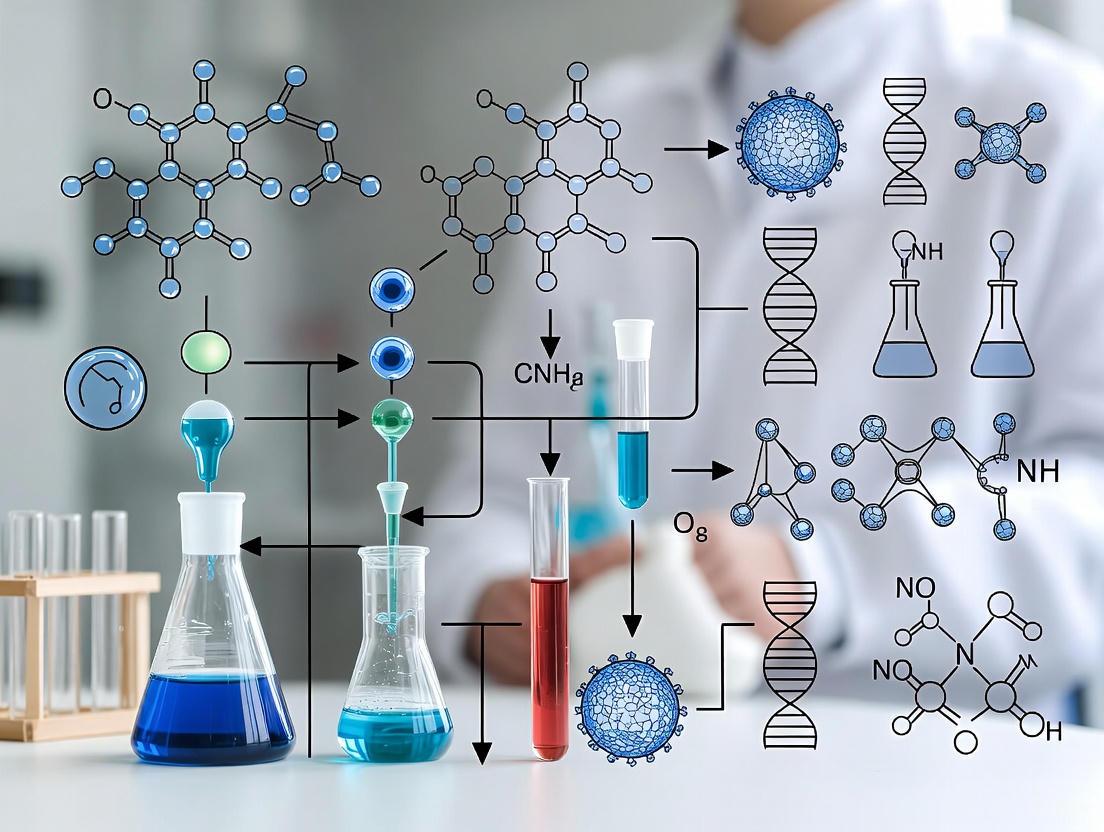
This article provides a comprehensive exploration of contemporary strategies for maximizing the sensitivity of liquid biopsy assays, a critical frontier in precision oncology.
Breaking Sensitivity Barriers: Advanced Strategies for Optimizing Liquid Biopsy Assays
Abstract
This article provides a comprehensive exploration of contemporary strategies for maximizing the sensitivity of liquid biopsy assays, a critical frontier in precision oncology. Tailored for researchers, scientists, and drug development professionals, it synthesizes foundational principles, cutting-edge methodological innovations, practical optimization techniques, and rigorous validation frameworks. By examining emerging technologies from fragmentomics to ultrasensitive sequencing, the content offers a roadmap for enhancing the detection of low-abundance biomarkers like ctDNA, CTCs, and exosomes, thereby improving early cancer detection, minimal residual disease monitoring, and comprehensive genomic profiling.
The Sensitivity Imperative: Core Concepts and Biomarker Landscape in Modern Liquid Biopsy
In the field of liquid biopsy research, accurately detecting and quantifying rare tumor-derived signals in a vast background of normal cell-free DNA is paramount. The sensitivity of these assays directly impacts their clinical utility for applications like minimal residual disease (MRD) monitoring and early cancer detection. This guide provides a technical deep-dive into three fundamental sensitivity metrics—Limit of Detection (LOD), Variant Allele Frequency (VAF), and Parts Per Million (PPM)—to support researchers in optimizing their experimental workflows and troubleshooting assay performance.
Frequently Asked Questions (FAQs)
What is the Limit of Detection (LOD) and how is it determined for a liquid biopsy assay?
The Limit of Detection (LOD) is the lowest concentration of an analyte that can be reliably distinguished from a blank sample with a stated confidence level [1] [2]. It represents the threshold at which detection is feasible, but not necessarily with precise quantification [3].
Experimental Protocol for LOD Determination (per CLSI EP17 guidelines) [3]:
- Define the Limit of Blank (LoB): Test multiple replicates (recommended n=60 for establishment, n=20 for verification) of a blank sample (containing no analyte).
- Calculate the mean and standard deviation (SD) of the blank measurements.
- LoB = meanblank + 1.645(SDblank). This establishes the highest apparent analyte concentration expected from a blank, setting a 95% confidence level for false positives (α error) [3].
- Define the Limit of Detection (LoD): Test multiple replicates (n=60 for establishment, n=20 for verification) of a sample containing a low concentration of analyte.
- Calculate the mean and standard deviation (SD) of this low-concentration sample.
- LoD = LoB + 1.645(SD_low concentration sample). This ensures that the analyte concentration can be distinguished from the LoB with a 95% confidence level for false negatives (β error) [3].
For chromatographic methods, a common approach estimates LOD based on the signal-to-noise ratio (S/N), typically defined as a concentration producing a signal three times the noise level [2].
How is Variant Allele Frequency (VAF) calculated and interpreted in liquid biopsy?
Variant Allele Frequency (VAF), also known as variant allele fraction, is the proportion of sequencing reads at a specific genomic location that contain a mutant allele compared to the total number of reads (wild-type + mutant) [4].
Calculation:
VAF = (Number of mutated DNA molecules) / (Total number of DNA molecules at a specific genomic locus)
Interpretation in Different Contexts [4]:
- Germline Heterozygous Variant: Expected VAF is ~50%.
- Germline Homozygous Variant: Expected VAF is ~100%.
- Somatic Variant in Tumor Biopsy: VAF can vary widely (e.g., <1% to 50%) and provides insights into tumor clonality. A high VAF may suggest the variant is clonal (present in most tumor cells), while a low VAF may suggest a subclonal population.
- Somatic Variant in Liquid Biopsy: The VAF of a circulating tumor DNA (ctDNA) variant is a function of the tumor DNA fraction in the total cell-free DNA (cfDNA) pool. VAFs can be very low, down to 0.1% or even parts per million (ppm) levels, making their distinction from technical artifacts a key challenge [4] [5].
What does "Parts Per Million (PPM)" mean and how is it used?
Parts Per Million (PPM) is a unit of measurement that expresses a very small proportional quantity, defined as the number of parts of a substance per one million parts of the total solution or mixture [6] [7]. It is particularly useful for representing extremely low concentrations.
Calculation:
Concentration in PPM = (Mass or Volume of Substance / Total Mass or Volume of Solution) × 1,000,000
Example: If you have 0.2 grams of salt dissolved in 1 kilogram (1000 grams) of water, the PPM concentration is (0.2 g / 1000 g) × 1,000,000 = 200 PPM [6].
In liquid biopsy, PPM is used to describe ultra-low levels of ctDNA. For instance, a study on MRD detection reported sensitivity down to 0.78 PPM, equivalent to a tumor fraction of 0.000078% [5].
How do LOD, VAF, and PPM interrelate in an assay's performance?
These three metrics are interconnected in defining the overall sensitivity and reporting of a liquid biopsy assay.
- VAF is the direct measurement from the sequencing data—the observed signal.
- PPM is often an alternative unit to percentage for expressing that VAF or tumor fraction at ultra-low levels (e.g., 0.01% VAF = 100 PPM).
- LOD is a performance characteristic of the assay itself, defining the minimum VAF (or concentration in PPM) that the test can reliably detect.
A assay with a lower LOD can confidently detect variants with a lower VAF, which is crucial for applications like MRD where tumor DNA may be present at concentrations measured in PPM [5].
Table: Key Metric Definitions and Formulae
| Metric | Definition | Key Formula(s) | Typical Context in Liquid Biopsy |
|---|---|---|---|
| Limit of Detection (LOD) | The lowest analyte concentration reliably distinguished from a blank [1]. | LoB = meanblank + 1.645(SDblank) [3]LoD = LoB + 1.645(SD_low concentration sample) [3] | Defines the lowest tumor fraction or VAF an assay can detect. |
| Variant Allele Frequency (VAF) | The proportion of DNA fragments carrying a specific mutation [4]. | VAF = (Mutant reads) / (Total reads at locus) | Reported for each somatic variant identified; informs on clonality. |
| Parts Per Million (PPM) | Number of parts of a substance per million parts of the whole [6]. | PPM = (Fractional Concentration) × 1,000,000 | Used to express ultra-low tumor fractions or LODs [5]. |
Troubleshooting Guides
Issue: High False Positive Variant Calls Near the Assay's LOD
Potential Causes:
- Insufficient Specificity: The assay's ability to distinguish true signals from noise (e.g., sequencing errors, base damage) may be inadequate at very low concentrations.
- Clonal Hematopoiesis (CH): Somatic mutations in blood cells can be a major source of false positives when not properly filtered [8].
- Inaccurate LOD Characterization: The established LOD may be too optimistic if not rigorously validated using guidelines like CLSI EP17 [3].
Recommended Actions:
- Implement Duplex Sequencing: Use molecular barcoding techniques that require mutation confirmation on both strands of the DNA duplex to dramatically reduce false positives from single-strand errors [5].
- Apply Bioinformatic Filters: Utilize filters for clonal hematopoiesis by cross-referencing databases of common CH genes and implement error-suppression models.
- Benchmark with Unmatched Samples: As demonstrated in the MAESTRO-Pool study, use plasma samples from other patients as negative controls to empirically measure and control for false detection rates in your bespoke assay [5].
- Re-evaluate LOD: Follow a standardized protocol (see FAQ #1) to re-establish the LoB and LoD, ensuring an adequate number of replicates are used.
Issue: Inconsistent Detection of Low VAF Variants
Potential Causes:
- Insufficient cfDNA Input: The total amount of cfDNA analyzed may be too low to capture enough mutant molecules for reliable detection.
- Sub-Optimal Enrichment Efficiency: The hybridization or amplification process may not be efficiently capturing the target regions.
- High Background Noise: Elevated noise levels can obscure true low-VAF signals.
Recommended Actions:
- Increase cfDNA Input: Process more plasma (e.g., 2-3 tubes of 10cc blood) to increase the number of total cfDNA molecules analyzed, thereby improving the probability of capturing rare mutant fragments [5].
- Optimize Enrichment Protocols: Titrate probe concentrations and optimize hybridization conditions. Consider using specialized enrichment methods like the MAESTRO technology, which uses mutation-specific probes to enhance sensitivity [5].
- Track and Minimize Technical Noise: Monitor metrics like baseline error rates and limit of blank (LoB) to identify and mitigate sources of noise in the workflow [3] [8].
The Scientist's Toolkit: Research Reagent Solutions
Table: Essential Materials for High-Sensitivity Liquid Biopsy Workflows
| Item | Function | Example Use-Case |
|---|---|---|
| Molecular Barcodes (UMIs) | Uniquely tags individual DNA molecules before PCR to correct for amplification biases and errors, enabling accurate counting of original molecules. | Essential for duplex sequencing protocols to distinguish true low-VAF variants from PCR/sequencing errors [5]. |
| Mutation-Specific Enrichment Probes | Oligonucleotide probes designed to selectively hybridize and enrich for patient-specific tumor mutations from a cfDNA library. | Used in tumor-informed MRD assays like MAESTRO to significantly enrich for rare mutant alleles, reducing required sequencing depth [5]. |
| Commutable Reference Materials | Well-characterized control samples with known mutation VAFs in a matrix similar to patient plasma. | Used for accurate calibration, validation, and periodic monitoring of assay LOD and quantitative accuracy [3] [8]. |
| Bioinformatic Error-Suppression Models | Computational algorithms that model and subtract technical noise from the sequencing data. | Critical for pushing detection limits into the PPM range by reducing false positives, as seen in novel MRD callers [5]. |
Workflow and Conceptual Diagrams
Assay Workflow from Sample to Result
Relationship Between Core Sensitivity Metrics
Technical Support Center
Frequently Asked Questions (FAQs)
FAQ 1: My ctDNA assay yields inconsistent results for low-frequency variants. How can I improve sensitivity and specificity?
- Issue: High variability in detecting variants with low Variant Allele Frequency (VAF), leading to potential false negatives or false positives.
- Solution & Protocol:
- Utilize Unique Molecular Identifiers (UMIs): Tag individual DNA molecules before PCR amplification to distinguish true mutations from PCR errors and sequencing artifacts. Techniques like SaferSeqS or Duplex Sequencing can be employed for superior error correction [9].
- Optimize Library Preparation & Bioinformatic Pipelines: Implement specialized protocols like the Quantitative Counting Template (QCT) technology or Concatenating Original Duplex for Error Correction (CODEC) to minimize noise and enhance signal detection, especially for VAFs below 0.5% [8] [9].
- Validate Against Orthogonal Methods: Confirm the Limit of Detection (LOD) of your assay using digital droplet PCR (ddPCR) for independent verification of low-VAF variants [8].
- Increase Sequencing Depth: Ensure sufficient sequencing coverage to reliably detect and quantify rare variants in the background of normal cell-free DNA.
FAQ 2: I am struggling with low purity during CTC isolation. What are the most effective strategies to remove white blood cells (WBCs)?
- Issue: Isolated CTC samples are contaminated with WBCs (CD45+ cells), which interferes with downstream molecular analysis.
- Solution & Protocol:
- Employ Negative Selection: Use antibodies against common leukocyte antigens (e.g., CD45) to magnetically deplete WBCs from your sample. This is particularly effective for capturing CTCs that do not express common epithelial markers like EpCAM [10] [11].
- Implement Microfluidic Technologies: Use label-free microfluidic chips that leverage biophysical properties (e.g., size, deformability, dielectric properties) to separate CTCs from the smaller, more deformable WBCs [10] [11].
- Combine Positive and Negative Enrichment: For high-purity requirements, a two-step process using initial negative depletion of WBCs followed by positive selection of CTCs can be highly effective.
- Consider Buoyancy-Activated Cell Sorting (BACS): This gentle method uses microbubbles conjugated to antibodies (e.g., anti-CD45) to float and remove unwanted WBCs, preserving the viability and integrity of the rare CTCs [12].
FAQ 3: My EV preparations are contaminated with lipoproteins. Which isolation method best purifies EVs from human serum or plasma?
- Issue: Co-isolation of abundant lipoproteins (e.g., HDL, LDL) and protein aggregates with EVs, confounding proteomic and genomic analyses.
- Solution & Protocol:
- Use Size Exclusion Chromatography (SEC): This method effectively separates EVs from smaller particles and soluble proteins based on size. It provides good EV purity and is excellent for downstream functional studies [13] [14].
- Implement Density Gradient Centrifugation: This is the gold standard for separating particles based on buoyant density. It can effectively separate EVs from most lipoproteins (except HDL, which has a similar density) and is ideal for high-purity requirements [13] [14].
- Combine Ultracentrifugation with SEC: A combination of these methods can yield high-purity EV preparations. An initial ultracentrifugation step can concentrate EVs, followed by SEC to remove soluble contaminants [13].
- Avoid Polymer-Based Precipitation Alone: While methods like ExoQuick are easy and provide high yield, they co-precipitate significant amounts of non-EV material and require additional washing or purification steps for clean samples [13].
FAQ 4: How can I leverage cfDNA fragmentomics to improve the sensitivity of my liquid biopsy assay for early cancer detection?
- Issue: Standard mutation-based liquid biopsy assays lack sensitivity for early-stage cancers when tumor DNA shedding is low.
- Solution & Protocol:
- Analyze Fragmentation Patterns: Profile the fragmentation patterns of cfDNA, as ctDNA fragments have different size distributions and end motifs compared to non-tumor cfDNA [9] [15].
- Integrate Multi-Modal Data: Combine fragmentomics with other features like genomic alterations and epigenetic markers (e.g., methylation patterns). This multi-omic approach captures more dimensions of tumor-derived signals [15].
- Employ Machine Learning/AI Algorithms: Use advanced computational models to analyze high-dimensional fragmentomic features (e.g., fragment size, end motifs, nucleosomal positioning). These AI models can significantly boost the precision and power of cancer detection, even in the absence of strong mutation signals [15].
- Optimize Library Preparation for Fragmentation Analysis: Ensure your NGS library preparation protocol is compatible with and preserves the native fragmentation patterns of cfDNA.
Comparative Technical Data Tables
Table 1: Key Performance Metrics for Liquid Biopsy Biomarkers
| Biomarker | Typical Size / LOD | Key Isolation & Detection Methods | Primary Analytes | Key Challenges |
|---|---|---|---|---|
| ctDNA | Fragments: ~170 bpLOD for SNVs: ~0.15% VAF [8] | dPCR, NGS (CAPP-Seq, TEC-Seq), Targeted Error Correction [9] | Somatic mutations (SNVs, Indels), CNVs, Fusions, Methylation | Low abundance in early-stage disease; background from clonal hematopoiesis [8] [9] |
| CTCs | Cells: 8-30 µm (cancer-dependent) [12] | CellSearch, MACS, Microfluidics, FACS, BACS [10] [12] | Whole cells (DNA, RNA, proteins) | Extreme rarity (~1-100 CTCs/mL blood); heterogeneity; epithelial marker loss [10] [11] |
| EVs | Particles: 30-1000 nm [14] | Ultracentrifugation, SEC, Polymer Precipitation, Density Gradients [13] [14] | Proteins, miRNAs, mRNAs, Lipids | Co-isolation of non-EV particles (lipoproteins); standardization of methods [13] [14] |
| Fragmentomics | N/A (pattern-based) | NGS, AI/ML Analysis [15] | cfDNA fragmentation patterns, end motifs | Requires deep sequencing and complex bioinformatics; nascent clinical validation [15] |
Table 2: Comparison of Common EV Isolation Methods from Serum/Plasma
| Method | Principle | Advantages | Disadvantages | Best for Purity? |
|---|---|---|---|---|
| Ultracentrifugation | Buoyant density and particle size [14] | Considered gold standard; no chemical additives | Time-consuming; requires specialized equipment; can damage EVs; lipoprotein contamination [13] [14] | Moderate |
| Size Exclusion Chromatography (SEC) | Particle size [13] [14] | Good EV integrity; simple protocol; preserves bioactivity | Diluted samples; may require a concentration step; can co-elute with similar-sized particles [13] | Yes (High) [13] |
| Polymer-Based Precipitation | Solubility reduction [14] | High yield; simple; suitable for large volumes | Significant co-precipitation of proteins and lipoproteins; polymer can interfere with downstream assays [13] [14] | No (Low) |
| Density Gradient Centrifugation | Buoyant density [13] [14] | High purity; effective separation from contaminants | Low yield; technically demanding; time-intensive | Yes (Very High) [13] |
The Scientist's Toolkit: Essential Research Reagent Solutions
Table 3: Key Reagents and Kits for Liquid Biopsy Research
| Reagent / Kit Type | Function | Example Application / Note |
|---|---|---|
| CellSearch CTC Kit | Immunomagnetic enrichment and staining of EpCAM+/CK+/CD45- CTCs | FDA-cleared system for CTC enumeration in metastatic breast, prostate, and colorectal cancer [10] |
| CD45 Depletion Microbubbles (BACS) | Negative selection of WBCs for CTC enrichment | Gentle, rapid (10-minute) depletion of red and white blood cells, maintaining CTC health [12] |
| qEV Size Exclusion Columns | Isolation of EVs from biofluids based on size | Rapid purification of EVs with high purity, ideal for downstream 'omics' analyses [13] |
| ExoQuick and Similar Reagents | Polymer-based precipitation of EVs | High-yield isolation of EVs from various biofluids; may require additional cleaning steps [13] |
| Unique Molecular Identifier (UMI) Kits | Barcoding of individual DNA molecules pre-amplification | Critical for error correction in NGS to accurately detect low-frequency variants in ctDNA [9] |
| Digital PCR (dPCR/ddPCR) Assays | Absolute quantification of rare mutations | Orthogonal validation of NGS findings, especially for low-VAF variants [8] [9] |
Experimental Workflow Visualizations
Liquid Biopsy Multi-Analyte Integration Strategy
Liquid Biopsy Assay Development Workflow
Liquid biopsy has emerged as a revolutionary diagnostic tool for cancer detection and monitoring, but its clinical utility is often constrained by limitations in analytical sensitivity. The term "sensitivity" in this context carries dual significance: it refers to both the lowest concentration of an analyte that can be reliably detected (analytical sensitivity) and the ability to correctly identify patients with the disease (clinical sensitivity). These limitations become particularly problematic in three critical clinical scenarios: early-stage cancer detection where tumor DNA shed into circulation is minimal, low-shedding tumors that release insufficient genetic material for detection, and minimal residual disease (MRD) monitoring where extremely low levels of ctDNA must be identified against a background of normal cell-free DNA.
The fundamental challenge stems from the biological reality that tumor-derived DNA fragments represent only a tiny fraction of the total cell-free DNA in circulation, especially in these challenging scenarios. In early-stage cancers, ctDNA can represent less than 0.1% of total cell-free DNA, while in MRD monitoring, this fraction can drop to 0.01% or even lower. Low-shedding tumors present additional complexities due to biological barriers like the blood-brain barrier or intrinsic tumor characteristics that limit DNA release. Understanding and addressing these sensitivity limitations is crucial for expanding the clinical utility of liquid biopsy across the cancer care continuum.
Technical Limitations and Fundamental Constraints
Biological Barriers Affecting Analyte Availability
The sensitivity of liquid biopsy assays is fundamentally constrained by biological factors that limit the amount of tumor-derived material available in biofluids. For central nervous system (CNS) tumors, the blood-brain barrier significantly restricts the passage of tumor-derived DNA into the peripheral circulation. Studies show that fewer than 10% of glioma patients have detectable levels of tumor-derived ctDNA in their blood, compared to 74-100% who have detectable ctDNA in their cerebrospinal fluid (CSF) [16]. This creates a significant diagnostic challenge for brain tumors, as the most accessible biofluid (blood) contains minimal tumor-derived genetic material.
Tumor biology itself also impacts DNA shedding characteristics. Some tumors exhibit inherently low rates of cell turnover and DNA release, while others may release DNA fragments that are rapidly cleared by the body's natural mechanisms. The half-life of ctDNA in circulation is remarkably short – typically less than two hours – which means the window for detection is narrow [17]. Furthermore, the total tumor burden and its anatomical location significantly influence how much ctDNA reaches peripheral blood. Tumors located away from major blood vessels or confined to specific compartments like the CNS consistently demonstrate lower levels of detectable ctDNA in blood samples.
Technological Limitations in Current Detection Platforms
Even when tumor-derived nucleic acids are present in biofluids, technological limitations can prevent their detection. Conventional PCR-based methods typically have detection limits around 1% mutant allele frequency, which is insufficient for early-stage cancer detection or MRD monitoring where mutant alleles may be present at frequencies of 0.01% or lower [17]. Next-generation sequencing (NGS) approaches offer improved sensitivity but face challenges related to sequencing errors, amplification biases, and sampling limitations.
Background noise represents another significant technological hurdle. All liquid biopsy platforms must distinguish true tumor-derived signals from various sources of noise, including clonal hematopoiesis, technical artifacts from sample processing, and sequencing errors. As assays become more sensitive to detect rarer mutations, they also become more vulnerable to these confounding factors. The table below summarizes key technological limitations and their impact on detection sensitivity:
Table 1: Technological Limitations Affecting Liquid Biopsy Sensitivity
| Limitation | Impact on Sensitivity | Typical Performance Range |
|---|---|---|
| PCR Error Rate | Limits detection of rare variants | 0.1% - 1% mutant allele frequency |
| Sequencing Depth | Constrains statistical power to identify rare mutations | 10,000x depth enables ~0.1% detection |
| Sample Input | Limits absolute number of template molecules | Standard methods use 10-20ng DNA (~3,000 haploid genomes) |
| Background Noise | Masks true signal from low-frequency variants | Varies by platform and application |
Troubleshooting Guide: Addressing Common Sensitivity Challenges
FAQ: How can we improve detection sensitivity for low-shedding tumors?
Challenge: Low-shedding tumors, particularly those in the central nervous system, release insufficient ctDNA into peripheral blood for reliable detection.
Solutions:
- Utilize alternative biofluids: For CNS tumors, cerebrospinal fluid (CSF) is significantly more informative than blood. Studies demonstrate that while fewer than 10% of glioma patients have detectable plasma ctDNA, 74-100% have detectable ctDNA in CSF [16]. CSF directly contacts the tumor microenvironment in CNS malignancies, providing a more concentrated source of tumor-derived genetic material.
- Implement pre-analytical enrichment strategies: Employ techniques to physically enrich for tumor-derived molecules before analysis. For CSF samples, methods include high-volume processing and targeted capture of tumor-specific epitopes.
- Apply ultra-deep sequencing: Increase sequencing depth specifically for CSF-derived DNA to enhance detection of low-frequency variants. Recommended sequencing depths of >10,000x coverage can significantly improve sensitivity for low-abundance mutations.
Experimental Protocol for CSF Liquid Biopsy:
- Collect 3-5 mL of cerebrospinal fluid via lumbar puncture or ventricular access
- Process within 30 minutes of collection to prevent nucleic acid degradation
- Centrifuge at 16,000 × g for 10 minutes to remove cells and debris
- Extract cell-free DNA from supernatant using commercial cfDNA extraction kits
- Quantify cfDNA using fluorometric methods (expected yield: 1-5 ng/mL CSF)
- Proceed with library preparation using ultra-sensitive NGS protocols
- Sequence to high depth (>10,000x coverage) using targeted panels
- Analyze data with algorithms optimized for low-frequency variant detection
FAQ: What approaches enhance sensitivity for early-stage cancer detection?
Challenge: Early-stage tumors shed minimal ctDNA into circulation, often representing <0.1% of total cell-free DNA.
Solutions:
- Implement multi-analyte approaches: Combine multiple biomarker classes to increase detection capability. The Shield test recently approved by FDA utilizes a multi-omics approach incorporating mutation, methylation, and fragmentomics profiles [18]. This integrated strategy significantly outperforms single-analyte approaches for early-stage cancer detection.
- Utilize fragmentomics: Analyze patterns in DNA fragmentation that differ between tumor-derived and normal cfDNA. Tumor-derived DNA fragments exhibit characteristic size distributions, end motifs, and nucleosomal positioning that can be exploited for sensitive detection even when mutation-based signals are weak.
- Apply molecular barcoding: Implement unique molecular identifiers (UMIs) to distinguish true biological variants from PCR and sequencing errors. Techniques incorporating molecular barcoding can achieve sensitivities of 0.01% mutant allele frequency or lower.
Experimental Protocol for Multi-Analyte Early Detection:
- Collect 10 mL blood in cell-stabilizing tubes (e.g., Streck, PAXgene)
- Process within 6 hours of collection with double centrifugation (1,600 × g then 16,000 × g)
- Extract cell-free DNA using silica membrane-based columns
- Divide sample for parallel analyses:
- Prepare libraries for targeted sequencing of known cancer mutations
- Process for whole-genome bisulfite sequencing to assess methylation patterns
- Perform low-coverage whole-genome sequencing for fragmentomics analysis
- Apply molecular barcoding during library preparation to enable error correction
- Sequence with appropriate depth for each analyte (suggested: >20,000x for targeted, 5-10x for WGBS, 0.5-1x for fragmentomics)
- Integrate results using machine learning algorithms to generate composite risk scores
FAQ: What methods improve MRD detection with limited sample material?
Challenge: Minimal residual disease monitoring requires detection of extremely rare tumor variants (0.001% - 0.01% allele frequency) often with limited sample availability.
Solutions:
- Employ tumor-informed approaches: Develop patient-specific assays based on mutations identified in the primary tumor. The Signatera test uses this approach, first sequencing the tumor tissue to identify clonal mutations, then creating a custom panel to track these specific variants in blood [19]. This strategy achieves significantly higher sensitivity than tumor-agnostic approaches.
- Utilize phased variant enrichment: Techniques like PhasED-Seq (Phaseed Variant Enrichment and Detection Sequencing) target multiple mutations occurring on the same DNA molecule, providing synthetic long reads that dramatically improve specificity. This approach can improve detection sensitivity by 100-fold compared to standard methods [19].
- Maximize sample utilization: Implement whole genome amplification or hybrid capture techniques that efficiently use limited input DNA to maximize the number of template molecules analyzed.
Table 2: Comparison of MRD Detection Approaches
| Parameter | Tumor-Informed | Tumor-Uninformed | Phased Variant Enrichment |
|---|---|---|---|
| Sensitivity | 0.001% - 0.01% | 0.01% - 0.1% | 0.0001% - 0.001% |
| Time to Result | 2-4 weeks | 1-2 weeks | 3-5 weeks |
| Input DNA Requirement | 10-30 ng | 10-30 ng | 20-50 ng |
| Key Advantage | Patient-specific, high sensitivity | No tumor needed, faster turnaround | Ultra-high sensitivity |
| Limitation | Requires tumor tissue, longer development | Lower sensitivity, more false positives | Complex workflow, higher cost |
Emerging Technologies and Innovative Approaches
Priming Agents to Enhance ctDNA Recovery
A groundbreaking approach to sensitivity enhancement involves the use of priming agents administered before blood collection to transiently reduce the clearance of cell-free DNA. Researchers have developed two types of priming agents: nanoparticles that competitively inhibit macrophage uptake of cfDNA and DNA-binding antibodies that protect cfDNA from nuclease degradation [17].
In preclinical models, administration of these priming agents 1-2 hours before blood collection resulted in a 7- to 60-fold increase in ctDNA recovery, enabling detection of previously undetectable small tumors. The sensitivity for detecting small tumors improved dramatically from less than 10% to over 75% with the use of priming agents [17]. This approach addresses the fundamental limitation of low analyte concentration by effectively increasing the amount of tumor-derived DNA available for analysis.
Experimental Protocol for Priming Agent Evaluation:
- Select appropriate priming agent based on target mechanism (nanoparticles for macrophage inhibition, antibodies for nuclease protection)
- Establish dosing and timing parameters (typical: 1-2 hours pre-sampling for optimal effect)
- Administer priming agent via intravenous injection in preclinical models
- Collect blood samples at predetermined timepoints
- Process samples using standard cfDNA extraction protocols
- Compare ctDNA levels with and without priming using digital PCR or NGS
- Monitor safety parameters including clearance of priming agents and any potential side effects
Advanced Sequencing Technologies for Enhanced Sensitivity
Novel sequencing approaches are pushing the boundaries of detection sensitivity in liquid biopsy. The PhasED-Seq technology focuses on detecting multiple mutations occurring on the same DNA fragment (phased variants), which provides stronger evidence of tumor origin than single mutations. This approach achieves 100-fold higher sensitivity compared to conventional ctDNA detection methods, enabling MRD detection at levels as low as one molecule per million [19].
For RNA-based liquid biopsy, the RARE-seq technology represents a major advancement. By optimizing the entire workflow from sample collection to bioinformatic analysis, RARE-seq achieves a 50-fold improvement in sensitivity compared to standard RNA-seq methods, with a detection limit of 0.05% for tumor-derived RNA in blood [20]. This technology specifically addresses the challenges of cfRNA instability and low concentration through innovative sample processing and computational methods.
Diagram 1: RARE-seq Workflow for Enhanced cfRNA Detection
Fragmentomics and Multi-Omics Approaches
The emerging field of fragmentomics analyzes patterns in DNA fragmentation that differ between tumor-derived and normal cell-free DNA. Tumor-derived DNA fragments exhibit characteristic size distributions, end motifs, and nucleosomal positioning that can be exploited for cancer detection. The DELFI approach uses fragmentomics profiling to achieve high sensitivity for multiple cancer types, even at early stages [18].
Multi-omics approaches that combine multiple analytes demonstrate superior performance compared to single-analyte tests. The Shield colorectal cancer screening test recently approved by FDA incorporates mutations, methylation patterns, and fragmentomics features in a multi-analyte approach [18]. Similarly, the MERCURY technology from Shihe Gene integrates copy number variations, fragment size distribution, expression regulation, and methylation regulation for multi-cancer early detection [18].
The Scientist's Toolkit: Essential Research Reagents and Materials
Table 3: Essential Research Reagents for Sensitivity Enhancement
| Reagent/Material | Function | Application Examples |
|---|---|---|
| Cell-Free DNA Blood Collection Tubes (e.g., Streck, PAXgene) | Stabilizes nucleated blood cells to prevent genomic DNA contamination | All liquid biopsy applications requiring blood sample storage/transport |
| Magnetic Beads for cfDNA Extraction | Selective isolation of short DNA fragments | Maximizing recovery of tumor-derived fragments (typically 90-150 bp) |
| Unique Molecular Identifiers (UMIs) | Tagging individual DNA molecules to enable error correction | Distinguishing true low-frequency variants from technical artifacts |
| Hybrid Capture Panels (e.g., RAG panel for RARE-seq) | Enrichment of target sequences from complex backgrounds | Focusing sequencing power on biologically relevant genomic regions |
| Anti-DNA Antibodies (e.g., aST3) | Protection of cfDNA from nuclease degradation | Priming agent approaches to enhance ctDNA yield |
| Engineered Lipid Nanoparticles | Competitive inhibition of macrophage cfDNA uptake | Priming agent approaches to enhance ctDNA recovery |
| Bisulfite Conversion Reagents | Detection of DNA methylation patterns | Multi-omics approaches combining mutation and methylation analysis |
| Molecular Barcoded Adapters | Tracking individual molecules through library prep | Digital PCR and NGS applications requiring ultra-high sensitivity |
The field of liquid biopsy is rapidly evolving to address the critical challenge of sensitivity in early-stage detection, low-shedding tumors, and MRD monitoring. The most promising approaches involve multi-analyte strategies that combine different types of molecular information, novel pre-analytical methods to enhance analyte recovery, and advanced sequencing technologies with improved error correction.
Future directions include the continued development of priming agents for clinical application, standardization of fragmentomics analysis, and integration of machine learning algorithms to discern subtle patterns indicative of cancer presence. As these technologies mature and validate in large prospective studies like the 100,000-participant "Jinling Cohort" in China [18], we can expect liquid biopsy to play an increasingly important role in cancer detection and monitoring across the disease spectrum.
The path forward requires close collaboration between researchers, diagnostic developers, and clinicians to ensure that sensitivity enhancements translate to meaningful clinical benefits for patients. By addressing the fundamental challenges outlined in this technical guide, the liquid biopsy field promises to revolutionize cancer care through earlier detection, more precise monitoring, and ultimately improved patient outcomes.
Frequently Asked Questions (FAQs)
FAQ 1: What are the key physical characteristics of ctDNA, and how do they differ from non-tumor cfDNA? ctDNA has distinct physical properties that differentiate it from normal cell-free DNA (cfDNA). The table below summarizes these key characteristics.
Table 1: Physical Characteristics of ctDNA vs. Non-Tumor cfDNA
| Characteristic | ctDNA (Circulating Tumor DNA) | Non-Tumor cfDNA |
|---|---|---|
| Typical Fragment Size | Often shorter fragments; average ~134-144 bp in lung cancer [21] | Average ~166 bp [22] |
| Half-Life in Circulation | 16 minutes to 2.5 hours [23] | Relatively short (cfDNA half-life is 5-150 minutes) [22] |
| Concentration in Plasma | Highly variable; can be >1000 ng/mL in advanced cancer, but often <1% of total cfDNA in early stages [24] [22] [25] | Typically <10 ng/mL in healthy individuals [22] |
| Molecular Form | Packaged in mono- or oligonucleosomes; also found in extracellular vesicles [24] | Packaged in mono- or oligonucleosomes [24] |
FAQ 2: How does tumor heterogeneity impact ctDNA analysis and liquid biopsy results? Tumor heterogeneity presents a significant challenge for liquid biopsy assays.
- Spatial Heterogeneity: Genetic differences can exist between different regions of a primary tumor and between the primary tumor and its metastases. A single tissue biopsy may not capture this diversity, whereas ctDNA released from multiple tumor regions may better reflect the overall tumor mutational landscape [22] [26] [27].
- Temporal Heterogeneity: Tumor genomes evolve over time, especially under the selective pressure of treatment, leading to dynamic changes in the ctDNA mutation profile. This necessitates longitudinal monitoring to track the emergence of resistance mutations [27].
FAQ 3: What are the best practices for blood collection and processing to ensure ctDNA analysis reliability? Proper pre-analytical handling is critical due to the low abundance and rapid clearance of ctDNA.
Table 2: Blood Collection and Processing Protocols for ctDNA Analysis
| Stage | Recommendation | Key Details / Rationale |
|---|---|---|
| Blood Collection | Use blood collection tubes (BCTs) with cell-stabilizing preservatives (e.g., Streck, PAXgene) [25]. | Prevents release of genomic DNA from white blood cells, allowing room-temperature storage/transport for up to 3-7 days [25]. |
| Plasma Processing | Perform double centrifugation [25]. | 1st step: 380–3,000 g for 10 min at room temperature to separate plasma.2nd step: 12,000–20,000 g for 10 min at 4°C to remove residual cells and debris [25]. |
| Plasma Storage | Store plasma at –80°C [25]. | Preserves ctDNA integrity; suitable for mutation detection for up to 10 years [25]. |
| ctDNA Extraction | Use silica membrane-based kits (e.g., QIAamp Circulating Nucleic Acid Kit) [25]. | These kits have been shown to yield more ctDNA than methods using magnetic beads [25]. |
Troubleshooting Common Experimental Issues
Issue 1: Low Detection Sensitivity for Mutations in Early-Stage Cancer
- Potential Cause: The fraction of ctDNA in total cfDNA can be less than 0.1% in early-stage or low-shedding tumors, making detection technically challenging [21] [22] [25].
- Solutions:
- Fragment Size Selection: Enrich for shorter DNA fragments, as ctDNA fragments are often shorter than non-tumor cfDNA. This can increase the mutant allele fraction in your sample [21].
- Utilize Ultra-Sensitive Assays: Employ methods like duplex sequencing or molecular barcoding with next-generation sequencing (NGS) to discriminate true low-frequency mutations from sequencing artifacts [28] [25].
- Increase Plasma Input Volume: Process a larger volume of plasma (from 10 mL of blood or more) to obtain a higher absolute number of ctDNA molecules for analysis [25].
Issue 2: High Background Wild-Type DNA Obscuring ctDNA Signal
- Potential Cause: The majority of cfDNA in plasma is derived from non-tumor sources, predominantly hematopoietic cells [24] [25]. Lysis of blood cells during sample collection or processing can drastically increase this background.
- Solutions:
- Use Stabilizing BCTs: As noted in Table 2, this is the primary method to prevent white blood cell lysis and genomic DNA release [25].
- Analyze Fragmentomics: Profile the fragment length patterns of mutations. Mutant fragments often have a different size distribution compared to wild-type fragments, which can be used to improve discrimination [21].
- Screen for Clonal Hematopoiesis: Sequence matched white blood cell DNA to identify and filter out mutations originating from clonal hematopoiesis, a common source of false positives [21].
Issue 3: Inconsistent or Non-Reproducible ctDNA Quantification
- Potential Causes:
- Pre-analytical Variability: Inconsistent blood draw techniques, processing times, or centrifugation forces [25].
- Biological Variability: Factors like recent physical exercise, inflammation, or surgical trauma can transiently increase total cfDNA levels [24] [25].
- Circadian Dynamics: Some studies suggest ctDNA levels may fluctuate throughout the day [25].
- Solutions:
- Standardize SOPs: Implement and rigorously adhere to standardized operating procedures (SOPs) for blood draw, processing, and DNA extraction across all samples [25].
- Control Patient Activity: If possible, standardize the conditions before blood collection (e.g., rest period) and note any clinical factors that could affect cfDNA [25].
- Use Digital PCR for Quantification: For absolute quantification of specific mutations, use sensitive and precise digital PCR (ddPCR) assays [23].
The Scientist's Toolkit: Essential Research Reagents and Materials
Table 3: Key Reagent Solutions for ctDNA Research
| Item | Function / Application | Example Products / Methods |
|---|---|---|
| Cell-Free DNA BCTs | Stabilizes nucleated blood cells to prevent gDNA release during storage and transport. | Streck cfDNA BCT, PAXgene Blood ccfDNA Tube [21] [25] |
| cfDNA Extraction Kits | Isolation of high-quality, short-fragment cfDNA from plasma. | QIAamp Circulating Nucleic Acid Kit (silica-membrane), MagMAX Cell-Free DNA Isolation Kit (magnetic beads) [21] [22] [25] |
| Molecular Barcoding Kits | Tags individual DNA molecules pre-amplification to reduce sequencing errors and detect rare variants. | ThruPLEX Tag-seq Kit [21] |
| Targeted NGS Panels | For deep sequencing of cancer-related genes to identify mutations at low variant allele frequencies. | Custom or commercial panels (e.g., for 13 HCC-associated genes [21]); Comprehensive Genomic Profiling panels (e.g., covering 84+ genes [28]) |
| Digital PCR Systems | Absolute quantification of known mutations with high sensitivity and precision. | Droplet Digital PCR (ddPCR) [23] |
Experimental Workflows and Conceptual Diagrams
Diagram 1: High-Sensitivity ctDNA Analysis Workflow
This diagram outlines a comprehensive workflow for sensitive ctDNA detection, from blood draw to data analysis.
Diagram 2: Tumor Heterogeneity Impact on ctDNA
This diagram illustrates how spatial heterogeneity within a tumor contributes to the ctDNA pool.
Next-Generation Assay Technologies: From Ultrasensitive Sequencing to Multi-Analyte Approaches
Tumor-naive circulating tumor DNA (ctDNA) assays represent a significant advancement in liquid biopsy, enabling comprehensive genomic profiling (CGP) without requiring a matched tissue sample. These assays are particularly valuable in clinical scenarios where tumor tissue is unavailable, difficult to biopsy, or of insufficient quality for genomic analysis. By leveraging ultra-deep next-generation sequencing and sophisticated bioinformatics, tumor-naive assays can detect key genomic alterations—including single nucleotide variants (SNVs), insertions/deletions (indels), copy number variations (CNVs), and fusions—directly from blood samples. This technical support document provides validation data, methodologies, and troubleshooting guidance for researchers utilizing these advanced platforms.
Performance Comparison of Leading Tumor-Naive CGP Assays
The table below summarizes the key performance metrics from recent large-scale validations of major tumor-naive CGP assays.
| Assay Name | Key Technologies | SNV/Indel LOD | CNV LOD | Fusion LOD | Reported Sensitivity | Sample Types |
|---|---|---|---|---|---|---|
| Northstar Select [29] [30] | Single-molecule NGS (smNGS), QCT platform | 0.15% VAF | 2.11 copies (gain), 1.80 copies (loss) | 0.30% VAF | 51% more SNVs/Indels; 109% more CNVs vs. comparators [30] | Plasma (84 genes) |
| Caris Assure [31] | Whole Exome/Transcriptome (WES/WTS), AI (ABCDai) | Information Missing | Information Missing | Information Missing | 93.8% PPA (Therapy Selection); 83.1-95.7% MCED Sensitivity [31] | Plasma (720 genes deeply + 20k genes lower coverage) |
| Gene Solutions MRD Assay [32] | Multi-omics (Mutation, CNA, Fragmentomics), AI | Ultra-deep Amplicon Seq (100,000x) | Information Missing | Hybridization Capture | 80.0% Sensitivity (CRC MRD); 54.5% Sensitivity (Breast Cancer MRD) [32] | Plasma (Tumor-naive) |
LOD: Limit of Detection; VAF: Variant Allele Frequency; PPA: Positive Percent Agreement; MCED: Multi-Cancer Early Detection; MRD: Minimal Residual Disease; CRC: Colorectal Cancer
Experimental Protocols for Key Validation Studies
Northstar Select Validation Protocol
This protocol is adapted from the prospective, head-to-head validation study by Bower et al. [29] [30].
- Sample Collection: Collect 10-20 mL of blood into Streck cfDNA BCT or similar cell-stabilizing tubes [25]. Process within 2-6 hours if using EDTA tubes, or within 3-7 days at room temperature if using specialized BCTs.
- Plasma Processing: Perform double centrifugation. First, at 380–3,000 g for 10 minutes at room temperature to separate plasma. Transfer the supernatant and perform a second centrifugation at 12,000–20,000 g for 10 minutes at 4°C to remove residual cells and debris [25].
- ctDNA Extraction: Use a silica-membrane column-based kit (e.g., QIAamp Circulating Nucleic Acid Kit) for optimal yield [25].
- Library Preparation & Sequencing: Utilize the proprietary single-molecule NGS (smNGS) technology. The panel covers 84 actionable genes for SNVs, indels, CNVs, fusions, and MSI detection [29] [30].
- Data Analysis: The QCT (Quantitative Counting Template) bioinformatics pipeline is used for molecular counting and variant calling. Orthogonal validation of a subset of findings with digital droplet PCR (ddPCR) is recommended [30].
Caris Assure Validation Protocol
This protocol is derived from the validation study by Abraham et al., which utilized a multi-omics, AI-enabled approach [31].
- Sample Collection: Collect a sufficient volume of blood for whole-exome and whole-transcriptome sequencing from both plasma and matched leukocytes (buffy coat) for CHIP subtraction.
- Nucleic Acid Extraction: Isemble both cfDNA and cfRNA from plasma, and genomic DNA from the buffy coat.
- Library Prep & Sequencing: Use a custom hybrid-capture panel targeting 720 cancer-relevant genes at deep coverage, plus over 20,000 genes at lower coverage. Perform whole-exome sequencing (WES) and whole-transcriptome sequencing (WTS) on the NovaSeq 6000 platform [31].
- Bioinformatic Analysis: Process data through the ABCDai machine learning platform, which integrates nine molecular "pillars": Mutationome, Copyome, Fusionome, Transcriptome, Fragmentome, Motifome, Positionome, and Entropyome. Perform CHIP subtraction using the matched buffy coat data [31].
Troubleshooting Common Experimental Challenges
Problem 1: Low Detection Sensitivity in Low-Shedding Tumors
- Potential Cause: The tumor may release very low amounts of ctDNA into the bloodstream, resulting in a variant allele frequency (VAF) below the assay's nominal limit of detection [25].
- Solution:
- Pre-analytical Stimulation: Consider transiently increasing ctDNA shed before blood draw. Studies have shown that localized irradiation of tumor lumps 6-24 hours before sampling can cause a spike in ctDNA concentration [25].
- Increase Plasma Input: If sample volume allows, increase the volume of plasma used for DNA extraction. For screening or MRD detection, larger volumes (e.g., from 20 mL of blood) may be necessary [25].
- Utilize Multi-omics: Incorporate non-mutation features like fragmentomics and copy number alterations (CNAs). One study showed this increased ctDNA detection sensitivity by over 10% [32].
Problem 2: False Positives from Clonal Hematopoiesis (CHIP)
- Potential Cause: Somatic mutations originating from non-cancerous hematopoietic cells can be detected in cfDNA and misclassified as tumor-derived [31] [32].
- Solution:
- Implement Matched Buffy Coat Sequencing: Always sequence the DNA from a patient's white blood cells (buffy coat) in parallel. Subtract CHIP-associated mutations found in the buffy coat from the plasma cfDNA results [31]. The Caris Assure assay reported that over 50% of patients had CHIP mutations in genes like KRAS, ATM, and CHEK2 [31].
- Bioinformatic Filtering: Use established databases and algorithms to flag variants commonly associated with CHIP.
Problem 3: Inconsistent Results Between Technical Replicates
- Potential Cause: Low VAF variants are challenging to distinguish from technical noise and sequencing artifacts [25].
- Solution:
- Optimize Extraction Chemistry: Silica-membrane column-based kits (e.g., from Qiagen) have been shown to yield more ctDNA than magnetic bead-based methods, potentially improving consistency [25].
- Increase Sequencing Depth: For amplicon-based approaches, using ultra-deep sequencing (e.g., 100,000x coverage) can robustly detect low-VAF mutations [32].
- Standardize Handling: Ensure consistent pre-analytical conditions. Avoid freeze-thaw cycles, store plasma at -80°C, and thaw slowly on ice. Use consistent centrifugation forces and times across all samples [25].
The Scientist's Toolkit: Essential Research Reagents
| Item | Function | Example Products/Brands |
|---|---|---|
| Cell-Stabilizing Blood Collection Tubes | Prevents lysis of white blood cells during transport, preserving sample quality by limiting wild-type genomic DNA contamination [25]. | Streck cfDNA BCT; PAXgene Blood ccfDNA (Qiagen); Roche cfDNA Tube [25] |
| Silica-Membrane cfDNA Kits | Solid-phase extraction of high-purity cfDNA from plasma, noted for superior yield compared to some magnetic bead methods [25]. | QIAamp Circulating Nucleic Acid Kit (Qiagen); Cobas ccfDNA Sample Preparation Kit [25] |
| Hybrid-Capture Panels | For target enrichment of a comprehensive gene set from cfDNA/cfRNA libraries prior to sequencing [31]. | Custom panels (e.g., Caris 720-gene panel; Northstar Select 84-gene panel) [29] [31] |
| Digital Droplet PCR (ddPCR) | An orthogonal method for ultra-sensitive, absolute quantification of specific mutations; used for validating NGS findings [30]. | Bio-Rad QX200 Droplet Digital PCR System |
| Buffy Coat DNA Extraction Kits | Isolation of genomic DNA from white blood cells, which is essential for Clonal Hematopoiesis (CHIP) subtraction [31] [32]. | Various kits (e.g., from Qiagen, Promega, Roche) |
Visualizing the Multi-Omics Tumor-Naive Assay Workflow
The following diagram illustrates the integrated workflow of a multi-omics, tumor-naive ctDNA analysis platform, synthesizing the approaches from the cited validation studies [31] [32].
Key Considerations for Research and Development
The field of tumor-naive liquid biopsy is rapidly evolving. When designing experiments or developing new assays, consider these critical areas:
- Panel Design: Balance between breadth (number of genes) and depth (sequencing coverage). Clinically focused panels (e.g., 84 genes) allow for ultra-deep sequencing and lower LOD, while larger panels (e.g., 720 genes) provide more comprehensive data for discovery and AI modeling [29] [31].
- Integrated Bioinformatics: The development of robust bioinformatic pipelines for CHIP subtraction and the integration of fragmentomics and other non-mutation features are as important as the wet-lab protocols for achieving high specificity and sensitivity [31] [32].
- Standardization: Reproducibility remains a challenge, especially for samples with ultra-low ctDNA content. Adherence to standardized protocols for blood collection, processing, and storage is crucial for inter-laboratory harmonization and reliable results [25].
Frequently Asked Questions (FAQs)
Q1: What is the core innovation of the MUTE-Seq method? MUTE-Seq (Mutation tagging by CRISPR-based Ultra-precise Targeted Elimination in Sequencing) is an ultrasensitive method that utilizes a highly precise, engineered advanced-fidelity FnCas9 variant (FnCas9-AF2). This variant can effectively discriminate single-base mismatches at all positions of the sgRNA target sequence. Its key innovation is the enrichment of mutant DNA alleles through the exclusive cleavage and elimination of perfectly matched wild-type DNA, thereby enabling the detection of very low-frequency mutations that are often missed by other methods [33] [34].
Q2: During library preparation, my NGS run returned a flat coverage and high duplication rates. What could be the root cause? This is a classic symptom of issues during sequencing library preparation. The root causes can be categorized as follows [35]:
| Category | Typical Failure Signals | Common Root Causes |
|---|---|---|
| Sample Input / Quality | Low starting yield; smear in electropherogram; low library complexity | Degraded DNA/RNA; sample contaminants (phenol, salts); inaccurate quantification [35] |
| Fragmentation & Ligation | Unexpected fragment size; inefficient ligation; adapter-dimer peaks | Over- or under-shearing; improper buffer conditions; suboptimal adapter-to-insert ratio [35] |
| Amplification / PCR | Overamplification artifacts; bias; high duplicate rate | Too many PCR cycles; inefficient polymerase or inhibitors; primer exhaustion [35] |
Q3: I have confirmed that my input cfDNA is of high quality, but I am still getting low library yield after using the MUTE-Seq enrichment workflow. How can I troubleshoot this? Low library yield after MUTE-Seq enrichment, even with good input, often points to issues in the reaction or cleanup steps. Please refer to the following table for diagnosis [35]:
| Cause | Mechanism of Yield Loss | Corrective Action |
|---|---|---|
| Reaction Conditions | Suboptimal FnCas9-AF2 cleavage; inefficient digestion of wild-type DNA. | Titrate the FnCas9-AF2 enzyme concentration; optimize reaction buffer, temperature, and incubation time. |
| Post-Enrichment Cleanup | Overly aggressive purification; loss of small fragments or low-concentration mutant DNA. | Optimize bead-based cleanup ratios to prevent loss of desired fragments; avoid over-drying beads. |
| Inhibitors | Carryover of salts or contaminants from previous steps inhibiting enzymes. | Re-purify the enriched sample using clean columns or beads; ensure wash buffers are fresh. |
Q4: My assay background seems high, and I suspect off-target cleavage. What is the performance of FnCas9-AF2 in this regard? The engineered FnCas9-AF2 variant was specifically designed for high precision. It exhibits significantly lower off-target effects compared to existing high-fidelity CRISPR-Cas9 variants. If you are observing high background, ensure that your sgRNA is designed for optimal specificity and that the reaction conditions (e.g., Mg²⁺ concentration) match the optimized protocol for FnCas9-AF2 [33].
Q5: For which clinical applications has MUTE-Seq been demonstrated? MUTE-Seq has shown significant clinical utility in several areas, including [33] [34]:
- Minimal Residual Disease (MRD) monitoring: Sensitive monitoring of MRD from the bone marrow of patients with Acute Myeloid Leukemia (AML).
- Multi-cancer analysis: Multiplexed detection of mutant alleles in cell-free DNA (cfDNA) from patients with non-small cell lung cancer (NSCLC) and pancreatic cancer.
- Early-stage cancer detection: Demonstrates improved sensitivity for early-stage cancer patients with extremely low levels of circulating tumor DNA (ctDNA).
Experimental Protocol: Key Workflow for MUTE-Seq
The following diagram illustrates the core workflow of the MUTE-Seq method for enriching and detecting low-frequency mutations.
Step-by-Step Methodology:
- Input and Design: Begin with a patient-derived cfDNA sample. Design a single guide RNA (sgRNA) that is perfectly complementary to the wild-type DNA sequence you wish to discriminate against [33].
- CRISPR Cleavage: The sample is incubated with the engineered FnCas9-AF2 enzyme and the designed sgRNA. FnCas9-AF2 will bind and cleave only the DNA sequences that are a perfect match to the sgRNA (the wild-type DNA) [33].
- Wild-Type Elimination: The cleavage of wild-type DNA effectively digests and removes it from the subsequent sequencing library preparation. DNA fragments containing mutations (even single-base mismatches) are not cleaved and thus remain intact [33].
- Mutant Enrichment: The remaining, undigested DNA is now highly enriched for the target mutant alleles, significantly increasing their relative fraction in the sample [33].
- Library Preparation and Sequencing: The enriched DNA undergoes standard library preparation for Next-Generation Sequencing (NGS) [35].
- Sensitive Detection: Sequencing data is analyzed, allowing for the ultrasensitive detection of low-frequency mutant alleles that were previously obscured by the background of wild-type DNA [33].
The Scientist's Toolkit: Essential Research Reagent Solutions
The table below lists key reagents and their critical functions for successfully implementing the MUTE-Seq assay.
| Research Reagent | Function / Explanation |
|---|---|
| Engineered FnCas9-AF2 | The core enzyme that provides ultra-precise cleavage of wild-type DNA with minimal off-target effects, enabling high-fidelity enrichment [33]. |
| Target-Specific sgRNAs | Single guide RNAs designed to be perfectly complementary to the wild-type sequence. Their precision is critical for specific wild-type elimination and mutant enrichment [33]. |
| High-Fidelity Polymerase | A PCR enzyme with low error rates is essential for the amplification steps during library preparation to avoid introducing new mutations that could be mistaken for true low-frequency variants [35]. |
| Bead-Based Cleanup Kits | Magnetic beads are used for size selection and purification steps to remove adapter dimers, enzymes, and salts, which is crucial for maintaining high library quality and yield [35]. |
| ddPCR Assay Kits | Droplet Digital PCR kits can be used for orthogonal validation of the low-frequency mutations detected by MUTE-Seq, confirming assay sensitivity and specificity [34]. |
| Fragmentation Enzymes | Controlled enzymes for DNA shearing (if required) to achieve an optimal insert size for sequencing, which helps ensure uniform coverage [35]. |
Cell-free DNA (cfDNA) fragmentomics is a rapidly advancing field in liquid biopsy that analyzes the characteristics of DNA fragments released into the bloodstream, including their size distribution, end motifs, and genomic distribution patterns. Unlike mutation-based assays that require prior knowledge of tumor genetics, fragmentomics exploits the inherent biological patterns resulting from nucleosome positioning, nuclease activity, and chromatin structure in cells of origin [36] [37]. These fragment features provide a non-invasive window into cellular epigenomes and transcriptional activity, offering significant potential for early cancer detection, disease monitoring, and treatment response assessment [38].
The foundational principle of fragmentomics lies in the non-random fragmentation of DNA, which is highly influenced by epigenetic regulation. The most frequent cfDNA fragment size is approximately 167 base pairs (bp), corresponding to DNA wrapped around a single nucleosome core particle [36]. Additional complexes including transcription factors and transcriptional machinery also protect DNA from degradation, creating unique fragmentation patterns specific to genomic locations where these complexes bind [36]. Cancer cells exhibit distinct chromatin organization and nuclease activity compared to healthy cells, resulting in measurable differences in fragmentomic profiles that can be detected even at low tumor fractions [37].
Technical Support Center: Troubleshooting Guides and FAQs
Common Fragmentomics Workflow Challenges and Solutions
Problem Category: Sample Preparation and Input Quality
- Failure Signals: Low library yield, smear in electropherogram, low library complexity, high adapter dimer peaks.
- Root Causes: Degraded DNA/RNA, sample contaminants (phenol, salts, EDTA, guanidine), inaccurate quantification, shearing bias, insufficient input material [35].
- Corrective Actions:
- Re-purify input sample using clean columns or beads; ensure wash buffers are fresh.
- Target high purity ratios (260/230 > 1.8, 260/280 ~1.8).
- Use fluorometric quantification methods (Qubit, PicoGreen) rather than UV absorbance alone.
- Optimize fragmentation parameters for specific sample types (FFPE, GC-rich).
- Calibrate pipettes and use master mixes to reduce pipetting error [35].
Problem Category: Fragmentation and Ligation Issues
- Failure Signals: Unexpected fragment size distribution, inefficient ligation, prominent adapter-dimer peaks (~70-90 bp).
- Root Causes: Over-shearing or under-shearing, improper buffer conditions, suboptimal adapter-to-insert ratio, poor ligase performance [35].
- Corrective Actions:
- Verify fragmentation distribution before proceeding to ligation.
- Titrate adapter:insert molar ratios to find optimal balance.
- Ensure fresh ligase and buffer; maintain optimal temperature conditions.
- Include incubation time optimization in protocol [35].
Problem Category: Amplification and PCR Artifacts
- Failure Signals: Overamplification artifacts, high duplicate rate, amplification bias, allelic dropouts.
- Root Causes: Too many PCR cycles, inefficient polymerase or inhibitors, primer exhaustion or mispriming, incorrect reagent volumes [35].
- Corrective Actions:
- Optimize number of PCR cycles; avoid overcycling.
- Identify and remove enzyme inhibitors through additional cleanup.
- Thoroughly vortex primer pair mix before use to ensure even distribution.
- Use calibrated pipettes for accurate dispensing [35].
Problem Category: Purification and Cleanup Errors
- Failure Signals: Incomplete removal of small fragments or adapter dimers, significant sample loss, carryover of salts or contaminants.
- Root Causes: Wrong bead:sample ratio, bead over-drying, inefficient washing, pipetting error [35].
- Corrective Actions:
- Optimize bead:sample ratios for specific fragment size selection.
- Avoid over-drying bead pellets (should remain slightly shiny).
- Implement adequate washing steps with fresh solutions.
- Use "waste plates" to catch discarded material temporarily for error recovery [35].
Fragmentomics Frequently Asked Questions (FAQs)
Q: Can fragmentomics analysis be effectively performed on targeted sequencing panels, or is whole-genome sequencing required?
A: Recent research demonstrates that fragmentomics analysis can successfully utilize targeted sequencing panels commonly employed in clinical settings. Studies comparing fragmentomics metrics between whole-genome sequencing and targeted panels show that strategies utilizing normalized depth metrics across all exons on targeted panels generally allow for excellent prediction of cancer phenotypes across a range of tumor fractions [36]. While WGS provides comprehensive genome-wide coverage, targeted panels with 55-309 genes still maintain high performance, with the FoundationOne Liquid CDx panel (309 genes) showing particularly strong results in multiple cancer types [36].
Q: Which fragmentomics metrics show the best overall performance for cancer detection and classification?
A: Research comparing 13 different fragmentomics metrics found that normalized fragment read depth across all exons provided the best average performance for predicting cancer types and subtypes, with an average AUROC of 0.943 in one cohort and 0.964 in another [36]. Other strong performing metrics include:
- Shannon entropy of fragmentation sizes
- End motif diversity score (MDS)
- Proportion of short fragments (<150 bp)
- Fragment size distribution bins
- Nucleosome positioning around transcription factor binding sites [36]
Q: How does low tumor fraction affect fragmentomics performance, and what strategies can enhance sensitivity?
A: Fragmentomics can detect tumor-derived signals at fractions as low as 10^-5 in experimental dilutions [39]. For low tumor fractions, several strategies improve sensitivity:
- Selection of shorter cfDNA fragments (<150 bp) which enrich for tumor-derived DNA [37]
- Integration of multiple fragmentomic features (size, end motifs, coverage) with machine learning
- Knowledge-informed selection of recurrently altered genomic regions
- Multimodal approaches combining fragmentomics with methylation features [39]
Q: What computational tools are available for fragmentomics feature extraction, and how do batch effects impact analysis?
A: Specialized computational tools have been developed specifically for cfDNA fragmentomics analysis. The Trim Align Pipeline (TAP) and cfDNAPro R package provide unified interfaces for data pre-processing, feature extraction, and visualization [40]. These tools address the substantial variations introduced by different library preparation kits and computational pipelines, which can significantly impact fragment length distributions, end motif frequencies, and other key metrics. It's essential to use standardized processing workflows and account for batch effects in multi-center studies [40].
Q: Can fragmentomics distinguish between cancer subtypes and monitor treatment response?
A: Yes, fragmentomics has demonstrated effectiveness in discriminating between cancer subtypes including ER-positive vs. ER-negative breast cancer, adenocarcinoma vs. neuroendocrine prostate cancer, and small cell vs. non-small cell lung cancer [36]. For treatment monitoring, fragmentomic risk scores have shown strong prognostic value, with high-risk profiles conferring 4.6-8.3-fold higher relapse risk in NSCLC patients post-surgery [37]. The DELFI-TF approach utilizing fragmentomic tumor fraction correlates with survival outcomes and can predict treatment response earlier than conventional imaging [37].
Experimental Workflows and Visualization
Comprehensive Fragmentomics Analysis Workflow
Fragmentomics Feature Extraction and Analytical Framework
Performance Comparison of Fragmentomics Metrics
Quantitative Performance of Fragmentomics Features Across Studies
Table 1: Comparison of Fragmentomics Metrics Performance in Cancer Detection
| Fragmentomics Metric | Cancer Type | Performance (AUROC) | Cohort Details | Key Findings |
|---|---|---|---|---|
| Normalized depth across all exons [36] | Multiple cancers | 0.943-0.964 | UW cohort (431 samples), GRAIL cohort (198 samples) | Best overall performance for cancer type and subtype prediction |
| Multi-feature integration (size, CNV, end motifs) [41] | Pancreatic ductal adenocarcinoma | 0.987-0.992 | 166 patients + 167 controls (training), 112 patients + 111 controls (validation) | 97.3% sensitivity, 92.8% specificity in validation cohort |
| Fragmentomics risk score [37] | NSCLC (post-surgical MRD) | - | Whole-genome cfDNA sequencing | 4.6-8.3x higher relapse risk for high-risk profiles |
| Genome-wide fragmentome profiling [37] | Hepatocellular carcinoma | 0.88 sensitivity at 0.98 specificity | HCC patients vs. controls, including high-risk cirrhotic cohorts | Integration of multiple fragmentation features |
| Multi-modal fragmentomics [39] | Pan-cancer (10 types) | Detection at 10^-5 tumor fraction | 1,219 plasma samples, multiple cohorts | Fate-AI framework combining fragmentomics and methylation features |
| Whole-genome fragmentomics [37] | Gastric cancer (early stage) | ~0.96 | Stage I-II gastric cancer patients | Combined fragment length, CNVs, nucleosome footprint, SNVs |
Table 2: Performance Comparison Across Commercial Targeted Panels for Fragmentomics
| Commercial Panel | Number of Genes | Relative Performance | Key Applications | Considerations |
|---|---|---|---|---|
| FoundationOne Liquid CDx [36] | 309 | Highest performance among commercial panels | Multiple cancer types, therapy selection | 77% gene coverage in some validation studies |
| Tempus xF [36] | 105 | Intermediate performance | Solid tumors, therapy guidance | Balanced gene content for fragmentomics |
| Guardant360 CDx [36] | 55 | Lower but still significant performance | Liquid biopsy, mutation detection | Smaller gene set still provides useful fragmentomic signals |
| Custom 822-gene panel [36] | 822 | 0.943 AUROC (reference) | Research use, multiple cancer types | 2.4 Mb coverage, average depth 3038x |
| GRAIL panel [36] | 508 | 0.964 AUROC (reference) | Cancer detection, classification | 2.0 Mb coverage, depth >60,000x |
Research Reagent Solutions and Methodologies
Essential Research Tools for Fragmentomics Analysis
Table 3: Key Research Reagents and Computational Tools for Fragmentomics
| Reagent/Tool | Provider/Platform | Application in Fragmentomics | Key Features | Considerations |
|---|---|---|---|---|
| ThruPLEX Plasma-Seq [40] | Takara Bio | Library preparation from low-input cfDNA | Unique dual sample barcodes, 9 PCR cycles | Optimized for 1-30 ng input, ~2h processing |
| SureSelect XT HS2 [40] | Agilent Technologies | High-sensitivity library preparation | Dual sample barcodes, dual molecular barcodes | ~4h processing, 14 PCR cycles, reduced index hopping |
| NEBNext Enzymatic Methyl-seq [40] | New England Biolabs | Multi-omics (fragmentomics + methylome) | Popular for methylation studies | Enables multi-modal AI approaches |
| QIAsymphony DSP Circulating DNA Kit [40] | QIAGEN | cfDNA extraction from plasma specimens | Standardized extraction method | Consistent yield and quality across samples |
| Trim Align Pipeline (TAP) [40] | Open source | Data pre-processing for cfDNA | Library-specific trimming, cfDNA-optimized alignment | Addresses batch effects from different kits |
| cfDNAPro R package [40] | Open source | Fragmentomics feature extraction | Comprehensive feature analysis, visualization | User-friendly interface for multi-modal features |
| Fate-AI Framework [39] | Research use | Multi-modal cfDNA analysis | Combines fragmentomics and methylation features | Knowledge-informed region selection |
Detailed Experimental Protocol: Fragmentomics Analysis from Sample to Results
Step 1: Sample Collection and cfDNA Extraction
- Collect blood in Streck Cell-Free DNA BCT or similar stabilization tubes
- Process within 6 hours of collection: centrifuge at 1600-2000 × g for 10 minutes at 4°C
- Transfer plasma to microcentrifuge tubes, centrifuge at 16,000 × g for 10 minutes to remove residual cells
- Extract cfDNA using QIAsymphony DSP Circulating DNA Kit or equivalent
- Quantify using fluorometric methods (Qubit dsDNA HS Assay)
- Assess quality via BioAnalyzer or TapeStation (expect peak at ~167 bp)
Step 2: Library Preparation and Sequencing
- Select appropriate library kit based on input material and application (refer to Table 3)
- For low-input samples (1-30 ng): ThruPLEX Plasma-Seq or Tag-Seq
- For higher inputs and capture applications: SureSelect XT HS2
- For multi-omics approaches: NEBNext Enzymatic Methyl-seq
- Follow manufacturer's protocols with precise pipetting and minimal purification losses
- Perform size selection if required (typically 150-250 bp insert size)
- Sequence using Illumina platforms (NovaSeq 6000 recommended for WGS, MiSeq for validation)
Step 3: Computational Analysis and Quality Control
- Process raw FASTQ files using Trim Align Pipeline (TAP) with kit-specific parameters
- Align to reference genome (hg38) using BWA-MEM or other aligners optimized for cfDNA
- Perform quality control metrics:
- Mapping rate (>90%)
- Duplicate rate (<20% for WGS, higher for targeted)
- Insert size distribution (peak at 167 bp)
- Chromosomal coverage uniformity
- Extract fragmentomics features using cfDNAPro:
- Fragment size distribution (50-250 bp in 1-bp bins)
- End motif frequencies (all 4-mer combinations)
- Coverage patterns at regulatory regions (TSS, TFBS, open chromatin)
- Nucleosome positioning patterns
Step 4: Machine Learning and Statistical Analysis
- Normalize features to account for technical variability (library kit, sequencing depth)
- Apply batch effect correction methods when combining multiple datasets
- Train machine learning models (elastic net, random forest, SVM) using cross-validation
- For small sample sizes, use leave-one-out cross-validation to avoid overfitting
- Integrate multiple fragmentomics features with clinical variables when available
- Validate models in independent cohorts when possible
Step 5: Clinical Interpretation and Validation
- Establish clinical thresholds based on intended use (screening vs. monitoring)
- Correlate fragmentomics scores with clinical outcomes (progression, survival)
- Compare with orthogonal methods (imaging, protein biomarkers, ctDNA mutations)
- Perform analytical validation including sensitivity, specificity, reproducibility
This comprehensive technical support guide provides researchers with the essential troubleshooting advice, experimental protocols, and analytical frameworks needed to successfully implement cfDNA fragmentomics in liquid biopsy applications. The integrated approach combining wet-lab methodologies with computational analysis enables robust detection of cancer signals even at low tumor fractions, advancing the sensitivity and clinical utility of liquid biopsy platforms.
The detection of Minimal Residual Disease (MRD) represents a critical challenge in modern oncology. MRD refers to the small number of cancer cells that remain in the body during or after treatment, which can eventually lead to recurrence. Liquid biopsy approaches that analyze circulating tumor DNA (ctDNA) have emerged as powerful tools for MRD detection, with sensitivity now reaching the unprecedented parts-per-million (PPM) range. This technical support center provides comprehensive guidance for researchers developing MRD assays with sensitivities down to 2 PPM (0.0002% variant allele frequency), focusing on the critical comparison between tumor-informed and tumor-naive strategies. Achieving this level of sensitivity requires optimized methodologies, careful troubleshooting, and deep understanding of the technological limitations and opportunities in this rapidly evolving field.
MRD Detection Technologies: Achieving PPM-Level Sensitivity
Core Technological Approaches
Multiple advanced technologies have demonstrated capabilities for detecting ctDNA at concentrations approaching 2 PPM:
Table: Ultrasensitive MRD Detection Technologies
| Technology/Platform | Core Methodology | Reported Sensitivity | Key Features |
|---|---|---|---|
| Hybrid Capture Sequencing [42] | Targets thousands of tumor-identified mutations | 0.00024% (2.4 PPM) | Highest sensitivity; requires high sequencing depth |
| Multiplex PCR [42] | Targets 21-47 tumor-specific structural variants | 0.00047% (4.7 PPM) | Clinical assay potential; excellent sensitivity |
| MAESTRO [43] | Whole-genome, tumor-informed, mutation-enrichment | 6 PPM in clinical validation | Pooled testing format (MAESTRO-Pool); detects TFx as low as 6 ppm |
| AccuScan [44] | WGS with single-read error correction | 1 PPM (10⁻⁶ VAF) | Genome-wide error correction; 99% sample-level specificity |
| PhasED-Seq [44] | Uses multiple somatic mutations in individual DNA fragments | <1 PPM | Lowers background noise to <10⁻⁶; requires phased variants |
Tumor-Informed vs. Tumor-Naive Approaches: A Technical Comparison
The fundamental distinction in MRD assay design lies in the use of prior tumor sequencing information:
Table: Comparative Analysis of MRD Detection Approaches
| Parameter | Tumor-Informed Approach | Tumor-Naive Approach |
|---|---|---|
| Definition | Requires patient-specific tumor sequencing to identify variants [44] [45] | Uses predefined panels of cancer-associated alterations [44] [45] |
| Sensitivity | Higher (can achieve 2-10 PPM) [42] [43] | Moderate to high (typically >50 PPM) [44] |
| Specificity | Very high (reduces false positives from CHIP) [45] | Good (requires advanced bioinformatics) [45] |
| Tumor Tissue | Required (fresh frozen or FFPE) [46] | Not required [46] |
| Turnaround Time | Longer (2-4 weeks) [46] [45] | Shorter (1-2 weeks) [46] |
| Logistical Complexity | High (personalized assays) [44] | Low (standardized panels) [44] |
| Cost Considerations | Higher per test [45] | Lower per test [45] |
| Representative Platforms | Signatera, RaDaR, ArcherDX PCM, MAESTRO [46] [45] | Guardant Reveal, AVENIO, InVisionFirst [46] [45] |
Troubleshooting Guide: Addressing Common Experimental Challenges
Low ctDNA Recovery and Detection Sensitivity
Problem: Inability to detect ctDNA at expected PPM levels despite high theoretical assay sensitivity.
Potential Causes and Solutions:
- Insufficient cfDNA Input: Increase blood collection volume (20mL recommended) and optimize extraction protocols to maximize yield [46]
- Suboptimal Sample Handling: Use Streck tubes or EDTA tubes with rapid processing (<2 hours) to prevent white blood cell lysis and background noise [43]
- Fragment Length Bias: Implement size selection (90-150 bp) to enrich for ctDNA, which is more fragmented than normal cfDNA [46]
- Low Tumor Shedding: Consider tumor type variability; adjust sensitivity expectations for low-shedding tumors [47]
Elevated Background Noise and False Positives
Problem: High background signal interfering with low VAF variant calling.
Potential Causes and Solutions:
- Clonal Hematopoiesis (CHIP): Sequence paired white blood cells (WBCs) to identify and filter CHIP-derived mutations [46]
- PCR/Sequencing Errors: Implement molecular barcodes (UMIs) and duplicate removal; utilize error correction methods [44] [46]
- Sample Contamination: Establish separate pre- and post-PCR areas; use aerosol barrier pipette tips and dedicated equipment [48]
- Insufficient Error Correction: Employ advanced error suppression methods like single-read error correction (AccuScan) or phased variant approaches (PhasED-Seq) [44]
Poor Assay Performance Metrics
Problem: Suboptimal precision, accuracy, or reproducibility in MRD detection.
Potential Causes and Solutions:
- Inadequate Sequencing Depth: Increase sequencing depth to >100,000X for targeted approaches; ensure sufficient genome coverage for WGS methods [42] [44]
- Suboptimal Panel Design: For tumor-informed assays, track sufficient variants (≥16-50); for tumor-naive, ensure comprehensive coverage of recurrent alterations [42] [46]
- Inappropriate Data Analysis: Use non-linear regression methods (4-parameter logistic, cubic spline) instead of linear regression for curve fitting [48]
- Insufficient Quality Controls: Implement process controls with known mutation concentrations across expected detection range (0.0001%-0.1%) [49]
Frequently Asked Questions: Technical Considerations for PPM-Sensitive MRD Assays
Q: What is the minimum cfDNA input required to reliably detect ctDNA at 2 PPM levels? A: Detection at 2 PPM requires sufficient input to ensure sampling of rare variants. For a typical tumor-informed assay tracking 20 mutations with 100,000X coverage, approximately 30-50 ng of cfDNA is recommended, equivalent to 10,000-15,000 haploid genome equivalents. This helps ensure adequate sampling of each tracked mutation [44] [46].
Q: How can we distinguish true ctDNA signals from technical artifacts at ultra-low VAFs? A: Multiple strategies are essential: (1) Use molecular barcodes (UMIs) to distinguish PCR duplicates from unique molecules; (2) Implement multiple error correction methods such as AccuScan's single-read approach achieving 4.2×10⁻⁷ error rate; (3) Require multiple mutation detection for positive calls; (4) Validate with orthogonal methods when possible [44].
Q: What are the key considerations when choosing between PCR-based and hybrid capture-based enrichment? A: PCR-based methods (e.g., multiplex PCR) offer simpler workflows and lower input requirements but limited multiplexing capacity. Hybrid capture enables broader genomic coverage in a single reaction but may introduce more technical noise and requires longer library preparation. For tumor-informed approaches tracking 20-50 variants, multiplex PCR can achieve 4.7 PPM sensitivity, while hybrid capture targeting thousands of mutations can reach 2.4 PPM [42] [46].
Q: How does clonal hematopoiesis impact MRD specificity and how can this be mitigated? A: Clonal hematopoiesis of indeterminate potential (CHIP) is a major source of false positives in MRD assays, as hematopoietic mutations can be detected in cfDNA. Tumor-informed approaches naturally filter these out by focusing on tumor-specific variants. For tumor-naive approaches, sequencing of paired WBCs is essential to identify and exclude CHIP-related mutations. Some platforms now incorporate CHIP filtering databases to improve specificity [46] [45].
Q: What validation experiments are critical for establishing a robust 2 PPM MRD assay? A: A comprehensive validation should include: (1) Limit of detection studies with spike-in controls at 1, 2, 5, and 10 PPM levels; (2) Precision assessment across multiple operators, days, and reagent lots; (3) Specificity evaluation using healthy donor samples (≥100 recommended); (4) Sample linearity and recovery experiments; (5) Clinical validation in well-characterized patient cohorts with known outcomes [48] [49].
Experimental Workflows and Methodologies
Tumor-Informed MRD Assay Workflow
Tumor-Informed MRD Workflow: This approach requires tumor sequencing and personalized panel design before plasma analysis.
Tumor-Naive MRD Assay Workflow
Tumor-Naive MRD Workflow: This approach uses universal panels without prior tumor sequencing.
Research Reagent Solutions and Essential Materials
Table: Key Reagents and Materials for Ultrasensitive MRD Detection
| Reagent/Material | Function | Technical Considerations |
|---|---|---|
| Cell-Free DNA Blood Collection Tubes (e.g., Streck) | Preserves blood sample integrity | Prevents WBC lysis during transport; critical for low background [43] |
| Magnetic Beads for cfDNA Extraction | Isolation of high-quality cfDNA | Size selection capabilities important for ctDNA enrichment [46] |
| Unique Molecular Identifiers (UMIs) | Molecular barcoding for error correction | Essential for distinguishing PCR duplicates from unique molecules [44] [46] |
| Hybrid Capture or Multiplex PCR Reagents | Target enrichment | Choice depends on number of targets and input DNA available [42] [46] |
| High-Fidelity DNA Polymerases | Amplification with low error rates | Critical for minimizing introduction of artifactual mutations [44] |
| Sequencing Library Preparation Kits | Library construction for NGS | Compatibility with low input amounts (1-10ng) is essential [44] |
| Positive Control Materials | Assay validation and QC | Synthetic controls with known PPM-level mutations are critical [48] [49] |
| Bioinformatic Analysis Pipelines | Variant calling and error suppression | Customized algorithms needed for PPM-level detection [44] |
Advanced Methodologies for PPM-Level Detection
Error Correction Strategies
Achieving 2 PPM sensitivity requires sophisticated error correction beyond standard molecular barcoding:
Single-Read Error Correction: Technologies like AccuScan perform error correction at the single-read level, reducing WGS error rates to 4.2×10⁻⁷, approximately two orders of magnitude lower than read-centric denoising methods [44].
Phased Variant Approaches: Methods like PhasED-Seq leverage multiple somatic mutations on individual DNA fragments to dramatically lower background noise to less than 10⁻⁶, enabling detection at PPM levels when sufficient phased variants are available [44].
Multimodal Analysis: Combining multiple alteration types (SNVs, indels, CNAs, methylation) can increase sensitivity, particularly for tumor-naive approaches where the signal from any single alteration type may be insufficient at ultra-low frequencies [47] [45].
Analytical Validation at PPM Levels
Validating assay performance at 2 PPM requires specialized approaches:
Spike-In Controls: Create dilution series of tumor DNA or synthetic constructs in healthy donor plasma at concentrations spanning 1-10 PPM. Use these to establish precision, accuracy, and limit of detection [48].
Sample-Level Specificity Testing: Test a minimum of 100 healthy donor samples to establish specificity at 99% confidence level, ensuring false positive rates are acceptable for clinical application [44].
Dilution Linearity: Demonstrate linear response across the analytical measurement range, from 1 PPM to higher VAFs, to ensure quantitative accuracy [48].
Frequently Asked Questions (FAQs)
FAQ 1: What are the primary advantages of integrating multiple omics layers over single-omics approaches in liquid biopsy?
Integrating multiple omics layers, such as proteomics, methylation analysis, and ctDNA, provides a systems biology view that can uncover complex biological relationships not detectable when analyzing each layer in isolation [50]. This multi-omic approach is uniquely powerful for uncovering disease mechanisms, identifying robust biomarkers, and discovering novel drug targets [50]. For instance, DNA methylation plays a critical role in maintaining cellular identity and is frequently dysregulated in tumors, closely intertwining with other genetic alterations [51]. Multi-omic profiling has revealed that hypermethylated STAT5A is associated with pervasive regulon downregulation and immune cell depletion, suggesting an epigenetic molecular switch for immunosuppression in squamous tumors [51]. Furthermore, multi-omics can explain cell-of-origin, intra-tumor heterogeneity, and tumor phenotypes, providing a more comprehensive understanding of cancer biology [51].
FAQ 2: Why is low abundance of ctDNA a significant challenge in early-stage cancers, and how can multi-omics help?
The concentration of circulating tumor DNA (ctDNA) in the bloodstream of cancer patients is vanishingly low, often less than 1–100 copies per 1 mL of plasma, constituting only 0.025–2.5% of total circulating cell-free DNA (ccfDNA) [25]. In early-stage tumors, only a tiny portion of cells undergo apoptosis and shed DNA, and ctDNA is rapidly eliminated from the bloodstream by liver macrophages and soluble nucleases [25]. Multi-omics helps overcome this challenge by providing complementary signals. For example, DNA methylation alterations often emerge early in tumorigenesis and remain stable throughout tumor evolution, making them highly relevant biomarkers [52]. Furthermore, methylated DNA fragments may be relatively enriched within the cfDNA pool due to nucleosome interactions that help protect them from nuclease degradation [52]. Integrating protein biomarkers or fragmentation patterns with ctDNA and methylation signals can thus enhance the overall sensitivity for detecting early-stage disease.
FAQ 3: What are the key data integration challenges in multi-omics studies, and what solutions exist?
Key challenges in multi-omics data integration include [50]:
- Lack of Pre-processing Standards: Each omics data type has its own structure, distribution, measurement error, and batch effects, challenging harmonization.
- Need for Specialized Bioinformatics Expertise: Handling and analyzing large, heterogeneous data matrices requires cross-disciplinary expertise.
- Difficult Choice of Integration Method: Many algorithms exist (e.g., MOFA, DIABLO, SNF), each with different statistical principles, making it confusing to select the best one.
- Challenging Biological Interpretation: Translating statistical outputs into actionable biological insight remains a significant bottleneck.
Solutions include using reference materials, such as those from the Quartet Project, which provide built-in ground truth for QC and data integration [53]. Ratio-based profiling, which scales the absolute feature values of a study sample relative to a common reference sample, can produce reproducible and comparable data across batches, labs, and platforms [53]. Furthermore, employing integrated data analysis platforms can help democratize multi-omics analysis for those without extensive computational expertise [50].
FAQ 4: How does the choice of liquid biopsy source (e.g., blood vs. local fluids) impact multi-omic assay sensitivity?
The liquid biopsy source significantly impacts biomarker concentration and background noise. Blood is a systemic fluid that is easily accessible but suffers from high dilution of tumor-derived signals [52]. In contrast, local body fluids (e.g., urine for bladder cancer, bile for biliary tract cancers, cerebrospinal fluid for brain tumors) often offer a higher concentration of tumor biomarkers and reduced background noise from healthy tissues [52]. For example, detection of TERT mutations in bladder cancer showed 87% sensitivity in urine versus only 7% in plasma [52]. Therefore, selecting the most appropriate biofluid for a given cancer type, when possible, can greatly enhance the sensitivity of a multi-omic assay.
Troubleshooting Guides
Low Assay Sensitivity in Early-Stage Cancer Detection
Problem: Inability to reliably detect tumor-derived signals in plasma from patients with early-stage cancer or low-shedding tumors.
Solutions:
- Pre-analytical Enrichment: Transiently increase ctDNA release before blood collection using methods like localized irradiation [25]. One study showed a spike in ctDNA concentration 6–24 hours after irradiation [25].
- Improve Technical Sensitivity: Utilize assays with ultra-low limits of detection. For instance, the Northstar Select liquid biopsy assay achieves a 95% limit of detection of 0.15% variant allele frequency (VAF) for SNVs/Indels and can detect CNVs down to 2.11 copies for amplifications [28]. In a clinical validation, it identified 51% more pathogenic SNVs/indels and 109% more CNVs than on-market assays, primarily because 91% of the additional actionable variants were detected below 0.5% VAF [28].
- Leverage Stable Epigenetic Signals: Focus on DNA methylation biomarkers, which are often early events in cancer and can be enriched in cfDNA due to better stability [52]. Techniques like improved ctDNA-WGBS can generate high-quality methylation profiles from as little as 1 ng of ctDNA [54].
- Multi-omic Signal Integration: Combine low-VAF ctDNA mutations with other omics signals, such as cancer-specific protein markers or methylation patterns, to increase diagnostic confidence [55]. Machine learning can be applied to integrate these multi-omics data for enhanced diagnostic accuracy [54].
High Background Noise and False Positives in ctDNA Analysis
Problem: High levels of false positive variant calls, especially when detecting variants at very low allele frequencies (<0.5%).
Solutions:
- Optimize Blood Collection and Processing: Use specialized blood collection tubes (e.g., cfDNA BCT from Streck, PAXgene from Qiagen) containing cell stabilizers to prevent white blood cell lysis and the release of wild-type genomic DNA, which confounds ctDNA analysis [25]. Perform double centrifugation (e.g., first at 380–3,000 g, then at 12,000–20,000 g) to carefully separate plasma from cells and debris [25].
- Employ Ultra-Specific Assay Chemistry: Use amplification-free manufacturing methods for reference materials and assays to reduce background noise, making them suitable for minimal residual disease (MRD) monitoring [56].
- Utilize Orthogonal Confirmation: Use digital droplet PCR (ddPCR) to orthogonally confirm the presence and frequency of low-VAF pathogenic variants detected by NGS [28] [56].
- Implement Bioinformatics Filtering: Use duplex sequencing or unique molecular identifiers (UMIs) to distinguish true low-copy mutation signals from sequencing artifacts [25].
Challenges in Integrating Heterogeneous Multi-Omics Data
Problem: Difficulty in merging, normalizing, and interpreting data from different omics platforms (e.g., genomics, epigenomics, proteomics).
Solutions:
- Adopt Ratio-Based Profiling: Shift from absolute quantification to ratio-based profiling using common reference materials. This approach scales the absolute feature values of a study sample relative to a concurrently measured common reference sample, producing data that is reproducible and comparable across batches, labs, and omics types [53]. The Quartet Project provides such reference materials derived from a family quartet, offering built-in truth defined by Mendelian genetics and the central dogma [53].
- Select Appropriate Integration Methods: Choose a data integration algorithm that fits your biological question. The table below summarizes common methods:
Table 1: Common Multi-Omics Data Integration Methods
| Method | Type | Key Principle | Best Use Case |
|---|---|---|---|
| MOFA [50] | Unsupervised | Bayesian factor analysis to infer latent factors representing shared and specific sources of variation. | Exploratory analysis to identify major sources of variation across omics layers without using sample labels. |
| DIABLO [50] | Supervised | Multiblock partial least squares discriminant analysis to integrate datasets in relation to a categorical outcome. | Classifying samples into predefined groups (e.g., disease vs. healthy) and identifying biomarker panels. |
| SNF [50] | Unsupervised | Fuses sample-similarity networks from each omics layer into a single network using a non-linear process. | Clustering samples into molecular subtypes based on complementary information from multiple data types. |
| MCIA [50] | Unsupervised | Multivariate method that aligns multiple omics features onto a shared dimensional space based on a covariance criterion. | Jointly visualizing and interpreting relationships among samples and features from multiple omics datasets. |
- Use Standardized QC Metrics: Implement project-wide quality control metrics. For quantitative omics profiling, the Signal-to-Noise Ratio (SNR) can be used, while Mendelian concordance rates are useful for genomic variant calls in family-based designs [53].
Inconsistent Results Across Batches and Platforms
Problem: Poor reproducibility of multi-omics measurements when the same sample is tested in different batches, by different labs, or on different platforms.
Solutions:
- Implement Common Reference Materials: Incorporate well-characterized multi-omics reference materials (e.g., Quartet DNA, RNA, protein) into every batch of experiments [53]. These serve as process controls for extraction, library prep, and variant detection, allowing for performance monitoring and data normalization [56].
- Full Process Control: Use reference materials that mirror the sample type (e.g., fragmented, pre-methylated ctDNA) to evaluate the entire workflow from extraction to final analysis [56].
- Harmonize Wet-Lab Protocols: Standardize pre-analytical procedures across collaborating labs, including blood collection tubes, centrifugation speeds, plasma storage conditions (-80°C), and ctDNA extraction kits (e.g., silica membrane-based kits often yield more ctDNA than magnetic bead methods) [25].
Experimental Protocols & Workflows
Protocol for a Multi-Omic Liquid Biopsy Analysis from Plasma
This protocol outlines the steps for generating matched ctDNA mutation and methylation data from a single blood draw.
Objective: To isolate plasma ctDNA and perform concurrent genomic and epigenomic analysis for comprehensive cancer profiling.
Workflow Diagram:
Materials:
- Blood Collection Tubes: Cell-free DNA BCT (Streck) or PAXgene Blood ccfDNA Tubes (Qiagen) [25].
- Centrifuges: Capable of low-speed (refrigeration preferred) and high-speed centrifugation.
- cfDNA Extraction Kit: QIAamp Circulating Nucleic Acid Kit (Qiagen) or similar silica membrane-based kit [25].
- Quality Control Instruments: Fragment Analyzer (Agilent) or Bioanalyzer for fragment size distribution; Qubit Fluorometer (Thermo Fisher) for concentration.
- Library Prep Kits: Targeted NGS panel for mutations (e.g., Northstar Select for 84 genes [28]); Targeted methylation sequencing panel (e.g., AnchorIRIS [54] or bisulfite conversion-based kit).
- NGS Sequencer: Illumina NovaSeq or similar high-throughput platform.
- Bioinformatics Software: BWA/GATK for variant calling; Bismeth/MethylKit for methylation analysis; R/Python with integration packages (MOFA+, mixOmics).
Step-by-Step Procedure:
- Blood Collection & Storage: Draw blood into stabilized BCTs. Process within 2-6 hours if using EDTA tubes, or within 3-7 days at room temperature if using stabilized BCTs [25].
- Plasma Separation: Perform double centrifugation. First, centrifuge at 380–3,000 g for 10 minutes at room temperature to separate plasma from blood cells. Carefully transfer the supernatant to a new tube. Second, centrifuge the supernatant at 12,000–20,000 g for 10 minutes at 4°C to remove any remaining cellular debris [25].
- cfDNA Extraction: Extract cfDNA from the clarified plasma using a silica membrane column kit, following the manufacturer's protocol. Elute in a low-EDTA buffer or nuclease-free water [25].
- Quality Control: Quantify the extracted cfDNA using a fluorometric method (Qubit). Assess the fragment size profile using a Fragment Analyzer to confirm a peak at ~167 bp, characteristic of cfDNA.
- Library Preparation:
- Aliquot cfDNA: Split the extracted cfDNA into two aliquots for parallel genomic and epigenomic library construction.
- Genomic Library (Mutations): Use one aliquot to prepare a sequencing library for a targeted gene panel (e.g., 84-gene panel [28]) using hybrid capture or amplicon-based methods.
- Epigenomic Library (Methylation): Use the other aliquot for bisulfite conversion (or an enzymatic conversion method like EM-seq [52]) followed by library preparation for a targeted methylation panel.
- Sequencing: Sequence both libraries on an NGS platform to high depth (>10,000x coverage for mutation detection; depth as required by the methylation panel).
- Bioinformatic Analysis:
- Variant Calling: Align genomic reads to a reference genome and call SNVs, Indels, and CNVs using tools like MuTect2 and CNVkit.
- Methylation Calling: Align bisulfite-converted reads and calculate methylation ratios at individual CpG sites or regions.
- Data Integration: Use integration tools like MOFA+ to jointly analyze the mutation and methylation data, identifying latent factors that represent shared biological and technical variations across the two data types [50].
The Scientist's Toolkit: Essential Research Reagents & Materials
Table 2: Key Research Reagent Solutions for Multi-Omic Liquid Biopsy
| Item | Function | Example Products/Brands |
|---|---|---|
| Stabilized Blood Collection Tubes | Preserves blood cell integrity during transport/storage, preventing gDNA contamination and hemolysis. | cfDNA BCT (Streck), PAXgene Blood ccfDNA (Qiagen) [25] |
| Silica-Membrane cfDNA Extraction Kits | Isolates high-purity, short-fragment cfDNA from plasma with good yield. | QIAamp Circulating Nucleic Acid Kit (Qiagen), Cobas ccfDNA Sample Preparation Kit [25] |
| Multi-Omic Reference Materials | Provides ground truth for assay calibration, QC, and data normalization across batches and platforms. | Quartet Project Reference Materials (DNA, RNA, Protein) [53], Seraseq ctDNA Mutation Mix (LGC) [56] |
| Targeted NGS Panels | Enables sensitive, focused sequencing of clinically relevant genomic and epigenomic alterations. | Northstar Select (84 genes) [28], Archer DX Solid Tumor Kit, Illumina TSO500 ctDNA [56] |
| Bisulfite Conversion Kits | Chemically converts unmethylated cytosines to uracils, allowing for methylation detection via sequencing. | EZ DNA Methylation kits (Zymo Research), MethylCode Kit (Thermo Fisher) |
| Enzymatic Methylation Kits | Bisulfite-free conversion for methylation profiling, preserving DNA integrity. | EM-seq Kit (NEB) [52] |
| Bioinformatics Software Suites | Provides integrated pipelines for data preprocessing, analysis, and multi-omics integration. | MOFA+ [50], Omics Playground [50], Quartet Data Portal [53] |
Optimizing Pre-Analytical and Analytical Workflows to Overcome Sensitivity Limits
Blood Collection Tubes: A Technical Comparison
Question: What are the key performance differences between commercially available blood collection tubes designed for cell-free DNA (cfDNA) stabilization?
The choice of blood collection tube is a critical first step in the liquid biopsy workflow, directly impacting the degree of genomic DNA (gDNA) contamination from white blood cell lysis. The following table summarizes the characteristics and performance of common tube types.
Table 1: Comparison of Blood Collection Tubes for Liquid Biopsy
| Tube Type (Mechanism) | Key Stabilizing Mechanism | Recommended Max Storage (RT) | Relative cfDNA Purity (vs. EDTA) | Evidence from Experimental Data |
|---|---|---|---|---|
| K₂EDTA (e.g., BD) | Anticoagulant only; no cellular stabilization | Process within 1-2 hours [57] [58] | Baseline (Severe gDNA contamination after 7 days) [59] | Significant increase in wild-type gDNA due to WBC lysis during storage, severely impacting mutant allele frequency detection [59] [58]. |
| Streck cfDNA BCT | Chemical crosslinking of nucleated blood cells [57] | Up to 14 days [58] | Better preservation within 3 days [59] | Effective stabilization for up to 14 days at room temperature; allows for shipment without significant gDNA release [59] [58]. |
| Roche Cell-Free DNA Collection Tube | Proprietary stabilizer | Up to 14 days [59] | Superior in preventing gDNA contamination over 14 days in one study [59] | Demonstrated the most capable prevention of WBC lysis and gDNA contamination over a 14-day period in a comparative study [59]. |
| PAXgene Blood ccfDNA Tube | Biological apoptosis prevention [57] | Up to 14 days [57] | Similar to other preservative tubes within 3 days [57] | Yields high plasma volume and stable cfDNA purity, utilizing a mechanism that inhibits apoptosis [57]. |
| Norgen cf-DNA/cf-RNA Preservative Tube | Osmotic cell stabilization [57] | Up to 30 days [57] | High cfDNA yield reported [57] | Provides the highest yield of cfDNA among tested preservative tubes and the highest obtained plasma volume [57]. |
Experimental Protocol: Evaluating Tube Performance
The quantitative data in Table 1 is typically derived from studies following a standardized protocol to assess tube performance [59] [58]:
- Blood Collection & Storage: Venous blood is drawn from healthy donors or patients directly into the different types of BCTs. Tubes are stored at room temperature (e.g., 20-30°C).
- Time-Point Sampling: Plasma is isolated from replicate tubes at specific time points post-draw (e.g., Day 0, 3, 7, and 14) to mimic delayed processing.
- Plasma Processing: A two-step centrifugation protocol is used. An initial centrifugation (e.g., 1,600-2,000 × g for 10-20 min at room temperature) separates plasma from cells, followed by a second, higher-speed centrifugation (e.g., 16,000 × g for 10 min at 4°C) to remove any residual cells or debris.
- cfDNA Quantification: cfDNA is isolated from plasma using commercial kits. Quantitative real-time PCR (qPCR) targeting highly repetitive genomic elements (e.g., LINE-1, L1PA2) is used to measure the total DNA concentration, serving as a proxy for gDNA contamination.
- Data Analysis: The cycle threshold (Ct) values from qPCR are analyzed. A lower Ct value at later time points indicates an increase in total DNA, signaling WBC lysis and gDNA contamination. The data is often presented as delta Ct or relative fold-change compared to the baseline (Day 0) sample.
Plasma Processing Time and Sample Volume
Question: What is the maximum allowable time between blood draw and plasma processing, and what is the minimum required sample volume for reliable liquid biopsy analysis?
Plasma Processing Time The stability of blood samples is entirely dependent on the collection tube used.
- For K₂EDTA Tubes: Plasma must be separated from cellular components within 1 to 2 hours of blood collection [57] [58]. Delays beyond this window lead to significant gDNA contamination from WBC lysis, which can mask low-abundance ctDNA variants [59].
- For Specialist Preservation Tubes (Streck, Roche, etc.): The time-to-processing window is greatly extended. These tubes are validated to stabilize blood samples for up to 14 days at room temperature without significant gDNA contamination [59] [58]. This allows for centralized testing and shipment of samples from remote collection sites.
Diagram: Impact of Processing Delay on Sample Quality
Sample Volume Considerations The required blood volume is driven by the need to obtain sufficient cfDNA for downstream analysis.
- Typical Blood Volume: Most protocols recommend drawing one 8-10 mL tube per commercial BCT [59] [58] [60]. This typically yields approximately 3-5 mL of plasma, depending on the tube type and donor [57].
- cfDNA Input for NGS: For Next-Generation Sequencing (NGS) library construction, studies often use cfDNA extracted from 3-4 mL of plasma, which typically translates to 20-30 ng of cfDNA input [59]. The required plasma volume can be higher for assays designed to detect very low variant allele frequencies or for multi-analyte approaches (e.g., simultaneous cfDNA and exosome analysis) [60].
Troubleshooting Common Pre-Analytical Errors
Question: My liquid biopsy results show poor sensitivity. What are the most common pre-analytical errors, and how can I troubleshoot them?
Table 2: Troubleshooting Guide for Pre-Analytical Variables
| Problem | Potential Cause | Solution | Preventive Measure |
|---|---|---|---|
| High gDNA Background | 1. Processing delay in K₂EDTA tubes.2. Vigorous tube handling causing mechanical cell lysis.3. Incomplete centrifugation. | 1. Re-process a new sample stored in a preservative tube.2. Use Bioanalyzer/TapeStation to visualize high-molecular-weight DNA smear. | 1. Use Streck/Roche/PAXgene tubes for extended storage.2. Gently invert tubes 10 times after draw; avoid shaking.3. Follow a standardized two-centrifugation protocol. |
| Low cfDNA Yield | 1. Insufficient starting plasma volume.2. Inefficient cfDNA extraction kit.3. Patient-specific factors (low tumor shed). | 1. Increase blood draw volume (e.g., two 10 mL tubes).2. Re-evaluate and validate the extraction kit for your sample type. | 1. Optimize and validate the cfDNA isolation protocol using a vacuum-column-based kit, which has shown higher yields [60].2. Ensure plasma is aliquoted without disturbing the buffy coat. |
| Inconsistent Results Between Sites | Lack of standardized SOPs for collection, storage, and processing. | Audit and align protocols across all collection sites. | Implement a detailed SOP covering tube type, storage temperature, max time-to-processing, and centrifugation steps (speed, time, temperature). |
The Scientist's Toolkit: Research Reagent Solutions
Table 3: Essential Materials for Liquid Biopsy Workflows
| Item | Function/Principle | Example Products & Catalog Numbers |
|---|---|---|
| Blood Collection Tubes | Stabilizes nucleated blood cells to prevent gDNA release during storage and transport. | Streck Cell-Free DNA BCT [218997] [59]; Roche Cell-Free DNA Collection Tube [7785674001] [59]; PAXgene Blood ccfDNA Tube [57]; Norgen cf-DNA/cf-RNA Preservative Tube [57]. |
| cfDNA Isolation Kits | Purifies short-fragment cfDNA from plasma while removing proteins and potential inhibitors. | QIAamp Circulating Nucleic Acid Kit (Qiagen) [59] [60]; QIAamp ccfDNA/RNA Kit (Qiagen) [60]; NucleoSpin cfDNA XS (Macherey-Nagel) [60]. |
| NGS Library Prep Kits | Prepares cfDNA for next-generation sequencing, often incorporating unique molecular identifiers. | KAPA2G Fast PCR Kits (Kapa Biosystems) [59]; Commercial CGP assays (Guardant360, FoundationOne Liquid CDx) [61] [29]. |
| Quality Control Instruments | Assesses cfDNA concentration, fragment size distribution, and purity. | Agilent Bioanalyzer (DNA HS Kit) [57]; TapeStation [57]; Qubit Fluorometer [57]; Droplet Digital PCR (ddPCR) [29]. |
Frequently Asked Questions (FAQs)
Q1: Can I use the same blood collection tube for isolating both cfDNA and exosomes? Yes, certain preservation tubes are designed for this purpose. For example, CellSave Preservative tubes allow for the analysis of circulating tumor cells (CTCs), cfDNA, and exosomes from the same sample [60]. Similarly, Norgen and PAXgene tubes are marketed for the stabilization of both cfDNA and cfRNA [57].
Q2: How do extreme temperatures during shipment affect my samples? Deviations from recommended storage temperatures (typically 6°C to 37°C for Streck tubes [58]) can compromise sample integrity. Studies evaluating such conditions have shown that extreme temperatures can induce cell lysis. It is critical to use temperature loggers during shipment to monitor and ensure compliance with the tube manufacturer's specifications [58].
Q3: My sample volume is very limited. Which pre-analytical step is most critical to optimize? With limited sample volume, every step is crucial. Prioritize:
- Tube Choice: Use a dedicated preservative tube to freeze the "molecular snapshot" at the moment of draw.
- Processing Precision: Follow a strict two-centrifugation protocol to maximize plasma yield and minimize cellular contamination.
- Extraction Efficiency: Choose a cfDNA isolation kit validated for high recovery from low-volume samples, such as the vacuum-column-based QIAamp Circulating Nucleic Acid Kit [60].
Q4: Are there any pre-sampling factors that can affect cfDNA levels? Yes, physiological factors such as circadian rhythm, meal intake, exercise, and smoking can introduce biological variation in the release of cfDNA and other analytes like extracellular vesicles [62]. While controlling for all variables is challenging, documenting these factors and standardizing the blood draw time and patient preparation (e.g., fasting status) as much as possible can improve consistency.
Biological noise in liquid biopsy assays primarily stems from two key sources: the presence of wild-type DNA and somatic mutations from clonal hematopoiesis.
Wild-Type DNA Interference: In cancer patients, circulating tumor DNA (ctDNA) is often present at very low frequencies, typically constituting less than 1-2% of total cell-free DNA (cfDNA) in plasma, with this proportion being even lower in early-stage cancers [63]. The vast majority of cfDNA (over 80% in healthy individuals) originates from hematopoietic cells [64]. This creates a significant challenge for detection, as mutant ctDNA fragments are surrounded by an excess of wild-type DNA shed from normal cells.
Clonal Hematopoiesis of Indeterminate Potential (CHIP): CHIP is an age-related condition where hematopoietic stem cells acquire somatic mutations that can drive clonal expansion without evidence of dysplasia or hematological malignancy [65]. These CHIP mutations are present in blood cells and are consequently shed into the bloodstream, becoming a component of cfDNA. When detected in liquid biopsies, they can be misclassified as cancer-derived mutations, leading to false-positive results [64]. The prevalence of CHIP increases with age, affecting approximately 10% of people aged around 70 years and more than 20% of individuals over 90 [65]. The most commonly mutated genes in CHIP include DNMT3A, TET2, and ASXL1 [64] [65].
Table 1: Key Sources of Biological Noise in Liquid Biopsy
| Noise Source | Description | Impact on Liquid Biopsy |
|---|---|---|
| Wild-Type DNA | Excess normal cell-free DNA from hematopoietic and other cells [64] [63]. | Dilutes the mutant ctDNA signal, reducing assay sensitivity and limiting detection of low-frequency variants. |
| CHIP Mutations | Somatic mutations from aged blood cells shed into plasma [64] [65]. | Causes false-positive calls for cancer-associated mutations, reducing assay specificity. |
FAQ: What experimental strategies can differentiate tumor-derived mutations from CHIP?
Differentiating tumor-derived mutations from CHIP is critical for accurate diagnosis. The most robust strategy involves a multi-faceted approach.
Paired White Blood Cell (WBC) Sequencing: The most effective method is to perform deep, error-controlled sequencing of matched white blood cell DNA (e.g., from a buffy coat) alongside the plasma cfDNA [64] [65]. Any somatic variant identified in both the plasma and the WBC sample can be filtered out as likely originating from CHIP. However, this requires sequencing the WBC DNA to the same depth as the cfDNA to ensure sensitivity for low-frequency CHIP variants. One study estimated that to identify CHIP variants at 0.1% frequency with 95% sensitivity, a sequencing depth of nearly 3,000x is required [64].
Bioinformatic Filtering and Machine Learning: Advanced computational methods can help distinguish CHIP from tumor mutations. For instance, one research group developed a semi-supervised generative adversarial network (SSGAN) model trained on a catalog of approximately 25,000 single nucleotide variants with known origins. This model analyzes genomic coordinates and nucleotide composition of cfDNA variants to classify uncharacterized mutations as CHIP or tumor-derived, achieving a 95% area under the curve (AUC) [66].
Variant Annotation and Hotspot Analysis: Knowledge-based filters can be applied, such as flagging mutations in genes commonly associated with CHIP (e.g., DNMT3A, TET2, ASXL1). Furthermore, the presence of specific oncogene activating mutations (e.g., in KRAS) may be more indicative of a solid tumor, though some activating mutations have been reported in CHIP, suggesting this approach may be gene-dependent [64].
FAQ: What technical advancements improve sensitivity for low VAF variants?
Technological innovations in assay design and molecular techniques are continuously pushing the limits of detection for low-frequency variants.
Ultra-Sensitive Assay Platforms: New comprehensive genomic profiling (CGP) assays are being developed with significantly improved limits of detection (LOD). For example, the Northstar Select liquid biopsy assay, which uses single-molecule next-generation sequencing (smNGS), reports a 95% LOD of 0.15% variant allele frequency (VAF) for single nucleotide variants (SNVs) and indels. This high sensitivity allowed it to detect 51% more pathogenic SNVs/indels and 109% more copy number variants (CNVs) than comparator assays, with 91% of the additional actionable variants found below 0.5% VAF [28] [30].
Novel Molecular Techniques: The HiCASE (High-sensitivity PCR-Cas13a with Specific restriction Enzyme detection) assay combines PCR pre-amplification, restriction enzymes to selectively digest wild-type DNA fragments, and detection using the CRISPR/Cas13a system. This method has demonstrated a detection sensitivity of 0.01% VAF with 40 ng of cfDNA input for EGFR mutations, outperforming both ddPCR and Super-ARMS assays in clinical samples [67].
Error-Corrected Sequencing and Molecular Barcoding: To reduce background artifactual noise from DNA damage or sequencing errors, techniques like unique molecular identifiers (UMIs) and duplex sequencing are employed. Endogenous duplex barcoding, which requires consensus reads from both strands of the original DNA molecule, can achieve an exceptionally low background error rate of 2x10⁻⁷ errors per base [64].
Table 2: Comparison of Advanced Liquid Biopsy Assay Performance
| Assay / Technology | Key Feature | Reported Sensitivity (95% LOD) | Key Advantage |
|---|---|---|---|
| Northstar Select [28] [30] | Single-molecule NGS (smNGS) | 0.15% VAF (SNV/Indels) | Detects 51% more pathogenic SNVs/indels than other CGPs; sensitive to CNVs. |
| HiCASE Assay [67] | CRISPR/Cas13a + Restriction Enzymes | 0.01% VAF (for EGFR) | Exceptional sensitivity for point mutations; 88.1% clinical sensitivity in NSCLC. |
| Duplex Sequencing [64] | Endogenous Duplex Barcoding | Low background error rate (2x10⁻⁷) | High specificity by requiring consensus from both DNA strands. |
FAQ: How can pre-analytical variables be optimized to reduce noise?
Careful control of the pre-analytical phase is crucial for obtaining high-quality, reliable liquid biopsy results.
Blood Collection and Processing: The choice of blood collection tubes is critical. Conventional EDTA tubes require rapid plasma processing (within 2-6 hours at 4°C) to prevent lysis of blood cells and the release of genomic DNA, which would dilute the ctDNA fraction [63]. Alternatively, specialized cell-free DNA BCTs (e.g., from Streck, Qiagen, Roche) contain preservatives that stabilize nucleated blood cells, allowing for sample storage and transport at room temperature for up to 7 days while minimizing background wild-type DNA contamination [63].
Sample Volume and Plasma Preparation: For a single-analyte LB test, drawing 2x10 mL of blood is recommended. To obtain cell-free plasma, two rounds of centrifugation are advised: first a lower-speed spin to separate plasma from blood cells, followed by a higher-speed spin to remove any remaining cellular debris [63]. This thorough separation is vital to reduce the contribution of wild-type DNA from lysed white blood cells.
Timing and Patient Considerations: Physiological and pathological factors can influence total ccfDNA levels. Surgical trauma, intense physical exercise, chronic inflammation, and other conditions can cause a transient increase in background wild-type DNA [63]. Some studies even suggest circadian dynamics, with CTC and ctDNA content fluctuating at night [63]. Accounting for these factors during sample collection scheduling can help minimize noise.
The Scientist's Toolkit: Essential Research Reagents and Materials
Table 3: Key Reagents for Mitigating Noise in Liquid Biopsy Workflows
| Reagent / Material | Function | Example Products / Methods |
|---|---|---|
| Stabilizing Blood Collection Tubes | Prevents white blood cell lysis during transport/storage, preserving the wild-type DNA background. | cfDNA BCT (Streck), PAXgene Blood ccfDNA (Qiagen), cfDNA/cfRNA Preservative (Norgene) [63] |
| Molecular Barcodes (UMIs) | Unique sequences added to each DNA molecule pre-PCR to enable bioinformatic error correction and distinguish true variants from PCR/sequencing artifacts. | Used in duplex sequencing [64] and various NGS library prep kits. |
| Restriction Enzymes | In novel assays, selectively digest wild-type DNA sequences to enrich for mutant alleles prior to detection. | MscI and MseI enzymes used in the HiCASE assay to digest EGFR wild-type templates [67] |
| CRISPR/Cas Systems | Provide highly specific recognition and signal amplification for mutant DNA sequences. | Cas13a protein and mutant-specific crRNAs used in the HiCASE assay [67] |
| Custom Targeted Sequencing Panels | Focus sequencing power on genes of clinical relevance, enabling deeper coverage for sensitive variant detection. | Panels covering 84-500+ cancer-related genes (e.g., Northstar Select, GRAIL assay) [64] [28] [30] |
Experimental Protocol: A Workflow for CHIP-Aware Liquid Biopsy Analysis
The following diagram and protocol outline a robust experimental workflow for ctDNA analysis that incorporates strategies to mitigate CHIP interference.
Step-by-Step Protocol:
Blood Collection and Processing: Draw blood into specialized cell-free DNA BCTs (e.g., Streck tubes). Process within the manufacturer's recommended window. Perform two-step centrifugation: first at 1600-2000 x g for 15-20 minutes to isolate plasma, followed by a high-speed centrifugation at 16,000 x g for 10 minutes to remove any residual cells or debris [63].
cfDNA Extraction and WBC Collection: Extract cfDNA from the clarified plasma using a commercial kit optimized for low-concentration samples. In parallel, isolate the buffy coat layer from the initial centrifugation pellet to obtain white blood cells for genomic DNA extraction [64].
Library Preparation and Deep Sequencing: Prepare NGS libraries from both the plasma cfDNA and the matched WBC gDNA. Use a library prep method that incorporates unique molecular identifiers (UMIs) to enable error correction. Sequence both libraries to a high depth (recommended >3000x unique coverage for WBC to detect low-frequency CHIP) using a targeted panel of cancer-associated genes [64] [30].
Bioinformatic Analysis and CHIP Filtering:
- Variant Calling: Perform bioinformatic processing, including UMI consensus building and variant calling, on both the plasma and WBC sequencing data.
- CHIP Subtraction: Filter out any somatic variant from the plasma report that is also present in the matched WBC sequencing data, as it is likely of clonal hematopoietic origin [64] [65].
- Annotation Filtering: Apply additional filters based on databases of known CHIP hotspots (e.g., in DNMT3A, TET2) and functional annotation (e.g., prioritizing oncogene activating mutations) [64] [66].
Experimental Protocol: HiCASE Assay for Ultrasensitive Mutation Detection
The HiCASE protocol is an example of a novel method that physically enriches mutant alleles to achieve supersensitive detection.
Step-by-Step Protocol (for EGFR L858R detection):
PCR Pre-amplification: Perform an initial PCR amplification of the extracted plasma cfDNA using primers targeting the EGFR gene region encompassing the L858R locus [67].
Restriction Enzyme Digestion (Wild-Type Depletion): Digest the PCR products with the MscI restriction enzyme. The recognition site for MscI is present in the wild-type EGFR sequence but is abolished by the L858R mutation. This step selectively digests wild-type DNA fragments, thereby enriching the relative abundance of the mutant alleles in the sample [67].
CRISPR/Cas13a Detection:
- Incubation: Combine the digested PCR products with the Cas13a protein and a pre-designed, mutant-specific crRNA (e.g., crRNA3 for L858R) in a reaction buffer containing 9 mM MgCl₂.
- Signal Generation: Also include a fluorescently labeled, single-stranded RNA reporter molecule. If the mutant target is present, the Cas13a/crRNA complex will bind to it and become activated, cleaving the reporter molecule and producing a fluorescent signal [67].
Fluorescence Measurement and Analysis: Measure the fluorescence in real-time. A significant increase in fluorescence over background indicates the presence of the EGFR mutation. The assay can be quantified using a standard curve to estimate the variant allele frequency, with a demonstrated sensitivity down to 0.01% [67].
Frequently Asked Questions (FAQs)
Q1: Why is post-surgical timing critical for ctDNA-based detection of minimal residual disease (MRD)?
Surgical trauma induces significant release of wild-type cell-free DNA (cfDNA) into the bloodstream, which can mask the signal from circulating tumor DNA (ctDNA). One study found that total cfDNA levels increased postoperatively—threefold in colorectal cancer patients and eightfold in bladder cancer patients. These elevated levels persisted significantly for up to 4 weeks after surgery in both patient cohorts. This trauma-induced cfDNA can complicate ctDNA detection, potentially leading to false negatives in MRD assessment [68].
Q2: What is the half-life of cfDNA, and how does this influence sampling timing?
The half-life of cfDNA is relatively short, approximately 2 hours to 16.3 minutes, depending on the clinical context [69] [68]. However, despite this short half-life, the concentration of cfDNA remains elevated for a much longer period due to ongoing cell death and clearance processes in the wound bed. Therefore, the kinetic profile of cfDNA concentration, not just its half-life, must guide timing for MRD detection [68].
Q3: How do trauma-induced cfDNA fragments compare to ordinary cfDNA fragments?
Research indicates that trauma-induced cfDNA is of similar size to ordinary cfDNA. A study separating cfDNA into short (<1 kb) and long (>1 kb) fragments found that the concentration of short fragments increased postoperatively, while the concentration of long fragments did not. This suggests that the surge in wild-type DNA post-surgery is similarly fragmented and cannot be easily separated from tumor-derived cfDNA based on size alone [68].
Q4: For patients initially negative for ctDNA after surgery, when should a follow-up sample be taken?
For patients who are ctDNA-negative immediately after surgery, analysis of longitudinal samples has revealed that a proportion become positive shortly after the surge of trauma-induced cfDNA subsides. It is recommended that a second blood sample collected after week 4 post-surgery be analyzed for patients initially testing negative, to mitigate the masking effect of trauma-induced cfDNA [68].
Troubleshooting Guide: Post-Surgical cfDNA Kinetics
Problem: Inconsistent or Suboptimal ctDNA Detection Post-Surgery
| Problem Stage | Potential Issue | Recommended Solution |
|---|---|---|
| Blood Collection & Timing | Sampling during period of high trauma-induced cfDNA | Avoid sampling within the first 2-4 weeks post-surgery for MRD assessment [68]. |
| Sample Processing | Use of EDTA tubes with delayed processing | For samples requiring transport, use cell-stabilizing blood collection tubes (e.g., Streck cfDNA BCT) that preserve sample integrity for up to 7 days [25]. |
| Plasma Processing | Inefficient removal of blood cells | Implement double centrifugation: first at 380–3,000 g for 10 min (room temperature), then at 12,000–20,000 g for 10 min (4°C) [25]. |
| Data Interpretation | Differentiating true MRD from background noise | Use tumor-informed, ultradeep sequencing assays to enhance specificity. Establish a clear baseline for "molecular response" (e.g., ≥90% decrease in ctDNA) [70]. |
Experimental Protocol: Monitoring Post-Surgical cfDNA Kinetics
Objective: To quantitatively track the clearance of trauma-induced cfDNA and the emergence of ctDNA in the post-operative window.
Materials:
- Blood Collection Tubes: K2-EDTA tubes or cell-stabilizing tubes (e.g., Streck cfDNA BCT).
- Centrifuges: Standard refrigerated centrifuge and a high-speed microcentrifuge.
- cfDNA Extraction Kit: Silica-membrane based kit (e.g., QIAamp Circulating Nucleic Acid Kit).
- Quantification Instrument: Digital Droplet PCR (ddPCR) system or High-Sensitivity dsDNA assay kit.
Methodology:
- Pre-operative Baseline: Collect a 10 mL blood sample from the patient 0-14 days before surgery [70].
- Post-operative Time Series: Collect paired blood samples at the following time points after surgery:
- Within 24 hours
- Day 3
- Week 1
- Week 2
- Week 4
- Week 6 [68]
- Sample Processing: Process blood samples within 2-6 hours if using EDTA tubes. Perform double centrifugation to obtain platelet-poor plasma. Store plasma at -80°C [25] [68].
- cfDNA Isolation: Extract cfDNA from 1-8 mL of plasma according to the manufacturer's protocol. Elute in a recommended volume (e.g., 50-60 µL) [68].
- cfDNA Quantification:
- Option A (Absolute Quantification): Use ddPCR to target two highly conserved genomic regions (e.g., on Chr3 and Chr7) to determine the total cfDNA concentration in copies/mL or ng/mL [68].
- Option B (Tumor-informed ctDNA Quantification): Use a tumor-informed, ultradeep NGS assay or ddPCR to track specific tumor mutations. Calculate the variant allele frequency (VAF) [70].
- Data Analysis: Plot total cfDNA concentration and/or ctDNA VAF against time to visualize the kinetic profile and identify the point at which trauma-induced cfDNA normalizes.
Table 1: Key Kinetic Parameters of Circulating Cell-Free DNA
| Parameter | Value | Context / Notes | Reference |
|---|---|---|---|
| Half-life (HL) | ~2 hours | General cfDNA half-life | [68] |
| Half-life (HL) | 16.3 minutes | Fetal ccfDNA in maternal circulation | [69] |
| Half-life (HL) | 4 minutes (mean) | Radiolabeled DNA in hemodialysis context | [69] |
| Post-surgical Elevation | Up to 4 weeks | Significant increase in total cfDNA levels after colorectal and bladder cancer surgery | [68] |
| Magnitude of Increase | 3-fold (CRC), 8-fold (Bladder) | Mean increase in total cfDNA levels post-surgery | [68] |
| Optimal Monitoring Window (Post-Surgery) | After Week 4 | Recommended time for MRD assessment to avoid trauma-induced background | [68] |
| Molecular Response (MR) Cutoffs | ≥50%, ≥90%, 100% decrease | Predefined thresholds for ctDNA change associated with improved overall survival | [70] |
Table 2: Essential Research Reagent Solutions for cfDNA Analysis
| Item | Function / Application | Example Products |
|---|---|---|
| Cell-Stabilizing BCT | Prevents lysis of blood cells during storage/transport, preserving cfDNA background. | cfDNA BCT (Streck), PAXgene Blood ccfDNA (Qiagen) [25] |
| Silica-Membrane cfDNA Kit | Solid-phase extraction of cfDNA from plasma; yields more ctDNA than magnetic bead methods. | QIAamp Circulating Nucleic Acids Kit (Qiagen), Cobas ccfDNA Sample Preparation Kit [25] |
| Droplet Digital PCR (ddPCR) | Absolute quantification of total cfDNA and low-frequency mutations with high precision. | Bio-Rad QX200/QX100 Droplet Reader [68] |
| Ultra-deep NGS Assay | Tumor-informed detection of ctDNA for MRD monitoring; enables high-sensitivity down to low VAF. | Northstar Select, FoundationOne CDx [28] [71] |
Workflow and Kinetic Relationships
Troubleshooting Guides and FAQs
Frequently Asked Questions (FAQs)
Q1: What is the primary bioinformatic challenge in detecting low-VAF mutations in liquid biopsy? The primary challenge is accurately distinguishing true, low-frequency somatic mutations from technical noise introduced during sequencing, library preparation, and data analysis. This technical noise can create false positive signals that mimic real low-VAF mutations, complicating accurate detection [72].
Q2: How does a "tumor-informed" approach improve MRD detection sensitivity? A tumor-informed approach first sequences the patient's tumor tissue to identify a set of patient-specific mutations. This personalized variant panel is then used to specifically track these mutations in subsequent liquid biopsies. This method allows for the co-tracking of multiple mutations (e.g., 30 variants), significantly boosting sensitivity and enabling the detection of variants with frequencies as low as 6.3 × 10⁻⁵ [73].
Q3: What is a "Panel of Normal" (PoN) and why is it used? A Panel of Normal is a bioinformatic model built by aggregating sequencing data from multiple normal samples (e.g., healthy tissue or blood). It identifies recurring technical artifacts and background noise specific to the laboratory's protocols and sequencing platform. By filtering out variants that appear in the PoN, the false positive rate in tumor samples is substantially reduced [73].
Q4: Why are deep learning models like DeepSomatic particularly effective for somatic variant calling? Deep learning models, such as DeepSomatic, use convolutional neural networks to analyze multi-channel "pileup images" of sequencing reads from both tumor and matched normal samples. They learn to distinguish subtle patterns indicative of true somatic mutations from noise and germline variants, often outperforming traditional statistical methods, especially in complex genomic regions and for mutations with low VAF [74].
Q5: Should driver mutations be included in Tumor Mutational Burden calculation? No, it is standard practice to exclude known driver mutations when calculating TMB. Driver mutations are positively selected and do not represent the overall mutational load of the tumor. Including them can skew the TMB estimate. FDA-approved assays like FoundationOne CDx remove these mutations from TMB calculation [75].
Troubleshooting Common Experimental Issues
Problem: High background noise obscuring low-VAF signals in cfDNA sequencing.
- Potential Cause & Solution: Inadequate background noise modeling.
- Action: Implement a single-base resolution technical noise baseline model. As demonstrated by the MinerVa algorithm, build a model using a large database of negative plasma samples (e.g., over 1,000 samples). This model should characterize the noise distribution for each nucleotide position, allowing for a statistical assessment of whether an observed variant is significantly different from the expected background [73].
Problem: Inconsistent MRD detection results across replicate samples.
- Potential Cause & Solution: Over-reliance on a single variant for tracking.
- Action: Employ a multi-variant co-tracking strategy. The statistical power for detecting MRD increases with the number of tracked mutations. Use algorithms that perform multi-variant joint confidence probability analysis. A sample is typically called positive only when multiple variants are simultaneously unlikely to be noise, which enhances specificity up to 99.7% [73].
Problem: Low sensitivity for detecting subclonal populations (very low VAF).
- Potential Cause & Solution: Limitations of traditional variant callers with low-VAF data.
- Action: Utilize a deep learning-based variant caller trained on high-fidelity benchmark datasets. For instance, the DeepSomatic tool, trained on the multi-technology CASTLE dataset, shows superior recall for mutations with a VAF below 0.1 compared to other methods like Strelka2 or VarDict [74].
Experimental Protocols for Key Methodologies
Protocol 1: Building a Single-Base Resolution Noise Baseline
This protocol outlines the creation of a technical noise baseline, a critical step for distinguishing low-VAF mutations from sequencing artifacts [73].
- Sample Collection: Assemble a large cohort of negative plasma samples (e.g., from healthy volunteers or cancer patients after removing their personal variants). A database of 1,132 samples was used in the MinerVa study.
- Sequencing: Process all samples using a standardized NGS workflow, including library preparation, target capture (using your panel), and high-depth sequencing (e.g., ≥ 4,500X).
- Data Processing: Align sequencing reads to a reference genome (e.g., hg19 using BWA).
- Variant Calling: Perform an initial, permissive variant calling to capture all potential variants, including low-frequency noises.
- Model Building: For each nucleotide position in the target panel:
- Fit a Mixture Model: The model consists of:
- Pzero: The proportion of samples with no variant at that position.
- Variant Distribution: A Weibull or Inverse Gamma distribution fitted to the VAFs of the observed variant signals in the database.
- Outlier Removal: Filter out potential true biological signals (outliers) before model fitting to ensure the model captures only technical noise.
- Fit a Mixture Model: The model consists of:
Protocol 2: Evaluating MRD Detection Sensitivity using Spike-in Standards
This protocol describes the use of commercially available or laboratory-created standard samples to empirically determine the limit of detection for an MRD assay [73].
- Standard Preparation:
- Option A (Commercial): Use a commercially available cell line-derived standard (e.g., GW-OGTM006). Serially dilute it with a normal cell line DNA (e.g., GM12878) to create a dilution series with known variant frequencies (e.g., 1%, 0.5%, 0.3%, 0.1%, 0.05%, 0.03%).
- Option B (SNP-based): For higher multiplexing capacity, use DNA from an individual with known SNPs. Dilute this DNA into a background of reference DNA to simulate a high number of traceable variants.
- Library Preparation and Sequencing: Process all dilution samples and negative controls using the standard NGS workflow. Perform multiple technical replicates (e.g., n=4).
- Bioinformatic Analysis: Analyze the sequencing data using the MRD detection algorithm (e.g., MinerVa, DeepSomatic).
- Data Analysis:
- Calculate the sensitivity (True Positive Rate) and specificity (True Negative Rate) at each dilution level.
- Determine the limit of detection as the lowest VAF at which the assay maintains a sensitivity ≥ 95% with a specificity ≥ 99%.
Table 1: Performance of MinerVa Algorithm on Serial Dilution Samples
| Sample Type | Theoretical VAF | Measured Sensitivity | Specificity |
|---|---|---|---|
| PC-1P | 1% | 100% | >99.9% |
| PC-05P | 0.5% | 100% | >99.9% |
| PC-03P | 0.3% | 100% | >99.9% |
| PC-01P | 0.1% | 100% | 99.7% |
| PC-005P | 0.05% | 100% | 99.62% |
| PC-003P | 0.03% | 66.7% | 99.62% |
Data adapted from validation of the MinerVa algorithm [73].
Data Presentation and Algorithm Comparison
Table 2: Comparative Performance of Somatic Variant Callers on Benchmark Data
| Variant Caller | Sequencing Technology | SNV F1-Score | Indel F1-Score | Key Strength |
|---|---|---|---|---|
| DeepSomatic | Illumina | 0.9829 | Not Specified | High accuracy across technologies |
| Strelka2 | Illumina | 0.9521 | Not Specified | Established standard |
| VarNet | Illumina | 0.9363 | Not Specified | - |
| DeepSomatic | PacBio HiFi | 0.9536 | 0.8151 | Superior for long-reads |
| ClairS | PacBio HiFi | <0.9536 | <0.8151 | - |
| DeepSomatic | ONT | 0.8677 | 0.7102 | Superior for long-reads |
| Performance threshold | All | >0.95 (Excellent) | >0.80 (Good) | - |
F1-score is the harmonic mean of precision and recall. Data sourced from the DeepSomatic benchmark study [74].
Workflow Visualizations
Diagram: MinerVa Multi-Variant MRD Detection Workflow
Diagram: DeepSomatic Deep Learning Variant Calling
The Scientist's Toolkit: Essential Research Reagents and Materials
Table 3: Key Research Reagents and Computational Tools for Low-VAF Detection
| Item Name | Type | Function/Brief Explanation |
|---|---|---|
| Cell Line DNA (e.g., GM12878) | Biological Standard | A well-characterized normal diploid cell line used for diluting positive controls to create known VAF samples for assay validation [73]. |
| Commercial Reference Standards (e.g., GW-OGTM006) | Biological Standard | Commercially available DNA mixtures with predefined mutations at known frequencies, used for benchmarking assay sensitivity and specificity [73]. |
| CASTLE Dataset | Benchmark Data | A high-confidence, publicly available benchmark dataset for somatic mutations derived from multiple sequencing technologies (Illumina, PacBio, ONT), used for training and evaluating variant callers [74]. |
| BWA-MEM2 | Software Tool | A widely used aligner for mapping sequencing reads to a reference genome, a critical first step in most NGS analysis pipelines [73]. |
| VarDict | Software Tool | A versatile variant caller used in many studies for initial mutation detection in tumor-normal paired samples [73]. |
| MinerVa Algorithm | Bioinformatics Algorithm | A specialized algorithm for MRD detection that uses a large noise baseline and multi-variant joint probability to achieve high sensitivity and specificity [73]. |
| DeepSomatic Algorithm | Bioinformatics Algorithm | A deep learning-based tool for accurate somatic small variant discovery across multiple sequencing platforms, excelling at low-VAF detection [74]. |
| Panel of Normal (PoN) | Bioinformatics Resource | A custom-built database of variants found in normal control samples, used to filter out common sequencing artifacts and germline contaminants [73]. |
Benchmarking Performance: Head-to-Head Clinical Validation and Regulatory Pathways
Frequently Asked Questions
What is the primary advantage of newer liquid biopsy assays like Northstar Select? The primary advantage is significantly improved sensitivity, allowing for the detection of variants at very low allele frequencies. For example, the Northstar Select assay demonstrated a 95% Limit of Detection (LOD) of 0.15% variant allele frequency (VAF) for SNVs/Indels, which enables it to identify more pathogenic variants, resulting in 45% fewer reports with no actionable findings compared to other commercial assays [8] [29].
Why is detecting low-frequency SNVs/Indels clinically important? Low VAF somatic alterations can be just as clinically actionable as high VAF alterations and are similarly used to predict response to biomarker-directed therapy. Studies have shown that over 25% of somatic mutations in non-small cell lung cancer (NSCLC) are detected below 0.2% VAF, and variants at low VAF respond similarly to targeted therapies as those with higher signals [8].
What makes CNV detection challenging in liquid biopsy, and how are newer assays addressing this? CNV detection is challenging because sensitivity decreases dramatically (to 28–35%) in samples with lower tumor fraction. Newer assays are addressing this through proprietary technologies and optimized bioinformatic pipelines. The Northstar Select assay, for instance, demonstrated sensitive detection of CNVs down to 2.11 copies for amplifications and 1.80 copies for losses [8].
What are critical considerations when designing a prospective comparative study for assay validation? Key considerations include [76]:
- Internal and External Validity: Ensuring conclusions are correctly drawn from the study and can be generalized to other settings.
- Sample Size Calculation: Determined by significance level (typically 0.05), power (typically 0.8), effect size (minimal clinically relevant difference), and population variance.
- Bias Mitigation: Implementing strategies to reduce selection, performance, detection, and attrition biases, for example, through randomization and blinding.
What is a common source of false positives in liquid biopsy, and how can it be managed? A common source is Clonal Hematopoiesis of Indeterminate Potential (CHIP), where non-cancer blood cells develop genomic variants in cancer-associated genes. These variants should not be targeted for treatment as they are unrelated to the active cancer. It can be challenging to differentiate variants due to CHIP from those due to the active cancer process [77].
Experimental Protocols for Key Validation Experiments
1. Protocol for Determining Limit of Detection (LOD) This protocol is used to establish the lowest VAF at which an assay can reliably detect a variant [8].
- Materials: Contrived reference materials with variants spiked across a range of VAFs (e.g., 0.06%–0.35%).
- Procedure:
- Range-Finding: Run the assay on contrived materials covering a wide VAF range to identify the bin where ≥95% of variants are detected.
- LOD Confirmation: Focus on the identified VAF range (e.g., 0.13–0.16%) and test additional samples to statistically confirm the LOD95.
- Analysis: For each variant class, calculate the LOD95, which is the VAF at which 95% of true variants are detected.
2. Protocol for Prospective Head-to-Head Comparison Study This design directly evaluates clinical performance against existing commercial assays [8] [76].
- Materials: Blood collection tubes, access to comparator CGP liquid biopsy assays.
- Patient Enrollment: Recruit patients with advanced cancer who are scheduled to receive a standard-of-care comparator liquid biopsy assay.
- Sample Collection: Perform a simultaneous blood draw from the same venipuncture for the test assay (e.g., Northstar Select) and the comparator assay(s).
- Blinding: Ideally, the laboratories performing the tests should be blinded to the results of the other assay.
- Analysis:
- Calculate Positive Percent Agreement (PPA) and Negative Percent Agreement (NPA) for variants above and below key VAF thresholds (e.g., 0.5%).
- Compare the number of pathogenic variants and clinically actionable findings detected by each assay.
- Compare the rate of "null" reports (no pathogenic or actionable results) between the assays.
3. Protocol for Orthogonal Confirmation using ddPCR Digital droplet PCR (ddPCR) is used to independently confirm the presence of low-frequency variants detected by NGS [8].
- Materials: Same cfDNA sample used for NGS testing, ddPCR system, target-specific assays (probes/primers) for the variants of interest.
- Procedure:
- Partition the cfDNA sample and PCR reagents into thousands of nanodroplets.
- Perform PCR amplification within each droplet.
- Analyze the fluorescence in each droplet to count the number of droplets containing the wild-type sequence versus the variant sequence.
- Analysis: Calculate the VAF based on the ratio of variant-positive droplets to total droplets. Compare this VAF with the VAF reported by the NGS-based liquid biopsy assay.
Table 1: Analytical Sensitivity (Limit of Detection) of the Northstar Select Assay [8]
| Variant Type | Specificity (Limit of Blank) | 95% Limit of Detection (LOD) |
|---|---|---|
| SNV | >99.9999% | 0.15% VAF |
| Indel | >99.9999% | 0.15% VAF |
| CNV (Amplification) | >99.9% | 2.11 copies |
| CNV (Loss) | >99.9% | 1.80 copies |
| Fusion | >99.9% | 0.30% Tumor Fraction |
| MSI-H | >99.9% | 0.07% Tumor Fraction |
Table 2: Clinical Performance in a Prospective Head-to-Head Study (n=182 patients) [8]
| Performance Metric | Northstar Select vs. On-Market CGP Assays |
|---|---|
| Additional Pathogenic SNV/Indels Detected | 51% more |
| Additional CNVs Detected | 109% more |
| Reduction in Null Reports | 45% fewer |
| Actionable SNV/Indels Detected Below 0.5% VAF | 91% (of the additional findings) |
| Positive Percent Agreement (PPA) at >0.5% VAF | 93% |
| Negative Percent Agreement (NPA) at >0.5% VAF | >99% |
Table 3: Performance of the Hedera Profiling 2 (HP2) Assay [78]
| Performance Metric | Result (Using Reference Standards) |
|---|---|
| Overall Sensitivity (SNVs/Indels at 0.5% AF) | 96.92% |
| Overall Specificity (SNVs/Indels at 0.5% AF) | 99.67% |
| Fusion Sensitivity | 100% |
| Concordance for ESMO Tier I Variants in Clinical Samples | 94% |
The Scientist's Toolkit: Research Reagent Solutions
Table 4: Essential Materials for Liquid Biopsy Assay Validation
| Reagent / Material | Function in the Experiment |
|---|---|
| Contrived Reference Standards | Commercially available samples with known variant types and VAFs; used for analytical validation and determining LOD [8]. |
| Orthogonal Validation Kits (e.g., ddPCR) | Independent technology (like digital droplet PCR) used to confirm the accuracy of low-frequency variants detected by the NGS assay [8]. |
| CLIA/CAP-Validated Comparator Assays | Existing, clinically validated liquid biopsy tests used as a benchmark in head-to-head prospective studies to establish relative clinical performance [8]. |
| cfDNA Extraction Kits | Reagents for isolating high-quality, pure circulating free DNA from patient plasma samples, which is critical for assay performance [8]. |
| Hybrid Capture-Based NGS Library Prep Kits | Reagents for preparing sequencing libraries that enrich for genomic regions of interest, used in assays like Hedera Profiling 2 [78]. |
Conceptual Workflow for Assay Validation
The following diagram illustrates the key stages in validating a new liquid biopsy assay against existing market solutions.
Signaling Pathway for Variant Detection and Analysis
This diagram outlines the logical sequence from sample processing to final clinical reporting, highlighting key decision points.
FAQ: What is the clinical evidence that ultrasensitive ctDNA detection can predict patient survival?
Answer: A growing body of evidence from major clinical studies confirms that ultrasensitive circulating tumor DNA (ctDNA) detection is a powerful predictor of patient survival outcomes. The key evidence is summarized in the table below.
Table 1: Key Clinical Evidence Linking Ultrasensitive ctDNA Detection to Survival Outcomes
| Cancer Type | Study / Assay | Key Finding on Survival | Reference |
|---|---|---|---|
| Lung Adenocarcinoma (LUAD) | TRACERx (NeXT Personal) | Pre-operative ctDNA detection (even at <80 ppm) predicted worse Overall Survival (OS) and Relapse-Free Survival (RFS). ctDNA-negative patients had 100% 5-year OS. | [79] |
| Non-Small Cell Lung Cancer (NSCLC) | Systematic Review & Meta-Analysis | Baseline ctDNA-negative status and early ctDNA clearance after treatment were significantly associated with improved Progression-Free Survival (PFS). | [80] |
| Colorectal Cancer (CRC) | DYNAMIC Trial | ctDNA-guided adjuvant therapy (de-escalation for ctDNA-negative patients) did not compromise 2-year recurrence-free survival. | [81] |
| Colorectal Cancer (CRC) | INTERCEPT Study | Longitudinal ctDNA monitoring provided a median lead time of ~5.5 months from molecular detection to radiographic recurrence. | [81] |
| Early-Stage Solid Tumors | Multiple Studies | ctDNA clearance after treatment and percent change from baseline are correlated with treatment response and long-term outcomes. | [82] |
FAQ: What are the detailed experimental protocols for conducting ultrasensitive ctDNA analysis?
Answer: Ultrasensitive ctDNA analysis requires a meticulous, multi-step process. The following workflow details the protocol for a tumor-informed, whole-genome-based approach, as used in the TRACERx study with the NeXT Personal platform [79].
Experimental Protocol: Tumor-Informed Ultrasensitive ctDNA Detection
Step 1: Sample Collection and Pre-Analytical Processing
- Blood Collection: Draw a minimum of 2×10 mL of blood into cell-stabilizing blood collection tubes (e.g., Streck cfDNA BCT) to prevent genomic DNA contamination from white blood cell lysis [25]. Tubes should be stored at 4-25°C and processed within 3-7 days.
- Plasma Processing: Perform double centrifugation. First, at 380–3,000 g for 10 minutes at room temperature to separate plasma from cells. Then, transfer the supernatant to a new tube and centrifuge at 12,000–20,000 g for 10 minutes at 4°C to remove remaining cellular debris [25].
- Plasma Storage: Aliquot the cell-free plasma and store it at –80°C. Minimize freeze-thaw cycles to prevent DNA degradation [25].
Step 2: DNA Extraction from Tumor Tissue and Plasma
- Tumor and Germline DNA: Extract high-molecular-weight DNA from fresh-frozen or FFPE tumor tissue and matched normal tissue (e.g., blood buffy coat) using standardized kits (e.g., QIAamp DNA Mini Kit).
- Cell-free DNA (cfDNA) Extraction: Isolate cfDNA from plasma using silica-membrane column-based kits (e.g., QIAamp Circulating Nucleic Acid Kit), which typically yield more ctDNA than magnetic bead-based methods. Elute in a low-volume buffer to maximize concentration [25].
Step 3: Whole Genome Sequencing and Panel Design
- Sequencing: Subject the tumor and matched normal DNA to whole-genome sequencing (WGS) to identify all somatic mutations (single nucleotide variants, indels, structural variants) [79].
- Bioinformatic Analysis: Use a specialized pipeline (e.g., NeXT Personal) to analyze WGS data. The pipeline ranks ~1,800 somatic variants based on their signal-to-noise ratio, prioritizing those from non-coding regions to maximize the number of tracked loci [79].
- Panel Synthesis: Design a bespoke, patient-specific hybridization capture panel targeting the top-ranked somatic variants.
Step 4: Library Preparation and Ultra-Deep Sequencing of cfDNA
- Library Construction: Prepare sequencing libraries from the extracted plasma cfDNA. Use enzymatic or bead-based size selection to enrich for short fragments (90-150 bp), which are characteristic of tumor-derived DNA, thereby increasing the tumor fraction in the sequencing library [83].
- Target Enrichment & Sequencing: Hybridize the libraries with the patient-specific panel to enrich for target regions. Sequence the enriched libraries to an ultra-high depth (e.g., >100,000x coverage) to detect variants at very low allele frequencies [79].
Step 5: Bioinformatics and ctDNA Quantification
- Error Suppression: Employ sophisticated bioinformatic methods, such as Unique Molecular Identifiers (UMIs) and molecular consensus sequencing, to create error-corrected reads and filter out PCR and sequencing artifacts [82] [83].
- ctDNA Calling and Quantification: Aggregate the signal from all tracked somatic variants. The sample is called ctDNA-positive if the aggregated signal significantly exceeds the background noise level. The result is often reported as parts per million (ppm) of ctDNA [79].
Diagram 1: Ultrasensitive ctDNA analysis workflow from sample to clinical correlation.
FAQ: My ctDNA assay lacks sensitivity for early-stage disease. What troubleshooting steps can I take?
Answer: Low sensitivity in early-stage cancer is a common challenge due to low tumor shedding and ctDNA abundance. The troubleshooting guide below addresses key factors.
Table 2: Troubleshooting Guide for Improving ctDNA Assay Sensitivity
| Problem Area | Potential Cause | Recommended Solution | Supporting Evidence |
|---|---|---|---|
| Pre-Analytical Variables | Hemolysis; release of wild-type DNA from blood cells. | Use cell-stabilizing blood collection tubes (Streck, PAXgene). Ensure double centrifugation. Process EDTA tubes within 2-6 hours. | [25] |
| Low Tumor DNA Shedding | Low tumor burden (early stage) or low intrinsic shedding. | Transiently stimulate ctDNA release before blood draw (e.g., via local irradiation*). Increase plasma volume analyzed (e.g., 4-10 mL). | [25] |
| Assay Technology Limitations | High background noise; insufficient sequencing depth. | Shift to tumor-informed assays. Use error-corrected NGS (UMIs, consensus sequencing). Increase sequencing depth and panel size (e.g., whole-genome vs. exome). | [82] [79] |
| Bioinformatic Analysis | Inability to distinguish true low-VAF variants from noise. | Implement advanced error-suppression models (e.g., SaferSeqS, CODEC). Use fragmentomics (size, end-motif analysis) or methylation patterns to enrich tumor signal. | [82] [83] [84] |
Table 3: The Scientist's Toolkit: Essential Reagents and Technologies
| Item | Function / Rationale | Example Products / Methods |
|---|---|---|
| Cell-Stabilizing BCTs | Preserves blood cell integrity during transport, preventing background wild-type DNA release. | Streck cfDNA BCT, PAXgene Blood ccfDNA Tube [25] |
| Silica-Membrane cfDNA Kits | Efficiently isolates short-fragment cfDNA with high recovery and purity. | QIAamp Circulating Nucleic Acid Kit [25] |
| Unique Molecular Identifiers (UMIs) | Molecular barcodes for error-correction; tags DNA molecules pre-PCR to distinguish true mutations from artifacts. | Integrated into many NGS library prep kits (e.g., QIAseq Ultra Panels) [82] [83] |
| Tumor-Informed NGS Platforms | Maximizes sensitivity by tracking a large number of patient-specific mutations, often from non-coding regions. | NeXT Personal, CAPP-Seq, Signatera [79] |
| Bioinformatic Error-Suppression Tools | Computational methods to achieve ultra-high specificity and sensitivity for low-frequency variants. | Duplex Sequencing, SaferSeqS, CODEC, PhasED-Seq [82] [83] |
Diagram 2: Logical troubleshooting flow for improving ctDNA assay sensitivity.
FAQs: Technical Troubleshooting for MRD Assay Concordance
1. We often observe discordant results between ddPCR and NGS at low tumor fractions. Which result should be considered more reliable?
Discordance often stems from the fundamental differences in how these technologies detect and quantify molecules. At very low tumor fractions (below 0.01%), the inherent sampling error (Poisson distribution) means that the number of tumor-derived DNA fragments in a sample is low and variable.
- NGS Advantage for Heterogeneity: NGS panels that track multiple genomic targets (e.g., 50+ mutations from a tumor-informed assay) have a statistical advantage. The chance of missing all tumor-derived fragments is lower when looking for many different markers simultaneously [85].
- ddPCR Precision for Specific Targets: ddPCR excels at absolute quantification of a specific mutation with high precision but is susceptible to sampling error if that single marker is not represented in the aliquot of cfDNA analyzed.
- Troubleshooting Action:
- Replicate Testing: Perform technical replicates to distinguish a true negative from stochastic sampling effects.
- Increase Input Material: If cfDNA yield allows, increase the amount of DNA analyzed by ddPCR to improve the probability of capturing rare molecules.
- Review NGS Quality Metrics: Scrutinize the NGS data for sequencing artifacts or low-quality reads that might be misinterpreted as positive calls. Tumor-informed NGS assays with error-correction technologies can mitigate this by confirming variants on both DNA strands, effectively eliminating technical artifacts [85].
2. Our WGS-based patient-specific MRD assay shows good sensitivity in dilution experiments, but fails to detect disease in known positive clinical samples. What could be the cause?
This discrepancy often points to biological or pre-analytical factors rather than assay design.
- Clonal Evolution: The tumor-specific breakpoint or mutation identified from the initial diagnostic sample (via WGS) might not be present in all subclones. At relapse, a subclone lacking this specific marker could become dominant, leading to a false negative [86] [87].
- Pre-analytical Degradation: The integrity of cell-free DNA (cfDNA) in plasma is critical. Improper blood collection, delayed plasma processing (exceeding 2-6 hours for EDTA tubes), or excessive freeze-thaw cycles can fragment DNA beyond usability, reducing the detectable fraction of tumor-derived molecules [25].
- Troubleshooting Action:
- Multi-target Design: When designing the patient-specific assay from WGS data, prioritize "truncal" mutations present in all subclones and include multiple targets (e.g., 3-5) to guard against clonal evolution [87] [85].
- Standardize Pre-analytics: Implement standardized blood collection tubes containing cell-stabilizing preservatives (e.g., Streck, PAXgene) that allow for room temperature transportation and processing within 3-7 days, protecting cfDNA quality [25].
3. When comparing platforms, how do we handle samples that are "positive not quantifiable" (PNQ) by RQ-PCR but quantifiable by ddPCR or NGS?
The PNQ category in RQ-PCR indicates detection outside the quantitative range of the standard curve, a limitation that newer digital methods are designed to overcome.
- Inherent Limitation of RQ-PCR: RQ-PCR relies on a standard curve for relative quantification, which becomes imprecise at the extreme lower limits of detection. Results falling below the lowest point on the standard curve are flagged as PNQ [86].
- Absolute Quantification with Digital Methods: Both ddPCR and NGS offer absolute quantification without the need for a standard curve. ddPCR does this by counting positive and negative droplets [88], while NGS quantifies by the frequency of specific sequences in a vast number of reads [89].
- Troubleshooting Action:
- Cross-validate with ddPCR: Use ddPCR to precisely quantify PNQ samples. Its ability to provide an absolute count makes it ideal for resolving ambiguous RQ-PCR results [86] [89].
- Report Consistently: In concordance studies, clearly define how PNQ results are treated. For analysis, they can be considered "positive" for sensitivity calculations but excluded from quantitative correlation analyses.
4. What are the key considerations for designing a robust concordance study between ddPCR, WGS-MRD, and NGS?
A well-designed study must account for input material, sensitivity thresholds, and statistical analysis of agreement.
- Standardize Input Material: Use the same exact DNA or plasma aliquot for parallel testing on all platforms. This eliminates sample heterogeneity as a confounding variable.
- Match Sensitivity Levels: Compare platforms at comparable levels of sensitivity. For instance, comparing a ddPCR assay with a sensitivity of 0.001% to an NGS assay with a sensitivity of 0.1% is not informative. The table below summarizes typical sensitivity ranges.
- Statistical Measures: Use appropriate statistical tests beyond simple correlation. Bland-Altman plots are useful for assessing the agreement between two quantitative methods, especially at low values. For clinical concordance (positive/negative), report Cohen's Kappa to account for agreement by chance.
Table 1: Key Performance Metrics of MRD Detection Platforms
| Platform | Typical Sensitivity | Quantification Method | Key Advantage | Key Limitation |
|---|---|---|---|---|
| RQ-PCR (ASO-qPCR) | 10-4 - 10-5 [86] | Relative (via standard curve) | Highly standardized; consortium guidelines [86] | Requires diagnostic DNA; "Positive Not Quantifiable" results [86] |
| ddPCR | 10-5 - 10-6 [88] [89] | Absolute (molecule counting) | No standard curve needed; high precision [88] | Limited multiplexing; low-throughput [88] |
| NGS (Tumor-informed) | 10-5 - 10-6 [90] [85] | Absolute (sequence counting) | High multiplexing; guards against clonal evolution [85] | Complex workflow; longer turnaround time; higher cost [85] |
| WGS-MRD | 10-4 - 10-5 [87] | Absolute (qPCR or ddPCR readout) | Can develop patient-specific assays for solid tumors [87] | Dependent on WGS data; assay validation required for each patient [87] |
Experimental Protocols for Key Concordance Experiments
Protocol 1: Direct Head-to-Head Comparison of ddPCR and NGS
This protocol is adapted from studies comparing MRD detection in multiple myeloma and ALL [89] [87].
Sample Preparation:
- Input Material: Extract cfDNA from patient plasma using a silica-membrane column kit (e.g., QIAamp Circulating Nucleic Acid Kit) to maximize yield [25]. Quantify using a fluorometer.
- Aliquoting: Precisely aliquot the same 10-50 ng of cfDNA for both ddPCR and NGS library preparation.
ddPCR Workflow:
- Assay Design: Use a validated TaqMan assay for a single-nucleotide variant (SNV) or fusion gene identified in the patient's tumor.
- Reaction Setup: Prepare the ddPCR reaction mix according to manufacturer protocols (e.g., Bio-Rad QX200 system). Generate droplets.
- PCR Amplification: Run end-point PCR (40 cycles).
- Analysis: Read droplets on a droplet reader. Use quantitation software (e.g., QuantaSoft) to determine the concentration (copies/μL) of the target mutation. Calculate the variant allele frequency (VAF).
NGS Workflow (Liquid Biopsy Panel):
- Library Preparation: Construct sequencing libraries from the cfDNA aliquot using a commercial CGP kit (e.g., covering 84+ genes). Incorporate unique molecular identifiers (UMIs) to correct for PCR duplicates and sequencing errors.
- Sequencing: Sequence on a platform such as Illumina NovaSeq to achieve a minimum coverage of 50,000x - 100,000x per base to reliably detect low-frequency variants [28].
- Bioinformatics: Align sequences to a reference genome. Use UMI-aware pipelines to call SNVs, indels, and CNVs. The limit of detection for SNVs should be validated down to ~0.15% VAF or lower [28].
Concordance Analysis:
- For quantitative correlation, perform linear regression analysis on VAFs measured by both platforms across a series of samples.
- For clinical concordance, classify samples as positive or negative based on the validated LoD for each assay and calculate the percentage agreement and Cohen's Kappa.
The workflow for this direct comparison is outlined in the diagram below.
Protocol 2: Developing a WGS-Based Patient-Specific MRD Assay
This protocol is adapted from a study on ALL, neuroblastoma, and Ewing sarcoma [87].
WGS and Target Identification:
- Sequencing: Perform high-coverage (e.g., 90x) whole-genome sequencing of tumor and matched normal DNA.
- Bioinformatic Analysis: Use structural variation callers (e.g., GRIDSS) to identify patient-specific DNA breakpoints from genomic rearrangements (deletions, translocations, inversions). Select targets with a high variant allele frequency (VAF ≥0.3) to ensure they are present in the major tumor clone [87].
Assay Design and Optimization:
- Primer/Probe Design: Design PCR primers and TaqMan probes that span the unique breakpoint junction.
- Sensitivity Validation: Spike DNA from the patient's tumor (or a patient-derived xenograft model) into healthy donor mononuclear cells. Perform serial dilutions (e.g., from 10⁻² to 10⁻⁵) to establish the limit of detection and build a standard curve for qPCR. The goal is sensitivity of 1 tumor cell in 10⁴ to 10⁵ normal cells (0.01% to 0.001%) [87].
Cross-Platform Validation:
- Convert the optimized qPCR assay into a ddPCR assay using the same primers and probe.
- Test a set of clinical bone marrow or plasma samples using both the qPCR and ddPCR formats of the WGS-MRD assay to evaluate concordance, precision, and quantitative correlation [87].
The Scientist's Toolkit: Essential Research Reagent Solutions
Table 2: Key Reagents and Kits for MRD Assay Development
| Item | Function | Example Products / Methods |
|---|---|---|
| cfDNA Extraction Kit | Isolves cell-free DNA from plasma with high yield and purity, minimizing contamination from genomic DNA. | Silica-membrane columns (QIAamp Circulating Nucleic Acid Kit); Magnetic bead-based systems (Maxwell RSC ccfDNA) [25] |
| Blood Collection Tubes with Stabilizers | Preserves blood samples for up to 7 days at room temperature, preventing leukocyte lysis and release of wild-type DNA. | cfDNA BCT (Streck), PAXgene Blood ccfDNA (Qiagen) [25] |
| ddPCR Supermix | Enables partition generation and robust PCR amplification for absolute quantification of target DNA molecules. | ddPCR Supermix for Probes (Bio-Rad) [88] [89] |
| NGS Library Prep Kit | Prepares sequencing libraries from low-input cfDNA, often incorporating UMIs for error suppression. | Kits for comprehensive genomic profiling (e.g., Northstar Select [28]); Tumor-informed assays (Haystack MRD [85]) |
| TaqMan Assays | Provide highly specific primers and probes for amplification and detection of single genetic targets in qPCR/ddPCR. | Custom TaqMan Assays (Thermo Fisher) |
| Unique Molecular Identifiers (UMIs) | Short random nucleotide sequences added to each DNA molecule before PCR to tag and track original molecules, enabling error correction. | Integrated into advanced NGS library prep kits [28] [85] |
FDA Medical Device Approval Pathways for Diagnostic Assays
For developers of liquid biopsy assays, navigating the U.S. Food and Drug Administration (FDA) regulatory process is a critical step toward clinical adoption. The FDA categorizes in vitro diagnostic (IVD) devices, including liquid biopsy tests, into three main classification pathways based on risk. Understanding these pathways is essential for strategic planning.
Table: FDA Medical Device Approval Pathways (2025)
| Pathway | Device Classification & Risk | Typical Timeline | Key Requirements | Applicability to Liquid Biopsy |
|---|---|---|---|---|
| 510(k) Premarket Notification [91] | Class II (Moderate Risk) [91] | 4-12 months [91] | Substantial equivalence to a legally marketed predicate device [91] | Suitable for new tests similar to an existing FDA-cleared liquid biopsy assay. |
| De Novo Classification [91] | Class I or II (Low-to-Moderate Risk), novel devices without predicates [91] | 8-14 months [91] | Demonstration of safety and effectiveness for a first-of-its-kind device; establishes a new predicate [91] | Ideal for novel, low-to-moderate risk liquid biopsy tests with no existing predicates. |
| Premarket Approval (PMA) [91] | Class III (High Risk) [91] | 1.5-3+ years [91] | Comprehensive clinical data demonstrating safety and effectiveness; most stringent review [91] | Required for high-risk tests, such as those used for cancer diagnosis or to guide critical treatment decisions. |
The following decision framework can help you determine the appropriate regulatory pathway for your device.
Strategic FDA Engagement
Proactive engagement with the FDA through Pre-Submission meetings (Q-Submissions) is highly recommended to clarify regulatory pathways, device classification, and data requirements, ultimately reducing the risk of submission delays [91].
UKCA Marking for the Great Britain Market
For market access in Great Britain (England, Scotland, and Wales), the UK Conformity Assessed (UKCA) marking is the required conformity marking for medical devices [92] [93].
- Transition Period: As of 2025, transitional arrangements are in place. Medical devices and IVDs can be placed on the Great Britain market marked with either the CE or UKCA marking. Specific transitional periods for CE-marked devices under previous directives extend until December 2027 and June 2028, depending on the device class [93].
- Approved Bodies: To obtain a UKCA mark, manufacturers must undergo a conformity assessment with a UK Approved Body, such as BSI (0086) [93].
- Northern Ireland: Different rules apply in Northern Ireland, where devices must meet EU regulations and require a CE marking or a UKNI marking in conjunction with CE marking [92].
Optimizing Liquid Biopsy Sensitivity: A Technical Guide
A core challenge in liquid biopsy is the low abundance of circulating tumor DNA (ctDNA), which often constitutes only 0.1% or less of the total cell-free DNA (cfDNA) in plasma [25] [94]. Optimizing sensitivity is paramount for applications like minimal residual disease (MRD) monitoring and early cancer detection.
Pre-Analytical Phase: Blood Collection and Processing
The pre-analytical phase is critical, as improper handling can lead to contamination by genomic DNA from lysed blood cells, drastically reducing assay sensitivity [25].
Table: Essential Research Reagents and Materials for Pre-Analytical Phase
| Item | Function | Key Examples & Notes |
|---|---|---|
| Blood Collection Tubes (BCTs) with Stabilizers [25] | Preserve blood cell integrity, prevent hemolysis, and maintain ctDNA quality during storage and transport. | cfDNA BCT (Streck), PAXgene Blood ccfDNA (Qiagen). Allow storage for up to 7 days at room temperature [25]. |
| Conventional EDTA Tubes [25] | Standard anticoagulant tubes requiring immediate processing. | Require plasma separation within 2-6 hours at 4°C to prevent cell lysis and DNA release [25]. |
| Double Centrifugation Protocol [25] | To efficiently separate plasma from cells and cellular debris. | 1st step: 380–3,000 g for 10 min (room temp). 2nd step: 12,000–20,000 g for 10 min (4°C) [25]. |
| ctDNA Extraction Kits [25] | Isolate and purify ctDNA from plasma. | Silica-membrane columns (e.g., QIAamp Circulating Nucleic Acid Kit) often yield more ctDNA than magnetic bead-based methods [25]. |
The workflow below outlines the key steps for optimal sample collection and processing.
Analytical Phase: Advanced Assay Technologies
To overcome the challenge of low ctDNA concentration, several advanced methodological approaches are being employed:
- Ultra-Deep Next-Generation Sequencing (NGS): This involves sequencing the DNA to a very high depth (coverage) to identify low-frequency mutations. Sophisticated bioinformatics pipelines are then required to discriminate true mutations from sequencing artifacts [25].
- Digital Droplet PCR (ddPCR): This technique partitions a sample into thousands of nanoreactions, allowing for the absolute quantification of specific mutant DNA sequences with high precision and sensitivity [25] [28].
- Novel Comprehensive Genomic Profiling (CGP) Assays: Newer assays are being developed with enhanced limits of detection (LOD). For example, the Northstar Select CGP assay reports a LOD of 0.15% variant allele frequency (VAF) for single nucleotide variants (SNVs) and indels, and can detect copy number variants (CNVs) down to ~2 copies, significantly improving the detection of actionable genomic alterations in low-shedding tumors [28].
Frequently Asked Questions (FAQs) and Troubleshooting
Q1: Our liquid biopsy assay results are inconsistent, with high background noise. What could be the cause? A: This is a common pre-analytical issue. Key areas to troubleshoot [25]:
- Blood Collection & Processing: Ensure you are using the correct blood collection tubes. If using EDTA tubes, process the blood within 2-6 hours. For stabilizing BCTs, do not exceed the recommended storage time. Verify your centrifugation protocol (double-spin is essential) and avoid rough handling of samples.
- Sample Quality: Check for signs of hemolysis in the plasma, which releases wild-type genomic DNA and dilutes the ctDNA fraction.
- Assay Sensitivity: For low VAF targets, ensure your NGS depth is sufficient or consider using an ultra-sensitive method like ddPCR.
Q2: When is a Premarket Approval (PMA) required for our liquid biopsy test? A: A PMA is typically required for Class III devices, which are high-risk. For liquid biopsy tests, this often includes assays intended for critical uses such as [91]:
- Cancer diagnosis without prior tissue biopsy confirmation.
- Determining eligibility for high-risk therapies.
- Predicting treatment response in situations where an incorrect result could lead to serious harm. If no appropriate predicate exists and the device is not low-to-moderate risk, the PMA pathway is likely.
Q3: Can we use the same technical file for both CE and UKCA marking? A: The technical requirements under UKCA marking are currently based on the Essential Principles derived from the EU's previous medical device directives. While the core content is very similar, the documentation must be reviewed and approved by a UK Approved Body (for UKCA), not an EU Notified Body. You cannot use a CE certificate from an EU Notified Body to affix the UKCA mark, but the underlying technical documentation can often be adapted [92] [93].
Q4: What strategies can be used to improve the sensitivity of ctDNA detection for minimal residual disease (MRD)? A: Beyond optimizing the pre-analytical and analytical steps described above, emerging strategies include [25]:
- Tumor-Informed Assays: Designing patient-specific assays based on the mutation profile of the patient's tumor tissue, which allows for ultra-deep sequencing of a few highly specific targets.
- Multi-Modal Analysis: Combining ctDNA mutation analysis with other markers like epigenetic modifications (e.g., methylation patterns) or fragmentomics (analyzing the size profile of ctDNA).
- In vivo Stimulation: Pre-clinical research is exploring the transient stimulation of ctDNA release into the bloodstream before a blood draw, for example via local irradiation or ultrasound, to increase the detectable signal [25].
Conclusion
The relentless pursuit of enhanced sensitivity is fundamentally expanding the clinical utility of liquid biopsies, transforming them from mere diagnostic tools into powerful systems for intercepting cancer recurrence and guiding precision therapy. The convergence of advanced sequencing chemistries, sophisticated bioinformatics, and multi-analyte approaches is successfully pushing detection limits to previously unimaginable lows, such as 0.15% VAF and single-digit PPM. Future directions will involve the standardization of these ultrasensitive assays, their integration into large-scale screening programs, and the continued exploration of novel biomarkers like the fragmentome to provide a comprehensive, dynamic view of tumor evolution. For the research and drug development community, these advancements underscore the critical importance of robust validation and cross-platform benchmarking to ensure that technological breakthroughs translate into tangible improvements in patient outcomes.
References
- 1. Detection limit [https://en.wikipedia.org/wiki/Detection_limit]
- 2. The Limit of Detection [https://www.chromatographyonline.com/view/limit-detection]
- 3. Limit of Blank, Limit of Detection and Limit of Quantitation [https://pmc.ncbi.nlm.nih.gov/articles/PMC2556583/]
- 4. Variant Allele Frequency [https://cegat.com/variant-allele-frequency/]
- 5. MAESTRO-Pool Enables Highly Parallel and Specific ... [https://pmc.ncbi.nlm.nih.gov/articles/PMC10847667/]
- 6. What Is Parts Per Million (ppm)? How Is It Calculated? [https://atlas-scientific.com/blog/what-is-parts-per-million-ppm/?srsltid=AfmBOopV3dfsHyv8RA7GhJAZI0mcI1dpJlbrLrMUA5MnUyjR3CVeQW0x]
- 7. 1.4.1 Percentages and parts per million (ppm) | OpenLearn [https://www.open.edu/openlearn/nature-environment/environmental-studies/environment-treading-lightly-on-the-earth/content-section-1.4.1]
- 8. Validation of a liquid biopsy assay with increased sensitivity ... [https://pmc.ncbi.nlm.nih.gov/articles/PMC12447423/]
- 9. Circulating tumor DNA to monitor treatment response in solid tumors... [https://www.nature.com/articles/s41698-025-00876-y?error=cookies_not_supported&code=f4628838-4f57-42ef-8c79-cc00c592e46c]
- 10. Research progress of CTC, ctDNA , and EVs in cancer liquid biopsy... [https://pmc.ncbi.nlm.nih.gov/articles/PMC10850354/]
- 11. Isolation of circulating tumor cells - PMC [https://pmc.ncbi.nlm.nih.gov/articles/PMC9307519/]
- 12. Circulating Tumor Cells Isolation: CTC Isolation Methods [https://www.akadeum.com/blog/ctc-separation-circulating-tumor-cells-isolation-methods-and-ctc-isolation-from-whole-blood/?srsltid=AfmBOor4sCB0kAMMn89yTsdl4S1LvTJMU5mHJw6lFxoEI-4NcUOM0DaJ]
- 13. A comparison of methods for the isolation and separation ... [https://www.nature.com/articles/s41598-020-57497-7]
- 14. Isolation of Extracellular Vesicles: General Methodologies and ... [https://pmc.ncbi.nlm.nih.gov/articles/PMC5831698/]
- 15. Cell-free DNA fragmentomics in cancer [https://pubmed.ncbi.nlm.nih.gov/41043439/?dopt=abstract]
- 16. 【综述】神经肿瘤学液体活检时代的到来 [https://www.brainmed.com/info/detail?id=37875]
- 17. 新方法可将液体活检灵敏度从不足10%提高到75%以上! [https://www.medsci.cn/article/show_article.do?id=9e4d81465eaf]
- 18. 肿瘤早筛液体活检片段多组学技术获美国FDA认可 [https://zh.geneseeq.com/id45924566.html]
- 19. 液体活检公司再获过亿元融资,不差钱的MRD赛道吸引这些 ... [http://www.caclp.com/m/article.asp?id=10825]
- 20. 灵敏度提升50倍!斯坦福大学团队领衔开发超灵敏cfRNA ... [https://www.medsci.cn/article/show_article.do?id=a90c8e35370f]
- 21. Fragment length profiles of cancer mutations enhance ... [https://pmc.ncbi.nlm.nih.gov/articles/PMC10009971/]
- 22. Cell-Free DNA (cfDNA) vs. Circulating Tumor DNA (ctDNA) ... [https://www.thermofisher.com/blog/life-in-the-lab/cfdna-vs-ctdna/]
- 23. Clinical Circulating Tumor DNA Testing for Precision ... [https://www.e-crt.org/journal/view.php?number=3469]
- 24. Life and death of circulating cell-free DNA - PMC [https://pmc.ncbi.nlm.nih.gov/articles/PMC6606043/]
- 25. Improvement of the sensitivity of circulating tumor DNA-based ... [https://pmc.ncbi.nlm.nih.gov/articles/PMC12332530/]
- 26. Toward understanding and exploiting tumor heterogeneity [https://pmc.ncbi.nlm.nih.gov/articles/PMC4785013/]
- 27. A narrative review of tumor heterogeneity and challenges to ... [https://atm.amegroups.org/article/view/75312/html]
- 28. Validation of a liquid biopsy assay with increased ... [https://www.sciencedirect.com/science/article/pii/S2950195425000384]
- 29. Validation of a liquid biopsy assay with increased ... [https://pubmed.ncbi.nlm.nih.gov/40980342/]
- 30. BillionToOne's Northstar Select® Demonstrates Superior ... [https://www.northstaronc.com/news/billiontoones-northstar-select-r-demonstrates-superior-sensitivity-in-prospective-head-to-head-validation-study-publication]
- 31. Large-scale Validation of LBX DNA-RNA Tumor Test ... [https://www.discoveriesinhealthpolicy.com/2025/07/validation-of-large-scale-dna-rna-tumor.html]
- 32. New Study Validates Tumor-Naïve, Multi-omics ctDNA ... [https://genesolutions.com/news/new-study-validates-ai-powered-multimodal-tumor-naive-ctdna-assay-for-enhanced-mrd-detection-and-recurrence-prediction-across-solid-tumors]
- 33. MUTE-Seq: An Ultrasensitive Method for Detecting Low ... [https://pubmed.ncbi.nlm.nih.gov/40842147/]
- 34. Cancer in a Drop: Liquid biopsy insights from AACR 2025 [https://pmc.ncbi.nlm.nih.gov/articles/PMC12223554/]
- 35. How to Troubleshoot Sequencing Preparation Errors (NGS ... [https://www.cd-genomics.com/resource-sequencing-preparation-troubleshooting.html]
- 36. Analysis of cfDNA fragmentomics metrics and commercial ... [https://www.nature.com/articles/s41467-025-64153-z]
- 37. Cell-free DNA fragmentomics: a universal framework for ... [https://pmc.ncbi.nlm.nih.gov/articles/PMC12444407/]
- 38. Cell-free nucleic acid fragmentomics: A non-invasive ... [https://www.sciencedirect.com/science/article/pii/S1936523324002122]
- 39. Knowledge-informed multimodal cfDNA analysis improves ... [https://pubmed.ncbi.nlm.nih.gov/41278930/]
- 40. A standardized framework for robust fragmentomic feature ... [https://pmc.ncbi.nlm.nih.gov/articles/PMC12100915/]
- 41. Cell-Free DNA Fragmentomics-Based Model for Early ... [https://ascopost.com/news/june-2025/cell-free-dna-fragmentomics-based-model-for-early-detection-of-pancreatic-cancer/]
- 42. Comparison of tumor-informed and tumor-naïve ... [https://pubmed.ncbi.nlm.nih.gov/37161793/]
- 43. Immediate postoperative minimal residual disease ... [https://www.medrxiv.org/content/10.1101/2025.01.27.25321202v1.full-text]
- 44. Ultra-sensitive molecular residual disease detection ... [https://pmc.ncbi.nlm.nih.gov/articles/PMC11393307/]
- 45. A comprehensive overview of minimal residual disease in ... [https://www.nature.com/articles/s41698-025-00984-9]
- 46. Commercial ctDNA assays for minimal residual disease ... [https://pmc.ncbi.nlm.nih.gov/articles/PMC9016631/]
- 47. Liquid Biopsy to Detect Minimal Residual Disease [https://pmc.ncbi.nlm.nih.gov/articles/PMC8582541/]
- 48. Troubleshooting & FAQs [https://www.cygnustechnologies.com/resources/guidelines?srsltid=AfmBOoot9Wpy9muEofNbPYR-XP8vxqluz2P_h-IbqO1lXDiQi4AML6Ck]
- 49. Drug Discovery Assays Support—Troubleshooting [https://www.thermofisher.com/us/en/home/technical-resources/technical-reference-library/drug-discovery-development-support-center/drug-discovery-assays-support/drug-discovery-assays-support-troubleshooting.html]
- 50. Multi-Omics: Challenges and Solutions [https://bigomics.ch/blog/key-challenges-in-multi-omics-data-integration/]
- 51. Integrative multi-omic cancer profiling reveals DNA ... - PubMed [https://pubmed.ncbi.nlm.nih.gov/37582362/]
- 52. a roadmap for DNA methylation biomarkers in liquid biopsies [https://www.nature.com/articles/s41388-025-03624-5]
- 53. Multi-omics data integration using ratio-based quantitative ... [https://www.nature.com/articles/s41587-023-01934-1]
- 54. DNA methylation in breast cancer: early detection and ... [https://translational-medicine.biomedcentral.com/articles/10.1186/s12967-025-06495-2]
- 55. Circulating tumor DNA methylation detection as biomarker ... [https://pmc.ncbi.nlm.nih.gov/articles/PMC11550092/]
- 56. Challenges of Liquid Biopsy Assay Validation and Quality ... [https://blog.lgcclinicaldiagnostics.com/liquid-biopsy-webinar]
- 57. From Sampling to Sequencing: A Liquid Biopsy Pre-Analytic ... [https://pmc.ncbi.nlm.nih.gov/articles/PMC8232701/]
- 58. Performance of Streck cfDNA Blood Collection Tubes for ... [https://journals.plos.org/plosone/article?id=10.1371/journal.pone.0166354]
- 59. Performance comparison of blood collection tubes as liquid ... [https://pmc.ncbi.nlm.nih.gov/articles/PMC6818589/]
- 60. Establishment of liquid biopsy procedure for the analysis ... [https://www.nature.com/articles/s41598-024-78497-x]
- 61. Extending the clinical indications of liquid biopsy: plasma ... [https://pmc.ncbi.nlm.nih.gov/articles/PMC12432645/]
- 62. Extrinsic and intrinsic preanalytical variables affecting ... [https://pmc.ncbi.nlm.nih.gov/articles/PMC10591035/]
- 63. Improvement of the sensitivity of circulating tumor DNA- ... [https://www.explorationpub.com/Journals/etat/Article/1002333]
- 64. a source of biological noise in cell-free DNA analyses [https://pmc.ncbi.nlm.nih.gov/articles/PMC6442654/]
- 65. Clonal Hematopoiesis of Indeterminate Potential: New ... [https://onco-hema.healthbooktimes.org/article/29050-clonal-hematopoiesis-of-indeterminate-potential-new-insights-from-recent-studies]
- 66. Predicting somatic mutation origins in cell-free DNA by ... [https://www.sciencedirect.com/science/article/pii/S2405844024154102]
- 67. CRISPR/Cas13a-based supersensitive circulating tumor ... [https://www.nature.com/articles/s42003-024-06368-2]
- 68. The effect of surgical trauma on circulating free DNA levels in ... [https://pmc.ncbi.nlm.nih.gov/articles/PMC7400779/]
- 69. Kinetics of circulating cell-free DNA for biomedical ... [https://pmc.ncbi.nlm.nih.gov/articles/PMC5905581/]
- 70. Molecular response cutoffs and ctDNA collection ... [https://pmc.ncbi.nlm.nih.gov/articles/PMC12458711/]
- 71. Liquid Biopsy Assay Shows Superior Sensitivity in Head-to ... [https://clpmag.com/diagnostic-technologies/molecular-diagnostics/sequencing-systems/liquid-biopsy-assay-shows-superior-sensitivity-head-head-study/]
- 72. 液体活检技术:“滴血验癌”走向成熟还有多远? [https://www.stdaily.com/web/gdxw/2025-08/22/content_388958.html]
- 73. MinerVa: A high performance bioinformatic algorithm for ... [https://pmc.ncbi.nlm.nih.gov/articles/PMC10162919/]
- 74. 数据基准与算法创新的双轮驱动——DeepSomatic研究定义 ... [https://news.bioon.com/article/b9ee90404344.html]
- 75. TMB计算是否要去除驱动突变原创 [https://blog.csdn.net/s_agzx/article/details/124617849]
- 76. Chapter 10 Methods for Comparative Studies - NCBI [https://www.ncbi.nlm.nih.gov/books/NBK481584/]
- 77. Liquid Biopsy FAQ [https://www.jax.org/education-and-learning/clinical-and-continuing-education/clinical-topics/tumor-testing/liquidbx]
- 78. Analytical Validation of a Pan-Cancer NGS Assay for In- ... [https://www.sciencedirect.com/science/article/pii/S152515782500220X]
- 79. Ultrasensitive ctDNA detection for preoperative disease ... [https://www.nature.com/articles/s41591-024-03216-y]
- 80. Circulating Tumour DNA (ctDNA) as a Predictor of Clinical Outcome in Non-Small Cell Lung Cancer Undergoing Targeted Therapies: A Systematic Review and Meta-Analysis - PMC [https://pmc.ncbi.nlm.nih.gov/articles/PMC10177293/]
- 81. Circulating Tumor DNA–Guided Risk Stratification in Colorectal Cancer: Evolving Evidence and Future Utility - The ASCO Post [https://ascopost.com/issues/june-10-2025/circulating-tumor-dna-guided-risk-stratification-in-colorectal-cancer-evolving-evidence-and-future-utility/]
- 82. Circulating tumor DNA to monitor treatment response in solid tumors and advance precision oncology | npj Precision Oncology [https://www.nature.com/articles/s41698-025-00876-y]
- 83. Monitoring and Assessment of Circulating Tumor DNA in ... [https://pmc.ncbi.nlm.nih.gov/articles/PMC12550271/]
- 84. A Review of Circulating Tumor DNA (ctDNA) and the Liquid ... [https://pmc.ncbi.nlm.nih.gov/articles/PMC12032849/]
- 85. FAQ - Haystack MRD™ [https://haystackmrd.com/faq/]
- 86. Optimizing Molecular Minimal Residual Disease Analysis in ... [https://pmc.ncbi.nlm.nih.gov/articles/PMC9856386/]
- 87. Whole-genome sequencing facilitates patient-specific ... [https://www.nature.com/articles/s41416-021-01538-z]
- 88. Comparison of Minimal Residual Disease Detection ... [https://pmc.ncbi.nlm.nih.gov/articles/PMC5664006/]
- 89. A Comparison of Minimal Residual Disease Detection ... [https://www.sciencedirect.com/science/article/pii/S0006497118487617]
- 90. Answers to FAQs from our 7/14/23 webinar on Minimal ... [https://themmrf.org/mmrf-blogs/answers-to-faqs-from-our-7-14-23-webinar-on-minimal-residual-disease/]
- 91. Medical Device FDA : Process Pathway 2025 Guide [https://www.complizen.ai/post/fda-medical-device-approval-process]
- 92. Using the UKCA marking [https://www.gov.uk/guidance/using-the-ukca-marking]
- 93. UKCA Marking [https://www.bsigroup.com/en-US/products-and-services/medical-devices/ukca-marking/]
- 94. Liquid biopsy in cancer: current status, challenges and ... [https://www.nature.com/articles/s41392-024-02021-w]