Research Articles
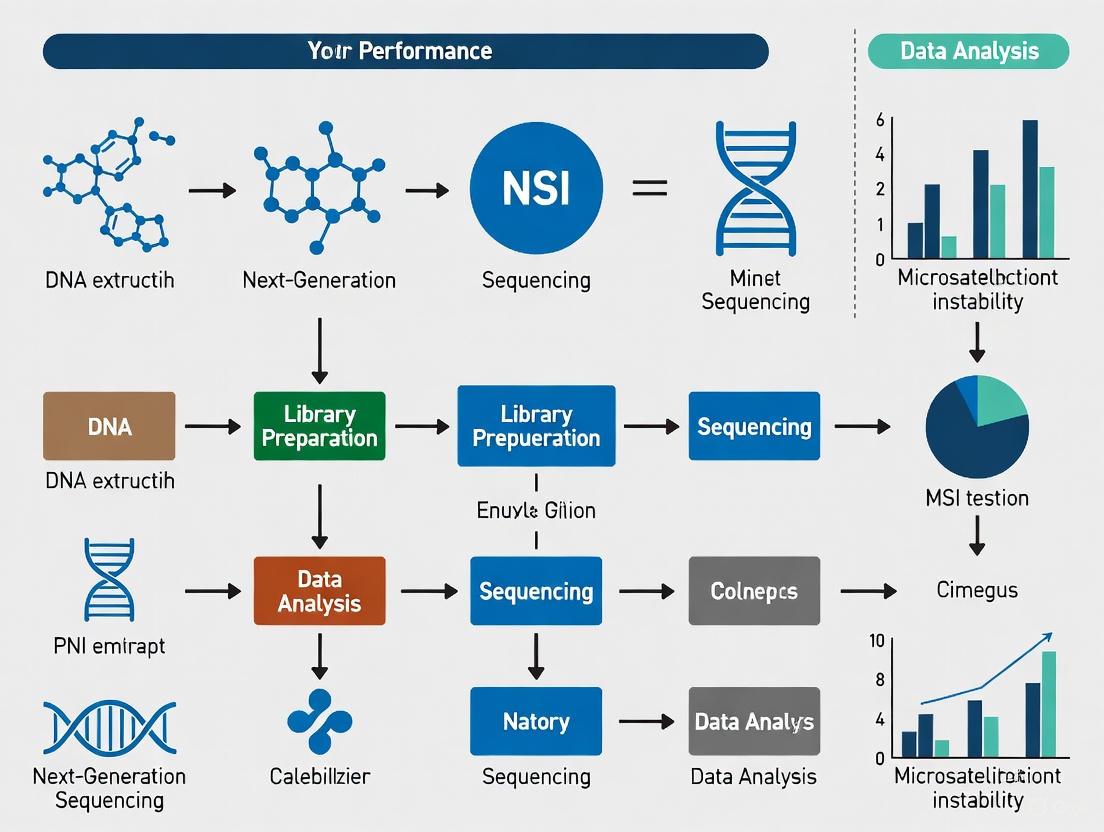
NGS for Microsatellite Instability Testing: A Comprehensive Review of Performance, Applications, and Clinical Validation
This article provides a comprehensive analysis of next-generation sequencing (NGS) for detecting microsatellite instability (MSI), a critical biomarker for immunotherapy response and Lynch syndrome identification.
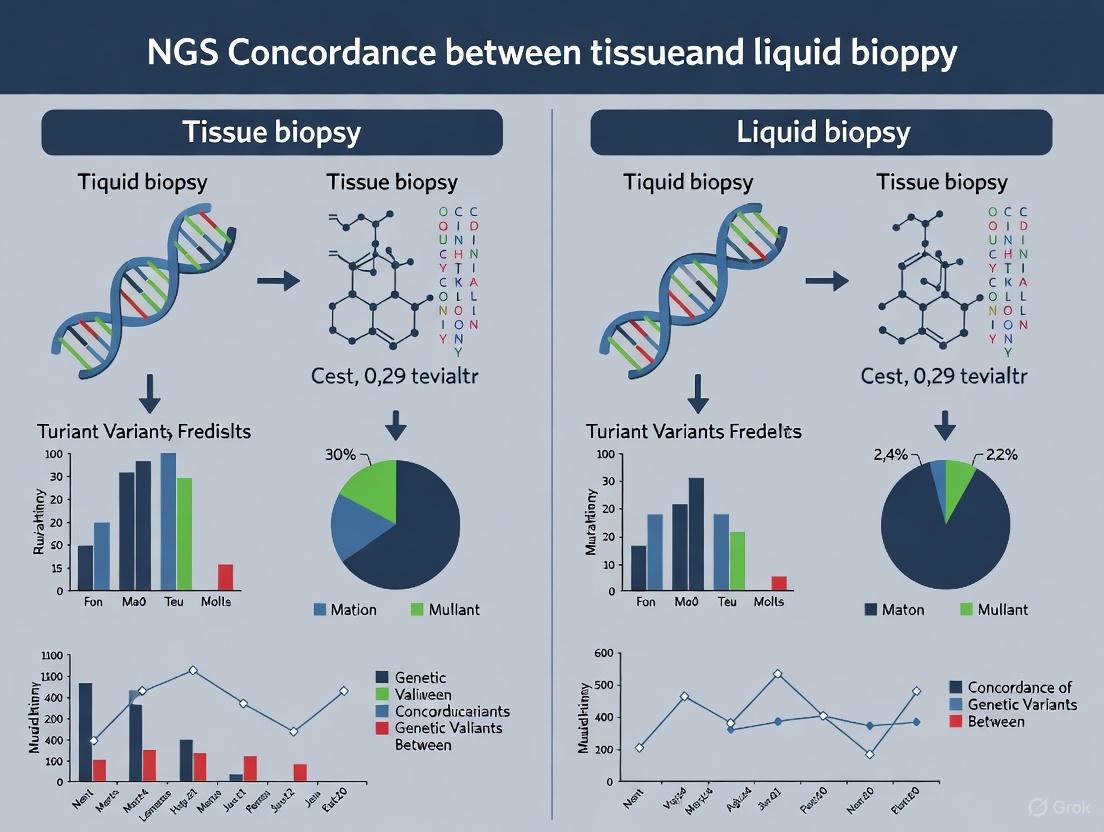
NGS Concordance Between Tissue and Liquid Biopsy: A Comprehensive Review for Precision Oncology
This article provides a comprehensive analysis of next-generation sequencing (NGS) concordance between tissue and liquid biopsy across solid tumors, with emphasis on non-small cell lung cancer.
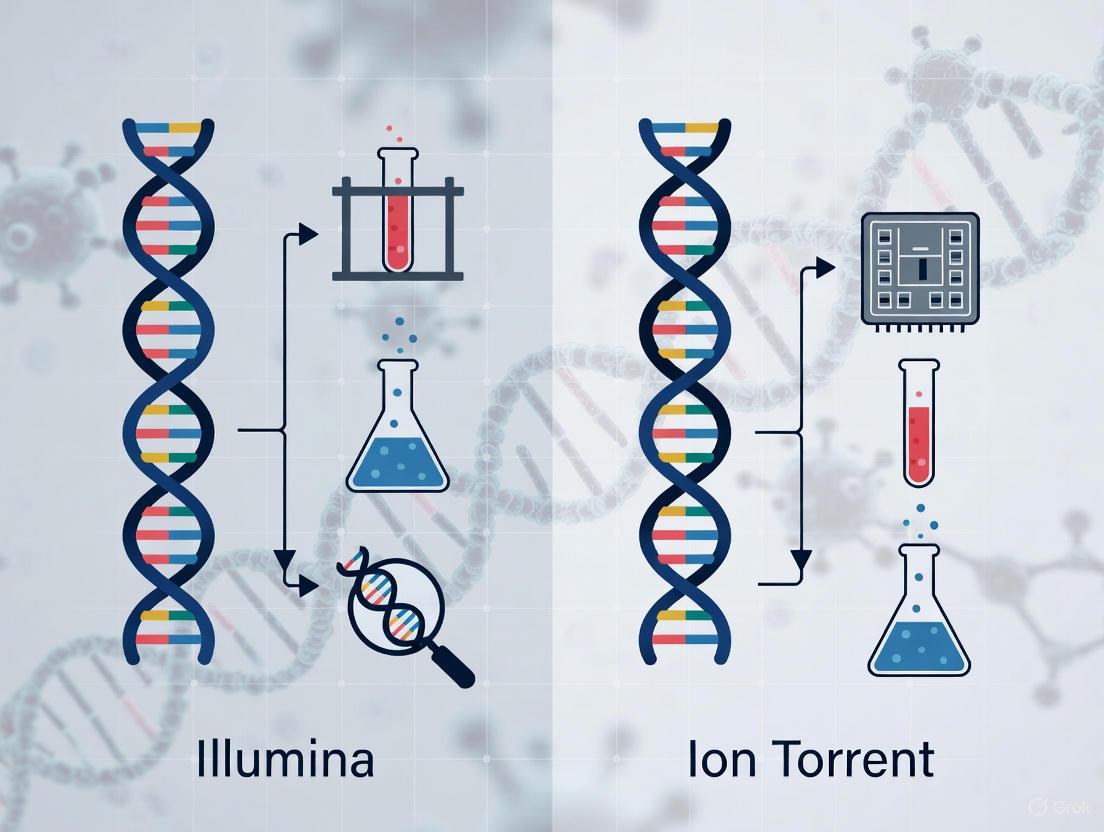
Illumina vs. Ion Torrent in Cancer Diagnostics: A 2025 Comparative Guide for Precision Oncology
This article provides a comprehensive comparison of Illumina and Ion Torrent next-generation sequencing (NGS) platforms for cancer diagnostics, tailored for researchers, scientists, and drug development professionals.
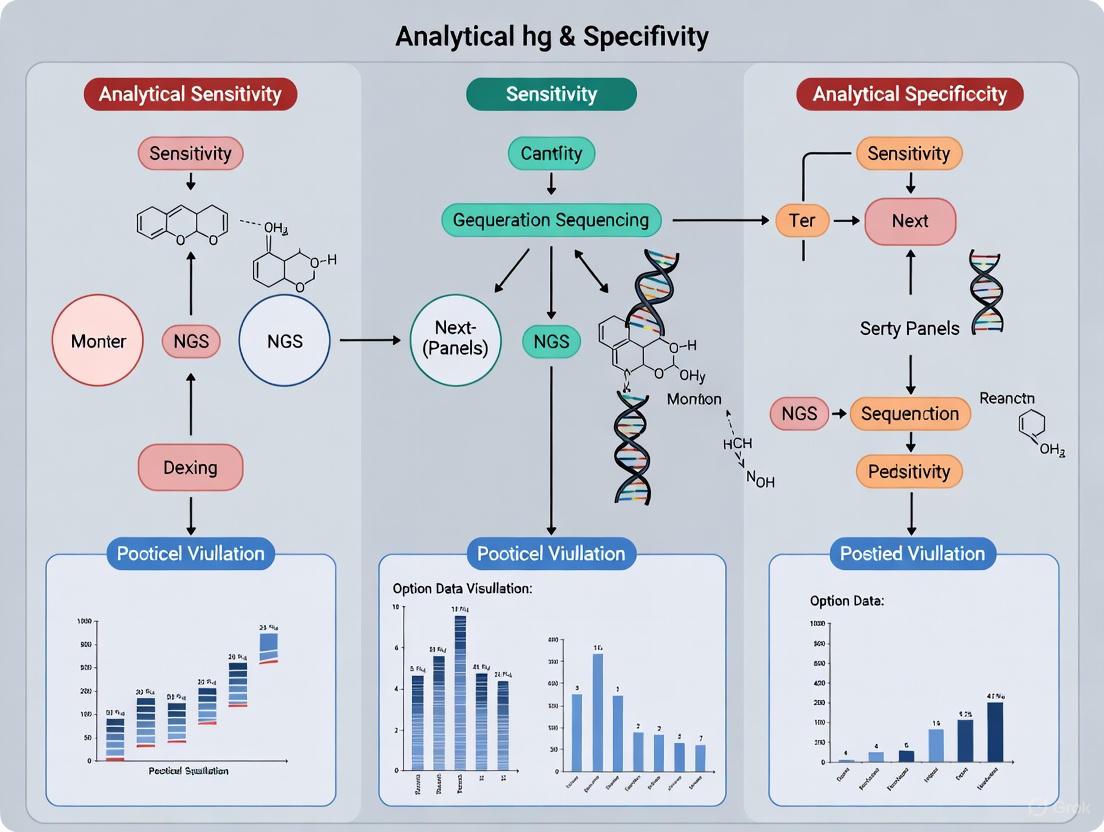
Defining Precision: A Comprehensive Guide to the Analytical Sensitivity and Specificity of Next-Generation Sequencing Panels
This article provides a comprehensive overview of the critical performance metrics—analytical sensitivity and specificity—for Next-Generation Sequencing (NGS) panels in a clinical and research context.
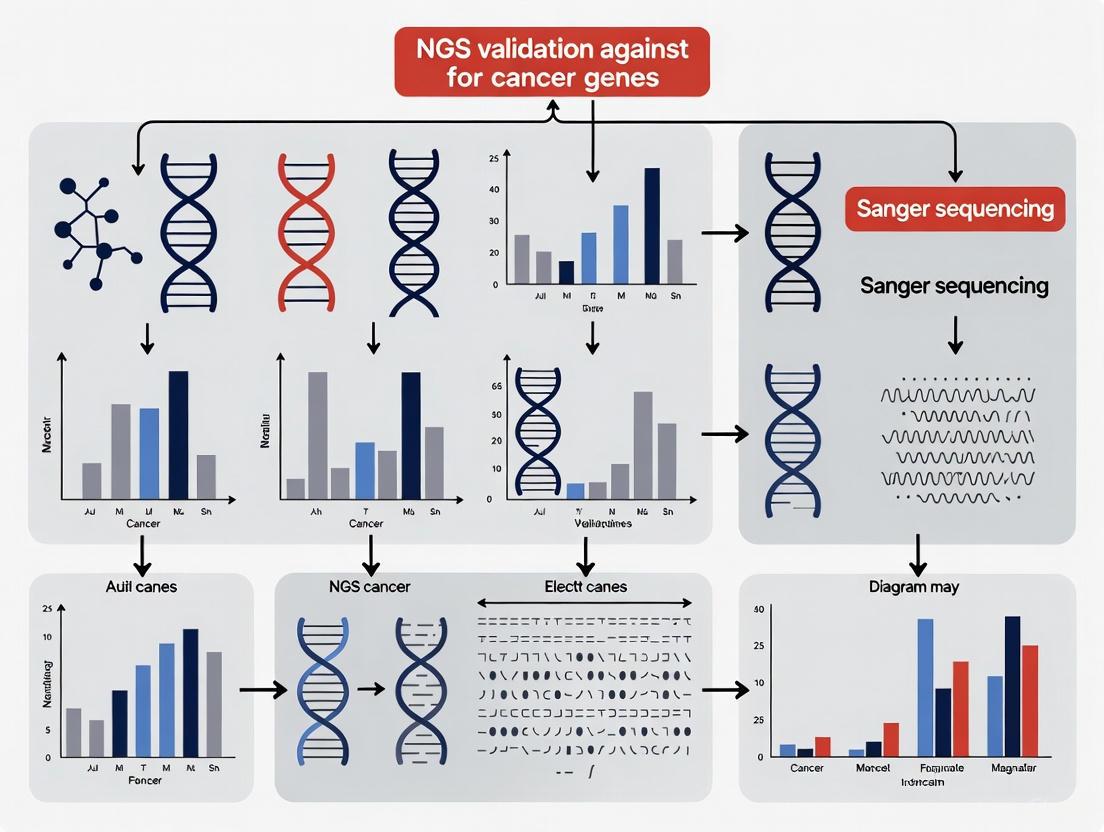
NGS vs. Sanger Sequencing: A 2025 Guide to Validation, Performance, and Clinical Application in Cancer Genomics
This article provides a comprehensive analysis of next-generation sequencing (NGS) validation against the traditional gold standard, Sanger sequencing, for profiling cancer genes.
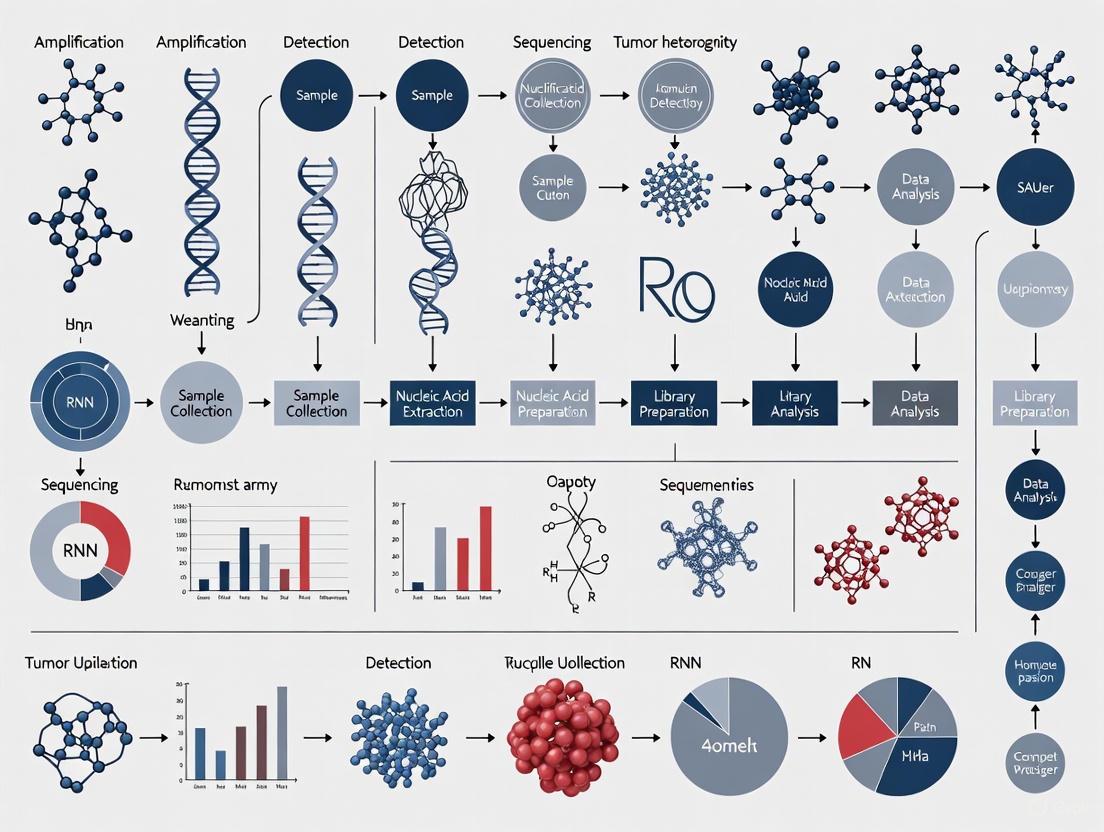
Overcoming Tumor Heterogeneity in Liquid Biopsy: Strategies for Capturing the Full Cancer Landscape
Tumor heterogeneity, encompassing spatial, temporal, and molecular diversity, poses a significant challenge for accurate cancer diagnosis, treatment selection, and monitoring.
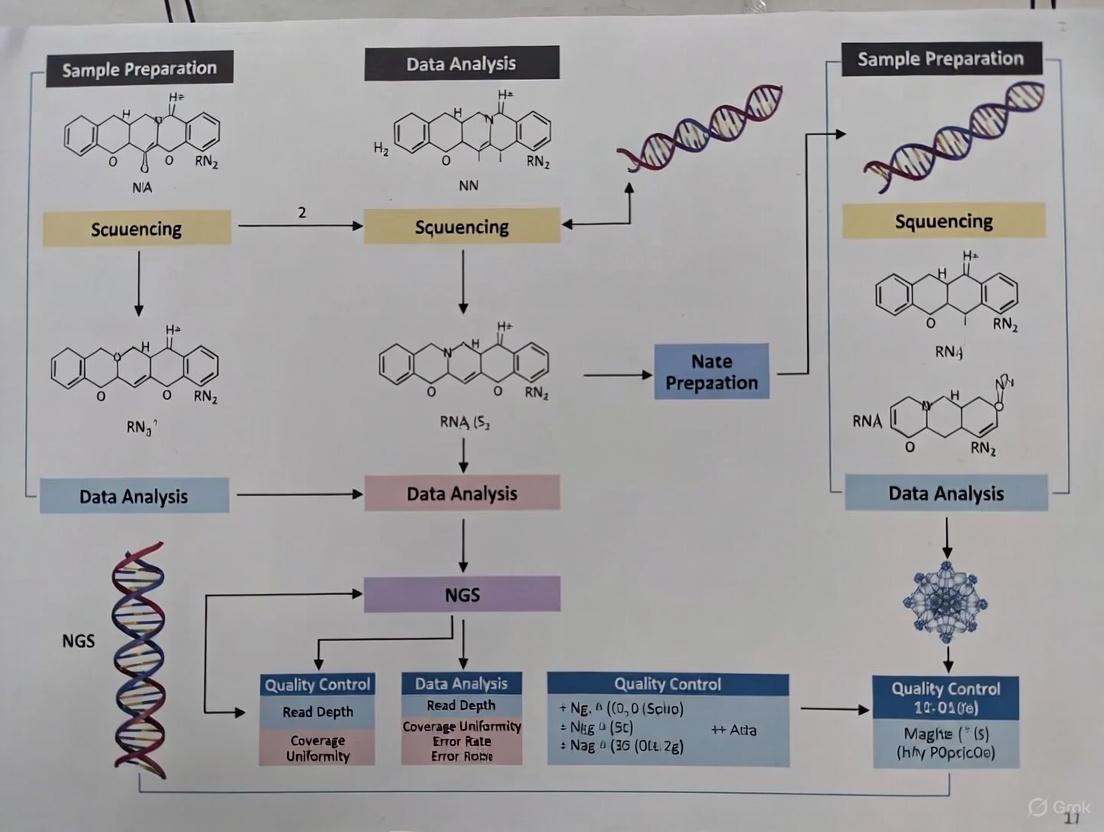
Ensuring Precision in Oncology: A Comprehensive Guide to NGS Quality Control Metrics for Cancer Diagnostics
Next-generation sequencing (NGS) has become a cornerstone of precision oncology, enabling comprehensive genomic profiling that guides diagnosis, prognostication, and therapeutic selection.
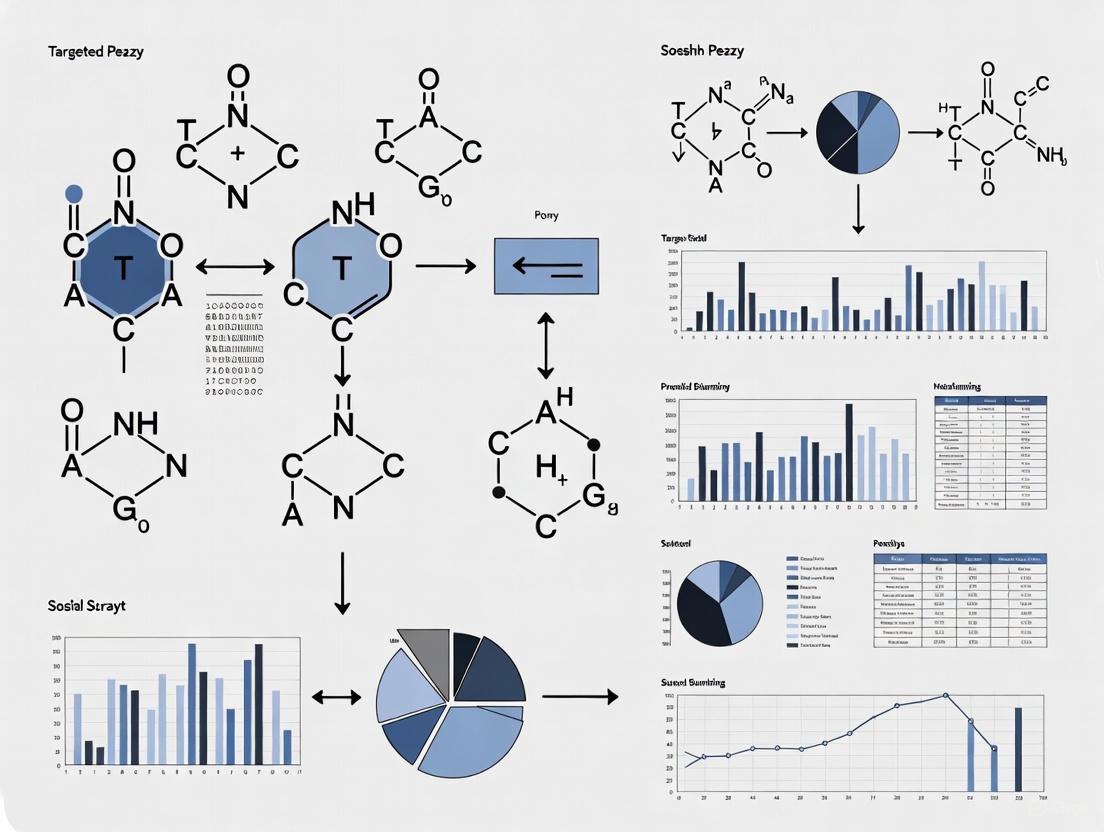
Strategies for Improving Coverage Uniformity in Targeted Sequencing: A Comprehensive Guide for Researchers
This article provides a comprehensive guide for researchers and drug development professionals seeking to optimize coverage uniformity in targeted next-generation sequencing (NGS).
Navigating Bioinformatics Challenges in Clinical NGS: A Roadmap for Robust Implementation in Research and Diagnostics
The integration of next-generation sequencing (NGS) into clinical practice and drug development research is fraught with complex bioinformatics challenges that impact data accuracy, reproducibility, and clinical utility.

Unlocking Genetic Insights: A 2025 Guide to Optimizing DNA Input from Low-Quality FFPE Samples
Formalin-fixed paraffin-embedded (FFPE) samples are invaluable for biomedical research, yet their degraded, low-input DNA poses significant challenges for next-generation sequencing (NGS).