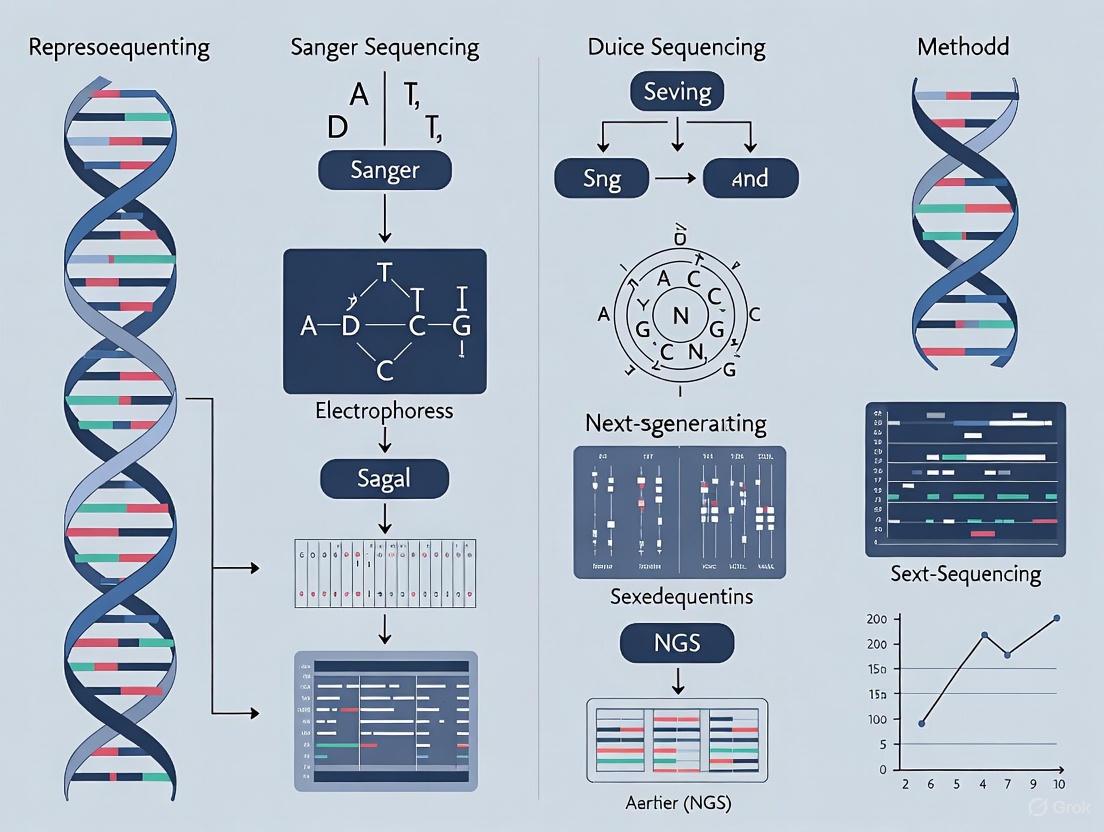
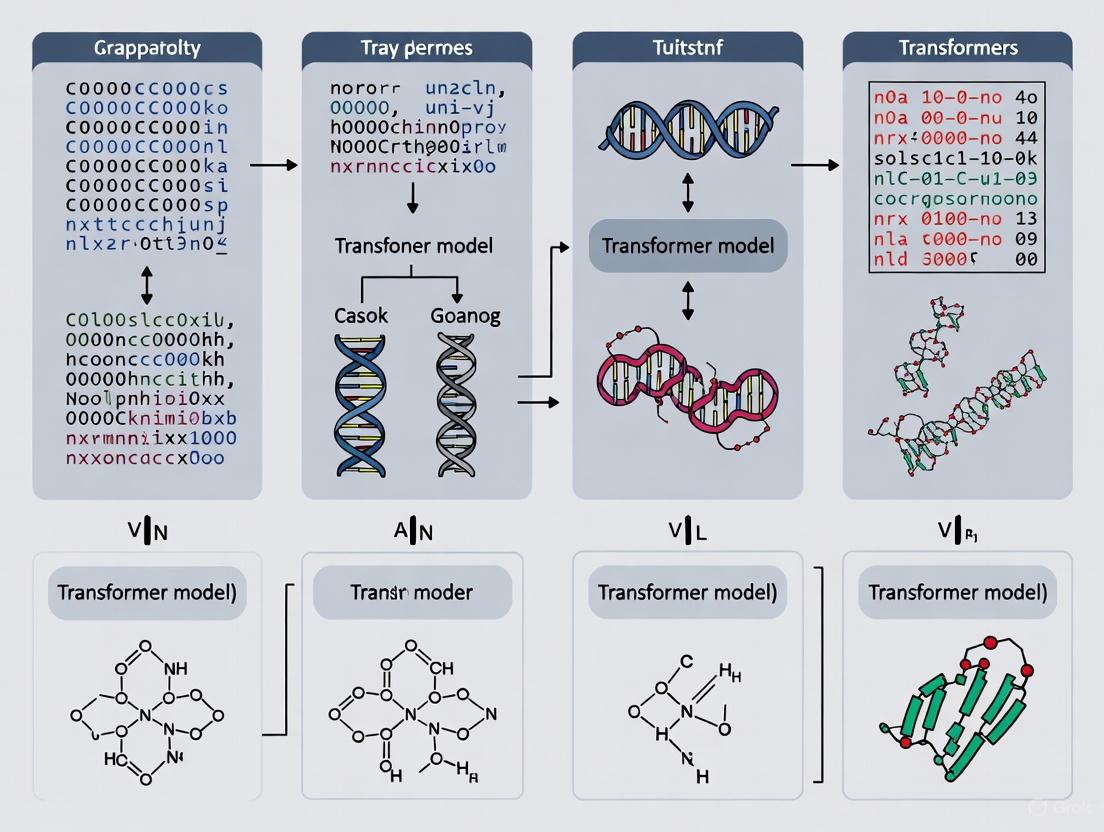
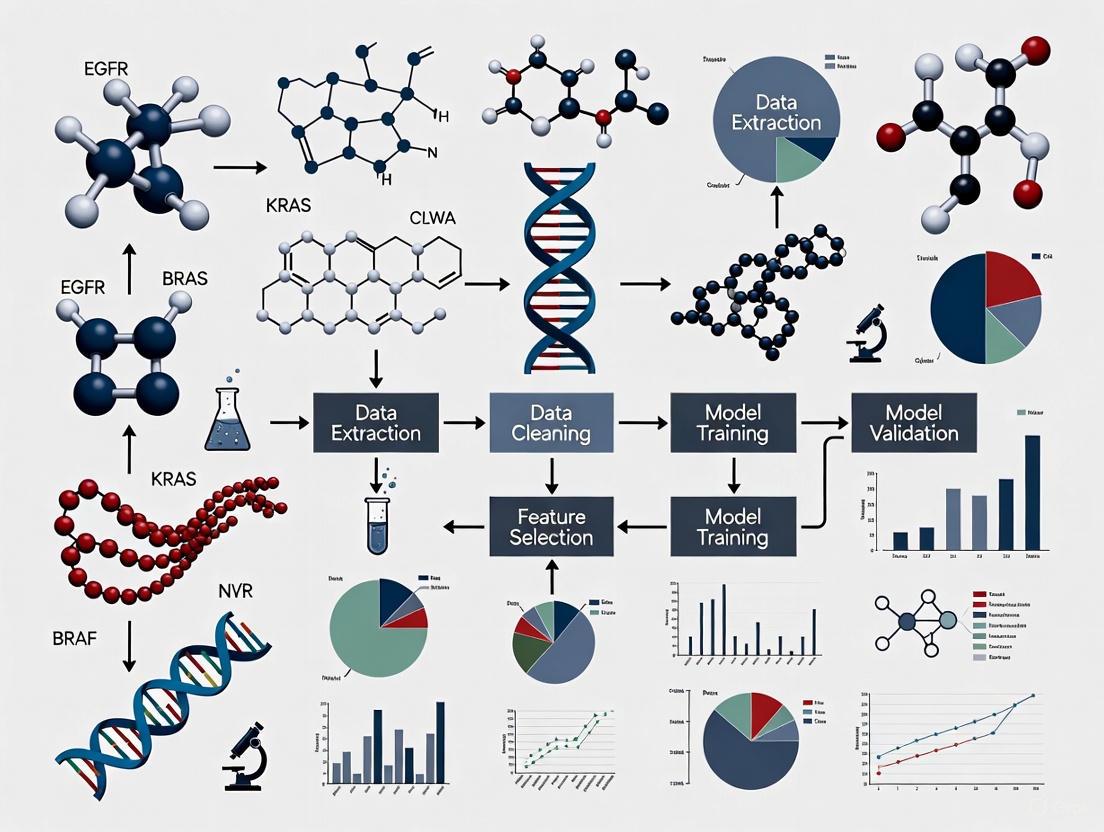
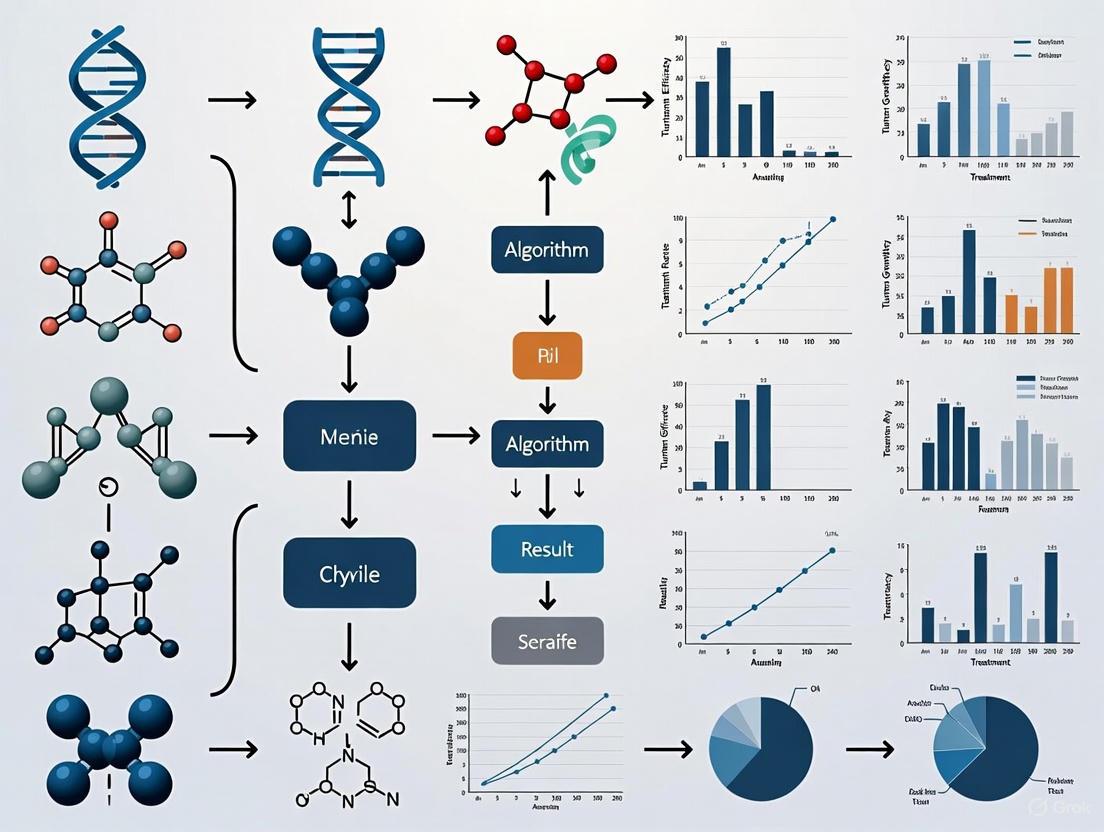
This article provides a comprehensive comparative analysis of DNA sequence representation methods, tracing their evolution from foundational computational techniques to advanced AI-driven models. Tailored for researchers, scientists, and drug development professionals, it explores core methodologies including k-mer analysis, alignment-free approaches, and large language models (LLMs) like Scorpio and BERTax. The scope covers foundational principles, practical applications in genomics and diagnostics, strategies for troubleshooting and optimization, and rigorous validation techniques. By synthesizing current trends and performance data, this analysis serves as a critical guide for selecting and implementing the most effective sequence representation strategies to drive innovation in biomedical research and clinical practice.