Research Articles
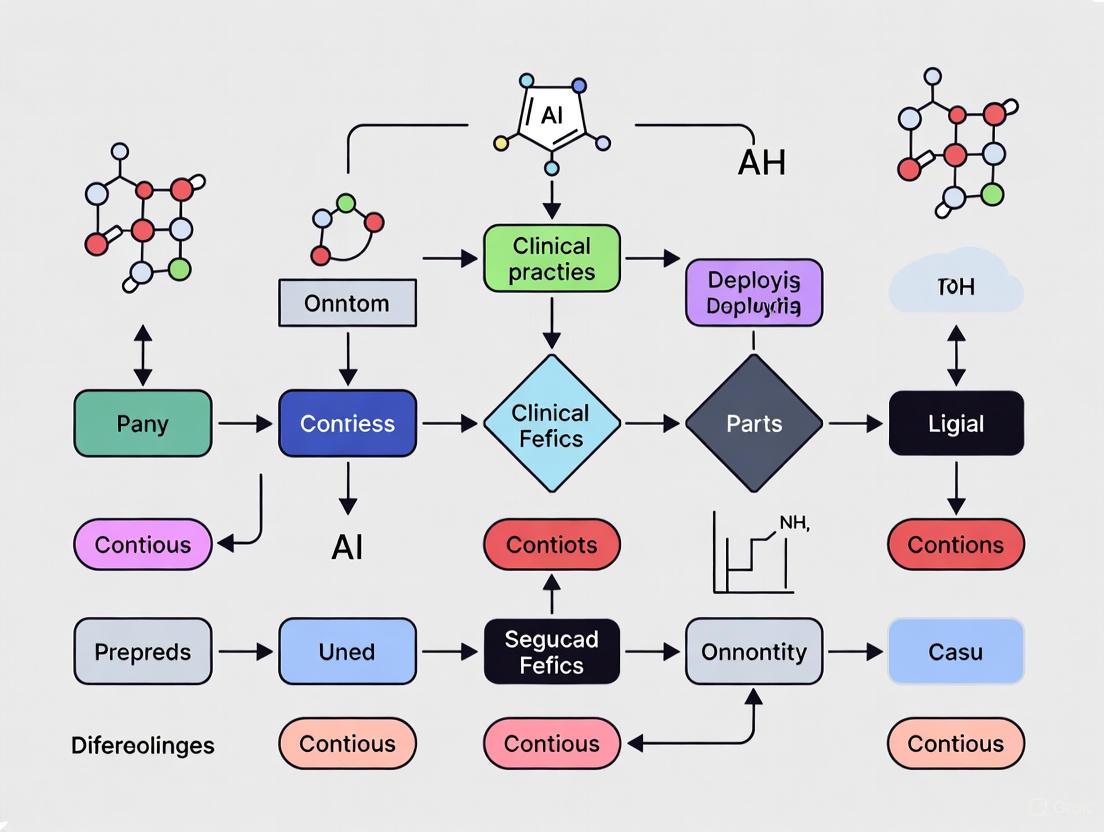
Overcoming the Implementation Gap: Key Challenges and Solutions for Deploying AI in Clinical Practice
This article synthesizes the current landscape, challenges, and future directions for deploying Artificial Intelligence (AI) models in clinical practice and drug development.
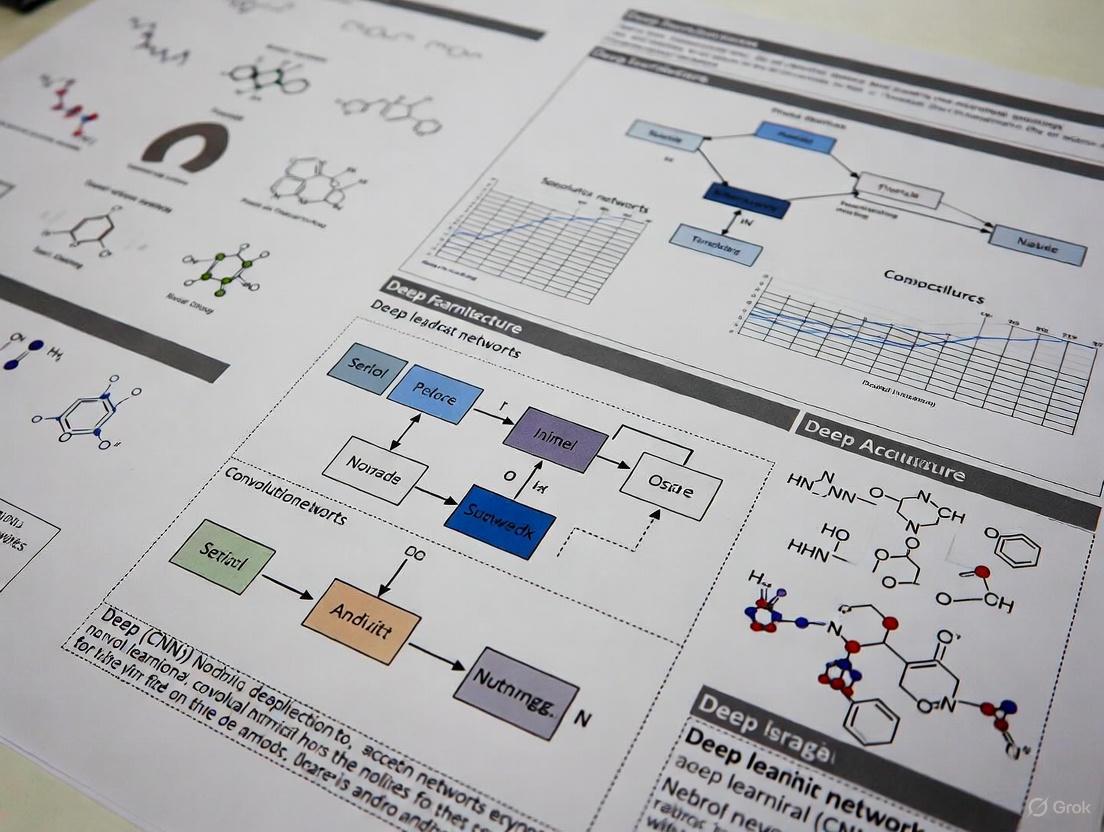
Deep Learning Architectures in Medical Image Analysis: A Comprehensive Review from CNNs to Transformers
This article provides a comprehensive overview of deep learning architectures revolutionizing medical image analysis.
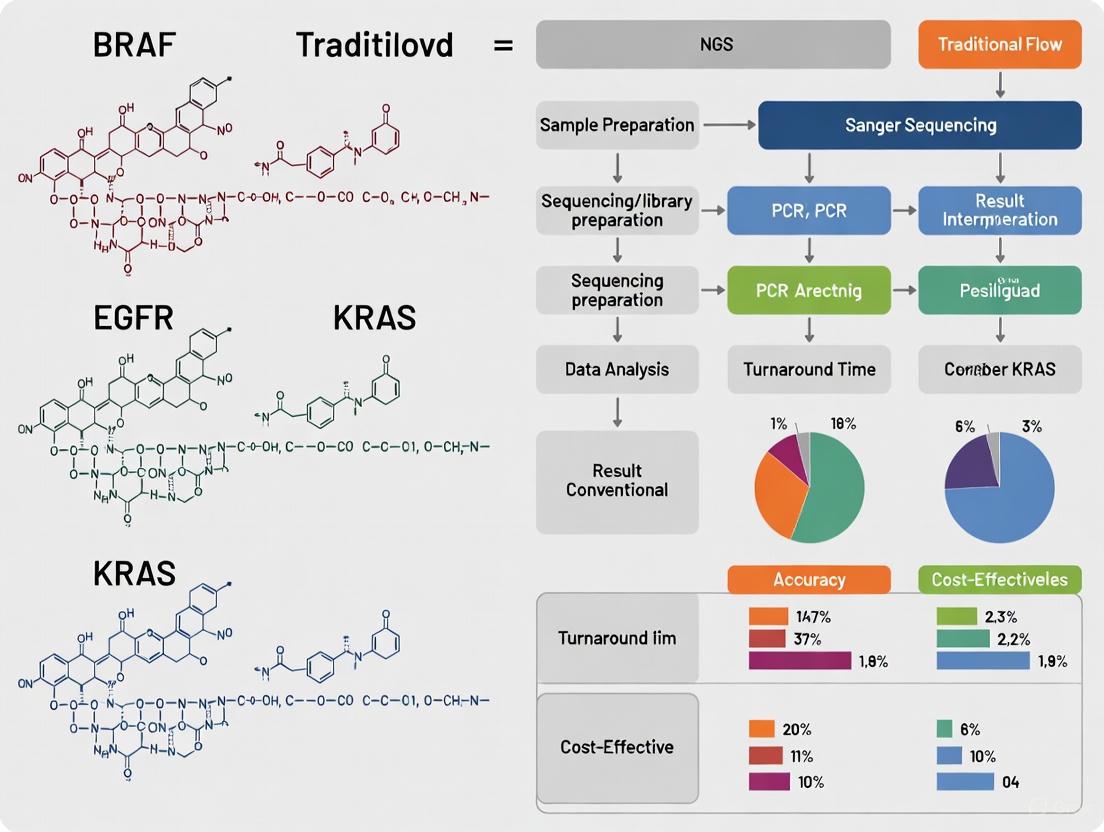
NGS vs Traditional Methods for BRAF, EGFR, and KRAS Testing: A Comprehensive Guide for Precision Oncology
This article provides a comprehensive analysis of Next-Generation Sequencing (NGS) versus traditional methods for detecting BRAF, EGFR, and KRAS mutations in oncology.
Managing Variants of Uncertain Significance in NGS: Strategies for Researchers and Drug Developers
The management of Variants of Uncertain Significance (VUS) is a central challenge in next-generation sequencing (NGS), directly impacting diagnostic clarity, drug development pipelines, and clinical trial design.
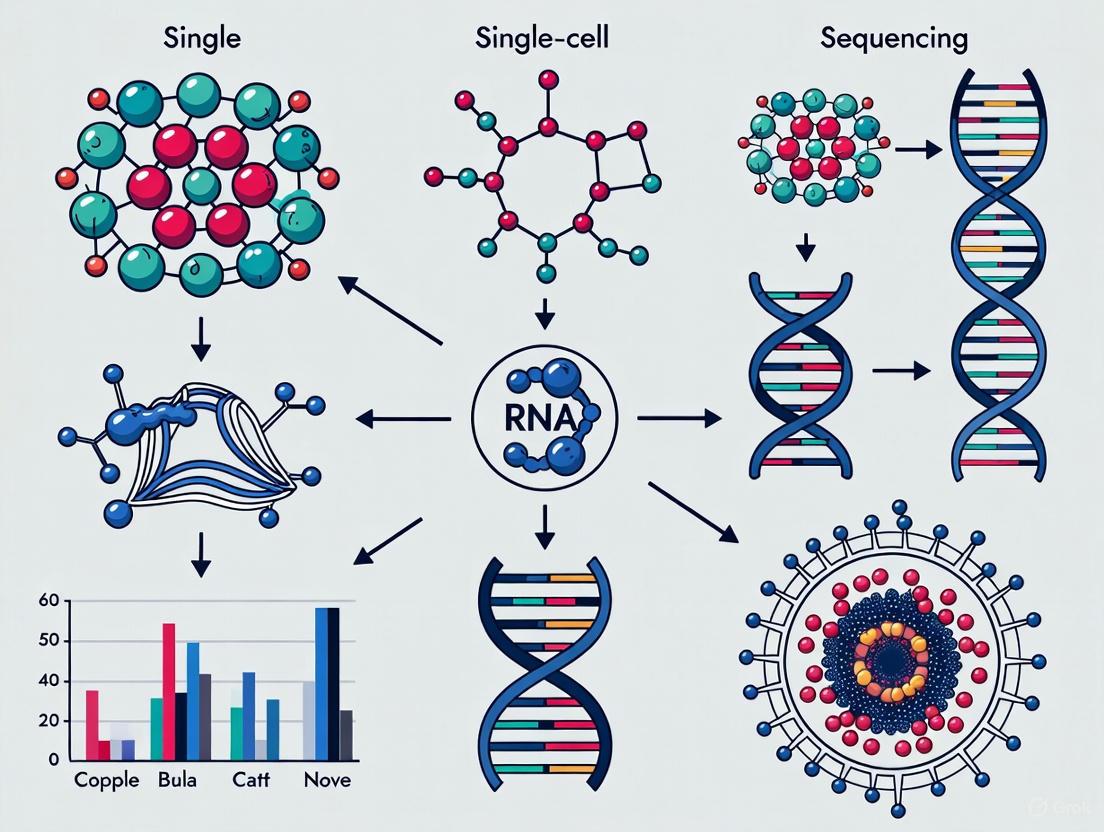
Single-Cell Sequencing in Cancer Research: Decoding Tumor Heterogeneity for Precision Medicine
This article provides a comprehensive overview of the transformative role of single-cell sequencing (SCS) in oncology.
Next-Generation Sequencing in Hereditary Cancer Syndromes: A Comprehensive Guide for Researchers and Drug Developers
Next-generation sequencing (NGS) has revolutionized the identification of hereditary cancer syndromes, moving genetic testing beyond single-gene analyses to comprehensive multigene panels.
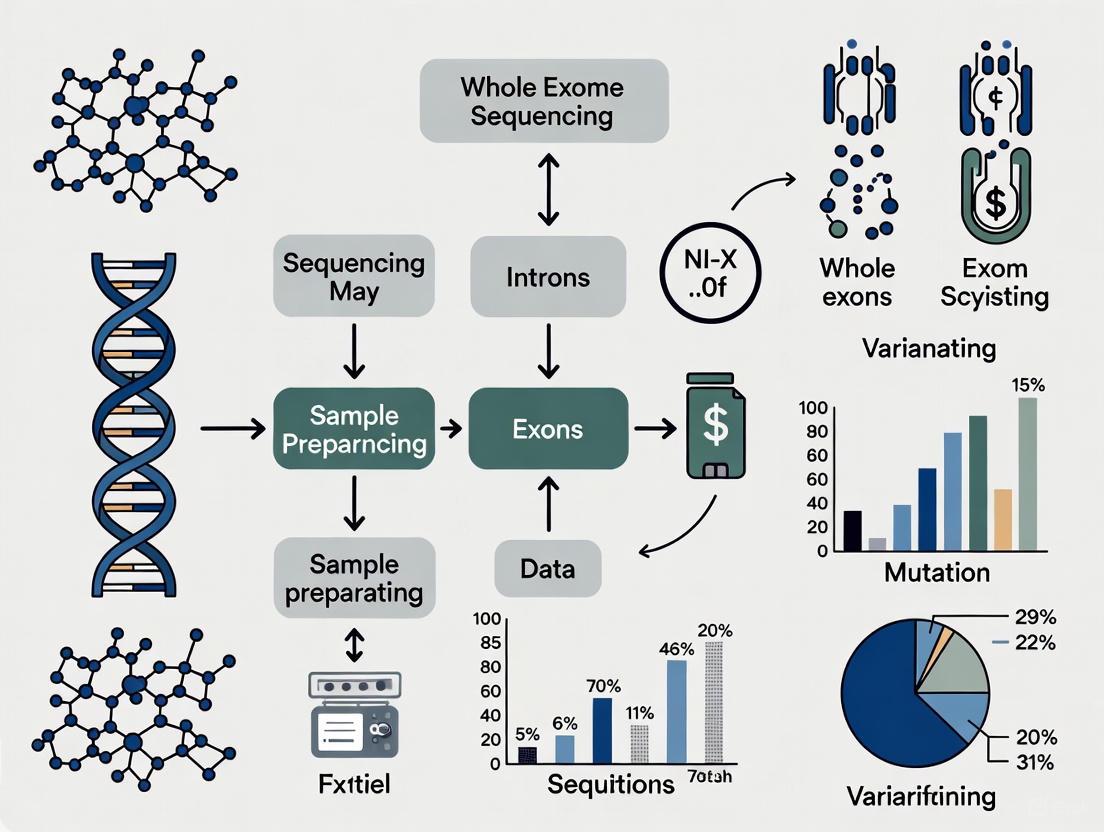
Whole Exome Sequencing in Cancer Research: A Comprehensive Guide from Basics to Clinical Applications
This article provides a comprehensive overview of Whole Exome Sequencing (WES) and its transformative role in modern cancer research and therapeutic development.
Optimizing Sensitivity in Early-Stage Cancer Detection: Methodologies, Models, and Clinical Validation
This article provides a comprehensive analysis of sensitivity optimization for early-stage cancer detection models, a critical frontier in oncology.
Beyond the Black Box: Achieving Clinical Acceptance for Cancer AI Through Model Interpretability
The integration of Artificial Intelligence (AI) into oncology holds transformative potential for diagnostics, treatment personalization, and drug discovery.
Benchmarking Hybrid Deep Learning Architectures for Genomics: A Roadmap for Enhanced Precision and Clinical Translation
The integration of hybrid deep learning (DL) architectures is revolutionizing genomic analysis, offering unprecedented accuracy in variant calling, tumor subtyping, and biomarker discovery.