Research Articles
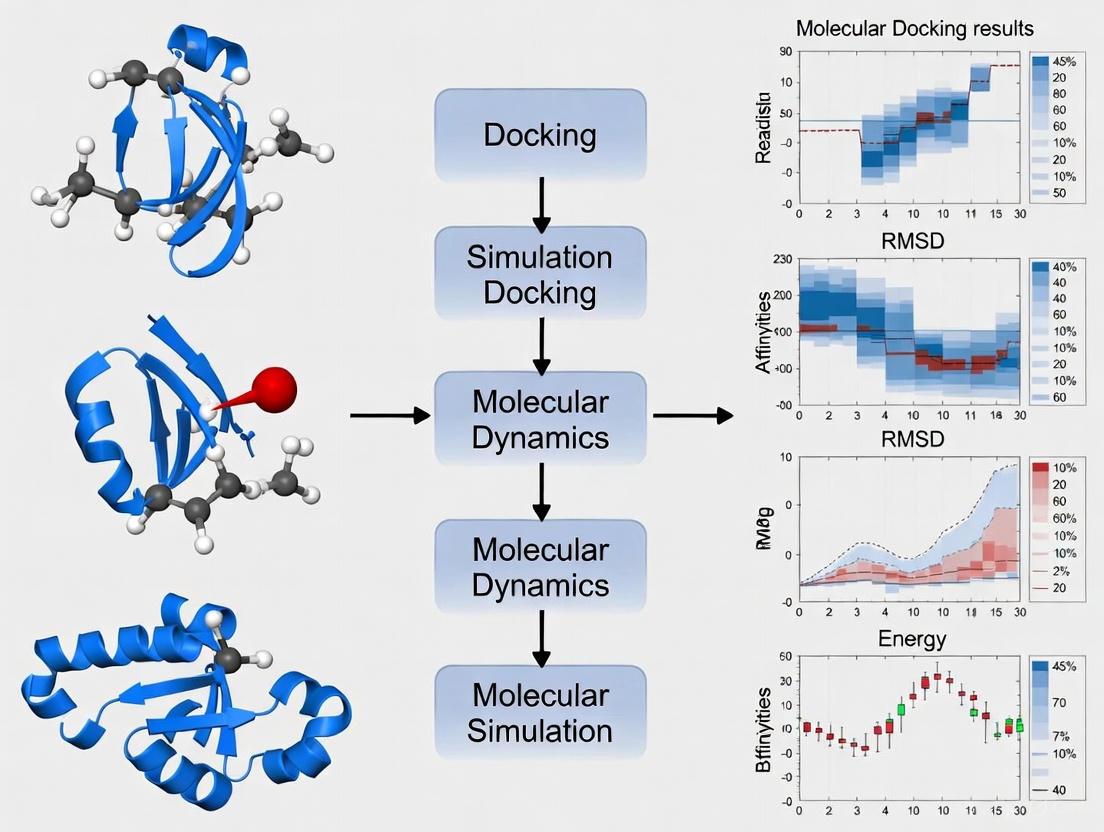
From Docking to Dynamics: A Comprehensive Guide to Validating Molecular Interactions in Drug Discovery
This article provides researchers and drug development professionals with a complete framework for validating molecular docking results through molecular dynamics (MD) simulations.
Comparative Analysis of Machine Learning Classifiers for Cancer Detection: Performance, Applications, and Clinical Translation
This article provides a comprehensive comparative analysis of machine learning (ML) classifiers applied to cancer detection, a critical step towards improving early diagnosis and patient outcomes.

Beyond the Flask: Innovative Strategies to Overcome Limitations in Cancer Cell Line Models
Traditional cancer cell lines, while accessible and cost-effective, suffer from critical limitations including loss of tumor heterogeneity, lack of a physiological tumor microenvironment, and genetic drift, which contribute to the...

Overcoming Sensitivity and Technical Hurdles: A Deep Dive into ddPCR for ctDNA Analysis
Droplet Digital PCR (ddPCR) has emerged as a powerful, sensitive, and cost-effective technology for circulating tumor DNA (ctDNA) analysis, enabling applications from early cancer detection to minimal residual disease (MRD)...

Optimizing Binding Affinity in Anticancer Compound Design: From Foundational Concepts to AI-Driven Discovery
This article provides a comprehensive overview of strategies for optimizing binding affinity in anticancer drug design, tailored for researchers, scientists, and drug development professionals.
Advancing Precision Oncology: Strategies for Optimizing Machine Learning Accuracy in Cancer Detection
This article provides a comprehensive analysis for researchers and drug development professionals on enhancing the accuracy of machine learning (ML) models in cancer detection.

Troubleshooting Molecular Dynamics Simulation Parameters for Cancer Targets: A Guide to Optimization and Validation
Molecular dynamics (MD) simulation has become an indispensable tool in cancer drug discovery, providing atomic-level insights into drug-target interactions.

Conquering the Spatial Map of Cancer: Advanced Models and Computational Strategies to Decode Tumor Heterogeneity
Tumor spatial heterogeneity—the variation in cellular composition, genetics, and function across different regions of a tumor—is a fundamental driver of therapeutic resistance and cancer progression.

Advancing Cancer Diagnostics: Strategies for Enhancing Sensitivity in PCR-Based Detection Methods
This article provides a comprehensive analysis of emerging strategies to improve the sensitivity of PCR-based methods for early cancer detection and monitoring.

Optimizing Drug Dosing Schedules to Combat Antimicrobial Resistance: A PK/PD Framework for Researchers
This article provides a comprehensive guide for researchers and drug development professionals on optimizing antimicrobial dosing schedules to suppress resistance development.