Research Articles
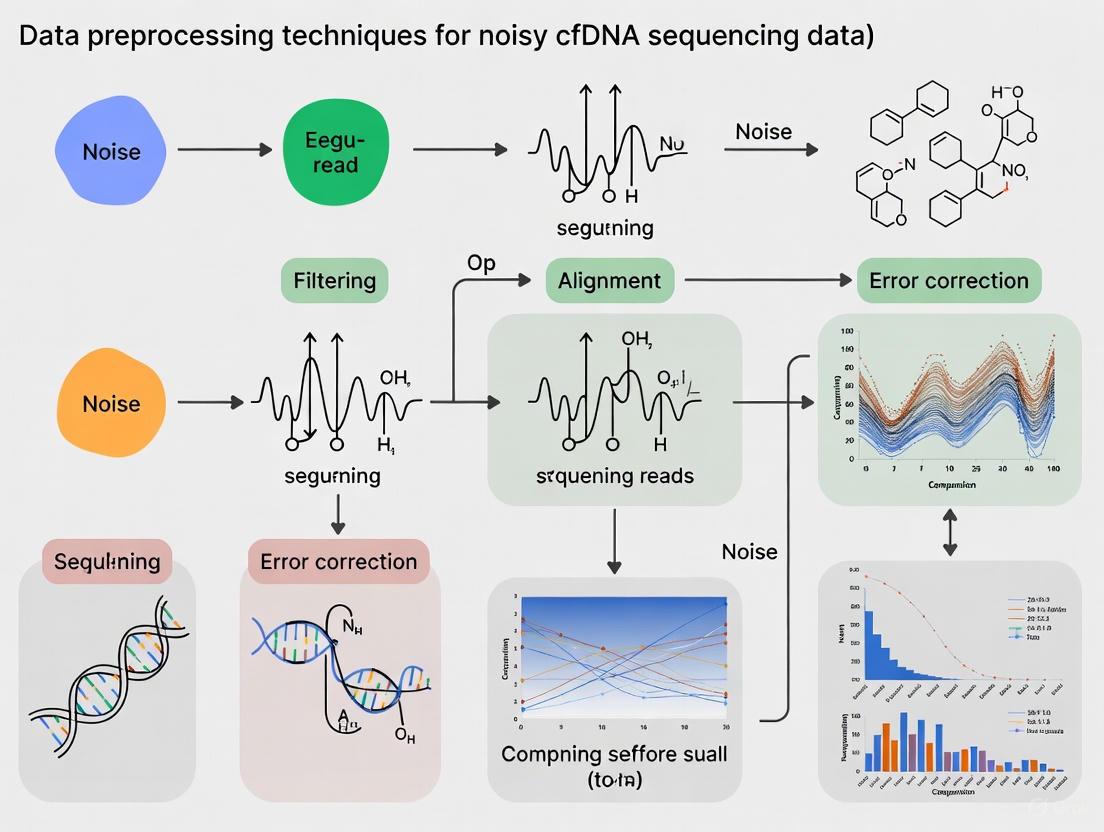
Mastering Noise in cfDNA Sequencing: A Comprehensive Guide to Preprocessing Techniques for Reliable Clinical Data
This article provides a comprehensive overview of data preprocessing techniques designed to mitigate noise in cell-free DNA (cfDNA) sequencing data, a critical challenge in liquid biopsy applications.

Advanced Hyperparameter Tuning for DNA Sequence Classification: A Practical Guide for Biomedical Research
This article provides a comprehensive guide to hyperparameter tuning for deep learning models in DNA sequence classification, a critical task for applications in genomics, drug discovery, and precision medicine.
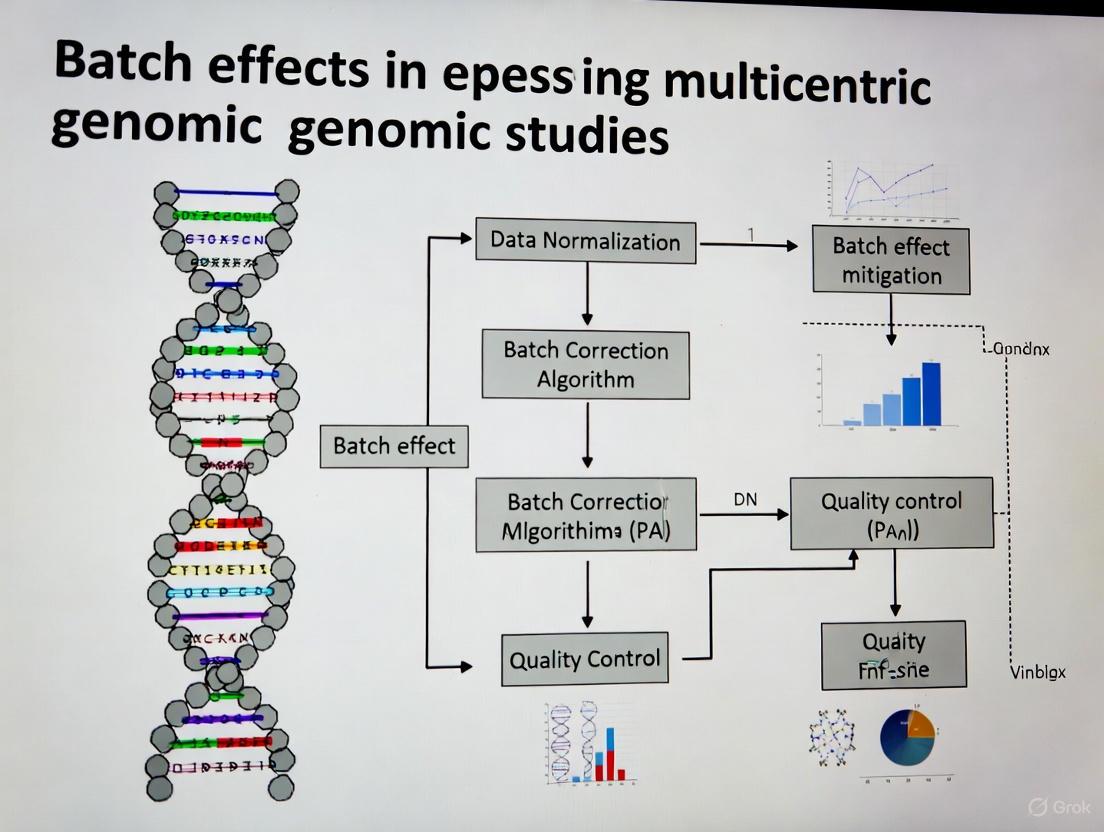
Mitigating Batch Effects in Multicentric Genomic Studies: A Comprehensive Guide from Detection to Correction
This article provides a systematic framework for researchers, scientists, and drug development professionals to address the critical challenge of batch effects in multi-center genomic studies.
Overcoming Genetic Heterogeneity in Cancer Biomarker Discovery: Integrated Strategies for Precision Oncology
Genetic heterogeneity presents a fundamental challenge in oncology, undermining the discovery and clinical application of reliable biomarkers for cancer diagnosis, prognosis, and treatment.
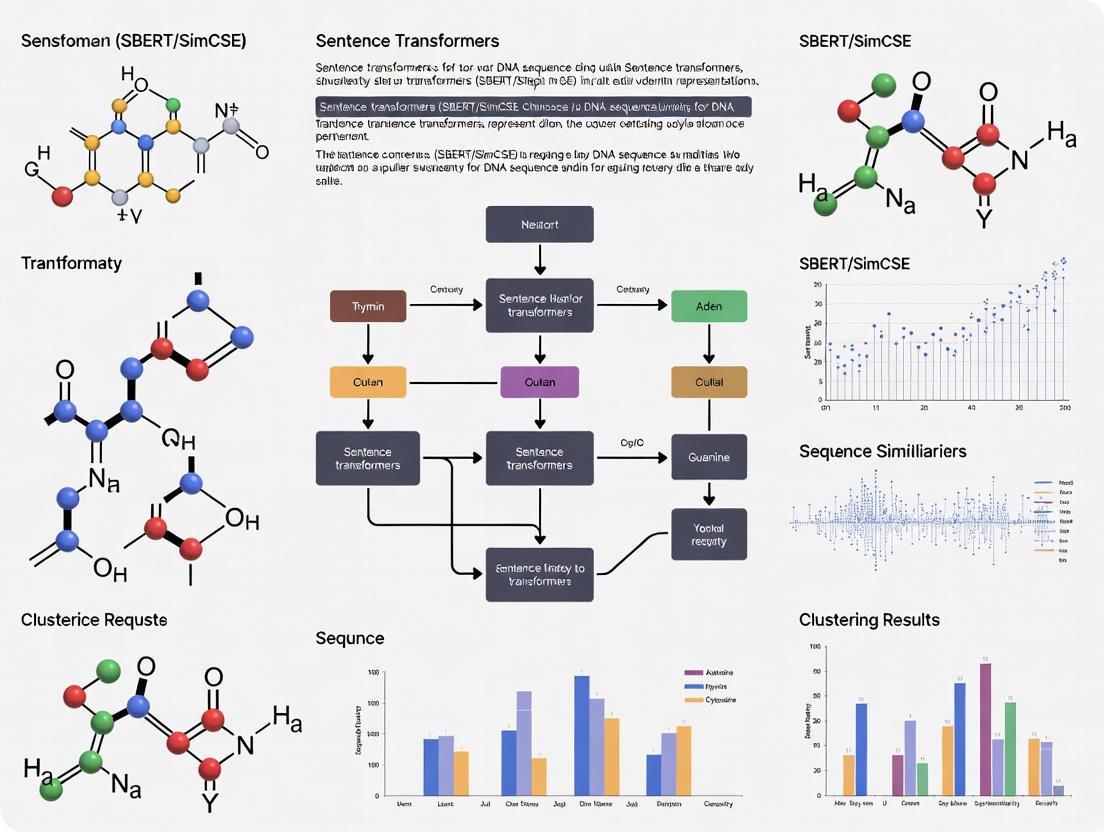
Beyond BERT: Applying Sentence Transformers like SBERT and SimCSE for Advanced DNA Sequence Representation
This article explores the transformative application of Sentence Transformer models, specifically SBERT and SimCSE, for generating powerful numerical representations of DNA sequences.
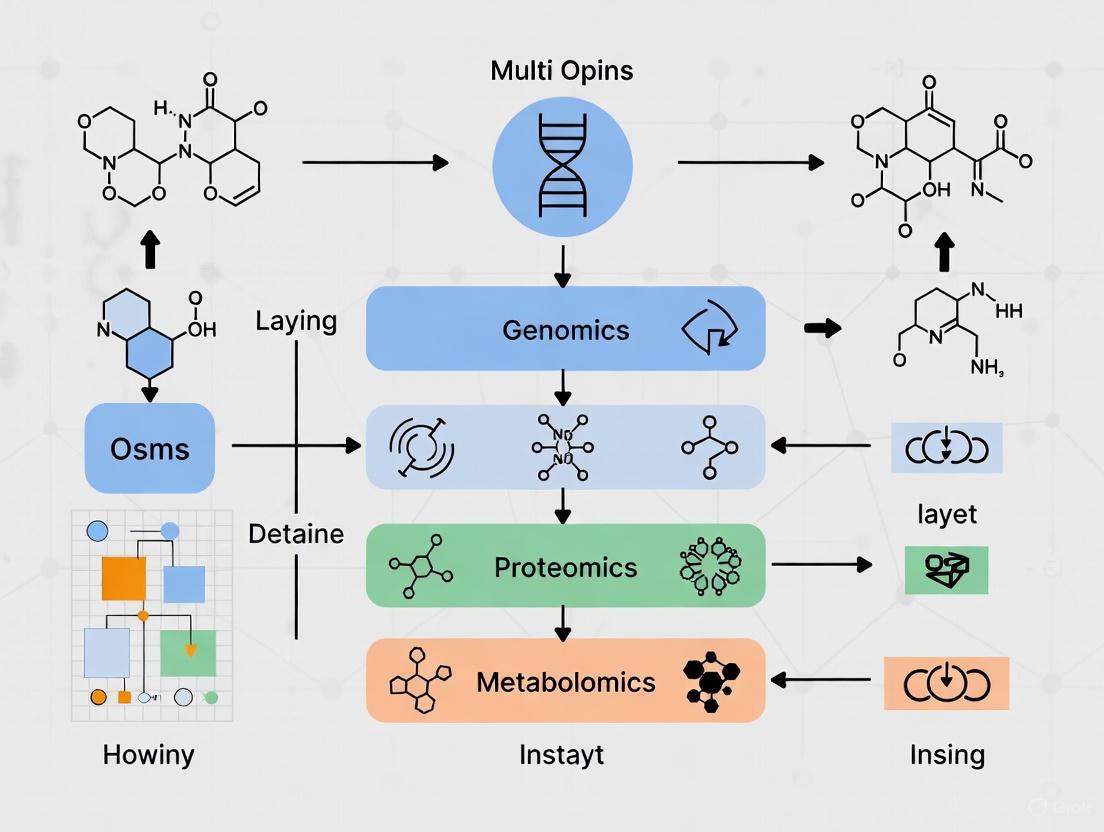
Integrating Multi-Omics Data for Precision Cancer Classification: Methods, Applications, and Future Directions
The integration of multi-omics data is revolutionizing cancer research by providing a holistic view of tumor biology, moving beyond the limitations of single-omics approaches.
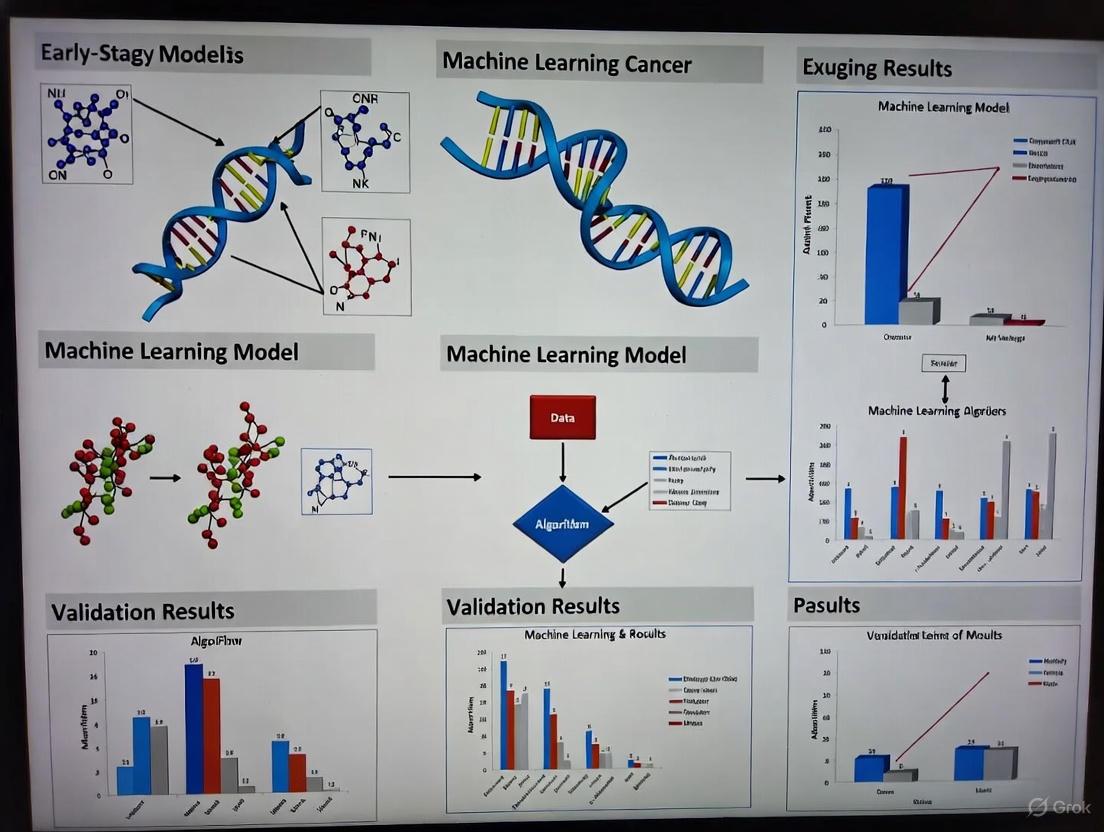
Machine Learning for Early-Stastage Colorectal Cancer Detection: A Comprehensive Review for Researchers and Developers
This article comprehensively reviews the application of machine learning (ML) models for early-stage colorectal cancer (CRC) detection, a critical focus for improving patient survival outcomes.
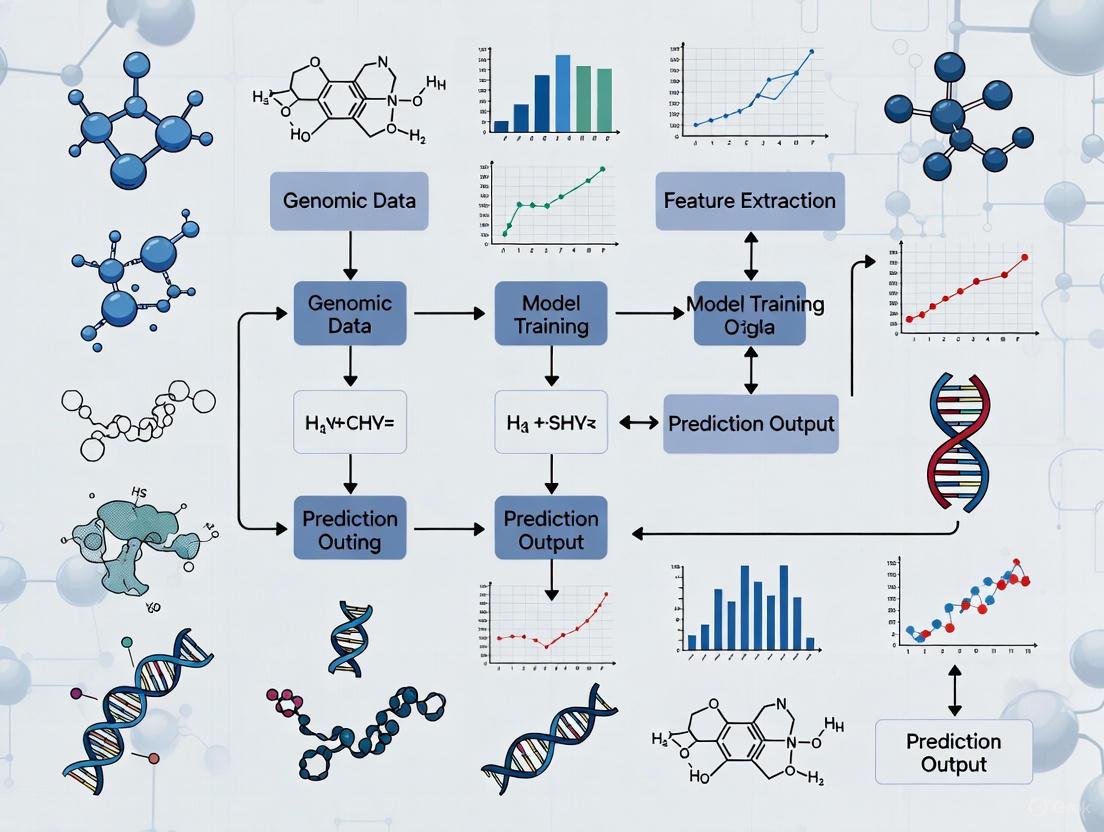
Leveraging Transfer Learning for Accurate Cancer Prediction with Limited Genomic Data
This article addresses the critical challenge of developing robust cancer prediction models when genomic data is scarce, a common scenario in clinical and research settings.

Whole-Genome Sequencing of Plasma cfDNA: A Comprehensive Guide for Advancing Cancer Detection and Precision Oncology
This article provides a comprehensive exploration of whole-genome sequencing (WGS) of plasma cell-free DNA (cfDNA) for cancer detection, tailored for researchers and drug development professionals.
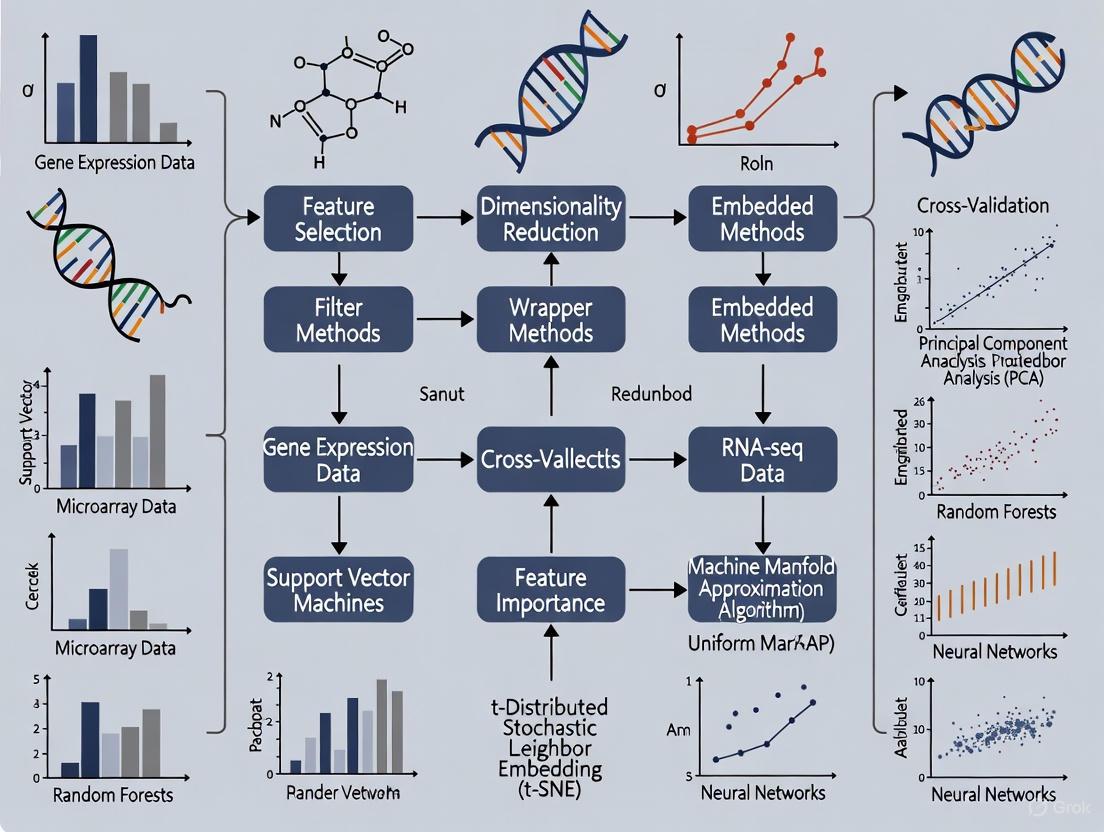
Advanced Feature Selection Techniques for High-Dimensional Genomic Data: A Comprehensive Guide for Biomedical Research
This article provides a comprehensive overview of feature selection strategies specifically designed for high-dimensional genomic data, addressing the critical p >> n problem prevalent in modern bioinformatics.