Research Articles
Data Preprocessing and Augmentation for Medical Imaging: A 2025 Guide for AI-Driven Drug Development
This article provides a comprehensive guide for researchers and drug development professionals on leveraging data preprocessing and augmentation to overcome the critical challenge of limited and imbalanced medical imaging data.
Beyond the Label: A New Era of Self-Supervised Learning for Medical Imaging
This article provides a comprehensive exploration of self-supervised learning (SSL) for medical image analysis, a paradigm that leverages unlabeled data to overcome the critical bottleneck of manual annotation.
Validating Copy Number Variation Detection by NGS: A Comprehensive Guide for Researchers and Clinicians
Accurate detection of copy number variations (CNVs) from next-generation sequencing (NGS) data is critical for genetic disease research, cancer genomics, and drug development.
Managing the NGS Data Deluge: Scalable Storage and Analysis Strategies for Biomedical Research
Next-Generation Sequencing (NGS) generates terabytes of data, posing significant storage, management, and analysis challenges for researchers and drug development professionals.
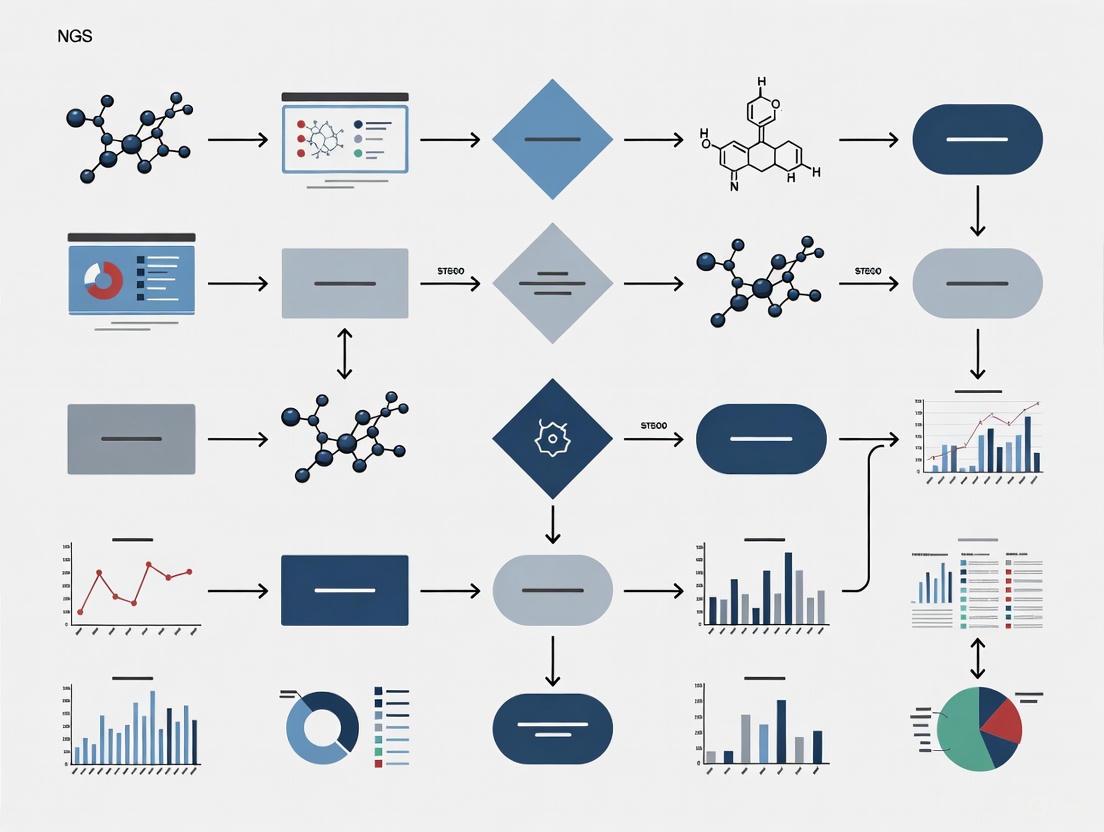
Optimizing Oncology Trials: A Strategic Guide to NGS-Guided Patient Enrollment
This article provides a comprehensive guide for researchers and drug development professionals on implementing next-generation sequencing (NGS) to enhance clinical trial enrollment.
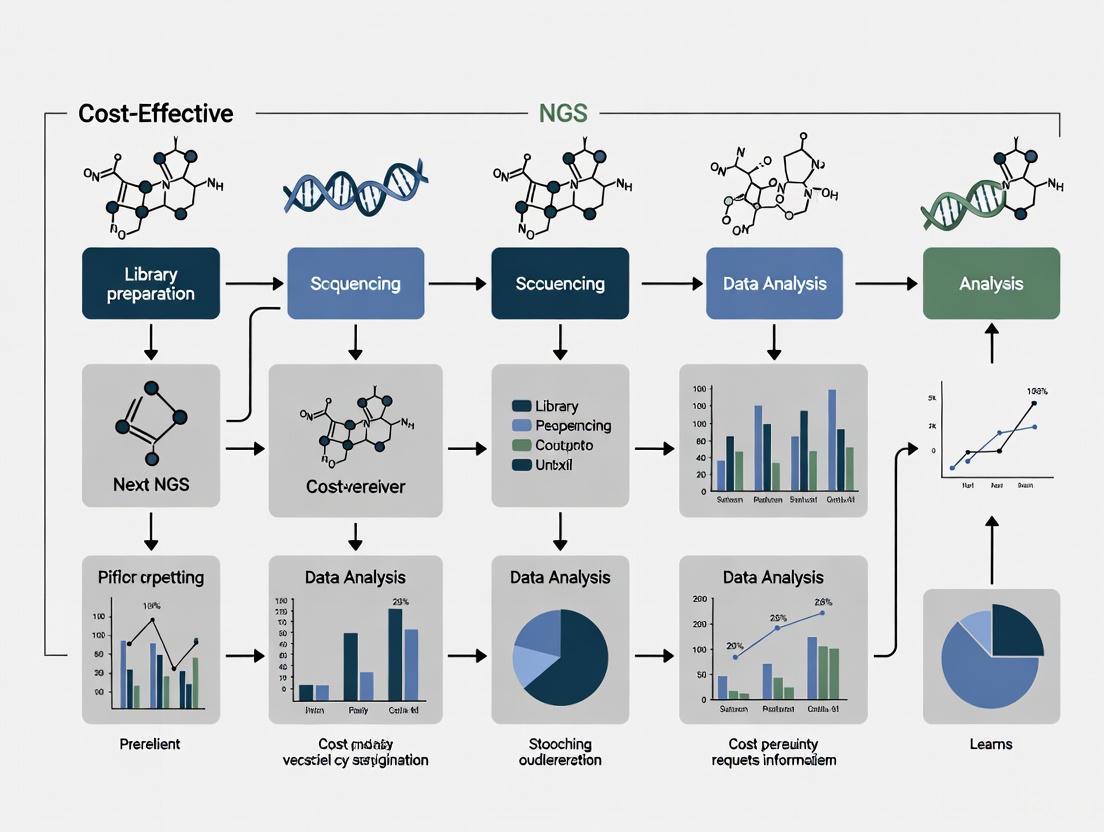
Strategic Cost-Reduction in the Clinic: Implementing Economical NGS for Precision Medicine
This article provides a comprehensive guide for researchers, scientists, and drug development professionals seeking to implement cost-effective Next-Generation Sequencing (NGS) in clinical and translational research.
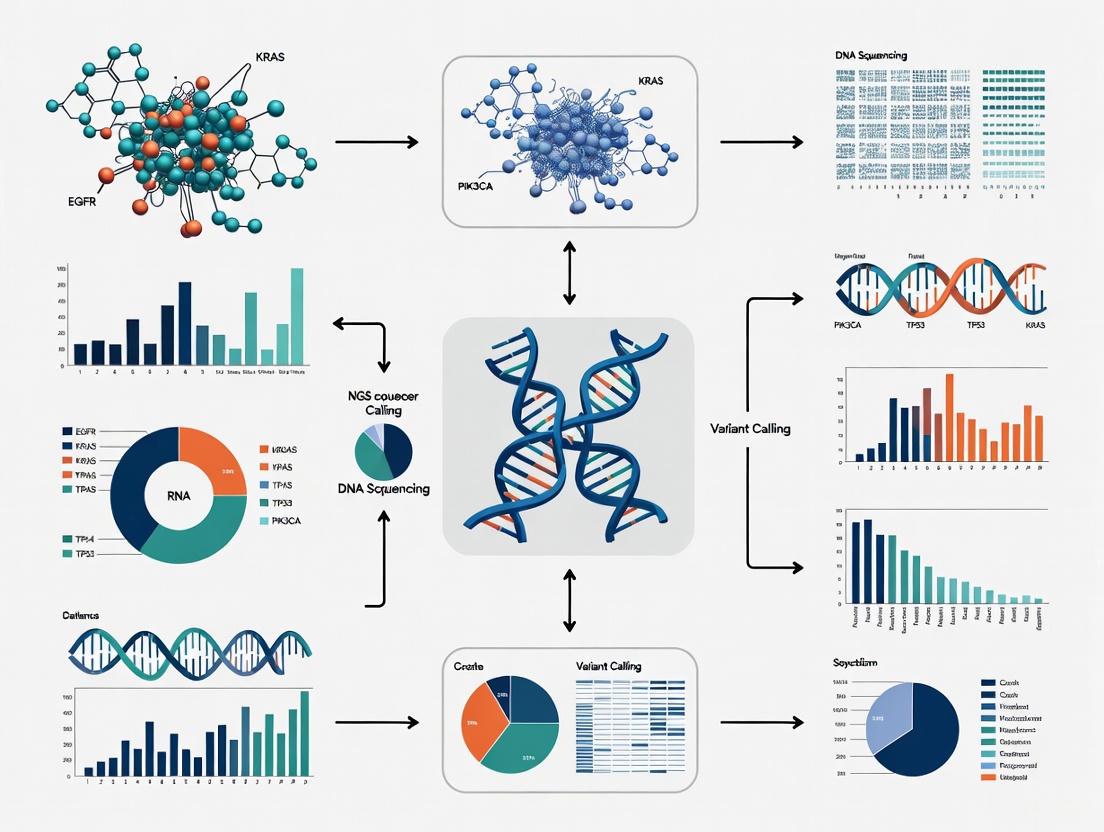
Targeted NGS Panels for Solid Tumors: A Comprehensive Guide for Precision Oncology Development
Targeted Next-Generation Sequencing (NGS) panels are revolutionizing precision oncology by enabling comprehensive genomic profiling of solid tumors.
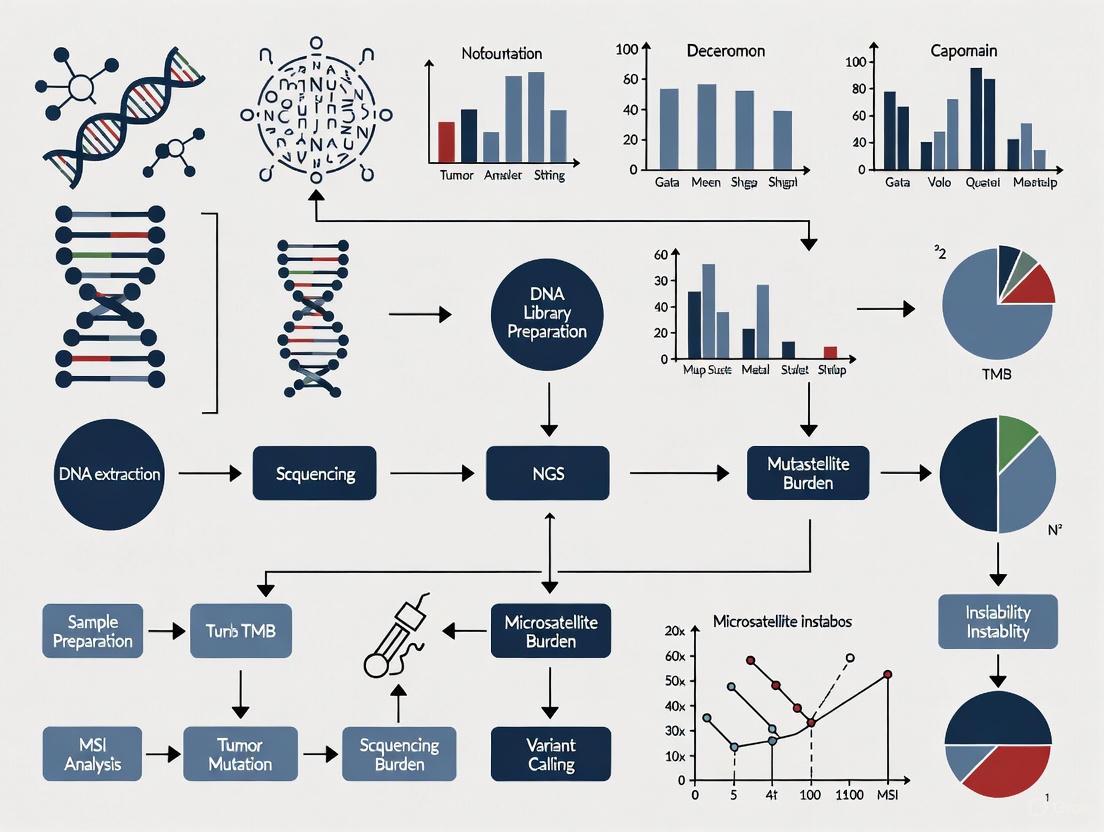
Next-Generation Sequencing in Cancer Molecular Profiling: A Comprehensive Guide for Research and Drug Development
Next-generation sequencing (NGS) has fundamentally transformed cancer research and therapeutic development by enabling comprehensive genomic profiling of tumors.
Traditional Machine Learning vs. Deep Learning in Cancer Detection: A Data-Driven Analysis for Biomedical Research
This article provides a comprehensive comparison of traditional machine learning (ML) and deep learning (DL) methodologies for cancer detection, tailored for researchers, scientists, and drug development professionals.
CNN vs. RNN in Cancer Genomics: A Comprehensive Performance Comparison for Precision Oncology
Deep learning architectures, particularly Convolutional and Recurrent Neural Networks, are revolutionizing cancer genomics by enabling the analysis of high-dimensional data for improved detection, classification, and treatment selection.