Validating Copy Number Variation Detection by NGS: A Comprehensive Guide for Researchers and Clinicians
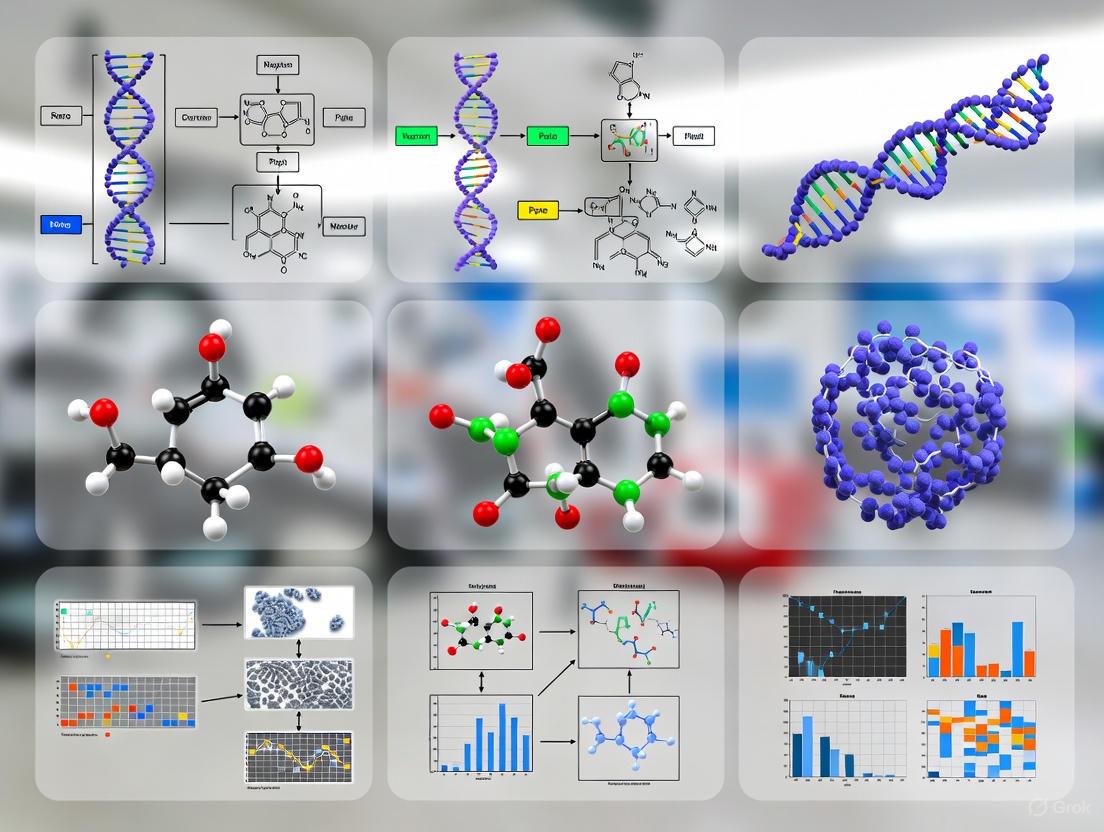
Accurate detection of copy number variations (CNVs) from next-generation sequencing (NGS) data is critical for genetic disease research, cancer genomics, and drug development.
Validating Copy Number Variation Detection by NGS: A Comprehensive Guide for Researchers and Clinicians
Abstract
Accurate detection of copy number variations (CNVs) from next-generation sequencing (NGS) data is critical for genetic disease research, cancer genomics, and drug development. This article provides a comprehensive framework for validating CNV detection, exploring foundational principles, methodological approaches, common challenges, and benchmarking strategies. Drawing from recent benchmarking studies and methodological advances, we synthesize evidence on the performance of various bioinformatics tools across different NGS applications—from whole-genome sequencing to targeted panels and single-cell RNA-seq. This guide aims to equip researchers and clinical professionals with practical knowledge to implement robust CNV validation protocols, optimize detection sensitivity and specificity, and confidently interpret results in both research and diagnostic contexts.
Understanding CNV Biology and the Imperative for Accurate NGS Detection
Copy number variations (CNVs) are a class of structural genomic alterations involving changes in the number of copies of DNA segments, typically defined as sequences larger than 1 kilobase (kb) [1]. These variations result from genomic rearrangements including duplications, deletions, translocations, and inversions, which can create abnormal gene copy numbers with significant functional consequences [2] [3]. CNVs are recognized as major genetic factors underlying human diseases, accounting for approximately 4.7–35% of pathogenic variants depending on clinical specialty, and are estimated to affect up to 13% of the human genome [1].
The clinical significance of CNVs spans diverse medical domains including cancer genomics, neurodevelopmental disorders, autoimmune diseases, and inherited genetic conditions [2] [4] [5]. In pharmacogenomics, CNVs in genes such as CYP2D6 significantly alter drug metabolism, affecting responses to medications including nortriptyline and tamoxifen [4]. The accurate detection and interpretation of CNVs has therefore become essential for both basic genetic research and clinical diagnostics, driving the development of increasingly sophisticated detection technologies and analytical methods.
CNV Detection Technologies: Methodological Approaches
The evolution of technologies for CNV detection has progressed from traditional cytogenetic methods to high-resolution microarray and next-generation sequencing (NGS)-based approaches, each with distinct strengths and limitations for different research and clinical applications.
Microarray-Based Technologies
Microarray technologies represent well-established approaches for CNV detection, with two primary methodologies dominating the field. Array-based comparative genomic hybridization (aCGH) works by labeling patient and control samples with different fluorescent dyes (Cy3 and Cy5), then comparing the fluorescence intensity ratios to identify quantitative abnormalities [5]. SNP arrays provide simultaneous genotyping and CNV detection by measuring hybridization intensities to single nucleotide polymorphism probes distributed across the genome [6]. The resolution of microarray methods is fundamentally determined by probe density and genomic distribution, with modern high-density arrays containing millions of markers [2]. While microarrays offer cost-effectiveness and well-established analytical pipelines for large-scale studies, they face limitations in detecting small CNVs (particularly those below 50 kb), complex structural variations, and variants in regions with high sequence complexity or low probe coverage [2] [5].
Next-Generation Sequencing Approaches
NGS technologies have dramatically expanded CNV detection capabilities by providing a base-by-base view of the genome, enabling identification of smaller CNVs and precise mapping of variant boundaries [2] [3]. Four primary computational methods are employed for CNV detection from NGS data, each with distinct operating principles and size sensitivities:
Table 1: NGS-Based CNV Detection Methods
| Method | Working Principle | Optimal CNV Size Range | Key Advantages | Key Limitations |
|---|---|---|---|---|
| Read Depth (RD) | Correlates sequencing coverage depth with copy number | Hundreds of bases to whole chromosomes | Detects CNVs of various sizes; works well with uniform coverage | Limited breakpoint resolution without high coverage |
| Split Read (SR) | Identifies reads that partially align to the genome | Single base-pair resolution for breakpoints | High accuracy for breakpoint identification at single-base level | Limited detection of large variants (>1 Mb) |
| Read Pair (RP) | Detects discordant insert sizes between mapped paired reads | 100 kb to 1 Mb | Identifies medium-sized insertions and deletions | Insensitive to small variants (<100 kb); challenged in repetitive regions |
| Assembly (AS) | De novo reconstruction of genomes from short reads | All variant sizes in assembled regions | Can detect novel and complex variations without reference bias | Computationally intensive; limited by read length and accuracy |
Each methodology involves specialized computational approaches, with many modern tools combining multiple signals to improve detection accuracy [3]. The selection of appropriate detection methods depends on factors including target variant size, required breakpoint precision, sequencing platform, and available computational resources [3].
Comparative Performance of CNV Detection Platforms
Technology Platform Comparisons
The relative performance of CNV detection technologies varies significantly across different experimental conditions and variant types. A comprehensive comparison of aCGH and NGS-based approaches reveals distinct performance profiles:
Table 2: Comparison of CNV Detection Technology Platforms
| Platform | Optimal CNV Size Range | Key Advantages | Key Limitations | Diagnostic Yield in NDDs |
|---|---|---|---|---|
| Array CGH | >50 kb | Cost-effective; well-established; high throughput | Difficulties detecting exon-level CNVs and balanced rearrangements | ~5.7% [5] |
| SNP Arrays | >50 kb | Simultaneous CNV and genotyping detection; identifies LOH | Limited resolution for small variants; probe-dependent | Similar to array CGH |
| Whole Exome Sequencing | ≥1 kb | Detects SNVs/indels/CNVs simultaneously; simplifies workflow | Limited to coding regions; uneven coverage; higher false positives | ~20% (including SNVs/indels) [5] |
| Whole Genome Sequencing | ≥1 kb | Comprehensive genome coverage; uniform coverage; best breakpoint resolution | Higher cost; greater computational demands; more complex data interpretation | Highest theoretically, but study-dependent |
The performance differences between platforms are particularly evident in clinical studies. Research on neurodevelopmental disorders (NDDs) demonstrated that clinical exome sequencing provided a significantly higher diagnostic yield (20%) compared to aCGH (5.7%) in patients undiagnosed by initial microarray testing [5]. This enhancement stems from the ability of NGS to simultaneously detect multiple variant types, including single nucleotide variants (SNVs) and small insertions/deletions (indels), in addition to CNVs. However, microarray technologies maintain advantages for detecting large chromosomal rearrangements and copy-neutral loss of heterozygosity in cost-effective manner [6] [5].
Bioinformatics Tools for CNV Detection
Multiple bioinformatics tools have been developed for CNV detection from NGS data, exhibiting substantial variation in performance characteristics. Recent benchmarking studies have evaluated these tools across diverse experimental conditions:
Table 3: Performance Comparison of CNV Calling Tools for WGS Data
| Tool | Methodology | Consistency Across Replicates | Sensitivity for Small CNVs | Computational Efficiency | Optimal Use Case |
|---|---|---|---|---|---|
| CNVkit | Read-depth | High | Moderate | High | General-purpose WGS and WES |
| DRAGEN | Multi-method | High | High | Very high | Clinical-grade calling |
| ascatNgs | Read-depth | High | Moderate | Moderate | Cancer genomes with aneuploidy |
| FACETS | Read-depth | Moderate | Moderate | Moderate | Tumor-normal pairs |
| Control-FREEC | Read-depth | Variable | Moderate | High | Low-coverage WGS |
| HATCHet | Read-depth | Low | High | Low | Multi-sample tumor phylogenies |
Tool performance depends critically on sequencing depth, tumor purity, variant size, and genome ploidy [1] [7]. A 2024 benchmarking study on the hyper-diploid cancer cell line HCC1395 demonstrated that ascatNgs, CNVkit, and DRAGEN showed the highest consistency across replicates, while HATCHet and Control-FREEC exhibited greater variability [7]. For whole-exome sequencing data, all callers showed reduced concordance compared to WGS, particularly for copy number losses, with CNVkit and DRAGEN maintaining the highest cross-platform consistency [7].
The diagram below illustrates the typical computational workflow for NGS-based CNV detection and the key factors influencing tool performance:
Experimental Protocols for CNV Validation
Benchmarking Study Designs
Robust validation of CNV detection tools requires carefully designed benchmarking studies incorporating both simulated and real datasets. A comprehensive evaluation should include:
Simulated Data Analysis: Controlled in silico datasets with known CNVs across different size ranges (1 kb-10 kb, 10 kb-100 kb, 100 kb-1 Mb), sequencing depths (5x-30x), tumor purities (40%-80%), and variant types (tandem duplications, interspersed duplications, inverted duplications, heterozygous deletions, homozygous deletions) [1]. Tools are evaluated using standard metrics including precision, recall, F1-score, and boundary bias to quantify detection accuracy [1].
Real Data Validation: Established reference standards such as the NA12878 genome from the 1000 Genomes Project, which contains 2,076 high-confidence CNVs ranging from 51 bp to 453 kb [6]. Performance is assessed using the overlapping density score (ODS) and manual inspection of discordant calls [1]. Additional validation resources include the ICR96 exon CNV validation series, which contains 96 samples with MLPA-validated exon CNVs across cancer predisposition genes [8].
Orthogonal Method Confirmation: Comparison against established technologies including microarray (CytoScan HD, Illumina BeadChip), MLPA, and Bionano optical mapping [6] [7]. This multi-platform approach helps establish high-confidence call sets for reference materials.
Impact of Experimental Conditions
CNV detection accuracy is significantly influenced by several experimental parameters that must be carefully controlled in validation studies:
- Sequencing Depth: Higher depths (>30x for WGS) improve sensitivity for small CNVs but increase computational costs [1] [7]
- Tumor Purity: Samples with purity below 30% show markedly reduced sensitivity for somatic CNV detection [1] [7]
- Library Preparation: PCR-free protocols reduce coverage bias and improve detection in GC-rich regions [3] [7]
- Sample Quality: FFPE-derived DNA exhibits more artifactual CNV calls compared to fresh-frozen samples [7]
The following diagram illustrates the key experimental factors and their interactions in CNV detection workflows:
Successful CNV detection and validation requires specific laboratory reagents, reference materials, and computational resources. The following table outlines key components of a comprehensive CNV analysis workflow:
Table 4: Essential Research Reagents and Resources for CNV Analysis
| Category | Specific Examples | Function and Application |
|---|---|---|
| Reference Standards | NA12878 (GIAB), ICR96 Validation Series | Benchmarking tool performance; establishing sensitivity thresholds |
| Library Prep Kits | Illumina DNA PCR-Free Prep, Nextera DNA Flex | High-quality sequencing library construction; minimizing amplification bias |
| Target Enrichment | SureSelect Clinical Research Exome, TruSight Cancer Panel | Exome and targeted sequencing; gene panel CNV detection |
| Validation Reagents | MLPA Kits (MRC-Holland), CytoScan HD Arrays | Orthogonal validation of putative CNVs |
| Analysis Tools | CNVkit, Control-FREEC, GATK gCNV, DELLY | Primary CNV detection from NGS data |
| Annotation Databases | ClinVar, DGV, DECIPHER, gnomAD-SV | Interpreting clinical relevance and population frequency |
The accurate detection of copy number variations has evolved significantly with advances in sequencing technologies and analytical methods. While microarrays remain valuable for detecting large CNVs, NGS-based approaches provide superior resolution for smaller variants and precise breakpoint mapping. Current benchmarking studies demonstrate that no single method excels across all variant types and experimental conditions, leading to recommendations for complementary multi-tool approaches [1] [6] [7]. The optimal CNV detection strategy depends on specific research goals, with tool combinations such as GATK gCNV, LUMPY, DELLY, and cn.MOPS providing balanced recall and precision for most applications [6].
Future directions in CNV analysis will likely involve increased integration of long-read sequencing technologies, standardized validation protocols across platforms, and improved bioinformatics tools capable of leveraging multi-omics data. As CNV detection continues to play an expanding role in both basic research and clinical diagnostics, rigorous performance validation across diverse genetic contexts remains essential for advancing our understanding of how these complex structural variations contribute to human health and disease.
The Clinical and Research Impact of CNVs in Cancer and Genetic Disorders
Copy number variations (CNVs) are structural alterations in the genome involving gains or losses of DNA segments, typically larger than 50 base pairs, which can include duplications, deletions, triplications, and more complex rearrangements [9]. These genomic alterations play a significant role in both rare genetic disorders and cancer, serving as key biomarkers for diagnosis, prognosis, and therapeutic decision-making [10] [11]. In cancer, somatic CNVs represent variations in the copy numbers of a DNA sequence during cancer development, differing from an individual's germline DNA, and they play a crucial role in the initiation, progression, and metastasis of tumors [7]. The accurate detection of CNVs has therefore become fundamental to precision medicine, enabling researchers and clinicians to identify disease-causing genetic alterations and tailor treatments accordingly [10].
The clinical significance of CNVs is particularly evident in neurodevelopmental disorders and cancer. In children with developmental delay (DD) and intellectual disability (ID), CNVs account for a substantial portion of cases, with studies demonstrating a diagnostic yield of approximately 30.3% through chromosomal microarray analysis or whole-exome sequencing [12]. In cancer, CNV patterns show distinct profiles across different tumor entities, indicating selective processes during oncogenesis and providing opportunities for improved patient stratification [13]. This article provides a comprehensive comparison of CNV detection methods, their performance characteristics, and their applications in both clinical and research settings.
CNV Detection Technologies: Methodological Landscape
Core Detection Platforms and Principles
Multiple technological platforms have been developed for CNV detection, each with distinct advantages and limitations. Next-generation sequencing (NGS) based approaches have increasingly become the method of choice due to their comprehensive genomic coverage and resolution [10]. Key methodologies include:
- Whole-Genome Sequencing (WGS): Provides uniform coverage across the genome, offering better sensitivity and specificity for CNV detection compared to targeted approaches [10].
- Whole-Exome Sequencing (WES): Focuses on protein-coding regions, comprising only ~1-2% of the genome, making CNV detection more challenging due to uneven coverage and limitations in capturing breakpoints [14].
- Low-Coverage Whole-Genome Sequencing (lcWGS): Serves as a cost-effective alternative for genome-wide CNV profiling, with sequencing depths generally at 10× or less, offering a balance between comprehensive coverage and affordability [15].
- Chromosomal Microarray Analysis (CMA): Historically the first-tier clinical method for CNV detection in developmental disorders, though increasingly being supplemented or replaced by sequencing-based approaches [12].
- Copy Number Variation Sequencing (CNV-Seq): Based on low-depth whole-genome sequencing, enabling genome-wide detection of variations with resolution for fragments larger than 0.1 Mb [9].
The selection of an appropriate reference genome is a critical aspect of CNV detection, as the more closely the reference genome matches the genome being studied, the more accurate the results will be [10]. Similarly, the choice between using germline DNA (for inherited conditions) or tumor-normal paired samples (in cancer) significantly impacts the analytical approach and interpretation of results [10] [7].
Key Technical Factors Influencing Detection Performance
Several technical factors significantly impact the performance of CNV detection assays, regardless of the specific platform used:
- Sequencing Depth and Coverage: Higher sequencing depths generally improve detection sensitivity, particularly for smaller CNVs. In lcWGS, depths of 0.1× to 10× are common, while targeted sequencing and WES require much higher depths to compensate for uneven coverage [1] [15].
- Tumor Purity: In cancer samples, the proportion of cancerous cells within a heterogeneous sample greatly impacts CNV detection accuracy. Low tumor purity (e.g., below 50%) can obscure true copy number alterations due to dilution from normal cell DNA [1] [15] [7].
- Sample Quality and Type: Formalin-fixed paraffin-embedded (FFPE) samples may yield artifactual short-segment CNVs due to formalin-driven DNA fragmentation, a bias that computational methods often cannot fully correct [15] [7].
- Variant Characteristics: CNV detection sensitivity varies substantially based on variant size, with longer variants (>100 Kb) being more readily detected than smaller ones [1]. Detection also differs across CNV types, including tandem duplications, interspersed duplications, inverted duplications, heterozygous deletions, and homozygous deletions [1].
Benchmarking CNV Detection Tools: Performance Comparison
Tool Selection and Evaluation Framework
Numerous computational tools have been developed for CNV detection from NGS data, employing diverse algorithmic strategies including read depth (RD), paired-end mapping (PEM), split reads (SR), assembly (AS), and combinations of these methods [1]. A comprehensive benchmarking study evaluated 12 widely used CNV detection tools on both simulated and real data, assessing performance across multiple parameters including variant length (1 Kb-10 Kb, 10 Kb-100 Kb, 100 Kb-1 Mb), sequencing depth (5×, 10×, 20×, 30×), and tumor purity (0.4, 0.6, 0.8) [1]. The tools evaluated included Breakdancer, CNVkit, Control-FREEC, Delly, LUMPY, GROM-RD, IFTV, Manta, Matchclips2, Pindel, TARDIS, and TIDDIT [1].
Table 1: Performance Characteristics of Select CNV Detection Tools
| Tool | Primary Strategy | Optimal Data Type | Strengths | Key Limitations |
|---|---|---|---|---|
| CNVkit [10] [1] | Read depth | WES, WGS, Targeted panels | High consistency in WGS and WES; user-friendly | Performance decreases with lower tumor purity |
| Control-FREEC [10] [1] | Read depth | WGS (with matched normal for WES) | Compatible with various data types | High variability across replicates in benchmarking |
| FACETS [10] [7] | Allele-specific | WGS, WES, Targeted | Reasonable consistency for gains and losses | Some outliers in performance benchmarks |
| ASCAT [10] [7] | Allele-specific | WGS | High consensus for CNV gains | Limited performance in hyper-diploid genomes |
| ichorCNA [15] | Read depth | lcWGS (ultra-low-pass) | Optimal for high-purity (≥50%) tumors | Requires high tumor purity for best performance |
| HATCHet [10] [7] | Joint analysis | Multiple tumor samples | Analyzes variants across samples | Inconsistent across replicates; many unique calls |
In a separate evaluation focused on low-coverage WGS data, five tools (ACE, ASCAT.sc, CNVkit, Control-FREEC, and ichorCNA) were systematically benchmarked using simulated and real-world datasets, with a focus on sequencing depth, FFPE artifacts, tumor purity, multi-center reproducibility, and signature-level stability [15]. The results demonstrated that ichorCNA outperformed other tools in precision and runtime at high tumor purity (≥50%), making it the optimal choice for lcWGS-based workflows [15].
Comparative Performance Across Experimental Conditions
Recent benchmarking studies have revealed substantial differences in performance across CNV detection tools under various experimental conditions. In a comprehensive analysis of six common tools (ascatNgs, CNVkit, FACETS, DRAGEN, HATCHet, and Control-FREEC) applied to a hyper-diploid cancer genome, consistency was observed for copy gain, loss, and loss of heterozygosity (LOH) calls across sequencing centers, but variation in CNV calls was mostly affected by the determination of genome ploidy [7]. The study established that ascatNgs, CNVkit, and DRAGEN consistently exhibited the highest consensus in identifying CNV gains, while HATCHet and Control-FREEC showed notable inconsistency across replicates [7].
Table 2: Performance Metrics of CNV Callers in Benchmarking Studies
| Tool | Sensitivity | Specificity | Consistency Across Replicates | Performance in WES |
|---|---|---|---|---|
| CNVkit | High | High | High (WGS and WES) | Highest concordance between WGS and WES |
| DRAGEN | High | High | High | High concordance between WGS and WES |
| ASCAT | High | High | High | Moderate |
| FACETS | Moderate | Moderate | Moderate (some outliers) | Lower concordance for losses |
| Control-FREEC | Variable | Variable | Low | Lowest concordance for losses |
| HATCHet | Variable | Variable | Low | Low concordance |
The impact of technical factors on tool performance is substantial. For FFPE samples, prolonged fixation induced artifactual short-segment CNVs due to formalin-driven DNA fragmentation, a bias none of the tools could computationally correct, necessitating strict fixation time control or prioritization of fresh-frozen samples [15]. Multi-center analysis revealed high reproducibility for the same tool across sequencing facilities, but comparisons between different tools showed low concordance [15] [7].
In the context of exome sequencing for rare diseases, a large-scale reanalysis of 9,171 exome sequencing datasets from 5,757 families previously undiagnosed employed three CNV calling algorithms (ClinCNV, Conifer, and ExomeDepth) and found that ClinCNV performed the best, leading to molecular diagnoses in 51 families [14]. This highlights the importance of tool selection in clinical diagnostics, where undetected pathogenic CNVs may account for a proportion of undiagnosed individuals [14].
Experimental Protocols for CNV Detection and Validation
Standardized Workflow for CNV Analysis
A robust CNV detection workflow involves multiple stages, from sample preparation to data analysis and validation. The following experimental protocol has been validated in large-scale studies and can be adapted for various research and clinical applications [9] [14] [12]:
Sample Collection and DNA Extraction:
- Collect peripheral blood samples (e.g., 5 mL) in EDTA-containing anticoagulant tubes or tissue samples (e.g., 15 mL amniotic fluid) under appropriate guidance.
- Extract genomic DNA using commercial kits (e.g., QIAamp DNA Micro Kit) following manufacturer's protocols.
- Measure DNA concentration using fluorometric methods (e.g., Qubit Fluorometer) to ensure accurate quantification.
Library Preparation and Sequencing:
- Perform library preparation using validated kits compatible with the desired sequencing platform (e.g., Illumina).
- For lcWGS, aim for sequencing depths of 0.1× to 10×; for WES or WGS, higher depths are required (typically 30×-100× for WES, 30×-50× for WGS).
- Conduct sequencing on appropriate platforms (e.g., Illumina CN-500 NGS platform for CNV-Seq).
Data Processing and Quality Control:
- Align sequencing reads to the appropriate reference genome (GRCh37 or GRCh38) using aligners such as BWA-MEM.
- Perform quality control to ensure at least 70% of the target region has sufficient coverage (e.g., 10 reads for exome sequencing) [14].
- Remove low-quality reads and process the resulting clean data for downstream analysis.
CNV Calling and Analysis:
- Apply appropriate CNV calling tools based on data type and research question (see Section 3 for tool selection guidance).
- Use multiple calling algorithms to maximize sensitivity and specificity [10] [14].
- For tumor samples, include matched normal samples when possible to distinguish somatic from germline variants.
- Annotate detected variants using public databases (ClinVar, HGMD, gnomAD, DECIPHER, 1000 Genomes Project) [9] [12].
- Classify CNV pathogenicity according to established guidelines (ACMG/ClinGen) [9] [12].
Figure 1: Standard Workflow for CNV Detection and Analysis
Validation Methods for CNV Findings
Given the limitations and potential false positives of CNV detection algorithms, validation of findings is essential, particularly for clinical applications:
- Orthogonal Technologies: Validate findings using different technological platforms such as array CGH, quantitative PCR (qPCR), or digital droplet PCR (ddPCR) for specific regions of interest [7].
- Third-Generation Sequencing: Utilize long-read sequencing technologies (PacBio, Oxford Nanopore) to resolve complex structural variations and breakpoints [15].
- Family Studies: When available, test parents and other family members to establish inheritance patterns and assess segregation with clinical phenotypes [12].
- Experimental Functional Validation: For potentially pathogenic variants in novel genes, consider functional studies to establish biological impact, though these are beyond the scope of standard clinical validation.
Table 3: Essential Research Reagents and Resources for CNV Studies
| Category | Specific Products/Tools | Function/Application |
|---|---|---|
| DNA Extraction Kits | QIAamp DNA Micro Kit (Qiagen) | High-quality DNA extraction from various sample types |
| Library Prep Kits | Illumina TruSeq, TruSeq-nano, Nextera flex | Library preparation for NGS with varying DNA input requirements |
| Microarray Platforms | Affymetrix CytoScan 750K array | Chromosomal microarray analysis for CNV detection |
| CNV Calling Software | CNVkit, Control-FREEC, FACETS, ASCAT, ichorCNA | Detection of CNVs from NGS data |
| Reference Databases | DGV, ClinGen, DECIPHER, ClinVar, gnomAD | Annotation and pathogenicity assessment of CNVs |
| Analysis Suites | Affymetrix Chromosome Analysis Suite (ChAS) | Analysis of microarray data for CNV detection |
| Validation Reagents | TaqMan Copy Number Assays, ddPCR reagents | Orthogonal validation of specific CNVs |
Biological and Clinical Applications of CNV Analysis
CNVs in Genetic Disorders and Neurodevelopment
CNVs contribute significantly to the genetic architecture of neurodevelopmental disorders and rare genetic syndromes. In a study of 130 children with abnormal brain development (ABD), CNV-Seq identified genetic abnormalities in 42 (32.3%) cases, comprising 3 aneuploidies (2.3%) and 39 CNVs (30%) [9]. The detection rate of pathogenic CNVs was significantly higher in syndromic ABD (70.4%) compared to non-syndromic ABD (26.7%), highlighting the importance of comprehensive phenotyping for test interpretation [9].
Similarly, in a cohort of 99 pediatric patients with developmental delay or intellectual disability, CMA or WES identified 43 CNVs in 40 individuals, with 32 classified as clinically significant, yielding a diagnostic rate of 30.3% [12]. The distribution showed 24 deletions (75%), 7 duplications (22%), and 1 instance of loss of heterozygosity (3%) [12]. Among these, recurrent CNVs in regions such as 15q11.2-q13.1, 16p11.2, and 22q11.2 accounted for 36.4% of clinically significant findings, emphasizing the importance of these genomic hotspots in neurodevelopmental disorders [12].
The inheritance pattern of CNVs also provides important clinical insights. In cases where inheritance data was available, 65.2% of pathogenic CNVs were de novo, while others showed maternal or paternal inheritance patterns, with significant implications for genetic counseling and recurrence risk assessment [12].
CNVs in Cancer Biology and Precision Oncology
In cancer, CNVs represent a distinct class of structural variants that are near-ubiquitous across malignancies [13]. Cancers are frequently classified based on the scale of CNV alterations:
- Large-scale, "chromosome level" variants: Encompass over 25% or 1/3 of a chromosome arm [13].
- Focal variants: Typically not more than 3 Mb in size, containing few genes, and often indicating specific "driver" gene involvement [13].
Specific cancer-related gene families and pathways are overrepresented among focal CNVs, with a predominance of kinases, cell cycle regulators, and MYC family members [13]. For example, in glioblastoma, amplification of the EGFR gene represents a hallmark CNV that drives increased signaling for cell growth and survival, while the frequently homozygous deletion of the CDKN2A/B gene locus affects cyclin-dependent kinase inhibitor genes, allowing uncontrolled cell cycle progression [13].
The pattern of CNV events observed in a given cancer is influenced by tissue-specific requirements and the tumor microenvironment, which shape the oncogenic evolution through selection of mutations beneficial for clonal expansion [13]. This has enabled the use of CNV profiling to organize cancer samples with potential association to specific diseases or disease subtypes, providing opportunities for improved classification and personalized treatment approaches [13].
Figure 2: CNV Impact on Cancer Pathways and Therapeutic Implications
The comprehensive benchmarking of CNV detection tools reveals that while current NGS technologies and bioinformatics tools can offer reliable results for detection of copy gain, loss, and LOH, careful consideration of multiple factors is essential for optimal performance [7]. Tool selection should be guided by specific research or clinical applications, data types, and sample characteristics. Based on current evidence:
- For lcWGS with high tumor purity (≥50%), ichorCNA demonstrates superior performance in precision and runtime [15].
- For WGS and WES applications, CNVkit and DRAGEN show the highest consistency across replicates and platforms [7].
- In clinical exome sequencing for rare diseases, ClinCNV has demonstrated superior performance in diagnostic settings [14].
- When working with hyper-diploid genomes, careful interpretation is needed as some tools call excessive copy gain or loss due to inaccurate assessment of genome ploidy [7].
The significant heterogeneity in tool performance underscores the importance of using multiple algorithms or consensus approaches, particularly in clinical diagnostic settings [10] [14]. Furthermore, standardization of experimental protocols, particularly regarding FFPE fixation times and DNA input quality, is crucial for reducing technical artifacts and improving reproducibility [15] [7].
As CNV analysis continues to evolve, integration with other genomic data types and the development of more sophisticated algorithms will further enhance our understanding of the clinical and research impact of CNVs in both cancer and genetic disorders. The growing evidence base from systematic benchmarking studies provides researchers and clinicians with actionable guidelines for implementing robust CNV detection workflows that maximize detection accuracy while minimizing false positives.
The analysis of genomic variations, particularly copy number variations (CNVs), has long been a cornerstone of genetic research and clinical diagnostics. For years, techniques such as microarrays (including array comparative genomic hybridization or aCGH) and MLPA (Multiplex Ligation-dependent Probe Amplification) have represented the standard approaches for detecting these alterations [5]. However, the advent of Next-Generation Sequencing (NGS) has fundamentally transformed this landscape, offering a more comprehensive and integrated solution [16] [17]. NGS is a massively parallel sequencing technology that provides ultra-high throughput, scalability, and speed, enabling the determination of nucleotide order across entire genomes or targeted regions of DNA or RNA [18]. This technological shift is particularly relevant within the broader thesis of validating CNV detection by NGS research, as it underscores a movement toward more unified, efficient, and data-rich genomic analyses. This guide objectively compares the performance of NGS against traditional methods, providing supporting experimental data to illustrate the distinct advantages of this revolutionary approach.
Technical Comparison: NGS vs. Traditional Methods
Fundamental Principles and Capabilities
- Microarrays (aCGH): This method detects quantitative abnormalities (deletions or duplications) by comparing fluorescence intensity between patient and control samples hybridized to probes on a chip. A deletion appears with a higher control ratio (red), while a duplication shows a higher patient sample ratio (green) [5]. Its resolution is determined by the type, number, and density of the probes mounted on the array.
- MLPA: This technique is a multiplex PCR method that can detect copy number changes at a specific, targeted locus, such as the exon level of a particular gene. It is unsuitable for analyzing multiple genes simultaneously or for genome-wide investigation [5].
- NGS for CNV Analysis: Among several NGS-based variant detection methods (including paired-reads, split-reads, and de novo assembly), CNV analysis primarily utilizes the read depth approach [5]. This method involves a relative comparison of sequencing depth between regions; a significant decrease or increase in read depth in a specific region suggests a deletion or duplication, respectively [5]. Furthermore, whole-genome sequencing (WGS) by NGS excels at detecting CNVs and other structural variants across both coding and non-coding regions [17].
Performance and Diagnostic Yield Comparison
The following table summarizes a direct comparison of key characteristics between these technologies, synthesizing data from validation studies and clinical implementations.
Table 1: Performance Comparison of CNV Detection Methods
| Feature | MLPA | Microarrays (aCGH) | NGS (Targeted Panels) | NGS (Whole Exome Sequencing) | NGS (Whole Genome Sequencing) |
|---|---|---|---|---|---|
| Analysed Region | Single exon to a few genes | Genome-wide, but resolution depends on probe density | 50–500 selected genes [17] | All coding exons (~1–2% of genome) [17] | Entire genome (coding + non-coding) [17] |
| Best For | Identifying exon-level CNVs in well-defined genes [5] | Finding large gain and/or loss of DNA copies [5] | Conditions with a clear phenotype and known, genetically heterogeneous genes [17] | Rare diseases, neurodevelopmental disorders, complex phenotypes [17] | Unresolved cases, complex/multifactorial diseases [17] |
| Multiplexing Capability | Incapable of targeting multiple genes at once [5] | High, dependent on array design | High | High | High |
| Detection of CNVs | Excellent for targeted exons | Good for large variants, but difficulty detecting exon-level CNVs [5] | Limited [17] | Partial (depends on pipeline and read depth) [5] [17] | Excellent [17] |
| Simultaneous SNV/Indel Detection | No | No | Yes | Yes | Yes |
| Diagnostic Rate (in NDDs*) | Not applicable | ~5.7% (as per one study) [5] | Not specified | ~20% (in aCGH-negative samples) [5] | Potentially higher than WES |
| Risk of Incidental Findings | Low | Low | Low [17] | Moderate [17] | High [17] |
| Analysis Turnaround Time | Fast | Moderate | Fast [17] | Moderate [17] | Slow [17] |
*NDDs: Neurodevelopmental Disorders
A study highlighted by [5] directly illustrates the impact on diagnostic yield. In 245 patients with neurodevelopmental symptoms not diagnosed by aCGH, subsequent clinical exome sequencing (CES) diagnosed 49 (20%). While not all samples were tested by both methods, the diagnosis rate for CES was notably higher than the 5.7% rate for aCGH in the initial cohort, suggesting that NGS can identify pathogenic variants missed by traditional microarray analysis [5].
Table 2: Analytical Scope and Data Output of NGS Approaches
| Feature | Targeted Gene Panels | Whole Exome Sequencing (WES) | Whole Genome Sequencing (WGS) |
|---|---|---|---|
| Average Coverage (Depth) | 500–1000x [17] | 80–150x [17] | 30–50x [17] |
| Average Number of Mapped Reads | 5–20 million [17] | 50–100 million [17] | 600–900 million [17] |
| Coverage Uniformity | Very high (targeted) [17] | Variable (depends on capture efficiency) [17] | High and uniform [17] |
| Sensitivity for Low-Frequency Variants | High (ideal for mosaicism) [17] | Moderate [17] | Lower unless sequenced at high depth [17] |
| Data Management Burden | Low [17] | Moderate [17] | High (large data volume) [17] |
Experimental Validation: Protocols and Data
Key Experimental Workflows
Validating NGS for CNV detection requires robust and detailed experimental protocols. The workflows for DNA-targeted NGS, whether for panels or exomes, share common critical steps, while integrated assays combine DNA and RNA analysis.
Diagram 1: NGS DNA Workflow for CNV Analysis. The process from sample to clinical report involves multiple validated steps, with target enrichment and bioinformatics being crucial for accurate CNV detection [17].
For a more comprehensive molecular portrait, integrated DNA and RNA sequencing is being validated in clinical oncology. [19] details the protocol for a combined RNA and DNA exome assay, which involves concurrent isolation of DNA and RNA from tumor samples (e.g., using the AllPrep DNA/RNA Mini Kit), followed by independent library preparations. DNA libraries undergo exome capture (e.g., with Agilent SureSelect), while RNA libraries are prepared for transcriptome sequencing (e.g., with TruSeq stranded mRNA kit). Both libraries are then sequenced on a high-throughput platform like Illumina's NovaSeq 6000 [19].
Validation Data and Performance Metrics
Rigorous analytical validation is a prerequisite for clinical deployment. One study established a comprehensive long-read sequencing (a type of NGS) pipeline for inherited conditions. Using the well-characterized NA12878 sample from the National Institute of Standards and Technology (NIST), they demonstrated that their pipeline achieved an analytical sensitivity of 98.87% and an analytical specificity exceeding 99.99% for exonic variants in clinically relevant genes [20]. Furthermore, when evaluating 167 clinically relevant variants (including SNVs, indels, SVs, and repeat expansions) from 72 clinical samples, the pipeline achieved an overall detection concordance of 99.4% [20]. This showcases the ability of advanced NGS workflows to detect a broad spectrum of genetic variations with high accuracy.
In the context of integrated assays, [19] performed an extensive validation using custom reference samples containing 3,042 SNVs and 47,466 CNVs. When applied to 2,230 clinical tumor samples, this combined RNA and DNA exome assay enabled the detection of clinically actionable alterations in 98% of cases, recovered variants missed by DNA-only testing, and improved the detection of gene fusions [19]. This data underscores the tangible clinical benefit of a more integrated NGS approach compared to single-analyte tests.
The Scientist's Toolkit: Essential Research Reagents and Materials
Successful implementation of NGS-based CNV analysis relies on a suite of validated reagents and instruments. The following table details key solutions used in the featured experiments and the broader field.
Table 3: Research Reagent Solutions for NGS-based CNV Analysis
| Item Name | Function / Application | Example Use Case |
|---|---|---|
| Qubit Fluorometer & Assay Kits (Thermo Fisher) | Accurate quantification of DNA/RNA concentration; crucial for library preparation input amounts [20] [19]. | Used in virtually all NGS protocols for nucleic acid quantification prior to library prep [20] [19]. |
| Agilent TapeStation | Assessment of DNA/RNA integrity and library fragment size distribution; a key quality control (QC) step [20] [19]. | Checking DNA degradation in FFPE samples or confirming optimal shearing for long-read sequencing [20] [19]. |
| SureSelect XT HS2 (Agilent) / TruSeq (Illumina) | Target enrichment and library preparation kits for exome or panel sequencing [19]. | Preparing whole exome sequencing libraries from both DNA and RNA for integrated analysis [19]. |
| NovaSeq 6000 (Illumina) | High-throughput sequencing instrument generating massive amounts of short-read data [19]. | Production-scale whole exome and transcriptome sequencing for large cohort studies [19]. |
| PromethION-24 (Oxford Nanopore) | High-throughput instrument for long-read sequencing using nanopore technology [20]. | Comprehensive genome sequencing for detecting SVs, repeats, and variants in complex regions [20]. |
| BWA-MEM Aligner | Bioinformatics tool for aligning sequencing reads to a reference genome (hg38) [19]. | First step in most bioinformatics pipelines after sequencing to determine where reads originate [19]. |
| GATK (Genome Analysis Toolkit) | Suite of tools for variant discovery and genotyping; used for marking PCR duplicates and refining calls [19]. | Standard part of the germline and somatic variant calling pipeline in many labs [19]. |
| Strelka2 / Manta | Somatic variant callers for detecting SNVs, indels, and structural variants from sequenced tumor-normal pairs [19]. | Used in integrated assays for calling somatic mutations and structural variants from WES data [19]. |
The evidence from comparative studies and validation experiments overwhelmingly supports the paradigm shift from traditional methods like MLPA and microarrays to NGS for CNV analysis. While MLPA remains useful for targeted exon-level confirmation and microarrays for very large genomic imbalances, NGS offers a superior, integrated platform [5]. Its key advantages include the simplification of the diagnostic odyssey by analyzing SNVs and CNVs simultaneously, a higher diagnostic yield particularly in genetically heterogeneous disorders, and the ability to detect a wider range of variant types [5] [17]. The emergence of long-read sequencing and combined RNA-DNA assays further strengthens the position of NGS as the most comprehensive tool available, enabling the discovery of complex genomic rearrangements and allelic expression patterns that would likely remain undetected by traditional methods [20] [19]. For researchers and drug development professionals, adopting and continuing to refine NGS methodologies is paramount to driving forward the precision medicine agenda, ultimately leading to more definitive diagnoses and personalized therapeutic strategies.
Copy number variations (CNVs), defined as gains or losses of DNA segments typically larger than 1 kilobase, represent a significant form of genetic variation implicated in a wide spectrum of diseases, including cancer and neurodevelopmental disorders [21] [22]. While next-generation sequencing (NGS) has revolutionized genomic analysis, accurate detection of CNVs remains a formidable challenge for researchers and clinical scientists. The performance of CNV detection tools varies considerably across three critical parameters: sensitivity for detecting true variants, precision in identifying exact breakpoint locations, and accuracy in classifying different variant types [21] [23]. This guide objectively compares current CNV calling methods based on recent benchmarking studies, providing a framework for selecting optimal tools for specific research applications in drug development and genomic science.
Comparative Performance of CNV Detection Tools
Performance Across Sequencing Depths and Variant Sizes
Recent comprehensive evaluations of 12 widely used CNV detection tools reveal significant performance variations across different experimental conditions. The table below summarizes key findings from these benchmarking studies:
Table 1: Performance comparison of CNV detection tools across different conditions
| Tool | Primary Method(s) | Performance at High Sequencing Depth | Performance at Low Sequencing Depth | Sensitivity for Deletions | Sensitivity for Duplications |
|---|---|---|---|---|---|
| DRAGEN HS (v4.2) | Multi-signal integration | High sensitivity and precision [24] | Maintains better performance than most tools [15] | Up to 88% [24] | Up to 47% (limited for <5 kb) [24] |
| ichorCNA | Read-depth | Optimal at tumor purity ≥50% [15] | Outperforms others in low-coverage WGS [15] | Moderate to high [15] | Moderate to high [15] |
| MSCNV | RD, SR, RP + machine learning | High F1-score and sensitivity [22] | Not specifically reported | High for loss regions [22] | High for tandem and interspersed duplications [22] |
| Delly (v1.6) | PEM, SR | Moderate sensitivity [24] | Decreased performance [21] | Better than duplications [24] | Lower than deletions [24] |
| CNVnator (v0.4.1) | Read-depth | Moderate sensitivity [24] | Significant performance drop [21] [15] | Moderate [24] | Poor, especially for small duplications [24] |
| Control-FREEC | Read-depth | Good performance in WGS [15] | Decreased performance in lcWGS [15] | Moderate to high [21] | Lower than deletions [21] |
Performance Across Variant Types and Technical Challenges
Different CNV types present distinct detection challenges, with tools exhibiting varied capabilities in accurate typing and breakpoint resolution:
Table 2: Performance across variant types and technical challenges
| Tool | Tandem Duplication Detection | Interspersed Duplication Detection | Breakpoint Precision | Limitations and Technical Challenges |
|---|---|---|---|---|
| DRAGEN HS | Moderate [24] | Moderate [24] | High (nucleotide level) [24] | Lower sensitivity for small duplications; requires custom filtering [24] |
| MSCNV | High [22] | High [22] | High (utilizes split reads) [22] | Computational complexity from multi-strategy approach [22] |
| Delly | Moderate [21] | Moderate [21] | Moderate [21] | Performance decreases with lower sequencing depth [21] |
| Read-depth methods (CNVnator, Control-FREEC) | Limited [22] [23] | Limited [22] [23] | Low (regional) [23] | Cannot detect interspersed duplications; poor breakpoint precision [22] [23] |
| LUMPY | Moderate [21] | Moderate [21] | Moderate to high [21] | Performance varies with sequencing depth [21] |
Experimental Protocols and Methodologies
Standardized Benchmarking Frameworks
Recent comparative studies have established rigorous methodologies for evaluating CNV detection tools. Understanding these experimental designs is crucial for interpreting performance data and implementing appropriate validation protocols in research settings.
Simulated Data Generation and Analysis
- Data Simulation: Researchers used tools like Seqtk and Sinc to generate simulated datasets with known CNVs across 36 different configurations, varying three key parameters: variant length (short, medium, long), sequencing depth (e.g., 5×, 10×, 20×, 30×), and tumor purity (e.g., 30%, 50%, 80%) [21]
- Performance Metrics: Tools were evaluated using four standard metrics: Precision (positive predictive value), Recall (sensitivity), F1-score (harmonic mean of precision and recall), and Boundary Bias (accuracy of breakpoint identification) [21]
- Variant Type Inclusion: Studies specifically evaluated performance across six CNV types: tandem duplications, interspersed duplications, inverted tandem duplications, inverted interspersed duplications, heterozygous deletions, and homozygous deletions [21]
Real Data Validation Protocols
- Orthogonal Validation: For real datasets, researchers employed the Overlapping Density Score (ODS) to evaluate tool performance, comparing NGS-based CNV calls against ground truth established through third-generation sequencing (PacBio) or microarray data [21] [15]
- Sample Selection: Benchmarking utilized well-characterized reference samples like NA12878 from NIST and various cancer cell lines from the Coriell Institute with previously documented CNVs [15] [24]
- Downsampling Procedures: To evaluate performance across sequencing depths, deep-coverage WGS data (typically >50×) was computationally downsampled to lower coverages (0.1× to 10×) using methods like Picard's Chained algorithm to mimic real-world lcWGS data [15]
Specialized Experimental Conditions
Low Tumor Purity and FFPE Samples
- Studies specifically evaluated how tumor purity affects CNV detection, with most tools showing significantly reduced sensitivity below 50% tumor purity [15]
- Formalin-fixed paraffin-embedded (FFPE) samples presented additional challenges, with prolonged fixation inducing artifactual short-segment CNVs due to formalin-driven DNA fragmentation—a bias that current tools cannot computationally correct [15]
Single-Cell RNA-seq CNV Calling
- Specialized protocols were developed for evaluating CNV callers on scRNA-seq data, using pseudobulk profiles to compare against (sc)WGS or WES ground truth [25]
- Performance metrics included area under the curve (AUC) scores calculated separately for gains versus all and losses versus all, accounting for baseline scores that define biologically meaningful thresholds [25]
Visualization of CNV Detection Strategies and Workflows
Core Methodologies in CNV Detection
Figure 1: Four primary methodological strategies for CNV detection from NGS data, each with distinct strengths and applications. Integrated approaches combine multiple signals to improve detection accuracy [21] [22] [23].
Multi-Strategy CNV Detection Workflow
Figure 2: Workflow of an advanced multi-strategy CNV detection method (MSCNV) integrating read depth, read pair, and split read approaches with machine learning for improved accuracy [22].
The Scientist's Toolkit: Essential Research Reagents and Materials
Table 3: Key research reagents and computational tools for CNV detection studies
| Category | Item/Reagent | Specification/Function |
|---|---|---|
| Reference Materials | GIAB Reference Standards (e.g., HG002, NA12878) | Benchmark samples with well-characterized CNVs for validation [24] |
| Coriell Institute Cell Lines | 25+ cell lines with documented CNVs in clinically relevant genes [24] | |
| Sequencing Reagents | PCR-free WGS Libraries | Minimizes amplification bias in coverage-based CNV detection [24] |
| Hybridization Capture Kits | For targeted sequencing approaches (panels, WES) [26] | |
| Computational Tools | Alignment Software (BWA, DRAGEN) | Maps sequencing reads to reference genome (GRCh37/38) [22] [24] |
| CNV Calling Tools | Specialized algorithms (see Table 1) for variant detection [21] | |
| Visualization Software (NxClinical, IGV) | Visual validation of CNV calls and breakpoints [23] | |
| Analysis Resources | GRCh37/GRCh38 Reference Genomes | Standardized reference sequences for alignment [21] |
| Custom Filtering Scripts | Removes artifactual calls and improves precision [24] |
The landscape of CNV detection tools demonstrates significant methodological diversity, with clear trade-offs between sensitivity, breakpoint precision, and variant typing accuracy. No single tool excels across all scenarios—researchers must select methods based on their specific experimental context, considering factors such as sequencing depth, tumor purity, and the specific variant types of interest. Integrated approaches that combine multiple detection signals generally outperform single-method tools, particularly for complex variant typing and breakpoint resolution. As CNV detection continues to evolve, researchers should implement rigorous validation protocols using standardized reference materials and orthogonal confirmation methods to ensure reliable results in both basic research and drug development applications.
CNV Detection Methods: From Core Algorithms to Application-Specific Tools
Copy number variations (CNVs), defined as genomic alterations involving the gain or loss of DNA segments typically exceeding 50 base pairs, represent a significant class of genetic variation implicated in disease susceptibility, cancer progression, and population diversity [27] [3]. The advent of next-generation sequencing (NGS) has transformed our capacity to detect these variants genome-wide, moving beyond the limitations of traditional microarray analysis [28] [29]. NGS-based CNV detection primarily rests on four methodological pillars: read depth (RD), split read (SR), read pair (RP), and assembly (AS). Each method exploits different signatures in the sequencing data, leading to inherent trade-offs in sensitivity, specificity, resolution, and the size range of detectable variants [3] [29]. Framed within the broader thesis of validating NGS-based CNV detection, this guide provides an objective comparison of these foundational methods, supported by experimental benchmarking data to inform researchers, scientists, and drug development professionals in selecting and implementing optimal CNV calling strategies.
The Four Core Methodologies for CNV Detection
The four principal methods for detecting CNVs from NGS data each specialize in identifying a specific form or size range of structural variation. Understanding their underlying principles and limitations is crucial for robust experimental design and data interpretation.
1. Read Depth (RD): The read depth method operates on the core hypothesis that the depth of sequencing coverage in a genomic region correlates directly with its copy number. A region with a deletion will show reduced coverage, while a duplication will show increased coverage compared to a diploid baseline [28] [3]. This method involves counting mapped reads in non-overlapping windows across the genome, followed by statistical segmentation and normalization to account for technical biases such as GC content [28]. A key advantage of the RD approach is its ability to detect CNVs across a wide size spectrum, "from whole chromosomes down to hundreds of bases," with the resolution for smaller events improving at higher sequencing depths [3] [29]. It is particularly useful for determining CNV dosage. However, its resolution is limited by window size, and it can be confounded by coverage biases unrelated to copy number.
2. Split Read (SR): The split-read methodology identifies breakpoints at the single-base-pair level by analyzing reads from paired-end sequencing where one end maps perfectly to the reference genome, but the other end is either partially or completely unmapped [3] [29]. The unmapped or "soft-clipped" portion of the read is indicative of a structural variant breakpoint. This method provides the highest resolution for pinpointing exact breakpoint coordinates [3]. Despite this precision, a significant limitation is that SR methods "have limited ability to identify large-scale sequence variants (1Mb or longer)" because the entire aberrant read must still be sequenced, which becomes statistically unlikely for very large events [29].
3. Read Pair (RP): The read-pair method, one of the first to demonstrate NGS utility for CNV detection, relies on analyzing the discordance between the observed and expected insert sizes of mapped paired-end reads [3] [30]. Anomalously large or small insert sizes suggest the presence of a deletion or insertion, respectively. This method is effective for detecting medium-sized variants, typically in the "100kb to 1Mb" range [3] [29]. Its major drawback is insensitivity to smaller events ("<100 kb, or even intragenic deletions and duplications") and poor performance "in low-complexity regions with segmental duplication" where mapping is ambiguous [3].
4. Assembly (AS): Assembly-based methods attempt to reconstruct the genome de novo from short reads, theoretically enabling the detection of all forms of genetic variation, including complex CNVs, if the reads are sufficiently long and accurate [3]. This approach was "designed to better identify structural variation" but is "used less in CNV detection due to the overwhelming demand it can put on computational resources" [3] [29]. The intensive computational requirements have historically limited its widespread application, though it holds promise for comprehensive variant discovery.
Table 1: Core Methodologies for CNV Detection from NGS Data
| Method | Underlying Principle | Optimal CNV Size Range | Key Advantage | Primary Limitation |
|---|---|---|---|---|
| Read Depth (RD) | Correlation between depth of coverage and copy number [28] [3] | Hundreds of bases to whole chromosomes [3] | Detects CNV dosage; works on a wide range of sizes [3] [29] | Resolution limited by coverage and window size; confounded by coverage bias [28] |
| Split Read (SR) | Analysis of partially mapped paired-end reads to find breakpoints [3] | Single base-pair level resolution [3] | Accurate breakpoint identification at single base-pair level [3] | Limited ability to detect large variants (>1 Mb) [29] |
| Read Pair (RP) | Discordance between mapped insert size and expected library size [3] [30] | 100 kb to 1 Mb [3] | Effective for medium-sized insertions and deletions [3] | Insensitive to small events (<100 kb); fails in complex/duplicated regions [3] |
| Assembly (AS) | De novo reconstruction of the genome from sequencing reads [3] | Theory: All forms/sizes [3] | Can identify complex structural variations [3] | High computational resource demand [3] [29] |
Performance Benchmarking and Experimental Data
Given that no single method is perfect, many laboratories adopt a combined approach, using two or more complementary methods (e.g., read-depth with read-pairs or split-reads) to achieve a more holistic and accurate analysis [3] [29]. The performance of these methods is highly dependent on the sequencing technology, data quality, and the specific computational tools used.
Tool Performance Across Sequencing Platforms
Long-Read Sequencing: A comprehensive 2024 benchmark of eight CNV callers on long-read data (PacBio CCS, CLR, and Nanopore) found that performance varied substantially based on the platform, sequencing depth, and CNV type [27]. The study reported that the PacBio CCS platform outperformed PacBio CLR and Nanopore in terms of CNV detection recall rates. Among the tools evaluated, cuteSV, Delly, pbsv, and Sniffles2 demonstrated superior accuracy, while SVIM exhibited high recall rates. Furthermore, the benchmark revealed that a sequencing depth of 10x was capable of identifying 85% of the CNVs detected in a 50x dataset, and that deletions were generally more detectable than duplications [27].
Short-Read Whole-Genome Sequencing: An earlier evaluation focusing on the detection of germline deletions ≥1 kb from short-read WGS data highlighted the disparate performance of different tools [30]. The study, which used the Genome in a Bottle (GIAB) NA12878 benchmark, found that tools based on the read-pair method showed the highest sensitivity. Specifically, BreakDancer and Delly achieved sensitivities of 92.6% and 96.7%, respectively. However, they also had false discovery rates (FDR) of 34.5% and 68.5%, indicating a trade-off between sensitivity and precision [30]. In contrast, the read-depth-based tool CNVnator showed lower sensitivity (66.0%) and a high FDR (69.0%) [30]. This underscores the variability in tool outputs and the challenge of achieving both high sensitivity and low false positives.
Low-Coverage Whole-Genome Sequencing (lcWGS): A 2025 systematic benchmark of five CNV detection tools for lcWGS provides critical insights for cost-effective, large-scale studies [15]. The evaluation, which used simulated and real-world datasets, found that ichorCNA outperformed other tools (ACE, ASCAT.sc, CNVkit, Control-FREEC) in precision and runtime at high tumor purity (≥50%). The study also identified a major technical confounder: prolonged formalin-fixation and paraffin-embedding (FFPE) of samples induced artifactual short-segment CNVs, a bias that none of the tested tools could computationally correct [15].
Table 2: Benchmarking Performance of CNV Detection Tools and Platforms
| Sequencing Context | Top-Performing Tools/Platforms | Key Benchmarking Finding | Impact of Sequencing Depth |
|---|---|---|---|
| Long-Read Sequencing | cuteSV, Delly, pbsv, Sniffles2 (Accuracy); SVIM (Recall) [27] | PacBio CCS platform outperforms PacBio CLR & Nanopore on recall [27] | 10x depth identifies 85% of CNVs found at 50x [27] |
| Short-Read WGS (Deletions ≥1 kb) | BreakDancer (92.6% Sens., 34.5% FDR), Delly (96.7% Sens., 68.5% FDR) [30] | Read-pair methods had highest sensitivity; significant variability in FDR across tools [30] | Not explicitly quantified, but higher depth generally improves small variant detection. |
| Low-Coverage WGS | ichorCNA (at tumor purity ≥50%) [15] | High reproducibility for the same tool across facilities; low concordance between different tools [15] | Defined as ≤10x coverage; enables cost-effective large-scale CNV profiling [15] |
Cross-Technology Validation
A 2021 study comprehensively characterized CNV calls from SNP arrays, short-read, and long-read data for the benchmark sample NA12878 without relying on a single golden standard [31]. The findings confirmed that long-read platforms enable the detection of CNVs in genomic regions that are inaccessible to arrays or short-reads. The study also highlighted that the reproducibility of a CNV call by different pipelines within a single technology is a strong indicator of its validity. Furthermore, the three technologies showed distinct profiles in public database frequencies, which depended on the underlying technology used to build those databases, emphasizing the importance of considering technology-specific biases when interpreting results [31].
Detailed Experimental Protocols from Benchmarking Studies
To ensure the validity and reproducibility of CNV detection, researchers must adhere to robust experimental and computational workflows. The following protocols are synthesized from recent, high-quality benchmarking publications.
Protocol 1: Benchmarking Exome Capture Platforms on DNBSEQ-T7
A 2025 study compared four commercial exome capture platforms (BOKE, IDT, Nanodigmbio, Twist) on the DNBSEQ-T7 sequencer, establishing a uniform workflow for performance assessment [32].
Sample Preparation:
- DNA Source: Use well-characterized reference standards such as the HapMap-CEPH individual NA12878 (Coriell Institute) or the PancancerLight 800 gDNA Reference Standard (Genewell) [32].
- Fragmentation: Physically shear genomic DNA into fragments of 100-700 bp using a Covaris E210 ultrasonicator.
- Size Selection: Perform size selection using magnetic beads (e.g., MGIEasy DNA Clean Beads) to isolate fragments between 220-280 bp [32].
Library Construction and Enrichment:
- Library Prep: Construct libraries using a high-throughput automated system (e.g., MGISP-960) with reagents such as the MGIEasy UDB Universal Library Prep Set. Include end repair, adapter ligation, purification, and pre-PCR amplification steps [32].
- Sample Indexing: Uniquely dual-index each sample during PCR amplification to facilitate multiplexing.
- Exome Capture: Perform probe hybridization capture using the platforms under evaluation. The study standardized the hybridization to a 1-hour incubation. Two approaches can be used:
- Follow each manufacturer's proprietary reagents and protocol.
- Use a consistent workflow (e.g., MGI's MGIEasy Fast Hybridization and Wash Kit) for all platforms to isolate the effect of the probe sets [32].
- Post-Capture Amplification: Amplify the enriched libraries using 12 cycles of PCR.
Sequencing & Data Analysis:
- Sequencing: Load 40 fmol of the final library pool onto a patterned flowcell and sequence on the target platform (e.g., DNBSEQ-T7) with PE150 reads to a minimum of 100x mapped coverage on target [32].
- Bioinformatics: Process raw reads using an accelerated pipeline like MegaBOLT, which integrates BWA for alignment and GATK HaplotypeCaller for variant calling. Analyze key metrics:
- Coverage Uniformity: Calculate as the proportion of bases with depth >20% of the average depth.
- Variant Concordance: Assess using the Jaccard similarity index, defined as the ratio of the intersection to the union of variant sets from different platforms [32].
Protocol 2: Benchmarking CNV Tools for Low-Coverage WGS
A 2025 study established a protocol for evaluating CNV detection tools in the context of low-coverage whole-genome sequencing, a common scenario in large-scale cancer studies [15].
Data Preparation and Downsampling:
- Data Source: Obtain publicly available WGS datasets (e.g., from TCGA or SRA) with high-depth sequencing to serve as a ground truth. The study used the TCGA-AG-3890 sample, which has both lcWGS (~3.7x) and deep WGS (~51.6x) data [15].
- Downsampling: Use the Chained algorithm in Picard to downsample deep WGS BAM files to simulate low-coverage data (e.g., 0.1x to 10x). Generate multiple technical replicates (e.g., 10) using distinct random seeds to ensure statistical robustness [15].
CNV Calling and Evaluation:
- Tool Selection: Execute a panel of CNV detection tools (e.g., ACE, ASCAT.sc, CNVkit, Control-FREEC, ichorCNA) on the downsampled BAM files using default or recommended parameters [15].
- Ground Truth Comparison: For a sample like NA12878, use a high-confidence CNV set derived from third-generation sequencing (TGS) data. Preprocess this set by filtering out CNVs shorter than 1000 bp and merging those within 600 kb to create a set comparable to lcWGS-called variants [15].
- Performance Metrics: Evaluate based on precision, recall (sensitivity), and runtime. Assess the impact of critical variables such as FFPE fixation time, tumor purity, and cross-site reproducibility [15].
- Signature Stability: Extract copy number features using different published methods (e.g., Wang et al., Steele et al.) and evaluate their stability across the tested conditions [15].
Visualizing CNV Detection Methodologies and Workflows
The following diagrams, generated with Graphviz, illustrate the logical relationships between the four core CNV detection methods and a generalized experimental workflow for their benchmarking.
Logical Framework of CNV Detection Methods
CNV Benchmarking Experimental Workflow
Successful CNV detection and validation rely on a suite of well-characterized reagents, software tools, and reference standards.
Table 3: Essential Resources for CNV Detection Research
| Resource Category | Specific Examples | Function and Utility |
|---|---|---|
| Reference Standards | HapMap-CEPH NA12878 (Coriell) [32] [30]; PancancerLight G800 (Genewell) [32] | Provides a well-characterized, benchmarked genome for validating CNV calling accuracy and comparing platform performance. |
| Exome Capture Kits | TargetCap (BOKE), xGen (IDT), EXome (Nanodigmbio), Twist Exome [32] | Target enrichment kits for whole exome sequencing; performance varies by manufacturer and should be validated. |
| Library Prep Kits | MGIEasy UDB Universal Library Prep Set [32] | Reagent sets for constructing sequencing libraries, including end repair, adapter ligation, and amplification. |
| CNV Calling Software | Long-Read: cuteSV, Delly, pbsv, Sniffles2 [27]Short-RD: CNVnator [30]Short-RP: BreakDancer, Delly [30]lcWGS: ichorCNA, ACE, CNVkit [15] | Computational tools implementing the four core methodologies. Performance is context-dependent (e.g., sequencing depth, technology). |
| Analysis Pipelines | MegaBOLT [32]; duphold [31] | Integrated platforms for accelerated data processing (MegaBOLT) or for annotating CNV calls with a common read-depth score (duphold). |
| Alignment Tools | BWA [32], minimap2 (for long reads) [27] | Software for accurately mapping sequencing reads to a reference genome, a critical first step for most CNV callers. |
| Benchmarking Datasets | Genome in a Bottle (GIAB) [30] [31]; 1000 Genomes DRAGEN re-analysis [33] | Publicly available datasets with high-confidence variant calls, enabling standardized tool benchmarking and method development. |
Machine Learning and Advanced Statistical Models in Modern CNV Calling
Copy number variations (CNVs), defined as gains or losses of genomic regions, are major contributors to genetic diversity and disease. In cancer, somatic CNVs are crucial biomarkers for diagnosis and treatment selection. The detection of CNVs from next-generation sequencing (NGS) data has traditionally been challenged by high false-positive rates and low concordance between different algorithms. Modern computational approaches, particularly machine learning (ML) and advanced statistical models, are now being deployed to overcome these limitations, offering a new paradigm for accurate and reliable CNV detection in both research and clinical settings. This guide objectively compares the performance of these modern approaches against traditional methods, providing supporting experimental data framed within the broader context of validating CNV detection by NGS.
The Limitations of Traditional CNV Calling Methods
Traditional CNV detection from NGS data relies on distinct methodological strategies: Read-Pair (RP), Split-Read (SR), Read-Depth (RD), and Assembly (AS). Each method specializes in detecting different size ranges and types of CNVs with a inherent trade-off in breakpoint accuracy and sensitivity [3].
A fundamental challenge has been the pronounced variation in results produced by different calling algorithms. These tools vary in their underlying statistical assumptions (e.g., Gaussian, Poisson, or negative binomial distributions for read depth), normalization techniques, and definitions of outliers, leading to inconsistent CNV calls [34]. Consequently, a common practice to minimize false positives has been to use a Venn diagram approach, where only CNVs with concordance from multiple callers are considered high-confidence. A significant drawback of this method is that it discards a large subset of non-concordant CNVs, potentially reducing the overall yield of true variants [34].
Machine Learning as a Unifying Framework
Machine learning frameworks offer a powerful alternative by integrating calls from multiple algorithms and learning to discriminate true CNVs from false positives using a set of caller-specific and genomic features.
CN-Learn: A Machine Learning Model for CNV Validation
CN-Learn is a representative ML framework that addresses the limitations of both individual callers and the simple Venn diagram approach [34].
- Model Architecture: CN-Learn is implemented as a binary Random Forest classifier, though it also supports Logistic Regression and Support Vector Machines.
- Input Features: The model uses 12 predictive features for each CNV call, which include:
- Caller concordance: The number of algorithms supporting the call.
- Genomic context features: GC content, mappability of the genomic region, and exome capture probe count.
- Variant characteristics: CNV size and other caller-specific metrics [34].
- Training Data: The classifier is trained on a small subset of validated CNVs (known truth) from within the cohort. It then classifies all CNV predictions in the test samples.
The following diagram illustrates the CN-Learn workflow and its comparative advantage over the traditional Venn diagram approach.
Performance Comparison: CN-Learn vs. Traditional Methods
Experimental data from a study using exome-sequencing data from 503 samples demonstrates the superior performance of the ML approach. The study used four exome-based CNV callers (CANOES, CODEX, XHMM, and CLAMMS) and compared the CN-Learn integration method against a Venn diagram approach [34].
- Precision and Recall: CN-Learn achieved a precision of approximately 90% and a recall of approximately 85% in identifying true CNVs.
- Area Under the Curve (AUC): The overall diagnostic ability, measured by the AUC, was 95%.
- Increased Yield: Critically, CN-Learn recovered twice as many true CNVs compared to individual callers or the Venn diagram approach. Notably, about 58% of all true CNVs recovered by CN-Learn were singletons or calls that lacked support from at least one caller, which would have been discarded by the traditional consensus method [34].
Advanced Statistical Models in CNV Callers
Beyond overarching ML frameworks, advanced statistical models are embedded within individual CNV calling tools to improve their core functionality, particularly for specific data types like whole-genome sequencing (WGS) and single-cell RNA sequencing (scRNA-seq).
AI-Enhanced Platforms: Franklin's Rainbow
The Franklin (Rainbow) platform exemplifies the application of AI in a commercial CNV detection solution. Its methodology includes [35]:
- Predictive Modeling: For each exon, Rainbow builds a predictive model using over 50 unique "predictors"—other exons from different chromosomes whose coverage shows strong statistical correlation with the target exon.
- Confidence Scoring: Each CNV call is assigned a confidence level (Failed, Low, Medium, High) based on the predicted copy number, the number of consecutive exons in the CNV, and a model-derived prediction score. This confidence level reflects the likelihood that the CNV is real, with High confidence corresponding to an 85-99% probability [35].
Integration of Allelic Information in scRNA-seq Callers
For inferring CNVs from scRNA-seq data, a particularly challenging task, advanced methods combine expression data with allelic information. Tools like CaSpER and Numbat use a Hidden Markov Model (HMM) to integrate minor allele frequency (AF) information per SNP called from scRNA-seq reads, leading to more robust CNV predictions in large, droplet-based datasets [25].
Benchmarking Performance and Experimental Data
Independent benchmarking studies provide critical data for comparing the performance of various CNV callers, highlighting the impact of technology and methodology.
Performance on Whole-Genome Sequencing Data
A 2024 benchmarking study of six common tools (ascatNgs, CNVkit, FACETS, DRAGEN, HATCHet, Control-FREEC) on a hyper-diploid cancer genome (HCC1395) revealed important trends [7]:
- Consistency: ascatNgs, CNVkit, and DRAGEN showed the highest consistency in identifying CNV gains and losses across replicates.
- Ploidy Impact: The greatest variation in CNV calls was attributed to the determination of genome ploidy, which is a major challenge in cancer genomes [7].
Performance on Germline CNVs from Exome Sequencing
A comprehensive 2021 study benchmarked 16 germline CNV calling tools using the well-characterized NA12878 sample. The study constructed a high-confidence validation set and found that tools varied widely in their performance [36]. The results underscore that no single tool is best for all scenarios, with a trade-off between the range of detectable CNV lengths and precision.
Table 1: Selected Performance Metrics from Germline CNV Caller Benchmarking [36]
| Tool | Focus | Key Finding |
|---|---|---|
| EXCAVATOR2 | Wide range of CNVs | Detects a wide range of variations but showed low precision. |
| ExomeDepth | General use | Focused on detection of a limited number of CNVs (1-7 exons long) with a false-positive rate below 50%. |
| FishingCNV | Wide range of CNVs | Detects a wide range of variations but showed low precision. |
| XHMM | General use | Assumes Gaussian read-depth distribution; requires at least 50 samples for effective normalization. |
Performance on scRNA-seq Data
A 2025 benchmarking study of six scRNA-seq CNV callers (InferCNV, copyKat, SCEVAN, CONICSmat, CaSpER, Numbat) on 21 datasets found that performance was highly dataset-specific [25]. Key findings included:
- Methodology Matters: Methods that included allelic information (CaSpER, Numbat) performed more robustly for large droplet-based datasets.
- No Universal Best Tool: The optimal tool depended on factors like dataset size, the number and type of CNVs, and the choice of reference dataset [25].
To replicate the experiments and benchmarking studies cited, researchers require access to specific computational tools and genomic resources.
Table 2: Key Research Reagent Solutions for CNV Analysis
| Item Name | Type | Function in CNV Research |
|---|---|---|
| Reference Cell Lines (e.g., HG002, HCC1395) | Genomic Resource | Provides a benchmark sample with well-characterized CNVs for validating the accuracy and sensitivity of calling tools [24] [7]. |
| CNV Calling Algorithms (e.g., DRAGEN, CNVkit, FACETS) | Software Tool | The core computational methods that detect CNVs from aligned NGS data (BAM files) using various statistical models [10] [7]. |
| Benchmarking Pipelines (e.g., Snakemake) | Software Workflow | Allows for reproducible and systematic performance comparison of multiple CNV callers on new or existing datasets [25]. |
| Genomic Data Commons (GDC) | Data Repository | Provides access to large-scale, curated cancer genomics datasets, including CNV data, for analysis and tool development [10]. |
The integration of machine learning and advanced statistical models represents a significant leap forward for CNV detection in NGS research. The evidence shows that ML frameworks like CN-Learn effectively overcome the limitations of traditional methods, drastically reducing false positives while recovering true variants that would otherwise be lost. Furthermore, sophisticated platforms and callers that leverage predictive modeling, allelic information, and ensemble techniques are providing more robust and reliable CNV calls across a variety of sequencing modalities, from WGS and WES to scRNA-seq. For the research and clinical community, this means that a careful, context-dependent selection of tools—informed by rigorous benchmarking—is essential for generating high-quality CNV data that can power discoveries in human genetics and oncology.
The detection of copy number variations (CNVs) has become a cornerstone in the pursuit of molecular diagnostics and understanding disease mechanisms. Next-generation sequencing (NGS) technologies offer powerful approaches for CNV discovery, yet their performance is inextricably linked to the sequencing platform and the bioinformatics tools employed. Whole-genome sequencing (WGS), whole-exome sequencing (WES), and targeted panels each present distinct advantages and limitations for genomic variant assessment [37] [38]. Recent benchmarking studies reveal that the choice of CNV caller is heavily dependent on the sequencing technology used, with callers performing inconsistently across platforms [7]. For instance, while some callers show high consistency in WGS, their performance can degrade significantly in WES applications [7]. This guide provides a structured comparison of caller performance across sequencing platforms, empowering researchers to align their bioinformatics toolkit with their experimental design for robust CNV detection in both research and clinical contexts.
Technology Comparison: WGS, WES, and Targeted Panels
The fundamental differences between WGS, WES, and targeted sequencing directly influence their capabilities for CNV detection. The table below summarizes the core characteristics of each approach.
Table 1: Core Characteristics of Major NGS Approaches
| Feature | Whole Genome Sequencing (WGS) | Whole Exome Sequencing (WES) | Targeted Panels |
|---|---|---|---|
| Sequencing Region | Entire genome (~3 Gb) | Protein-coding exons (~30-60 Mb) | Selected genes/regions (customizable) |
| Typical Sequencing Depth | > 30X | 50-150X | > 500X |
| Primary Detectable Variants | SNPs, InDels, CNVs, SVs, fusions | SNPs, InDels, CNVs | SNPs, InDels, CNVs |
| Key Advantage for CNVs | Uniform coverage; best for genome-wide CNV/SV detection [37] | Cost-effective for coding region analysis | Very high depth enables sensitive CNV calls in targeted genes |
| Key Limitation for CNVs | Higher cost per sample; data storage/analysis burden | Captures only exonic regions; coverage biases due to capture [39] [37] | Limited to pre-defined regions; cannot discover novel genes |
WGS provides the most comprehensive view by sequencing the entire genome, enabling the detection of CNVs across both coding and non-coding regions with uniform coverage that is less susceptible to the biases introduced by hybridization capture [39]. WES, which focuses on the protein-coding exome (approximately 2% of the genome), is a cost-effective alternative but is inherently limited in its ability to detect structural variants and non-coding CNVs [37]. Furthermore, WES demonstrates consistent coverage biases and a lower sensitivity for CNV detection compared to WGS, particularly for single-exon events [40] [7]. Targeted panels sequence a predefined set of genes at very high depth, making them highly sensitive for detecting CNVs in known disease-associated regions but incapable of discovering novel associations outside the panel design [37].
Performance Benchmarking of CNV Callers
Key Performance Metrics and Experimental Design
Evaluating CNV caller performance requires robust benchmarking against datasets with established, high-confidence CNV calls. Key metrics include:
- Sensitivity/Recall: The proportion of true positive CNVs correctly identified by the caller.
- Precision: The proportion of caller-predicted CNVs that are true positives.
- Reproducibility: The consistency of CNV calls across technical replicates, sequencing centers, and library preparations [7].
- Concordance: The agreement between calls from different bioinformatics tools or orthogonal technologies (e.g., microarray, Bionano).
A comprehensive benchmark study evaluated six widely used CNV callers—ascatNgs, CNVkit, FACETS, DRAGEN, HATCHet, and Control-FREEC—using a hyper-diploid cancer cell line (HCC1395) sequenced across multiple centers [7]. The study design incorporated various experimental conditions, including WGS vs. WES, fresh vs. FFPE samples, and varying tumor purity, to assess caller performance across realistic research and diagnostic scenarios.
Caller Performance Across Sequencing Technologies
The benchmark study revealed significant differences in caller performance and consistency, which were further influenced by the choice of sequencing platform.
Table 2: CNV Caller Performance Across NGS Platforms
| CNV Caller | Performance in WGS | Performance in WES | Notes and Consistency |
|---|---|---|---|
| ascatNgs | High consistency for gains and losses [7] | Lower concordance vs. WGS | Shows high consensus with other top performers in WGS [7] |
| CNVkit | High consistency for gains and losses [7] | Maintains highest concordance among callers in WES [7] | Robust performer across platforms; high WGS-WES concordance [7] |
| DRAGEN | High consistency for gains and losses [7] | Maintains highest concordance among callers in WES [7] | Robust performer across platforms; high WGS-WES concordance [7] |
| FACETS | Reasonable consistency, with some outliers [7] | Lower concordance vs. WGS | Demonstrates high consistency for LOH calls [7] |
| Control-FREEC | Notable inconsistency across replicates [7] | Lowest concordance for losses [7] | High variability in calls for both gains and losses [7] |
| HATCHet | Notable inconsistency across replicates; excessive unique calls [7] | Lowest concordance for losses [7] | Inconsistent for LOH; clusters specific to single replicates [7] |
For WGS data, ascatNgs, CNVkit, and DRAGEN demonstrated the highest consistency across replicates for both gain and loss calls [7]. In the more challenging context of WES data, all callers showed reduced concordance, particularly for copy number losses. However, CNVkit and DRAGEN maintained the highest intra-platform concordance, indicating they are more robust to the coverage unevenness typical of exome capture [7]. The performance gap between WGS and WES highlights that even advanced algorithms are constrained by the underlying data quality and technology. A previous validation study specifically on targeted NGS data found that the tool ExomeDepth could achieve a sensitivity of 97% for simulated single-exon and multi-exon deletions when appropriate quality assurance metrics were applied [40].
Experimental Protocols for Robust CNV Calling
Standardized Workflow for Somatic CNV Detection
Implementing a standardized experimental and computational protocol is essential for reproducible CNV detection. The following workflow is adapted from a comprehensive benchmarking study [7].
Detailed Methodological Considerations
Sample Preparation and Sequencing: The benchmark study used the HCC1395 cancer cell line and its matched normal counterpart (HCC1395BL). Libraries were prepared using standard protocols (e.g., TruSeq) and sequenced as 150bp paired-end reads on Illumina platforms across multiple sequencing centers to assess reproducibility [7]. For WES, the Agilent SureSelect and NimbleGen SeqCap are commonly used capture kits [39].
Bioinformatic Processing: Raw sequencing reads are first aligned to a reference genome (e.g., GRCh37/hg19) using aligners like BWA-mem [39] [7]. Subsequent steps include coordinate sorting, duplicate marking (using tools from the GATK suite or UMI-aware deduplication if unique molecular identifiers were used [41]), and base quality recalibration to generate analysis-ready BAM files.
CNV Calling and Consensus Generation: The aligned reads are processed by multiple CNV callers (e.g., the six tools benchmarked). A high-confidence call set can be established by taking the consensus of calls supported by multiple algorithms, which helps mitigate the limitations of any single tool [7]. For example, a CNV segment called by at least three out of the six consistent callers (ascatNgs, CNVkit, DRAGEN) might be considered high-confidence.
Orthogonal Validation: Confirmatory techniques are critical. Microarray technologies (e.g., Affymetrix CytoScan, Illumina BeadChip) and optical mapping (e.g., Bionano) provide orthogonal validation for NGS-based CNV calls and are particularly important for establishing a ground truth set [7].
The Scientist's Toolkit: Essential Research Reagents and Solutions
Successful CNV detection relies on a suite of wet-lab and computational tools. The table below details key resources referenced in the studies.
Table 3: Essential Reagents and Tools for CNV Studies
| Item Name | Category | Function in CNV Workflow | Example Products/Tools |
|---|---|---|---|
| Exome Enrichment Kits | Wet-lab Reagent | Captures exonic regions from genomic DNA for WES | Agilent SureSelect, NimbleGen SeqCap [39] |
| Library Prep Kits | Wet-lab Reagent | Prepares DNA fragments for NGS sequencing | TruSeq Nano, TruSeq PCR-Free, Nextera Flex [7] |
| Unique Molecular Identifiers (UMIs) | Wet-lab Technique | Tags individual DNA molecules to correct PCR errors and improve variant calling [41] | Duplex UMIs [41] |
| Alignment Algorithms | Bioinformatics Tool | Aligns sequencing reads to a reference genome | BWA (Burrows-Wheeler Aligner) [39], ISAAC [39] |
| CNV Calling Software | Bioinformatics Tool | Detects copy number changes from aligned NGS data | ascatNgs, CNVkit, FACETS, DRAGEN, HATCHet, Control-FREEC [7] |
| Orthogonal Validation Platforms | Validation Technology | Independently confirms CNV calls from NGS | Microarray (Affymetrix, Illumina), Bionano Optical Mapping [7] |
The landscape of CNV callers for NGS data is complex, with no single tool universally outperforming all others across every platform and experimental condition. The evidence indicates that WGS, coupled with robust callers like CNVkit or DRAGEN, provides the most reliable foundation for genome-wide CNV detection due to its uniform coverage and high inter-caller concordance [7]. For focused studies where WES or targeted panels are preferred due to cost or sample type constraints, tool selection becomes even more critical, with a need to prioritize callers like ExomeDepth (for targeted data) or CNVkit (for WES) that have been validated on these specific data types [40] [7].
Future directions in the field will likely involve the development of ensemble methods that leverage the strengths of multiple individual callers to improve sensitivity and specificity. Furthermore, as long-read sequencing technologies (e.g., PacBio, Oxford Nanopore) mature and decrease in cost, they promise to further revolutionize CNV detection by providing more direct and unambiguous resolution of complex structural variations [16]. For now, a careful and informed selection of sequencing technology matched with an appropriately benchmarked bioinformatics pipeline remains paramount for the accurate detection of CNVs in both research and clinical diagnostics.
Copy number variations (CNVs) are genomic alterations that result in an abnormal number of copies of one or more genes and are a major cause of Mendelian disorders, cancer, and neurodevelopmental diseases [42] [6]. The detection of CNVs from next-generation sequencing (NGS) data requires application-specific workflows tailored to the unique challenges of germline, somatic, and single-cell analyses. Each of these domains presents distinct biological contexts and technical considerations, from tumor purity in cancer genomes to amplification biases in single-cell studies. This guide objectively compares the performance of various CNV detection methods, supported by experimental data, to provide researchers with a framework for selecting appropriate tools and protocols based on their specific applications. As CNV analysis continues to evolve, understanding the strengths and limitations of different approaches is crucial for advancing genetic research and diagnostic capabilities.
Germline CNV Analysis
Germline CNV analysis focuses on identifying inherited copy number variations present in all cells of an organism. These variations play significant roles in genetic disease predisposition and population diversity.
Performance Comparison of Germline CNV Detection Tools
Experimental data from a 2020 study evaluating a CANOES-centered workflow demonstrates the performance characteristics of germline CNV detection from gene panel and whole-exome sequencing (WES) data [42].
Table 1: Performance Metrics of CANOES for Germline CNV Detection
| Sequencing Method | Sample Size | Validation Method | Sensitivity | Positive Predictive Value (PPV) |
|---|---|---|---|---|
| Gene Panel | 465 samples | QMPSF (60 exons) | 100% | 100% |
| Whole Exome Sequencing | 137 samples | aCGH | 87.25% | Not reported |
| Whole Exome Sequencing | 1,056 samples | Targeted confirmation | Not reported | 86.4% |
Experimental Protocol for Germline CNV Detection
The CANOES workflow employs a read-depth approach that compares each sample to a reference set. The methodology involves:
Library Preparation: For gene panels, implementation of targeted capture panels (e.g., 11-48 genes) with exonic and intronic regions outside repeated sequences captured [42].
Sequencing: Performance on Illumina platforms (HiSeq2000, 2500, or 4000) with paired-end 76 or 100 bp reads [42].
Bioinformatic Processing:
- Read alignment to GRCh37 using BWA 0.7.5a
- Duplicate marking with Picard Tools
- Base quality score recalibration using GATK
- CNV calling with CANOES, which uses a Hidden Markov Model with negative binomial distribution to model coverage variability [42]
Validation: Confirmation of candidate CNVs using quantitative multiplex PCR of short fluorescent fragments (QMPSF) or multiplex ligation-dependent probe amplification (MLPA) [42].
Somatic CNV Analysis
Somatic CNV analysis detects acquired copy number changes that occur in specific tissues or cell populations, most notably in cancer genomes. These analyses must account for tumor heterogeneity, purity, and complex genomic architectures.
Performance Benchmarking of Somatic CNV Callers
A comprehensive 2024 study evaluated six somatic CNV callers using a hyper-diploid cancer cell line (HCC1395) with extensive orthogonal validation [7]. The study assessed tools across multiple experimental conditions including fresh vs. FFPE samples, varying tumor purity, and different input DNA amounts.
Table 2: Performance Characteristics of Somatic CNV Detection Tools
| CNV Caller | Gain Consistency | Loss Consistency | LOH Consistency | Strengths | Limitations |
|---|---|---|---|---|---|
| ascatNgs | High | High | Moderate | Consistent across replicates | |
| CNVkit | High | High | Moderate | High WGS/WES concordance | |
| DRAGEN | High | High | High | Consistent across replicates | |
| FACETS | Moderate | Moderate | High | Reasonable consistency for gains and losses | Some outliers in genomic regions |
| Control-FREEC | Low | Low | Low | High variability across replicates | |
| HATCHet | Low | Low | Low | Excessive unique calls, inconsistent across replicates |
Experimental Protocol for Somatic CNV Detection
The benchmark study employed a rigorous methodology to evaluate performance across variable conditions [7]:
Sample Preparation:
- Library preparation with three protocols (TruSeq, TruSeq-nano, Nextera flex)
- DNA input amounts ranging from 1 to 250 ng
- Tumor/normal gDNA mixtures with purities from 5% to 100%
- FFPE samples with four different fixation time points
Sequencing:
- Whole-genome sequencing (WGS) across six sequencing centers with 21 replicates
- Whole-exome sequencing (WES) with 12 replicates across six centers
- Read coverage from 10x to 300x
Orthogonal Validation:
- Comparison with Affymetrix CytoScan, Illumina BeadChip, and Bionano technologies
- Establishment of high-confidence CNV call sets for benchmarking
Analysis Metrics:
- Concordance measured by Jaccard indexes at segment, gene, and exon levels
- Evaluation of reproducibility, sensitivity, and accuracy
- Assessment of ploidy estimation accuracy
Somatic CNV Analysis Workflow
Single-Cell CNV Analysis
Single-cell CNV analysis enables the detection of somatic mosaicism and cell-to-cell variation, particularly relevant in neurological disorders and cancer heterogeneity. This approach requires whole-genome amplification prior to sequencing, introducing unique technical challenges.
Comparison of Whole Genome Amplification Methods
A 2024 study directly compared three WGA methods—PicoPLEX, primary template-directed amplification (PTA), and droplet MDA (dMDA)—using 93 human brain cortical nuclei [43]. The evaluation measured amplification breadth, evenness, and chimera formation.
Table 3: Performance Comparison of Whole Genome Amplification Methods
| WGA Method | Amplification Breadth (Gb) | MAPD Score (500 kb bins) | Chimera Profile | Best Application |
|---|---|---|---|---|
| PicoPLEX | 1.71 ± 0.48 | 0.15 ± 0.03 | High tandem duplications | CNV calling by read depth |
| PTA | 2.84 ± 0.56 | 0.24 ± 0.06 | High translocations & inversions | Broad genome capture |
| dMDA | 0.75 ± 0.29 | 0.57 ± 0.07 | High other orientations & inversions | Limited to very large CNVs |
Experimental Protocol for Single-Cell CNV Analysis
The single-cell CNV analysis methodology involves specialized procedures to address amplification biases [43]:
Nuclei Isolation:
- Extraction of single neuronal nuclei by fluorescence-activated cell sorting (FACS)
- Use of NeuN immunoreactivity to identify neuronal nuclei
- Inclusion of control nuclei (fibroblasts with germline SNCA triplication, NA12878 lymphocytes)
Whole Genome Amplification:
- Parallel amplification using PicoPLEX (hybrid method related to MALBAC)
- Primary template-directed amplification (PTA) with early termination
- Droplet MDA (dMDA) with nanoliter-scale partitioning
Sequencing and Analysis:
- Illumina paired-end sequencing with mean coverage ~0.64x
- CNV calling using Ginkgo adapted to hg38
- MAPD calculation for quality assessment
- Comparison of alignment to T2T-CHM13 vs. hg38 reference genomes
Quality Control:
- Preseq analysis to estimate maximum retrievable bases
- Lorenz curves to visualize amplification variation
- Chimera frequency analysis across different WGA methods
Cross-Technology Comparison and Integration
The selection of appropriate technologies for CNV detection depends on the specific research question, with each platform offering distinct advantages and limitations.
Methodological Approaches to CNV Detection
Four principal methods are employed for CNV detection from NGS data, each with different strengths [23] [3]:
Read-Pair: Detects medium-sized CNVs (100 kb to 1 Mb) by identifying discordant insert sizes but is insensitive to small events (<100 kb) [23].
Split-Read: Provides precise breakpoint identification at single-base-pair resolution but has limited ability to detect large variants (>1 Mb) [23].
Read-Depth: Identifies CNVs of various sizes (whole chromosomes to hundreds of bases) by correlating depth of coverage with copy number, with resolution dependent on sequencing depth [23] [3].
Assembly: Theoretically detects all variation forms but is computationally intensive and less commonly used for CNV detection [23].
Technology Platform Comparisons
A 2025 comparative study of 12 CNV detection tools evaluated performance across 36 configurations, considering variant length, sequencing depth, and tumor purity [44]. The findings emphasize that optimal tool selection depends on specific experimental conditions, with different tools excelling in different scenarios.
In gliomas, a comparative study of FISH, NGS, and DNA methylation microarray (DMM) demonstrated strong concordance between NGS and DMM across six CNV parameters (EGFR, CDKN2A/B, 1p, 19q, chromosome 7, and chromosome 10), while FISH showed relatively low concordance with NGS/DMM, particularly in high-grade gliomas with genomic instability [45].
CNV Detection Strategy Selection
Essential Research Reagents and Tools
Successful CNV analysis requires careful selection of reagents, platforms, and bioinformatics tools tailored to each application.
Table 4: Research Reagent Solutions for CNV Analysis
| Category | Specific Solution | Function | Application Context |
|---|---|---|---|
| WGA Kits | PicoPLEX | Provides even amplification for CNV calling | Single-cell analysis |
| Primary Template-directed Amplification (PTA) | Broad genome capture with moderate noise | Single-cell analysis | |
| Droplet MDA (dMDA) | Partitioned amplification in nanoliter volumes | Single-cell analysis (limited utility) | |
| Library Prep | Illumina DNA PCR-Free Prep | Reduces amplification bias | Whole-genome sequencing |
| KAPA HTP Library Preparation Kit | High-throughput library construction | Gene panels, exome sequencing | |
| Nextera DNA Flex | Tagmentation-based library prep | Whole-genome sequencing | |
| Capture Kits | Agilent SureSelect | Target enrichment for exome sequencing | Germline analysis |
| CNV Callers | CANOES | Read-depth based germline CNV detection | Gene panels, WES |
| ascatNgs, CNVkit, DRAGEN | Somatic CNV detection with high consistency | Cancer genomics | |
| Ginkgo | CNV calling from single-cell data | Single-cell genomics | |
| Validation Methods | QMPSF | Quantitative multiplex PCR for validation | Germline CNV confirmation |
| MLPA | Multiplex ligation-dependent probe amplification | Targeted CNV confirmation | |
| aCGH | Array comparative genomic hybridization | Genome-wide CNV screening |
The landscape of CNV detection showcases significant methodological diversity, with optimal approaches heavily dependent on the biological context and research objectives. Germline analysis benefits from established tools like CANOES offering high sensitivity and PPV for gene panels and exome sequencing. Somatic variant detection requires robust tools like ascatNgs, CNVkit, and DRAGEN that maintain consistency across variable tumor purity and sample types. Single-cell analysis demands careful selection of WGA methods, with PicoPLEX providing the most even coverage for CNV calling despite PTA's broader genome capture. As benchmarking studies continue to reveal performance characteristics across diverse experimental conditions, researchers can make increasingly informed decisions about technology selection, emphasizing that universal solutions remain elusive in this methodologically complex field.
Optimizing CNV Detection: Overcoming Technical and Analytical Challenges
Next-generation sequencing (NGS) has revolutionized genomics research, particularly in the detection of copy number variations (CNVs) for cancer genomics and genetic disease diagnosis. However, the accuracy of CNV detection is fundamentally threatened by wet-lab and bioinformatic artifacts. Among these, GC bias, mapping errors, and PCR artifacts represent a triad of major technical challenges that can confound biological signals, leading to both false-positive and false-negative calls. GC bias refers to the dependence between fragment count (read coverage) and GC content found in Illumina sequencing data, which can dominate the signal of interest in analyses like CNV estimation [46]. Mapping errors occur during the alignment of sequenced reads to a reference genome, while PCR artifacts are introduced during the amplification steps of library preparation. This guide objectively compares the performance of various CNV detection strategies and bioinformatics tools in mitigating these issues, framed within the broader thesis of validating CNV detection in NGS research.
GC Bias: Impact and Comparative Correction Strategies
GC content bias results in uneven sequencing coverage across regions with extreme GC content (either GC-rich >60% or GC-poor <40%), directly impacting the accuracy of copy number analysis [47]. The bias is unimodal, meaning both GC-rich and AT-rich fragments are underrepresented in sequencing results, and empirical evidence strongly suggests PCR is a primary cause [46]. The effect is not consistent between samples, making universal correction challenging [46].
Different CNV callers exhibit varying resilience to GC bias, largely influenced by their underlying algorithms. The following table summarizes the performance of common tools based on a 2024 benchmark on a hyper-diploid cancer genome [7].
Table 1: Comparative Performance of CNV Callers in the Presence of Data Biases
| CNV Caller | Underlying Method | Sensitivity to GC Bias | Consistency across Replicates (WGS) | Performance on WES vs. WGS |
|---|---|---|---|---|
| ascatNgs | Read-Depth / Allele-Specific | Moderate | High | Lower concordance for losses in WES |
| CNVkit | Read-Depth | Moderate | High | Highest concordance between WGS/WES |
| DRAGEN | Read-Depth | Moderate | High | High concordance between WGS/WES |
| FACETS | Read-Depth / Allele-Specific | Moderate | Moderate (some outliers) | Moderate concordance |
| Control-FREEC | Read-Depth | High | Low (high variability) | Low concordance, especially for losses |
| HATCHet | Read-Depth / Allele-Specific | High | Low (high variability) | Low concordance, especially for losses |
Experimental Protocol for Assessing GC Bias: The fundamental protocol for quantifying GC bias involves calculating the GC content of DNA fragments and correlating it with observed read depth [46].
- Read Mapping: Sequence and map reads to a reference genome using a standard aligner like BWA.
- GC Content Calculation: For each genomic bin (e.g., 1 kb), calculate the proportion of bases that are Guanine (G) or Cytosine (C).
- Coverage Calculation: Compute the mean read depth for the same genomic bins.
- Curve Fitting: Plot the read depth against the GC content for all bins. A non-linear, unimodal relationship (low coverage at low and high GC) is characteristic of GC bias [46]. This curve can be modeled using loess regression or the parsimonious model described in Benjamini & Speed (2012).
PCR Artifacts: From Duplicate Reads to False Variants
PCR amplification during library preparation preferentially amplifies certain DNA fragments, leading to skewed genomic representation, duplicate reads, and false variant calls [47]. In targeted sequencing approaches, such as those used for SARS-CoV-2, mutations in primer binding sites can cause amplicon drop-out or the introduction of consistent base-calling errors from primer-derived sequences [48]. For rare allele detection, early-cycle polymerase errors can be propagated and become indistinguishable from true biological variants [49].
Experimental Protocol for UID-Based Error Correction (e.g., SPIDER-seq): Methods like SPIDER-seq use unique identifiers (UIDs) to track individual molecules through PCR amplification to correct for errors [49].
- Molecular Barcoding: Before any PCR amplification, ligate or incorporate UIDs to each template molecule.
- Library Amplification: Perform PCR to amplify the tagged library.
- Sequencing and Clustering: Sequence the library and cluster all reads that share the same original UID (or a cluster of UIDs in methods like SPIDER-seq) into "read families".
- Consensus Building: Generate a consensus sequence for each read family. Sequencing errors, which are random, will be out-voted by the correct base from the original molecule. True biological variants or early PCR errors will be present in all reads from that original molecule and thus retained in the consensus [49].
Table 2: Common Research Reagent Solutions for Mitigating Data Quality Issues
| Reagent / Solution | Primary Function | Role in Addressing Data Issues |
|---|---|---|
| PCR-Free Library Prep Kits | Library construction without amplification | Eliminates PCR duplicates and amplification bias; requires high-input DNA [47]. |
| High-Fidelity DNA Polymerases | DNA amplification with high accuracy | Reduces polymerase error rates during PCR, minimizing false SNVs [49]. |
| Unique Molecular Indexes (UMIs) | Molecular barcodes for single-molecule tracking | Enables bioinformatic removal of PCR duplicates and error correction via consensus calling [47] [49]. |
| Mechanical Shearing (Sonication) | DNA fragmentation | Provides more uniform fragmentation and coverage compared to enzymatic methods, reducing GC bias [47]. |
| GC-Rich Specific Polymerases | Amplification of high-GC regions | Improves coverage in GC-rich regions that are typically underrepresented due to PCR bias [47]. |
Mapping Errors: Resolution and Platform Dependence
Mapping errors occur when reads are incorrectly aligned to a reference genome, often due to repetitive elements, homologous regions, or the presence of true structural variations. These misalignments can manifest as coverage drops (false deletions) or spikes (false duplications), directly interfering with read-depth-based CNV calling. The choice of sequencing platform and bioinformatic aligner significantly impacts error rates.
Experimental Protocol for Evaluating Mapping Errors in CNV Regions:
- In Silico Simulation: Generate synthetic reads from a reference genome, introducing known CNVs and single-nucleotide variations (SNVs).
- Read Alignment: Map the simulated reads to the original reference using different aligners (e.g., BWA-MEM, Bowtie2).
- Variant Calling: Call CNVs from the aligned BAM files using selected tools.
- Benchmarking: Compare the called CNVs against the known set of simulated variants to calculate sensitivity (recall) and precision. Discrepancies often cluster in complex genomic regions.
Integrated Impact on CNV Validation and Best Practices
The convergence of GC bias, PCR artifacts, and mapping errors makes definitive CNV validation a multi-faceted challenge. Orthogonal validation techniques like quantitative multiplex PCR of short fluorescent fragments (QMPSF), array comparative genomic hybridization (aCGH), or multiplex ligation-dependent probe amplification (MLPA) remain critical [42]. Benchmarking studies consistently show that no single CNV caller is superior in all scenarios; therefore, using a consensus of multiple callers or selecting a caller validated for a specific sequencing assay (e.g., WGS vs. WES) is recommended [7].
For the most reliable CNV detection, a holistic approach is necessary:
- Wet-Lab Optimization: Utilize PCR-free workflows where possible, optimize fragmentation methods, and employ UMIs [47].
- Bioinformatic Correction: Apply GC-bias correction algorithms and use mappers and callers designed for specific variant types.
- Quality Control & Validation: Implement rigorous QC metrics (e.g., using FastQC, Picard) and confirm novel or critical CNVs with orthogonal methods [42] [50].
In the field of cancer genomics, the accurate detection of copy number variations (CNVs) is crucial for understanding tumor biology, classifying subtypes, and informing therapeutic decisions. While next-generation sequencing (NGS) technologies have become the cornerstone of this effort, the reliability of CNV calling is profoundly influenced by pre-analytical sample conditions. Formalin-fixed paraffin-embedded (FFPE) tissue degradation, tumor purity, and input DNA quality represent critical variables that can introduce significant artifacts and biases in CNV data. This guide objectively examines how these factors impact the performance of various CNV detection tools and methodologies, providing researchers with evidence-based insights to optimize their genomic analyses.
How Sample Quality Affects CNV Detection: Quantitative Evidence
The following tables summarize key experimental findings from recent studies on how sample quality metrics influence CNV detection performance across different bioinformatics tools and sequencing platforms.
Table 1: Impact of Tumor Purity on CNV Detection Performance
| Tumor Purity | CNV Type | Detection Sensitivity | Recommended Tools | Study Findings |
|---|---|---|---|---|
| Low (≤40%) | Gains | Significantly reduced [1] | DRAGEN (HS mode), CNVkit [24] [7] | Low purity causes signal confounding; high-sensitivity modes required [1]. |
| Low (≤40%) | Losses | Significantly reduced [1] | DRAGEN (HS mode), CNVkit [24] [7] | Sensitivity for losses is particularly compromised [1] [51]. |
| High (≥60%) | Gains & Losses | High sensitivity & precision [1] [51] | ascatNgs, CNVkit, DRAGEN, FACETS [7] | OCA+ assay showed positive correlation between tumor purity and sensitivity for gains (R=0.62) [51]. |
Table 2: Impact of FFPE Degradation and Input DNA on CNV Detection
| Factor | Condition | Impact on CNV Calling | Recommended Tools/Protocols |
|---|---|---|---|
| FFPE Fixation Time | ≤3-4 days | Robust classification performance possible [52] | ONT-based methylation sequencing [52] |
| FFPE Fixation Time | Extended duration | Modest methylation loss; correlation with degradation [52] | Modified library prep protocols (e.g., Ligation Sequencing Kit V14) [52] |
| Input DNA Amount | Low-input (≥25 ng) | Successful classification demonstrated [52] | Targeted tumor enrichment from stained slides [52] |
| Input DNA Amount | Varying (1-250 ng) | Variable impact across callers; some tools resilient down to 10 ng [7] | CNVkit, DRAGEN, ascatNgs (showed consistency across DNA inputs) [7] |
| Sample Type (FF vs. FFPE) | Matched pairs | Reduced sequencing output from FFPE vs. Fresh-Frozen (FF) [52] | Tools like CNVkit and DRAGEN showed highest cross-platform concordance [7] |
Table 3: Performance Comparison of CNV Detection Tools Across Sample Qualities
| CNV Caller | Strength in Challenging Samples | Performance with Low Purity | Performance with FFPE data |
|---|---|---|---|
| CNVkit | Consistent across DNA inputs; high WGS/WES concordance [7] | Maintains reasonable consistency [1] [7] | High concordance between FFPE and fresh samples [7] |
| DRAGEN | High-sensitivity mode; custom filtering for low purity [24] | 100% sensitivity on gene panel after filtering [24] | High concordance between FFPE and fresh samples [7] |
| ascatNgs | Consistent in gain/loss identification across replicates [7] | Maintains reasonable consistency [7] | N/A |
| FACETS | Reasonable consistency in gains/losses [7] | Inconsistent with some low-purity outliers [7] | N/A |
| Control-FREEC | N/A | Notable inconsistency across replicates [1] [7] | High variability in calls [7] |
| HATCHet | N/A | Notable inconsistency across replicates; excessive unique calls [7] | High variability in calls [7] |
Essential Experimental Protocols for CNV Validation
To ensure reliable CNV detection, particularly with challenging samples, researchers should incorporate the following validated experimental methodologies into their workflows.
Protocol for Low-Input and FFPE Sample Processing
This protocol, adapted from nanopore sequencing studies, enables CNV analysis from minimal FFPE material [52].
- Tumor Enrichment from FFPE Slides: Following histological staining (e.g., H&E), a pathologist marks tumor-rich regions on FFPE slides. This targeted selection mitigates intratumoral heterogeneity and improves downstream DNA yield [52].
- Optimized DNA Extraction:
- Deparaffinization: Pool tissue sections from 7-17 slides into a tube with digestion buffer. Heat at 90°C for 3 minutes, centrifuge, and manually remove the solidified paraffin ring. This heat-based protocol reduces toxicity and improves DNA recovery [52].
- Extraction Kits: Use specialized kits such as the QIAamp DNA FFPE Tissue Kit or the RecoverAll Multi-Sample RNA/DNA Kit [52].
- Library Preparation Modifications:
- DNA Repair and End-Prep: Extend incubation times to 30 minutes at 20°C followed by 30 minutes at 65°C to improve enzymatic repair of FFPE-derived DNA lesions [52].
- Bead-based Cleanup: Increase bead-to-sample ratios (e.g., 180 μL beads in repair step) to enhance recovery of fragmented DNA [52].
- Adapter Ligation: Extend ligation incubation to 40 minutes to improve adapter attachment efficiency [52].
- Library Concentration: Reduce final elution volume to 12 μL to concentrate the library for sequencing [52].
Orthogonal Validation Methods for CNV Calls
Given the susceptibility of NGS-based CNV detection to sample quality issues, orthogonal confirmation is essential for clinical and high-stakes research applications.
- Microarray Platforms: The OncoScan assay uses molecular inversion probes designed for degraded DNA and provides a genome-wide platform for validating CNVs called from FFPE samples [51].
- Fluorescence In Situ Hybridization (FISH): Orthogonal FISH tests can validate specific CNAs characterized by high-level amplification (CN ≥ 6) or complete loss, as demonstrated in the validation of the OCA+ assay [51].
- Multi-Tool Consensus: For WGS data, establishing a high-confidence call set using a consensus of multiple callers (e.g., ascatNgs, CNVkit, DRAGEN) improves reliability, especially for hyper-diploid genomes where ploidy estimation is challenging [7].
Visualizing the Impact of Sample Quality on CNV Analysis
The following diagram illustrates the interconnected relationship between sample quality factors and their ultimate impact on CNV detection accuracy and clinical utility.
The Scientist's Toolkit: Key Research Reagents and Solutions
This table details essential materials and their functions for robust CNV detection studies, particularly when working with challenging samples.
Table 4: Essential Research Reagents and Kits for CNV Studies
| Reagent/Kit | Primary Function | Application Note |
|---|---|---|
| QIAamp DNA FFPE Tissue Kit | Nucleic acid isolation from FFPE tissue | Optimized for cross-linked, fragmented DNA; used in multiple validation studies [52] [53]. |
| AllPrep DNA/RNA FFPE Kit | Concurrent DNA and RNA extraction | Maintains nucleic acid integrity for combined analysis; used in integrated DNA-RNA assay validation [19]. |
| Ligation Sequencing Kit (SQK-LSK114) | Library prep for nanopore sequencing | Modified with extended incubation times for FFPE-derived DNA [52]. |
| SureSelect Hybrid Capture Kits | Target enrichment for exome/panel sequencing | Used in hybrid-capture based CGP workflows; provides uniform coverage [19] [23]. |
| TruSeq Stranded mRNA Kit | RNA library preparation | Enables fusion and expression analysis to complement CNV data [19]. |
| Oncomine Comprehensive Assay (OCA+) | Targeted DNA panel sequencing | Amplicon-based NGS for CNV detection; requires validation for FFPE samples [51]. |
The accurate detection of copy number variations in cancer genomics is inextricably linked to sample quality. FFPE degradation, tumor purity, and input DNA quantity systematically impact the sensitivity and precision of CNV calling across all major bioinformatics tools. Evidence indicates that targeted protocol modifications—such as pathologist-led tumor enrichment, optimized library preparations for FFPE DNA, and the selective use of resilient tools like CNVkit and DRAGEN—can substantially mitigate these challenges. For clinical applications, where decisions depend on variant accuracy, orthogonal validation of CNVs remains a critical step. By understanding and addressing these sample quality variables, researchers can significantly enhance the reliability of their CNV data and its utility in advancing precision oncology.
The accurate detection of copy number variations (CNVs), particularly small exon-level and mosaic variants, represents a significant challenge in next-generation sequencing (NGS) analysis. While germline CNVs contribute to approximately 5-10% of genetic disease, their mosaic forms and those affecting single exons are frequently under-recognized due to technical limitations [54] [55]. Advances in bioinformatic tools and validation methodologies are now enabling researchers to overcome these hurdles, allowing for more comprehensive genetic assessment in research and diagnostic settings. This guide objectively compares the performance of current detection strategies, providing experimental data and protocols to inform selection for specific research scenarios, framed within the broader thesis of validating CNV detection by NGS.
Performance Comparison of CNV Detection Tools
Benchmarking Results for Targeted NGS Panels
Independent benchmarking of five CNV calling tools on targeted NGS panel data, using 495 samples with 231 validated single and multi-exon CNVs, revealed that performance is highly dataset-dependent [56]. After parameter optimization for sensitivity, two tools emerged as most effective for diagnostic screening.
Table 1: Performance of CNV Calling Tools on Targeted NGS Panel Data
| Tool | Sensitivity (Optimized) | Specificity (Optimized) | Key Strength | Notable Limitation |
|---|---|---|---|---|
| DECoN | 100% (All CNVs detected, one mosaic missed) | >0.90 | High specificity with optimized parameters | May miss some mosaic CNVs |
| panelcn.MOPS | ~99% (All but one CNV detected) | Lower than DECoN | High sensitivity for exon-level CNVs | Lower specificity than DECoN |
| ExomeDepth | Variable by dataset | Variable by dataset | Well-established method | Performance inconsistent across datasets |
| CoNVaDING | Variable by dataset | Variable by dataset | Designed for targeted sequencing | Performance inconsistent across datasets |
| CODEX2 | Variable by dataset | Variable by dataset | Uses negative binomial model | Performance inconsistent across datasets |
For single-sample analysis without matched controls, a different set of tools is required. A 2023 benchmark of 12 popular CNV detection tools for whole-genome sequencing evaluated their performance across factors including variant length, sequencing depth, and tumor purity [21]. The study recommended different tools as optimal depending on the specific experimental context.
Table 2: Tool Recommendations for Single-Sample WGS Based on Experimental Conditions
| Experimental Condition | Recommended Tools | Performance Notes |
|---|---|---|
| Short Variants (<10 kb) | CNVkit, Control-FREEC | Better precision for smaller CNVs |
| Long Variants (>100 kb) | Delly, LUMPY, Manta | Higher recall for larger CNVs |
| Low Sequencing Depth (<20X) | Control-FREEC, CNVkit | Maintain reasonable F1 score |
| High Tumor Purity | Most tools perform adequately | Signal is clearer for detection |
| Low Tumor Purity | CNVkit, Control-FREEC | More robust to confounding signals |
Detection of Mosaic Variants
Mosaic variants present unique challenges due to their variable allele frequencies across tissues. A large-scale clinical study analyzing results from one million individuals found mosaic sequence and intragenic CNV variants distributed across 509 genes in nearly 5,700 individuals, constituting approximately 2% of molecular diagnoses in the cohort [55]. Cancer-related genes showed the highest frequency of mosaic variants, with age-specific enrichment patterns reflecting clonal hematopoiesis in older individuals.
For mosaic SNV detection, a 2023 benchmark of 11 mosaic variant calling strategies found that MosaicForecast (MF) and Mutect2 tumor-only (MT2-to) showed the best performance in low to medium variant allele frequency (VAF) ranges (4-25%) [57]. While MT2-to demonstrated higher sensitivity, MF offered better precision. For INDELs, MF showed the best performance across all VAF ranges, though overall accuracy was lower than for SNVs.
Experimental Protocols for Validation
Reference Standard Design for Mosaic Variants
The benchmark study published in Nature Methods utilized a systematically designed whole-exome-level reference standard to establish ground truth for mosaic variant calling [57].
Methodology:
- Reference Material: 39 mixtures of six pre-genotyped normal cell lines were created.
- Variant Spectrum: When mixed, germline SNVs and INDELs of the cell lines formed mosaic-like mutations with a wide VAF spectrum (0.5-56%).
- Control Negatives: Confirmed nonvariant sites (reference homozygous) served as control negatives.
- Variant Categories: Mixtures were categorized into three types (M1, M2, M3) based on cell line combinations, symbolizing distinct descendants containing both common and lineage-specific mosaic variants.
- Data Generation: Sequencing data from deep whole-exome sequencing (1,100×) and its down-sampling (125×, 250×, and 500×) of the 39 mixtures were used for evaluation.
This approach generated 354,258 control positive mosaic SNVs and INDELs and 33,111,725 control negatives, providing a robust foundation for algorithm benchmarking [57].
Read-Depth Pipeline for Targeted Gene Panels
A specialized computational pipeline for detecting CNVs in NGS data from targeted gene panels was developed to improve detection of small and mosaic CNVs [58].
Methodology:
- Coverage Comparison: The pipeline utilizes coverage depth of captured regions, calculating a copy number ratio score for each region by comparing mean coverage of the sample with mean coverage of the same region in a pool of normal samples with similar coverage depth.
- Sliding Window Approach: To increase resolution, each target region is divided into overlapping sub-regions using a sliding window approach (typically 75nt window with 10nt sliding length).
- Dynamic Pool Selection: The pipeline dynamically selects pools for comparison from previously sequenced samples, choosing the pool with average coverage depth nearest to the sample being analyzed.
- CNV Calling: Regions with significantly altered coverage depth ratios (approximately 0.5 for deletions, 1.5 for duplications) are flagged as potential CNVs.
This pipeline achieved 100% sensitivity and 91% specificity in 36 positive control samples, detecting whole gene, single/multi exonic, partial exonic, and mosaic deletions [58].
Visualization of CNV Detection Workflows
Targeted NGS CNV Detection Pipeline
The following diagram illustrates the core workflow for CNV detection from targeted NGS data, incorporating the sliding window approach for enhanced resolution of small exon-level variants:
Mosaic Variant Calling Strategies
The benchmarking of mosaic variants evaluated four major algorithmic approaches, each with distinct strengths for different variant types and VAF ranges:
Orthogonal Validation Methods
Comparison with Exon-Level Microarray
The CytoScan XON Array, designed specifically for exon-level CNV detection, was evaluated against NGS-based calls [59]. In a comparison of 23 clinically relevant exon-level CNVs previously identified by NGS:
- 15 of 23 (65%) exon-level CNVs were consistent between NGS and CytoScan XON
- After MLPA confirmation, the sensitivity of CytoScan XON for small exon-level CNVs was 72.7% with 100% specificity
- The assay could not detect three exon-level CNVs in PKD1 and TSC2 that were identified by both NGS and MLPA, potentially due to probe distribution issues in these regions
- In six discrepancies between platforms, MLPA validation confirmed three NGS calls as false positives, highlighting the value of orthogonal confirmation
This suggests that while the CytoScan XON Array serves as a promising complementary tool for exon-level CNV detection, users must carefully examine probe distribution and calling regions for specific genes of interest [59].
Mosaic Variant Confirmation
For mosaic variants, the clinical study of one million individuals employed rigorous validation protocols [55]:
- Orthogonal Confirmation: Clinically significant mosaic variants underwent confirmation with PacBio sequencing (minimum 50× depth), multiplex ligation-dependent probe amplification-based sequencing (MLPASeq), or exon-focused microarray-based comparative genomic hybridization (exon array CGH)
- Variant Classification: Variants were classified according to clinical significance using Sherloc, a validated variant classification system based on ACMG/AMP guidelines
- Allele Balance Threshold: Sequence variants with allele balances ranging from 0.06 to 0.4 on the primary Illumina-based NGS assay were evaluated as possibly mosaic
The Scientist's Toolkit: Essential Research Reagents and Materials
Table 3: Essential Research Reagents and Materials for CNV Detection Studies
| Item | Function/Application | Examples/Notes |
|---|---|---|
| Reference Standard Materials | Ground truth for benchmarking | Mixed cell lines with known variants [57] |
| Targeted Capture Panels | Enrichment of genomic regions | TruSight Cancer Panel, I2HCP [56] |
| Orthogonal Validation Kits | Confirmatory testing | MLPA kits, CytoScan XON Array [59] |
| Curated Normal Sample Pools | Reference for read-depth analysis | Samples with no known CNVs, similar coverage [58] |
| Bioinformatic Pipelines | CNV calling from NGS data | DECoN, panelcn.MOPS, CNVkit [21] [56] |
The detection of small exon-level and mosaic CNVs in NGS data remains challenging but has seen significant improvements through specialized algorithms and validation frameworks. For targeted NGS panels, DECoN and panelcn.MOPS currently provide the most reliable detection of single and multi-exon CNVs, while for mosaic variants, MosaicForecast and modified somatic callers show superior performance across various VAF ranges. Critically, the high false positive rate for small exon-level CNVs detected by NGS necessitates orthogonal confirmation through methods like MLPA or exon-focused microarrays. As these technologies continue to evolve, researchers should implement comprehensive validation protocols including reference standards, orthogonal confirmation, and careful consideration of platform-specific limitations for their genes of interest.
Parameter Tuning and Filtering Strategies to Balance Sensitivity and Specificity
In the field of genomics, the accurate detection of copy number variations (CNVs) from next-generation sequencing (NGS) data presents a persistent bioinformatic challenge: achieving an optimal equilibrium between sensitivity (the ability to correctly identify true variations) and specificity (the ability to avoid false positives). This balance is particularly crucial in clinical diagnostics and cancer research, where inaccurate CNV calls can lead to misdiagnosis or inappropriate treatment decisions [60] [10]. CNVs, defined as structural genomic alterations involving the deletion or duplication of DNA segments typically ranging from 1 kilobase to several megabases, constitute approximately 9.5-13% of the human genome and play significant roles in hereditary diseases, cancer progression, and developmental disorders [60] [22] [21].
The fundamental challenge stems from the complex interplay between technical artifacts and biological signals in NGS data. Factors such as sequencing depth, GC content bias, tumor purity (in cancer samples), and the size of the CNV event all significantly impact detection performance [15] [21] [61]. While numerous computational tools have been developed for CNV detection, their performance varies substantially across different genomic contexts and experimental conditions [60] [21]. This comprehensive guide examines evidence-based parameter tuning and filtering strategies that optimize the sensitivity-specificity balance across major CNV detection methodologies, providing researchers with practical frameworks for validating CNV calls in diverse research contexts.
Performance Benchmarking of CNV Detection Tools
Tool Performance Across Experimental Conditions
Recent large-scale benchmarking studies have systematically evaluated CNV detection tools across varied experimental parameters. A comprehensive 2024 assessment of 12 germline CNV callers on validated gene panel datasets revealed that performance metrics fluctuate significantly based on the specific tool and parameter configurations [60]. The study identified ClinCNV and GATK-gCNV as top performers in terms of F1 score, with GATK-gCNV exhibiting particularly high sensitivity. Importantly, the researchers assessed the impact of modifying 107 tool parameters across these callers and identified 13 specific parameter values that substantially improved the F1 score, demonstrating the significant impact of parameter optimization on detection accuracy [60].
For low-coverage whole-genome sequencing (lcWGS) applications, a 2025 benchmarking study evaluated five CNV detection tools (ACE, ASCAT.sc, CNVkit, Control-FREEC, and ichorCNA) across factors including sequencing depth, FFPE artifacts, and tumor purity [15]. The results demonstrated that ichorCNA outperformed other tools in precision and runtime at high tumor purity (≥50%), while no tool could effectively correct artifacts induced by prolonged FFPE fixation, emphasizing the limitations of computational methods against certain technical artifacts [15].
A separate 2025 comparative analysis of 12 CNV detection tools further highlighted how performance varies with CNV size, sequencing depth, and tumor purity [21]. This comprehensive evaluation tested tools across 36 different configurations involving three variant lengths, four sequencing depths, and three tumor purity levels, providing nuanced insights into optimal tool selection based on specific experimental conditions [21].
Table 1: Performance Metrics of Selected CNV Detection Tools Across Different Conditions
| Tool | Optimal Use Case | Key Strength | Sensitivity Limitation | Specificity Limitation |
|---|---|---|---|---|
| ClinCNV | Gene panel data | High F1 score [60] | Not specified in benchmarks | Not specified in benchmarks |
| GATK-gCNV | Gene panel data | High sensitivity [60] | Performance varies with parameters [60] | Performance varies with parameters [60] |
| ichorCNA | lcWGS (high purity) | Precision at ≥50% tumor purity [15] | Performance declines with lower purity [15] | Performance declines with lower purity [15] |
| MSCNV | Multiple signal integration | Detects interspersed duplications [22] | Requires multiple signal types [22] | Computational complexity [22] |
| CNVkit | WES and WGS data | Adaptable to various sequencing types [10] | Sensitivity to small CNVs [21] | Boundary precision issues [21] |
| Control-FREEC | WGS with matched normal | Effective with control samples [10] | Requires matched normal for WES [10] | Limited without matched normal [10] |
Impact of Algorithmic Approaches on Detection Performance
Different algorithmic approaches to CNV detection exhibit characteristic strengths and limitations in sensitivity and specificity profiles. Read-depth (RD) methods, which form the basis of many specialized CNV tools, detect variations based on deviations in sequencing coverage but often struggle with precise breakpoint determination and may miss smaller CNVs [22] [21]. More sophisticated approaches that integrate multiple signals—such as RD, split reads (SR), and read pair (RP)—demonstrate improved capability for precise breakpoint identification and can detect more complex variation types, including interspersed duplications that RD-only methods typically miss [22] [21].
The recently developed MSCNV method exemplifies this integrated approach, employing a one-class support vector machine (OCSVM) algorithm to detect abnormal signals in read depth and mapping quality values, followed by filtering using paired read signals and precise breakpoint identification using split read information [22]. This multi-strategy integration demonstrated improved sensitivity, precision, F1-score, and overlap density score compared to single-method approaches while reducing boundary bias [22].
For single-cell RNA-seq data, CNV callers can be broadly categorized into those using only expression levels (InferCNV, copyKat, SCEVAN, CONICSmat) and those combining expression values with allelic information (CaSpER, Numbat) [25]. Benchmarking revealed that methods incorporating allelic information generally perform more robustly for large droplet-based datasets, though they require higher computational resources [25].
Key Parameters Influencing Sensitivity and Specificity
Sequencing Depth and Window Size
Sequencing depth profoundly impacts the detection sensitivity for CNVs, particularly for smaller variants. Research has demonstrated that true positive rates for CNV detection generally increase with sequencing depth, with this relationship being especially crucial for variants ≤30 kb [61]. A 2025 study systematically evaluating low-pass whole-genome sequencing for small CNV detection found that using 50 million reads with a 10-kb window sliding in 1-kb increments provided an optimal balance for detecting most small CNVs while managing additional interpretation workload [61].
The interaction between window size and sequencing depth significantly affects both detection sensitivity and resolution. The same study compared a 50-kb window in 5-kb increments versus a 10-kb window in 1-kb increments and found the latter approach demonstrated superior true positive rates, especially for CNVs ≤30 kb [61]. For a 30-kb deletion, the algorithm using a 10-kb window in 1-kb increments achieved 100% true positive rate across all read amounts tested, while the 50-kb window approach reached only 80% sensitivity even with 100 million reads [61]. In clinical validation, the 10-kb window approach achieved 96.30% sensitivity compared to 85.19% for the 50-kb window approach, while both maintained 96.67% specificity [61].
Table 2: Impact of Sequencing Parameters on CNV Detection Performance
| Parameter | Effect on Sensitivity | Effect on Specificity | Recommended Application |
|---|---|---|---|
| Sequencing Depth | Higher depth increases sensitivity for small CNVs [61] | Moderate depth provides optimal specificity [10] | 50M reads for lcWGS small CNV detection [61] |
| Window Size | Smaller windows (10-kb) improve small CNV detection [61] | Larger windows reduce false positives for large CNVs [61] | 10-kb window for CNVs ≤30 kb [61] |
| Step Size | Smaller increments (1-kb) improve boundary precision [61] | Larger increments reduce computational load [61] | 1-kb increments for precise breakpoints [61] |
| Coverage Uniformity | More uniform coverage improves sensitivity [62] | Variable coverage increases false positives [63] | Hybrid capture over amplicon-based [62] |
| GC Bias Correction | Improves detection in GC-rich/poor regions [22] [63] | Reduces technical false positives [22] | Essential for WES/targeted sequencing [63] |
Tumor Purity and Sample Quality
In cancer genomics, tumor purity—the proportion of cancerous cells in a sample—significantly impacts CNV detection sensitivity. Benchmarking studies have demonstrated that most tools experience substantial performance degradation when tumor purity falls below 50% [15] [21]. Low tumor purity dilutes the tumor-derived genomic signal, potentially obscuring true copy number alterations and reducing detection sensitivity [15]. The ichorCNA tool was specifically noted for maintaining superior performance at tumor purity ≥50%, but like other tools, showed limitations at lower purity levels [15].
Sample preparation methods also substantially impact data quality and subsequent CNV calling accuracy. Formalin-fixed paraffin-embedded (FFPE) samples present particular challenges, as prolonged fixation induces artifactual short-segment CNVs due to formalin-driven DNA fragmentation [15]. Research indicates that computational tools cannot fully correct these artifacts, emphasizing the importance of strict fixation time control or prioritization of fresh-frozen samples when possible [15].
Bioinformatics Processing Parameters
Bioinformatic processing parameters significantly influence the sensitivity-specificity balance in CNV detection. GC bias correction has been identified as a critical factor, particularly for targeted sequencing approaches like whole-exome sequencing [22] [63]. The hybridization process in capture-based sequencing introduces coverage imbalances dependent on GC content, as G and C nucleotides form stronger bonds (three hydrogen bonds) compared to A and T pairs (two hydrogen bonds) [63]. This creates thermodynamically stable bonds in high-GC sequences that imbalance capture efficiency and lead to GC bias [63].
Advanced approaches using convolutional neural networks (CNNs) have demonstrated potential for optimizing coverage data analysis and improving CNV data normalization by accurately predicting bait positions in WES kits [63]. These methods enable more precise normalization of GC bias across target regions, thereby improving the sensitivity and specificity of CNV detection, particularly for smaller variants [63].
The choice of reference dataset also critically impacts normalization quality, especially for scRNA-seq CNV callers. Methods require a set of euploid reference cells to normalize expression of analyzed cells, and inappropriate reference selection can substantially degrade performance [25]. For cancer cell lines where directly matched reference cells are unavailable, selecting appropriate external reference datasets from healthy cells of similar types becomes crucial for accurate detection [25].
Experimental Protocols for Parameter Optimization
Benchmarking Workflow for Tool Evaluation
A robust benchmarking workflow for CNV detection tool evaluation should incorporate multiple datasets with orthogonal validation to comprehensively assess performance across various CNV types and sizes. The following protocol, adapted from recent comprehensive benchmarks, provides a framework for systematic tool evaluation [60] [21]:
Dataset Selection and Preparation: Curate multiple datasets with orthogonal validation (e.g., MLPA, microarray, or long-read sequencing). Include samples with single-exon and multi-exon CNVs, both deletions and duplications, across various size ranges. Ensure datasets represent the specific sequencing type (gene panel, WES, WGS, or lcWGS) relevant to your experimental context [60].
BAM File Processing: Process raw sequencing data through a standardized alignment pipeline. Use BWA-MEM for read alignment to the appropriate reference genome (GRCh37 or GRCh38), followed by sorting and indexing with SAMtools. Include read group information using Picard. Avoid additional processing or filtering to maintain consistency across comparisons [60] [21].
Tool Execution with Multiple Parameter Sets: Execute each CNV detection tool using both default parameters and optimized parameter configurations identified in benchmarking literature. For gene panel data, test the 13 parameter values recently identified as improving F1 scores [60]. For lcWGS, evaluate different window sizes (10-kb vs. 50-kb) and step increments (1-kb vs. 5-kb) [61].
Performance Metrics Calculation: Calculate precision, recall, F1-score, and boundary bias for each tool and parameter set against the orthogonal validation data. For comprehensive assessment, include partial AUC values with biologically meaningful thresholds specific to gain versus all and loss versus all classifications [60] [25] [21].
Runtime and Resource Assessment: Evaluate computational efficiency using time and memory consumption metrics across different parameter configurations, as substantial variations can impact practical utility in high-throughput settings [15] [21].
Validation Framework for Sensitivity-Specificity Balance
Establishing a rigorous validation framework is essential for confirming that parameter adjustments genuinely improve detection accuracy rather than simply shifting the trade-off between sensitivity and specificity. The following protocol provides a systematic approach:
Ground Truth Definition: Establish a validated CNV set using orthogonal technologies (MLPA, array CGH, or long-read sequencing). For small CNVs (<30 kb), ensure sufficient representation in the ground truth set. Filter and merge CNVs appropriately to enable comparative analysis between different sequencing technologies [15] [61].
Threshold Determination: Identify optimal thresholds for gain and loss classification using a multi-class F1 score approach. Test only biologically meaningful thresholds—those higher than the baseline score for gains and lower than the baseline score for losses—as determined by each method's intrinsic scoring system [25].
Condition-Specific Testing: Evaluate performance across different experimental conditions including varying tumor purity levels (using downsampling approaches if necessary), sequencing depths, and sample types (fresh frozen vs. FFPE) [15] [21].
Statistical Validation: Calculate sensitivity and specificity values for gains and losses separately using the optimized thresholds. Generate partial AUC values with maximal sensitivity defined by baseline scores to focus on biologically relevant threshold ranges [25].
Orthogonal Confirmation: Where possible, implement orthogonal confirmation of variants identified through parameter optimization, particularly for novel findings or borderline calls [64].
Table 3: Essential Research Reagents and Computational Resources for CNV Detection Optimization
| Resource Category | Specific Examples | Function in CNV Detection | Implementation Considerations |
|---|---|---|---|
| Sequencing Platforms | Illumina NovaSeq, Illumina MiSeq, Ion Torrent [62] | Generate raw sequencing data for CNV analysis | Platform-specific error profiles affect specificity [62] |
| Alignment Tools | BWA-MEM [60] [63] | Map sequencing reads to reference genome | Critical for accurate read placement and coverage calculation [60] |
| Reference Genomes | GRCh37, GRCh38 [60] [21] | Provide reference for read alignment and copy number | Version compatibility with bait designs and tools [21] |
| CNV Calling Tools | ClinCNV, GATK-gCNV, ichorCNA, CNVkit, Control-FREEC [60] [15] [10] | Detect CNVs from aligned sequencing data | Tool performance varies by application [60] [15] |
| Validation Technologies | MLPA, microarray, long-read sequencing [60] [61] | Provide orthogonal validation of CNV calls | Essential for establishing ground truth [60] |
| Benchmarking Frameworks | CNVbenchmarker2 [60] | Facilitate standardized tool evaluation | Enables consistent performance assessment [60] |
| Bioinformatics Packages | SAMtools, Picard, BEDTools [60] [63] | Process and manipulate alignment files | Essential for data preparation and analysis [60] |
Integrated Workflow for Parameter Optimization
Implementing an effective parameter optimization strategy requires a systematic approach that incorporates evidence-based practices from recent benchmarking studies. The following integrated workflow synthesizes the most effective strategies for balancing sensitivity and specificity in CNV detection:
This optimization workflow emphasizes several critical strategies:
Context-Specific Tool Selection: Choose tools based on your specific data type (gene panel, WES, WGS, or lcWGS) and experimental context. For gene panel data, ClinCNV and GATK-gCNV currently demonstrate superior performance, while ichorCNA excels for lcWGS with high tumor purity [60] [15].
Evidence-Based Parameter Starting Points: Begin with parameter values identified in benchmarking studies as generally beneficial. For gene panel analysis, implement the 13 parameter values recently shown to improve F1 scores [60]. For lcWGS targeting small CNVs, start with 10-kb windows in 1-kb increments at 50 million read depth [61].
Iterative Refinement Based on Performance Metrics: Systematically adjust parameters while monitoring both sensitivity and specificity metrics. Pay particular attention to the differential impact on gain versus loss detection, as these often exhibit different optimal thresholds [25].
Comprehensive Orthogonal Validation: Establish rigorous validation using multiple orthogonal methods where possible. Be aware that each validation technology has its own limitations and biases that must be considered when interpreting discordant results [60] [64].
Condition-Specific Optimization: Recognize that optimal parameters may vary across different experimental conditions, including sequencing depth, tumor purity, and sample preparation methods. Develop separate optimization protocols for distinct sample types (e.g., fresh frozen vs. FFPE) [15].
This systematic approach to parameter tuning and validation provides a robust framework for achieving the delicate balance between sensitivity and specificity in CNV detection, enabling researchers to generate more reliable and reproducible results across diverse genomic research applications.
Benchmarking and Validation Frameworks for Confident CNV Calling
Orthogonal Validation with Microarray, MLPA, and Bionano
The detection of copy number variations (CNVs)—genomic alterations that result in abnormal copies of one or more genes—is a critical component of genetic research and clinical diagnostics [3]. These structural variants, which include duplications, deletions, translocations, and inversions, have been associated with susceptibility to diseases such as cancer, inherited genetic disorders, and autoimmune conditions [3] [65]. As next-generation sequencing (NGS) technologies have evolved, they have dramatically improved our ability to detect all types of genomic variations, from single nucleotide variants to CNVs and other structural variations [3]. However, the accurate detection of CNVs from NGS data remains challenging, necessitating robust validation strategies to ensure results meet the stringent requirements for clinical and research applications [66] [67].
Orthogonal validation, which employs methodologically distinct technologies to verify results, provides the foundation for establishing gold-standard CNV detection [66]. The Association for Molecular Pathology and the College of American Pathologists have developed best practice recommendations specifically addressing the need for proper validation of NGS bioinformatics pipelines, noting that improperly validated pipelines may generate inaccurate results with potential negative consequences [66]. This guide examines three key technologies—microarray, Multiplex Ligation-dependent Probe Amplification (MLPA), and Bionano Optical Genome Mapping (OGM)—for their utility in orthogonal validation of CNV detection, providing researchers with a framework for implementing rigorous verification protocols in their NGS research.
Microarray Technology
DNA microarray represents an advanced version of fluorescent in situ hybridization where thousands to millions of probes are printed on a dense surface to hybridize with DNA [68]. The intensity of the fluorescent signal represents the amount of DNA that can hybridize to the probes, enabling quantification of DNA copy number [68]. Microarray-based Comparative Genomic Hybridization (array CGH) is specifically designed to detect CNVs, while SNP genotyping arrays can measure DNA copy number through both probe hybridization intensity and minor-allele (B-allele) frequencies [68]. In current practice, CNVs are typically called when several consecutive probes support the events, but this technology generally cannot detect CNVs smaller than 50kb in size, and breakpoints cannot be precisely determined [68]. Additionally, balanced structural variations without DNA dosage changes are not detectable by microarray [68].
MLPA Technology
Multiplex Ligation-dependent Probe Amplification (MLPA) is a widely used technique for targeted CNV detection [67]. The utility of MLPA is limited by the number of probes included in the kit, as it is designed to multiplex up to approximately 50 probes, making it most suitable for one or a few smaller genes [65] [67]. This technique has long been considered the gold standard for CNV calling in targeted applications, but it presents limitations in throughput and gene coverage compared to more comprehensive technologies [65]. While MLPA offers high sensitivity for specific targets, the need for prior knowledge of target regions limits its utility for discovery-based applications [67].
Bionano Optical Genome Mapping
Optical Genome Mapping (OGM) is an emerging technique that provides a comprehensive approach for detecting all classes of pathogenic cytogenomic aberrations in a single assay [69]. OGM utilizes long DNA molecules labeled at specific sequence patterns to create genome-wide maps that can be analyzed for structural variants [70] [69]. In a recent multisite validation study focused on prenatal genetic testing, OGM demonstrated an overall accuracy of 99.6% when compared with standard methods, with a positive predictive value of 100% and 100% reproducibility between sites, operators, and instruments [69]. This technology shows particular promise for detecting complex structural variants that may be missed by other technologies [71].
Table: Core Technology Comparison for CNV Detection
| Technology | Resolution | Throughput | Key Strengths | Primary Limitations |
|---|---|---|---|---|
| Microarray | >50 kb [68] | High | Genome-wide coverage; established clinical utility [68] | Cannot detect balanced SVs; imprecise breakpoints [68] |
| MLPA | Single exon [67] | Low (targeted) | High sensitivity for known targets; quantitative [65] [67] | Limited to ~50 probes per reaction; requires prior knowledge [65] [67] |
| Bionano OGM | Comprehensive SV detection [69] | High | Detects balanced and unbalanced SVs; precise breakpoints [70] [69] | Emerging technology; less established in clinical practice [69] |
| NGS-Based | Varies by approach [3] [67] | High | Detects SNVs and CNVs simultaneously; customizable [3] | Computational complexity; validation required [66] [67] |
Methodologies: Experimental Protocols for Orthogonal Validation
Microarray Validation Protocol
The microarray validation protocol begins with sample preparation and quality control, requiring high-quality DNA with minimal degradation [68]. For array CGH, test and reference DNA are labeled with different fluorescent dyes (typically Cy5 and Cy3) and hybridized to the microarray slide containing thousands to millions of oligonucleotide probes [68]. After hybridization, the array is scanned using a laser scanner to detect fluorescence intensities at each probe location [68]. The resulting data undergoes normalization to correct for technical variations, followed by segmentation analysis to identify genomic regions with significant deviation from the expected log2 ratio [68]. CNV calls are generated based on statistical thresholds applied to the segmented data, typically requiring multiple consecutive probes to support each call to reduce false positives [68]. This protocol yields genome-wide copy number profiles but lacks the resolution for small intragenic CNVs and cannot detect balanced structural variants [68].
MLPA Validation Protocol
The MLPA validation protocol employs a targeted approach beginning with DNA denaturation and subsequent hybridization of MLPA probes to the target sequences [67]. Each MLPA probe consists of two oligonucleotides that hybridize to adjacent target sites [67]. After hybridization, a ligation reaction joins the hybridized oligonucleotides, forming complete PCR templates only for properly hybridized probes [67]. The ligated products are then amplified by PCR using universal primers, with one primer fluorescently labeled for detection [67]. The amplified products are separated by capillary electrophoresis, and the peak heights or areas are quantified relative to control fragments [67]. Data analysis involves comparing peak patterns between test samples and reference controls, with dosage ratios calculated for each target region [67]. A significant advantage of this protocol is its ability to detect single-exon deletions and duplications with high confidence, though it is limited to the specific targets included in the probe mix [67].
Bionano Optical Genome Mapping Validation Protocol
The Bionano OGM protocol begins with the extraction of ultra-high molecular weight (UHMW) DNA from samples, ensuring minimal fragmentation to preserve long DNA molecules [69]. The extracted DNA is then labeled at specific sequence motifs using a DNA labeling enzyme, creating unique fluorescence patterns along the DNA molecules [69]. The labeled DNA is loaded into the Bionano Saphyr chip where linearized molecules are imaged as they pass through nanochannels [69]. The system captures fluorescent images of individual DNA molecules, which are analyzed to determine the label positions and create genome maps [69]. These genome maps are assembled de novo or aligned to a reference genome, with algorithms identifying structural variants based on pattern disruptions [69]. The protocol demonstrates high reproducibility, with multisite evaluations showing 100% concordance between different operators and instruments [69].
Comparative Performance Data
Analytical Performance Metrics
Recent validation studies provide quantitative performance data for these orthogonal technologies. In a multisite evaluation of OGM for prenatal genetic testing involving 200 samples representing 123 unique cases, researchers demonstrated an overall accuracy of 99.6% when compared with standard methods [69]. The study reported a positive predictive value of 100% and 100% reproducibility between sites, operators, and instruments [69]. Notably, 74.7% of cases had previously been tested with at least two standard-of-care methods, providing robust comparative data [69].
For NGS-based CNV detection, implementation of a targeted pipeline has shown sensitivity of 100% and specificity of 91% in positive control samples, correctly identifying CNVs in 36 positive control samples [67]. The pipeline successfully detected whole gene-level deletions/duplications, single/multi exonic-level deletions/duplications, partial exonic deletions, and mosaic deletions [67]. Since implementation in diagnostic practices, this approach has detected more than 45 CNV findings in routine tests, expanding the portfolio of genes where CNV detection is offered beyond the limitations of MLPA availability [67].
Table: Performance Metrics Across Validation Technologies
| Performance Metric | MLPA | Microarray | Bionano OGM | NGS-Based |
|---|---|---|---|---|
| Sensitivity | High for targeted regions [67] | Moderate for large CNVs [68] | 99.6% overall accuracy [69] | 100% (validated pipeline) [67] |
| Specificity | High for targeted regions [67] | Moderate for large CNVs [68] | 100% PPV [69] | 91% (validated pipeline) [67] |
| Reproducibility | Established | Established | 100% [69] | Platform-dependent |
| Complex SV Detection | Limited | Limited | Strong [71] [69] | Moderate [72] |
| Single-Exon Resolution | Yes [67] | No [68] | Yes [70] | Yes (with optimized pipeline) [67] |
Applications in Research and Clinical Settings
Each orthogonal validation technology demonstrates distinct advantages in specific application contexts. Microarray continues to be commonly used in clinical diagnosis for genetic disorders despite being mostly replaced by second-generation sequencing in scientific research [68]. MLPA remains particularly valuable for validating CNVs in well-characterized genes where targeted confirmation is sufficient, such as in the comprehensive DMD gene panel that enables single-exon-level detection [65]. Bionano OGM has shown robust performance in prenatal genetic testing and demonstrates particular strength in detecting complex structural variants, including chromothripsis and other complex rearrangements that may be missed by other technologies [71] [69].
Research applications increasingly leverage the complementary strengths of these technologies. One study highlighted OGM's ability to identify expansion in the minisatellite region of the fragile site FRA16B [71], while another demonstrated OGM's capability to unravel cryptic rearrangements in Acute Leukemias [71]. In a different application, OGM was used to elucidate complex structural variants caused by germline chronotropisms in a patient with developmental delay [70], showcasing its utility for resolving challenging cases that may remain unsolved with conventional technologies.
Integrated Validation Workflow
A strategic orthogonal validation approach leverages the complementary strengths of each technology. The following workflow diagram illustrates a recommended validation pathway for NGS-based CNV detection:
Essential Research Reagents and Materials
Successful implementation of orthogonal validation strategies requires specific research reagents and materials optimized for each technology platform. The following table details key solutions and their applications in CNV validation workflows:
Table: Essential Research Reagents for CNV Validation
| Reagent/Material | Technology | Function | Application Notes |
|---|---|---|---|
| Ultra-High Molecular Weight DNA Extraction Kits | Bionano OGM | Preserves long DNA fragments for optimal mapping | Critical for obtaining high-quality data; minimizes fragmentation [69] |
| MLPA Probe Mixes | MLPA | Target-specific probes for amplification | Available for various gene sets; limited to ~50 probes per reaction [67] |
| Microarray Chips | Microarray | Solid support with immobilized probes | Probe density determines resolution; decreasing cost [68] |
| Fluorescent Labeling Dyes | Microarray/OGM | Visualize hybridization patterns | Multiple fluorophores enable multiplexing [68] [69] |
| NGS Library Prep Kits | NGS | Prepare sequencing libraries | Uniform coverage essential for CNV detection [3] [72] |
| Bionano Saphyr Chips | Bionano OGM | Nanochannel arrays for DNA linearization | Enables high-throughput imaging of single molecules [69] |
| Capillary Electrophoresis Systems | MLPA | Separate amplification products by size | Standard equipment in molecular labs [67] |
Orthogonal validation using microarray, MLPA, and Bionano technologies provides a comprehensive framework for establishing gold-standard CNV detection in NGS research. Each technology offers complementary strengths: MLPA excels in targeted validation of specific genes with single-exon resolution; microarray provides established, genome-wide coverage for larger CNVs; and Bionano OGM enables comprehensive detection of both balanced and unbalanced structural variants with high accuracy and reproducibility. The strategic integration of these technologies into validation workflows ensures robust, verifiable CNV detection, addressing the critical need for reliability in both research and clinical applications. As demonstrated in multisite validation studies, this multifaceted approach delivers the performance metrics necessary to advance genomic research and precision medicine initiatives, with emerging technologies like OGM particularly promising for resolving complex structural variants that have previously challenged conventional methodologies.
Copy number variations (CNVs)—deletions or duplications of genomic regions larger than 50 base pairs—are significant contributors to genetic diversity and disease, playing particularly crucial roles in cancer development and progression by amplifying oncogenes or inactivating tumor suppressor genes [73] [10]. While array-based technologies were long the standard for CNV detection, next-generation sequencing (NGS) has emerged as a powerful alternative, offering superior resolution and the ability to detect smaller variants [24] [73]. However, accurately calling CNVs from NGS data remains a substantial computational challenge, with numerous bioinformatics tools employing different algorithms and signals.
This guide provides an objective comparison of popular CNV callers across various sequencing contexts, including whole-genome sequencing (WGS), whole-exome sequencing (WES), targeted gene panels, and single-cell RNA sequencing (scRNA-seq). We synthesize data from recent, independent benchmarking studies to evaluate the performance of these tools based on their detection sensitivity, specificity, and consistency. Furthermore, we outline standard experimental protocols for benchmarking and provide visualizations of key workflows to assist researchers, scientists, and drug development professionals in selecting and validating CNV callers for their specific research needs.
Independent benchmarking studies reveal that the performance of CNV calling tools varies significantly based on the sequencing technology, data type, and the specific variant characteristics, such as size and type (deletion vs. duplication).
Table 1: Performance of Germline CNV Callers on Whole-Genome Sequencing (WGS) Data
| Tool | Sensitivity (%) | Precision (%) | Deletion Sensitivity | Duplication Sensitivity |
|---|---|---|---|---|
| DRAGEN (HS Mode) | 83 | 76 | Up to 88% | Up to 47% |
| DRAGEN (Default) | - | - | - | - |
| DELLY | - | - | - | - |
| CNVnator | - | - | - | - |
| LUMPY | - | - | - | - |
| Parliament2 | - | - | - | - |
| Cue | - | - | - | - |
Note: Performance compiled from benchmarks on 25 cell lines with known CNVs; "-" indicates that specific values were not consistently reported across all studies [24].
Table 2: Performance of Somatic CNV Callers on Tumor WGS/WES Data
| Tool | Consistency Across Replicates | Strength / Weakness |
|---|---|---|
| ascatNgs | High | Consistent for gains and losses |
| CNVkit | High | High WGS/WES concordance |
| DRAGEN | High | High WGS/WES concordance |
| FACETS | Moderate | Reasonable consistency, some outliers |
| Control-FREEC | Low | High variability across replicates |
| HATCHet | Low | Inconsistent, many unique calls |
Note: Consistency was evaluated on 21 WGS replicates from a hyper-diploid cancer cell line (HCC1395). Tools with high consistency showed more reproducible results across technical replicates [7].
Table 3: Performance of scRNA-seq CNV Inference Methods
| Method | Overall Performance | Subclone Identification | Data Type Used |
|---|---|---|---|
| CaSpER | Good | Moderate | Expression + Allelic Information |
| CopyKAT | Good | Good | Expression |
| inferCNV | Moderate | Good | Expression |
| sciCNV | Moderate | Moderate | Expression |
| HoneyBADGER | - | - | Expression + Allelic Information |
Note: "Good" indicates methods that ranked in the top performers in independent benchmarks for the specified category. Performance is dataset-dependent, and methods using allelic information can be more robust for large droplet-based datasets [25] [74].
Detailed Benchmarking Methodologies
To ensure the reliability and reproducibility of CNV benchmarking studies, researchers must follow structured experimental protocols. The methodologies below outline standard approaches for evaluating CNV callers across different sequencing contexts.
Benchmarking Germline CNVs from WGS Data
1. Reference Samples and Truth Sets: Benchmarks typically utilize well-characterized reference cell lines with known CNVs. The Genome in a Bottle (GIAB) consortium provides benchmarked samples, such as HG002, which have been extensively validated using multiple technologies [24]. Additionally, cell lines from repositories like the Coriell Institute, which have documented CNVs in clinically relevant genes, are used to create a curated truth set [24].
2. Sequencing and Alignment: DNA from reference samples undergoes PCR-free WGS library preparation and is sequenced to a mean depth of 50x using Illumina platforms, producing paired-end reads (e.g., 2x150 bp). The resulting reads are aligned to a reference genome (e.g., GRCh37) using aligners like the DRAGEN Secondary Analysis Platform or BWA-MEM [24] [73].
3. CNV Calling and Evaluation: Multiple CNV callers are executed on the same aligned BAM files using default or recommended parameters. For clinical germline applications, the evaluation often focuses on CNVs affecting coding regions. A true positive (TP) is typically defined as a caller's CNV that overlaps with a known variant in the truth set and matches the dosage direction (gain/loss). Sensitivity and precision are calculated using standard formulas [24].
Benchmarking Somatic CNVs from Tumor NGS Data
1. Reference Tumor Samples: Studies often use a reference cancer cell line with a challenging genome, such as the hyper-diploid HCC1395 line, for which a high-confidence CNV call set has been established through consensus across multiple callers and orthogonal technologies (e.g., microarray, Bionano) [7].
2. Experimental Variation Datasets: To assess robustness, callers are applied to datasets designed to capture non-analytical variables. These include:
- Replicates across sequencing centers: Multiple WGS/WES replicates of the same sample from different centers test inter-lab reproducibility [7].
- Input DNA and library prep: Samples prepared with varying DNA input amounts (e.g., 1-250 ng) and different library preparation protocols (e.g., TruSeq, Nextera) [7].
- Tumor purity: Samples with varying tumor/normal DNA mixtures (e.g., 5-100% tumor purity) and different sequencing coverages (e.g., 10-300x) [7].
- Sample preservation: Fresh versus Formalin-Fixed Paraffin-Embedded (FFPE) samples [7].
3. Concordance and Ploidy Assessment: The consistency of CNV calls (gains, losses, loss of heterozygosity) across replicates is measured using metrics like the Jaccard Index at segment, gene, and exon levels. A critical focus is the accurate assessment of genome ploidy, as inaccurate ploidy estimation can lead to excessive false positive calls of gains or losses [7].
Benchmarking CNV Inference from scRNA-seq Data
1. Datasets with Orthogonal Validation: Benchmarks use scRNA-seq datasets where the true CNV status is known from an orthogonal method, such as single-cell or bulk whole-genome sequencing ((sc)WGS) performed on the same cell lines or samples [25] [74]. Common datasets include cancer cell lines (e.g., gastric, breast, melanoma) and primary tumors (e.g., leukemia, multiple myeloma) [25].
2. Pseudobulk and Cell-by-Cell Analysis: Since the ground truth is often not measured in the same exact cells, the per-cell CNV profiles inferred by scRNA-seq methods are combined into an average "pseudobulk" profile for comparison with the bulk WGS/WES truth data [25]. For plate-based technologies where scRNA-seq and scWGS are measured in the same cells, a direct cell-by-cell comparison is possible [25].
3. Performance Metrics: The agreement between inferred and true CNVs is evaluated using threshold-independent metrics like correlation and Area Under the Curve (AUC). Partial AUC is also calculated to focus on biologically meaningful score thresholds. Furthermore, the ability of methods to correctly identify euploid cells and reconstruct subclonal tumor structures is assessed [25].
Visual Workflows and Diagrams
The following diagrams illustrate the logical relationships and standard workflows for the benchmarking processes described in the methodologies.
Diagram 1: A generalized workflow for benchmarking germline and somatic CNV callers using reference cell lines with known CNVs.
Diagram 2: The typical workflow for benchmarking CNV inference methods from single-cell RNA sequencing data.
The Scientist's Toolkit: Research Reagent Solutions
This section details key reagents, samples, and computational resources essential for conducting rigorous CNV caller benchmarking.
Table 4: Essential Resources for CNV Benchmarking Studies
| Resource | Function / Description | Example Sources |
|---|---|---|
| Reference Cell Lines | Provide DNA with known CNVs for establishing ground truth. | GIAB Consortium (e.g., NA12878/HG001), Coriell Institute [20] [24]. |
| Cancer Cell Lines | Model tumor heterogeneity and somatic CNVs for benchmarking somatic callers. | HCC1395 (breast cancer), various gastric/colorectal/breast lines [7] [25]. |
| Orthogonal Technologies | Validate CNV calls from NGS data independently. | Microarray (CytoScan, BeadChip), Bionano, MLPA, (sc)WGS [7] [25] [56]. |
| Benchmarking Pipelines | Reproducible computational workflows for standardized evaluation. | CNVbenchmarkeR (R package), Snakemake pipelines (e.g., benchmarkscrnaseqcnv_callers) [56] [25]. |
| Curated Truth Sets | High-confidence variant calls used as a reference for performance calculation. | GIAB truth sets, in-house curated call sets from orthogonal data integration [24] [7]. |
The comprehensive benchmarking of CNV callers leads to several critical conclusions for researchers and clinicians. First, no single caller excels in all scenarios; performance is highly dependent on the sequencing application (WGS, WES, panels, scRNA-seq), the variant type (deletion/duplication), and size [24] [56]. Second, combining callers that use different signals (e.g., read-pair, split-read, and read-depth) often yields more sensitive and precise results than relying on a single tool [73]. Third, benchmarking against a truth set generated from well-characterized samples and orthogonal technologies is indispensable for validating a CNV calling workflow, especially in a clinical context [24] [7].
Finally, several factors can significantly impact performance. For somatic tumor sequencing, accurate determination of tumor purity and ploidy is paramount, as errors here can lead to widespread calling inaccuracies [7]. For scRNA-seq CNV inference, the selection of a proper set of euploid reference cells for normalization is a major factor influencing robustness [25] [74]. By carefully considering these factors and leveraging the insights from independent benchmarks, researchers can make informed decisions to optimize CNV detection for their specific projects.
In the context of validating copy number variation (CNV) detection by next-generation sequencing (NGS) research, a consistent and critical finding emerges: the performance of computational tools varies dramatically between deletions and duplications. CNVs—defined as deletions or duplications of DNA segments typically larger than 1,000 base pairs—account for a substantial portion of human genetic variation and are increasingly recognized for their role in disease pathogenesis, drug response, and cancer development [75] [76]. While NGS provides a comprehensive platform for detecting these structural variants, accurate identification remains challenging due to technical artifacts, sequence complexity, and algorithmic limitations. This guide objectively compares the performance of leading CNV detection tools, with a specific focus on the disparate sensitivity, precision, and breakpoint accuracy observed for deletions versus duplications, providing researchers with critical experimental data to inform their analytical choices.
Performance Benchmarking: Quantitative Metrics Across Tools
Rigorous benchmarking studies reveal significant performance disparities among CNV callers. A 2025 systematic evaluation of short-read WGS CNV detection tools reported widely varying performance, with sensitivity ranging from 7% to 83% and precision from 1% to 76% across tools [24]. This study highlighted that few tools meet the sensitivity thresholds required for clinical testing, emphasizing the particular challenge of detecting duplications.
Deletion vs. Duplication Performance Gap
The performance gap between deletion and duplication detection is consistent across multiple studies. The same 2025 benchmark found that tools generally perform substantially better for deletions, achieving up to 88% sensitivity for deletions but only up to 47% sensitivity for duplications [24]. This performance chasm is particularly pronounced for smaller variants, with duplications under 5 kb proving especially difficult to detect reliably.
Table 1: Comparative Performance of CNV Detection Approaches
| Detection Method | Deletion Sensitivity | Duplication Sensitivity | Breakpoint Accuracy | Key Limitations |
|---|---|---|---|---|
| Read Depth (RD) | High | Moderate | Low | Cannot precisely identify variant boundaries [22] |
| Split Read (SR) | High | High | Very High | Limited in repetitive regions; relies on read length [76] |
| Paired-End Mapping (PEM) | Moderate | Moderate | Moderate | Cannot detect insertions > average library size [76] |
| Assembly-Based (AS) | High | High | Very High | Computationally intensive; requires high coverage [76] |
| Combination Approaches | Very High | High | High | Complex implementation; longer runtimes [22] |
Tool-Specific Performance Metrics
Independent evaluations provide specific performance data for individual algorithms. A comprehensive 2025 assessment of the DRAGEN platform reported that its high-sensitivity mode, when combined with custom filters, achieved 100% sensitivity and 77% precision on a curated gene panel after excluding recurring artifacts [24]. This represents one of the highest performance levels reported to date, though it requires specialized hardware and post-processing.
Table 2: Performance Metrics by Variant Type and Size
| Variant Type | Size Range | Average Sensitivity | Average Precision | Notes |
|---|---|---|---|---|
| Deletions | > 5 kb | 70-88% | 60-85% | Consistent performance across tools |
| Deletions | < 5 kb | 40-70% | 50-75% | Reduced sensitivity for smaller events |
| Duplications | > 5 kb | 40-60% | 40-70% | Moderate performance for larger duplications |
| Duplications | < 5 kb | 10-47% | 20-60% | Poor sensitivity, especially for small duplications |
| Single-Exon CNVs | Variable | ~50% (WES) | Variable | Challenging for all methods; improved with WGS [24] |
Experimental Protocols for CNV Detection Benchmarking
Reference Materials and Truth Sets
Robust benchmarking requires well-characterized reference materials. The Genome in a Bottle (GIAB) Consortium's HG002 cell line provides a high-confidence truth set with validated CNVs, serving as a gold standard for performance assessments [24]. Additional benchmarking often utilizes cell lines from the Coriell Institute, which contain documented CNVs in clinically relevant genes. One recent study employed 25 such cell lines with known CNVs across 184 unique genes associated with hereditary cancer, cardiometabolic disease, and rare genetic disorders [24].
Sequencing and Data Processing Standards
Benchmarking studies typically utilize PCR-free whole genome sequencing to a mean depth of 50× with paired-end 150 bp reads on Illumina platforms (NovaSeq 6000) [24]. Reads are mapped to the reference genome (GRCh37/hg19) using aligners such as BWA-MEM or the DRAGEN Secondary Analysis Platform. For targeted sequencing applications, diagnostic gene panels with high coverage depths (>100×) are employed, utilizing sliding window approaches with window sizes of approximately 75 bp (half the read length) and sliding lengths of 10 bp to enhance resolution for detecting partial exonic events [58].
Evaluation Metrics and Classification
True positive calls are typically defined as events overlapping at least 1 bp of coding exons from canonical transcripts (plus 15 bp of intronic sequence to capture splice junctions) and matching the dosage direction in the CNV truth set [24]. Sensitivity (recall) and precision are calculated using the Global Alliance for Genomes and Health (GA4GH) Benchmarking Team definitions, with F-scores providing balanced metrics when sensitivity and precision must be considered together. For breakpoint accuracy, the deviation between predicted and validated breakpoint positions is measured in base pairs, with higher accuracy indicating more precise boundary detection.
Methodological Approaches and Their Impact on Performance
Algorithmic Strategies for CNV Detection
CNV detection tools employ four principal strategies, each with distinct strengths and limitations for different variant types:
Read Depth (RD): This approach detects CNVs based on variations in sequencing coverage depth, assuming that the number of reads aligning to a genomic region is proportional to its copy number [76]. RD methods can detect CNVs of any length but struggle with precise breakpoint determination and produce numerous false positives in regions with natural coverage fluctuations [77].
Split Read (SR): SR methods identify reads that are partially aligned to the reference genome, with the other portion unmapped or mapped to a different genomic location. These "split" reads enable precise breakpoint identification at single-base resolution but perform poorly in repetitive regions and are highly dependent on read length [76].
Paired-End Mapping (PEM): PEM approaches identify discordantly mapped read pairs whose distances or orientations significantly differ from the expected insert size distribution. While effective for various structural variants, PEM cannot detect insertions larger than the average library insert size and struggles in regions with segmental duplications [76].
Assembly-Based (AS): These methods perform local or global de novo assembly of reads to reconstruct sequences and compare them to the reference genome. Assembly approaches can achieve high accuracy but are computationally intensive and require high coverage [76].
The following diagram illustrates the core methodological approaches and their relationships to detection capabilities:
Emerging Approaches and Multi-Strategy Integration
To overcome the limitations of individual approaches, newer methods combine multiple strategies. The MSCNV algorithm integrates RD, split read, and read pair information, using a one-class support vector machine (OCSVM) to detect abnormal signals in read depth and mapping quality values [22]. This multi-strategy approach demonstrates improved performance in detecting both tandem and interspersed duplications, which are particularly challenging for RD-only methods. Similarly, SPCNV employs a shortest-path algorithm on k-nearest neighbors of read depths to identify outliers corresponding to CNV regions, reporting improved balance between recall and precision compared to single-method approaches [77].
Table 3: Key Research Reagent Solutions for CNV Detection Benchmarking
| Resource Category | Specific Examples | Function and Application |
|---|---|---|
| Reference Cell Lines | GIAB HG002, Coriell Institute cell lines | Provide truth sets with validated CNVs for performance assessment [24] |
| Analysis Platforms | DRAGEN, BWA-MEM, SAMtools | Sequence alignment, processing, and variant calling [24] |
| CNV Calling Tools | GATK gCNV, LUMPY, DELLY, CNVkit, Manta | Detect CNVs using various algorithmic approaches [6] |
| Validation Technologies | MLPA, aCGH, SNP microarrays | Orthogonal confirmation of NGS-based CNV calls [6] |
| Benchmarking Frameworks | GA4GH benchmarking tools, custom scripts | Standardized performance evaluation and metric calculation [24] |
Analysis of Platform Consistency and Reproducibility
Recent comparative studies have evaluated the consistency of CNV detection across different sequencing platforms. A 2025 analysis of structural variation detection using DNBSEQ whole-genome sequencing demonstrated high consistency with Illumina platforms, with correlation coefficients greater than 0.80 for metrics including variant number, size, precision, and sensitivity [78]. This platform consistency is crucial for multi-center studies and longitudinal research projects. The study further reported that the DNBSEQ platform showed superior performance in detecting smaller CNVs, suggesting platform-specific strengths that researchers might leverage based on their specific variant size interests [78].
The comprehensive evaluation of CNV detection tools reveals a consistent pattern: while modern algorithms can achieve high sensitivity and precision for deletions, duplication detection remains particularly challenging, especially for events smaller than 5 kb. This performance gap has significant implications for research and clinical applications, potentially leading to missed diagnoses and incomplete variant characterization. The integration of multiple detection strategies shows promise for improving overall performance, though at the cost of increased computational complexity. For researchers validating CNV detection in NGS workflows, these findings highlight the necessity of tool selection based on specific variant types of interest, implementation of orthogonal validation for duplications, and careful consideration of platform-specific strengths when designing studies. As algorithmic approaches continue to evolve—particularly through the integration of machine learning and multi-modal signals—the field moves closer to comprehensive CNV detection that matches the performance currently achieved for simpler variant types.
Developing a Robust Laboratory Validation Pipeline for Clinical Applications
The detection of Copy Number Variations (CNVs) using Next-Generation Sequencing (NGS) has become fundamental in clinical diagnostics for hereditary diseases and cancer genomics. However, the implementation of a robust, clinically deployable CNV detection pipeline presents significant challenges, requiring rigorous validation to ensure analytical accuracy, reproducibility, and reliability for patient care. A well-validated pipeline must accurately detect a broad spectrum of CNVs—from single-exon deletions and duplications to larger structural variants—across different NGS assay types, including targeted gene panels, whole-exome sequencing (WES), and whole-genome sequencing (WGS). The absence of standardized bioinformatics practices and the variable performance of CNV calling tools across different genomic contexts and experimental conditions underscore the necessity for comprehensive validation frameworks [79] [7] [80].
This guide objectively compares the performance of various CNV detection methodologies and bioinformatics tools, providing supporting experimental data and detailed protocols. Framed within the broader thesis on validating CNV detection in NGS research, it aims to equip clinical researchers and scientists with the knowledge to establish, benchmark, and implement clinically reliable CNV detection pipelines, thereby shortening diagnostic odysseys and improving patient outcomes [20] [79].
Performance Benchmarking of CNV Detection Tools
Comparative Analytical Performance of CNV Callers
Extensive benchmarking studies have evaluated numerous CNV calling tools to determine their analytical sensitivity and specificity. Performance varies considerably based on the sequencing assay, CNV size, and genomic context.
Table 1: Performance of CNV Callers on Targeted NGS Panel Data
| Tool | Dataset | Sensitivity (Optimized) | Specificity (Optimized) | Key Finding |
|---|---|---|---|---|
| DECoN | In-house MiSeq/HiSeq (495 samples) | ~99%* | >0.90 | Detected all but one mosaic CNV; high performance for diagnostics screening [79] |
| panelcn.MOPS | In-house MiSeq/HiSeq (495 samples) | ~99%* | N/R | Detected all validated CNVs, though with lower specificity than DECoN [79] |
| CoNVaDING | Multiple Datasets | Variable, dataset-dependent | Variable, dataset-dependent | Highly sensitive and specific, but performance was dataset dependent [79] |
| ExomeDepth | Multiple Datasets | Variable, dataset-dependent | Variable, dataset-dependent | Highly sensitive and specific, but performance was dataset dependent [79] |
| Note: N/R = Not Reported; *Combined sensitivity across datasets for single and multi-exon CNVs. |
For WGS and WES data in cancer genomics, the performance of callers is influenced by tumor purity and ploidy. A 2024 benchmark of six somatic CNV callers on a hyper-diploid cancer cell line (HCC1395) found that ascatNgs, CNVkit, and DRAGEN showed the highest consistency and consensus in identifying CNV gains and losses across replicates. In contrast, tools like HATCHet and Control-FREEC showed notable inconsistency across replicates. The study also highlighted that all callers exhibited lower concordance for WES data compared to WGS, especially for copy number losses [7].
A comprehensive comparison of 12 WGS-based tools evaluated performance across different variant lengths, sequencing depths, and tumor purities using simulated data. The results indicated that no single tool is superior in all scenarios, and performance is highly dependent on the specific experimental configuration and variant type [1].
Integrated Approaches and Emerging Technologies
Beyond comparing individual tools, research supports the utility of combining multiple variant callers and integrating different sequencing technologies to improve comprehensive variant detection.
Long-read sequencing, such as Oxford Nanopore Technologies (ONT), addresses limitations of short-read NGS, particularly for complex structural variants, repetitive regions, and genes with highly homologous pseudogenes. One study developed an integrated ONT pipeline using a combination of eight publicly available variant callers. The pipeline demonstrated an analytical sensitivity of 98.87% and a specificity exceeding 99.99% for SNVs and indels on a benchmarked sample (NA12878). For a set of 167 clinically relevant variants (including SNVs, indels, SVs, and repeat expansions), the pipeline achieved an overall detection concordance of 99.4% (95% CI: 99.7%–99.9%), successfully identifying variants in challenging genomic contexts that typically confound short-read NGS [20].
Similarly, combining RNA-seq with WES from a single tumor sample enhances the detection of clinically relevant alterations. One validated assay using this integrated approach enabled the discovery of gene fusions and complex genomic rearrangements that were missed by DNA-only testing, uncovering clinically actionable alterations in 98% of 2230 clinical tumor samples [19].
Experimental Protocols for Pipeline Validation
Sample Selection and Bioinformatics Core Setup
A robust validation study begins with carefully characterized samples. Using commercially available reference samples with well-curated variant calls, such as the NA12878/HG001 sample from the National Institute of Standards and Technology (NIST), is critical for initial benchmarking and determining baseline sensitivity and specificity [20] [80]. Additionally, a set of clinical samples with orthogonal validation should be included. These are patient samples where CNVs have been previously confirmed by an established clinical method like Multiplex Ligation-dependent Probe Amplification (MLPA) or array Comparative Genomic Hybridization (aCGH). A recommended set includes variants of different types (e.g., single-exon, multi-exon, large SVs) and in different genomic contexts [20] [79].
From a bioinformatics perspective, the Nordic Alliance for Clinical Genomics (NACG) recommends adopting the hg38 genome build and a standard set of analyses, including CNV and SV calling. Pipelines should be operated in a controlled, high-performance computing environment with strict version control and containerized software to ensure reproducibility [80].
Laboratory and Sequencing Protocols
Wet-lab procedures are a foundational component of the validation pipeline. The following protocol, adapted from multiple clinical studies, outlines a standard workflow for WES, which can be adapted for other assay types [20] [19] [81].
- Nucleic Acid Isolation: Extract DNA from patient samples (e.g., blood, buffy coat, or tissue) using a commercial kit (e.g., Qiagen DNeasy Blood & Tissue Kit). Quantify and assess DNA quality using instruments like Qubit 2.0 and Agilent Tapestation. A minimum DNA input of 10-200 ng is typical, though some protocols use up to 4 µg for long-read sequencing [20] [19].
- Library Preparation: Perform library construction using a validated, commercially available kit. For WES, the SureSelect XTHS2 DNA kit (Agilent Technologies) is commonly used. Automation using systems like the Hamilton Microlab STAR can improve reproducibility and throughput [19] [81].
- Target Enrichment & Sequencing: Hybridize and capture the exonic regions using an exome probe set (e.g., SureSelect Human All Exon V7). Sequence the prepared libraries on a platform such as the Illumina NovaSeq 6000, aiming for a minimum coverage of 100x for WES. For long-read sequencing, as demonstrated in one ONT study, libraries are sequenced on a PromethION-24 flow cell (R10.4.1) for multiple days to achieve sufficient coverage [20] [19] [81].
Data Analysis and Orthogonal Confirmation
The bioinformatics workflow for processing sequencing data and calling variants should be standardized and thoroughly documented.
- Alignment and Quality Control (QC): Map the raw sequencing reads (FASTQ) to the reference genome (e.g., hg38) using an aligner like BWA mem. Sort and index the resulting BAM files using SAMtools. Perform comprehensive QC using tools like FastQC and Picard to assess metrics including coverage uniformity, duplication rates, and off-target rates [79] [19] [80].
- Variant Calling: Execute CNV calling using multiple selected tools (e.g., DECoN, panelcn.MOPS, CNVkit) on the aligned BAM files. The NACG recommends using multiple tools for structural variant calling to improve sensitivity [79] [80].
- Concordance Assessment and Orthogonal Confirmation: Compare the CNV calls from your pipeline against the known variants in your reference and clinical samples. Calculate performance metrics including positive percent agreement (sensitivity), specificity, and overall concordance. All novel or potentially pathogenic CNVs detected in clinical samples, especially those smaller than 150 kb, should be confirmed by an orthogonal method like MLPA before clinical reporting [79] [81].
Figure 1: A generalized workflow for the analytical validation of a clinical CNV detection pipeline, highlighting the integration of wet-lab and computational processes with orthogonal confirmation.
Table 2: Key Research Reagent Solutions for CNV Pipeline Validation
| Item | Function in Validation | Example Products & Kits |
|---|---|---|
| Reference DNA | Provides a benchmarked genome with known variants for determining pipeline sensitivity and specificity. | NIST GM12878 (NA12878) [20] [80] |
| CNV-Validated Clinical Samples | Serves as positive controls for a range of clinically relevant CNV types and sizes. | In-house biobank samples with MLPA-validated CNVs [79] |
| DNA Extraction Kits | Iserts high-quality, high-molecular-weight DNA from patient specimens. | Qiagen DNeasy Blood & Tissue Kit, AllPrep DNA/RNA Kit [20] [19] |
| Library Prep Kits | Prepares sequencing libraries from extracted DNA, often including target enrichment. | Agilent SureSelect XTHS2, Illumina TruSeq stranded mRNA kit [19] [81] |
| Orthogonal Confirmation Kits | Independently verifies CNVs called by the NGS pipeline to rule out false positives/negatives. | MPLA kits, Microarray platforms (e.g., Affymetrix CytoScan) [79] [7] |
The development of a robust clinical CNV detection pipeline requires a multi-faceted approach that integrates careful experimental design, strategic selection of bioinformatics tools, and rigorous validation against gold standards. Evidence consistently shows that leveraging a combination of multiple variant callers and, where feasible, integrating long-read sequencing or RNA-seq data, can significantly improve the detection of a broad spectrum of genomic alterations, ultimately increasing diagnostic yield [20] [19] [80].
For clinical laboratories, the following evidence-based recommendations are critical:
- Adopt a Tiered Tool Strategy: Rely on a consensus of multiple specialized callers. For targeted panels, DECoN and panelcn.MOPS show high sensitivity, while for WGS/WES, CNVkit and DRAGEN demonstrate strong consistency. Always optimize tool parameters for your specific assay and sample type [79] [7].
- Establish a Robust Validation Set: Incorporate both commercially available reference standards and in-house clinical samples with orthogonally confirmed CNVs to thoroughly benchmark pipeline performance across different variant types [20] [79] [80].
- Implement Orthogonal Confirmation: Mandate confirmation of potentially pathogenic CNVs, particularly those near the detection limit of your assay (e.g., single-exon variants), by an established method like MLPA before clinical reporting [79] [81].
- Standardize Bioinformatics Practices: Follow consensus guidelines such as those from the NACG, including the use of the hg38 reference, containerized pipelines, and comprehensive QC metrics to ensure reproducibility and clinical-grade accuracy [80].
By adhering to these principles and continuously benchmarking against emerging technologies and tools, clinical laboratories can deploy CNV detection pipelines that are precise, reliable, and capable of ending the diagnostic odyssey for patients with genetic disorders.
Conclusion
Validating CNV detection in NGS requires a multifaceted approach that integrates understanding of biological context, appropriate methodological selection, systematic troubleshooting, and rigorous benchmarking. Recent studies consistently show that while modern tools can achieve high sensitivity and precision, performance varies significantly by data type, variant size, and genomic context. Deletions are generally detected more reliably than duplications, and accurate ploidy estimation remains a critical challenge, especially in cancer genomes. The convergence of multiple detection strategies and orthogonal validation is paramount for clinical-grade CNV calling. Future directions will likely involve the wider adoption of machine learning and deep learning models, improved standardization of benchmarking practices, and the development of more integrated solutions that seamlessly combine SNV, CNV, and SV detection from a single NGS workflow to fully realize the promise of comprehensive genomic analysis in biomedical research and clinical diagnostics.
References
- 1. Comparative study of tools for copy number variation ... [https://www.nature.com/articles/s41598-025-06527-3]
- 2. Copy Number Variation (CNV) Analysis | NGS & array methods [https://www.illumina.com/techniques/popular-applications/genotyping/copy-number-variation-analysis.html]
- 3. Copy Number Variation (CNV) Analysis: A Guide for Clinical Researchers [https://pages.bionano.com/copy-number-variant-cnv-analysis]
- 4. Copy Number Variants in pharmacogenetic genes - PMC [https://pmc.ncbi.nlm.nih.gov/articles/PMC3092840/]
- 5. Comparison of CNV analysis methods: Array CGH vs NGS [https://3billion.io/blog/comparison-of-cnv-analysis-methods-array-cgh-vs-ngs]
- 6. A Comparison of Tools for Copy-Number Variation ... [https://pmc.ncbi.nlm.nih.gov/articles/PMC8699073/]
- 7. Evaluation of somatic copy number variation detection by NGS technologies and bioinformatics tools on a hyper-diploid cancer genome | Genome Biology | Full Text [https://genomebiology.biomedcentral.com/articles/10.1186/s13059-024-03294-8]
- 8. ICR96 exon CNV validation series [https://ega-archive.org/datasets/EGAD00001003335]
- 9. Clinical application of CNV-seq for diagnosing abnormal ... [https://www.nature.com/articles/s41598-025-18350-x]
- 10. Copy Number Variation (CNV) Calling [https://www.cancer.gov/about-nci/organization/cbiit/training/library/cnv]
- 11. Human Copy Number Variation and Complex Genetic Disease [https://pmc.ncbi.nlm.nih.gov/articles/PMC6662611/]
- 12. Uncovering genetic contributors to developmental delay ... [https://www.frontiersin.org/journals/genetics/articles/10.3389/fgene.2025.1539902/full]
- 13. Copy number variation heterogeneity reveals biological ... [https://pmc.ncbi.nlm.nih.gov/articles/PMC11542350/]
- 14. Comprehensive reanalysis for CNVs in ES data from ... [https://www.nature.com/articles/s41525-024-00436-6]
- 15. Benchmarking copy number variation detection with low- ... [https://pmc.ncbi.nlm.nih.gov/articles/PMC12481693/]
- 16. Next-Generation Sequencing Technology: Current Trends ... [https://pmc.ncbi.nlm.nih.gov/articles/PMC10376292/]
- 17. NGS Approaches in Clinical Diagnostics: From Workflow to ... [https://pmc.ncbi.nlm.nih.gov/articles/PMC12524640/]
- 18. Next-Generation Sequencing (NGS) | Explore the technology [https://www.illumina.com/science/technology/next-generation-sequencing.html]
- 19. Clinical and analytical validation of a combined RNA ... [https://www.nature.com/articles/s43856-025-00934-3]
- 20. Validation of a comprehensive long-read sequencing ... [https://pmc.ncbi.nlm.nih.gov/articles/PMC12082127/]
- 21. Comparative study of tools for copy number variation ... [https://pmc.ncbi.nlm.nih.gov/articles/PMC12218993/]
- 22. A copy number variation detection method based on ... [https://www.nature.com/articles/s41598-025-88143-9]
- 23. Next-Generation Sequencing CNV Detection & Analysis [https://bionano.com/blogs/next-generation-sequencing-cnv-detection-analysis/]
- 24. Benchmarking of germline copy number variant callers ... [https://pmc.ncbi.nlm.nih.gov/articles/PMC12005901/]
- 25. Benchmarking scRNA-seq copy number variation callers [https://www.nature.com/articles/s41467-025-62359-9]
- 26. NGS Approaches in Clinical Diagnostics: From Workflow to ... [https://www.mdpi.com/1422-0067/26/19/9597]
- 27. Comprehensive assessment of long-read sequencing ... [https://pmc.ncbi.nlm.nih.gov/articles/PMC11387058/]
- 28. Sensitive and accurate detection of copy number variants ... [https://pmc.ncbi.nlm.nih.gov/articles/PMC2752127/]
- 29. Shallow Sequencing (Low-Pass) CNV Analysis: A Brief ... [https://bionano.com/blogs/shallow-sequencing-low-pass-cnv-analysis-guide/]
- 30. Evaluation of the performance of copy number variant ... [https://www.sciencedirect.com/science/article/pii/S1532046419300929]
- 31. Comprehensive characterization of copy number variation ... [https://bmcgenomics.biomedcentral.com/articles/10.1186/s12864-021-08082-3]
- 32. Performance comparison of four exome capture platforms on ... [https://bmcgenomics.biomedcentral.com/articles/10.1186/s12864-025-12104-9]
- 33. A systematic benchmark of copy number variation ... [https://www.sciencedirect.com/science/article/pii/S0888754324001836]
- 34. A machine-learning approach for accurate detection of ... [https://pmc.ncbi.nlm.nih.gov/articles/PMC6633262/]
- 35. CNV detection by Franklin | Franklin Help Center - Genoox [https://help.genoox.com/en/articles/5365431-cnv-detection-by-franklin]
- 36. Benchmarking germline CNV calling tools from exome ... [https://www.nature.com/articles/s41598-021-93878-2]
- 37. Panels, WES, or WGS: Which is Best for Rare Disease ... [https://3billion.io/blog/which-is-the-best-ngs-approach-for-rare-disease-diagnosis-panels-wes-or-wgs]
- 38. WGS vs. WES vs. Targeted Sequencing Panels [https://www.cd-genomics.com/resource-wgs-vs-wes-vs-targeted-panels.html]
- 39. Comparison of Exome and Genome Sequencing ... [https://pmc.ncbi.nlm.nih.gov/articles/PMC4755152/]
- 40. Validation of copy number variation analysis for next- ... [https://www.nature.com/articles/ejhg201742]
- 41. A cost-effective sequencing method for genetic studies ... [https://www.nature.com/articles/s41525-024-00390-3]
- 42. Detection of copy-number variations from NGS data using ... [https://pmc.ncbi.nlm.nih.gov/articles/PMC7852510/]
- 43. Single-cell somatic copy number variants in brain using ... [https://www.nature.com/articles/s42003-024-06940-w]
- 44. Comparative study of tools for copy number variation ... [https://pubmed.ncbi.nlm.nih.gov/40594841/]
- 45. Comparison of Fluorescence In Situ Hybridization, Next- ... [https://www.sciencedirect.com/science/article/pii/S0023683725000789]
- 46. Summarizing and correcting the GC content bias in high- ... [https://pmc.ncbi.nlm.nih.gov/articles/PMC3378858/]
- 47. Reducing GC & PCR Bias in Whole-Genome Sequencing [https://www.revvity.com/blog/understanding-impact-gc-and-pcr-biases-whole-genome-sequencing]
- 48. SARS-CoV-2 sequencing artifacts associated with targeted ... [https://pmc.ncbi.nlm.nih.gov/articles/PMC12530606/]
- 49. Correcting errors in PCR-derived libraries for rare allele ... [https://www.nature.com/articles/s42003-025-08537-3]
- 50. The Next-Generation Sequencing Quality Initiative and ... [https://wwwnc.cdc.gov/eid/article/31/13/24-1175_article]
- 51. Detecting gene copy number alterations by Oncomine ... [https://www.nature.com/articles/s41598-025-88494-3]
- 52. Brain tumor classification from FFPE samples using nanopore ... [https://pmc.ncbi.nlm.nih.gov/articles/PMC12574666/]
- 53. Clinical Implementation of Matched Tumor/Germline ... [https://pmc.ncbi.nlm.nih.gov/articles/PMC12597594/]
- 54. Detecting copy number variants using Next Generation ... [https://nonacus.com/blog-detecting-copy-number-variants-using-next-generation-sequencing/]
- 55. Patterns of mosaicism for sequence and copy-number ... [https://pmc.ncbi.nlm.nih.gov/articles/PMC10119133/]
- 56. Evaluation of CNV detection tools for NGS panel data in ... [https://www.nature.com/articles/s41431-020-0675-z]
- 57. Comprehensive benchmarking and guidelines of mosaic ... [https://www.nature.com/articles/s41592-023-02043-2]
- 58. Detecting copy number variation in next generation ... [https://bmcmedgenomics.biomedcentral.com/articles/10.1186/s12920-021-01059-x]
- 59. Comparison of exon-level copy number variants in ... [https://www.sciencedirect.com/science/article/abs/pii/S0009898124019442]
- 60. Detection of germline CNVs from gene panel data [https://pmc.ncbi.nlm.nih.gov/articles/PMC11637760/]
- 61. Performance testing for the sensitivity and resolution of low ... [https://bmcmedgenomics.biomedcentral.com/articles/10.1186/s12920-025-02263-9]
- 62. Bioinformatics and Computational Tools for Next- ... [https://pmc.ncbi.nlm.nih.gov/articles/PMC7019349/]
- 63. Optimizing sequence data analysis using convolution neural ... [https://bmcbioinformatics.biomedcentral.com/articles/10.1186/s12859-024-06006-y]
- 64. Recommendations for Next-Generation Sequencing ... [https://www.sciencedirect.com/science/article/pii/S1525157823001034]
- 65. Gene Panel CNV Analysis: A Brief Guide - bionanogenomics [https://bionano.com/blogs/gene-panel-cnv-analysis/]
- 66. Standards and Guidelines for Validating Next-Generation ... [https://www.sciencedirect.com/science/article/pii/S1525157817303732]
- 67. Detecting copy number variation in next generation ... [https://pmc.ncbi.nlm.nih.gov/articles/PMC8406611/]
- 68. A practical guide for structural variation detection in human ... [https://pmc.ncbi.nlm.nih.gov/articles/PMC7738216/]
- 69. Multisite Evaluation and Validation of Optical Genome ... [https://www.sciencedirect.com/science/article/pii/S1525157824001570]
- 70. ASHG 2025 - bionanogenomics [https://bionano.com/ashg-2025/]
- 71. AMP 2025 - bionanogenomics [https://bionano.com/amp-2025/]
- 72. Best practices for variant calling in clinical sequencing [https://genomemedicine.biomedcentral.com/articles/10.1186/s13073-020-00791-w]
- 73. Combining callers improves the detection of copy number ... [https://www.nature.com/articles/s41431-021-00983-x]
- 74. A benchmarking study of copy number variation inference ... [https://pmc.ncbi.nlm.nih.gov/articles/PMC12204187/]
- 75. How To Analyze Whole Genome Sequencing Data For Absolute... [https://ngs101.com/how-to-analyze-whole-genome-sequencing-data-for-absolute-beginners-part-6-identifying-germline-copy-number-variants/]
- 76. Computational tools for copy ( number ) detection using... variation CNV [https://bmcbioinformatics.biomedcentral.com/articles/10.1186/1471-2105-14-S11-S1]
- 77. A shortest path-based approach for copy detection... number variation [https://pmc.ncbi.nlm.nih.gov/articles/PMC9887524/]
- 78. Performance evaluation of structural variation detection using ... [https://bmcgenomics.biomedcentral.com/articles/10.1186/s12864-025-11494-0]
- 79. Evaluation of CNV detection tools for NGS panel data ... [https://pmc.ncbi.nlm.nih.gov/articles/PMC7784926/]
- 80. Recommendations for bioinformatics in clinical practice [https://genomemedicine.biomedcentral.com/articles/10.1186/s13073-025-01543-4]
- 81. Validation of the NovaSeq6000 Platform and automated ... [https://www.sciencedirect.com/science/article/pii/S2001037025004556]