The Blood's Delicate Balance
Unraveling the Mystery of Anticoagulants and Fibrinolytics
Introduction: The River of Life and the Danger of Clots
Blood performs a remarkable feat. It continuously navigates a delicate balance: flowing freely to deliver oxygen and nutrients throughout the body while also possessing the ability to form clots to prevent life-threatening blood loss at injury sites1 .
However, the formation of clots within healthy blood vessels, known as thrombosis, poses a significant threat1 . These clots can act like dams, obstructing blood flow and starving tissues of oxygen, leading to devastating events like heart attacks, strokes, and pulmonary embolism1 .
100,000+
Annual deaths from thrombosis in the United States2
Anticoagulants and fibrinolytics are the master regulators of our circulatory system, working to prevent dangerous clots or dissolve them when they form. The journey of these drugs began over a century ago, and today, they are at the forefront of medical innovation, offering hope to millions by managing the delicate balance between bleeding and clotting1 .
The Clotting Cascade: A Primer
To understand how these life-saving drugs work, we must first look at the body's natural clotting process, or hemostasis. This is a cascade of events that prevents blood loss after an injury2 .
Vascular Spasm
The initial response to vessel injury is a reflex contraction of the blood vessel wall, reducing blood flow to the area2 .
Platelet Plug Formation
Platelets adhere to the site of injury, become activated, and recruit more platelets to form a soft, temporary plug2 .
Coagulation
This is a series of enzymatic reactions that culminate in the conversion of fibrinogen into fibrin—an insoluble protein that forms a stable meshwork2 .
Fibrinolysis
Once the injury is healed, the fibrinolytic system springs into action. Its main enzyme, plasmin, works to slowly degrade the fibrin clot5 .
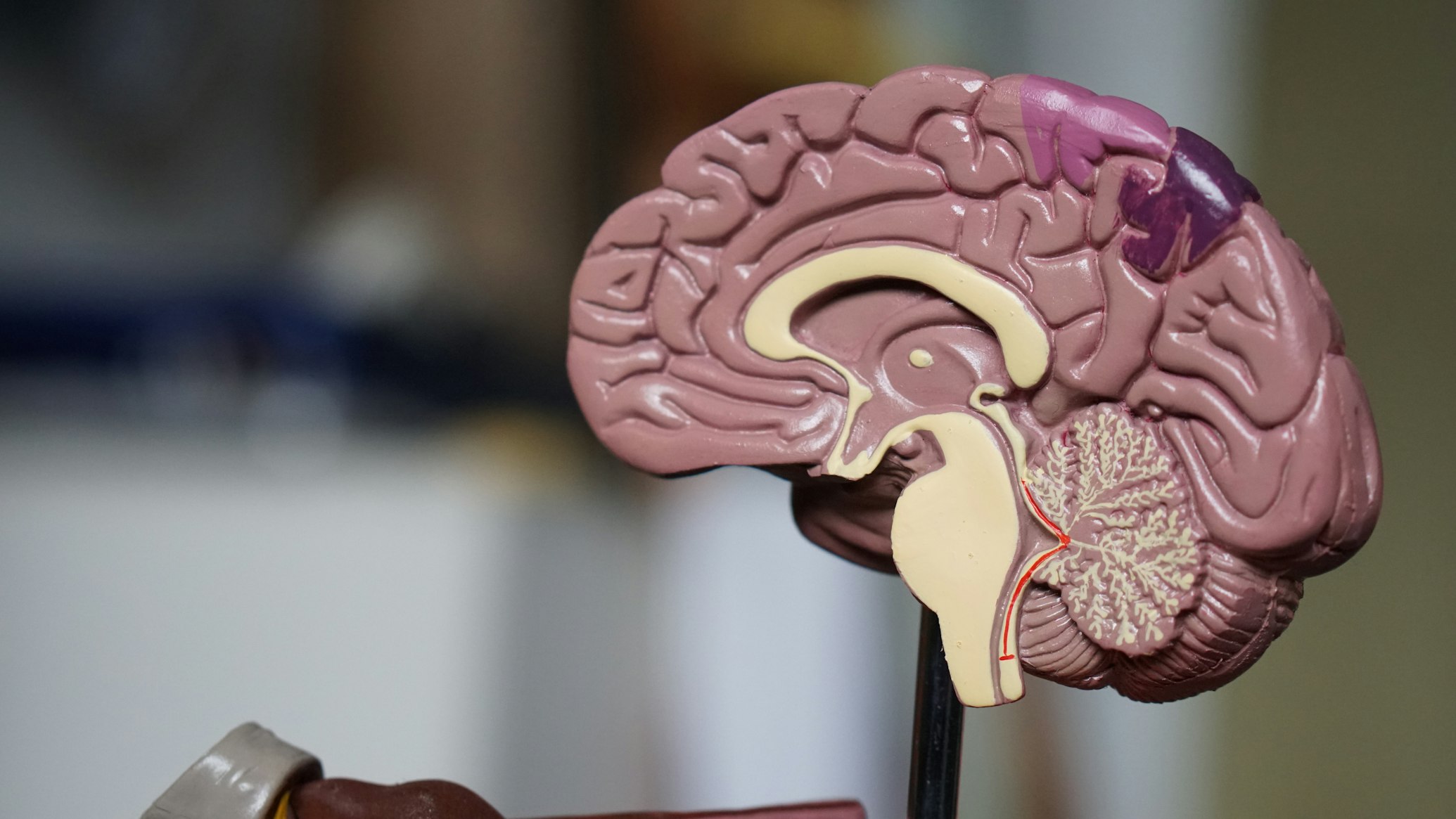
Visualization of blood cells and the clotting process
The Scientist's Toolkit: Key Players in Clot Management
The following table outlines the main categories of pharmaceutical agents used to prevent and treat thrombosis.
| Category | Mechanism of Action | Common Examples | Primary Use |
|---|---|---|---|
| Anticoagulants | Interfere with the coagulation cascade (secondary hemostasis) to prevent clots from forming1 . | Warfarin, Heparin, DOACs (Rivaroxaban, Apixaban)1 4 | Atrial Fibrillation (AF), Venous Thromboembolism (VTE) prevention/treatment4 . |
| Fibrinolytics (Thrombolytics) | Activate the fibrinolytic system to rapidly dissolve existing, pathological clots5 . | Alteplase (tPA), Streptokinase9 | Acute ischemic stroke, massive Pulmonary Embolism (PE), myocardial infarction5 . |
| Antiplatelets | Primarily affect primary hemostasis by preventing platelet aggregation1 . | Clopidogrel, Aspirin3 | Arterial thrombosis (e.g., after a heart attack or stent placement). |
Anticoagulants
Prevent clot formation by interfering with the coagulation cascade.
Fibrinolytics
Rapidly dissolve existing clots by activating the fibrinolytic system.
Antiplatelets
Prevent platelet aggregation and arterial thrombosis.
A Deeper Look at Anticoagulants: From Rat Poison to Smart Drugs
The development of anticoagulants has been a story of relentless innovation.
The Pioneers (1916-1950s)
The journey began with the accidental discovery of heparin in 19161 . This rapidly acting, injectable anticoagulant revolutionized acute care. The introduction of warfarin in the 1950s offered the first long-term oral anticoagulation option, though its narrow therapeutic window requires regular monitoring of the International Normalized Ratio (INR)1 2 .
The Modern Era: Direct Oral Anticoagulants (DOACs)
The 21st century brought a paradigm shift with DOACs like apixaban and rivaroxaban. These drugs target specific clotting factors (like Xa or thrombin) directly. With fixed dosing and fewer drug-food interactions, they have become the preferred choice for many conditions, significantly improving patients' quality of life4 . A key safety advantage of DOACs is their significant reduction in the risk of intracranial haemorrhage compared to warfarin4 .
The Future is Targeted: Factor XI Inhibitors
The next frontier in anticoagulation is targeting Factor XI1 7 . Research has revealed that this protein plays a crucial role in thrombosis but only a minimal role in physiological hemostasis7 . This offers the tantalizing possibility of uncoupling thrombosis from hemorrhage—preventing dangerous clots without increasing the risk of bleeding, a common and dangerous side effect of current therapies7 . Early clinical trials with inhibitors like Abelacimab have shown superior efficacy in preventing blood clots after knee surgery compared to enoxaparin, without increasing bleeding rates7 .
Comparison of Anticoagulant Generations
Key Advantage of DOACs
A Landmark Experiment: Thrombolysis for Submassive Pulmonary Embolism
While the use of thrombolytics in massive, life-threatening clots is well-established, their role in "submassive" PE (where the patient is stable but has signs of right heart strain) has been controversial. A pivotal single-blind study conducted at Loghman Hakim Hospital sought to answer this question9 .
Methodology
- Patient Selection: 50 patients with acute submassive PE, confirmed by CT scan and evidenced by pulmonary hypertension or right ventricular dysfunction9 .
- Randomization: Patients were randomly assigned to one of two groups:
- Primary Endpoint: Rate of in-hospital death or clinical deterioration requiring treatment escalation9 .
Baseline Patient Characteristics9
| Characteristic | Thrombolytic + Anticoagulant (n=25) | Anticoagulant Alone (n=25) | P-value |
|---|---|---|---|
| Age (years) | 54.8 ± 14.1 | 56.6 ± 10.5 | 0.612 |
| Pulmonary Artery Pressure (mmHg) | 62.2 ± 10.1 | 56.0 ± 6.8 | 0.011 |
| O2 Saturation (%) | 86.2 ± 7.6 | 90.8 ± 4.0 | 0.009 |
Primary Endpoint - In-Hospital Death or Clinical Deterioration9
Secondary Endpoint - Pulmonary Artery Pressure at Discharge9
This experiment provided strong evidence that for a specific, high-risk group of patients with submassive PE, adding a thrombolytic to standard anticoagulation can prevent clinical deterioration and improve physiological outcomes, without causing an increase in fatal bleeding in this trial cohort9 .
The Evolving Landscape and Future Horizons
The field of thrombosis management is dynamic. Beyond Factor XI inhibitors, research is exploring the therapeutic potential of natural compounds like Nattokinase, a potent fibrinolytic enzyme derived from fermented soybeans, which is being studied for its ability to support cardiovascular health8 . Simultaneously, scientists are gaining a deeper understanding of how the fibrinolytic system is suppressed in conditions like sepsis and coronary artery disease, opening new avenues for treatment5 .
Artificial intelligence also holds immense promise for personalizing anticoagulant therapy, using complex data to predict individual patient responses and optimize dosing, thereby maximizing efficacy and minimizing bleeding risks1 .
AI-Personalized Therapy
Future anticoagulation may be tailored to individual patient genetics and risk factors using artificial intelligence1 .
Conclusion: A Balanced Future
The journey to tame the clot, which began with a simple observation in a lab over a century ago, has evolved into a sophisticated field of medicine. From the daily pill of warfarin to the targeted action of DOACs and the clot-busting power of fibrinolytics, these therapies have saved countless lives. As research continues to refine our understanding and innovate new treatments, the future looks bright—a future where we can precisely tip the scales to ensure the river of life flows freely and safely.