Decoding Therapy Resistance: A Comprehensive Guide to NGS Mechanisms and Applications in Oncology
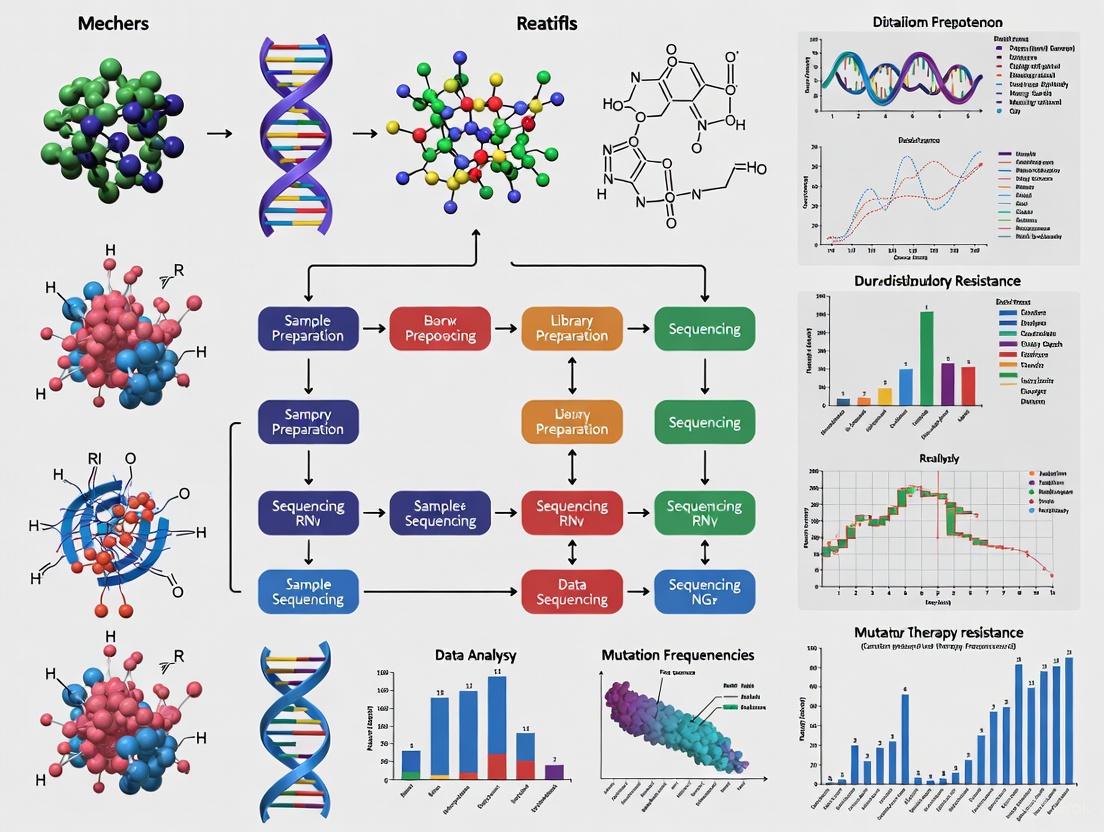
Next-generation sequencing (NGS) has revolutionized the identification of therapy resistance mechanisms, enabling more precise and personalized cancer treatment.
Decoding Therapy Resistance: A Comprehensive Guide to NGS Mechanisms and Applications in Oncology
Abstract
Next-generation sequencing (NGS) has revolutionized the identification of therapy resistance mechanisms, enabling more precise and personalized cancer treatment. This article provides researchers, scientists, and drug development professionals with a comprehensive framework spanning from foundational resistance concepts to advanced multi-omics integration. We explore methodological applications across cancer types, troubleshoot common technical challenges, and validate NGS performance against conventional diagnostics. Through examination of current literature and clinical validation studies, this review synthesizes how NGS-driven insights are transforming drug development and clinical oncology by uncovering complex resistance patterns that inform next-generation therapeutic strategies.
Unraveling the Genomic Landscape of Therapy Resistance: Core Mechanisms and Biomarkers
The advent of targeted therapies has revolutionized cancer treatment, yet the emergence of resistance remains a significant barrier to achieving durable patient responses. Resistance mechanisms are broadly categorized as either primary (innate) or acquired (adaptive). Primary resistance refers to the absence of an initial tumor response to therapy, while acquired resistance describes disease progression following an initial period of clinical benefit [1] [2]. This distinction is critical for guiding treatment strategies and developing effective methods to identify underlying molecular mechanisms. Next-generation sequencing (NGS) has become an indispensable tool in this endeavor, providing the comprehensive genomic profiling necessary to decipher the complex and evolving landscape of therapy resistance [3] [4].
Defining the Clinical Spectrum of Resistance
Primary Resistance
Primary resistance, also known as de novo or innate resistance, is characterized by disease progression occurring within the first 6 months of initiating targeted therapy. In the context of anti-EGFR antibodies for metastatic colorectal cancer (mCRC), approximately 90% of genetically unselected patients exhibit primary resistance, with only about 10% experiencing tumor regression [1]. This form of resistance is mediated by resistance-conferring factors preexisting in the bulk of tumor cells before treatment initiation.
Acquired Resistance
Acquired, or secondary, resistance develops after an initial period of therapy efficacy. In mCRC treated with anti-EGFR antibodies, this typically occurs within 3–18 months after treatment initiation [1]. For immune checkpoint inhibitors (ICIs) in non-small cell lung cancer (NSCLC), acquired resistance is common, occurring in over 60% of initial responders [5]. The Society for Immunotherapy of Cancer (SITC) defines acquired resistance to PD-1 pathway blockade as disease progression developing after at least 6 months of treatment, following an initial clinical benefit [2].
Table 1: Clinical Definitions and Features of Primary and Acquired Resistance
| Feature | Primary Resistance | Acquired Resistance |
|---|---|---|
| Definition | Lack of initial tumor response | Disease progression after initial period of clinical benefit |
| Onset | Within first 6 months of therapy [1] [2] | Typically after 6 months of therapy [1] [2] |
| Underlying Cause | Preexisting molecular features in tumor bulk [1] | Evolutionary selection pressure inducing new molecular alterations [1] [3] |
| Clinical Context in mCRC | ~90% of unselected patients on anti-EGFR therapy [1] | Occurs in nearly all initial responders to anti-EGFR therapy [1] |
| Clinical Context in NSCLC (ICI) | 70-85% of patients [2] | >60% of initial responders [5] |
Molecular Mechanisms of Resistance
The molecular underpinnings of resistance are diverse and can significantly overlap between primary and acquired forms. Key mechanisms involve alterations in downstream signaling pathways, activation of bypass tracks, and changes in the tumor microenvironment.
Genetic Alterations in Targeted Pathways
RAS/RAF Mutations
KRAS mutations, particularly in exon 2 (codons 12 and 13), are found in 40–45% of CRCs and are major determinants of primary resistance to cetuximab or panitumumab [1]. Exclusion of patients with KRAS mutant tumors increases response rates in wild-type populations to 13–17%, though most KRAS wild-type tumors still do not respond, implicating additional resistance mechanisms [1]. BRAF mutations also confer primary resistance and are associated with a poor prognosis [1].
In acquired resistance, emerging KRAS mutations and amplifications are frequently identified following initial response to EGFR blockade, representing a classic adaptive mechanism [1].
EGFR Extracellular Domain Mutations
A specific EGFR mutation (S492R) in the extracellular domain prevents cetuximab binding, conferring acquired resistance while maintaining sensitivity to panitumumab [1]. This exemplifies a direct on-target modification that allows the cancer cell to evade therapeutic inhibition.
Activation of Alternative Receptor Tyrosine Kinases
HER2 amplification and MET activation (via overexpression or amplification) serve as potent bypass tracks, reactivating critical downstream signaling pathways such as RAS-RAF-MEK-ERK and PI3K-AKT-mTOR, even with effective EGFR blockade [1].
Non-Genetic Determinants of Resistance
Beyond genetic mutations, several non-genetic mechanisms contribute significantly to acquired resistance.
- Tumor Microenvironment (TME) Alterations: The TME influences therapeutic response and resistance. Physical isolation of tumor subpopulations due to vascular variability or stromal barriers can lead to variable drug exposure and foster resistance [3].
- Epigenetic Regulation: Dynamic and reversible epigenetic changes can drive acquired resistance by altering cell signaling networks, metabolic pathways, and transcriptional programs, contributing to a drug-tolerant persister state [3].
- Metabolic Reprogramming: Cancer cells can develop resistance through metabolic flexibility, including changes in redox, lipid, amino acid, and nucleotide metabolism. For example, upregulated lipid biosynthesis in pancreatic cancer contributes to stemness and resistance to gemcitabine [3].
- Altered Inflammatory Signaling: In NSCLC with acquired resistance to PD-(L)1 blockade, relapsed tumors show differential expression of inflammation and interferon signaling. An ongoing but altered interferon response is associated with a persistently inflamed, yet resistant, tumor microenvironment [5].
Table 2: Key Molecular Mechanisms of Resistance to Targeted Therapies
| Mechanism | Example Alterations | Therapy Context | Resistance Type |
|---|---|---|---|
| On-target Mutation | EGFR S492R mutation [1] | Anti-EGFR in mCRC | Acquired |
| Bypass Signaling | HER2 amplification, MET amplification/overexpression [1] | Anti-EGFR in mCRC | Primary & Acquired |
| Downstream Pathway Activation | KRAS, NRAS, BRAF mutations [1] | Anti-EGFR in mCRC | Primary & Acquired |
| Altered Inflammatory State | Upregulated or stable IFNγ response genes [5] | PD-(L)1 blockade in NSCLC | Acquired |
| Epigenetic Cell State Changes | Drug-tolerant persister cells [3] | Various targeted therapies | Primary & Acquired |
Diagram 1: Key molecular mechanisms underlying primary and acquired resistance to targeted therapies. Primary resistance often involves preexisting genetic alterations, while acquired resistance can result from new genetic mutations or non-genetic adaptations.
NGS-Based Methodologies for Resistance Mechanism Identification
Next-generation sequencing provides a powerful suite of technologies to comprehensively profile the genetic basis of therapy resistance.
Targeted Gene Panels
Targeted NGS panels are the most frequently used approach in clinical molecular diagnostics for solid tumors and hematological malignancies. These panels are designed to detect:
- Single-nucleotide variants (SNVs) and small insertions/deletions (indels) in key genes [6]
- Copy number alterations (CNAs), such as amplifications of ERBB2 (HER2) or MET, and losses of tumor suppressors like TP53 and PTEN [6]
- Structural variants (SVs), including gene fusions [6]
Two major library preparation methods are used:
- Hybrid capture-based methods use biotinylated oligonucleotide probes complementary to genomic regions of interest. They can tolerate mismatches and avoid allele dropout, making them robust for variant detection [6].
- Amplification-based approaches use PCR to amplify target regions and are efficient for focused panels but can be susceptible to allele dropout [6].
Whole Genome and Transcriptome Sequencing
For discovery-oriented research, broader approaches are employed:
- Whole-genome sequencing (WGS) offers a hypothesis-free approach to identify novel resistance mechanisms across the entire genome [7] [8].
- RNA sequencing is invaluable for profiling the transcriptome, including the expression of resistance genes, alternative splicing, and detecting gene fusions [6] [7].
Analytical Validation and Quality Control
Robust NGS testing requires rigorous validation. Key considerations include:
- Pathologist review of solid tumor samples to ensure sufficient tumor content and mark areas for dissection is critical for test sensitivity [6].
- Validation must determine positive percentage agreement and positive predictive value for each variant type (SNV, indel, CNA, fusion) [6].
- Bioinformatic pipelines must be selected and validated for specific applications, such as fusion detection or copy number analysis [6].
Diagram 2: A generalized NGS workflow for identifying therapy resistance mechanisms, from sample preparation through bioinformatic analysis.
Experimental Protocols for Investigating Resistance Mechanisms
Protocol 1: Targeted NGS for Resistance Mutation Profiling in Solid Tumors
Objective: To identify acquired genetic alterations (SNVs, indels, CNAs) in relapsed tumor samples following targeted therapy.
Materials:
- Reagents: Formalin-fixed, paraffin-embedded (FFPE) tumor tissue (pre-treatment and post-relapse), DNA extraction kit, targeted NGS panel, library preparation reagents, sequencing reagents.
- Equipment: Microtome, spectrophotometer, thermal cycler, NGS sequencer.
Procedure:
- Sample Assessment: A certified pathologist reviews H&E-stained slides to mark tumor-rich areas (>20% tumor nuclei) for macrodissection [6].
- DNA Extraction: Extract genomic DNA from matched pre-treatment and post-relapse FFPE sections. Quantify DNA using a fluorometric method.
- Library Preparation: Prepare sequencing libraries using a validated targeted NGS panel (e.g., hybrid capture or amplicon-based). Include unique molecular indices to minimize errors.
- Sequencing: Sequence libraries on an NGS platform to achieve a minimum mean coverage of 500x.
- Bioinformatic Analysis:
- Align sequences to the reference genome.
- Call SNVs/indels and filter against population databases.
- Perform CNA analysis using normalized read depth comparisons.
- Compare pre- and post-relapse profiles to identify emergent mutations or copy number changes.
Expected Output: A list of somatic genetic alterations that emerged at relapse, potentially conferring resistance (e.g., KRAS mutations, MET amplification).
Protocol 2: Longitudinal cfDNA Monitoring for Early Detection of Resistance
Objective: To non-invasively detect molecular signs of acquired resistance in plasma cell-free DNA (cfDNA) before clinical progression.
Materials:
- Reagents: Blood collection tubes, plasma separation kit, cfDNA extraction kit, NGS panel.
- Equipment: Centrifuge, NGS sequencer.
Procedure:
- Sample Collection: Collect longitudinal plasma samples at baseline, during treatment response, and at suspected progression.
- cfDNA Extraction: Isolate cfDNA from plasma.
- Library Prep & Sequencing: Prepare libraries and sequence using a targeted NGS panel designed for low variant allele frequency detection.
- Analysis: Monitor dynamics of known resistance mutations and clonal evolution.
The Scientist's Toolkit: Key Research Reagents and Materials
Table 3: Essential Research Reagents for Resistance Mechanism Investigation
| Item | Function/Application | Example Use |
|---|---|---|
| Targeted NGS Panels | Focused sequencing of genes known to drive resistance (e.g., KRAS, EGFR, MET) [6] | Identifying point mutations and copy number alterations in relapsed tumors. |
| Hybrid Capture Probes | Enrich specific genomic regions for sequencing; tolerate mismatches better than PCR [6] | Comprehensive sequencing of large gene panels or entire exons to avoid allele dropout. |
| Unique Molecular Indices | Tag individual DNA molecules to correct for sequencing errors and PCR duplicates [6] | Accurate detection of low-frequency resistant subclones in tumor or cfDNA. |
| Validated Bioinformatic Pipelines | Analyze NGS data to call variants, CNAs, and fusions [6] [9] | Differentiating true somatic mutations from sequencing artifacts. |
| Patient-Derived Model Systems | Ex vivo models that recapitulate patient tumor biology and therapy response [3] | Functionally validating putative resistance mechanisms and testing combination therapies. |
The clinical challenge posed by both primary and acquired resistance to targeted therapies is formidable. Successfully overcoming this challenge requires a deep and integrated understanding of their distinct yet overlapping molecular landscapes. NGS technologies provide the foundational tools to dissect these complex mechanisms, enabling the transition from reactive to predictive and proactive cancer treatment. By implementing robust NGS protocols and leveraging longitudinal sampling, researchers and clinicians can identify resistance mechanisms early, guide the application of alternative or combination therapies, and ultimately improve patient outcomes in the era of precision oncology.
Next-generation sequencing (NGS) has become an indispensable tool in oncology research, enabling the identification of genomic alterations that drive resistance to targeted and conventional therapies. Understanding these mechanisms is critical for developing strategies to overcome treatment failure. This application note focuses on three genes—ERBB2 (HER2), TP53, and CDKN2A—whose mutations frequently contribute to resistance across multiple cancer types. We summarize the latest research on how these alterations confer resistance, provide structured experimental protocols for their investigation, and visualize the interconnected signaling pathways involved. This resource is designed to support researchers and drug development professionals in advancing the field of precision oncology.
ERBB2 Mutations: Mechanisms and Therapeutic Implications
Key Resistance Mechanisms
ERBB2 (HER2) is a receptor tyrosine kinase that, when mutated, drives oncogenesis and therapy resistance through multiple mechanisms. The L755S missense mutation in the kinase domain is a well-characterized resistance alteration. In HER2-positive gastric cancer (GC), this mutation was identified exclusively in non-responders to trastuzumab-containing therapies, suggesting its role in primary resistance [10]. In estrogen receptor-positive (ER+) breast cancer, ERBB2 mutations (including L755S and V777L) hyperactivate the HER3/PI3K/AKT/mTOR signaling axis, leading to estrogen-independent growth and resistance to antiestrogen therapies such as fulvestrant [11]. This pathway hyperactivation occurs even while ERα transcriptional activity remains suppressed, indicating that the resistance is bypassing the ER pathway entirely.
Furthermore, in invasive lobular breast cancer (ILC), ERBB2 mutations are associated with sustained tumor cell proliferation following short-term preoperative endocrine therapy, as evidenced by high post-treatment Ki67 indices [12]. This provides direct clinical evidence that ERBB2 mutations can impair the efficacy of endocrine interventions.
Clinical Evidence and Co-alteration Landscape
The clinical impact of ERBB2 alterations is evident across tumor types. In non-small cell lung cancer (NSCLC), ERBB2 mutations are found in approximately 5-6% of cases, with exon 20 insertions (particularly Y772_A775dupYVMA) being the most common oncogenic variants [13]. A genomic analysis of HER2-positive gastric cancer patients revealed that specific co-alterations, including CDKN2A insertions and RICTOR amplification, were also exclusively observed in non-responders to trastuzumab-containing regimens, highlighting the potential for complex, multi-gene resistance mechanisms [10].
Table 1: Key ERBB2 Alterations and Associated Resistance Profiles
| Alteration Type | Molecular Consequence | Associated Cancers | Therapeutic Resistance |
|---|---|---|---|
| L755S Missense | Alters kinase domain, enhances dimerization with HER3, hyperactivates PI3K/AKT/mTOR [10] [11]. | Breast Cancer, Gastric Cancer | Trastuzumab, Endocrine Therapy (Fulvestrant, AIs) |
| Exon 20 Ins (Y772_A775dup) | Constitutive kinase activation, sustained downstream signaling (MAPK, PI3K) [13]. | Non-Small Cell Lung Cancer | Various TKIs (variable efficacy) |
| Co-alteration: CDKN2A Insertion | Disrupts cell cycle regulation (p16/Rb pathway) [10]. | Gastric Cancer | Trastuzumab + Immunotherapy |
| Co-alteration: RICTOR Ampl | Potentiates mTORC2 signaling complex [10]. | Gastric Cancer | Trastuzumab + Immunotherapy |
Experimental Protocol: Assessing ERBB2 Mutation-Driven Resistance
Objective: To evaluate the functional impact of ERBB2 mutations on therapeutic resistance in vitro.
Materials:
- Isogenic cell line models (e.g., MCF7 breast cancer cells) with knock-in ERBB2 mutations (L755S, V777L) and wild-type controls [11].
- Therapeutics: HER2 tyrosine kinase inhibitors (e.g., neratinib), endocrine agents (e.g., fulvestrant), PI3K/AKT/mTOR pathway inhibitors.
- Assay Kits: Cell viability (e.g., CellTiter-Glo), immunoblotting reagents for p-HER2, p-HER3, p-AKT, p-S6, ERα.
Methodology:
- Cell Growth Assays: Seed cells in 12-well plates (2,000 cells/well) and treat with a dose range of fulvestrant (ER degrader) and/or neratinib (HER2 TKI) [11].
- Clonogenic Assays: Plate cells in 10 cm dishes under estrogen-deprived conditions or with fulvestrant to assess long-term survival and estrogen-independent growth [11].
- Pathway Analysis: After 24-48 hours of drug treatment, lyse cells and perform immunoblot analysis to assess activation status of HER3, AKT, S6, and ERK [11].
- Combinatorial Drug Testing: Treat cells with a matrix of fulvestrant and neratinib doses. Calculate Combination Index (CI) values using software like CompuSyn to determine synergy (CI < 1) [11].
Data Interpretation: Resistance to estrogen deprivation or fulvestrant in ERBB2-mutant cells, which is reversed by the addition of neratinib, confirms the role of the mutation in driving resistance via HER3/PI3K pathway hyperactivation.
TP53 Mutations: A Cornerstone of Therapy Resistance
Loss of Tumor Suppression and Gain of Oncogenic Function
TP53, the most frequently mutated gene in human cancer, encodes the p53 protein, a critical tumor suppressor known as the "guardian of the genome" [14]. Wild-type p53 induces cell cycle arrest, DNA repair, and apoptosis in response to cellular stress. The loss of these functions upon mutation allows cells with damaged DNA to survive and proliferate, a primary mechanism of resistance to genotoxic chemotherapies and radiation [15].
Beyond simple loss-of-function (LOF), many p53 missense mutations confer a gain-of-function (GOF). These GOF mutants acquire new oncogenic properties that promote tumor progression, metastasis, and therapy resistance through dysregulated gene expression and protein interactions [15]. In ALK-positive lung cancer, the presence of TP53 mutations is a major driver of therapeutic resistance to ALK inhibitors, leading to significantly reduced progression-free survival (11.8 vs. 17.1 months) and overall survival (43.8 vs. 72.8 months) [16].
Role in Immune Evasion and Resistance to Immunotherapy
A critical and evolving area of research is the role of mutant p53 in fostering an immunosuppressive tumor microenvironment (TME), leading to resistance to immune-based therapies like immune checkpoint inhibitors (ICIs), CAR-T cells, and hematopoietic stem cell transplantation [15]. Mutant p53 can modulate the TME by altering the functions of bystander cells, including recruiting immunosuppressive macrophages and regulatory T cells (Tregs), and reducing the activity of cytotoxic T cells and natural killer (NK) cells [15]. This creates a "cold" tumor immune landscape that is refractory to immunotherapy.
Table 2: Spectrum and Impact of Common TP53 Mutations
| Hotspot Mutation | Domain | Functional Impact | Associated Resistance |
|---|---|---|---|
| R175H | DNA-Binding | Loss-of-Function, Altered Protein Conformation [15] | Chemotherapy, Radiation |
| R248Q/W/L | DNA-Binding | Loss-of-Function, Reduced DNA-Binding Capacity [15] | Chemotherapy, Immunotherapy |
| R273C/L | DNA-Binding | Loss-of-Function, some Gain-of-Function [15] | Chemotherapy, Targeted Therapy |
| R282W | Tetramerization | Disruption of Tetramerization, Loss-of-Function [15] | ALK Inhibitors [16] |
Experimental Protocol: Evaluating TP53-Mediated Immune Evasion
Objective: To investigate how TP53 mutations contribute to an immunosuppressive tumor microenvironment and resistance to immunotherapy.
Materials:
- Syngeneic mouse models with TP53 knockout or knock-in of common GOF mutations (e.g., R172H, equivalent to human R175H).
- Immune cell isolation kits (for T cells, NK cells, macrophages).
- Flow cytometry antibodies for immune cell markers (CD3, CD4, CD8, CD56, F4/80, CD206) and cytokines.
- Co-culture systems (transwell plates).
Methodology:
- In Vivo Model: Implant TP53-mutant and TP53-wild-type tumor cells into immunocompetent mice. Treat cohorts with anti-PD-1/PD-L1 antibodies and monitor tumor growth [15].
- Tumor Microenvironment Analysis: Harvest tumors at endpoint. Digest tissues to create single-cell suspensions for flow cytometry analysis of tumor-infiltrating lymphocytes (TILs), NK cells, and macrophage polarization (M1 vs. M2) [15].
- Conditioned Media Co-culture: Culture immune cells (e.g., CD8+ T cells) with conditioned media from TP53-mutant vs. wild-type tumor cells. Assess T-cell proliferation (CFSE dilution) and effector function (IFN-γ ELISpot) [15].
- Cytokine Profiling: Analyze conditioned media or tumor homogenates using multiplex cytokine arrays to identify mutant p53-secreted factors that suppress immune cell function.
Data Interpretation: TP53-mutant tumors will show reduced response to ICIs, correlated with decreased cytotoxic T-cell infiltration, increased populations of immunosuppressive cells (Tregs, M2 macrophages), and altered cytokine secretion profiles.
CDKN2A Loss: Disabling Cell Cycle Checkpoints
Disruption of Key Tumor Suppressor Pathways
The CDKN2A tumor suppressor gene encodes two distinct proteins, p16INK4a and p14ARF, from alternatively spliced transcripts [17]. These proteins regulate two critical tumor suppressor pathways:
- p16INK4a inhibits cyclin-dependent kinases 4 and 6 (CDK4/6), preventing the phosphorylation of the retinoblastoma (Rb) protein and thereby enforcing G1 cell cycle arrest [17].
- p14ARF stabilizes p53 by binding to and inhibiting MDM2, which promotes p53 degradation [17].
Mutations in CDKN2A lead to the loss of both p16 and p14ARF functions, resulting in uncontrolled cell cycle progression and disabled p53-mediated stress responses. This dual inactivation makes CDKN2A loss a powerful driver of tumorigenesis and therapy resistance.
Clinical Significance and Co-resistance Alterations
Germline mutations in CDKN2A are associated with Familial Atypical Multiple Mole Melanoma (FAMMM) syndrome, which significantly increases the lifetime risk of melanoma and pancreatic cancer [18] [19]. In the context of acquired resistance, CDKN2A insertions were identified in non-responders to trastuzumab-containing therapies in HER2-positive gastric cancer, often co-occurring with other resistance alterations like ERBB2 L755S and RICTOR amplification [10]. This suggests that CDKN2A loss can cooperate with other genomic events to drive a multi-mechanistic resistance phenotype.
Integrated NGS Analysis Protocol for Resistance Mechanism Identification
A unified NGS workflow is essential for detecting these co-occurring resistance alterations in patient samples.
Workflow:
- Sample Preparation: Isulate DNA from FFPE tumor tissue or liquid biopsy plasma samples. Ensure tumor content >20% and DNA integrity is high.
- Library Preparation & Sequencing: Use targeted NGS panels covering full exons of ERBB2, TP53, CDKN2A, and other cancer-related genes (e.g., 111-gene panel [17]). Sequence on an Illumina MiSeq or similar platform [10] [17].
- Bioinformatic Analysis:
- Alignment: Map sequencing reads to the reference genome (e.g., GRCh38).
- Variant Calling: Identify single nucleotide variants (SNVs), insertions/deletions (indels), and copy number variations (CNVs) [10].
- Annotation & Interpretation: Annotate variants using databases like OncoKB and COSMIC. Focus on oncogenic mutations and known resistance markers (e.g., ERBB2 L755S, TP53 R175H, CDKN2A loss) [10] [13].
Application: This protocol allows for the comprehensive profiling of a patient's tumor, identifying not only the primary driver but also concomitant resistance alterations. For example, it can detect the co-occurrence of ERBB2 amplification with a TP53 mutation and CDKN2A insertion, providing a molecular explanation for a poor response to HER2-targeted therapy [10] [16].
The Scientist's Toolkit: Essential Research Reagents
Table 3: Key Reagents for Investigating Resistance Mechanisms
| Reagent / Tool | Function/Description | Application Example |
|---|---|---|
| Isogenic Cell Lines | Genetically engineered pairs (e.g., ERBB2-mutant vs. WT) to isolate the effect of a single mutation [11]. | Functional studies on mutation-specific resistance mechanisms. |
| Neratinib | Irreversible pan-HER tyrosine kinase inhibitor [11]. | Restoring sensitivity to endocrine therapy in ERBB2-mutant models. |
| PI3Kα / mTORC1 Inhibitors | Small molecules targeting key nodes in the downstream signaling pathway (e.g., Alpelisib, Everolimus) [11]. | Reversing resistance driven by PI3K/AKT/mTOR hyperactivation. |
| Targeted NGS Panels | Pre-designed gene panels for deep sequencing of cancer-associated genes [10] [17]. | Identifying co-occurring resistance alterations in patient samples. |
| Anti-HER3 siRNA | Small interfering RNA for targeted knockdown of HER3 expression [11]. | Validating the role of HER3 in mediating ERBB2 mutant resistance. |
The genomic alterations in ERBB2, TP53, and CDKN2A represent powerful drivers of resistance to targeted therapy, endocrine therapy, chemotherapy, and immunotherapy. The integrated experimental and bioinformatic protocols outlined in this application note provide a roadmap for researchers to identify and validate these mechanisms. As the field progresses, the development of combinatorial strategies that simultaneously target the primary oncogenic driver and these underlying resistance pathways will be essential for improving long-term outcomes for cancer patients.
A fundamental shift is occurring in our understanding of how cancers evade therapeutic pressure. While single drug-resistance mutations have long been studied, advanced genomic technologies now reveal that tumors frequently develop resistance through multiple parallel routes simultaneously—a phenomenon termed polyclonal resistance [20]. This resistance architecture arises from pre-existing intratumour genetic heterogeneity (ITH), where spatially or temporally distinct subclones within the same tumor possess different molecular alterations that collectively confer resistance to therapeutic agents [20] [21]. The detection and characterization of this heterogeneity represents a critical application of next-generation sequencing (NGS) in modern oncology research and drug development.
Comprehensive genomic profiling of large patient cohorts demonstrates the striking prevalence of this phenomenon. Recent analysis of 331,503 solid tumors found that 29% of patients had at least one somatic variant detected at a variant allele fraction (VAF) of ≤10%, indicating subclonal populations [22]. In certain malignancies like pancreatic cancer, this prevalence reaches 37% of cases [22]. These low VAF alterations often represent resistance mechanisms that emerge under therapeutic selection pressure, creating formidable challenges for successful treatment outcomes.
Quantitative Landscape of Low VAF Variants Across Tumors
Data from large-scale genomic profiling studies reveal the extensive presence of low VAF variants across cancer types, reflecting underlying tumor heterogeneity. The following table summarizes the prevalence of low VAF variants in major cancer types from a pan-cancer study of 331,503 tumors [22].
Table 1: Prevalence of Low VAF Variants Across Major Cancer Types
| Tumor Type | Patients with ≥1 VAF ≤10% | Patients with ≥1 VAF ≤5% | Median Tumor Purity | Median VAF of All Variants |
|---|---|---|---|---|
| Pancreatic Cancer | 37% | 21% | <40% | 19% |
| Non-Small Cell Lung Cancer | 35% | 19% | 57% <40% purity | 23% |
| Colorectal Cancer | 29% | 16% | 41% <40% purity | 26% |
| Prostate Cancer | 24% | 13% | 36% <40% purity | 26% |
| Breast Cancer | 23% | 12% | 30% <40% purity | 29% |
| Appendix Tumors | 56% | 32% | Not specified | Not specified |
Analysis of variants from relapsed/refractory multiple myeloma (RRMM) further illustrates the diversity of resistance mechanisms. Sequencing of 511 RRMM patients identified not only recurrent mutations in known driver pathways but also a "long tail" of rare variants contributing to resistance heterogeneity [23]. The detection of these subclonal populations requires specialized methodological approaches with sufficient sensitivity.
Table 2: Resistance-Associated Alterations in RRMM (n=511)
| Alteration Category | Prevalence in RRMM | Key Genes Affected | Therapeutic Implications |
|---|---|---|---|
| RAS/MAPK Pathway | 45-65% | KRAS, NRAS, BRAF, NF1, PTPN11 | Resistance to targeted therapies |
| NF-κB Pathway | 45-65% | TRAF3, TRAF2, CYLD, NFKBIA | Constitutive pathway activation |
| IFN-γ Signaling | Enriched in RRMM | IL6ST (activating mutations) | Immunomodulatory resistance |
| Drug Resistance Mutations | 22% of cohort | CRBN, CUL4B, NR3C1 | Specific to targeted therapy classes |
Molecular Mechanisms Underlying Heterogeneity and Resistance
Tumor heterogeneity manifests at multiple biological levels, each contributing differentially to therapeutic resistance:
- Genetic Heterogeneity: Genomic instability generates diversity through chromosome structural variations, copy number alterations, and point mutations. This instability can be accelerated by therapy itself, with drugs like temozolomide inducing hypermutation phenotypes [21].
- Epigenetic Modulation: Epigenetic alterations create phenotypic diversity without changing DNA sequence, influencing gene expression patterns and drug sensitivity [24] [21].
- Tumor Microenvironment (TME): Extrinsic factors including hypoxia, pH gradients, and stromal interactions generate selective pressures that shape clonal evolution [20] [24]. The TME can also promote resistance through physical barriers to drug delivery and paracrine signaling.
- Protein Conformational Heterogeneity: Recent evidence suggests that heterogeneous conformational states of proteins within tumor cells contribute to functional diversity and drug response variations [24].
Branched Tumor Evolution and Resistance
NGS studies tracking clonal dynamics during treatment reveal complex evolutionary patterns. Rather than linear progression, tumors frequently follow branched evolutionary trajectories, where multiple subclones diverge and evolve independently [20] [25]. Therapeutic intervention creates stringent selection pressure that can selectively amplify pre-existing resistant minor subclones or promote the emergence of new resistance mechanisms through additional genetic alterations [20].
In a striking example from melanoma research, mixed populations of wild-type and IFN-γ signaling mutant tumor cells demonstrated how clonal cooperation facilitates resistance. When wild-type cells provided PD-L1-mediated protection, IFN-γ-insensitive mutant clones could expand under anti-PD-1 therapy selection pressure [26]. This illustrates how ecosystem-level interactions between heterogeneous subpopulations contribute to treatment failure.
Diagram Title: Polyclonal Resistance Development via Tumor Evolution
Experimental Protocols for NGS-Based Resistance Mechanism Detection
Comprehensive Genomic Profiling for Low VAF Variant Detection
Purpose: To identify low-frequency subclonal variants and polyclonal resistance mechanisms in tumor samples.
Sample Requirements:
- Input Material: Formalin-fixed paraffin-embedded (FFPE) tissue sections (minimum 20% tumor purity recommended)
- DNA Quantity: ≥50ng of high-quality tumor DNA (DV200 ≥30%)
- Normal Comparator: Matched normal DNA (blood or saliva) for germline mutation filtering
Methodology:
- DNA Extraction and QC: Extract DNA from FFPE sections using silica-membrane based kits. Quantify using fluorometric methods and assess fragmentation via agarose gel electrophoresis or bioanalyzer.
- Library Preparation: Utilize hybridization capture-based target enrichment (e.g., FoundationOne CDx, MSK-IMPACT) covering 300-500 cancer-associated genes. Fragment DNA, add adapters with unique molecular identifiers (UMIs), and perform hybrid capture.
- Sequencing: Sequence to high depth (≥500× median coverage) on Illumina platforms (NovaSeq 6000) with paired-end reads.
- Bioinformatic Analysis:
- Alignment: Map reads to reference genome (GRCh38) using optimized aligners (BWA-MEM)
- Variant Calling: Use dual caller approach (MuTect2, VarDict) with UMI error correction
- Clonality Assessment: Calculate VAF and estimate cancer cell fraction adjusting for tumor purity and copy number
- Actionability Interpretation: Annotate variants using clinical knowledge bases (OncoKB)
Technical Validation:
- Establish limit of detection (LOD) for low VAF variants: ≥99% sensitivity for VAF ≥5%
- Implement stringent QC metrics: minimum 250× coverage, uniformity ≥85%
- Validate using reference standards with known VAF variants
Longitudinal Clonal Tracking Protocol
Purpose: To monitor tumor evolution and resistance mechanism emergence during therapy.
Sample Collection Strategy:
- Baseline: Collect pretreatment tumor biopsy (preferably surgical resection)
- On-Treatment: Obtain biopsy at radiographic response (2-3 months)
- Progression: Collect biopsy at disease progression (new lesion if possible)
- Liquid Biopsy: Plasma collection at each timepoint for circulating tumor DNA (ctDNA) analysis
Sequencing Approach:
- Whole Exome Sequencing (WES): Perform on all tumor-normal pairs (100× tumor, 60× normal)
- Targeted Deep Sequencing: Supplemental deep sequencing (1000×) of key driver and resistance genes
- ctDNA Analysis: Hybrid capture-based sequencing of patient-specific mutations identified in tumor sequencing
Clonal Deconvolution Analysis:
- Identify somatic mutations and calculate VAFs for each timepoint
- Perform phylogenetic reconstruction using tools like PhyloWGS or PyClone
- Map mutations to clonal clusters based on cancer cell fractions
- Identify resistance-associated mutations emerging at progression
Data Interpretation:
- Distinguish polyclonal resistance (multiple resistance alterations in same gene or pathway)
- Differentiate pre-existing vs acquired resistance mechanisms
- Correlate clonal dynamics with treatment history and clinical course
The Scientist's Toolkit: Essential Research Reagents and Platforms
Table 3: Key Research Reagents and Platforms for Heterogeneity Studies
| Category | Specific Product/Platform | Application in Heterogeneity Research | Key Features |
|---|---|---|---|
| NGS Panels | FoundationOne CDx (324 genes) | Comprehensive genomic profiling for clinical samples | FDA-approved, TMB and MSI detection |
| MSK-IMPACT (468 genes) | Large-scale tumor sequencing | Institutional platform, research-grade data | |
| NCC Oncopanel (114 genes) | Targeted sequencing in Asian populations | Optimized for Japanese cancer genomics | |
| Sequencing Platforms | Illumina NovaSeq 6000 | High-throughput WES and panel sequencing | Highest throughput, lowest per-base cost |
| PacBio Sequel II | Full-length antibody sequencing and structural variants | Long reads for complex genomic regions | |
| Single-Cell Platforms | 10x Genomics Chromium | Single-cell RNA sequencing of tumor heterogeneity | High-throughput cell partitioning and barcoding |
| Cell Line Models | B16.SIY melanoma | Study IFN-γ signaling in immunotherapy resistance | CRISPR-engineered for immune studies |
| MC38 murine colon | Evaluation of tumor-immune interactions | Immunocompetent mouse model | |
| Analysis Tools | PhyloWGS | Clonal deconvolution from bulk sequencing | Reconstructs subclonal architecture |
| PyClone | Bayesian clustering of cellular prevalences | Models mutation co-clustering |
Signaling Pathways in Therapy Resistance and Heterogeneity
Multiple signaling pathways demonstrate recurrent alteration in treatment-resistant cancers, often with considerable heterogeneity in alteration patterns. The NF-κB and RAS/MAPK pathways show particularly high prevalence in relapsed/refractory multiple myeloma (45-65% each), with a "long tail" of rare variants contributing to resistance heterogeneity [23]. IFN-γ signaling pathway alterations represent another key resistance mechanism, particularly in the context of immunotherapy.
Diagram Title: IFN-γ Signaling Pathway and Resistance Mechanisms
The paradigm of polyclonal resistance demands a fundamental shift in cancer therapeutic development. Traditional approaches targeting single resistance mechanisms yield limited success against heterogeneous tumors containing multiple resistant subclones [20]. Future strategies must account for this complexity through several key approaches:
First, combination therapies targeting multiple pathways simultaneously may prevent the outgrowth of resistant subclones. Second, evolutionary-informed therapy strategies that anticipate and preempt resistance mechanisms before they dominate the tumor population show promise. Third, novel clinical trial designs that incorporate repeated biomarker assessment and adaptive treatment strategies are essential for evaluating these approaches.
Comprehensive genomic profiling with NGS technologies provides the foundation for these advanced therapeutic strategies. By capturing the full spectrum of heterogeneity and enabling monitoring of clonal dynamics during treatment, NGS empowers researchers and clinicians to address the formidable challenge of polyclonal resistance in cancer therapy.
The emergence of therapy resistance remains a fundamental barrier to successful long-term cancer management. The PI3K/AKT/mTOR and RAS/RAF/MAPK signaling pathways represent critical pro-survival cascades that are frequently dysregulated in human cancers, and their reprogramming constitutes a major mechanism of resistance to targeted therapies [27] [28]. Next-generation sequencing (NGS) has revolutionized the identification of resistance mechanisms by enabling comprehensive genomic profiling of tumor cells before, during, and after treatment. This Application Note details experimental frameworks for investigating resistance pathways using NGS technologies, providing researchers with standardized protocols to identify and validate resistance mechanisms in these crucial signaling networks.
Pathway Biology and Resistance Mechanisms
PI3K/AKT/mTOR Pathway
The PI3K/AKT/mTOR pathway regulates essential cellular processes including proliferation, survival, metabolism, and protein synthesis. In breast cancer, activating PIK3CA mutations are present in up to 40% of hormone receptor-positive (HR+), HER2-negative cases [29]. The alpha isoform-specific PI3K inhibitor Alpelisib significantly improves outcomes for patients with PIK3CA-mutated metastatic breast cancer, but acquired resistance remains a substantial clinical challenge [29]. A primary resistance mechanism involves aberrant reactivation of the mTOR complex 1 (mTORC1) pathway, which creates a metabolic vulnerability by suppressing autophagy [29]. mTORC1 activation suppresses autophagy induction during metabolic perturbation, leading to energy stress, critical depletion of aspartate, and ultimately cell death [29].
RAS/RAF/MAPK Pathway
The RAS/RAF/MAPK pathway transmits extracellular signals from the membrane to intracellular destinations, governing cell cycle progression, proliferation, metabolism, migration, differentiation, and apoptosis [28]. KRAS mutations represent the most common driver genetic alterations in multiple malignant tumors, particularly in non-small cell lung cancer (NSCLC), colorectal cancer (CRC), and pancreatic ductal adenocarcinoma [30]. Constitutively active KRAS mutants sustain oncogenic signaling through perpetual stimulation of downstream effector pathways, with the MAPK/ERK cascade and PI3K-AKT-mTOR axis serving as crucial mediators that orchestrate malignant proliferation and metabolic reprogramming [30]. RAF inhibitors combined with MEK blockers represent an FDA-approved therapeutic strategy for numerous RAF-mutant cancers, but resistance development remains a significant limitation [28].
Table 1: Major Resistance Mechanisms in PI3K/AKT/mTOR and RAS/MAPK Pathways
| Pathway | Common Alterations | Resistance Mechanisms | Therapeutic Implications |
|---|---|---|---|
| PI3K/AKT/mTOR | PIK3CA mutations (up to 40% of HR+/HER2- breast cancer) [29] | Aberrant mTORC1 activation [29]; Metabolic reprogramming; Autophagy suppression [29] | Combined PI3K/mTOR inhibitors; Metabolic sensitizers [29] |
| RAS/MAPK | KRAS mutations (90% pancreatic, 30-50% CRC, 20-30% NSCLC) [30]; BRAF mutations | Secondary KRAS mutations (25% of cases) [31]; KRAS amplifications (22%) [31]; RAF/MAPK mutations/fusions (21%) [31]; Bypass pathway activation | Next-generation KRAS inhibitors; Combination therapies [30] [31] |
NGS-Based Detection of Resistance Alterations
Protocol: Longitudinal cfDNA Sequencing for Resistance Monitoring
Purpose: To monitor the emergence of acquired resistance mutations in patients undergoing targeted therapy for PI3K/AKT/mTOR or RAS/MAPK pathway-driven cancers.
Materials:
- Cell-free DNA collection tubes (e.g., Streck Cell-Free DNA BCT)
- cfDNA extraction kit
- NGS library preparation kit for low-input DNA
- Hybridization capture probes targeting cancer-related genes
- High-sensitivity DNA assay (e.g., Agilent TapeStation)
- Next-generation sequencer (Illumina or similar platform)
Procedure:
- Sample Collection: Collect 10-20 mL peripheral blood in cfDNA collection tubes at baseline, every 4-8 weeks during treatment, and at disease progression.
- cfDNA Extraction: Process samples within 48-72 hours of collection using a validated cfDNA extraction method. Elute in 20-50 μL elution buffer.
- Quality Control: Quantify cfDNA using fluorometric methods and assess fragment size distribution. Minimum requirement: 10 ng cfDNA.
- Library Preparation: Prepare sequencing libraries using 10-50 ng cfDNA following manufacturer protocols with unique dual indexing.
- Target Enrichment: Perform hybrid capture using a comprehensive cancer gene panel (recommended: 300-500 genes including full coding regions of PI3K/AKT/mTOR and RAS/MAPK pathway components).
- Sequencing: Sequence on Illumina platform to achieve minimum 500x raw coverage with ≥100x unique molecular coverage.
- Data Analysis:
- Align sequences to reference genome (GRCh38)
- Call somatic variants using dual callers (≥2% allele frequency)
- Identify copy number alterations
- Detect gene fusions and rearrangements
Interpretation: Compare sequential samples to identify newly emerging mutations associated with resistance. In KRASG12C inhibitor resistance, monitor for secondary KRAS mutations, KRAS amplifications, and mutations in RAF/MAPK components [31].
Protocol: Whole Transcriptome Sequencing for Pathway Reactivation
Purpose: To identify transcriptional reprogramming and alternative pathway activation in resistant tumors.
Materials:
- RNA preservation reagents (e.g., RNAlater)
- RNA extraction kit with DNase treatment
- RNA integrity assessment equipment (e.g., Bioanalyzer)
- RNA library preparation kit
- Strand-specific RNA sequencing reagents
Procedure:
- Sample Collection: Snap-freeze tumor tissue specimens in liquid nitrogen or preserve in RNAlater.
- RNA Extraction: Isolve total RNA using column-based methods with DNase I treatment.
- Quality Control: Assess RNA integrity number (RIN) - require RIN ≥7.0 for sequencing.
- Library Preparation: Prepare stranded RNA-seq libraries using 100-1000 ng total RNA.
- Sequencing: Sequence on Illumina platform to achieve 50-100 million paired-end reads per sample.
- Data Analysis:
- Align reads to reference genome using splice-aware aligner
- Quantify gene expression levels
- Perform pathway enrichment analysis (GSEA, GSVA)
- Identify differentially expressed genes and alternative splicing events
Interpretation: Focus on expression changes in PI3K/AKT/mTOR and RAS/MAPK pathway components, autophagy-related genes, and immune markers. In PI3K inhibitor-resistant breast cancer, monitor for mTORC1 activation signatures and autophagy suppression indicators [29].
Table 2: Key Genomic Alterations in KRASG12C Inhibitor Resistance
| Resistance Category | Specific Alterations | Frequency in CRC | Frequency in NSCLC |
|---|---|---|---|
| KRAS mutations | KRAS activating mutations (Y96D, G13D, etc.) | 25% | 25% |
| KRAS amplifications | KRAS copy number gains | 22% | 22% |
| RAF/MAPK alterations | BRAF mutations, RAF fusions, MEK mutations | 21% | 21% |
| KRAS switch-II pocket mutations | R68S, H95D/Q/R, Y96C | 14% | 14% |
| NRAS/HRAS mutations | Activating mutations in other RAS isoforms | 8% | 8% |
Functional Validation of Resistance Mechanisms
Protocol: CRISPR/Cas9 Screening for Resistance Gene Identification
Purpose: To perform genome-wide functional screening to identify genes whose loss confers resistance to pathway-targeted therapies.
Materials:
- Genome-scale CRISPR knockout library (e.g., Brunello)
- Lentiviral packaging system
- Target cancer cell lines
- Selection antibiotics (puromycin)
- Targeted therapeutic compounds
- NGS library preparation reagents
Procedure:
- Library Amplification: Amplify CRISPR library following manufacturer's protocol to maintain complexity.
- Lentivirus Production: Package lentiviral vectors in HEK293T cells using third-generation packaging system.
- Cell Infection: Infect target cells at MOI of 0.3-0.5 to ensure single integration events.
- Selection: Treat with puromycin (1-5 μg/mL) for 5-7 days to select successfully transduced cells.
- Treatment: Split cells into treatment groups (vehicle control vs. targeted inhibitor) for 3-4 weeks.
- Genomic DNA Extraction: Harvest cells and extract genomic DNA at multiple time points.
- Amplification of gRNA Sequences: PCR-amplify integrated gRNA sequences using barcoded primers.
- Sequencing and Analysis: Sequence amplified fragments and analyze gRNA abundance changes using specialized software (MAGeCK).
Interpretation: Genes with depleted gRNAs in treatment conditions represent sensitizers, while enriched gRNAs indicate resistance mechanisms. In RAF inhibitor resistance, autophagy genes (e.g., ATG7) have been identified as key mediators [28].
The Scientist's Toolkit
Table 3: Essential Research Reagents for Resistance Pathway Investigation
| Reagent/Category | Specific Examples | Research Application |
|---|---|---|
| Pathway Inhibitors | Alpelisib (PI3Kα inhibitor) [29]; Sotorasib, Adagrasib (KRASG12C inhibitors) [30]; Vemurafenib, Dabrafenib (BRAF inhibitors) [28] | Target validation; Resistance modeling; Combination therapy screening |
| Metabolic Modulators | Dichloroacetate (DCA) [29]; Metformin [29] | Investigation of metabolic vulnerabilities in resistant cells; Autophagy modulation |
| CRISPR Tools | Genome-scale knockout libraries (e.g., Brunello); ATG7 knockout constructs [29] [28] | Functional genomics; Validation of resistance genes; Mechanism investigation |
| NGS Platforms | Illumina sequencing systems; Oxford Nanopore technologies [32] [33] | Genomic profiling; Transcriptome analysis; Resistance mutation detection |
| Cell Line Models | T47D breast cancer cells (PI3KCA H1047R mutant) [29]; Engineered KRAS mutant lines [31] | Resistance modeling; Preclinical therapeutic testing |
| Animal Models | Orthotopic xenograft models [29]; Patient-derived xenografts (PDX) | In vivo validation of resistance mechanisms; Therapeutic efficacy studies |
Data Analysis and Computational Approaches
Protocol: NGS Data Analysis for Resistance Biomarker Discovery
Purpose: To establish a bioinformatics workflow for identifying genomic and transcriptomic biomarkers of therapy resistance from NGS data.
Materials:
- High-performance computing cluster or cloud environment
- Bioinformatics software (BWA, GATK, STAR, featureCounts)
- R or Python programming environment with bioconductor packages
- Cancer genomics databases (cBioPortal, COSMIC, TCGA)
Procedure:
- Sequence Data Processing:
- For DNA-seq: Align to GRCh38 using BWA-MEM; mark duplicates; call variants using GATK Mutect2 (somatic) or HaplotypeCaller (germline)
- For RNA-seq: Align using STAR; quantify transcripts using featureCounts
- Variant Annotation:
- Annotate using VEP or SnpEff with cancer-specific databases
- Filter variants by population frequency (gnomAD <0.1%)
- Prioritize pathogenic variants using clinical interpretation databases
- Copy Number Analysis:
- Calculate read depth ratios using Control-FREEC or Sequenza
- Identify significantly amplified/deleted regions (GISTIC2.0)
- Pathway Analysis:
- Perform gene set enrichment analysis (GSEA) using MSigDB collections
- Calculate pathway activity scores using PROGENy or similar tools
- Resistance Signature Development:
- Apply machine learning algorithms (elastic net, random forest) to identify predictive features
- Validate signatures using independent datasets
Interpretation: In breast cancer, combined assessment of 4E-BP1T37/46 phosphorylation (mTORC1 activity) and p62 accumulation (autophagy deficiency) predicts poor overall survival and potential benefit from metabolic therapies [29].
The systematic application of NGS technologies provides unprecedented insights into the dynamic evolution of therapy resistance in cancer. The PI3K/AKT/mTOR and RAS/MAPK pathways demonstrate remarkable plasticity under therapeutic pressure, utilizing diverse mechanisms including secondary mutations, pathway reactivation, metabolic reprogramming, and autophagy modulation to sustain survival. The protocols outlined in this Application Note establish standardized approaches for identifying, validating, and targeting these resistance mechanisms. As novel KRAS inhibitors and combination strategies continue to emerge, NGS-guided resistance monitoring will be essential for optimizing therapeutic sequencing and developing next-generation approaches to overcome treatment resistance in cancer patients.
Visualizations
Signaling Pathway and Resistance Mechanism Diagram
NGS Resistance Monitoring Workflow
The Role of Tumor Microenvironment and Non-Genomic Factors in Treatment Failure
The failure of antineoplastic treatments represents a paramount challenge in clinical oncology. While genetic mutations have long been the focus of resistance research, the tumor microenvironment (TME) and non-genetic factors are now recognized as equally critical contributors to therapeutic failure [34] [35]. Non-genetic resistance encompasses adaptive changes in gene expression and cellular states that occur independently of DNA sequence alterations, enabling cancer cells to survive treatment pressures through mechanisms that are often reversible and dynamic [35]. The TME—comprising immune cells, cancer-associated fibroblasts (CAFs), extracellular matrix (ECM), and various signaling molecules—actively engages in non-cell-autonomous mechanisms that shield tumors from therapeutic insult [36] [37]. Understanding these complex interactions is essential for developing effective strategies to overcome treatment resistance.
Next-generation sequencing (NGS) technologies have revolutionized our ability to dissect these complex resistance mechanisms. By enabling comprehensive genomic profiling at unprecedented resolution, NGS has revealed the limitations of a cancer-cell-centric view of resistance and highlighted the critical importance of the ecological context in which tumors evolve [38] [34]. This application note outlines integrated experimental protocols for investigating TME-mediated and non-genetic resistance mechanisms, providing researchers with practical methodologies to advance this crucial area of oncology research.
Key Mechanisms of Non-Genetic and TME-Mediated Resistance
Forms of Non-Genetic Resistance
Non-genetic resistance manifests in several distinct forms, each with characteristic features and clinical implications, as detailed in Table 1.
Table 1: Forms of Non-Genetic Drug Resistance
| Resistance Type | Stability | Key Characteristics | Clinical Implications |
|---|---|---|---|
| Drug-Tolerant Persistence [35] | Reversible | Reduced growth, altered metabolism, reversible upon drug withdrawal | Provides reservoir for acquired resistance; cycling therapies may be effective |
| Unstable Non-Genetic Resistance [35] | Reversible | Mitotically active but reverts to sensitive state without drug pressure | Treatment holidays may restore sensitivity |
| Stable Non-Genetic Resistance [35] | Stable through cell divisions | Heritable epigenetic changes maintain resistant phenotype | Requires epigenetic-targeting therapies to reverse |
Cellular Components of TME Driving Resistance
The TME contains multiple stromal cell populations that actively contribute to therapeutic resistance through diverse mechanisms, as summarized in Table 2.
Table 2: TME Cellular Components in Therapeutic Resistance
| Cell Type | Pro-Resistance Mechanisms | Key Signaling Molecules |
|---|---|---|
| Tumor-Associated Macrophages (TAMs) [36] | EMT induction, angiogenesis, immunosuppression | TGF-β, TNF-α, IL-10, VEGF, MMPs |
| Cancer-Associated Fibroblasts (CAFs) [36] [37] | ECM remodeling, growth factor secretion, exosome release | Wnt ligands, HGF, FGF, TGF-β |
| Myeloid-Derived Suppressor Cells (MDSCs) [36] | T-cell suppression, immune evasion | IL-10, prostaglandin E₂ |
| Mesenchymal Stem Cells (MSCs) [36] | Secretion of protective factors, differentiation into pro-resistance cells | Not specified in results |
The pro-tumorigenic activities of these cellular components are orchestrated through specific intracellular signaling pathways in cancer cells. Key pathways include mTOR, NF-κB, AKT, and STAT3, which transfer environmental signals into transcriptional programs that confer resistance [37]. For instance, therapy-induced secretomes activate mTOR signaling, while IL-6 and IL-1β from TAMs and CAFs trigger STAT3 activation, promoting epithelial-mesenchymal transition (EMT) and suppressing apoptosis [37].
Figure 1: TME-Driven Signaling in Treatment Resistance. The tumor microenvironment activates key intracellular signaling pathways that drive diverse resistance phenotypes. SASP: Senescence-associated secretory phenotype.
Experimental Protocols for Investigating Resistance Mechanisms
Protocol 1: Comprehensive TME Cell Atlas Construction Using Single-Cell RNA Sequencing
Objective: To characterize cellular heterogeneity and identify pro-resistance cell populations within the TME at single-cell resolution.
Materials and Reagents:
- Fresh tumor tissue samples (treatment-naïve and post-treatment)
- Commercial tissue dissociation kit (e.g., Miltenyi Biotec Tumor Dissociation Kit)
- PBS without Ca²⁺/Mg²⁺
- Viability dye (e.g., Propidium Iodide or DAPI)
- Single-cell RNA sequencing platform (e.g., 10x Genomics Chromium Controller)
- Library preparation reagents (10x Genomics Single Cell 3' Reagent Kits)
- High-throughput sequencer (e.g., Illumina NovaSeq)
Procedure:
- Tissue Processing and Single-Cell Suspension:
- Obtain fresh tumor biopsies (approximately 1 cm³) in cold transport medium.
- Mechanically dissociate tissue using sterile scalpels followed by enzymatic digestion with tumor dissociation enzyme cocktail for 30-45 minutes at 37°C with gentle agitation.
- Filter cell suspension through 70-μm and 40-μm cell strainers sequentially.
- Centrifuge at 400 × g for 5 minutes and resuspend pellet in PBS without Ca²⁺/Mg²⁺.
- Perform red blood cell lysis if necessary (e.g., using ACK lysing buffer).
- Count cells and assess viability using trypan blue exclusion; aim for >85% viability.
Single-Cell Partitioning and Library Preparation:
- Adjust cell concentration to 700-1,200 cells/μL.
- Load cells onto 10x Genomics Chromium Chip to target 5,000-10,000 cells per sample.
- Perform GEM generation and barcoding following manufacturer's protocol.
- Reverse transcribe RNA to generate cDNA with cell barcodes and UMIs.
- Amplify cDNA and enzymatically fragment for library construction.
- Incorporate sample indices during PCR amplification.
Sequencing and Data Analysis:
- Quality control libraries using Bioanalyzer or TapeStation.
- Pool libraries and sequence on Illumina platform (recommended depth: 50,000 reads/cell).
- Process raw data using Cell Ranger pipeline for demultiplexing, barcode processing, and alignment.
- Perform downstream analysis in R/Python using Seurat or Scanpy for:
- Quality control filtering (mitochondrial reads <20%)
- Data normalization and integration
- Dimensionality reduction (PCA, UMAP)
- Cluster identification and annotation
- Differential expression analysis between conditions
Expected Outcomes: Identification of distinct cellular subpopulations, including rare drug-tolerant persister cells and TME components associated with resistance; reconstruction of cellular hierarchies and cell-state transitions.
Protocol 2: Spatial Mapping of Resistance Niches Using Spatial Transcriptomics
Objective: To preserve spatial context of resistant cell populations and their interactions within the TME architecture.
Materials and Reagents:
- Frozen or FFPE tumor tissue sections (5-10 μm thickness)
- Spatial transcriptomics slides (10x Genomics Visium or NanoString GeoMx)
- Standard histology staining reagents (H&E)
- Permeabilization optimization kit
- Library preparation reagents specific to platform
- High-throughput sequencer
Procedure:
- Tissue Preparation and Sectioning:
- Embed fresh tumor tissue in OCT compound and snap-freeze in liquid nitrogen-cooled isopentane.
- Section tissue at recommended thickness (5-10 μm) using cryostat.
- Mount sections directly onto spatial transcriptomics slides.
- For FFPE tissues, follow manufacturer's specific deparaffinization and pretreatment protocols.
Histology and Spatial Barcoding:
- Perform H&E staining following platform-specific protocols.
- Image slides using high-resolution scanner (20x magnification recommended).
- Permeabilize tissue to release RNA using optimized permeabilization time.
- Capture polyadenylated RNA onto spatially barcoded oligo-dT primers.
Library Construction and Sequencing:
- Perform reverse transcription to create cDNA with spatial barcodes.
- Amplify cDNA and prepare sequencing libraries.
- Quality control libraries and sequence on appropriate Illumina platform.
Data Integration and Analysis:
- Align sequencing reads to reference genome and assign to spatial barcodes.
- Integrate with H&E images using platform-specific software.
- Identify spatially restricted gene expression patterns.
- Correlate resistance signatures with specific TME niches.
- Reconstruct cell-cell communication networks using tools like CellPhoneDB.
Expected Outcomes: Maps of resistance-associated expression patterns within tissue architecture; identification of protective TME niches; spatial localization of cell-cell interactions driving resistance.
Figure 2: Single-Cell RNA-seq Workflow for Resistance Mechanism Discovery. Integrated pipeline from tissue processing to computational analysis identifies cell populations driving treatment failure.
Protocol 3: Functional Validation of Non-Genetic Resistance Using Epigenetic Perturbation
Objective: To experimentally validate the functional role of epigenetic mechanisms in non-genetic resistance and identify targetable vulnerabilities.
Materials and Reagents:
- Patient-derived organoids or cell lines
- Target antineoplastic agents
- Epigenetic inhibitors (e.g., HDAC inhibitors, DNMT inhibitors, BET inhibitors)
- Antibodies for flow cytometry (cell surface markers for sorting)
- Chromatin immunoprecipitation (ChIP) reagents
- RT-qPCR reagents
- Cell viability assay kits
Procedure:
- Model Establishment and Treatment:
- Culture patient-derived organoids or relevant cell lines in appropriate media.
- Establish baseline sensitivity to target therapeutic agents using dose-response curves (72-hour exposure).
- Generate drug-tolerant persister (DTP) populations by exposing to IC90 concentration of drug for 7-14 days with media changes every 3-4 days.
- Confirm DTP state by re-challenging with original drug.
Epigenetic Perturbation and Functional Assessment:
- Treat DTP populations with epigenetic inhibitors singly and in combination.
- Assess viability using CellTiter-Glo or similar assays after 72-96 hours.
- Perform combination index analysis to identify synergistic interactions.
- Isolve DTP cells by FACS sorting based on established markers (where available).
- Analyze chromatin accessibility using ATAC-seq or histone modifications by ChIP-seq.
Mechanistic Validation:
- Perform RNAi or CRISPRi knockdown of identified resistance drivers.
- Assess resensitization to original therapeutic agent.
- Evaluate key resistance pathways by Western blot and RT-qPCR.
- Validate findings in secondary models (minimum of 2 independent systems).
Expected Outcomes: Identification of targetable epigenetic dependencies in resistant populations; validation of functional resistance mechanisms; preclinical data for rational combination therapies.
The Scientist's Toolkit: Essential Research Reagents and Platforms
Table 3: Research Reagent Solutions for TME and Non-Genetic Resistance Studies
| Category | Specific Reagents/Platforms | Key Applications |
|---|---|---|
| Single-Cell Technologies [39] | 10x Genomics Chromium, BD Rhapsody, Parse Biosciences | Cellular heterogeneity mapping, rare cell population identification |
| Spatial Transcriptomics [39] | 10x Genomics Visium, NanoString GeoMx DSP, Vizgen MERSCOPE | Spatial context preservation, tumor niche characterization |
| Epigenetic Tools [35] | HDAC inhibitors (Vorinostat), DNMT inhibitors (Decitabine), BET inhibitors | Epigenetic perturbation studies, resistance reversal experiments |
| TME Modeling [37] | Patient-derived organoids, 3D coculture systems, Organ-on-chip platforms | Physiologically relevant TME recapitulation, therapy response modeling |
| NGS Platforms [38] | Illumina NovaSeq, PacBio SMRT, Oxford Nanopore | Comprehensive genomic profiling, structural variant detection |
Discussion and Future Perspectives
The integrated investigation of TME-mediated and non-genetic resistance mechanisms represents a paradigm shift in oncology research. The protocols outlined here provide a systematic approach to dissect these complex processes using cutting-edge technologies. Single-cell and spatial transcriptomics have been particularly transformative, revealing unprecedented details about cellular heterogeneity and spatial organization in resistant tumors [39].
A critical insight from recent research is the interplay between different forms of resistance. Non-genetic heterogeneity and plasticity create a substrate for Darwinian selection and Lamarckian induction of resistant states [35]. Furthermore, TME-driven non-cell-autonomous mechanisms work in concert with cell-intrinsic adaptations to create multi-layered resistance [37]. This complexity necessitates comprehensive profiling approaches that capture both genetic and non-genetic dimensions of resistance.
The clinical implications of these findings are substantial. Understanding non-genetic resistance suggests novel therapeutic strategies, including epigenetic modifiers to reverse resistant states, TME-targeting agents to disrupt protective niches, and drug cycling approaches to exploit the reversibility of some resistance phenotypes [35]. As NGS technologies continue to evolve, particularly in single-cell multi-omics and spatial profiling, they will provide increasingly powerful tools to unravel the complexity of treatment failure and guide the development of more effective therapeutic strategies.
NGS in Action: Methodological Approaches and Cross-Cancer Applications
The emergence of therapy resistance remains a significant challenge in oncology. Next-generation sequencing (NGS) has become a cornerstone for identifying the molecular mechanisms driving resistance, enabling the development of subsequent treatment strategies. Traditionally, tissue biopsy has been the gold standard for molecular profiling. However, the invasive nature of these procedures, tumor heterogeneity, and difficulties in performing serial sampling limit its utility for monitoring dynamic molecular changes during treatment [40] [41].
Liquid biopsy, which analyzes circulating tumor DNA (ctDNA) and other biomarkers from blood, presents a minimally invasive alternative for longitudinal disease monitoring [40] [42]. While tissue biopsy provides a histological diagnosis and a snapshot of the tumor genome, liquid biopsy captures real-time tumor dynamics and a more comprehensive view of tumor heterogeneity [43] [41]. This application note details how these two approaches can be integrated within a research setting to provide a powerful, complementary framework for deciphering resistance mechanisms.
Quantitative Performance Comparison
The diagnostic and monitoring performance of tissue and liquid biopsy varies across key metrics, which researchers must consider when designing studies. The following tables summarize comparative data from recent clinical studies and meta-analyses.
Table 1: Overall Diagnostic Performance of Liquid vs. Tissue Biopsy in Lung Cancer (Meta-Analysis Data)
| Performance Metric | Liquid Biopsy (Pooled Estimate) | Notes & Context |
|---|---|---|
| Sensitivity | 0.78 (95% CI: 0.72-0.83) [44] | Varies significantly with cancer stage and tumor burden. |
| Specificity | 0.93 (95% CI: 0.89-0.96) [44] | Consistently high across studies. |
| Diagnostic Odds Ratio (DOR) | 45.3 (95% CI: 28.1-73.0) [44] | Indicates strong overall diagnostic power. |
| Mutation Concordance (EGFR) | 85% [44] | High concordance for key actionable mutations. |
| Mutation Concordance (ALK) | 78% [44] | Moderate to high concordance. |
| Mutation Concordance (KRAS) | 65% [44] | Concordance varies by specific gene. |
Table 2: Clinical Utility and Operational Characteristics in Metastatic NSCLC
| Characteristic | Tissue Biopsy | Liquid Biopsy | Study Details |
|---|---|---|---|
| Turnaround Time (TAT) | 36.4 days (median) [41] | 9.6 days (median) [41] | Significantly faster TAT for liquid biopsy (P < .0001). |
| Testing Success Rate | Lower (variable) [41] | Higher (variable) [41] | Tissue biopsy more prone to insufficient sample quality/quantity. |
| Guideline-Recommended Biomarker Identification | 54.9% (tissue-first approach) [41] | 76.5% (liquid-first approach) [41] | Liquid-first approach identified more patients with actionable biomarkers. |
| Sensitivity in Stage IV NSCLC | Reference | 99.2% (PPA) [45] | High positive percentage agreement (PPA) in advanced disease. |
| Sensitivity in Stage III NSCLC | Reference | 28.57% (PPA) [45] | Lower sensitivity in earlier-stage, lower tumor burden disease. |
Experimental Protocols for Resistance Monitoring
Protocol: Longitudinal ctDNA Analysis for Monitoring Resistance
This protocol is designed for the serial collection and analysis of plasma ctDNA to track the emergence of resistance mutations during targeted therapy.
1. Sample Collection and Processing:
- Blood Collection: Draw a minimum of 14–20 mL of peripheral blood into cell-stabilizing collection tubes (e.g., Cell-Free DNA BCT tubes from Streck) [45].
- Processing Time: Process samples within one week of collection, storing them at room temperature [45].
- Plasma Separation: Perform a two-step centrifugation protocol (e.g., 1,600 × g for 20 min, then 16,000 × g for 10 min) to separate plasma from buffy coat and cellular debris [45].
- Storage: Aliquot and store separated plasma at -80 °C until DNA extraction.
2. cfDNA Extraction:
- Isolate cfDNA from 4 mL of plasma using a commercial nucleic acid extraction kit (e.g., QIAamp Circulating Nucleic Acid Kit or equivalent). Elute DNA in a small volume (e.g., 52 µL) to maximize concentration [45].
- Quantify cfDNA using a fluorescence-based assay (e.g., Qubit dsDNA HS Assay). Confirm fragment size distribution using a bioanalyzer.
3. Library Preparation and NGS:
- Use ≥20 ng of cfDNA for library preparation. Construct sequencing libraries using an NGS kit designed for low-input cfDNA (e.g., USCI UgenDX Lung Cancer kit or similar) [45].
- Hybridize libraries to a targeted gene panel. Panels should cover key driver and resistance genes (e.g., a 21-gene panel covering EGFR, BRAF, KRAS, ALK, ROS1, MET, RET, etc.) [45] [46].
- Perform sequencing on a high-throughput platform (e.g., Illumina NovaSeq) to achieve a mean effective depth >1400x, which is critical for detecting low-frequency variants [45].
4. Bioinformatic Analysis:
- Map raw sequencing reads to a reference genome (e.g., GRCh37/hg19) using an aligner like BWA [45].
- Call variants (SNVs, Indels, CNVs) using tools such as GATK and VarScan [45].
- Variant Filtering: Apply a 0.2% variant allele frequency (VAF) cutoff with local depth >1000x to filter true somatic variants from background noise. Filter out polymorphisms found in population databases (e.g., ExAC, 1000 Genomes) [45].
- Annotate variants and track clonal dynamics over sequential time points.
Protocol: Tissue-Based Re-biopsy for Resistance Mechanism Analysis
This protocol guides the use of tissue re-biopsy at disease progression to identify resistance mechanisms, serving as a validation for ctDNA findings or when liquid biopsy is negative.
1. Biopsy Procedure:
- Perform a CT- or ultrasound-guided core needle biopsy of a progressing lesion, prioritizing sites that are accessible and safe to biopsy.
- Obtain multiple cores if possible to account for intratumoral heterogeneity and ensure sufficient material for both pathological assessment and molecular studies.
2. Tissue Processing and DNA Extraction:
- Fixation: Immediately fix the tissue sample in 10% neutral buffered formalin for 6-72 hours to preserve nucleic acids.
- Embedding: Process and embed the tissue in paraffin (FFPE) using standard histological protocols.
- Macrodissection: A pathologist should review an H&E-stained section to mark areas with high tumor cellularity (>20%).
- DNA Extraction: Extract genomic DNA from 4-8 unstained FFPE sections (5-10 µm thickness) using a dedicated FFPE DNA extraction kit (e.g., QIAamp DNA FFPE Tissue Kit). Quantify DNA using a spectrophotometer (e.g., NanoDrop).
3. Library Preparation and NGS:
- Use >50 ng of gDNA for library preparation, depending on the panel requirements.
- Prepare libraries using a comprehensive NGS panel designed for solid tumors. These panels are often larger than ctDNA panels and can include several hundred cancer-associated genes.
- Sequence to an appropriate depth (e.g., >500x) to confidently call variants.
4. Data Analysis and Integration:
- Analyze sequencing data with a pipeline similar to the one used for ctDNA, but adjusted for FFPE-derived artifacts (e.g., oxidative damage, fragmentation).
- Compare the mutation profile from the re-biopsy with the baseline (pre-treatment) tissue profile and with concurrent liquid biopsy results to distinguish acquired resistance mutations from pre-existing clones.
Signaling Pathways and Resistance Mechanisms in Targeted Therapies
Resistance to targeted therapies can be broadly classified into on-target and off-target mechanisms, which can be identified through both tissue and liquid biopsy profiling [46].
Diagram 1: Key Resistance Pathways to Targeted Therapy. This diagram illustrates how Tumors develop resistance to TKIs through on-target mutations in the kinase domain or off-target mechanisms that reactivate proliferation signaling.
Table 3: Common Resistance Mechanisms Detectable by NGS
| Resistance Type | Molecular Mechanism | Example Alterations | Detected by LBx | Detected by TissBx |
|---|---|---|---|---|
| On-Target | Secondary mutations in the kinase domain preventing TKI binding. | EGFR T790M/C797S, ALK L1196M/G1202R [46] | Yes | Yes |
| On-Target | Compound mutations (multiple co-occurring alterations). | ALK L1198F + C1156Y [46] | Yes | Yes (if present in sample) |
| Off-Target | Bypass track activation through alternative signaling pathways. | MET amplification, KRAS mutations, BRAF mutations [46] | Yes (some) | Yes |
| Off-Target | Histologic transformation (e.g., to small cell lung cancer). | Acquired TP53 and RB1 inactivation [46] | Yes (genomic clues) | Yes (gold standard) |
Integrated Workflow for Resistance Monitoring
An effective research strategy for resistance monitoring leverages the strengths of both tissue and liquid biopsies in a complementary manner. The following workflow provides a framework for their integrated use.
Diagram 2: Integrated Workflow for Therapy Resistance Monitoring. This protocol combines the strengths of both approaches, using liquid biopsy for frequent, non-invasive monitoring and triggering tissue re-biopsy when necessary.
The Scientist's Toolkit: Research Reagent Solutions
Table 4: Essential Reagents and Kits for Resistance Monitoring Studies
| Research Tool | Function / Application | Example Products / Methods |
|---|---|---|
| Cell-Free DNA Blood Collection Tubes | Stabilizes nucleated blood cells and prevents cfDNA release post-phlebotomy, crucial for pre-analytical integrity. | Cell-Free DNA BCT Tubes (Streck) [45] |
| cfDNA Extraction Kits | Isolate high-quality, short-fragment cfDNA from plasma samples. | QIAamp Circulating Nucleic Acid Kit (Qiagen), Nucleic Acid Extraction Kit (Beijing USCI Medical) [45] |
| FFPE DNA Extraction Kits | Extract DNA from formalin-fixed, paraffin-embedded tissue sections, overcoming cross-linking and fragmentation. | QIAamp DNA FFPE Tissue Kit (Qiagen) [45] |
| Targeted NGS Panels for ctDNA | Ultra-sensitive panels for mutation detection in low VAF samples. Designed for resistance monitoring. | USCI UgenDX Lung Cancer kit [45], Commercial panels (e.g., from Guardant Health, Roche) |
| Targeted NGS Panels for Tissue | Comprehensive panels for broad genomic profiling from FFPE tissue. | FoundationOne CDx, Oncomine Comprehensive Assay+ |
| Digital PCR (ddPCR) | Orthogonal validation of specific, low-frequency mutations identified by NGS. | Bio-Rad QX200 Droplet Digital PCR System [45] |
| Bioinformatic Analysis Suites | For NGS data alignment, variant calling, and annotation. Critical for distinguishing low-VAF variants. | GATK, VarScan, ANNOVAR, BWA [45] |
Comprehensive Genomic Profiling (CGP) represents a transformative next-generation sequencing (NGS) approach that enables simultaneous detection of multiple genomic alteration classes and signatures crucial for understanding therapy resistance mechanisms. Unlike traditional single-gene tests or hotspot panels, CGP utilizes a single multiplex assay to identify single nucleotide variants (SNVs), insertions and deletions (indels), copy number variants (CNVs), gene fusions, and complex genomic signatures including tumor mutational burden (TMB) and microsatellite instability (MSI) [47] [48]. This comprehensive analysis provides researchers with a complete molecular portrait of treatment-resistant tumors, revealing the complex genomic evolution that underlies therapeutic escape.
The application of CGP is particularly valuable in addressing cancer heterogeneity, a fundamental driver of resistance. Tumors with high levels of intratumoral heterogeneity represent a major cause of drug resistance and predispose patients to inferior clinical outcomes [49]. By capturing this heterogeneity through broad genomic profiling, CGP enables researchers to identify resistant subclones and understand the molecular pathways that confer survival advantages under therapeutic pressure. This technical overview details the essential design considerations, experimental protocols, and analytical frameworks for implementing CGP in therapy resistance mechanism identification.
Key Design Considerations for Resistance Detection
Genomic Alteration Coverage
Variant Class Comprehensiveness: Effective CGP panels must simultaneously detect four major genomic alteration classes: base substitutions (SNVs), small insertions and deletions (indels), copy number alterations (CNAs), and rearrangements or fusions [47] [48]. Each variant class contributes uniquely to resistance mechanisms, from kinase domain mutations that impair drug binding to gene amplifications that overwhelm targeted inhibitors.
Resistance-Associated Region Inclusion: Panel design must incorporate known resistance hotspots within cancer driver genes. For example, in non-small cell lung cancer (NSCLC), CGP panels must cover not only primary EGFR sensitizing mutations but also resistance-conferring alterations such as T790M, C797S, and MET amplifications [50]. Similarly, panels should include genes involved in parallel signaling pathways and compensatory mechanisms that bypass targeted inhibition.
Genomic Signature Capability: Beyond discrete mutations, CGP panels must calculate complex genomic signatures including TMB, MSI, and genomic loss of heterozygosity (gLOH) [49] [47]. These signatures provide critical insights into resistance mechanisms, with TMB-H and MSI-H status informing immunotherapy response and gLOH indicating homologous recombination repair deficiency relevant to PARP inhibitor resistance [49].
Technical Performance Parameters
Sensitivity and Limit of Detection: For resistance detection, CGP panels must achieve high sensitivity (≥95%) for variant allele frequencies (VAFs) as low as 1-5% to identify emerging resistant subclones before clinical progression [50]. This requires optimized library preparation methods and sequencing depth >500x for tissue and >10,000x for liquid biopsy applications.
Input DNA Quality and Quantity: CGP panels should accommodate low-input (≥10 ng) and degraded DNA from formalin-fixed, paraffin-embedded (FFPE) samples while maintaining performance [49]. Design considerations include short amplicon strategies for fragmented DNA and incorporation of unique molecular identifiers (UMIs) to reduce artifacts.
RNA Sequencing Integration: Combined DNA and RNA sequencing from a single workflow enables detection of resistance mechanisms across different molecular layers. RNA sequencing improves fusion detection sensitivity and can identify expression-based resistance mechanisms, including gene expression changes and alternative splicing events [49].
Table 1: Essential Genomic Targets for Therapy Resistance Detection
| Gene Category | Key Genes | Resistance Mechanisms |
|---|---|---|
| Primary Drug Targets | EGFR, ALK, BRAF, ROS1, RET, NTRK1/2/3, MET, ERBB2 | Secondary mutations (e.g., EGFR T790M, ALK G1202R), amplification |
| Bypass Signaling | MET, KRAS, PIK3CA, FGFR, cKIT, PDGFRA | Pathway reactivation, parallel pathway activation |
| DNA Damage Response | BRCA1/2, ATM, ARID1A, ARID2, other HRR genes | Restoration of repair capability, synthetic lethality escape |
| Immune Evasion | JAK1/2, B2M, STK11 | Antigen presentation disruption, interferon signaling impairment |
| Epigenetic Regulators | KMT2D, KDM6A, SMARCA4, ARID1A | Chromatin remodeling, transcriptional adaptation |
Experimental Protocol: CGP for Resistance Mechanism Identification
Sample Preparation and Quality Control
Tissue Processing: For solid tumors, select FFPE blocks with highest tumor content. Cut 5-10 sections of 5-10μm thickness, ensuring tumor nuclei ≥25% in selected areas through macro-dissection when necessary [49]. Include H&E-stained reference sections for precise tumor region identification.
Liquid Biopsy Processing: Collect blood in Cell-Free DNA BCTs (Streck). Process within 48 hours with sequential centrifugation: 1600 × g for 10 minutes followed by 16,000 × g for 10 minutes [50]. Store cell-free plasma at -80°C until extraction. Extract circulating cell-free DNA (ccfDNA) from 2mL plasma using QiaAMP Circulating Nucleic Acid Kit (Qiagen), eluting in 47μL AVE buffer [50].
Quality Assessment: Quantify DNA using Qubit dsDNA HS Assay (Thermo Fisher Scientific) and fragment size distribution analysis (e.g., TapeStation, Bioanalyzer). For liquid biopsy, additionally quantify with LiquidIQ Panel (Agena Bioscience) to determine ccfDNA concentration and integrity [50]. Minimum quality thresholds: DNA concentration ≥2.5ng/μL, fragment size >150bp, and degradation score <50% for FFPE samples.
Library Preparation and Sequencing
Library Construction: Utilize targeted capture-based approaches (e.g., TruSight Oncology 500) over amplicon-based methods for more uniform coverage and reduced dropout. For the TSO 500 assay, use 40-100ng FFPE-derived DNA or 20-50ng liquid biopsy DNA. Fragment DNA to 100-300bp, followed by end-repair, A-tailing, and adapter ligation with dual-indexed adapters [49].
Hybridization Capture: Incubate library with biotinylated probes targeting the gene panel (523 genes for TSO 500) for 16-24 hours at 65°C. Capture with streptavidin beads, wash, and perform PCR amplification (8-12 cycles) [49]. For RNA sequencing, use 20-100ng input RNA for whole transcriptome or targeted RNA sequencing to detect fusion transcripts and expression outliers.
Sequencing Parameters: Pool normalized libraries at equimolar ratios. Sequence on Illumina platforms (NovaSeq 6000, NextSeq 550) with minimum 250x mean coverage for tissue and 3000x for liquid biopsy. Include 10-20% normal sample controls for germline variant filtering and positive control samples with known variants for quality monitoring [49].
Bioinformatic Analysis and Interpretation
Variant Calling Pipeline: Process raw sequencing data through established pipelines. For DNA: align to reference genome (GRCh38) with BWA-MEM or STAR, perform duplicate marking, base quality recalibration, and variant calling with multiple callers (MuTect2 for SNVs/indels, CNVkit for copy number variations, Manta for structural variants) [49]. For RNA: align with STAR, detect fusions with Arriba, STAR-Fusion, or FusionCatcher.
Resistance-Specific Analysis: Implement specialized algorithms for resistance mechanism detection: (1) Subclonal reconstruction using PyClone or PhyloWGS to identify resistant subpopulations; (2) Phylogenetic tree building to model resistance evolution; (3) Genomic signature calculation (TMB from ≥1.4Mb coding region, MSI from ≥100 homopolymer loci, gLOH from genomic segments) [49] [47].
Clinical Interpretation: Annotate variants using clinical knowledgebases (OncoKB, CIViC) and classify according to AMP/ASCO/CAP tiers. Focus on Tier I (FDA-recognized) and Tier II (clinical evidence) alterations with specific attention to resistance-associated variants [49]. Utilize molecular tumor board frameworks for multidisciplinary interpretation of complex resistance patterns.
Table 2: Analytical Performance Requirements for Resistance Detection
| Parameter | Tissue CGP | Liquid Biopsy CGP | Validation Approach |
|---|---|---|---|
| Sensitivity (VAF ≥5%) | ≥99% | ≥90% | Dilution series of reference materials |
| Limit of Detection | VAF 1-2% | VAF 0.1-0.5% | Serial dilution studies |
| Specificity | ≥99.5% | ≥99.9% | Normal sample analysis |
| Precision (Repeatability) | ≥95% | ≥90% | Replicate testing |
| TMB Accuracy | ≥95% correlation with WES | ≥90% correlation with tissue | Comparison to gold standard |
| MSI Accuracy | ≥98% concordance with PCR | ≥95% concordance with tissue | Comparison to reference method |
Research Reagent Solutions
Table 3: Essential Research Reagents for CGP Resistance Studies
| Reagent/Kit | Manufacturer | Application | Key Features |
|---|---|---|---|
| TruSight Oncology 500 | Illumina | Comprehensive genomic profiling | 523 genes, DNA+RNA from single workflow, TMB/MSI |
| UltraSEEK Lung Panel v2 | Agena Bioscience | Targeted ctDNA resistance detection | 78 SNVs/indels in BRAF, EGFR, ERBB2, KRAS, PIK3CA |
| QiaAMP Circulating Nucleic Acid Kit | Qiagen | ccfDNA extraction from plasma | Optimized for low-concentration samples, minimal contamination |
| Cell-Free DNA BCT Tubes | Streck | Blood sample stabilization | Preserves cell-free DNA for up to 48 hours at room temperature |
| LiquidIQ Panel | Agena Bioscience | ccfDNA quantification and quality control | Determines ccfDNA concentration and fragment size distribution |
Case Study: CGP in Clinical Resistance Monitoring
Implementation in Advanced NSCLC
A recent study of 180 NSCLC patients demonstrated CGP's utility in detecting therapeutically relevant resistance mutations. Using the UltraSEEK Lung Panel v2 for ctDNA analysis, researchers identified actionable resistance mutations in 23% of patients, with 82% concordance between tissue and plasma testing [50]. Notably, in 4 patients, ctDNA analysis detected additional resistance mutations not identified in tissue biopsy, highlighting the advantage of liquid biopsy in capturing spatial heterogeneity and emerging resistant clones.
In a separate 1000-patient Indian cancer cohort, CGP revealed homologous recombination repair (HRR) pathway alterations in 13.5% of cases, including somatic BRCA mutations in 5.5%, providing options for PARP inhibitor therapy after platinum resistance [49]. The study demonstrated that CGP identified a greater number of druggable targets (47%) compared to small panels (14%), significantly expanding therapeutic options for patients with resistant disease.
Technical Validation and Quality Assurance
Establish rigorous validation protocols for resistance detection: (1) Analyze well-characterized reference materials with known resistance mutations; (2) Implement longitudinal phantom variant monitoring to track assay sensitivity; (3) Participate in proficiency testing programs (CAP, EMQN); (4) Establish internal QC metrics including coverage uniformity (>90% of targets at ≥100x), sequencing quality (Q30 ≥80%), and control performance [49] [50].
For liquid biopsy applications, establish sample acceptability criteria: minimum ccfDNA yield (≥5ng), total DNA input (≥20ng), and wild-type allele count (≥3000 GEq) to ensure sensitive mutation detection. Implement background error suppression methods including UMI-based deduplication and position-specific variant filtering to distinguish true low-VAF resistance mutations from technical artifacts [50].
Comprehensive Genomic Profiling represents a powerful methodology for systematic identification of therapy resistance mechanisms across cancer types. The integrated approach of DNA and RNA sequencing from both tissue and liquid biopsy sources enables researchers to capture the complex genomic landscape of resistant tumors, from secondary mutations in drug targets to activation of bypass signaling pathways. The experimental protocols outlined provide a framework for implementing CGP in resistance studies, with rigorous quality control and bioinformatic analysis essential for reliable results.
Future developments in CGP for resistance detection will include: (1) Expanded panel content covering non-coding regulatory regions and epigenetic modifiers; (2) Single-cell CGP approaches to resolve resistant subclones at unprecedented resolution; (3) Longitudinal monitoring protocols using ultra-sensitive liquid biopsy to track resistance evolution in real time; (4) Integration of artificial intelligence for pattern recognition in complex resistance profiles. As targeted therapies and immunotherapies continue to expand, CGP will remain an indispensable tool for understanding and overcoming the fundamental challenge of treatment resistance in cancer.
Cancer therapy resistance remains a dominant challenge in modern oncology, fueled by staggering molecular heterogeneity and dynamic adaptations across cellular layers. Traditional single-omics approaches provide snapshots of individual molecular levels but fail to capture the interconnected biological complexity driving resistance. The integration of genomics, transcriptomics, and proteomics—core pillars of multi-omics analysis—enables a systems-level view of oncogenic mechanisms. This holistic perspective is crucial for dissecting the non-linear relationships between genetic alterations, transcriptional programs, and functional protein effectors that underlie treatment failure [51] [52].
The clinical imperative for this integrated approach is underscored by limitations of current biomarkers. For instance, while genomic alterations like EGFR mutations or ALK fusions guide initial tyrosine kinase inhibitor selection in non-small cell lung cancer, resistance universally emerges through mechanisms detectable only via integrated proteogenomic profiling [51]. Similarly, transcriptomic signatures may identify breast cancer subtypes, but often miss critical proteomic changes and post-translational modifications that directly influence therapeutic response [53]. Artificial intelligence (AI), particularly machine learning (ML) and deep learning (DL), has emerged as an essential scaffold for integrating these disparate data types by identifying non-linear patterns across high-dimensional spaces that traditional statistics cannot capture [51].
Multi-omics Integration Strategies and Methodologies
Multi-omics integration strategies are broadly categorized by when during the analytical process the different data types are combined. Each approach offers distinct advantages and limitations for specific research applications and data structures.
Table 1: Multi-omics Integration Strategies
| Integration Type | Description | Advantages | Limitations | Common Applications |
|---|---|---|---|---|
| Early Integration | Combines raw or preprocessed data from different omics layers into a single matrix before analysis [53]. | Simplicity; can model all possible feature interactions simultaneously. | "Curse of dimensionality"; different data scales and structures can introduce noise and bias [54]. | Identifying complex cross-omic biomarkers; pattern discovery in large, matched sample sets. |
| Intermediate Integration | Integrates data at feature selection, extraction, or model development stages using joint dimensionality reduction [53]. | Flexibility; preserves specific data characteristics while learning shared representations; handles missing data better. | Computational complexity; requires specialized algorithms and careful parameter tuning. | Disease subtyping; identifying shared and unique patterns across omics layers; cohort analysis. |
| Late Integration | Analyzes each omics dataset separately, then combines results at the final interpretation stage [53]. | Preserves uniqueness of each data type; allows method optimization per data type. | Difficult to identify inter-omic relationships; may miss emergent properties from data integration. | Validation of findings across platforms; combining results from different experimental batches. |
The choice of integration strategy depends on research objectives, data characteristics, and analytical resources. For therapy resistance studies, intermediate integration often provides the optimal balance, enabling researchers to model interactions between germline mutations (genomics), expression changes (transcriptomics), and signaling pathway alterations (proteomics) within a unified analytical framework [52].
Computational Tools for Multi-omics Integration
Table 2: Selected Computational Tools for Multi-omics Integration
| Tool Name | Year | Methodology | Supported Data Types | Therapy Resistance Application |
|---|---|---|---|---|
| MOFA+ [54] | 2020 | Factor analysis (Bayesian group factor analysis) | mRNA, DNA methylation, chromatin accessibility | Identifies latent factors representing shared variance across omics; useful for biomarker discovery. |
| Seurat v4/v5 [54] | 2020/2022 | Weighted nearest-neighbour; Bridge integration | mRNA, protein, accessible chromatin, spatial coordinates | Cell-type specific resistance mechanisms; tumor microenvironment deconvolution. |
| GLUE [54] | 2022 | Graph-linked unified embedding (variational autoencoder) | Chromatin accessibility, DNA methylation, mRNA | Models regulatory networks linking different omics layers; interprets non-coding variants. |
| TotalVI [54] | 2020 | Deep generative modeling | mRNA, protein | CITE-seq data analysis; surface protein and transcript coordination in resistant cells. |
| Genetic Programming [53] | 2025 | Evolutionary algorithm-based feature selection | Genomics, transcriptomics, epigenomics | Adaptively selects optimal feature combinations for survival prediction in breast cancer. |
Experimental Protocol: Multi-omics Analysis of Therapy Resistance
Sample Preparation and Data Generation
Materials and Reagents:
- Tumor tissue samples (pre- and post-treatment, if available)
- Paired normal tissue or blood sample (germline control)
- DNA extraction kit (e.g., QIAamp DNA Mini Kit)
- RNA extraction kit (e.g., RNeasy Mini Kit with DNase treatment)
- Protein extraction buffer (e.g., RIPA buffer with protease/phosphatase inhibitors)
- Next-generation sequencing library preparation kits
- Mass spectrometry grade trypsin/Lys-C mix
- TMT or iTRAQ labeling reagents for multiplexed proteomics
Procedure:
- Sample Collection and Processing:
- Snap-freeze tumor tissues in liquid nitrogen within 30 minutes of resection
- Preserve portions in optimal cutting temperature (OCT) compound for spatial omics
- Document sample quality metrics (RIN for RNA, DIN for DNA)
DNA Extraction and Whole Exome/Genome Sequencing:
- Extract genomic DNA from ~25 mg tissue using commercial kits
- Assess DNA quality and quantity via fluorometry and gel electrophoresis
- Prepare sequencing libraries using Illumina-compatible kits
- Sequence to minimum 100x coverage for tumor, 60x for normal
RNA Extraction and Transcriptome Sequencing:
- Extract total RNA, ensuring RIN > 8.0
- Deplete ribosomal RNA or enrich poly-A RNA per experimental design
- Prepare stranded RNA-seq libraries
- Sequence to minimum 50 million paired-end reads per sample
Protein Extraction and Mass Spectrometry:
- Homogenize tissue in protein extraction buffer
- Quantify protein concentration via BCA assay
- Digest proteins with trypsin/Lys-C (1:50 enzyme:protein, 37°C, 18 hours)
- Desalt peptides using C18 solid-phase extraction
- Fractionate peptides using high-pH reverse-phase chromatography
- Analyze by LC-MS/MS on Orbitrap instrument (2-hour gradient)
Data Processing and Quality Control
Genomics Data Analysis:
- Variant Calling:
- Align sequencing reads to reference genome (GRCh38) using BWA-MEM
- Process BAM files following GATK best practices
- Call somatic variants using Mutect2 and Strelka2
- Annotate variants using ANNOVAR and VEP
- Copy Number Alteration:
- Process using GATK gCNV or CNVkit
- Identify significantly recurrent CNAs with GISTIC2.0
Transcriptomics Data Analysis:
- Expression Quantification:
- Align RNA-seq reads using STAR aligner
- Quantify gene-level counts using featureCounts
- Normalize using TMM method and transform to log2-CPM
- Differential Expression:
- Identify differentially expressed genes using DESeq2 or limma-voom
- Apply FDR correction (q < 0.05) and |log2FC| > 1 thresholds
Proteomics Data Analysis:
- Peptide Identification and Quantification:
- Process raw files using MaxQuant or Proteome Discoverer
- Search against human UniProt database with carbamidomethylation as fixed modification
- Apply FDR < 0.01 at protein and peptide levels
- Normalize protein intensities using median normalization
- Differential Abundance:
- Perform using limma with variance-stabilized intensities
- Apply FDR correction (q < 0.05) and |log2FC| > 0.5 thresholds
Multi-omics Data Integration and Interpretation
Intermediate Integration Using MOFA+:
- Data Preprocessing:
- Select features present in ≥80% of samples
- Impute missing values using method appropriate for each data type
- Scale and center each omics dataset separately
Model Training:
- Train MOFA+ model with 10-15 factors
- Assess convergence and variance explained per data type
- Identify samples with similar factor values
Biological Interpretation:
- Annotate factors using feature weights from each omics layer
- Correlate factors with clinical variables (e.g., treatment response)
- Perform pathway enrichment on top-weighted features
Figure 1: Experimental workflow for multi-omics analysis of therapy resistance.
Table 3: Key Research Reagent Solutions for Multi-omics Studies
| Category | Specific Product/Resource | Function/Application | Key Considerations |
|---|---|---|---|
| NGS Library Prep | Illumina DNA Prep | Library preparation for WGS/WES | Compatibility with FFPE samples; input DNA requirements |
| RNA-seq Kit | Illumina Stranded Total RNA Prep | Transcriptome library construction | Ribosomal depletion vs. poly-A selection; strand specificity |
| Proteomics | TMTpro 16-plex | Multiplexed protein quantification | Reduces batch effects; enables 16-sample comparison |
| Single-cell Multi-omics | 10x Genomics Feature Barcode | Simultaneous RNA + surface protein measurement | Cell surface protein compatibility; cell throughput |
| Spatial Transcriptomics | 10x Visium | Tissue context preservation with transcriptomics | Resolution limitations (55-100 μm spots); morphology preservation |
| Data Repository | TCGA, CPTAC, ICGC | Access to pre-processed multi-omics data | Data harmonization needed across different platforms |
| Analysis Platform | Galaxy, DNAnexus | Cloud-based multi-omics analysis | Computational scalability; reproducibility |
Case Study: Multi-omics Reveals Targeted Therapy Resistance Mechanisms
Background: Resistance to KRAS G12C inhibitors represents a critical challenge in colorectal cancer treatment. Initial responses are nearly universal, but resistance emerges within months through heterogeneous mechanisms [51].
Experimental Design:
- Samples: Patient-derived xenografts (PDXs) from pre-treatment, on-treatment, and progression timepoints
- Omics Profiling: WES, RNA-seq, and global proteomics/phosphoproteomics
- Integration Approach: Late integration with cross-validation
Findings: Integrated analysis revealed three distinct resistance subtypes:
- Genomic Escape: Secondary KRAS amplifications or novel mutations (G12D, G13D) detected in genomics
- Transcriptional Rewiring: EMT signature activation evident in transcriptomics without genomic alterations
- Proteomic Adaptation: RTK-MAPK pathway reactivation through phosphorylation changes visible only in phosphoproteomics
Figure 2: Multi-omics framework for dissecting therapy resistance mechanisms.
Clinical Translation: This integrated classification enabled development of subtype-specific combination therapies:
- Subtype 1: KRAS G12C inhibitor + SHP2 inhibitor
- Subtype 2: KRAS G12C inhibitor + BET inhibitor
- Subtype 3: KRAS G12C inhibitor + EGFR/MEK inhibitor combination
Challenges and Future Directions
Despite promising advances, multi-omics integration faces several translational challenges. Technical variability between platforms, batch effects, and missing data remain significant hurdles [51]. Biological interpretation is complicated by the non-linear relationships between omics layers—for instance, high mRNA expression does not necessarily correlate with high protein abundance due to post-transcriptional regulation [54].
Emerging methodologies are addressing these limitations. Single-cell and spatial multi-omics technologies are revealing cellular heterogeneity within resistant tumor subclones [52]. Explainable AI (XAI) techniques like SHapley Additive exPlanations (SHAP) are interpreting "black box" models to clarify how genomic variants contribute to chemotherapy toxicity risk scores [51]. Federated learning approaches enable privacy-preserving collaboration across institutions, while quantum computing promises to overcome computational bottlenecks in large-scale integration [51].
The future of multi-omics in therapy resistance research lies in dynamic, longitudinal profiling that captures tumor evolution in real time. Liquid biopsy approaches that integrate circulating tumor DNA (genomics), RNA (transcriptomics), and proteins (proteomics) from blood samples offer minimally invasive windows into resistance mechanisms [51]. As these technologies mature, multi-omics integration will transform precision oncology from reactive population-based approaches to proactive, individualized cancer management.
Next-generation sequencing (NGS) has become an indispensable tool in oncology research, enabling the precise identification of therapy resistance mechanisms and guiding subsequent treatment strategies. This application note details experimental protocols and presents case studies within HER2-positive breast cancer and EGFR-mutant non-small cell lung cancer (NSCLC), illustrating how NGS-driven insights can direct therapeutic decisions after disease progression. The integration of NGS into clinical research workflows allows scientists to characterize the complex molecular evolution of tumors under therapeutic pressure, facilitating the development of more effective treatment sequences and novel therapeutic agents.
Case Study 1: HER2-Positive Metastatic Breast Cancer
Clinical Scenario and Therapeutic Challenge
A 41-year-old woman presented with de novo stage IV, hormone receptor-negative, HER2-positive (HER2/3+ by IHC, amplified by FISH) invasive ductal carcinoma with extensive bone and visceral metastases [55]. First-line treatment with docetaxel, trastuzumab, and pertuzumab (THP) based on the CLEOPATRA regimen induced a dramatic response [55]. However, disease progression occurred after approximately 11 cycles, manifesting as new pulmonary nodules and axillary involvement [55]. This scenario underscores the near-inevitability of acquired resistance in advanced HER2-positive breast cancer and creates an urgent need to identify effective second-line options.
NGS-Informed Therapeutic Sequencing
For patients progressing on first-line THP, the treatment landscape has recently been reshaped by evidence from the DESTINY-Breast03 trial [56]. This phase III study demonstrated that fam-trastuzumab deruxtecan-nxki (T-DXd) significantly improved progression-free survival (PFS) compared to trastuzumab emtansine (T-DM1) (HR 0.28, 95% CI 0.22-0.37), establishing T-DXd as the preferred second-line option [56]. Subsequent lines may incorporate T-DM1 or the combination of tucatinib, trastuzumab, and capecitabine, which has shown particular utility for patients with active brain metastases [56]. Later-line options include trastuzumab duocarmazine, neratinib plus capecitabine, or continuation of trastuzumab with alternative chemotherapy partners [56].
Table 1: Evidence-Based Treatment Sequencing in HER2-Positive MBC
| Therapy Line | Recommended Regimen | Key Trial Evidence | Median PFS | Key Considerations |
|---|---|---|---|---|
| First-Line | Docetaxel + Trastuzumab + Pertuzumab (THP) | CLEOPATRA (Phase III) | 57.1 months OS | Preferred for de novo MBC or relapse >12 months after adjuvant therapy [56] |
| Second-Line | Trastuzumab Deruxtecan (T-DXd) | DESTINY-Breast03 (Phase III) | 75.8% at 12 months | Superior to T-DM1; monitor for ILD (10.5% incidence, mostly low-grade) [56] |
| Third-Line | Ado-Trastuzumab Emtansine (T-DM1) or Tucatinib + Trastuzumab + Capecitabine | EMILIA (Phase III) / HER2CLIMB (Phase III) | 34.1% at 12 months (T-DM1 in second-line) | Tucatinib combination shows activity in brain metastases [56] |
| Later-Line | Trastuzumab Duocarmazine or Neratinib + Capecitabine | SYD985.002/TULIP (Phase III) / NALA (Phase III) | 7.0 months (vs. 4.9 PTC) | Significant ocular toxicity with trastuzumab duocarmazine (78.1% any grade) [56] |
Research Protocol: NGS for Resistance Mechanism Identification in HER2+ MBC
Objective: To identify genomic and transcriptomic alterations associated with acquired resistance to HER2-directed therapies in metastatic breast cancer.
Sample Requirements:
- Formalin-fixed paraffin-embedded (FFPE) tumor tissue from latest progression biopsy (minimum 100 viable tumor cells)
- Matched peripheral blood sample for germline control
- Cell-free DNA from plasma collected at baseline and progression timepoints
NGS Methodology:
- DNA Extraction: Use QIAGEN GeneRead DNA/RNA FFPE Kit for tumor tissue and matched blood [57].
- Library Preparation: Employ hybrid capture-based NGS library preparation targeting a comprehensive cancer gene panel (minimum 500 genes), including full coding sequences of ERBB2, ESR1, PIK3CA, and other relevant oncogenes and tumor suppressors [57].
- Sequencing: Perform ultra-deep sequencing on Illumina NovaSeq platform with minimum 500x coverage for tissue and 10,000x for cell-free DNA [57] [58].
- Bioinformatic Analysis:
- Align sequences to reference genome (GRCh38) using optimized aligners (e.g., BWA-MEM)
- Identify somatic variants with variant allele frequency (VAF) ≥1% using mutational callers (e.g., Mutect2)
- Assess copy number alterations (ERBB2 amplification, etc.) using read depth comparison
- Detect structural variants and gene fusions through split-read and discordant read pair analysis
- Data Interpretation: Annotate variants using clinical knowledge bases (OncoKB, CIViC) and pathway analysis tools to identify potential resistance mechanisms [57].
Quality Control:
- DNA quality assessment via gel electrophoresis (Qiaxcel method) and quantification by Qubit fluorometer [57]
- Library quality control with TapeStation 4150 fragment analyzer [59]
- Minimum of 80% bases at Q30 score for sequencing run acceptance [59]
Case Study 2: EGFR-Mutant NSCLC with Acquired BRAF V600E Resistance
Clinical Scenario and Molecular Profiling
A 56-year-old never-smoking female was diagnosed with stage IVA lung adenocarcinoma harboring an EGFR exon 19 deletion [60]. She initially responded to osimertinib (80 mg daily), but demonstrated disease progression after three months, with a new lesion in the left lower lobe [60]. NGS analysis of a CT-guided biopsy from the progressing lesion revealed persistence of the original EGFR exon 19 deletion with a newly acquired BRAF V600E mutation [60]. This case illustrates the critical importance of re-biopsy and comprehensive molecular profiling at progression to identify unexpected, potentially targetable resistance mechanisms.
NGS-Guided Combination Therapy
Based on the NGS findings demonstrating concurrent EGFR and BRAF mutations, the patient received combination therapy with osimertinib (80 mg daily), dabrafenib (150 mg twice daily), and trametinib (2 mg daily) [60]. This triple therapy resulted in:
- Marked regression of metastatic lesions after 4 months of treatment [60]
- Minimal residual disease (1% viable tumor) upon pathological examination of surgical specimens [60]
- Progression-free survival of 11 months with only grade 1 rash as an adverse event [60]
This successful outcome demonstrates that concomitant BRAF/MEK inhibition with continuous EGFR blockade can effectively address this rare resistance mechanism.
Table 2: Research Reagent Solutions for NGS-Based Resistance Mechanism Studies
| Research Reagent | Manufacturer | Function in Experimental Workflow | Key Features/Benefits |
|---|---|---|---|
| QIAseq Solid Custom MSI Panel | QIAGEN | Targeted NGS library preparation | Customizable cancer gene content; optimized for FFPE samples [57] |
| DeepChek Software | ABL Diagnostics | NGS data analysis and interpretation | Compatible with multiple sequencing platforms; automated resistance mutation reporting [59] |
| Viral NA Large Volume Kit | Roche Diagnostics | Nucleic acid extraction from plasma/sputum | High yield extraction for low-input samples; compatible with automated MagNA Pure 24 [59] |
| QIAact AIT DNA UMI Panel | QIAGEN | Ultra-deep sequencing with unique molecular identifiers | Error correction; sensitive detection of low-frequency variants [57] |
| Illumina NovaSeq System | Illumina | High-throughput sequencing | Massive sequencing capacity; 2×150 bp paired-end reads [57] |
| Guardant OMNI Assay | Guardant Health | Comprehensive cfDNA profiling | 500+ gene panel; therapy selection and resistance mechanism identification [58] |
Research Protocol: Longitudinal cfDNA Monitoring for Resistance Detection
Objective: To dynamically track clonal evolution and emerging resistance mechanisms during EGFR-TKI therapy using cell-free DNA (cfDNA) analysis.
Sample Collection Timeline:
- Baseline: Prior to treatment initiation
- Early-treatment: 4-8 weeks after therapy start
- Progressive disease: At radiographic progression
- Intermediate timepoints: Every 8-12 weeks
cfDNA NGS Methodology:
- Plasma Collection and Processing: Collect blood in cell-free DNA BCT tubes; process within 2 hours with double centrifugation (1600×g then 16,000×g) [58].
- cfDNA Extraction: Use magnetic bead-based cfDNA extraction kits; quantify by fluorometry [58].
- Library Preparation: Employ research-use-only cfDNA assays (e.g., Guardant OMNI) with unique molecular identifiers (UMIs) for error suppression [58].
- Sequencing: Perform ultra-deep sequencing (minimum 10,000x raw coverage) on Illumina platforms [58].
- Bioinformatic Analysis:
- Identify somatic variants with VAF as low as 0.1% using UMI-based error correction
- Monitor variant allele frequency dynamics across timepoints
- Distinguish concurrent alterations from mutually exclusive patterns
- Data Interpretation:
- Baseline EGFR VAF <1% predicts superior response to amivantamab in exon 20 insertion patients (ORR 45.4% vs 35.7%) [58]
- Early cfDNA clearance correlates with durable clinical benefit [58]
- Emerging resistance alterations (EGFR amplification, bypass pathway mutations) identified months before radiographic progression [58]
Signaling Pathways and Experimental Workflows
HER2 and EGFR Targeted Therapy Resistance Pathways
Diagram 1: HER2/EGFR Targeted Therapy and Resistance Mechanisms. This diagram illustrates key therapeutic targets and molecular resistance pathways, including on-target alterations, bypass signaling, and downstream activation.
NGS Workflow for Therapy Resistance Identification
Diagram 2: Comprehensive NGS Workflow for Therapy Resistance Mechanism Identification. This diagram outlines the integrated approach utilizing both tissue and liquid biopsies to identify resistance mechanisms and guide subsequent treatment decisions.
Discussion and Research Implications
The case studies presented herein demonstrate the critical role of NGS in elucidating diverse resistance mechanisms to targeted therapies in oncology. In HER2-positive breast cancer, NGS facilitates optimal sequencing of increasingly effective HER2-directed agents, while in EGFR-mutant NSCLC, it enables the identification of unanticipated resistance mechanisms such as BRAF V600E mutations, guiding successful combination therapies.
For research applications, several key considerations emerge:
- Temporal Dynamics: Longitudinal cfDNA monitoring provides early insights into emerging resistance, often months before radiographic progression [58].
- Variant Allele Frequency: Baseline VAF of driver mutations has predictive value for targeted therapy response, with VAF <1% associated with superior outcomes [58].
- Resistance Heterogeneity: Multiple concurrent resistance mechanisms may emerge simultaneously, necessitating comprehensive profiling approaches [56] [60].
- Technology Integration: Combining NGS with emerging technologies like AI-based digital pathology (e.g., EAGLE model for EGFR prediction) may enhance detection capabilities while preserving tissue for molecular analyses [61].
Future research directions should focus on optimizing NGS panels for resistance mechanism detection, standardizing analytical approaches across platforms, and developing integrated models that combine genomic, transcriptomic, and proteomic data to more comprehensively characterize the complex landscape of therapeutic resistance.
The emergence of therapy resistance remains a central challenge in oncology and infectious disease management. Resistance is not a static condition but a dynamic evolutionary process driven by selective pressures from treatment. Longitudinal monitoring through serial sampling provides a powerful window into this process, enabling researchers to observe the real-time genomic evolution of diseases [38] [59]. Next-generation sequencing (NGS) serves as the cornerstone of this approach, allowing for the high-resolution detection of molecular alterations that confer resistance, even at low frequencies [62] [59].
Framed within the broader thesis of identifying therapy resistance mechanisms, this application note details how structured serial NGS profiling can decode the temporal sequence of resistance acquisition. By moving from a single, static genomic snapshot to a cinematic view of molecular changes, researchers can identify early indicators of resistance, understand the pathways through which it evolves, and ultimately design smarter therapeutic strategies to outmaneuver it [38] [63]. This document provides detailed protocols and analytical frameworks to implement robust longitudinal NGS monitoring in resistance research.
The Critical Role of Serial Sampling in Resistance Research
Limitations of Single-Time-Point Profiling
Cross-sectional analysis, which relies on a single tumor biopsy or pathogen sample, provides a limited and potentially misleading view of a genetically heterogeneous disease. It captures only a snapshot of the most dominant clones at a specific moment, failing to reveal the underlying complexity and evolutionary potential of the disease [38] [64]. This approach often misses rare, pre-existing resistant subclones or fails to identify the mechanisms that emerge under therapeutic pressure, leading to unexpected therapeutic failures.
Advantages of a Longitudinal Approach
Longitudinal monitoring transforms resistance research by providing a dynamic model of disease evolution. Serial sampling allows researchers to:
- Track Clonal Dynamics: Observe the expansion and contraction of different cellular populations, including resistant subclones, in response to therapy [59].
- Identify Early Biomarkers of Resistance: Detect molecular changes associated with resistance before clinical progression is evident, creating opportunities for early intervention [63].
- Decipher Resistance Mechanisms: Distinguish between pre-existing resistance mutations and those acquired during treatment, informing the selection of subsequent therapy lines [62].
- Monitor Tumor Mutational Burden (TMB) and Microsatellite Instability (MSI): Track the stability of these crucial immunotherapy biomarkers over time, which can predict response durability [63] [64].
Table: Comparison of Single-Time-Point vs. Longitudinal Sampling Strategies
| Feature | Single-Time-Point Sampling | Longitudinal Serial Sampling |
|---|---|---|
| View of Heterogeneity | Static, incomplete snapshot | Dynamic, evolving landscape |
| Detection of Minority Clones | Limited, may miss subclones <5% VAF | Capable of tracking rise/fall of subclones down to ~1-2% VAF |
| Insight into Mechanism | Inferences about potential | Direct observation of evolutionary pathways |
| Clinical Utility | Guides initial therapy | Informs adaptive therapy and sequential treatment |
| Response Monitoring | Not applicable | Enables real-time assessment of treatment efficacy |
Experimental Design and Sampling Protocols
Sampling Strategies: Tissue vs. Liquid Biopsy
A key decision in longitudinal study design is the choice of sampling modality. Both tissue and liquid biopsies have distinct roles, and their use can be complementary.
Tissue Biopsy: Traditionally the gold standard for genomic profiling.
- Protocol: Core needle or surgical biopsies are collected from tumor sites at baseline and, where clinically feasible, at suspected progression. Formalin-Fixation and Paraffin-Embedding (FFPE) is standard for pathology [63].
- Considerations: Provides rich histological context but is invasive, carries risks, and may not capture spatial heterogeneity. Serial sampling is often limited by patient safety and practicality.
Liquid Biopsy: A less invasive approach that analyzes circulating tumor DNA (ctDNA) shed into the bloodstream.
- Protocol: Collect peripheral blood (typically 10-20 mL) in cell-stabilizing tubes (e.g., Streck, PAXgene). Process within 4-6 hours to isolate plasma via double centrifugation (e.g., 1600 × g for 10 min, then 16,000 × g for 10 min). Aliquot and store plasma at -80°C until DNA extraction [38] [59].
- Considerations: Enables high-frequency serial sampling (e.g., monthly), captures a more comprehensive view of heterogeneity, and is better suited for monitoring temporal dynamics. Sensitivity depends on tumor shedding and disease burden.
Sampling Time Points and Cohort Design
To build a coherent timeline of resistance evolution, sampling must be strategic.
- Baseline: Collect sample prior to initiation of therapy.
- On-Treatment: Early time point (e.g., after 1-2 cycles) to assess initial molecular response and suppression of sensitive clones.
- Progression: At radiographic or clinical confirmation of disease progression to identify the dominant resistance mechanism(s).
- High-Frequency Monitoring: For liquid biopsy, more frequent sampling (e.g., every 4-8 weeks) can help pinpoint the exact timing of resistance clone emergence.
Table: Essential NGS Reagent Solutions for Resistance Monitoring
| Research Reagent / Solution | Function in Workflow | Key Considerations |
|---|---|---|
| Nucleic Acid Extraction Kits (e.g., QIAamp DNA FFPE, Viral NA kits) | Isolate high-quality DNA/RNA from complex samples (FFPE, plasma, sputum). | Ensure compatibility with sample type; optimize for fragment length. |
| Hybrid Capture-Based Library Prep Kits (e.g., Agilent SureSelectXT) | Enrich for target genes of interest prior to sequencing. | Critical for detecting low-frequency variants; impacts uniformity & coverage. |
| NGS Panels (e.g., SNUBH Pan-Cancer, FoundationOne) | Target specific genomic regions (e.g., 544 genes) for efficient sequencing. | Panel size balances depth, cost, and clinical actionability. |
| Unique Molecular Identifiers (UMIs) | Tag individual DNA molecules to correct for PCR errors and accurately quantify variants. | Essential for ultrasensitive ctDNA analysis and detecting variants <1% VAF. |
| Bioinformatics Platforms (e.g., DeepChek, GATK, Mutect2) | Analyze raw sequencing data for variant calling, annotation, and interpretation. | Must be validated for low-VAF detection and integrate with clinical databases. |
NGS Wet-Lab Workflow for Serial Samples
Sample Preparation and Quality Control
Robust sample QC is the foundation of reliable longitudinal data.
- Nucleic Acid Extraction: Use validated kits for the specific sample type. For FFPE, a minimum of 20 ng DNA with an A260/A280 ratio of 1.7-2.2 is recommended [63]. For ctDNA, use specialized circulating nucleic acid kits.
- Quality Assessment: Quantify DNA using fluorometry (e.g., Qubit). For FFPE, assess fragmentation using a bioanalyzer; samples with a peak >300 bp are generally suitable. For ctDNA, confirm a fragment size peak ~160-170 bp.
Library Preparation and Target Enrichment
This protocol is adapted from methodologies used in recent clinical studies [63] [59].
- Library Construction: Fragment genomic DNA (if not already fragmented), followed by end-repair, A-tailing, and ligation of indexed sequencing adapters. For ctDNA, this step often incorporates UMI adapters.
- Target Enrichment: Use a hybrid-capture approach with biotinylated probes designed for your gene panel (e.g., 500+ cancer-related genes). Incubate the library with the probes, then capture with streptavidin-coated beads.
- Library Amplification: Perform a limited-cycle PCR (e.g., 8 cycles) to amplify the captured libraries.
- Library QC: Assess final library concentration by qPCR and size distribution (e.g., 300-500 bp peak on TapeStation) to ensure proper template loading for sequencing.
Sequencing Platform Selection
The choice of platform depends on the required accuracy, read length, and throughput.
- Short-Read Platforms (Illumina): Ideal for high-accuracy detection of single nucleotide variants (SNVs) and small indels. Provides deep coverage necessary for low-VAF variant calling in ctDNA [7] [59].
- Long-Read Platforms (Oxford Nanopore, PacBio): Valuable for resolving complex resistance mechanisms, such as gene fusions, large structural rearrangements, and amplifications, which can be challenging for short-read technologies [7].
Diagram 1: NGS Wet-Lab and Analysis Workflow for Serial Samples.
Bioinformatics and Data Analysis for Temporal Data
Core Bioinformatics Pipeline
The analysis of serial samples requires a standardized, reproducible pipeline.
- Raw Data Processing & Alignment: Convert base calls (BCL) to FASTQ. Trim adapter sequences. Align reads to a reference genome (e.g., hg19/GRCh37) using aligners like BWA-MEM.
- Variant Calling: Use specialized callers for different variant types. Mutect2 is recommended for high-sensitivity SNV/indel calling, particularly at low VAFs [63]. CNVkit is used for copy number alterations, and LUMPY or DELLY for structural variants.
- Variant Annotation & Filtering: Annotate variants using SnpEff/SnpSift with databases like ClinVar, COSMIC, and gnomAD. Filter out technical artifacts and germline variants (using matched normal tissue or population frequency databases).
Analyzing Longitudinal Sequencing Data
The unique power of serial sampling is realized in the temporal analysis.
- Variant Allele Frequency (VAF) Tracking: Plot the VAF of key mutations across all time points. This visually depicts the clonal dynamics—suppression of sensitive clones and expansion of resistant ones.
- Clonal Reconstruction: Use computational tools (e.g., PyClone, PhyloWGS) to infer the clonal architecture of the tumor at each time point and model the evolutionary relationships between clones.
- Actionability Assessment: Re-evaluate the therapeutic landscape at each progression time point using knowledge bases (e.g., OncoKB) to identify new actionable targets that have emerged [63] [64].
Diagram 2: Model of Temporal Clonal Evolution Under Treatment Pressure.
Case Study: Clinical Implementation in Advanced Solid Tumors
A 2024 real-world study illustrates the practical application and impact of longitudinal NGS profiling [63]. The study involved 990 patients with advanced solid tumors who underwent profiling with the SNUBH Pan-Cancer v2.0 panel (544 genes).
- Findings: Tier I (strong clinical significance) variants were found in 26.0% of patients. Among these, 13.7% received NGS-informed therapy based on the results.
- Outcomes: In the 32 treated patients with measurable disease, the objective response rate was 37.5% (12 partial responses), with an additional 34.4% (11 patients) achieving stable disease. The median treatment duration was 6.4 months.
- Key Genes: The most frequently altered Tier I genes were KRAS (10.7%), EGFR (2.7%), and BRAF (1.7%).
This study demonstrates that NGS-guided therapy, often informed by understanding resistance from prior treatments, can deliver clinically meaningful benefits in a real-world setting.
Table: NGS Platform Comparison for Resistance Monitoring Applications
| Platform / Technology | Key Strength | Read Length | Best Suited for Resistance Detection of | Limitations |
|---|---|---|---|---|
| Illumina (Short-Read) | Very high accuracy (>99.9%), high throughput | 75-300 bp | SNVs, small indels, low-VAF variants in ctDNA | Struggles with repetitive regions, large structural variants |
| Oxford Nanopore (Long-Read) | Real-time sequencing, very long reads | Average 10-30 kb | Complex structural variants, gene fusions, epigenetics | Higher raw error rate, though accuracy improves with new chemistries |
| PacBio SMRT (Long-Read) | High accuracy long reads | Average 10-25 kb | Phasing of mutations, complex haplotypes | Higher cost per sample, lower throughput than Illumina |
| Ion Torrent (Short-Read) | Fast run times, semiconductor sequencing | 200-400 bp | SNVs, small indels | Homopolymer errors, lower throughput |
Longitudinal monitoring via serial NGS sampling represents a paradigm shift in resistance research, moving the field from reactive to proactive. The protocols and analyses outlined here provide a roadmap for systematically capturing and interpreting the evolutionary dynamics of cancer and pathogens under therapeutic pressure. As NGS technologies continue to advance, becoming more sensitive and accessible, the integration of high-frequency temporal data will be crucial for deciphering complex resistance patterns. This approach promises to accelerate the development of novel therapeutic strategies that anticipate and circumvent resistance, ultimately improving long-term patient outcomes.
Overcoming Technical Hurdles: Optimization Strategies for Reliable Resistance Detection
Circulating tumor DNA (ctDNA) analysis has emerged as a cornerstone of liquid biopsy, enabling non-invasive tumor genotyping, monitoring of minimal residual disease (MRD), and assessment of treatment response [65] [66]. However, a significant challenge in its application is the vanishingly low concentration of ctDNA in the bloodstream of cancer patients, particularly in early-stage disease or low-shedding tumors, where it can be less than 1-100 copies per milliliter of plasma [66]. This low abundance, often constituting less than 0.5% of total cell-free DNA, severely challenges detection limits [65] [67]. This Application Note details integrated wet-lab and bioinformatics strategies to overcome the hurdle of low tumor shedding, thereby enhancing the sensitivity and specificity of ctDNA assays for robust clinical and research applications.
Pre-Analytical Innovations: Optimizing Sample Integrity and Yield
The pre-analytical phase is critical for preserving scarce ctDNA molecules and minimizing background noise. Standardization of blood collection and processing is foundational to assay performance.
- Stabilizing Blood Collection Tubes: Conventional EDTA tubes require immediate plasma processing (within 2-6 hours at 4°C) to prevent the release of wild-type genomic DNA from lysing blood cells, which dilutes the already low variant allele frequency (VAF) of ctDNA. The use of proprietary blood collection tubes (BCT) containing cell-stabilizing preservatives (e.g., from Streck, Qiagen, or Roche) is recommended. These tubes maintain sample integrity for up to 7 days at room temperature, preventing the release of background DNA and minimizing hemolysis, which is crucial for multi-site trials and routine clinical practice [66].
- Maximizing Plasma Yield and Quality: To enhance the probability of detecting low-frequency variants, a recommended minimum of two 10 mL blood draws is advised. Plasma should be separated through a rigorous dual-centrifugation protocol to ensure complete removal of cellular debris and platelets. The use of butterfly needles and minimal tourniquet time further safeguards sample quality [66].
Table 1: Critical Pre-Analytical Parameters for ctDNA Workflows
| Stage | Recommendation | Key Rationale | References |
|---|---|---|---|
| Blood Collection | Use BCTs with cell-stabilizing agents (e.g., Streck, Qiagen). | Inhibits leukocyte lysis and release of wild-type DNA, allowing room-temperature storage for up to 7 days. | [66] |
| Sample Volume | 2 × 10 mL of blood. | Provides sufficient plasma volume and ctDNA input for detecting low-frequency variants. | [66] |
| Plasma Processing | Two-stage centrifugation protocol. | Ensures complete removal of cells and platelets, reducing background genomic DNA contamination. | [66] |
| Induced Shedding | Local tumor irradiation before blood draw. | Transiently increases ctDNA release, potentially boosting signal for detection (experimental). | [66] |
Analytical Breakthroughs: Ultra-Sensitive Detection Technologies
Overcoming the analytical limitations of detecting ultra-low VAFs requires advanced molecular and sequencing techniques.
Tumor-Informed Sequencing and Molecular Barcoding
The "tumor-informed" approach, which profiles the solid tumor first to identify a set of patient-specific mutations, offers superior specificity for subsequent ctDNA-based MRD detection [68]. This strategy is coupled with Unique Molecular Identifiers (UMIs), which are short random oligonucleotide sequences ligated to each original DNA molecule prior to PCR amplification. Bioinformatic consensus building based on UMIs corrects for PCR amplification errors and sequencing artifacts, dramatically reducing background noise and enabling the confident identification of true variants at frequencies as low as 0.1% [67]. Assays like the SaferSeqS and MSK-ACCESS leverage this technology for high-sensitivity applications [65] [67].
Optimized DNA Extraction and Library Preparation
The choice of DNA extraction method significantly impacts the fidelity of downstream sequencing. Studies demonstrate that kits incorporating an enzymatic repair step, such as the QIAGEN GeneRead DNA FFPE Kit, which uses uracil N-glycosylase to correct for cytosine deamination artifacts common in formalin-fixed or ancient DNA, yield significantly fewer false-positive variant calls compared to standard silica-column-based methods [69]. For library construction, hybrid capture-based targeted panels (e.g., covering 129+ cancer genes) sequenced to ultra-high depth (>20,000x raw coverage) provide an optimal balance between comprehensive genomic Interrogation and sensitivity for detecting low-frequency variants [67].
In Vivo and In Vitro Strategies to Boost ctDNA Signal
Emerging approaches aim to actively increase the ctDNA fraction in vivo or in vitro:
- Stimulating ctDNA Release: Pre-analytical stimulation of apoptosis in tumor cells can transiently increase ctDNA shedding. Studies show that localized irradiation of tumor masses can cause a measurable spike in plasma ctDNA concentration 6-24 hours post-procedure, potentially enhancing detection sensitivity for subsequent blood draws [66].
- Slowing ctDNA Clearance: Experimental evidence from animal models suggests that interfering with the physiological clearance pathways of cell-free DNA—primarily by liver macrophages and circulating nucleases—can prolong the half-life of ctDNA in the bloodstream, effectively increasing its steady-state concentration [66].
Table 2: Key Assay Performance Metrics from Recent Clinical Studies
| Assay/Technology | Reported Sensitivity | Key Technical Features | Clinical/Research Context | |
|---|---|---|---|---|
| MSK-ACCESS | 92% sensitivity for de-novo mutation calling at 0.5% VAF. | 129-gene panel; UMI-based error suppression; paired normal sequencing. | Clinical profiling for therapy guidance; removes >10,000 germline/CH variants. | [67] |
| Tumor-Informed MRD (e.g., SaferSeqS) | High sensitivity for MRD detection post-therapy. | Patient-specific, tumor-informed panel; UMI-based (molecular barcoding). | Prognostic for relapse in early-stage disease (e.g., colon cancer). | [65] |
| QIAseq Targeted Panel (with QGR extraction) | Significant reduction in FFPE-associated false positives (C>T artifacts). | Targeted amplicon sequencing; UMI-based; optimized FFPE DNA extraction with uracil-N-glycosylase. | Validation of NGS from archived FFPE tissues. | [69] |
Bioinformatics Refinement: Advanced Filtering for Specificity
Sophisticated bioinformatics pipelines are essential to distinguish true somatic mutations from technical artifacts, especially at low VAFs.
- Paired Normal Sequencing: Sequencing a matched normal sample (e.g., from white blood cells) is no longer optional for high-sensitivity ctDNA assays. This allows for the definitive subtraction of germline variants and polymorphisms, as well as mutations arising from clonal hematopoiesis (CH), a significant source of false positives in ctDNA profiling. The MSK-ACCESS assay reported that this step removed over 10,000 such variants from their clinical dataset [67].
- Context-Aware Filtering and Mutational Signatures: Applying filters based on the genomic context of called variants is highly effective. A dominant "C>T|G>A" mutational signature is a known artifact in ctDNA and FFPE-derived DNA, resulting from cytosine deamination [69]. Bioinformatic filtering against this signature, particularly for variants in the low VAF range (<5%), drastically reduces false discovery rates. Additionally, multi-sample filtering approaches, as used in tools like IsoMut, can leverage data from multiple isogenic samples to eliminate recurring artifacts at specific genomic positions [70].
The Scientist's Toolkit: Essential Reagents and Materials
Table 3: Research Reagent Solutions for Enhanced Sensitivity ctDNA Assays
| Reagent/Material | Function | Example Products/Brands |
|---|---|---|
| Cell-Stabilizing BCTs | Prevents release of wild-type DNA from blood cells during storage/transport. | Streck cfDNA BCT, Qiagen PAXgene Blood ccfDNA, Roche cfDNA Blood Collection Tube. |
| FFPE DNA Repair Kits | Enzymatically repairs formalin-induced DNA damage (e.g., cytosine deamination) to reduce artifacts. | QIAGEN GeneRead DNA FFPE Kit. |
| UMI Adapter Kits | Labels each original DNA molecule with a unique barcode for error correction via consensus building. | Kits from QIAGEN (QIAseq), IDT, and Bioo Scientific. |
| Hybrid-Capture Panels | Enriches for targeted cancer-associated genes prior to deep sequencing. | MSK-ACCESS (129 genes), Illumina TruSight, IDT xGen pan-cancer panels. |
Experimental Protocol: A Recommended Workflow for Low-VAF ctDNA Detection
This protocol outlines a comprehensive workflow designed for the sensitive detection of low-shedding ctDNA.
Title: Detection of Low-Frequency ctDNA Variants Using UMI-Based Targeted Sequencing.
Sample Preparation:
- Blood Collection & Processing: Collect venous blood into cell-stabilizing BCTs. Process within the manufacturer's stipulated time (e.g., 3-7 days). Isolate plasma via two-stage centrifugation (e.g., 1600 × g for 20 min, then 16,000 × g for 10 min at 4°C). Store plasma at -80°C if not used immediately.
- cfDNA Extraction: Extract cfDNA from 2-10 mL of plasma using a silica-membrane or magnetic bead-based kit optimized for low-input, low-concentration samples. Quantify yield using a fluorescence-based method (e.g., Qubit dsDNA HS Assay).
Library Construction & Sequencing:
- UMI Library Preparation: Construct sequencing libraries from 10-50 ng of cfDNA using a kit that incorporates UMIs during the initial adapter ligation step (e.g., QIAseq Targeted DNA Panel, Bioo Scientific NEXTflex UDI). Use a minimum of 8 PCR cycles to minimize duplication bias.
- Target Enrichment: Perform hybrid capture-based enrichment using a targeted pan-cancer gene panel (e.g., 129-600 genes). Follow the manufacturer's protocol for hybridization, washing, and final amplification.
- Sequencing: Pool captured libraries and sequence on an Illumina platform to achieve a minimum raw coverage of 20,000x per targeted region. Include a matched normal DNA sample (e.g., from patient's white blood cells) sequenced to a depth of ~1000x.
Data Analysis:
- Bioinformatic Processing:
- Alignment: Map demultiplexed FASTQ files to the human reference genome (e.g., GRCh38).
- Consensus Building: Group reads by their UMI and generate duplex or simplex consensus sequences to eliminate PCR and sequencing errors.
- Variant Calling: Call somatic variants (SNVs, indels) from the consensus-aligned BAM files. For MRD applications using a tumor-informed approach, specifically probe for the patient-specific mutations.
- Advanced Filtering:
- Subtract all variants found in the matched normal sample.
- Apply a VAF threshold (e.g., >0.1% for UMI-corrected data).
- Filter out variants with a strong artifact signature (e.g., high prevalence of C>T transitions in low-VAF variants) [69].
- Annotate remaining variants using curated cancer databases (e.g., OncoKB).
The reliable detection of ctDNA from low-shedding tumors is achievable through an integrated methodology that spans meticulous pre-analytical sample handling, advanced molecular techniques employing UMIs and tumor-informed designs, and sophisticated bioinformatics filtering. While technologies like the MSK-ACCESS assay demonstrate the clinical feasibility of detecting variants down to 0.5% VAF [67], the ongoing challenge is to further push the sensitivity boundary for early cancer detection and minimal residual disease monitoring. The protocols and strategies detailed herein provide a robust framework for researchers and drug development professionals aiming to implement high-sensitivity ctDNA assays in their pursuit of understanding therapy resistance mechanisms and advancing precision oncology.
The evolving landscape of precision oncology underscores the pivotal shift from morphological diagnosis to treatment decisions driven by molecular profiling. In the specific context of investigating therapy resistance mechanisms, comprehensive molecular profiling via next-generation sequencing (NGS) is indispensable for deciphering the genetic evolution of tumors under therapeutic pressure. Cytology specimens, often the only available material from minimally invasive procedures for patients with advanced, resistant disease, contain the same DNA, RNA, and protein molecules as corresponding histology samples [71] [72]. Their strategic use allows for serial sampling to monitor resistance development, making the optimization of nucleic acid recovery from these often-limited samples a critical competency for cancer researchers and drug development professionals.
The Adequacy of Cytology Samples for Comprehensive Genetic Profiling
A pervasive misconception is that cytological specimens are inherently unsuitable for molecular testing, a notion reinforced by the imprecise term "tissue is the issue" [71]. In reality, with adequate cellularity and preservation, any cytology sample can be used for NGS. Cytology samples can provide nucleic acids of higher quality, including greater purity and tumor fraction, compared to some formalin-fixed, paraffin-embedded (FFPE) tissue samples [71] [72]. Long-term, large-scale clinical experience confirms that cytology samples are similar in performance to surgical samples in identifying clinically relevant genomic alterations, achieving success rates up to 93% with full optimization [73].
Key Pre-analytical Factors Affecting NGS Success
The pre-analytical variables that significantly impact the success of NGS analysis in cytology include [71]:
- Type of preparation (e.g., cell block, smear, liquid-based suspension)
- Type of fixative and stains
- Specimen cellularity and tumor fraction
- DNA yield and input DNA quantity
Among these, low cellularity is frequently identified as a major obstacle [71]. However, the percentage of neoplastic cells is more critical than the total DNA input. If only a small quantity of DNA from a few cancer cells is amplified, it might predominantly reflect non-neoplastic components, leading to false-negative outcomes in resistance mutation detection [71].
Success Rates and Performance Metrics
Large-scale prospective sequencing of clinical cytology samples provides robust performance data. One study of 4,871 samples reported an overall sequencing success rate of 81% [73]. The success rate was higher for cell block (CB) preparations (81%) compared to supernatant cell-free DNA (ScfDNA) preparations (71%), noting that ScfDNA was used exclusively as a rescue strategy when CB material was depleted [73]. This use of ScfDNA boosted the overall success rate of cytologic procedures from 77% to 81%, providing a valuable strategy for rescuing the analysis of rare or serial resistance samples [73].
Table 1: NGS Success Rates and Performance Metrics Across Cytology Sample Types
| Metric | Cell Blocks (CB) | Supernatant Cell-free DNA (ScfDNA) | Notes |
|---|---|---|---|
| Overall Success Rate | 81% (3616/4457) | 71% (190/268) | ScfDNA used only as rescue [73] |
| Success Rate with Full Optimization | Up to 93% | Not reported | Reached in final year of assessment [73] |
| Median Total DNA Yield | 427.5 ng | 182.2 ng | Lower yield expected for rescue samples [73] |
| Median Coverage | 595x | 263x | Most rescue samples >200x [73] |
| Contamination Rate (≥2%) | 4.7% | 0.3% | CB contamination trackable to foreign tissue [73] |
Optimized Protocols for Nucleic Acid Recovery
Strategic Sample Processing and Collection
Maximizing nucleic acid recovery begins with strategic sample collection and processing. For procedures like endobronchial ultrasound–guided transbronchial needle aspiration (EBUS-TBNA) in lung cancer, the success rate for NGS correlates with the number of passes performed. Recommendations propose collecting ≥3 additional samples beyond those required for initial diagnosis specifically for molecular analysis [71]. A meta-analysis showed that EBUS-TBNA demonstrates a high yield (~80.9% to 91.4%) for NGS, with total DNA extracted (average 868.7 ng) being sufficient for most NGS panels [71].
Laboratory Processing Optimizations
Coordinated improvements in cytology and molecular laboratory processing can dramatically enhance performance. Key optimization strategies include [73]:
- Modified HistoGel-based cell-block processing to improve pellet density.
- Deparaffinization with mineral oil for improved DNA recovery.
- Improved bead-based extraction techniques for higher yield from limited material.
- Implementation of dual index sequencing to reduce index-based cross-contamination.
- Adjustments of minimum DNA input requirements (e.g., reducing from 50 ng to 30 ng for cell blocks without compromising success rates).
Supernatant Cell-free DNA (ScfDNA) as a Rescue Strategy
Residual cytology supernatant fluids, commonly discarded in routine practice, contain variable amounts of DNA from fragmented cells and can be a valuable source of tumor DNA for NGS applications [73]. The strategic use of ScfDNA enables the preservation of cellular tissue for other ancillary studies that rely on visual assessment of intact cells, such as immunohistochemistry and cytogenetics. In one study, ScfDNA testing exclusively used as a rescue strategy delivered successful results in 71% of cases where tumor tissue from CB was depleted, thereby boosting the overall success rate of the cytologic procedures [73]. Notably, ScfDNA samples also demonstrated negligible contamination compared to CB samples, making them a cleaner source for sensitive detection of low-frequency resistance variants [73].
Essential Research Reagent Solutions
The following toolkit comprises essential reagents and materials critical for optimizing nucleic acid recovery from cytology specimens for NGS-based resistance studies.
Table 2: Research Reagent Solutions for Nucleic Acid Recovery from Cytology Specimens
| Reagent/Material | Function/Application | Key Considerations |
|---|---|---|
| HistoGel | Medium for creating dense, processable cell blocks from cytology pellets [73]. | Improved pellet density enhances DNA yield and quality. |
| Mineral Oil | Deparaffinization agent for cell block samples [73]. | Superior to xylene for preserving nucleic acid integrity during deparaffinization. |
| Magnetic Bead-Based DNA/RNA Extraction Kits | Nucleic acid purification from limited cytology samples [73]. | Higher efficiency and yield from low-input samples compared to column-based methods. |
| Dual Indexed Adapters | Library preparation for multiplexed NGS [73]. | Essential for detecting and preventing sample cross-contamination. |
| Cell-Free DNA Collection Tubes | Stabilization of nucleic acids in supernatant fluids [73]. | Prevents degradation of ScfDNA in residual cytology supernatants. |
Experimental Workflow for Optimal Nucleic Acid Recovery
The following diagram outlines a comprehensive, optimized workflow for processing cytology specimens to maximize nucleic acid recovery for NGS analysis in therapy resistance studies.
Optimized Cytology NGS Workflow
Workflow Description and Rationale
The optimized workflow leverages two parallel processing streams to maximize the utilization of every component of the cytology sample. The Cell Block stream provides intact cellular material for morphological correlation and high-molecular-weight DNA, while the Supernatant Cell-free DNA stream acts both as a primary source and a rescue strategy, capturing tumor DNA shed from lysed cells [73]. Key steps where specific optimizations are critical include:
- Cell Block Processing: Using modified HistoGel-based methods creates denser, more coherent pellets that yield more DNA during extraction [73].
- Deparaffinization: Employing mineral oil instead of harsher solvents preserves nucleic acid integrity, which is crucial for detecting low-abundance resistance variants [73].
- Nucleic Acid Extraction: Implementing bead-based techniques provides higher recovery rates from the limited material typical of cytology specimens [73].
Addressing the Challenge of Cross-Contamination
Cross-contamination is a significant concern in sensitive NGS applications, particularly when detecting low-frequency resistance mutations. Studies have identified clinically relevant non-patient DNA contamination (≥2%) in 5.2% of sequenced cytology samples [73]. The contamination rate is significantly higher for CB samples (4.7%) compared to ScfDNA samples (0.3%) [73]. In CB samples with optimal coverage, 4% exhibited contamination rates above 2%, and in cases where sufficient material for re-extraction and Short Tandem Repeat (STR) analysis was available, contamination could be tracked to foreign tissue material embedded in the tissue blocks [73]. The implementation of dual indexing and computational contamination detection tools are essential quality control steps for reliable resistance mechanism discovery [73] [74].
Cytology specimens are a robust and reliable source for comprehensive genetic profiling when processed with optimized protocols for nucleic acid recovery. For researchers investigating therapy resistance mechanisms, the strategic integration of both cellular and supernatant components of cytology samples, combined with rigorous processing optimizations and contamination checks, enables the successful identification of resistance-alterations even from the most limited material. This approach ensures that valuable serial samples, crucial for tracking tumor evolution, can be fully utilized to advance our understanding of and countermeasures against therapy resistance in oncology.
The application of Next-Generation Sequencing (NGS) has revolutionized the identification of therapy resistance mechanisms across infectious diseases and oncology. However, a significant bioinformatic challenge persists in distinguishing true resistance-associated mutations from sequencing artifacts and technical errors. Standard NGS technologies typically report variant allele frequencies (VAFs) as low as 0.5% per nucleotide, but the background error rate of standard Illumina sequencing is approximately VAF ~5 × 10⁻³ per nucleotide, creating a critical detection limit that can obscure genuine low-frequency resistance variants [75]. This challenge intensifies when monitoring residual disease, identifying emerging resistance, or detecting minority resistant subpopulations that may expand under therapeutic selective pressure.
The fundamental limitation stems from multiple technical factors, including the inherent error rates of sequencing instruments, errors introduced during polymerase chain reaction (PCR) amplification, and DNA damage present on template strands [75]. For instance, in HIV patients with treatment interruption, next-generation sequencing detected drug resistance mutations in 79.9% of patients at a 1% detection threshold compared to only 19.5% detected by Sanger sequencing at its 15-20% sensitivity limit, highlighting the clinical significance of low-frequency variant detection [76] [77]. The following sections detail specific experimental and bioinformatic protocols to address these challenges, with summarized data and visual workflows to guide research implementation.
Quantitative Data on Mutation Detection
Table 1: Comparative Performance of Sequencing Methods in Detecting Drug Resistance Mutations
| Pathogen | Sequencing Method | Detection Limit (VAF) | Key Performance Metrics | Clinical Implications |
|---|---|---|---|---|
| HIV-1 | Sanger Sequencing | 15-20% | Detected resistance in 19.5% of patients with ART interruption | Limited sensitivity for minority variants |
| HIV-1 | NGS (1% threshold) | 1% | Detected resistance in 79.9% of patients with ART interruption (p<0.001) | Identifies clinically relevant low-frequency variants [76] [77] |
| Human Cytomegalovirus | NGS (Amplicon-based) | <5% | 100% identity with reference genome; detected additional low-frequency mutations vs Sanger | Enables early clinical decision-making in immunocompromised patients [78] |
| Mycobacterium tuberculosis | Explainable AI Framework | N/A | Identified 27 potential resistance markers; improved prediction accuracy for first-line drugs | Provides rationale for each isolate's resistance prediction [79] |
| Non-Small Cell Lung Cancer | NGS (Tissue) | Variable | Sensitivity: 93% (EGFR), 99% (ALK); Specificity: 97% (EGFR), 98% (ALK) | Comprehensive mutation analysis, particularly for point mutations [80] |
Table 2: Impact of Detection Threshold on HIV Drug Resistance Identification
| Detection Threshold | Patients with Identified HIV Drug Resistance | Statistical Significance (vs. Sanger) |
|---|---|---|
| Sanger Sequencing (15-20%) | 34/174 (19.5%) | Reference |
| 20% (NGS) | 36/174 (20.7%) | p=0.317 |
| 10% (NGS) | 37/174 (21.3%) | p=0.180 |
| 5% (NGS) | 42/174 (24.1%) | p=0.011 |
| 2% (NGS) | 79/174 (45.4%) | p<0.001 |
| 1% (NGS) | 139/174 (79.9%) | p<0.001 [76] [77] |
Experimental Protocols for Resistance Mutation Detection
Multiplex PCR-Based NGS for Antiviral Resistance (HCMV Protocol)
This protocol enables comprehensive detection of resistance mutations across multiple viral genes, including those conferring resistance to newer antivirals like maribavir and letermovir [78].
Materials and Reagents:
- Viral DNA extracted from clinical samples
- Q5 High-Fidelity DNA Polymerase (New England Biolabs, M0491)
- Primer pools (UL27, UL54, UL55, UL56, UL89, UL97 genes) at optimized concentrations
- Illumina MiSeq Platform
- In-house bioinformatics pipeline
Procedure:
- Primer Design: Design 400-800 bp amplicons using Primal Scheme with reference sequence NC_006273.2
- Multiplex PCR Optimization: Group primer sets into three different multiplex reactions to prevent primer dimerization
- PCR Amplification:
- Prepare PCR master mix with: primer pools (0.08-0.1 µM final concentration), 1× Q5 Reaction Buffer, 0.2 mM dNTPs, <10 ng DNA template, 0.02 U/µL Q5 High-Fidelity DNA Polymerase, 1× Q5 High GC Enhancer
- Use thermal cycling conditions: initial denaturation at 98°C for 15 min; 35 cycles of 95°C for 15 s and 62°C for 5 min; final extension at 62°C for 5 min
- Library Preparation and Sequencing: Pool, purify, and sequence amplicons on Illumina MiSeq platform
- Bioinformatic Analysis: Use in-house pipeline for variant calling with established detection limit of 17,894.60 IU/mL
Validation:
- Validate using wild-type sensitive reference strain (AD-169)
- Compare to previously characterized samples by Sanger sequencing
- Utilize external quality controls
- Assess genotyping accuracy for UL55 (glycoprotein B) classification [78]
Ultrasensitive Duplex Sequencing for Low-Frequency Variants
This methodology addresses the critical challenge of detecting ultralow-frequency mutations (VAF 10⁻⁶ to 10⁻⁴) that conventional NGS approaches miss due to background error rates [75].
Principles: Ultrasensitive parent-strand consensus sequence methods, including DuplexSeq, SaferSeq, and NanoSeq, quantify VAF down to 10⁻⁵ at a nucleotide and mutation frequency in a target region down to 10⁻⁷ per nucleotide. By expanding to >1 Mb of sites never observed twice, these methods can quantify MF <10⁻⁹ per nucleotide [75].
Key Differentiating Factors:
- Single-strand consensus methods (Safe-SeqS, SiMSen-Seq) tag and sequence individual DNA molecules multiple times
- Tandem-strand consensus methods (o2n-Seq, SMM-Seq) improve error correction
- Parent-strand consensus methods (DuplexSeq, PacBio HiFi) sequence both strands of DNA duplex for maximal accuracy
Critical Bioinformatics Consideration: It is essential to report whether mutation frequency (MF) counted only different mutations (minimum independent-mutation frequency MFminI) or all mutations observed including recurrences (maximum independent-mutation frequency MFmaxI), as the latter may reflect clonal expansion rather than independent mutation events [75].
Explainable AI Framework for Resistance Mutation Discovery (M. tuberculosis Protocol)
This protocol leverages machine learning to identify novel resistance-associated mutations from large-scale genomic datasets [79].
Materials:
- Whole-genome sequencing data from 39,145 M. tuberculosis isolates
- xAI-MTBDR framework (combines multiple machine learning models with SHAP method)
- WHO MTB drug resistance mutation catalogue for validation
Procedure:
- Data Curation: Compile comprehensive dataset of MTB isolates with known resistance profiles
- Model Training: Implement multiple machine learning algorithms to predict resistance based on mutational patterns
- Feature Importance Analysis: Apply SHapley Additive exPlanations (SHAP) to score each mutation's contribution to resistance
- Validation: Compare identified mutations against WHO catalogue and experimental data
- Structural Analysis: Map potential resistance markers to protein structures to assess proximity to drug targets
Output: The framework identified 788 candidate resistance-related mutations and revealed 27 potential resistance markers, several positioned closer to their respective drugs in protein structures than known resistance mutations [79].
Visual Workflows for Mutation Verification
Variant Verification Workflow: This diagram illustrates the comprehensive bioinformatic pipeline for distinguishing true resistance mutations from technical artifacts, incorporating multiple validation filters.
Resistance Analysis Pipeline: This workflow outlines the complete process from sample preparation to clinical reporting, highlighting integration with specialized resistance databases.
Research Reagent Solutions
Table 3: Essential Research Reagents and Databases for Resistance Mutation Detection
| Resource | Type | Primary Function | Key Features |
|---|---|---|---|
| Q5 High-Fidelity DNA Polymerase | Enzyme | PCR amplification for NGS | Reduced amplification errors for accurate variant calling [78] |
| DeepChek Software | Bioinformatics | Analysis of NGS data for resistance | Compatible with multiple sequencing platforms; detects variants <20% frequency [59] |
| CARD (Comprehensive Antibiotic Resistance Database) | Database | Reference for antibiotic resistance genes | Ontology-driven framework; manually curated; includes RGI analysis tool [81] |
| ResFinder/PointFinder | Database | Identification of acquired AMR genes and mutations | K-mer-based alignment; integrated gene and mutation detection [81] |
| xAI-MTBDR Framework | AI Tool | Prediction of MTB drug resistance | Explainable AI; identifies novel resistance markers; interprets individual isolates [79] |
| AMRFinderPlus | Computational Tool | Detection of AMR genes from sequence data | Identifies complex or low-abundance ARGs; incorporates multiple databases [81] |
| Illumina MiSeq Platform | Sequencer | NGS sequencing | Target enrichment capabilities; high accuracy for variant detection [78] [8] |
| Oxford Nanopore MinION | Sequencer | Portable sequencing | Long-read capabilities; rapid turnaround for outbreak investigation [82] [59] |
The distinction between true resistance mutations and technical artifacts remains a fundamental challenge in NGS-based resistance mechanism identification. The protocols and methodologies presented here provide a framework for enhancing detection specificity while maintaining sensitivity to clinically relevant low-frequency variants. As resistance detection evolves, integrating ultrasensitive sequencing methods with curated databases and explainable AI approaches will be critical for accurate therapy resistance mechanism identification in both infectious diseases and oncology. The research reagents and visual workflows outlined serve as essential resources for researchers and drug development professionals advancing this field.
Overcoming Clonal Hematopoiesis Interference in Liquid Biopsy Analysis
Clonal hematopoiesis (CH) presents a significant confounding factor in liquid biopsy analysis, where age-related mutations in blood-derived DNA can be misinterpreted as tumor-derived variants, potentially leading to incorrect therapy selection. The Variant Origin Prediction (VOP) algorithm represents a breakthrough computational method that leverages fragmentomics—the analysis of cell-free DNA (cfDNA) fragmentation patterns—to distinguish tumor-somatic, germline, and CH variants with high accuracy without requiring matched white blood cell (WBC) sequencing [83]. This protocol details the implementation and application of VOP for resolving CH interference in liquid biopsy profiling for therapy resistance research.
Computational Algorithm: Fragmentomic-Based Variant Origin Prediction
The VOP algorithm utilizes a machine learning framework trained on fragmentomic features from paired plasma and white blood cell DNA sequencing data. The training cohort comprised 1,977 samples with validation performed on 658 independent samples [83]. The algorithm generates probability scores classifying short variants detected in liquid biopsy as tumor-somatic, germline, or CH in origin.
Table 1: Performance Metrics of the VOP Algorithm
| Performance Metric | Value | Notes |
|---|---|---|
| Sensitivity (PPA) | >93% | For reportable tumor vs. CH variants |
| Positive Predictive Value (PPV) | >91% | For reportable tumor vs. CH variants |
| Reproducibility | >94% | Across technical replicates |
| PPV for VAF ≤1% | >90% | Critical for low-frequency variants |
| PPV for TP53 variants | >88% | Gene with frequent CH/tumor overlap |
The algorithm demonstrates particular utility in genes known to harbor both CH and tumor-somatic variants, such as TP53, where it maintains PPV >88% [83]. This performance is maintained even at low variant allele frequencies (VAFs) ≤1%, which is critical for detecting early resistance emergence.
Fragmentomic Feature Analysis
Fragmentomics analyzes patterns in cfDNA fragmentation, including:
- Fragment size distribution: Tumor-derived cfDNA exhibits different size profiles compared to hematopoietic-derived DNA
- End motifs: Sequence patterns at DNA fragment ends show origin-specific characteristics
- Nucleosomal positioning: Chromatin structure differences between cell types manifest in cfDNA fragmentation patterns
These fragmentomic features are integrated into the VOP machine learning model to generate variant origin probabilities.
Experimental Protocol for VOP Implementation
Sample Processing and Sequencing
Materials Required:
- Blood collection tubes (e.g., Streck Cell-Free DNA BCT)
- DNA extraction kits optimized for cfDNA
- NGS library preparation reagents
- High-sensitivity DNA quantification tools
- Sequencing platform (Illumina recommended)
Protocol Steps:
Sample Collection and Processing:
- Collect peripheral blood in appropriate preservative tubes
- Process within recommended timeframe (typically 24-48 hours)
- Centrifuge at 1600×g for 10 minutes to separate plasma
- Transfer plasma to fresh tubes and centrifuge at 16,000×g for 10 minutes to remove cellular debris
cfDNA Extraction:
- Extract cfDNA from 2-5 mL plasma using validated commercial kits
- Quantify using fluorometric methods (Qubit dsDNA HS Assay)
- Assess quality using capillary electrophoresis (TapeStation/ Bioanalyzer)
Library Preparation and Sequencing:
- Prepare sequencing libraries with 10-50 ng cfDNA input
- Use unique dual indices to enable sample multiplexing
- Sequence to high depth (recommended minimum 10,000x coverage)
- Employ paired-end sequencing (2×150 bp) for fragmentomic analysis
Data Analysis Workflow
Bioinformatic Processing:
- Sequence Alignment:
- Align FASTQ files to reference genome (hg38) using optimized aligners
- Remove PCR duplicates while preserving fragment length information
Variant Calling:
- Call variants using sensitive callers optimized for cfDNA
- Annotate variants with population frequency databases
Fragmentomic Feature Extraction:
- Calculate fragment size distribution for each variant
- Analyze end motifs and nucleosomal positioning patterns
- Extract genomic context features
VOP Classification:
- Input fragmentomic features into pre-trained VOP model
- Generate probability scores for each variant origin
- Apply classification thresholds (typically >0.8 probability for high-confidence calls)
Validation and Quality Control
Performance Verification
Establish algorithm performance using samples with orthogonal validation:
Analytical Validation:
- Test using samples with matched tumor tissue sequencing
- Verify CH variants with paired WBC sequencing
- Assess reproducibility using technical replicates
Limit of Detection:
- Establish minimum VAF detection thresholds
- Verify performance across variant types (SNVs, indels)
- Validate in clinically relevant genes (TP53, DNMT3A, TET2)
Table 2: Validation Framework for CH Interference Resolution
| Validation Type | Method | Acceptance Criteria |
|---|---|---|
| Analytical Specificity | Paired WBC sequencing | >95% concordance for CH calls |
| Analytical Sensitivity | Dilution series with known variants | Detection at VAF ≤0.5% |
| Reproducibility | Inter-assay, intra-assay replicates | >94% concordance |
| Clinical Validation | Longitudinal monitoring cohorts | Accurate tracking of tumor vs. CH dynamics |
Quality Control Metrics
Implement rigorous QC throughout the workflow:
- Sample QC: Minimum cfDNA yield, fragment size distribution
- Sequencing QC: Coverage uniformity, duplication rates, on-target reads
- Variant QC: Strand bias, read support, mapping quality
- Algorithm QC: Calibration plots, probability score distributions
Application in Therapy Resistance Research
Longitudinal Monitoring of Resistance
The VOP algorithm enables separate tracking of tumor-somatic and CH variants during therapy. In a metastatic castration-resistant prostate cancer (mCRPC) cohort of 422 cases, VOP accurately predicted baseline variant origins and allowed monitoring of tumor-specific evolution while distinguishing stable CH variants [83].
Protocol for Therapy Resistance Monitoring:
- Collect serial liquid biopsies at baseline and each treatment cycle
- Process using standardized VOP workflow
- Track variant origin-specific dynamics:
- Newly emerging tumor-somatic variants indicate resistance mechanisms
- CH variants should remain stable unless hematologic changes occur
- Correlate tumor-specific variant changes with treatment response
Integration with Comprehensive Genomic Profiling
Combine VOP with other NGS applications for comprehensive resistance mechanism identification:
Tumor Mutational Burden (TMB) Calculation:
- Apply VOP filtering to exclude CH variants before TMB calculation
- Improve accuracy of immunotherapy response prediction
Variant Allele Frequency (VAF) Interpretation:
- Distinguish true tumor fraction from CH-associated noise
- More accurate assessment of tumor burden changes
Resistance Mechanism Discovery:
- Focus on bona fide tumor-derived variants for pathway analysis
- Identify emerging resistance mutations without CH contamination
Research Reagent Solutions
Table 3: Essential Research Tools for CH-Resolved Liquid Biopsy
| Reagent/Resource | Function | Example Products |
|---|---|---|
| cfDNA Preservation Tubes | Maintain sample integrity during transport | Streck Cell-Free DNA BCT |
| cfDNA Extraction Kits | Isolation of high-quality cfDNA | QIAamp Circulating Nucleic Acid Kit, MagMAX Cell-Free DNA Isolation Kit |
| NGS Library Prep Kits | Library construction from low-input cfDNA | KAPA HyperPrep, Illumina DNA Prep |
| Hybrid Capture Panels | Target enrichment for cancer genes | Comprehensive cancer panels (300+ genes) |
| Sequencing Platforms | High-throughput sequencing | Illumina NovaSeq, NextSeq |
| Bioinformatics Tools | Data analysis and VOP implementation | DeepChek Software, custom pipelines |
The integration of fragmentomic-based computational algorithms like VOP represents a critical advancement in liquid biopsy analysis for therapy resistance research. By effectively distinguishing clonal hematopoiesis variants from tumor-derived mutations, this approach enables more accurate tracking of resistance evolution and prevents inappropriate therapy selection based on CH-derived false positives. The provided protocols establish a framework for implementing CH-resolved liquid biopsy analysis in cancer research, particularly for longitudinal studies of resistance mechanisms. As liquid biopsy continues to transform cancer monitoring, resolving CH interference will remain essential for extracting meaningful biological insights from circulating tumor DNA.
Computational Advances: AI and Deep Learning Models for Resistance Prediction
The convergence of artificial intelligence (AI) and next-generation sequencing (NGS) is fundamentally reshaping the landscape of therapy resistance research. In oncology and infectious disease management, the ability to predict whether a patient—or a pathogen—will develop resistance to a treatment is paramount for personalizing therapeutic strategies and improving outcomes. AI and deep learning (DL) models are emerging as powerful tools that can decipher complex patterns from high-dimensional NGS data, enabling the accurate prediction of resistance mechanisms before they clinically manifest. This application note details the latest computational advances, provides structured experimental protocols, and visualizes the core workflows for integrating AI into NGS-based resistance identification research.
Quantitative Performance of AI Models in Resistance Prediction
The efficacy of AI models in predicting resistance is demonstrated by their performance across various applications. The following tables summarize key quantitative findings from recent studies.
Table 1: Performance Metrics of Selected AI Models for Resistance Prediction
| Model Name | Application Context | Key Metric | Performance | Reference |
|---|---|---|---|---|
| aiGeneR 3.0 | Multi-drug resistance in E. coli (UTI) | Accuracy | 93% | [84] |
| aiGeneR 3.0 | Multi-drug resistance prediction | Accuracy | 98% | [84] |
| DeepARG-SS | Antibiotic Resistance Gene (ARG) identification | Accuracy / Recall | 97% / 91% | [84] |
| Gradient-Boosted Trees | Antibiotic resistance in E. coli | Success Rate | 91% | [84] |
| Generative AI (MIT) | Novel antibiotic design (vs. MRSA & Gonorrhea) | In-vivo Efficacy | Cleared MRSA infection in mice | [85] |
Table 2: Analysis of Resistance Mechanisms Identified via NGS and AI
| Therapy / Pathogen Context | Identified Resistance Mechanism | Frequency in Resistant Population | Clinical Implication | Reference |
|---|---|---|---|---|
| Trastuzumab (HER2+ GC) | ERBB2 L755S mutation | 10% (in non-responders) | Confers resistance to trastuzumab and/or immunotherapy | [10] |
| Osimertinib (EGFR+ NSCLC) | c-MET amplification | Higher proportion in progressive disease | Common early resistance mechanism | [86] |
| Amivantamab + Lazertinib (EGFR+ NSCLC) | HER2 overexpression | Higher proportion in progressive disease | Suggests potential for future HER2-directed therapies | [86] |
Detailed Experimental Protocols
This section provides a step-by-step guide for implementing AI-driven resistance prediction in a research setting.
Protocol 1: Predicting Multi-Drug Resistance in Bacterial Pathogens from WGS Data
This protocol is adapted from the aiGeneR 3.0 study for identifying resistant and multi-drug resistant strains of E. coli using a Long Short-Term Memory (LSTM) model [84].
- Objective: To classify E. coli whole-genome sequences as susceptible, resistant, or multi-drug resistant.
- Input Data: Whole-genome sequencing (WGS) data in FASTQ format, with corresponding phenotypic antimicrobial susceptibility testing (AST) results for model training and validation.
Procedure:
- Data Preprocessing & Quality Control (QC):
- Perform adapter trimming and quality filtering on raw FASTQ files using tools like Trimmomatic or FastP.
- Align reads to a reference E. coli genome (e.g., MG1655) using aligners like BWA-MEM or Bowtie2.
- Call single-nucleotide polymorphisms (SNPs) using tools such as GATK or SAMtools/BCFtools. The resulting VCF file is the primary feature input.
- Critical Step: Ensure a balanced and curated dataset. aiGeneR 3.0 demonstrated effectiveness even with small, imbalanced datasets, but rigorous QC is essential [84].
Feature Engineering:
- Encode the SNP data from the VCF file into a numerical matrix suitable for DL model input. This can involve one-hot encoding or other numerical representations of genetic variants.
Model Training & Validation:
- Model Architecture: Implement an LSTM network. LSTMs are adept at handling sequential data and capturing dependencies in genomic sequences.
- Training: Split the dataset into training, validation, and test sets (e.g., 70/15/15). Train the LSTM model using the SNP matrix as input and the phenotypic resistance profiles (e.g., resistant vs. susceptible) as labels.
- Validation: Use k-fold cross-validation (e.g., k=10) to assess model performance robustly. Evaluate using metrics such as ROC-AUC, F1-score, accuracy, precision, and sensitivity.
Deployment & Prediction:
- Deploy the trained model to predict resistance profiles for new, unseen E. coli WGS samples. The model outputs a classification and a probability score.
Protocol 2: Identifying Cancer Therapy Resistance Mechanisms from ctDNA NGS
This protocol outlines the process for using NGS of circulating tumor DNA (ctDNA) and AI to uncover resistance mechanisms in non-small cell lung cancer (NSCLC), as exemplified by the MARIPOSA trial analysis [86] [87].
- Objective: To identify acquired genomic resistance alterations (e.g., in c-MET, EGFR, HER2) in patients with EGFR-mutated NSCLC following targeted therapy.
- Input Data: Plasma-derived ctDNA collected at baseline and upon clinical progression. Tumor tissue NGS from a prior biopsy is also valuable for comparison.
Procedure:
- Sample Collection & NGS Library Preparation:
- Collect peripheral blood from patients pre-treatment and at disease progression. Isolate plasma and extract cell-free DNA (cfDNA).
- Prepare sequencing libraries using a targeted NGS panel designed for oncology. These panels should comprehensively cover genes known to be involved in primary and acquired resistance for the specific cancer type (e.g., for NSCLC: EGFR, KRAS, ALK, MET, HER2, RET).
- Note: Targeted panels allow for greater sequencing depth, which is critical for detecting low-frequency variants in ctDNA [87].
Sequencing & Bioinformatic Analysis:
- Sequence the libraries on an NGS platform (e.g., Illumina).
- Process the raw data: align to the human reference genome and call variants (SNVs, indels, copy number variations, and fusions). Specialized callers for low-frequency variants are recommended for ctDNA.
AI-Assisted Analysis & Interpretation:
- Variant Annotation: Use AI-powered bioinformatics platforms (e.g., Illumina BaseSpace, DNAnexus) to annotate variants and predict their functional impact [88].
- Pattern Recognition: Apply machine learning models to the aggregated variant data from a cohort of patients. These models can identify patterns and correlations between specific genomic alterations and clinical outcomes (e.g., shorter progression-free survival). The MARIPOSA analysis, for instance, used this approach to find that resistance to amivantamab/lazertinib was associated with different genomic patterns (e.g., more HER2 alterations) compared to osimertinib (e.g., more c-MET and EGFR mutations) [86].
Workflow and Pathway Visualizations
AI-Driven Resistance Prediction Workflow
The following diagram illustrates the end-to-end pipeline for predicting antimicrobial resistance from a clinical sample.
Key Resistance Pathways in EGFR+ NSCLC
This diagram maps the primary resistance pathways that emerge in EGFR-mutated NSCLC under the selective pressure of targeted therapies, as identified in NGS-based studies.
The Scientist's Toolkit: Key Research Reagents & Solutions
Table 3: Essential Research Reagents and Computational Tools for AI-Driven Resistance Studies
| Item / Solution | Function / Application | Specific Example / Note |
|---|---|---|
| Targeted NGS Panels | Simultaneous interrogation of hundreds of genes associated with therapy resistance in a single assay. | Oncology panels (e.g., for NSCLC, breast cancer); Antimicrobial Resistance (AMR) panels. Enables deep sequencing. [87] |
| Circulating Tumor DNA (ctDNA) Kits | Isolation and library preparation from blood samples for non-invasive monitoring of resistance. | Critical for serial monitoring of resistance evolution in cancer patients, especially when tissue biopsy is not feasible. [86] [87] |
| AI/ML Model Training Platforms | Cloud-based environments for building, training, and deploying custom deep learning models. | Platforms like TensorFlow and PyTorch provide the foundation for implementing models like LSTMs (aiGeneR 3.0) and CNNs. [88] [84] |
| Bioinformatics Suites | User-friendly analysis of NGS data, including variant calling and annotation, often with integrated AI tools. | Illumina BaseSpace Suite, DNAnexus. Reduces the need for advanced programming skills and streamlines the post-wet-lab phase. [88] |
| Curated ARG & Cancer Genomics Databases | Essential reference databases for annotating and interpreting resistance-associated variants found by NGS. | CARD, ResFinder (for AMR); cBioPortal, COSMIC (for cancer). Used for training and validating AI models. [32] [84] [10] |
Benchmarking NGS Performance: Validation Frameworks and Comparative Analyses
In the field of therapy resistance mechanism identification, robust analytical validation of Next-Generation Sequencing (NGS) assays is a critical prerequisite for generating reliable and actionable research data. Establishing rigorous performance metrics—including sensitivity, specificity, and limits of detection (LOD)—ensures that the genomic variants identified are accurate and reproducible, thereby providing a solid foundation for understanding how cancers and other diseases evade therapeutic interventions [89] [6]. As precision medicine advances, the ability to confidently detect low-frequency resistance mutations and complex genomic alterations becomes paramount for developing effective treatment strategies and overcoming therapeutic resistance [90] [80].
The process of analytical validation verifies that an NGS test consistently performs according to its stated specifications under controlled conditions. For researchers investigating therapy resistance, this process confirms that an assay can reliably detect the specific types of variants—single nucleotide variants (SNVs), insertions/deletions (indels), copy number variations (CNVs), and gene fusions—that often underlie resistance mechanisms [89] [6]. This application note provides detailed protocols and data interpretation frameworks for establishing these essential performance parameters within the context of therapy resistance research.
Core Performance Metrics: Definitions and Calculations
For NGS assays targeting therapy resistance, three primary analytical performance metrics must be established: sensitivity, specificity, and limit of detection. These metrics are mathematically defined and calculated using standardized formulas that compare NGS results to known reference values or orthogonal method results.
Table 1: Key Performance Metrics and Their Calculations
| Metric | Definition | Calculation Formula | Therapy Resistance Context |
|---|---|---|---|
| Sensitivity | Ability to detect true positive variants | $\text{Sensitivity} = \frac{TP}{TP + FN}$ | Critical for identifying emerging resistance mutations present at low frequencies |
| Specificity | Ability to correctly identify true negative results | $\text{Specificity} = \frac{TN}{TN + FP}$ | Prevents false attribution of resistance mechanisms |
| Positive Predictive Value (PPV) | Probability that a positive result is truly positive | $\text{PPV} = \frac{TP}{TP + FP}$ | Ensures confidence in identified resistance markers |
| Limit of Detection (LOD) | Lowest variant allele frequency reliably detected | Determined via dilution series; lowest concentration with ≥95% detection rate | Determines ability to detect early resistance clones |
In the landmark NCI-MATCH trial, which laid the groundwork for precision oncology, the targeted NGS assay demonstrated an overall sensitivity of 96.98% for 265 known mutations and 99.99% specificity across four Clinical Laboratory Improvement Amendments (CLIA)-accredited laboratories [89]. This high level of performance across multiple sites highlights the importance of standardized validation protocols for generating consistent results in multi-center therapy resistance studies.
Experimental Protocols for Parameter Establishment
Sample Selection and Characterization
The foundation of a robust analytical validation study lies in the careful selection and characterization of reference samples. For therapy resistance research, this involves:
Sample Types: Utilize formalin-fixed, paraffin-embedded (FFPE) clinical tumor specimens with documented therapy resistance profiles, alongside commercially available reference cell lines [89]. FFPE specimens should represent various cancer types with known resistance mechanisms to ensure broad applicability.
Variant Representation: Select samples to encompass all variant types relevant to therapy resistance: SNVs, small indels, large indels (gap ≥4 bp), CNVs, and gene fusions [89]. The NCI-MATCH validation included 4066 predefined genomic variations across 143 genes, providing comprehensive coverage of clinically relevant targets [89].
Orthogonal Confirmation: All variants in validation samples must be previously characterized by validated orthogonal methods such as digital PCR, Sanger sequencing, or fluorescence in situ hybridization (FISH) [89]. This provides the reference "truth set" against which NGS results are compared.
Tumor Content Assessment: Board-certified pathologists should assess and document tumor content for all specimens, as this directly impacts variant allele frequency and detection sensitivity [89] [6].
Experimental Design for Sensitivity and Specificity
To establish sensitivity and specificity, a defined set of samples with known variant status must be analyzed:
Sample Cohort Size: The Association of Molecular Pathology (AMP) recommends using a minimum of 20-30 positive samples and 20-30 negative samples for each variant type to establish reliable performance estimates [6]. The NCI-MATCH study utilized 215 unique specimens for sensitivity testing and 80 for specificity assessment [89].
Blinded Analysis: Process all samples in a blinded manner relative to their known variant status to prevent bias in analysis and interpretation.
Replication: Include replicate samples (same DNA extracted and processed multiple times) to assess repeatability, and different samples with the same variants to assess reproducibility.
Cross-Laboratory Validation: For multi-center therapy resistance studies, demonstrate high reproducibility across testing sites. The NCI-MATCH trial achieved 99.99% mean inter-operator pairwise concordance across four laboratories [89].
The following workflow diagram illustrates the key stages in the analytical validation process for therapy resistance research:
Limit of Detection (LOD) Establishment
The LOD represents the lowest variant allele frequency (VAF) that can be reliably detected by the NGS assay and is particularly critical for identifying low-frequency resistance mutations:
Dilution Series Preparation: Create dilution series from samples with known variants by mixing with wild-type DNA or cell lines. Prepare dilutions to span the expected detection range (e.g., 1%, 2%, 5%, 10%, 15%, 20% VAF) [89] [91].
Replicate Testing: Analyze each dilution level with sufficient replicates (minimum 3-5, preferably more for lower VAFs) to establish statistical confidence.
Detection Rate Calculation: For each dilution level, calculate the detection rate as the percentage of replicates in which the variant is correctly identified.
Statistical Analysis: The LOD is typically defined as the lowest VAF at which ≥95% of replicates show positive detection [6]. The NCI-MATCH study established LODs of 2.8% for SNVs, 10.5% for indels, 6.8% for large indels, and four copies for gene amplification [89].
Data Interpretation: Analyze the relationship between expected and observed VAFs to ensure linearity across the detection range. Research on HIV drug resistance testing has demonstrated that while pipelines can detect variants at frequencies as low as 1%, specificity dramatically decreases below 2%, suggesting this threshold may be more reliable for ensured specificity in variant calling [91].
Quantitative Data Compilation and Analysis
Comprehensive analytical validation requires meticulous recording and analysis of quantitative data across all performance parameters. The following table compiles representative performance characteristics from validation studies:
Table 2: Analytical Performance Characteristics by Variant Type
| Variant Type | Sensitivity Range | Specificity Range | Reported LOD (VAF%) | Key Considerations for Therapy Resistance |
|---|---|---|---|---|
| SNVs | 93-99% [89] [80] | 97-99.99% [89] [80] | 2.8-5% [89] [6] | High sensitivity critical for early resistance detection |
| Small Indels | 90-98% [89] [6] | 95-99.9% [89] [6] | 10.5% [89] | Often problematic in amplicon-based methods; lower sensitivity |
| Large Indels (≥4 bp) | 85-95% [89] | 90-99% [89] | 6.8% [89] | Important for detecting structural variants linked to resistance |
| Gene Fusions | 80-95% [6] [80] | 95-99% [6] [80] | Varies by method | RNA-based detection generally more reliable |
| Copy Number Variations | 75-90% [6] [92] | 90-98% [6] [92] | Varies by tumor purity | Critical for detecting gene amplifications in resistance |
For therapy resistance applications, particular attention should be paid to the detection of low-frequency variants that may represent emerging resistant subclones. The high sensitivity for SNV detection (93-99%) enables identification of these subclones before they dominate the tumor population [89] [80]. The LOD established for each variant type directly impacts the minimum detectable resistant clone size, informing the clinical relevance of negative results.
Quality Control and Ongoing Monitoring
Once analytical validation is complete, implementation of rigorous quality control (QC) measures ensures sustained performance throughout therapy resistance studies:
Reference Materials: Incorporate well-characterized reference materials or control samples in each sequencing run to monitor assay performance over time [6] [93].
QC Metrics: Establish thresholds for key sequencing metrics including depth of coverage, uniformity, base quality scores, and duplicate rates [6] [93].
Performance Monitoring: Continuously track sensitivity, specificity, and LOD using control samples to detect assay drift or degradation [93].
The College of American Pathologists (CAP) and the Clinical and Laboratory Standards Institute (CLSI) provide structured worksheets for quality management throughout the NGS test life cycle, including procedure monitors for pre-analytical, analytical, and post-analytical phases [93].
The Scientist's Toolkit: Essential Research Reagents and Materials
Table 3: Essential Research Reagents for NGS Assay Validation
| Reagent/Material | Function in Validation | Specifications and Considerations |
|---|---|---|
| Reference Cell Lines | Sources of known variants for sensitivity/LOD studies | Commercially available (e.g., Coriell Institute, ATCC); ensure genetic stability |
| Characterized FFPE Samples | Real-world validation materials | Documented variant status by orthogonal methods; pathologist-reviewed tumor content |
| Synthetic DNA Controls | Precisely defined variant mixtures for LOD studies | Custom-designed with specific mutations at defined allele frequencies |
| Orthogonal Assay Kits | Truth set establishment | Digital PCR, Sanger sequencing, or FISH assays for variant confirmation |
| Nucleic Acid Extraction Kits | Standardized input material preparation | Validated for FFPE or liquid biopsy samples as applicable |
| Library Preparation Kits | Target enrichment and sequencing library construction | Hybridization capture or amplicon-based depending on assay design |
| Sequencing Platforms | NGS data generation | Platform-specific error profiles affect variant calling accuracy |
| Bioinformatics Pipelines | Variant calling and annotation | Locked version for validation; parameters optimized for each variant type |
The following diagram illustrates the experimental design for determining the critical Limit of Detection parameter:
Comprehensive analytical validation establishing sensitivity, specificity, and limits of detection forms the foundation of reliable NGS assays for therapy resistance research. The protocols and frameworks presented here provide researchers with a structured approach to demonstrating that their NGS methods are fit for purpose in identifying the genomic mechanisms underlying treatment failure. By implementing these detailed validation strategies, researchers can generate high-quality, reproducible genomic data that advances our understanding of therapy resistance and enables the development of more effective treatment strategies to overcome it.
As the field evolves, validation approaches must adapt to address emerging challenges in therapy resistance detection, including the need for improved sensitivity for liquid biopsy applications and standardized methods for detecting complex structural variants. The ongoing development of reference materials, computational methods, and consensus standards will further strengthen the role of NGS in combating therapeutic resistance across diverse disease contexts.
Next-generation sequencing (NGS) has revolutionized molecular diagnostics in clinical oncology, enabling comprehensive genomic profiling that surpasses the capabilities of traditional single-gene assays. The identification of therapy resistance mechanisms represents a critical application where NGS demonstrates particular utility, as it can simultaneously detect multiple molecular alterations contributing to treatment failure. This application note examines the clinical concordance between NGS and conventional testing methods, providing experimental protocols and analytical frameworks for researchers and drug development professionals investigating resistance pathways. As precision medicine advances, understanding the performance characteristics, limitations, and complementary value of these testing modalities becomes essential for optimizing therapeutic strategies and overcoming treatment resistance [90] [80].
The evolution of targeted therapies has created an urgent need for robust diagnostic methods that can accurately identify actionable mutations and emerging resistance mechanisms. Traditional single-gene tests, such as qPCR and Sanger sequencing, have established roles in companion diagnostics but offer limited scope for detecting novel or unexpected genetic alterations. In contrast, NGS platforms provide a broader view of the genomic landscape, facilitating the discovery of co-mutations, resistance markers, and heterogeneous subclones that evade conventional testing methods [94]. This capacity is particularly valuable in advanced cancers, where resistance mechanisms are often multifactorial and evolve under therapeutic pressure.
Quantitative Concordance Data
Table 1: Comparative Performance of NGS vs. Traditional Methods in Mutation Detection
| Cancer Type | Testing Method | Genes Analyzed | Concordance Rate | Sensitivity | Specificity | Additional Alterations Detected by NGS | Citation |
|---|---|---|---|---|---|---|---|
| Advanced HR+/HER2- Breast Cancer | SSS vs. AVENIO | PIK3CA hotspots | 92.6% (137/148 samples) | 88.7% (PPA) | 94.3% (NPA) | ESR1 (17.5%), PI3K pathway (40.6%) | [95] |
| NSCLC | Targeted NGS vs. qPCR | EGFR | 76.14% (Cohen's Kappa=0.59) | 100% for variants at 10% AF | 100% | TP53 co-mutations | [94] |
| Advanced NSCLC (Tissue) | NGS vs. Standard Methods | EGFR | N/A | 93% | 97% | Comprehensive mutation profile | [80] |
| Advanced NSCLC (Tissue) | NGS vs. Standard Methods | ALK rearrangements | N/A | 99% | 98% | Fusion variants | [80] |
| Advanced NSCLC (Liquid Biopsy) | NGS vs. Standard Methods | EGFR | N/A | 80% | 99% | BRAF V600E, KRAS G12C, HER2 | [80] |
Table 2: Turnaround Time and Practical Implementation Metrics
| Parameter | Traditional Methods | NGS Platforms | Significance | Citation |
|---|---|---|---|---|
| Turnaround Time (Days) | 19.75 | 8.18 | p < 0.001 | [80] |
| Valid Results (Tissue) | 85.57% | 85.78% | p = 0.99 | [80] |
| Valid Results (Liquid Biopsy) | 81.50% | 91.72% | p = 0.277 | [80] |
| Input DNA Requirements | Higher | Lower (compatible with QNS samples) | Enables testing of limited specimens | [96] |
| Workflow Complexity | Low to Moderate | High (requires bioinformatics) | Impacts implementation feasibility | [97] [90] |
Experimental Protocols for Concordance Studies
Protocol 1: Cross-Comparison of ctDNA Assays for Therapy Resistance Monitoring
Objective: To evaluate the concordance between single-gene and panel-based sequencing for detecting resistance mutations in hormone receptor-positive breast cancer.
Materials:
- Plasma samples from patients with advanced HR+/HER2- breast cancer
- SiMSen-Seq (SSS) assay for PIK3CA hotspot mutations
- AVENIO ctDNA Expanded assay (77 genes)
- mFAST-SeqS for tumor fraction estimation
- QIAamp Circulating Nucleic Acid Kit for ctDNA extraction
Methodology:
- Collect 161 plasma samples before initiating new palliative therapy
- Extract ctDNA using standardized protocols
- Analyze all samples with both SSS and AVENIO assays
- Perform mFAST-SeqS for aneuploidy-based tumor fraction estimation
- Use mixed-effects logistic regression model to account for repeated measurements
- Calculate positive percent agreement (PPA) and negative percent agreement (NPA)
- Identify additional actionable alterations beyond PIK3CA using the expanded panel
Analysis: Apply Bland-Altman analysis to compare variant allele frequencies (VAFs) between methods. Use linear mixed-effects modeling to confirm correlation between VAF measurements. Discordant results should be investigated with tumor fraction data to distinguish true negatives from assay sensitivity limitations [95].
Protocol 2: Validation of Targeted NGS for EGFR Mutation Detection in NSCLC
Objective: To establish the diagnostic performance of targeted NGS compared to IVD-certified qPCR for detecting druggable EGFR variants.
Materials:
- 59 NSCLC tissue and cytology specimens
- TruSight Tumor 15 assay (Illumina)
- cobas EGFR Mutation Test v2 (Roche Diagnostics)
- Biosynthetic and biological DNA reference material with known VAFs
- QIAcuity Nanoplate 26K 24-well plate
Methodology:
- Process samples with both qPCR and NGS using manufacturer protocols
- Analyze DNA reference materials with known EGFR VAFs (1-10%) to establish detection limits
- Sequence using targeted NGS with minimum coverage of 1000×
- Assess inter-assay variability through coefficient of variation calculations
- Compare variant calling between platforms
- Analyze co-mutations in genes such as TP53 using NGS data
Analysis: Evaluate sensitivity, specificity, and lower detection limits for both methods. Calculate Cohen's Kappa coefficient for concordance assessment. Investigate discordant results through additional validation methods to resolve false positives/negatives [94].
Workflow and Signaling Pathways
Figure 1: Workflow for NGS and Traditional Method Concordance Testing. This diagram illustrates the parallel processing of samples through NGS and traditional single-gene methods, followed by concordance assessment and resolution of discrepant results. The workflow highlights how NGS identifies additional alterations beyond the scope of single-gene tests, particularly valuable for uncovering complex therapy resistance mechanisms.
Figure 2: Therapy Resistance Mechanisms and Detection Capabilities. This diagram maps key therapy resistance pathways against the detection capabilities of NGS versus traditional methods. NGS comprehensively identifies multiple resistance mechanisms, including PI3K pathway alterations, ESR1 mutations, and co-mutations, while traditional methods have limitations, particularly for gene rearrangements in liquid biopsy specimens.
The Scientist's Toolkit: Research Reagent Solutions
Table 3: Essential Reagents and Platforms for Concordance Studies
| Category | Specific Product/Platform | Application in Concordance Studies | Key Features | Citation |
|---|---|---|---|---|
| Targeted NGS Panels | AVENIO ctDNA Expanded Panel (77 genes) | Broad genomic profiling for therapy resistance | Detects PIK3CA, ESR1, and PI3K pathway alterations | [95] |
| TruSight Tumor 15 (Illumina) | Focused cancer gene testing | Analyzes 15 cancer-associated genes including EGFR | [94] | |
| Single-Gene Tests | cobas EGFR Mutation Test v2 (Roche) | Reference standard for EGFR detection | IVD-certified qPCR test | [94] |
| SiMSen-Seq (SSS) PIK3CA assay | Ultrasensitive single-gene detection | High sensitivity for PIK3CA hotspot mutations | [95] | |
| Automated Platforms | QIAcuity Digital PCR System | Highly sensitive mutation detection | Multiplexing capability for low-VAF variants | [96] |
| Reference Materials | Biosynthetic DNA references with known VAF | Assay validation and sensitivity determination | Enables limit of detection studies | [94] |
Implementation Considerations for Therapy Resistance Research
Advantages of NGS in Resistance Mechanism Identification
The comprehensive nature of NGS profiling offers distinct advantages for investigating therapy resistance. In advanced HR+/HER2- breast cancer, panel-based sequencing identified additional clinically actionable alterations beyond PIK3CA mutations, including ESR1 mutations (17.5% of cases) and broader PI3K pathway alterations (40.6% of cases) [95]. This expanded detection capability enables researchers to map the complex landscape of resistance mechanisms that emerge under therapeutic pressure, particularly the heterogeneous subclones that often drive disease progression.
The quantitative nature of NGS data provides additional insights into resistance dynamics. By tracking variant allele frequencies over time, researchers can monitor the evolution of resistant subclones and identify emerging mechanisms before they become clinically apparent. This capability is enhanced when combined with tumor fraction estimation methods like mFAST-SeqS, which helps distinguish true negative results from cases with insufficient tumor content [95]. For drug development professionals, these dynamics offer critical insights into resistance pathways that should be targeted with combination therapies or next-generation inhibitors.
Limitations and Complementary Value of Traditional Methods
Despite its advantages, NGS has specific limitations that warrant consideration. In liquid biopsy applications, NGS demonstrates reduced sensitivity for detecting gene rearrangements (ALK, ROS1, RET, NTRK) compared to point mutations [80]. This technical challenge reflects the biological complexity of identifying fusion events in fragmented ctDNA and highlights scenarios where traditional methods like FISH or IHC may provide complementary information.
Single-gene assays maintain relevance in specific clinical and research contexts due to their faster turnaround times, lower cost, and technical accessibility [80]. The high concordance rates for certain mutations (e.g., 92.6% for PIK3CA between SSS and AVENIO) [95] suggest that well-validated single-gene tests remain appropriate for focused questions where comprehensive profiling is unnecessary. For therapy resistance studies, a stratified approach that combines the breadth of NGS with the sensitivity of optimized single-gene tests may provide the most comprehensive assessment of resistance mechanisms.
Practical Implementation Framework
Successful implementation of NGS for therapy resistance studies requires careful consideration of several factors. Wet laboratory protocols must be optimized for specimen types, with particular attention to input requirements and quality control metrics. For solid tumors, the WUCaMP assay validation demonstrated that deep sequencing (≥1000× average coverage) enables high sensitivity for detecting somatic variants at low allele fractions [98]. For liquid biopsy applications, specialized protocols can achieve sensitivity below 1% VAF, facilitating detection of minimal residual disease and emerging resistance mutations [95].
Bioinformatics pipelines represent another critical component, requiring rigorous validation to ensure accurate variant calling. The Association for Molecular Pathology and College of American Pathologists have established recommendations for NGS bioinformatics pipeline validation, emphasizing the importance of proper design, development, and operation [99]. These guidelines provide a framework for establishing robust analytical workflows that generate clinically reliable data for therapy resistance research.
Clinical concordance studies demonstrate that NGS and traditional single-gene assays offer complementary value in therapy resistance research. While NGS provides comprehensive genomic profiling that captures the complexity of resistance mechanisms, traditional methods maintain utility for focused applications and specific mutation types. The integration of both approaches, guided by validated protocols and analytical frameworks, enables researchers to fully characterize the molecular landscape of treatment-resistant cancers. As targeted therapies continue to evolve, these methodologies will play an increasingly important role in understanding and overcoming therapeutic resistance, ultimately guiding the development of more effective treatment strategies.
Next-generation sequencing (NGS) has become an indispensable tool in oncology research, particularly for elucidating the complex genomic mechanisms underlying therapy resistance. The selection of an appropriate sequencing platform is a critical strategic decision that directly influences the resolution, accuracy, and scope of resistance mechanism identification [100]. This application note provides a structured comparison of major commercial NGS systems, detailing their performance characteristics, experimental protocols for therapy resistance profiling, and specialized workflows for analyzing cancer genomic data.
For researchers investigating therapy resistance, each platform offers distinct advantages: short-read technologies provide high base-level accuracy for detecting low-frequency resistance mutations, while long-read platforms resolve complex structural variants and epigenomic modifications that often drive resistant disease phenotypes [101] [102]. The integration of these complementary technologies enables a comprehensive multi-optic approach to resistance mechanism discovery.
Technology Platform Comparisons
Performance Characteristics of Major NGS Platforms
Table 1: Technical Specifications and Performance Metrics of Commercial NGS Platforms
| Platform | Technology Type | Read Length | Accuracy | Throughput per Run | Primary Applications in Resistance Research | Error Profile |
|---|---|---|---|---|---|---|
| Illumina | Short-read (SBS) | 75-300 bp [100] | >99.9% [100] | High (GB to TB) [100] | Detection of SNVs, indels, CNVs; low-frequency variant calling [100] | Substitution errors [100] |
| PacBio (HiFi) | Long-read (SMRT) | 10-25 kb [101] | >99.9% (with HiFi) [101] | Moderate to High | Structural variant detection, haplotype phasing, methylation analysis [101] | Random errors (reduced with HiFi) [101] |
| Oxford Nanopore | Long-read (Nanopore) | Up to millions of bases [101] | ~97-99% (dependent on chemistry) [101] | Variable (scalable) | Real-time sequencing, structural variants, direct RNA sequencing [101] | Context-dependent indel errors [101] |
| Ion Torrent | Short-read (Semiconductor) | Up to 400 bp | ~98-99.5% [102] | Moderate | Targeted sequencing, rapid turnaround applications [102] | Homopolymer errors [102] |
Operational and Economic Considerations
Table 2: Cost, Run Time, and Implementation Factors for Therapy Resistance Studies
| Parameter | Illumina | PacBio | Oxford Nanopore | Ion Torrent |
|---|---|---|---|---|
| Cost per Genome (Reagents) | ~$600 (30× human genome) [101] | Higher than short-read | Lower for portable devices | Competitive for targeted panels |
| Time to Data | 1-3.5 days (full workflow) [101] | 0.5-2 days | Minutes to hours (real-time capability) [102] | < 1 day for targeted panels |
| Sample Multiplexing Capacity | High (up to 96+ samples) [101] | Moderate | Moderate to High | Moderate |
| DNA Input Requirements | 1-1000 ng (method dependent) | 500 ng - 1.5 μg | 400 ng - 1 μg | 1-100 ng |
| Bioinformatics Complexity | Established pipelines (BWA, GATK) [100] | Specialized for long-read analysis | Real-time analysis capabilities | Vendor-provided solutions |
Experimental Protocols for Therapy Resistance Profiling
Comprehensive Tumor Sample Processing for NGS
Protocol 1: Nucleic Acid Extraction from FFPE Tumor Samples Application: Optimal recovery of genetic material from archived clinical specimens for resistance mechanism studies
- Sample Selection: Identify FFPE blocks with adequate tumor cellularity (>20%) and annotate treatment history [63]
- Macrodissection: Cut 5-10 μm sections and perform manual microdissection of representative tumor areas using hematoxylin and eosin-stained slides as reference [63]
- Nucleic Acid Extraction:
- Deparaffinize sections using xylene or commercial dewaxing solutions
- Digest tissue with proteinase K (18-24 hours at 56°C)
- Extract DNA using silica-membrane technology (QIAamp DNA FFPE Tissue Kit) [63]
- Elute in low-EDTA TE buffer or molecular grade water
- Quality Assessment:
Protocol 2: Targeted NGS Library Preparation for Resistance Panel Sequencing Application: Focused detection of known therapy resistance mechanisms in cancer
- Library Preparation:
- Fragment DNA to 150-200 bp via acoustic shearing (Covaris)
- Repair ends and adenylate 3' ends using commercial library preparation kits
- Ligate Illumina-compatible adapters with unique dual indexes (UDIs) for sample multiplexing [103]
- Target Enrichment:
- Hybridize with biotinylated probes targeting resistance-associated genes (e.g., EGFR, KRAS, BRAF, ALK, BRCA1/2, ESR1, AR) [63]
- Capture using streptavidin-coated magnetic beads
- Wash stringently to remove non-specific binding
- Amplify captured libraries (10-14 cycles PCR)
- Library QC and Normalization:
- Quantify using fluorometry (Qubit) and qPCR (Kapa Library Quantification Kit)
- Assess size distribution (Bioanalyzer/TapeStation)
- Normalize libraries to 4 nM and pool equimolarly [103]
Sequencing and Data Analysis for Resistance Mechanism Identification
Protocol 3: NGS Run Setup and Quality Control Application: Ensuring optimal data generation for sensitive variant detection
- Sequencing Configuration:
- Load pooled libraries at appropriate concentration (150-200 pM for Illumina)
- Sequence on Illumina NextSeq 550Dx or similar platform [63]
- Generate 2×150 bp paired-end reads
- Include ≥5% PhiX control for error rate monitoring
- Quality Metrics:
- Target >80% of bases at Q30 quality score
- Achieve minimum coverage of 500× for reliable variant calling
- Ensure >80% of target regions covered at 100× [63]
- Monitor cluster density within instrument specifications
Protocol 4: Bioinformatic Analysis for Therapy Resistance Variants Application: Identification of genomic alterations associated with treatment resistance
- Primary and Secondary Analysis:
- Convert base calls to FASTQ format (Illumina bcl2fastq)
- Perform adapter trimming and quality filtering (Trimmomatic)
- Align to reference genome (hg19/GRCh38) using BWA-MEM or STAR [63]
- Variant Calling and Annotation:
- Call SNVs and indels using Mutect2 with minimum VAF threshold of 2% [63]
- Detect copy number variations using CNVkit (threshold CN ≥5 for amplification) [63]
- Identify gene fusions using LUMPY (read count ≥3 for positive calls) [63]
- Annotate variants using SnpEff and clinical databases (ClinVar, COSMIC) [63]
- Resistance-Specific Analysis:
Visualizing the NGS Workflow for Therapy Resistance Research
NGS workflow for therapy resistance research
Essential Research Reagent Solutions
Table 3: Key Reagents and Kits for NGS-Based Therapy Resistance Studies
| Reagent/Kits | Manufacturer | Primary Function | Application in Resistance Research |
|---|---|---|---|
| QIAamp DNA FFPE Tissue Kit | Qiagen | DNA extraction from archived samples | Optimal nucleic acid recovery from treated tumor samples [63] |
| TruSight Rapid Capture Kit | Illumina | Library preparation and target enrichment | Focused sequencing of cancer-associated genes [104] |
| Agilent SureSelectXT Target Enrichment | Agilent Technologies | Hybridization-based capture | Customizable panels for resistance mechanism discovery [63] |
| Qubit dsDNA HS Assay Kit | Thermo Fisher Scientific | Fluorometric DNA quantification | Accurate measurement of limited input samples [63] |
| Kapa Library Quantification Kit | Roche | qPCR-based library quantification | Precise normalization for multiplexed sequencing [103] |
| Agilent High Sensitivity DNA Kit | Agilent Technologies | Microfluidic analysis of library size | Quality control of fragment distribution [63] |
| Illumina DNA Prep | Illumina | Tagmentation-based library prep | Rapid preparation for whole genome resistance studies [103] |
The strategic selection and implementation of NGS platforms are fundamental to advancing our understanding of therapy resistance mechanisms in oncology. As demonstrated in this application note, each commercial system offers distinct advantages that can be leveraged for specific research questions—Illumina platforms provide the high accuracy needed for detecting low-frequency resistance mutations, while long-read technologies from PacBio and Oxford Nanopore enable resolution of complex structural variants and epigenetic modifications associated with resistant disease states.
For comprehensive resistance mechanism profiling, a multi-platform approach often yields the most complete picture of tumor evolution under therapeutic pressure. The continuous advancement of NGS technologies, coupled with the standardized protocols and reagent solutions outlined here, provides researchers with powerful tools to accelerate the discovery of resistance mechanisms and guide the development of more effective cancer treatment strategies. Future directions will likely see increased integration of multi-omic data and artificial intelligence approaches to further enhance the predictive value of NGS in clinical oncology.
Regulatory Considerations for NGS-based Companion Diagnostics
Next-generation sequencing (NGS)-based companion diagnostics (CDx) have become indispensable tools in personalized oncology, playing a critical role in identifying therapy resistance mechanisms during cancer treatment. These advanced diagnostics provide comprehensive genomic profiling that enables researchers and clinicians to match patients with targeted therapies based on the specific molecular alterations driving their disease [105]. The shift from single-analyte tests to broad genomic panels represents a paradigm change in cancer diagnostics, allowing for the simultaneous assessment of hundreds of genes and biomarkers relevant to both initial treatment selection and the identification of emerging resistance mechanisms [106].
The regulatory landscape for NGS-based CDx has evolved significantly to keep pace with these technological advancements. Regulatory bodies including the U.S. Food and Drug Administration (FDA) have established frameworks to ensure that these complex tests demonstrate analytical validity, clinical validity, and clinical utility [105]. For researchers investigating therapy resistance, understanding these regulatory considerations is essential for developing robust diagnostic approaches that can reliably detect resistance-associated mutations and guide subsequent treatment strategies.
Regulatory Frameworks and Approval Pathways
Global Regulatory Definitions and Requirements
Table 1: Comparison of Companion Diagnostic Definitions Across Major Regulatory Agencies
| Regulatory Agency | Definition of Companion Diagnostic | Key Emphasis |
|---|---|---|
| U.S. FDA [107] | A medical device that provides information essential for the safe and effective use of a corresponding therapeutic product. | Essential for therapeutic safety and efficacy |
| Japan PMDA [107] | Notified approval application for in vitro companion diagnostics and corresponding therapeutic products. | Corresponding therapeutic products |
| EU EMA [107] | Regulation on in-vitro diagnostic devices under EU 2017/746. | Device regulation compliance |
| China NMPA [107] | Defined in guidance for clinical trials of companion diagnostics for marketed anti-tumor drugs (2020征求意见稿). | Clinical trial requirements |
The core regulatory principle governing CDx across jurisdictions is that these tests must provide information that is essential for the safe and effective use of a corresponding drug or biological product [108] [105]. This means that without the diagnostic results, prescribing the therapy would pose significant safety risks or result in suboptimal efficacy due to inappropriate patient selection.
FDA Approval Pathways and Considerations
The FDA maintains a comprehensive list of cleared or approved companion diagnostic devices, which includes numerous NGS-based tests [108]. Recent approvals demonstrate a trend toward both tissue-based and blood-based comprehensive genomic profiling tests that can support multiple therapeutic products [105].
Key FDA Considerations for NGS-based CDx:
- Intended Use Specification: The test must be clearly indicated for specific therapeutic product(s) and defined patient populations [108].
- Biomarker Validation: Each biomarker detected by the NGS test must demonstrate analytical validity (accuracy, precision, sensitivity, specificity) and clinical validity (predictive value for therapeutic response) [105].
- Sample Type Validation: Many NGS-based CDx require separate approvals for different sample types (tissue, plasma, etc.), as the performance characteristics may vary significantly between sample matrices [108].
- Group Labeling: Some NGS-based CDx now receive approvals for a specific group of oncology therapeutic products, reflecting the trend toward panel-based testing [108].
The FDA encourages synchronous development of drugs and diagnostics, which can be particularly beneficial when investigating therapy resistance mechanisms, as it allows for the co-development of therapeutics and corresponding diagnostics aimed at resistance alterations [107].
Analytical Validation Requirements for NGS-Based CDx
Validation Principles and Performance Metrics
Table 2: Key Analytical Validation Parameters for NGS-Based Companion Diagnostics
| Validation Parameter | Recommended Performance Assessment | Somatic Testing Considerations |
|---|---|---|
| Accuracy/Concordance | >95% positive percentage agreement (PPA) and positive predictive value (PPV) for each variant type [6] | Assessment against orthogonal methods or reference materials |
| Precision | Repeatability and reproducibility with CV <15% for quantitative measurements [6] | Multiple operators, instruments, and days |
| Analytical Sensitivity | Limit of detection (LOD) established for each variant type at appropriate allele frequencies [6] | Typically 1-5% variant allele frequency for somatic variants |
| Analytical Specificity | Evaluation of interference from common contaminants and genomic variants [6] | Assessment of off-target reads and cross-reactivity |
| Reportable Range | Define valid range for variant allele frequency, copy number variations, and other relevant metrics [6] | Established for each genomic region and variant type |
The Association of Molecular Pathology (AMP) and College of American Pathologists (CAP) have established joint recommendations for validating NGS bioinformatics pipelines, emphasizing that improperly developed, validated, or monitored pipelines may generate inaccurate results with negative consequences for patient care [99]. The validation process must address potential sources of error throughout the entire analytical process, from sample preparation to final variant calling [6].
Sample Considerations and Tumor Content
For therapy resistance research, special attention must be paid to tumor purity and sample quality, as these factors significantly impact the detection of resistance mechanisms that may be present at low variant allele frequencies. The AMP/CAP guidelines recommend:
- Pathologist Review: Microscopic review by a qualified pathologist to ensure sufficient tumor content and appropriate specimen selection [6].
- Tumor Enrichment: Macrodissection or microdissection to enrich tumor fraction and increase sensitivity for detecting resistance mutations [6].
- Tumor Fraction Estimation: Conservative estimation of tumor cell fraction, with correlation to mutant allele frequencies for more accurate purity assessment [6].
The increasing use of liquid biopsy approaches for monitoring therapy resistance introduces additional validation considerations, including establishing sensitivity for detecting circulating tumor DNA against background normal DNA and validating collection tube types, processing protocols, and storage conditions [105].
Bioinformatics Pipeline Validation
The bioinformatics pipeline is an integral component of NGS-based CDx, and processing raw sequence data to detect genomic alterations has significant impact on disease management and patient care [99]. The AMP/CAP working group has developed 17 best practice consensus recommendations for validation of clinical NGS bioinformatics pipelines, focusing on:
- Pipeline Design and Development: Appropriate design for intended use, including variant types (SNVs, indels, CNVs, fusions) and genomic regions [99].
- Performance Validation: Establishing accuracy, reproducibility, and robustness for each variant type [99].
- Ongoing Monitoring: Continuous quality assessment during clinical use [99].
For therapy resistance applications, special attention must be paid to detection algorithms for low-frequency variants that may represent emerging resistance mechanisms, as well as complex structural variants and copy number alterations that can evolve under therapeutic pressure [6].
Regulatory Strategies for NGS-Based CDx Development
Development Approaches
Table 3: Comparison of Companion Diagnostic Development Strategies
| Development Approach | Key Characteristics | Applicability to Therapy Resistance Research |
|---|---|---|
| Synchronous Development [107] | Concurrent development of drug and diagnostic; enables co-approval | Ideal for investigating resistance to novel targeted therapies |
| Bridging Studies [107] | Validates new diagnostic against previously used clinical trial assay | Useful for adapting existing tests to monitor resistance |
| Follow-on Development [107] | Development after drug approval using external concordance studies | Applicable to repurposing approved tests for resistance detection |
The selection of an appropriate development strategy depends on the stage of therapeutic development and the availability of validated biomarkers for resistance mechanisms. For novel resistance biomarkers, synchronous development is often preferred, while for established resistance mechanisms, bridging studies may be more efficient [107].
Global Development Considerations
The global nature of drug development necessitates consideration of regional regulatory requirements. Differences in regulatory frameworks, biomarker prevalence across ethnic populations, and clinical practice patterns can all impact NGS-based CDx development for therapy resistance applications [107]. Recent trends toward harmonization of regulatory requirements, particularly for comprehensive genomic profiling panels, are encouraging for global therapy resistance research initiatives [106].
Quality Control and Ongoing Monitoring
Once an NGS-based CDx is implemented, continuous quality monitoring is essential to maintain performance, particularly when monitoring for emerging therapy resistance mechanisms that may be present at low frequencies. Key elements include:
- Reference Materials: Use of well-characterized reference materials for ongoing proficiency testing [6].
- Quality Metrics: Monitoring of sequencing metrics (coverage uniformity, base quality, etc.) and assay controls [6].
- Variant Reconciliation: Regular review of variant calls against expected patterns and orthogonal confirmation when appropriate [99].
Laboratories developing NGS-based CDx for therapy resistance research should implement quality systems that comply with appropriate regulations, such as Clinical Laboratory Improvement Amendments (CLIA) requirements in the United States [109] [110].
Experimental Protocols for NGS-Based CDx Validation
Protocol 1: Analytical Validation of NGS Panel for Therapy Resistance Detection
Purpose: To establish analytical performance characteristics of an NGS-based CDx panel for detection of therapy resistance mechanisms in solid tumors.
Materials:
- DNA Extraction Kits: High-sensitivity kits for formalin-fixed paraffin-embedded (FFPE) tissue and plasma-derived cell-free DNA
- NGS Library Preparation: Hybridization capture-based target enrichment systems
- Sequencing Platforms: Illumina or similar high-throughput sequencers
- Reference Materials: Commercial reference standards with known variants at predetermined allele frequencies
- Bioinformatics Pipeline: Validated variant calling pipeline for SNVs, indels, CNVs, and fusions
Procedure:
- Sample Preparation: Extract DNA from FFPE tissue sections with minimum 20% tumor content or plasma samples with minimum 10 ng cell-free DNA.
- Library Preparation: Fragment DNA, attach adapters, and perform hybrid capture using probes targeting therapy resistance-associated genes.
- Sequencing: Sequence libraries to minimum 500x mean coverage for tissue and 3000x for plasma.
- Data Analysis: Process data through bioinformatics pipeline to call variants.
- Performance Assessment: Calculate positive percentage agreement, positive predictive value, and limit of detection for each variant type using reference materials and characterized clinical samples.
Protocol 2: Bioinformatics Pipeline Validation for Low-Frequency Variant Detection
Purpose: To validate bioinformatics pipeline for detection of low-frequency variants associated with therapy resistance.
Materials:
- Computational Resources: High-performance computing cluster with sufficient storage and processing capacity
- Analysis Tools: BWA-MEM for alignment, GATK for base quality recalibration, and custom variant callers
- Validation Dataset: Mixture samples with known variants at 1-5% allele frequency
Procedure:
- Pipeline Configuration: Establish parameters for alignment, duplicate marking, base quality recalibration, and variant calling.
- Accuracy Assessment: Process validation dataset through pipeline and compare detected variants to expected variants.
- Reproducibility Testing: Process same dataset multiple times with different operators and computing environments.
- Limit of Detection Determination: Process dilution series to establish minimum detectable variant allele frequency.
- Documentation: Document all parameters, versions, and performance metrics.
Essential Research Reagent Solutions
Table 4: Key Research Reagent Solutions for NGS-Based CDx Development
| Reagent Category | Specific Examples | Research Application |
|---|---|---|
| Target Enrichment [6] | Hybridization capture probes, Amplicon-based panels | Isolation of genomic regions of interest for sequencing |
| Library Preparation [6] | Fragment DNA enzymes, Adapter ligation systems, PCR amplification kits | Preparation of sequencing-ready libraries from sample DNA |
| Reference Standards [6] | Seraseq FFPE reference materials, Horizon Discovery multiplex references | Analytical validation and ongoing quality control |
| NGS Assay Kits [105] | FoundationOneCDx, FoundationOneLiquid CDx | FDA-approved comprehensive genomic profiling |
| Bioinformatics Tools [99] | Alignment algorithms, Variant callers, Visualization software | Data analysis and interpretation |
Visualizations
NGS-Based CDx Regulatory Pathway
NGS CDx Development Workflow
The regulatory landscape for NGS-based companion diagnostics continues to evolve as these tests become increasingly complex and comprehensive. For researchers investigating therapy resistance mechanisms, understanding and addressing regulatory considerations from the earliest stages of test development is essential for successful translation into clinical practice. The integration of robust analytical validation, appropriate clinical evidence generation, and ongoing quality monitoring provides a framework for developing reliable NGS-based CDx that can accurately identify resistance mechanisms and guide subsequent treatment decisions. As the field advances, regulatory science will continue to adapt to support the development of these critical tools for personalized cancer therapy.
Next-generation sequencing (NGS) enables the detection of genetic markers of resistance to antimicrobial and anticancer therapies. However, the translation of these genotypic findings into clinically actionable insights requires robust validation against patient outcomes. This application note provides a detailed framework for establishing the clinical validity of NGS-derived resistance predictions. We present structured protocols and analytical benchmarks from real-world studies in sepsis and oncology, demonstrating how concordance between genotypic predictions and phenotypic outcomes or patient survival can be rigorously assessed. The methodologies outlined herein are designed to help researchers and drug development professionals generate high-quality evidence to bridge the gap between NGS-based resistance detection and clinical application.
The identification of therapy resistance mechanisms is a critical application of next-generation sequencing (NGS) in precision medicine. While NGS can rapidly uncover potential resistance-conferring mutations and amplifications, the clinical utility of these findings depends on their demonstrated correlation with patient outcomes [111] [10] [32]. Validation involves confirming that NGS-predicted resistance correlates with both in vitro phenotypic resistance (e.g., failed antimicrobial susceptibility testing (AST)) and, ultimately, unfavorable clinical responses such as treatment failure or reduced survival [111] [10]. This document provides application notes and detailed protocols for designing studies and analyzing data to validate NGS-derived resistance predictions against real-world clinical outcomes, framed within the broader research context of elucidating resistance mechanisms.
Quantitative Evidence from Clinical Studies
Data from recent clinical studies highlight the performance of NGS in predicting resistance across different medical fields. The table below summarizes key quantitative findings from sepsis and oncology research.
Table 1: Performance Metrics of NGS-Based Resistance Prediction in Clinical Studies
| Disease Area | NGS Technology | Resistance Concordance | Key Resistance Markers Identified | Impact on Time-to-Result |
|---|---|---|---|---|
| Sepsis [111] | PISTE workflow (Full-length 16S rRNA seq & Metagenomics) | Strong agreement with SoC AST, particularly for β-lactam and carbapenem resistance. | β-lactam resistance genes, Carbapenem resistance genes. | NGS: 12.0 hours vs. SoC Culture: 30.4 hours (p < 0.0001) |
| Gastric Cancer [10] | Targeted NGS Panels | ERBB2 L755S, CDKN2A insertion, and RICTOR amplification linked to trastuzumab resistance. | ERBB2 L755S, CDKN2A insertion, RICTOR amplification. | NGS results inform treatment prior to progression, though turnaround can be 2-4 weeks. |
Experimental Protocols for Validation
Below are detailed methodologies for key experiments that link NGS-derived genotypic data to phenotypic resistance and clinical outcomes.
Protocol: NGS-Assisted Diagnostic Workflow for Bloodstream Infections
This protocol is adapted from a prospective, multicenter study on sepsis [111].
1. Sample Collection and Preparation
- Patient Population: Enroll adult patients with suspected sepsis (e.g., meeting Sepsis-3 criteria) prior to antibiotic initiation.
- Sample Type: Collect 20 mL of whole blood.
- Control: Process parallel samples using Standard-of-Care (SoC) blood cultures (BC) and antimicrobial susceptibility testing (AST).
2. Nucleic Acid Extraction
- Input Material: 0.5 mL of whole blood after a short incubation (e.g., 6 hours).
- Technology: Use an automated DNA purification system (e.g., KingFisher, Thermo Fisher Scientific) with a dedicated kit (e.g., MagMax Microbiome Ultra II kit).
- Output: Eluted total DNA for sequencing.
3. Library Preparation and Sequencing
- 16S rRNA Sequencing: Perform full-length 16S rRNA gene sequencing for rapid bacterial identification (~6 hours).
- Metagenomic Sequencing: Conduct shotgun metagenomic sequencing for comprehensive resistance gene detection.
- Platform: Utilize a real-time sequencer (e.g., Oxford Nanopore GridION Mk1b) with appropriate kits (e.g., SQK-PRB114.24).
4. Bioinformatic Analysis
- Pathogen Identification: Map sequences to microbial databases using a dedicated pipeline.
- Resistance Gene Profiling: Align metagenomic reads to curated AMR gene databases.
- Output: List of identified pathogens and predicted antimicrobial resistance profiles.
5. Validation and Correlation with Clinical Outcomes
- Comparator: Use SoC culture and AST results as the reference standard.
- Clinical Data Adjudication: Have independent experts review full clinical data, including treatment response and survival, to determine true infections and correlate NGS findings with clinical outcomes.
- Statistical Analysis: Calculate diagnostic concordance metrics (sensitivity, specificity, PPV, NPV) and compare turnaround times.
Protocol: Identifying Predictors of Primary Resistance to Targeted Therapy in HER2-Positive Gastric Cancer
This protocol is based on a retrospective clinical study [10].
1. Study Design and Cohort Selection
- Design: Retrospective collection of clinical data and pre-treatment biospecimens.
- Inclusion Criteria: Patients with HER2-positive gastric cancer who received trastuzumab-containing therapy and have available pre-treatment biopsy samples with NGS data.
- Group Stratification: Divide patients into "responder" (long-term response) and "non-responder" (short-term response) groups based on progression-free survival (PFS) thresholds, accounting for treatment lines and regimens.
2. NGS Library Preparation and Sequencing
- Technology: Use hybrid capture or amplicon-based targeted NGS panels.
- Panel Content: Ensure the panel covers relevant genes (e.g., ERBB2, TP53, RICTOR, CDKN2A) and variant types (SNVs, CNVs, fusions).
- Sequencing Platform: Perform sequencing on an Illumina-based platform (e.g., MiSeq, HiSeq) to achieve high coverage (>500x).
3. Bioinformatic Analysis and Biomarker Identification
- Variant Calling: Identify single nucleotide variants (SNVs), copy number variations (CNVs), and insertions/deletions (indels).
- Comparative Analysis: Compare the mutation spectrum and frequency between responder and non-responder groups using statistical tests (e.g., Fisher's exact test).
- Validation: Cross-reference findings with public genomic databases (e.g., cBioPortal, LAVA) to confirm the prevalence and clinical significance of candidate resistance markers.
4. Correlation with Clinical Outcomes
- Primary Endpoint: Correlate the presence of specific genomic alterations (e.g., ERBB2 L755S) with PFS and overall survival (OS).
- Statistical Analysis: Use Kaplan-Meier survival curves and log-rank tests to compare survival between patient groups with and without the resistance markers.
Visualizing the Validation Workflow
The following diagram illustrates the logical pathway from sample collection to clinical validation of NGS-based resistance predictions.
NGS Resistance Validation Pathway
The Scientist's Toolkit: Research Reagent Solutions
Essential materials and tools for conducting NGS-based resistance validation studies are summarized in the table below.
Table 2: Essential Research Reagents and Tools for NGS Resistance Studies
| Item Name | Function/Application | Example Specification/Notes |
|---|---|---|
| MagMax Microbiome Ultra II Kit [111] | Automated DNA purification from complex samples (e.g., blood). | Ideal for low-biomass samples; used in sepsis pathogen detection workflows. |
| Oxford Nanopore SQK-PRB114.24 [111] | Metagenomic sequencing kit for real-time, long-read sequencing. | Enables direct resistance gene detection without cultivation. |
| Solo-test Driver Panel [112] | Custom amplicon-based NGS panel for targeted DNA analysis. | Detects SNVs, CNVs, and MSI in 34 oncogenes; validated for FFPE and cfDNA. |
| Illumina MiSeq/HiSeq Systems [113] [112] | NGS platforms for high-throughput, short-read sequencing. | MiSeq: Fast turnaround (24h). HiSeq: High throughput (billions of reads). |
| PISTE Analysis Pipeline [111] | Dedicated bioinformatic pipeline for pathogen ID and AMR prediction. | Integrates 16S rRNA and metagenomic data for a comprehensive diagnostic report. |
| cBioPortal/LAVA Database [10] | Public genomic data platforms for validating findings. | Used to explore co-mutation patterns and prevalence of resistance markers (e.g., ERBB2 L755S). |
Discussion and Future Directions
The integration of NGS into clinical practice for predicting therapy resistance is accelerating, but its utility hinges on robust validation frameworks like those presented here. Key challenges remain, including standardizing bioinformatic pipelines, improving the interpretation of variants of unknown significance, and reducing turnaround times and costs to make NGS accessible in routine care [32]. Future efforts should focus on large-scale prospective studies that directly link specific resistance genotypes not only to phenotypic AST results but also to hard clinical endpoints like mortality and progression-free survival. The ongoing development of portable sequencers and AI-assisted analysis promises to further bridge the gap between genotype and phenotype, solidifying the role of NGS in guiding personalized therapy and improving patient outcomes in the face of antimicrobial and anticancer resistance.
Conclusion
Next-generation sequencing has fundamentally transformed our understanding of therapy resistance, revealing complex genomic landscapes that extend beyond single-gene mutations to include polyclonal heterogeneity, pathway reprogramming, and dynamic evolution under treatment pressure. The integration of NGS into drug development and clinical practice enables proactive resistance management through longitudinal monitoring and comprehensive biomarker detection. Future directions will focus on standardizing multi-omics approaches, validating AI-powered prediction models, and establishing NGS-guided adaptive therapy trials. As NGS technologies continue to advance in sensitivity and accessibility, they will play an increasingly central role in developing next-generation therapeutics that anticipate and overcome resistance mechanisms, ultimately improving outcomes across multiple cancer types.
References
- 1. Primary and acquired resistance to EGFR-targeted ... [https://pmc.ncbi.nlm.nih.gov/articles/PMC4055851/]
- 2. Primary and Acquired Resistance to Immunotherapy with ... [https://pmc.ncbi.nlm.nih.gov/articles/PMC11906525/]
- 3. Acquired resistance in cancer: towards targeted therapeutic ... [https://pmc.ncbi.nlm.nih.gov/articles/PMC12307123/]
- 4. Recommendations for the use of next-generation ... [https://www.sciencedirect.com/science/article/pii/S0923753420399713]
- 5. Clinical and molecular features of acquired resistance to ... [https://www.sciencedirect.com/science/article/pii/S1535610823004415]
- 6. Guidelines for Validation of Next-Generation Sequencing– ... [https://pmc.ncbi.nlm.nih.gov/articles/PMC6941185/]
- 7. Next-Generation Sequencing Technology: Current Trends ... [https://pmc.ncbi.nlm.nih.gov/articles/PMC10376292/]
- 8. Antimicrobial Resistance | Detection with NGS [https://www.illumina.com/areas-of-interest/microbiology/public-health-surveillance/antimicrobial-resistance-detection.html]
- 9. A framework towards implementation of sequencing for ... [https://www.sciencedirect.com/science/article/abs/pii/S1473309924007291]
- 10. Next-generation sequencing identifies potential ... [https://pmc.ncbi.nlm.nih.gov/articles/PMC12427459/]
- 11. Combined blockade of activating ERBB2 mutations and ER ... [https://pmc.ncbi.nlm.nih.gov/articles/PMC6320312/]
- 12. ERBB2 mutation is associated with sustained tumor cell ... [https://www.nature.com/articles/s41379-022-01130-7]
- 13. Molecular landscape of ERBB2 alterations in 3000 ... [https://www.nature.com/articles/s41698-024-00720-9]
- 14. Targeting p53 pathways: mechanisms, structures ... - Nature [https://www.nature.com/articles/s41392-023-01347-1]
- 15. TP53 Mutation-Mediated Immune Evasion in Cancer [https://pmc.ncbi.nlm.nih.gov/articles/PMC11393945/]
- 16. How TP53 Mutations and Co-Mutations Drive Therapeutic ... [https://www.lungcancerstoday.com/post/how-tp53-mutations-and-co-mutations-drive-therapeutic-resistance-in-alk-positive-lung-cancer]
- 17. CDKN2A Gene Mutations: Implications for Hereditary ... [https://pmc.ncbi.nlm.nih.gov/articles/PMC10741544/]
- 18. CDKN2A Gene Mutations: Risk, Management and Treatment [https://www.facingourrisk.org/hereditary-cancer-genes-and-risk/CDKN2A-risks-prevention-treatment]
- 19. About Mutations in the CDKN2A Gene [https://www.mskcc.org/cancer-care/patient-education/about-mutations-cdkn2a-gene]
- 20. Tumour heterogeneity and the evolution of polyclonal drug ... [https://pmc.ncbi.nlm.nih.gov/articles/PMC5528620/]
- 21. Intratumoral heterogeneity and drug resistance in cancer [https://cancerci.biomedcentral.com/articles/10.1186/s12935-025-03734-w]
- 22. Tissue-based genomic profiling of 300000 tumors ... [https://www.nature.com/articles/s41698-025-00991-w]
- 23. The genetic heterogeneity and drug resistance ... [https://www.nature.com/articles/s41467-022-31430-0]
- 24. Drug resistance and tumor heterogeneity: cells and ... [https://link.springer.com/article/10.1007/s12551-025-01320-y]
- 25. Clonal Heterogeneity and Tumor Evolution: Past, Present ... [https://www.sciencedirect.com/science/article/pii/S0092867417300661]
- 26. Tumor heterogeneity and clonal cooperation influence the ... [https://www.nature.com/articles/s41467-020-14290-4]
- 27. Targeting Resistance Pathways in Breast Cancer Through ... [https://pmc.ncbi.nlm.nih.gov/articles/PMC12292722/]
- 28. Targeting the RAS/RAF/MAPK pathway for cancer therapy [https://www.nature.com/articles/s41392-023-01705-z]
- 29. Targeting PI3K inhibitor resistance in breast cancer with ... [https://www.nature.com/articles/s41392-025-02180-4]
- 30. Advances in biomarkers of resistance to KRAS mutation ... [https://pmc.ncbi.nlm.nih.gov/articles/PMC12508421/]
- 31. Genomic landscape of clinically acquired resistance ... [https://www.sciencedirect.com/science/article/pii/S0923753425000523]
- 32. Application of next-generation sequencing in the detection ... [https://www.sciencedirect.com/science/article/abs/pii/S0009898125003997]
- 33. Next generation sequencing as a panacea for antibiotic ... [https://www.frontiersin.org/journals/public-health/articles/10.3389/fpubh.2025.1650925/full]
- 34. Genetic and Non-Genetic Mechanisms Underlying Cancer ... [https://pmc.ncbi.nlm.nih.gov/articles/PMC8002988/]
- 35. Principles and mechanisms of non-genetic resistance in ... [https://www.nature.com/articles/s41416-019-0648-6]
- 36. The role of tumor microenvironment in therapeutic resistance [https://pmc.ncbi.nlm.nih.gov/articles/PMC5354804/]
- 37. Tumor microenvironment-driven non-cell-autonomous ... [https://molecular-cancer.biomedcentral.com/articles/10.1186/s12943-019-0992-4]
- 38. Next-Generation Sequencing: A Review of Its Transformative ... [https://pmc.ncbi.nlm.nih.gov/articles/PMC12523276/]
- 39. Decoding the Tumor Microenvironment: Insights and New ... [https://www.mdpi.com/1467-3045/47/9/730]
- 40. Liquid biopsy in cancer: current status, challenges and ... [https://www.nature.com/articles/s41392-024-02021-w]
- 41. Liquid Biopsy Versus Tissue Biopsy to Determine Front ... [https://www.sciencedirect.com/science/article/abs/pii/S1525730422002650]
- 42. Liquid biopsy in cancer management: Integrating ... [https://www.sciencedirect.com/science/article/pii/S2352551724000921]
- 43. Liquid biopsy – a narrative review with an update on current ... [https://pmc.ncbi.nlm.nih.gov/articles/PMC12333414/]
- 44. Diagnostic Performance of Liquid Biopsy Compared to ... [https://jchr.org/index.php/JCHR/article/view/10903]
- 45. Implementing liquid biopsy NGS in stage III/IV NSCLC [https://pmc.ncbi.nlm.nih.gov/articles/PMC12619507/]
- 46. Liquid Biopsy in Lung Cancer: Tracking Resistance to ... [https://www.mdpi.com/2072-6694/17/21/3474]
- 47. Comprehensive Genomic Profiling (CGP) | Cancer ... [https://www.illumina.com/areas-of-interest/cancer/ngs-in-oncology/cgp.html]
- 48. Comprehensive genomic profiling (CGP) in cancer care [https://diagnostics.roche.com/global/en/article-listing/lab-leaders/article/comprehensive-genomic-profiling-cgp-cancer-care.html]
- 49. Comprehensive genomic profiling reveals a unique ... [https://www.nature.com/articles/s41598-025-94762-z]
- 50. Detection of actionable mutations in circulating tumor DNA ... [https://pmc.ncbi.nlm.nih.gov/articles/PMC12120126/]
- 51. AI-driven multi-omics integration in precision oncology [https://pmc.ncbi.nlm.nih.gov/articles/PMC12634751/]
- 52. Multi-omics advances in understanding cancer drug ... [https://www.sciencedirect.com/science/article/pii/S2949723X25000510]
- 53. Adaptive multi-omics integration framework for breast ... [https://www.nature.com/articles/s41598-025-22202-z]
- 54. A Guide to Multi-omics Integration Strategies [https://frontlinegenomics.com/a-guide-to-multi-omics-integration-strategies/]
- 55. A 41-year-old Patient with HER2+ Metastatic Breast Cancer [https://www.cancernetwork.com/view/clinical-case-1-a-41-year-old-patient-with-her2-metastatic-breast-cancer]
- 56. How we treat patients with metastatic HER2-positive breast ... [https://pmc.ncbi.nlm.nih.gov/articles/PMC8741455/]
- 57. Evaluation of PD-L1 Expression and Anti-EGFR Therapy in ... [https://pmc.ncbi.nlm.nih.gov/articles/PMC12388373/]
- 58. Prospective investigation of biomarker and resistance ... [https://www.sciencedirect.com/science/article/pii/S0959804925004137]
- 59. Advancing Drug Resistance Detection: Comparative ... [https://www.mdpi.com/2813-9038/2/3/14]
- 60. Successful treatment of osimertinib-resistant EGFR-mutant ... [https://pmc.ncbi.nlm.nih.gov/articles/PMC12512737/]
- 61. Real-world deployment of a fine-tuned pathology ... [https://www.nature.com/articles/s41591-025-03780-x]
- 62. Applications of NGS in Drug Research [https://www.psomagen.com/blog/next-generation-sequencing-revolutionizes-drug-discovery-and-development]
- 63. Clinical implementation of next-generation sequencing ... [https://www.nature.com/articles/s41598-024-84909-9]
- 64. Next-generation sequencing-based genomic profiling of ... [https://www.frontiersin.org/journals/oncology/articles/10.3389/fonc.2025.1627452/full]
- 65. Circulating tumour DNA assays in focus: highlights from ASCO ... [https://pmc.ncbi.nlm.nih.gov/articles/PMC12449440/]
- 66. Improvement of the sensitivity of circulating tumor DNA- ... [https://www.explorationpub.com/Journals/etat/Article/1002333]
- 67. Enhanced specificity of clinical high-sensitivity tumor ... [https://www.nature.com/articles/s41467-021-24109-5]
- 68. ctDNA, genomics, and equity in breast cancer care [https://www.nature.com/articles/s41523-025-00811-1]
- 69. Bioinformatics and DNA-extraction strategies to reliably ... [https://pmc.ncbi.nlm.nih.gov/articles/PMC6720378/]
- 70. Fast and accurate mutation detection in whole genome ... [https://bmcbioinformatics.biomedcentral.com/articles/10.1186/s12859-017-1492-4]
- 71. next-generation sequencing in cytology [https://www.jpatholtm.org/journal/view.php?number=17135]
- 72. Next step of molecular pathology [https://pmc.ncbi.nlm.nih.gov/articles/PMC11573480/]
- 73. Maximizing the clinical utility and performance of cytology ... [https://www.nature.com/articles/s41467-024-55456-8]
- 74. A comprehensive performance evaluation, comparison ... [https://www.sciencedirect.com/science/article/pii/S1532046424000431]
- 75. Next-Generation Sequencing Methodologies To Detect ... [https://pmc.ncbi.nlm.nih.gov/articles/PMC10843083/]
- 76. HIV Drug Resistance Mutations Detection by Next-Generation ... [https://pmc.ncbi.nlm.nih.gov/articles/PMC7996606/]
- 77. HIV Drug Resistance Mutations Detection by Next ... [https://www.mdpi.com/2076-0817/10/3/264]
- 78. A New Next‐Generation Sequencing Approach in Human ... [https://pmc.ncbi.nlm.nih.gov/articles/PMC12308776/]
- 79. An explainable artificial intelligence framework reveals ... [https://www.sciencedirect.com/science/article/pii/S2590053625001685]
- 80. Diagnostic accuracy of next-generation sequencing (NGS) ... [https://link.springer.com/article/10.1007/s12094-025-04040-7]
- 81. Identification of antibiotic resistance genes from whole ... [https://onehealthadv.biomedcentral.com/articles/10.1186/s44280-025-00079-x]
- 82. a workflow validation study for successive core-genome ... [https://pubmed.ncbi.nlm.nih.gov/40336530/]
- 83. Fragmentomic-based algorithm to computationally predict ... [https://www.sciencedirect.com/science/article/pii/S295019542500027X]
- 84. aiGeneR 3.0: an enhanced deep network model for ... [https://www.frontiersin.org/journals/genetics/articles/10.3389/fgene.2025.1651917/full]
- 85. Using generative AI, researchers design compounds that ... [https://news.mit.edu/2025/using-generative-ai-researchers-design-compounds-kill-drug-resistant-bacteria-0814]
- 86. MARIPOSA Updated Analysis Sheds Light on Mechanisms ... [https://www.lungcancerstoday.com/post/mariposa-updated-analysis-sheds-light-on-mechanisms-of-acquired-resistance-at-iaslc-2025-world-conference-on-lung-cancer]
- 87. Use of Next-Generation Sequencing in Oncology [https://www.jhoponline.com/faculty-perspectives-next-generation-sequencing-testing-in-oncology-part-4-of-a-4-part-series/use-of-next-generation-sequencing-in-oncology]
- 88. Integrating Artificial Intelligence in Next-Generation Sequencing [https://pmc.ncbi.nlm.nih.gov/articles/PMC12191491/]
- 89. Analytical Validation of the Next-Generation Sequencing Assay for a Nationwide Signal-Finding Clinical Trial: Molecular Analysis for Therapy Choice Clinical Trial [https://www.ncbi.nlm.nih.gov/pmc/articles/PMC5397672/]
- 90. Next-generation sequencing and its clinical application [https://pmc.ncbi.nlm.nih.gov/articles/PMC6528456/]
- 91. Performance comparison of next generation sequencing analysis pipelines for HIV-1 drug resistance testing | Scientific Reports [https://www.nature.com/articles/s41598-020-58544-z]
- 92. Metagenomic next-generation sequencing for concurrent ... [https://www.nature.com/articles/s41598-025-18812-2]
- 93. Next Generation Sequencing (NGS) Worksheets [https://www.cap.org/member-resources/precision-medicine/next-generation-sequencing-ngs-worksheets]
- 94. The Advantage of Targeted Next-Generation Sequencing ... [https://www.mdpi.com/1422-0067/25/14/7908]
- 95. breast cancer: insights and implications - PMC - PubMed Central [https://pmc.ncbi.nlm.nih.gov/articles/PMC12331942/]
- 96. Analytical Performance and Concordance with Next ... [https://pmc.ncbi.nlm.nih.gov/articles/PMC10650055/]
- 97. ACMG clinical laboratory standards for next-generation ... [https://pmc.ncbi.nlm.nih.gov/articles/PMC4098820/]
- 98. Validation of a Next-Generation Sequencing Assay for ... [https://www.sciencedirect.com/science/article/pii/S1525157813002195]
- 99. Standards and Guidelines for Validating Next-Generation ... [https://www.sciencedirect.com/science/article/pii/S1525157817303732]
- 100. Next-Generation Sequencing: A Review of Its ... [https://www.mdpi.com/2075-4418/15/19/2425]
- 101. Next‐Generation Sequencing in Infectious‐Disease Diagnostics [https://pmc.ncbi.nlm.nih.gov/articles/PMC12658282/]
- 102. Next-generation sequencing: 2025 Revolution [https://lifebit.ai/blog/next-generation-sequencing/]
- 103. Next-Generation Sequencing Illumina Workflow–4 Key Steps [https://www.thermofisher.com/us/en/home/life-science/cloning/cloning-learning-center/invitrogen-school-of-molecular-biology/next-generation-sequencing/illumina-workflow.html]
- 104. Determining Performance Metrics for Targeted Next ... [https://pmc.ncbi.nlm.nih.gov/articles/PMC6172655/]
- 105. Companion Diagnostics Explained [https://www.foundationmedicine.com/blog/companion-diagnostics-explained-their-critical-role-cancer-care-and-our-latest-approvals]
- 106. 独家丨NGS大Panel审批开闸在望?中国创新药的下一站 [https://www.tonacea.com/HUIYI_1/754.html]
- 107. 伴随诊断开发方法及策略 [https://www.sohu.com/a/474794399_121166798]
- 108. List of Cleared or Approved Companion Diagnostic Devices [https://www.fda.gov/medical-devices/in-vitro-diagnostics/list-cleared-or-approved-companion-diagnostic-devices-in-vitro-and-imaging-tools]
- 109. 安捷伦启用生物制药 伴 服务 随 ,加速精准医疗发展 诊 断 实 验 室 [https://www.agilent.com/cn/about/newsroom/presrel/2024/0911.html]
- 110. 重视并 规 范我国血液系统疾病 实 自建检测 - PMC 验 室 [https://pmc.ncbi.nlm.nih.gov/articles/PMC10067382/]
- 111. Frontiers | An NGS -assisted diagnostic workflow for... [https://www.frontiersin.org/journals/cellular-and-infection-microbiology/articles/10.3389/fcimb.2025.1656171/full]
- 112. Analytical and Clinical of Solo‐Test Driver: A Targeted... Validation [https://pmc.ncbi.nlm.nih.gov/articles/PMC11937170/]
- 113. Comparison between the most common NGS platforms [https://www.ncbi.nlm.nih.gov/books/NBK553845/table/ch5.Tab1/]