AI in Oncology Drug Development: Transforming Discovery from Target to Trial in 2025
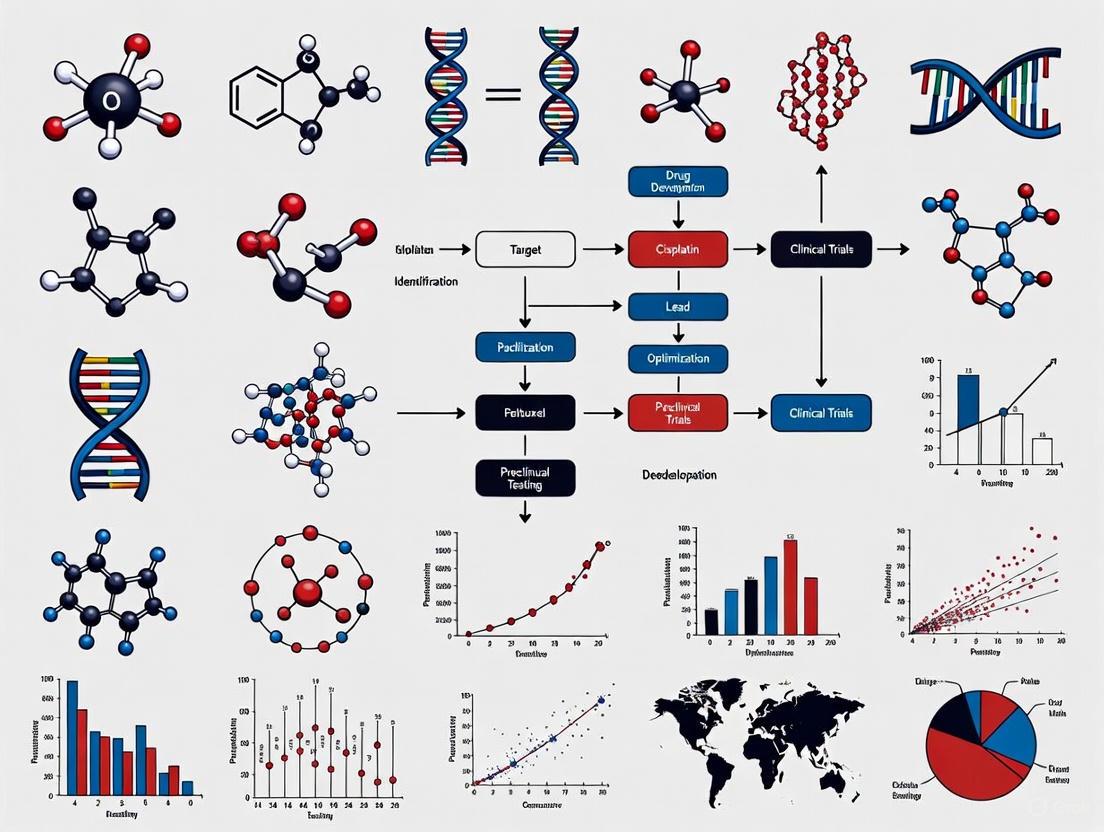
This article provides a comprehensive analysis of the transformative role of Artificial Intelligence (AI) across the oncology drug development pipeline.
AI in Oncology Drug Development: Transforming Discovery from Target to Trial in 2025
Abstract
This article provides a comprehensive analysis of the transformative role of Artificial Intelligence (AI) across the oncology drug development pipeline. Tailored for researchers, scientists, and drug development professionals, it explores the foundational technologies reshaping the field, details specific methodological applications from target identification to clinical trial optimization, addresses critical implementation challenges, and validates progress through real-world case studies and comparative platform analysis. The synthesis of current evidence and future directions offers a strategic overview for integrating AI into modern oncology research and development.
The New Frontier: How AI is Redefining the Oncology Drug Discovery Paradigm
The development of new oncology therapies represents one of the most critical challenges in modern healthcare, characterized by escalating costs, extended timelines, and high failure rates. Current estimates indicate that bringing a new drug to market requires an average investment of $879.3 million when accounting for failures and capital costs, with development timelines often exceeding a decade [1]. This economic burden ultimately impacts healthcare systems and patient access to novel therapies. Meanwhile, global cancer cases are projected to reach 35 million by 2050, creating unprecedented pressure on drug development pipelines [2] [3]. Within this challenging landscape, artificial intelligence (AI) has emerged as a transformative force capable of streamlining discovery processes, enhancing precision medicine approaches, and potentially reducing both the time and cost of oncology drug development. This whitepaper examines the current bottlenecks in oncology drug development and delineates how AI-driven methodologies are creating new paradigms for research and therapeutic innovation.
The Oncology Drug Development Landscape: A Quantitative Analysis of Challenges
Economic Burden and Development Costs
Oncology drug development consumes up to 45% of the biopharmaceutical industry's $200 billion annual R&D expenditure, reflecting its position as the largest therapeutic area in drug development [4]. A detailed economic evaluation reveals the staggering true costs when accounting for failures and capital investment:
Table 1: Breakdown of Oncology Drug Development Costs
| Cost Component | Mean Value (2018 USD) | Range Across Therapeutic Areas | Key Contributing Factors |
|---|---|---|---|
| Out-of-pocket Cost (Cash Outlay) | $172.7 million | $72.5M (genitourinary) - $297.2M (pain/anesthesia) | Direct trial expenses, manufacturing, clinical operations |
| Expected Cost (Including Failures) | $515.8 million | Not specified | Phase transition probabilities, success rates |
| Expected Capitalized Cost (Full Economic Burden) | $879.3 million | $378.7M (anti-infectives) - $1,756.2M (pain/anesthesia) | Cost of capital, development duration, opportunity costs |
The pharmaceutical industry's R&D intensity—the ratio of R&D spending to total sales—increased from 11.9% to 17.7% between 2008 and 2019, indicating growing investment pressure despite economic challenges [1].
Temporal Bottlenecks and Success Rate Challenges
The typical development timeline for oncology drugs averages approximately 6.7 years, with only about 13% of assets advancing from first-in-human studies to market authorization [4]. This extended timeline reflects multiple bottlenecks throughout the development process:
- Protocol Development and Site Activation: Complex trial designs and regulatory requirements delay study initiation
- Patient Recruitment: Identifying appropriate patient populations, particularly for targeted therapies, creates significant delays
- Endpoint Achievement: Overall survival endpoints require extended follow-up periods
- Regulatory Review: Despite expedited pathways, comprehensive review processes add considerable time
The high failure rate of oncology compounds remains a fundamental driver of both costs and timelines, with failures occurring disproportionately in late-stage development where investment is greatest.
AI-Driven Solutions Across the Drug Development Pipeline
Artificial intelligence is being deployed across the entire oncology drug development continuum, from target identification to post-marketing surveillance. The convergence of advanced algorithms, specialized computing hardware, and increased access to multimodal cancer data (imaging, genomics, clinical records) has created unprecedented opportunities for innovation [2] [5].
Target Identification and Validation
AI platforms are revolutionizing target discovery by integrating and analyzing complex multimodal datasets to identify novel therapeutic targets and biomarkers:
- Multi-Omics Integration: Tools like PandaOmics analyze genomic, transcriptomic, and proteomic data to prioritize targets based on novelty, druggability, and safety profiles [6]
- Literature Mining: AI systems employing natural language processing (NLP) continuously scan scientific literature, clinical trial databases, and patent repositories to identify emerging target opportunities [5]
- Protein Structure Prediction: AlphaFold has revolutionized target validation by accurately predicting protein structures, enabling better understanding of drug-target interactions [6]
Table 2: AI Platforms for Target Identification in Oncology
| Platform/Tool | Primary Function | Data Sources Utilized | Output/Application |
|---|---|---|---|
| PandaOmics | Target discovery & prioritization | Genomic, transcriptomic, proteomic data, scientific literature | Ranked list of novel targets with associated confidence scores |
| DrugnomeAI | Target validation & druggability assessment | Population genomics, functional genomics, chemical bioactivity data | Classification of targets as tier 1 (high confidence) or tier 2 (emerging) |
| Knowledge Extraction Tools (LLMs) | Mining scientific literature | PubMed, clinicaltrials.gov, patent databases | Hypothesis generation, relationship identification between biological entities |
Compound Screening and Optimization
AI-driven approaches are significantly accelerating the hit-to-lead optimization process:
- Virtual Screening: Machine learning models predict compound-target binding affinities, enabling in silico screening of millions of compounds before physical testing [6]
- Generative Chemistry: AI models design novel molecular structures with optimized properties for specific targets, exploring chemical space more efficiently than traditional methods [7]
- Toxicity Prediction: Deep learning algorithms forecast potential adverse effects by analyzing chemical structures against known toxicity databases [6]
Clinical Trial Optimization
AI methodologies are addressing critical bottlenecks in clinical development:
- Patient Stratification: ML algorithms analyze electronic health records, genomic data, and digital pathology images to identify patients most likely to respond to investigational therapies [7]
- Site Selection: Predictive models identify high-performing clinical sites based on historical enrollment data, protocol characteristics, and geographic patient density [2]
- Trial Design Optimization: AI simulations model different trial parameters to optimize endpoints, sample sizes, and inclusion criteria [7]
- Synthetic Control Arms: Federated learning approaches like FedECA enable creation of external control arms from real-world data, potentially accelerating development timelines [8]
Clinical Implementation and Diagnostic Support
AI is enhancing the precision oncology ecosystem through improved diagnostics and treatment selection:
- Radiomic Analysis: Deep learning algorithms analyze medical images to detect tumors, characterize malignancies, and predict treatment response [2] [3]
- Digital Pathology: Convolutional neural networks (CNNs) process whole-slide images to identify tumor subtypes, biomarkers, and prognostic features [8] [2]
- Clinical Decision Support: Integrative AI platforms combine multimodal patient data to recommend personalized treatment strategies [7]
AI-Driven Oncology Drug Development Workflow
Experimental Protocols and Methodologies for AI Implementation
Protocol: AI-Assisted Target Discovery Using Multi-Omics Integration
Objective: Identify and prioritize novel oncology targets through integrated analysis of multi-omics data.
Materials and Computational Resources:
Table 3: Research Reagent Solutions for AI-Driven Target Discovery
| Reagent/Resource | Function | Application Context |
|---|---|---|
| PandaOmics Software | Multi-omics data integration & analysis | Target prioritization using genomic, transcriptomic, and proteomic data |
| DrugnomeAI Algorithm | Machine learning-based target assessment | Classification of targets based on druggability and safety |
| TCGA (The Cancer Genome Atlas) Data | Curated multi-omics cancer dataset | Training and validation data for target discovery models |
| AlphaFold Protein Structure Database | AI-predicted protein structures | Target validation and binding site identification |
| GPT-4/5 or Domain-Specific LLMs | Natural language processing | Mining scientific literature and clinical trial databases |
Methodology:
Data Acquisition and Preprocessing
- Collect genomic (mutations, copy number variations), transcriptomic (RNA-seq), and proteomic (RPPA) data from public repositories (TCGA, CCLE) and proprietary sources
- Normalize datasets to account for platform-specific biases and batch effects
- Annotate samples with clinical metadata including tumor stage, subtypes, and outcome data
Feature Selection and Dimensionality Reduction
- Apply variational autoencoders (VAEs) to reduce dimensionality while preserving biological signal
- Implement mutual information-based feature selection to identify genes/proteins with highest predictive power for cancer phenotypes
- Remove features with high correlation to minimize multicollinearity
Target Prioritization Modeling
- Train ensemble models (random forest, gradient boosting) to predict essential genes across cancer types
- Incorporate network propagation algorithms to identify modules of functionally related targets
- Apply graph neural networks to protein-protein interaction networks to discover novel targets based on network topology
Validation and Experimental Confirmation
- Perform in silico validation using CRISPR screening data (DepMap) to assess model predictions
- Prioritize targets with known drugability profiles and safety windows
- Validate top candidates through in vitro models (cell line screens) and patient-derived organoids
Protocol: Deep Learning for Histopathological Image Analysis
Objective: Develop a CNN-based system for automated analysis of histopathology whole-slide images (WSIs) to identify biomarkers and predict treatment response.
Materials:
- Whole-slide digital pathology scanners (Aperio, Hamamatsu)
- Computational infrastructure for large-scale image processing (GPUs with ≥16GB VRAM)
- Python-based deep learning frameworks (TensorFlow, PyTorch)
- Publicly available histopathology datasets (TCGA, CPTAC)
- Institutional collections of annotated WSIs with clinical outcomes
Methodology:
Data Preprocessing and Augmentation
- Extract patches from WSIs at multiple magnifications (5x, 10x, 20x, 40x)
- Apply color normalization to account for staining variations across institutions
- Implement data augmentation techniques including rotation, flipping, and color jittering
Model Architecture and Training
- Implement a multi-instance learning framework using pre-trained CNNs (ResNet50, EfficientNet) as feature extractors
- Train attention mechanisms to identify diagnostically relevant regions within WSIs
- Employ multiple instance learning to handle slide-level labels without exhaustive pixel-level annotations
Validation and Interpretation
- Perform k-fold cross-validation with institution-level splitting to assess generalizability
- Generate attention maps to visualize regions influencing model predictions
- Compare model performance against board-certified pathologists using ROC analysis and F1 scores
Emerging Modalities and AI Applications
Novel Therapeutic Modalities
The oncology landscape is witnessing rapid expansion of novel therapeutic modalities, which present both opportunities and challenges for AI integration:
- Antibody-Drug Conjugates (ADCs): ADCs have experienced 40% growth in expected pipeline value during the past year and 22% CAGR over the past five years [9]. AI is being used to optimize antibody selection, linker stability, and payload delivery.
- Cell and Gene Therapies: While CAR-T therapies continue demonstrating value in hematologic malignancies, other emerging cell therapies (TCR-T, TILs, CAR-NK) face challenges including clinical delays, high manufacturing costs, and limited adoption [9] [4].
- Bispecific Antibodies: Forecasted pipeline revenue for BsAbs has risen 50% in the past year, with CD3 T-cell engagers representing the most clinically validated mechanism [9].
- Radiopharmaceuticals: This evolving class combines targeting molecules with radioactive isotopes, with AI assisting in target selection and dosimetry optimization [4].
AI-Enabled Drug Repurposing
AI approaches are accelerating the identification of new oncology indications for existing drugs:
- Machine learning models analyze high-throughput screening data, electronic health records, and molecular structures to identify repurposing opportunities
- Network-based methods integrate drug-target interactions with disease biology to predict novel drug-disease associations
- Natural language processing scans clinical literature to identify serendipitous observations of antitumor activity
Future Perspectives and Implementation Challenges
Addressing Translational Barriers
While AI holds tremendous promise for addressing the oncology development bottleneck, several challenges must be overcome for widespread clinical implementation:
- Data Quality and Standardization: Inconsistent data quality, annotation standards, and heterogeneity across institutions limit model generalizability
- Regulatory Frameworks: Evolving regulatory pathways for AI-based medical devices and software require clarification and standardization [5]
- Interpretability and Trust: The "black box" nature of some complex AI models creates barriers to clinical adoption, necessitating explainable AI approaches
- Integration with Clinical Workflows: Successful implementation requires seamless integration with existing clinical systems and workflows without creating additional burden
Emerging Trends and Future Directions
The future of AI in oncology drug development will likely be shaped by several key trends:
- Federated Learning: Privacy-preserving distributed learning approaches will enable model training across institutions without data sharing [8]
- Generative AI: Advanced generative models will accelerate molecular design and enable synthesis of multimodal patient data for predictive modeling
- Continuous Learning Systems: AI platforms capable of continuous adaptation based on real-world evidence will create dynamic, self-improving systems
- Integration with Real-World Data: Leveraging real-world evidence from electronic health records, wearables, and patient-reported outcomes will enhance prediction accuracy and generalizability
The oncology drug development bottleneck represents a critical challenge with significant implications for patients, healthcare systems, and innovation. The convergence of rising development costs, extended timelines, and increasing global cancer incidence necessitates transformative approaches. Artificial intelligence emerges as a powerful enabling technology with demonstrated potential to streamline target identification, optimize compound selection, enhance clinical trial efficiency, and support personalized treatment decisions. While implementation challenges remain, the strategic integration of AI across the drug development continuum offers a promising path toward more efficient, cost-effective, and personalized oncology therapeutics. As AI technologies continue to evolve and mature, they are poised to fundamentally reshape the oncology innovation landscape, ultimately accelerating the delivery of transformative therapies to cancer patients worldwide.
Artificial intelligence (AI) has emerged as a transformative force in biomedical research, particularly in the field of oncology drug discovery. Cancer remains one of the leading causes of mortality worldwide, with projections estimating 29.9 million new cases and 15.3 million deaths annually by 2040 [10]. The traditional drug discovery pipeline in oncology is notoriously time-intensive and resource-heavy, often requiring over a decade and billions of dollars to bring a single drug to market, with approximately 90% of oncology drugs failing during clinical development [11]. AI technologies offer promising solutions to these challenges by accelerating the identification of druggable targets, optimizing lead compounds, and personalizing therapeutic approaches.
The core AI technologies revolutionizing drug discovery include machine learning (ML), deep learning (DL), and natural language processing (NLP). These technologies collectively reduce the time and cost of discovery by augmenting human expertise with computational precision [11]. This technical primer examines these foundational AI methodologies within the context of oncology drug development, providing drug developers with a comprehensive understanding of their mechanisms, applications, and implementation considerations.
Core AI Technologies: Technical Foundations
Machine Learning: Predictive Analytics for Drug Discovery
Machine learning represents a subset of AI that enables computers to learn patterns from data without being explicitly programmed. In pharmaceutical research, ML algorithms improve their performance on specific tasks through experience with data [10]. The primary learning paradigms used in drug discovery include:
- Supervised Learning: Algorithms learn from labeled training data to classify data or predict outcomes. Common applications include predicting compound activity, toxicity, and binding affinities [10] [12].
- Unsupervised Learning: Algorithms identify patterns and relationships in unlabeled data through clustering or dimensionality reduction. This approach is valuable for patient stratification and novel target identification [10] [12].
- Reinforcement Learning: Algorithms learn optimal actions through trial-and-error interactions with an environment, receiving feedback via rewards or penalties. This approach is particularly useful in de novo molecular design [11].
Table 1: Key Machine Learning Approaches in Drug Discovery
| ML Type | Key Algorithms | Primary Applications in Oncology | Advantages |
|---|---|---|---|
| Supervised Learning | Random Forest, SVM, Gradient Boosting | Compound activity prediction, toxicity assessment, patient outcome prediction | High prediction accuracy with sufficient labeled data |
| Unsupervised Learning | K-means, Hierarchical Clustering, PCA | Patient stratification, novel target discovery, biomarker identification | Discovers hidden patterns without labeled data |
| Reinforcement Learning | Q-learning, Policy Gradient Methods | De novo molecular design, optimization of treatment regimens | Optimizes long-term outcomes through sequential decision-making |
Deep Learning: Complex Pattern Recognition in Multimodal Data
Deep learning employs artificial neural networks with multiple layers to learn representations of data with multiple levels of abstraction. DL architectures have demonstrated remarkable success in handling large, complex datasets common in oncology research, including histopathology images, omics data, and clinical records [11] [13]. Key architectures include:
- Convolutional Neural Networks (CNNs): Specialized for processing grid-like data such as images. In oncology, CNNs analyze histopathology slides and radiological images to identify morphological features correlating with treatment response [11] [14].
- Recurrent Neural Networks (RNNs): Designed for sequential data such as protein sequences or temporal patient records. RNNs and their variants (LSTMs, GRUs) can model biological sequences and time-series clinical data [15].
- Generative Adversarial Networks (GANs): Consist of two competing networks (generator and discriminator) that can generate novel molecular structures with desired properties for further testing [11] [14].
- Autoencoders: Neural networks used for unsupervised learning of efficient data codings, helpful in dimensionality reduction of high-dimensional omics data [12].
Deep learning's key advantage in oncology lies in its ability to integrate multimodal data—including genomic, transcriptomic, proteomic, and imaging data—to generate more holistic predictive models of drug response [13]. As the volume of multi-omics data has grown, DL has proven more flexible and generic than traditional methods, requiring less feature engineering and achieving superior prediction accuracy when working with large datasets [12].
Natural Language Processing: Mining Biomedical Knowledge
Natural language processing applies computational techniques to analyze, understand, and generate human language. In pharmacology, NLP has rapidly developed in recent years and now primarily employs large language models (LLMs) pretrained on massive text corpora to capture linguistic, general, and domain-specific knowledge [16]. Key NLP applications in drug discovery include:
- Named Entity Recognition (NER): Identifying and classifying biomedical entities such as genes, proteins, drugs, and diseases from unstructured text [16].
- Relation Extraction: Detecting relationships between entities (e.g., drug-drug interactions) from scientific literature and clinical notes [17] [16].
- Literature-Based Discovery: Uncovering hidden connections across scientific publications to generate novel hypotheses for drug repurposing or mechanism discovery [16].
NLP systems can process diverse textual sources including scientific papers, clinical notes, ontologies, knowledge bases, and even social media posts to extract relevant pharmacological information [16]. Modern NLP in pharmacology has completely switched to deep neural networks, particularly transformer-based models like BERT and its domain-specific variants such as BioBERT and SciBERT, which are pretrained on massive biomedical literature corpora [15] [16].
Applications in Oncology Drug Development
AI-Enhanced Target Identification and Validation
Target identification is the critical first step in drug discovery, involving the recognition of molecular entities that drive cancer progression and can be modulated therapeutically. AI enables the integration of multi-omics data—including genomics, transcriptomics, proteomics, and metabolomics—to uncover hidden patterns and identify promising targets [11]. For instance, ML algorithms can detect oncogenic drivers in large-scale cancer genome databases such as The Cancer Genome Atlas (TCGA) [11]. Deep learning can model protein-protein interaction networks to highlight novel therapeutic vulnerabilities [11].
Successful implementations include BenevolentAI's platform, which predicted novel targets in glioblastoma by integrating transcriptomic and clinical data [11]. Similarly, AlphaFold has revolutionized structural biology by predicting protein structures with near-experimental accuracy, greatly enhancing understanding of drug-target interactions [18] [14].
Accelerated Drug Design and Optimization
Once targets are identified, AI dramatically accelerates the design of molecules that interact effectively with them. Deep generative models, such as variational autoencoders and generative adversarial networks, can create novel chemical structures with desired pharmacological properties [11]. Reinforcement learning further optimizes these structures to balance potency, selectivity, solubility, and toxicity [11].
Companies such as Insilico Medicine and Exscientia have reported AI-designed molecules reaching clinical trials in record times. Insilico developed a preclinical candidate for idiopathic pulmonary fibrosis in under 18 months, compared to the typical 3–6 years [11]. Exscientia reported in silico design cycles approximately 70% faster and requiring 10× fewer synthesized compounds than industry norms [19].
Table 2: AI-Driven Drug Design Platforms and Their Applications
| Platform/Company | Core AI Technology | Oncology Applications | Key Achievements |
|---|---|---|---|
| Exscientia | Generative AI, Centaur Chemist | Immuno-oncology, CDK7 inhibitors, LSD1 inhibitors | First AI-designed drug (DSP-1181) to enter clinical trials; multiple oncology candidates in Phase I/II |
| Insilico Medicine | Generative adversarial networks (GANs), reinforcement learning | Novel targets for tumor immune evasion (QPCTL inhibitors) | Preclinical candidate for IPF in 18 months; similar approaches applied to oncology |
| Schrödinger | Physics-based ML, molecular dynamics | TYK2 inhibitor (zasocitinib) | TYK2 inhibitor advanced to Phase III clinical trials |
| BenevolentAI | Knowledge graphs, network-based learning | Glioblastoma target discovery | Identified novel targets in glioblastoma through integrated data analysis |
Biomarker Discovery and Precision Oncology
Biomarkers are essential in cancer therapy, guiding patient selection and predicting response. AI is particularly powerful in this domain, capable of identifying complex biomarker signatures from heterogeneous data sources [11]. Deep learning applied to pathology slides can reveal histomorphological features correlating with response to immune checkpoint inhibitors [11]. Machine learning models analyzing circulating tumor DNA (ctDNA) can identify resistance mutations, enabling adaptive therapy strategies [11].
AI-driven biomarker discovery not only improves trial design but also supports personalized oncology. By linking biomarkers with therapeutic response, AI models help match patients to the right drug at the right time, maximizing efficacy and minimizing toxicity [11]. This approach aligns with the goals of precision medicine, which aims to tailor treatments to individual patient characteristics.
Experimental Protocols and Implementation
Protocol for AI-Driven Virtual Screening
Virtual screening represents one of the most established applications of AI in early drug discovery. The following protocol outlines a standard workflow for AI-enhanced virtual screening of compound libraries:
Data Curation and Preparation
- Collect bioactivity data from public databases (ChEMBL, BindingDB, PubChem) or proprietary sources
- Standardize chemical structures and remove duplicates
- Annotate compounds with relevant properties (molecular weight, logP, hydrogen bond donors/acceptors)
- Generate molecular descriptors or fingerprints for representation
Model Training and Validation
- Select appropriate algorithm (Random Forest, Deep Neural Networks, etc.) based on data size and complexity
- Split data into training (70%), validation (15%), and test sets (15%)
- Implement cross-validation to optimize hyperparameters
- Validate model performance using relevant metrics (AUC-ROC, precision-recall, enrichment factors)
Virtual Screening Execution
- Apply trained model to screen large compound libraries (1M+ compounds)
- Rank compounds based on predicted activity/affinity
- Apply additional filters (ADMET properties, synthetic accessibility)
- Select top candidates (100-1000 compounds) for experimental validation
Experimental Validation and Iteration
- Procure or synthesize top-ranked compounds
- Test in biochemical or cell-based assays
- Use results to refine AI models through active learning cycles
This workflow has been successfully implemented in various studies, such as the identification of novel MEK inhibitors for cancer treatment [18] and the discovery of new antibiotics from pools of over 100 million molecules [18].
Protocol for Deep Learning-Based Biomarker Discovery from Multi-omics Data
The integration of multi-omics data using deep learning provides unprecedented opportunities for biomarker discovery in oncology:
Data Acquisition and Preprocessing
- Collect multi-omics data (genomics, transcriptomics, proteomics, epigenomics) from public repositories (TCGA, GEO, GTEx) or institutional sources
- Perform quality control, normalization, and batch effect correction
- Annotate samples with clinical outcomes (survival, treatment response)
Model Architecture Design
- Implement autoencoders for dimensionality reduction of each omics modality
- Develop integration architecture (early, intermediate, or late fusion) to combine modalities
- Add task-specific layers for prediction (classification, regression, survival analysis)
Model Training and Interpretation
- Train model using appropriate loss function (cross-entropy, Cox partial likelihood)
- Apply regularization techniques (dropout, weight decay) to prevent overfitting
- Use interpretation methods (attention mechanisms, SHAP values) to identify important features
- Validate biomarkers in independent cohorts
This approach has been used to develop prognostic models from multi-omics data that outperform traditional statistical methods [12].
Table 3: Essential Research Reagents and Computational Tools for AI-Driven Oncology Drug Discovery
| Resource Category | Specific Tools/Databases | Key Function | Access Information |
|---|---|---|---|
| Public Data Repositories | TCGA, GEO, GTEx, cBioPortal | Provide multi-omics cancer data for model training and validation | Publicly accessible |
| Chemical Databases | ChEMBL, PubChem, DrugBank | Source of compound structures and bioactivity data | Publicly accessible |
| AI Programming Libraries | TensorFlow, PyTorch, Scikit-learn | Building and training ML/DL models | Open source |
| Bioinformatics Tools | RDKit, Open Babel, BioPython | Cheminformatics and bioinformatics preprocessing | Open source |
| Knowledge Bases | UMLS, DIDB, PharGKB | Structured biomedical knowledge for NLP applications | Mixed access (public/restricted) |
| High-Performance Computing | AWS, Google Cloud, Azure AI | Computational resources for training large models | Commercial |
Visualization of AI Workflows in Drug Discovery
Integrated AI-Driven Drug Discovery Pipeline
Deep Learning Architecture for Multi-omics Integration
Challenges and Future Directions
Despite significant progress, AI in cancer drug discovery faces several substantial hurdles that must be addressed:
- Data quality and availability: AI models are only as good as the data they are trained on. Incomplete, biased, or noisy datasets can lead to flawed predictions [11].
- Interpretability: Many AI models, especially deep learning, operate as "black boxes," limiting mechanistic insight into their predictions and creating regulatory challenges [11] [14].
- Validation requirements: AI predictions require extensive preclinical and clinical validation, which remains resource-intensive [11].
- Ethical and regulatory concerns: Data privacy, informed consent, and compliance with regulations such as GDPR are essential. Regulators also require explainability before approving AI-driven candidates [11] [19].
The future trajectory of AI suggests an increasingly central role in oncology drug discovery. Advances in multi-modal AI—capable of integrating genomic, imaging, and clinical data—promise more holistic insights [11]. Federated learning approaches, which train models across multiple institutions without sharing raw data, can overcome privacy barriers and enhance data diversity [11] [15]. The integration of quantum computing may further accelerate molecular simulations beyond current computational limits [11].
As AI technologies mature, their integration into every stage of the drug discovery pipeline will likely become the norm rather than the exception. The ultimate beneficiaries of these advances will be cancer patients worldwide, who may gain earlier access to safer, more effective, and personalized therapies [11].
The staggering molecular heterogeneity of cancer has rendered traditional, single-omics approaches insufficient for deciphering the complex biological mechanisms driving oncogenesis, therapeutic resistance, and metastasis [20]. Cancer's biological complexity arises from dynamic interactions across genomic, transcriptomic, epigenomic, proteomic, and metabolomic strata, where alterations at one level propagate cascading effects throughout the cellular hierarchy [20]. The emergence of multi-omics profiling represents a critical methodological advance: by integrating orthogonal molecular and phenotypic data, researchers can recover system-level signals that are often missed by single-modality studies [20]. This integration, when powered by artificial intelligence (AI), transforms large-scale, disparate datasets into clinically actionable insights, moving the field from reactive population-based approaches to proactive, individualized cancer care [20].
The transition from 'Big Data' to 'Smart Data' hinges on the ability to not just collect, but meaningfully integrate and interpret these vast multi-omics datasets. Modern oncology generates petabyte-scale data streams from high-throughput technologies, characterized by the "four Vs" of big data: volume, velocity, variety, and veracity [20]. This creates formidable analytical challenges that conventional biostatistics cannot address, necessitating sophisticated AI-driven integration tools capable of modeling non-linear interactions across these scales [20]. This technical guide examines the methodologies, applications, and implementation frameworks for effectively leveraging multi-omics and clinical data to accelerate discovery in AI-driven oncology drug development.
Foundations of Multi-Omics Data
Multi-omics technologies dissect the biological continuum from genetic blueprint to functional phenotype through interconnected analytical layers. Each layer provides orthogonal yet interconnected biological insights, collectively constructing a comprehensive molecular atlas of malignancy [20].
Table 1: Core Multi-Omics Data Types and Their Clinical Utility in Oncology
| Omics Layer | Key Components Analyzed | Analytical Technologies | Primary Clinical Applications |
|---|---|---|---|
| Genomics | DNA-level alterations: SNVs, CNVs, structural rearrangements | Next-Generation Sequencing (NGS), Whole Genome/Exome Sequencing | Driver mutation identification, target discovery, hereditary risk assessment [20] |
| Transcriptomics | Gene expression dynamics: mRNA isoforms, non-coding RNAs, fusion transcripts | RNA sequencing (RNA-seq), single-cell RNA-seq, spatial transcriptomics | Pathway activity assessment, regulatory network analysis, biomarker discovery [20] [21] |
| Epigenomics | Heritable changes in gene expression: DNA methylation, histone modifications, chromatin accessibility | Methylation arrays, ChIP-seq, ATAC-seq | Diagnostic and prognostic biomarkers (e.g., MLH1 hypermethylation in MSI) [20] |
| Proteomics | Functional effectors: proteins, post-translational modifications, protein-protein interactions | Mass spectrometry, affinity-based techniques, multiplex immunofluorescence | Signaling pathway activity, therapeutic response monitoring, functional state assessment [20] [21] |
| Metabolomics | Small-molecule metabolites, biochemical endpoints of cellular processes | NMR spectroscopy, LC-MS | Metabolic reprogramming assessment (e.g., Warburg effect), oncometabolite detection [20] |
The integration of these diverse omics layers encounters formidable computational and statistical challenges rooted in their intrinsic data heterogeneity. Dimensional disparities range from millions of genetic variants to thousands of metabolites, creating a "curse of dimensionality" that necessitates sophisticated feature reduction techniques [20]. Additional challenges include temporal heterogeneity, where molecular processes operate at different timescales; analytical platform diversity introducing technical variability; data scale requiring distributed computing architectures; and pervasive missing data requiring advanced imputation strategies [20].
AI-Driven Integration Methodologies
Artificial intelligence, particularly machine learning (ML) and deep learning (DL), has emerged as the essential scaffold bridging multi-omics data to clinical decisions. Unlike traditional statistics, AI excels at identifying non-linear patterns across high-dimensional spaces, making it uniquely suited for multi-omics integration [20].
Machine Learning Approaches
Machine learning enables systems to learn from data, recognize patterns, and make decisions [2]. In oncology, ML uses diverse data modalities, including medical imaging, genomics, and clinical records, to address complex challenges [2]. The selection of AI models depends on the data type and clinical objective [2].
- Structured data such as genomic biomarkers and lab values are often analyzed using classical ML models including logistic regression and ensemble methods for tasks such as survival prediction or therapy response [2].
- Imaging data including histopathology and radiology utilize DL architectures such as convolutional neural networks (CNNs) to extract spatial features, enabling tumor detection, segmentation, and grading [2].
- Sequential or text data such as genomic sequences and clinical notes employ transformers or recurrent neural networks (RNNs) to model long-range dependencies, facilitating tasks such as biomarker discovery or electronic health record (EHR) mining [2].
Deep Learning Architectures
Deep learning has become a cornerstone of AI-driven drug discovery due to its capacity to model complex, non-linear relationships within large, high-dimensional datasets [22].
- Convolutional Neural Networks (CNNs): Automatically quantify immunohistochemistry staining with pathologist-level accuracy while reducing inter-observer variability [20].
- Graph Neural Networks (GNNs): Model protein-protein interaction networks perturbed by somatic mutations, prioritizing druggable hubs in rare cancers [20].
- Multi-modal Transformers: Fuse MRI radiomics with transcriptomic data to predict glioma progression, revealing imaging correlates of hypoxia-related gene expression [20].
- Generative Models: Including variational autoencoders (VAEs) and generative adversarial networks (GANs) have been transformative for de novo molecular design [22].
Integrated Toolkits and Platforms
Several integrated platforms have been developed to address the limitations of existing deep learning methods, which often lack transparency, modularity, and deployability [23].
Table 2: AI Platforms for Multi-Omics Integration in Oncology
| Platform/Tool | Core Approach | Key Features | Applications |
|---|---|---|---|
| Flexynesis [23] | Deep learning framework for bulk multi-omics | Modular architecture, supports single/multi-task training, standardized input interface | Drug response prediction, cancer subtype classification, survival modeling |
| Owkin [24] | Federated learning across hospital networks | Privacy-preserving model training, integrates diverse data types without data centralization | Biomarker discovery, patient therapy matching, clinical trial optimization |
| Athos Therapeutics [24] | No-code multi-omics platform | Supports genomic, transcriptomic, proteomic workflows in single interface | Target identification (e.g., inflammatory bowel disease target reaching phase 2) |
| IntegrAO [21] | Graph neural networks for incomplete datasets | Classifies new patient samples with partial data, robust stratification | Patient stratification with missing data points, biomarker discovery |
AI-Driven Multi-Omics Integration Workflow
Experimental Protocols and Implementation
Protocol: Multi-Omics Integration with Flexynesis for Predictive Modeling
Flexynesis provides a streamlined framework for building predictive models from multi-omics data, supporting regression, classification, and survival modeling tasks [23].
1. Data Preprocessing and Harmonization
- Perform rigorous quality control on each omics dataset separately using platform-specific normalization methods (e.g., DESeq2 for RNA-seq, quantile normalization for proteomics) [20].
- Apply batch correction methods such as ComBat to remove technical variability while preserving biological signals [20].
- Handle missing data using advanced imputation strategies like matrix factorization or DL-based reconstruction [20].
- Select top features for each modality based on variance or association with outcomes to reduce dimensionality [23].
2. Model Architecture Configuration
- Choose appropriate encoder networks: fully connected for standard integration or graph-convolutional for biological network modeling [23].
- Attach supervisor multi-layer perceptrons (MLPs) for each outcome variable (single-task) or multiple MLPs for multi-task learning [23].
- For survival modeling, use a supervisor MLP with Cox Proportional Hazards loss function to learn patient-specific risk scores [23].
3. Model Training and Validation
- Implement standardized training/validation/test splits (typically 70%/30% for train/test) [23].
- Perform hyperparameter optimization using grid search or Bayesian optimization methods.
- Train model with early stopping to prevent overfitting.
- For multi-task learning, jointly optimize all supervision heads to shape embedding space with multiple clinically relevant variables [23].
4. Model Interpretation and Biomarker Discovery
- Apply explainable AI (XAI) techniques like SHapley Additive exPlanations (SHAP) to interpret model predictions [20].
- Extract important features contributing to predictions for biomarker discovery.
- Validate identified biomarkers in independent cohorts or through experimental validation.
Protocol: AI-Driven Target Identification Using Multi-Omics Data
1. Data Integration and Network Construction
- Collect multi-omics data (genomics, transcriptomics, proteomics) from relevant cancer models or patient cohorts (e.g., TCGA, CCLE) [11].
- Construct biological networks (protein-protein interaction, signaling pathways) using established databases.
- Integrate multi-omics data onto network structure using graph-based representations [20].
2. AI-Powered Target Prioritization
- Train graph neural networks to model network perturbations caused by somatic mutations [20].
- Identify network hubs that are central to dysregulated pathways in cancer.
- Prioritize targets based on druggability, essentiality, and connectivity in dysregulated networks.
- Validate predictions using CRISPR screens or dependency maps.
3. Experimental Validation
- Test target essentiality using siRNA or CRISPR knockdown in relevant cancer models.
- Assess therapeutic effect of target modulation in patient-derived organoids or xenografts [21].
- Evaluate safety profile by examining expression in normal tissues and genetic constraint data.
The Scientist's Toolkit: Essential Research Reagents and Platforms
Implementation of multi-omics integration strategies requires specialized computational tools and biological resources. The following table details key solutions essential for conducting robust AI-driven multi-omics research.
Table 3: Essential Research Tools for AI-Driven Multi-Omics Discovery
| Tool/Resource | Type | Primary Function | Key Applications |
|---|---|---|---|
| Flexynesis [23] | Software Package | Deep learning toolkit for bulk multi-omics integration | Drug response prediction, cancer subtype classification, survival modeling |
| PDX Models [21] | Biological Model | Patient-derived xenografts preserving tumor heterogeneity | Preclinical validation of precision oncology strategies, functional precision oncology |
| Patient-Derived Organoids [21] | Biological Model | 3D cultures recapitulating human tumor biology | Therapeutic response prediction, tumor microenvironment modeling, personalized therapy testing |
| IntegrAO [21] | Computational Method | Graph neural networks for incomplete multi-omics datasets | Patient stratification with missing data, classification with partial omics profiles |
| NMFProfiler [21] | Bioinformatics Tool | Identifies biologically relevant signatures across omics layers | Biomarker discovery, patient subgroup classification, multi-omics pattern recognition |
| Spatial Transcriptomics [21] | Analytical Platform | Maps RNA expression within tissue architecture | Tumor microenvironment analysis, cellular neighborhood identification, immune contexture mapping |
Applications in Oncology Drug Development
Target Identification and Validation
AI enables integration of multi-omics data to uncover hidden patterns and identify promising targets. For instance, ML algorithms can detect oncogenic drivers in large-scale cancer genome databases such as The Cancer Genome Atlas (TCGA) [11]. Deep learning can model protein-protein interaction networks to highlight novel therapeutic vulnerabilities [11]. Companies like BenevolentAI have used these approaches to predict novel targets in glioblastoma by integrating transcriptomic and clinical data [11].
Drug Design and Optimization
AI fundamentally accelerates drug design by enabling in silico molecule generation and optimization. Deep generative models, such as variational autoencoders and generative adversarial networks, can create novel chemical structures with desired pharmacological properties [11]. Reinforcement learning further optimizes these structures to balance potency, selectivity, solubility, and toxicity [11]. Companies such as Insilico Medicine and Exscientia have reported AI-designed molecules reaching clinical trials in record times [11].
Biomarker Discovery and Patient Stratification
AI is particularly powerful in identifying complex biomarker signatures from heterogeneous data sources. Deep learning applied to pathology slides can reveal histomorphological features correlating with response to immune checkpoint inhibitors [11]. Machine learning models analyzing circulating tumor DNA (ctDNA) can identify resistance mutations, enabling adaptive therapy strategies [11]. By linking biomarkers with therapeutic response, AI models help match patients to the right drug at the right time, maximizing efficacy and minimizing toxicity [11].
Clinical Trial Optimization
AI can predict trial outcomes through simulation models, optimizing trial design by selecting appropriate endpoints, stratifying patients, and reducing sample sizes [11]. Natural language processing helps match trial protocols with institutional patient databases, accelerating enrollment [11]. Adaptive trial designs, guided by AI-driven real-time analytics, allow for modifications in dosing, stratification, or drug combinations during the trial based on predictive modeling [11].
AI in Oncology Drug Development Pipeline
Quantitative Performance Metrics
Robust validation is essential for translating AI-driven multi-omics discoveries into clinical applications. The following table summarizes performance metrics for various applications across the drug development pipeline.
Table 4: Performance Metrics for AI-Driven Multi-Omics Applications
| Application Area | Task | AI System/Method | Performance Metrics | Validation Approach |
|---|---|---|---|---|
| Cancer Subtype Classification [23] | MSI Status Prediction | Flexynesis (Gene Expression + Methylation) | AUC = 0.981 | TCGA datasets including pan-gastrointestinal and gynecological cancers |
| Drug Response Prediction [23] | Cell Line Sensitivity Prediction | Flexynesis (Gene Expression + CNV) | High correlation on external GDSC2 dataset | Training on CCLE, testing on GDSC2 cell lines |
| Survival Modeling [23] | Glioma Risk Stratification | Flexynesis with Cox PH loss | Significant separation in Kaplan-Meier plot | 70% training, 30% test split on TCGA LGG/GBM data |
| Cancer Detection [2] | Colorectal Cancer Detection | CRCNet | Sensitivity: 91.3% vs Human: 83.8% (p<0.001) | Three independent cohorts with external validation |
| Immunotherapy Response Prediction [25] | Treatment Response Prediction | Synthetic Patient Models | 68.3% accuracy with synthetic data vs 67.9% with real data | Comparison of models trained on real vs synthetic patient data |
Future Directions and Emerging Trends
Several emerging trends signal a paradigm shift toward dynamic, personalized cancer management. Federated learning approaches enable privacy-preserving collaboration by training models across multiple institutions without sharing raw data [20] [24]. Spatial and single-cell omics provide unprecedented resolution for microenvironment decoding [20]. Digital twin technology allows for the creation of patient-specific avatars simulating treatment response [20]. Quantum computing may further accelerate molecular simulations beyond current computational limits [20]. Finally, foundation models pretrained on millions of omics profiles enable transfer learning for rare cancers [20].
Despite significant progress, operationalizing these tools requires confronting algorithm transparency, batch effect robustness, and ethical equity in data representation [20]. The integration of AI and multi-omics data holds the potential to transform precision oncology from reactive population-based approaches to proactive, individualized care, ultimately delivering on the promise of personalized cancer medicine [20].
The integration of artificial intelligence (AI) into oncology drug development represents a paradigm shift in how researchers discover and develop cancer therapies. This transformation coincides with significant regulatory modernization at the U.S. Food and Drug Administration (FDA), which has established new pathways to qualify AI-based drug development tools (DDTs). The FDA's Oncology Center of Excellence (OCE) launched the Oncology AI Program in 2023 in response to growing interest from oncology reviewers, increased sponsor engagement, and expanding AI applications in cancer drug development [26]. This program aims to advance the understanding and application of AI in oncology drug development through specialized reviewer training, regulatory science research, and streamlined review processes for AI-incorporated applications [26]. Simultaneously, the FDA's ISTAND program (Innovative Science and Technology Approaches for New Drugs) creates a pathway for qualifying novel DDTs that fall outside traditional qualification categories, including AI-based approaches that may help enable decentralized trials, evaluate patients, develop novel endpoints, or inform study design [27]. For oncology researchers, understanding these evolving frameworks is essential for successfully navigating the regulatory landscape for AI-driven cancer therapeutics.
Current Regulatory Frameworks for AI in Drug Development
FDA's Evolving Approach to AI Oversight
The FDA has recognized the increased use of AI throughout the drug product lifecycle and across therapeutic areas, with the Center for Drug Evaluation and Research (CDER) reporting a significant increase in drug application submissions incorporating AI components in recent years [28]. This trend is particularly relevant to oncology, where AI applications span nonclinical research, clinical development, post-marketing surveillance, and manufacturing.
In January 2025, the FDA issued a draft guidance titled "Considerations for the Use of Artificial Intelligence to Support Regulatory Decision-Making for Drug and Biological Products," which provides recommendations on using AI to produce information supporting regulatory decisions regarding drug safety, effectiveness, or quality [29] [28]. This guidance establishes a risk-based credibility assessment framework with seven steps for evaluating AI model reliability within specific contexts of use (COUs) [29]. The FDA defines AI as "a machine-based system that can, for a given set of human-defined objectives, make predictions, recommendations, or decisions influencing real or virtual environments" [26] [28].
To coordinate these activities, CDER established the CDER AI Council in 2024 to provide oversight, coordination, and consolidation of AI-related activities, including internal capabilities, policy initiatives, and regulatory decision-making [28]. This governance structure aims to ensure consistency in how CDER evaluates AI's role in drug safety, effectiveness, and quality.
Table 1: Key FDA Initiatives Relevant to AI in Oncology Drug Development
| Initiative | Lead Office | Focus Areas | Status/Impact |
|---|---|---|---|
| Oncology AI Program | Oncology Center of Excellence (OCE) | AI training for reviewers, regulatory science research, streamlined review of AI applications | Launched 2023 [26] |
| ISTAND Program | Office of Medical Policy | Qualification of novel drug development tools (DDTs) including AI technologies | Pilot program accepting submissions [27] |
| CDER AI Council | Center for Drug Evaluation and Research (CDER) | Oversight, coordination, and policy development for AI use in drug development | Established 2024 [28] |
| AI Draft Guidance | Multiple Centers | Recommendations for AI to support regulatory decision-making for drugs and biological products | Issued January 2025 [29] [28] |
International Regulatory Landscape
Globally, regulatory bodies are developing distinct yet complementary approaches to AI in drug development. The European Medicines Agency (EMA) has adopted a structured approach emphasizing rigorous upfront validation and comprehensive documentation [29]. In a significant milestone, the EMA issued its first qualification opinion on AI methodology in March 2025, accepting clinical trial evidence generated by an AI tool for diagnosing inflammatory liver disease [29].
The UK's Medicines and Healthcare products Regulatory Agency (MHRA) employs principles-based regulation focusing on "Software as a Medical Device" (SaMD) and "AI as a Medical Device" (AIaMD) [29]. The MHRA's "AI Airlock" regulatory sandbox allows for innovation while identifying challenges in AIaMD regulation [29].
Japan's Pharmaceuticals and Medical Devices Agency (PMDA) has formalized the Post-Approval Change Management Protocol (PACMP) for AI-SaMD in its March 2023 guidance, enabling predefined, risk-mitigated modifications to AI algorithms post-approval without requiring full resubmission [29]. This approach facilitates continuous improvement of adaptive AI systems that learn and evolve over time.
AI Qualification Pathways and Pilot Programs
The ISTAND Pilot Program for Novel DDTs
The ISTAND Program (Innovative Science and Technology Approaches for New Drugs) represents a significant regulatory advancement by creating a pathway for qualifying novel drug development tools that don't fit existing biomarker or clinical outcome assessment categories [27]. For AI researchers in oncology, ISTAND potentially qualifies AI-based algorithms that evaluate patients, develop novel endpoints, or inform study design [27].
The program accepts submissions for DDTs that may help enable remote or decentralized trials, advance understanding of drugs through novel nonclinical assays, or leverage digital health technologies [27]. Once a DDT is qualified through ISTAND, it can be relied upon to have a specific interpretation and application in drug development and regulatory review within its stated context of use (COU), becoming available for any drug development program for the qualified COU without needing FDA to reconsider its suitability [27].
The following diagram illustrates the key stages of the ISTAND qualification pathway for AI-based drug development tools:
Case Study: INFORMED Initiative as a Regulatory Innovation Blueprint
The Information Exchange and Data Transformation (INFORMED) initiative, which operated at the FDA from 2015 to 2019, serves as an instructive case study in regulatory innovation for AI technologies [30]. INFORMED functioned as a multidisciplinary incubator for deploying advanced analytics across regulatory functions, including pre-market review and post-market surveillance [30].
A particularly impactful project was the digital transformation of IND safety reporting, which addressed critical inefficiencies in the existing paper-based system for reporting serious adverse reactions [30]. An INFORMED audit revealed that only 14% of expedited safety reports submitted to the FDA were informative, with the majority lacking clinical relevance and potentially obscuring meaningful safety signals [30]. The initiative estimated that hundreds of full-time equivalent hours per month could be saved through a digital safety reporting framework, allowing medical reviewers to focus on meaningful safety signals rather than administrative tasks [30].
INFORMED's organizational model offers several lessons for AI regulatory innovation:
- Creating protected spaces for experimentation within regulatory agencies
- Forming multidisciplinary teams integrating clinical, technical, and regulatory expertise
- Leveraging external partnerships to accelerate internal innovation
- Using targeted initiatives to catalyze broader institutional change [30]
Technical Implementation: Credibility Assessment Frameworks
The FDA's Risk-Based Credibility Assessment
The FDA's draft guidance establishes a seven-step risk-based credibility assessment framework for evaluating AI models in specific contexts of use [29]. Credibility is defined as the measure of trust in an AI model's performance for a given COU, substantiated by evidence [29]. The COU is a critical definitional element, delineating the AI model's precise function and scope in addressing a regulatory question or decision [29].
The framework emphasizes that AI models used in drug development must demonstrate scientific rigor and reliability appropriate for their impact on regulatory decisions. The FDA acknowledges AI's transformative potential in expediting drug development while highlighting significant challenges, including data variability, transparency issues, uncertainty quantification difficulties, and model drift [29].
Table 2: FDA's Key Considerations for AI Model Evaluation in Drug Development
| Evaluation Category | Specific Considerations | Documentation Requirements |
|---|---|---|
| Data Quality | Representativeness of training data, potential biases, data preprocessing methods | Data provenance, inclusion/exclusion criteria, missing data handling |
| Model Transparency | Interpretability, explainability, algorithmic fairness | Model architecture documentation, feature importance analysis |
| Performance Evaluation | Accuracy, precision, recall, generalizability to new data | Validation protocols, performance metrics, error analysis |
| Context of Use | Alignment with regulatory question, intended application | Detailed COU specification, limitations of use |
| Lifecycle Management | Model monitoring, retraining protocols, version control | Update procedures, change management plans |
Experimental Protocols for AI Model Validation
For oncology researchers developing AI tools, implementing rigorous validation protocols is essential for regulatory acceptance. The following methodology outlines key steps for establishing model credibility:
Prospective Clinical Validation Framework
- Study Design: Implement randomized controlled trials (RCTs) or prospective observational studies that reflect real-world clinical workflows and diverse patient populations [30]
- Data Collection: Curate multi-source datasets including genomic profiles, digital pathology images, clinical records, and real-world evidence, ensuring appropriate data standardization and harmonization
- Model Training: Utilize appropriate AI techniques including supervised learning (e.g., random forests, support vector machines, deep neural networks) for predictive modeling, unsupervised learning (e.g., k-means clustering, PCA) for pattern discovery, and reinforcement learning for de novo molecule design [22]
- Performance Assessment: Evaluate models using clinically relevant endpoints and statistical measures, with particular attention to generalizability across diverse populations and healthcare settings
- Explainability Analysis: Implement techniques such as SHAP (SHapley Additive exPlanations) or LIME (Local Interpretable Model-agnostic Explanations) to provide mechanistic insights into model predictions
The following diagram illustrates the relationship between key AI techniques and their primary applications in oncology drug development:
For oncology researchers implementing AI approaches, having the right toolkit is essential for both scientific innovation and regulatory compliance. The following table details key resources and their applications:
Table 3: Essential Research Reagent Solutions for AI-Driven Oncology Drug Development
| Resource Category | Specific Tools/Platforms | Function/Application | Regulatory Considerations |
|---|---|---|---|
| Computational Platforms | Generative AI (VAEs, GANs), Cloud Infrastructure (AWS), Physics-Based Simulations | De novo molecule design, high-throughput virtual screening, protein-ligand interaction modeling | Documentation of version control, training data, and validation protocols [19] [22] |
| Data Resources | Multi-omics datasets (TCGA, CPTAC), Real-World Data, Electronic Health Records | Model training, validation, and benchmarking across diverse patient populations | Data provenance, privacy protection, and representative sampling [11] |
| Experimental Validation Systems | Organ-on-a-chip, Patient-Derived Organoids, High-Content Screening | Biological validation of AI-predicted targets and compounds | Qualification under ISTAND for specific contexts of use [27] |
| Regulatory Submission Tools | CDER & CBER's DDT Qualification Project Search, FDA Guidance Documents | Navigating qualification pathways, identifying previously qualified tools | Adherence to specific technical requirements outlined in relevant guidances [27] [28] |
Analytical Framework for AI Model Selection
When selecting AI approaches for oncology drug development, researchers should consider multiple factors:
Technical Considerations
- Data Requirements: Assess volume, quality, and structure of available training data
- Interpretability Needs: Determine level of explainability required for regulatory acceptance and clinical adoption
- Computational Resources: Evaluate infrastructure requirements for model training and deployment
- Integration Capabilities: Consider compatibility with existing research workflows and data systems
Regulatory Considerations
- Risk Classification: Determine potential impact on regulatory decisions and patient safety
- Validation Requirements: Identify necessary evidence for establishing model credibility
- Documentation Standards: Plan for comprehensive documentation of development processes
- Lifecycle Management: Establish protocols for monitoring, updating, and version control
Future Directions and Strategic Recommendations
Emerging Trends in AI Regulation
The regulatory landscape for AI in oncology drug development continues to evolve rapidly. Several emerging trends will likely shape future developments:
Adaptive Regulatory Approaches Regulatory agencies are exploring more flexible frameworks for AI technologies that learn and evolve over time. Japan's Post-Approval Change Management Protocol (PACMP) for AI-SaMD provides a template for managing post-approval modifications to AI algorithms without requiring full resubmission [29]. Similar approaches may be adapted for AI tools used in drug development.
Harmonization Initiatives As noted by researchers at Northeastern University, there are "thousands of documents on how to regulate AI and AI products from all kinds of places all over the world" that often contradict each other [31]. Initiatives like the AI-enabled Ecosystem for Therapeutics (AI2ET) aim to aggregate these resources and develop harmonized best practices [31].
Focus on Real-World Performance There is growing emphasis on prospective validation of AI tools in real-world clinical settings rather than relying solely on retrospective benchmarks [30]. This shift acknowledges that AI systems often perform differently in controlled development environments compared to actual clinical practice with diverse patient populations and operational variability.
Strategic Implementation Recommendations
For oncology research organizations navigating this evolving landscape, several strategic approaches can enhance success:
Proactive Regulatory Engagement
- Seek early feedback through FDA's pre-submission meetings for novel AI approaches
- Participate in pilot programs and public workshops to shape evolving regulatory frameworks
- Consider qualification pathways for broadly applicable AI-based DDTs through ISTAND
Robust Validation Strategies
- Implement prospective clinical validation frameworks that reflect real-world deployment conditions
- Develop comprehensive model documentation including development processes, performance characteristics, and limitations
- Establish lifecycle management protocols for continuous monitoring and improvement
Cross-Functional Collaboration
- Foster collaboration between computational scientists, oncology researchers, and regulatory affairs professionals
- Develop standardized approaches for evaluating AI model credibility across different contexts of use
- Create interdisciplinary teams capable of addressing both technical and regulatory challenges
As the regulatory landscape continues to evolve, oncology researchers developing AI technologies must remain agile, engaging proactively with regulatory agencies and implementing robust validation strategies. By understanding and leveraging modernized pathways like ISTAND and the Oncology AI Program, researchers can accelerate the development of AI-driven cancer therapies while maintaining the rigorous standards necessary for regulatory approval and patient safety.
From Concept to Candidate: AI-Driven Applications Across the Drug Development Workflow
The identification of novel drug targets is a critical first step in the oncology drug development pipeline. Conventional approaches to target discovery, which often rely on high-throughput screening and hypothesis-driven studies, are increasingly constrained by biological complexity, data fragmentation, and limited scalability [11]. In oncology specifically, tumor heterogeneity, resistance mechanisms, and complex microenvironmental factors make effective target identification especially challenging, contributing to an estimated 90% failure rate for oncology drugs during clinical development [11]. Artificial intelligence has emerged as a transformative solution to these challenges, enabling researchers to systematically mine vast biomedical datasets to uncover hidden oncogenic drivers and therapeutic vulnerabilities that would likely remain undetected using traditional methods.
AI-powered data mining represents a paradigm shift in target identification, moving beyond single-dimensional analysis to integrated, multi-modal approaches. By leveraging machine learning (ML), deep learning (DL), and natural language processing (NLP), AI systems can integrate and analyze massive, heterogeneous datasets—from genomic profiles to clinical outcomes and scientific literature—to generate predictive models that prioritize the most promising therapeutic targets [11] [32]. This data-driven, mechanism-aware approach is particularly valuable for identifying novel targets, which can include newly discovered biomolecules, proteins with recently established disease associations, known targets repurposed for new indications, or components of traditionally "undruggable" protein classes [32]. The application of AI in this domain has already demonstrated significant potential to reduce the time and cost of early discovery while increasing the probability of clinical success.
Core AI Methodologies in Target Mining
Multi-Omics Data Integration
AI systems excel at integrating and analyzing multi-omics data—including genomics, transcriptomics, proteomics, and metabolomics—to identify patterns and relationships indicative of potential therapeutic targets. Deep learning models can process bulk multi-omics data to extract meaningful patterns that reveal disease-associated molecules and regulatory pathways, while single-cell AI approaches resolve cellular heterogeneity, map gene regulatory networks, and identify cell-type-specific targets that might be averaged out in bulk analyses [32]. For example, machine learning algorithms applied to large-scale cancer genome databases such as The Cancer Genome Atlas (TCGA) have successfully detected novel oncogenic drivers and previously overlooked pathways [11]. BenevolentAI demonstrated this capability by integrating transcriptomic and clinical data to predict novel targets in glioblastoma, identifying promising leads for further validation [11].
The technical workflow for multi-omics target discovery typically involves several key stages: data acquisition and preprocessing, feature selection and dimensionality reduction, model training and validation, and target prioritization. Ensemble methods that combine multiple algorithm types often yield the most robust results, as they can compensate for individual methodological limitations. For instance, neural networks may be combined with graph-based approaches to capture both hierarchical patterns and network relationships within omics data. The output of these analyses is a ranked list of potential targets scored according to multiple criteria, including disease association, functional impact, and "druggability" potential.
Knowledge Mining and Synthesis
Beyond structured omics data, AI systems mine unstructured information from biomedical literature, clinical notes, and patent documents to identify potential target-disease associations. Natural language processing (NLP) tools, particularly transformer-based models like BERT and large language models (LLMs), can extract biological relationships and therapeutic hypotheses from millions of scientific publications, synthesizing knowledge that would be impossible for human researchers to comprehensively review [11] [32]. This approach is especially powerful when integrated with structured data sources, enabling the validation of text-mined associations with experimental evidence.
Knowledge graphs represent another powerful AI methodology for target identification, representing entities (e.g., genes, proteins, diseases, drugs) as nodes and their relationships as edges in a network structure [32]. Graph neural networks (GNNs) can then analyze these knowledge graphs to identify novel connections, predict unknown relationships, and prioritize targets based on their network properties and connectivity to known cancer pathways. These systems can also incorporate data on approved drugs, clinical trials, and side effects to propose drug repurposing opportunities based on shared target-disease mechanisms [32].
Table 1: AI Methodologies for Target Identification
| Methodology | Key Techniques | Primary Data Sources | Applications in Oncology |
|---|---|---|---|
| Multi-Omics Integration | Deep learning, neural networks, ensemble methods | Genomics, transcriptomics, proteomics, metabolomics data | Identifying dysregulated pathways, cellular heterogeneity mapping, biomarker discovery |
| Knowledge Mining | Natural language processing (NLP), transformer models, large language models (LLMs) | Biomedical literature, clinical notes, patent databases, EHRs | Target-disease association discovery, hypothesis generation, literature-based validation |
| Network Analysis | Graph neural networks (GNNs), knowledge graphs, causal inference | Protein-protein interactions, gene regulatory networks, signaling pathways | Identifying hub genes, polypharmacology prediction, understanding resistance mechanisms |
| Structural Biology | AlphaFold, molecular docking, molecular dynamics simulations | Protein structures, binding sites, conformational dynamics | Druggability assessment, cryptic site identification, binding affinity prediction |
Perturbation-Based Causal Inference
Perturbation-based AI frameworks introduce systematic interventions—either genetic or chemical—and measure global molecular responses to establish causal relationships between targets and disease phenotypes [32]. Genetic-level perturbations include single-gene approaches (e.g., CRISPR screens) and multi-gene interventions that model combinatorial effects, while chemical-level perturbations screen small molecules to identify compounds that reverse disease signatures [32]. AI enhances the analysis of perturbation data through neural networks, graph neural networks (GNNs), causal inference models, and generative models, enabling the identification of functional targets and elucidation of therapeutic mechanisms.
The integration of AI with single-cell perturbation technologies, such as Perturb-seq, is particularly powerful for understanding gene function and regulatory networks at unprecedented resolution. These approaches can distinguish direct targets from indirect effects and identify synthetic lethal interactions specific to cancer cells, providing a strong causal foundation for target prioritization. The resulting models can simulate the effects of gene or chemical interventions before wet-lab experiments are conducted, accelerating the validation process and reducing resource-intensive experimental work [32].
Experimental Protocols and Workflows
Multi-Omics Target Discovery Pipeline
A comprehensive AI-driven multi-omics target discovery pipeline involves multiple interconnected stages, each with specific methodological considerations and quality control checkpoints. The following workflow outlines a standardized protocol for identifying novel oncogenic drivers from integrated omics data:
Stage 1: Data Acquisition and Curation
- Collect multi-omics data from relevant sources (TCGA, CPTAC, DepMap, etc.) encompassing genomic, transcriptomic, proteomic, and epigenomic profiles [11] [32]
- Implement rigorous quality control measures including normalization, batch effect correction, and missing value imputation
- Annotate samples with clinical metadata including tumor stage, subtype, treatment history, and outcomes
Stage 2: Data Integration and Feature Engineering
- Employ multi-modal integration techniques (early, intermediate, or late fusion) to combine disparate data types
- Perform feature selection to reduce dimensionality while retaining biological signal
- Construct interaction networks incorporating protein-protein interactions, signaling pathways, and gene regulatory relationships
Stage 3: Model Training and Target Prediction
- Train ensemble models combining supervised and unsupervised approaches
- Apply graph neural networks to identify network neighborhoods enriched for cancer-associated alterations
- Implement attention mechanisms to improve interpretability and identify features driving predictions
Stage 4: Prioritization and Validation
- Rank candidates using scoring systems incorporating functional impact, network properties, and druggability
- Integrate evidence from knowledge bases and literature to assess biological plausibility
- Select top candidates for experimental validation using established functional assays
In Vitro and In Vivo Validation Protocols
AI-derived target predictions require rigorous biological validation to confirm their role in oncogenesis and therapeutic potential. The following experimental protocols provide a framework for this essential validation work:
In Vitro Functional Validation
- Cell line models: Utilize relevant cancer cell lines (commercially available from ATCC) representing appropriate tumor types and molecular subtypes
- Gene modulation: Implement CRISPR/Cas9 knockout, RNA interference, or overexpression systems to manipulate target expression
- Phenotypic assays: Assess functional consequences including:
- Proliferation: MTT, CellTiter-Glo, or colony formation assays
- Apoptosis: Annexin V staining, caspase activation assays
- Migration and invasion: Transwell, wound healing assays
- Mechanistic studies: Evaluate pathway modulation via Western blotting, immunofluorescence, or RNA sequencing
In Vivo Target Validation
- Animal models: Employ patient-derived xenografts (PDX), genetically engineered mouse models (GEMMs), or cell line-derived xenografts
- Therapeutic assessment: Monitor tumor growth kinetics, survival endpoints, and metastatic burden
- Molecular profiling: Analyze post-treatment tumor samples to confirm target engagement and pathway modulation
- Toxicity evaluation: Assess overall animal health, organ function, and tissue histology
A representative example of this validation approach comes from a recent study that used an AI-driven screening strategy to identify Z29077885, a novel anticancer compound targeting STK33. Researchers employed in vitro and in vivo studies to validate the target, demonstrating that treatment induced apoptosis through deactivation of the STAT3 signaling pathway and caused cell cycle arrest at the S phase. In vivo validation confirmed that Z29077885 treatment decreased tumor size and induced necrotic areas, establishing the efficacy of both the compound and its target [33].
Table 2: Key Experimental Metrics in AI-Driven Target Discovery
| Experimental Phase | Key Performance Metrics | Typical Benchmarks | Validation Requirements |
|---|---|---|---|
| Computational Prediction | Precision/recall, AUC-ROC, F1-score | >0.8 AUC for classification tasks | Cross-validation, independent test set performance |
| In Vitro Validation | Effect size, statistical power, reproducibility | >50% phenotype modulation, p<0.05 | Minimum three biological replicates, appropriate controls |
| In Vivo Validation | Tumor growth inhibition, survival benefit, toxicity profile | >30% TGI, statistical significance in survival | IACUC protocols, blinded studies where possible |
| Biomarker Correlation | Response prediction accuracy, patient stratification | >70% prediction accuracy | Correlation with clinical outcomes where available |
Successful implementation of AI-driven target discovery requires access to specialized computational resources, experimental reagents, and data platforms. The following table summarizes key components of the technology stack needed for these investigations:
Table 3: Research Reagent Solutions for AI-Driven Target Discovery
| Resource Category | Specific Examples | Function/Application |
|---|---|---|
| Omics Databases | The Cancer Genome Atlas (TCGA), Cancer Cell Line Encyclopedia (CCLE), DepMap | Provide large-scale molecular profiling data across cancer types for model training and validation |
| Knowledge Bases | STRING, KEGG, Reactome, DisGeNET, DrugBank | Offer curated biological networks, pathway information, and target-disease-drug relationships |
| Structural Biology Resources | Protein Data Bank (PDB), AlphaFold Protein Structure Database | Provide protein structures for druggability assessment and binding site characterization |
| Computational Tools | TensorFlow, PyTorch, Scikit-learn, CUDA | Enable development and implementation of AI/ML models for target prediction |
| Gene Modulation Reagents | CRISPR/Cas9 systems, siRNA/shRNA libraries, cDNA overexpression constructs | Facilitate functional validation of predicted targets through genetic manipulation |
| Cell Line Models | Cancer cell lines (ATCC), patient-derived organoids, primary cell cultures | Provide biologically relevant systems for target validation and mechanism studies |
| Animal Models | Patient-derived xenografts (PDX), genetically engineered mouse models (GEMMs) | Enable in vivo target validation and therapeutic efficacy assessment |
Visualizing AI-Driven Target Discovery Workflows
The following diagrams illustrate key workflows and signaling pathways in AI-driven target identification, created using Graphviz DOT language with adherence to the specified color and contrast requirements.
AI-Powered Target Discovery Workflow
Oncogenic Signaling Pathway Modulation
AI-powered data mining represents a fundamental shift in how researchers approach the identification of novel oncogenic drivers, moving from hypothesis-limited investigations to systematic, data-driven discovery. By integrating multi-omics data, mining biomedical knowledge, and establishing causal relationships through perturbation modeling, AI systems can prioritize targets with greater efficiency and accuracy than traditional approaches [11] [32]. The continued refinement of these methodologies, coupled with growing datasets and improved validation protocols, promises to accelerate the delivery of targeted therapies to cancer patients while reducing the high attrition rates that have historically plagued oncology drug development [11] [33]. As these technologies mature, their integration across the entire drug discovery pipeline will likely become standard practice, potentially unlocking novel therapeutic opportunities for cancer types with limited treatment options.
The discovery and development of new cancer therapies remain notoriously challenging, often requiring over a decade and costing billions of dollars, with high attrition rates particularly in oncology due to tumor heterogeneity and complex resistance mechanisms [11]. In recent years, generative artificial intelligence (GenAI) has emerged as a transformative force in biomedical research, offering powerful new approaches to accelerate the identification of druggable targets and optimize lead compounds [11]. By leveraging machine learning (ML), deep learning (DL), and natural language processing (NLP), AI systems can integrate massive, multimodal datasets—from genomic profiles to clinical outcomes—to generate predictive models that reshape oncology drug development [11].
Generative chemistry, specifically the application of generative AI models like Variational Autoencoders (VAEs) and Generative Adversarial Networks (GANs) for de novo molecular design, represents a particularly promising frontier [34] [35]. These technologies enable researchers to explore the vast chemical space—estimated to contain up to 10^60 drug-like molecules—with unprecedented efficiency, generating novel molecular structures with desired pharmacological properties tailored for specific cancer targets [36]. This technical guide provides an in-depth examination of these core methodologies, their integration into the oncology drug discovery pipeline, and the experimental protocols underpinning their successful application.
Core Architectures for Molecular Generation
Molecular Representations for Deep Learning
The choice of molecular representation is fundamental to generative model performance, as it determines how chemical structures are encoded for machine processing [36].
Table 1: Molecular Representations in Generative AI
| Representation Type | Format | Key Characteristics | Common Applications |
|---|---|---|---|
| Molecular Strings | SMILES, SELFIES, DeepSMILES | Linear string notation; compact format; some validity challenges | VAEs, RNNs, Transformer models |
| 2D Molecular Graphs | Mathematical graphs (atoms=nodes, bonds=edges) | Intuitive structure representation; captures topology | Graph Neural Networks (GNNs), GANs |
| 3D Molecular Graphs | Graphs with spatial coordinates | Encodes spatial atomic arrangements; critical for binding affinity | Structure-based drug design, 3D-GANs |
| Molecular Surfaces | 3D meshes, point clouds, voxels | Represents solvent-accessible surface; captures shape and properties | Protein-ligand interaction modeling |
Encoding strategies transform these representations into numerical formats suitable for deep learning. For molecular strings, one-hot encoding and learnable embeddings are common, while graph representations typically utilize adjacency matrices for connectivity and node feature matrices for atomic properties [36].
Variational Autoencoders (VAEs) in Molecular Design
VAEs provide a probabilistic framework for generating latent molecular representations, enabling the exploration of continuous chemical space [34] [35].
Architectural Framework and Workflow
The VAE architecture consists of an encoder network that maps input molecules to a latent distribution, and a decoder network that reconstructs molecules from points in this latent space [34].
VAE Molecular Design Workflow
Experimental Protocol: VAE Implementation for Molecular Generation
Encoder Network Implementation:
- Input Layer: Processes molecular features as fingerprint vectors or SMILES string embeddings [34].
- Hidden Layers: Typically 2-3 fully connected layers with 512 units each, using Rectified Linear Unit (ReLU) activation functions [34].
- Latent Space Layer: Generates parameters for the probability distribution (mean μ and log-variance logσ²) using separately parameterized dense layers [34]. The encoder function is represented as:
( z = f_{\theta}(x) )
where ( x ) is the input molecular structure, and ( z ) is the latent representation [34].
Latent Space Sampling:
- The latent representation is sampled from the distribution:
( q(z|x) = \mathcal{N}(z|\mu(x), \sigma^2(x)) )
where ( \mu(x) ) and ( \sigma^2(x) ) denote the mean and variance outputs of the encoder [34].
Decoder Network Implementation:
- Input Layer: Receives latent vector ( z ) sampled from the latent space.
- Hidden Layers: Mirror the encoder architecture with fully connected layers and ReLU activation.
- Output Layer: Generates molecular representations (e.g., SMILES strings) through a final dense layer with appropriate activation. The decoder function is:
( {\hat{x}} = g_{\phi}(z) )
where ( {\hat{x}} ) denotes the reconstructed molecular structure [34].
Loss Function:
- The VAE loss combines reconstruction loss with Kullback-Leibler (KL) divergence:
( \mathcal{L}{\text{VAE}} = \mathbb{E}{q{\theta}(z|x)}[\log p{\phi}(x|z)] - D{\text{KL}}[q{\theta}(z|x) || p(z)] )
where the reconstruction loss measures decoding accuracy, and the KL divergence penalizes deviations from the prior distribution ( p(z) ) (typically standard normal) [34].
Generative Adversarial Networks (GANs) in Molecular Design
GANs employ an adversarial training framework consisting of two competing neural networks: a generator that creates synthetic molecular structures and a discriminator that distinguishes between real and generated compounds [34] [35].
Architectural Framework and Workflow
The iterative adversarial training process enables GANs to generate increasingly realistic molecular structures with desired pharmacological properties [34].
GAN Adversarial Training Process
Experimental Protocol: GAN Implementation for Molecular Generation
Generator Network Implementation:
- Input Layer: Receives a random latent vector ( z ) from a prior distribution (e.g., Gaussian noise).
- Hidden Layers: Fully connected networks with activation functions such as ReLU or leaky ReLU.
- Output Layer: Produces molecular representations (e.g., SMILES strings, molecular graphs). The generator function is:
( x = G(z) )
where ( G ) denotes the generator network parameterized by ( \theta_g ) [34].
Discriminator Network Implementation:
- Input Layer: Receives molecular representations (either real or generated).
- Hidden Layers: Comprise fully connected networks with activation functions such as leaky ReLU.
- Output Layer: Provides a probability ( D(x) ) that indicates whether an input molecule is authentic, typically using a sigmoid activation function:
( D(x) = \sigma(D(x)) )
where ( \sigma ) is the sigmoid function and ( D ) is the discriminator network [34].
Loss Functions:
- Discriminator Loss:
( \mathcal{L}D = \mathbb{E}{z \sim p{\text{data}}(x)} \left[ \log D(x) \right] + \mathbb{E}{z \sim p_z(z)} \left[ \log \left( 1 - D(G(z)) \right) \right] )
where ( p{\text{data}}(x) ) represents the distribution of real molecules and ( pz(z) ) is the prior distribution of latent vectors [34].
Generator Loss:
( \mathcal{L}G = -\mathbb{E}{z \sim p_z(z)} \left[ \log D(G(z)) \right] )
This loss encourages the generator to produce molecules that the discriminator classifies as real [34].
Hybrid Frameworks: Integrating VAEs and GANs
Recent advances have demonstrated the superior performance of hybrid frameworks that integrate VAEs and GANs. The VGAN-DTI framework combines GANs, VAEs, and multilayer perceptrons (MLPs) to enhance drug-target interaction (DTI) prediction [34].
In this architecture, VAEs encode molecular features into smooth latent representations, while GANs generate diverse molecular candidates with desired properties. MLPs are then trained on binding affinity databases (e.g., BindingDB) to classify interactions and predict binding affinities [34]. This synergistic approach has demonstrated state-of-the-art performance, achieving 96% accuracy, 95% precision, 94% recall, and 94% F1 score in DTI prediction tasks [34].
Optimization Strategies for Enhanced Molecular Design
Generating chemically valid and functionally relevant molecules requires sophisticated optimization strategies to navigate complex chemical spaces [35].
Reinforcement Learning (RL) Fine-Tuning
Reinforcement learning has emerged as an effective tool for molecular design optimization, training an agent to navigate molecular structures toward desired chemical properties [35].
Experimental Protocol:
- Reward Function Shaping: Design reward functions that incorporate multiple properties including drug-likeness, binding affinity, synthetic accessibility, and toxicity profiles. Models like MolDQN modify molecules iteratively using these multi-property rewards [35].
- Policy Networks: Implement graph convolutional policy networks (GCPNs) that use RL to sequentially add atoms and bonds, constructing novel molecules with targeted properties [35].
- Multi-Objective Optimization: Develop reward functions that balance competing objectives, such as maximizing binding affinity to target receptors while minimizing affinity to off-target receptors [35].
Property-Guided Generation and Bayesian Optimization
Property-guided generation enables targeted exploration of chemical space toward molecules with specific desired characteristics [35].
Experimental Protocol:
- Latent Space Interpolation: Use VAEs to create continuous latent representations, then interpolate between molecules with desired properties to discover novel compounds with hybrid characteristics.
- Bayesian Optimization (BO): Implement BO in the latent space of VAEs to efficiently search for molecules with optimal properties, particularly useful when dealing with expensive-to-evaluate objective functions (e.g., docking simulations, quantum chemical calculations) [35].
- Conditional Generation: Train models to generate molecules conditioned on specific property values, enabling controlled exploration of chemical space based on therapeutic requirements.
Table 2: Performance Metrics of Generative AI Models in Drug Discovery
| Model Architecture | Validity Rate | Uniqueness | Novelty | Drug-Likeness (QED) | Binding Affinity Prediction |
|---|---|---|---|---|---|
| VAE (Standard) | 60-85% | 70-90% | 60-80% | 0.5-0.7 | Moderate |
| GAN (Standard) | 70-95% | 80-95% | 70-90% | 0.6-0.8 | Moderate |
| Hybrid (VGAN-DTI) | 95-100% | 90-98% | 85-95% | 0.7-0.9 | High (94% F1 Score) |
| RL-Optimized | 90-98% | 85-95% | 80-90% | 0.6-0.8 | High |
The Scientist's Toolkit: Essential Research Reagents and Platforms
Successful implementation of generative chemistry requires both computational tools and experimental validation systems.
Table 3: Research Reagent Solutions for Generative Chemistry
| Tool/Category | Specific Examples | Function in Generative Chemistry |
|---|---|---|
| Generative AI Platforms | Exscientia, Insilico Medicine, BenevolentAI | End-to-end AI-driven drug discovery platforms integrating generative models [19] |
| Chemical Databases | BindingDB, ChEMBL, ZINC, PubChem | Source of training data for generative models; validation of novel compounds [34] |
| Molecular Representation | RDKit, Open Babel, DeepChem | Cheminformatics toolkits for molecular manipulation and feature extraction [36] |
| Deep Learning Frameworks | TensorFlow, PyTorch, Keras | Implementation and training of VAE, GAN, and hybrid models [37] |
| Validation Assays | High-Throughput Screening (HTS), Surface Plasmon Resonance (SPR) | Experimental validation of AI-generated compound activity and binding [33] |
| ADMET Prediction | SwissADME, pkCSM, ProTox-II | In silico prediction of absorption, distribution, metabolism, excretion, and toxicity [19] |
Oncology-Specific Applications and Case Studies
Generative chemistry approaches have demonstrated significant promise in addressing oncology-specific challenges, including tumor heterogeneity, drug resistance, and targeted therapy development.
Target Identification and Validation
AI-driven target identification integrates multi-omics data—including genomics, transcriptomics, proteomics, and metabolomics—to uncover hidden patterns and identify promising oncology targets [11]. For example, BenevolentAI used its platform to predict novel targets in glioblastoma by integrating transcriptomic and clinical data, identifying promising leads for further validation [11].
Experimental Protocol for Target Validation:
- In Vitro Studies: Validate predicted targets using cell-based assays measuring proliferation, apoptosis, and pathway modulation. For example, STK33 was validated as an anticancer target through AI-driven screening, with candidate drug Z29077885 demonstrating induction of apoptosis and cell cycle arrest [33].
- In Vivo Studies: Evaluate efficacy in appropriate animal models, measuring tumor growth reduction and necrosis induction. The same STK33 inhibitor decreased tumor size and induced necrotic areas in vivo [33].
- Mechanistic Studies: Investigate mechanism of action through Western blotting, RNA sequencing, and other molecular profiling techniques to confirm pathway modulation (e.g., deactivation of STAT3 signaling) [33].
Case Studies: AI-Generated Oncology Therapeutics
Several companies have advanced AI-generated compounds into clinical development for oncology indications:
Exscientia: Developed a CDK7 inhibitor (GTAEXS-617) for solid tumors and an LSD1 inhibitor (EXS-74539), both designed using generative AI approaches and entering Phase I/II trials [19]. The company's platform demonstrated the ability to design clinical candidates in approximately 12 months, significantly faster than traditional approaches [19].
Insilico Medicine: Utilized its generative AI platform to identify novel inhibitors of QPCTL, a target relevant to tumor immune evasion, with these molecules advancing into oncology pipelines [11]. The company has reported advancing from target identification to Phase I trials in approximately 18 months for non-oncology indications, demonstrating the platform's efficiency [19].
Schrödinger: Advanced the TYK2 inhibitor, zasocitinib (TAK-279), into Phase III clinical trials, exemplifying physics-enabled AI design strategies reaching late-stage testing [19].
Future Directions and Challenges
While generative AI has shown tremendous promise in molecular design, several challenges remain. Data quality and availability continue to limit model performance, as AI models are only as good as their training data [11]. Interpretability of complex deep learning models remains challenging, limiting mechanistic insight into their predictions [11]. Validation of AI-generated compounds still requires extensive preclinical and clinical testing, which remains resource-intensive [11].
Future developments likely include increased integration of multi-modal AI capable of combining genomic, imaging, and clinical data, federated learning approaches to enhance data diversity while preserving privacy, and quantum computing to accelerate molecular simulations beyond current computational limits [11]. As these technologies mature, generative chemistry is poised to become an indispensable component of oncology drug development, potentially reducing the time and cost of bringing new cancer therapies to patients.
Generative chemistry, particularly through the application of VAEs, GANs, and hybrid models, represents a paradigm shift in oncology drug discovery. These technologies enable systematic exploration of chemical space to design novel molecular entities with optimized properties for specific cancer targets. The experimental protocols and optimization strategies outlined in this technical guide provide a framework for researchers to implement these approaches effectively. As generative AI continues to evolve and integrate with experimental validation, it holds significant promise for accelerating the development of targeted, effective, and safe cancer therapeutics, ultimately benefiting patients through earlier access to personalized oncology treatments.
The process of lead optimization represents a critical bottleneck in oncology drug development, where candidate compounds are refined to enhance their efficacy and safety profiles. Traditional experimental approaches for assessing Absorption, Distribution, Metabolism, Excretion, and Toxicity (ADMET) properties are notoriously time-consuming and resource-intensive, often requiring years of iterative testing and contributing significantly to the high attrition rates of oncology drug candidates [11] [38]. The integration of artificial intelligence (AI) and machine learning (ML) has introduced transformative capabilities to this domain, enabling researchers to predict critical ADMET parameters and efficacy markers in silico before committing to extensive laboratory studies [39].
In the specific context of oncology, lead optimization faces unique challenges due to tumor heterogeneity, complex microenvironmental factors, and resistance mechanisms that limit long-term treatment efficacy [11]. AI-driven approaches are particularly valuable in this space, as they can integrate and learn from massive, multimodal datasets—from genomic profiles to clinical outcomes—to generate predictive models that accelerate the identification of optimal drug candidates [11] [40]. This technical guide explores how predictive models are revolutionizing ADMET and efficacy profiling during lead optimization, with a specific focus on applications within oncology drug development.
Foundations of Predictive Modeling in Drug Discovery
Machine Learning Approaches for ADMET Prediction
Machine learning encompasses a spectrum of algorithms that learn patterns from data to make predictions, with several approaches being particularly relevant to ADMET prediction:
Supervised Learning: Algorithms are trained on labeled datasets where both input features and corresponding ADMET endpoints are known. These models learn the mapping function from molecular structures to specific properties, enabling prediction for new compounds [38]. Common algorithms include:
- Random Forests: Ensemble method using multiple decision trees for classification and regression tasks
- Support Vector Machines (SVM): Effective for high-dimensional data and non-linear relationships
- Neural Networks: Multi-layered architectures capable of learning complex hierarchical features
Deep Learning: A subset of ML utilizing deep neural networks with multiple layers, particularly effective for processing complex molecular representations and extracting relevant features automatically from raw data [41] [42]. Architectures include:
- Convolutional Neural Networks (CNNs): For structure-activity relationship analysis
- Recurrent Neural Networks (RNNs): For sequential molecular data
- Graph Neural Networks (GNNs): For molecular graph representations
Unsupervised Learning: Identifies inherent patterns and structures within data without pre-defined labels, useful for exploring chemical space and identifying novel compound clusters with favorable properties [38].
The selection of appropriate ML techniques depends on the characteristics of available data and the specific ADMET property being predicted [38]. For instance, deep learning approaches have demonstrated remarkable success in predicting protein-ligand interactions and toxicity endpoints where complex, non-linear relationships exist between molecular structure and biological activity [41] [42].
Molecular Descriptors and Feature Engineering
The predictive performance of ML models heavily relies on the quality and relevance of molecular descriptors—numerical representations that encode structural and physicochemical attributes of compounds [38]. These descriptors can be categorized based on the level of structural information they incorporate:
Table 1: Categories of Molecular Descriptors Used in ADMET Prediction
| Descriptor Type | Structural Information | Examples | Application in ADMET |
|---|---|---|---|
| 1D Descriptors | Global molecular properties | Molecular weight, logP, rotatable bonds, hydrogen bond donors/acceptors | Rapid screening of compound libraries for rule-based filters (e.g., Lipinski's Rule of 5) |
| 2D Descriptors | Topological or structural patterns | Molecular fingerprints, graph invariants, connectivity indices | QSAR modeling for solubility, permeability, and metabolic stability predictions |
| 3D Descriptors | Spatial molecular geometry | Surface area, volume, polarizability, quantum chemical properties | Modeling steric effects in protein-ligand interactions and precise toxicity endpoint predictions |
Feature engineering plays a crucial role in improving ADMET prediction accuracy. While traditional approaches relied on fixed fingerprint representations, recent advancements involve learning task-specific features by representing molecules as graphs, where atoms are nodes and bonds are edges [38]. Graph convolutions applied to these explicit molecular representations have achieved unprecedented accuracy in ADMET property prediction by capturing relevant substructural patterns directly from the data [38].
AI Applications in ADMET Profiling
Predictive Modeling of Key ADMET Properties
ML-based models have demonstrated significant promise in predicting critical ADMET endpoints, outperforming traditional quantitative structure-activity relationship (QSAR) models in many applications [38]. These approaches provide rapid, cost-effective, and reproducible alternatives that integrate seamlessly with existing drug discovery pipelines:
Absorption Prediction: Models predict gastrointestinal absorption, bioavailability, and membrane permeability using descriptors such as polar surface area, logP, and hydrogen bonding capacity. For orally administered oncology drugs, these parameters are critical for ensuring adequate systemic exposure [38].
Distribution Modeling: AI models forecast tissue penetration and blood-brain barrier permeability, particularly important for CNS tumors and brain metastases. These models incorporate physicochemical properties and protein binding data to predict volume of distribution [38].
Metabolism Forecasting: ML algorithms predict metabolic stability, reaction sites, and potential drug-drug interactions by learning from structural motifs associated with specific metabolic pathways, notably cytochrome P450 enzymes [38].
Excretion Projections: Models estimate clearance rates and elimination pathways using molecular descriptors and known renal/hepatic clearance data, helping prioritize compounds with optimal pharmacokinetic profiles [38].
Toxicity Prediction: AI systems identify structural alerts associated with hepatotoxicity, cardiotoxicity, genotoxicity, and other adverse effects, enabling early risk assessment and mitigation [38].
Table 2: Machine Learning Applications in Key ADMET Properties
| ADMET Property | Common ML Algorithms | Key Molecular Descriptors | Performance Metrics |
|---|---|---|---|
| Aqueous Solubility | Random Forest, SVM, Neural Networks | logP, polar surface area, hydrogen bond counts | R² > 0.8, RMSE < 0.6 log units |
| CYP450 Inhibition | Deep Neural Networks, Gradient Boosting | Molecular fingerprints, structural alerts | Accuracy > 85%, AUC > 0.9 |
| hERG Cardiotoxicity | SVM, Random Forest, Neural Networks | logP, pKa, topological polar surface area | Sensitivity > 80%, Specificity > 75% |
| Hepatotoxicity | Deep Learning, Ensemble Methods | Structural fragments, molecular weight | AUC > 0.85, Precision > 0.8 |
| Plasma Protein Binding | Multiple Linear Regression, Random Forest | logP, acid/base character, flexibility | R² > 0.75, MAE < 10% |
Integrative Workflow for ADMET Prediction
The development of a robust machine learning model for ADMET predictions follows a systematic workflow that ensures reliability and translational relevance:
ML Model Development Workflow - This diagram illustrates the systematic process for developing machine learning models for ADMET prediction, from data collection through deployment.
Efficacy Profiling in Oncology Lead Optimization
Predicting Anti-Tumor Efficacy
In oncology drug development, efficacy profiling extends beyond traditional ADMET properties to include compound-specific anti-tumor activity. AI approaches are increasingly deployed to predict efficacy endpoints during lead optimization:
Target Engagement Prediction: ML models forecast the binding affinity and specificity of lead compounds to their intended oncology targets, integrating structural information about both the compound and target protein [41]. Deep learning architectures have demonstrated particular utility in modeling protein-ligand interactions, significantly accelerating virtual screening campaigns [41].
Cellular Efficacy Modeling: AI systems predict cellular response to treatment by learning from high-throughput screening data, gene expression profiles, and cellular imaging features [40]. These models can identify structural features associated with potent anti-proliferative effects against specific cancer lineages.
Resistance Prediction: ML algorithms analyze molecular patterns associated with acquired resistance to existing therapies, enabling the prioritization of lead compounds less susceptible to common resistance mechanisms [11] [7]. This is particularly valuable in oncology, where resistance frequently limits long-term treatment efficacy.
Synergy Forecasting: AI models predict synergistic combinations by analyzing high-dimensional drug interaction datasets, facilitating the development of combination therapies that enhance efficacy while potentially reducing individual drug doses and associated toxicities [7].
Integrative Multi-Omics Approaches
The integration of multi-omics data represents a powerful paradigm for efficacy profiling in oncology lead optimization. AI systems can integrate genomic, transcriptomic, proteomic, and histopathological data to build comprehensive efficacy profiles:
Genomic Integration: ML models correlate compound structures with activity across cancer cell lines characterized by specific mutational profiles, enabling the identification of biomarkers predictive of response [40] [42].
Transcriptomic Analysis: Deep learning approaches extract patterns from gene expression data to predict drug sensitivity and resistance, helping prioritize lead compounds likely to be effective against specific molecular subtypes [40].
Digital Pathology Integration: Convolutional neural networks analyze histopathology images to predict drug response, creating bridges between compound structures and tissue-level effects [40] [42]. For instance, deep learning models can predict microsatellite instability directly from H&E-stained colorectal cancer histology slides, enabling better patient stratification for specific therapies [40].
Experimental Protocols and Methodologies
Protocol for Developing Predictive ADMET Models
A robust protocol for developing ML-based ADMET prediction models involves the following key steps:
Data Curation and Preparation
- Collect experimental ADMET data from public databases (e.g., ChEMBL, PubChem) and proprietary sources
- Apply rigorous data cleaning to handle missing values, outliers, and experimental variability
- Apply data normalization techniques to ensure features are on comparable scales
- Split data into training (70-80%), validation (10-15%), and test sets (10-15%) using stratified sampling to maintain class distribution
Molecular Featurization
- Calculate comprehensive molecular descriptors using software such as RDKit, PaDEL, or Dragon
- Generate molecular fingerprints (e.g., ECFP, FCFP) to capture substructural patterns
- For deep learning approaches, represent molecules as graphs or SMILES strings for end-to-end learning
Model Training and Optimization
- Train multiple algorithm types (Random Forest, SVM, Neural Networks) on the training set
- Implement hyperparameter optimization using grid search, random search, or Bayesian optimization
- Apply k-fold cross-validation (typically k=5 or k=10) to assess model stability and mitigate overfitting
Model Validation and Interpretation
- Evaluate model performance on the held-out test set using appropriate metrics (AUC, accuracy, precision, recall, F1-score, RMSE, R²)
- Perform external validation with completely independent datasets when available
- Employ model interpretation techniques (SHAP, LIME) to identify key molecular features driving predictions
- Establish applicability domain to define the chemical space where models provide reliable predictions [38]
Protocol for Experimental Validation of AI Predictions
Computational predictions require experimental validation to confirm their translational relevance:
In Vitro ADMET Assays
- Solubility: Shake-flask method or HPLC-based assays to measure thermodynamic and kinetic solubility
- Permeability: Caco-2 or PAMPA assays to predict intestinal absorption
- Metabolic Stability: Liver microsome or hepatocyte assays to measure intrinsic clearance
- CYP Inhibition: Fluorescent or LC-MS/MS assays to assess drug interaction potential
- Toxicity: Cell viability assays (MTT, ATP content) in relevant cell lines, followed by mechanistic toxicology assays
In Vitro Efficacy Profiling
- Conduct cell viability assays across a panel of cancer cell lines representing different lineages and molecular subtypes
- Perform mechanism-of-action studies including target engagement assays, pathway modulation analysis, and phenotypic characterization
- Implement high-content screening to capture multiparametric response signatures
In Vivo Validation
- Design mouse PDX or cell-line derived xenograft studies for leads with favorable in vitro profiles
- Incorporate PK/PD modeling to establish exposure-response relationships
- Assess tolerability and preliminary toxicology in rodent models
Table 3: Key Research Reagents and Computational Tools for AI-Driven Lead Optimization
| Resource Category | Specific Tools/Reagents | Function in Lead Optimization |
|---|---|---|
| Cheminformatics Software | RDKit, OpenBabel, PaDEL, Dragon | Calculate molecular descriptors and fingerprints for model input |
| ML Frameworks | Scikit-learn, TensorFlow, PyTorch, XGBoost | Implement and train machine learning models for ADMET prediction |
| Public Data Resources | ChEMBL, PubChem, DrugBank, TOXNET | Provide curated ADMET and bioactivity data for model training |
| In Vitro ADMET Assays | Caco-2 cells, human liver microsomes, hERG patch clamp | Experimentally validate computational predictions of key ADMET properties |
| Analytical Instruments | LC-MS/MS systems, HPLC, plate readers | Quantify compound concentration, purity, and metabolic stability |
| Cancer Models | Cell line panels, PDX models, organoids | Evaluate efficacy across diverse cancer contexts and validate predictions |
Implementation in Oncology Drug Development
Integration with Oncology-Specific Considerations
The implementation of predictive models for lead optimization in oncology requires special consideration of disease-specific factors:
Therapeutic Index Optimization: Oncology drugs often have narrower therapeutic windows compared to other therapeutic areas. AI models must balance potency against toxicity more precisely, requiring sophisticated multi-objective optimization approaches [11] [7].
Tumor Microenvironment Considerations: Effective oncology drugs must navigate complex tumor microenvironmental factors, including hypoxia, acidity, and stromal interactions. Predictive models are increasingly incorporating these parameters to better forecast in vivo efficacy [11].
Blood-Brain Barrier Penetration: For primary brain tumors and brain metastases, BBB penetration becomes a critical optimization parameter. ML models trained on CNS penetration data help prioritize compounds with favorable brain distribution properties [38].
Combination Therapy Suitability: Given the prevalence of combination therapies in oncology, lead optimization should consider compatibility with standard care agents. AI approaches can predict drug-drug interactions and synergistic potential early in the optimization process [7].
Regulatory and Validation Framework
As AI-driven approaches become more prevalent in drug development, regulatory considerations are evolving:
The FDA Oncology Center of Excellence has established an Oncology AI Program to advance understanding and application of AI in oncology drug development, offering specialized training for reviewers and supporting regulatory science research [26].
Regulatory guidelines emphasize the importance of model interpretability, robustness, and rigorous validation using independent datasets [26].
Documentation should include detailed descriptions of training data, model architectures, validation procedures, and defined applicability domains to facilitate regulatory review [26] [38].
Prospective validation of AI predictions through well-designed experimental studies remains essential for establishing confidence in these approaches and advancing candidates to clinical development [38].
Predictive models for ADMET and efficacy profiling represent a paradigm shift in oncology lead optimization, offering unprecedented capabilities to accelerate the identification of high-quality drug candidates. By integrating machine learning and artificial intelligence across the optimization workflow, researchers can simultaneously optimize multiple parameters, prioritize compounds with the highest probability of success, and reduce late-stage attrition. As these technologies continue to mature and integrate increasingly diverse data types, their impact on oncology drug development is poised to grow, potentially unlocking novel therapeutic opportunities and improving the efficiency of bringing new cancer medicines to patients.
The successful implementation of these approaches requires close collaboration between computational scientists, medicinal chemists, pharmacologists, and clinical oncologists to ensure that models address clinically relevant optimization parameters and generate translatable predictions. With continued refinement and validation, AI-driven lead optimization promises to significantly accelerate the development of more effective and safer oncology therapeutics.
The field of oncology is undergoing a fundamental transformation, moving away from a one-size-fits-all approach toward precision strategies that account for staggering molecular heterogeneity between patients and even within individual tumors. This biological complexity arises from dynamic interactions across genomic, transcriptomic, epigenomic, proteomic, and metabolomic strata, where alterations at one level propagate cascading effects throughout the cellular hierarchy [20]. Artificial intelligence (AI) has emerged as the essential scaffold bridging multidimensional data to clinical decisions, enabling scalable, non-linear integration of disparate data layers into clinically actionable insights [20] [11]. Unlike traditional statistical methods, AI excels at identifying complex patterns across high-dimensional spaces, making it uniquely suited for biomarker discovery and patient stratification in precision oncology [20] [43]. The integration of AI-driven approaches is particularly crucial as the annual FDA approval of new therapeutic strategies increases treatment landscape complexity, necessitating more sophisticated tools for matching patients to optimal treatments [44].
Foundations of Multi-Omics Integration
The molecular complexity of cancer has necessitated a transition from reductionist, single-analyte approaches to integrative frameworks that capture the multidimensional nature of oncogenesis and treatment response. Multi-omics technologies dissect the biological continuum from genetic blueprint to functional phenotype through interconnected analytical layers [20]. Each layer provides orthogonal yet interconnected biological insights, collectively constructing a comprehensive molecular atlas of malignancy.
Table 1: Core Multi-Omics Data Types in Precision Oncology
| Omics Layer | Key Components | Analytical Technologies | Clinical Utility |
|---|---|---|---|
| Genomics | SNVs, CNVs, structural rearrangements | Next-generation sequencing (NGS) | Identification of driver mutations (e.g., KRAS, BRAF, TP53), target identification [20] |
| Transcriptomics | mRNA isoforms, non-coding RNAs, fusion transcripts | RNA sequencing (RNA-seq) | Active transcriptional program reflection, regulatory network analysis [20] |
| Epigenomics | DNA methylation, histone modifications, chromatin accessibility | Methylation arrays, ChIP-seq | Diagnostic and prognostic biomarkers (e.g., MLH1 hypermethylation) [20] |
| Proteomics | Protein expression, post-translational modifications, protein-protein interactions | Mass spectrometry, affinity-based techniques | Functional effector cataloging, signaling pathway activity assessment [20] |
| Metabolomics | Small-molecule metabolites, biochemical pathway intermediates | NMR spectroscopy, LC-MS | Exposure of metabolic reprogramming (e.g., Warburg effect) [20] |
The integration of these diverse omics layers encounters formidable computational and statistical challenges rooted in their intrinsic data heterogeneity. Dimensional disparities range from millions of genetic variants to thousands of metabolites, creating a "curse of dimensionality" that necessitates sophisticated feature reduction techniques prior to integration [20]. Temporal heterogeneity emerges from the dynamic nature of molecular processes, where genomic alterations may precede proteomic changes by months or years, complicating cross-omic correlation analyses [20]. Analytical platform diversity introduces technical variability, as different sequencing platforms, mass spectrometry configurations, and microarray technologies generate platform-specific artifacts and batch effects that can obscure biological signals [20].
AI Technologies for Biomarker Discovery
Deep Learning for Imaging and Pathology Biomarkers
AI-based biomarkers can identify molecular alterations like microsatellite instability (MSI), tumor mutational burden (TMB), and driver mutations such as EGFR, KRAS, and BRCA directly from histological images [45]. Deep learning applied to pathology slides can reveal histomorphological features correlating with response to immune checkpoint inhibitors, creating cost-effective alternatives to traditional molecular assays [11] [44]. For example, convolutional neural networks (CNNs) automatically quantify immunohistochemistry staining (e.g., PD-L1, HER2) with pathologist-level accuracy while reducing inter-observer variability [20]. Computer vision algorithms can extract quantitative information from digital pathology images that is invisible to the human eye, such as collagen fiber orientation disorder, which has been validated as prognostic for early-stage breast cancer [46]. Similarly, in radiology, AI can detect and quantify detailed features of tumor-associated vasculature that correlate with cancer prognosis and treatment response [46].
Multi-Omics Integration with Graph Neural Networks and Transformers
Graph neural networks (GNNs) model protein-protein interaction networks perturbed by somatic mutations, prioritizing druggable hubs in rare cancers and identifying novel therapeutic vulnerabilities [20] [11]. Multi-modal transformers fuse MRI radiomics with transcriptomic data to predict glioma progression, revealing imaging correlates of hypoxia-related gene expression [20]. These approaches enable the identification of complex biomarker signatures from heterogeneous data sources that collectively predict therapeutic response more accurately than single-modality biomarkers [11]. For instance, integrated classifiers combining multi-omics data report AUCs around 0.81–0.87 for difficult early-detection tasks, significantly outperforming single-omics approaches [20].
Table 2: AI Approaches for Biomarker Discovery and Their Applications
| AI Technology | Data Types | Representative Applications | Performance Metrics |
|---|---|---|---|
| Convolutional Neural Networks (CNNs) | Histopathology images, radiomics | Quantifying IHC staining, predicting molecular alterations from H&E slides | Pathologist-level accuracy, reduced inter-observer variability [20] [45] |
| Graph Neural Networks (GNNs) | Protein-protein interactions, biological networks | Identifying druggable network hubs, modeling pathway perturbations | Prioritization of novel therapeutic vulnerabilities [20] |
| Transformers | Multi-omics data, clinical records, imaging | Cross-modal fusion for progression prediction, biomarker identification | Revealing imaging-transcriptomic correlates [20] |
| Large Language Models (LLMs) | Electronic health records, biomedical literature | Treatment outcome prediction, clinical trial matching | Extraction of patterns from unstructured data [45] [44] |
Methodological Framework for AI-Driven Patient Stratification
Experimental Workflow for Biomarker Discovery
A robust methodological framework for AI-driven biomarker discovery and patient stratification involves multiple interconnected phases, each with specific technical requirements and validation steps. The integrated workflow encompasses data acquisition, preprocessing, model development, and clinical validation, forming a closed-loop system that continuously refines predictive accuracy [43].
Research Reagent Solutions and Computational Tools
The successful implementation of AI-driven biomarker discovery requires specialized research reagents and computational tools that enable high-quality data generation and analysis.
Table 3: Essential Research Reagent Solutions for AI-Driven Biomarker Discovery
| Category | Specific Tools/Platforms | Function | Application in AI Workflow |
|---|---|---|---|
| Sequencing Platforms | Illumina NGS, PacBio, Oxford Nanopore | Genomic, transcriptomic, epigenomic profiling | Generating molecular features for model training [20] |
| Proteomics Technologies | Mass spectrometry (LC-MS), Olink, SomaScan | Protein quantification, post-translational modification detection | Providing functional proteomic data for integration [20] |
| Digital Pathology Scanners | Aperio GT450, Philips IntelliSite | High-resolution whole slide imaging | Creating digital pathology datasets for CNN training [46] |
| Spatial Biology Platforms | 10x Genomics Visium, NanoString GeoMx | Spatial transcriptomics, multiplex immunohistochemistry | Mapping tumor microenvironment for spatial biomarker discovery [20] |
| Single-Cell Technologies | 10x Genomics Chromium, BD Rhapsody | Single-cell RNA sequencing, ATAC-seq | Resolving cellular heterogeneity for refined stratification [20] |
| Computational Infrastructure | Galaxy, DNAnexus, AWS HealthOmics | Cloud-based data analysis platforms | Enabling scalable processing of petabyte-scale multi-omics data [20] |
Clinical Applications and Validation
AI-Driven Therapy Selection and Response Prediction
AI-powered multi-omics integration has demonstrated significant potential in predicting response to targeted therapies and immunotherapy. For example, AI models can predict resistance to KRAS G12C inhibitors in colorectal cancer by detecting parallel RTK-MAPK reactivation or epigenetic remodeling through integrated proteogenomic and phosphoproteomic profiling [20]. In immunotherapy, AI-driven biomarkers combining PD-L1 immunohistochemistry, tumor mutational burden (genomics), and T-cell receptor clonality (immunomics) collectively predict immune checkpoint blockade efficacy more accurately than single-modality biomarkers [20]. AI-based decision support systems can automate time-consuming tasks, thereby reducing the workload of healthcare practitioners and supporting smaller oncological centers with limited access to expert tumor boards [44]. These systems match patients to treatments with greater precision through advanced companion diagnostics that integrate complex datasets across omics layers, uncovering patterns invisible to the human eye [47].
Clinical Trial Optimization and Personalized Treatment
AI-assisted clinical trial designs have optimized patient recruitment and stratification, reducing the time and cost of trials [33]. By mining electronic health records (EHRs) and real-world data, AI can identify eligible patients for clinical trials, addressing the bottleneck of patient recruitment that causes up to 80% of trials to fail to meet enrollment timelines [11]. Furthermore, AI can predict trial outcomes through simulation models, optimizing trial design by selecting appropriate endpoints, stratifying patients, and reducing sample sizes [11]. Adaptive trial designs, guided by AI-driven real-time analytics, allow for modifications in dosing, stratification, or even drug combinations during the trial based on predictive modeling [11]. This approach facilitates the development of "digital twins" – patient-specific avatars simulating treatment response – enabling virtual testing of drugs before actual clinical trials [20] [11].
Challenges and Future Directions
Despite significant progress, the integration of AI into precision oncology faces several formidable challenges. Data quality and heterogeneity present substantial obstacles, as AI models are only as good as the data they're trained on, and inconsistent or biased datasets can limit generalizability [11] [47]. Algorithmic transparency remains a critical concern, with many AI models, especially deep learning, operating as "black boxes," limiting mechanistic insight into their predictions and creating trust barriers among clinicians and regulators [11] [33]. Clinical validation and regulatory alignment pose additional hurdles, as predictions require extensive preclinical and clinical validation, which remains resource-intensive, and regulatory frameworks are still evolving to accommodate the dynamic nature of AI technologies [45] [33]. Ethical and equity considerations must be addressed to prevent biases and promote equitable healthcare outcomes across different populations, ensuring that AI benefits are distributed fairly [20] [43].
Future directions in the field emphasize the development of multimodal AI systems that integrate data from pathology, radiology, genomics, and clinical records [45]. This holistic approach enhances the predictive power of AI models, uncovering complex biological interactions that single-modality analyses might overlook [45]. Emerging trends include federated learning for privacy-preserving collaboration, spatial/single-cell omics for microenvironment decoding, quantum computing for accelerated molecular simulations, and patient-centric "N-of-1" models, signaling a paradigm shift toward dynamic, personalized cancer management [20] [11]. The trajectory of AI suggests an increasingly central role in oncology, with 2025 expected to mark a turning point as the first AI-discovered or AI-designed therapeutic oncology candidates enter first-in-human trials, signaling a paradigm shift in how therapies are developed [47].
AI-powered multi-omics integration promises to transform precision oncology from reactive population-based approaches to proactive, individualized care. By accelerating target identification, optimizing lead compounds, discovering biomarkers, and streamlining clinical trials, AI has the potential to reduce the time and cost of bringing effective therapies to patients [11]. Despite challenges in data quality, interpretability, and regulation, the successes achieved so far signal a paradigm shift in oncology research [11]. As AI technologies mature, their integration into every stage of the drug discovery pipeline will likely become the norm rather than the exception [11]. The ultimate beneficiaries of these advances will be cancer patients worldwide, who may gain earlier access to safer, more effective, and personalized therapies [11]. The continued collaboration between clinicians, data scientists, and regulatory bodies will be essential for translating AI innovations from research environments to everyday clinical practice, ultimately improving patient outcomes on a global scale [45].
The integration of Artificial Intelligence (AI) into clinical trial processes represents a paradigm shift in oncology drug development, directly addressing systemic inefficiencies that have long plagued the field. This technical guide examines two critical areas where AI is driving transformation: patient recruitment and adaptive trial designs. With over 80% of clinical trials facing recruitment delays and oncology development cycles often exceeding a decade, AI-powered solutions offer tangible improvements in efficiency, cost reduction, and trial success rates. We provide a comprehensive analysis of AI methodologies, quantitative performance metrics, implementation protocols, and specialized tools that researchers can leverage to accelerate oncology drug development while maintaining scientific rigor and regulatory compliance.
The development of new oncology therapies faces unprecedented challenges, including skyrocketing costs exceeding $2.6 billion per approved therapy, prolonged timelines stretching over 15 years, and failure rates exceeding 90% for drug candidates [11] [48]. Traditional clinical trial approaches struggle with patient recruitment bottlenecks, with approximately 80% of trials failing to meet enrollment timelines [49]. In oncology specifically, tumor heterogeneity, resistance mechanisms, and complex microenvironmental factors further complicate trial design and patient selection [11].
Artificial intelligence, particularly machine learning (ML) and deep learning (DL), is transforming this landscape by enabling data-driven approaches across the clinical trial continuum. AI technologies can integrate and analyze multimodal datasets—including genomic profiles, electronic health records (EHRs), medical imaging, and real-world evidence—to generate predictive models that enhance decision-making, optimize resource allocation, and ultimately accelerate the delivery of effective cancer therapies to patients [11] [7].
AI-Driven Patient Recruitment Strategies
Quantitative Impact of AI on Recruitment Efficiency
AI-powered patient recruitment tools have demonstrated substantial improvements in enrollment metrics compared to traditional methods. The table below summarizes key performance data from recent implementations:
Table 1: Performance Metrics of AI-Driven Patient Recruitment
| Metric | Improvement with AI | Source |
|---|---|---|
| Enrollment rates | 65% improvement | [49] |
| Recruitment acceleration | 30-50% faster trial timelines | [49] |
| Cost reduction | Up to 40% reduction in recruitment costs | [49] |
| Pre-screening accuracy | 85% accuracy in matching eligible patients | [50] |
Technical Methodologies and Implementation Protocols
Natural Language Processing for EHR Mining
Protocol Objective: Extract eligible patient candidates from unstructured clinical notes using Natural Language Processing (NLP).
Materials and Reagents:
- Clinical Data Repository: EHR system with API access
- NLP Pipeline: spaCy or Med7 for clinical entity recognition
- Annotation Tool: Brat or Prodigy for manual validation
- Compute Infrastructure: GPU-enabled server (NVIDIA V100 or equivalent)
Methodology:
- Data Extraction: Query EHR systems for patients with oncology-related diagnoses and treatments using structured ICD-10 codes and medication records [48]
- Text Preprocessing: Apply de-identification algorithms to remove protected health information (PHI) from clinical notes
- Entity Recognition: Implement a bidirectional LSTM model with conditional random fields (CRF) layer to identify medical concepts, including:
- Cancer type and histology
- Disease stage and biomarker status
- Prior treatment history
- Current medications
- Comorbid conditions [48]
- Criteria Mapping: Transform trial eligibility criteria into computable logic using the OHDSI ATLAS platform or similar tools
- Patient-Trial Matching: Apply similarity algorithms (cosine similarity on clinical feature vectors) to rank patient candidates by eligibility probability
- Validation: Conduct manual chart review on top-ranked candidates to measure precision/recall and refine models
Implementation Considerations:
- Ensure HIPAA compliance through data use agreements and institutional review board (IRB) oversight
- Address algorithmic bias by auditing model performance across demographic subgroups
- Implement continuous learning loops to improve model accuracy based on validation feedback [50]
Predictive Analytics for Site Selection
Protocol Objective: Identify high-performing clinical trial sites using predictive modeling of historical performance data.
Materials and Reagents:
- Site Performance Database: Historical enrollment, protocol deviation, and data quality metrics
- Geospatial Analytics Tool: ArcGIS or QGIS for mapping patient density
- ML Framework: Scikit-learn or XGBoost for predictive modeling
Methodology:
- Feature Engineering: Calculate site-level metrics including:
- Historical enrollment rate (patients/site/month)
- Screen failure rate and reasons
- Patient retention rate at 3, 6, and 12 months
- Data query resolution time
- Protocol deviation frequency [48]
- Geospatial Analysis: Map patient density around potential sites using drive-time analysis (30, 60, 90-minute radii)
- Competitive Landscape Assessment: Quantify competing trial presence in each region using ClinicalTrials.gov data
- Model Training: Train gradient boosting machines (XGBoost) to predict site activation time and enrollment capacity
- Portfolio Optimization: Use linear programming to allocate resources across the optimal site network that maximizes enrollment probability while minimizing costs
AI-Enhanced Patient Recruitment Workflow
The following diagram illustrates the integrated workflow for AI-driven patient recruitment:
Diagram 1: AI-driven patient recruitment workflow showing the integration of multiple data sources and AI processing steps to generate targeted outreach recommendations.
AI-Enhanced Adaptive Trial Designs
Classification and Quantitative Benefits of Adaptive Designs
Adaptive clinical trial designs represent a fundamental shift from static, fixed protocols to flexible, data-driven approaches that can modify trial parameters based on accumulating evidence. In oncology, these designs are particularly valuable given the molecular heterogeneity of cancers and the need to match specific therapies to biomarker-defined subgroups [51].
Table 2: Performance Metrics of AI-Enhanced Adaptive Trials
| Adaptive Design Type | Key AI Application | Efficiency Improvement |
|---|---|---|
| Platform Trials | Bayesian response prediction models | 40% reduction in sample size requirements [52] |
| Biomarker Adaptive | Real-time biomarker analysis | 50% acceleration in patient stratification [7] |
| Dose Optimization | ML-based dose-response modeling | 30% fewer patients in phase I [51] |
| Sample Size Re-estimation | Predictive power calculations | 25% cost reduction through early stopping [49] |
Technical Framework for AI-Enhanced Adaptive Designs
Bayesian Platform Trial Implementation
Protocol Objective: Implement a master protocol evaluating multiple targeted therapies across different biomarker-defined cancer populations.
Materials and Reagents:
- Statistical Computing Environment: R with brms package or Stan for Bayesian modeling
- Data Safety Monitoring Committee (DSMC) Portal: Real-time efficacy and safety dashboard
- Randomization System: Interactive web-based system with adaptive allocation capabilities
Methodology:
- Master Protocol Development:
- Define common inclusion/exclusion criteria across all sub-studies
- Establish biomarker stratification framework using NGS panel results
- Create uniform efficacy endpoints (ORR, PFS, OS) and safety monitoring rules [51]
Bayesian Response Prediction Model:
- Implement hierarchical Bayesian model borrowing information across sub-studies
- Model primary endpoint (e.g., tumor response) as Bernoulli variable with beta prior
- Update posterior response probabilities after each patient outcome
- Calculate posterior probabilities of superiority for each treatment arm
Adaptive Randomization:
- Initialize with equal randomization (1:1:1) across arms
- Update randomization ratios weekly based on posterior response probabilities
- Implement minimum allocation (e.g., 10%) to all arms to maintain learning
Futility and Superiority Monitoring:
- Pre-specify decision boundaries (e.g., stop arm if Pr(ORR < control) > 0.95)
- Conduct interim analyses every 50 patients using predictive probability of success
- Apply Bayesian hierarchical model to borrow strength across biomarker subgroups [51]
Operational Considerations:
- Establish independent DSMC with charter defining adaptation rules
- Implement data quality checks with real-time edit checks
- Maintain treatment blinding during adaptation decisions
AI-Driven Biomarker Adaptive Design
Protocol Objective: Dynamically enrich trial population based on emerging biomarker signals using ML classification.
Materials and Reagents:
- Molecular Profiling Platform: NGS sequencing (DNA/RNA) with rapid turnaround
- Digital Pathology System: Whole slide imaging with computational analysis
- ML Classifier: Random forest or neural network for biomarker signature detection
Methodology:
- Biomarker Signature Development:
- Train ensemble classifier (XGBoost) on historical response data using genomic features
- Incorporate real-world evidence from EHRs and external databases
- Validate signature using cross-validation and bootstrap resampling
Adaptive Enrichment Rules:
- Pre-specify interim analysis timing (e.g., after 40% of planned enrollment)
- Calculate conditional power for overall population and biomarker-positive subgroup
- Modify enrollment criteria if predictive probability of success in biomarker-positive subgroup exceeds threshold (e.g., > 0.85) [52]
Response-Adaptive Randomization:
- Use multi-arm bandit algorithm to favor arms showing efficacy in biomarker subgroups
- Apply Thompson sampling for exploration-exploitation balance
- Implement minimum sample size per arm to ensure adequate safety data
Adaptive Trial Decision Framework
The following diagram illustrates the AI-enhanced adaptive decision process in platform trials:
Diagram 2: AI-enhanced adaptive trial decision framework showing the closed-loop process from data collection through adaptation decisions.
The Scientist's Toolkit: Essential Research Reagent Solutions
Successful implementation of AI-driven clinical trial transformations requires specialized tools and platforms. The following table details key solutions and their applications:
Table 3: Research Reagent Solutions for AI-Enhanced Clinical Trials
| Solution Category | Specific Tools/Platforms | Function in AI-Enhanced Trials |
|---|---|---|
| Clinical Data Management | Electronic Data Capture (EDC) Systems, Clinical Data Management Systems (CDMS) | Centralized data collection and validation; enables real-time analytics for adaptive decisions [48] |
| Predictive Analytics | Scikit-learn, XGBoost, TensorFlow | Develop ML models for patient matching, site selection, and outcome prediction [11] |
| Natural Language Processing | spaCy, CLAMP, Med7 | Extract structured information from unstructured clinical notes for patient identification [48] |
| Bayesian Analytics | Stan, PyMC3, brms | Implement Bayesian models for response-adaptive randomization and futility analysis [51] |
| Federated Learning | NVIDIA CLARA, Substra | Train AI models across institutions without sharing raw data, addressing privacy concerns [11] |
| Digital Biomarkers | Wearable device APIs, ActiGraph, Fitbit Research | Capture continuous physiological data for remote monitoring and endpoint assessment [49] |
| Trial Matching Platforms | TrialX, AI-powered Clinical Trial Finders | Automate patient-trial matching using NLP and machine learning algorithms [50] |
The integration of AI into patient recruitment and adaptive trial designs represents a transformative advancement in oncology clinical research. The methodologies and frameworks presented in this technical guide demonstrate how AI can address longstanding inefficiencies in trial conduct, from accelerating patient enrollment to enabling dynamic trial modifications based on accumulating evidence. As the field evolves, successful implementation will require close collaboration between clinical researchers, data scientists, and regulatory agencies to ensure these innovative approaches maintain scientific integrity while delivering meaningful improvements in trial efficiency. The ultimate beneficiaries of these advancements will be cancer patients worldwide, who may gain earlier access to more effective, personalized therapies through accelerated development pathways.
Navigating the Hurdles: Data, Model, and Ethical Challenges in AI Implementation
The application of Artificial Intelligence (AI) in oncology drug development represents a paradigm shift in how researchers discover and validate new cancer therapies. AI technologies, including machine learning (ML) and deep learning (DL), demonstrate remarkable potential to accelerate target identification, compound screening, and clinical trial optimization [11] [10]. However, the performance and reliability of these AI systems are fundamentally constrained by the quality of the data on which they are trained and validated. Biased, noisy, and heterogeneous datasets pose significant challenges to developing robust, generalizable AI models that can successfully transition from research environments to clinical applications [53] [54]. In oncologic data, class imbalance—where certain populations or outcomes are overrepresented or underrepresented—is the rule rather than the exception, producing algorithmic bias that can mislead drug discovery efforts and potentially overlook promising therapeutic avenues for specific patient subgroups [53].
The oncology data landscape encompasses multiple modalities, including genomic profiles, histopathology images, clinical records, and real-world evidence, each with unique data quality considerations [2] [55]. Technological variations across data acquisition sites, demographic disparities in dataset composition, and inconsistencies in annotation protocols introduce confounding patterns that AI models may inadvertently learn instead of genuine biological signals [54]. This technical report examines the primary sources of data quality challenges in AI-driven oncology drug development, presents methodological frameworks for detecting and mitigating bias, and provides practical guidelines for enhancing dataset quality to build more reliable and equitable AI systems for cancer therapeutic development.
Understanding Data Quality Challenges in Oncology
Large-scale medical data in oncology carries significant areas of underrepresentation and bias at multiple levels: clinical, biological, and managerial [53]. These biases manifest systematically across data types and directly impact the performance and generalizability of AI models in drug development. The table below categorizes the primary sources of bias encountered in oncologic datasets.
Table 1: Primary Sources of Bias in Oncologic Datasets for AI Drug Development
| Bias Category | Specific Manifestations | Impact on AI Drug Development |
|---|---|---|
| Demographic Bias | Underrepresentation of certain racial/ethnic groups, gender imbalances, age disparities [53] | Models may fail to identify therapeutics effective across diverse populations; limited generalizability of biomarker discoveries |
| Sampling Bias | Overrepresentation of patients with superior performance status in clinical trials; urban vs. rural disparities; academic vs. community practice differences [53] [54] | Drug response predictions may not hold in real-world settings; biased estimation of treatment efficacy |
| Technical Variability | Site-specific staining protocols in histopathology; instrumentation variations; imaging parameter differences [54] | Models learn site-specific artifacts rather than biological features; poor cross-site validation performance |
| Clinical Annotation Inconsistencies | Variability in progression date determination; inconsistent biomarker reporting; missing outcome data [53] | Introduces noise in training labels; reduces model accuracy for outcome prediction and patient stratification |
| Data Modality Imbalance | Over-reliance on genomic data without matched clinical outcomes; incomplete multi-omics profiling [11] | Limits comprehensive understanding of drug mechanisms; restricts multimodal AI approaches |
A critical challenge in oncology data is class imbalance, where unequal distribution of features creates majority and minority classes that significantly impact model learning. Traditional ML models tend to create decision boundaries biased toward the majority class, causing minority classes to be frequently misclassified. In medical image data sets, the degree of imbalance generally ranges from 1:5 to as severe as 1:1000, causing models to treat minority classes as noise rather than meaningful patterns [53].
Domain-Specific Data Quality Challenges
Histopathology Data Quality Issues
Digital pathology represents a crucial data modality for AI applications in oncology drug development, yet it contains significant quality challenges. Studies of The Cancer Genome Atlas (TCGA) dataset—a comprehensive repository frequently used to train and validate deep learning models—have revealed embedded site-specific signatures that enable surprisingly high accuracy (nearly 70%) in predicting the acquisition sites of whole slide images, rather than focusing solely on cancer-relevant features [54]. This indicates that models may be learning technically introduced artifacts rather than biologically meaningful patterns, raising concerns about their performance on external validation sets from unseen data centers.
Four key factors contribute to bias in histopathology datasets:
- Distribution dependencies between cancer types and data centers
- Co-slide patch similarities that create slide-specific biases
- Site-specific acquisition patterns from distinct protocols
- Color variations resulting from site-specific staining protocols [54]
These technical variations can lead to over-optimistic performance estimates during internal validation but poor generalization in external testing, potentially misleading target identification and biomarker discovery efforts in drug development pipelines.
Wearable Sensor Data in Cancer Care
The integration of wearable sensor data in cancer care and clinical trials introduces unique data quality considerations. Wearable devices capture continuous physiological parameters (e.g., activity levels, heart rate, sleep patterns) that can provide valuable insights into treatment response and toxicity profiles during drug development [56]. However, transforming raw sensor outputs into reliable, analysis-ready data requires extensive preprocessing to address noise, missing values, and inconsistencies.
A scoping review of preprocessing techniques for wearable sensor data in cancer care identified three major methodological categories:
- Data transformation (60% of studies): Converting raw data into more informative formats through segmentation and statistical feature extraction
- Data normalization and standardization (40% of studies): Adjusting feature ranges to improve comparability and model convergence
- Data cleaning (40% of studies): Handling artifacts like missing values, outliers, and inconsistencies [56]
The absence of standardized best practices for wearable data preprocessing creates reproducibility challenges and limits the potential for aggregating datasets across studies to enhance statistical power for AI applications in oncology drug development.
Methodologies for Bias Detection and Data Quality Assessment
Experimental Framework for Bias Detection in Histopathology Data
Recent research has established rigorous methodologies for detecting and quantifying bias in histopathology datasets used for AI model development. The following experimental protocol, adapted from Dehkharghanian et al. (2025), provides a systematic approach for evaluating site-specific bias in whole slide image features [54].
Table 2: Experimental Protocol for Detecting Histopathology Data Bias
| Experimental Phase | Methodological Components | Key Output Metrics |
|---|---|---|
| Dataset Curation | - Collect whole slide images (WSIs) from multiple data centers- Apply quality control to exclude low-quality tissues- Implement balanced sampling across sites- Extract tissue patches at appropriate magnification (e.g., 20x) | - Final dataset composition- Samples per site/cancer type- Train/validation/test splits |
| Feature Extraction | - Utilize pre-trained deep neural networks (e.g., KimiaNet, EfficientNet)- Extract feature embeddings from intermediate layers- Aggregate patch-level features to slide-level representations | - High-dimensional feature vectors- Feature distribution across sites |
| Bias Assessment | - Train classifiers to predict acquisition sites using extracted features- Compare performance with cancer-type classification- Analyze feature similarity metrics within and between sites | - Balanced accuracy for site prediction- Performance gap between site and cancer classification- Cluster separation metrics |
| Root Cause Analysis | - Evaluate distribution dependencies between cancer types and sites- Assess impact of co-slide patches on classification- Measure effect of color normalization techniques | - Covariance analysis results- Ablation study outcomes- Color channel importance weights |
The fundamental premise of this methodology is that if features extracted for cancer classification enable high accuracy in predicting data acquisition sites, the model is likely leveraging technically introduced artifacts rather than biologically relevant patterns. This approach provides a quantifiable measure of dataset bias that can guide mitigation strategies.
Assessment Framework for Class Imbalance in Clinical and Omics Data
Class imbalance represents a pervasive challenge across clinical, imaging, and omics data types in oncology. The following workflow provides a systematic approach for assessing and addressing class imbalance in diverse data modalities relevant to drug development.
Class Imbalance Assessment Workflow
The degree of imbalance is formally defined as the ratio of the sample size of the minority class to that of the majority class. In oncology datasets, this imbalance can manifest across multiple dimensions simultaneously, including disease subtypes, demographic groups, and treatment response categories [53]. Quantifying imbalance across these dimensions provides crucial insights for developing appropriate mitigation strategies.
Technical Solutions for Data Quality Enhancement
Bias Mitigation Strategies for Multimodal Data
Multimodal artificial intelligence (MMAI) approaches that integrate diverse data types (genomics, histopathology, clinical records) show significant promise for oncology drug development by capturing biological complexity, but they also compound data quality challenges [55]. The following table summarizes effective bias mitigation strategies for multimodal data.
Table 3: Bias Mitigation Strategies for Multimodal Oncology Data
| Strategy Category | Technical Approaches | Applicable Data Modalities |
|---|---|---|
| Data-Level Interventions | - Strategic oversampling of minority classes- Informed undersampling of majority classes- Synthetic data generation (SMOTE, GANs)- Data augmentation techniques | - Clinical trial data- Genomic datasets- Medical imaging- Real-world evidence |
| Algorithm-Level Solutions | - Cost-sensitive learning algorithms- Adversarial debiasing techniques- Fairness constraints in objective functions- Transfer learning from balanced domains | - All modalities- Particularly effective for imaging and omics data |
| Representation Learning | - Domain-invariant feature learning- Disentangled representation methods- Contrastive learning across subgroups- Federated learning approaches | - Cross-institutional data- Multi-site histopathology- Diverse genomic datasets |
| Preprocessing Techniques | - Color normalization for histopathology- Batch effect correction algorithms- Harmonization protocols (ComBat)- Standardized annotation frameworks | - Histopathology images- Genomic profiling data- Clinical data from multiple sources |
For histopathology data specifically, color normalization techniques have demonstrated significant utility in reducing site-specific biases. Recent studies have shown that applying stain normalization algorithms can reduce the balanced accuracy for data center prediction from nearly 70% to less than 40%, while maintaining or improving cancer classification performance [54]. Similarly, for genomic data, batch effect correction methods are essential when integrating datasets from multiple sequencing centers or platforms.
Data Preprocessing Frameworks for Wearable Sensors
Wearable sensors generate continuous physiological data that can enhance oncology drug development by providing real-world evidence of treatment efficacy and toxicity. The following framework standardizes preprocessing workflows to enhance data quality for AI applications.
Wearable Sensor Data Preprocessing Pipeline
Research indicates that approximately 60% of wearable data studies implement transformation methods, while 40% utilize normalization and cleaning techniques [56]. Establishing standardized preprocessing workflows is essential for generating reliable, comparable data across clinical trial sites and research institutions.
Implementation Guidelines and Best Practices
Research Reagent Solutions for Data Quality Assurance
Implementing robust data quality controls requires both methodological approaches and practical tools. The following table details essential "research reagents" for addressing data quality challenges in AI-driven oncology drug development.
Table 4: Research Reagent Solutions for Data Quality Assurance
| Tool Category | Specific Solutions | Function & Application |
|---|---|---|
| Bias Detection Tools | - AI Fairness 360 (IBM)- Fairlearn (Microsoft)- Aequitas | - Detect demographic disparities- Measure model fairness metrics- Identify performance gaps across subgroups |
| Data Harmonization Tools | - Combat.py for batch correction- Stain normalization tools (Macenko, Vahadane)- MONAI for medical imaging | - Remove technical artifacts- Standardize color spaces in histology- Harmonize imaging protocols across sites |
| Data Quality Assessment | - Great Expectations- TensorFlow Data Validation- Deequ (AWS) | - Automated data quality testing- Profile dataset distributions- Monitor data drift over time |
| Synthetic Data Generation | - Synthea for synthetic patients- GANs for medical imaging- CTABGAN+ for tabular clinical data | - Address class imbalance- Enhance privacy protection- Augment limited datasets |
These tools form an essential foundation for establishing reproducible, transparent data quality assessment protocols throughout the drug development pipeline. Integration of these solutions into MLOps workflows ensures continuous monitoring of data quality metrics as new data becomes available and models are updated.
Framework for Mitigating Bias and Class Imbalance
Based on comprehensive analysis of current research, the following guidelines provide a structured approach to addressing bias and class imbalance in oncology data for AI drug development:
Proactive Bias Assessment
- Conduct comprehensive data audits before model development
- Document demographic and clinical characteristics across data sources
- Establish baseline metrics for dataset representation across subgroups
- Implement continuous monitoring for data drift and concept drift
Strategic Data Collection and Curation
- Implement balanced sampling strategies during study design
- Prioritize diverse participant recruitment in clinical trials
- Establish standardized annotation protocols across sites
- Develop data sharing agreements that enhance diversity
Technical Mitigation Implementation
- Apply appropriate sampling techniques based on imbalance severity
- Implement algorithmic fairness constraints during model training
- Utilize domain adaptation methods for cross-institutional validation
- Employ multimodal integration to contextualize findings
Rigorous Validation and Reporting
- Conduct subgroup analysis across demographic and clinical variables
- Perform external validation on independent, diverse datasets
- Document limitations and potential biases transparently
- Report comprehensive performance metrics across subgroups
Research indicates that models trained without addressing class imbalance can exhibit performance disparities of up to 30-40% between majority and minority classes, severely limiting their utility in real-world clinical settings [53]. Proactive implementation of these guidelines throughout the drug development lifecycle is essential for building equitable, effective AI systems.
Data quality challenges represent a critical bottleneck in realizing the full potential of AI for oncology drug development. Biased, noisy, and heterogeneous datasets directly impact the reliability, generalizability, and fairness of AI models across the drug development pipeline, from target identification to clinical trial optimization. The methodological frameworks and technical solutions presented in this report provide a roadmap for addressing these challenges through systematic bias detection, comprehensive data quality assessment, and appropriate mitigation strategies.
Future progress in this field requires collaborative efforts across academia, industry, and regulatory bodies to establish standardized data quality benchmarks, develop more robust AI methodologies, and create diverse, well-curated datasets that reflect the full spectrum of cancer patients. By prioritizing data quality as a fundamental requirement rather than an afterthought, the oncology drug development community can build AI systems that not only accelerate therapeutic discovery but also ensure equitable benefits across all patient populations.
The integration of Artificial Intelligence (AI) into oncology drug development has revolutionized target identification, compound screening, and patient stratification. However, the proliferation of sophisticated machine learning (ML) and deep learning (DL) models has created a significant "black box" problem, where model decisions are made without transparent, understandable reasoning. In high-stakes fields like oncology, where decisions impact patient safety and therapeutic efficacy, this opacity raises concerns about trust, accountability, and security [57]. Explainable AI (XAI) has thus emerged as a critical discipline to bridge this gap, ensuring that AI systems provide insights into their decision-making processes. For researchers and drug development professionals, XAI is not merely a technical convenience but a fundamental requirement for regulatory compliance, model validation, and biological discovery [58] [26]. By making AI reasoning transparent, XAI helps build confidence among clinicians, researchers, and regulators, facilitates the identification of novel biomarkers, and ensures that AI-driven discoveries are grounded in plausible biological mechanisms [59] [60].
XAI Terminology and Core Concepts in Biomedical Research
Within drug development, consistent terminology is vital for clear communication. The following table defines key XAI concepts adapted for the oncology context.
Table 1: Core XAI Terminology in Oncology Drug Development
| Term | Definition | Relevance to Oncology Drug Development |
|---|---|---|
| Interpretability | The ability to understand the model's internal mechanics and how predictions are made [57] [61]. | Understanding which genomic features a model uses to classify a tumor subtype. |
| Explainability | The ability to provide human-understandable reasons for model decisions, often through post-hoc techniques [57] [61]. | Generating a visual map highlighting regions in a histopathology image that led to a prediction of drug response. |
| Transparency | A holistic view of the model's design, training data, and methodologies [57]. | Documenting the multi-omics data sources and preprocessing steps used to train a model predicting patient survival. |
| Fidelity | The degree to which an explanation accurately represents the true reasoning process of the underlying model [57]. | Ensuring that a feature importance score truly reflects the feature's impact on the model's output, not an approximation. |
A key operational distinction lies in the approach to explainability. Model-specific methods are tied to particular architectures, such as saliency maps for convolutional neural networks, while model-agnostic methods like LIME and SHAP can be applied to any model by analyzing its input-output relationships [61]. Furthermore, ad-hoc interpretability involves building inherently understandable models, whereas post-hoc interpretability involves applying techniques to explain complex models after they have been trained [61].
Quantitative Landscape of XAI in Drug Research
A bibliometric analysis of literature from 2002 to 2024 reveals the rapidly growing focus on XAI within pharmaceutical research. The annual number of publications remained below 5 until 2017 but surged to an average of over 100 per year from 2022 onward, indicating a significant increase in academic and industrial interest [62]. The cumulative number of publications in this field is forecasted to reach 694 by the end of 2024 [62].
Geographically, research is concentrated in Asia, Europe, and North America, with China and the United States leading in publication volume. However, when assessing influence based on citations per publication, Switzerland, Germany, and Thailand emerge as particularly impactful contributors [62].
Table 2: Global Research Output in XAI for Drug Research (Top 10 Countries)
| Rank | Country | Total Publications | Total Citations | Citations per Publication |
|---|---|---|---|---|
| 1 | China | 212 | 2949 | 13.91 |
| 2 | USA | 145 | 2920 | 20.14 |
| 3 | Germany | 48 | 1491 | 31.06 |
| 4 | UK | 42 | 680 | 16.19 |
| 5 | South Korea | 31 | 334 | 10.77 |
| 6 | India | 27 | 219 | 8.11 |
| 7 | Japan | 24 | 295 | 12.29 |
| 8 | Canada | 20 | 291 | 14.55 |
| 9 | Switzerland | 19 | 645 | 33.95 |
| 10 | Thailand | 19 | 508 | 26.74 |
Technical Frameworks and XAI Methodologies
Core XAI Techniques for Oncology Applications
In multi-modal cancer analysis, several model-agnostic XAI techniques have become foundational.
- SHAP (SHapley Additive exPlanations): Based on cooperative game theory, SHAP quantifies the marginal contribution of each input feature to a single prediction. In oncology, it can rank the importance of genomic variants, clinical parameters, and radiomic features in a patient-specific risk score [62] [60].
- LIME (Local Interpretable Model-agnostic Explanations): LIME approximates a complex model locally around a specific prediction with an interpretable surrogate model (e.g., linear regression). It can be used to explain why a histopathology image was classified as containing cancerous tissue by highlighting perturbed super-pixels [60].
- Grad-CAM (Gradient-weighted Class Activation Mapping): A model-specific technique for CNNs, Grad-CAM produces visual explanations for decisions from convolutional networks. It is widely used on medical images to localize discriminative regions, such as areas within a tumor microenvironment associated with treatment resistance [60].
A Workflow for Implementing XAI in Oncology Drug Discovery
The following diagram illustrates a robust, iterative workflow for integrating XAI into the oncology drug development pipeline, from data preparation to regulatory submission.
Table 3: Essential Toolkit for XAI Research in Oncology
| Category / Tool | Specific Examples & Resources | Primary Function in XAI Workflow |
|---|---|---|
| XAI Software Libraries | SHAP, LIME, Captum, AIX360 | Provide pre-built algorithms to calculate feature attributions and generate explanations for model predictions. |
| Multi-modal Datasets | The Cancer Genome Atlas (TCGA), Genomic Data Commons (GDC) | Serve as benchmark datasets containing genomic, clinical, and image data to train and validate AI/XAI models. |
| Bioinformatics Platforms | e.g., Pathway Commons, STRING, DAVID | Enable biological plausibility checking by mapping XAI-identified important features to known pathways and networks. |
| Visualization Tools | TensorBoard, matplotlib, seaborn | Create clear visualizations of explanations, such as saliency maps overlaid on images or summary plots of feature importance. |
Experimental Protocols for XAI Validation
Protocol: Validating an XAI-Derived Biomarker Hypothesis
This protocol details the steps to experimentally verify a novel biomarker or target identified by an XAI model.
- Hypothesis Generation: Train a multimodal model (e.g., combining transcriptomics and histopathology) on a patient cohort with known immunotherapy response. Apply SHAP analysis to identify top predictive genomic features. Formulate a hypothesis: "Gene X is a novel predictor of response to anti-PD1 therapy" [60].
- In Vitro Validation:
- Cell Line Models: Select relevant cancer cell lines (e.g., from ATCC) with varying expression levels of Gene X, confirmed by qPCR or Western Blot.
- Functional Assays: Transfert cells to knockdown or overexpress Gene X. Assay for functional outcomes:
- In Vivo Validation:
- Animal Models: Employ a syngeneic mouse model (e.g., MC38 or CT26). Generate stable cell lines with Gene X knockdown/overexpression.
- Study Design: Randomize mice into treatment groups (e.g., isotype control vs. anti-PD1 antibody). Monitor tumor volume twice weekly and harvest tumors at endpoint for analysis.
- Ex Vivo Analysis: Process tumors for IHC (to analyze immune cell infiltration: CD8+, CD4+, Tregs) and perform RNA sequencing to validate gene expression signatures [33].
- Mechanism of Action Investigation: If a small molecule inhibitor was AI-designed against the target, perform:
- Binding Assays: Use Surface Plasmon Resonance (SPR) to confirm direct binding to the target protein.
- Downstream Signaling: Analyze key pathway proteins (e.g., p-STAT3, STAT3 for STK33 inhibition) via Western Blot to confirm on-target mechanism [33].
Protocol: Auditing an AI Model for Demographic Bias
This protocol ensures that predictive models perform equitably across subpopulations, a key regulatory concern [58].
- Data Stratification: Partition the training and test datasets by demographic attributes such as sex and self-reported race/ethnicity.
- Performance Disparity Analysis: Calculate performance metrics (AUC, accuracy, F1-score) for the model separately on each subgroup. Use statistical tests (e.g., DeLong's test for AUC) to identify significant performance gaps.
- XAI-Driven Root Cause Analysis: For a model showing biased performance, apply SHAP to the disparate subgroups.
- Compare the summary plots of feature importance between groups.
- Identify if the model is incorrectly relying on non-causal, proxy features correlated with demographic group.
- Mitigation and Re-training: Employ techniques like re-sampling the underrepresented group, applying adversarial debiasing, or adjusting loss functions. Re-train the model and repeat steps 2 and 3 until performance disparities are minimized [58].
Regulatory and Ethical Considerations
Regulatory bodies are increasingly defining expectations for AI in drug development. The FDA's Oncology Center of Excellence (OCE) has established an Oncology AI Program to advance the application and review of AI in oncology drug development [26]. While AI systems used "for the sole purpose of scientific research and development" may be exempt from the strictest provisions of regulations like the EU AI Act, those used in clinical decision-support are classified as "high-risk" and must be "sufficiently transparent" [58]. The FDA has also released draft guidance on "Considerations for the Use of Artificial Intelligence to Support Regulatory Decision-Making for Drug and Biological Products," underscoring the need for transparency and rigorous validation [26]. A primary ethical challenge is mitigating bias in AI models. If training data underrepresents certain demographic groups, the resulting models can perpetuate or even amplify healthcare disparities, leading to drugs and diagnostics that are less effective for underrepresented populations [58]. XAI is critical for uncovering these biases, enabling researchers to audit models and ensure equitable outcomes across diverse patient groups.
The future of XAI in oncology points toward more integrated and sophisticated frameworks. Causal inference models will move beyond identifying correlations to uncovering causal relationships within biological data, providing more robust and actionable explanations [60]. Federated learning approaches will allow for training models across multiple institutions without sharing raw patient data, thus preserving privacy while enabling the use of larger, more diverse datasets [60]. Furthermore, the concept of patient-specific digital twins—high-fidelity AI simulations of an individual's disease biology—is on the horizon. XAI will be crucial for interpreting these complex digital twins to simulate and optimize personalized treatment strategies [22] [60]. In conclusion, as AI becomes more deeply embedded in oncology drug development, overcoming the "black box" problem is not optional but essential. By systematically implementing XAI strategies, the research community can foster the development of AI systems that are not only powerful but also transparent, trustworthy, and equitable, ultimately accelerating the delivery of safe and effective cancer therapies to patients.
The integration of artificial intelligence (AI) into oncology drug development has demonstrated remarkable potential to accelerate target identification, compound screening, and molecular design. However, a significant validation gap persists between promising in-silico predictions and robust clinical confirmation. This technical guide examines the critical challenges and methodologies for bridging this gap, emphasizing rigorous preclinical and clinical validation frameworks essential for translating AI-driven discoveries into effective cancer therapies. We present structured protocols for experimental validation, quantitative analyses of AI platform performance, and regulatory considerations to advance the field of AI-enabled oncology drug development.
Artificial intelligence has emerged as a transformative force across the oncology drug development pipeline, enabling unprecedented acceleration in target identification, compound screening, and molecular design through machine learning (ML), deep learning (DL), and generative AI approaches [11] [3]. AI platforms have demonstrated capability to reduce early discovery timelines from years to months, with companies like Insilico Medicine reporting development of a preclinical candidate for idiopathic pulmonary fibrosis in just 18 months compared to the typical 3-6 years [11] [19]. Similarly, Exscientia has designed molecules reaching human trials in approximately 12 months, substantially faster than industry standards [19].
Despite these technical capabilities, the clinical impact of AI in oncology remains limited, with most systems confined to retrospective validations and pre-clinical settings [30]. This validation gap represents a critical bottleneck in the translation of computational predictions to clinically meaningful outcomes. The disparity stems not merely from technological immaturity but reflects deeper systemic issues including inadequate clinical validation frameworks, regulatory challenges, and the complexity of biological systems that are difficult to model computationally [30] [3]. This whitepaper addresses these challenges by providing a comprehensive framework for validating AI-derived discoveries through robust preclinical and clinical confirmation.
The Validation Landscape: Quantitative Analysis of AI Platforms
Table 1: Leading AI Drug Discovery Platforms and Their Clinical Validation Status
| AI Platform/Company | Core Technology | Key Oncology Candidates | Development Phase | Reported Timeline Reduction |
|---|---|---|---|---|
| Exscientia | Generative chemistry, Centaur Chemist | CDK7 inhibitor (GTAEXS-617), LSD1 inhibitor (EXS-74539) | Phase I/II trials | 70% faster design cycles; 10x fewer compounds [19] |
| Insilico Medicine | Generative adversarial networks, reinforcement learning | Novel QPCTL inhibitors for tumor immune evasion | Preclinical to Phase I | Target to Phase I in 18 months vs. 3-6 years [11] [19] |
| BenevolentAI | Knowledge-graph driven target discovery | Novel glioblastoma targets | Target identification | AI-predicted targets advancing to validation [11] |
| Schrödinger | Physics-enabled ML design | TYK2 inhibitor (zasocitinib) | Phase III trials | Traditional discovery enhanced with physics-based AI [19] |
| Recursion | Phenomics-first AI screening | Multiple oncology programs | Various phases | High-content phenotypic screening integrated with AI [19] |
Table 2: Validation Challenges and Corresponding Solutions
| Validation Challenge | Impact on Development | Proposed Solution Framework |
|---|---|---|
| Retrospective vs. prospective validation | Limited clinical applicability | Prospective RCTs for AI systems impacting clinical decisions [30] |
| Data quality and heterogeneity | Performance discrepancies in real-world settings | Multisite validation; diverse datasets representing clinical variability [3] |
| Black box interpretability | Regulatory and adoption barriers | Explainable AI (XAI) techniques; mechanistic insights [3] [33] |
| Biological complexity | Poor translation from in-silico to in-vivo | Human organ mimics; digital twins; patient-derived models [14] [63] |
| Regulatory alignment | Approval delays and uncertainties | Engagement with FDA OCE AI Program; INFORMED initiative principles [30] [26] |
Preclinical Validation Frameworks: From Algorithm to Biological Confirmation
Target Identification and Validation Protocols
Target identification represents the initial stage where AI demonstrates significant capability, yet requires rigorous biological validation. AI platforms leverage diverse approaches including multi-omics data integration, knowledge graphs, and natural language processing to identify novel therapeutic targets [11] [33].
Experimental Protocol 1: AI-Derived Target Validation
- Step 1: In-silico target prioritization - Utilize platforms such as BenevolentAI or DeepDTA to analyze genomic, transcriptomic, and proteomic datasets from TCGA, COSMIC, and DepMap [11] [63].
- Step 2: In-vitro functional validation - Employ CRISPR-Cas9 screening in relevant cancer cell lines to confirm essentiality of AI-predicted targets. Measure impact on cell viability, proliferation, and apoptosis [33].
- Step 3: Mechanistic studies - Investigate downstream signaling pathways through Western blotting, immunofluorescence, and RNA sequencing to confirm hypothesized mechanisms of action [33].
- Step 4: In-vivo target validation - Develop patient-derived xenograft (PDX) models or genetically engineered mouse models (GEMMs) to assess target validity in physiological contexts [33].
A case study demonstrating effective implementation of this protocol comes from recent research where an AI-driven screening strategy identified Z29077885, a novel anticancer compound targeting STK33. Researchers employed in-vitro and in-vivo models to validate the target, demonstrating that treatment induced apoptosis through STAT3 signaling pathway deactivation and caused cell cycle arrest at the S phase [33].
Compound Screening and Optimization Methodologies
AI-driven compound screening employs various computational approaches including virtual screening, molecular docking simulations, and generative chemistry to identify promising therapeutic candidates [19] [14].
Experimental Protocol 2: AI-Generated Compound Validation
- Step 1: In-silico ADMET prediction - Utilize platforms like Atomwise or ChemBERTa to predict absorption, distribution, metabolism, excretion, and toxicity properties before synthesis [19] [63].
- Step 2: Synthesis and in-vitro profiling - Synthesize top-ranked compounds and evaluate binding affinity (SPR, ITC), cellular potency (IC50 determination), and selectivity profiling against related targets [19].
- Step 3: In-vitro efficacy assessment - Evaluate compounds in 2D cell cultures, 3D organoids, and patient-derived cells across multiple cancer subtypes [33] [63].
- Step 4: In-vivo efficacy testing - Assess compound efficacy in PDX models or immunocompetent mouse models, measuring tumor growth inhibition, survival benefit, and biomarker modulation [33].
The Scientist's Toolkit: Essential Research Reagents for AI Validation
- Patient-Derived Organoids: 3D culture systems that maintain tumor heterogeneity and microenvironment interactions for physiologically relevant compound testing [63].
- High-Content Screening Systems: Automated microscopy platforms coupled with AI-based image analysis for multiparametric assessment of compound effects [19] [33].
- Proteomic Profiling Platforms: Mass spectrometry-based systems for validating AI-predicted target engagement and mechanism of action [33].
- Circulating Tumor DNA (ctDNA) Assays: Liquid biopsy tools for monitoring treatment response and resistance mechanisms in preclinical models [11].
- Multi-Omics Reference Datasets: Curated collections of genomic, transcriptomic, and proteomic data from public repositories (TCGA, CCLE) for training and validating AI models [11] [3].
Clinical Validation: From Bench to Bedside
Prospective Clinical Trial Designs for AI-Derived Therapies
The transition from preclinical success to clinical validation represents the most critical step in bridging the validation gap. Prospective, randomized controlled trials (RCTs) remain the gold standard for evaluating AI-derived therapies, though adaptive trial designs may offer more efficient alternatives [30].
Experimental Protocol 3: Clinical Validation Framework
- Step 1: Phase I dose-escalation - Establish safety, maximum tolerated dose (MTD), and recommended Phase II dose for AI-derived compounds using traditional 3+3 designs or model-based approaches [30] [33].
- Step 2: Biomarker-enriched Phase II trials - Implement AI-identified biomarkers for patient selection, using endpoints such as objective response rate (ORR) and progression-free survival (PFS) [11] [3].
- Step 3: Randomized Phase III trials - Compare AI-derived therapies against standard of care in appropriately powered studies with overall survival (OS) as primary endpoint [30].
- Step 4: Real-world evidence generation - Post-marketing surveillance using AI-powered analysis of electronic health records (EHRs) and real-world data (RWD) to validate clinical utility [7] [26].
The FDA's Oncology Center of Excellence (OCE) has established an Oncology AI Program to advance understanding and application of AI in oncology drug development, offering specialized training for reviewers and supporting regulatory science research [26]. Engagement with this program early in development can facilitate regulatory alignment.
Regulatory and Commercialization Considerations
Successful clinical validation requires alignment with evolving regulatory frameworks. The FDA's INFORMED initiative serves as a blueprint for regulatory innovation, having functioned as a multidisciplinary incubator for deploying advanced analytics across regulatory functions [30]. Key considerations include:
- Prospective Clinical Evidence: Regulatory acceptance requires prospective validation of AI systems under conditions reflecting real-world clinical use, including diverse patient populations and evolving standards of care [30].
- Model Interpretability: The "black box" nature of many AI algorithms presents regulatory challenges, necessitating explainable AI (XAI) approaches that provide mechanistic insights into predictions [3] [63].
- Continuous Learning Systems: Regulatory frameworks must adapt to accommodate AI systems that evolve continuously while ensuring consistent performance and safety [30] [26].
- Reimbursement Strategy: Commercial success depends on demonstrating value to payers through evidence of clinical utility, cost-effectiveness, and improvement over existing alternatives [30].
Bridging the validation gap between in-silico predictions and robust clinical confirmation requires a systematic approach integrating rigorous preclinical models, prospective clinical trial designs, and alignment with evolving regulatory frameworks. While AI has demonstrated significant potential to accelerate oncology drug development, realizing its clinical impact necessitates moving beyond technical performance metrics to focus on clinical utility and patient outcomes. By adopting the structured validation frameworks and experimental protocols outlined in this whitepaper, researchers and drug development professionals can enhance the translation of AI-derived discoveries into meaningful advances in cancer therapy.
The integration of artificial intelligence (AI) into oncology drug development is fundamentally reshaping the landscape of cancer therapeutic discovery. AI technologies, including machine learning (ML) and deep learning (DL), are accelerating target identification, optimizing lead compounds, and personalizing treatment approaches [11]. This transformation promises to address significant challenges in conventional oncology drug discovery, which remains characterized by high attrition rates, prolonged development timelines often exceeding ten years, and costs reaching billions of dollars per approved drug [64] [11]. However, the data-driven nature of AI and its profound impact on patient outcomes necessitate rigorous ethical and regulatory frameworks. Ensuring data privacy, guaranteeing algorithmic fairness, and establishing clear accountability are not merely supplementary concerns but fundamental prerequisites for the responsible and equitable integration of AI into oncology drug development research [64] [65] [66].
Foundational Ethical Principles for AI in Oncology
A robust ethical framework for AI in oncology drug development should be anchored in four core bioethical principles: autonomy, justice, non-maleficence, and beneficence [64]. These principles provide a structured approach to identifying and mitigating ethical risks across the drug development lifecycle.
- Autonomy emphasizes respect for individual decision-making. In practice, this requires meaningful informed consent processes that clearly communicate how patient data will be used in AI-driven research, including potential future applications [64] [65].
- Justice demands the avoidance of bias and discrimination. AI systems must be designed and validated to ensure equitable outcomes across diverse demographic groups, preventing the exacerbation of existing health disparities [64] [66].
- Non-maleficence obligates researchers to "avoid harm." This involves implementing rigorous data privacy protections and conducting extensive validation to prevent errors, security breaches, or algorithmic recommendations that could cause patient injury [64] [67].
- Beneficence requires actively promoting well-being. The ultimate goal of integrating AI is to improve health outcomes by accelerating the development of safer, more effective cancer therapies for all populations [64].
Table 1: Ethical Principles and Corresponding Operational Challenges in AI-Driven Oncology Research
| Ethical Principle | Operational Challenge | Potential Risk |
|---|---|---|
| Autonomy | Obtaining meaningful informed consent for novel AI applications and data re-use. | Patient data used in ways beyond original consent scope, undermining trust [64] [67]. |
| Justice | Mitigating algorithmic bias stemming from non-representative training data. | Perpetuation or amplification of health disparities in cancer care outcomes [64] [66]. |
| Non-maleficence | Ensuring model robustness and preventing adversarial attacks. | AI-recommended targets or treatments cause direct patient harm in clinical trials [64] [65]. |
| Beneficence | Translating AI-predicted efficacy into real-world patient benefit. | High pre-clinical performance fails to translate into clinical success, misallocating resources [64]. |
Data Privacy and Security in AI-Driven Research
The efficacy of AI models is contingent upon access to vast, multimodal datasets, including genomic information, electronic health records (EHRs), and real-world evidence. Protecting this sensitive data is paramount.
Regulatory and Privacy Frameworks
Researchers must navigate a complex web of regulations designed to protect patient privacy and data security. Key frameworks include the Health Insurance Portability and Accountability Act (HIPAA) in the United States, which governs the use of protected health information, and the General Data Protection Regulation (GDPR) in the European Union, which imposes strict requirements on data anonymization and affirms individual rights over personal data [67]. Compliance is complicated by the fact that AI models often require data that is both detailed and contextually rich to be effective, which can conflict with the need to de-identify information to meet regulatory standards [67].
Technical Solutions for Privacy Preservation
To reconcile the needs of AI with regulatory obligations, several advanced technical methodologies are being employed:
- Federated Learning: This approach allows AI models to be trained across multiple decentralized devices or servers holding local data samples (e.g., at different hospitals or research institutions) without exchanging the data itself. Instead of pooling sensitive data into a central repository, only model updates (e.g., gradients) are shared. This minimizes privacy risks and helps institutions comply with data governance policies [11] [67].
- Differential Privacy: This technique provides a mathematical guarantee of privacy by adding a calibrated amount of statistical noise to the data or to the outputs of queries on the data. This makes it extremely difficult to determine whether any specific individual's information was used in the dataset, thereby protecting against re-identification attacks [67].
- Synthetic Data Generation: AI models, particularly generative adversarial networks (GANs), can be used to create fully synthetic datasets that mimic the statistical properties of real patient data but contain no actual patient records. This synthetic data can be used for preliminary model development and testing without privacy concerns [68].
Table 2: Methodologies for Protecting Data Privacy in AI Research
| Methodology | Core Function | Application in Oncology Drug Development |
|---|---|---|
| Federated Learning | Enables model training on decentralized data without moving or sharing raw data. | Training a predictive model for drug response using patient data from multiple cancer centers without centralizing EHRs [11] [67]. |
| Differential Privacy | Provides a mathematical guarantee of privacy by adding calibrated noise to data or outputs. | Releasing summary statistics from a clinical trial database for external validation while preventing re-identification of participants [67]. |
| Synthetic Data Generation | Creates artificial datasets that replicate the statistical patterns of real data. | Generating virtual patient cohorts for in-silico testing of drug efficacy and toxicity before initiating costly clinical trials [68]. |
Algorithmic Fairness and Bias Mitigation
AI models can inadvertently learn and amplify biases present in their training data. In oncology, this poses a severe risk of exacerbating existing disparities in cancer care and outcomes.
Bias can be introduced at multiple stages of the AI lifecycle. Historical bias occurs when the training data itself reflects existing societal or healthcare disparities, such as the under-representation of certain racial or ethnic groups in clinical trials [64] [67]. Measurement bias arises when the data collected is not equally representative or accurate across different subpopulations. For example, genomic databases like The Cancer Genome Atlas (TCGA) have historically lacked diversity, which can limit the generalizability of AI models trained on them [11].
Strategies for Ensuring Fairness
A proactive, multi-pronged strategy is essential to ensure algorithmic fairness:
- Diverse and Representative Data Curation: Actively recruiting participants from underrepresented populations into clinical trials and biorepositories is the foundational step to creating balanced training datasets [67].
- Algorithmic Auditing and Bias Detection: Implementing continuous monitoring and auditing tools to detect performance disparities across demographic subgroups. This involves using fairness metrics to quantify and evaluate potential biases in model predictions [66].
- Explainable AI (XAI) and Model Interpretability: Employing techniques such as LIME (Local Interpretable Model-agnostic Explanations) and SHAP (SHapley Additive exPlanations) to make "black box" AI models more transparent. These tools help researchers and clinicians understand which features the model is using to make a prediction, thereby enabling the identification of potential biased reasoning [65] [67]. For instance, a model that inappropriately relies on a patient's postal code rather than tumor biology for a treatment recommendation would be flagged.
Diagram 1: AI Bias Mitigation Feedback Loop
Regulatory Landscape and Accountability Frameworks
The rapid advancement of AI in drug development has prompted regulatory agencies to develop new frameworks to guide and evaluate these technologies.
Evolving Regulatory Guidance
The U.S. Food and Drug Administration (FDA) has recognized the need for a tailored approach to AI. The agency has issued guidance documents, including "Artificial Intelligence and Machine Learning (AI/ML) in Software as a Medical Device" and "Considerations for the Use of Artificial Intelligence To Support Regulatory Decision-Making for Drug and Biological Products" [69] [67]. These documents emphasize a risk-based framework that prioritizes transparency, rigorous validation, and a lifecycle approach to monitoring AI models post-deployment. A key focus is on the Context of Use (COU), requiring sponsors to clearly define the specific purpose and setting in which the AI model will operate and to demonstrate its credibility for that COU [69].
Governance in Practice: The iLEAP Model
Effective implementation requires concrete governance structures. Leading comprehensive cancer centers have begun establishing Responsible AI (RAI) governance models. One such framework is the iLEAP (Legal, Ethics, Adoption, Performance) model, which provides a structured lifecycle management system for AI projects [66]. This model features defined decision gates ("Gx") that guide a model from conception through to post-market monitoring, ensuring that ethical, legal, and performance standards are met at each stage. This framework also includes tools like Model Information Sheets (MIS), which act as "nutrition labels" for AI models, and standardized risk assessment tools to evaluate factors such as equity and patient safety [66].
Diagram 2: AI Governance Lifecycle (iLEAP)
The Scientist's Toolkit: Research Reagent Solutions
Implementing ethical AI requires a suite of technical and procedural "reagents." The following table details key tools and frameworks essential for conducting responsible AI research in oncology drug development.
Table 3: Essential Tools for Ethical AI in Oncology Drug Development
| Tool / Solution | Category | Function in Research |
|---|---|---|
| SHAP/LIME | Explainable AI (XAI) | Provides post-hoc interpretations of complex ML model predictions, enabling researchers to verify that decisions are based on clinically relevant features [65]. |
| TransCelerate BioPharma's Data Sharing Collaboration | Data Governance | Provides a pre-competitive framework for sponsors to share clinical trial data, accelerating validation while respecting IP and privacy [67]. |
| Vivli Platform | Data Governance | An independent, global platform for securely sharing and accessing individual participant-level data from completed clinical trials, promoting transparency and secondary research [67]. |
| Federated Learning Architecture | Technical Infrastructure | A software and hardware framework that enables the training of AI models across distributed data sources without centralizing the data, directly addressing privacy and data sovereignty concerns [11] [67]. |
| AI Risk Assessment Tool | Governance & Compliance | A standardized checklist or scoring system (e.g., based on [66]) to prospectively evaluate an AI model's risk level based on its context of use, potential impact on patients, and fairness. |
The integration of AI into oncology drug development holds immense promise for delivering innovative cancer therapies with unprecedented speed and precision. However, this potential can only be fully realized by building and maintaining a foundation of trust. This requires an unwavering commitment to ethical principles, robust data privacy protections, proactive bias mitigation, and clear accountability structures. As regulatory guidance continues to evolve, researchers and drug development professionals must adopt a mindset of collaborative realism, working alongside regulators, ethicists, and patients. By systematically implementing the frameworks, tools, and methodologies outlined in this guide, the field can navigate the complex ethical and regulatory landscape and ensure that AI serves as a force for equitable and transformative progress in the fight against cancer.
Proof of Concept: Clinical Success Stories, Platform Comparisons, and Economic Impact
Artificial intelligence (AI) has progressed from an experimental tool to a core driver of innovation in oncology drug development, compressing discovery timelines and enabling the pursuit of previously "undruggable" targets. This whitepaper provides an in-depth technical analysis of three leading AI-native biotech companies—Exscientia, Insilico Medicine, and BenevolentAI—examining their platform architectures, clinical-stage assets, and experimental methodologies. By critically evaluating their AI-driven discovery and validation workflows, we illuminate how these firms are reshaping the oncology therapeutic landscape. The integration of generative chemistry, phenomic screening, and knowledge-graph reasoning is establishing new benchmarks for discovery speed and candidate quality, signaling a paradigm shift in how cancer therapeutics are conceived and optimized [19] [70].
Table 1: Clinical-Stage Oncology Candidates from Profiled AI Companies
| Company | Drug Candidate | AI Platform | Target | Indication | Development Phase |
|---|---|---|---|---|---|
| Exscientia | GTAEXS-617 | Centaur Chemist | CDK7 | Solid Tumors | Phase I/II [19] |
| Exscientia | EXS-21546 | Centaur Chemist | A2A Receptor | Advanced Solid Tumors | Phase I/II (Program Halted) [19] |
| Insilico Medicine | ISM3091 | Pharma.AI (Chemistry42) | USP1 | Solid Tumors (BRCA-mutant) | Phase I [71] [72] |
| Insilico Medicine | QPCTL Program | Pharma.AI | QPCTL | Cancer Immunotherapy (Cold Tumors) | Discovery/Preclinical [71] |
| BenevolentAI | Baricitinib (Repurposed) | Knowledge Graph | - | COVID-19 (Not Oncology) | FDA Approved [72] |
Table 2: Quantitative Performance Metrics of AI Drug Discovery Platforms
| Performance Metric | Traditional Discovery | Exscientia | Insilico Medicine | Industry Average with AI |
|---|---|---|---|---|
| Discovery to Preclinical Candidate | 3-6 years [70] | 12-15 months [73] | 12-18 months [74] | ~2 years [19] |
| Molecules Synthesized per Program | Thousands [19] | 10x fewer than industry norm [19] | 60-200 [74] | Not specified |
| Design Cycle Time | Not specified | ~70% faster [19] | Not specified | Not specified |
| Cost of Target-to-Hit Phase | ~$150,000+ (excluding wet lab) [70] | Reduces early-stage cost by up to 2/3 [73] | Not specified | Not specified |
Company-Specific AI Platforms and Experimental Protocols
Exscientia: Integrated Precision Design
Platform Architecture: Exscientia's "Centaur Chemist" approach synergizes automated AI design with human expert oversight across an end-to-end discovery pipeline [19]. The platform integrates three core technological components: (1) DesignStudio for generative molecular design; (2) AutomationStudio featuring robotics-mediated synthesis and testing; and (3) patient-derived biological validation through its Allcyte acquisition, enabling high-content phenotypic screening on primary patient tumor samples [19]. This creates a closed-loop Design-Make-Test-Analyze (DMTA) cycle powered by cloud computing infrastructure (AWS) and foundation models [19].
Lead Oncology Candidate – GTAEXS-617 (CDK7 Inhibitor) Experimental Protocol:
Target Validation & Patient Selection: CDK7 (Cyclin-Dependent Kinase 7) was prioritized as a target due to its roles in cell cycle progression, transcription regulation, and DNA damage repair, with particular relevance in HER2+ breast cancers [73]. Machine learning models were trained on multi-omics data (genomics, transcriptomics) from primary human tumor samples to develop predictive biomarkers for patient stratification [73].
AI-Driven Molecular Design: The Centaur Chemist platform was used to generate novel small molecule structures satisfying a multi-parameter optimization profile including CDK7 potency, kinase family selectivity, ADME (Absorption, Distribution, Metabolism, Excretion) properties, and projected therapeutic index [19] [73]. The platform employed deep learning models trained on vast chemical libraries to propose synthesizable compounds with the highest probability of success.
Experimental Validation:
- Biochemical Assays: In vitro kinase inhibition assays confirmed potency and selectivity against CDK7 and related kinases.
- Cellular Assays: Anti-proliferative activity was measured in cancer cell lines, including those with HER2 amplification.
- Patient-Derived Models: AI-designed compounds were tested on patient-derived tumor samples (ex vivo) using high-content imaging to confirm translational relevance and predictive efficacy [19] [73].
- IND-Enabling Studies: Standard preclinical toxicology, pharmacokinetics, and pharmacodynamics studies were conducted to support clinical trial application [73].
Insilico Medicine: End-to-End Generative AI
Platform Architecture: Insilico's Pharma.AI is a comprehensive suite comprising three interconnected engines: (1) PandaOmics for AI-driven target discovery and prioritization using multi-omics data and natural language processing of scientific literature; (2) Chemistry42 for generative molecular design; and (3) InClinico for clinical trial outcome prediction [71] [72]. This integrated system enables de novo identification of novel targets through to the design of compounds to modulate them.
Lead Oncology Candidate – ISM3091 (USP1 Inhibitor) Experimental Protocol:
Target Identification (PandaOmics): The deubiquitinase USP1 was identified as a promising target through multi-omics analysis of DNA damage repair pathways, particularly in BRCA-mutant contexts [72]. PandaOmics analyzed transcriptomic, genomic, and proteomic data from public databases (e.g., TCGA) and scientific literature to rank USP1 based on novelty, druggability, and functional association with cancer progression.
Generative Molecular Design (Chemistry42): The Chemistry42 engine, combining deep generative models and reinforcement learning, generated novel molecular structures targeting the USP1 active site [72]. The platform optimized for USP1 inhibitory activity, selectivity over other deubiquitinases, favorable drug-like properties, and potential to overcome PARP inhibitor resistance.
Experimental Validation:
- Biochemical Assays: In vitro ubiquitin-rhodamine and ubiquitin-AMC assays confirmed direct, potent inhibition of USP1 enzymatic activity.
- Cellular Phenotypic Assays: Anti-proliferative activity was demonstrated in BRCA1-mutant cell lines. Induction of synthetic lethality was confirmed, and mechanistic studies showed the characteristic increase in mono-ubiquitinated FANCD2, a substrate of USP1, confirming on-target engagement [72].
- Selectivity Profiling: The candidate was screened against panels of deubiquitinases and kinases to establish selectivity.
- In Vivo Efficacy: ISM3091 showed strong anti-tumor activity in xenograft models using BRCA1-mutant cell lines, supporting its advancement into Phase I trials [72].
BenevolentAI: Knowledge-Graph Driven Repurposing
Platform Architecture: BenevolentAI's core technology is a massive, dynamically updated Knowledge Graph that synthesizes over a billion potential relationships between entities like proteins, genes, diseases, drugs, and scientific concepts from more than 85 biomedical data sources, including academic literature, clinical trials, and multi-omics data [72]. Deep learning algorithms analyze this graph to extract novel, testable hypotheses.
Key Application – Baricitinib Repurposing Protocol (Non-Oncology Example):
Hypothesis Generation: In early 2020, the platform was queried for agents with potential efficacy against COVID-19. The AI mined the Knowledge Graph for compounds affecting viral entry and inflammatory pathways [72].
Candidate Identification: Baricitinib, an approved JAK inhibitor for rheumatoid arthritis, was identified as a top candidate. The AI proposed a dual mechanism: (1) inhibition of AP2-associated protein kinase 1 (AAK1), potentially disrupting viral endocytosis; and (2) amelioration of inflammatory cytokine release [72].
Clinical Validation: The hypothesis was rapidly tested in the COV-BARRIER trial, which found a 38% reduction in mortality among hospitalized COVID-19 patients receiving baricitinib plus standard of care, leading to FDA and WHO endorsement for this use [72]. This showcases the platform's power for rapid drug repurposing, a strategy directly applicable to oncology.
The Scientist's Toolkit: Essential Research Reagents & Platforms
Table 3: Key Research Reagents and Platform Solutions for AI-Driven Discovery
| Reagent / Solution | Function in AI Workflow | Application Context |
|---|---|---|
| Primary Human Tumor Samples (e.g., from Biobanks) | Provides ex vivo phenotypic data for training and validating AI models; ensures translational relevance. | Used in Exscientia's patient-first platform for screening compound efficacy [19]. |
| Multi-Omics Datasets (Genomics, Transcriptomics, Proteomics) | Serves as primary input for AI-driven target identification and prioritization engines. | Used by Insilico's PandaOmics and others to discover novel targets like USP1 [71] [11]. |
| High-Content Imaging Systems | Generates rich, quantitative phenotypic data from cellular assays for AI model training. | Core to Recursion's (post-merger with Exscientia) phenomics approach [19] [70]. |
| CRISPR Screening Libraries | Enables functional genomic validation of AI-prioritated targets in disease-relevant models. | Standard tool for experimental validation of novel targets proposed by AI platforms. |
| Cloud Computing Infrastructure (e.g., AWS) | Provides scalable computational power for training large AI models and running complex simulations. | Explicitly mentioned as part of Exscientia's integrated platform [19]. |
| Curated Compound Libraries (e.g., >3 trillion synthesizable compounds) | Serves as a foundation for structure-based AI screening and training of generative models. | Used by platforms like AtomNet (Atomwise) for virtual screening [75]. |
Visualizing AI-Driven Discovery Workflows and Signaling Pathways
Insilico Medicine's End-to-End AI Drug Discovery Workflow
Exscientia's Closed-Loop 'Design-Make-Test-Analyze' Cycle
Signaling Pathway for Insilico's ISM3091 (USP1 Inhibitor)
The clinical pipelines and platform technologies of Exscientia, Insilico Medicine, and BenevolentAI provide compelling evidence that AI is delivering tangible advances in oncology drug discovery. These companies have moved beyond proof-of-concept to establish robust, industrialized workflows that consistently compress discovery timelines from years to months and enable the systematic pursuit of novel target space [19] [74] [70]. While the field awaits the critical milestone of a fully AI-discovered oncology drug achieving market approval, the progression of multiple candidates into mid- and late-stage clinical testing underscores the maturation of this paradigm. The strategic merger of Exscientia with Recursion further signals a consolidation phase, integrating complementary AI approaches to create end-to-end discovery engines [19]. For research scientists and drug development professionals, mastering these platforms and their underlying methodologies is becoming essential to remaining at the forefront of oncology therapeutic innovation.
The development of new oncology therapeutics has traditionally been governed by Eroom's Law (Moore's Law spelled backward), the observation that drug discovery becomes slower and more expensive over time despite technological improvements. The cost to bring a new drug to market has ballooned to over $2 billion, with a failure rate of approximately 90% once a candidate enters clinical trials [76]. This inefficiency has created a productivity crisis in pharmaceutical research, particularly in oncology where tumor heterogeneity and complex microenvironmental factors make effective targeting especially challenging [11].
Artificial intelligence is fundamentally reshaping this paradigm by transforming drug discovery from a "search problem" into an "engineering problem." AI-powered platforms leverage machine learning (ML), deep learning (DL), and natural language processing (NLP) to integrate massive, multimodal datasets—from genomic profiles to clinical outcomes—generating predictive models that accelerate the identification of druggable targets and optimize lead compounds [11] [33]. This technical guide provides a comprehensive benchmarking analysis of AI efficiency gains in oncology drug discovery, quantifying reductions in timelines and synthesis costs through structured data presentation, experimental protocols, and visualization of key workflows.
Quantitative Benchmarking: AI vs Traditional Discovery Metrics
Comparative Analysis of Discovery Timelines
Table 1: Benchmarking AI vs. Traditional Drug Discovery Timelines in Oncology
| Development Stage | Traditional Duration | AI-Accelerated Duration | Time Reduction | Representative Case |
|---|---|---|---|---|
| Target Identification | 2-4 years [77] | Weeks to months [78] | ~70-85% | BenevolentAI: Novel glioblastoma targets [11] |
| Lead Optimization | 3-6 years [77] | 12-18 months [19] [77] | ~70-80% | Exscientia: DSP-1181 in 12 months [77] |
| Preclinical Candidate to IND | 1-2 years [77] | <6 months [79] | ~60-75% | Signet Therapeutics: SIGX1094R [79] |
| Total Discovery to Phase I | 5-6 years [19] [77] | 1.5-2.5 years [19] [77] | ~60-70% | Insilico Medicine: ISM001-055 in 30 months [76] |
Compound Synthesis and Cost Efficiency Metrics
Table 2: Efficiency Gains in Compound Synthesis and Screening
| Efficiency Metric | Traditional Approach | AI-Driven Approach | Efficiency Gain | Validation Study |
|---|---|---|---|---|
| Compounds Synthesized | ~2,500 compounds [77] | ~350 compounds [77] | 85% reduction | Exscientia DSP-1181 program [77] |
| Design Cycles | 4-6 cycles [19] | 1-2 cycles [19] | ~70% faster [19] | Exscientia platform data [19] |
| Phase I Success Rate | 40-65% [77] | 85-88% [77] | ~2x improvement | Aggregate AI-designed molecules [77] |
| Cost Efficiency | $2.8B per approved drug [77] | Potential for 45% reduction [78] | ~$1.3B saved | Industry projections [78] |
Experimental Protocols for AI-Driven Discovery
Protocol 1: AI-Powered Target Identification and Validation
Objective: Identify and validate novel oncology drug targets using AI-driven analysis of multi-omics data.
Materials:
- Multi-omics datasets (genomics, transcriptomics, proteomics)
- AI target discovery platform (e.g., BenevolentAI, Insilico PandaOmics)
- High-performance computing infrastructure
- Validation assays (in vitro cell models, patient-derived organoids)
Methodology:
- Data Integration and Preprocessing: Curate and harmonize heterogeneous datasets from sources including The Cancer Genome Atlas (TCGA), protein-protein interaction networks, and biomedical literature [11] [33].
- Target Hypothesis Generation: Implement knowledge graphs and deep learning algorithms to identify disease-associated genes and proteins. Natural language processing extracts target-disease relationships from unstructured data [11] [33].
- Multi-Modal Validation:
Benchmarking Parameters: Time from data collection to validated target (weeks vs. years); number of viable targets identified per computational time unit [11] [78].
Protocol 2: Generative Chemistry for Lead Optimization
Objective: Accelerate lead compound optimization using generative AI models.
Materials:
- Generative chemistry platform (e.g., Exscientia's Centaur Chemist, Insilico Chemistry42)
- Automated synthesis and screening robotics
- ADMET (Absorption, Distribution, Metabolism, Excretion, Toxicity) prediction models
- High-throughput screening assays
Methodology:
- Molecular Design: Employ generative adversarial networks (GANs) or variational autoencoders (VAEs) to create novel molecular structures with optimized properties for specific target product profiles [11] [19].
- In Silico Screening: Apply quantum physics-based simulations and deep learning models to predict binding affinities, selectivity, and physicochemical properties [19] [79].
- Closed-Loop Optimization: Implement an iterative "design-make-test-analyze" cycle where experimental results continuously refine AI models [19] [77].
- Synthesis Prioritization: Select top candidate molecules for synthesis based on multi-parameter optimization scores [19].
Benchmarking Parameters: Number of molecules synthesized per identified candidate; reduction in optimization cycles; improvement in critical compound properties (potency, selectivity, metabolic stability) [19] [77].
Visualizing AI-Driven Discovery Workflows
Diagram 1: AI target discovery workflow
Diagram 2: Generative chemistry optimization cycle
The Scientist's Toolkit: Essential Research Reagents and Platforms
Table 3: Key Research Reagent Solutions for AI-Driven Oncology Discovery
| Tool Category | Specific Examples | Function in AI Workflow | Application Context |
|---|---|---|---|
| AI Discovery Platforms | Insilico Medicine PandaOmics/Chemistry42 [11] [76] | Target identification and generative chemistry | Novel target and compound discovery |
| Patient-Derived Models | Tumor organoids [79] | Biologically relevant validation systems | Bridge between AI predictions and human biology |
| Automation Systems | Exscientia AutomationStudio [19] | High-throughput synthesis and testing | Closed-loop design-make-test-analyze |
| Data Integration Tools | Knowledge graphs [11] [33] | Heterogeneous data unification | Target hypothesis generation |
| Predictive ADMET Models | Quantum physics-based simulations [79] | In silico compound property prediction | Reduce late-stage attrition |
The quantitative benchmarking data presented in this technical guide demonstrates that AI methodologies are producing substantial efficiency gains across the oncology drug discovery pipeline. The documented 70-85% reduction in discovery timelines and 85% decrease in compounds required for synthesis represent a fundamental shift in the economics and capabilities of pharmaceutical R&D. These improvements are not merely incremental but constitute a paradigm shift from traditional serendipitous discovery to engineered therapeutic design.
As AI platforms mature and integrate more sophisticated biological models—particularly patient-derived organoids and digital twins—the translation gap between AI predictions and clinical success is expected to narrow further. The convergence of AI design capabilities with high-fidelity biological validation systems represents the next frontier in oncology drug development, promising to deliver more effective, targeted therapies to cancer patients in dramatically shortened timeframes.
The clinical landscape of oncology drug development is undergoing a profound transformation driven by artificial intelligence. Traditional drug discovery pipelines, characterized by time-intensive processes often exceeding a decade and attrition rates where an estimated 90% of oncology drugs fail during clinical development, are being reconfigured by AI technologies [11]. AI has progressed from an experimental curiosity to a tangible force in biomedical research, with AI-designed therapeutics now entering human trials across diverse therapeutic areas, particularly oncology [19]. This whitepaper provides a comprehensive analysis of the growing pipeline of AI-designed molecules in oncology clinical trials, examining quantitative trends, methodological foundations, specific clinical candidates, and the practical research tools enabling this acceleration.
The integration of AI into oncology represents nothing less than a paradigm shift, replacing labor-intensive, human-driven workflows with AI-powered discovery engines capable of compressing timelines, expanding chemical and biological search spaces, and redefining the speed and scale of modern pharmacology [19]. By leveraging machine learning (ML), deep learning (DL), and natural language processing (NLP), AI systems can integrate massive, multimodal datasets—from genomic profiles to clinical outcomes—to generate predictive models that accelerate the identification of druggable targets, optimize lead compounds, and personalize therapeutic approaches [11].
Quantitative Landscape: Tracking AI-Designed Molecules in Clinical Development
Market Growth and Clinical Pipeline Expansion
The AI-powered oncology market is experiencing exponential growth, reflecting increased adoption and investment in these technologies. The global AI in oncology market size was valued at USD 1.95 billion in 2024 and is predicted to hit approximately USD 25.02 billion by 2034, rising at a compound annual growth rate (CAGR) of 29.36% [80]. This growth trajectory signals strong confidence in AI's potential to address persistent challenges in cancer care and drug development.
By the end of 2024, the cumulative number of AI-designed or AI-identified drug candidates entering human trials reached over 75 molecules in clinical stages across all therapeutic areas, with a significant portion concentrated in oncology [19]. This represents remarkable progress from just a few years ago; at the start of 2020, essentially no AI-designed drugs had entered human testing [19]. This exponential growth demonstrates the rapid maturation of AI technologies from theoretical promise to clinical utility.
Distribution Across Clinical Trial Phases
A systematic review of studies published between 2015 and 2025 reveals how AI applications are distributed across drug development stages. The analysis of 173 included studies shows that 39.3% of AI applications occur in the preclinical stage, while 23.1% are in Clinical Phase I, and 11.0% are in the transitional phase between preclinical and Clinical Phase I [70]. This distribution underscores AI's current strongest impact in early discovery while demonstrating growing penetration into clinical development.
Table 1: Distribution of AI Applications Across Drug Development Stages
| Development Stage | Percentage of AI Applications | Primary AI Use Cases |
|---|---|---|
| Preclinical | 39.3% | Target identification, virtual screening, de novo molecule generation, molecular docking, QSAR modeling, ADMET prediction |
| Transitional (Preclinical to Phase I) | 11.0% | Predictive toxicology, in silico dose selection, early biomarker discovery, PK/PD simulation |
| Clinical Phase I | 23.1% | Patient stratification, trial optimization, adaptive trial design |
| Clinical Phase II | 16.2% | Response prediction, biomarker validation, combination therapy optimization |
| Clinical Phase III | 10.4% | Real-world evidence generation, post-market safety monitoring |
AI Technologies and Therapeutic Focus
The same systematic review quantified the specific AI methodologies being deployed in drug development. Machine learning (ML) represents 40.9% of AI methods used, followed by molecular modeling and simulation (MMS) at 20.7%, and deep learning (DL) at 10.3% [70]. Oncology dominates the therapeutic focus of AI-driven drug discovery, accounting for 72.8% of studies, significantly ahead of other specialties like dermatology (5.8%) and neurology (5.2%) [70]. This concentration reflects both the high unmet need in oncology and the complexity of cancer biology that benefits from AI's pattern recognition capabilities.
Methodological Foundations: AI Technologies Powering Drug Discovery
Core AI Techniques and Applications
AI encompasses a collection of computational approaches that are being strategically deployed across the drug discovery pipeline [11]:
- Machine Learning (ML): Algorithms that learn patterns from data to make predictions, with supervised learning used for QSAR modeling and toxicity prediction, unsupervised learning for chemical clustering and diversity analysis, and reinforcement learning for de novo molecular design [22].
- Deep Learning (DL): Neural networks capable of handling large, complex datasets such as histopathology images or omics data, with generative models like variational autoencoders (VAEs) and generative adversarial networks (GANs) enabling novel molecular design [11] [22].
- Natural Language Processing (NLP): Tools that extract knowledge from unstructured biomedical literature and clinical notes to identify novel target-disease associations [11].
These approaches collectively reduce the time and cost of discovery by augmenting human expertise with computational precision, with AI-driven platforms reporting discovery cycle times approximately 70% faster and requiring 10× fewer synthesized compounds than industry norms [19].
AI-Driven Workflow in Oncology Drug Discovery
The following diagram illustrates the integrated AI-driven workflow for oncology drug discovery, from initial target identification to clinical trial optimization:
Signaling Pathways Targeted by AI-Designed Oncology Molecules
AI-designed molecules in oncology trials target key signaling pathways involved in cancer progression and immune evasion. The following diagram illustrates the primary signaling pathways being targeted by AI-designed small molecules in clinical development:
Leading AI Platforms and Their Clinical Oncology Pipelines
Key Companies and Platforms Advancing AI-Designed Molecules
Several AI-native biotech companies have successfully advanced novel oncology candidates into the clinic, each leveraging distinct technological approaches [19]:
Table 2: Leading AI Drug Discovery Platforms and Their Clinical-Stage Oncology Candidates
| Company/Platform | AI Technology Focus | Key Oncology Candidates | Development Stage | Reported Timeline Reduction |
|---|---|---|---|---|
| Exscientia | Generative chemistry, automated design-make-test cycles | EXS-21546 (A2A antagonist), GTAEXS-617 (CDK7 inhibitor), EXS-74539 (LSD1 inhibitor) | Phase I/II (various solid tumors) | 70% faster design cycles; 10× fewer compounds synthesized [19] |
| Insilico Medicine | Generative AI target discovery & molecular design | Novel QPCTL inhibitors for tumor immune evasion | Preclinical to Phase I | Target-to-PCC in 18 months (vs. typical 3-6 years) [11] [19] |
| BenevolentAI | Knowledge-graph driven target discovery | Novel glioblastoma targets | Preclinical validation | Accelerated target identification from literature mining [11] |
| Schrödinger | Physics-based molecular simulation + ML | TYK2 inhibitor (zasocitinib/TAK-279) | Phase III | Enhanced hit rates in virtual screening [19] |
| Recursion | Phenomic screening + AI analytics | Multiple oncology programs | Phase I/II | High-content phenotypic screening at scale [19] |
Notable Clinical Success Stories
Several AI-designed molecules represent significant milestones in the field:
DSP-1181: Developed by Exscientia in collaboration with Sumitomo Dainippon Pharma, this molecule became the world's first AI-designed drug candidate to enter human trials in 2020, advancing in just 12 months compared to the typical 4-5 years for conventional discovery [19]. While initially developed for obsessive-compulsive disorder, the same platform technology is being applied to oncology projects [11].
ISM001-055: Insilico Medicine's generative-AI-designed drug candidate for idiopathic pulmonary fibrosis progressed from target discovery to Phase I trials in just 18 months, demonstrating the platform's potential for rapid translation [19]. The same approach is now being applied to oncology targets.
Z29077885: An AI-identified anticancer drug candidate targeting STK33, discovered through an AI-driven screening strategy that integrated public databases and manually curated information. The compound was validated in vitro and in vivo to induce apoptosis through deactivation of the STAT3 signaling pathway and cause cell cycle arrest at S phase [33].
Experimental Protocols: Methodologies for AI-Driven Oncology Drug Discovery
AI-Driven Target Identification and Validation Protocol
Objective: To identify and validate novel oncology targets using AI-driven approaches.
Materials:
- Multi-omics datasets (genomics, transcriptomics, proteomics)
- Clinical outcomes data from sources like The Cancer Genome Atlas (TCGA)
- AI platforms (BenevolentAI, Insilico Medicine, or custom implementations)
- In vitro and in vivo validation models
Procedure:
- Data Curation and Integration: Collect and preprocess multi-omics data from public repositories (TCGA, GEO, CPTAC) and proprietary sources. Normalize and harmonize data for AI analysis [11].
- Target Hypothesis Generation: Apply ML algorithms (random forests, neural networks) to identify molecular entities that correlate with cancer progression and patient outcomes. Use knowledge graphs (BenevolentAI) to extract target-disease relationships from biomedical literature [11] [19].
- Computational Validation: Prioritize targets based on druggability predictions, safety profiles (avoiding targets with homologous essential genes), and commercial considerations [11].
- Experimental Validation:
- Lead Compound Identification: For validated targets, initiate AI-driven compound screening using generative chemistry (Exscientia, Insilico Medicine) or virtual screening (Schrödinger) platforms [19].
Generative Molecular Design and Optimization Protocol
Objective: To design novel small molecule inhibitors for validated oncology targets using generative AI.
Materials:
- Chemical libraries (ZINC, ChEMBL, proprietary collections)
- Target structure (experimental or homology models)
- Generative AI platforms (VAE, GAN, reinforcement learning)
- High-performance computing resources
Procedure:
- Training Data Preparation: Curate datasets of known active compounds and their properties (binding affinity, solubility, metabolic stability) from public and proprietary sources [22].
- Model Training:
- Molecular Generation: Deploy trained models to generate novel molecular structures with optimized properties for the target of interest.
- Virtual Screening: Filter generated compounds using docking simulations (Schrödinger) and ML-based affinity predictors [19].
- Multi-parameter Optimization (MPO): Rank compounds based on balanced profiles of potency, selectivity, and developability properties using ML scoring functions [22].
- Synthesis and Testing: Advance top-ranking compounds for synthesis and experimental validation in biochemical and cellular assays.
The Scientist's Toolkit: Essential Research Reagents and Platforms
Table 3: Key Research Reagent Solutions for AI-Driven Oncology Drug Discovery
| Research Tool Category | Specific Examples | Function in AI-Driven Discovery |
|---|---|---|
| Multi-omics Databases | TCGA, CPTAC, GEO, UK Biobank | Provide training data for target identification and biomarker discovery [11] |
| Chemical Databases | ZINC, ChEMBL, DrugBank | Supply chemical information for generative model training and virtual screening [22] |
| AI/ML Platforms | TensorFlow, PyTorch, DeepChem | Enable development and deployment of custom AI models for drug discovery [22] |
| Commercial AI Discovery Platforms | Exscientia's Centaur Chemist, Insilico Medicine's PandaOmics | Provide end-to-end AI-driven discovery capabilities [19] |
| Validation Assay Systems | Patient-derived organoids, high-content screening | Generate experimental data for AI model validation and refinement [19] |
| Clinical Data Tools | HopeLLM, TrialX | Accelerate clinical trial recruitment and data analysis [81] |
Challenges and Future Directions in AI-Driven Oncology Drug Development
Current Limitations and Barriers
Despite promising advances, AI-driven oncology drug development faces several significant challenges:
- Data Quality and Availability: AI models are only as good as the data they are trained on. Incomplete, biased, or noisy datasets can lead to flawed predictions [11]. The panel emphasized that while models have improved, the real barrier is high-quality, multi-dimensional, causal data rather than simply more data [59].
- Interpretability and Explainability: Many AI models, especially deep learning, operate as "black boxes," limiting mechanistic insight into their predictions and creating regulatory challenges [11]. Early applications of AI in drug development were largely based on 'black box' models—sophisticated algorithms capable of spotting statistical patterns but lacking transparency [82].
- Validation and Translation: AI predictions require extensive preclinical and clinical validation, which remains resource-intensive [11]. One of the largest challenges is the need for rigorous clinical evidence and regulatory validation, as many providers are reluctant to adopt tools without robust, peer-reviewed outcomes evidence [80].
- Integration into Workflows: Adoption requires cultural shifts among researchers, clinicians, and regulators, who may be skeptical of AI-derived insights [11].
Emerging Trends and Future Outlook
The trajectory of AI in oncology drug discovery suggests an increasingly central role, with several emerging trends shaping its future:
- Multi-modal AI Integration: Advances in multi-modal AI—capable of integrating genomic, imaging, and clinical data—promise more holistic insights [11]. One of the most significant key trends is multi-modal AI that utilizes imaging, genomic, and clinical data, allowing for more accurate and personalized predictions regarding cancer progression, treatment toxicity, and patient response [80].
- Causal AI and Biological Mechanism: Biology-first Bayesian causal AI changes the paradigm by starting with mechanistic priors grounded in biology and integrating real-time trial data as it accrues [82]. These models don't just correlate inputs and outputs; they infer causality, helping researchers understand not only if a therapy is effective, but how and in whom it works [82].
- Federated Learning Approaches: Federated learning, which trains models across multiple institutions without sharing raw data, can overcome privacy barriers and enhance data diversity [11].
- Regulatory Evolution: Regulatory bodies are increasingly supportive of AI innovations. In January 2025, the FDA announced plans to issue guidance on the use of Bayesian methods in the design and analysis of clinical trials involving drugs and biologics by September 2025 [82].
The ultimate beneficiaries of these advances will be cancer patients worldwide, who may gain earlier access to safer, more effective, and personalized therapies as AI technologies mature and their integration into every stage of the drug discovery pipeline becomes the norm rather than the exception [11].
The integration of artificial intelligence (AI) into pharmaceutical research and development represents a paradigm shift, particularly within the complex domain of oncology. The traditional drug discovery pipeline, often exceeding a decade in duration and costing over (2.6 billion, is characterized by high attrition rates, especially in oncology where tumor heterogeneity and complex microenvironmental factors pose significant challenges [11] [83]. AI technologies, including machine learning (ML), deep learning (DL), and natural language processing (NLP), are now being deployed to augment human expertise with computational precision, thereby accelerating the identification of druggable targets, optimizing lead compounds, and personalizing therapeutic approaches [11] [22].
This transformation is not merely operational but also economic. The AI in drug discovery market is experiencing explosive growth, signaling a fundamental change in how pharmaceutical and biotech companies approach R&D [84] [83]. This whitepaper examines the economic value and growing adoption of AI within the pharmaceutical industry, with a specific focus on its transformative role in oncology drug development. It provides a detailed analysis of market projections, core applications, experimental methodologies, and the essential toolkit required for leveraging AI in oncological research.
The global market for AI in drug discovery is on a trajectory of rapid expansion, driven by the pressing need to reduce R&D costs and timelines while improving the probability of clinical success.
Market Size and Growth Projections
Table 1: Global Market Size for AI in Drug Discovery
| Metric | 2024/2025 Value | 2030/2034 Projection | Compound Annual Growth Rate (CAGR) | Data Source |
|---|---|---|---|---|
| AI in Drug Discovery Market | USD 6.93 billion (2025) [84] | USD 16.52 billion (2034) [84] | 10.10% (2025-2034) [84] | Industry Report |
| AI in Pharma Market | USD 1.94 billion (2025) [83] | USD 16.49 billion (2034) [83] | 27% (2025-2034) [83] | Industry Report |
| U.S. AI in Drug Discovery Market | USD 2.86 billion (2025) [84] | USD 6.93 billion (2034) [84] | 10.26% (2025-2034) [84] | Industry Report |
This growth is underpinned by robust investment and a surge in strategic collaborations. AI spending in the healthcare sector nearly tripled year-over-year, reaching )1.4 billion in 2025, with 85% of that spending flowing to AI-native startups [85]. Furthermore, alliances focused on AI-driven drug discovery skyrocketed from just 10 in 2015 to 105 by 2021, demonstrating a seismic shift in how the industry innovates [83].
Quantifiable Economic Benefits
The adoption of AI translates into direct and significant financial benefits across the drug development lifecycle:
- Cost Reduction: AI-enabled workflows can reduce the time and cost of bringing a new molecule to the preclinical candidate stage by up to 30-40% [83]. One case study of a mid-sized biopharma company reported reducing early-stage R&D costs by approximately (50–60 million per candidate [84].
- Timeline Acceleration: The early screening and molecule-design phases, which traditionally required 18–24 months, have been compressed to just three months using AI-generated libraries and predictive filtering [84]. In a landmark example, Insilico Medicine developed a preclinical candidate for idiopathic pulmonary fibrosis in under 18 months, compared to the typical 3–6 years [11].
- Increased Success Probability: AI-driven methods are poised to increase the likelihood of clinical success. Traditionally, only about 10% of candidates succeed in clinical trials, but AI-driven methods have shown the potential to improve this rate significantly. An analysis noted that pharmaceuticals discovered by AI in Phase 1 trials have a success rate of 80%–90%, compared to 40%–65% for conventionally discovered drugs [86].
AI Applications in Oncology Drug Development
In oncology, AI's impact is felt across the entire drug development continuum, from initial target discovery to clinical trial optimization.
Target Identification and Validation
AI algorithms can integrate multi-omics data—genomics, transcriptomics, proteomics—to uncover hidden patterns and identify novel oncogenic targets in large-scale databases like The Cancer Genome Atlas (TCGA) [11]. For instance, BenevolentAI used its platform to predict novel targets in glioblastoma by integrating transcriptomic and clinical data [11].
Experimental Protocol for AI-Driven Target Identification and Validation
- Data Acquisition and Curation: Collect multi-omics data (e.g., RNA-seq, whole-exome sequencing, proteomics) from public repositories (e.g., TCGA, GEO) and real-world patient databases. Manually curate information to describe therapeutic patterns between compounds and diseases [33].
- Target Hypothesis Generation: Employ unsupervised learning algorithms (e.g., k-means clustering, principal component analysis) to identify novel sub-groups of patients or tumors. Use supervised ML models (e.g., random forests, support vector machines) to analyze the curated data and predict disease-causing targets such as proteins or genes [33] [22].
- In Silico Validation: Perform in silico validation of predicted targets using DL models to analyze protein-protein interaction networks and highlight novel therapeutic vulnerabilities [11]. Tools like AlphaFold predict protein structures with near-experimental accuracy, facilitating the understanding of drug-target interactions [14] [22].
- Experimental Validation:
- In Vitro Studies: Conduct cell-based assays to investigate the mechanism of action. For an anticancer drug, this may include evaluating the induction of apoptosis (e.g., via caspase-3/7 assays) and causing cell cycle arrest (e.g., via flow cytometry) [33].
- In Vivo Studies: Validate the efficacy of a target in a proper animal model. This involves treating xenograft-bearing mice with the candidate molecule and confirming that treatment decreases tumor size and induces necrotic areas [33].
Drug Design and Lead Optimization
Generative AI models, such as variational autoencoders (VAEs) and generative adversarial networks (GANs), can create novel chemical structures with desired pharmacological properties [11] [22]. Reinforcement learning further optimizes these structures for potency, selectivity, and solubility [11].
Table 2: Key AI Techniques in Oncology Drug Design
| AI Technique | Application in Oncology Drug Design | Specific Example |
|---|---|---|
| Generative Adversarial Networks (GANs) | De novo generation of novel molecular structures with optimized properties for immune checkpoints (e.g., PD-L1) [22]. | Generating small-molecule inhibitors of the PD-1/PD-L1 interaction [22]. |
| Reinforcement Learning (RL) | Iterative fine-tuning of generated molecules toward specific therapeutic goals, balancing multiple parameters like binding affinity and synthetic feasibility [22]. | An agent is rewarded for generating drug-like, active, and synthetically accessible compounds for cancer immunomodulation [22]. |
| Convolutional Neural Networks (CNNs) | Predicting molecular interactions and binding affinities from structural data [14]. | Atomwise's CNN-based platform identified two drug candidates for Ebola in less than a day [14]. |
| Quantitative Structure-Activity Relationship (QSAR) Modeling | Using supervised learning to predict the biological activity and ADMET properties of novel chemical entities [22]. | Predicting the toxicity and efficacy of small-molecule immunomodulators [22]. |
Experimental Protocol for AI-Driven Molecule Generation and Optimization
- Define Design Objectives: Specify the target product profile, including desired biological activity (e.g., IC50 for a specific kinase), ADMET (Absorption, Distribution, Metabolism, Excretion, Toxicity) properties, and physicochemical parameters (e.g., solubility, lipophilicity) [22].
- Model Training: Train a deep generative model (e.g., a VAE or GAN) on large, diverse chemical libraries (e.g., ZINC, ChEMBL) to learn the fundamental rules of chemical structure and drug-likeness [22].
- Lead Generation: Use the trained generative model to create a vast virtual library of novel compounds. Employ predictive ML models (e.g., random forests, deep neural networks) to screen this library in silico for compounds meeting the initial design objectives [14] [22].
- Multi-parameter Optimization: Implement a reinforcement learning framework where the generative model is rewarded for producing compounds that simultaneously satisfy multiple, often competing, optimization criteria (e.g., high potency and low toxicity) [22].
- Synthesis and Validation: The top-ranked AI-generated compounds are synthesized and validated through in vitro and in vivo assays, as described in the target validation protocol [33].
Clinical Trial Optimization
AI is addressing major bottlenecks in oncology clinical trials, notably patient recruitment and trial design. Machine learning models can mine electronic health records (EHRs) to identify eligible patients, dramatically accelerating enrollment [11] [83]. Furthermore, AI can predict trial outcomes through simulation models, enabling adaptive trial designs that stratify patients and select appropriate endpoints [11].
Diagram 1: AI-driven clinical trial optimization workflow. The model shows how AI processes multi-source data to optimize key trial components.
The Scientist's Toolkit: Key Research Reagent Solutions
The implementation of AI in experimental oncology research relies on a suite of computational and biological reagents.
Table 3: Essential Research Reagent Solutions for AI-Driven Oncology Discovery
| Reagent / Solution Category | Specific Examples | Function in AI-Driven Workflow |
|---|---|---|
| AI Software Platforms | Insilico Medicine's PandaOmics, Exscientia's Centaur Chemist, BenevolentAI's Platform [11] [83] | Provides integrated environments for target identification, generative chemistry, and predictive modeling. |
| Curated Biological Datasets | The Cancer Genome Atlas (TCGA), Genotype-Tissue Expression (GTEx), GEO Datasets [11] | Serves as the foundational data for training and validating AI models for target discovery and biomarker identification. |
| Protein Structure Prediction Tools | AlphaFold, Genie [86] [22] | Accurately predicts 3D protein structures from amino acid sequences, enabling structure-based drug design. |
| In Silico ADMET Prediction Models | Random Forest classifiers, Deep Neural Networks for QSAR [22] | Predicts absorption, distribution, metabolism, excretion, and toxicity of novel compounds early in the design phase. |
| High-Throughput Screening (HTS) Assays | Cell-based viability assays, target-binding assays (e.g., SPR) [33] | Generates large-scale experimental data to validate AI-generated hypotheses and train more accurate models. |
Future Directions and Strategic Implications
The future of AI in pharma, particularly in oncology, points toward greater integration and personalization. Key emerging trends include:
- Multi-modal AI and Digital Twins: The development of AI systems capable of integrating genomic, imaging, and clinical data to create "digital twins" of patients, allowing for virtual testing of drugs and treatment strategies before actual clinical trials [11] [7].
- Federated Learning: This approach trains AI models across multiple institutions without sharing raw patient data, overcoming critical privacy barriers and enhancing the diversity and size of training datasets [11].
- Precision Immunomodulation: AI is increasingly being used to design small-molecule immunomodulators for cancer therapy, targeting pathways like PD-1/PD-L1 and IDO1 with greater precision and efficacy [22].
For researchers and drug development professionals, success will depend on fostering a culture of openness and interdisciplinary collaboration between computational and biological scientists. Upskilling teams and integrating "snackable AI"—AI used in day-to-day work—at scale will be essential to fully capture the economic and therapeutic potential of these technologies [87].
Conclusion
Artificial intelligence is unequivocally reshaping oncology drug development, demonstrating tangible progress in accelerating discovery timelines, reducing costs, and enabling more personalized therapeutic approaches. The synthesis of evidence confirms that AI excels in target identification, generative molecular design, and clinical trial optimization, yet challenges in data quality, model interpretability, and rigorous clinical validation remain significant hurdles. The future trajectory points toward more integrated, multimodal AI systems capable of simulating patient-specific 'digital twins,' the wider adoption of federated learning to overcome data privacy barriers, and increasingly sophisticated generative models for novel therapeutic modalities. For researchers and drug development professionals, the strategic integration of these technologies, coupled with ongoing collaboration between computational and life sciences, is no longer optional but essential for delivering the next generation of transformative cancer therapies.
References
- 1. Costs of Drug Development and Research and Development ... [https://pmc.ncbi.nlm.nih.gov/articles/PMC11214120/]
- 2. Artificial intelligence in cancer: applications, challenges, and ... [https://pmc.ncbi.nlm.nih.gov/articles/PMC12574039/]
- 3. Artificial intelligence in cancer: applications, challenges, and ... [https://molecular-cancer.biomedcentral.com/articles/10.1186/s12943-025-02450-3]
- 4. the Evolving Landscape of Oncology Drug Development [https://catalystcr.com/evolving-landscape-of-oncology-drug-development/]
- 5. AI and Cancer - NCI [https://www.cancer.gov/research/infrastructure/artificial-intelligence]
- 6. An in-depth review of AI-powered advancements in cancer ... [https://www.sciencedirect.com/science/article/abs/pii/S0925443925000250]
- 7. Artificial Intelligence in Oncology Drug Development and ... [https://www.frontiersin.org/journals/oncology/articles/10.3389/fonc.2025.1609827/full]
- 8. Applications of Artificial Intelligence in Cancer [https://www.nature.com/collections/ahbeeijjfb]
- 9. Emerging New Drug Modalities in 2025 [https://www.bcg.com/publications/2025/emerging-new-drug-modalities]
- 10. Role of artificial intelligence in cancer drug discovery and ... [https://www.sciencedirect.com/science/article/abs/pii/S030438352500388X]
- 11. Artificial Intelligence in Cancer Drug Discovery in 2025 [https://oncodaily.com/oncolibrary/artificial-intelligence-in-cancer-drug-discovery]
- 12. The Application of Deep Learning in Cancer Prognosis ... [https://pmc.ncbi.nlm.nih.gov/articles/PMC7139576/]
- 13. Deep learning in oncology: Transforming cancer diagnosis ... [https://www.sciencedirect.com/science/article/pii/S2667118225000029]
- 14. Transformative Role of Artificial Intelligence in Drug ... [https://pmc.ncbi.nlm.nih.gov/articles/PMC12406033/]
- 15. Advances in machine learning for optimizing ... [https://www.sciencedirect.com/science/article/pii/S1570164625000153]
- 16. Review of Natural Language Processing in Pharmacology [https://www.sciencedirect.com/science/article/abs/pii/S0031699724007762]
- 17. Text Mining for Drug–Drug Interaction - PMC [https://pmc.ncbi.nlm.nih.gov/articles/PMC4636907/]
- 18. The Role of AI in Drug Discovery: Challenges, Opportunities ... [https://pmc.ncbi.nlm.nih.gov/articles/PMC10302890/]
- 19. Leading AI-Driven Drug Discovery Platforms [https://www.sciencedirect.com/science/article/abs/pii/S0031699725075118]
- 20. AI-driven multi-omics integration in precision oncology [https://pmc.ncbi.nlm.nih.gov/articles/PMC12634751/]
- 21. The Future of Clinical Trials: Incorporating 'Omics for ... [https://blog.crownbio.com/the-future-of-clinical-trials-incorporating-omics-for-enhanced-stratification]
- 22. Integrating artificial intelligence into small molecule ... [https://www.nature.com/articles/s44386-025-00029-y]
- 23. Flexynesis: A deep learning toolkit for bulk multi-omics data ... [https://www.nature.com/articles/s41467-025-63688-5]
- 24. How AI is unlocking the value of multi-omic data in drug ... [https://sanogenetics.com/resources/blog/from-fragmentation-to-fusion-how-ai-is-unlocking-the-value-of-multi-omic-data-in-drug-discovery?hs_amp=true]
- 25. Eye on AI: Applying Artificial Intelligence to Drive Cancer ... [https://www.aacr.org/blog/2025/08/18/eye-on-ai-applying-artificial-intelligence-to-drive-cancer-research-part-2/]
- 26. OCE Oncology Artificial Intelligence Program [https://www.fda.gov/about-fda/oncology-center-excellence/oce-oncology-artificial-intelligence-program]
- 27. ISTAND Program [https://www.fda.gov/drugs/drug-development-tool-ddt-qualification-programs/innovative-science-and-technology-approaches-new-drugs-istand-program]
- 28. Artificial Intelligence for Drug Development [https://www.fda.gov/about-fda/center-drug-evaluation-and-research-cder/artificial-intelligence-drug-development]
- 29. Regulating the Use of AI in Drug Development: Legal ... [https://www.fdli.org/2025/07/regulating-the-use-of-ai-in-drug-development-legal-challenges-and-compliance-strategies/]
- 30. AI in Drug Development: Clinical Validation and ... [https://globalforum.diaglobal.org/issue/june-2025/ai-in-drug-development-clinical-validation-and-regulatory-innovation-are-dual-imperatives/]
- 31. Fixing the Rules for AI-Driven Drug Discovery [https://news.northeastern.edu/2025/11/19/ai-drug-discovery-regulations-research/]
- 32. Artificial intelligence for drug target identification [https://www.sciencedirect.com/science/article/pii/S0065774325000028]
- 33. Artificial Intelligence-Driven Innovations in Oncology Drug ... [https://pmc.ncbi.nlm.nih.gov/articles/PMC12232943/]
- 34. A generative framework for enhancing drug target ... [https://www.nature.com/articles/s41598-025-01589-9]
- 35. Generative artificial intelligence based models optimization ... [https://jcheminf.biomedcentral.com/articles/10.1186/s13321-025-01059-4]
- 36. Generative Deep Learning for de Novo Drug Design A ... [https://pmc.ncbi.nlm.nih.gov/articles/PMC12308806/]
- 37. AI Agent Molecular Design for Drug Discovery 2025 [https://www.rapidinnovation.io/post/ai-agent-molecular-design-accelerator]
- 38. Leveraging machine learning models in evaluating ADMET ... [https://pmc.ncbi.nlm.nih.gov/articles/PMC12205928/]
- 39. Artificial intelligence and machine learning in drug ... [https://www.sciencedirect.com/science/article/pii/S2667102621001066]
- 40. A guide to artificial intelligence for cancer researchers [https://www.nature.com/articles/s41568-024-00694-7]
- 41. Machine Learning in Drug Discovery: A Review - PMC [https://pmc.ncbi.nlm.nih.gov/articles/PMC8356896/]
- 42. The Application of Artificial Intelligence to Cancer Research [https://pmc.ncbi.nlm.nih.gov/articles/PMC11113055/]
- 43. Applications of machine learning and deep ... [https://pmc.ncbi.nlm.nih.gov/articles/PMC12598536/]
- 44. Artificial intelligence-based biomarkers for treatment ... [https://www.sciencedirect.com/science/article/pii/S2405803324002802]
- 45. Artificial intelligence biomarkers in precision oncology [https://www.nature.com/collections/ieffggffgb]
- 46. Computer Vision and Machine Learning in Precision ... [https://www.research.va.gov/isrm/amp/precision_oncology/compl.cfm]
- 47. As AI Dawns in Precision Oncology, 2025 Expected To Be ... [https://www.biospace.com/drug-development/as-ai-dawns-in-precision-oncology-2025-expected-to-be-a-turning-point]
- 48. Clinical trial data analytics: Revolution in 2025 [https://lifebit.ai/blog/clinical-trial-data-analytics/]
- 49. Artificial intelligence in clinical trials: A comprehensive ... [https://www.sciencedirect.com/science/article/pii/S1386505625003582]
- 50. Accelerating Patient Recruitment with AI-Driven Tools [https://trialx.com/from-clinical-trial-search-to-screening-accelerating-patient-recruitment-with-ai-driven-tools/]
- 51. An overview of adaptive clinical trial designs and ... [https://www.sciencedirect.com/science/article/abs/pii/S1551714421001336]
- 52. Artificial Intelligence and Machine Learning Innovations to ... [https://pubmed.ncbi.nlm.nih.gov/40403202/]
- 53. Bias and Class Imbalance in Oncologic Data—Towards ... [https://pmc.ncbi.nlm.nih.gov/articles/PMC9221277/]
- 54. Investigation on potential bias factors in histopathology ... [https://www.nature.com/articles/s41598-025-89210-x]
- 55. The AI revolution: how multimodal intelligence will reshape ... [https://www.nature.com/articles/s44387-025-00044-4]
- 56. Scoping Review of Wearable Sensor Data in Cancer Care [https://pmc.ncbi.nlm.nih.gov/articles/PMC11470224/]
- 57. Demystifying the black box: A survey on explainable artificial intelligence (XAI) in bioinformatics - PMC [https://pmc.ncbi.nlm.nih.gov/articles/PMC11782883/]
- 58. Making sense of AI: bias, trust and transparency in pharma R&D - Drug Target Review [https://www.drugtargetreview.com/article/183358/making-sense-of-ai-bias-trust-and-transparency-in-pharma-rd/]
- 59. 5 Ways AI is Changing the Landscape of Cancer Research ... [https://www.cancerresearch.org/blog/5-ways-ai-is-changing-the-landscape-of-cancer-research-and-immunotherapy]
- 60. Explainable Artificial Intelligence for Multi-Modal Cancer ... [https://www.sciencedirect.com/science/article/pii/S1040842825004287]
- 61. Editorial: Interpretable and explainable machine learning ... [https://pmc.ncbi.nlm.nih.gov/articles/PMC10075249/]
- 62. Explainable Artificial Intelligence in the Field of Drug Research - PMC [https://pmc.ncbi.nlm.nih.gov/articles/PMC12129466/]
- 63. Advancing cancer care through artificial intelligence [https://link.springer.com/article/10.1007/s44272-025-00052-0]
- 64. Exploring the ethical issues posed by AI and big data ... [https://pmc.ncbi.nlm.nih.gov/articles/PMC12581208/]
- 65. Artificial Intelligence and Decision-Making in Oncology [https://pmc.ncbi.nlm.nih.gov/articles/PMC12423120/]
- 66. Responsible Artificial Intelligence governance in oncology [https://www.nature.com/articles/s41746-025-01794-w]
- 67. Artificial Intelligence and Regulatory Realities in Drug ... [https://globalforum.diaglobal.org/issue/april-2025/artificial-intelligence-and-regulatory-realities-in-drug-development-a-pragmatic-view/]
- 68. The future of pharmaceuticals: Artificial intelligence in drug ... [https://www.sciencedirect.com/science/article/pii/S2095177925000656]
- 69. Considerations for the Use of Artificial Intelligence [https://www.fda.gov/regulatory-information/search-fda-guidance-documents/considerations-use-artificial-intelligence-support-regulatory-decision-making-drug-and-biological]
- 70. From Lab to Clinic: How Artificial Intelligence (AI) Is ... [https://pmc.ncbi.nlm.nih.gov/articles/PMC12298131/]
- 71. Insilico Medicine: Main [https://insilico.com/]
- 72. Top 5 AIdesigned drugs in trials [https://www.futuremedicine.com/articles/top-5-ai-designed-drugs-in-trials]
- 73. Exscientia: a clinical pipeline for AI-designed drug ... [https://www.ukri.org/who-we-are/how-we-are-doing/research-outcomes-and-impact/bbsrc/exscientia-a-clinical-pipeline-for-ai-designed-drug-candidates/]
- 74. Insilico Medicine named a 2025 BostInno Fire Awards ... [https://insilico.com/tpost/li8xtjc1a1-insilico-medicine-named-a-2025-bostinno]
- 75. 12 AI drug discovery companies you should know about [https://www.labiotech.eu/best-biotech/ai-drug-discovery-companies/]
- 76. How AI Is Irrevocably Altering the DNA of Drug Development [https://www.drugpatentwatch.com/blog/how-ai-is-already-changing-drug-development/?srsltid=AfmBOorbOgsRMQP6qLWuDehq1ltF8g-jLBv1mlFJTan9S3cHlyGvY_-B]
- 77. Accelerating Drug Development with AI in the U.S. ... [https://intuitionlabs.ai/articles/accelerating-drug-development-ai-pharma]
- 78. AI-powered drug development: 2025 Revolution [https://lifebit.ai/blog/ai-powered-drug-development-2025-revolution/]
- 79. Artificial Intelligence (AI) and Organoids: Revolutionizing ... [https://www.marinbio.com/artificial-intelligence-ai-and-organoids-revolutionizing-cancer-drug-discovery/]
- 80. AI-Powered Oncology Market Poised to Transform Cancer ... [https://www.globenewswire.com/news-release/2025/11/21/3192702/0/en/AI-Powered-Oncology-Market-Poised-to-Transform-Cancer-Care-with-a-29-36-CAGR-by-2034.html]
- 81. Top Oncology Innovations That Shaped the First Half of 2025 [https://binaytara.org/cancernews/article/top-oncology-innovations-that-shaped-the-first-half-of-2025]
- 82. The next generation of clinical trials with AI [https://www.ddw-online.com/the-next-generation-of-clinical-trials-with-ai-36171-202508/]
- 83. AI in Pharma and Biotech: Market Trends 2025 and Beyond [https://www.coherentsolutions.com/insights/artificial-intelligence-in-pharmaceuticals-and-biotechnology-current-trends-and-innovations]
- 84. Artificial Intelligence (AI) in Drug Discovery Market Size ... [https://www.biospace.com/press-releases/artificial-intelligence-ai-in-drug-discovery-market-size-expected-to-reach-usd-16-52-billion-by-2034]
- 85. AI Adoption In Healthcare Is Surging: What A New Report ... [https://www.forbes.com/sites/sachinjain/2025/10/21/ai-adoption-in-healthcare-is-surging-what-a-new-report-reveals/]
- 86. AI's Role in Drug Discovery: Top Uses, Real-world Cases ... [https://expertnetworkcalls.com/69/ai-role-in-drug-discovery-top-uses-real-world-cases-challenges]
- 87. How 2025 can be a pivotal year of progress for pharma [https://www.weforum.org/stories/2025/01/2025-can-be-a-pivotal-year-of-progress-for-pharma/]