qPCR vs. dPCR: A Strategic Guide to Maximizing Biomarker Accuracy in Research and Diagnostics
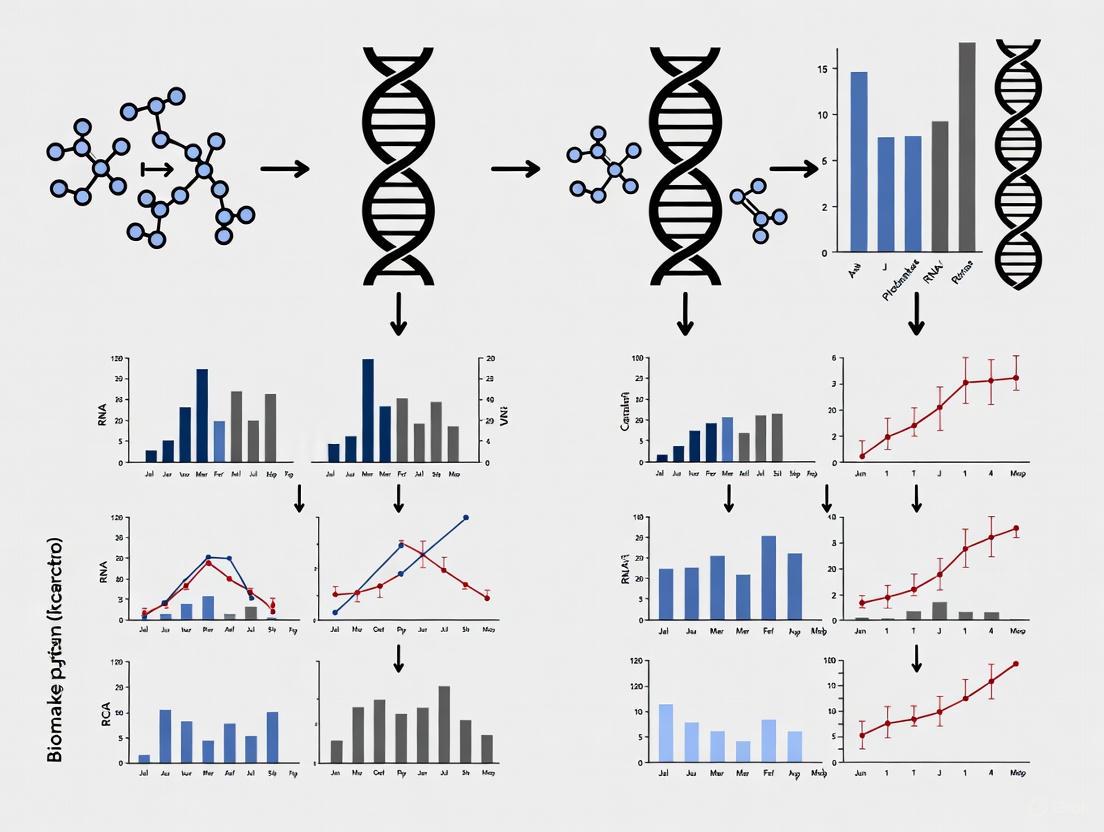
This article provides a comprehensive comparison of quantitative PCR (qPCR) and digital PCR (dPCR) platforms for biomarker analysis, addressing the critical needs of researchers and drug development professionals.
qPCR vs. dPCR: A Strategic Guide to Maximizing Biomarker Accuracy in Research and Diagnostics
Abstract
This article provides a comprehensive comparison of quantitative PCR (qPCR) and digital PCR (dPCR) platforms for biomarker analysis, addressing the critical needs of researchers and drug development professionals. It explores the foundational principles of both technologies, details methodological applications across key areas like oncology and infectious diseases, and offers practical troubleshooting and optimization strategies. A central focus is the validation and comparative analysis of platform performance in terms of sensitivity, precision, and suitability for specific biomarker tasks, such as detecting rare variants or achieving absolute quantification. The goal is to equip scientists with the knowledge to select the optimal PCR platform to enhance the accuracy, reliability, and impact of their biomarker data.
Understanding the Core Technologies: From qPCR Fundamentals to dPCR Partitioning
The invention of the Polymerase Chain Reaction (PCR) in 1983 by Kary Mullis marked a revolutionary moment in molecular biology, providing an elegant method to exponentially amplify specific DNA sequences from minimal starting material [1] [2]. This foundational technology enabled unprecedented advances in genetic research, forensics, and diagnostics, earning Mullis the Nobel Prize in Chemistry in 1993 [2]. While conventional PCR demonstrated remarkable capabilities for DNA amplification, it remained largely qualitative, relying on endpoint detection methods like gel electrophoresis that offered limited quantitative information [2].
The evolution toward quantification began with the development of real-time quantitative PCR (qPCR) in the early 1990s, which introduced the ability to monitor DNA amplification as it occurred [1]. This breakthrough was further refined through probe-based detection systems like TaqMan probes, introduced in 1996, which significantly improved specificity by using fluorescent reporter dyes quenched in close proximity until degraded during amplification [2]. The advent of digital PCR (dPCR) in the late 1990s, facilitated by microfluidics, represented the next evolutionary leap by enabling absolute nucleic acid quantification without standard curves through sample partitioning into thousands of individual reactions [1] [3]. This technological progression from conventional to qPCR and dPCR has fundamentally transformed molecular diagnostics, biomarker discovery, and precision medicine, providing researchers with increasingly sophisticated tools for nucleic acid quantification.
Technological Principles and Methodologies
Fundamental Workflows and Detection Mechanisms
The core principles distinguishing qPCR and dPCR stem from their fundamentally different approaches to quantification. qPCR operates through kinetic fluorescence monitoring during thermal cycling, where the accumulation of amplified DNA products is tracked in real-time using either intercalating dyes or sequence-specific fluorescent probes [2] [4]. The critical measurement in qPCR is the threshold cycle (Ct), which represents the PCR cycle number at which the fluorescence signal exceeds a predetermined threshold above background levels [4]. This Ct value exhibits an inverse logarithmic relationship with the initial template concentration, enabling relative quantification through comparison with standard curves of known concentrations [4].
In contrast, dPCR employs a partitioning-based absolute quantification approach, where the reaction mixture is divided into thousands to millions of separate compartments prior to amplification [4] [3]. Following endpoint PCR amplification, each partition is analyzed as either positive (containing the target sequence) or negative (lacking the target). The absolute concentration of the target nucleic acid is then calculated using Poisson statistical analysis based on the ratio of positive to total partitions, completely eliminating the need for standard curves [4] [3].
The following diagram illustrates the fundamental procedural differences between these two quantification approaches:
Experimental Protocol for Comparative Performance Analysis
Recent studies have directly compared the performance characteristics of qPCR and dPCR using standardized experimental protocols. A 2025 investigation evaluating respiratory virus detection during the 2023-2024 "tripledemic" provides a representative methodology for such comparative analyses [5].
Sample Preparation:
- Collect 123 respiratory samples (122 nasopharyngeal swabs, 1 bronchoalveolar lavage) from symptomatic patients
- Stratify samples based on qPCR cycle threshold (Ct) values: high (≤25), medium (25.1-30), and low (>30) viral loads [5]
- Extract nucleic acids using automated systems (e.g., KingFisher Flex with MagMax Viral/Pathogen kit)
qPCR Protocol:
- Utilize multiplex Real-Time RT-PCR with commercial respiratory panel kits
- Perform amplification on standard thermocyclers with fluorescent signal detection
- Include internal controls to monitor extraction and amplification efficiency [5]
dPCR Protocol:
- Employ nanowell-based dPCR systems with five-target multiplex capability
- Partition samples into approximately 26,000 individual reactions
- Conduct endpoint PCR amplification followed by fluorescent signal detection and absolute quantification [5]
Data Analysis:
- Compare quantification consistency and precision across viral load categories
- Assess performance in co-infection scenarios with multiple viral targets
- Evaluate statistical significance using appropriate measures (e.g., Kruskal-Wallis tests) [5]
Comparative Performance Analysis
Technical Parameter Comparison
The distinctive methodologies of qPCR and dPCR result in significantly different performance characteristics that determine their suitability for specific applications. The table below summarizes key technical parameters based on recent comparative studies:
Table 1: Technical comparison between qPCR and dPCR
| Parameter | qPCR | dPCR |
|---|---|---|
| Quantification Method | Relative (based on standard curves) | Absolute (counting of molecules) |
| Precision | Good, but susceptible to inhibitor effects and amplification efficiency variations | Superior, particularly for low-abundance targets and rare mutation detection |
| Dynamic Range | Broader (up to 7-8 orders of magnitude) | Limited by partition count (typically 4-5 orders of magnitude) |
| Throughput | Higher (real-time monitoring, 96-well formats) | Lower (requires partitioning and post-PCR analysis) |
| Sample Volume | Accommodates larger volumes | Limited by partition capacity |
| Cost Considerations | Lower per-test cost, established infrastructure | Higher consumable costs, specialized equipment |
| Optimal Application Scope | High-throughput screening, routine diagnostics, gene expression profiling | Absolute quantification, rare variant detection, copy number variation, complex samples |
Experimental Performance Data in Respiratory Virus Detection
Recent research directly comparing qPCR and dPCR performance in clinical applications provides quantitative insights into their respective capabilities. A 2025 study analyzing respiratory virus detection during the 2023-2024 tripledemic yielded the following comparative results:
Table 2: Performance comparison in respiratory virus detection across viral load categories
| Virus | Viral Load Category | qPCR Performance | dPCR Performance | Superior Platform |
|---|---|---|---|---|
| Influenza A | High (Ct ≤25) | Moderate consistency | Excellent accuracy and precision | dPCR |
| Influenza B | High (Ct ≤25) | Moderate consistency | Excellent accuracy and precision | dPCR |
| SARS-CoV-2 | High (Ct ≤25) | Moderate consistency | Excellent accuracy and precision | dPCR |
| RSV | Medium (Ct 25.1-30) | Variable quantification | Superior consistency and precision | dPCR |
| All Viruses | Low (Ct >30) | Acceptable detection | Improved sensitivity | Comparable |
This study demonstrated that dPCR provided superior accuracy for high viral loads of influenza A, influenza B, and SARS-CoV-2, along with better performance for medium viral loads of RSV [5]. The consistency and precision advantages of dPCR were particularly notable when quantifying intermediate viral levels, highlighting its value for applications requiring precise quantification across varying concentration ranges.
Biomarker Research Applications
In biomarker accuracy research, the choice between qPCR and dPCR significantly impacts result reliability and clinical applicability. dPCR offers particular advantages for copy number variation (CNV) analysis, a critical application in biomarker discovery and validation. A recent study comparing qPCR and two dPCR platforms for detecting FCGR3B copy number variations found full concordance between platforms across 32 donors with copy numbers ranging from 0 to 4 [6]. While all platforms provided reliable CN estimation, dPCR demonstrated advantages in precision and absolute quantification without requiring standard curves.
For liquid biopsy applications and rare mutation detection, dPCR's capability to identify mutant alleles present at frequencies as low as 0.001% in wild-type backgrounds makes it particularly valuable for cancer biomarker research and non-invasive prenatal testing [3]. Conversely, qPCR remains the preferred technology for high-throughput gene expression studies where relative quantification across multiple samples provides sufficient information for biomarker identification.
The Scientist's Toolkit: Essential Research Reagents and Materials
Successful implementation of qPCR and dPCR workflows requires carefully selected reagents and materials optimized for each technology platform. The following table outlines core components essential for both methods:
Table 3: Essential research reagents and materials for qPCR and dPCR workflows
| Reagent/Material | Function | Technology Application |
|---|---|---|
| Sequence-Specific Primers | Target DNA amplification through complementary binding | qPCR & dPCR |
| Fluorescent Probes (TaqMan) | Sequence-specific detection with fluorophore-quencher system | qPCR & dPCR |
| DNA Polymerase (Taq) | Enzyme catalyzing DNA strand synthesis during amplification | qPCR & dPCR |
| dNTP Mix | Nucleotide building blocks for new DNA strand synthesis | qPCR & dPCR |
| Buffer/MgCl₂ Solution | Optimal reaction environment maintenance and enzyme cofactor provision | qPCR & dPCR |
| Reverse Transcriptase | RNA-to-cDNA conversion for gene expression analysis | RT-qPCR & RT-dPCR |
| Partitioning Oil/Matrix | Physical separation of reactions into nanodroplets or nanowells | dPCR-specific |
| Microfluidic Chips/Cartridges | Sample partitioning and reaction containment platform | dPCR-specific |
| Quantification Standards | Standard curve generation for relative quantification | qPCR-specific |
Selection Guidelines for Biomarker Research Applications
Strategic Technology Selection
Choosing between qPCR and dPCR for biomarker accuracy research requires careful consideration of experimental objectives, sample characteristics, and practical constraints. The following decision pathway provides a systematic approach to technology selection:
Implementation Considerations and Challenges
Despite their advanced capabilities, both qPCR and dPCR face implementation challenges in biomarker research. qPCR remains limited by its dependence on standard curves and reduced precision for targets with low amplification efficiency or present in complex matrices containing PCR inhibitors [3]. While dPCR addresses many of these limitations, it introduces challenges related to higher costs, particularly for consumables; limited dynamic range constrained by partition numbers; and reduced throughput compared to qPCR platforms [5] [3].
The implementation of dPCR in routine clinical practice faces additional barriers, including higher costs and reduced automation compared to established qPCR workflows [5]. However, for research applications requiring absolute quantification, exceptional precision, or rare allele detection, dPCR's technical advantages often outweigh these practical limitations. As the field of biomarker research increasingly focuses on liquid biopsy applications and rare mutation detection, dPCR's superior performance characteristics position it as an essential tool for precision medicine initiatives.
Future Perspectives and Emerging Applications
The evolution of PCR technologies continues with emerging trends focusing on automation, miniaturization, and point-of-care applications [8] [3]. qPCR systems are incorporating enhanced sensitivity, expanded multiplexing capabilities, and integration with cloud computing for real-time data analysis [8]. Simultaneously, dPCR platforms are addressing current limitations through increased partition densities, improved throughput, and reduced costs [3].
The growing emphasis on precision medicine and biomarker-driven therapeutic development is accelerating the adoption of both technologies in novel research areas. qPCR remains indispensable for high-throughput biomarker validation and gene expression profiling in large cohort studies, while dPCR is finding expanding applications in liquid biopsy development, copy number variation analysis, and rare mutation detection for cancer biomarkers [9] [10] [3].
The integration of artificial intelligence with both qPCR and dPCR data analysis represents a promising frontier, potentially enhancing detection accuracy, enabling automated anomaly detection, and facilitating complex multi-analyte pattern recognition for biomarker signature identification [10] [3]. As these technologies continue to evolve, their complementary strengths will ensure both qPCR and dPCR maintain critical roles in the biomarker research ecosystem, each serving distinct applications while collectively advancing precision medicine initiatives.
Relative quantification in quantitative polymerase chain reaction (qPCR) is a widely used method to measure changes in gene expression by comparing the expression level of a target gene to one or more reference genes, typically housekeeping genes with stable expression levels [11]. This approach provides a fold-change difference in expression between samples without requiring knowledge of the exact initial copy numbers, making it particularly valuable for research applications where understanding relative differences is sufficient, such as in biomarker discovery, drug response studies, and pathway analysis [12] [11]. The fundamental principle relies on the relationship between the quantification cycle (Cq) value—the PCR cycle number at which the amplification curve crosses the fluorescence threshold—and the starting quantity of the target nucleic acid [13].
The accuracy of relative quantification depends critically on several technical factors: proper baseline correction to account for background fluorescence variations, appropriate threshold setting within the exponential amplification phase, and validation of amplification efficiency for both target and reference genes [14] [13]. When these parameters are carefully controlled, relative quantification provides a robust, reproducible method for gene expression analysis that balances practical feasibility with analytical precision, making it a cornerstone technique in molecular biomarker research [15].
Core Principles of Cq-Based Quantification
The Cq Value and Its Determinants
The quantification cycle (Cq) represents the fundamental measurement in qPCR analysis, defined as the fractional cycle number at which the fluorescence of a reaction crosses a predetermined threshold [13]. This value is inversely proportional to the logarithm of the initial target concentration: samples with higher starting concentrations of the target molecule will display lower Cq values, while those with lower concentrations will yield higher Cq values [14]. The mathematical relationship between Cq and starting concentration is expressed as: Cq = log(Nq) - log(N₀) / log(E), where Nq represents the threshold quantity, N₀ is the initial target copy number, and E is the amplification efficiency [13].
Several critical factors influence Cq values and must be carefully controlled for reliable quantification. Amplification efficiency (E), which ranges from 1 (no amplification) to 2 (perfect doubling each cycle), significantly impacts Cq values; small efficiency differences can substantially alter calculated expression ratios [13] [11]. The quantification threshold setting must be positioned within the exponential phase of amplification, above background fluorescence but below the plateau phase, where all amplification curves demonstrate parallel trajectories [14]. Additionally, sample-specific factors including PCR inhibitors, RNA quality, and reverse transcription efficiency can introduce variability that affects Cq measurements and must be addressed through proper experimental design and normalization strategies [13].
Standard Curves and Efficiency Determination
The standard curve method provides a robust approach for determining amplification efficiency and enabling relative quantification [12] [14]. This technique involves creating a dilution series of a known standard template—typically cDNA, synthetic oligonucleotides, or linearized plasmids—across several orders of magnitude [14] [11]. The Cq values obtained from these dilutions are plotted against the logarithm of the relative concentration or dilution factor, generating a standard curve with slope that reflects PCR efficiency [11].
Amplification efficiency is calculated from the standard curve slope using the formula: E = 10^(-1/slope) [11]. Ideal amplification with 100% efficiency (doubling each cycle) produces a slope of -3.32, while deviations from this value indicate suboptimal reactions [11]. Efficiency is typically expressed as a percentage: % Efficiency = (E-1) × 100, with acceptable ranges falling between 90-110% for most applications [11]. For relative quantification, the standard curve method quantitates unknown samples based on comparison to this curve, with results expressed as n-fold differences relative to a calibrator sample after normalization to reference genes [12].
Methodologies for Relative Quantification
Comparative ΔΔCq Method
The comparative ΔΔCq method provides a straightforward approach for relative quantification when the target and reference genes amplify with approximately equal efficiencies [11]. This method relies on the key assumption that amplification efficiencies between primer sets differ by no more than 5%, and both target and reference genes approach 100% efficiency [11]. The calculation involves multiple steps, beginning with the normalization of target gene Cq values to reference genes within each sample (ΔCq), followed by comparison of these normalized values to a calibrator sample (ΔΔCq) [11].
The fundamental equation for the ΔΔCq method is: RQ = 2^(-ΔΔCq), where RQ represents the relative expression ratio or fold-change [11]. The complete derivation involves:
- ΔCq(test) = Cq(target gene in test) - Cq(reference gene in test)
- ΔCq(calibrator) = Cq(target gene in calibrator) - Cq(reference gene in calibrator)
- ΔΔCq = ΔCq(test) - ΔCq(calibrator) [11]
This method's major advantage is its simplicity, as it doesn't require standard curves for each experiment and uses precious sample material more efficiently by eliminating the need for dilution series [12]. However, its validity completely depends on the assumption of equivalent, nearly perfect amplification efficiencies between target and reference genes, which must be verified experimentally prior to application [11].
Efficiency-Corrected Pfaffl Method
The Pfaffl method (also known as the standard curve method for relative quantification) provides a more robust approach for experiments where target and reference genes exhibit different amplification efficiencies [11]. This model incorporates actual reaction efficiencies into the calculation, correcting for efficiency variations that would otherwise compromise accuracy in the ΔΔCq method [11]. The efficiency-corrected calculation is expressed as: RQ = (Etarget)^(ΔCttarget) / (Ereference)^(ΔCtreference), where E represents the amplification efficiency (derived from standard curves) for target and reference genes, and ΔCt values represent the differences between calibrator and test samples for each gene [11].
The Pfaffl method offers significant advantages when working with suboptimal primer sets or challenging targets that cannot achieve perfect amplification efficiency [11]. Notably, the ΔΔCq method represents a special case of the Pfaffl method where both target and reference genes demonstrate 100% efficiency (E=2) [11]. The implementation of this approach requires preliminary experiments to establish standard curves and determine actual amplification efficiencies for each primer pair, adding experimental steps but substantially improving accuracy when efficiency differences exist [11].
Advanced Statistical Approaches
Recent methodological advances have introduced more sophisticated statistical approaches to qPCR data analysis, particularly Analysis of Covariance (ANCOVA), which offers enhanced statistical power compared to traditional methods [15]. ANCOVA utilizes raw fluorescence data from the entire amplification curve rather than relying solely on Cq values, potentially detecting subtle expression differences that might be overlooked by conventional approaches [15]. This method also demonstrates greater robustness to variability in qPCR amplification efficiency and provides P-values that are not affected by such variations [15].
The implementation of these advanced methods aligns with growing emphasis on reproducibility and transparency in qPCR research [15]. Current best practices encourage researchers to share raw qPCR fluorescence data alongside detailed analysis scripts, enabling independent verification of results and facilitating meta-analyses [15]. Additionally, the development of graphical methods that simultaneously depict target and reference gene behavior within the same figure enhances interpretability and helps identify potential technical artifacts that might compromise experimental conclusions [15].
Experimental Protocols and Methodologies
qPCR Experimental Workflow
The following diagram illustrates the complete workflow for relative quantification in qPCR, from assay design to data interpretation:
Efficiency Validation Protocol
Determining primer amplification efficiency is a critical prerequisite for accurate relative quantification [11]. The experimental protocol involves:
Template Preparation: Create a minimum of five 10-fold serial dilutions of cDNA or DNA template. Using cDNA from control samples is preferred, though artificial oligonucleotides or linearized plasmids containing the target sequence are acceptable alternatives [14] [11].
qPCR Run: Amplify each dilution in duplicate or triplicate using the target and reference gene primer sets under standardized cycling conditions [11].
Standard Curve Construction: Plot the Cq values obtained for each dilution against the logarithm of the dilution factor or concentration [11]. Apply linear regression to generate a standard curve with slope and correlation coefficient (R²) values.
Efficiency Calculation: Compute amplification efficiency using the formula E = 10^(-1/slope), with ideal efficiency (100%) corresponding to a slope of -3.32 [11]. Convert to percentage efficiency: % Efficiency = (E-1) × 100.
Validation Criteria: Primer sets with efficiencies between 90-110% are generally acceptable [11]. Discard primers falling outside this range or with R² values <0.985, as they may yield unreliable quantification [11].
Data Analysis Procedures
Proper data analysis begins with quality assessment of amplification curves and appropriate processing [14] [13]:
Baseline Correction: Define the baseline using cycles in the early linear phase (typically cycles 5-15), avoiding the initial cycles (1-5) that may contain reaction stabilization artifacts [14]. Proper baseline setting is crucial, as errors can significantly alter Cq values—miscalculations may cause Cq variations exceeding 2 cycles, substantially impacting fold-change calculations [14].
Threshold Setting: Position the quantification threshold within the exponential phase of all amplification curves, ensuring:
- The threshold is sufficiently above background fluorescence to avoid premature crossing
- All amplification curves demonstrate parallel trajectories in this region
- The threshold avoids the plateau phase where reaction kinetics become nonlinear [14]
Reference Gene Validation: Verify reference gene stability across all experimental conditions using algorithms such as geNorm or NormFinder [11]. When possible, normalize to multiple reference genes to improve accuracy, applying the geometric averaging method described by Vandesompele et al. [11].
Comparative Performance Data
Method Comparison Table
The following table summarizes the key characteristics, requirements, and applications of the main relative quantification methods:
| Parameter | ΔΔCq Method | Pfaffl Method | ANCOVA Approach |
|---|---|---|---|
| Efficiency Requirement | Equal efficiencies (≤5% difference) between target and reference genes [11] | Accommodates different efficiencies between assays [11] | Accounts for efficiency variations in model [15] |
| Standard Curve Need | Not required for final calculation, but needed for initial validation [11] | Required for efficiency determination [11] | Not required [15] |
| Key Assumptions | 100% PCR efficiency (E=2) for both target and reference [11] | Efficiency is constant across samples but can differ between genes [11] | Linear relationship between fluorescence and cycle number in exponential phase [15] |
| Calculation Complexity | Simple [11] | Moderate [11] | Advanced statistical implementation [15] |
| Data Utilized | Only Cq values [11] | Only Cq values with efficiency corrections [11] | Raw fluorescence curves [15] |
| Statistical Power | Lower, especially with efficiency variations [15] | Moderate, with proper efficiency correction [15] | Higher, detects smaller effect sizes [15] |
| Reproducibility Concerns | High when efficiencies unequal [13] | Moderate to high with proper validation [11] | Potentially higher with shared raw data [15] |
Technology Comparison Studies
Recent comparative studies provide performance data across quantification platforms:
qPCR vs. Digital PCR: A 2025 study comparing qPCR and droplet digital PCR (ddPCR) for DNA copy number measurement found ddPCR showed 95% concordance with the gold standard (PFGE), while qPCR results were only 60% concordant [16]. qPCR demonstrated an average 22% deviation from reference values, with particular inaccuracy at higher copy numbers [16].
qPCR vs. nCounter NanoString: A 2025 analysis of oral cancer samples revealed weak to moderate correlation (Spearman's r: 0.188-0.517) between qPCR and nCounter techniques for copy number alteration validation [17]. Cohen's kappa scores showed moderate to substantial agreement for only 8 of 24 genes analyzed, highlighting platform-specific variability [17].
The Scientist's Toolkit: Essential Research Reagents
The following table outlines essential materials and reagents required for implementing relative quantification in qPCR experiments:
| Reagent/Material | Function | Critical Considerations |
|---|---|---|
| High-Quality RNA/DNA | Template for quantification | Purity (A260/280 ~1.8-2.0), integrity (RIN >7), appropriate storage conditions [13] |
| Reverse Transcription Kit | cDNA synthesis from RNA | Consistent efficiency across samples, minimal batch-to-batch variation [13] |
| Sequence-Specific Primers | Target amplification | Validated specificity, minimal primer-dimer formation, appropriate Tm (typically 58-62°C) [11] |
| Fluorogenic Probes | Detection of amplified product | Probe chemistry (TaqMan, molecular beacons), quenching efficiency, spectral compatibility [13] |
| qPCR Master Mix | Reaction components | Polymerase fidelity, buffer optimization, inhibitor resistance [13] |
| Reference Gene Assays | Normalization control | Validated stability across experimental conditions, expression level comparable to targets [11] |
| Standard Curve Templates | Efficiency determination | Known concentration, sequence identity to target, appropriate matrix [14] [11] |
| Low-Binding Tubes/Tips | Liquid handling | Minimize nucleic acid adsorption, especially for dilute samples [12] |
Analysis Workflow and Decision Pathway
The following diagram outlines the decision process for selecting and implementing the appropriate quantification method:
Relative quantification using Cq values and standard curves remains a fundamental methodology in qPCR analysis, with the comparative ΔΔCq and efficiency-corrected Pfaffl methods serving as the principal approaches for most research applications [11]. The choice between these methods depends primarily on the equivalence of amplification efficiencies between target and reference genes, which must be determined through rigorous validation experiments [11]. Recent advances in statistical approaches, particularly ANCOVA modeling of raw fluorescence data, offer promising alternatives with enhanced statistical power and reduced sensitivity to efficiency variations [15].
The implementation of rigorous methodology aligned with MIQE (Minimum Information for Publication of Quantitative Real-Time PCR Experiments) and FAIR (Findable, Accessible, Interoperable, Reproducible) principles substantially improves the reliability and reproducibility of qPCR data [15] [13]. As biomarker research continues to evolve toward clinical applications, proper understanding and implementation of relative quantification principles will remain essential for generating robust, translatable findings in drug development and precision medicine [10].
Digital PCR (dPCR) represents a significant technological advancement in nucleic acid quantification by enabling absolute measurement without standard curves. This methodology relies on sample partitioning into thousands of nanoscale reactions, endpoint amplification, and Poisson statistical analysis to calculate target concentration with exceptional precision. Particularly valuable for biomarker research and applications requiring detection of minor frequency variations, dPCR outperforms quantitative real-time PCR (qPCR) in sensitivity, precision, and tolerance to PCR inhibitors. This guide provides an objective comparison of dPCR versus qPCR performance, supported by experimental data relevant to researchers and drug development professionals.
Digital PCR operates on a fundamentally different principle than quantitative real-time PCR (qPCR). While qPCR monitors amplification kinetics in a bulk reaction, dPCR partitions a sample into thousands to millions of individual reactions, performs endpoint amplification, and applies Poisson statistics to determine absolute target concentration [3]. This partitioning-based approach provides dPCR with several key advantages: it eliminates the need for standard curves, reduces the impact of PCR efficiency variations, and increases tolerance to inhibitors commonly encountered in complex biological samples [18] [19].
The evolution of dPCR technology has progressed through several platforms, including droplet-based systems (ddPCR) that create water-in-oil emulsions and nanoplate-based systems that use microfluidic chips to generate partitions [20] [21]. Despite these implementation differences, all dPCR platforms share the core principles of limiting dilution, endpoint detection, and statistical analysis that enable absolute quantification of nucleic acids with precision unattainable with qPCR methodologies [3] [19].
Principle of dPCR: Partitioning and Poisson Statistics
Core Mechanism
The fundamental innovation of dPCR lies in its sample partitioning approach. The PCR reaction mixture is randomly distributed across thousands of individual partitions, with each partition effectively serving as a separate amplification reactor. Through limiting dilution, most partitions contain either zero or one target molecule, creating a binary digital readout (positive/negative) after endpoint PCR [3] [19]. This partitioning occurs before amplification begins, typically generating 20,000-26,000 partitions in modern systems [18] [20].
Poisson Distribution Analysis
The quantification in dPCR relies on Poisson distribution statistics, which account for the random distribution of molecules across partitions. The fundamental equation is: [ C = -ln(1-p) \times N/V ] Where C is the target concentration, p is the fraction of positive partitions, N is the total number of partitions, and V is the partition volume [3]. This statistical approach enables absolute quantification without reference standards and provides greater precision, particularly for low-abundance targets [22].
Figure 1: dPCR Workflow and Principle. The sample is partitioned, amplified via endpoint PCR, and analyzed using Poisson statistics for absolute quantification.
Direct Performance Comparison: dPCR vs. qPCR
Analytical Performance Metrics
Multiple studies have systematically compared the performance characteristics of dPCR and qPCR across various applications and sample types. The accumulated evidence demonstrates clear advantages for dPCR in precision, sensitivity, and accuracy, particularly at low target concentrations.
Table 1: Comprehensive Performance Comparison of dPCR vs. qPCR
| Performance Parameter | Digital PCR | Quantitative Real-Time PCR | Experimental Support |
|---|---|---|---|
| Quantification Method | Absolute (no standard curve) | Relative (requires standard curve) | [3] [19] |
| Precision (CV%) | 37-86% lower CV than qPCR [22]; Median CV: 4.5% for periodontal pathogens [18] | Higher variability; Significantly higher CV than dPCR | [18] [22] |
| Sensitivity | Superior for low-abundance targets; Detects mutation rates ≥0.1% | Limited sensitivity; Detects mutation rates >1% | [18] [19] |
| Dynamic Range | 3-6 logs depending on partition count | 5-7 logs with standard curve | [3] [21] |
| Tolerance to Inhibitors | High (partitioning dilutes inhibitors) | Moderate to low (inhibitors affect amplification efficiency) | [18] [3] |
| Accuracy at Low Concentration | Higher accuracy; Reduces false negatives in pathogen detection [18] | Underestimates targets at low concentrations (<3 log10Geq/mL) | [18] [22] |
| Reproducibility | Superior day-to-day reproducibility (7-fold improvement) [22] | Moderate reproducibility affected by amplification efficiency | [22] |
Platform Comparison: Nanoplate vs. Droplet dPCR
Different dPCR platforms show variations in performance characteristics, though both outperform qPCR in key metrics.
Table 2: Comparison of dPCR Platforms Using Synthetic Oligonucleotides and Environmental Samples
| Parameter | Nanoplate dPCR (QIAcuity) | Droplet dPCR (QX200) | Experimental Details |
|---|---|---|---|
| Limit of Detection (LOD) | 0.39 copies/µL | 0.17 copies/µL | Synthetic oligonucleotides with serial dilution [21] |
| Limit of Quantification (LOQ) | 1.35 copies/µL | 4.26 copies/µL | 3rd degree polynomial model fit [21] |
| Precision (CV%) with Restriction Enzymes | CV 0.6-27.7% (EcoRI), 1.6-14.6% (HaeIII) | CV 2.5-62.1% (EcoRI), <5% (HaeIII) | Paramecium tetraurelia DNA; enzyme choice impacts precision [21] |
| Accuracy (R²) | R²adj = 0.98 | R²adj = 0.99 | Comparison of expected vs. measured gene copies [21] |
| Partitioning Method | Microfluidic nanoplates (26,000 partitions) | Water-oil emulsion droplets | [18] [20] |
Experimental Protocols and Validation Data
Periodontal Pathobiont Detection Study
A 2025 study directly compared multiplex dPCR and qPCR for detecting periodontal pathogens in subgingival plaque samples, providing robust experimental data on performance differences [18].
Methodology:
- Sample Collection: Subgingival plaque samples from 20 periodontitis patients and 20 healthy controls collected with absorbent paper points
- DNA Extraction: QIAamp DNA Mini kit (Qiagen) following manufacturer's instructions
- dPCR Protocol: QIAcuity Nanoplate 26k 24-well system; 40µL reactions with restriction enzyme digestion; 45 amplification cycles
- Targets: Porphyromonas gingivalis, Aggregatibacter actinomycetemcomitans, Fusobacterium nucleatum
- Analysis: Poisson quantification with QIAcuity Software Suite; statistical analysis included Mann-Whitney U test, McNemar's test, and Bland-Altman plots
Results: dPCR demonstrated superior sensitivity with high linearity (R² > 0.99) and significantly lower intra-assay variability (median CV%: 4.5% for dPCR vs. higher for qPCR, p = 0.020). Critically, dPCR detected lower bacterial loads, particularly for P. gingivalis and A. actinomycetemcomitans, with qPCR producing false negatives at low concentrations (<3 log10Geq/mL) and underestimating A. actinomycetemcomitans prevalence 5-fold in periodontitis patients [18].
miRNA Quantification for Cancer Biomarker Analysis
A landmark study compared ddPCR and qPCR for microRNA quantification, demonstrating substantial improvements in precision and diagnostic performance [22].
Methodology:
- Sample Design: Six synthetic miRNA oligonucleotides diluted in water and plasma RNA matrix
- Experimental Design: Hierarchical nested replicates with triplicate dilution series prepared on different days
- Platform Comparison: Droplet digital PCR (Bio-Rad) vs. standard real-time PCR using identical reaction mixtures
- Clinical Validation: Analysis of miR-141 in serum from 20 prostate cancer patients and 20 controls
Results: ddPCR reduced coefficients of variation by 37-86% compared to qPCR and improved day-to-day reproducibility by a factor of seven. In clinical serum samples, ddPCR better resolved cancer cases from controls (P = 0.0036 vs. P = 0.1199 for qPCR) and showed superior diagnostic accuracy (AUC: 0.770 for ddPCR vs. 0.645 for qPCR) [22].
Research Reagent Solutions for dPCR Implementation
Table 3: Essential Materials and Reagents for dPCR Experiments
| Reagent/Equipment | Function | Example Products/Alternatives |
|---|---|---|
| dPCR Instrument | Partitioning, thermocycling, imaging | QIAcuity series, Bio-Rad QX200, Thermo Fisher QuantStudio [18] [20] |
| Partitioning Consumables | Create nanoreactors for individual PCRs | QIAcuity Nanoplates (26,000 partitions), Droplet generation cartridges [18] [20] |
| PCR Master Mix | Provides enzymes, nucleotides, buffer for amplification | QIAcuity Probe PCR Kit, ddPCR Supermix [18] [21] |
| Sequence-Specific Probes/Primers | Target detection with high specificity | Hydrolysis probes, double-quenched designs [18] |
| Restriction Enzymes | Improve DNA accessibility and precision | EcoRI, HaeIII (choice impacts results) [21] |
| DNA Extraction Kits | Nucleic acid purification from samples | QIAamp DNA Mini kit, Maxwell RSC systems [18] [20] |
| Analysis Software | Poisson calculation and data interpretation | QIAcuity Software Suite, QX Manager [18] [20] |
Application Recommendations and Implementation Guidelines
When to Choose dPCR vs. qPCR
The choice between dPCR and qPCR should be guided by specific application requirements and experimental goals:
Select dPCR for:
- Absolute quantification without standard curves [3] [19]
- Detection of rare targets or minor allele frequencies (<1%) [19]
- Applications requiring maximum precision and reproducibility [22]
- Analysis of samples with potential PCR inhibitors [18] [3]
- Low-abundance target detection in complex backgrounds [18] [22]
qPCR remains suitable for:
- High-throughput screening with broad dynamic range [3]
- Gene expression analysis with established reference genes [19]
- Applications where cost-effectiveness and established protocols are priorities [3]
- Situations requiring rapid results with minimal optimization [19]
Figure 2: Decision Framework for Selecting Between dPCR and qPCR Platforms
Digital PCR represents a paradigm shift in nucleic acid quantification, offering absolute measurement capabilities through its core principles of sample partitioning and Poisson statistical analysis. The accumulated experimental evidence demonstrates clear advantages over qPCR in precision, sensitivity, and robustness, particularly for applications requiring detection of low-abundance targets or precise quantification without reference standards. While qPCR remains suitable for many applications, dPCR provides superior performance for biomarker discovery, rare variant detection, and analysis of complex samples where quantification accuracy is paramount. As dPCR technology continues to evolve with improved workflows and reduced costs, its adoption in research and clinical diagnostics is expected to expand significantly.
Quantitative PCR (qPCR) and digital PCR (dPCR) represent two pivotal technologies in molecular diagnostics and biomarker research. These platforms have revolutionized the detection and quantification of nucleic acids, enabling advances in personalized medicine, drug development, and clinical diagnostics. qPCR, also known as real-time PCR, allows for the monitoring of amplification as it occurs, providing relative quantification of target sequences through cycle threshold (Cq) values. In contrast, dPCR partitions a sample into thousands of individual reactions, enabling absolute quantification without the need for standard curves. For researchers and drug development professionals, understanding the core technical distinctions in amplification efficiency, calibration requirements, and data output between these platforms is critical for selecting the appropriate technology for biomarker accuracy studies. This guide provides an objective, data-driven comparison to inform these strategic decisions, framed within the context of optimizing biomarker research outcomes.
Core Technical Comparison: qPCR versus dPCR
The fundamental differences between qPCR and dPCR significantly impact their application in biomarker research. The following table summarizes the key technical parameters:
Table 1: Fundamental Technical Differences Between qPCR and dPCR Platforms
| Technical Parameter | Quantitative PCR (qPCR) | Digital PCR (dPCR) |
|---|---|---|
| Quantification Method | Relative quantification (requires standard curve) | Absolute quantification (counts positive/negative partitions) |
| Amplification Efficiency | Highly sensitive to reaction efficiency variations [15] | More robust to PCR efficiency variations [23] [3] |
| Calibration Requirements | Requires standard curve in each run for accurate quantification [24] | Does not require standard curves [3] [25] |
| Data Output | Cycle threshold (Cq) values; relative expression | Copy number per reaction; absolute quantification |
| Sensitivity & Dynamic Range | High sensitivity; broad dynamic range | Superior sensitivity for rare targets; detection of single molecules |
| Tolerance to Inhibitors | Moderate sensitivity to PCR inhibitors | Higher resilience to PCR inhibitors [3] [25] |
| Throughput & Cost | High-throughput; cost-effective per sample [3] | Lower throughput; higher cost per sample [3] |
| Multiplexing Capability | Well-established for multiplex detection | Emerging multiplexing capabilities |
Amplification Efficiency
Theoretical Foundations and Measurement
Amplification efficiency (E) refers to the fold increase of amplicon per PCR cycle, ideally approaching 2.0 (100% efficiency), meaning the product doubles every cycle [26]. In practice, efficiency is influenced by multiple factors including primer design, template quality, reagent concentrations, and reaction conditions [27]. qPCR determines efficiency empirically from standard curves, calculated as E = 10^(-1/slope) - 1 [24]. Optimal efficiency falls between 90-110%, corresponding to slopes of -3.6 to -3.1 [24]. dPCR, by partitioning the reaction, mitigates efficiency concerns as quantification relies on binary endpoint detection (positive/negative partitions) rather than amplification kinetics, making it less vulnerable to efficiency variations [23] [3].
Impact of Sequence-Specific Biases
In multi-template PCR applications, such as biomarker panels, sequence-specific amplification efficiencies can cause significant quantification bias. Deep learning models have identified that specific sequence motifs adjacent to priming sites, particularly those enabling adapter-mediated self-priming, are closely associated with poor amplification efficiency [27]. This efficiency bias progressively skews coverage distributions with increasing cycle numbers, potentially compromising biomarker accuracy. One study demonstrated that sequences with poor amplification efficiency (as low as 80% relative to the population mean) could be halved in relative abundance every 3 cycles, effectively disappearing from detection after 60 cycles [27].
Comparative Experimental Data
Experimental comparisons highlight practical differences in how platforms handle amplification efficiency:
Table 2: Experimental Comparison of Amplification Efficiency Parameters
| Study Focus | qPCR Performance | dPCR Performance | Experimental Context |
|---|---|---|---|
| DNA Methylation Quantification [23] | N/A | Strong correlation (r=0.954) with ddPCR; sensitivity 99.08%, specificity 99.62% | CDH13 promoter methylation in 141 FFPE breast cancer samples |
| Enterotoxigenic B. fragilis Detection [25] | TaqMan qPCR: 48-fold higher copies than SYBR green; LOD <1 copy/μL | 75-fold higher copies than SYBR green qPCR; LOD <1 copy/μL | Detection of bft gene in clinical stool samples from colorectal cancer patients |
| miRNA Profiling Reproducibility [28] | Inter-run concordance: Moderate (ccc >0.9) | N/A | Cross-platform evaluation of miRNA quantitation in human biofluids |
| Inter-assay Variability [24] | Efficiency variability between runs: 90.97%-94.63% for viral targets | N/A | 30 independent standard curve experiments for 7 viruses |
Calibration Needs
qPCR Standard Curve Requirements
qPCR quantification relies heavily on standard curves constructed from serial dilutions of known template concentrations. This approach exhibits inherent variability that must be accounted for in rigorous biomarker research. A comprehensive study evaluating inter-assay variability of standard curves for seven viruses across 30 independent experiments found that although all viruses presented adequate efficiency rates (>90%), significant variability was observed between assays [24]. Notably, norovirus GII showed the highest inter-assay variability in efficiency, while SARS-CoV-2 N2 gene exhibited the largest Cq variability (CV 4.38-4.99%) and the lowest efficiency (90.97%) [24]. These findings underscore the necessity of including standard curves in every qPCR run to ensure reliable results in biomarker applications.
dPCR Absolute Quantification Without Calibration
dPCR eliminates the need for standard curves by providing absolute quantification through Poisson statistical analysis of positive and negative partitions [3] [25]. This partition-based approach directly yields copy number concentrations, removing a major source of variability and potential bias. The calibration-free nature of dPCR makes it particularly advantageous for applications requiring high precision, such as detecting rare genetic variants, validating biomarker concentrations, and quantifying minute expression differences in limited samples [23] [3].
Impact on Biomarker Measurement Accuracy
The calibration approach directly impacts measurement accuracy and reproducibility in biomarker studies. Research indicates that omitting standard curves in qPCR experiments to reduce costs can compromise result accuracy, particularly when comparing results across different experiments or laboratories [24]. dPCR's inherent lack of dependency on external standards makes it preferable for establishing standardized biomarker measurements across multiple sites or for creating reference materials. However, the higher per-sample cost and lower throughput of dPCR often make qPCR the more practical choice for large-scale biomarker screening studies [3].
Data Output Characteristics
Quantification Metrics and Output Format
qPCR and dPCR generate fundamentally different data outputs that influence their interpretation in biomarker research:
Table 3: Data Output Characteristics Comparison
| Output Characteristic | qPCR | dPCR |
|---|---|---|
| Primary Metric | Cycle threshold (Cq) or Crossing point (Cp) | Copies/μL (absolute concentration) |
| Normalization Requirements | Requires reference genes for relative quantification [15] [29] | Can be used without normalization or with reference genes for ratio-based results |
| Precision & Reproducibility | Moderate inter-assay variability [24] | High reproducibility for low-abundance targets [28] [23] |
| Dynamic Range | 6-8 orders of magnitude | 5 orders of magnitude for droplet-based systems [3] |
| Data Analysis Complexity | Varies from simple (2-ΔΔCT) to advanced (ANCOVA, linear modeling) [15] | Simplified analysis through proprietary software |
Analysis Methods and Statistical Considerations
qPCR data analysis has evolved beyond the commonly used 2-ΔΔCT method, which often overlooks amplification efficiency variability. More robust statistical approaches like Analysis of Covariance (ANCOVA) enhance statistical power and are less affected by variability in qPCR amplification efficiency [15]. Proper analysis must also account for reference gene stability, as using inappropriate reference genes remains a significant source of error in biomarker studies [15] [29]. dPCR data analysis employs Poisson statistics to account for partition occupancy, with precision increasing with higher partition numbers [3]. This fundamental difference in data structure requires distinct statistical approaches when designing biomarker validation studies.
Experimental Workflow for Platform Comparison
The following diagram illustrates a typical experimental workflow for comparing PCR platform performance in biomarker detection:
The Scientist's Toolkit: Essential Research Reagents and Materials
Successful implementation of PCR-based biomarker studies requires careful selection of reagents and materials. The following table details essential components and their functions:
Table 4: Essential Research Reagents and Materials for PCR-Based Biomarker Studies
| Reagent/Material | Function | Technical Considerations |
|---|---|---|
| Nucleic Acid Extraction Kits (e.g., DNeasy Blood and Tissue Kit [23] [25]) | Isolation of high-quality DNA/RNA from various sample types | Critical for removing PCR inhibitors; choice depends on sample matrix (tissue, biofluids, FFPE) |
| Reverse Transcription Kits (for RNA targets) | Conversion of RNA to cDNA for RT-qPCR/RT-dPCR | Source of significant variability; optimized kits reduce technical noise [29] |
| PCR Master Mixes | Contains polymerase, dNTPs, buffers, MgCl₂ for amplification | Polymerase choice affects efficiency; inhibitor-resistant formulations valuable for complex samples |
| Sequence-Specific Primers/Probes | Target recognition and amplification | Design critically impacts efficiency and specificity; TaqMan probes offer higher specificity than SYBR Green [25] |
| Standard Curve Materials (qPCR) | Quantification reference standards | Synthetic oligonucleotides with known concentrations provide accurate standards [24] |
| Digital PCR Partitioning Plates/Chips (dPCR) | Sample compartmentalization for absolute quantification | Nanoplate or droplet-based systems; partition number affects precision [23] [3] |
| Quality Control Materials | Monitoring technical performance | Positive controls, no-template controls, inter-assay controls essential for rigor [24] |
The selection between qPCR and dPCR platforms for biomarker accuracy research involves careful consideration of technical requirements and practical constraints. qPCR offers established, cost-effective solutions for high-throughput applications where relative quantification suffices and sample quality is consistent. However, its dependence on calibration curves and sensitivity to amplification efficiency variations can introduce variability. dPCR provides superior precision for absolute quantification of rare targets and challenging samples, with inherent resilience to efficiency fluctuations and inhibitors. For biomarker research requiring the highest accuracy, particularly in clinical validation studies or when analyzing low-abundance targets, dPCR's technical advantages often justify its implementation. Ultimately, the optimal platform choice depends on specific research objectives, target abundance, required precision, and available resources, with both technologies offering complementary strengths in the biomarker development pipeline.
In the fields of molecular diagnostics and drug development, the accuracy of a biomarker is fundamentally defined by its sensitivity, specificity, and precision. These parameters form the essential triad that determines a test's analytical performance and its subsequent clinical utility [30]. As researchers and pharmaceutical professionals increasingly rely on molecular tools for patient stratification, therapeutic monitoring, and companion diagnostics, rigorous validation of these parameters becomes paramount. Biomarker validation transitions a promising molecular signal into a reliable tool for clinical decision-making, encompassing everything from diagnosis and prognosis to predicting treatment response [30]. Within this framework, quantitative PCR (qPCR) and digital PCR (dPCR) platforms have emerged as cornerstone technologies for nucleic acid-based biomarker analysis. This guide provides an objective comparison of these platforms, focusing on their performance in validating the critical triad of accuracy metrics, supported by experimental data and detailed methodologies.
Fundamental Concepts: Defining the Validation Parameters
The validation of a biomarker assay requires a clear understanding of its key performance characteristics, which are defined as follows [30]:
- Analytical Sensitivity: The ability of an assay to detect the lowest concentration of an analyte. It is often expressed as the Limit of Detection (LOD), the minimum detectable concentration.
- Analytical Specificity: The ability of an assay to distinguish the target analyte from other, non-target analytes in the sample.
- Analytical Precision: The closeness of agreement between repeated measurements of the same sample under prescribed conditions. It is often reported as the coefficient of variation (CV) between replicates.
- Diagnostic Sensitivity: The proportion of true positives that are correctly identified by the assay (True Positive Rate).
- Diagnostic Specificity: The proportion of true negatives that are correctly identified by the assay (True Negative Rate).
It is critical to differentiate these analytical performance metrics from a test's clinical performance, which includes positive predictive value (PPV) and negative predictive value (NPV), as these are influenced by disease prevalence in the study population [30]. The validation process must be fit-for-purpose, meaning the level of rigor is sufficient to support the biomarker's intended context of use [30].
Figure 1: A conceptual map of biomarker validation, showing the relationship between core performance parameters and influencing factors. The validation pathway is guided by the fit-for-purpose principle, leading to appropriate technology selection.
Platform Comparison: qPCR vs. dPCR for Biomarker Analysis
The choice between quantitative real-time PCR (qPCR) and digital PCR (dPCR) is crucial, as each technology offers distinct advantages and limitations for biomarker validation.
qPCR is a well-established gold standard that monitors the amplification of target DNA in real-time. Its quantification relies on the cycle threshold (Cq), which is the cycle number at which the fluorescence signal crosses a predefined threshold. The Cq value is compared to a standard curve to determine the initial target quantity [31] [32]. This dependency on a calibration curve can introduce variability [33].
dPCR, often called the third-generation PCR, takes a different approach. The PCR reaction mixture is partitioned into thousands of individual nanoliter- or picoliter-scale reactions. Following end-point amplification, each partition is analyzed as either positive (containing the target) or negative (not containing the target). The absolute concentration of the target is then calculated directly using Poisson statistics, without the need for a standard curve [21] [34]. This partitioning step is the source of dPCR's enhanced precision and resistance to inhibitors.
Comparative Performance Data from Recent Studies
Recent studies directly comparing these platforms provide quantitative performance data. A 2025 study on respiratory virus diagnostics during the 2023-2024 "tripledemic" found that dPCR demonstrated superior accuracy, particularly for high viral loads of influenza A, influenza B, and SARS-CoV-2, and for medium loads of RSV. It showed greater consistency and precision than Real-Time RT-PCR across these viral targets [5].
Another 2025 study compared the precision of two dPCR platforms—the QX200 Droplet Digital PCR (ddPCR) from Bio-Rad and the QIAcuity One nanoplate-based dPCR from QIAGEN—for gene copy number analysis. The study found that both platforms demonstrated similar detection and quantification limits and yielded high precision across most analyses. However, it highlighted that the choice of restriction enzyme (HaeIII vs. EcoRI) significantly impacted precision, especially for the QX200 system [21].
Table 1: Comparative Analytical Sensitivity and Specificity of PCR Platforms
| Platform | Principle of Quantification | Limit of Detection (LOD) | Analytical Specificity | Key Advantages |
|---|---|---|---|---|
| Quantitative PCR (qPCR) | Relative quantification via Cq and standard curve [31] | Varies with assay; requires standard curve for LOD determination | High, but can be affected by reaction inhibitors and non-specific amplification [33] | High throughput, cost-effective, well-established protocols, widely available [32] |
| Digital PCR (dPCR) | Absolute quantification via Poisson statistics of partitioned reactions [21] [34] | QIAcuity ndPCR: ~0.39 copies/µL input [21] QX200 ddPCR: ~0.17 copies/µL input [21] | Superior for distinguishing rare alleles and low-abundance targets; less affected by PCR inhibitors [5] [34] | Absolute quantification without standard curve, high precision, high tolerance to inhibitors, excellent for rare target detection [5] [21] |
Table 2: Comparative Precision Data from Platform Studies
| Study & Sample Type | qPCR Precision (CV) | dPCR Precision (CV) | Notes & Context |
|---|---|---|---|
| Respiratory Viruses (2025) [5] | Not explicitly stated, but lower than dPCR for medium/high viral loads | Superior consistency and precision, especially for intermediate viral levels | Study involved 123 clinical samples; dPCR demonstrated superior accuracy. |
| Gene Copy Number in Ciliates (2025) [21] | Not the focus of this comparative dPCR study | QIAcuity ndPCR: CVs 0.6%-27.7% (EcoRI) QX200 ddPCR: CVs 2.5%-62.1% (EcoRI) | Precision highly dependent on restriction enzyme. With HaeIII, ddPCR CVs fell to <5%. |
| Ecotoxicology Biomarkers [32] | No statistical differences from ddPCR | No statistical differences from RT-qPCR | Both methods showed comparable linearity and efficiency, but RT-qPCR was faster and more cost-effective. |
Experimental Protocols for Benchmarking PCR Performance
To ensure reliable and reproducible comparisons between platforms, a standardized experimental approach is critical. The following protocols are synthesized from the cited studies.
Protocol 1: Comparative Analysis of dPCR and RT-qPCR for Viral Load Quantification
This protocol is adapted from the 2025 study on respiratory viruses [5].
Step 1: Sample Collection and Stratification
- Collect respiratory samples (e.g., nasopharyngeal swabs) and confirm positivity for target viruses (Influenza A/B, RSV, SARS-CoV-2) using a standard RT-qPCR panel.
- Stratify samples into categories based on RT-qPCR Ct values: high (Ct ≤ 25), medium (Ct 25.1–30), and low (Ct > 30) viral load.
Step 2: Nucleic Acid Extraction
- Extract RNA from all samples using an automated platform (e.g., KingFisher Flex system) with a viral/pathogen nucleic acid isolation kit to ensure consistency across the technological comparison.
Step 3: Parallel PCR Analysis
- RT-qPCR Workflow: Use commercial multiplex respiratory panel kits on a standard thermocycler (e.g., CFX96). Include all necessary positive and negative controls.
- dPCR Workflow: Perform assays on a nanoplate-based dPCR system (e.g., QIAcuity). Use a multiplexed assay for the same viral targets. Load samples into nanoplates for partitioning and endpoint PCR. Analyze fluorescence signals with the instrument's software to obtain absolute copy numbers.
Step 4: Data Analysis
- Compare the quantitative results (viral load) and qualitative detection (positive/negative calls) between the two platforms across the different Ct-based strata. Statistical analysis (e.g., Kruskal-Wallis test) can be used to compare the precision and accuracy of quantification.
Protocol 2: Evaluating Precision and Limits of Detection for Gene Copy Number Analysis
This protocol is based on the 2025 study comparing dPCR platforms [21].
Step 1: Preparation of Standard Material
- Use synthetic oligonucleotides with a known sequence of the target gene. Precisely dilute the oligonucleotides to create a dilution series covering a wide dynamic range (e.g., from < 0.5 copies/µL to > 3000 copies/µL input).
Step 2: Assessment of Restriction Enzyme Digestion Impact
- To analyze genomic DNA, test the impact of different restriction enzymes (e.g., EcoRI and HaeIII) on the precision of copy number quantification. This step is critical for accessing tandemly repeated genes.
Step 3: Parallel dPCR Analysis on Multiple Platforms
- Run the same dilution series and genomic DNA samples on the platforms being compared (e.g., QIAcuity ndPCR and QX200 ddPCR). Follow the manufacturer's recommended protocols for reaction setup and thermal cycling for each system.
Step 4: Determination of LOD and LOQ
- Limit of Detection (LOD): The lowest concentration at which the target can be reliably detected.
- Limit of Quantification (LOQ): The lowest concentration at which the target can be reliably quantified with acceptable precision and accuracy. This can be determined using a polynomial model fit to the data from the dilution series [21].
Step 5: Precision Calculation
- For each sample and platform, run multiple technical replicates. Calculate the coefficient of variation (CV) for the measured copy numbers to assess intra-assay and inter-assay precision.
Figure 2: A side-by-side comparison of the core experimental workflows for qPCR and dPCR platforms. The fundamental difference lies in the method of quantification, which drives the key performance characteristics.
The Scientist's Toolkit: Essential Reagents and Materials
Successful biomarker validation relies on a suite of high-quality research reagents. The following table details key solutions and their critical functions in the experimental workflow.
Table 3: Research Reagent Solutions for PCR-Based Biomarker Validation
| Reagent / Material | Function & Importance in Validation | Considerations for Selection |
|---|---|---|
| Nucleic Acid Extraction Kits | Purifies DNA/RNA from complex biological matrices; quality and consistency directly impact assay sensitivity and precision [5] [30]. | Automated platforms (e.g., KingFisher Flex, STARlet) enhance reproducibility. Kits should be selected based on sample type (e.g., swab, tissue, wastewater) [5] [35]. |
| Reverse Transcriptase (for RNA targets) | Converts RNA to complementary DNA (cDNA) for PCR amplification; its fidelity and efficiency are critical for accurate quantification of RNA biomarkers [30]. | High-efficiency enzymes are essential for low-abundance targets. The choice between random hexamers and gene-specific priming depends on the assay design. |
| PCR Master Mixes | Contains polymerase, dNTPs, and optimized buffers. Its quality determines amplification efficiency, specificity, and robustness against inhibitors [33] [21]. | dPCR systems often require specific master mixes (e.g., Naica multiplex PCR Mix, ddPCR supermix). Tolerance to inhibitors is a key differentiator [33] [21]. |
| Primers & Probes | Define the analytical specificity of the assay by determining the exact nucleic acid sequence targeted for amplification [30]. | Must be rigorously validated for minimal off-target binding. Hydrolysis probes (TaqMan) are common for multiplex qPCR and dPCR. Concentration optimization is vital [33]. |
| Restriction Enzymes | Used in copy number variation studies to digest genomic DNA, improving access to the target sequence and enhancing amplification efficiency and precision [21]. | The choice of enzyme (e.g., HaeIII vs. EcoRI) can significantly impact the precision and accuracy of results, especially in dPCR [21]. |
| Reference Genes / Materials | For qPCR, stable reference genes are required for data normalization. For both qPCR and dPCR, synthetic oligonucleotides are used as standards for determining LOD/LOQ [21] [36]. | Reference genes must be validated for stable expression under specific experimental conditions. Digital PCR Counting standards can be used for dPCR quality control [30] [36]. |
The objective comparison of qPCR and dPCR platforms reveals a clear trade-off between established efficiency and superior precision. qPCR remains a powerful, cost-effective workhorse for high-throughput applications where relative quantification is sufficient [32]. However, for applications demanding the highest level of absolute quantification, such as detecting rare mutations in liquid biopsies, validating low-abundance biomarkers, or achieving maximum precision without calibration, dPCR demonstrates a distinct and growing advantage [5] [34].
The future of biomarker validation lies in selecting the right tool for the specific context of use. As dPCR technology continues to evolve, becoming more automated and integrated with other omics technologies, its role in companion diagnostic development and personalized medicine is poised to expand significantly [34] [37]. For researchers and drug developers, a rigorous, fit-for-purpose validation strategy—underpinned by a clear understanding of sensitivity, specificity, and precision—is the definitive factor in translating a promising biomarker from a research finding into a clinically actionable tool.
Platform Selection in Practice: Matching qPCR and dPCR to Biomarker Applications
Quantitative PCR (qPCR) remains one of the most widely utilized techniques in molecular biology laboratories for quantifying nucleic acid sequences, with particular dominance in gene expression analysis and detection of abundant targets. Despite the emergence of newer technologies like digital PCR and various high-throughput sequencing platforms, qPCR maintains its position due to its cost-effectiveness, established workflows, and robust performance characteristics. This guide objectively compares qPCR's performance against alternative technologies within high-throughput biomarker research contexts, drawing on recent experimental data to delineate its optimal use cases, limitations, and implementation best practices.
The technique's foundation in real-time fluorescence monitoring during polymerase chain reaction amplification provides both quantitative and qualitative information without opening reaction tubes, reducing contamination risk while increasing throughput capabilities. Modern instrumentation facilitates substantial parallel processing with 96, 384, or even 1536 reactions in a single run, positioning qPCR as a workhorse for validation studies and targeted analyses where sample numbers are high but the gene targets are well-defined [38]. Within biomarker accuracy research specifically, qPCR's value proposition centers on its established reproducibility, minimal sample requirement, and relatively low operational complexity when properly validated and executed.
Technology Comparison: qPCR Versus Alternative Platforms
Performance Benchmarking Against Competing Methodologies
Table 1: Platform Comparison for Gene Expression and Copy Number Analysis
| Parameter | qPCR | nCounter NanoString | RNA-seq | Digital PCR |
|---|---|---|---|---|
| Throughput (samples) | High (96-1536 per run) | Moderate | Very High | Low to Moderate |
| Multiplexing Capacity | Limited (typically <6-plex) | High (up to 800 targets) | Genome-wide | Limited |
| Sensitivity | High | Comparable to qPCR | High | Very High |
| Dynamic Range | ~9 logs with optimized assays | Wide | Very Wide | Limited |
| Sample Input Requirement | Low | Moderate | Moderate to High | Low |
| Hands-on Time | Moderate | Low | High | Moderate |
| Cost Per Sample | Low | Moderate | High | High |
| Absolute Quantification | Requires standard curve | Relative only | Relative primarily | Yes (absolute) |
| Turnaround Time | Fast (hours) | Fast | Slow (days) | Moderate |
Direct comparative studies reveal qPCR's particular strengths in validation workflows where target numbers are limited but sample numbers are high. A 2025 comprehensive comparison with nCounter NanoString for copy number alteration analysis in oral cancer demonstrated that while both platforms showed "moderate to substantial agreement" with Cohen's kappa scores, qPCR remained the more robust method for validating genomic biomarkers, with Spearman's rank correlation ranging from r = 0.188 to 0.517 across 24 genes [39]. Notably, the platforms produced divergent prognostic associations for specific genes like ISG15, highlighting how technological differences can influence clinical interpretations.
For whole blood transcriptomic profiling in amyotrophic lateral sclerosis (ALS) research, qPCR effectively validated RNA-seq findings despite the latter's discovery power. When researchers selected five genes upregulated in ALS (B2M, CAPZA1, RPS18, TNFSF10, TPT1) for qPCR confirmation in an independent cohort, the fold-changes in gene expression observed by qPCR closely matched those identified by RNA-seq, reinforcing qPCR's continued role in orthogonal verification of high-throughput screening results [40].
Analysis of Platform-Specific Advantages and Limitations
qPCR's principal advantage lies in its operational simplicity and cost structure for focused assays, while nCounter NanoString provides superior multiplexing without enzymatic reactions, directly measuring target genes through color-coded reporter probes [39]. RNA-seq offers discovery-level breadth but with substantially higher computational burden and cost per sample. Digital PCR provides absolute quantification without standard curves and enhanced sensitivity for rare targets but with reduced throughput and higher reagent costs.
The "dots in boxes" quality assessment method developed during NEB's Luna qPCR product development captures key performance metrics (PCR efficiency, dynamic range, specificity, precision) as single data points, enabling rapid visualization of multiple targets and conditions. This approach situates optimal performance within a graphical box defined by PCR efficiency of 90-110% and ΔCq (difference between no-template control and lowest template dilution) of ≥3 cycles, with quality scores of 4-5 indicating publication-ready data [38].
Experimental Design for High-Throughput qPCR Applications
Establishing Rigorous Methodological Standards
Table 2: Essential Quality Control Metrics for High-Throughput qPCR
| QC Parameter | Target Value | Calculation Method | Impact on Data Quality |
|---|---|---|---|
| Amplification Efficiency | 90-110% | Standard curve slope: Efficiency = 10^(-1/slope) - 1 | Affects accuracy of quantification |
| Dynamic Range | 5-6 orders of magnitude | Linear regression of Cq vs. log template dilution | Determines usable concentration range |
| Linearity (R²) | ≥0.98 | Coefficient of determination from standard curve | Ensures proportional quantification |
| Precision (CV) | <5% for high abundance | Standard deviation/mean of Cq values | Impacts ability to detect small fold-changes |
| Signal Intensity | RFU consistent across replicates | Visual inspection of amplification curves | Identifies inhibition or pipetting errors |
| Specificity | Single peak in melt curve | Melt curve analysis post-amplification | Confirms target-specific amplification |
Implementation of the Minimum Information for Publication of Quantitative Real-Time PCR Experiments (MIQE) guidelines remains critical for generating reliable, reproducible data. The recently published MIQE 2.0 guidelines reinforce this framework, emphasizing that "without methodological rigour, data cannot be trusted" [41]. Key considerations include proper sample handling, reverse transcription optimization, assay validation with efficiency calculations, and appropriate normalization strategies.
Technical and biological replication structures must be carefully planned. Technical replicates (repetitions of the same sample) help estimate system precision and identify outliers, while biological replicates (different samples within the same group) account for population-level variation. In high-throughput designs, triplicate technical replicates represent a common balance between reliability and practical constraints [42].
Reference Gene Validation in Metabolic Research
Housekeeping gene selection requires empirical validation, as commonly used references may demonstrate unexpected variability under specific experimental conditions. A 2025 study evaluating six candidate reference genes (GAPDH, Actb, HPRT, HMBS, 18S, and 36B4) in 3T3-L1 adipocytes treated with L. paracasei supernatants found HPRT and HMBS to be the most stable pair, while the widely used GAPDH and Actb showed significant variability [43]. This highlights the critical importance of experimental validation rather than presumed stability, with recommendations for using a triplet of genes (HPRT, 36B4, and HMBS) for reliable normalization in metabolic studies.
Data Analysis Frameworks for Robust Interpretation
Advanced Analytical Approaches
Traditional 2−ΔΔCT analysis methods are increasingly superseded by more statistically rigorous approaches. Analysis of Covariance (ANCOVA) provides greater statistical power and robustness compared to 2−ΔΔCT, with P-values unaffected by variability in qPCR amplification efficiency [15]. This linear modeling approach accommodates multiple experimental variables simultaneously, reducing false positive rates while improving detection sensitivity for small expression changes.
For high-throughput applications, automated analysis pipelines address the particular challenges of large datasets. The "dots in boxes" method represents one such approach, compressing multiple quality metrics into a visual format that facilitates rapid evaluation of numerous targets across conditions [38]. This method incorporates quality scoring (1-5 scale) based on five criteria: linearity, reproducibility, RFU consistency, curve steepness, and curve shape, with penalties applied when established parameters are not met.
Handling Missing Data and Low-Abundance Targets
Data missingness presents particular challenges in qPCR experiments, especially when working with low-abundance targets like circulating miRNAs. A specialized data handling pipeline improves accuracy and precision by categorizing results as "valid, invalid, or undetectable" rather than applying uniform imputation rules [44]. This distinction is critical because missing data due to low concentration (true zeros) require different handling than missing data due to technical failures (missing at random).
The pipeline employs four sequential steps:
- Curve analysis to confirm correct amplification
- Handling replicate measurements using Poisson-derived acceptable Cq ranges
- Categorization based on mean Cq values
- Application of imputation rules based on categorization
This approach prevents the analytical bias that occurs when all missing data are either excluded or uniformly imputed with maximum Cq values, a particular concern in biomarker studies where target abundance may span orders of magnitude across samples [44].
Essential Reagents and Research Solutions
Table 3: Key Research Reagent Solutions for High-Throughput qPCR
| Reagent/Component | Function | Performance Considerations |
|---|---|---|
| Polymerase Master Mix | Enzymatic amplification | Hot-start capability, inhibitor resistance, efficiency |
| Fluorescence Chemistry | Signal generation | SYBR Green vs. hydrolysis probes, multiplexing capacity |
| Reverse Transcriptase | cDNA synthesis (RT-qPCR) | Processivity, efficiency with degraded samples |
| Passive Reference Dye | Normalization | Corrects for volume variations and optical anomalies |
| Nuclease-Free Water | Reaction preparation | Purity critical for background signal minimization |
| Primers/Probes | Target specificity | Optimized concentration, minimal dimer formation |
| Internal Controls | Process monitoring | Synthetic spike-ins for quality assessment |
Reagent quality directly impacts data quality, with several key components requiring optimization. Polymerase master mixes should demonstrate consistent performance across the amplification range of interest, with particular attention to efficiency at low template concentrations. Passive reference dyes correct for variations in master mix volume and optical anomalies, directly improving measurement precision [42]. For gene expression studies, reverse transcription efficiency represents a major source of variation, necessitating careful optimization and potential inclusion of synthetic spike-in controls to monitor reaction performance.
Experimental evidence demonstrates that multiplexing targets within the same well provides precision benefits when the normalizer assay is included in the multiplex, as normalization using data from the same well corrects for well-to-well variation [42]. This approach maximizes information yield from precious samples while improving data quality, though it requires careful validation to ensure no interference between amplification reactions.
qPCR Workflow and Analysis Pathway
The high-throughput qPCR workflow encompasses multiple stages where rigorous quality control is essential for generating publication-grade data. The following diagram illustrates the complete process from experimental design through data interpretation, highlighting critical decision points that impact result reliability:
qPCR maintains distinct advantages for high-throughput analysis of gene expression and abundant targets, particularly in biomarker verification studies where sample numbers exceed target numbers. Its optimal implementation requires careful attention to MIQE guidelines, appropriate reference gene validation, and statistical approaches that exceed traditional 2−ΔΔCT methods. When properly executed, qPCR provides a cost-effective, robust platform for generating publication-quality data, though researchers should consider alternative technologies like nCounter NanoString for highly multiplexed applications or digital PCR for absolute quantification of rare targets.
The technology's continuing evolution, reflected in updated MIQE 2.0 guidelines and improved analytical pipelines, ensures its ongoing relevance in biomarker accuracy research. By adhering to established best practices while incorporating recent methodological advances, researchers can leverage qPCR's full potential for high-throughput applications while minimizing the reproducibility challenges that have historically plagued the technique.
Liquid biopsy, the analysis of tumor-derived biomarkers in bodily fluids, has emerged as a revolutionary, non-invasive approach in oncology. It provides critical insights into tumor genetics, enabling early cancer detection, treatment monitoring, and prognosis assessment [45] [46]. Among the various analytes, circulating tumor DNA (ctDNA)—short DNA fragments shed by tumors into the bloodstream—is one of the most prominent biomarkers. However, detecting ctDNA is analytically challenging; it often represents a very small fraction (0.01% to 1.0%) of the total cell-free DNA (cfDNA) in the blood, necessitating technologies with exceptional sensitivity and specificity [45] [47].
Within this context, Digital PCR (dPCR) has established itself as a powerful tool for the precise and absolute quantification of rare genetic variants, such as somatic mutations in ctDNA. By partitioning a sample into thousands of individual reactions, dPCR enables the detection of a single mutant DNA molecule amid a background of wild-type DNA, making it ideally suited for liquid biopsy applications where target molecules are scarce [48] [3]. This guide provides a comparative analysis of dPCR and the established quantitative PCR (qPCR), focusing on their performance in ctDNA analysis for researchers and drug development professionals.
Technology Comparison: dPCR vs. qPCR
Fundamental Principles and Workflows
Quantitative PCR (qPCR), also known as real-time PCR, is a high-throughput technique that measures the amplification of DNA during each cycle of the PCR process. It relies on fluorescent dyes or probes to quantify the initial amount of target DNA relative to a standard curve. While it is a gold standard for many applications like gene expression analysis and pathogen detection, its quantification is relative and contingent upon reference materials [48] [3].
Digital PCR (dPCR) represents a more recent paradigm shift. It works by partitioning a single PCR reaction into thousands (or millions) of nanoscale reactions, so that each partition contains either zero, one, or a few target DNA molecules. After end-point PCR amplification, the partitions are analyzed to count the positive (fluorescent) and negative (non-fluorescent) reactions. Using Poisson statistics, this "digital" count allows for the absolute quantification of the target nucleic acid without the need for a standard curve [48] [3] [49].
The table below summarizes the core differences between the two technologies.
Table 1: Fundamental comparison of qPCR and dPCR technologies.
| Feature | Quantitative PCR (qPCR) | Digital PCR (dPCR) |
|---|---|---|
| Quantification Principle | Relative (based on standard curves) | Absolute (based on Poisson statistics) |
| Sensitivity | Moderate | High to Ultra-high |
| Precision | Good | Excellent, with lower data variation [50] |
| Dynamic Range | Wide (~8 logs) [50] | Slightly narrower (~6 logs) [50] |
| Robustness to PCR Inhibitors | Moderate | High [3] [49] |
| Throughput | High | Moderate |
| Cost per Test | Lower | Higher |
Performance Metrics for Rare Variant Detection
The selection of an appropriate PCR technology depends heavily on the specific application requirements. For detecting rare mutations in ctDNA, sensitivity, precision, and robustness are paramount.
Table 2: Comparative performance of qPCR and dPCR in key analytical parameters.
| Parameter | qPCR Performance | dPCR Performance |
|---|---|---|
| Limit of Detection (LoD) | Moderate. For example, an LoD of 32 copies was reported for Replication Competent Retrovirus (RCR) detection [50]. | Superior. An LoD of 10 copies for RCR has been achieved, and ctDNA detection at variant allele frequencies (VAF) as low as 0.001% is possible with advanced assays [47] [50]. |
| Accuracy & Precision | Good, but can show higher variation (up to 20% difference in copy number ratio in complex samples) [50]. | Excellent. Demonstrates high correlation between linked genes (R² = 0.99) and lower variability, making it more robust for manufacturing validations [50]. |
| Absolute Quantification | Not inherent; requires standards. | Inherent strength; no external calibrators needed [23]. |
Experimental Data: dPCR in Action for ctDNA Analysis
Ultrasensitive Monitoring of Minimal Residual Disease (MRD)
A 2025 study on early-stage breast cancer patients showcased the power of a tumor-informed, dPCR-based ctDNA assay targeting structural variants (SVs). The assay demonstrated remarkable clinical validity:
- Detection Sensitivity: ctDNA was detected in 96% (91/95) of patients prior to treatment, with a median variant allele frequency of 0.15%, and in 10% of these patients, the VAF was below 0.01% [47].
- Prognostic Value: The presence of ctDNA at the second cycle of neoadjuvant therapy was significantly associated with a higher likelihood of distant recurrence [47].
- Lead Time to Recurrence: The assay detected ctDNA prior to clinical or radiological evidence of distant recurrence in 100% of cases, with a median lead time of 417 days [47].
This study underscores dPCR's capability for ultrasensitive MRD detection and early relapse monitoring, providing a critical window for therapeutic intervention.
Comparative Platform Performance in Biomarker Quantification
Studies have directly compared different dPCR platforms to evaluate their reproducibility. A 2025 study compared the droplet-based QX200 ddPCR system (Bio-Rad) and the nanoplate-based QIAcuity dPCR system (Qiagen) for DNA methylation analysis, a key epigenetic biomarker in cancer.
- Correlation: The results from both platforms were highly comparable, showing a strong correlation (r = 0.954) in methylation levels measured across 141 breast cancer samples [23].
- Specificity & Sensitivity: Both platforms exhibited exceptional performance, with specificity and sensitivity values above 98% [23].
- Practical Selection Criteria: The study concluded that the main decision factors are often not raw performance but workflow time and complexity, instrument requirements, and operational flexibility [23].
Another 2025 study confirmed that both platforms showed high precision and a linear response when quantifying gene copy numbers from a model ciliate, reinforcing that the choice between platforms depends on specific experimental needs [49].
Essential Workflows and Methodologies
Generalized Workflow for ctDNA Detection via dPCR
The following diagram illustrates the standard workflow for a tumor-informed dPCR assay for ctDNA detection, as described in recent literature [47].
Decision Pathway: Selecting Between qPCR and dPCR
Researchers can use the following logic pathway to choose the optimal PCR technology for their specific application in biomarker research.
The Scientist's Toolkit: Key Reagent Solutions
Successful implementation of dPCR for ctDNA analysis relies on a suite of specialized reagents and materials. The following table details essential components and their functions in a typical workflow.
Table 3: Essential research reagents and materials for dPCR-based ctDNA analysis.
| Reagent / Material | Function in the Workflow | Key Considerations |
|---|---|---|
| Blood Collection Tubes (e.g., Streck BCT, EDTA tubes) | Stabilize nucleated blood cells and prevent genomic DNA contamination during sample transport and storage [46]. | Choice of tube affects cfDNA yield and stability. |
| cfDNA Extraction Kits | Isolate and purify fragmented cfDNA from plasma samples. | Optimized for low DNA concentrations and short fragment sizes (~170 bp) [47]. |
| Bisulfite Conversion Kits | Chemically convert unmethylated cytosines to uracils, allowing for discrimination of methylated DNA. | Critical for methylation-based biomarker assays; can cause DNA degradation [23]. |
| dPCR Master Mix | Contains DNA polymerase, dNTPs, buffers, and MgCl₂ optimized for the partitioning and amplification process. | Must be compatible with the partitioning mechanism (droplet or nanoplate) [23] [49]. |
| Fluorescent Probes & Primers | Sequence-specific oligonucleotides for target amplification and detection (e.g., FAM/HEX-labeled TaqMan probes). | Require rigorous optimization for specificity and sensitivity in a multiplexed reaction [47] [23]. |
| Restriction Enzymes | Digest DNA to reduce viscosity and improve partitioning efficiency, especially for complex genomes. | Enzyme choice (e.g., HaeIII vs. EcoRI) can impact precision and copy number estimates [49]. |
Digital PCR has firmly established its role as a cornerstone technology for the detection of rare variants in liquid biopsy applications. Its unparalleled sensitivity, absolute quantification capabilities, and robustness make it particularly suited for challenging tasks such as monitoring minimal residual disease and quantifying low-frequency ctDNA mutations. While qPCR remains a powerful, high-throughput, and cost-effective tool for many molecular diagnostics applications, the evidence from recent studies clearly demonstrates that dPCR offers superior performance for the most demanding analyses in biomarker accuracy research. As liquid biopsy continues to integrate into clinical trial frameworks and personalized treatment strategies, dPCR will undoubtedly be a critical instrument in the researcher's arsenal, providing the precision and reliability needed to guide the future of cancer drug development.
Multiplex polymerase chain reaction (PCR) refers to the simultaneous amplification and detection of multiple nucleic acid targets in a single reaction, a capability that has become indispensable in modern molecular diagnostics and life science research. The evolution from quantitative PCR (qPCR) to digital PCR (dPCR) has significantly transformed the multiplexing landscape, offering researchers powerful tools with complementary strengths for different experimental needs. In biomarker accuracy research, particularly for complex disease signatures or pathogen panels, effective multiplexing can dramatically enhance throughput while conserving precious sample material [51]. The fundamental distinction between these technologies lies in their quantification methods: qPCR relies on relative quantification using standard curves and cycle threshold (Cq) values measured during amplification, while dPCR employs absolute quantification by partitioning samples into thousands of nanoreactors and counting positive reactions post-amplification according to Poisson statistics [34] [3]. This core methodological difference creates a cascade of implications for multiplex assay development, validation requirements, and optimal application scenarios that researchers must understand to select the appropriate platform for their specific multiplexing needs.
The growing importance of multiplexing is driven by several factors in biomedical research. First, the recognition that complex diseases like cancer or chronic inflammatory conditions rarely involve single biomarkers but rather signature panels comprising multiple genes, proteins, or miRNA species [52] [28]. Second, the practical constraints of limited clinical samples, especially in pediatric applications or serial monitoring scenarios, make comprehensive single-reaction testing highly desirable. Third, the economic imperative to reduce reagent costs and hands-on time while maximizing information yield per experiment [51]. Both qPCR and dPCR have responded to these drivers with technological improvements, but through different evolutionary paths that have created distinct multiplexing profiles worthy of detailed comparison.
Fundamental Differences in qPCR and dPCR Multiplexing Approaches
qPCR Multiplexing: Spectral Resolution and Amplification Efficiency
Quantitative PCR achieves multiplexing through the use of multiple reporter dyes with distinct emission spectra, typically coupled with target-specific probes like TaqMan or molecular beacons. The number of targets that can be detected in a single qPCR reaction is primarily limited by the optical system of the instrument, which must discriminate between the fluorescence emissions of different dyes [53]. Most conventional qPCR systems support 2-5 color detection, though advanced platforms may offer expanded capabilities. However, a critical constraint in qPCR multiplexing is the requirement for nearly identical amplification efficiencies across all targets, as the quantification cycle (Cq) value used for quantification depends on amplification kinetics [53] [3]. Even slight differences in primer annealing efficiency or probe binding kinetics can cause quantification inaccuracies that necessitate extensive optimization. This efficiency-matching requirement becomes increasingly challenging as the number of targets in a single reaction increases, often limiting robust qPCR multiplexing to lower target numbers despite the theoretical spectral capacity of the instrument.
The development workflow for a multiplex qPCR assay typically begins with validation of each primer-probe set in singleplex format to determine individual amplification efficiency, specificity, and optimal annealing temperature. Researchers then systematically combine assays, testing different ratios of primers and probes to balance signal intensities while maintaining efficiency values between 90-110% with high linearity (R² > 0.98) across the dynamic range [53]. This iterative optimization process can be time-consuming and reagent-intensive, particularly when incorporating more than three targets. Furthermore, the presence of PCR inhibitors in complex biological samples like blood, plasma, or soil extracts can differentially impact amplification efficiencies of various targets within the same multiplex reaction, potentially compromising quantification accuracy [3]. These technical challenges have established qPCR as a robust but practically limited multiplexing platform, strongest when applied to moderate target numbers with abundant template.
dPCR Multiplexing: Digital Partitioning and Endpoint Detection
Digital PCR fundamentally reimagines the multiplexing paradigm through a divide-and-conquer approach where the reaction mixture is partitioned into thousands to millions of individual nanoreactions before amplification [34]. This partitioning occurs through either droplet-based systems (ddPCR) or chip-based microchambers, with each partition effectively serving as an individual PCR reactor. In dPCR, multiplexing is achieved through probe-based fluorescence coding, where different targets are labeled with distinct fluorescent reporters similar to qPCR [53]. However, the endpoint detection method used in dPCR – analyzing fluorescence after amplification is complete rather than during cycles – eliminates the dependence on matched amplification efficiencies that plagues qPCR multiplexing [53] [33]. This represents a significant advantage for complex multiplex assays where optimal reaction conditions may differ between targets.
The dPCR workflow begins with sample partitioning, followed by thermal cycling to endpoint amplification, and finally fluorescence reading of each partition to categorize it as positive or negative for each target [34]. The absolute quantification is then calculated using Poisson statistics based on the ratio of positive to total partitions, without reference to standard curves [33]. For researchers, this means that dPCR multiplex assays typically require less optimization than their qPCR counterparts, as slight variations in amplification efficiency between targets do not affect the final quantification [53]. The partitioning process itself provides additional benefits for multiplexing: by effectively diluting the sample into many nanoreactions, it reduces competition for reaction components between different targets and minimizes the impact of inhibitors, as these are similarly distributed across partitions [3] [18]. This fundamental architectural difference enables dPCR to support higher-order multiplexing with greater reproducibility, particularly for targets with significantly different abundance levels.
Table 1: Core Technological Differences Between qPCR and dPCR Multiplexing
| Parameter | qPCR Multiplexing | dPCR Multiplexing |
|---|---|---|
| Quantification Method | Relative (based on Cq values and standard curves) | Absolute (based on Poisson statistics of positive partitions) |
| Detection Phase | Real-time during amplification | End-point after amplification completion |
| Key Limiting Factor | Spectral overlap of fluorophores; amplification efficiency matching | Number of available fluorescence channels; partition count |
| Impact of Amplification Efficiency Differences | High - causes quantification bias | Low - does not affect final quantification |
| Effect of PCR Inhibitors | Reduces amplification efficiency, affecting Cq values | Reduced - inhibitors are distributed and confined to subsets of partitions |
| Optimal Application Scope | Moderate- to high-abundance targets with similar concentrations | Low-abundance targets, rare variants, and samples with significant concentration differences |
Experimental Design and Performance Comparison
Methodologies for Cross-Platform Multiplex Comparison
To objectively evaluate the multiplexing capabilities of qPCR versus dPCR platforms, researchers have employed systematic comparison studies using standardized samples and validated targets. One robust approach involves designing identical primer-probe sets for specific targets and running them in parallel on both platforms using the same sample material. For instance, Bio-Rad's comparative study utilized the CFX Opus Real-Time PCR System and the QX600 Droplet Digital PCR System to analyze gene expression of BCL2 and GADD45A, with ACTB and PGK1 as reference genes, in both singleplex and duplex formats [53]. This direct comparison methodology eliminates variables arising from different assay designs and enables clear attribution of performance differences to the platform technologies themselves.
In biomarker research, particularly with challenging sample types like circulating microRNAs (miRNAs) from biofluids, specialized protocols have been developed to maximize multiplexing performance. The cross-platform evaluation described by Hu et al. involved comprehensive miRNA profiling using four different qPCR platforms (MiRXES, Qiagen, Applied Biosystems, Exiqon), NanoString technology, and miRNA-Seq on human serum and plasma reference samples [28]. For dPCR, the recently developed FluoMag-dCoDe platform demonstrates an advanced multiplexing approach that converts diverse analytes (including mRNAs and proteins) into distinct fluorescence-coded DNA templates for co-measurement in a single dPCR reaction [52]. This innovative system enabled simultaneous quantification of eight mRNA and three protein immune-response biomarkers using a universal primer and TaqMan probe set in a two-color dPCR format, achieving high quantitative fidelity with minimal cross-interference from approximately 35 µL of blood [52]. Such methodologies highlight how dPCR's partitioning architecture can support complex multi-class biomarker panels that would be exceptionally challenging with qPCR alone.
Performance Metrics: Sensitivity, Precision, and Dynamic Range
When comparing multiplexing performance across platforms, several key metrics reveal distinctive advantages for each technology. For sensitivity in detecting low-abundance targets, dPCR consistently demonstrates superior performance. In a periodontal pathogen study comparing multiplex qPCR and dPCR for detecting Porphyromonas gingivalis, Aggregatibacter actinomycetemcomitans, and Fusobacterium nucleatum, dPCR showed significantly better detection of low bacterial loads, with qPCR yielding false negatives at concentrations below 3 log₁₀ genome equivalents/mL [18]. This enhanced sensitivity for rare targets in multiplex applications makes dPCR particularly valuable for liquid biopsy applications, early pathogen detection, and monitoring minimal residual disease.
Precision, measured through intra-assay variability, also favors dPCR in direct comparisons. The same periodontal study reported dPCR had significantly lower intra-assay variability (median coefficient of variation: 4.5%) compared to qPCR [18]. This improved precision is attributable to dPCR's partitioning approach, which reduces the impact of reaction inhibitors and amplification efficiency variations [3] [18]. For dynamic range, qPCR traditionally holds an advantage for detecting targets with widely varying concentrations due to its extensive logarithmic scaling based on Cq values. However, dPCR systems have steadily improved their dynamic range, with modern platforms like the QX600 offering reliable quantification across 5 orders of magnitude [53]. In practical terms, this means that while qPCR may better handle extreme concentration ranges within a single reaction, dPCR provides more precise quantification, especially for targets at the lower end of the concentration spectrum.
Table 2: Experimental Performance Comparison of Multiplex qPCR vs. dPCR
| Performance Metric | qPCR Results | dPCR Results | Experimental Context |
|---|---|---|---|
| Detection Sensitivity | Failed to detect low bacterial loads (<3 log₁₀ Geq/mL) [18] | Reliably detected low bacterial loads where qPCR failed [18] | Periodontal pathogen detection in subgingival plaque |
| Precision (Intra-assay Variability) | Higher variability (compared to 4.5% median CV for dPCR) [18] | Median CV: 4.5% [18] | Periodontal pathogen quantification |
| Low-Abundance Target Detection | BCL2 detection but no significant fold change resolution [53] | Significant fold change resolution (2.07) for BCL2 [53] | Gene expression analysis in cisplatin-treated model |
| Multiplexing Robustness | Requires extensive optimization for efficiency matching [53] [3] | Simplified multiplex development; less optimization needed [53] | General technical comparison across studies |
| Multi-class Biomarker Capacity | Limited by efficiency matching requirements | Simultaneous detection of 8 mRNAs + 3 proteins in single reaction [52] | Immune-response biomarker panel from low-volume blood |
Technical Workflows and Experimental Considerations
Assay Development and Optimization Pathways
The development pathways for multiplex assays differ substantially between qPCR and dPCR, with important implications for researcher time, expertise requirements, and resource allocation. For qPCR multiplexing, the optimization process is often iterative and labor-intensive. Researchers must first develop and validate each primer-probe set individually in singleplex reactions, confirming specificity, optimal annealing temperature, and amplification efficiency (ideally 90-110%) [53]. When combining assays, the focus shifts to balancing reaction components – adjusting primer and probe concentrations to prevent competition for polymerase and nucleotides while maintaining uniform amplification efficiencies across all targets [3]. This balancing act becomes increasingly challenging with more targets, as differences in amplicon length, GC content, and secondary structure can create efficiency disparities that compromise quantification accuracy. Furthermore, researchers must carefully manage fluorophore selection to minimize spectral overlap between channels, often requiring matrix studies with individual dyes to establish compensation settings [53].
In contrast, dPCR multiplex assay development follows a more streamlined pathway. While initial primer-probe validation remains important for specificity, the requirement for matched amplification efficiencies is eliminated due to the endpoint detection method [53]. This significantly reduces the optimization burden, particularly for higher-plex assays. The primary development considerations for dPCR multiplexing focus on fluorescence channel management and partition quality. Researchers must assign targets to appropriate fluorescence channels based on instrument configuration, with modern systems like the QX600 offering six channels for higher-plex capabilities [53]. For droplet-based systems, ensuring consistent droplet generation and stability throughout thermal cycling is crucial, as droplet coalescence or deterioration can compromise results [34]. The recently described FluoMag-dCoDe platform further simplifies dPCR multiplexing by converting different analyte classes (proteins, mRNAs) into universal DNA barcodes detectable with a single primer-probe set, effectively bypassing the need for multiple target-specific probe designs [52]. This innovative approach demonstrates how dPCR's architecture enables creative solutions to multiplexing challenges that would be difficult to implement in qPCR.
Sample Workflow and Hands-on Time
The sample processing workflows for multiplex qPCR and dPCR share common initial steps including nucleic acid extraction, quality assessment, and reaction mixture preparation. However, they diverge significantly after these preliminary stages. For qPCR, the prepared reaction mixture is directly loaded into plates or tubes and placed in the thermocycler for real-time amplification and detection [53]. The process is streamlined and familiar to most molecular biologists, with minimal specialized training required for operation. The entire process from sample to results can typically be completed within 2-3 hours, making qPCR well-suited to high-throughput applications where rapid turnaround is prioritized [3].
The dPCR workflow incorporates additional steps for partition generation between reaction setup and thermal cycling. For droplet-based systems like Bio-Rad's QX200/QX600, this involves droplet generation using microfluidic cartridges, transfer of emulsified samples to PCR plates, thermal cycling, and subsequent droplet reading using a dedicated flow-based instrument [53] [33]. Chip-based systems like the Qiagen QIAcuity employ nanoplates with integrated microchambers, combining partitioning and amplification in a single consumable [18]. These additional steps increase total hands-on time compared to qPCR, though technological advances have significantly streamlined dPCR workflows in newer systems. The total time from sample to results is typically longer for dPCR, often requiring 3-6 hours depending on the specific platform and protocol [3]. However, this time investment must be weighed against the potential benefits of enhanced sensitivity and precision, particularly for challenging samples where qPCR performance may be inadequate.
Research Reagent Solutions and Essential Materials
Successful multiplex PCR experiments require careful selection of reagents and consumables optimized for each platform's specific requirements. The core components include polymerase enzymes with minimal bias toward different template sequences, nucleotides of high purity, optimized buffer systems, and target-specific detection reagents. For both qPCR and dPCR, many manufacturers offer pre-formulated master mixes specifically designed for multiplex applications, containing polymerase blends that maintain robust amplification across multiple targets while minimizing primer-dimer formation and other non-specific amplification events [53]. These specialized formulations often include additives that enhance specificity and tolerance to inhibitors present in complex biological samples.
For probe-based detection, which is essential for multiplexing in both technologies, researchers must select appropriate fluorophore-quencher pairs compatible with their instrument's optical system. In qPCR, the selection must consider not only the excitation/emission spectra but also potential fluorescence resonance energy transfer (FRET) between dyes and the differential quenching efficiencies that can affect signal intensity [53]. dPCR places similar demands on fluorophore selection, with the additional consideration that endpoint detection requires stable fluorescence signals that persist through the reading phase without photobleaching effects [34]. For researchers transitioning assays between platforms or developing parallel applications, several manufacturers now offer primer-probe sets validated for both qPCR and dPCR, such as Bio-Rad's PrimePCR assays, which can significantly reduce development time [53]. Additionally, unique reagent requirements exist for specific dPCR systems, such as droplet generation oil and surfactants for droplet-based platforms or specialized sealing foils for chip-based systems, which must be carefully selected to ensure stable partition formation throughout the thermal cycling process [33].
Table 3: Essential Research Reagents for Multiplex PCR Applications
| Reagent Category | Specific Examples | Function in Multiplex Assays | Platform Compatibility |
|---|---|---|---|
| Polymerase Master Mix | Naica multiplex PCR Mix (Stilla) [33], ddPCR Supermix for Probes (Bio-Rad) [33], QIAcuity Probe PCR Kit (Qiagen) [18] | Provides optimized enzyme, buffers, and nucleotides for efficient co-amplification of multiple targets | Platform-specific formulations |
| Fluorescent Probes | Hydrolysis probes (TaqMan), Double-quenched probes [18], LNA-enhanced probes | Target-specific detection with minimal spectral cross-talk | Both qPCR and dPCR (with possible re-optimization) |
| Partitioning Reagents | Droplet generation oil [33], Surfactants [34], Microfluidic chips/cartridges | Creates stable nanoreactors for individual amplification reactions | dPCR-specific |
| Nucleic Acid Standards | Synthetic gBlocks, Reference DNA/RNA [28], Spike-in controls [28] | Assay development optimization, quality control, and standardization | Both qPCR and dPCR |
| Sample Preparation Kits | QIAamp DNA Mini Kit (Qiagen) [18], Exgene Blood SV mini kit (GeneAll) [33] | High-quality nucleic acid extraction from various sample types | Both qPCR and dPCR (method-independent) |
Application-Based Platform Selection and Future Directions
Strategic Selection for Specific Research Scenarios
The choice between qPCR and dPCR for multiplex applications should be guided by specific experimental requirements, sample characteristics, and resource constraints rather than assuming one technology is universally superior. qPCR remains the preferred option for several scenarios: high-throughput screening applications where cost-effectiveness and rapid turnaround are paramount; quantification of moderate-to-high abundance targets with relatively uniform concentrations; and situations where established, validated multiplex assays already exist with demonstrated performance [53] [3]. The extensive historical data and standardized analysis frameworks for qPCR also make it advantageous for regulatory applications and diagnostic implementations where method comparability across laboratories is essential.
Conversely, dPCR offers compelling advantages for more challenging multiplexing scenarios: detection of rare targets against a high background of similar sequences (e.g., mutation detection in liquid biopsies); analysis of limited or precious samples where maximum information must be extracted from minimal material; applications requiring absolute quantification without standard curves; and situations involving complex sample matrices with potential PCR inhibitors [3] [18]. The FluoMag-dCoDe platform's demonstration of simultaneous mRNA and protein quantification from fingerstick-compatible blood volumes (∼35 µL) exemplifies dPCR's unique capabilities for comprehensive biomarker profiling from limited samples [52]. Additionally, the superior precision of dPCR for detecting small fold-changes makes it particularly valuable for treatment response monitoring and subtle expression differences in pathway-focused panels [53].
Emerging Trends and Future Development Trajectories
Both qPCR and dPCR technologies continue to evolve, with several emerging trends likely to enhance their multiplexing capabilities in the near future. For dPCR, ongoing development focuses on increasing partition density to improve sensitivity and dynamic range while reducing sample and reagent requirements [34]. Higher-order multiplexing through expanded fluorescence channels and advanced encoding strategies represents another active area of innovation, with some research systems already demonstrating 6-plex capability in a single reaction [53]. Integration of dPCR with microfluidic sample preparation steps to create fully automated sample-to-answer systems is particularly promising for point-of-care applications [3] [33]. The FluoMag-dCoDe approach of converting diverse analyte classes into universal DNA barcodes suggests a pathway toward truly multi-omics multiplex panels that could simultaneously quantify nucleic acids, proteins, and metabolites from single samples [52].
For qPCR, development continues to focus on improved optics for better spectral resolution, enhanced polymerases with greater resistance to inhibitors, and streamlined workflows through integration with liquid handling systems [3]. The growing adoption of automation and artificial intelligence for assay optimization and data analysis benefits both platforms but may particularly help address qPCR's multiplexing optimization challenges through computational prediction of optimal primer-probe combinations and concentrations [3]. Both technologies are also converging toward more user-friendly interfaces and simplified operation, making sophisticated multiplex applications accessible to non-specialist researchers. As the molecular diagnostics field continues to emphasize comprehensive profiling from minimal samples, the parallel evolution of both qPCR and dPCR multiplexing capabilities will provide researchers with an expanding toolkit for precise, multi-parameter biological measurement.
The comparison between qPCR and dPCR multiplexing capabilities reveals a complementary relationship rather than a simple hierarchy. qPCR remains the workhorse for routine, high-throughput multiplex applications with moderate complexity and target abundance, offering established protocols, rapid turnaround, and cost-effectiveness. Meanwhile, dPCR has established its niche in challenging scenarios requiring exceptional sensitivity, absolute quantification, precise measurement of small fold-changes, and analysis of complex multi-class biomarker panels. The strategic researcher will select based on their specific experimental needs, with some laboratories maintaining both technologies to address different questions within their research programs. As both platforms continue to evolve, the boundaries of multiplexing complexity will undoubtedly expand, further empowering researchers to unravel sophisticated biological networks and disease signatures through comprehensive molecular profiling.
Digital PCR (dPCR) represents the third generation of PCR technology, following conventional PCR and real-time quantitative PCR (qPCR). This advanced technique operates by partitioning a PCR mixture containing the sample into thousands to millions of individual reactions, allowing for the absolute quantification of nucleic acid targets without the need for a standard curve. The fundamental principle relies on the Poisson distribution, where each partition contains either zero, one, or a few target molecules. Following end-point amplification, the fraction of positive partitions is counted, enabling precise calculation of the target concentration through statistical analysis [34].
In oncology, dPCR has emerged as a particularly powerful tool for addressing two critical challenges: monitoring treatment response and characterizing tumor heterogeneity. Its ability to detect rare genetic mutations within a background of wild-type genes paved the way for liquid biopsy applications and tumor heterogeneity analysis. The technology's superior sensitivity and accuracy make it invaluable for detecting minimal residual disease, monitoring circulating tumor DNA (ctDNA) dynamics during therapy, and identifying emerging resistant clones that drive tumor evolution [34]. This case study examines the experimental performance of dPCR against other molecular platforms in these specific oncological applications, providing researchers with objective data for platform selection in biomarker accuracy research.
Technology Comparison: dPCR vs. qPCR vs. NGS
The selection of an appropriate analytical platform is crucial for obtaining reliable biomarker data in oncology research. Table 1 provides a systematic comparison of key performance metrics across dPCR, qPCR, and next-generation sequencing (NGS) platforms, highlighting their respective strengths and limitations for specific applications.
Table 1: Performance Comparison of Molecular Detection Platforms in Oncology Applications
| Performance Metric | Digital PCR (dPCR) | Quantitative PCR (qPCR) | Next-Generation Sequencing (NGS) |
|---|---|---|---|
| Quantification Method | Absolute quantification without standards | Relative quantification requires standard curve | Relative or absolute with standards |
| Sensitivity (VAF) | 0.01%-0.1% [54] [55] | 1%-5% [55] | 1%-5% (targeted panels) [55] |
| Detection Limit | Single molecule detection [34] | Varies with input material | Varies with sequencing depth |
| Multiplexing Capability | Limited (typically 2-6 plex) | Moderate (typically 2-4 plex) | High (dozens to hundreds of targets) |
| Throughput | Moderate to high | High | Variable (low to ultra-high) |
| Cost per Sample | Low to moderate [54] | Low | Moderate to high |
| Best Applications | Rare variant detection, absolute quantification, liquid biopsy | High-throughput screening, gene expression | Discovery, multigene analysis, novel variant identification |
| Operational Costs | 5–8.5-fold lower than NGS [54] | Lowest | Highest |
The comparative data reveals a clear performance hierarchy for specific applications. In circulating tumor DNA (ctDNA) detection, a meta-analysis of HPV-associated cancers demonstrated significantly greater sensitivity with NGS (89.2%) followed by dPCR (85.6%) and then qPCR (80.6%) when using plasma samples, while specificity was similar across platforms (98.2%-99.2%) [55]. However, in a direct comparative study on localized rectal cancer, dPCR exhibited significantly superior detection rates (58.5%) compared to NGS panels (36.6%) in baseline plasma samples [56] [54]. This discrepancy highlights how performance characteristics are influenced by cancer type, disease stage, and specific assay design.
For copy number variation (CNV) analysis in heterogeneous tumor samples, dPCR has demonstrated remarkable advantages over traditional methods. In advanced prostate cancer, dPCR effectively classified BRCA1/2 CNV groups and reclassified cases with ambiguous results from multiplex ligation-dependent probe amplification (MLPA), establishing optimal cutoff values of 1.35 for BRCA1 and 1.55 for BRCA2 with high sensitivity and reliability [57]. This precision in quantifying gene copy numbers in complex samples makes dPCR particularly valuable for guiding targeted therapies, especially PARP inhibitors in BRCA-mutated cancers.
The economic considerations further inform platform selection. The cost per correctly identified patient (CCIP) metric demonstrates that for non-squamous NSCLC, NGS (€658) provides substantial cost savings compared to sequential single-gene testing (€1,983) [58]. While direct CCIP comparisons for dPCR are not available in the results, its 5–8.5-fold lower operational cost compared to NGS for ctDNA detection positions it as an economically viable option for focused molecular profiling [54].
Experimental Data: dPCR in Treatment Response Monitoring
Methodology for Treatment Monitoring Studies
The application of dPCR for monitoring treatment response typically follows a standardized workflow. Plasma collection is performed at multiple time points: before treatment initiation (baseline), during therapy, and at follow-up intervals. Blood samples are collected in specialized tubes containing stabilizers, such as Streck Cell Free DNA BCT tubes, to preserve cfDNA integrity. Plasma separation through centrifugation is followed by cfDNA extraction using commercial kits optimized for recovery of short DNA fragments. Target selection is informed by prior tumor tissue sequencing to identify patient-specific mutations, after which dPCR assays are designed with fluorescent probes specific to these mutations [54].
The dPCR reaction mixture is partitioned into thousands of droplets (in ddPCR systems), with each droplet functioning as an individual PCR reactor. Following amplification, droplets are analyzed one-by-one in a droplet reader to determine the fraction of mutation-positive droplets. The variant allele frequency (VAF) is calculated using Poisson statistics, providing an absolute quantification of the mutant allele concentration in the sample [34]. This sensitive detection enables researchers to monitor dynamic changes in ctDNA levels that correlate with treatment response and emerging resistance.
Key Findings in Rectal Cancer Monitoring
A comprehensive study on non-metastatic rectal cancer exemplifies the utility of dPCR in treatment monitoring. The research employed both dPCR and NGS for ctDNA detection in patients undergoing neoadjuvant therapy and surgical resection. The pre-therapy plasma analysis revealed significantly higher detection rates with dPCR (58.5%, 24/41 patients) compared to NGS (36.6%, 15/41 patients) in the development cohort [56] [54]. This detection advantage was maintained in the validation cohort, where dPCR identified ctDNA in 80.8% (21/26) of patients before treatment initiation [54].
Critically, the study demonstrated that ctDNA positivity was associated with more advanced disease, showing significant correlations with higher clinical tumor stage and lymph node positivity detected by MRI. These findings position dPCR as a valuable tool for stratifying patients based on molecular risk assessment before treatment initiation. The postoperative monitoring component revealed challenges in detecting ctDNA before most recurrences, suggesting the need for optimized sampling schedules and potentially more sensitive assays for minimal residual disease detection [54].
Table 2: dPCR Performance in Rectal Cancer ctDNA Detection Across Disease Stages
| Patient Cohort | Detection Rate with dPCR | Detection Rate with NGS | Clinical Correlations |
|---|---|---|---|
| Development Cohort (n=41) | 58.5% (24/41) [54] | 36.6% (15/41) [54] | Associated with higher tumor stage and lymph node positivity |
| Validation Cohort (n=26) | 80.8% (21/26) [54] | Not reported | Confirmed association with advanced disease features |
| Postoperative Surveillance | Limited detection before recurrence [54] | Not reported | Highlights need for optimized sampling schedules |
Experimental Data: dPCR in Tumor Heterogeneity Analysis
Methodological Approach for Heterogeneity Studies
Tumor heterogeneity presents a significant challenge in oncology, as molecular variations within tumors can drive treatment resistance and disease progression. dPCR addresses this challenge through its ability to precisely quantify genetic alterations in complex tissue samples. The experimental workflow begins with DNA extraction from tumor tissue, often requiring special protocols to handle fragmented DNA from formalin-fixed, paraffin-embedded (FFPE) samples. For copy number variation (CNV) analysis, assays are designed to target genes of interest (e.g., BRCA1/2) with reference assays targeting stable genomic regions for normalization [57].
The dPCR reaction is partitioned, amplified, and analyzed to determine the target-to-reference ratio. Through Poisson correction and ratio calculation, absolute copy numbers are determined without external standards. The application of statistically derived cutoff values (e.g., 1.35 for BRCA1 and 1.55 for BRCA2 established through ROC analysis) enables precise classification of CNV status, even in partially degraded or limited sample material [57]. This methodological rigor allows dPCR to resolve genetic heterogeneity that may be missed by other techniques.
Key Findings in Prostate Cancer Heterogeneity
Advanced prostate cancer research provides compelling evidence for dPCR's utility in characterizing tumor heterogeneity. A focused study on BRCA1/2 copy number variants compared dPCR with the established MLPA method in 11 advanced prostate cancer tissue samples. The research demonstrated that dPCR effectively classified normal CNV groups from deletion groups, including samples with ambiguous MLPA results [57].
Notably, dPCR provided clear resolution of three clinically ambiguous cases (two involving BRCA1 and one involving BRCA2) that MLPA could not definitively classify. By applying optimal threshold values derived from ROC analysis, dPCR reclassified these cases into the deletion group, providing clinically actionable information for PARP inhibitor treatment decisions [57]. This enhanced classification capability is particularly valuable for heterogeneous tumor samples where genetic alterations may be present in a subset of cells, as dPCR's digital counting methodology provides precise quantification regardless of sample heterogeneity.
The implications for treatment selection are significant, as BRCA1/2 CNV status directly influences response to PARP inhibitor therapy. The study conclusions highlighted dPCR's strong potential as a biomarker tool for guiding targeted therapy in advanced prostate cancer patients, though noting the need for validation in larger cohorts to optimize cutoff precision and confirm diagnostic performance [57].
Experimental Protocols and Workflows
Detailed dPCR Protocol for ctDNA Analysis
The following protocol outlines the standard methodology for ctDNA detection using droplet digital PCR (ddPCR) in oncology applications, as referenced in the comparative studies [56] [54]:
Blood Collection and Plasma Separation:
- Collect 3 × 9 mL of blood into Streck Cell Free DNA BCT vacuum tubes.
- Process samples within 6 hours of collection.
- Centrifuge at 1600 × g for 20 minutes at 4°C to separate plasma.
- Transfer supernatant to microcentrifuge tubes and centrifuge at 16,000 × g for 10 minutes to remove residual cells.
cfDNA Extraction:
- Extract cfDNA from 3-5 mL plasma using the QIAamp Circulating Nucleic Acid Kit (Qiagen) or similar.
- Elute DNA in 20-50 μL elution buffer.
- Quantify using Qubit dsDNA HS Assay Kit.
Assay Design:
- Design assays based on mutations identified in matched tumor tissue sequencing.
- Use predesigned or custom TaqMan assays with FAM and HEX/VIC labels.
Droplet Digital PCR:
- Prepare 20-22 μL reaction mixture containing:
- 10 μL 2× ddPCR Supermix for Probes (no dUTP)
- 1-2 μL 20× primer-probe mix
- 2-9 μL template DNA (up to 10 ng)
- Nuclease-free water to volume
- Generate droplets using QX200 Droplet Generator.
- Transfer emulsified samples to 96-well PCR plates.
- Seal plates and perform PCR amplification with standard thermal cycling conditions.
- Prepare 20-22 μL reaction mixture containing:
Droplet Reading and Analysis:
- Read plates using QX200 Droplet Reader.
- Analyze data with QuantaSoft software.
- Set threshold between positive and negative droplets based on controls.
- Calculate mutant copies/μL and variant allele frequency using Poisson statistics.
dPCR Protocol for CNV Detection
For copy number variation analysis in tumor tissues, the following protocol has been successfully applied [57]:
DNA Extraction from Tissue:
- Extract genomic DNA from fresh frozen or FFPE tumor tissues.
- Use DNeasy Blood & Tissue Kit (Qiagen) with extended incubation for FFPE samples.
- Quantify DNA using fluorometric methods.
Assay Design for CNV:
- Design two assays: target assay (e.g., BRCA1/2) and reference assay (e.g., RNase P).
- Use TaqMan Copy Number Assays with different fluorophores.
Digital PCR Setup:
- Prepare 20 μL reactions with:
- 10 μL 2× ddPCR Supermix for Probes
- 1 μL 20× target assay
- 1 μL 20× reference assay
- 10-100 ng genomic DNA
- Water to volume
- Generate droplets and amplify as above.
- Prepare 20 μL reactions with:
CNV Analysis:
- Calculate target/reference ratio using QuantaSoft CNV analysis module.
- Apply Poisson correction for accurate ratio calculation.
- Use established cutoff values (e.g., 1.35 for BRCA1, 1.55 for BRCA2) for classification.
dPCR Workflow for Liquid Biopsy Analysis
The Scientist's Toolkit: Essential Research Reagents
Table 3: Essential Research Reagents for dPCR Oncology Applications
| Reagent/Material | Function | Application Notes |
|---|---|---|
| Streck Cell-Free DNA BCT Tubes | Preserves blood cfDNA for up to 7 days at room temperature | Critical for multi-center trials; prevents genomic DNA contamination [54] |
| QIAamp Circulating Nucleic Acid Kit | Extracts and purifies cfDNA from plasma | Optimized for low-concentration, fragmented DNA [54] |
| ddPCR Supermix for Probes | Provides optimized buffer, enzymes, and dNTPs for probe-based dPCR | No-dUTP version preferred for probe-based assays [57] |
| TaqMan Copy Number Assays | Target-specific primers and probes for CNV detection | Requires reference assay (e.g., RNase P) for normalization [57] |
| QX200 Droplet Generation Oil | Creates stable water-in-oil emulsions for ddPCR | Essential for consistent droplet formation and thermal stability [34] |
| Qubit dsDNA HS Assay Kit | Fluorometric quantification of low DNA concentrations | More accurate than spectrophotometry for dilute samples [54] |
Emerging Applications and Future Directions
Beyond mutation and CNV detection, dPCR is expanding into DNA methylation-based biomarker applications in oncology. Methylation patterns offer advantages as cancer biomarkers due to their early emergence in tumorigenesis, stability, and cancer-type specificity [59]. dPCR enables highly sensitive, locus-specific methylation analysis through bisulfite conversion-based methods or methyl-specific restriction enzyme approaches. The technology's precision makes it ideal for validating methylation biomarkers discovered through sequencing-based methods, particularly for liquid biopsy applications where target abundance is low [59].
The integration of dPCR with artificial intelligence and machine learning tools is emerging as a trend to enhance data analysis and interpretation. While still in early development, this combination shows promise for improving the predictive capabilities of dPCR platforms, potentially enabling more sophisticated diagnostic decisions and personalized treatment recommendations [60] [61]. As these computational approaches mature, they may further extend dPCR's utility in complex clinical scenarios requiring integration of multiple biomarker signals.
The development of increasingly automated and integrated dPCR systems represents another significant direction. Platforms like QIAcuity (Qiagen) and Digital LightCycler (Roche) are streamlining workflows by combining partitioning, thermal cycling, and imaging in single instruments [34] [61]. This trend toward automation reduces hands-on time, improves reproducibility, and makes dPCR more accessible to clinical laboratories, potentially accelerating its adoption in routine oncology practice.
This systematic comparison demonstrates that dPCR occupies a unique position in the molecular diagnostics landscape, offering distinct advantages for specific oncology applications. Its superior sensitivity for rare variant detection, absolute quantification capability without standard curves, and precise performance in copy number analysis make it particularly valuable for monitoring treatment response and characterizing tumor heterogeneity. While NGS provides broader genomic coverage for discovery applications, and qPCR remains cost-effective for high-throughput screening, dPCR's digital counting methodology provides unmatched precision for focused molecular analyses.
The experimental data from rectal and prostate cancer studies confirm dPCR's clinical utility, showing enhanced detection rates for ctDNA and improved resolution of copy number alterations in heterogeneous samples. As oncology continues to move toward more personalized treatment approaches, dPCR's ability to provide sensitive, accurate, and quantitative biomarker data positions it as an essential tool for researchers and drug development professionals focused on biomarker accuracy and translational applications.
The accurate detection and differentiation of pathogens are critical in clinical diagnostics and biomedical research. Quantitative polymerase chain reaction (qPCR) has become a cornerstone technology for this purpose, providing sensitive and specific detection of nucleic acids. A powerful extension of this technology, High-Resolution Melting (HRM) analysis, enables further differentiation of species and even genetic variants based on the melting behavior of PCR amplicons. This case study objectively compares the performance of standard qPCR and HRM-integrated platforms against alternative molecular methods, using experimental data from recent research to evaluate their relative strengths in biomarker accuracy.
Performance Comparison of Molecular Detection Platforms
Multiple studies have directly compared the analytical performance of qPCR/HRM against other common molecular platforms across various pathogen detection scenarios. The table below summarizes key performance metrics from recent research:
Table 1: Comparative performance of molecular detection platforms for pathogen identification
| Application Domain | Comparison | Key Performance Metrics | Reference |
|---|---|---|---|
| Helicobacter pylori Detection in Pediatric Biopsies | NGS vs. Real-time PCR vs. HRM-PCR | NGS: 35% detection (14/40 samples)Real-time PCR: 40% detection (16/40 samples)HRM-PCR: 40% detection (16/40 samples) | [62] |
| Plasmodium Species Identification in Suspected Malaria Cases | HRM vs. Conventional PCR vs. Sequencing | HRM: 5% P. falciparum (15/300), 4.66% P. vivax (14/300)Conventional PCR: 3% P. falciparum (9/300), 6.66% P. vivax (20/300)Sequencing: 4.33% P. falciparum (13/300), 5.33% P. vivax (16/300) | [63] |
| HIV DNA Reservoir Quantification | dPCR (QX100) vs. Semi-nested qPCR | Both methods detected down to 2.5 HIV DNA copiesQX100 dPCR: Higher precision, efficiency, and quantitative linearityHigh agreement in patient samples (0.01 ± 0.32 log10 by Bland-Altman) | [64] |
| HPV mRNA Quantification in Sentinel Lymph Nodes | dPCR vs. qPCR | Comparable sensitivity for clinical samples and serial dilutionsdPCR: Significantly lower mean variation coefficient (40% vs. 126%) for low template samplesdPCR substantially reduced subsampling errors | [65] |
The experimental data reveals that qPCR and HRM consistently demonstrate performance comparable to, and in some cases superior to, more complex or expensive alternatives. For H. pylori detection, both real-time PCR and HRM-PCR showed slightly higher sensitivity than NGS, detecting two additional positive samples that NGS missed [62]. In malaria species differentiation, HRM results showed complete agreement with sequencing in the tested samples, demonstrating its reliability for species identification [63].
Experimental Protocols for qPCR and HRM Analysis
Standardized qPCR Protocol for Pathogen Detection
The following protocol is adapted from studies on Helicobacter pylori detection and optimization recommendations for regulated bioanalysis [62] [66]:
DNA Extraction: Subject tissue samples to mechanical lysis for 1 minute using a manual homogenizer. Digest samples for 30 minutes in trypsin solution (5 mg/mL) at 37°C to increase DNA isolation efficiency. Perform DNA extraction using commercial kits (e.g., GeneProof PathogenFree DNA Isolation Kit) according to manufacturer's instructions [62].
Primer and Probe Design: Design at least three primer and probe sets using specialized software (e.g., PrimerQuest, Primer Express). Target species-specific genetic regions with demonstrated exclusivity and inclusivity. For gene therapy applications, target exon-exon junctions or junctions between transgenes and vector-specific elements to ensure specificity [66]. Empirically validate specificity in genomic DNA from naïve host tissues.
Reaction Setup: Prepare reactions with 1× buffer, 2.5 mM MgCl₂, 200 μM dNTPs, 200 nM primers, and 1U Taq DNA polymerase. Use 1-50 ng of template genomic DNA per 25 μL reaction. For microbial detection, use 1-50 pg DNA per reaction [62] [67].
Amplification Parameters: Initial denaturation at 95°C for 5 minutes, followed by 40-45 cycles of denaturation at 94°C for 20-45 seconds, annealing at 58-60°C for 20-45 seconds, and extension at 72°C for 30-70 seconds [62] [63].
HRM Analysis Protocol for Species Differentiation
The HRM protocol below is compiled from malaria species identification and Serratia marcescens typing studies [63] [68]:
Post-Amplification Processing: After endpoint PCR, gradually heat the amplified products from 60°C to 95°C with increments of 0.1-0.2°C per second while continuously monitoring fluorescence [63].
Data Collection: Capture HRM data points over a 10°C window centered around the expected melting temperature (Tm) to provide sufficient baseline data for effective curve normalization [67].
Analysis Parameters: Use specialized HRM software (e.g., Precision Melt, Rotor-Gene ScreenClust) to analyze melting curve shapes and Tm values. Normalize data by selecting linear regions before and after the melting transition. Differentiate samples based on curve shape and Tm differences as small as 0.2°C [63] [69].
Genotype Classification: Use known control samples to establish reference clusters for different genotypes or species. Classify unknown samples based on similarity to established clusters [69].
Workflow and Logical Relationships
The following diagram illustrates the typical workflow for pathogen identification and species differentiation using integrated qPCR and HRM analysis:
Technical Considerations for Method Selection
Key Research Reagent Solutions
Table 2: Essential research reagents for qPCR and HRM analysis
| Reagent/Category | Specific Examples | Function and Importance |
|---|---|---|
| Nucleic Acid Purification Kits | QIAamp DNA Mini Kit, DNeasy Blood & Tissue Kit, High Pure PCR Template Preparation Kit | Standardized DNA purification critical for reproducible HRM results; removes inhibitors like salts and alcohols that affect Tm [70] [67] |
| qPCR/HRM Master Mixes | Type-it HRM PCR Kit, EpiTect HRM PCR Kit, SYBR Green-based mixes | Provide optimized buffer conditions, intercalating dyes, and enzyme formulations for precise melting curve analysis [69] [67] |
| Primer/Probe Design Tools | PrimerQuest, Primer Express, Primer3, NCBI Primer Blast | Enable design of specific primer sets targeting variable genetic regions; critical for assay specificity [66] |
| Positive Controls and Standards | Species-specific control DNA, quantified reference standards, synthetic oligonucleotides | Essential for establishing reference melting profiles and validating assay performance [69] [66] |
Critical Factors for HRM Success
Successful HRM analysis depends on several technical factors. Amplicon size significantly impacts resolution, with fragments of 70-350 bp recommended, though smaller amplicons (70-150 bp) are ideal for detecting single nucleotide variations [67]. DNA quality and concentration must be standardized across samples, as contaminants like NaCl can increase Tm while isopropanol can decrease it [67]. PCR amplification efficiency must be optimized, with CT values preferably below 30 and differing by no more than three cycles between samples to ensure comparable product quantities for reliable melting analysis [67].
For challenging SNPs with minimal Tm differences (particularly class III and IV SNPs), advanced techniques like modified Competitive Amplification of Differently Melting Amplicons (mCADMA) can be employed. This method uses allele-specific primers with additional mismatches to enhance Tm differences, enabling genotyping of previously difficult-to-differentiate variants [69].
This comparative analysis demonstrates that qPCR with HRM analysis provides a robust, sensitive, and cost-effective platform for pathogen identification and species differentiation. The technology performs comparably to more expensive alternatives like NGS and digital PCR while offering unique advantages in speed, simplicity, and closed-tube workflow. For research and diagnostic applications requiring precise genetic differentiation, qPCR with HRM represents an optimal balance of performance, practicality, and cost-efficiency, particularly when implemented with careful attention to standardized protocols and reagent selection.
The integration of microfluidic technology with traditional polymerase chain reaction (PCR) has given rise to advanced PCR chips, sophisticated platforms that are revolutionizing biomarker discovery and single-cell analysis. In the context of drug development and precision medicine, the accurate identification and validation of biomarkers—objective indicators of biological processes, pathogenic states, or pharmacological responses—is paramount [37] [10]. These chips miniaturize and automate conventional PCR processes onto microfluidic devices, enabling the high-sensitivity detection of nucleic acid biomarkers with unprecedented speed and precision [37]. This technological evolution addresses critical limitations of traditional biomarker discovery methods, which are often hampered by substantial sample requirements, limited throughput, and suboptimal sensitivity for detecting rare targets [37].
The application of these platforms is transforming multiple facets of biomedical research. PCR chips facilitate patient stratification, therapeutic monitoring, and the development of companion diagnostics, thereby accelerating the transition toward personalized medicine [37]. Recent design innovations have expanded their functionality to include digital PCR (dPCR) for absolute quantification of rare biomarkers and multiplex PCR for simultaneous analysis of multiple targets [37]. Furthermore, the emergence of single-cell PCR chips now enables biomarker detection at a resolution that reveals heterogeneity within cell populations, providing insights previously obscured by bulk analysis [37]. This guide provides a comprehensive comparison of advanced PCR chip platforms, evaluating their performance against conventional alternatives and detailing the experimental protocols that underpin their application in cutting-edge biomarker research.
Comparative Analysis of Advanced PCR Chip Platforms
The performance characteristics of advanced PCR chip systems vary significantly across platforms, influencing their suitability for specific research applications. The table below provides a detailed comparison of four advanced systems based on key operational parameters.
Table 1: Performance Comparison of Advanced PCR Chip Platforms
| Platform / Technology | Heating Rate (°C/s) | Reaction Volume | Amplification Time (for 40 cycles) | Reported Sensitivity | Key Applications Demonstrated |
|---|---|---|---|---|---|
| Digital Acoustofluidic PCR [71] | 9.4 °C/s | Nanoliter droplets | 57 minutes | 0.5 ng/µL | Pathogen detection, gene identification |
| Compact Real-Time PCR System [72] | 8.0 °C/s | ~15 µL | Not specified | 10³ copies | Point-of-care molecular diagnostics |
| Integrated Fiber-Optic qPCR [73] | Rapid photothermal actuation | ~15 µL | <23 minutes (including sampling) | Clinical sample detection | Remote pathogen testing (e.g., RSV) |
| PCB-Based Disposable Chip [72] | 8.0 °C/s (heating) / -9.3 °C/s (cooling) | Not specified | Not specified | Consistent amplification (Ct σ <0.3) | Multiplex detection, point-of-care testing |
These platforms showcase a trend toward miniaturization, rapid thermal cycling, and integration, which collectively address the need for speed and portability in molecular diagnostics [37] [71] [72]. The digital acoustofluidic system exemplifies how innovative heating methods can drastically reduce reaction volumes and processing times [71], while the fiber-optic platform demonstrates potential for distributed testing outside traditional laboratory settings [73].
When benchmarked against conventional validation techniques, PCR chips demonstrate distinct advantages. For instance, a comprehensive comparison of real-time PCR and the nCounter NanoString technique for validating copy number alterations (CNAs) in oral cancer revealed a moderate to substantial agreement between the two methods for specific genes [17]. However, the study also highlighted a critical challenge: the two techniques can yield conflicting prognostic interpretations for the same biomarker, as was the case with the ISG15 gene [17]. This underscores the importance of platform selection and rigorous validation in clinical biomarker research.
Experimental Protocols for PCR Chip Workflows
The deployment of PCR chips in biomarker research follows meticulously optimized protocols to ensure reliability and reproducibility. Below is a generalized workflow for a typical experiment, from sample preparation to data analysis.
Protocol Details: Digital Acoustofluidic PCR
The following protocol details the specific steps for the digital acoustofluidic platform, which represents a significant advancement in rapid thermal cycling [71]:
- Device Fabrication: The chip is fabricated on a 128° YX lithium niobate substrate. Unidirectional interdigital transducers (IDTs) with 10 µm line widths are created using standard soft lithography and lift-off processes, followed by the deposition of a 10 Å chromium adhesion layer and a 100 Å gold layer [71].
- Sample Preparation: The sample DNA is mixed with glycerol to increase the viscosity of the reaction droplet. This enhances the temperature rise capability within the droplet when acoustic waves are applied. The droplet is then encapsulated in paraffin oil to suppress solvent evaporation during thermal cycling [71].
- On-Chip PCR Amplification: The prepared droplet is placed on the chip, and its movement is constrained by a PDMS ring. The reaction is driven by the coupling of acoustic stream and acoustic thermal effects from surface acoustic waves (SAW). The system uses an input power of 0.75 W to achieve a temperature rise rate of 9.4 °C/s, heating the droplet from room temperature to 98 °C [71].
- Thermal Cycling: The temperature cycling for PCR is controlled by adjusting the input power to the IDTs, achieving 40 amplification cycles in 57 minutes [71].
- Detection and Analysis: Post-amplification, the products are analyzed using gel electrophoresis and standard qPCR analysis to confirm amplification efficiency, which was reported to be 97.23% [71].
The Scientist's Toolkit: Essential Research Reagent Solutions
Successful experimentation with PCR chips relies on a suite of specialized reagents and materials. The following table catalogues key components and their critical functions in the experimental workflow.
Table 2: Essential Research Reagents and Materials for PCR Chip Experiments
| Reagent / Material | Function / Application | Example Use-Case |
|---|---|---|
| High-Viscosity Additives (e.g., Glycerol) | Enhances acoustic thermal effect in droplets by increasing viscosity [71]. | Digital acoustofluidic PCR for improved heating efficiency. |
| Encapsulation Oil (e.g., Paraffin Oil) | Suppresses solvent evaporation from nanoliter droplets during thermal cycling [71]. | Maintaining droplet integrity in open-chip digital PCR systems. |
| PCB-based Chip with Copper Heater | Provides integrated, disposable heating element for thermal cycling [72]. | Low-cost, portable real-time PCR systems for point-of-care testing. |
| SYBR Green Master Mix | Fluorescent dye for real-time quantification of double-stranded DNA amplification [73]. | Fiber-optic qPCR detection of Respiratory Syncytial Virus (RSV). |
| Sequence-Specific Primers & Probes | Enables targeted amplification and detection of specific nucleic acid biomarker sequences [17]. | Validation of copy number alterations in oral cancer genes. |
| Polycarbonate Reaction Chamber | Serves as a disposable, optically clear, and heat-resistant chamber for reactions [72]. | Enabling fluorescence detection in a compact real-time PCR system. |
Single-Cell Analysis and Integration with Multi-Omics
Advanced PCR chips are pivotal in single-cell analysis, a field that has been revolutionized by single-cell RNA sequencing (scRNA-seq) [74]. While scRNA-seq excels at uncovering cellular heterogeneity and identifying rare cell subtypes, it loses spatial context due to the required tissue dissociation [74]. PCR chips complement this by allowing for targeted, highly sensitive validation of specific biomarkers discovered in scRNA-seq studies, especially when sample input is limited.
The relationship between bulk analysis, single-cell sequencing, and targeted PCR validation is a critical paradigm in modern biomarker discovery. The following diagram illustrates this integrative workflow.
Furthermore, PCR chips are increasingly operating within a broader multi-omics framework. This strategy integrates data from genomics, transcriptomics, proteomics, and metabolomics to build comprehensive molecular maps of disease [10] [75]. For example, while PCR chips can precisely quantify specific nucleic acid biomarkers, their biological significance is greatly enhanced when correlated with proteomic profiles or epigenetic modifications [75]. The convergence of PCR-chip technology with AI and other omics platforms is paving the way for more powerful, predictive models in proactive health management and personalized oncology [10] [75].
Advanced PCR chips represent a transformative toolset in the molecular toolkit for biomarker discovery and single-cell analysis. Performance comparisons clearly demonstrate their advantages in speed, sensitivity, and miniaturization over traditional benchtop methods. As evidenced by the detailed experimental protocols, these platforms require specialized reagents and optimized workflows to achieve their full potential, particularly when validating findings from high-throughput discovery techniques like scRNA-seq.
Looking forward, the field is moving toward greater integration and intelligence. The seamless combination of PCR chips with other omics technologies, the adoption of artificial intelligence for data analysis, and the ongoing push for point-of-care deployment will continue to expand their applications [37] [10]. For researchers and drug development professionals, selecting the appropriate PCR chip platform depends on a clear alignment between the platform's performance characteristics—be it the ultra-fast thermal cycling of digital acoustofluidics or the remote detection capability of fiber-optic systems—and the specific demands of the biomarker research question at hand. These emerging applications undeniably position advanced PCR chips as a cornerstone technology in the advancing field of precision medicine.
Achieving Reliable Results: Troubleshooting Common Pitfalls and Optimizing Protocols
Addressing Low Yield and Non-Specific Amplification in qPCR Assays
Quantitative PCR (qPCR) is a cornerstone technique in molecular biology, essential for gene expression analysis, pathogen detection, and biomarker validation in precision medicine. However, its accuracy is fundamentally compromised by two persistent technical challenges: low yield and non-specific amplification. Low yield, or inefficient amplification, reduces sensitivity and can lead to false negatives, particularly for low-abundance biomarkers. Non-specific amplification generates false-positive signals from non-target products like primer-dimers or misprimed sequences, compromising quantification accuracy. These issues are especially critical in biomarker research, where reliable detection of subtle molecular changes is paramount for diagnostic and therapeutic development [76]. Even minor amplification inefficiencies, when compounded over multiple cycles, can produce dramatically skewed results. A template with an amplification efficiency just 5% below average will be underrepresented by approximately half after only 12 cycles, a common number in library preparation protocols [27]. This article objectively compares troubleshooting strategies and platform alternatives, providing a structured framework to optimize qPCR performance for robust biomarker analysis.
Systematic Troubleshooting of Amplification Issues
Addressing qPCR artifacts requires a methodical approach to identify and rectify their underlying causes. The following section outlines a structured diagnostic pathway, supported by experimental protocols and data.
Investigation Workflow and Diagnostic Procedures
A logical, step-by-step investigation is the most efficient path to robust qPCR results. The diagram below outlines a systematic troubleshooting workflow.
Systematic qPCR Troubleshooting Workflow
Key diagnostic procedures for this workflow include:
*Gel Electrophoresis for Amplicon Verification:*
- Protocol: Separate 5 µL of the final qPCR product on a 2-3% agarose gel stained with ethidium bromide or a safer alternative like SYBR Safe. Run alongside a appropriate DNA ladder.
- Interpretation: A single, sharp band at the expected amplicon size indicates specific amplification. A smear suggests non-specific products or template degradation, while no band indicates failed amplification [77].
*Melting Curve Analysis:*
- Protocol: After the final amplification cycle, slowly increase the temperature from 60°C to 95°C (e.g., 0.1°C/sec to 0.5°C/sec) while continuously monitoring fluorescence.
- Interpretation: A single, sharp peak indicates a single, specific PCR product. Multiple peaks or a broad peak suggest primer-dimer formation or amplification of non-target sequences [78].
*Assessment of Amplification Efficiency and Linear Dynamic Range:*
- Protocol: Prepare a standard curve using a minimum of 5 serial dilutions (e.g., 1:10) of a known template, run them in the same qPCR plate, and plot the Quantification Cycle (Cq) against the logarithm of the initial concentration.
- Interpretation: A slope between -3.6 and -3.1 (90-110% efficiency, calculated as E= -1 + 10(-1/slope)) and a linear correlation coefficient (R²) > 0.98 are indicative of a highly efficient and reproducible assay [76].
Primer and Probe Design Optimization
The specificity of a qPCR assay is fundamentally determined by the design of its primers and probes. Non-homogeneous amplification in multi-template reactions has been linked to specific sequence motifs adjacent to priming sites, which can lead to mechanisms like adapter-mediated self-priming [27]. Advanced algorithms can predict these issues; for instance, deep learning models using convolutional neural networks (CNNs) have been trained to predict sequence-specific amplification efficiencies based on sequence information alone [27].
Table 1: Key Parameters for Optimal Primer and Probe Design
| Component | Parameter | Optimal Value/Range | Impact of Deviation |
|---|---|---|---|
| Primers | Length | 18-25 nucleotides | Shorter: Reduced specificity; Longer: Reduced efficiency |
| Melting Temperature (Tm) | 58-62°C, < 5°C difference between pair | Mismatched Tm: Non-specific binding or primer-dimer | |
| GC Content | 40-60% | Extreme GC: Stable secondary structures, mis-priming | |
| 3' End | Avoid GC-rich ends & complementarity | Primer-dimer formation and non-template extension | |
| Probes | Tm | 5-10°C higher than primers | Premature displacement from template |
| Placement | Amplicon center, close to forward primer | Suboptimal fluorescence signal | |
| Amplicon | Length | 80-150 bp (ideal for qPCR) | Longer amplicons reduce amplification efficiency [27] |
Reaction Component and Condition Optimization
Even with well-designed primers, suboptimal reaction components and cycling conditions are a major source of failure. Inhibitors present in the sample, such as heparin, hemoglobin, or ionic detergents, can significantly reduce amplification efficiency [77]. Furthermore, pipetting inaccuracies become critical at low volumes; a study demonstrated that 1 µL reaction volumes exhibited markedly increased variability and non-detections compared to 2.5-20 µL volumes [79].
Table 2: Troubleshooting Guide for Reaction Components and Conditions
| Problem Area | Common Causes | Recommended Solutions & Optimizations |
|---|---|---|
| Template Quality | Inhibitors (Phenol, EDTA, Heparin), degraded nucleic acids. | Purify template via column-based kits, ethanol precipitation, or dialysis [77]. Use spectrophotometry (A260/A280, A260/A230) and electrophoresis to assess quality. |
| Reaction Chemistry | Suboptimal Mg²⁺ concentration, inefficient polymerase, inadequate dNTPs. | Perform Mg²⁺ titration (1.5-5.0 mM). Use a high-fidelity, hot-start polymerase. Ensure dNTP concentration is balanced (200 µM each). |
| Thermal Cycling | Non-optimal annealing temperature, insufficient denaturation. | Run a thermal gradient to determine the ideal annealing temperature (see 2.4). Ensure denaturation is at 95°C for 5-15 sec. |
| Pipetting & Volumes | Pipette inaccuracy, especially at low volumes. | Calibrate pipettes regularly. Avoid reaction volumes ≤ 2 µL. Use master mixes to minimize pipetting error and variability [79]. |
Experimental Protocol: Annealing Temperature Gradient
A critical step in assay optimization is empirically determining the ideal annealing temperature (Ta).
- Objective: To identify the Ta that provides the highest fluorescence signal (lowest Cq) with no non-specific amplification.
- Materials: Optimized primer pair, template DNA (preferably a positive control of known concentration), 2x qPCR master mix, nuclease-free water.
- Method:
- Prepare a single qPCR master mix containing all components (master mix, primers, probe, template, water).
- Aliquot equal volumes of the master mix into each well of a qPCR plate.
- Program the thermal cycler with a gradient function across the block. Set a Ta gradient range, for example, from 55°C to 65°C.
- Run the qPCR protocol with standard denaturation and extension steps.
- Data Analysis:
- Plot the Cq values against the annealing temperature.
- The optimal Ta is typically at or slightly below (1-2°C) the temperature that yields the lowest Cq value.
- Correlate this with the melting curve data from the same run. The correct Ta will produce a single, sharp peak in the melting curve.
The following diagram visualizes this optimization logic and its outcomes.
Annealing Temperature Optimization Outcomes
Comparing qPCR and dPCR for Challenging Applications
When optimization of qPCR fails to deliver the required precision, digital PCR (dPCR) presents a powerful alternative. dPCR works by partitioning a single PCR reaction into thousands of nanoliter-sized reactions, so that each partition contains either 0, 1, or a few target molecules. After end-point amplification, the fraction of positive partitions is counted, allowing for absolute quantification without the need for a standard curve [34].
Table 3: Performance Comparison of qPCR vs. dPCR for Key Applications
| Performance Metric | Quantitative PCR (qPCR) | Digital PCR (dPCR) | Implication for Biomarker Research |
|---|---|---|---|
| Quantification | Relative (requires standard curve) | Absolute (Poisson statistics) | dPCR eliminates standard curve variability. |
| Precision at Low Copy # | Moderate; high variability due to stochastic effects [79] | High; resistant to PCR efficiency fluctuations [34] | dPCR is superior for detecting rare mutations or low-abundance transcripts. |
| Tolerance to Inhibitors | Moderate; affects Cq values significantly | High; partitioning dilutes inhibitors [34] | dPCR offers more robust performance with complex samples (e.g., blood). |
| Multiplexing | Well-established (multiple dyes) | Limited by number of fluorescence channels | qPCR is more flexible for multi-gene panels. |
| Throughput & Cost | High throughput, lower cost per reaction | Lower throughput, higher cost per reaction | qPCR is more practical for high-volume screening. |
A unified platform like FluoMag-dCoE demonstrates the power of dPCR, enabling co-measurement of eight mRNA and three protein biomarkers from a single low-volume blood sample with high quantitative fidelity [80]. This is crucial for complex biomarker panels in oncology or neurology.
The Scientist's Toolkit: Essential Research Reagent Solutions
The following table details key reagents and their critical functions in establishing a robust qPCR assay.
Table 4: Essential Reagents for qPCR Assay Development and Validation
| Reagent / Material | Function / Purpose | Key Considerations for Use |
|---|---|---|
| Hot-Start DNA Polymerase | Reduces non-specific amplification and primer-dimer formation by remaining inactive until the first high-temperature denaturation step. | Essential for high-sensitivity assays. Choice can introduce bias due to preference for certain primer motifs [76]. |
| dNTP Mix | Provides the nucleotide bases (dATP, dCTP, dGTP, dTTP) for DNA strand synthesis. | Use a balanced, high-quality mix. Degraded dNTPs are a common cause of assay failure. |
| SYBR Green or TaqMan Probes | Fluorescent detection of amplified DNA. SYBR Green binds dsDNA; TaqMan probes offer greater specificity. | SYBR Green requires extensive optimization and validation of specificity. Probe characteristics (e.g., LNA) influence performance [76]. |
| Nuclease-Free Water | Solvent for preparing reaction mixes. | Prevents degradation of primers, probes, and template. Critical for reproducibility. |
| Standard Curve Templates | A dilution series of a known concentration of the target sequence. | Essential for determining qPCR efficiency (should be 90-110%) and for relative quantification [76]. |
| Inhibitor Removal Kits | Clean up samples (e.g., blood, soil) by removing contaminants that interfere with polymerase activity. | Vital for accurate analysis of complex biological samples where inhibitors are common [77]. |
Addressing low yield and non-specific amplification in qPCR is a multi-faceted process requiring rigorous attention to primer design, reaction components, and thermal cycling conditions. A systematic approach—beginning with in silico design, followed by empirical optimization of annealing temperatures, and validation through melt curve and efficiency analysis—is fundamental to developing a reliable assay. For applications where maximum sensitivity, absolute quantification, and resistance to inhibitors are paramount, particularly in the realm of liquid biopsy and rare biomarker detection, dPCR emerges as a superior though more costly alternative. By understanding and applying these principles and comparisons, researchers and drug development professionals can significantly enhance the accuracy and reproducibility of their qPCR data, thereby strengthening the foundation of biomarker research and precision medicine.
Mitigating Ct Value Variations through Automated Liquid Handling and Pipetting Precision
The Cycle threshold (Ct) value is a critical output in quantitative PCR (qPCR) that represents the cycle number at which the fluorescence of a PCR product crosses a set threshold, correlating inversely with the starting concentration of the target nucleic acid [81]. In biomarker accuracy research, consistent Ct values across technical replicates are fundamental for reliable gene expression quantification, pathogen detection, and genetic variation analysis. However, Ct value variations present a significant challenge, potentially compromising data integrity and the reproducibility of research findings [81].
A primary source of this variation is manual pipetting inconsistency [81]. The multitude of liquid handling steps in a standard qPCR workflow is abundant with challenges, as small, systematic errors in pipetting can lead to significant differences in template and reagent concentrations across wells [82] [81]. These inconsistencies directly impact amplification efficiency, leading to increased inter-assay and intra-assay variability. For drug development professionals and researchers, such variability can obscure true biological signals, hinder the validation of biomarkers, and ultimately delay the development of diagnostic assays and therapies.
This article objectively compares the performance of automated liquid handling systems against manual pipetting, focusing on their efficacy in reducing Ct value variations. By presenting experimental data on precision, accuracy, and practical workflow outcomes, we provide a clear framework for selecting and implementing liquid handling solutions to enhance data quality in precision medicine research.
The Impact of Liquid Handling on qPCR Data Quality
Root Causes of Ct Value Variation
Inconsistent Ct values typically stem from manual errors in pipetting, which cause fluctuations in the final concentrations of reagents, enzymes, and templates in the reaction mix [81]. The high sensitivity of qPCR means that even minor deviations in volume can significantly alter amplification kinetics and the resulting Ct value. Furthermore, cross-contamination during manual handling can lead to false positives or elevated background fluorescence, further distorting Ct data [83].
The Promise of Automation
Automated liquid handling addresses these challenges by improving accuracy, reproducibility, and efficiency [82]. These systems streamline workflows, reduce human error, and increase throughput, making them indispensable for high-volume PCR processing, such as in biomarker screening [82]. Precision in automated liquid handling minimizes inaccuracies and cross-contamination, conserving reagents and ensuring reliable, reproducible results [82]. Studies have demonstrated that robotic preparation "minimizes inconsistencies in manual pipetting," yielding more reliable qPCR results with tighter Cq distributions across technical replicates [83].
Comparative Experimental Data: Automation vs. Manual Pipetting
Liquid Handling Performance Metrics
Direct comparisons of liquid handling performance reveal clear advantages for automated systems. The following table summarizes quantitative data from controlled studies evaluating precision and accuracy.
Table 1: Liquid Handling Performance Comparison for qPCR Setup
| Liquid Handling Method | Dispensed Volume | Accuracy (Deviation from Target) | Precision (Coefficient of Variation) | Source/System |
|---|---|---|---|---|
| Automated | 3 µL (Reagent) | +0.73% | 0.83% | PCRpack System [84] |
| 8 µL (Sample) | -2.24% | 4.52% | PCRpack System [84] | |
| 40 µL (Master Mix) | -1.90% | 1.62% | PCRpack System [84] | |
| Manual | 3 µL (Reagent) | -6.48% | 4.68% | Manual Pipetting [84] |
| 8 µL (Sample) | +5.65% | 1.19% | Manual Pipetting [84] | |
| 40 µL (Master Mix) | +0.37% | 0.60% | Manual Pipetting [84] | |
| Automated Non-Contact Dispenser | 4 nL - 50 nL | High precision with integrated volume verification | N/A | I.DOT Liquid Handler [82] [81] |
The data demonstrates that automation can significantly improve accuracy and precision, particularly for smaller, more critical volumes. While manual pipetting showed better performance for a single 40 µL dispense, its inconsistency with smaller volumes (3 µL and 8 µL) underscores its inherent variability. Automated systems provide superior consistency, which is paramount for minimizing Ct value variations [84].
Impact on Workflow Efficiency and Throughput
Beyond data quality, automation drastically enhances operational capacity. A study on the PCRpack system demonstrated a maximum testing capacity of 564 samples within an 8-hour shift for one operator, compared to 376 samples for the manual method [84]. Furthermore, the average hands-on time was reduced by approximately one hour with automation, freeing skilled personnel for data analysis and other high-value tasks [82] [84]. This increase in throughput and efficiency is critical for large-scale biomarker validation studies.
Experimental Protocols for Validation
To objectively assess the impact of liquid handling on Ct value variation, researchers can implement the following validation protocols.
Protocol 1: Dye-Based Volume Verification
This protocol assesses the fundamental accuracy and precision of any liquid handling system [83].
- Preparation: Prepare a solution of a colored or fluorescent dye in water.
- Dispensing: Using the system under test (automated or manual), dispense the target volume (e.g., the volume used for master mix or sample addition) into a clean microplate.
- Measurement: Measure the absorbance or fluorescence of each well using a plate reader.
- Calibration: Compare the readings to a standard curve of known dye concentrations to determine the actual volume in each well.
- Analysis: Calculate the accuracy (mean deviation from the target volume) and precision (coefficient of variation across all replicates) [84].
Protocol 2: qPCR Replicate Consistency Test
This protocol directly measures the impact of liquid handling on Ct value stability.
- Sample Preparation: Use a homogeneous sample with a medium copy number target (e.g., a control DNA or cDNA).
- Plate Setup: Prepare a single, large-volume master mix containing all qPCR reagents and the template. Distribute this master mix across an entire qPCR plate using the method being validated.
- For automated validation, the liquid handler performs the distribution.
- For manual validation, an experienced technician performs the distribution using standard laboratory pipettes.
- qPCR Run: Run the plate on a calibrated real-time PCR instrument.
- Data Analysis: Record the Ct values for all wells. The standard deviation and range of the Ct values across the plate are direct indicators of the liquid handling consistency. Automated systems typically produce a tighter cluster of Ct values [83].
Protocol 3: Inter-Operator Variability Assessment
This protocol evaluates the robustness of the method against user-induced variations, a common issue in collaborative research environments.
- Design: Multiple trained technicians (operators) are asked to set up the same qPCR assay using an identical protocol and reagents.
- Execution: Each operator prepares a separate plate using both manual and automated methods.
- Comparison: The Ct values and their variances are compared both within each operator's plate and between the different operators. Automation significantly reduces the variance between operators, thereby enhancing overall reproducibility [81].
The Scientist's Toolkit: Essential Reagents and Materials
Table 2: Key Research Reagent Solutions for qPCR Liquid Handling Validation
| Item | Function/Description | Application in This Context |
|---|---|---|
| Calibration Dyes | Colored or fluorescent solutions (e.g., tartrazine, fluorescein) | Used for gravimetric or spectrophotometric volume verification of liquid handlers [83]. |
| Standardized DNA/RNA Controls | Commercially available nucleic acids of known concentration. | Serves as a consistent template in qPCR replicate tests to isolate liquid handling variability from sample heterogeneity. |
| Benchtop-Stable Master Mix | A qPCR reaction mix resistant to degradation at room temperature. | Prevents reaction degradation during automated setup, reducing a potential variable in Ct values [83]. |
| Optical Seals & Plate Foils | Adhesive seals designed for real-time PCR instruments. | Minimizes evaporation during cycling, preventing edge effects and volume loss that can cause Ct shifts [83]. |
| Low-Binding/Low-Retention Tips | Pipette tips treated to minimize liquid adhesion. | Ensures accurate dispensing of small volumes, especially critical for viscous reagents, in both manual and automated systems [83]. |
| Laboratory Information Management System (LIMS) | Software for tracking samples and data. | Integrates with automated handlers for sample tracking, protocol management, and avoiding procedural errors [84]. |
Workflow and Decision Pathways
The following diagram illustrates the logical workflow for implementing an automated system to mitigate Ct value variations, from problem identification to solution.
Figure 1: A workflow for mitigating Ct value variation through automated liquid handling.
Ct value variation poses a significant threat to the integrity of qPCR data in biomarker research. Evidence from direct comparative studies confirms that automated liquid handling systems consistently outperform manual pipetting in key areas: they provide superior accuracy and precision for critical small-volume dispenses, drastically reduce cross-contamination, and enhance overall workflow throughput and reproducibility [82] [84] [83]. For research and drug development teams aiming to generate robust, publication-quality data, the transition from manual to automated pipetting is a pivotal step. By following the outlined experimental protocols and validation pathways, laboratories can make informed decisions to integrate automation, thereby minimizing technical noise and unlocking the full potential of qPCR in precision medicine.
Optimizing Primer and Probe Design for Both qPCR and dPCR Platforms
In the field of molecular diagnostics and biomarker research, the choice between quantitative PCR (qPCR) and digital PCR (dPCR) represents a significant methodological crossroads. While much attention is given to platform selection, the foundation of any successful PCR-based assay lies in the meticulous design of primers and probes. The performance characteristics of these essential components directly determine the accuracy, sensitivity, and reliability of nucleic acid quantification across both platforms. For researchers engaged in biomarker accuracy studies, understanding the nuanced optimization requirements for each technology is paramount. This guide provides a comprehensive comparison of primer and probe design principles for qPCR and dPCR, supported by experimental data and structured protocols to inform assay development in drug discovery and diagnostic applications.
Fundamental Differences Between qPCR and dPCR Technologies
Core Technological Principles
The divergence in primer and probe design requirements between qPCR and dPCR stems from their fundamental operational principles. Quantitative PCR (qPCR) relies on real-time monitoring of amplification kinetics, where the cycle threshold (Ct) is correlated to initial template concentration using external standard curves. This approach necessitates highly efficient amplification reactions with consistent kinetics across the entire dynamic range [85] [3]. In contrast, digital PCR (dPCR) employs partitioning of PCR reactions into thousands of nanoreactions, followed by endpoint detection and absolute quantification through Poisson statistics. This partitioning methodology reduces the dependence on amplification efficiency and provides inherent resistance to PCR inhibitors present in complex biological matrices [5] [18] [85].
Practical Implications for Assay Design
The technological differences translate directly to practical considerations for researchers. qPCR offers impressive dynamic ranges spanning 6-8 orders of magnitude, faster throughput with 384-well formats, and lower operational costs due to interchangeable reagents and established protocols [85]. However, it suffers from potential efficiency variations caused by inhibitors and requires carefully constructed standard curves for accurate quantification. dPCR provides absolute quantification without standard curves, enhanced sensitivity for low-abundance targets, and superior precision for detecting small (as low as 10%) differences between samples [18] [85]. These advantages come with trade-offs including higher costs, smaller dynamic range (approximately 4 orders of magnitude), and lower throughput with current platforms limited to 16-96 reaction formats [85].
Table 1: Platform Characteristics Comparison for Biomarker Research Applications
| Parameter | qPCR | dPCR |
|---|---|---|
| Quantification Method | Relative (requires standard curve) | Absolute (Poisson statistics) |
| Dynamic Range | 6-8 orders of magnitude [85] | ~4 orders of magnitude [85] |
| Sensitivity | Moderate | High (detects differences ≥10%) [85] |
| Throughput | High (384-well formats) [85] | Moderate (16-96 well formats) [85] |
| Cost Efficiency | High (interchangeable reagents) [85] | Moderate to Low (proprietary master mixes) [85] |
| Tolerance to Inhibitors | Moderate | High [5] [18] [85] |
| Multiplexing Capability | Established but limited by spectral overlap | Enhanced through partitioning [86] |
Core Principles for Primer and Probe Design
Universal Design Considerations
Successful PCR assays, regardless of platform, share common foundational requirements for oligonucleotide design. Primers should typically be 18-30 bases in length with an optimal melting temperature (Tm) of 60-64°C, ideally within 2°C difference between forward and reverse primers [87]. GC content should be maintained between 35-65%, with 50% being ideal, while avoiding regions of four or more consecutive G residues due to potential secondary structure formation [87]. Amplicon length optimization is crucial, with 70-150 base pairs being ideal for standard cycling conditions, though amplicons up to 500 bp can be generated with extended extension times [87].
Complementarity and secondary structure screening represent critical validation steps. The free energy (ΔG) of any self-dimers, hairpins, and heterodimers should be weaker (more positive) than -9.0 kcal/mol to prevent stable secondary structures that compromise amplification efficiency [87]. Additionally, on-target binding efficiency must be verified using tools like NCBI BLAST to ensure primer specificity, particularly for biomarker applications where homologous gene families or pseudogenes may cause off-target amplification [87] [88].
qPCR-Specific Design Optimization
For qPCR assays, probe design requires particular attention. Hydrolysis probes should have a Tm 5-10°C higher than the accompanying primers to ensure hybridization prior to primer annealing [87]. This temperature differential guarantees that the probe is bound to the template during the amplification phase, enabling accurate fluorescence monitoring. Double-quenched probes are recommended over single-quenched designs as they provide consistently lower background fluorescence and higher signal-to-noise ratios, particularly for longer probes [87]. When working with RNA targets, designing assays to span exon-exon junctions helps minimize genomic DNA amplification, while DNase I treatment provides additional protection against false positives [87].
dPCR-Specific Design Optimization
Digital PCR introduces unique design considerations related to its endpoint detection and partitioning methodology. While standard primer design principles apply, multiplexing capabilities are enhanced in dPCR due to physical separation of reactions, reducing probe competition compared to qPCR [86]. However, multiplex dPCR assays face challenges in fluorophore selection and concentration optimization to minimize spectral cross-talk while maintaining detection sensitivity [86]. Empirical validation of primer-probe sets is particularly crucial for dPCR, as inefficient assays may still generate positive partitions but yield inaccurate absolute quantification [89]. Restriction enzyme selection can significantly impact precision in dPCR applications, especially for targets with high copy numbers or tandem repeats, as demonstrated by improved coefficient of variation (CV) values with HaeIII compared to EcoRI in protist quantification studies [21].
Experimental Performance Comparison and Data
Diagnostic Sensitivity and Precision
Recent comparative studies provide quantitative performance data informing primer and probe optimization strategies. In respiratory virus detection during the 2023-2024 tripledemic, dPCR demonstrated superior accuracy compared to RT-qPCR, particularly for high viral loads of influenza A, influenza B, and SARS-CoV-2, and for medium loads of respiratory syncytial virus (RSV) [5]. The precision advantage of dPCR was especially evident in quantifying intermediate viral levels, where RT-qPCR exhibited greater variability [5].
In periodontal pathogen detection, dPCR showed significantly lower intra-assay variability (median CV: 4.5%) compared to qPCR, with superior sensitivity for detecting low bacterial loads of Porphyromonas gingivalis and Aggregatibacter actinomycetemcomitans [18]. Bland-Altman analysis revealed notable discrepancies at low concentrations (<3 log₁₀Geq/mL), resulting in qPCR false negatives and a 5-fold underestimation of A. actinomycetemcomitans prevalence in periodontitis patients [18].
Table 2: Experimental Performance Metrics from Comparative Studies
| Study Application | Performance Metric | qPCR Performance | dPCR Performance |
|---|---|---|---|
| Respiratory Virus Detection [5] | Accuracy for high viral loads | Reference standard | Superior |
| Precision for intermediate loads | Higher variability | Greater consistency | |
| Periodontal Pathogen Detection [18] | Intra-assay variability (CV) | Higher | 4.5% (median) |
| Sensitivity for low bacterial loads | Lower (false negatives) | Superior | |
| GMO Quantification [20] | Trueness and precision | Reference standard | Equivalent or better |
| Measurement uncertainty | Standard | Improved | |
| Protist Gene Copy Quantification [21] | Limit of Quantification (LOQ) | Not assessed | 4.26 copies/μL (ddPCR) 1.35 copies/μL (ndPCR) |
| Precision with EcoRI enzyme | Not assessed | CV up to 62.1% (ddPCR) | |
| Precision with HaeIII enzyme | Not assessed | CV <5% (ddPCR) |
Limits of Detection and Quantification
Platform comparison studies using synthetic oligonucleotides have established definitive metrics for sensitivity parameters. In a systematic evaluation of the QIAcuity One (nanoplate dPCR) and QX200 (droplet dPCR) platforms, the limit of detection (LOD) for ndPCR was approximately 0.39 copies/μL input (15.60 copies/reaction) compared to 0.17 copies/μL input (3.31 copies/reaction) for ddPCR [21]. Conversely, the limit of quantification (LOQ) showed an inverse relationship, with ndPCR demonstrating better quantification capability at 1.35 copies/μL input (54 copies/reaction) compared to 4.26 copies/μL input (85.2 copies/reaction) for ddPCR [21]. These findings highlight the platform-specific sensitivity advantages that should inform assay selection based on application requirements.
Experimental Protocols for Assay Validation
dPCR Workflow for Primer-Probe Set Validation
The application of dPCR for validating primer-probe sets represents a powerful approach to qPCR assay optimization, particularly for establishing logical cut-off values. A recent study on Entamoeba histolytica detection established a methodology using droplet digital PCR (ddPCR) to evaluate amplification efficacy by measuring absolute positive droplet counts (APD) and mean fluorescence intensity at different PCR cycles and annealing temperatures [89]. This protocol identified optimal primer-probe sets based on maintained efficiency at higher annealing temperatures (62°C) and established a specific cut-off Ct value of 36 cycles based on the inverse relationship between Ct values and the square of APD measurements [89].
Protocol Steps:
- Primer-Probe Screening: Design multiple primer-probe sets targeting conserved genomic regions
- Thermal Gradient Assessment: Test amplification efficiency across annealing temperatures (59-62°C)
- Cycle Optimization: Evaluate APD at different PCR cycles (20-50 cycles)
- Cut-off Determination: Correlate Ct values with APD to establish logical cut-off values
- Clinical Validation: Verify selected primer-probe sets using clinical specimens
Multiplex dPCR Assay Development Framework
The development of multiplex dPCR assays requires a structured three-phase approach to address unique challenges in primer-probe compatibility [86]:
Phase 1: In silico Assay Design
- Target-specific primer and probe selection with cross-compatibility analysis
- Fluorophore and quencher selection based on dPCR instrumentation capabilities
- Comprehensive screening of potential primer-primer and primer-probe interactions
Phase 2: Wet-lab Validation
- Benchmark assays using positive controls and reference materials
- Empirical optimization of primer and probe concentrations
- Redesign of suboptimal assays based on performance metrics
Phase 3: Assay Implementation
- Specificity and sensitivity validation using relevant sample matrices
- Assessment of precision, dynamic range, and limits of quantification
- Verification of partition classification accuracy
Visualization of Workflow Relationships
Diagram Title: PCR Assay Design and Optimization Workflow
The Scientist's Toolkit: Essential Research Reagents
Table 3: Key Research Reagent Solutions for PCR Assay Development
| Reagent Category | Specific Examples | Function in Assay Development |
|---|---|---|
| Nucleic Acid Extraction Kits | QIAamp DNA Mini Kit [18], QIAamp Fast DNA Stool Mini Kit [89], RSC PureFood GMO Kit [20] | High-quality template preparation with inhibitor removal for complex matrices |
| dPCR Master Mixes | QIAcuity Probe PCR Kit [18], ddPCR Supermix for Probes [89] | Proprietary formulations optimized for specific partitioning technologies |
| Restriction Enzymes | HaeIII, EcoRI [21], Anza 52 PvuII [18] | Enhance target accessibility, especially for high copy number or tandem repeat regions |
| Reference Materials | Certified Reference Materials (CRMs) [20], ERM-BF410 series [20] | Method validation and standardization through well-characterized controls |
| Fluorophore Systems | FAM, HEX/VIC, Cy5 [86], ZEN/TAO double-quenched probes [87] | Multiplex detection with minimal spectral cross-talk and background fluorescence |
The optimization of primer and probe design for qPCR and dPCR platforms requires a balanced understanding of shared principles and platform-specific requirements. For biomarker accuracy research, the selection between qPCR and dPCR should be guided by application-specific needs rather than presumed technological superiority. qPCR remains the workhorse for high-throughput applications where relative quantification suffices and operational efficiency is paramount. dPCR offers distinct advantages for absolute quantification requirements, low-abundance targets, and applications demanding high precision with complex sample matrices. The experimental data and protocols presented provide a framework for researchers to develop robust, well-characterized assays that deliver reliable results across the spectrum of molecular diagnostics and biomarker validation applications. As both technologies continue to evolve, the integration of improved in silico design predictions, standardized validation protocols, and automated analysis pipelines will further enhance the accuracy and reproducibility of PCR-based biomarker research.
The accurate detection and quantification of nucleic acids are fundamental to advancements in biomedical research, clinical diagnostics, and therapeutic development. However, a significant limitation encountered in molecular analysis is the presence of polymerase chain reaction (PCR) inhibitors—substances that interfere with the efficiency of nucleic acid amplification. These inhibitors originate from various sources, including complex biological samples (e.g., blood, tissues), environmental matrices (e.g., wastewater, soil), and reagents used during sample preparation [90]. They can affect critical components of the PCR reaction, such as the DNA polymerase enzyme, or interfere with fluorescence measurements essential for detection [90]. The classical approach to mitigating inhibition involves purifying or diluting DNA extracts, but these methods inevitably lead to the loss of target nucleic acids, thereby reducing detection sensitivity, particularly for low-abundance targets [90]. Consequently, selecting an amplification platform that demonstrates inherent resilience to inhibitors is paramount for obtaining reliable and accurate data, especially when analyzing challenging samples or trace-level biomarkers.
Mechanisms of PCR Inhibition and Differential Platform Effects
PCR inhibitors exert their effects through multiple molecular mechanisms. Common inhibitors include humic substances from soil, haemoglobin and immunoglobulin G from blood, and various salts or detergents [90]. These substances can interfere with the PCR process by binding directly to the DNA polymerase, thereby reducing its enzymatic activity, or by interacting with the nucleic acids, preventing their denaturation or primer annealing [90]. Furthermore, some compounds can act as fluorescence quenchers, impairing the signal detection systems in quantitative real-time PCR (qPCR) and digital PCR (dPCR) [90].
The impact of these inhibitors differs substantially between qPCR and dPCR due to fundamental differences in their technologies. Quantitative PCR (qPCR) relies on monitoring the amplification of nucleic acids in real-time during the exponential phase of the reaction. The quantification cycle (Cq), at which the fluorescence signal crosses a predetermined threshold, is used for quantification relative to a standard curve [19]. The presence of inhibitors reduces the reaction efficiency, leading to a delay in the Cq value and consequently, an underestimation of the true target concentration [90]. Even a minor 5% difference in reaction efficiency can result in a greater than two-fold difference in calculated copy numbers after 30 PCR cycles [85].
In contrast, digital PCR (dPCR) employs a "divide and conquer" strategy. The PCR reaction mixture is partitioned into thousands to millions of individual nanoliter-volume reactions prior to amplification [34]. Following end-point amplification, each partition is analyzed as positive or negative for the target. The absolute concentration of the target is then calculated using Poisson statistics based on the ratio of positive to negative partitions, without the need for a standard curve [34] [19]. This partitioning effectively dilutes inhibitor molecules across many reactions, reducing their local concentration and minimizing their interference in individual positive partitions [90]. Moreover, because dPCR is based on an end-point measurement rather than reaction kinetics, it is inherently less affected by factors that slow down the amplification process [90] [19].
Figure 1: Differential Impact of PCR Inhibitors on qPCR vs. dPCR. Inhibitors have a concentrated effect in the single bulk reaction of qPCR, directly impacting amplification kinetics and leading to quantification bias. In dPCR, inhibitors are diluted across thousands of partitions, minimizing their impact on individual reactions and enabling more accurate quantification.
Experimental Evidence: Direct Comparison of qPCR and dPCR Performance in Inhibited Samples
SARS-CoV-2 Wastewater Surveillance Study
A comprehensive study directly compared reverse transcription-qPCR (RT-qPCR) and RT-dPCR for the trace detection of SARS-CoV-2 RNA in wastewater, a notoriously inhibitory matrix. The research found that the assay limit of detection (ALOD) using RT-dPCR was approximately 2–5 times lower than that achieved with RT-qPCR [91]. When testing 96 endogenous wastewater samples, the RT-dPCR platform demonstrated a statistically significant superior detection rate for both CDC N1 and N2 assays in both the liquid eluate and solid pellet fractions of the samples (N1 eluate: p = 0.0029; N2 eluate: p = 0.0003; N1 pellet: p = 0.0015; N2 pellet: p = 0.0067) [91]. This superior performance was attributed to dPCR's higher resilience to the PCR inhibitors present in wastewater. The study concluded that dPCR is analytically more sensitive than qPCR for trace detection, a vital characteristic for surveillance in low-prevalence areas [91].
Controlled Inhibition Experiments
Research investigating the mechanisms of inhibition has demonstrated that "complete inhibition occurs at lower amounts of humic acid in qPCR compared with dPCR" [90]. This indicates that dPCR not only provides more accurate quantification in the presence of inhibitors but also maintains amplification capability at higher inhibitor concentrations where qPCR fails entirely. The enhanced resilience is attributed not only to the end-point measurement but also to the partitioning process itself, which may reduce interactions between inhibitor molecules and the biochemical components essential for amplification [90].
Table 1: Comparative Experimental Data on qPCR and dPCR Performance with Inhibitors
| Study Focus | Key Experimental Findings | Performance Outcome |
|---|---|---|
| SARS-CoV-2 in Wastewater [91] | ALOD for RT-dPCR was 2-5 times lower than RT-qPCR. | dPCR more sensitive |
| Detection rate for endogenous targets was significantly greater with RT-dPCR (p < 0.01). | dPCR more reliable | |
| Humic Acid Inhibition [90] | Complete PCR inhibition occurred at lower inhibitor concentrations in qPCR vs. dPCR. | dPCR more tolerant |
| General Performance [85] [19] | dPCR's partitioning makes it less susceptible to the influence of PCR inhibitors in complex matrices. | dPCR more robust |
Research Reagent Solutions for Inhibitor-Prone Assays
The following table details key reagents and materials referenced in the cited studies that are essential for developing robust PCR assays, particularly for work with complex samples prone to inhibition.
Table 2: Key Research Reagent Solutions for PCR-Based Analysis
| Reagent / Material | Function / Application | Example Use-Case |
|---|---|---|
| Inhibitor-Tolerant DNA Polymerase [90] | Enzyme blends engineered to maintain activity in the presence of common PCR inhibitors. | Direct PCR analysis of blood or soil samples without extensive purification. |
| TaqMan Fast Virus 1-Step Master Mix [91] | Optimized reagent system for reverse transcription and qPCR/dPCR, often including inhibitor-resistant components. | Detection of viral RNA (e.g., SARS-CoV-2) in clinical or environmental samples. |
| Magnetic Beads (Silica/Cationic) [90] | Solid-phase carriers for purifying and concentrating nucleic acids from complex lysates. | Extraction of DNA from forensic samples or microbial cultures. |
| dPCR Plates/Chips [34] [19] | Microfluidic devices (nanoplates) that partition a sample into thousands of individual reactions. | Absolute quantification of target sequences in dPCR, enabling high tolerance to inhibitors. |
| Specific Fluorescent Probes (e.g., TaqMan) [34] [92] | Sequence-specific oligonucleotides with a fluorophore and quencher used for target detection in qPCR and dPCR. | Sensitive and specific detection of genetic biomarkers, mutations, or pathogens. |
Implications for Biomarker Accuracy Research in Drug Development
For researchers and drug development professionals focused on biomarker accuracy, the choice between qPCR and dPCR has significant practical implications. qPCR remains a powerful, high-throughput, and cost-effective tool for measuring highly expressed biomarkers [92]. Its extensive established protocols and wider dynamic range make it suitable for many routine applications [85] [3].
However, dPCR offers distinct advantages for critical scenarios where maximum accuracy and inhibitor resilience are required. In oncology, for instance, dPCR's enhanced sensitivity is invaluable for detecting low-frequency mutations, such as those conferring resistance to BTK inhibitors in chronic lymphocytic leukemia, or for quantifying rare circulating tumor DNA (ctDNA) in liquid biopsies [93] [92]. One study highlighted that multiplex dPCR (mdPCR) was more sensitive than next-generation sequencing (NGS) for detecting resistance mutations at low allelic frequencies, making it better suited for monitoring the emergence of small mutated clones [93]. Furthermore, in the detection of Gram-negative bacterial pathogens, dPCR assays have demonstrated a low limit of detection (∼30 copies per reaction) and robust performance in complex clinical samples, underscoring its diagnostic potential [94].
Figure 2: Decision Workflow for Selecting PCR Platforms in Biomarker Research. The choice between qPCR and dPCR should be guided by the sample type, the nature of the biomarker target, and the specific requirements of the research or diagnostic application.
The body of evidence clearly demonstrates that digital PCR provides superior resilience to PCR inhibitors compared to quantitative PCR. This robustness stems from dPCR's fundamental principles of sample partitioning and end-point quantification, which mitigate the effects of inhibitory substances that otherwise skew results in qPCR. For researchers and scientists working with complex sample matrices—such as wastewater, blood, soil, or clinical specimens with low biomarker abundance—dPCR offers a more reliable and accurate tool for absolute quantification. While qPCR remains a versatile and efficient workhorse for many applications, dPCR is establishing itself as the platform of choice for the most challenging analytical tasks in biomarker research and drug development, where precision and sensitivity are paramount.
In the field of biomarker research, the selection of an appropriate quantitative PCR (qPCR) platform is a critical strategic decision that directly impacts data accuracy, operational efficiency, and research budgets. The evolution of qPCR from standard 96-well formats to advanced high-throughput and microfluidic systems has created a landscape of diverse technological options. Each platform offers distinct trade-offs between reagent consumption, cost per sample, processing time, and data quality. This guide provides an objective comparison of current qPCR platforms, supported by experimental data, to enable researchers and drug development professionals to optimize their workflows for biomarker accuracy studies. By understanding the performance characteristics and practical requirements of each system, laboratories can make informed decisions that align with their specific research objectives and operational constraints.
Quantitative PCR technologies have diversified significantly, offering solutions tailored to different experimental scales and precision requirements. Standard 96-well plates represent the conventional "gold standard" format, using 5-20 µL reaction volumes and providing excellent reliability and reproducibility [95]. High-throughput microfluidic systems have emerged as powerful alternatives, utilizing nanoliter-scale reaction volumes to dramatically reduce reagent consumption while increasing processing capacity [37]. These include platforms such as OpenArray (Life Technologies) with 33 nL reactions and Dynamic Array (Fluidigm) with 15 nL reactions [95].
Digital PCR (dPCR) represents a further technological evolution, employing sample partitioning to enable absolute quantification of nucleic acids without standard curves [3]. This technology is particularly valuable for detecting rare targets and provides superior sensitivity for low-abundance biomarkers, though at a higher cost per sample [3] [96]. Each platform exhibits distinct performance characteristics that must be balanced against practical considerations of cost, time, and operational complexity.
The following diagram illustrates the core decision-making workflow for selecting an appropriate qPCR platform based on key experimental parameters:
Comparative Performance Data Analysis
Quantitative Platform Comparison
The selection of an appropriate qPCR platform requires careful consideration of multiple performance metrics. The following table synthesizes experimental data from direct platform comparisons and biomarker validation studies:
| Platform | Reaction Volume | Cost per Sample | Analysis Time | Throughput | Sensitivity | Variability (CV) | Key Applications |
|---|---|---|---|---|---|---|---|
| Standard 96-Well | 5-20 µL [95] | <$15 [96] | ~2 hours [96] | 96 reactions per run | 100-500 copies/mL [96] | 0.1-1.9% [95] | Routine quantification, gene expression |
| TaqMan Low Density Array | 1 µL [95] | $15-70 [96] | ~2 hours | Up to 384 reactions | Similar to 96-well | 0.3-19.1% [95] | Medium-throughput profiling |
| OpenArray | 33 nL [95] | $15-70 [96] | ~2 hours | Up to 3,072 reactions | Enhanced for low copy number | 0.7-4.6% [95] | High-throughput screening |
| Dynamic Array | 15 nL [95] | $15-70 [96] | ~2 hours | Up to 9,216 reactions | Enhanced sensitivity | 2.2-27.6% [95] | High-content applications |
| Digital PCR | 20-300 µL input [96] | >$70 [96] | ~2 hours [96] | Variable (lower throughput) | 100-500 copies/mL [96] | Lower for rare targets [3] | Absolute quantification, rare variant detection |
Technical Performance Metrics
Beyond operational parameters, technical performance varies significantly across platforms. The standard 96-well format demonstrates exceptional reproducibility with a median coefficient of variation (CV) of 0.6% and near-perfect fidelity (99.23% of replicates differing by <1 CT value) [95]. High-throughput systems show increased variability, with OpenArray maintaining 2.1% median CV and 88.1% fidelity, while Dynamic Array exhibits higher variability at 9.5% median CV and 77.78% fidelity [95]. This variability becomes more pronounced with low-abundance targets across all platforms.
Sensitivity to detect low-copy-number biomarkers is inversely related to reaction volume, with nanofluidic platforms demonstrating enhanced capability for rare target detection [95] [37]. Digital PCR provides the highest sensitivity for absolute quantification of rare targets, making it particularly valuable for applications like liquid biopsy and circulating tumor DNA analysis [3] [37]. However, this comes with substantially higher costs (>$70 per sample) compared to qPCR methods (<$15 per sample) [96].
Experimental Protocols and Methodologies
Standard 96-Well qPCR Protocol
The conventional 96-well qPCR remains the benchmark for reliability in biomarker validation. The protocol begins with nucleic acid extraction and purification from samples (200-300 µL input volume) using commercial kits [96]. The reaction mixture typically includes DNA polymerase, dNTPs, optimized buffer with MgCl₂, and sequence-specific primers [3]. Thermal cycling follows a standardized three-step process: initial denaturation (95°C for 2-10 minutes), followed by 40-50 cycles of denaturation (95°C for 15-30 seconds), annealing (55-65°C for 15-30 seconds), and extension (72°C for 15-30 seconds) [3]. Fluorescence detection occurs at the annealing or extension step using either DNA-binding dyes or target-specific probes [3]. Data analysis employs the comparative CT method for relative quantification or standard curves for absolute quantification [3].
High-Throughput Microfluidic Platform Protocol
Microfluidic platforms streamline the workflow through miniaturization and automation. Sample preparation follows similar nucleic acid extraction methods as conventional qPCR [37]. The key differentiation emerges during sample loading, where nanoliter-scale volumes (15-33 nL) are precisely distributed into microchambers using integrated fluidic circuits or capillary action [95] [37]. Thermal cycling benefits from reduced thermal mass, enabling faster temperature transitions and shorter cycle times [37]. The data collection phase utilizes high-resolution imaging systems to capture fluorescence from thousands of parallel reactions simultaneously [95]. Analysis requires specialized software algorithms to process the high-density data and calculate expression values across multiple targets [95].
Platform Validation Methodology
Rigorous validation is essential when implementing new qPCR platforms. The comparative study by [95] employed extensive analytical tools including inter- and intra-run variability assessment measured through coefficient of variation calculations. Concordance analysis utilized fidelity scoring (percentage of replicates differing by <1, 2, or 3 CT values) and cluster analysis to evaluate reproducibility [95]. For biomarker signature validation, samples were run in parallel across multiple platforms by different operators to assess technical reproducibility [95]. Performance stratification based on expression levels (ultra-high: CT<10, high: CT10-20, moderate: CT20-30, low: CT>30) revealed that variability increases significantly with lower abundance targets across all platforms [95].
The Scientist's Toolkit: Essential Research Reagent Solutions
Successful implementation of qPCR workflows requires careful selection of reagents and consumables. The following table outlines key solutions and their functions in biomarker research applications:
| Reagent/Category | Function | Application Notes |
|---|---|---|
| PCR Master Mix | Provides DNA polymerase, dNTPs, buffer, and MgCl₂ for amplification [3] | Platform-specific formulations available; hot-start variants reduce non-specific amplification |
| Sequence-Specific Primers | Bind complementary target sequences to initiate amplification [3] | Require careful design to minimize dimer formation; HPLC purification recommended |
| Fluorescent Probes/Dyes | Enable real-time detection of amplification products [3] | TaqMan probes offer superior specificity; SYBR Green provides cost-effective alternative |
| Nucleic Acid Extraction Kits | Isolate and purify DNA/RNA from biological samples [96] | Choice affects yield, purity, and inhibitor removal; compatible with sample type essential |
| Microfluidic Chips/Cartridges | Enable nanoliter-scale reactions in high-throughput systems [37] | Platform-specific designs; represent significant consumable cost factor |
| Pre-amplification Reagents | Amplify limited starting material for comprehensive analysis [95] | Critical for low-input samples; requires optimization to maintain representation |
| Quality Control Standards | Monitor assay performance and inter-run variability [3] | Include positive controls, negative controls, and reference materials |
Optimizing qPCR workflows for biomarker research requires balancing multiple competing factors. The standard 96-well platform offers the optimal combination of reliability, cost-effectiveness, and operational simplicity for routine quantification of moderate to high abundance targets [95]. High-throughput microfluidic systems provide substantial advantages in reagent conservation and processing capacity for large-scale studies, though with increased variability and higher initial investment [95] [37]. Digital PCR delivers superior performance for absolute quantification and rare target detection, justifying its higher cost in applications requiring extreme sensitivity and precision [3].
The choice between these technologies should be guided by specific research requirements including target abundance, sample availability, precision requirements, and budget constraints. As [3] emphasizes, "the choice between qPCR and dPCR depends on factors such as the nature of the sample, the purpose of the study, and practical considerations like cost and operational ease." Future developments in chip miniaturization, artificial intelligence integration, and multi-omics applications will further enhance the capabilities of these platforms, creating new opportunities for biomarker discovery and validation in drug development pipelines [3] [37].
Head-to-Head Platform Analysis: Validating Sensitivity, Precision, and Clinical Utility
For researchers, scientists, and drug development professionals, the selection of an appropriate quantitative PCR (qPCR) platform is a critical decision that directly impacts the validity, reproducibility, and sensitivity of biomarker accuracy research. The analytical sensitivity of a qPCR assay, often defined by its Limit of Detection (LoD), is a fundamental performance parameter indicating the lowest quantity of a target nucleic acid that can be reliably detected. This guide provides an objective, data-driven comparison of various qPCR platforms and related technologies, summarizing key performance metrics from published studies to inform platform selection for specific research applications.
A cross-platform evaluation of nine commercial RT-qPCR kits for SARS-CoV-2 detection revealed significant variations in performance. Using certified reference material for validation, the study found that the limits of detection at 95% probability (LOD95%) for the most sensitive kits were as low as 3.5 to 6.4 copies per reaction for different viral targets. In contrast, a less sensitive kit exhibited LOD95% values approximately 3 to 4-fold higher [97].
Similar performance disparities were observed in a systematic evaluation of platforms for microRNA biomarker discovery in human biofluids. The MiRXES qPCR platform demonstrated almost perfect inter-run concordance (ccc=0.99) and detected the highest number of miRNAs above the lower limit of quantification (LLOQ) in reference serum samples compared to other qPCR platforms from Qiagen, Applied Biosystems, and Exiqon [28].
Table 1: Comparative Sensitivity of PCR Platforms from Various Studies
| Platform/Technology | Application Context | Reported LoD or Key Sensitivity Metric | Source |
|---|---|---|---|
| DAAN Gene RT-qPCR Kit | SARS-CoV-2 Detection | LOD95%: 5.6 copies (N gene), 3.5 copies (ORF 1ab) per reaction | [97] |
| Huirui RT-qPCR Kit | SARS-CoV-2 Detection | LOD95%: 6.4 copies (N gene), 4.6 copies (ORF 1ab) per reaction | [97] |
| Geneodx RT-qPCR Kit | SARS-CoV-2 Detection | LOD95%: ~3-4 fold higher than DAAN/Huirui | [97] |
| MiRXES qPCR | miRNA Biomarker Discovery | Highest number of miRNAs detected above LLOQ in serum; ccc=0.99 | [28] |
| NanoString nCounter | miRNA Biomarker Discovery | Detected only 84 miRNAs above LLOQ in Ref. Serum | [28] |
| miRNA-Seq (Illumina) | miRNA Biomarker Discovery | Detected 372 miRNAs above LLOQ in Ref. Serum | [28] |
| qPCR (JAK2 V617F) | MPN Diagnosis | LoD: 0.12% allele burden | [98] |
| ddPCR (JAK2 V617F) | MPN Diagnosis | LoD: 0.01% allele burden | [98] |
| RT-dPCR (SARS-CoV-2) | Wastewater Surveillance | Assay LoD 2-5 times lower than RT-qPCR | [91] |
| dPCR (CAR-T Manufacturing) | Replication-Competent Retrovirus | LoD: 10 copies | [50] |
| qPCR (CAR-T Manufacturing) | Replication-Competent Retrovirus | LoD: 32 copies | [50] |
Comparison of qPCR and Digital PCR (dPCR)
Digital PCR (dPCR) represents a significant technological advancement, offering absolute quantification without the need for a standard curve. A comparative study of qPCR and droplet digital PCR (ddPCR) for quantifying the JAK2 V617F allele burden in myeloproliferative neoplasms demonstrated a high correlation between the methods (r=0.998). However, ddPCR showed a tenfold higher analytical sensitivity, with a LoD of 0.01% compared to 0.12% for qPCR. This makes ddPCR particularly advantageous for monitoring minimal residual disease where allele burdens can drop below the detection limit of qPCR [98].
Similarly, in the context of CAR-T cell manufacturing, a comparative analysis of qPCR and dPCR for identity testing and vector copy number assessment found that dPCR provided less variable data and a more compact array of regulatory tests. While dPCR had a more limited dynamic range (6 logs vs. 8 logs for qPCR), it demonstrated superior sensitivity, with a LoD of 10 copies for replication-competent retrovirus compared to 32 copies for qPCR [50].
Table 2: Head-to-Head Comparison of qPCR and dPCR Characteristics
| Performance Parameter | Quantitative PCR (qPCR) | Digital PCR (dPCR) | Implication for Research |
|---|---|---|---|
| Quantification Method | Relative (based on standard curve) | Absolute (by Poisson statistics) | dPCR eliminates need for calibrators, reducing variability [91] [3] |
| Analytical Sensitivity (LoD) | Generally higher LoD | Generally lower LoD (e.g., 10x lower for JAK2) [98] | dPCR preferred for rare allele detection and minimal residual disease |
| Dynamic Range | Wider (e.g., 8 logs) [50] | More limited (e.g., 6 logs) [50] | qPCR better for samples with wide concentration ranges |
| Tolerance to Inhibitors | Moderate | Higher [91] | dPCR more robust for complex samples like wastewater [91] |
| Precision & Reproducibility | Higher data variation (e.g., up to 20% in CAR-T study) [50] | Superior precision and reproducibility [50] | dPCR provides more robust data for regulatory applications [50] |
| Throughput and Cost | High throughput, cost-effective [3] | Lower throughput, higher cost per sample [3] | qPCR more practical for large-scale screening |
Experimental Protocols for LoD Determination
Standardized Definitions and Calculations
The reliable determination of LoD requires adherence to standardized definitions and statistical procedures. According to Clinical and Laboratory Standards Institute (CLSI) guidelines:
- Limit of Blank (LoB): The highest apparent analyte concentration expected to be found when replicates of a blank sample are tested. Calculated as: LoB = meanblank + 1.645(SDblank) [99].
- Limit of Detection (LoD): The lowest analyte concentration likely to be reliably distinguished from the LoB. Calculated as: LoD = LoB + 1.645(SD_low concentration sample) [100] [99].
These calculations assume a Gaussian distribution of the blank and low concentration sample measurements, ensuring with 95% confidence that a positive signal is distinguishable from the background noise [100] [99].
Experimental Workflow for LoD Validation
A typical protocol for determining the LoD of a qPCR assay involves a series of methodical steps to ensure statistical robustness, from sample preparation through data analysis [100] [98].
Key Experimental Steps:
- Sample Preparation: Utilize certified reference materials or samples with known, low analyte concentrations. For example, the SARS-CoV-2 kit comparison used certified reference material derived from the genomic RNA of SARS-CoV-2 [97].
- Serial Dilution: Create a dilution series covering the expected range of the LoD. The JAK2 V617F study, for instance, used a two-fold dilution series covering 0.0098% to 2.5000% mutant allele burden [98].
- Multi-Replicate Testing: Analyze each dilution level in a high number of replicates (e.g., 20-60 replicates) to obtain statistically meaningful data. CLSI recommends 60 replicates for establishing LoB and LoD, and 20 for verification [100] [99].
- Data Collection: Record the Cq values for each reaction and note the proportion of positive detections at each concentration level.
- Statistical Analysis: Apply the CLSI formulas to calculate LoB and LoD. Alternatively, use a logistic regression model to determine the concentration at which 95% of the replicates test positive (LOD95%), as demonstrated in the SARS-CoV-2 kit validation [97] [100].
- Result Interpretation: Confirm the calculated LoD by testing a sample with the LoD concentration and verifying that no more than 5% of the results fall below the LoB [99].
Platform Selection Guide
Choosing the optimal PCR technology depends on the specific requirements of the research project. The following decision pathway outlines key considerations to guide this selection.
Selection Criteria:
- Select qPCR when the research requires high-throughput analysis, cost-effectiveness is a primary concern, and the target nucleic acid is reasonably abundant. It remains the gold standard for routine diagnostic applications and large-scale screening [3].
- Select dPCR when the application demands absolute quantification without a standard curve, superior sensitivity for rare targets (e.g., low allele frequency mutations, minimal residual disease), or enhanced resilience to PCR inhibitors found in complex matrices [98] [91] [50].
- Consider Both Methods for projects where initial discovery requires the high sensitivity of dPCR, but subsequent validation or monitoring utilizes the higher throughput of qPCR [28] [3].
Essential Research Reagent Solutions
The performance of any qPCR or dPCR assay is contingent on the quality and suitability of the reagents used. The following table details key components and their critical functions in the reaction.
Table 3: Key Research Reagents for qPCR/dPCR Assays
| Reagent Component | Function | Performance Consideration |
|---|---|---|
| Polymerase Enzyme | Catalyzes DNA synthesis | Thermostable, high processivity, and inhibitor-resistant enzymes enhance efficiency and reliability [3]. |
| Primers | Sequence-specific annealing for amplification | Optimized concentration (e.g., 300 nM in JAK2 assay) and high specificity are crucial for sensitivity and to avoid off-target amplification [98]. |
| Probes | Sequence-specific detection (e.g., TaqMan) | Fluorophore-quencher system must be stable; concentration (e.g., 200 nM in JAK2 assay) impacts signal intensity and background noise [98]. |
| dNTPs | Building blocks for new DNA strands | Purity and balanced concentration are essential to prevent misincorporation and ensure high amplification efficiency [3]. |
| Buffer/Mg2+ | Optimal reaction environment | Mg2+ concentration is a critical cofactor for polymerase activity and must be optimized for each assay [3]. |
| Reference Materials | Calibration and standard curve | Certified reference materials (e.g., genomic DNA calibrated against NIST standards) are vital for accurate LoD determination and cross-platform comparisons [97] [100]. |
The direct comparison of analytical sensitivity and LoD across PCR platforms reveals a clear trade-off between performance and practicality. While dPCR consistently demonstrates superior sensitivity, precision, and tolerance to inhibitors, making it ideal for applications like rare mutation detection and minimal residual disease monitoring, qPCR remains the more practical choice for high-throughput screening due to its broader dynamic range, lower cost, and operational simplicity [98] [50] [3]. The choice between platforms should be guided by the specific analytical requirements of the research question, sample type, and available resources. As the field of biomarker research advances towards the analysis of increasingly scarce and challenging targets, the role of dPCR is expected to grow, though qPCR will likely remain a cornerstone technology for routine and large-scale applications.
In molecular diagnostics and biomarker research, the choice of amplification technology is pivotal for data reliability. Quantitative PCR (qPCR) and digital PCR (dPCR) represent two generations of technology with fundamental differences in how they quantify nucleic acids [48]. qPCR, also known as real-time PCR, relies on monitoring amplification in real-time using fluorescent reporters, with quantification based on the cycle threshold (Ct) where fluorescence crosses a detection threshold. This method requires standard curves derived from samples of known concentration to determine relative quantification [3] [48]. In contrast, dPCR employs a partitioning approach where the reaction mixture is divided into thousands of individual reactions, following the principle that some partitions will contain no target molecules while others will contain one or more [34]. After endpoint amplification, the fraction of positive partitions is counted, and absolute quantification is calculated using Poisson statistics, eliminating the need for standard curves [34] [48].
For researchers focused on biomarker accuracy, understanding the precision and reproducibility of these platforms is essential for robust experimental design, particularly in applications like liquid biopsies, rare mutation detection, and copy number variation analysis where measurement variance directly impacts result interpretation and clinical validity [34].
Quantitative Comparison of Precision and Performance
Direct comparative studies reveal significant differences in the performance characteristics of qPCR and dPCR platforms. The tables below summarize key performance metrics and application-specific findings from recent investigations.
Table 1: Direct Comparison of qPCR and dPCR Performance Characteristics
| Performance Parameter | qPCR | dPCR | Experimental Context |
|---|---|---|---|
| Measurement Variability (CV) | 5.0% [101] | 2.3% [101] | Quantification of human genomic DNA (175 cp/μL) |
| Quantification Basis | Relative (requires standard curve) [48] | Absolute (Poisson statistics) [34] [48] | Fundamental measurement principle |
| Sensitivity (vs. PFGE Gold Standard) | 60% concordance [16] | 95% concordance [16] | Copy number variation (CNV) analysis |
| Average Difference from PFGE | 22% [16] | 5% [16] | CNV analysis of DEFA1A3 gene |
| Impact of PCR Inhibitors | Higher susceptibility [102] | Reduced susceptibility [102] | Detection in complex plant matrices |
Table 2: Application-Specific Performance in Pathogen Detection
| Application | qPCR Performance | dPCR Performance | Study Details |
|---|---|---|---|
| Phytoplasma Detection (Grapevine Bois Noir) | Less sensitive in roots, recovered, and asymptomatic tissues [102] | 10x more sensitive; superior detection in roots (75% vs. 41.6%) and recovered plants [102] | 66 grapevine samples; complex matrices |
| Respiratory Virus Detection | Standard method; performance varies with viral load [5] | Superior accuracy for high viral loads (Influenza A/B, SARS-CoV-2) and medium loads (RSV) [5] | 123 clinical samples during 2023-2024 tripledemic |
| Copy Number Variation (CNV) | Weak correlation with PFGE (r=0.57); underestimates copy number [16] | Strong correlation with PFGE (r=0.90); highly accurate across CNV range [16] | 40 human genomic DNA samples |
The data demonstrate dPCR's consistent advantage in measurement precision, providing a 2 to 3-fold lower coefficient of variation (CV) compared to qPCR in controlled comparisons [101]. This enhanced precision is attributable to dPCR's partitioning method, which reduces the impact of factors affecting amplification efficiency and mitigates the effects of PCR inhibitors commonly found in complex sample matrices [102]. Furthermore, dPCR shows markedly superior performance in copy number variation analysis, a critical application in biomarker research, showing 95% concordance with the gold-standard pulsed field gel electrophoresis (PFGE) method compared to only 60% for qPCR [16].
Experimental Protocols for Performance Comparison
Protocol 1: Precision and Reproducibility Assessment
This protocol is adapted from a controlled study comparing Crystal Digital PCR and qPCR [101].
- Sample Preparation: A single PCR master mix was prepared and spiked with a final concentration of 175 copies/μL of human genomic DNA to minimize preparation variability.
- Partitioning and Amplification:
- For cdPCR: 23 technical replicates from the master mix were loaded into the Naica System. Each 25 μL reaction was partitioned into approximately 26,000 droplets.
- For qPCR: 23 technical replicates from the identical master mix were run with a final volume of 25 μL.
- Target and Chemistry: Both platforms targeted the Albumin (ALB) gene using probe-based chemistry.
- Data Analysis: The Bessel-corrected coefficient of variation (%CV) was calculated for each set of 23 measurements to assess technical variability inherent to each technology.
Protocol 2: Platform Comparison for Environmental Microbiology
This protocol details a cross-platform evaluation of dPCR systems for gene copy number quantification in protists [21].
- Sample Types:
- Synthetic oligonucleotides with known concentrations.
- DNA extracted from varying cell numbers of the ciliate Paramecium tetraurelia.
- Platforms Compared:
- QX200 droplet digital PCR (ddPCR) from Bio-Rad.
- QIAcuity One nanoplate-based digital PCR from QIAGEN.
- Experimental Variables:
- Testing of two restriction enzymes (EcoRI and HaeIII) to evaluate impact on gene copy number quantification.
- Determination of Limit of Detection (LOD) and Limit of Quantification (LOQ) for both platforms.
- Analysis: Precision was assessed through coefficient of variation across replicates, and accuracy was determined by comparing expected versus measured gene copy numbers.
Protocol 3: Clinical Sensitivity for Pathogen Detection
This protocol describes the comparison for detection of 'Candidatus Phytoplasma solani' in grapevine [102].
- Sample Collection: 66 field samples from 50 grapevine plants, including symptomatic leaves, asymptomatic leaves, roots from symptomatic plants, and tissues from recovered plants.
- DNA Extraction: Total DNA was extracted from 200 mg of ground tissue using CTAB extraction buffer, chloroform/isoamyl alcohol purification, and isopropanol precipitation.
- Parallel Testing:
- ddPCR: Reaction mixture partitioned into droplets; endpoint fluorescence reading.
- qPCR: Standard quantitative PCR using SYBR Green chemistry on a standard thermocycler.
- Sensitivity Calculation: Comparison of detection rates between the two methods across different sample types, with statistical analysis of significance.
Workflow and Decision Pathway
The fundamental difference between qPCR and dPCR lies in sample partitioning and data analysis. The following diagram illustrates the divergent workflows:
Figure 1: Comparative Workflows of qPCR and dPCR Technologies
The workflow divergence creates fundamentally different data output structures. The following decision pathway helps researchers select the appropriate technology based on experimental requirements:
Figure 2: Decision Pathway for Selecting Between qPCR and dPCR Platforms
Essential Research Reagent Solutions
The performance of both qPCR and dPCR assays depends critically on the quality and selection of research reagents. The following table outlines key solutions required for implementing these technologies in biomarker research.
Table 3: Essential Research Reagents for qPCR and dPCR Applications
| Reagent Category | Specific Examples | Function in Assay | Technology Application |
|---|---|---|---|
| Nucleic Acid Extraction Kits | MagMax Viral/Pathogen Kit [5], CTAB-based extraction [102] | Isolation of high-quality DNA/RNA from complex samples | Both qPCR and dPCR |
| PCR Master Mixes | Probe-based mixes (TaqMan), SYBR Green chemistries [21] [102] | Provides enzymes, dNTPs, buffers for amplification | Both qPCR and dPCR (platform-specific formulations) |
| Primers and Probes | Target-specific oligonucleotides [5] | Target sequence recognition and amplification | Both qPCR and dPCR (similar design principles) |
| Restriction Enzymes | EcoRI, HaeIII [21] | Enhance accessibility of target sequences in complex genomes | Primarily dPCR for complex templates |
| Partitioning Reagents | Droplet generation oil, surfactants [34] | Create stable water-in-oil emulsions for partitioning | dPCR only (ddPCR systems) |
| Quantification Standards | Synthetic oligonucleotides, reference DNA [21] | Assay validation and calibration | Primarily qPCR (for standard curves) |
The comparative analysis of precision and reproducibility between qPCR and dPCR reveals a clear technological divergence with significant implications for biomarker research. dPCR consistently demonstrates superior performance in measurement precision, sensitivity for rare targets, resistance to inhibitors, and accuracy in absolute quantification [101] [102] [16]. These advantages make it particularly suitable for applications requiring high precision, such as liquid biopsy analysis, copy number variation studies, and detection of low-abundance targets in complex matrices [34] [48].
However, qPCR maintains important advantages in throughput, cost-effectiveness, and established workflow integration [3] [60]. For applications involving abundant targets, relative quantification, or large-scale screening where ultimate precision is less critical, qPCR remains a powerful and efficient technology [48].
The choice between platforms should be guided by specific research requirements: dPCR for maximal precision and absolute quantification in challenging applications, and qPCR for high-throughput relative quantification where cost and speed are primary concerns [3] [48]. As both technologies continue to evolve, with trends toward automation, multiplexing, and integration with advanced data analytics, researchers can expect further refinement of their respective precision characteristics and application scopes [103] [60] [34].
In the field of molecular diagnostics and biomarker research, accurately quantifying rare somatic mutations present at low variant allele frequencies (VAF) represents a significant technological challenge with profound clinical implications. These mutations, often occurring at frequencies below 1%, serve as crucial biomarkers in cancer progression, treatment resistance, and minimal residual disease monitoring, yet their detection pushes the boundaries of conventional molecular techniques [104]. The accurate quantification of these rare variants is essential for advancing personalized medicine, enabling earlier disease detection, and monitoring therapeutic efficacy. Within this context, digital PCR (dPCR) has emerged as a transformative technology that outperforms traditional quantitative PCR (qPCR) and in certain applications rivals even next-generation sequencing (NGS) for sensitive mutation detection [105]. This guide provides an objective comparison of platform performance, supported by experimental data and detailed methodologies, to inform researchers and drug development professionals in selecting optimal quantification strategies for their specific applications in biomarker accuracy research.
The Fundamental Shift to Digital PCR
Digital PCR represents the third generation of PCR technology, following conventional PCR and real-time quantitative PCR (qPCR). The fundamental principle underlying dPCR's superior sensitivity is sample partitioning – a process where the PCR mixture is distributed across thousands to millions of discrete partitions, each functioning as an individual micro-reactor [34]. This partitioning enables a binary readout (positive or negative) for each chamber based on the endpoint fluorescence, allowing absolute quantification of nucleic acid targets without the need for standard curves [34]. The random distribution of DNA molecules follows Poisson statistics, meaning that at appropriate dilutions, each partition contains either zero or one (or a few) target molecules, enabling precise quantification even for rare alleles present in a vast background of wild-type sequences [34].
The evolution of dPCR platforms has seen the development of two primary partitioning methodologies: water-in-oil droplet emulsification (ddPCR) and microchamber-based systems (chip-based dPCR). Droplet-based systems generate monodisperse droplets at high speeds (typically 1-100 kHz) using microfluidic chips, while chamber-based systems utilize arrays of microscopic wells embedded in a solid chip [34]. Each approach offers distinct advantages – ddPCR provides greater scalability and cost-effectiveness, while microchamber dPCR typically offers higher reproducibility and ease of automation [34].
Comparative Fundamentals: qPCR vs. dPCR
Traditional qPCR operates as a bulk reaction, where amplification is monitored in real-time through fluorescence signals. quantification relies on comparing the amplification cycle threshold (Cq) of unknown samples to a standard curve generated from known concentrations [106]. This approach introduces several limitations for rare mutation detection: the necessary normalization to reference genes presents challenges especially in biofluids where reliable endogenous controls are scarce, and the amplification kinetics makes distinguishing very low-frequency mutations (<1%) from background noise exceptionally difficult [106].
In contrast, dPCR's partitioning approach effectively eliminates the need for normalization and standard curves, providing absolute quantification with single-molecule sensitivity [106]. The fundamental difference lies in what each technology measures: qPCR quantifies amplification kinetics, while dPCR performs direct molecule counting, making it inherently more precise and sensitive for low-abundance targets [34] [106].
Figure 1: Comparative Workflows of qPCR and dPCR Technologies. The fundamental difference lies in quantification approach: qPCR relies on relative quantification against standards, while dPCR uses partitioning and Poisson statistics for absolute quantification.
Performance Comparison: Quantitative Data Analysis
Sensitivity and Detection Limits
The superior sensitivity of dPCR for detecting rare mutations is demonstrated across multiple cancer types and genomic contexts. A meta-analysis encompassing 36 studies and 2,986 patients directly compared the sensitivity of ctHPVDNA detection across platforms, revealing significantly greater sensitivity with dPCR compared to qPCR (0.81 vs. 0.51, P < 0.001) [105]. Next-generation sequencing showed the highest sensitivity (0.94), though dPCR provides a more cost-effective solution for targeted mutation analysis [105].
In practical applications, dPCR consistently achieves detection limits below 0.5% VAF, with many assays pushing boundaries to 0.1% or lower. For JAK2V617F mutation quantification in myeloproliferative neoplasms, a laboratory-developed ddPCR assay demonstrated a limit of quantification (LoQ) of 0.01% variant allele frequency, enabling ultra-sensitive monitoring for minimal residual disease [107]. Similarly, in pancreatic cancer research, a highly multiplexed dPCR assay detected KRAS and GNAS mutations with a limit of detection below 0.2% VAF while simultaneously quantifying copy number alterations [108].
Table 1: Comparative Sensitivity Metrics Across PCR Platforms
| Application Context | qPCR Performance | dPCR Performance | Reference |
|---|---|---|---|
| ctHPVDNA Detection (Meta-analysis) | Sensitivity: 0.51 (95% CI: 0.37-0.64) | Sensitivity: 0.81 (95% CI: 0.73-0.87) | [105] |
| Rare SNV Quantification | Limited by wild-type background amplification | LOD: 0.10-0.32% VAF across 7 assays | [104] |
| Circulating miRNA Quantification | Higher CV values, especially for low-abundance targets | Significantly better precision (CV for let-7a: p=0.028) | [106] |
| JAK2V617F Mutation Detection | Standard quantification limited to ~1-5% VAF | LoQ: 0.01% VAF (CV ~76%) | [107] |
| KRAS Mutation Detection | Limited multiplexing capability | 14-plex assay with LOD <0.2% VAF + CNA quantification | [108] |
Precision and Reproducibility
The partitioning principle of dPCR provides inherent advantages in precision, particularly for low-abundance targets where traditional qPCR shows substantial variability. In circulating miRNA quantification for lung cancer biomarkers, ddPCR demonstrated similar or significantly better precision compared to qPCR across all miRNAs tested, with the improvement being statistically significant for let-7a (p = 0.028) [106]. The coefficients of variation (CV) were consistently smaller in ddPCR, indicating superior reproducibility for low-copy number quantification [106].
A cross-platform comparison between the QX200 droplet digital PCR system and the QIAcuity One nanoplate digital PCR system further validated dPCR's precision across different technological implementations. Both platforms showed high precision (CVs between 6-13% for ddPCR and 7-11% for ndPCR) when quantifying synthetic oligonucleotides, with precision maintained across various DNA input concentrations [21]. The study also highlighted how protocol optimization, such as restriction enzyme selection (HaeIII vs. EcoRI), could further enhance precision, particularly for the QX200 system where HaeIII usage reduced all CVs to below 5% [21].
Method Comparison and Selection Framework
The choice between qPCR, dPCR, and NGS depends on multiple factors including required sensitivity, multiplexing needs, throughput, and cost considerations. A 2025 comparative study of ERBB2, ESR1, and PIK3CA mutations in metastatic breast cancer plasma samples found 95% concordance between multiplex dPCR and targeted NGS, with a high degree of correlation (R² = 0.9786) [109]. Each method detected mutations missed by the other, suggesting potential complementary value in clinical applications [109].
Table 2: Platform Selection Guide Based on Application Requirements
| Parameter | qPCR | dPCR | NGS |
|---|---|---|---|
| Optimal Sensitivity Range | >5% VAF | 0.01%-5% VAF | 0.1%-5% VAF (varies by coverage) |
| Multiplexing Capacity | Limited (typically 2-4 plex) | Moderate (up to 14-plex demonstrated) | High (hundreds to thousands of targets) |
| Absolute Quantification | Requires standard curve | Native capability | Requires spike-in controls |
| Throughput | High | Moderate to High | Highest |
| Cost per Sample | Low | Moderate | High |
| Turnaround Time | Hours | Hours to 1 day | Days to weeks |
| Ideal Application | High VAF screening, expression profiling | Rare mutation detection, liquid biopsy, MRD monitoring | Discovery, unknown mutation detection, comprehensive profiling |
Figure 2: Platform Selection Decision Tree for Mutation Detection Applications. Selection guidance based on primary application requirements, highlighting dPCR's optimal positioning for known target detection with ultra-high sensitivity needs.
Experimental Protocols: Methodologies for Optimal dPCR Assays
SuperSelective Primer Design for Rare SNV Detection
The SP-ddPCR (SuperSelective primer droplet digital PCR) methodology represents an advanced approach for quantifying rare single-nucleotide variants (SNVs) with high specificity. The protocol utilizes customized SuperSelective primers containing three distinct regions: a 5'-"anchor" sequence (approximately 20 nucleotides) that strongly hybridizes to target DNA, a very short 3'-"foot" sequence (containing the interrogated nucleotide) that confers specificity through mismatch discrimination, and a middle "bridge" sequence that does not hybridize but creates a single-stranded bubble enhancing selective amplification [104].
Key Optimization Steps:
- Primer Design and Validation: Design SuperSelective primers with appropriate anchor, bridge, and foot regions. Validate selectivity using in silico samples with 100% and 0% VAF [104].
- Selectivity Assessment: Prepare serial dilutions of mutant plasmid mixed with corresponding wild-type plasmid to simulate VAFs of 1.00%, 0.50%, 0.25%, 0.13%, and 0.00%. Use approximately 10,000 molecules per 20μL PCR reaction [104].
- Limit of Detection Determination: Establish LOD for each SuperSelective primer assay using 0% VAF mixtures, calculated as the average signal plus three times the standard deviation of nine or more ddPCR VAF measurements [104].
- Cross-platform Validation: Compare SuperSelective primer performance with standard primers to confirm enhanced discrimination capability [104].
This methodology has successfully detected SNVs in normal colonic mucosa with allelic frequencies ≤5%, demonstrating capability for identifying potentially pathogenic variants in at-risk tissues [104].
Laboratory-Developed ddPCR Assay for JAK2V617F Mutation
A rigorously optimized laboratory-developed ddPCR assay for JAK2V617F mutation quantification exemplifies the systematic approach required for clinical-grade dPCR applications. The optimization process focused on five critical parameters to achieve a limit of quantification of 0.01% VAF [107].
Comprehensive Optimization Protocol:
- Primer/Probe Optimization: Design and concentration optimization of sequence-specific primers and hydrolysis probes to maximize amplification efficiency and specificity [107].
- Annealing Temperature Gradient: Determine optimal annealing temperature through thermal gradient experiments to balance yield and specificity [107].
- Template Amount Titration: Evaluate different input DNA quantities (typically 10-100ng per reaction) to identify the concentration providing optimal precision without inhibition [107].
- PCR Cycle Optimization: Determine the minimal number of amplification cycles required for robust detection while maintaining linearity [107].
- Analytical Validation: Conduct comparative analysis with qPCR using clinical samples to establish consistency (reported r = 0.988) [107].
This optimized assay enables precise quantification of low-level JAK2V617F mutations, facilitating early detection of minimal residual disease and personalized risk stratification in myeloproliferative neoplasms [107].
Multiplex dPCR with Melting Curve Analysis
Advanced multiplexing approaches significantly expand dPCR's utility in complex diagnostic scenarios. A 14-plex dPCR assay combining variant allele frequency quantification with copy number alteration analysis for KRAS and GNAS in pancreatic cancer precursors demonstrates this capability [108].
Multiplexing Methodology:
- Assay Design: Include both wild-type and mutant probes for KRAS (common driver in PanIN and IPMN) and GNAS (specifically mutated in IPMN), along with RPP30 as a reference gene for copy number alteration normalization [108].
- Partitioning and Amplification: Perform standard dPCR partitioning and endpoint amplification with carefully balanced probe concentrations to ensure uniform performance across targets [108].
- Melting Curve Analysis: Implement post-amplification melting curve analysis to distinguish multiple targets within the same fluorescence channel, significantly expanding multiplexing capacity [108].
- Data Analysis: Use Poisson statistics for absolute quantification of both variant allele frequencies and copy number alterations from the same reaction [108].
This approach maintains high sensitivity (LOD <0.2% VAF) while simultaneously quantifying multiple mutation types, providing comprehensive molecular profiling from limited sample material [108].
Research Reagent Solutions: Essential Materials for dPCR Applications
Table 3: Key Research Reagents and Their Applications in dPCR Mutation Detection
| Reagent Category | Specific Examples | Function and Importance | Optimization Considerations |
|---|---|---|---|
| Specialized Primers | SuperSelective primers [104] | Enhance specificity for single-nucleotide variants through three-part design | Anchor length (~20nt), foot sequence (interrogated nucleotide), bridge region (non-hybridizing) |
| Hydrolysis Probes | TaqMan probes (FAM/HEX/VIC-labeled) [107] [108] | Provide sequence-specific detection with fluorophore-quencher system | Concentration optimization, fluorophore selection for multiplexing, quencher compatibility |
| Partitioning Reagents | Droplet generation oil, surfactants [34] | Create stable water-in-oil emulsions for sample partitioning | Surfactant concentration, viscosity optimization, thermal stability during cycling |
| Restriction Enzymes | HaeIII, EcoRI [21] | Improve DNA accessibility and assay precision by cutting complex templates | Enzyme selection based on target sequence, digestion efficiency, compatibility with buffer systems |
| Reference Assays | RPP30 [108] | Provide internal control for copy number quantification and sample quality assessment | Copy number stability in genome, amplification efficiency matching |
| Digital PCR Master Mixes | ddPCR Supermix, QIAcuity NP Master Mix [21] | Optimized reaction buffers for partition formation and amplification | Polymerase fidelity, inhibitor resistance, compatibility with partitioning technology |
| Control Templates | Synthetic oligonucleotides, plasmid controls [104] [21] | Establish assay performance metrics and quantitative standards | Sequence verification, concentration accuracy, storage stability |
Digital PCR represents a significant advancement in the molecular toolkit for rare mutation detection, offering unambiguous advantages over qPCR for applications requiring quantification below 5% variant allele frequency. The technology's partitioning principle enables absolute quantification without standard curves, provides enhanced precision for low-abundance targets, and achieves detection sensitivities reaching 0.01% VAF in optimized assays [104] [107]. The experimental protocols and performance data presented in this guide provide researchers with evidence-based framework for selecting appropriate quantification methodologies based on their specific sensitivity, multiplexing, and throughput requirements.
While NGS offers superior multiplexing capacity for discovery applications, dPCR establishes itself as the optimal technology for targeted ultra-sensitive detection of known mutations, particularly in liquid biopsy, minimal residual disease monitoring, and low-frequency variant validation contexts [105] [109] [110]. The continuing development of enhanced priming strategies like SuperSelective primers [104] and advanced multiplexing approaches with melting curve analysis [108] further expands dPCR's capabilities, solidifying its role as an essential technology for researchers and drug development professionals pursuing precision medicine through accurate biomarker quantification.
For decades, quantitative PCR (qPCR) has served as the gold standard for nucleic acid quantification in research and diagnostic laboratories worldwide. This technique's dominance rests on its established protocols, broad dynamic range, and accessibility [111] [112]. However, qPCR carries a fundamental dependency that introduces variability and compromises accuracy: its reliance on standard curves for absolute quantification [113] [112]. Researchers quantifying gene expression, pathogen load, or biomarker concentration must prepare dilution series of known standards to create these calibration curves, a process susceptible to pipetting inaccuracies, template degradation, and amplification efficiency variations [12] [111]. This "standard curve dilemma" introduces a significant source of error that impacts the reproducibility and reliability of results, particularly when comparing data across experiments or laboratories [101] [111].
Digital PCR (dPCR) represents a paradigm shift in nucleic acid quantification by eliminating the need for standard curves. By partitioning a sample into thousands of individual reactions and applying Poisson statistics to count positive and negative partitions, dPCR provides absolute quantification without external calibration [19] [113]. This calibration-free approach offers transformative potential for applications requiring high precision, including biomarker validation, rare mutation detection, and low-fold change analysis [19] [101]. This guide objectively compares the performance characteristics of qPCR and dPCR, providing experimental data and methodologies that underscore dPCR's growing importance in precision-focused research environments.
Fundamental Technical Differences: How qPCR and dPCR Quantify Nucleic Acids
Core Principles and Workflows
The fundamental difference between these technologies lies in their quantification strategy. qPCR relies on relative measurement during the exponential amplification phase, while dPCR uses absolute counting via sample partitioning and end-point detection [113].
Statistical Foundation of dPCR Quantification
Digital PCR's absolute quantification capability stems from its statistical foundation. When a sample is partitioned into thousands of reactions, the distribution of target molecules follows Poisson statistics. The fundamental equation for calculating target concentration is:
λ = -ln(1-p)
Where λ represents the average number of target molecules per partition, and p is the proportion of positive partitions [113]. This statistical approach converts simple binary data (positive/negative reactions) into precise absolute quantification without external references. The confidence of this estimation depends on the total number of partitions, with optimal precision achieved when approximately 20% of partitions are positive (λ = 1.6) [113].
Comparative Performance Data: Quantitative Analysis of Platform Capabilities
Precision and Reproducibility Comparison
Multiple studies have directly compared the precision and reproducibility of qPCR and dPCR technologies. A controlled technical study specifically evaluated measurement variability between Crystal Digital PCR and qPCR using 23 technical replicates from a single PCR master mix.
Table 1: Precision Performance Comparison Between qPCR and dPCR
| Performance Metric | qPCR | Crystal Digital PCR | Improvement Factor |
|---|---|---|---|
| Coefficient of Variation (23 replicates) | 5.0% | 2.3% | 2.2-fold |
| Measurement Variability (duplicate averages) | 4.4% | 1.5% | 2.9-fold |
| Quantification Method | Relative to standard curve | Absolute counting | Calibration-free |
| Impact of Inhibitors | Significant performance drop | High tolerance | Increased robustness |
The data demonstrates that dPCR exhibits 2.2-fold lower measurement variability compared to qPCR when analyzing 23 technical replicates. When pooling sample replicates, the dPCR variability reduced to 1.5% - nearly 3-fold lower than the qPCR duplicate average (4.4%) [101]. This enhanced precision stems from dPCR's absolute counting method and high partition numbers, which reduce sampling error.
Diagnostic Performance in Respiratory Virus Detection
A 2024 study comparing dPCR and Real-Time RT-PCR for respiratory virus detection during the "tripledemic" period further highlighted dPCR's performance advantages, particularly in clinical samples with intermediate viral loads.
Table 2: Diagnostic Performance in Respiratory Virus Detection (2024 Study)
| Virus Target | Performance Advantage | Optimal Detection Range | Clinical Utility |
|---|---|---|---|
| Influenza A | dPCR superior accuracy | High viral loads (Ct ≤25) | Improved quantification |
| Influenza B | dPCR superior accuracy | High viral loads (Ct ≤25) | Improved quantification |
| RSV | dPCR superior accuracy | Medium viral loads (Ct 25.1-30) | Enhanced detection consistency |
| SARS-CoV-2 | dPCR superior accuracy | High viral loads (Ct ≤25) | Reliable viral load monitoring |
| All Targets | Greater consistency and precision | Medium to high viral loads | Better inter-assay reproducibility |
The study analyzed 123 respiratory samples stratified by cycle threshold (Ct) values and found dPCR demonstrated superior accuracy and precision across multiple virus targets compared to Real-Time RT-PCR [5]. This enhanced performance is particularly valuable for biomarker studies requiring precise quantification across sample batches.
Experimental Protocols: Key Methodologies for Platform Comparison
Precision Performance Assessment Protocol
The experimental design for comparing precision performance between dPCR and qPCR requires careful control of variables to ensure meaningful results:
Sample Preparation:
- A single, unique PCR master mix is prepared to eliminate preparation variability
- The master mix is spiked with a known concentration of target DNA (e.g., 175 cp/μL human genomic DNA)
- The same final reaction volume (25 μL) is used for both technologies
- All technical replicates originate from the same master mix [101]
qPCR Methodology:
- Standard curves are generated using the same DNA matrix as experimental samples
- Amplification efficiency is calculated from standard curve (typically 98-100% with R² ≥0.990)
- Cq values are determined using the instrument's software
- Quantification is based on comparison to the standard curve [101] [111]
dPCR Methodology:
- Samples are partitioned into thousands of individual reactions (e.g., 26,000 partitions on the Naica System)
- End-point PCR amplification is performed
- Positive and negative partitions are counted using fluorescence thresholds
- Absolute concentration is calculated using Poisson statistics [101] [113]
Data Analysis:
- Coefficient of variation (%CV) is calculated for each technology
- Bessel correction is applied for sample CV calculation
- Pooling analysis is performed to evaluate multi-replicate scenarios [101]
Reverse Transcription Protocol for miRNA Biomarker Studies
For miRNA biomarker research, the reverse transcription step introduces additional variability. A cross-platform evaluation study provides this standardized approach:
Sample Processing:
- Input volume of biofluid (serum/plasma) is standardized across platforms
- Exogenous synthetic miRNAs are added as spike-in controls
- Total RNA is extracted using automated systems (e.g., Maxwell 48 system)
- RNA is eluted in nuclease-free water and stored at -80°C [28]
Platform-Specific Profiling:
- qPCR platforms: Use gene-specific primers (ABI, MiRXES) or universal A-tailing (Qiagen, Exiqon)
- NanoString: Ligate unique oligonucleotide tags onto target miRNAs
- miRNA-Seq: Utilize TruSeq Small RNA Library Prep Kit (Illumina)
- dPCR: Partition samples prior to amplification and counting [28]
Quality Control Metrics:
- Concordance correlation coefficient (ccc) between runs
- Detection rate and lower limit of quantification (LLOQ)
- Number of miRNAs detected above LLOQ
- Inter-platform correlation coefficients [28]
Research Reagent Solutions: Essential Materials for Implementation
Table 3: Key Research Reagents and Platforms for Nucleic Acid Quantification
| Reagent/Platform | Function | Application Notes |
|---|---|---|
| TaqMan Assays (Thermo Fisher) | Gene expression analysis | Widely validated, multiple chemistries available |
| SYBR Green Master Mix | DNA binding dye for qPCR | Cost-effective, requires optimization for specificity |
| QIAGEN QIAcuity Nanoplate | dPCR partitioning system | Integrated partitioning, thermocycling, and imaging |
| Naica System (Crystal Digital PCR) | Droplet-based dPCR | ~26,000 droplets per sample, high precision |
| MagMax Viral/Pathogen Kit | Nucleic acid extraction | Compatible with KingFisher Flex system |
| Spike-in Control miRNAs | Process normalization | Monitor extraction efficiency, minimize template loss |
| NanoString nCounter | Hybridization-based counting | Direct miRNA counting without amplification |
Application-Specific Performance: Where dPCR Outperforms qPCR
Tolerance to PCR Inhibitors
Digital PCR demonstrates significantly higher tolerance to PCR inhibitors compared to qPCR. This advantage stems from the massive partitioning of reactions, which effectively dilutes inhibitors across thousands of individual reactions [19] [112]. While qPCR performance "dramatically drops off at high inhibitor concentrations," dPCR maintains robust quantification because the presence of inhibitors in some partitions doesn't prevent amplification in inhibitor-free partitions [112]. This characteristic is particularly valuable for clinical samples and complex matrices that often contain amplification inhibitors.
Rare Mutation Detection and Copy Number Variation
For applications requiring detection of rare events or small fold-change differences, dPCR offers superior performance:
Rare Mutation Detection:
- dPCR detects mutation rates as low as 0.1% (high signal-to-noise ratio)
- qPCR typically detects mutation rates >1% [19]
- Partitioning enriches rare alleles by reducing template competition [113]
Copy Number Variation Analysis:
- dPCR provides absolute quantification without reference standards
- Higher precision for detecting small (10-20%) fold changes [19]
- Improved accuracy in complex mixtures and heterogeneous samples [12]
The ability to precisely quantify minor differences makes dPCR particularly valuable for biomarker studies analyzing subtle expression changes in response to therapeutic interventions or disease progression.
Implementation Considerations: Practical Aspects for Research Laboratories
Workflow and Throughput Analysis
While dPCR offers superior precision and absolute quantification, researchers must consider practical implementation factors:
qPCR Advantages:
- Established, familiar protocols with extensive validation data
- Lower per-sample cost in standard configurations
- Higher sample throughput for routine applications
- Broader dynamic range for some applications [19] [112]
dPCR Advantages:
- Calibration-free absolute quantification
- Higher tolerance to inhibitors
- Improved precision and reproducibility
- Better performance for rare targets and small fold-changes [19] [5]
Transition Considerations:
- dPCR requires new instrumentation and potentially revised workflows
- Optimal partition numbers depend on target concentration
- Assays may require re-optimization from qPCR protocols [19] [114]
Economic Considerations and Future Directions
The economic landscape for dPCR continues to evolve as the technology matures. While instrumentation costs remain higher than qPCR, the per-sample cost has decreased with the introduction of nanoplates and higher-throughput systems [19]. For biomarker research requiring high precision and absolute quantification standards, the improved data quality often justifies the additional expense, particularly in validation phases and clinical applications.
Future developments focus on increasing throughput, reducing costs, and developing integrated workflows that combine the advantages of both technologies. Emerging approaches include "analog-digital" methods that can be executed on standard qPCR instruments with limited partitioning, potentially bridging the gap between these complementary technologies [114].
The standard curve dependency of qPCR represents a fundamental limitation for applications requiring absolute quantification and high precision across experiments and laboratories. Digital PCR directly addresses this "standard curve dilemma" through its calibration-free approach based on Poisson statistics. The experimental data demonstrates that dPCR provides 2-3 fold improvement in measurement precision, superior tolerance to inhibitors, and enhanced sensitivity for rare variants and small fold-changes.
For biomarker accuracy research, the choice between qPCR and dPCR should be application-driven. qPCR remains suitable for routine quantification with broad dynamic range requirements, while dPCR excels in scenarios demanding absolute quantification, high precision, and detection of subtle expression differences. As the field moves toward increasingly precise molecular measurements, dPCR's calibration-free methodology offers a robust solution to the standard curve dilemma, enabling more reproducible and reliable biomarker research for drug development and clinical applications.
Digital PCR (dPCR) has emerged as a powerful third-generation PCR technology for the absolute quantification of nucleic acids, playing an increasingly critical role in biomarker accuracy research, clinical diagnostics, and drug development. Unlike quantitative PCR (qPCR), dPCR achieves absolute quantification without requiring standard curves by partitioning samples into thousands of individual reactions, with target concentration calculated using Poisson statistics [115] [116]. Among the various dPCR platforms available, droplet-based (ddPCR) and chip-based (cdPCR) systems represent the two dominant partitioning technologies, each with distinct advantages and limitations. This comparative analysis examines the technical performance, workflow efficiency, and practical applications of these platforms to guide researchers and drug development professionals in selecting the optimal system for biomarker research.
Droplet-Based Digital PCR (ddPCR)
Droplet digital PCR employs a water-oil emulsion system to partition samples into tens of thousands of nanoliter-sized droplets. In this approach, the PCR reaction mixture is dispersed into approximately 20,000 individual droplets using specialized droplet generators [115]. Each droplet functions as an independent micro-reactor during thermal cycling. Following amplification, the droplets are streamed in a single file past a fluorescence detector which reads each droplet individually. The QX200/QX600 systems from Bio-Rad are representative examples of this technology, which is particularly valued for its high sensitivity in detecting low-abundance targets [115] [117].
Chip-Based Digital PCR (cdPCR)
Chip-based dPCR utilizes microfluidic chips with fixed wells or channels to partition samples. Systems like the Applied Biosystems' Absolute Q (QuantStudio Absolute Q) distribute samples across approximately 20,000 fixed microwells, while QIAGEN's QIAcuity system uses nanoplate technology [115] [116]. These systems feature integrated, automated workflows where partitioning, thermal cycling, and imaging all occur within the same sealed chip or nanoplate. This "sample-in, results-out" approach significantly reduces hands-on time and contamination risk, making it particularly suitable for quality control environments and regulated laboratories [115].
Table 1: Fundamental Characteristics of dPCR Partitioning Technologies
| Parameter | Droplet-Based dPCR (ddPCR) | Chip-Based dPCR (cdPCR) |
|---|---|---|
| Partitioning Mechanism | Water-oil emulsion droplets | Fixed microwells/nanoplates |
| Typical Partition Count | 20,000 (or more with newer systems) | 20,000 - 30,000 depending on system |
| Partition Volume | Nanoliter range | Nanoliter range |
| Key System Examples | Bio-Rad QX200/QX600/QX700 | Thermo Fisher Absolute Q, QIAGEN QIAcuity |
| Throughput Capability | High-throughput options available | Fully integrated automated systems |
Digital PCR Workflow Comparison
The fundamental workflow differences between droplet-based and chip-based dPCR systems significantly impact their application in research and diagnostic settings. The following diagram illustrates the key steps in each process:
Performance Comparison: Sensitivity, Precision, and Accuracy
Limits of Detection and Quantification
Direct comparative studies provide valuable insights into the performance characteristics of ddPCR and cdPCR systems. A 2025 study comparing the Bio-Rad QX200 ddPCR and QIAGEN QIAcuity ndPCR systems using synthetic oligonucleotides demonstrated comparable but distinct performance metrics [21]. The research found that the Limit of Detection (LOD) for ddPCR was approximately 0.17 copies/μL input (3.31 copies/reaction), while ndPCR showed a slightly higher LOD of 0.39 copies/μL input (15.60 copies/reaction). However, for the Limit of Quantification (LOQ), the nanoplate-based system demonstrated an advantage with 1.35 copies/μL input (54 copies/reaction) compared to 4.26 copies/μL input (85.2 copies/reaction) for the droplet-based system [21].
Precision and Accuracy in Biomarker Detection
Both platforms demonstrate high precision across most analyses, with coefficient of variation (CV) values typically below 15% for samples above the LOQ threshold [21]. However, precision can be affected by experimental conditions, including the choice of restriction enzymes. The 2025 study revealed that ddPCR showed significantly improved precision when using HaeIII restriction enzyme compared to EcoRI, with CV values reduced from as high as 62.1% to below 5% across all cell numbers tested [21]. Chip-based systems generally showed less variability between different restriction enzymes.
In clinical applications for biomarker detection, ddPCR has demonstrated exceptional sensitivity in detecting low-abundance targets. For lung cancer detection using circulating tumor DNA (ctDNA), a methylation-specific ddPCR multiplex assay demonstrated detection sensitivity of 70.2-83.0% in metastatic cases and 38.7-46.8% in non-metastatic disease, highlighting its utility for liquid biopsy applications [118]. Similarly, in hepatocellular carcinoma (HCC) detection, a ddPCR assay for circHIPK3 demonstrated a LOD of 0.594 copies/μL, significantly lower than the 5.753 copies/μL achieved by qPCR [119].
Table 2: Quantitative Performance Comparison of dPCR Platforms
| Performance Parameter | Droplet-Based dPCR (ddPCR) | Chip-Based dPCR (cdPCR) |
|---|---|---|
| Limit of Detection (LOD) | 0.17 copies/μL [21] | 0.39 copies/μL [21] |
| Limit of Quantification (LOQ) | 4.26 copies/μL [21] | 1.35 copies/μL [21] |
| Typical Precision (CV) | 6-13% [21] | 7-11% [21] |
| Restriction Enzyme Dependency | Higher (CV up to 62.1% with EcoRI) [21] | Lower (CV up to 27.7% with EcoRI) [21] |
| Dynamic Range | <0.5 to >3000 copies/μL [21] | <0.5 to >3000 copies/μL [21] |
| Multiplexing Capacity | Up to 12 targets (newer models) [115] | Available in 4-12 targets [115] |
Workflow Efficiency and Practical Implementation
Time Requirements and Hands-On Involvement
Workflow efficiency represents a significant differentiator between droplet-based and chip-based dPCR systems. ddPCR workflows typically involve multiple instruments and manual transfer steps, requiring 6-8 hours for complete processing [115]. In contrast, integrated cdPCR systems such as the QIAcuity and Absolute Q platforms can complete analyses in less than 90 minutes with minimal hands-on time [115]. The streamlined "sample-in, results-out" process of chip-based systems significantly reduces the potential for human error and technical variability, which is particularly advantageous for high-throughput environments and routine testing.
Contamination Risk and Ease of Use
Chip-based dPCR systems offer reduced contamination risk as samples are partitioned and amplified within sealed chips or nanaoplates, eliminating the need for manual transfer of partitions [115] [120]. The automated nature of these systems also makes them more accessible to operators with varying levels of technical expertise. Conversely, ddPCR requires manual droplet transfer between instruments, increasing both contamination risk and the need for trained personnel [115]. However, it's worth noting that ddPCR systems have a longer established history in research settings and benefit from extensive published validation protocols and peer-reviewed literature supporting their use [115].
Multiplexing Capabilities
Both technologies support multiplexing, though their capabilities differ. Chip-based systems generally offer enhanced multiplexing efficiency, allowing simultaneous measurement of multiple critical quality attributes in a single run [115]. This capability is particularly valuable for complex analyses such as vector copy number quantification, residual DNA detection, and transgene expression analysis in cell and gene therapy applications [115]. Newer ddPCR models have improved multiplexing capacity, with some systems capable of detecting up to 12 targets, narrowing the gap with chip-based alternatives [115].
Applications in Biomarker Research and Drug Development
Biomarker Detection and Validation
Both dPCR platforms excel in biomarker detection and validation applications, particularly where high sensitivity and precision are required. ddPCR has been successfully employed for detecting circular RNAs as biomarkers for hepatocellular carcinoma, demonstrating superior sensitivity compared to qPCR with a linear fitting equation of Y = 1.037X-0.1724 (R² = 0.9940) within the plasmid concentration range of 31-36 copies/μL [119]. Similarly, ddPCR has proven valuable in glioma detection, where its analytical sensitivity considerably exceeds Sanger sequencing, covering nearly all diagnostic biomarkers required for adult-type diffuse glioma classification according to the 2021 WHO classification [117].
Chip-based dPCR has demonstrated strong performance in prenatal diagnostics, where a study analyzing 133 prenatal samples successfully identified chromosomal aneuploidies with statistical significance (p = 0.003 for trisomy 13, p = 0.001 for trisomies 18 and 21) [116]. The technology provided a rapid, technically simple, and cost-effective screening approach with all samples producing congruent results with conventional karyotyping, regardless of DNA quality and concentration [116].
Circulating Biomarker Analysis
Liquid biopsy applications represent a growing area for dPCR implementation, with both technologies offering sensitive detection of circulating biomarkers. ddPCR has shown exceptional utility in detecting microRNA (miRNA) expression patterns in body fluids linked to cancers such as pancreatic cancer, where miR-1290 demonstrated good diagnostic performance in distinguishing between patients with pancreatic cancer and those with other cancers [117]. The technology's high sensitivity and reduced variability enable reliable detection of low-abundance miRNA that conventional qPCR might miss.
For circulating tumor DNA (ctDNA) analysis, both platforms offer the sensitivity required to detect genomic alterations at low allele frequencies. A key advantage of ctDNA analysis is the information it carries about intratumoral heterogeneity, which reflects dynamic changes in tumor burden [117]. The high sensitivity and specificity of dPCR platforms make them particularly suited for these applications, enabling cancer subtyping and treatment monitoring.
Essential Research Reagent Solutions
Successful implementation of either dPCR technology requires appropriate selection of reagents and supporting materials. The following table outlines key research reagent solutions essential for optimal experimental outcomes:
Table 3: Essential Research Reagent Solutions for dPCR Applications
| Reagent Category | Specific Examples | Function & Importance |
|---|---|---|
| Restriction Enzymes | HaeIII, EcoRI [21] | Enhance precision by improving DNA accessibility, especially for targets with tandem repeats; HaeIII generally provides higher precision than EcoRI in ddPCR applications |
| DNA Extraction Kits | DSP Circulating DNA Kit (Qiagen) [118] | Optimized isolation of cell-free DNA from plasma samples; critical for liquid biopsy applications |
| Bisulfite Conversion Kits | EZ DNA Methylation-Lightning Kit (Zymo Research) [118] | Enable methylation-specific dPCR applications by converting unmethylated cytosine to uracil |
| Digital PCR Master Mixes | Probe Supermix (Bio-Rad) [121] | Optimized for partition formation and amplification efficiency; specific formulations available for probe-based and dye-based detection |
| Nucleic Acid Stabilizers | TransZol Up Plus RNA Kit [119] | Preserve RNA integrity during sample collection and storage; critical for gene expression analyses |
| cDNA Synthesis Kits | TransScript All-in-One First-Strand cDNA Synthesis SuperMix (TRANS) [119] | Generate high-quality cDNA for RNA quantification; often include gDNA removal for cleaner results |
| Quality Control Assays | EMC7 gene assays (65 bp and 250 bp regions) [118] | Assess total cfDNA concentration and contamination with high-molecular-weight DNA; verify sample quality |
The choice between droplet-based and chip-based dPCR systems ultimately depends on the specific application requirements, throughput needs, and operational constraints. ddPCR systems offer exceptional sensitivity and a well-established track record in research environments, particularly for detecting low-abundance targets and applications requiring maximum sensitivity [119] [117]. The technology benefits from extensive validation data and published protocols, though it requires more hands-on involvement and carries a higher risk of contamination.
Chip-based dPCR platforms provide streamlined, automated workflows with reduced hands-on time and lower contamination risk, making them particularly suitable for quality control environments, clinical diagnostics, and laboratories with high-throughput requirements [115] [120]. Their integrated nature and compliance-ready features support implementation in regulated environments, while their robust performance ensures reliable results across various applications.
For biomarker accuracy research, researchers must consider these trade-offs in the context of their specific needs. ddPCR may be preferable for exploratory research requiring maximum sensitivity and established protocols, while cdPCR offers advantages for standardized testing, routine analysis, and environments where workflow efficiency and reproducibility are paramount. As both technologies continue to evolve, with improvements in multiplexing capacity, sensitivity, and automation, their applications in biomarker research and drug development will continue to expand, further enabling precision medicine approaches across therapeutic areas.
In the realm of molecular diagnostics and biomarker accuracy research, the choice between quantitative real-time PCR (qPCR) and digital PCR (dPCR) represents a critical methodological crossroad. While both technologies share the fundamental principle of amplifying specific nucleic acid sequences, their underlying mechanisms and performance characteristics differ substantially. qPCR, the established workhorse, monitors amplification in real-time as reactions occur in a bulk mixture, providing relative quantification against a standard curve [3]. In contrast, dPCR—often called the third generation of PCR—partitions the sample into thousands of individual reactions, allowing absolute quantification of target molecules without requiring standard curves through endpoint detection and Poisson statistics [34] [3]. This fundamental distinction creates a divergence in capabilities that researchers must navigate when designing experiments for biomarker research, clinical diagnostics, and therapeutic development.
Technical Foundations: How qPCR and dPCR Work
qPCR: Real-Time Monitoring with Relative Quantification
Quantitative PCR operates through cyclic amplification of target DNA in a unified reaction vessel. The process utilizes fluorescent reporters—either DNA-binding dyes or sequence-specific probes—that emit increasing fluorescence with each amplification cycle. The instrument monitors this fluorescence in real-time, recording the cycle number at which the signal crosses a predetermined threshold ( quantification cycle or Cq). The Cq value is inversely proportional to the initial target concentration [3]. However, this approach necessitates comparison with standard curves of known concentration for absolute quantification, making the results relative and potentially introducing inter-assay variability [33].
dPCR: Partitioning for Absolute Quantification
Digital PCR revolutionizes this approach through sample partitioning. The PCR mixture is randomly distributed into thousands of individual partitions (either droplets or nanowells), effectively creating a parallelized microarray of reactions [34]. Following endpoint amplification, each partition is analyzed as positive or negative based on fluorescence signals. The ratio of positive to total partitions enables absolute quantification of the target concentration through Poisson distribution statistics, eliminating the need for standard curves [3] [34]. This partitioning confers several distinctive advantages, including enhanced resistance to inhibitors and superior precision for low-abundance targets [122].
Performance Comparison: Quantitative Data for Informed Decisions
Analytical Performance Metrics
Table 1: Direct Performance Comparison Between qPCR and dPCR
| Performance Parameter | qPCR | dPCR | Experimental Support |
|---|---|---|---|
| Quantification Method | Relative (requires standard curve) | Absolute (no standard curve) | [19] [3] |
| Dynamic Range | 6-8 orders of magnitude | ~4 orders of magnitude | [85] |
| Precision at Low Targets | Higher variability (Cq ≥29) | Superior precision (CV% 4.5 vs 6.5) | [18] [123] |
| Sensitivity/LOD | Lower sensitivity for rare targets | 0.17-0.39 copies/µL detection limit | [21] [18] |
| Inhibitor Tolerance | Highly affected by inhibitors | Higher tolerance to inhibitors | [122] [19] |
| Multiplexing Capability | Well-established | Improved for low-abundance targets | [19] [3] |
Operational and Economic Considerations
Table 2: Practical Implementation Factors
| Implementation Factor | qPCR | dPCR | Practical Implications |
|---|---|---|---|
| Throughput | High (384-well formats) | Moderate (16-96 well formats) | qPCR preferable for large sample batches |
| Cost Per Reaction | Lower reagent costs | Higher consumable costs | Budget constraints may dictate choice |
| Assay Development | Extensive optimization needed | Transfer of existing qPCR assays | dPCR often uses modified qPCR assays |
| Hands-on Time | Minimal after optimization | Similar hands-on time | Comparable operational workload |
| Data Analysis Complexity | Standard curve dependency | Poisson statistics | dPCR provides more direct results |
Experimental Evidence: Case Studies in Performance Differences
Sensitivity and Precision in Pathogen Detection
A 2025 study directly compared multiplex dPCR and qPCR for detecting periodontal pathobionts (Porphyromonas gingivalis, Aggregatibacter actinomycetemcomitans, and Fusobacterium nucleatum) in subgingival plaque samples. The dPCR assay demonstrated significantly lower intra-assay variability (median CV%: 4.5%) compared to qPCR (p = 0.020), with superior sensitivity for detecting low bacterial loads [18]. Bland-Altman plots revealed good agreement between platforms at medium/high bacterial loads but notable discrepancies at low concentrations (<3 log10Geq/mL), where qPCR produced false negatives. Specifically, qPCR underestimated the prevalence of A. actinomycetemcomitans in periodontitis patients by 5-fold, highlighting dPCR's superior capability for low-abundance target detection [18].
Experimental Protocol: Periodontal Pathobiont Detection
- Sample Collection: Subgingival plaque sampled with absorbent paper points from 20 periodontitis patients and 20 healthy controls
- DNA Extraction: QIAamp DNA Mini kit following manufacturer's instructions
- dPCR Setup: QIAcuity nanoplate-based dPCR with 40µL reactions, 45 amplification cycles
- qPCR Setup: Parallel quantification with standard curve generation
- Data Analysis: Mann-Whitney U test, Wilcoxon test, McNemar's test, Bland-Altman plots
Tolerance to PCR Inhibitors
A landmark study investigating inhibitor tolerance demonstrated dPCR's superior performance in the presence of common PCR inhibitors. When spiked with SDS and heparin, dPCR showed significantly higher tolerance with >0.5 log increase in half maximal inhibitory concentration (IC50) values compared to qPCR (probability of difference >99.99%) [122]. The partitioning mechanism mitigates inhibitor effects by confining inhibitors to a subset of reactions, allowing unaffected partitions to amplify normally. This advantage proves particularly valuable for complex biological samples such as stool, sputum, and tissue that often contain difficult-to-remove inhibitors [122].
Accuracy in Copy Number Variation
A 2025 comparative study of dPCR platforms evaluated performance using synthetic oligonucleotides and DNA from Paramecium tetraurelia. Both platforms showed high precision (CVs 6-13%) and correlation with expected values (R²adj = 0.98-0.99), though measured copies were consistently lower than expected for both technologies [21]. The study also demonstrated that restriction enzyme selection significantly impacts precision, especially for droplet-based dPCR systems, highlighting the importance of assay optimization regardless of platform selection [21].
Decision Matrix: Strategic Selection Guide
Application-Specific Recommendations
Biomarker Discovery & Validation: dPCR excels in verifying candidate biomarkers identified through omics approaches, providing precise absolute quantification essential for assay standardization [85].
Infectious Disease Diagnostics: qPCR suffices for high-viral-load detection, while dPCR offers advantages for latent infections with low pathogen loads or when monitoring treatment response [124] [18].
Oncology Applications: dPCR demonstrates superior performance for liquid biopsy analyses, minimal residual disease monitoring, and copy number variation assessment where detection of rare variants is critical [34].
Gene Expression Analysis: qPCR remains suitable for most expression studies, but dPCR provides superior data quality for low-abundance transcripts or when subtle (<2-fold) expression differences are significant [123].
Quality Control in Biomanufacturing: dPCR offers advantages for vector copy number determination in gene therapy products and monitoring genetically modified organisms where absolute quantification is required [3].
Essential Research Reagent Solutions
Table 3: Key Reagents and Materials for qPCR/dPCR Experiments
| Reagent/Material | Function | Platform Compatibility | Critical Considerations |
|---|---|---|---|
| Primers/Probes | Sequence-specific amplification | Both (may require re-optimization) | Double-quenched probes improve dPCR signal resolution [18] |
| Restriction Enzymes | Enhance DNA accessibility | Both (critical for dPCR precision) | Enzyme selection significantly impacts precision; HaeIII showed superior performance to EcoRI in comparative studies [21] |
| DNA Polymerase | Enzymatic amplification | Platform-specific formulations | dPCR requires proprietary master mixes optimized for partitioning [85] |
| Partitioning Oil/Surfactants | Stable droplet formation | dPCR-specific | Critical for maintaining partition integrity during thermal cycling [34] |
| Fluorescent Dyes | Detection | Platform-optimized | Multiplexing requires non-overlapping dye combinations with platform-specific filters [18] |
| Nucleic Acid Extraction Kits | Sample preparation | Both | Quality and purity affect both platforms; inhibitor removal critical for qPCR [18] [122] |
The choice between qPCR and dPCR represents not a hierarchical selection of superior versus inferior technologies, but rather a strategic decision based on experimental requirements and practical constraints. qPCR maintains advantages in throughput, dynamic range, and established protocols, making it ideal for high-volume screening and well-characterized targets. dPCR excels in scenarios demanding absolute quantification, detection of rare targets, and analysis of challenging sample matrices. As both technologies continue to evolve, with dPCR platforms addressing throughput limitations and qPCR systems enhancing sensitivity, the decision matrix will require continual refinement. By aligning platform capabilities with specific experimental goals, researchers can optimize their molecular analyses to generate publication-quality data that advances biomarker research and therapeutic development.
Conclusion
The choice between qPCR and dPCR is not a matter of one being universally superior, but rather hinges on the specific requirements of the biomarker application. qPCR remains a powerful, high-throughput workhorse for quantifying moderate-to-high abundance targets where throughput and cost are primary concerns. In contrast, dPCR provides a transformative advantage for applications demanding the highest levels of sensitivity, precision, and absolute quantification, such as detecting rare mutations in liquid biopsy, validating low-abundance biomarkers, and analyzing complex samples. The ongoing innovation in PCR technologies, including the development of advanced PCR chips and integration with artificial intelligence and multi-omics approaches, promises to further enhance biomarker accuracy. The future of molecular diagnostics and personalized medicine will be increasingly driven by the strategic deployment of these complementary technologies, ensuring robust data that accelerates drug development and improves patient outcomes.
References
- 1. PCR past, present and future - PMC - PubMed Central [https://pmc.ncbi.nlm.nih.gov/articles/PMC7439763/]
- 2. The History of qPCR: A Revolution in Molecular Biology [https://krakensense.com/blog/the-history-of-qpcr-a-revolution-in-molecular-biology]
- 3. Quantitative or digital PCR? A comparative analysis for ... [https://www.sciencedirect.com/science/article/abs/pii/S0165993624001584]
- 4. Comparing qPCR and dPCR: Choosing the Right ... [https://krakensense.com/blog/comparing-qpcr-and-dpcr-choosing-the-right-technology]
- 5. Comparative Performance of Digital PCR and Real-Time RT ... [https://pmc.ncbi.nlm.nih.gov/articles/PMC12474457/]
- 6. Comparison of real-time quantitative PCR and two digital ... [https://www.sciencedirect.com/science/article/pii/S0022175924000139]
- 7. Development of qPCR platform with probes for quantifying ... [https://pmc.ncbi.nlm.nih.gov/articles/PMC7158812/]
- 8. Innovations in qPCR Technology: What Researchers Need ... [https://www.thermofisher.com/blog/behindthebench/innovations-in-qpcr-technology/]
- 9. Biomarkers & Precision Medicine - Look Back [https://oxfordglobal.com/precision-medicine/events/biomarkers-precision-medicine/look-back]
- 10. Applications and challenges of biomarker-based predictive ... [https://pmc.ncbi.nlm.nih.gov/articles/PMC12399543/]
- 11. Relative Quantification of Gene Expression Using qPCR [https://bitesizebio.com/29322/methods-relative-quantification-qpcr-data/]
- 12. Absolute vs. Relative Quantification for qPCR [https://www.thermofisher.com/us/en/home/life-science/pcr/real-time-pcr/real-time-pcr-learning-center/real-time-pcr-basics/absolute-vs-relative-quantification-real-time-pcr.html]
- 13. Use and Misuse of Cq in qPCR Data Analysis and Reporting [https://pmc.ncbi.nlm.nih.gov/articles/PMC8229287/]
- 14. PCR/qPCR Data Analysis [https://www.sigmaaldrich.com/US/en/technical-documents/technical-article/genomics/qpcr/data-analysis?srsltid=AfmBOorkWqU-0tdDTTsgJ7L70YcGNwlNHfnh4J1EpJwiWPQ_tlty_UOs]
- 15. Analyzing qPCR data: Better practices to facilitate rigor and ... [https://www.sciencedirect.com/science/article/pii/S2405580825004431]
- 16. Digital droplet PCR is an accurate and precise method to ... [https://www.nature.com/articles/s41598-025-20944-4]
- 17. Comparison of real-time PCR and nCounter NanoString ... [https://www.nature.com/articles/s41598-025-08036-9]
- 18. Digital PCR outperforms quantitative real-time PCR for the ... [https://pmc.ncbi.nlm.nih.gov/articles/PMC12288185/]
- 19. dPCR vs qPCR [https://www.qiagen.com/us/applications/digital-pcr/beginners/dpcr-vs-qpcr]
- 20. Comparison of two digital PCR platforms for quantification ... [https://pmc.ncbi.nlm.nih.gov/articles/PMC12622311/]
- 21. Comparing the precision of two digital PCR applications for ... [https://www.nature.com/articles/s41598-025-13143-8]
- 22. Absolute quantification by droplet digital PCR versus analog ... [https://pmc.ncbi.nlm.nih.gov/articles/PMC4118677/]
- 23. Comparative Analysis of Two Digital PCR Platforms for ... [https://pmc.ncbi.nlm.nih.gov/articles/PMC12361875/]
- 24. The Impact of the Variability of RT-qPCR Standard Curves ... [https://pmc.ncbi.nlm.nih.gov/articles/PMC12029521/]
- 25. Comparison of standard, quantitative and digital PCR in ... [https://www.nature.com/articles/srep34554]
- 26. Analysis of qPCR Data: From PCR Efficiency to Absolute ... [https://www.preprints.org/manuscript/202510.2485]
- 27. Predicting sequence-specific amplification efficiency in ... [https://www.nature.com/articles/s41467-025-64221-4]
- 28. Systematic evaluation of multiple qPCR platforms ... [https://www.nature.com/articles/s41598-021-83365-z]
- 29. Obtaining Reliable RT-qPCR Results in Molecular ... [https://pmc.ncbi.nlm.nih.gov/articles/PMC8953338/]
- 30. Consensus guidelines for the validation of qRT-PCR ... [https://pmc.ncbi.nlm.nih.gov/articles/PMC8792405/]
- 31. Evaluation validation of a qPCR curve analysis method and ... [https://bmcgenomics.biomedcentral.com/articles/10.1186/s12864-021-07986-4]
- 32. Comparison between droplet digital PCR and reverse ... [https://www.sciencedirect.com/science/article/pii/S0025326X23002606]
- 33. Comparison of digital PCR platforms using the molecular ... [https://pmc.ncbi.nlm.nih.gov/articles/PMC10326530/]
- 34. Digital PCR: from early developments to its future application ... [https://pubs.rsc.org/en/content/articlehtml/2025/lc/d5lc00055f]
- 35. Comparative Analysis of RT-qPCR Assay Sensitivity and ... [https://www.sciencedirect.com/science/article/pii/S016609342500165X]
- 36. Evaluation of normalisation strategies for qPCR data ... [https://www.nature.com/articles/s41598-025-06657-8]
- 37. Polymerase Chain Reaction Chips for Biomarker Discovery ... [https://www.mdpi.com/2072-666X/16/3/243]
- 38. High-Throughput Data Analysis for qPCR [https://www.neb.com/en-us/tools-and-resources/feature-articles/development-of-a-high-throughput-data-analysis-method-for-quantitative-real-time-pcr?srsltid=AfmBOooXAi5bt-cZgjEdoxb0Zqr0GrJeAIDw7D_TkjBfFWDJ1CSyV2BK]
- 39. Comparison of real-time PCR and nCounter NanoString ... [https://pmc.ncbi.nlm.nih.gov/articles/PMC12217074/]
- 40. Gene expression signatures from whole blood predict ... [https://www.nature.com/articles/s41467-025-64622-5]
- 41. MIQE 2.0 and the Urgent Need to Rethink qPCR Standards [https://pmc.ncbi.nlm.nih.gov/articles/PMC12154065/]
- 42. Quantitative PCR (qPCR) Data Analysis [https://www.thermofisher.com/us/en/home/life-science/pcr/real-time-pcr/real-time-pcr-learning-center/gene-expression-analysis-real-time-pcr-information/precision-qpcr.html]
- 43. Comparative Evaluation of Computational Methods for ... [https://www.mdpi.com/2227-9059/13/8/2036]
- 44. Practical data handling pipeline improves performance of ... [https://pmc.ncbi.nlm.nih.gov/articles/PMC5393188/]
- 45. Liquid biopsy in cancer: current status, challenges and ... [https://www.nature.com/articles/s41392-024-02021-w]
- 46. Latest Research Progress of Liquid Biopsy in Tumor—A ... [https://pmc.ncbi.nlm.nih.gov/articles/PMC11335005/]
- 47. Ultrasensitive Detection and Monitoring of Circulating ... [https://pmc.ncbi.nlm.nih.gov/articles/PMC11994999/]
- 48. Digital PCR (dPCR) vs Real-Time PCR (qPCR) [https://firalismolecularprecision.com/2025/04/09/dpcr-qpcr-differences/]
- 49. Comparing the precision of two digital PCR applications for ... [https://pmc.ncbi.nlm.nih.gov/articles/PMC12297429/]
- 50. A Comparative Study of qPCR and dPCR [https://www.sciencedirect.com/science/article/abs/pii/S1465324925004992]
- 51. PCR (qPCR, dPCR, Singleplex, Multiplex) Markets ... [https://www.businesswire.com/news/home/20250616322572/en/PCR-qPCR-dPCR-Singleplex-Multiplex-Markets-Forecasts-2025-2030---Revolutionizing-Diagnostics-with-Cutting-Edge-Precision-Fueling-Opportunities---ResearchAndMarkets.com]
- 52. A Unified Multiplex Digital PCR-based Platform for Multi ... [https://pubmed.ncbi.nlm.nih.gov/40950423/]
- 53. qPCR vs. ddPCR: Which Is Best for You? [https://www.bioradiations.com/qpcr-vs-ddpcr-assays-select-the-best-gene-expression-analysis-method-for-your-application1125/]
- 54. Performance Comparison of Droplet Digital PCR and Next ... [https://pmc.ncbi.nlm.nih.gov/articles/PMC12062871/]
- 55. Comparing the Diagnostic Performance of Quantitative ... [https://www.sciencedirect.com/science/article/pii/S1525157823002921]
- 56. Performance Comparison of Droplet Digital PCR and Next- ... [https://pubmed.ncbi.nlm.nih.gov/40346007/]
- 57. Droplet Digital PCR Improves Detection of BRCA1/2 Copy ... [https://pubmed.ncbi.nlm.nih.gov/40725150/]
- 58. NGS Testing More Cost-Effective Than SGT in Oncology [https://www.jons-online.com/web-exclusives/ngs-testing-more-cost-effective-than-sgt-in-oncology]
- 59. a roadmap for DNA methylation biomarkers in liquid biopsies [https://www.nature.com/articles/s41388-025-03624-5]
- 60. Digital PCR and Real-time PCR(qPCR) 2025-2033 Analysis [https://www.marketreportanalytics.com/reports/digital-pcr-and-real-time-pcrqpcr-314646]
- 61. Digital PCR (DPCR) and QPCR Strategic Insights [https://www.archivemarketresearch.com/reports/digital-pcr-dpcr-and-qpcr-183926]
- 62. Comparison of Next-Generation Sequencing, Real-Time ... [https://www.mdpi.com/2076-2607/13/10/2344]
- 63. Optimization of the real-time PCR platform method using ... [https://www.nature.com/articles/s41598-025-16972-9]
- 64. Comparison of digital PCR platforms and semi-nested ... [https://www.nature.com/articles/srep13811]
- 65. A comparative study of digital PCR and real-time qPCR for ... [https://pmc.ncbi.nlm.nih.gov/articles/PMC5663113/]
- 66. Recommendations for Method Development and ... [https://link.springer.com/article/10.1208/s12248-023-00880-9]
- 67. HRM Technology - FAQs [https://www.qiagen.com/us/knowledge-and-support/knowledge-hub/technology-and-research/hrm-technology/hrm-technology-faqs]
- 68. Protocol for detection and typing of Serratia marcescens ... [https://pubmed.ncbi.nlm.nih.gov/41264418/]
- 69. Genotyping SNPs and Indels: A method to improve the ... [https://www.sciencedirect.com/science/article/abs/pii/S0009898124021508]
- 70. Analytical Performance of Four Polymerase Chain ... [https://pmc.ncbi.nlm.nih.gov/articles/PMC5632848/]
- 71. A quick thermal response digital acoustofluidic system for ... [https://www.sciencedirect.com/science/article/abs/pii/S0956566325008528]
- 72. A Compact Real-Time PCR System for Point-of-Care ... [https://pmc.ncbi.nlm.nih.gov/articles/PMC12115960/]
- 73. A simple and integrated fiber-optic real-time qPCR platform ... [https://www.sciencedirect.com/science/article/abs/pii/S0956566325000193]
- 74. Advancements in single-cell RNA sequencing and spatial ... [https://www.frontierspartnerships.org/journals/acta-biochimica-polonica/articles/10.3389/abp.2025.13922/full]
- 75. Multi-omics strategies for biomarker discovery and application ... [https://pmc.ncbi.nlm.nih.gov/articles/PMC12638490/]
- 76. RT-qPCR Testing and Performance Metrics in the COVID- ... [https://www.mdpi.com/1422-0067/25/17/9326]
- 77. Polymerase Chain Reaction (PCR) - StatPearls - NCBI - NIH [https://www.ncbi.nlm.nih.gov/books/NBK589663/]
- 78. Evaluating a Dual-Gene qPCR Melting Curve Assay for ... [https://pmc.ncbi.nlm.nih.gov/articles/PMC11871878/]
- 79. Quantifying Uncertainty in Low-Copy qPCR [https://www.mdpi.com/1422-0067/26/16/7796]
- 80. A Unified Multiplex Digital PCR-based Platform for Multi ... [https://www.medrxiv.org/content/10.1101/2025.08.31.25334810v1]
- 81. qPCR Troubleshooting: How to Ensure Successful ... [https://dispendix.com/blog/qpcr-troubleshooting]
- 82. From Manual to Mastermind: Guide to PCR Automation ... [https://dispendix.com/blog/guide-to-pcr-automation-solutions]
- 83. Quantitative Polymerase Chain Reaction (qPCR) on a ... [https://www.bostonind.com/blog/quantitative-polymerase-chain-reaction-qpcr-on-a-liquid-handler?srsltid=AfmBOopqRBr8sJgeycsSW5xWapRYTuKkTvw5g1XxlBIDXFz8KwS1EbNX]
- 84. Development and evaluation of the automated multipurpose ... [https://pmc.ncbi.nlm.nih.gov/articles/PMC10715159/]
- 85. When to Choose Quantitative PCR vs Digital PCR [https://kcasbio.com/blogs/quantitative-pcr-vs-digital-pcr-choosing-the-right-platform-for-bioanalysis/]
- 86. Design, validation, and implementation of multiplex digital ... [https://pubmed.ncbi.nlm.nih.gov/39701810]
- 87. Rules and Tips for PCR & qPCR Primer Design | IDT [https://www.idtdna.com/page/support-and-education/decoded-plus/how-to-design-primers-and-probes-for-pcr-and-qpcr/]
- 88. qPCR primer design revisited - PMC - PubMed Central - NIH [https://pmc.ncbi.nlm.nih.gov/articles/PMC5702850/]
- 89. Optimization of TaqMan-based quantitative PCR diagnosis ... [https://pmc.ncbi.nlm.nih.gov/articles/PMC12165414/]
- 90. PCR inhibition in qPCR, dPCR and MPS—mechanisms and ... [https://pmc.ncbi.nlm.nih.gov/articles/PMC7072044/]
- 91. Comparison of RT-qPCR and RT-dPCR Platforms for the ... [https://pmc.ncbi.nlm.nih.gov/articles/PMC8848507/]
- 92. How qPCR and dPCR Technologies are Advancing ... [https://www.thermofisher.com/blog/behindthebench/how-qpcr-and-dpcr-technologies-are-advancing-cancer-biomarker-research-perspectives-from-a-cancer-biologist/]
- 93. Multiplex digital PCR enables sensitive detection of ... [https://pubmed.ncbi.nlm.nih.gov/39849159/]
- 94. Development of novel digital PCR assays for the rapid ... [https://www.sciencedirect.com/science/article/pii/S1046202324002366]
- 95. A comparative analysis of high-throughput platforms for ... [https://www.nature.com/articles/srep10375]
- 96. Advances in the application of molecular diagnostic ... [https://pmc.ncbi.nlm.nih.gov/articles/PMC10086565/]
- 97. Validation of the analytical performance of nine commercial RT- qPCR ... [https://pubmed.ncbi.nlm.nih.gov/34520809/]
- 98. A comparison of qPCR and ddPCR used for quantification of the... [https://link.springer.com/article/10.1007/s00277-018-3451-1]
- 99. Limit of Blank, Limit of Detection and Limit of Quantitation [https://pmc.ncbi.nlm.nih.gov/articles/PMC2556583/]
- 100. Methods to determine limit of detection and ... [https://pmc.ncbi.nlm.nih.gov/articles/PMC5496743/]
- 101. Precision performance of Crystal Digital PCR vs. ... [https://www.stillatechnologies.com/digital-pcr/naica-system-analysis/precision-performance-of-crystal-digital-pcr-vs-quantitative-pcr/]
- 102. Droplet Digital PCR Assay for Detection and Quantification ... [https://pmc.ncbi.nlm.nih.gov/articles/PMC12467802/]
- 103. Digital PCR (dPCR) and Real-Time PCR (qPCR) Market ... [https://www.pharmiweb.com/press-release/2025-07-08/digital-pcr-dpcr-and-real-time-pcr-qpcr-market-share-growth-demand-statistics-2025-2035]
- 104. Quantification of rare somatic single nucleotide variants by ... [https://www.nature.com/articles/s41598-023-39874-0]
- 105. Comparing the Diagnostic Performance of Quantitative ... [https://pmc.ncbi.nlm.nih.gov/articles/PMC10918646/]
- 106. A comparison between quantitative PCR and droplet digital ... [https://bmcbiotechnol.biomedcentral.com/articles/10.1186/s12896-016-0292-7]
- 107. Laboratory-developed Droplet Digital PCR Assay for ... [https://www.sciencedirect.com/science/article/pii/S2699940425000190]
- 108. Highly multiplexed digital PCR assay for simultaneous ... [https://pubmed.ncbi.nlm.nih.gov/40077847/]
- 109. Comparative Performance of a Targeted Next-Generation ... [https://pubmed.ncbi.nlm.nih.gov/41072730/]
- 110. How Digital PCR Enables Early Molecular Relapse Detection [https://www.thermofisher.com/blog/behindthebench/early-molecular-relapse-detection-dpcr/]
- 111. Evaluation of qPCR curve analysis methods for reliable ... [https://www.sciencedirect.com/science/article/abs/pii/S1046202312002290]
- 112. When to Choose Digital PCR vs. Real-Time PCR? [https://www.thermofisher.com/blog/behindthebench/when-to-choose-digital-pcr-vs-real-time-pcr/]
- 113. dPCR: A Technology Review - PMC - PubMed Central [https://pmc.ncbi.nlm.nih.gov/articles/PMC5948698/]
- 114. Calibration-free assays on standard real-time PCR devices [https://www.nature.com/articles/srep44854]
- 115. dPCR vs. ddPCR: Why Precision Matters in Cell and Gene ... [https://www.roslinct.com/insights/dpcr-vs-ddpcr/]
- 116. Chip-Based Digital PCR Approach Provides A Sensitive ... [https://pmc.ncbi.nlm.nih.gov/articles/PMC6862520/]
- 117. ddPCR Approaches for Biomarker Detection and Analysis [https://oxfordglobal.com/precision-medicine/resources/ddpcr-approaches-for-biomarker-detection-and-analysis]
- 118. Development and validation of a methylation-specific ... [https://www.nature.com/articles/s41598-025-15228-w]
- 119. Development and Evaluation of a Droplet Digital PCR ... [https://pmc.ncbi.nlm.nih.gov/articles/PMC12099620/]
- 120. Digital PCR Market Share, Growth Analysis | Forecast [2032] [https://www.fortunebusinessinsights.com/digital-pcr-market-102014]
- 121. Measuring Digital PCR Quality: Performance Parameters ... [https://pmc.ncbi.nlm.nih.gov/articles/PMC4858304/]
- 122. Tolerance of droplet-digital PCR versus real-time ... [https://pmc.ncbi.nlm.nih.gov/articles/PMC4247175/]
- 123. Droplet Digital PCR versus qPCR for gene expression ... [https://www.nature.com/articles/s41598-017-02217-x]
- 124. Regular article Comparison of Real-Time PCR and Digital ... [https://www.sciencedirect.com/science/article/pii/S1525157823000740]