Pharmacophore Modeling in Modern Drug Discovery: A Comprehensive Guide to Methods, Applications, and AI-Driven Advances
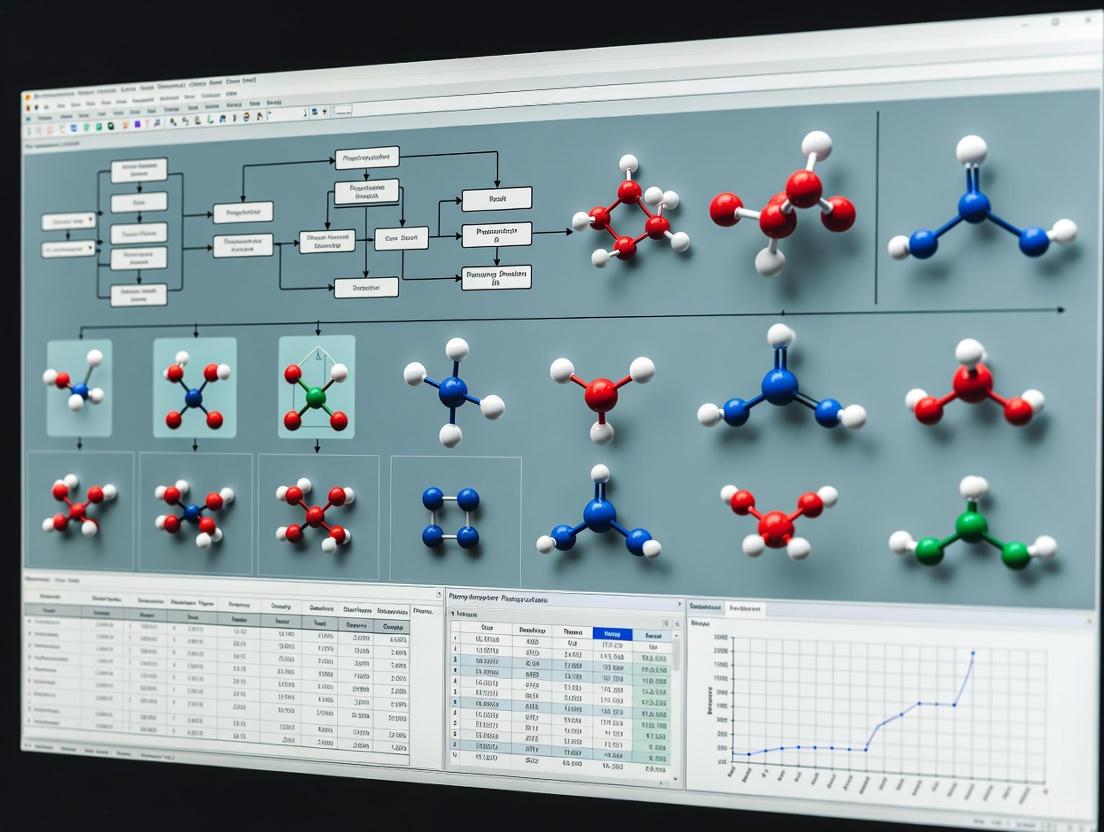
This article provides a comprehensive examination of pharmacophore modeling's pivotal role in computer-aided drug design, addressing the needs of researchers and drug development professionals.
Pharmacophore Modeling in Modern Drug Discovery: A Comprehensive Guide to Methods, Applications, and AI-Driven Advances
Abstract
This article provides a comprehensive examination of pharmacophore modeling's pivotal role in computer-aided drug design, addressing the needs of researchers and drug development professionals. It explores foundational concepts and historical development, details structure-based and ligand-based methodological approaches, and examines successful applications in virtual screening and lead optimization. The content analyzes current limitations and refinement strategies, presents validation metrics and comparative performance data against other virtual screening methods, and discusses the integration of artificial intelligence to enhance predictive accuracy and efficiency in modern drug discovery pipelines.
The Pharmacophore Concept: From Historical Origins to Modern Definition in Drug Discovery
Historical Evolution: From Paul Ehrlich's Original Concept to IUPAC Definition
The pharmacophore concept, a cornerstone of modern computer-aided drug design, has undergone a profound evolution from its initial conceptualization to its current formal definition. This whitepaper traces this critical journey, beginning with Paul Ehrlich's pioneering "magic bullet" hypothesis at the dawn of the 20th century, which introduced the paradigm of targeted therapy. The concept was later formally defined by the IUPAC as "an ensemble of steric and electronic features that is necessary to ensure the optimal supramolecular interactions with a specific biological target" [1]. This document delineates the key historical milestones, conceptual shifts, and methodological advances that have positioned pharmacophore modeling as an indispensable tool in rational drug discovery. Framed within a broader thesis on its role in computer-aided drug design, this review underscores how the pharmacophore has transitioned from an abstract idea into a quantitative, computable model that drives virtual screening, de novo design, and lead optimization.
In the contemporary landscape of pharmaceutical research, the pharmacophore is a fundamental conceptual and computational model. It serves as a critical bridge connecting chemical structure to biological activity, enabling the rational identification and optimization of novel therapeutic agents. According to the IUPAC, a pharmacophore is "an ensemble of steric and electronic features that is necessary to ensure the optimal supramolecular interactions with a specific biological target and to trigger (or block) its biological response" [1] [2]. It is not a specific molecule or functional group, but rather an abstract pattern of features that represents the essential molecular interaction capacities of a group of bioactive compounds [3].
The utility of pharmacophore models in computer-aided drug discovery is extensive. They are employed in:
- Virtual Screening: Filtering large chemical databases to identify novel compounds that match the essential feature map of a pharmacophore model [4].
- De Novo Design: Guiding the construction of novel chemical entities that conform to the pharmacophore requirements [4].
- Lead Optimization: Providing insights into Structure-Activity Relationships (SAR) by highlighting features critical for biological activity [5].
- Multi-Target Drug Design: Facilitating the design of ligands that interact with multiple biological targets by combining relevant pharmacophore features [4].
- ADMET Modeling: Applying the concept to model absorption, distribution, metabolism, excretion, and toxicity (ADMET) properties [5].
This document explores the historical trajectory that has established the pharmacophore as such a versatile and powerful tool, detailing its origins, key evolutionary shifts, and the experimental protocols that underpin its modern application.
The Original Concept: Paul Ehrlich's 'Magic Bullet'
The intellectual foundation of the pharmacophore concept was laid by the German Nobel laureate Paul Ehrlich (1854–1915) in the early 1900s. While working at the Institute of Experimental Therapy, Ehrlich introduced the idea of a "magic bullet" (Zauberkugel)—a substance that could selectively target and eliminate disease-causing microbes without harming the host organism [6] [7]. The name was inspired by a German myth about a bullet that could not miss its target, reflecting Ehrlich's vision of a therapeutic agent with exquisite specificity [6].
Ehrlich's hypothesis was grounded in his earlier research with * Emil Behring* on diphtheria antitoxin (antibodies) and his own extensive work with synthetic dyes [6] [7]. He observed that certain dyes would selectively stain specific tissues and microbes, leading him to postulate that chemical compounds could be engineered to similarly seek out and bind to pathological targets [7]. He articulated this concept in his side-chain theory (later receptor theory), proposing that chemical interactions between a drug and a cellular receptor were highly specific, like a "key and lock" [6]. His famous postulate was: "wir müssen chemisch zielen lernen" ("we have to learn how to aim chemically") [6].
The first tangible realization of this concept was the development of Salvarsan (arsphenamine, Compound 606) in 1909, in collaboration with Sahachiro Hata [6] [7]. Salvarsan, an arsenic-based compound, became the first effective pharmacological treatment for syphilis and is recognized as the first magic bullet [6]. It demonstrated that a synthetic chemical could be selectively toxic to a pathogen (Treponema pallidum) in a host. Although Ehrlich himself did not use the word "pharmacophore" in his writings—he used terms like "toxophores" for the groups responsible for toxic effects—his work established the core principle that specific chemical features govern biological activity and selective binding [8]. For his immense contributions, including his work on immunity, Ehrlich shared the 1908 Nobel Prize in Physiology or Medicine [6].
Conceptual Evolution and Formalization by IUPAC
The century following Ehrlich's seminal work saw the "pharmacophore" concept mature and become rigorously defined. A significant shift occurred in the meaning of the term, moving from Ehrlich's identification of specific chemical groups to a more abstract description of molecular features [8].
Credit for popularizing the modern term in the 1960s and 70s goes to Lemont B. Kier [1] [3]. However, research indicates that the pivotal redefinition was offered by F. W. Shueler in his 1960 book Chemobiodynamics and Drug Design, where he used the expression "pharmacophoric moiety" in a context aligning with the modern understanding [1] [8]. This evolution culminated in the formal, authoritative definition by the International Union of Pure and Applied Chemistry (IUPAC) in 1998, which codified the pharmacophore as an abstract ensemble of essential steric and electronic features [1] [2].
Table: Historical Evolution of the Pharmacophore Concept
| Time Period | Key Figure(s) | Conceptual Contribution | Terminology Used |
|---|---|---|---|
| Early 1900s | Paul Ehrlich | Introduced the concept of selective targeting via specific chemical groups. | "Magic Bullet" (Zauberkugel), "Toxophores" [6] [8] |
| 1960 | F. W. Shueler | Redefined the concept to focus on abstract features essential for activity. | "Pharmacophoric moiety" [1] [8] |
| 1967-1971 | Lemont B. Kier | Popularized the term "pharmacophore" in its modern sense through publications and applications [1]. | "Pharmacophore" |
| 1998 | IUPAC | Provided the formal, standardized definition widely accepted today. | "Ensemble of steric and electronic features" [1] |
This conceptual evolution is summarized in the following diagram, which maps the key transitions in the definition and application of the pharmacophore.
Core Methodologies: Building a Pharmacophore Model
The creation of a pharmacophore model is a systematic computational process. The two primary approaches are ligand-based and structure-based pharmacophore modeling, both of which follow a coherent workflow [4] [2].
Ligand-Based Pharmacophore Modeling
This approach is used when the 3D structure of the biological target is unknown but a set of active ligands is available. The protocol involves several key steps [4] [2]:
- Training Set Selection: A structurally diverse set of molecules known to be active against the target is selected. Including inactive compounds can help define features that are detrimental to activity.
- Conformational Analysis: For each molecule in the training set, a set of low-energy conformations is generated. The goal is to ensure that the conformational space is adequately sampled to include the putative bioactive conformation.
- Molecular Superimposition: Multiple low-energy conformations of the active molecules are superimposed. The objective is to find the best spatial overlap of common chemical features presumed to be critical for binding.
- Abstraction and Model Generation: The common chemical features from the superimposed molecules (e.g., hydrogen bond donors/acceptors, hydrophobic regions, charged groups) are extracted and abstracted into a pharmacophore model. This model consists of the spatial arrangement of these abstract features.
- Model Validation: The model is tested for its ability to predict the activity of a set of known active and inactive compounds not used in the training set. This validates its predictive power and refines its quality.
Structure-Based Pharmacophore Modeling
This method is employed when a 3D structure of the target (e.g., from X-ray crystallography or NMR) is available, often in complex with a ligand [4].
- Structure Preparation: The protein structure is prepared by adding hydrogen atoms, assigning correct bond orders, and optimizing the structure.
- Interaction Analysis: The binding site is analyzed for key interactions between the protein and a bound ligand, or by probing the empty binding site for potential interaction points (e.g., hydrogen bonding, hydrophobic patches, ionic contacts).
- Feature Identification: The identified protein-ligand interaction points or the potential interaction sites in the cavity are translated into pharmacophore features.
- Model Assembly: The spatial relationships (distances, angles) between the identified features are used to assemble the pharmacophore model.
The following diagram illustrates the logical workflow and decision process for selecting and executing these two primary methodologies.
The experimental and computational work in pharmacophore modeling relies on a suite of software tools and conceptual resources. The following table details key components of the modern pharmacophore modeler's toolkit.
Table: Essential Computational Tools and Resources for Pharmacophore Modeling
| Tool/Resource Name | Type/Function | Key Utility in Pharmacophore Modeling |
|---|---|---|
| Catalyst/HipHop [4] [3] | Commercial Software | One of the first automated systems for pharmacophore discovery; performs generation and 3D database searching. |
| DISCO [4] [3] | Computational Algorithm | (DIStance COmparisons) Aids in finding common pharmacophore patterns by comparing feature distances across molecules. |
| GASP [4] [3] | Computational Algorithm | (Genetic Algorithm Similarity Program) Uses molecular field similarity and evolutionary algorithms for pharmacophore discovery. |
| PHASE [4] | Software Module | Provides a comprehensive toolset for pharmacophore perception, 3D-QSAR model development, and 3D database screening. |
| RDKit [2] | Open-Source Cheminformatics Toolkit | Provides a wide array of cheminformatics functions, including the ability to generate pharmacophore features and handle molecular conformations. |
| LigandScout [2] | Software Application | Enables the creation of structure- and ligand-based pharmacophore models and advanced 3D pharmacophore screening. |
| Conformational Ensemble [4] | Computational Data | A set of low-energy 3D structures for a molecule, crucial for representing its flexible nature in ligand-based modeling. |
| Feature Definitions [1] [2] | Conceptual Framework | Standardized definitions of chemical features (e.g., Hydrogen Bond Acceptor, Hydrophobic), as per IUPAC guidelines. |
The journey of the pharmacophore from Paul Ehrlich's visionary "magic bullet" to the IUPAC's precise definition encapsulates a century of scientific progress in understanding molecular recognition. This evolution—from a focus on concrete chemical groups to an abstract ensemble of electronic and steric features—has been fundamental to the rise of rational drug design. Today, pharmacophore models are indispensable in the computational chemist's arsenal, providing a powerful abstract representation that drives virtual screening, de novo design, and lead optimization. As computational power increases and methodologies like machine learning become more integrated, the pharmacophore concept, rooted in Ehrlich's original insight, will continue to be refined and expanded. It remains a central paradigm in the ongoing effort to reduce the cost and time of drug discovery by providing a rational, structure-based framework for designing the next generation of therapeutics.
In the field of computer-aided drug discovery (CADD), the pharmacophore concept serves as a fundamental cornerstone for rational drug design. According to the International Union of Pure and Applied Chemistry (IUPAC), a pharmacophore is defined as "the ensemble of steric and electronic features that is necessary to ensure the optimal supramolecular interactions with a specific biological target structure and to trigger (or to block) its biological response" [9] [10] [11]. This conceptual framework provides an abstract representation of molecular interactions, focusing not on specific chemical structures but on the essential functional features required for biological activity. The historical development of this concept dates back to Paul Ehrlich in 1909, who first introduced the idea that molecular frameworks carry essential features responsible for biological activity [10] [11]. Over the past century, pharmacophore modeling has evolved into one of the most successful and widely applied tools in medicinal chemistry, enabling researchers to navigate complex chemical spaces and identify novel therapeutic candidates with greater efficiency and reduced costs [9] [10].
Fundamental Steric and Electronic Features of Pharmacophores
Core Feature Definitions and Spatial Characteristics
Pharmacophore models represent key chemical functionalities as geometric entities—typically spheres with defined radii, along with planes and vectors—that capture the spatial arrangement of molecular interactions. The radius of each sphere represents the tolerance for deviation from an ideal position, accommodating natural flexibility in ligand-receptor interactions [11]. The most critical pharmacophore features include well-defined steric and electronic properties that facilitate specific supramolecular interactions with biological targets.
Table 1: Fundamental Pharmacophore Features and Their Characteristics
| Feature Type | Electronic/Steric Character | Molecular Recognition Role | Representative Chemical Groups |
|---|---|---|---|
| Hydrogen Bond Acceptor (HBA) | Electronic | Accepts hydrogen bonds from donors | Carbonyl oxygen, ether oxygen, nitrogen in aromatic rings |
| Hydrogen Bond Donor (HBD) | Electronic | Donates hydrogen bonds to acceptors | Amine groups, hydroxyl groups, amide NH |
| Positively Ionizable (PI) | Electronic | Forms electrostatic interactions with anions | Primary, secondary, tertiary amines; guanidine groups |
| Negatively Ionizable (NI) | Electronic | Forms electrostatic interactions with cations | Carboxylic acids, phosphates, sulfonates, tetrazoles |
| Hydrophobic (H) | Steric | Engages in van der Waals interactions with hydrophobic pockets | Alkyl chains, aromatic rings, alicyclic systems |
| Aromatic (AR) | Both electronic and steric | Participates in π-π stacking and cation-π interactions | Phenyl, pyridine, other aromatic ring systems |
| Metal Coordinating | Electronic | Chelates metal ions in active sites | Histidine imidazole, carboxylates, thiols |
These features represent the key elements that facilitate binding between a ligand and its biological target through various interaction types including hydrogen bonding, electrostatic attractions, hydrophobic effects, and aromatic interactions [9] [11]. The spatial arrangement of these features within a pharmacophore model defines the molecular recognition pattern necessary for biological activity, independent of the underlying chemical scaffold [9]. This abstraction enables pharmacophore approaches to identify structurally diverse compounds that share common biological activity—a process known as scaffold hopping [10].
Advanced Feature Considerations: Exclusion Volumes and Directional Vectors
Beyond the primary features described above, sophisticated pharmacophore models incorporate additional elements that enhance their biological relevance and predictive accuracy. Exclusion volumes (XVOL) represent forbidden areas that correspond to steric clashes between the ligand and receptor, effectively mapping the shape and boundaries of the binding pocket [9] [12]. These exclusion spheres ensure that generated or identified ligands not only possess the necessary interacting groups but also fit within the spatial constraints of the binding site.
For features where interaction geometry is critical, such as hydrogen bonding, directional vectors may be incorporated to represent the optimal trajectory for these interactions [11]. Similarly, aromatic rings may be represented with vector normal to their plane to capture the geometry of π-π stacking interactions [11]. These advanced features increase the precision of pharmacophore models, improving their ability to distinguish true actives from inactive compounds in virtual screening applications.
Methodological Approaches to Pharmacophore Modeling
Structure-Based Pharmacophore Modeling
Structure-based pharmacophore modeling relies on the three-dimensional structural information of macromolecular targets, typically obtained from X-ray crystallography, NMR spectroscopy, or cryo-electron microscopy [9] [13]. When experimental structures are unavailable, computational techniques such as homology modeling or machine learning-based methods like AlphaFold2 can generate reliable 3D models [9]. The workflow for structure-based pharmacophore modeling follows a systematic protocol:
Step 1: Protein Structure Preparation The quality of the input structure directly influences the resulting pharmacophore model. This critical first step involves evaluating and optimizing:
- Protonation states of residues under physiological conditions
- Position of hydrogen atoms (absent in X-ray structures)
- Presence and functional role of non-protein groups (cofactors, water molecules)
- Completeness of the structure (addressing missing residues or atoms)
- Stereochemical parameters and overall energetic feasibility [9]
Step 2: Ligand-Binding Site Characterization Identification of the binding site is achieved through:
- Analysis of protein-ligand co-crystal structures if available
- Computational detection of potential binding pockets using tools like GRID or LUDI
- GRID uses molecular interaction fields with different probe types to identify energetically favorable interaction sites
- LUDI applies geometric rules and statistical distributions from known protein-ligand complexes [9]
Step 3: Pharmacophore Feature Generation and Selection Interaction points between the binding site and potential ligands are mapped:
- Features are generated based on complementarity with binding site residues
- When a protein-ligand complex is available, features are derived directly from observed interactions
- In apo structures, all possible interaction points are calculated, often requiring manual refinement
- Initial feature sets are refined by removing non-essential features to create selective hypotheses [9] [13]
Table 2: Structure-Based Pharmacophore Modeling Software and Applications
| Software/Tool | Methodological Basis | Key Application | Representative Use Case |
|---|---|---|---|
| GRID | Molecular interaction fields using chemical probes | Binding site characterization and interaction energy mapping | Identification of hydrophobic regions and hydrogen bonding sites [9] |
| LUDI | Geometric rules and statistical contact distributions | Fragment-based de novo design and binding site analysis | Prediction of potential interaction sites in novel targets [9] |
| LigandScout | Structure-based feature detection from protein-ligand complexes | Automated pharmacophore model generation | Creation of validated pharmacophore models for XIAP protein [13] |
| Structure-Based Pharmacophore (SBPM) | Interaction points from holo or apo protein structures | Virtual screening and lead optimization | Identification of natural anti-cancer agents targeting XIAP [13] |
Ligand-Based Pharmacophore Modeling
When the 3D structure of the target macromolecule is unavailable, ligand-based pharmacophore modeling provides a powerful alternative approach. This method extracts common chemical features from a set of known active ligands that represent the essential interactions with the biological target [9] [10]. The methodology involves:
Step 1: Training Set Compilation
- Selection of structurally diverse compounds with confirmed biological activity
- Inclusion of inactive compounds when available to improve model selectivity
- Ensuring appropriate representation of different chemical scaffolds while maintaining common pharmacological activity [10]
Step 2: Conformational Analysis and Molecular Alignment
- Generation of biologically relevant conformations for each compound
- Alignment of molecules to maximize overlap of common chemical features
- Application of algorithms such as maximum common substructure (MCS) or field-based alignment techniques [10]
Step 3: Common Feature Pharmacophore Generation
- Identification of conserved steric and electronic features across the aligned molecule set
- Definition of spatial tolerances for each feature based on molecular variability
- Optimization of feature combinations to balance model selectivity and generality [9] [10]
Ligand-based approaches are particularly valuable for targets with limited structural information, such as many G protein-coupled receptors (GPCRs) [14]. The quality of ligand-based models depends heavily on the diversity and quality of the training set compounds, with greater structural diversity typically leading to more robust and generally applicable models.
Experimental Implementation and Validation Protocols
Pharmacophore Model Validation Methods
To ensure the reliability and predictive power of pharmacophore models, rigorous validation protocols must be implemented. The validation process typically involves:
Decoy Set Validation This method evaluates the model's ability to distinguish known active compounds from decoy molecules that are similar in physicochemical properties but presumed inactive [13]. The protocol includes:
- Compilation of known active compounds with experimental activity data (IC50, Ki values)
- Generation of decoy sets using tools like the Database of Useful Decoys (DUDe)
- Calculation of enrichment factors (EF) and receiver operating characteristic (ROC) curves
- Assessment of the area under the ROC curve (AUC) with values closer to 1.0 indicating superior performance [13]
In a recent study on XIAP inhibitors, structure-based pharmacophore validation achieved an exceptional early enrichment factor (EF1%) of 10.0 with an AUC value of 0.98, demonstrating excellent discriminatory power [13].
Experimental Correlation The ultimate validation of any pharmacophore model comes from experimental confirmation:
- Selected virtual hits are subjected to biological testing
- Dose-response relationships establish potency of identified compounds
- Specificity testing confirms target engagement
- Structural analysis (X-ray crystallography, NMR) verifies predicted binding modes [13] [15]
Practical Application: Virtual Screening Protocol
Once validated, pharmacophore models serve as queries for virtual screening of compound databases. A standard protocol includes:
Step 1: Database Preparation
- Selection of appropriate compound libraries (ZINC, Enamine, in-house collections)
- Generation of biologically relevant 3D conformations for each compound
- Consideration of tautomeric states and protonation at physiological pH [13] [16]
Step 2: Pharmacophore-Based Screening
- Flexible fitting of database compounds to the pharmacophore model
- Scoring based on the quality of feature matching and spatial overlap
- Application of exclusion volume constraints to eliminate sterically hindered compounds [9] [11]
Step 3: Post-Screening Analysis
- Visual inspection of top-ranking hits to verify reasonable chemical structures
- Assessment of chemical diversity among selected compounds
- Evaluation of drug-like properties using filters such as Lipinski's Rule of Five [13] [15]
In a case study targeting breast cancer, researchers employed pharmacophore-based virtual screening followed by molecular dynamics simulations, which led to the identification of a novel compound (Molecule 10) with potent antitumor activity (IC50 = 0.032 µM) against MCF-7 cells [15].
Table 3: Key Research Reagents and Computational Tools for Pharmacophore Modeling
| Resource Category | Specific Tools/Databases | Primary Function | Accessibility |
|---|---|---|---|
| Protein Structure Resources | RCSB Protein Data Bank (PDB), AlphaFold2 Database, SWISS-MODEL | Source of 3D structural data for targets and homologs | Public access with registration for some features |
| Compound Databases | ZINC, Enamine, CHEMBL, PubChem | Libraries for virtual screening and training set compilation | Publicly accessible with varying download options |
| Pharmacophore Modeling Software | LigandScout, MOE, Discovery Studio, PHASE | Creation, visualization, and application of pharmacophore models | Commercial with academic licensing options |
| Computational Chemistry Suites | Schrödinger Suite, OpenEye, AutoDock Vina | Molecular docking, dynamics, and structure preparation | Commercial and open-source options available |
| Force Fields | CHARMM, AMBER, GAFF | Energy calculations and molecular dynamics simulations | Openly available with parameter generation tools |
| MD Simulation Packages | GROMACS, NAMD, AMBER | Assessment of binding stability and conformational sampling | Open source with community support |
Emerging Innovations and Future Perspectives
The field of pharmacophore modeling continues to evolve with emerging technologies that enhance its capabilities and applications. Artificial intelligence and machine learning are being integrated with pharmacophore approaches to create more predictive models. The recently developed Pharmacophore-Guided deep learning approach for bioactive Molecule Generation (PGMG) uses graph neural networks to encode spatially distributed chemical features and transformers to generate novel molecular structures that match specific pharmacophores [17]. This integration addresses the challenge of data scarcity in drug discovery, particularly for novel target families.
Dynamic pharmacophore modeling represents another significant advancement, where molecular dynamics simulations are used to capture the flexibility of both ligands and targets [14]. By accounting for protein flexibility and the multiple conformational states accessible to both receptors and ligands, these dynamic models provide a more realistic representation of molecular recognition events, potentially leading to improved virtual screening performance.
The application of pharmacophore approaches has also expanded beyond conventional drug targets to address challenging therapeutic areas. Recent studies have demonstrated their utility in targeting protein-protein interactions [11], designing selective allosteric modulators [14], and predicting potential off-target effects and toxicities [12] [11]. As structural biology continues to provide insights into previously intractable targets, and computational methods become increasingly sophisticated, pharmacophore modeling remains a versatile and indispensable tool in the modern drug discovery arsenal.
Pharmacophore modeling represents a cornerstone of computer-aided drug design (CADD), providing an abstract framework that defines the essential molecular interactions necessary for biological activity. This technical guide examines the three-dimensional arrangement of key pharmacophore features—hydrogen bond donors and acceptors, hydrophobic areas, and ionizable groups—that facilitate supramolecular interactions between ligands and their biological targets. Within modern CADD pipelines, pharmacophore models serve as powerful tools for virtual screening, lead optimization, and de novo drug design by capturing the steric and electronic features responsible for molecular recognition. This whitepaper details the fundamental characteristics of these core features, their roles in molecular interactions, and the methodological approaches for their implementation in structure-based and ligand-based drug discovery. As artificial intelligence and machine learning increasingly transform computational pharmacology, understanding these foundational elements remains critical for researchers and drug development professionals aiming to accelerate therapeutic discovery.
The official International Union of Pure and Applied Chemistry (IUPAC) definition describes a pharmacophore as "the ensemble of steric and electronic features that is necessary to ensure the optimal supramolecular interactions with a specific biological target structure and to trigger (or to block) its biological response" [18] [9]. This conceptual framework dates back to Paul Ehrlich's late-19th century work on specific molecular groups responsible for biological activity, establishing the fundamental principle that compounds sharing common chemical functionalities with similar spatial arrangements typically exhibit similar biological activities toward the same target [18] [9].
In contemporary computer-aided drug design (CADD), pharmacophore models abstract specific atoms and functional groups into generalized chemical features that mediate ligand-target interactions [18]. This abstraction enables the identification of structurally diverse compounds that interact with the same biological target through equivalent molecular recognition patterns. Pharmacophore approaches have evolved into indispensable tools within CADD pipelines, particularly valuable for virtual screening of large chemical libraries, scaffold hopping to identify novel chemotypes, lead optimization, and multi-target drug design [9].
The foundational principle of pharmacophore modeling rests on identifying the essential, minimum structural features required for target binding and biological activity [19]. By focusing on interaction capacities rather than specific chemical scaffolds, pharmacophore models facilitate the discovery of structurally distinct compounds with similar target profiles, significantly expanding the explorable chemical space in drug discovery programs.
Fundamental Pharmacophore Features
Hydrogen Bond Donors and Acceptors
Hydrogen bond donors (HBD) are functional groups featuring a hydrogen atom bonded to an electronegative atom (typically oxygen or nitrogen) that can participate in directional interactions with electron-rich acceptor atoms [9]. In pharmacophore models, these features represent the capacity to donate a hydrogen bond to complementary acceptor groups on the biological target, such as carbonyl oxygen atoms or negatively charged centers in the binding pocket.
Hydrogen bond acceptors (HBA) constitute regions with electron-rich atoms (commonly oxygen, nitrogen, or sulfur) that can form directional interactions with hydrogen bond donors from the target protein [9] [20]. These features typically include lone pairs of electrons capable of forming stabilizing interactions with hydrogen atoms bonded to electronegative atoms.
The spatial directionality of hydrogen bonding interactions represents a critical parameter in pharmacophore modeling, as the optimal geometry maximizes interaction energy and binding specificity [20]. Modern pharmacophore tools incorporate directional vectors to ensure proper alignment of these features between ligand and target.
Hydrophobic Areas
Hydrophobic features represent molecular regions characterized by non-polar atoms or alkyl chains that preferentially associate with other non-polar surfaces through van der Waals interactions and the hydrophobic effect [9] [20]. These features typically include aliphatic carbon chains, aromatic rings, and other non-polar molecular regions that avoid aqueous environments.
In pharmacophore modeling, hydrophobic features drive ligand binding through the entropic gain resulting from water displacement from hydrophobic binding pockets and the favorable van der Waals contacts between complementary non-polar surfaces [19]. Unlike hydrogen bonding features, hydrophobic interactions are generally less directional but highly dependent on the close complementarity of interacting surfaces.
Ionizable Groups
Positively ionizable groups (PI) represent molecular features that can carry a positive charge under physiological conditions, typically including amine groups that can be protonated [9]. These groups can form strong electrostatic interactions with negatively charged residues in binding pockets, such as carboxylate groups from aspartic or glutamic acid side chains.
Negatively ionizable groups (NI) constitute molecular regions that can carry a negative charge, typically including carboxylic acids, phosphates, sulfonates, or tetrazoles [9]. These features interact favorably with positively charged residues in binding sites, such as ammonium groups from lysine side chains or guanidinium groups from arginine residues.
The strength and longer range of electrostatic interactions involving ionizable groups make them particularly important for initial molecular recognition and binding affinity. The protonation state of these groups at physiological pH significantly influences their interaction capacities and must be carefully considered during pharmacophore model development [19].
Table 1: Fundamental Pharmacophore Features and Their Characteristics
| Feature Type | Atomic Components | Interaction Type | Directionality | Energy Contribution |
|---|---|---|---|---|
| Hydrogen Bond Donor | O-H, N-H | Electrostatic, dipole | High | -1 to -5 kcal/mol |
| Hydrogen Bond Acceptor | O, N, S | Electrostatic, dipole | High | -1 to -5 kcal/mol |
| Hydrophobic Area | C-H groups, aromatic rings | van der Waals, entropic | Low | -0.1 to -0.2 kcal/mol per atom |
| Positively Ionizable | Amines, guanidines | Electrostatic | Medium | -5 to -10 kcal/mol |
| Negatively Ionizable | Carboxylates, phosphates | Electrostatic | Medium | -5 to -10 kcal/mol |
Methodological Approaches in Pharmacophore Modeling
Structure-Based Pharmacophore Modeling
Structure-based pharmacophore modeling derives pharmacophore features directly from the three-dimensional structure of the target protein, typically obtained from X-ray crystallography, NMR spectroscopy, or cryo-electron microscopy [9]. When experimental structures are unavailable, computationally predicted structures from tools like AlphaFold or homology models serve as suitable alternatives [21] [22]. The methodology follows a systematic workflow:
Protein Preparation: The initial step involves optimizing the protein structure through hydrogen atom addition, residue protonation appropriate for physiological pH, and correction of any structural anomalies or missing atoms [9]. This ensures the model accurately represents the biological reality.
Binding Site Detection: Identification of the ligand-binding site employs computational tools such as GRID and LUDI, which analyze protein surfaces to locate regions with favorable interaction potentials based on geometric, energetic, and evolutionary constraints [9].
Feature Generation: Analysis of the binding site geometry identifies potential interaction points complementary to ligand features—hydrogen bond donors/acceptors, hydrophobic patches, and regions accommodating ionizable groups [9]. Exclusion volumes (XVOL) are added to represent steric constraints from protein atoms [9].
Feature Selection: The final step refines the model by selecting only the most critical features—those with strong energetic contributions to binding, evolutionary conservation, or demonstrated importance through mutagenesis studies [9].
Structure-Based Pharmacophore Modeling Workflow
Ligand-Based Pharmacophore Modeling
Ligand-based approaches develop pharmacophore models from a set of known active compounds without requiring target structure information [9]. This method identifies common molecular interaction patterns among diverse ligands that bind the same target:
Conformational Analysis: Generation of energetically favorable 3D conformations for each active ligand, ensuring comprehensive coverage of accessible spatial arrangements [18].
Molecular Alignment: Superposition of ligand structures to identify common spatial arrangements of chemical features despite potential scaffold differences [18].
Common Feature Identification: Detection of conserved pharmacophore elements—hydrogen bond donors/acceptors, hydrophobic areas, and ionizable groups—across the aligned ligand set [9].
Model Validation: Assessment of the resulting pharmacophore hypothesis using both active and inactive compounds to verify its ability to discriminate true actives [19].
The quantitative structure-activity relationship (QSAR) pharmacophore generation represents a sophisticated ligand-based approach that incorporates biological activity data to create models that correlate feature arrangement with potency [19].
Experimental Implementation and Validation
Virtual Screening Protocols
Pharmacophore-based virtual screening applies pharmacophore models as search queries to identify potential hits from large chemical databases [9]. The standard protocol involves:
Database Preparation: Conversion of compound libraries into searchable 3D formats with representative conformational ensembles for each molecule [23].
Pharmacophore Searching: Screening of database compounds against the pharmacophore model using flexible alignment algorithms that evaluate both feature matching and geometric constraints [9].
Hit Selection and Ranking: Identification of molecules satisfying the pharmacophore hypothesis and ranking based on fit quality, chemical novelty, and drug-like properties [23].
Post-Screening Analysis: Further evaluation of top-ranking hits using complementary methods like molecular docking, molecular dynamics simulations, and binding affinity predictions [23].
Comparative studies demonstrate that pharmacophore-based virtual screening (PBVS) frequently outperforms docking-based virtual screening (DBVS) in retrieval rates of active compounds across diverse targets, with superior enrichment factors observed in 14 of 16 benchmark evaluations [23].
Table 2: Performance Comparison of Virtual Screening Methods Across Eight Protein Targets
| Target Protein | Pharmacophore-Based VS | Docking-Based VS | Enhancement Factor |
|---|---|---|---|
| Angiotensin Converting Enzyme (ACE) | 72% hit rate | 58% hit rate | 1.24 |
| Acetylcholinesterase (AChE) | 68% hit rate | 52% hit rate | 1.31 |
| Androgen Receptor (AR) | 75% hit rate | 61% hit rate | 1.23 |
| D-alanyl-D-alanine Carboxypeptidase (DacA) | 70% hit rate | 55% hit rate | 1.27 |
| Dihydrofolate Reductase (DHFR) | 65% hit rate | 50% hit rate | 1.30 |
| Estrogen Receptor α (ERα) | 71% hit rate | 59% hit rate | 1.20 |
| HIV-1 Protease (HIV-pr) | 69% hit rate | 54% hit rate | 1.28 |
| Thymidine Kinase (TK) | 66% hit rate | 51% hit rate | 1.29 |
Advanced AI-Driven Approaches
Recent advancements integrate artificial intelligence with pharmacophore modeling, exemplified by frameworks like DiffPhore—a knowledge-guided diffusion model for 3D ligand-pharmacophore mapping [20]. This approach leverages deep learning to generate ligand conformations that optimally align with pharmacophore constraints while addressing the sparse feature challenge inherent to pharmacophore models [20].
The methodology employs three integrated modules:
- Knowledge-guided LPM Encoder: Incorporates pharmacophore type and direction matching rules to represent alignment between ligand conformations and pharmacophores [20].
- Diffusion-based Conformation Generator: Utilizes score-based diffusion models parameterized by SE(3)-equivariant graph neural networks to explore conformation space informed by pharmacophore constraints [20].
- Calibrated Conformation Sampler: Adjusts conformation perturbation strategies to minimize discrepancies between training and inference phases [20].
This AI-enhanced approach demonstrates superior performance in predicting binding conformations compared to traditional pharmacophore tools and several advanced docking methods, particularly in virtual screening applications for lead discovery and target fishing [20].
Research Reagents and Computational Tools
Table 3: Essential Research Tools for Pharmacophore Modeling and Analysis
| Tool Category | Specific Software/Resource | Primary Function | Application Context |
|---|---|---|---|
| Pharmacophore Modeling Software | Catalyst/Discovery Studio | Build pharmacophore models and perform virtual screening | Ligand- and structure-based model development [18] |
| MOE | Molecular modeling and pharmacophore development | Integrated drug design platform [18] | |
| LigandScout | Generate 3D pharmacophores from protein-ligand complexes | Structure-based pharmacophore modeling [18] [23] | |
| PHASE | 3D pharmacophore modeling and QSAR analysis | Ligand-based pharmacophore modeling [19] [20] | |
| Protein Structure Databases | Protein Data Bank (PDB) | Repository of experimental protein structures | Source of target structures for structure-based design [18] [9] |
| Compound Libraries | ZINC Database | Curated collection of commercially available compounds | Virtual screening for lead identification [20] |
| AI-Driven Platforms | DiffPhore | Knowledge-guided diffusion for ligand-pharmacophore mapping | AI-enhanced pharmacophore modeling and screening [20] |
| Molecular Docking Tools | AutoDock Vina, GOLD, Glide | Predictive ligand positioning in binding sites | Complementary validation of pharmacophore hits [23] [24] |
Pharmacophore Modeling in Drug Discovery Pipeline
The strategic integration of key pharmacophore features—hydrogen bond donors/acceptors, hydrophobic areas, and ionizable groups—within computational frameworks continues to drive advances in structure-based and ligand-based drug design. As CADD methodologies evolve, particularly through incorporating artificial intelligence and machine learning, pharmacophore modeling maintains its fundamental role in bridging molecular structure and biological activity. The ongoing refinement of these abstract representations of molecular interaction capacities, coupled with emerging computational technologies, promises to enhance the efficiency and success rates of therapeutic development across diverse disease areas. For researchers and drug development professionals, mastering these core pharmacophore features remains essential for leveraging the full potential of computer-aided drug discovery in both academic and industrial settings.
In the field of computer-aided drug discovery, the pharmacophore concept represents a fundamental abstraction that distills molecular recognition down to its essential interaction features, deliberately moving beyond specific chemical groups and scaffolds. According to the official IUPAC definition, a pharmacophore is "the ensemble of steric and electronic features that is necessary to ensure the optimal supramolecular interaction with a specific biological target structure and to trigger (or block) its biological response" [25]. This definition emphasizes that a pharmacophore is not a specific molecular structure itself, but rather an abstract pattern of functionalities that can be embodied by diverse chemical structures [25]. This conceptual framework enables medicinal chemists to transcend the limitations of particular chemical classes and focus on the essential determinants of biological activity.
The abstract depiction of molecular interactions avoids a bias toward overrepresented functional groups in small datasets, allowing researchers to identify bioisosteric replacements and discover novel scaffold hops [26]. For example, the β-lactam ring in penicillins and cephalosporins represents a classic pharmacophore that remains constant across multiple generations of antibiotics, even as surrounding structures evolve to overcome drug resistance [25]. This abstraction capability makes pharmacophore modeling particularly valuable for scaffold hopping in virtual screening, where the objective is to identify structurally diverse compounds that share the same biological activity through common interaction patterns [26]. By focusing on the spatial arrangement of key chemical features rather than specific atoms or bonds, pharmacophores provide a powerful framework for navigating chemical space and accelerating lead discovery and optimization.
Fundamental Feature Types
Pharmacophore models represent ligands through an abstract collection of chemical features that are essential for molecular recognition and biological activity. These features capture the key interactions between a ligand and its biological target, focusing on the quality of interactions rather than the specific atoms or functional groups producing them. The most common features include hydrogen bond acceptors (HBA) and donors (HBD), hydrophobic regions (H), aromatic rings (RA), positive and negative ionizable groups, and metal-binding moieties [27] [25] [28]. These features represent the capability to form specific non-covalent interactions rather than particular chemical functionalities, enabling the recognition of shared interaction patterns across structurally diverse compounds.
The spatial arrangement of these features is typically defined through interfeature distances and angular relationships that specify the geometric constraints necessary for productive binding [25]. For instance, a pharmacophore model might specify two hydrogen bond acceptors separated by 5.5-6.5 Å and a hydrophobic region positioned 7.2-8.2 Å from both acceptors. This spatial representation captures the essential geometry required for complementary interactions with the target binding site while allowing flexibility in the specific chemical implementations of these features. The abstract nature of this representation enables pharmacophore models to identify structurally diverse compounds that share the same interaction capability, facilitating scaffold hopping and expanding the chemical space available for drug discovery campaigns.
Comparison with Related Concepts
Table 1: Distinguishing Pharmacophores from Related Chemical Concepts
| Concept | Definition | Focus | Level of Abstraction |
|---|---|---|---|
| Pharmacophore | Ensemble of steric and electronic features necessary for optimal supramolecular interactions with a biological target [25] | Interaction capabilities and their spatial arrangement | High (abstract features) |
| Privileged Structure | Structural motifs often associated with biological activity toward multiple targets [25] | Specific molecular scaffolds | Low (concrete structures) |
| Functional Group | Specific grouping of atoms with characteristic chemical behavior | Atomic composition and bonding | None (concrete atoms) |
| Binding Site | Complementary region on the target protein that accommodates the ligand [28] | Structural complementarity | Medium (physical structure) |
It is crucial to distinguish pharmacophores from the related concept of "privileged structures," which are specific structural motifs (e.g., dihydropyridines, benzodiazepines) that frequently appear in biologically active compounds across different target classes [25]. While privileged structures represent concrete molecular scaffolds, pharmacophores describe abstract interaction patterns that can be realized by diverse chemical structures. This distinction highlights the unique value of pharmacophores in enabling scaffold hopping and identifying structurally novel active compounds that might be missed by similarity-based approaches focused on specific molecular frameworks [26].
Methodological Approaches to Pharmacophore Modeling
Ligand-Based Pharmacophore Modeling
Ligand-based pharmacophore modeling approaches derive pharmacophore models exclusively from a set of known active compounds without requiring structural information about the biological target. These methods operate on the principle that compounds sharing a common biological activity must contain similar features responsible for that activity, arranged in a conserved spatial pattern [29] [28]. The process typically begins with conformational analysis of each active compound to generate multiple 3D conformers, ensuring adequate coverage of the accessible conformational space [28]. Molecular alignment techniques, including common feature alignment and flexible alignment, are then employed to superimpose the active compounds and identify shared pharmacophoric features and their spatial arrangement [28].
The HipHopRefine algorithm, implemented in Catalyst (now part of Discovery Studio), represents a sophisticated ligand-based approach that generates pharmacophore hypotheses from a set of aligned ligands [30]. The algorithm prioritizes compounds based on their activity levels, with highly active compounds (e.g., with IC50 values in the low nanomolar range) typically assigned the highest priority during model generation [30]. The resulting pharmacophore models consist of a collection of chemical features (hydrophobic, hydrogen bond donor/acceptor, charged, aromatic) with associated tolerances for their spatial relationships [30]. Ligand-based methods are particularly valuable when structural information about the target is unavailable, making them widely applicable to various drug targets, including membrane proteins such as GPCRs and ion channels [29].
Structure-Based Pharmacophore Modeling
Structure-based pharmacophore modeling approaches derive pharmacophore models directly from the 3D structure of the target protein, typically obtained through X-ray crystallography or homology modeling [28]. These methods analyze the binding site to identify key interaction points and generate complementary pharmacophoric features based on the protein's functional groups and physicochemical properties [28]. The process involves characterizing the binding pocket to identify regions capable of forming hydrogen bonds, hydrophobic interactions, electrostatic interactions, and other non-covalent contacts with ligands. These regions are then translated into corresponding pharmacophore features that define the essential interaction capabilities required for ligands to bind effectively.
Structure-based approaches offer the advantage of not requiring known active ligands, making them particularly valuable for novel targets with few known modulators [28]. Additionally, they can incorporate information about exclusion volumes derived from the protein structure, representing regions that ligands cannot occupy due to steric clashes with the target [30]. However, these methods must account for protein flexibility and induced fit effects, as static protein structures may not accurately represent the conformational changes that occur upon ligand binding [28]. Structure-based pharmacophore generation is often integrated with molecular docking studies to validate the resulting models and ensure they accurately represent the key interactions mediating ligand binding.
Integrated and Advanced Approaches
Recent advances in pharmacophore modeling have blurred the traditional distinction between ligand-based and structure-based approaches, with integrated methods leveraging both ligand activity data and target structural information to generate more comprehensive and reliable pharmacophore models [28]. These hybrid approaches map ligand-based pharmacophores onto protein binding sites to refine and validate the pharmacophoric features, incorporating additional information about protein flexibility and induced-fit effects [28]. The resulting models benefit from both the experimental validation provided by known active compounds and the structural insights derived from the target protein.
Emerging methodologies include quantitative pharmacophore activity relationship (QPhAR) modeling, which extends traditional qualitative pharmacophore models to predict continuous activity values based on pharmacophore features [31] [26]. QPhAR uses machine learning algorithms to establish quantitative relationships between the spatial arrangement of pharmacophoric features and biological activity, enabling not only virtual screening but also activity prediction for novel compounds [26]. Another innovative approach is pharmacophore-guided deep learning for bioactive molecule generation, which uses pharmacophore hypotheses as constraints to guide generative models in producing novel molecules with desired bioactivity [17]. These advanced approaches demonstrate how the abstract representation of pharmacophores can be leveraged to address increasingly complex challenges in drug discovery.
Table 2: Comparison of Pharmacophore Modeling Approaches
| Method | Data Requirements | Key Algorithms/Tools | Advantages | Limitations |
|---|---|---|---|---|
| Ligand-Based | Set of known active compounds | HipHop (Catalyst/Discovery Studio) [30], PHASE [26] | No target structure needed; Directly reflects structure-activity relationships | Dependent on quality and diversity of known actives |
| Structure-Based | 3D structure of target protein | LigandScout [27], MOE [27] | No known ligands needed; Incorporates exclusion volumes | Requires high-quality protein structure; May miss important ligand features |
| Quantitative (QPhAR) | Compounds with continuous activity data | QPhAR algorithm [26] | Predicts activity values; Handles activity cliffs | Requires significant training data; Model quality depends on QPhAR performance [31] |
| Pharmacophore-Guided Generation | Pharmacophore hypothesis | PGMG (Pharmacophore-Guided Molecule Generation) [17] | Generates novel molecules matching pharmacophore; Flexible to different design scenarios | Complex training process; Limited by pharmacophore quality |
Experimental Protocols and Workflows
Protocol 1: Ligand-Based Pharmacophore Modeling for Virtual Screening
This protocol outlines the steps for developing and validating a ligand-based pharmacophore model for virtual screening applications, based on established methodologies [30] [28]:
Training Set Selection and Preparation: Curate a structurally diverse set of known active compounds with comparable biological activity data (e.g., IC50 or Ki values). Include inactive compounds if available for model validation. Generate multiple low-energy conformations for each compound using conformational analysis tools such as iConfGen [26] or similar algorithms implemented in molecular modeling packages.
Molecular Alignment and Feature Identification: Align the active compounds using flexible alignment algorithms to identify common chemical features and their spatial arrangement. Employ feature detection algorithms to identify hydrogen bond donors/acceptors, hydrophobic regions, aromatic rings, and charged groups consistently present across active compounds.
Pharmacophore Hypothesis Generation: Use algorithms such as HipHopRefine [30] to generate pharmacophore hypotheses based on the aligned active compounds. Assign higher weights to features present in highly active compounds. Define spatial tolerances for each feature based on the observed variations in the aligned set.
Model Validation: Evaluate the model's ability to discriminate between active and inactive compounds using internal validation (e.g., leave-one-out cross-validation) and external validation with a test set of compounds not used in model development [28]. Calculate statistical metrics including enrichment factor, ROC curves, and AUC values to quantify model performance [28].
Virtual Screening: Apply the validated pharmacophore model to screen large chemical databases (e.g., ZINC, NCI, commercial libraries) to identify potential hits. Use flexible search algorithms to account for ligand conformational flexibility during screening.
Hit Selection and Experimental Validation: Select compounds that match the pharmacophore model for experimental testing, prioritizing structurally diverse scaffolds to maximize scaffold-hopping potential [30].
Protocol 2: Structure-Based Pharmacophore Modeling
This protocol describes the generation of pharmacophore models from protein-ligand complex structures or apo protein structures [28]:
Binding Site Identification and Analysis: Identify the binding site of interest from the protein structure using pocket detection algorithms or literature information. Analyze the binding site to characterize key interaction regions, including hydrogen bonding opportunities, hydrophobic patches, charged areas, and metal coordination sites.
Feature Mapping: Map complementary pharmacophore features onto the binding site, including hydrogen bond donors/acceptors, hydrophobic features, and ionic interaction sites. Define the spatial coordinates and tolerances for each feature based on the geometry of the binding site.
Exclusion Volume Placement: Add exclusion volumes to represent regions occupied by protein atoms that ligands cannot penetrate, derived from the van der Waals surfaces of protein residues lining the binding site [30].
Model Refinement: Refine the initial model by comparing it with known active ligands if available, adjusting feature definitions and tolerances to ensure compatibility with known structure-activity relationships.
Virtual Screening and Validation: Apply the structure-based pharmacophore model for virtual screening following similar steps to the ligand-based protocol, with particular attention to handling ligand flexibility and protein conformational variability.
QPhAR Workflow for Quantitative Pharmacophore Modeling
The QPhAR workflow represents an advanced approach for building quantitative pharmacophore models that predict continuous activity values [31] [26]:
Dataset Preparation: Collect a set of compounds with measured biological activity values (e.g., IC50, Ki). Split the data into training and test sets using appropriate stratification to ensure representative distribution of activity values and structural diversity.
Consensus Pharmacophore Generation: Generate a merged consensus pharmacophore that represents common features across the training set compounds, accounting for their bioactive conformations [26].
Feature Alignment and Descriptor Calculation: Align all training set pharmacophores to the consensus pharmacophore and extract position-dependent information relative to the merged model to create feature descriptors [26].
Model Training: Use machine learning algorithms (e.g., partial least squares regression, random forests, or neural networks) to establish a quantitative relationship between the pharmacophore descriptors and biological activity values [26].
Model Validation: Validate the QPhAR model using cross-validation techniques and external test sets, calculating performance metrics such as R², RMSE, and Q² to assess predictive capability [26]. A robust QPhAR model should achieve RMSE values competitive with traditional QSAR methods while providing better interpretability and scaffold-hopping potential [26].
The following diagram illustrates the automated end-to-end QPhAR workflow:
Figure 1: QPhAR Automated Workflow for Quantitative Pharmacophore Modeling
Validation Strategies and Performance Metrics
Statistical Validation Methods
Robust validation is essential to ensure the predictive capability and reliability of pharmacophore models. Both internal and external validation strategies should be employed to assess model quality comprehensively [28]. Internal validation techniques, such as leave-one-out cross-validation and bootstrapping, evaluate the model's stability and performance on the training set compounds [28]. External validation using an independent test set of compounds not included in model development provides a more realistic assessment of the model's predictive power for novel compounds [28]. The test set should include both active and inactive compounds to properly evaluate the model's ability to discriminate between them.
For quantitative pharmacophore models, standard regression metrics including R², RMSE (Root Mean Square Error), and Q² (cross-validated R²) should be reported [26]. In validation studies across diverse datasets, QPhAR models have demonstrated average RMSE values of approximately 0.62 with a standard deviation of 0.18, indicating robust predictive performance across different target classes [26]. For classification models, metrics such as enrichment factor, ROC curves, AUC values, sensitivity, specificity, and precision provide comprehensive assessment of model performance in distinguishing active from inactive compounds [28]. The Fβ-score and FSpecificity-score are particularly valuable for virtual screening applications where the objective is to maximize true positives while controlling false positives [31].
Application-Based Validation
Beyond statistical metrics, pharmacophore models should be validated through practical application to virtual screening campaigns with subsequent experimental confirmation. Successful identification of novel active compounds through pharmacophore-based screening provides the most compelling validation of model utility [30]. For example, in a study targeting microsomal prostaglandin E2 synthase-1 (mPGES-1), pharmacophore-based virtual screening identified nine novel inhibitor scaffolds with IC50 values ranging from 0.4 to 7.9 μM, demonstrating the practical utility of the approach for lead discovery [30].
Application-based validation should also assess the scaffold-hopping potential of pharmacophore models by examining the structural diversity of identified hits compared to the training set compounds [26]. Successful models should identify active compounds with novel scaffolds that were not represented in the training data, demonstrating that the model has captured the essential interaction patterns rather than memorizing specific structural motifs. This capability is particularly valuable for overcoming intellectual property constraints and exploring novel chemical space in drug discovery programs.
Table 3: Key Software Tools for Pharmacophore Modeling
| Tool/Software | Type | Key Features | Application Context |
|---|---|---|---|
| LigandScout [27] | Commercial | Structure-based and ligand-based pharmacophore modeling; Virtual screening | High-performance pharmacophore modeling with advanced visualization |
| Discovery Studio [27] | Commercial | HipHop/Hypogen algorithms; QSAR integration; Comprehensive modeling environment | End-to-end pharmacophore modeling workflows in industrial settings |
| MOE (Molecular Operating Environment) [27] | Commercial | Pharmacophore modeling, docking, and molecular dynamics in unified platform | Integrated structure-based design in pharmaceutical R&D |
| Pharmit [27] | Online Platform | Online pharmacophore modeling and virtual screening | Rapid accessible screening for academic researchers |
| PHASE [26] | Commercial (Schrödinger) | 3D pharmacophore fields; PLS-based QSAR | Quantitative pharmacophore modeling aligned with molecular fields |
| QPhAR [26] | Research Algorithm | Quantitative pharmacophore activity relationship; Machine learning integration | Building predictive quantitative models from pharmacophores |
The abstract nature of pharmacophores, focusing on essential molecular interaction features beyond specific chemical groups, represents a powerful paradigm for navigating the complexity of molecular recognition in drug discovery. By distilling ligand-receptor interactions to their fundamental components and spatial relationships, pharmacophore modeling enables scaffold hopping, facilitates exploration of novel chemical space, and provides a rational framework for lead optimization [26]. The continued evolution of pharmacophore methods, including quantitative approaches like QPhAR and integration with deep learning for molecule generation, promises to further enhance the utility of this abstract representation in addressing challenging drug discovery problems [17] [31] [26].
As structural biology advances provide increasing insights into protein-ligand interactions, and machine learning algorithms become more sophisticated at extracting patterns from complex data, the abstract representation offered by pharmacophores will continue to serve as a valuable intermediary between structural information and functional activity. This positions pharmacophore modeling as an enduring and evolving methodology in the computational drug discovery toolkit, capable of bridging the gap between structural complexity and functional abstraction to accelerate the identification and optimization of novel therapeutic agents.
Building and Applying Pharmacophore Models: Structure-Based and Ligand-Based Approaches
Computer-Aided Drug Discovery (CADD) employs computational tools to investigate molecular properties and develop novel therapeutic solutions, reducing the time and costs associated with traditional drug development [9]. Within the CADD toolkit, pharmacophore modeling represents one of the most sophisticated and widely used strategies for hit identification and optimization [10]. According to the International Union of Pure and Applied Chemistry (IUPAC), a pharmacophore is defined as "the ensemble of steric and electronic features that is necessary to ensure the optimal supramolecular interactions with a specific biological target and to trigger (or block) its biological response" [9] [10]. In essence, a pharmacophore model abstracts the key chemical functionalities required for biological activity into a three-dimensional arrangement of features, independent of a specific molecular scaffold [9].
Pharmacophore modeling approaches are broadly classified into two categories: ligand-based and structure-based [9]. Ligand-based methods derive models from the structural alignment and common features of known active compounds. In contrast, structure-based pharmacophore modeling, the focus of this technical guide, extracts critical interaction points directly from the three-dimensional structure of a protein-ligand complex [32] [9]. This approach provides an atomic-level insight into the binding interactions, making it a powerful tool for virtual screening when a reliable target structure is available [10]. This guide provides an in-depth technical examination of the structure-based pharmacophore modeling workflow, its applications in drug discovery, and recent methodological advances.
Theoretical Foundations and Definition
The structure-based approach operates on the fundamental principle of molecular recognition, identifying and mapping the complementary chemical features between a ligand and its binding pocket [9]. The model is generated by analyzing the protein-ligand complex to pinpoint the amino acid residues and ligand functional groups that participate in key interactions, such as hydrogen bonding, ionic attractions, and hydrophobic contacts [9].
These interactions are translated into abstract pharmacophore features. The most common pharmacophoric feature types include [9]:
- Hydrogen Bond Acceptors (HBA)
- Hydrogen Bond Donors (HBD)
- Hydrophobic areas (H)
- Positively and Negatively Ionizable groups (PI/NI)
- Aromatic rings (AR)
- Metal Coordinating areas
In addition to these chemical features, exclusion volumes (XVOL) are often added to represent the steric constraints of the binding pocket, indicating regions where ligand atoms cannot be positioned due to clashing with the protein [9]. The resulting model serves as a 3D query that can screen chemical libraries for molecules possessing the same spatial arrangement of essential features, thereby predicting potential biological activity.
A Step-by-Step Workflow for Structure-Based Pharmacophore Modeling
The generation of a robust, structure-based pharmacophore model follows a systematic protocol. The flowchart below illustrates the key stages of this process.
Figure 1: The core workflow for developing a structure-based pharmacophore model, from initial data preparation to final validation.
Protein-Ligand Complex Preparation
The initial and a critical step involves curating the input structure. The 3D structure of the target, typically a protein-ligand complex, is often sourced from the Protein Data Bank (PDB) [9]. The quality of this input structure directly determines the quality of the resulting pharmacophore model [9].
Key preparation steps include:
- Structure Quality Assessment: Evaluate the resolution of crystal structures, check for missing atoms or residues, and assess the overall stereochemical quality.
- Protonation: Add hydrogen atoms, which are absent in X-ray structures, and assign correct protonation states to amino acid residues at the physiological pH of interest.
- Energy Minimization: Perform a limited optimization to relieve steric clashes introduced during the protonation process.
- Ligand Handling: Ensure the bound ligand's structure and geometry are chemically sensible.
If an experimental structure is unavailable, alternative approaches such as homology modeling or the use of AI-based structure prediction tools like AlphaFold2 can generate a reliable 3D model for the target [9]. Molecular docking can also be used to generate a protein-ligand complex if the binding pose of an active compound is unknown [9].
Binding Site Detection and Analysis
The next step is to identify and characterize the ligand-binding site. While this can be done manually by inspecting the co-crystallized ligand, automated tools are often employed for a more comprehensive analysis [9]. These tools probe the protein surface to locate cavities with favorable properties for ligand binding.
Commonly used programs are:
- GRID: A grid-based method that uses different chemical probes to sample the protein surface and identify energetically favorable interaction sites, generating molecular interaction fields [9].
- LUDI: A knowledge-based tool that predicts potential interaction sites using geometric rules derived from statistical analyses of non-bonded contacts in experimental structures [9].
Pharmacophore Feature Generation and Selection
Using the prepared protein-ligand complex, the software identifies potential pharmacophore features by analyzing the interactions between the ligand and the binding site residues. Initially, a large number of features may be detected. Therefore, it is crucial to select only those that are essential for ligand binding and bioactivity to create a selective and effective model [9] [10].
Feature selection can be guided by:
- Energetic Contribution: Prioritizing features that contribute significantly to the binding energy.
- Evolutionary Conservation: Selecting interactions with conserved residues, often identified through sequence alignments.
- Structural Conservation: If multiple protein-ligand complexes are available, identifying the most conserved interactions across different structures.
- Spatial Constraints: Incorporating exclusion volumes to represent the shape of the binding pocket, which helps in discerning molecules that are sterically incompatible with the target [9].
Advanced Methodologies and Recent Advances
The field of structure-based pharmacophore modeling is evolving beyond static crystal structures to incorporate dynamics and complex data representation.
Incorporating Molecular Dynamics
Proteins are flexible entities, and interactions with ligands are inherently dynamic. Static X-ray structures may not capture all relevant binding modes or protein conformations. To address this, Molecular Dynamics (MD) simulations are now frequently used to sample the conformational space of a protein-ligand complex [33]. Pharmacophore models can be generated from multiple snapshots of an MD trajectory, capturing transient but critical interactions that are absent in the static structure [33]. This approach leads to the creation of an ensemble of pharmacophore models, providing a more holistic view of the binding interactions.
Hierarchical Graph Representation
To manage and visualize the multitude of pharmacophore models generated from MD simulations, the Hierarchical Graph Representation of Pharmacophore Models (HGPM) has been developed [33]. This method represents all unique pharmacophore models and their relationships in a single, interactive graph. The HGPM provides an intuitive tool for analysts to observe feature hierarchies, identify consensus patterns, and strategically select a subset of models for virtual screening campaigns, thereby reducing computational overhead while maintaining model diversity [33].
Shape-Focused and AI-Enhanced Modeling
Recent innovations are integrating shape matching and artificial intelligence into pharmacophore modeling.
- Shape-Focused Models: Algorithms like O-LAP generate cavity-filling models by clustering overlapping atoms from top-ranked docking poses of active ligands. These models focus on the overall shape and electrostatic complementarity between the ligand and the binding pocket, and have shown significant success in improving docking enrichment in virtual screening [34].
- AI Integration: Tools like dyphAI integrate machine learning with ensemble pharmacophore models derived from MD simulations. This approach captures key protein-ligand interaction patterns and has been successfully applied to discover novel, potent acetylcholinesterase inhibitors, demonstrating the power of combining dynamic pharmacophore modeling with AI-driven virtual screening [35].
Essential Research Reagents and Computational Tools
The successful application of structure-based pharmacophore modeling relies on a suite of software tools and data resources. The table below details key components of the modern computational pharmacologist's toolkit.
Table 1: Essential Research Reagents and Software Solutions for Structure-Based Pharmacophore Modeling.
| Tool/Resource Name | Type/Function | Key Application in Workflow |
|---|---|---|
| RCSB Protein Data Bank (PDB) [9] | Data Repository | Source of experimental 3D structures of protein-ligand complexes. |
| GRID [9] | Software Module | Identifies energetically favorable interaction sites in the binding pocket. |
| LUDI [9] | Software Algorithm | Predicts potential interaction sites using knowledge-based geometric rules. |
| LigandScout [33] [34] | Pharmacophore Modeling Software | Generates structure-based pharmacophore models from PDB structures or MD snapshots; includes virtual screening capabilities. |
| Molecular Dynamics (MD) [33] | Simulation Technique | Samples protein flexibility and generates an ensemble of conformations for model building. |
| O-LAP [34] | Graph Clustering Algorithm | Generates shape-focused pharmacophore models by clustering atoms from docked ligands. |
| dyphAI [35] | AI-Integrated Platform | Combines machine learning with dynamic pharmacophore models for enhanced virtual screening. |
| Exclusion Volumes (XVOL) [9] | Pharmacophore Feature | Represents steric constraints of the binding pocket to improve model selectivity. |
Application in Virtual Screening: A Practical Protocol
The primary application of a validated pharmacophore model is in virtual screening (VS) of large compound libraries to identify novel hit molecules [10]. The following protocol outlines a typical VS campaign.
Protocol: Virtual Screening Using a Structure-Based Pharmacophore Model
- Query Creation: Load the validated pharmacophore model into screening software (e.g., LigandScout). Use exclusion volumes to define the steric boundaries of the pocket [9].
- Database Preparation: Convert a commercial or in-house compound library (e.g., ZINC, ChEMBL) into a searchable 3D format. This involves generating multiple conformers for each molecule to ensure flexibility during the matching process [33] [35].
- Screening Run: Execute the screening query. The algorithm will rapidly scan the database and match compounds that fit the spatial and chemical constraints of the pharmacophore model.
- Hit Analysis and Post-Processing: Analyze the top-ranking hits.
- Visual Inspection: Manually check the alignment of hits with the pharmacophore features.
- Docking Validation: Subject the hits to molecular docking to refine the binding pose and estimate affinity [34].
- Consensus Scoring: If multiple pharmacophore models are used (e.g., from an MD ensemble), employ consensus scoring functions to rank the final hit list, making the process less sensitive to the limitations of any single model [33].
This methodology has proven successful in numerous studies. For instance, a recent campaign against acetylcholinesterase using the dyphAI protocol identified 18 novel molecules from the ZINC database, with several exhibiting potent inhibitory activity in subsequent experimental tests, validating the computational predictions [35].
Structure-based pharmacophore modeling stands as a cornerstone of modern computer-aided drug discovery. By directly translating 3D structural information of a target into an abstract query of essential interactions, it provides a powerful and computationally efficient method for lead identification. The ongoing integration of advanced techniques like molecular dynamics, hierarchical graph representations, and artificial intelligence is continuously enhancing the accuracy and applicability of these models. As these methods become more accessible and refined, structure-based pharmacophore modeling is poised to remain an indispensable tool for researchers and drug development professionals, streamlining the path from gene to drug and contributing to the development of safer and more effective therapeutics.
Within the paradigm of computer-aided drug discovery (CADD), pharmacophore modeling stands as a pivotal strategy for rationalizing and accelerating the identification of new therapeutic agents [9]. A pharmacophore is defined by the International Union of Pure and Applied Chemistry (IUPAC) as "the ensemble of steric and electronic features that is necessary to ensure the optimal supramolecular interactions with a specific biological target structure and to trigger (or to block) its biological response" [1]. This abstract description provides a powerful tool for understanding molecular recognition by focusing on essential interaction capabilities rather than specific molecular scaffolds.
Ligand-based pharmacophore modeling is a premier approach utilized when the three-dimensional structure of the biological target is unknown, but a set of active ligands is available [9]. The fundamental premise is that structurally diverse molecules binding to the same biological target share common pharmacophoric features necessary for biological activity [1] [36]. By identifying these shared features, researchers can create a template for virtual screening of large compound databases to identify novel hit compounds with different structural backbones—a process known as scaffold hopping [9] [37]. This review provides an in-depth technical examination of ligand-based pharmacophore modeling, detailing its core principles, methodological workflow, and applications within modern drug discovery pipelines.
Core Concepts and Definitions
Essential Pharmacophoric Features
Pharmacophore models represent chemical functionalities as abstract features critical for biological activity. The most common feature types include [9] [1]:
- Hydrogen Bond Acceptors (HBA): Atoms that can accept hydrogen bonds.
- Hydrogen Bond Donors (HBD): Atoms that can donate hydrogen bonds.
- Hydrophobic Areas (H): Non-polar regions that favor lipid environments.
- Positively/Negatively Ionizable Groups (PI/NI): Groups that can carry positive or negative charges.
- Aromatic Rings (AR): Planar, conjugated ring systems.
These features are represented in three-dimensional space as geometric entities such as points, spheres, vectors, or planes, which define their spatial location and directional properties [9].
Theoretical Foundation
The theoretical foundation of ligand-based pharmacophore modeling rests on the principle that shared biological activity across a series of compounds implies shared molecular interaction capabilities with a biological target. The model does not focus on specific atoms but on chemical functionalities, making it highly effective for identifying similarities between structurally diverse molecules [9] [1]. The quality of a pharmacophore model is fundamentally dependent on the diversity and quality of the input ligand set, as the model extrapolates the essential features from these known actives.
Methodological Workflow
The development of a robust ligand-based pharmacophore model follows a systematic workflow encompassing training set selection, conformational analysis, molecular alignment, model generation, and validation [1]. The following diagram illustrates this comprehensive process:
Training Set Selection
The initial and crucial step involves curating a training set of ligands with known biological activities [1]. Key considerations include:
- Structural Diversity: The set should encompass structurally diverse compounds to ensure the resulting model captures essential, rather than incidental, features [38] [37].
- Activity Range: Ideally, the set should include compounds with a broad range of potencies (e.g., IC50 or Ki values) [38]. Including inactive compounds can help identify features responsible for activity.
- Data Quality: All biological activity data should ideally be obtained from homogeneous assays under consistent conditions to minimize noise [38].
For instance, a study targeting DNA Topoisomerase I (Top1) selected 29 camptothecin derivatives as a training set, with experimental IC50 values ranging from 0.003 μM to 11.4 μM against A549 cancer cell lines, ensuring coverage of highly active to moderately active compounds [38].
Conformational Analysis
Since the bioactive conformation of each ligand is typically unknown, computational methods must explore the conformational space [1] [37]. This step involves:
- Conformer Generation: Using algorithms to generate a set of low-energy conformations for each ligand. Methods include systematic torsion sampling, molecular dynamics, or stochastic approaches.
- Energy Window: Typically, conformers within a specific energy threshold (e.g., 10-20 kcal/mol above the global minimum) are considered to ensure coverage of potentially bioactive conformations [37].
Tools like Discovery Studio employ the "Poling" algorithm to ensure conformational diversity, while CHARMM or MMFF94 force fields are used for energy minimization [38].
Molecular Superimposition and Alignment
This step identifies the optimal spatial overlap of pharmacophoric features across all training set molecules [1]. The computational challenge is to find the alignment that maximizes the shared feature volume.
- Algorithms: Common approaches include clique-detection (used in DISCO, Phase), genetic algorithms (GASP), or probabilistic methods (PharmaGist) [37].
- Feature Matching: The algorithm tests numerous alignments to identify the arrangement where the largest number of critical features from all molecules coincide in 3D space.
PharmaGist introduces a deterministic approach that aligns multiple flexible ligands without exhaustive enumeration of the conformational space, enhancing computational efficiency [37].
Once the optimal alignment is identified, the superimposed molecules are transformed into an abstract pharmacophore hypothesis [1]. This hypothesis consists of:
- Spatially Localized Features: The 3D coordinates of the shared pharmacophoric elements (HBD, HBA, H, etc.).
- Tolerances: Spatial tolerances around each feature, often represented as spheres or volumes, accounting for minor positional variations.
- Exclusion Volumes: Optional volumes representing steric constraints from the protein binding pocket, preventing ligand atoms from occupying these regions [9].
Software platforms like Catalyst/HipHop and Discovery Studio provide automated algorithms for this abstraction process [38] [37].
Model Validation
Before application, the generated pharmacophore model must be statistically validated [1]. Common validation strategies include:
- Test Set Decoying: Using a set of molecules not included in the training set, containing both active and inactive compounds, to assess the model's ability to discriminate actives (goodness-of-hit score, enrichment factors) [38] [37].
- Internal Validation: Assessing the correlation between experimental activity and the model's estimated activity for the training set compounds [38].
A validated model for Top1 inhibitors demonstrated a strong correlation coefficient of 0.917 for the training set and 0.875 for the test set, indicating good predictive power [38].
Case Studies and Applications
Virtual Screening for Novel Topoisomerase I Inhibitors
A comprehensive study exemplified the ligand-based pharmacophore workflow to discover novel Topoisomerase I (Top1) inhibitors [38]. Researchers developed a quantitative pharmacophore model (Hypo1) using the HypoGen algorithm in Discovery Studio from 29 CPT derivatives. This model served as a 3D query to screen over 1 million drug-like molecules from the ZINC database. Subsequent filtration using Lipinski's Rule of Five, SMART filtration, and activity estimation identified promising candidates. Molecular docking, toxicity assessment, and molecular dynamics simulations refined the selection to three potential "hit molecules" (ZINC68997780, ZINC15018994, ZINC38550809) with stable binding modes into the Top1-DNA cleavage complex [38].
Identification of Novel Antimicrobial Agents
Another study targeting fluoroquinolone antibiotics developed a shared feature pharmacophore (SFP) map using four antibiotics: Ciprofloxacin, Delafloxacin, Levofloxacin, and Ofloxacin [36]. The model, comprising hydrophobic areas, hydrogen bond acceptors/donors, and aromatic moieties, screened 160,000 compounds from ZINCPharmer. This process identified 25 initial hits, which were narrowed down through molecular docking against the DNA gyrase subunit A protein. The top compound, ZINC26740199, showed a docking score comparable to Ciprofloxacin and favorable drug-like properties, demonstrating the utility of pharmacophore models in addressing antibiotic resistance [36].
The Scientist's Toolkit: Essential Research Reagents and Software
Successful implementation of ligand-based pharmacophore modeling requires a suite of computational tools and chemical resources. The table below summarizes key components:
Table 1: Essential Research Reagents and Software for Ligand-Based Pharmacophore Modeling
| Tool/Resource | Type | Primary Function | Examples/Notes |
|---|---|---|---|
| Active Ligand Set | Chemical Data | Training Set | Structurally diverse compounds with known activity [38]. |
| Compound Databases | Digital Resource | Virtual Screening | ZINC, ChEMBL, NCI [38] [36]. |
| Pharmacophore Modeling Software | Software Platform | Model Generation & Screening | Discovery Studio (HypoGen) [38], Catalyst/HipHop [37], Phase [37], PharmaGist [37]. |
| Conformational Analysis Tool | Software Module | Bioactive Conformer Sampling | Built into major platforms (e.g., Discovery Studio) [38]. |
| Molecular Docking Software | Software Platform | Binding Mode Analysis & Refinement | AutoDock, GOLD; used post-screening [38] [36]. |
| ADMET Prediction Tools | Software Module | Drug-Likeness & Toxicity | TOPKAT [38], used for toxicity assessment of hit compounds. |
Advanced Methodologies and Emerging Trends
The field of pharmacophore modeling is evolving with advancements in computational power and algorithmic design. Emerging trends include:
- Machine Learning and AI Integration: New frameworks employ reinforcement learning and generative models to create pharmacophore-aware reward functions for de novo molecular design [39]. These approaches balance pharmacophoric similarity with structural novelty to generate patentable chemical entities [39].
- PharmacoForge and Diffusion Models: Cutting-edge research utilizes denoising diffusion probabilistic models (DDPMs) to generate 3D pharmacophores conditioned on a protein pocket. This method, exemplified by PharmacoForge, provides a highly automated pipeline for creating quality pharmacophores for virtual screening [40].
- Hybrid Modeling Approaches: Combining ligand-based and structure-based pharmacophore models in a multi-layer virtual screening workflow can improve selectivity and success rates. This strategy was successfully applied to identify novel HPPD inhibitors, where both ligand common features and receptor-ligand complex information were utilized [41].
Ligand-based pharmacophore modeling remains an indispensable component of the computer-aided drug discovery arsenal. By abstracting the essential molecular features responsible for biological activity, it provides a powerful framework for rationalizing structure-activity relationships and efficiently navigating vast chemical spaces. The rigorous methodological workflow—from careful training set selection and conformational analysis to model validation—ensures the generation of robust pharmacophore hypotheses. When integrated with complementary techniques like molecular docking and toxicity prediction, and augmented by emerging artificial intelligence methodologies, ligand-based pharmacophore modeling continues to be a cornerstone strategy for identifying and optimizing novel therapeutic agents in modern drug discovery research.
Virtual screening has become an indispensable computational tool in modern drug discovery campaigns, enabling researchers to efficiently identify potential hit compounds from vast chemical libraries. As a structure-based drug design (SBDD) strategy, virtual screening leverages computational methods to evaluate compound binding to target proteins, significantly reducing the time and resources required for experimental testing alone [42]. In the context of computer-aided drug design (CADD), pharmacophore modeling serves as a critical component that enhances virtual screening efficiency by representing essential interactions between ligands and their protein targets [13]. This technical guide examines core virtual screening methodologies, with particular emphasis on pharmacophore-based approaches and their integration within comprehensive drug discovery workflows.
Theoretical Foundations of Virtual Screening
Key Concepts and Definitions
Virtual screening encompasses computational techniques for identifying promising lead compounds by assessing their potential binding affinity to biological targets. Unlike high-throughput experimental screening, virtual screening leverages in silico methods to prioritize compounds for further investigation [42]. Pharmacophore-based virtual screening represents a particularly resource-efficient approach that filters compound libraries based on essential interaction features rather than performing exhaustive docking calculations for every candidate [42].
A pharmacophore is formally defined as "a set of points that represents areas of interactions between a protein and a ligand" [42]. Each pharmacophore center contains both spatial coordinates (Xf ∈ R³) and feature type information (Zf), with common feature types including Hydrogen Bond Acceptor, Hydrogen Bond Donor, Hydrophobic, Aromatic, Negative Ion, and Positive Ion [42]. This abstract representation captures the critical chemical functionality required for molecular recognition without being constrained to specific scaffold architectures.
The Role of Pharmacophore Modeling in CADD
Pharmacophore modeling bridges computational prediction and experimental validation in drug discovery pipelines. By defining the essential interaction patterns between ligands and their targets, pharmacophore models enable rapid screening of million-compound databases in sub-linear time, offering significant efficiency advantages over molecular docking alone [42]. The quality of pharmacophore queries directly determines screening utility, with well-designed models capable of enriching active compounds by several orders of magnitude [42].
Structure-based pharmacophore modeling derives features directly from protein-ligand complexes, capturing interaction patterns observed in crystallographic structures or predicted through computational analysis [13]. This approach provides mechanistic insights into binding requirements while facilitating the identification of novel chemotypes through feature-based matching rather than structural similarity.
Computational Methodologies and Protocols
Structure-Based Pharmacophore Modeling
Structure-based pharmacophore generation begins with analysis of target binding sites, often using protein-ligand complex structures from the Protein Data Bank. The following protocol outlines a comprehensive approach:
Protocol 1: Structure-Based Pharmacophore Generation
Protein Preparation: Obtain the 3D structure of the target protein (e.g., from PDB). Remove co-crystallized ligands except catalytic water molecules. Add hydrogen atoms and assign appropriate protonation states [43].
Binding Site Analysis: Define the binding pocket coordinates based on known ligand placement or active site residues. Software tools like MGL Tools facilitate binding site visualization and characterization [43].
Interaction Feature Identification: Using software such as LigandScout, identify key interaction features between the protein and reference ligands. These may include hydrophobic regions, hydrogen bond donors/acceptors, and charged centers [13].
Pharmacophore Model Generation: Convert identified interactions into pharmacophore features with spatial constraints. Include exclusion volumes to represent steric hindrance [13].
Model Validation: Validate the pharmacophore model using known active compounds and decoy sets. Calculate enrichment factors (EF) and area under the ROC curve (AUC) to quantify model performance [13].
Table 1: Software Tools for Pharmacophore Modeling and Virtual Screening
| Software Tool | Application | Methodology | Reference |
|---|---|---|---|
| LigandScout | Structure-based pharmacophore generation | Identifies interaction features from protein-ligand complexes | [13] [43] |
| Pharmit | Pharmacophore screening | Rapid sub-structure search with pharmacophore constraints | [42] |
| PharmacoForge | AI-based pharmacophore generation | Diffusion model for pharmacophore generation conditioned on protein pockets | [42] |
| AutoDock Vina | Molecular docking | Binding affinity prediction through semi-empirical scoring | [44] [43] |
| Apo2ph4 | Fragment-based pharmacophore generation | Docks molecular fragments to identify interaction points | [42] |
Virtual Screening Workflow Implementation
A comprehensive virtual screening campaign integrates multiple computational techniques to progressively filter compound libraries. The following workflow represents a state-of-the-art approach:
Virtual Screening Workflow Diagram
Protocol 2: Integrated Virtual Screening Protocol
Compound Library Preparation: Curate chemical libraries from commercially available sources (e.g., ZINC database, NCI library, CMNPD). Standardize structures, generate 3D conformations, and filter using drug-like criteria [44] [13] [43].
Pharmacophore-Based Screening: Screen the entire library against the validated pharmacophore model using rapid search algorithms. In the KHK-C inhibitor discovery campaign, this initial step screened 460,000 compounds from the NCI library [44].
Multi-Level Molecular Docking: Subject pharmacophore-matched compounds to hierarchical docking studies. Use fast docking for initial filtering followed by more rigorous docking with explicit solvation and refined scoring [44].
Binding Free Energy Estimation: Calculate binding free energies for top-ranking compounds using methods such as MM-GBSA (Molecular Mechanics with Generalized Born and Surface Area solvation) [44] [43].
ADMET Profiling: Predict absorption, distribution, metabolism, excretion, and toxicity properties using tools like SwissADME and pkCSM. Filter compounds with unfavorable pharmacokinetic or toxicity profiles [44] [45] [13].
Molecular Dynamics Simulations: Perform extended MD simulations (typically 100-200 ns) to evaluate binding stability, conformational flexibility, and interaction persistence [44] [13].
Case Study: KHK-C Inhibitor Discovery
Biological Context and Target Validation
Ketohexokinase-C (KHK-C) represents a compelling case study in modern virtual screening applications. As the primary enzyme responsible for fructose metabolism in the liver, KHK-C catalyzes the phosphorylation of fructose to fructose-1-phosphate [44]. Unlike glucose metabolism, KHK-C activity lacks negative feedback regulation, leading to unregulated triglyceride production and contributing to metabolic disorders including NAFLD, insulin resistance, and type 2 diabetes [44]. Genetic studies demonstrating that KHK-null mice are protected from fructose-induced metabolic abnormalities further validated KHK-C as a therapeutic target [44].
Virtual Screening Implementation and Results
A recent comprehensive computational study screened 460,000 compounds from the National Cancer Institute library using the integrated workflow described in Section 3.2 [44]. The campaign employed pharmacophore-based virtual screening followed by multi-level molecular docking, binding free energy estimation, ADMET analysis, and molecular dynamics simulations.
Table 2: Virtual Screening Results for KHK-C Inhibitor Discovery
| Compound | Docking Score (kcal/mol) | Binding Free Energy (kcal/mol) | ADMET Profile | Status |
|---|---|---|---|---|
| PF-06835919 (Reference) | -7.768 | -56.71 | Clinical candidate | Phase II trials [44] |
| LY-3522348 (Reference) | -6.54 | -45.15 | Clinical candidate | Development [44] |
| Compound 1 | -7.79 to -9.10 | -57.06 to -70.69 | Favorable | Identified hit [44] |
| Compound 2 | -7.79 to -9.10 | -57.06 to -70.69 | Favorable | Most promising candidate [44] |
The virtual screening campaign identified ten compounds with superior docking scores (-7.79 to -9.10 kcal/mol) and binding free energies (-57.06 to -70.69 kcal/mol) compared to clinical candidates PF-06835919 and LY-3522348 [44]. Subsequent ADMET profiling refined the selection to five compounds, with molecular dynamics simulations identifying Compound 2 as the most stable and promising candidate [44].
Advanced Methodologies and Emerging Approaches
Machine Learning-Enhanced Virtual Screening
Recent advances in machine learning are transforming virtual screening methodologies. PharmacoForge represents a novel approach that employs diffusion models to generate 3D pharmacophores conditioned on protein pocket structures [42]. This method utilizes denoising diffusion probabilistic models (DDPMs) to create pharmacophore queries that can identify valid, commercially available molecules through rapid database screening [42].
The diffusion process in PharmacoForge follows the equation: [ q(xt|x0) = \mathcal{N}(xt|\alphat x0, \sigmat^2 I) ] where (x0) is the original data sample, (xt) is the noised sample at step t, (\alphat) controls the original signal maintained, and (\sigmat) defines the noise added at each step [42]. This approach generates E(3)-equivariant pharmacophores that maintain consistency under rotational and translational transformations.
Integrated Pharmacophore-Docking Strategies
Hybrid approaches that combine pharmacophore screening with molecular docking demonstrate superior performance compared to either method alone. Pharmacophore filters rapidly reduce the chemical space, allowing more computational resources to be allocated to rigorous docking of promising candidates [44] [43]. This strategy was successfully employed in the discovery of marine-derived aromatase inhibitors, where pharmacophore screening of >31,000 compounds identified 1,385 candidates that were subsequently evaluated through molecular docking [43].
The Scientist's Toolkit: Essential Research Reagents
Table 3: Essential Research Reagents and Computational Tools for Virtual Screening
| Resource Category | Specific Tools/Databases | Application in Virtual Screening |
|---|---|---|
| Compound Libraries | ZINC, NCI database, CMNPD | Sources of screening compounds with diverse chemical structures [44] [13] [43] |
| Protein Structure Resources | Protein Data Bank (PDB) | Source of 3D protein structures for structure-based design [13] [43] |
| Pharmacophore Modeling | LigandScout, Pharmer, Pharmit | Generation and screening of pharmacophore models [13] [43] [42] |
| Molecular Docking | AutoDock Vina, SwissDock, PyRx | Prediction of ligand binding poses and affinities [44] [45] [43] |
| ADMET Prediction | SwissADME, pkCSM | Evaluation of pharmacokinetic and toxicity properties [45] [13] |
| Molecular Dynamics | GROMACS, AMBER, NAMD | Assessment of binding stability and conformational dynamics [44] [13] |
| AI-Based Tools | PharmacoForge, PharmRL | Machine learning approaches for pharmacophore generation [42] |
Virtual screening represents a powerful methodology for hit identification in modern drug discovery, with pharmacophore-based approaches offering exceptional efficiency for filtering large compound libraries. The integrated workflow combining pharmacophore screening, molecular docking, binding free energy calculations, ADMET profiling, and molecular dynamics simulations has demonstrated success in identifying promising candidates for challenging targets such as KHK-C. Emerging methodologies, particularly machine learning-based pharmacophore generation, promise to further enhance screening efficiency and success rates. As virtual screening technologies continue to evolve, their integration within comprehensive drug discovery pipelines will remain essential for addressing the increasing complexity of therapeutic targets and accelerating the development of novel therapeutics.
In the relentless pursuit of new therapeutics, medicinal chemists face the dual challenge of optimizing drug candidates for efficacy and safety while navigating intellectual property landscapes. Lead optimization and scaffold hopping represent two pivotal, interconnected strategies in modern computer-aided drug discovery (CADD) that address these challenges. Lead optimization systematically refines the properties of a hit compound through iterative design cycles, while scaffold hopping aims to replace the core molecular framework with novel structures that retain biological activity. These approaches have proven instrumental in overcoming development hurdles such as poor pharmacokinetics, toxicity, and patent constraints [46] [47] [48].
The success of both strategies hinges on a fundamental understanding of pharmacophore models—abstract representations of the steric and electronic features essential for molecular recognition and biological activity. According to the IUPAC definition, a pharmacophore model is "an ensemble of steric and electronic features that is necessary to ensure optimal supramolecular interactions with a specific biological target and to trigger (or block) its biological response" [10]. This conceptual framework provides the intellectual bridge between chemical structure and biological function, serving as a guiding blueprint throughout the drug discovery process [5].
This technical guide examines the integral role of pharmacophore modeling in facilitating lead optimization and scaffold hopping, detailing computational methodologies, experimental protocols, and emerging artificial intelligence (AI) approaches that are reshaping molecular design.
Core Principles and Definitions
Lead Optimization in Drug Discovery
Lead optimization constitutes the final phase of drug discovery before preclinical candidate selection, focusing on enhancing multiple characteristics of lead compounds simultaneously. This complex multiparameter optimization process aims to improve:
- Target selectivity and biological activity
- Potency against the intended biological target
- Pharmacokinetic properties (Absorption, Distribution, Metabolism, Excretion - ADME)
- Toxicological profile [47]
The process employs high-throughput techniques including magnetic resonance, mass spectrometry, and computational methods to systematically modify compounds while monitoring their drug-like properties [47].
Scaffold Hopping Strategies
Scaffold hopping (also termed "rescaffolding") refers to the strategic replacement of a molecule's core structure with a novel chemical motif while preserving its biological activity [48]. First coined by Schneider and colleagues in 1999, this approach has become integral to medicinal chemistry for generating novel, patentable drug candidates [46] [49].
Scaffold hopping strategies are typically categorized into four main types of increasing complexity [49]:
- Heterocyclic substitutions
- Open-or-closed rings
- Peptide mimicry
- Topology-based hops
The primary objectives of scaffold hopping include circumventing intellectual property restrictions, improving physicochemical properties, addressing metabolic instability, and reducing toxicity issues [46] [49]. Successful applications have led to marketed drugs such as Vadadustat, Bosutinib, Sorafenib, and Nirmatrelvir [46].
The Central Role of Pharmacophore Modeling
Pharmacophore modeling creates an abstract representation of molecular interactions by identifying the spatial arrangement of features essential for biological activity. These features typically include:
- Hydrogen-bond acceptors and donors
- Positively and negatively charged groups
- Hydrophobic and aromatic regions
- Exclusion volumes [10] [48]
Pharmacophore approaches have become one of the major tools in drug discovery after a century of development, with applications spanning virtual screening, de novo design, lead optimization, and multitarget drug design [10]. The particular relevance of pharmacophores to scaffold hopping lies in their ability to define chemical features essential for biological activity while being largely independent of the underlying molecular scaffold, thereby enabling bioisosteric replacements that maintain binding interactions [48].
Table 1: Quantitative Benchmarks for Scaffold Hopping Tools
| Tool/Method | Scaffold Library Size | Key Similarity Metrics | Performance Validation |
|---|---|---|---|
| ChemBounce [46] | 3,231,556 unique scaffolds from ChEMBL | Tanimoto similarity, Electron shape similarity | Processed diverse molecules (315-4813 Da) in 4s to 21min; generated structures with lower SAscores and higher QED vs. commercial tools |
| ROCS [48] | Varies with screening database | Shape overlap, Pharmacophoric feature matching | Considered gold standard for lead hopping; successful identification of novel active structures |
| CATS Descriptor [48] | Corporate or public databases | 2D correlation vector similarity | Effective for scaffold hopping in virtual screening |
| SHOP [48] | User-defined or commercial | GRID-based similarity | Specifically designed for scaffold hopping applications |
Computational Methodologies and Tools
Pharmacophore-Based Approaches
Pharmacophore-based methods for scaffold hopping can be broadly divided into two strategic categories:
Core replacement approaches: These focus specifically on the part of the molecule to be replaced, defining exit vectors along outgoing chemical bonds and using their relative orientation (distances and angles) as database queries [48]. Early pioneering tools in this category include CAVEAT, with more recent implementations including ReCore and ParaFrag [48].
Virtual screening approaches: These use the entire molecule to search databases of available or virtual compounds for novel scaffolds that match the essential pharmacophoric features [48]. This strategy offers the advantage that database hits can be immediately subjected to biological testing, validating new scaffold ideas without initial chemical synthesis [48].
Both 2D and 3D pharmacophore methods have been successfully applied to scaffold hopping. 2D approaches like the CATS (Chemically Advanced Template Search) descriptor represent molecules as correlation vectors of atom pair frequencies, capturing pharmacophoric information in an alignment-free manner suitable for rapid similarity searching [48]. 3D approaches such as ROCS (Rapid Overlay of Chemical Structures) align compounds based on optimal shape overlap while matching pharmacophoric features, providing a more sophisticated but computationally demanding solution [48].
Emerging AI-Driven Molecular Representation
Recent advancements in artificial intelligence have revolutionized molecular representation, shifting from predefined rules to data-driven learning paradigms [49]. AI-driven approaches leverage deep learning models to directly extract intricate features from molecular data, enabling a more sophisticated understanding of structures and their properties.
Key AI methodologies include:
- Language model-based representations: Treating molecular sequences (e.g., SMILES) as chemical language, using transformer architectures to learn meaningful representations [49] [50]
- Graph neural networks: Representing molecules as graphs with atoms as nodes and bonds as edges, capturing both local and global structural information [49]
- Variational autoencoders and generative adversarial networks: Learning continuous latent representations of chemical space for generative molecular design [50]
These AI-driven representations particularly enhance scaffold hopping by capturing subtle structural nuances that may be overlooked by traditional methods, allowing more comprehensive exploration of chemical space [49].
Integrated Workflow Platforms
Recent developments include comprehensive platforms that integrate multiple computational approaches. For instance, the Generative Therapeutics Design (GTD) application employs an iterative, evolutionary approach combining 2D ML models with 3D pharmacophoric constraints [51]. The GTD workflow follows a Generate-Filter-Score-Prune cycle, applying evolutionary pressure to steer molecular generation toward regions of chemical space that satisfy multiple optimization criteria simultaneously [51].
Another emerging framework, ChemBounce, leverages a curated library of over 3 million synthesis-validated fragments from the ChEMBL database [46]. This open-source tool identifies core scaffolds in input molecules and replaces them with novel fragments while evaluating Tanimoto and electron shape similarities to maintain pharmacophoric compatibility [46] [52].
Diagram 1: Scaffold Hopping Workflow. This diagram illustrates the computational pipeline for scaffold hopping as implemented in tools like ChemBounce, from input structure to novel compound generation [46].
Experimental Protocols and Methodologies
Pharmacophore Model Development
Ligand-Based Pharmacophore Modeling
Objective: To derive a pharmacophore model from a set of known active ligands when the 3D structure of the biological target is unavailable.
Procedure:
- Training Set Selection: Compile a structurally diverse set of 16-20 compounds with known biological activities against the target, ensuring representation of various chemotypes and a sufficient activity range [10].
- Conformational Analysis: Generate representative conformational ensembles for each compound using algorithms such as:
- Monte Carlo methods (e.g., Cyndi algorithm)
- Systematic search approaches
- Molecular dynamics simulations [10]
- Molecular Superimposition: Align the conformational ensembles to identify common spatial arrangements of chemical features using methods such as:
- GASP (Genetic Algorithm Superimposition Program)
- HipHop algorithm
- DISCO (DIStance COmparisons) [10]
- Feature Abstraction: Extract common steric and electronic features critical for biological activity, including:
- Hydrogen bond donors/acceptors
- Hydrophobic regions
- Charged/ionizable groups
- Aromatic rings [10]
- Model Validation: Validate the resulting pharmacophore model using test set compounds not included in the training set, assessing its ability to discriminate between active and inactive molecules [10].
Structure-Based Pharmacophore Modeling
Objective: To develop a pharmacophore model directly from the 3D structure of a macromolecular target or macromolecule-ligand complex.
Procedure:
- Structure Preparation: Obtain and preprocess the target structure from:
- X-ray crystallography
- Cryo-electron microscopy
- NMR spectroscopy [10]
- Binding Site Analysis: Identify and characterize the binding pocket using methods such as:
- GRID analysis
- Multiple copy simultaneous search (MCSS)
- LigandScout interaction maps [10]
- Interaction Mapping: Probe the binding site to identify potential interaction points corresponding to:
- Hydrogen bonding opportunities
- Hydrophobic contact regions
- Electrostatic complementarity zones [10]
- Feature Selection: Select the most relevant interaction points and assemble them into a pharmacophore hypothesis considering spatial constraints [10].
- Model Refinement: Optimize the model using known active ligands if available, and validate through virtual screening experiments [10].
Scaffold Hopping Implementation Using ChemBounce
Objective: To generate novel compounds with diverse scaffolds while maintaining biological activity using the ChemBounce computational framework.
Procedure:
- Input Preparation: Provide the input structure as a valid SMILES string, ensuring proper syntax and atomic valence rules [46].
Scaffold Identification: Execute the scaffold fragmentation algorithm:
ChemBounce applies the HierS methodology through ScaffoldGraph, decomposing molecules into ring systems, side chains, and linkers [46].
- Scaffold Replacement: Replace the query scaffold with candidate scaffolds from the curated ChEMBL library of 3,231,556 unique fragments [46].
- Similarity Screening: Evaluate generated compounds using:
- Tanimoto similarity based on molecular fingerprints
- Electron shape similarity computed using ElectroShape in the ODDT Python library [46]
- Output Analysis: Examine the generated structures meeting similarity thresholds for synthetic accessibility and drug-likeness [46].
AI-Enhanced Molecular Generation with 3D Constraints
Objective: To optimize lead compounds using generative AI models incorporating 3D pharmacophoric information.
Procedure (based on BIOVIA Generative Therapeutics Design):
- Problem Setup: Define chemical constraints including:
- Fixed atoms (not modified during generation)
- Homology groups (restrictions on substituents at specific positions) [51]
- Desirability Function Configuration: Establish mapping functions to convert raw property predictions to desirability scores (0-1) for multiple parameters including:
- Pharmacophore fit values
- Predicted ADMET properties
- Synthetic accessibility metrics [51]
- Generative Cycle Execution: Implement the Generate-Filter-Score-Prune cycle:
- Generate new molecules through enumeration or molecular transformations
- Filter candidates based on chemical feasibility and desirability thresholds
- Score remaining molecules using ML models and pharmacophore fitness
- Prune low-performing candidates while retaining top molecules for next iteration [51]
- Result Validation: Synthesize and test top-ranking generated compounds to validate predictive models and design hypotheses [51].
Diagram 2: AI-Driven Lead Optimization. This workflow illustrates the iterative generate-filter-score-prune cycle used in AI platforms like GTD for multi-parameter lead optimization [51].
Table 2: Key Research Reagent Solutions for Lead Optimization and Scaffold Hopping
| Tool/Category | Specific Examples | Function/Application | Key Characteristics |
|---|---|---|---|
| Scaffold Hopping Tools | ChemBounce [46], ReCore [48], SHOP [48] | Generate novel core structures while maintaining pharmacology | Varies from fragment-based replacement (ChemBounce) to GRID similarity (SHOP) |
| Pharmacophore Modeling | Catalyst [10], Phase [10], LigandScout [10] | Develop 2D/3D pharmacophore models for virtual screening | Implement varied algorithms (HypoGen, HipHop) for model generation |
| Shape Similarity Tools | ROCS [48] | 3D shape-based alignment and screening | Uses Gaussian molecular shapes with pharmacophore feature matching |
| AI/Generative Platforms | BIOVIA GTD [51], REINVENT [51], GraphAF [50] | De novo molecular design with multi-parameter optimization | Combine generative models with reinforcement learning and property prediction |
| Descriptor Analysis | CATS [48], ECFP [49] | 2D molecular representation for similarity searching | Correlation vectors (CATS) or circular fingerprints (ECFP) |
| Structural Databases | ChEMBL [46], Corporate DBs [48] | Source of known bioactive compounds and fragments | ChEMBL provides >3M curated scaffolds for hopping [46] |
| ADMET Prediction | FP-ADMET [49], SCADMET [47] | In silico prediction of pharmacokinetic and toxicological properties | Machine learning models trained on experimental data |
Lead optimization and scaffold hopping represent complementary paradigms in modern drug discovery, both fundamentally guided by pharmacophore principles. The integration of sophisticated computational approaches—from established pharmacophore modeling techniques to emerging AI-driven generative methods—has significantly enhanced our ability to navigate chemical space and design novel compounds with improved properties.
The continued evolution of these methodologies, particularly through the incorporation of 3D structural information into AI models [51] and the development of extensive, synthesis-validated fragment libraries [46], promises to further accelerate the drug discovery process. As these computational strategies mature, their predictive power and practical utility in addressing complex optimization challenges will undoubtedly expand, potentially transforming how researchers approach molecular design and optimization in the coming years.
Future directions will likely focus on improving the accuracy of ADMET prediction models [51], enhancing the integration of multi-objective optimization strategies [50], and developing more sophisticated methods for evaluating synthetic accessibility [46]. These advancements, coupled with increased collaboration between computational and medicinal chemists, will be essential for realizing the full potential of computational approaches in delivering novel therapeutics to patients.
In the modern paradigm of computer-aided drug discovery (CADD), pharmacophore modeling stands as a cornerstone technique for the rapid identification of novel therapeutic agents. A pharmacophore is defined as the ensemble of steric and electronic features necessary to ensure optimal molecular interactions with a specific biological target [53]. This technical guide examines two seminal case studies that exemplify the successful application of 3D pharmacophore-based approaches: the discovery of Dopamine D3 receptor ligands and the identification of HIV-1 protease inhibitors. These cases demonstrate how both ligand-based and structure-based pharmacophore strategies, often used in combination, can efficiently navigate chemical space to identify potent, novel lead compounds with a minimum of synthetic chemical effort [54].
Case Study 1: Dopamine D3 Receptor Ligands
Background and Therapeutic Rationale
The dopamine D3 receptor is a member of the G-protein coupled receptor (GPCR) family and is implicated in several neurological disorders. Targeting the D3 receptor subtype specifically offers potential for treating conditions like schizophrenia and Parkinson's disease without the side effects associated with non-selective dopamine receptor modulation.
Experimental Protocol and Workflow
A hybrid pharmacophore and structure-based approach was implemented in this case study to discover novel D3 ligands [54]:
Step 1: Pharmacophore Model Development - Chemical structural analyses of ten known D3 ligands revealed a common aromatic ring and a nitrogen atom connected to a propyl group that could be superimposed in 3D space.
Step 2: Receptor Modeling - A 3D model of the D3 receptor was constructed by homology modeling using the high-resolution crystallographic structure of rhodopsin as a template. This model was refined using molecular dynamics simulations in a lipid-water environment.
Step 3: Combined Screening Approach - The NCI 3D database of 250,200 "open" compounds was first screened using the 3D pharmacophore model. Hits from this initial screening were then subjected to structure-based screening to identify compounds with effective interactions with the receptor model.
Step 4: Novelty Assessment - Top-ranked compounds were further filtered based on structural novelty through comparison with known D3 ligands.
The workflow for this approach is visualized in the following diagram:
Results and Quantitative Outcomes
The sequential screening approach yielded promising results, as summarized in the table below:
Table 1: Quantitative Results of D3 Receptor Ligand Screening Campaign
| Screening Stage | Number of Compounds | Key Criteria | Success Rate |
|---|---|---|---|
| Initial 3D Database | 250,200 | Open compounds from NCI database | Baseline |
| Pharmacophore Screening | 6,727 | Aromatic ring, nitrogen atom, propyl group alignment | 2.7% of initial database |
| Structure-Based Screening | 2,478 | Effective interactions with D3 receptor model | 36.8% of pharmacophore hits |
| Novelty Screening | 1,314 | Structural dissimilarity to known D3 ligands | 53.0% of structure-based hits |
| Selected for Testing | 20 | Promising binding pose and novelty | 1.5% of novelty-filtered hits |
| Experimentally Active | 11 | Measurable receptor binding | 55.0% of tested compounds |
| High Potency (Ki 11-63 nM) | 4 | Sub-100 nM inhibition constant | 20.0% of tested compounds |
The screening campaign successfully identified four compounds with Ki values between 11 and 63 nM, and seven others with sub-µM activities, demonstrating the effectiveness of this combined approach [54].
Research Reagent Solutions
Table 2: Essential Research Reagents for D3 Receptor Ligand Discovery
| Reagent/Resource | Function in Research | Application in Case Study |
|---|---|---|
| NCI 3D Database | Provides 3D structural information for virtual screening | Source of 250,200 open compounds for pharmacophore screening |
| Known D3 Ligands (e.g., R-(+)-7-OH-DPAT) | Reference compounds for model development | Training set for pharmacophore model development |
| Rhodopsin Crystal Structure (PDB) | Template for homology modeling | Basis for constructing D3 receptor 3D model |
| Molecular Dynamics Software | Simulates protein behavior in physiological environment | Refined D3 receptor model in lipid-water environment |
Case Study 2: HIV-1 Protease Inhibitors
Background and Therapeutic Rationale
HIV-1 protease is an aspartyl protease enzyme essential for viral replication, making it a prime therapeutic target in AIDS therapy [55] [53]. The enzyme functions as a homodimer with C-2 symmetric structure, where each monomer contributes one catalytic aspartic residue [53]. Inhibition of HIV-1 protease leads to the production of immature, non-infectious viral particles, effectively suppressing viral progression.
Experimental Protocol and Workflow
Two complementary approaches have been successfully employed for HIV-1 protease inhibitor discovery:
Ligand-Based Pharmacophore Approach
A four-point pharmacophore model was developed using the HypoGen module of Catalyst software [53] [56]:
- Training Set: 33 compounds belonging to cyclic cyanoguanidines and cyclic urea derivatives with known Ki values.
- Pharmacophore Features: Two hydrogen bond acceptors and two hydrophobic features.
- Validation: Fischer's randomization test, internal and external test set predictions.
- Statistical Quality: Correlation coefficient (r) of 0.90, root mean square of 0.71, and cost difference of 56.59 bits between null and fixed costs.
Structure-Based and Ensemble Docking Approaches
Structure-based pharmacophore generation produced a five-feature hypothesis emphasizing hydrogen bond donors, acceptors, and hydrophobic interactions [53]. Concurrently, ensemble docking approaches addressed the challenge of HIV-1 protease flexibility [55]:
- Multiple Crystallographic Structures: 52 different HIV-1 protease structures were used to account for conformational variability.
- Docking Validation: Re-docking of cognate ligand Amprenavir confirmed method reliability with RMSD values ranging from 0.34Å to 4.16Å across different protease conformations.
- Key Finding: Enzyme conformational variation significantly affected docking accuracy, with the 1HPV structure identified as optimal for predicting induced fit.
The comprehensive workflow for HIV-1 protease inhibitor discovery is shown below:
Results and Quantitative Outcomes
The ligand-based pharmacophore model demonstrated high predictive ability when tested against an external test set of 14 compounds [53]. Virtual screening of the Maybridge and NCI compound databases using this model identified four structurally diverse druggable compounds with nM activities [53] [56].
Table 3: HIV-1 Protease Inhibitor Discovery Outcomes
| Discovery Approach | Key Features | Experimental Outcomes |
|---|---|---|
| Ligand-Based Pharmacophore | 4-point model: 2 HBA, 2 hydrophobic | Identified 4 novel inhibitors with nM activity |
| Structure-Based Pharmacophore | 5-point model: HBD, HBA, hydrophobic features | Complementary validation of ligand-based model |
| Ensemble Docking | 52 protease structures, Amprenavir (Ki=0.6 nM) | Identified optimal conformation (1HPV) for induced fit |
| Non-Peptidic Scaffold Discovery | Terphenyl derivatives | Mimicked structural water interactions with Asp-25 |
Notably, database searching using structure-based pharmacophore queries identified terphenyl derivatives that mimicked the structural water molecule and formed critical interactions with the catalytic Asp-25 residues [54].
Research Reagent Solutions
Table 4: Essential Research Reagents for HIV-1 Protease Inhibitor Discovery
| Reagent/Resource | Function in Research | Application in Case Study |
|---|---|---|
| Catalyst/HypoGen Software | Ligand-based pharmacophore generation | Developed 4-feature pharmacophore model from 33 training compounds |
| AutoDock4.2 | Molecular docking simulations | Ensemble docking across 52 protease structures |
| Multiple HIV-1 Protease Structures (PDB) | Account for protein flexibility | 1HPV, 2PQZ, 3EKV, 4DJO, and 48 other conformational variants |
| Amprenavir (Reference Inhibitor) | Control for validation studies | Cognate ligand for docking validation (Ki=0.6 nM) |
| Maybridge & NCI Databases | Compound sources for virtual screening | Identified four novel nM inhibitors |
Discussion
Comparative Analysis of Approaches
Both case studies demonstrate the powerful synergy between ligand-based and structure-based drug design methodologies. The dopamine D3 receptor case employed a sequential approach, where pharmacophore screening efficiently reduced the chemical space before more computationally expensive structure-based methods were applied [54]. In contrast, the HIV-1 protease examples utilized parallel ligand-based and structure-based approaches that validated and complemented each other [53].
A critical advancement illustrated in these studies is the handling of protein flexibility through ensemble docking and dynamic pharmacophore models [55] [57]. The HIV-1 protease work demonstrated that binding predictions varied significantly across different conformational states of the enzyme, underscoring the limitation of single-structure approaches.
Best Practices for Pharmacophore-Based Discovery
Based on these successful case studies, several best practices emerge:
Hybrid Methodology Integration: Combine ligand-based and structure-based approaches to leverage their complementary strengths.
Comprehensive Validation: Employ rigorous statistical validation (e.g., Fisher randomization, test set prediction) and experimental confirmation.
Accounting for Flexibility: Utilize multiple protein conformations through ensemble docking or dynamic pharmacophore models.
Multi-Stage Screening: Implement sequential filtering (pharmacophore → structure-based → novelty → experimental) to efficiently allocate resources.
The case studies of dopamine D3 receptor ligands and HIV-1 protease inhibitors exemplify the transformative role of pharmacophore modeling in modern computer-aided drug discovery. These approaches successfully identified novel, potent lead compounds while significantly reducing the need for extensive synthetic chemistry efforts. The continued evolution of pharmacophore techniques—particularly through the integration of machine learning, more sophisticated handling of molecular flexibility, and improved virtual screening algorithms—promises to further accelerate the discovery of therapeutic agents for complex diseases. As these methodologies become more accessible and refined, their implementation in early-stage drug discovery campaigns represents a strategic advantage in the challenging landscape of pharmaceutical development.
Overcoming Challenges: Limitations and Refinement Strategies for Robust Models
In the realm of computer-aided drug discovery (CADD), pharmacophore modeling has emerged as a pivotal methodology for identifying novel therapeutic compounds by abstracting the essential steric and electronic features required for molecular recognition [9]. According to the International Union of Pure and Applied Chemistry (IUPAC), a pharmacophore represents "the ensemble of steric and electronic features that is necessary to ensure the optimal supra-molecular interactions with a specific biological target structure and to trigger (or to block) its biological response" [9] [58]. This approach has demonstrated significant utility across various applications, including virtual screening, lead optimization, and scaffold hopping, with reported hit rates typically ranging from 5% to 40%—substantially higher than random screening approaches, which often yield hit rates below 1% [58]. However, the predictive accuracy and practical utility of any pharmacophore model are fundamentally constrained by the quality of input data used in its construction, establishing a direct correlation between data integrity and model performance [9] [58] [34].
The critical dependence on data quality stems from the fact that pharmacophore models are abstract representations derived from experimental or computational data. These models simplify complex biomolecular interactions into discrete chemical features—including hydrogen bond acceptors (HBAs), hydrogen bond donors (HBDs), hydrophobic areas (H), positively and negatively ionizable groups (PI/NI), aromatic groups (AR), and exclusion volumes (XVol) [9]. When the underlying data contains errors, omissions, or biases, these imperfections become systematically embedded in the model architecture, potentially compromising its ability to distinguish between active and inactive compounds in virtual screening campaigns [58] [34]. This whitepaper examines the multifaceted relationship between input data quality and pharmacophore model accuracy, providing researchers with methodological frameworks for optimizing data curation processes within contemporary drug discovery pipelines.
Data Types and Quality Dimensions in Pharmacophore Modeling
Structural Data Quality Requirements
The foundation of structure-based pharmacophore modeling resides in the three-dimensional structural data of the target protein, typically obtained from X-ray crystallography, NMR spectroscopy, or computational prediction methods such as AlphaFold2 [9]. The quality of these structures directly dictates the reliability of derived pharmacophore features. Resolution and refinement statistics from crystallographic studies serve as primary quality indicators, with higher-resolution structures (typically <2.5 Å) providing more precise atomic coordinates for identifying key interaction sites [9]. Before model development, researchers must critically evaluate protein structures for completeness (addressing missing residues or atoms), proper protonation states of ionizable residues, stereochemical correctness, and the biological relevance of co-crystallized ligands or additives [9].
The recent dyphAI study on acetylcholinesterase (AChE) inhibitors exemplifies rigorous structural data preparation, utilizing the human AChE structure (PDB: 4EY6) with careful attention to the catalytic anionic site (CAS) and peripheral anionic site (PAS) residues, including Trp-86, Tyr-341, Tyr-337, Tyr-124, and Tyr-72 [35]. This comprehensive analysis of the enzyme's gorge-like structure (approximately 20 Å in height with 5 Å width and length dimensions) enabled accurate mapping of π-cation and π-π interactions essential for inhibitor recognition [35]. Furthermore, when leveraging structural data, researchers should prioritize structures complexed with high-affinity ligands that reflect biologically relevant binding modes, as these complexes more accurately capture the interaction patterns necessary for pharmacophore feature identification [9] [58].
Ligand Data Quality Considerations
For ligand-based pharmacophore approaches, the quality and composition of compound datasets fundamentally constrain model accuracy. The ideal training set should comprise structurally diverse molecules with experimentally confirmed, target-specific activity (e.g., through receptor binding or enzyme activity assays on isolated proteins) [58]. Cell-based assay data should be avoided for pharmacophore modeling, as numerous factors beyond target binding—including permeability, metabolism, and off-target effects—can influence activity measurements, confounding the identification of genuine pharmacophore features [58].
Additionally, researchers must establish appropriate activity cut-offs to exclude compounds with weak binding affinities and implement curation protocols to address chemical inaccuracies, tautomeric forms, and stereochemical ambiguities [58]. The inclusion of confirmed inactive compounds proves equally critical for model validation, enabling the assessment of a model's ability to discriminate between active and inactive molecules [58]. When known inactive compounds are unavailable, carefully designed decoy molecules with similar one-dimensional properties (e.g., molecular weight, hydrogen bond donors/acceptors, logP) but different topologies can be generated through resources like the Directory of Useful Decoys, Enhanced (DUD-E), typically at a ratio of 1:50 active molecules to decoys [58].
Table 1: Key Dimensions of Input Data Quality in Pharmacophore Modeling
| Data Category | Quality Metrics | Validation Approaches | Impact on Model Accuracy |
|---|---|---|---|
| Protein Structure | Resolution, R-factors, completeness, stereochemical quality | MolProbity validation, electron density analysis | Determines precision of feature placement and exclusion volumes |
| Ligand Activity | Assay type, measurement consistency, purity verification | Cross-validation with orthogonal assays, dose-response curves | Affects identification of essential vs. incidental features |
| Binding Poses | Docking scores, pose clustering, interaction consistency | Molecular dynamics stability simulations | Influences spatial arrangement of pharmacophore features |
| Dataset Composition | Structural diversity, activity range, inactive/decoy quality | Principal component analysis, property matching | Determines model specificity and scaffold hopping potential |
Methodological Framework: Quality-Driven Pharmacophore Development
Structure-Based Pharmacophore Modeling Protocol
Structure-based pharmacophore modeling begins with comprehensive protein preparation, which involves adding hydrogen atoms, assigning appropriate protonation states at biological pH, optimizing hydrogen bonding networks, and correcting structural anomalies [9]. Subsequent binding site detection can be accomplished through manual identification based on experimental data or utilizing computational tools such as GRID or LUDI that analyze protein surfaces to locate potential ligand-binding sites based on evolutionary, geometric, energetic, or statistical properties [9]. The GRID approach, for instance, employs various chemical probes to sample specific protein regions defined by a regular grid, identifying points that form energetically favorable interactions and generating molecular interaction fields that inform pharmacophore feature placement [9].
Once the binding site is characterized, the pharmacophore feature generation process identifies key interaction points complementary to the protein's binding site residues. When a protein-ligand complex structure is available, the ligand's bioactive conformation directly guides the identification and spatial arrangement of pharmacophore features corresponding to functional groups involved in critical target interactions [9]. The integration of exclusion volumes based on the binding site topography further enhances model selectivity by preventing the mapping of compounds that would experience steric clashes with the protein surface [58]. In the final feature selection phase, researchers must strategically prioritize features that contribute significantly to binding energy, represent conserved interactions across multiple structures, or correspond to residues with essential functional roles, thereby creating a pharmacophore hypothesis that balances comprehensiveness with practical screening efficiency [9].
Ligand-Based Pharmacophore Modeling Protocol
Ligand-based pharmacophore modeling requires a meticulous training set selection comprising known active compounds with diverse structural scaffolds but common biological activity. The process initiates with conformational sampling for each training molecule to generate representative 3D conformers that encompass potential bioactive orientations [58]. Subsequent molecular alignment seeks to superimpose these conformations in a manner that maximizes the spatial overlap of common chemical features, typically employing flexible alignment algorithms that account for molecular flexibility [58]. The pharmacophore hypothesis generation step then identifies conserved features across the aligned molecule set, distinguishing essential pharmacophore elements from incidental molecular characteristics [58].
The quality assessment and refinement phase represents perhaps the most critical component of the workflow, wherein preliminary models are evaluated using test sets containing both active and inactive compounds [58]. Multiple quality metrics—including enrichment factors (the enrichment of active molecules compared to random selection), yield of actives (the percentage of active compounds in the virtual hit list), specificity (the ability to exclude inactive compounds), sensitivity (the ability to identify active molecules), and the area under the curve of the Receiver Operating Characteristic plot (ROC-AUC)—provide quantitative measures of model performance [58]. This iterative refinement process continues until the model demonstrates optimal discrimination between active and inactive compounds, at which point it becomes suitable for prospective virtual screening applications [58].
Diagram 1: Quality assurance workflow for structure-based pharmacophore modeling, highlighting critical validation checkpoints throughout the development pipeline.
Experimental Protocols for Data Quality Assessment
Molecular Dynamics for Conformational Sampling
The integration of molecular dynamics (MD) simulations has emerged as a powerful methodology for enhancing the quality of conformational sampling in pharmacophore modeling. The dyphAI platform exemplifies this approach through extensive MD simulations that capture the dynamic behavior of protein-ligand complexes over biologically relevant timescales [35]. In their study targeting acetylcholinesterase inhibitors, researchers conducted nine independent 50-nanosecond MD simulations based on docked poses of representative ligands from different structural families, plus an additional simulation of the AChE-galantamine control complex [35]. This protocol generated an ensemble of protein conformations that more comprehensively represented the dynamic binding site landscape compared to single static structures.
The specific MD workflow involved system preparation through solvation in explicit water molecules, ion addition to achieve physiological salinity, energy minimization to relieve steric clashes, and gradual heating to the target temperature of 310 K before initiating production simulations [35]. Throughout the simulation trajectories, researchers monitored root-mean-square deviation (RMSD) to assess structural stability, radius of gyration to evaluate compactness, and specific protein-ligand interactions to identify persistent contacts indicative of critical pharmacophore features [35]. The resulting conformational ensemble was subsequently employed in ensemble docking studies, enabling the identification of ligand poses that accounted for protein flexibility and provided a more robust foundation for pharmacophore feature extraction [35].
Negative Image-Based Optimization for Shape-Focused Modeling
The O-LAP (Overlap Toolkit) algorithm represents an innovative approach to developing shape-focused pharmacophore models through graph clustering of docked ligand poses [34]. This method addresses data quality limitations associated with traditional cavity detection by generating cavity-filling models derived exclusively from protein-bound docked ligands. The protocol initiates with flexible molecular docking of known active ligands into the target binding site using programs such as PLANTS1.2, generating multiple pose predictions for each compound [34]. Researchers then select the top-ranked poses based on docking scores—typically 50 conformations—which are merged into a collective point cloud representing potential ligand occupancy space within the binding cavity [34].
The core innovation of O-LAP involves pairwise distance graph clustering, wherein overlapping ligand atoms with matching atom types are grouped to form representative centroids using atom-type-specific radii for distance measurements [34]. This process effectively reduces redundant atomic input while preserving the essential steric and electronic features of the binding site. When training sets containing validated active and inactive compounds are available, researchers can further implement greedy search optimization to iteratively refine the model composition for enhanced enrichment performance [34]. Benchmark testing across five challenging drug targets (neuraminidase, A2A adenosine receptor, HSP90, androgen receptor, and acetylcholinesterase) demonstrated that O-LAP modeling typically produced substantial improvements in default docking enrichment, with optimized models effectively discriminating active ligands from property-matched decoy compounds in virtual screening applications [34].
Table 2: Quantitative Performance Metrics from Case Studies Demonstrating Data Quality Impact
| Case Study | Target | Data Quality Enhancement | Performance Result | Experimental Validation |
|---|---|---|---|---|
| dyphAI [35] | Acetylcholinesterase | MD simulations (9×50 ns) + ensemble docking | 18 novel inhibitors identified; binding energies: -62 to -115 kJ/mol | 9 compounds tested; 6 showed IC₅₀ ≤ control (galantamine) |
| O-LAP [34] | 5 DUDE-Z targets | Shape-focused clustering of docked poses | Massive enrichment improvement over default docking | Benchmarking with known active/inactive compounds |
| LpxH Inhibitors [59] | Salmonella Typhi LpxH | Ligand-based model from known inhibitors | 2 lead compounds with stable MD profiles & favorable ADMET | 100 ns MD simulations; toxicity prediction |
| SARS-CoV-2 PLpro [60] | Viral protease | Structure-based model (9 features) + comparative docking | Aspergillipeptide F: pharmacophore-fit score 75.916 | Molecular dynamics showing stable binding |
| JAK Inhibitors [61] | Janus Kinases | Multiple models (SB+LB) for each subtype | Enrichment factors: 10.24-17.76; Accuracy: 0.93-0.97 | Virtual screening of pesticide database |
Case Studies in Data-Quality-Driven Discovery
dyphAI: Dynamic Pharmacophore Modeling for Alzheimer's Therapeutics
The development of the dyphAI platform exemplifies the transformative impact of high-quality dynamic data on pharmacophore model performance [35]. This innovative approach integrated machine learning models, ligand-based pharmacophores, and complex-based pharmacophores into a unified ensemble that captured critical protein-ligand interactions in acetylcholinesterase (AChE), including π-cation interactions with Trp-86 and multiple π-π interactions with Tyr-341, Tyr-337, Tyr-124, and Tyr-72 [35]. The methodology employed an extensive computational protocol incorporating database management, ligand clustering, RMSD calculations, induced-fit docking, molecular dynamics simulations, TRAPP physicochemical analyses, ensemble docking, and pharmacophore modeling [35]. This comprehensive data processing pipeline identified 18 novel AChE inhibitors from the ZINC database with binding energies ranging from -62 to -115 kJ/mol, indicating strong potential for therapeutic development.
Critically, the dyphAI approach included experimental validation of computational predictions, with nine acquired molecules tested for inhibitory activity against human AChE [35]. The results demonstrated that compounds 4 (P-1894047), characterized by a complex multi-ring structure with numerous hydrogen bond acceptors, and 7 (P-2652815), featuring a flexible polar framework with ten hydrogen bond donors and acceptors, exhibited IC₅₀ values lower than or equal to the control compound galantamine [35]. Additionally, compounds 5 (P-1205609), 6 (P-1206762), 8 (P-2026435), and 9 (P-533735) showed strong inhibition, while molecules 1 (P-14421887) and 2 (P-25746649) produced inconsistent results potentially attributable to solubility issues [35]. This concordance between computational predictions and experimental results underscores the value of integrating high-quality dynamic data with rigorous validation in pharmacophore-based drug discovery.
Shape-Focused Pharmacophore Modeling with O-LAP
The O-LAP algorithm addresses fundamental data quality challenges in structure-based pharmacophore modeling through a novel graph clustering approach that generates cavity-filling models from docked active ligands [34]. This method specifically tackles the limitations of traditional negative image-based (NIB) models by leveraging the collective structural information from multiple docked poses rather than relying solely on protein cavity topography. The implementation involves four sequential stages: filling the protein cavity with flexibly docked active ligands, trimming non-polar hydrogen atoms and deleting covalent bonding information, clumping overlapping atoms with matching types into representative centroids via pairwise distance-based graph clustering, and optional greedy search optimization when training data is available [34].
In benchmark testing across five pharmaceutically relevant targets, O-LAP-generated models demonstrated substantial enrichment improvements over default molecular docking, with performance metrics often surpassing those of PANTHER-generated NIB models [34]. The effectiveness of these shape-focused pharmacophore models varied based on atomic input composition and clustering parameters, highlighting the context-dependent nature of optimal model configuration [34]. Notably, the clustered models performed effectively in both docking rescoring (comparing shape similarity between flexibly sampled poses and the model) and rigid docking scenarios, demonstrating versatility in virtual screening applications [34]. This approach exemplifies how methodological innovations in data processing can extract enhanced predictive value from existing structural information, expanding the utility of pharmacophore modeling in challenging drug discovery contexts.
Diagram 2: Logical relationships between input data quality dimensions and pharmacophore model performance metrics, illustrating the direct impact of data integrity on virtual screening outcomes.
Table 3: Essential Computational Tools and Data Resources for Quality-Driven Pharmacophore Modeling
| Resource Category | Specific Tools/Databases | Primary Function | Quality Control Features |
|---|---|---|---|
| Protein Structure Resources | PDB (Protein Data Bank), AlphaFold2 DB, Homology Modeling | Source of 3D structural data | Resolution statistics, validation reports, model confidence metrics |
| Structure Preparation | Molecular Operating Environment (MOE), Schrödinger Protein Prep Wizard, REDUCE | Protein optimization for computational studies | Protonation state prediction, missing side-chain completion, energy minimization |
| Molecular Docking | PLANTS1.2, AutoDock, AutoDock Vina, Glide | Ligand pose prediction and scoring | Consensus docking, pose clustering, interaction analysis |
| Dynamics & Sampling | GROMACS, AMBER, NAMD, Desmond | Molecular dynamics simulations | Stability metrics, trajectory analysis, ensemble generation |
| Pharmacophore Modeling | LigandScout, Discovery Studio, MOE, O-LAP | Pharmacophore hypothesis generation and screening | Feature validation, performance metrics, enrichment calculations |
| Compound Databases | ZINC, ChEMBL, DrugBank, DUD-E | Source of screening compounds and activity data | Curated bioactivity data, decoy sets, chemical diversity metrics |
| Validation & Analysis | ROCS, ShaEP, KNIME, Python/R scripts | Model performance assessment and data analysis | Enrichment factor calculation, statistical validation, visualization |
The critical dependence of pharmacophore model accuracy on input data quality establishes fundamental requirements for contemporary computer-aided drug discovery workflows. As demonstrated across multiple case studies, enhancements in structural data completeness, ligand data reliability, and conformational sampling comprehensiveness directly translate to improved virtual screening performance and increased experimental success rates [35] [34]. The emerging paradigm emphasizes iterative quality assessment throughout the model development pipeline, with rigorous validation against experimentally confirmed active and inactive compounds serving as an essential checkpoint before prospective application [58]. Furthermore, the integration of dynamic sampling methodologies—including molecular dynamics simulations and ensemble docking—represents a significant advancement over static structure-based approaches, enabling pharmacophore models to capture the inherent flexibility of biological systems and expanding their capacity to identify diverse chemotypes with desired biological activities [35] [34].
Looking forward, the escalating adoption of artificial intelligence and machine learning in pharmacophore modeling introduces both opportunities and challenges for data quality management [62]. While these technologies can potentially accelerate model development and enhance feature detection, they simultaneously amplify the consequences of training data deficiencies through propagated errors and biased predictions [62]. The establishment of standardized benchmarking datasets and validation protocols will therefore become increasingly crucial for ensuring the reliable application of AI-driven pharmacophore approaches in therapeutic discovery [62]. By maintaining rigorous standards for input data quality and implementing comprehensive validation frameworks, researchers can fully leverage the power of pharmacophore modeling to navigate complex chemical spaces and identify novel therapeutic agents with greater efficiency and success.
In computer-aided drug discovery, pharmacophore modeling represents a cornerstone approach, defined as "the ensemble of steric and electronic features that is necessary to ensure the optimal supramolecular interactions with a specific biological target and to trigger (or block) its biological response" [9] [10]. Ligand-based pharmacophore modeling specifically addresses scenarios where the three-dimensional structure of the macromolecular target remains unknown, relying instead on the physicochemical properties and biological activities of known ligands to elucidate the essential features required for binding [9] [29]. The effectiveness of this approach hinges on a fundamental molecular property: conformational flexibility.
Most pharmacologically relevant molecules exist not as single rigid structures but as dynamic ensembles of interconverting conformations. The bioactive conformation—the specific three-dimensional geometry a molecule adopts when bound to its target—may not correspond to its global energy minimum in solution [63]. Consequently, ligand-based pharmacophore modeling faces the critical challenge of accurately representing this conformational diversity to avoid false negatives during virtual screening and to ensure that pharmacophore hypotheses truly reflect the spatial arrangement of features responsible for biological activity [63]. The success of a 3D pharmacophore search experiment depends heavily on the quality, accuracy, and conformational diversity of the molecular structures used [63]. This technical guide examines the methods, challenges, and advanced solutions for handling molecular flexibility within ligand-based drug design.
Theoretical Foundations: Molecular Flexibility and the Bioactive Conformation
The Nature of the Bioactive Conformation
The central problem in conformational analysis lies in identifying the bioactive conformation of a molecule within a reasonable timeframe [63]. During binding, a ligand transitions from an unbound state in aqueous solution to a bound state within a protein's binding pocket, subject to directed electrostatic and steric forces from amino acid residues. The bound structure may be stabilized by enthalpic and entropic contributions (e.g., displacement of water molecules) in a geometry different from the ligand's preferred conformation in solution or solid state [63]. This phenomenon aligns with the induced-fit and conformational selection hypotheses of molecular recognition [29].
Impact on Pharmacophore Model Quality
In ligand-based pharmacophore generation, models are created by extracting common chemical features from the three-dimensional structures of a set of known active compounds [10]. These models are highly sensitive to the input conformations. If the training set compounds are not represented in their bioactive conformations, the resulting pharmacophore hypothesis will inaccurately represent the true spatial requirements for binding, leading to poor performance in virtual screening and ligand design [63]. Using a single, static conformation for each molecule risks false negatives, as the molecule may be capable of adopting the bioactive conformation even if it is not the lowest energy state [63].
Methodological Approaches for Conformational Analysis
A general workflow for conformational search procedures typically involves system setup, search execution, and post-processing to generate a meaningful conformational ensemble [63]. Multiple computational strategies have been developed to address the challenge of conformational space sampling, each with distinct advantages and limitations.
Table 1: Comparison of Conformational Search Methodologies
| Method Category | Representative Algorithms | Key Principles | Advantages | Limitations |
|---|---|---|---|---|
| Systematic Search | ConFirm/Fast (Catalyst/Discovery Studio) [63] | Quasi-exhaustive search with fuzzy grid for open-chain portions; ring conformation libraries | Comprehensive coverage of conformational space | Combinatorial explosion with many rotatable bonds |
| Stochastic Methods | Monte Carlo (MC), Genetic Algorithms (GA) [63] | Random or evolution-inspired sampling of torsional angles | Efficient for complex molecules; avoids local minima | Non-deterministic; may miss important low-energy conformations |
| Data-Driven Methods | Distance Geometry, Knowledge-Based [63] | Uses databases of known molecular fragments and conformations | Biased toward experimentally observed geometries | Limited to existing structural knowledge |
| Simulation-Based | Molecular Dynamics (MD) [63] | Numerical integration of Newton's equations of motion | Accounts for temperature and solvation effects | Computationally intensive; timescale limitations |
| Advanced Hybrid | DiffPhore (AI-guided diffusion) [20] | Knowledge-guided diffusion with calibrated sampling | Directly incorporates pharmacophore constraints; state-of-the-art performance | Requires specialized training datasets |
Practical Considerations for Conformational Ensemble Generation
When generating conformational ensembles for pharmacophore modeling, several practical factors must be considered. The coverage of conformational space must be sufficient to include the bioactive conformation, but excessive sampling increases computational time and may introduce false positives by producing unrealistic geometries that artificially match pharmacophore queries [63]. Most conformer generators aim to identify low-energy conformations within a specific energy window (e.g., 10-20 kcal/mol above the global minimum) [63]. The root-mean-square deviation (RMSD) is commonly used to ensure diversity by clustering similar conformations and selecting representatives.
Additionally, the treatment of ring systems often differs from that of acyclic portions of molecules. While systematic or stochastic methods sample rotatable bonds, ring conformations are frequently derived from predefined libraries of common ring systems [63]. The integration of molecular mechanics force fields is essential for energy evaluation and minimization of generated conformations, with popular choices including MMFF94, CHARMM, and AMBER [29] [63].
Diagram 1: Comprehensive Workflow for Conformational Ensemble Generation in Pharmacophore Modeling
Advanced Techniques and Recent Innovations
Artificial Intelligence in Conformational Sampling
Recent advances in artificial intelligence are reshaping conformational sampling for pharmacophore applications. The DiffPhore framework represents a groundbreaking approach that uses a knowledge-guided diffusion model for "on-the-fly" 3D ligand-pharmacophore mapping [20]. This method leverages ligand-pharmacophore matching knowledge to guide conformation generation while utilizing calibrated sampling to mitigate exposure bias in the iterative conformation search process [20].
DiffPhore consists of three core modules: a knowledge-guided ligand-pharmacophore mapping encoder, a diffusion-based conformation generator, and a calibrated conformation sampler [20]. The encoder incorporates explicit pharmacophore-ligand mapping knowledge, including rules for pharmacophore type and direction matching, creating a geometric heterogeneous graph that represents the relationships between ligand conformations and pharmacophore features [20]. The diffusion-based generator then estimates translation, rotation, and torsion transformations for ligand conformations at each step, parameterized by an SE(3)-equivariant graph neural network [20].
Integration with Molecular Dynamics
Molecular dynamics (MD) simulations provide another advanced approach to conformational sampling by determining the coordinates of a protein-ligand complex over time [64]. MD provides detailed study of atomic and molecular dynamics, solvent effects, dynamic features, and the free energy associated with protein-ligand binding [64]. This method is particularly valuable for understanding the induced-fit effects of ligand-target interactions and for exploring conformational changes that occur during binding [64].
Experimental Protocols and Validation Strategies
Standard Protocol for Conformation Generation
A typical protocol for generating conformational ensembles suitable for pharmacophore modeling involves these critical steps:
Input Preparation: Begin with accurate 2D structures in standardized format (e.g., SMILES). Apply necessary preprocessing: add hydrogen atoms, assign protonation states appropriate for physiological pH, and generate stereoisomers if undefined [63].
Method Selection: Choose a conformational search method appropriate for the molecular system. For drug-like molecules with moderate flexibility (≤10 rotatable bonds), systematic or stochastic methods often provide the best balance of coverage and efficiency [63].
Parameter Optimization: Set critical parameters including energy window (typically 10-20 kcal/mol), maximum number of conformers per compound (often 50-250), and RMSD threshold for clustering (commonly 0.5-1.0 Å) [63].
Conformation Generation and Minimization: Execute the search algorithm, followed by energy minimization of all generated conformations using an appropriate molecular mechanics force field (e.g., MMFF94) [63].
Diversity Selection: Cluster conformations based on RMSD similarity and select representative structures to create a diverse yet manageable ensemble [63].
Validation: Assess ensemble quality by evaluating its ability to reproduce known bioactive conformations from protein-ligand crystal structures in test sets [63].
Validation Metrics and Benchmarking
Rigorous validation is essential to ensure conformational ensembles adequately represent bioactive conformations. Key validation approaches include:
- Recall of Bioactive Conformations: Measure the percentage of cases where the ensemble includes a conformation within a specified RMSD threshold (e.g., ≤1.0 Å) of the experimental bioactive structure [63] [20].
- Pharmacophore Feature Coverage: Assess whether the ensemble samples conformations that place pharmacophore features in spatial arrangements consistent with known active compounds [20].
- Virtual Screening Performance: Evaluate the enrichment of active compounds over decoys in retrospective virtual screening studies using pharmacophore models derived from the conformational ensembles [20].
Table 2: Essential Research Reagents and Computational Tools for Conformational Analysis
| Tool Category | Representative Software | Primary Function | Key Features |
|---|---|---|---|
| Conformer Generators | OMEGA [63], CAESAR [63], ConFirm/Fast (Catalyst/Discovery Studio) [63] | Generate diverse conformational ensembles | Rule-based and knowledge-based approaches; rapid sampling |
| Molecular Dynamics | GROMACS [64], AMBER [64], CHARMM [64], LAMMPS [64] | Simulation of molecular motion over time | Explicit solvation; temperature effects; nanosecond to microsecond timescales |
| Force Fields | MMFF94, CHARMM, AMBER, GROMOS [64] | Energy calculation and minimization | Empirical energy functions; parameterization for different molecule types |
| AI-Powered Platforms | DiffPhore [20] | Knowledge-guided conformation generation | Integration of pharmacophore constraints; SE(3)-equivariant neural networks |
| Validation Datasets | CpxPhoreSet, LigPhoreSet [20], PDBBind [20] | Benchmarking and training | Curated protein-ligand complexes; diverse chemical space |
Diagram 2: Validation Protocol for Assessing Bioactive Conformation Recall
Application in Virtual Screening and Lead Optimization
The practical value of properly handling conformational diversity is demonstrated throughout the drug discovery pipeline. In virtual screening, conformational ensembles enable more comprehensive pharmacophore-based searching of compound databases, reducing false negatives and identifying novel chemotypes with potential activity [9] [10]. This approach is particularly valuable for scaffold hopping—identifying structurally distinct compounds that share the same pharmacophore pattern—which can lead to novel intellectual property or improved drug-like properties [10].
In lead optimization, understanding the accessible conformational space of a compound series helps elucidate structure-activity relationships and guide synthetic efforts. Analysis of conformational energies can explain why certain structural modifications maintain or abolish activity, informing the design of analogs with improved potency or selectivity [29] [63]. The integration of multi-conformer representations with quantitative structure-activity relationship (QSAR) models further enhances predictive capabilities by accounting for the dynamic nature of molecular interactions [29].
When conformational ensembles are combined with pharmacophore-based screening, they provide a powerful framework for navigating chemical space and prioritizing compounds for experimental testing, ultimately accelerating the discovery of novel therapeutic agents [9] [10] [20].
Within the framework of computer-aided drug discovery, pharmacophore modeling stands as a pivotal technique for abstracting and representing the essential steric and electronic features necessary for a ligand to interact with a biological target [18]. A pharmacophore is defined as "the ensemble of steric and electronic features that is necessary to ensure the optimal supramolecular interactions with a specific biological target structure and to trigger (or to block) its biological response" [58]. While initial pharmacophore generation—whether ligand-based or structure-based—provides a foundational hypothesis, the refinement of this model through feature selection, weight adjustment, and exclusion volume placement is what transforms a theoretical construct into a powerful predictive tool with enhanced discriminatory power [58] [65].
Model refinement addresses critical challenges in pharmacophore modeling, including balancing model specificity with sensitivity, accounting for ligand and protein flexibility, and improving the enrichment of active compounds in virtual screening [28]. This technical guide details established and emerging methodologies for pharmacophore refinement, framing them within the essential context of modern drug discovery workflows. The ultimate goal of refinement is to develop a model that achieves optimal performance in identifying active compounds while minimizing false positives, thereby accelerating the discovery of novel therapeutic agents [31] [65].
Theoretical Foundations of Pharmacophore Refinement
Core Components of a Refinable Pharmacophore Model
A pharmacophore model consists of several core components that can be optimized during the refinement process. The fundamental elements include chemical features, their spatial relationships, and volumetric constraints [58] [65].
Chemical features represent abstracted molecular interaction capacities rather than specific functional groups. The primary feature types include hydrogen bond donors (HBD), hydrogen bond acceptors (HBA), hydrophobic regions (H), positive and negative ionizable groups (PI/NI), aromatic rings (AR), and metal coordinators [65] [20]. Spatial constraints define the relative positions and orientations of these features through distance and angle tolerances, which can be adjusted during refinement to better represent the bioactive conformation [28]. Exclusion volumes represent steric constraints that mimic the shape of the binding pocket, preventing the mapping of compounds that would experience unfavorable clashes with the protein [58].
Table 1: Core Pharmacophore Features and Their Chemical Significance
| Feature Type | Chemical Representation | Role in Molecular Recognition |
|---|---|---|
| Hydrogen Bond Donor (HBD) | OH, NH, etc. | Forms directed interactions with acceptor atoms |
| Hydrogen Bond Acceptor (HBA) | C=O, NO₂, etc. | Interacts with donor groups |
| Hydrophobic (H) | Alkyl chains, aromatic rings | Mediates van der Waals interactions |
| Positive Ionizable (PI) | Amines, guanidines | Forms salt bridges with acidic residues |
| Negative Ionizable (NI) | Carboxylic acids, phosphates | Interacts with basic residues |
| Aromatic (AR) | Phenyl, heterocyclic rings | Enables π-π and cation-π interactions |
| Exclusion Volume (XVOL) | Steric constraints | Prevents protein-ligand clashes |
The Refinement Imperative: From Initial Hypothesis to Predictive Model
Initial pharmacophore models, whether derived from ligand alignment or protein structure, often require refinement to improve their predictive performance [65]. Several factors necessitate this refinement process. Conformational flexibility in both ligands and targets means that a single static model may not adequately represent the dynamic nature of molecular recognition [28]. Structural diversity among active ligands may engage the target through different interaction patterns, requiring feature selection to identify the essential common elements [28]. The accuracy-comprehensiveness trade-off must be balanced—overly specific models may miss valid actives, while overly sensitive models generate excessive false positives [65]. Additionally, experimental bias in training data can lead to models that recognize features present in known actives but miss critical interactions [66].
Feature Selection Strategies and Methodologies
Manual Feature Selection Based on Structural and Activity Data
Traditional feature selection relies on expert-driven analysis of structure-activity relationships (SAR) and protein-ligand interaction patterns. The common feature approach identifies features shared across multiple active compounds, with the premise that conserved features are essential for activity [65] [28]. The SAR-based filtration method analyzes activity data to determine which features correlate with high activity and which are absent in inactive compounds [65].
A key strategy involves feature optionality assignment, where features are categorized as mandatory or optional based on their conservation and SAR importance [58]. This approach acknowledges that not all interactions are equally critical for binding. The process typically begins with a fully featured model containing all potential pharmacophore elements from active ligands or protein interactions, which is subsequently refined by removing redundant or non-essential features based on their performance in virtual screening validation [65].
Automated Feature Selection Algorithms
Recent advances have introduced automated feature selection approaches that reduce subjectivity and leverage machine learning optimization. The QPhAR (Quantitative Pharmacophore Activity Relationship) method employs an algorithm for automated selection of features that drive pharmacophore model quality using SAR information extracted from validated QPhAR models [31]. This approach automatically identifies the most predictive feature combinations without arbitrary activity cutoffs.
The Hypogen algorithm, implemented in Discovery Studio, generates pharmacophore hypotheses from the most active compounds and refines them by evaluating their ability to explain activity trends across the entire dataset [26]. Consensus modeling creates multiple models with different feature combinations and selects the optimal set based on performance metrics, effectively using feature frequency across high-performing models as a selection criterion [65].
Table 2: Comparison of Feature Selection Methods
| Method | Key Principle | Advantages | Limitations |
|---|---|---|---|
| Common Features Analysis | Identifies features shared by active compounds | Intuitive, preserves essential interactions | May overlook critical but uncommon features |
| SAR-Based Filtration | Correlates feature presence with activity | Data-driven, incorporates negative data | Requires comprehensive activity data |
| QPhAR Automated Selection | Machine learning optimization | Objective, handles continuous activity data | Depends on QPhAR model quality |
| Hypogen Algorithm | Hypothesizes features from top actives | Systematic, generates multiple solutions | May overfit to most active compounds |
Experimental Protocol: QPhAR-Based Feature Selection
The QPhAR methodology provides a structured protocol for automated feature selection [31] [26]:
Data Preparation: Collect a dataset of 15-50 ligands with known activity values (IC₅₀ or Kᵢ preferred). Ensure structural diversity and accurate activity measurements.
QPhAR Model Generation:
- Generate a consensus pharmacophore from all training samples
- Align input pharmacophores to the merged model
- Extract position information relative to the merged pharmacophore
- Train a machine learning model to establish quantitative relationship between features and biological activities
Feature Importance Evaluation:
- Analyze feature weights and contributions in the QPhAR model
- Rank features by their impact on predictive performance
Model Validation:
- Assess refined pharmacophore using Fβ-score, FComposite-score, and ROC-AUC
- Compare performance against baseline models
- Validate on external test set not used in training
This protocol enables the derivation of best-quality pharmacophores from a given input dataset by leveraging continuous activity data without arbitrary cutoffs [31].
Weight Adjustment Techniques
Principles of Feature Weighting
Feature weighting assigns relative importance values to different pharmacophore elements, reflecting their contribution to binding affinity and specificity [65]. Weight adjustment serves several purposes: it prioritizes critical interactions that are essential for binding, accounts for interaction strength variations (e.g., strong hydrogen bonds vs. weak hydrophobic contacts), and balances feature prevalence when some features are more common but less informative [28].
The weighting scale typically ranges from 0 to 1 or is expressed as a percentage, with higher weights indicating greater importance. Weights influence the overall fit value during virtual screening, determining how well a compound matches the pharmacophore model [65].
Weight Optimization Methods
SAR-correlation weighting adjusts weights based on the correlation between feature presence and activity level [65]. Features that consistently appear in high-affinity ligands receive higher weights. Prevalence-based weighting assigns lower weights to common features that appear in both active and inactive compounds, increasing model specificity [28].
Advanced methods include machine learning optimization, where weights are treated as parameters in a model optimization process, with algorithms like gradient descent or evolutionary optimization adjusting weights to maximize virtual screening performance [31]. The QPhAR framework automatically determines feature significance through regression analysis, implicitly weighting features by their contribution to activity prediction [26].
Implementation Protocol: Iterative Weight Refinement
A systematic protocol for weight adjustment involves these steps:
Initial Weight Assignment: Based on interaction type (e.g., ionic > H-bond > hydrophobic) or conservation among actives
Screening Performance Evaluation:
- Screen a validation set with known actives and inactives
- Calculate enrichment factors and ROC curves
- Identify false positives and false negatives
Weight Adjustment:
- Increase weights for features underrepresented in false positives
- Decrease weights for features overrepresented in false negatives
- Fine-tune based on SAR analysis
Iterative Optimization: Repeat steps 2-3 until performance metrics plateau
This process requires careful balancing to avoid overfitting to the validation set. Using multiple validation sets with different chemical scaffolds improves generalizability [65].
Exclusion Volume Implementation
Theoretical Basis of Exclusion Volumes
Exclusion volumes (also known as excluded volumes or XVols) represent regions in space where atoms are sterically forbidden, mimicking the shape constraints of the binding pocket [58]. They are critical for reducing false positives by eliminating compounds that match the chemical features but would experience unfavorable steric clashes with the protein [65].
Exclusion volumes can be derived from different sources: protein-based volumes generated from the 3D structure of the binding site, ligand-based volumes inferred from the space occupied by active compounds, and consensus volumes combining multiple structural perspectives [58] [65].
Exclusion Volume Placement Strategies
Structure-based placement involves adding exclusion volumes to all regions of the binding pocket not occupied by the pharmacophore features [65]. This approach can be implemented with different densities: low-density placement adds volumes only to key regions where steric clashes would be most detrimental, while high-density placement creates a detailed cast of the entire binding pocket.
Ligand-based placement uses the union of volumes occupied by active compounds to define allowed space [65]. Activity-correlated placement analyzes inactive compounds to identify regions where steric bulk causes activity loss, specifically placing exclusion volumes in these regions.
Advanced Implementation: The Exclusion Volume Coat
Sophisticated tools like LigandScout implement an "exclusion volume coat" representing a second shell of exclusion volumes beyond the immediate binding site surface [67]. This approach accounts for protein flexibility and the dynamic nature of binding sites, creating a more restrictive model that better mimics the actual steric constraints.
The implementation typically involves:
- Generating primary exclusion volumes from the protein surface
- Adding a secondary layer with slightly expanded radii
- Adjusting density based on binding site flexibility
- Validating with known inactive compounds
This method has demonstrated improved screening enrichment in practical applications [67].
Integrated Workflows and Validation Strategies
Comprehensive Refinement Workflow
An effective refinement process integrates feature selection, weight adjustment, and exclusion volumes into a coherent workflow. The process begins with model generation using ligand-based or structure-based approaches [28]. This is followed by initial screening against a validation set to establish baseline performance [65]. The iterative refinement phase cycles through feature selection, weight optimization, and exclusion volume adjustment [65]. Finally, rigorous validation assesses model performance using multiple metrics and external test sets [28].
Validation Metrics and Performance Assessment
Comprehensive validation is essential to ensure refined models maintain scientific rigor and predictive power [28]. Key validation metrics include:
Enrichment Factor (EF) measures how much better the model performs at identifying actives compared to random selection [58]. It is calculated as EF = (Hitssampled / Nsampled) / (Hitstotal / Ntotal). ROC-AUC (Receiver Operating Characteristic - Area Under Curve) evaluates the model's ability to distinguish between active and inactive compounds across all classification thresholds [58] [31]. Fβ-score balances precision and recall, with the β parameter determining their relative importance [31]. Virtual screening often uses β < 1 to prioritize precision. FComposite-score combines multiple performance metrics into a single value for easier model comparison [31].
Table 3: Key Validation Metrics for Refined Pharmacophore Models
| Metric | Calculation | Optimal Range | Interpretation |
|---|---|---|---|
| Enrichment Factor (EF) | (Hitssampled/Nsampled) / (Hitstotal/Ntotal) | >10 (excellent), >5 (good) | Measures concentration of actives in hit list |
| ROC-AUC | Area under ROC curve | 1.0 (perfect), 0.9 (excellent), 0.5 (random) | Overall classification performance |
| Fβ-score | (1+β²) × (precision×recall) / (β²×precision + recall) | >0.7 (good), depends on β | Balanced precision and recall |
| Yield of Actives | (True Positives) / (Total Hits) | Context-dependent | Percentage of actives in hit list |
Case Study: Refinement in Alpha-Pharm3D
The Alpha-Pharm3D platform exemplifies modern refinement approaches, incorporating rigorous data cleaning strategies and explicit geometric constraints to enhance model accuracy [66]. Its refinement workflow includes:
- Data Cleaning: Implementing strict criteria for functional EC₅₀/IC₅₀ and Kᵢ values from ChEMBL database
- Conformational Sampling: Generating multiple 3D conformers using RDKit with MMFF94 force field optimization
- Geometric Constraint Incorporation: Explicitly including receptor geometry in ligand-based pharmacophore modeling
- Performance Validation: Achieving AUROC of approximately 90% across diverse datasets
This integrated approach demonstrates how systematic refinement contributes to state-of-the-art performance in bioactivity prediction and virtual screening [66].
Table 4: Key Software Tools for Pharmacophore Refinement
| Tool/Resource | Type | Primary Function in Refinement | Access |
|---|---|---|---|
| LigandScout [67] [20] | Software Suite | Structure-based pharmacophore generation with advanced exclusion volumes | Commercial |
| Discovery Studio [58] [26] | Modeling Environment | Hypogen algorithm for automated hypothesis generation and refinement | Commercial |
| PHASE [26] | QSAR Platform | 3D pharmacophore fields and activity-based modeling | Commercial |
| QPhAR [31] [26] | Automated Workflow | Machine learning-based feature selection and model optimization | Research |
| RDKit [66] | Cheminformatics | Conformer generation and molecular preprocessing | Open Source |
| ChEMBL [66] | Database | Bioactivity data for model training and validation | Public |
| DUD-E [66] | Database | Curated decoys for virtual screening validation | Public |
The refinement of pharmacophore models through strategic feature selection, weight adjustment, and exclusion volume placement represents a critical phase in the development of predictive virtual screening tools. As demonstrated by advanced platforms like Alpha-Pharm3D and QPhAR, systematic refinement significantly enhances model performance, with reported success rates in prospective screening often ranging from 5% to 40%—substantially higher than random screening approaches [66] [58]. The integration of machine learning and automated optimization algorithms represents the future of pharmacophore refinement, reducing subjectivity while improving reproducibility and predictive power [31] [20].
Within the broader context of computer-aided drug discovery, refined pharmacophore models serve as efficient filters for navigating vast chemical spaces, enabling scaffold hopping, and accelerating the identification of novel bioactive compounds [68] [28]. As structural data continues to grow and computational methods advance, the role of sophisticated refinement techniques will become increasingly central to successful drug discovery campaigns.
In the disciplined field of computer-aided drug discovery (CADD), pharmacophore modeling serves as a critical abstract representation of the steric and electronic features essential for a molecule to interact with a specific biological target [9]. The reliability of any pharmacophore model, however, is contingent upon rigorous validation protocols that ascertain its predictive power, robustness, and applicability for virtual screening [69]. Without thorough validation, a model may produce false leads, wasting considerable computational and experimental resources. This guide details the core validation methodologies that underpin credible pharmacophore research, focusing on the use of active/inactive compounds and decoy sets for comprehensive model assessment. These protocols ensure that a model can not only recognize known actives but also effectively discriminate them from inactive molecules, a fundamental requirement for successful virtual screening campaigns [70] [13].
Core Concepts in Pharmacophore Model Validation
Validation is the process of testing a pharmacophore model to determine its capability to differentiate active compounds from less active or inactive ones [71]. This process is vital for estimating the model's performance in a real-world virtual screening context. Two primary categories of molecules are used in this assessment:
- Active Compounds: These are molecules with confirmed, typically high, biological activity (e.g., low IC50 or Ki values) against the target of interest. They are often divided into a training set, used to build the model, and a test set, used for its independent validation [69] [72].
- Decoy Compounds: These are molecules presumed to be inactive against the target. The strategic value of decoys lies in their physical similarity to active compounds but their chemical dissimilarity, making them challenging to distinguish based on simple properties alone [70]. A robust pharmacophore model should correctly reject these decoys.
The following diagram illustrates the logical relationship and workflow between these core concepts and the validation methods they enable.
Key Validation Methodologies
Test Set Validation
Objective: To evaluate the model's predictive accuracy and generalizability on an external set of compounds not used in model generation.
Protocol:
- Dataset Curation: A dedicated test set is meticulously selected from known active, less active, and inactive compounds, ensuring diversity in chemical structures and bioactivities [69] [72].
- Activity Prediction: The pharmacophore model is used to predict the biological activities (e.g., pIC50) of the test set compounds.
- Statistical Analysis: The predicted activities (Ypred(test)) are compared against the experimentally observed activities (Y(test)). Established performance metrics are then calculated [69]:
- Predictive Correlation Coefficient (R²pred): Calculated using the formula: R²pred = 1 - [Σ(Y(test) - Ypred(test))² / Σ(Y(test) - Ȳ(training))²]. A model with an R²pred greater than 0.50 is generally considered to have acceptable predictive ability [69].
- Root-Mean-Square Error (RMSE): A lower RMSE indicates higher prediction accuracy.
Fischer's Randomization Test
Objective: To ensure the model's statistical significance and that the observed correlation is not a result of chance correlation [69].
Protocol:
- Randomization: The biological activity data (e.g., pIC50 values) of the training set compounds are randomly shuffled, while their structures and the generated conformations remain unchanged. This process disrupts the true structure-activity relationship.
- Model Generation: A new pharmacophore model (a "random hypothesis") is generated using this randomized dataset.
- Iteration and Comparison: Steps 1 and 2 are repeated numerous times (e.g., 100-1000 times) to create a distribution of correlation coefficients from these random models. The correlation coefficient of the original, genuine model is then compared against this distribution.
- Significance Assessment: The model is considered statistically significant if its correlation coefficient is substantially higher (e.g., at a 95% confidence level) than those from the randomized datasets. This is often represented by a significance level (SL), where SL = 1/(1 + N), and N is the number of random models that surpass the original model's correlation [72].
Decoy Set Validation
Objective: To rigorously evaluate the model's screening efficacy and its ability to enrich active compounds from a large background of presumed inactives [69] [13].
Protocol:
- Decoy Set Generation: A database of decoy molecules is generated for the known active compounds. Tools like the DUD-E (Database of Useful Decoys: Enhanced) generator are commonly used to ensure the decoys are physically similar (e.g., in molecular weight, logP, number of hydrogen bond donors/acceptors, rotational bonds) but chemically distinct from the actives to avoid artificial enrichment [69] [70].
- Virtual Screening: The combined set of actives and decoys is screened using the pharmacophore model as a query.
- Performance Metrics Calculation: The screening results are used to categorize molecules as True Positives (TP), False Positives (FP), True Negatives (TN), and False Negatives (FN). Key metrics are then derived [69] [73] [13]:
- Receiver Operating Characteristic (ROC) Curve & Area Under the Curve (AUC): The ROC curve plots the True Positive Rate (Sensitivity) against the False Positive Rate (1-Specificity). The AUC provides a single measure of overall discriminative power, where an AUC of 1.0 represents perfect enrichment, 0.5 represents random selection, and values above 0.7-0.8 are considered good to excellent [73] [13].
- Enrichment Factor (EF): This measures the concentration of active compounds at a specific top fraction of the screened database (e.g., EF1% at the top 1%). It is calculated as: EF = (TP / Nselected) / (TotalActives / Total_Database).
The following table summarizes the key performance metrics used in these validation protocols.
Table 1: Key Performance Metrics for Pharmacophore Model Validation
| Metric | Formula/Description | Interpretation | Application |
|---|---|---|---|
| Predictive R² (R²pred) | R²pred = 1 - [Σ(Y(obs) - Y(pred))² / Σ(Y(obs) - Ȳ(training))²] | > 0.50 indicates acceptable predictive robustness [69] | Test Set Validation |
| Root-Mean-Square Error (RMSE) | RMSE = √[Σ(Y(obs) - Y(pred))² / n] | Lower values indicate higher prediction accuracy. | Test Set Validation |
| Area Under the Curve (AUC) | Area under the ROC curve. | 1.0: Perfect; 0.9-1.0: Excellent; 0.7-0.9: Good; 0.5: Random [73] [13] | Decoy Set Validation |
| Enrichment Factor (EF) | EF = (Hitactives / Nselected) / (Totalactives / Totalcompounds) | Higher values indicate better early enrichment capability (e.g., EF1% > 10 is excellent [13]). | Decoy Set Validation |
| Goodness of Hit Score (GH) | Combines recall of actives and false positives into a single score. | Ranges from 0 (null model) to 1 (ideal model); > 0.7 indicates a good model [72] [71]. | Decoy Set Validation |
The Scientist's Toolkit: Essential Reagents & Databases
Successful validation relies on access to specific computational tools and databases. The following table details the essential "research reagents" for these protocols.
Table 2: Essential Research Reagents and Databases for Validation
| Tool/Database Name | Type | Primary Function in Validation |
|---|---|---|
| DUD-E (Database of Useful Decoys: Enhanced) | Decoy Database Generator | Generates property-matched decoys for known active compounds to create unbiased benchmarking sets [69] [70]. |
| ZINC Database | Commercial Compound Library | A source of millions of purchasable compounds in ready-to-dock formats; used for virtual screening and as a source for decoy generation [73] [13]. |
| ChEMBL Database | Bioactivity Database | A curated database of bioactive molecules with drug-like properties; used to gather known active and inactive compounds for test and decoy sets [73] [13]. |
| ROC Curve (Receiver Operating Characteristic) | Analytical Metric | A graphical plot that illustrates the diagnostic ability of a binary classifier system; used to evaluate screening enrichment in decoy set validation [69] [13]. |
| DecoyFinder | Decoy Selection Tool | Helps generate decoy sets by selecting molecules that are chemically dissimilar to active ligands but similar in physical properties [71]. |
The integration of robust validation protocols is a non-negotiable standard in modern pharmacophore modeling. By systematically employing test set validation, Fischer's randomization, and decoy set analysis, researchers can move beyond model generation to model qualification. These methods provide the statistical confidence needed to trust a model's predictions in prospective virtual screening, thereby de-risking the subsequent stages of drug discovery. As the field advances, the continued refinement of decoy selection methods and the standardization of validation reporting will further solidify pharmacophore modeling as an indispensable pillar of computer-aided drug discovery research.
In computer-aided drug discovery (CADD), the pharmacophore serves as a fundamental conceptual bridge that seamlessly integrates computational methodologies with medicinal chemistry intuition. Defined by the International Union of Pure and Applied Chemistry (IUPAC) as "the ensemble of steric and electronic features that is necessary to ensure the optimal supramolecular interactions with a specific biological target structure and to trigger (or block) its biological response" [9] [1] [25], the pharmacophore represents an abstract picture of the stereo-electronic features essential for ligand bioactivity [9]. This model transcends specific molecular scaffolds to focus on the essential chemical functionalities responsible for molecular recognition, enabling medicinal chemists to interpret computational predictions and guide rational drug design [9] [74].
The evolution of this concept continues with emerging approaches like the "informacophore," which extends the traditional pharmacophore by incorporating computed molecular descriptors, fingerprints, and machine-learned representations of chemical structure [74]. This evolution represents a paradigm shift from traditional, intuition-based methods toward data-driven approaches that identify molecular features essential for biological activity while reducing human bias [74]. This whitepaper explores the methodological frameworks, practical applications, and emerging trends that define the integrated role of pharmacophore modeling in modern drug discovery.
Methodological Frameworks: Structure-Based and Ligand-Based Approaches
Pharmacophore modeling techniques are primarily categorized into structure-based and ligand-based approaches, each with distinct methodologies, data requirements, and applications in drug discovery. The selection between these approaches depends on available data, target characteristics, and project goals, with combined methods often providing the most robust solutions [28].
Structure-Based Pharmacophore Modeling
Structure-based pharmacophore modeling leverages three-dimensional structural information of biological targets to identify key interaction features within binding sites. This approach requires the 3D structure of the macromolecular target, typically obtained from experimental methods like X-ray crystallography or NMR spectroscopy, or through computational techniques such as homology modeling when experimental structures are unavailable [9] [28]. The dramatic improvement in protein structure prediction through machine learning-based methods like ALPHAFOLD2 has significantly enhanced this approach [9].
The workflow for structure-based pharmacophore modeling involves several critical steps:
- Protein Preparation: The initial step involves critical evaluation and preparation of the protein structure, including assessing residue protonation states, adding hydrogen atoms (absent in X-ray structures), and addressing missing residues or atoms to ensure biological and chemical relevance [9].
- Ligand-Binding Site Detection: Identification of the ligand-binding site through analysis of co-crystallized ligands or computational tools like GRID and LUDI that inspect protein surfaces to locate potential binding pockets based on geometric, energetic, and evolutionary properties [9].
- Feature Generation and Selection: Generation of pharmacophore features based on interactions between the target and known ligands or through analysis of the binding site to detect potential interaction points. This step typically identifies more features than necessary, requiring selection of only those essential for bioactivity to create a selective pharmacophore hypothesis [9].
When the structure of a protein-ligand complex is available, pharmacophore feature generation can be achieved with high accuracy by mapping the functional groups of the ligand directly involved in target interactions [9]. The presence of the receptor also allows for incorporating spatial restrictions through exclusion volumes (XVOL), which represent forbidden areas that reflect the shape and constraints of the binding pocket [9].
Ligand-Based Pharmacophore Modeling
Ligand-based pharmacophore modeling develops 3D pharmacophore models using only the physicochemical properties and structural features of known active ligands, without requiring target structure information [9] [28]. This approach is particularly valuable when the three-dimensional structure of the biological target is unknown [9].
The development process involves a systematic workflow:
- Training Set Selection: Curating a structurally diverse set of molecules with known biological activities, ideally including both active and inactive compounds to enhance model discrimination capabilities [1] [28].
- Conformational Analysis: Generating a set of low-energy conformations for each molecule that likely contains the bioactive conformation, using techniques such as systematic search, Monte Carlo sampling, or molecular dynamics simulations [1] [28].
- Molecular Superimposition: Aligning all combinations of low-energy conformations of the active molecules to identify common (bioisosteric) functional groups and spatial arrangements [1].
- Abstraction and Validation: Transforming the superimposed molecules into an abstract representation of pharmacophore features and rigorously validating the model's ability to account for differences in biological activity across a range of molecules [1] [28].
Table 1: Comparison of Structure-Based and Ligand-Based Pharmacophore Modeling Approaches
| Aspect | Structure-Based Approach | Ligand-Based Approach |
|---|---|---|
| Data Requirements | 3D structure of target protein or protein-ligand complex [9] | Set of known active compounds; biological activity data [9] [28] |
| Key Applications | Target-focused design; novel scaffold identification [9] | Lead optimization; scaffold hopping; SAR analysis [9] [28] |
| Critical Steps | Protein preparation; binding site detection; feature selection [9] | Conformational analysis; molecular alignment; feature abstraction [1] [28] |
| Advantages | Incorporates target structural constraints; exclusion volumes [9] | No target structure needed; captures diverse ligand chemistry [9] |
| Limitations | Dependent on quality and availability of target structures [9] | Limited by diversity and quality of known active compounds [28] |
Experimental Protocols and Workflows
Structure-Based Pharmacophore Generation Protocol
The following workflow diagram illustrates the comprehensive protocol for structure-based pharmacophore modeling:
Structure-Based Pharmacophore Modeling Workflow
Detailed Methodology:
- Data Source Evaluation: Obtain the 3D structure of the target from the RCSB Protein Data Bank (PDB) or through computational prediction methods. Critically evaluate structure quality, resolution, and completeness [9].
- Protein Structure Preparation: Process the protein structure using molecular modeling software to add hydrogen atoms, assign proper protonation states to residues, and correct any missing atoms or residues. Energy minimization may be performed to ensure structural integrity [9].
- Binding Site Detection: Identify the ligand-binding site through analysis of co-crystallized ligands or using computational tools such as GRID (generates molecular interaction fields) or LUDI (uses geometric rules and non-bonded contact distributions) [9].
- Interaction Analysis: Examine key interactions between the binding site residues and known active ligands, focusing on residues with functional roles confirmed by experimental data like site-directed mutagenesis [9].
- Feature Generation: Translate the identified molecular interactions into pharmacophoric features: hydrogen bond acceptors (HBA), hydrogen bond donors (HBD), hydrophobic areas (H), positively/negatively ionizable groups (PI/NI), aromatic rings (AR), and metal coordinating areas [9] [25].
- Feature Selection: Select the most relevant features by removing those that do not strongly contribute to binding energy, identifying conserved interactions across multiple complexes, and incorporating spatial constraints from receptor information [9].
- Exclusion Volume Addition: Incorporate exclusion volumes to represent forbidden areas based on the binding site shape, ensuring generated molecules fit sterically within the pocket [9].
- Model Validation: Validate the pharmacophore model using metrics such as enrichment factor, ROC curves, and AUC analysis to assess its ability to distinguish active from inactive compounds [28].
Integrated Virtual Screening Protocol
The virtual screening process combines pharmacophore modeling with other computational techniques to efficiently identify potential hit compounds:
Integrated Virtual Screening Workflow
Screening Methodology:
- Pharmacophore-Based Filtering: Screen large compound libraries using the pharmacophore query to rapidly identify molecules matching the essential feature arrangement. This step significantly reduces the candidate pool for more computationally intensive methods [42] [11].
- Molecular Docking: Perform docking simulations of pharmacophore-matched compounds to predict binding poses and calculate interaction energies, providing a more detailed assessment of binding potential [11].
- Interaction Fingerprint Analysis: Generate protein-ligand interaction fingerprints (PLIFs) to characterize interaction patterns and ensure key binding features are maintained across candidate molecules [75].
- ADMET Property Prediction: Calculate molecular descriptors and apply QSAR/QSPR models to predict absorption, distribution, metabolism, excretion, and toxicity (ADMET) properties, filtering out compounds with unfavorable pharmacokinetic profiles [25] [11].
- Hit Selection and Prioritization: Integrate medicinal chemistry expertise to evaluate synthetic accessibility, intellectual property considerations, and potential for further optimization before selecting compounds for experimental validation [74].
Current Applications in Drug Discovery
Virtual Screening and Lead Discovery
Pharmacophore models serve as efficient queries for screening large chemical libraries to identify compounds with a high probability of biological activity [9] [28]. This approach dramatically accelerates the identification of novel chemical scaffolds and expands the chemical space of potential lead compounds [28]. Compared to molecular docking, pharmacophore search operates in sub-linear time, allowing screening of millions of compounds at speeds orders of magnitude faster [42]. This efficiency enables researchers to leverage ultra-large virtual libraries, such as those containing billions of "make-on-demand" compounds from suppliers like Enamine and OTAVA [74].
Lead Optimization and Scaffold Hopping
In lead optimization, pharmacophore models guide structural modifications to enhance potency, selectivity, and pharmacokinetic properties [28]. By focusing on essential molecular features rather than specific atoms, pharmacophores enable scaffold hopping—identifying structurally distinct compounds that share the same pharmacophore—thus facilitating intellectual property expansion and improving drug-like properties [9] [11]. The concept of bioisosteric replacement relies heavily on pharmacophore understanding, where functional groups are systematically altered while maintaining essential physicochemical properties and biological activity [74].
ADME-Tox Modeling and Off-Target Prediction
Beyond primary activity screening, pharmacophore approaches are valuable for predicting ADME-tox profiles and potential off-target effects [25] [11]. Pharmacophore fingerprints can model metabolic transformations, transporter interactions, and toxicity endpoints, providing early warnings of potential development challenges [11]. This application allows medicinal chemists to address safety concerns proactively during compound design rather than as a retrospective optimization step [25].
Emerging Application: Targeting Protein-Protein Interactions
Pharmacophore modeling shows particular promise in addressing challenging targets like protein-protein interactions (PPIs) [11]. The typically large and shallow binding interfaces of PPIs require innovative approaches where pharmacophore models can identify key "hot spots" and guide the design of inhibitors that disrupt these interactions [11].
Table 2: Research Reagent Solutions for Pharmacophore-Based Drug Discovery
| Resource Category | Specific Tools/Services | Function and Utility |
|---|---|---|
| Commercial Software | Discovery Studio, MOE, LigandScout [28] | Comprehensive environments for pharmacophore modeling, virtual screening, and analysis [28] |
| Open-Source Tools | Pharmer, PharmaGist, ZINCPharmer [28] | Essential functionalities for ligand alignment, feature identification, and model generation [28] |
| Ultra-Large Libraries | Enamine (65B compounds), OTAVA (55B compounds) [74] | "Make-on-demand" chemical spaces for virtual screening and hit identification [74] |
| Protein Data Resources | RCSB PDB, ALPHAFOLD2 [9] | Experimental and predicted protein structures for structure-based pharmacophore modeling [9] |
| Specialized Tools | Pharmit, PharmacoForge, PhoreGen [42] [76] | Automated pharmacophore generation, virtual screening, and 3D molecular generation [42] [76] |
Limitations and Integration Strategies
Key Methodological Challenges
Despite its utility, pharmacophore modeling faces several significant limitations that require careful consideration:
- Conformational Flexibility: Ligands can adopt multiple conformations, and identifying the true bioactive conformation remains challenging. Inadequate sampling of conformational space can lead to models that inaccurately represent the bioactive conformation [28].
- Structural Diversity of Ligands: Structurally diverse ligands may bind to the same target through different binding modes or interactions, making it difficult to derive a single comprehensive pharmacophore model [28].
- Protein Flexibility and Induced Fit: Proteins are dynamic entities that undergo conformational changes upon ligand binding. Pharmacophore models based on a single protein conformation may not account for this flexibility, potentially missing important interactions [28].
- Balancing Specificity and Sensitivity: Creating models that are specific enough to distinguish active compounds while sensitive enough to identify novel actives requires careful tuning. Overly specific models may miss promising compounds, while overly sensitive models generate excessive false positives [28].
Expert-Driven Integration Strategies
Successful implementation of pharmacophore modeling in drug discovery requires strategic integration of computational methods with medicinal chemistry expertise:
- Hybrid Modeling Approaches: Combine structure-based and ligand-based methods to generate more comprehensive and reliable pharmacophore models. Ligand-based pharmacophores can be mapped onto protein binding sites to refine and validate features [28].
- Iterative Model Refinement: Continuously update pharmacophore models as new biological activity data becomes available, creating a feedback loop that improves model accuracy and predictive power over time [1].
- Multi-Step Virtual Screening: Implement pharmacophore filtering as the first step in a tiered screening protocol, followed by more computationally intensive methods like molecular docking and molecular dynamics simulations [11].
- Experimental Validation: Use biological functional assays—including enzyme inhibition, cell viability, and high-content screening—to validate computational predictions and provide critical data for model refinement [74].
Emerging Trends and Future Directions
AI-Enhanced Pharmacophore Modeling
Artificial intelligence and machine learning are revolutionizing pharmacophore modeling through several innovative approaches:
- PharmacoForge: A diffusion model that generates 3D pharmacophores conditioned on protein pocket structure, creating queries that identify valid, commercially available molecules with lower strain energies compared to de novo generated ligands [42].
- PhoreGen: An explicit pharmacophore-oriented 3D molecular generation method that employs asynchronous perturbations on atomic and bond information, successfully identifying novel bicyclic boronate inhibitors against clinically isolated superbugs [76].
- Informacophore Development: Integration of traditional pharmacophore concepts with machine-learned molecular representations to create data-driven models that reduce human bias while maintaining relevance to biological activity [74].
Automation and Generalizable Methods
Recent research addresses the need for automated, generalizable pharmacophore generation that reduces manual intervention while maintaining accuracy:
- PharmRL: A reinforcement learning method for automated pharmacophore generation that speeds up the process relative to non-automated methods, though it requires training with positive and negative examples for each protein system [42].
- Apo2ph4: A framework for pharmacophore elucidation from receptor structure that performs well in retrospective virtual screening but still requires domain expert validation at key steps [42].
These emerging technologies demonstrate the ongoing evolution of pharmacophore modeling from a largely expert-driven process toward increasingly automated, data-informed approaches that maintain the essential integration of computational power and medicinal chemistry insight.
Pharmacophore modeling continues to serve as an indispensable framework for integrating computational methodologies with medicinal chemistry expertise in modern drug discovery. By abstracting molecular recognition into essential steric and electronic features, the pharmacophore concept provides a common language that bridges computational predictions and chemical intuition. As the field advances with AI-enhanced methods like PharmacoForge and PhoreGen, and embraces data-driven concepts like the informacophore, the fundamental synergy between computational efficiency and expert knowledge becomes increasingly critical. The future of pharmacophore modeling lies not in replacing medicinal chemistry expertise, but in developing more sophisticated tools that augment human intuition with data-driven insights, ultimately accelerating the discovery of novel therapeutics through true expert knowledge integration.
Measuring Success: Validation Metrics, Performance Comparison, and Real-World Impact
In the modern paradigm of computer-aided drug discovery, pharmacophore modeling has evolved into one of the most successful tools for identifying and optimizing lead compounds [77] [58]. A pharmacophore, defined as "the ensemble of steric and electronic features that is necessary to ensure the optimal supramolecular interactions with a specific biological target," provides an abstract representation of key ligand-target interactions [58] [78]. These models enable virtual screening (VS) of vast chemical libraries, significantly accelerating the early stages of drug discovery by prioritizing compounds with a high likelihood of biological activity [58] [64].
The utility of any virtual screening method, including pharmacophore-based approaches, hinges on its ability to discriminate between active and inactive compounds [77]. Performance metrics such as enrichment factors, ROC-AUC, and hit rates provide crucial quantitative measures of this discriminatory power [58] [79]. Proper assessment of these metrics is essential not only for validating pharmacophore models but also for comparing different virtual screening strategies and optimizing computational workflows [77] [79]. This technical guide examines these core performance metrics within the context of pharmacophore-based virtual screening, providing researchers with methodologies for rigorous model evaluation.
Core Performance Metrics in Virtual Screening
Hit Enrichment Curve and Early Enrichment Metrics
The hit enrichment curve (also known as the enrichment curve or accumulation curve) is a fundamental tool for visualizing virtual screening performance, particularly for assessing early enrichment [79]. This curve plots the recall (proportion of active ligands identified) as a function of the fraction of ligands tested, where testing order is determined by the scoring method [79].
Enrichment Factor (EF) is a key metric derived from this curve that quantifies the improvement over random selection. It is defined as the ratio of the hit rate in the selected subset to the hit rate in the entire database [58] [80]. EF is typically calculated at specific early fractions (e.g., EF1% or EF10%) that are most relevant for practical screening campaigns:
The selection of the x% threshold depends on the screening scenario, with values of 0.1%, 1%, and 5% being commonly reported [79]. In prospective virtual screening, reported hit rates from pharmacophore-based VS typically range from 5% to 40%, significantly higher than the hit rates of random selection, which are often below 1% [58].
ROC-AUC and Statistical Assessment
The Receiver Operating Characteristic (ROC) curve plots the true positive rate (sensitivity) against the false positive rate (1-specificity) across all possible classification thresholds [58]. The Area Under the ROC Curve (AUC-ROC or ROC-AUC) provides a single measure of overall ranking performance, independent of any specific threshold [58] [73].
According to established guidelines, AUC values can be interpreted as follows [73]:
- 0.5: No discrimination (random performance)
- 0.51-0.7: Acceptable discrimination
- 0.71-0.8: Good discrimination
- 0.81-0.9: Very good discrimination
- >0.9: Excellent discrimination
Statistical uncertainty in these metrics, particularly at small testing fractions, can be substantial due to the extreme class imbalance typical in virtual screening [79]. Proper confidence intervals and hypothesis tests should accompany performance claims, especially when comparing different screening methods [79].
Hit Rates in Prospective Screening
While enrichment factors and ROC-AUC are primarily used in retrospective validation (where active and inactive compounds are known), the ultimate proof of a model's value comes from prospective screening [58]. The hit rate in this context refers to the percentage of experimentally confirmed active compounds from the virtual hit list [58].
Table 1: Typical Performance Ranges for Pharmacophore-Based Virtual Screening
| Metric | Interpretation | Typical Range | Context |
|---|---|---|---|
| EF1% | Early enrichment | 5-60 [80] | Varies by target and model quality |
| ROC-AUC | Overall ranking power | 0.5-1.0 [73] | >0.7 considered good [73] |
| Hit Rate | Prospective success | 5-40% [58] | Much higher than random (<1%) [58] |
| Specificity | Ability to exclude inactives | Model-dependent [64] | Trade-off with sensitivity [64] |
| Sensitivity | Ability to identify actives | Model-dependent [64] | Trade-off with specificity [64] |
Experimental Protocols for Metric Evaluation
Dataset Preparation and Curation
The foundation of reliable performance assessment lies in proper dataset preparation. The validation set should include confirmed active compounds and confirmed inactive compounds or carefully designed decoys [58].
Active compounds should meet specific criteria:
- Direct interaction with target experimentally proven (e.g., receptor binding or enzyme activity assays) [58]
- Cell-based assay results should be avoided due to confounding factors [58]
- Appropriate activity cut-offs to exclude weak binders [58]
- Structurally diverse molecules when possible [58]
Inactive compounds and decoys should:
- Have similar 1D properties (molecular weight, logP, hydrogen bond donors/acceptors) to actives [58]
- Different 2D topologies to ensure they are not actually active [58]
- Follow recommended active:decoy ratio of approximately 1:50 [58]
- Sources include DUD-E (Directory of Useful Decoys, Enhanced) and other public repositories [58] [80]
Table 2: Essential Data Resources for Virtual Screening Validation
| Resource | Type | Application | Key Features |
|---|---|---|---|
| DUD-E [58] [80] | Benchmark dataset | Method validation | Curated actives with property-matched decoys |
| ChEMBL [58] [81] | Bioactivity database | Active compound collection | Target-based activity data |
| ZINC [81] [73] | Compound library | Prospective screening | Purchasable compounds for experimental testing |
| PDB [58] [20] | Structure database | Structure-based modeling | Experimental ligand-target complexes |
| PubChem Bioassay [58] | Screening data | Active/inactive compounds | HTS data for both actives and inactives |
Performance Assessment Workflow
The following workflow outlines the standard protocol for evaluating pharmacophore models:
Model Generation: Create pharmacophore models using either:
Database Screening:
Metric Calculation:
- Generate hit enrichment curves by calculating recall at increasing fractions of the screened database [79]
- Compute enrichment factors at relevant early enrichment thresholds (e.g., 1%, 5%, 10%) [58] [80]
- Calculate ROC-AUC using standard statistical packages [79]
- Determine statistical significance of performance differences using appropriate methods that account for correlation between screening methods [79]
Model Refinement:
Advanced Considerations in Performance Assessment
Statistical Significance and Confidence Estimation
When comparing virtual screening methods, it is essential to account for statistical uncertainty, particularly at small testing fractions where variability is high [79]. Appropriate inference must consider:
- Correlation across testing fractions within a single algorithm [79]
- Correlation between competing algorithms (which are often positively correlated) [79]
- Simultaneous inference when comparing entire curves rather than single points [79]
Recommended approaches include:
- Pointwise confidence intervals for specific fractions using the EmProc method [79]
- Simultaneous confidence bands for entire curves using EmProc-based bands [79]
- Hypothesis testing that accounts for correlation between methods [79]
Integration with Machine Learning and AI
Recent advances have integrated machine learning (ML) with pharmacophore-based screening to enhance performance [81] [20]. These approaches can accelerate virtual screening by predicting docking scores without time-consuming molecular docking procedures [81].
Key developments include:
- ML-based score prediction that can be 1000 times faster than classical docking [81]
- Ensemble learning methods that integrate multiple algorithms (SVM, decision trees, Fisher discriminant) to improve predictive accuracy [80]
- Deep learning frameworks for 3D ligand-pharmacophore mapping, such as DiffPhore [20]
- Diffusion models for pharmacophore generation, like PharmacoForge [42]
Application in Broader Drug Discovery Context
Performance metrics should be interpreted within the broader context of drug discovery campaigns. Pharmacophore-based virtual screening serves multiple applications beyond simple hit identification [58]:
- Scaffold hopping to identify novel chemotypes [58] [78]
- Lead optimization through structure-activity relationship analysis [58]
- Selectivity profiling by screening against related targets [58]
- Toxicity prediction by identifying potential off-target interactions [58] [64]
Table 3: Key Computational Tools for Pharmacophore-Based Virtual Screening
| Tool/Resource | Type | Primary Function | Application in Performance Assessment |
|---|---|---|---|
| LigandScout [58] [73] | Software | Structure-based pharmacophore modeling | Model generation and validation |
| DUD-E [58] [80] | Benchmark dataset | Curated actives and decoys | Performance benchmarking |
| ZINC Database [81] [73] | Compound library | Purchasable compounds | Prospective screening validation |
| ChEMBL [58] [81] | Bioactivity database | Experimental activity data | Active compound collection |
| PHASE [20] [78] | Software | Ligand-based pharmacophore modeling | Model generation and screening |
| Catalyst [20] [78] | Software | Pharmacophore modeling and screening | Database searching and alignment |
| ROC/AUC Analysis Tools [79] | Statistical packages | Performance metric calculation | ROC curve generation and AUC calculation |
Robust assessment of performance metrics is fundamental to advancing pharmacophore modeling within computer-aided drug discovery. Enrichment factors, ROC-AUC, and hit rates provide complementary views of virtual screening performance, addressing both early enrichment capabilities and overall ranking power. Proper evaluation requires carefully curated datasets, appropriate statistical methods that account for uncertainty and correlation, and interpretation within the practical context of drug discovery campaigns. As the field evolves with emerging machine learning and AI technologies, these established metrics will continue to provide the critical foundation for validating and comparing virtual screening methods, ultimately accelerating the discovery of novel therapeutic agents.
Virtual screening (VS) stands as a cornerstone of modern computer-aided drug discovery, with pharmacophore-based (PBVS) and docking-based (DBVS) approaches representing two predominant strategies. This whitepaper provides an in-depth technical analysis of these methodologies, grounded in a comprehensive benchmark comparison across eight diverse protein targets. The evaluation reveals that PBVS demonstrated superior performance in 14 out of 16 test cases, achieving significantly higher enrichment factors and hit rates compared to multiple docking programs. Within the broader thesis on pharmacophore modeling's role in drug discovery, these findings underscore PBVS as a powerful filtering technology that effectively combines computational efficiency with high retrieval accuracy for active compounds, positioning it as an indispensable component in the virtual screening toolkit.
Virtual screening has become an indispensable tool in the drug discovery pipeline, enabling researchers to computationally evaluate massive chemical libraries to identify potential lead compounds with a higher probability of biological activity. As a logical extension of three-dimensional pharmacophore-based database searching and molecular docking, VS methodologies are broadly classified into two categories: pharmacophore-based virtual screening (PBVS) and docking-based virtual screening (DBVS) [82]. Both approaches aim to prioritize compounds for experimental testing, but they operate on fundamentally different principles and computational frameworks.
The pharmacophore concept represents the ensemble of steric and electronic features necessary for optimal supramolecular interactions with a specific biological target [9]. Historically, PBVS preceded DBVS as an advanced screening method, but with the increasing availability of protein 3D structures in the 1990s, DBVS gained popularity due to its direct simulation of the ligand-receptor binding process [82]. Recently, PBVS has experienced a revival, particularly in scenarios where 3D structural information of the target is unavailable, and as a complementary approach to DBVS for pre-processing or post-filtering compound libraries [82] [9].
This technical analysis examines the benchmark performance of these competing methodologies, providing drug development professionals with empirical data to inform their virtual screening strategy selection within the context of rational drug design.
Methodological Foundations
Pharmacophore-Based Virtual Screening (PBVS)
Fundamental Principles: PBVS operates on the theory that common chemical functionalities in similar 3D arrangements confer biological activity toward the same target [65]. A pharmacophore model abstracts these chemical functionalities into features including hydrogen bond acceptors (HBA), hydrogen bond donors (HBD), hydrophobic areas (H), positively/negatively ionizable groups (PI/NI), aromatic rings (AR), and metal coordinators [9] [65]. These features are represented as geometric entities (e.g., spheres, vectors) that define the spatial and electronic requirements for binding [9].
Model Generation Approaches:
- Structure-Based Pharmacophore Modeling: This approach requires the 3D structure of the target protein, typically obtained from X-ray crystallography, NMR, or homology modeling [9]. The process involves protein preparation, binding site detection, and pharmacophore feature generation based on protein-ligand interactions [9]. When a protein-ligand complex structure is available, features are derived directly from the interaction pattern, and exclusion volumes can be added to represent the binding site shape [9].
- Ligand-Based Pharmacophore Modeling: When the 3D protein structure is unavailable, pharmacophore models can be generated from a set of known active compounds [9] [65]. This method identifies common chemical features and their spatial arrangements shared among active molecules, often incorporating conformational analysis to account for ligand flexibility [65].
Docking-Based Virtual Screening (DBVS)
Fundamental Principles: DBVS directly simulates the physical binding process between a small molecule and a protein target [82]. The methodology consists of two main components: pose prediction (sampling possible binding orientations) and scoring (estimating binding affinity) [82]. DBVS requires high-resolution 3D structures of the target protein and performs computationally intensive calculations for each ligand conformer.
Critical Implementation Considerations:
- Protein Preparation: Proper protonation states, hydrogen atom placement, and structural refinement are essential for accurate docking results [9].
- Binding Site Definition: The target region for docking must be precisely defined, typically based on known active sites from co-crystallized ligands or computational prediction tools [9].
- Sampling Algorithms: Various approaches including genetic algorithms (GOLD), incremental construction (Glide), and shape-based matching (DOCK) are employed to explore possible binding poses [82].
- Scoring Functions: Mathematical functions that approximate binding energy through force field, empirical, or knowledge-based approaches [82].
Benchmark Study Design and Experimental Protocols
Target Selection and Dataset Preparation
The benchmark comparison was conducted against eight structurally diverse protein targets representing various pharmacological functions and disease areas [82] [23]:
Table 1: Protein Targets and Experimental Data Sources
| Target | Biological Function | PDB Entries | Number of Actives |
|---|---|---|---|
| Angiotensin Converting Enzyme (ACE) | Blood pressure regulation | 1UZF, 1O86, 1UZE* | 14 |
| Acetylcholinesterase (AChE) | Neurotransmitter hydrolysis | 2ACK* and 36 others | 22 |
| Androgen Receptor (AR) | Steroid hormone receptor | 1E3G* and 35 others | 16 |
| D-alanyl-D-alanine Carboxypeptidase (DacA) | Bacterial cell wall synthesis | 1CEG* and 13 others | 3 |
| Dihydrofolate Reductase (DHFR) | Folate metabolism | 1BOZ* and 21 others | 8 |
| Estrogen Receptor α (ERα) | Steroid hormone receptor | 1PCG* and 37 others | 32 |
| HIV-1 Protease (HIV-pr) | Viral protein processing | Multiple structures | Not specified |
| Thymidine Kinase (TK) | Nucleoside phosphorylation | Multiple structures | Not specified |
Note: Asterisked PDB entries indicate structures used for docking-based screening [82].
For each target, researchers constructed an active dataset containing experimentally validated compounds and two decoy datasets (Decoy I and Decoy II) comprising approximately 1000 property-matched compounds each [82]. This design enabled rigorous assessment of each method's ability to discriminate actives from inactives.
Virtual Screening Protocols
Pharmacophore-Based Screening:
- Software: Catalyst (Accelrys) [82] [23]
- Model Construction: Pharmacophore models were generated using LigandScout from multiple X-ray structures of protein-ligand complexes for each target [82]. This multi-structure approach ensured comprehensive coverage of binding features.
- Screening Parameters: Default settings with feature-based matching and flexible ligand fitting [82].
Docking-Based Screening:
- Software Programs: Three docking programs were employed to minimize method-specific bias [82] [23]:
- Docking Structures: A single high-resolution crystal structure (indicated in Table 1) was used for each target to ensure consistent comparison [82].
- Scoring Functions: Program-specific scoring functions were applied according to developer recommendations [82].
Performance Metrics and Validation
Screening effectiveness was evaluated using established virtual screening metrics [82]:
- Enrichment Factor (EF): Measures the relative concentration of actives in the selected subset compared to random selection.
- Hit Rate: Defined as the percentage of actives retrieved at specific cutoff points (2% and 5%) of the ranked database.
- Statistical Validation: Multiple testing scenarios (16 total: 8 targets × 2 decoy sets) ensured robust performance assessment.
Comparative Performance Results and Analysis
Quantitative Performance Comparison
The benchmark study revealed consistent performance advantages for PBVS across most targets and evaluation metrics [82] [23]:
Table 2: Virtual Screening Performance Comparison Across Eight Targets
| Screening Method | Average Enrichment Factor | Average Hit Rate at 2% | Average Hit Rate at 5% | Performance in 14/16 Cases |
|---|---|---|---|---|
| Pharmacophore-Based (PBVS) | Higher | Much Higher | Much Higher | Superior |
| Docking-Based (DBVS) | Lower | Lower | Lower | Inferior |
Of the sixteen sets of virtual screens (eight targets against two testing databases), PBVS demonstrated higher enrichment factors in fourteen cases compared to all three docking programs [82] [23]. The average hit rates over the eight targets at both 2% and 5% of the highest ranks were substantially higher for PBVS [82].
Case Study: Integration with Machine Learning
Recent advancements demonstrate how PBVS integrates with modern computational approaches. A 2024 study on monoamine oxidase (MAO) inhibitors combined pharmacophore-constrained screening with machine learning to predict docking scores, achieving a 1000-fold acceleration in binding energy predictions compared to classical docking [81]. The methodology employed multiple molecular fingerprints and descriptors to construct an ensemble model that reduced prediction errors while maintaining high precision [81]. This hybrid approach successfully identified 24 compounds for synthesis, with preliminary biological testing revealing MAO-A inhibitors with percentage efficiency indices comparable to known drugs [81].
Table 3: Key Research Reagents and Computational Tools for Virtual Screening
| Resource Category | Specific Tools | Function/Application |
|---|---|---|
| Pharmacophore Software | Catalyst (Accelrys), LigandScout | Pharmacophore model generation and screening [82] [23] |
| Docking Software | DOCK, GOLD, Glide | Pose prediction and binding affinity estimation [82] [23] |
| Protein Structure Database | RCSB Protein Data Bank (PDB) | Source of experimental protein structures [9] |
| Compound Libraries | ZINC, NCI, Maybridge, Asinex | Sources of screening compounds [83] [81] |
| Structure Preparation | LIGPREP (Schrödinger), REDUCE | Protein and ligand preprocessing for calculations [81] [34] |
| Machine Learning Integration | Various fingerprinting algorithms, QSAR models | Docking score prediction and activity modeling [81] |
Advanced Applications and Emerging Methodologies
Innovative Pharmacophore Modeling Approaches
Recent research has introduced novel algorithms that enhance pharmacophore modeling through advanced computational techniques:
Shape-Focused Pharmacophore Models: The O-LAP algorithm generates cavity-filling models by clumping together overlapping atomic content from docked active ligands using pairwise distance graph clustering [34]. This approach creates shape-focused pharmacophore models that significantly improve docking enrichment by emphasizing shape complementarity between ligands and binding cavities [34]. Benchmark tests across five challenging drug targets demonstrated that O-LAP modeling typically improved default docking enrichment substantially and performed well in rigid docking scenarios [34].
Machine Learning-Enhanced Pharmacophore Generation: PharmacoForge represents a cutting-edge approach utilizing diffusion models to generate 3D pharmacophores conditioned on protein pocket structure [40]. This method creates pharmacophore queries that identify valid, commercially available ligands while guaranteeing molecular validity [40]. Evaluation on the LIT-PCBA benchmark showed that PharmacoForge surpasses other automated pharmacophore generation methods, with resulting ligands performing similarly to de novo generated ligands in docking evaluations while exhibiting lower strain energies [40].
Hybrid Virtual Screening Strategies
The integration of PBVS and DBVS into hybrid workflows leverages the strengths of both approaches [82] [81]:
- Pharmacophore Pre-filtering: Applying PBVS to reduce compound libraries before docking-based analysis dramatically decreases computational resources [82].
- Post-Docking Pharmacophore Filtering: Enriching docking results with pharmacophore filters increases enrichment rates compared to docking alone [82].
- Machine Learning Acceleration: Using pharmacophore-constrained screening combined with ML-based docking score prediction enables ultra-large virtual screening campaigns [81].
Visualizing Virtual Screening Workflows
Virtual Screening Workflow Comparison: This diagram illustrates the parallel methodologies of PBVS and DBVS, culminating in the comparative evaluation that demonstrated PBVS superiority in the benchmark study.
The comprehensive benchmark evaluation across eight diverse protein targets provides compelling evidence for the superior performance of pharmacophore-based virtual screening in retrieving active compounds from chemical databases. PBVS achieved higher enrichment factors in 14 of 16 test cases and substantially better hit rates at critical early recognition thresholds (2% and 5% of ranked databases) compared to three established docking programs [82] [23].
These findings firmly establish PBVS as a powerful methodology within the computer-aided drug discovery pipeline, particularly valuable for its computational efficiency and high enrichment capability. The abstract representation of chemical functionalities in pharmacophore models enables effective scaffold hopping and identification of structurally diverse active compounds [65]. Furthermore, the integration of PBVS with emerging technologies—including machine learning-based scoring, shape-focused modeling algorithms, and generative diffusion models—promises to further enhance its utility and performance [40] [81] [34].
For drug development professionals designing virtual screening strategies, this analysis supports the strategic implementation of PBVS as either a primary screening methodology or as a complementary approach to docking-based methods. The demonstrated performance advantages, combined with ongoing methodological innovations, ensure that pharmacophore modeling will continue to play a critical role in accelerating drug discovery and addressing the challenges of modern therapeutic development.
Pharmacophore modeling has become an integral part of the modern computer-aided drug discovery (CADD) toolbox, providing an abstract representation of stereoelectronic molecular features essential for ligand-receptor interactions [31]. In the age of machine learning, researchers increasingly function as decision-makers outsourcing analytical tasks to advanced algorithms and automation workflows [31]. While in silico methods have dramatically accelerated the initial phases of drug discovery, the true test of any virtual screening campaign lies in the experimental validation of computational hits. This transition from digital predictions to biologically active compounds represents the most critical bottleneck in the discovery pipeline. The validation gap—where promising virtual hits fail to demonstrate activity in wet laboratory settings—remains a significant challenge across the industry [21]. This guide provides a comprehensive technical framework for bridging this gap, with specific emphasis on pharmacophore-driven discovery workflows and their experimental verification.
The abstract nature of pharmacophores offers distinct advantages for scaffold hopping and identifying structurally novel compounds, but this same abstraction necessitates rigorous validation protocols [26]. As noted in recent studies, "while computational screening provides valuable hypotheses, many predicted hits remain theoretical, overly complex to validate, or even impossible to confirm experimentally" [21]. This technical guide addresses these challenges by presenting detailed methodologies for transitioning from virtual pharmacophore models to experimentally confirmed bioactive compounds, framed within the broader context of pharmacophore modeling's role in CADD research.
Pharmacophore-Based Virtual Screening: Methodologies and Metrics
Quantitative Pharmacophore Activity Relationship (QPhAR)
The QPhAR approach represents a significant advancement in pharmacophore modeling by enabling quantitative activity predictions rather than simple binary classification [26]. This method constructs quantitative pharmacophore models from training datasets typically containing 15-50 ligands with known activity values (e.g., IC₅₀ or Kᵢ) [31] [26]. The algorithm first generates a consensus pharmacophore (merged-pharmacophore) from all training samples, aligns input pharmacophores to this merged model, then extracts positional information to build a machine learning model that establishes a quantitative relationship between pharmacophore features and biological activities [26].
Key Advantages of QPhAR:
- Overcomes bias toward overrepresented functional groups in small datasets
- Generalizes to underrepresented or missing molecular features through pharmacophoric interaction patterns
- Enables activity-based ranking of virtual screening hits rather than simple yes/no classification [26]
The typical cross-validation performance of QPhAR models across diverse datasets demonstrates an average RMSE of 0.62 with a standard deviation of 0.18, making it a viable go-to method for medicinal chemists, particularly in lead optimization stages [26].
Automated Pharmacophore Optimization and Generative Models
Recent advances have introduced fully automated workflows for pharmacophore model generation, optimization, and virtual screening. The algorithm proposed by PMC9504690 automatically selects features driving pharmacophore model quality using structure-activity relationship (SAR) information extracted from validated QPhAR models [31]. This approach outperforms traditional methods that rely on manual expert refinement or shared pharmacophores generated from highly active compounds [31].
Generative models like TransPharmer represent another frontier, integrating ligand-based interpretable pharmacophore fingerprints with generative pre-training transformer (GPT) frameworks for de novo molecule generation [84]. These models excel in scaffold elaboration under pharmacophoric constraints and have demonstrated remarkable success in prospective case studies. For PLK1 inhibitors, TransPharmer generated compounds featuring a new 4-(benzo[b]thiophen-7-yloxy)pyrimidine scaffold, with the most potent candidate (IIP0943) exhibiting 5.1 nM potency and high selectivity [84].
Table 1: Performance Comparison of Pharmacophore Modeling Approaches
| Method | Key Features | Validation Metrics | Application Context |
|---|---|---|---|
| QPhAR [26] | Quantitative activity prediction, consensus pharmacophore | Avg. RMSE: 0.62 ± 0.18 | Lead optimization, small datasets (15-50 compounds) |
| Automated Refinement [31] | SAR-driven feature selection, fully automated workflow | Higher FComposite-score vs. baseline (0.40 vs. 0.00 on hERG dataset) | Virtual screening prioritization |
| TransPharmer [84] | Pharmacophore-informed generative model, scaffold hopping | 3/4 synthesized PLK1 compounds showed submicromolar activity | Novel scaffold discovery, bioactive ligand generation |
Experimental Validation Workflows: From In Silico to In Vitro
Comprehensive Validation Protocol
The transition from virtual hits to biologically active compounds requires a multi-stage validation protocol that systematically eliminates false positives while confirming mechanism of action. The following workflow details this process:
Experimental Methodologies for Key Validation Stages
Primary Activity and Potency Assessment
The initial confirmation of virtual hits begins with dose-response analysis to determine half-maximal inhibitory concentration (IC₅₀) values. For kinase targets like PLK1, this typically involves radioactive filtration assays or fluorescence resonance energy transfer (FRET)-based methods [84]. Recent successful validations have demonstrated submicromolar to nanomolar activities for computationally generated compounds, with TransPharmer-derived PLK1 inhibitors showing IC₅₀ values as low as 5.1 nM [84].
Protocol Details:
- Serial compound dilution in DMSO followed by addition to assay buffer
- Incubation with enzyme/substrate (e.g., ATP for kinases)
- Detection of product formation (radioactive or fluorescent)
- Nonlinear regression analysis of inhibition curves to calculate IC₅₀ values
- Minimum n=3 independent experiments with appropriate controls
Cellular Efficacy and Selectivity Profiling
Following initial biochemical confirmation, compounds progress to cellular assays to demonstrate activity in more complex biological environments. For the TransPharmer-generated PLK1 inhibitors, researchers conducted cell proliferation assays using HCT116 colon cancer cells, confirming submicromolar inhibitory activity that aligned with biochemical potency [84].
Selectivity profiling against related targets (e.g., other Plk family members for PLK1 inhibitors) provides critical data on mechanism-specific action versus promiscuous inhibition [84]. This is particularly important for pharmacophore-derived compounds that may exhibit off-target effects due to their abstract feature-based design.
Key Cellular Assay Considerations:
- Use of multiple cell lines (cancer and normal for oncology targets)
- Time-course experiments to establish kinetics of effect
- Inclusion of mechanism-specific positive controls
- Assessment of apoptosis/necrosis markers to differentiate cell death mechanisms
Target Engagement and Binding Confirmation
Surface plasmon resonance (SPR) and cellular thermal shift assays (CETSA) provide direct evidence of compound-target interaction, addressing a common weakness of purely computational predictions. These methods confirm that virtual hits engage their intended targets at relevant cellular concentrations.
SPR Protocol Overview:
- Immobilization of purified target protein on sensor chip
- Flow of compounds at multiple concentrations across chip surface
- Measurement of association/dissociation kinetics in real-time
- Calculation of binding constants (K_D) from sensorgram data
Case Study: Experimental Validation of PLK1 Inhibitors
A recent prospective case study demonstrates the successful application of pharmacophore-informed generative models followed by experimental validation [84]. Researchers utilized TransPharmer to generate novel PLK1-targeting compounds with distinct scaffolds from known inhibitors.
Table 2: Experimental Validation Results for TransPharmer-Generated PLK1 Inhibitors
| Compound ID | PLK1 IC₅₀ (nM) | Cellular Activity (HCT116) | Selectivity (Plk Family) | Scaffold Type |
|---|---|---|---|---|
| IIP0943 | 5.1 | Submicromolar | High | 4-(benzo[b]thiophen-7-yloxy)pyrimidine |
| IIP0944 | 120 nM | Submicromolar | Moderate | Novel pyrimidine derivative |
| IIP0945 | 480 nM | Micromolar | Moderate | Novel pyrimidine derivative |
| IIP0946 | 860 nM | Micromolar | ND | Novel pyrimidine derivative |
The validation workflow for these compounds included:
- Biochemical potency assessment against purified PLK1 enzyme
- Selectivity profiling across Plk family members (PLK1, PLK2, PLK3)
- Cellular efficacy measurement in HCT116 proliferation assays
- Kinase panel screening against diverse kinase families to identify off-target effects
Notably, three of the four synthesized compounds showed submicromolar biochemical activity, with IIP0943 demonstrating single-digit nanomolar potency comparable to reference PLK1 inhibitors [84]. This case exemplifies how pharmacophore-driven discovery can produce structurally novel compounds with validated biological activity.
The Scientist's Toolkit: Essential Research Reagents and Materials
Successful experimental validation requires carefully selected reagents and materials tailored to confirm computational predictions. The following table details essential components of the validation toolkit:
Table 3: Essential Research Reagents for Experimental Validation of Virtual Hits
| Reagent/Material | Specifications | Application | Validation Role |
|---|---|---|---|
| Purified Target Protein | >95% purity, confirmed activity | Biochemical assays | Confirms direct target engagement and mechanism |
| Cell Lines | Relevant disease models, authenticated | Cellular efficacy assays | Demonstrates activity in physiological context |
| ADMET Screening Panels | CYP450 isoforms, hepatocytes, membrane permeability | Pharmacokinetic profiling | Assesses drug-like properties and potential toxicity |
| Positive Control Compounds | Well-characterized reference inhibitors | Assay validation | Verifies assay performance and enables benchmarking |
| Surface Plasmon Resonance Chips | CMS series or equivalent | Binding kinetics | Quantifies binding affinity and kinetics |
| Antibody Panels | Phospho-specific, apoptosis markers | Mechanism studies | Elucidates downstream cellular effects |
Analysis of Signaling Pathways for Mechanism Validation
For comprehensive validation, researchers must confirm that computational hits modulate intended signaling pathways. The following diagram illustrates a generalized pathway analysis approach for kinase targets:
Pathway validation should include assessment of immediate downstream effects (e.g., substrate phosphorylation), broader pathway modulation, and ultimate phenotypic consequences. For the PLK1 case study, this would involve measuring phosphorylation of known PLK1 substrates, cell cycle progression, and mitotic arrest phenotypes [84].
The experimental validation of pharmacophore-derived virtual hits requires meticulous planning and execution across multiple biological contexts. Successful implementation of the described workflows can significantly reduce the validation gap that often separates computational predictions from biologically active compounds. The integration of quantitative pharmacophore models with tiered experimental validation creates a robust framework for translating abstract molecular features into confirmed bioactive compounds with therapeutic potential.
As pharmacophore modeling continues to evolve with advances in machine learning and automation, the importance of rigorous experimental validation remains paramount. By adopting the comprehensive approaches outlined in this technical guide, researchers can systematically bridge the gap between in silico predictions and in vitro confirmation, ultimately accelerating the discovery of novel therapeutic agents through rational drug design.
In the landscape of computer-aided drug discovery (CADD), pharmacophore models serve as powerful abstract representations of the essential steric and electronic features necessary for a molecule to interact with a biological target and trigger or block its biological response [58] [9]. The International Union of Pure and Applied Chemistry (IUPAC) defines a pharmacophore as "the ensemble of steric and electronic features that is necessary to ensure the optimal supra-molecular interactions with a specific biological target structure and to trigger (or to block) its biological response" [58]. These models translate molecular interactions into a three-dimensional arrangement of abstract features including hydrogen bond donors (HBDs) and acceptors (HBAs), hydrophobic (H) areas, positively or negatively ionizable groups (PI/NI), aromatic rings (AR), and metal-binding sites [58] [9].
The prospective validation of these models through virtual screening (VS) campaigns represents a critical proof-of-concept, where the ultimate measure of success is the hit rate—the percentage of virtual hits that demonstrate experimental bioactivity. Pharmacophore-based virtual screening has established itself as a particularly effective method for enriching active molecules in virtual hit lists, significantly outperforming random selection and often surpassing other computational methods in direct comparisons [23]. This analysis examines the typical success rates achieved in prospective pharmacophore-based screening campaigns, the factors influencing these rates, and the methodological considerations for optimizing outcomes.
Pharmacophore Modeling: Methodological Foundations
Structure-Based versus Ligand-Based Approaches
Pharmacophore model generation follows two primary methodologies depending on available input data, each with distinct workflows and applications:
Structure-Based Pharmacophore Modeling relies on three-dimensional structural information of the target protein, often obtained from X-ray crystallography, NMR spectroscopy, or cryo-EM. The workflow begins with critical protein structure preparation, including protonation state assignment and handling of missing residues [9]. Subsequent binding site detection, either manually from co-crystallized ligands or computationally using tools like GRID or LUDI, identifies regions for pharmacophore feature generation [9]. Features are derived from protein-ligand interaction patterns, with exclusion volumes (XVols) added to represent steric constraints of the binding pocket [58]. This approach benefits from direct structural insights but depends heavily on the quality and relevance of the protein structure data.
Ligand-Based Pharmacophore Modeling applies when no target structure is available, using instead three-dimensional structures of known active compounds. The process involves identifying a training set of structurally diverse active molecules, generating their biologically relevant conformations, and aligning them to identify common pharmacophore features essential for activity [58] [85]. Model quality is assessed through its ability to selectively retrieve known actives from a database containing decoys or inactives [58]. This approach is particularly valuable for targets lacking structural data but requires careful training set selection to avoid bias and ensure model generality.
Table 1: Comparison of Pharmacophore Modeling Approaches
| Aspect | Structure-Based Approach | Ligand-Based Approach |
|---|---|---|
| Required Input Data | 3D protein structure (often with bound ligand) | 3D structures of multiple known active ligands |
| Key Steps | Protein preparation, binding site detection, feature extraction from interactions | Conformational analysis, molecular alignment, common feature identification |
| Advantages | Direct structural insights, inclusion of exclusion volumes | No protein structure needed, can capture diverse ligand binding modes |
| Limitations | Dependent on structure quality and relevance | Requires multiple known actives, may miss protein-derived constraints |
| Ideal Use Cases | Targets with high-quality structural data, novel scaffold identification | Structurally uncharacterized targets, scaffold hopping |
Virtual Screening Workflow and Hit Rate Calculation
The fundamental workflow for pharmacophore-based virtual screening employs developed models as queries to search large chemical databases [9]. Molecules matching the pharmacophore features within defined spatial constraints are retrieved as virtual hits [58]. These hits are typically prioritized based on fitness scores quantifying how well they map the model, then subjected to experimental validation to determine true bioactivity [85].
The primary metric for evaluating screening success is the hit rate, calculated as:
Hit Rate = (Number of Experimentally Confirmed Active Compounds / Total Number of Tested Virtual Hits) × 100%
This prospective hit rate differs from retrospective enrichment factors, which measure a model's ability to prioritize known actives over decoys during validation [58]. Prospective hit rates provide the ultimate validation of a model's real-world predictive power and practical utility in drug discovery.
Success Rates in Prospective Screening Campaigns
Typical Hit Rate Ranges
Prospective pharmacophore-based virtual screening consistently demonstrates substantially higher hit rates than random screening approaches. Reported success rates vary between studies but typically fall within the 5% to 40% range across diverse target classes and screening databases [58]. This performance markedly exceeds the hit rates of traditional high-throughput screening (HTS), where hit rates below 1% are common—exemplified by rates of 0.55% for glycogen synthase kinase-3β, 0.075% for PPARγ, and 0.021% for protein tyrosine phosphatase-1B [58].
Specific case studies illustrate this performance:
- A screening campaign for human cytochrome P450 11B1 and 11B2 inhibitors achieved a 20.8% success rate, discovering three potent novel inhibitors in the submicromolar range along with selective inhibitors for each enzyme [85].
- A benchmark comparison against eight diverse protein targets found pharmacophore-based virtual screening consistently outperformed docking-based methods, with higher enrichment factors in 14 of 16 test scenarios [23].
- AI-enhanced approaches have demonstrated even higher hit rates in some cases, with one study reporting 46% hit rates for novel bioactive compounds identified through the ChemPrint AI framework [86].
Table 2: Representative Hit Rates from Prospective Screening Campaigns
| Target/Study | Screening Method | Hit Rate | Key Findings |
|---|---|---|---|
| Hydroxysteroid Dehydrogenases | Pharmacophore-based VS | 5-40% (typical range) | Substantial improvement over HTS; varies by target and model quality [58] |
| Cytochrome P450 11B1/11B2 | Ligand-based pharmacophore | 20.8% | Identified novel submicromolar inhibitors; good predictive power [85] |
| Eight Diverse Protein Targets | Pharmacophore (Catalyst) vs. Docking | Higher enrichment vs. docking | Superior performance across multiple targets; better active compound retrieval [23] |
| Traditional HTS (various targets) | Experimental HTS | <1% (typically 0.01-0.5%) | Baseline for comparison; demonstrates VS advantage [58] |
| AI-Driven Discovery (AXL, BRD4) | ChemPrint AI Framework | 41-58% | High hit rates with significant chemical novelty [86] |
Comparative Performance Against Other Virtual Screening Methods
Pharmacophore-based virtual screening demonstrates distinct advantages over other computational approaches. In a comprehensive benchmark comparison against eight structurally diverse protein targets, pharmacophore-based screening using Catalyst outperformed three docking programs (DOCK, GOLD, Glide) in retrieving active compounds across most test cases [23]. The average hit rates at 2% and 5% of the highest-ranked database compounds were substantially higher for pharmacophore-based approaches [23].
This superior performance stems from pharmacophores' ability to capture essential interaction patterns while accommodating structural flexibility and scaffold diversity, unlike rigid docking scores that may overemphasize precise atomic positioning [23]. Furthermore, pharmacophore models can be effective for targets where docking performance suffers due to protein flexibility or scoring function inaccuracies [87].
Methodological Protocols for Successful Screening Campaigns
Critical Steps in Model Development and Validation
Training Set Selection and Preparation The foundation of a successful screening campaign lies in careful training set design. For ligand-based models, datasets should contain structurally diverse molecules with experimentally confirmed direct target interaction, preferably from receptor binding or enzyme activity assays on isolated proteins rather than cell-based assays where off-target effects may confound results [58]. Appropriate activity cut-offs must be defined to exclude compounds with weak binding affinity, and both active and confirmed inactive compounds should be included for model validation [58]. Public repositories like ChEMBL, DrugBank, OpenPHACTS, and specialized screening databases (ToxCast, Tox21, PubChem Bioassay) provide valuable sources for reliable activity data [58].
Model Generation and Refinement For structure-based models, protein-ligand complexes from the Protein Data Bank (PDB) provide interaction patterns for pharmacophore feature extraction [58]. Initial models typically require refinement through feature addition/removal, adjustment of feature weights and tolerances, and definition of optional features [58]. More sophisticated modifications may include changing feature definitions to cover different functional groups or adjusting spatial constraints based on molecular dynamics simulations of binding interactions [58].
Validation Using Decoy Sets Before prospective application, models should be rigorously validated using decoy sets containing known actives and presumed inactives with similar physicochemical properties but different topologies [58]. The Directory of Useful Decoys, Enhanced (DUD-E) provides optimized decoys generation based on uploaded active molecules, with a recommended active-to-decoy ratio of 1:50 to mimic real screening databases where few actives are distributed among many inactive compounds [58]. Quality metrics include enrichment factors, yield of actives, specificity, sensitivity, and area under the ROC curve (ROC-AUC) [58].
Advanced Methodologies: AI-Enhanced Approaches
Recent advances integrate artificial intelligence with pharmacophore methods to improve screening performance. The DiffPhore framework employs a knowledge-guided diffusion model for 3D ligand-pharmacophore mapping, leveraging deep learning to generate ligand conformations that maximally map to given pharmacophore models [20]. This approach utilizes two complementary datasets—CpxPhoreSet derived from experimental protein-ligand complexes and LigPhoreSet from energetically favorable ligand conformations—to capture both real-world binding scenarios and diverse chemical spaces [20].
AI-driven platforms like ChemPrint have demonstrated hit rates of 41-58% in hit identification campaigns for oncology targets, simultaneously achieving significant chemical novelty with Tanimoto similarity scores below 0.4 compared to known bioactive compounds [86]. Such performance highlights the potential of AI-enhanced pharmacophore methods to maintain high success rates while exploring novel chemical territories.
Diagram 1: Workflow for Pharmacophore-Based Virtual Screening Campaigns. The process begins with objective definition and proceeds through data assessment to determine the appropriate modeling approach, followed by model development, refinement, validation, and experimental testing.
Factors Influencing Screening Success Rates
Key Determinants of Hit Rates
Multiple factors contribute to the substantial variation in hit rates observed across different screening campaigns:
Target Properties significantly influence screening outcomes. Proteins with well-defined, rigid binding pockets typically yield higher hit rates than those with flexible, shallow binding sites [58] [23]. The specificity of interaction patterns also plays a role—targets requiring unique, complex interaction networks often enable more selective screening than those with simple binding requirements.
Chemical Database Quality directly impacts potential success. Screening databases with high structural diversity, good drug-like properties, and minimal artifacts (assay interferers, pan-assay interference compounds) provide better substrates for productive screening [58]. Ultra-large libraries like ZINC20, containing billions of readily synthesizable compounds, have demonstrated exceptional potential for identifying novel hits when coupled with efficient screening methods [88].
Model Quality and Specificity remains perhaps the most crucial factor. Overly simplistic models may retrieve many non-specific binders, while excessively complex models with too many constraints can miss valid hits [58]. The optimal balance captures essential interactions without unnecessary restrictions, often achieved through iterative refinement and validation [58] [87].
Campaign-Type Considerations
Hit discovery campaigns can be categorized into distinct phases with inherently different expected success rates [86]:
- Hit Identification aims to discover entirely novel bioactive chemistry for a target protein, representing the most challenging phase with typically lower hit rates as models explore truly novel chemical space [86].
- Hit Expansion leverages known chemical starting points to explore specific areas of chemical space through modification techniques like fragment hopping or scaffold hopping, achieving moderate hit rates through focused exploration [86].
- Hit Optimization involves minimal refinements to well-defined lead compounds within established structure-activity relationships, typically yielding the highest hit rates through incremental improvements [86].
Table 3: Essential Research Reagents and Tools for Pharmacophore Screening
| Resource Category | Specific Tools/Databases | Primary Function | Key Features |
|---|---|---|---|
| Pharmacophore Modeling Software | Catalyst, LigandScout, PHASE | Model generation and screening | Feature detection, conformational analysis, exclusion volumes [58] [20] |
| Chemical Databases | ZINC20, SPECS, ChEMBL, DrugBank | Source of screening compounds | Millions of purchasable or virtual compounds with property data [85] [88] |
| Protein Structure Resources | Protein Data Bank (PDB) | Source of structural information | Experimental structures of proteins and protein-ligand complexes [58] |
| Validation Tools | DUD-E (Directory of Useful Decoys) | Model validation and benchmarking | Generation of optimized decoy sets for realistic performance assessment [58] |
| AI-Enhanced Platforms | DiffPhore, ChemPrint | Advanced screening and hit identification | Deep learning approaches for improved conformation generation and screening [20] [86] |
Prospective screening campaigns using pharmacophore models consistently achieve hit rates substantially exceeding traditional screening methods, typically ranging from 5% to 40% with exceptional cases reaching even higher rates through AI-enhanced approaches [58] [85] [86]. These success rates demonstrate the significant value of pharmacophore modeling as a central methodology in computer-aided drug discovery, enabling efficient exploration of chemical space while maintaining strong experimental validation rates.
The continued evolution of pharmacophore methods—particularly through integration with artificial intelligence and deep learning frameworks—promises further enhancements in screening efficiency and success rates [20] [88] [86]. As these methodologies mature and screening databases expand to billions of readily accessible compounds, pharmacophore-based virtual screening is positioned to remain an indispensable tool for addressing the persistent challenges of modern drug discovery.
In modern computer-aided drug discovery (CADD), the integration of pharmacophore modeling with structure-based strategies represents a sophisticated multidisciplinary approach that significantly enhances the efficiency and success rate of identifying novel therapeutic agents. Pharmacophore models abstract the essential steric and electronic features necessary for a molecule to interact with its biological target and trigger a pharmacological response [18] [28]. Structure-based methods, conversely, utilize the three-dimensional architecture of the biological target to guide drug design [9]. While each approach possesses distinct strengths, their integration creates a synergistic framework that overcomes individual limitations, particularly in handling ligand and protein flexibility, improving virtual screening enrichment, and enabling the identification of novel chemotypes with optimal binding characteristics [89] [90].
The fundamental rationale for combining these strategies stems from their complementary nature. Pharmacophore models provide an efficient, high-throughput filter that captures the essential chemical features required for bioactivity, while structure-based methods offer precise atomic-level insights into binding interactions [91]. This integration is particularly valuable in addressing the persistent challenge of molecular flexibility in drug design, as it allows for the consideration of both ligand conformational diversity and protein structural adaptability within a unified computational framework [28]. The following sections provide a comprehensive technical examination of integrated methodologies, including detailed protocols, validation frameworks, and practical applications in contemporary drug discovery campaigns.
Fundamental Concepts and Definitions
Pharmacophore Principles and Feature Taxonomy
A pharmacophore is formally defined by IUPAC as "the ensemble of steric and electronic features that is necessary to ensure the optimal supramolecular interactions with a specific biological target structure and to trigger (or to block) its biological response" [18] [28]. This abstract representation does not describe a real molecule or specific functional groups but rather captures the essential molecular interaction capacities shared by active compounds [90]. The core pharmacophore features include:
- Hydrogen bond donors (HBD) and acceptors (HBA): Represented as vectors and points for directional interactions [9] [64]
- Hydrophobic areas (H): Represented as spheres encompassing non-polar regions
- Positive and negative ionizable groups (PI/NI): Sites capable of forming charge-charge interactions
- Aromatic rings (AR): Representing π-π stacking and cation-π interaction capabilities [64]
- Metal coordinating areas: Features facilitating interactions with metal ions [9]
- Exclusion volumes (XVOL): Sterically forbidden regions that define the shape complementarity of the binding site [9]
Structure-Based Drug Design Fundamentals
Structure-based drug design (SBDD) utilizes the three-dimensional structure of biological targets, typically obtained through X-ray crystallography, NMR spectroscopy, or cryo-electron microscopy, to guide the discovery and optimization of therapeutic compounds [42]. The Protein Data Bank (PDB) serves as the primary repository for these structural data [9] [13]. Key SBDD methodologies include:
- Molecular docking: Predicts the binding orientation and affinity of small molecules within target binding sites [9] [13]
- Binding site analysis: Identifies and characterizes potential ligand interaction sites on protein surfaces [9]
- Molecular dynamics (MD) simulations: Models the dynamic behavior of protein-ligand complexes over time, providing insights into binding stability and conformational changes [13] [64]
Integrated Methodologies: Strategic Frameworks and Technical Protocols
Sequential Integration Workflow
The sequential integration approach applies pharmacophore and structure-based methods in a consecutive manner, typically using pharmacophore models as initial filters to reduce chemical space followed by more computationally intensive structure-based techniques for refined analysis [9] [13].
Protocol 1: Structure-Based Pharmacophore Generation with Virtual Screening
Table 1: Key Steps in Sequential Integration
| Step | Description | Technical Implementation | Tools & Software |
|---|---|---|---|
| 1. Protein Preparation | Obtain and refine 3D protein structure | Add hydrogen atoms, optimize protonation states, correct missing residues | MOE, Discovery Studio, Schrodinger Protein Prep Wizard |
| 2. Binding Site Identification | Locate and characterize potential binding pockets | Analyze surface cavities, known ligand positions, or computational prediction | GRID [9], LUDI [9], SiteMap |
| 3. Pharmacophore Feature Mapping | Identify key interaction points in binding site | Probe chemical environment for HBD, HBA, hydrophobic, and charged regions | LigandScout [13] [18], MOE, Discovery Studio |
| 4. Pharmacophore Model Generation | Convert interaction points to pharmacophore features | Define feature types, spatial tolerances, and exclusion volumes | LigandScout [13], Pharmer [42], Phase |
| 5. Virtual Screening | Filter compound libraries using pharmacophore query | Search for molecules that match pharmacophore constraints | ZINC database [13], Pharmit [42], Unity |
| 6. Molecular Docking | Refine hit candidates through precise binding mode analysis | Dock pharmacophore-matched compounds into protein binding site | AutoDock Vina [92], GOLD, Glide |
| 7. Binding Affinity Assessment | Evaluate and rank docked poses | Calculate binding energies, analyze interaction patterns | MM-GBSA, MM-PBSA, scoring functions |
- Initial Structure Preparation: Begin with a high-resolution protein structure, preferably in complex with a known active ligand (holo structure). The PDB code 5OQW from the XIAP protein study exemplifies an appropriate starting structure [13]. Prepare the protein by adding hydrogen atoms, assigning proper protonation states to acidic and basic residues, and optimizing hydrogen bonding networks.
- Binding Site Analysis and Pharmacophore Elucidation: Using the prepared structure, analyze the binding site to identify key interaction points. Software such as LigandScout can automatically generate pharmacophore features by analyzing protein-ligand interactions, producing features including hydrogen bond donors/acceptors, hydrophobic regions, and charged interactions [13]. Exclusion volumes should be incorporated to represent steric constraints of the binding pocket.
- Pharmacophore Model Validation: Validate the generated model using a set of known active compounds and decoy molecules. Calculate enrichment factors (EF) and area under the ROC curve (AUC) metrics. A validated model from a XIAP study achieved an EF1% of 10.0 and AUC of 0.98, indicating excellent discriminatory power [13].
- Virtual Screening and Docking: Screen large compound databases (e.g., ZINC, ChEMBL) using the validated pharmacophore as a query. Take the matched compounds and submit them to molecular docking against the original protein structure. This sequential filtering significantly reduces the number of compounds requiring computationally expensive docking simulations [13].
Parallel and Complementary Approaches
Parallel integration strategies employ pharmacophore and structure-based methods simultaneously, leveraging their complementary strengths to overcome individual limitations.
Protocol 2: Pharmacophore-Constrained Molecular Docking
- Pharmacophore Feature Identification: From the protein binding site, identify essential interaction features using structure-based pharmacophore generation tools. Alternatively, derive pharmacophore features from a set of known active ligands if structural information is limited.
- Constraint Definition: Convert pharmacophore features into spatial constraints for docking simulations. Define distance and angle tolerances for each feature interaction.
- Constrained Docking Protocol: Implement docking runs that prioritize poses satisfying the pharmacophore constraints. Most modern docking software (e.g., AutoDock Vina, GOLD) allows incorporation of such constraints as part of the scoring function or pose generation algorithm.
- Pose Selection and Ranking: Prioritize docking poses that satisfy the maximum number of pharmacophore constraints while maintaining favorable binding energies. This approach improves docking accuracy by reducing false positive poses that score well energetically but lack key interactions [91].
Protocol 3: MD-Refined Pharmacophore Modeling
- Initial Complex Preparation: Generate an initial protein-ligand complex through docking or use an existing crystal structure.
- Molecular Dynamics Simulation: Perform MD simulations (50-100 ns) using AMBER, GROMACS, or CHARMM to sample conformational dynamics of the protein-ligand complex [64]. This accounts for protein flexibility and solvent effects often missing in static models.
- Trajectory Analysis and Cluster Identification: Analyze the MD trajectory to identify stable conformational clusters. Extract representative structures from each major cluster.
- Dynamic Pharmacophore Generation: Generate pharmacophore models from multiple representative structures to create an ensemble of pharmacophores that capture the essential interactions across different conformational states [64].
Advanced Integration Platforms and AI-Driven Approaches
Recent advances in machine learning and artificial intelligence have further enhanced the integration of pharmacophore and structure-based methods, creating more powerful and predictive platforms for drug discovery.
Generative Models for Integrated Molecular Design
PhoreGen: This recently developed "pharmacophore-oriented 3D molecular generation method" represents a significant advancement in integrated drug design. PhoreGen employs "asynchronous perturbations and updates on both atomic and bond information, coupled with a message-passing mechanism that incorporates prior knowledge of ligand-pharmacophore mapping during the diffusion-denoising process" [92]. The system efficiently generates 3D molecules aligned with specified pharmacophores while maintaining "good chemical reasonability, diversity, drug-likeness and binding affinity" [92]. In practical application, PhoreGen identified "new bicyclic boronate inhibitors of evolved metallo-β-lactamase and serine-β-lactamases," demonstrating real-world utility in addressing challenging drug targets [92].
PharmacoForge: This diffusion model generates 3D pharmacophores conditioned on a protein pocket, effectively bridging structure-based design with pharmacophore screening. The generated pharmacophore queries identify ligands that are "guaranteed to be valid, commercially available molecules" [42]. The methodology employs E(3)-equivariant graph neural networks to maintain spatial consistency during pharmacophore generation, ensuring the models respect the geometric constraints of the binding pocket [42].
Quantitative Assessment Framework
Table 2: Performance Metrics of Integrated versus Standalone Methods
| Method | Virtual Screening Enrichment Factor | Computational Time | Scaffold Diversity | Success Rate in Lead Identification |
|---|---|---|---|---|
| Structure-Based Pharmacophore Only | 10.0-15.0 (at 1% threshold) [13] | Low to Moderate | High | Moderate |
| Molecular Docking Only | 5.0-20.0 (highly variable) | High | Moderate | Moderate to High |
| Integrated Pharmacophore+Docking | 15.0-30.0 (consistent) [13] | Moderate | High | High |
| AI-Enhanced Integrated Methods (PhoreGen) | Not specified, but demonstrated identification of novel β-lactamase inhibitors [92] | Moderate in generation, Low in screening | High | High for specific targets |
Experimental Design and Reagent Solutions
Essential Research Toolkit
Table 3: Key Research Reagents and Computational Tools
| Item | Function/Application | Specific Implementation Examples |
|---|---|---|
| Protein Structures | Source of structural information for binding site analysis | RCSB Protein Data Bank (PDB) [9], AlphaFold2 predicted models [9] |
| Compound Libraries | Source of candidate molecules for virtual screening | ZINC database [13], ChEMBL, Enamine REAL, MCULE [13] |
| Pharmacophore Modeling Software | Generation, visualization, and screening of pharmacophore models | LigandScout [13] [18], MOE, Phase, Pharmer [42] [28] |
| Molecular Docking Tools | Prediction of protein-ligand binding modes and affinity | AutoDock Vina [92], GOLD, Glide, MOE-Dock |
| Molecular Dynamics Packages | Simulation of dynamic behavior of protein-ligand complexes | GROMACS [64], AMBER [64], CHARMM [64], NAMD |
| AI-Enhanced Generation Platforms | De novo molecular design conditioned on structural constraints | PhoreGen [92], PharmacoForge [42], DiffSBDD |
Workflow Visualization
Diagram 1: Integrated pharmacophore and structure-based workflow. The diagram illustrates the sequential integration of methods, with AI-enhanced approaches providing alternative pathways.
Case Studies and Validation Frameworks
XIAP Inhibitors for Cancer Therapy
A comprehensive study on X-linked inhibitor of apoptosis protein (XIAP) demonstrates the successful application of integrated pharmacophore and structure-based approaches. Researchers began with the XIAP crystal structure (PDB: 5OQW) in complex with a known inhibitor and generated a structure-based pharmacophore model using LigandScout [13]. The model incorporated "four hydrophobics, one positive ionizable bond, three H bond acceptor, five H bond donor, and 15 exclusion volume features" representing key interactions with residues including THR308, ASP309, and GLU314 [13]. After rigorous validation (EF1%=10.0, AUC=0.98), the model screened natural compound libraries, identifying hit compounds that were subsequently evaluated by molecular docking. Molecular dynamics simulations confirmed the stability of the top candidates, including Caucasicoside A, Polygalaxanthone III, and MCULE-9896837409, demonstrating the power of integrated methodologies to identify novel natural product-derived therapeutics [13].
β-Lactamase Inhibitors Against Antimicrobial Resistance
The PhoreGen platform exemplified modern AI-enhanced integration by generating novel bicyclic boronate inhibitors targeting metallo-β-lactamase and serine-β-lactamases [92]. This approach directly addressed the challenge of antibiotic resistance by designing molecules that "potentiate meropenem against clinically isolated superbugs" [92]. The method's success highlights how generative models conditioned on both structural constraints and pharmacophore features can accelerate the discovery of effective therapeutic agents against evolving bacterial defenses.
Implementation Considerations and Best Practices
Successful implementation of integrated pharmacophore and structure-based strategies requires careful attention to several critical factors:
- Data Quality Assessment: The quality of input structural data directly determines the reliability of generated pharmacophore models. Prioritize high-resolution structures with complete binding site information [9].
- Feature Selection Optimization: Structure-based pharmacophore models typically generate numerous potential features initially. Apply rigorous filtering to retain only the most essential features, considering conservation across related structures and energetic contributions to binding [9] [90].
- Handling System Flexibility: Incorporate protein flexibility through ensemble pharmacophore approaches or MD-refined models, particularly for targets with known conformational heterogeneity [28].
- Validation Protocols: Implement comprehensive validation including internal (cross-validation) and external (test set) validation with appropriate metrics (EF, AUC, ROC curves) [13] [28].
- Performance Optimization: For virtual screening of large databases, utilize pharmacophore screening as an initial filter to reduce the compound set before applying more computationally intensive docking simulations [42].
The strategic integration of pharmacophore modeling with structure-based methods represents a powerful paradigm in modern computer-aided drug discovery. By leveraging the complementary strengths of both approaches—the efficiency and abstract feature representation of pharmacophores with the atomic-level precision of structure-based methods—researchers can significantly enhance the success rate of virtual screening campaigns and lead optimization efforts. Recent advances in AI-driven generative models have further strengthened this integration, enabling direct generation of molecules satisfying both pharmacophore constraints and structural complementarity. As these methodologies continue to evolve, particularly through improved handling of molecular flexibility and incorporation of multi-target profiling, they will play an increasingly vital role in addressing the challenges of contemporary drug discovery and development.
Conclusion
Pharmacophore modeling has evolved from a conceptual framework to an indispensable tool in computer-aided drug discovery, successfully bridging the gap between ligand-based and structure-based approaches. The integration of pharmacophore modeling with artificial intelligence and machine learning represents the next frontier, with recent studies demonstrating 50-fold improvements in hit enrichment rates. As drug discovery faces increasingly complex targets like protein-protein interactions, the adaptability and abstract nature of pharmacophore approaches position them as critical components of future workflows. The continued refinement of these methods, particularly through AI-enhanced feature detection and model optimization, promises to further accelerate early drug discovery stages, reduce attrition rates, and ultimately contribute to more efficient development of novel therapeutics for challenging disease targets.
References
- 1. Pharmacophore [https://en.wikipedia.org/wiki/Pharmacophore]
- 2. T009 · Ligand-based pharmacophores — TeachOpenCADD... [https://projects.volkamerlab.org/teachopencadd/talktorials/T009_compound_ensemble_pharmacophores.html]
- 3. History of 3D pharmacophore searching: commercial ... [https://www.sciencedirect.com/science/article/abs/pii/S1740674910000545]
- 4. Pharmacophore modeling and applications in drug discovery [https://www.sciencedirect.com/science/article/pii/S135964461000111X]
- 5. Pharmacophore modeling in drug design [https://pubmed.ncbi.nlm.nih.gov/40175047/]
- 6. Magic bullet (medicine) [https://en.wikipedia.org/wiki/Magic_bullet_(medicine)]
- 7. Paul Ehrlich [https://www.sciencehistory.org/education/scientific-biographies/paul-ehrlich/]
- 8. Setting the record straight: the origin of the pharmacophore ... [https://pubmed.ncbi.nlm.nih.gov/24745881/]
- 9. Drug Design by Pharmacophore and Virtual Screening ... [https://pmc.ncbi.nlm.nih.gov/articles/PMC9145410/]
- 10. Pharmacophore modeling and applications in drug discovery [https://www.sciencedirect.com/science/article/abs/pii/S135964461000111X]
- 11. Pharmacophore modeling: advances, limitations, and ... [https://www.dovepress.com/pharmacophore-modeling-advances-limitations-and-current-utility-in-dru-peer-reviewed-fulltext-article-JRLCR]
- 12. Pharmacophore Modeling of Janus Kinase Inhibitors [https://www.mdpi.com/1420-3049/30/10/2183]
- 13. Structure based pharmacophore modeling, virtual ... [https://www.nature.com/articles/s41598-021-83626-x]
- 14. Mind the Gap—Deciphering GPCR Pharmacology Using ... [https://www.mdpi.com/1424-8247/15/11/1304]
- 15. Target screening and optimization of candidate ... [https://www.frontiersin.org/journals/pharmacology/articles/10.3389/fphar.2025.1467504/full]
- 16. Computer-Aided Drug Design Methods - PMC - PubMed Central [https://pmc.ncbi.nlm.nih.gov/articles/PMC5248982/]
- 17. A pharmacophore-guided deep learning approach for ... [https://www.nature.com/articles/s41467-023-41454-9]
- 18. Pharmacophore - an overview [https://www.sciencedirect.com/topics/medicine-and-dentistry/pharmacophore]
- 19. Pharmacophore – Knowledge and References [https://taylorandfrancis.com/knowledge/Medicine_and_healthcare/Pharmaceutical_medicine/Pharmacophore/]
- 20. Knowledge-guided diffusion model for 3D ligand ... [https://www.nature.com/articles/s41467-025-57485-3]
- 21. Computational-aided drug design strategies for drug ... [https://pmc.ncbi.nlm.nih.gov/articles/PMC12634332/]
- 22. Computational-aided drug design strategies for ... [https://www.frontiersin.org/journals/pharmacology/articles/10.3389/fphar.2025.1678652/full]
- 23. Pharmacophore-based virtual screening versus docking ... [https://www.nature.com/articles/aps2009159]
- 24. Computer-Aided Drug Design (CADD) Market Competitive [https://www.globenewswire.com/news-release/2025/10/09/3164348/0/en/Computer-Aided-Drug-Design-CADD-Market-Competitive-Landscape-Report-Towards-Healthcare.html]
- 25. Pharmacophore - an overview [https://www.sciencedirect.com/topics/biochemistry-genetics-and-molecular-biology/pharmacophore]
- 26. QPHAR: quantitative pharmacophore activity relationship [https://jcheminf.biomedcentral.com/articles/10.1186/s13321-021-00537-9]
- 27. Pharmacophore Modeling - Computational Chemistry ... [https://deeporigin.com/glossary/pharmacophore-modeling]
- 28. Pharmacophore modeling | Medicinal Chemistry Class Notes [https://fiveable.me/medicinal-chemistry/unit-11/pharmacophore-modeling/study-guide/uZjEWlQXMHLmcu3u]
- 29. Computational ligand-based rational design - PubMed Central [https://pmc.ncbi.nlm.nih.gov/articles/PMC3123535/]
- 30. Pharmacophore Modeling and Virtual Screening for Novel ... [https://pmc.ncbi.nlm.nih.gov/articles/PMC3088311/]
- 31. Applications of the Novel Quantitative Pharmacophore Activity ... [https://pmc.ncbi.nlm.nih.gov/articles/PMC9504690/]
- 32. Ligand-Based Pharmacophore Modeling Using Novel 3D Pharmacophore Signatures - PMC [https://pmc.ncbi.nlm.nih.gov/articles/PMC6321403/]
- 33. Hierarchical Graph Representation of Pharmacophore ... [https://pmc.ncbi.nlm.nih.gov/articles/PMC7793842/]
- 34. Building shape-focused pharmacophore models for effective ... [https://jcheminf.biomedcentral.com/articles/10.1186/s13321-024-00857-6]
- 35. Frontiers | dyphAI dynamic pharmacophore modeling with AI: a tool for efficient screening of new acetylcholinesterase inhibitors [https://www.frontiersin.org/journals/chemistry/articles/10.3389/fchem.2025.1479763/full]
- 36. Ligand-based pharmacophore modeling targeting the ... [https://www.sciencedirect.com/science/article/pii/S2950363924000218]
- 37. A Novel Approach for Efficient Pharmacophore-based ... [https://pmc.ncbi.nlm.nih.gov/articles/PMC2767445/]
- 38. Ligand-based Pharmacophore Modeling, Virtual Screening ... [https://pmc.ncbi.nlm.nih.gov/articles/PMC6396084/]
- 39. Pharmacophore-Guided Generative Design of Novel Drug- ... [https://arxiv.org/html/2510.01480v1]
- 40. pharmacophore generation with diffusion models - PMC [https://pmc.ncbi.nlm.nih.gov/articles/PMC12451294/]
- 41. Virtual screening based on pharmacophore model for ... [https://www.sciencedirect.com/science/article/abs/pii/S0048357522000761]
- 42. PharmacoForge: pharmacophore generation with diffusion ... [https://www.frontiersin.org/journals/bioinformatics/articles/10.3389/fbinf.2025.1628800/full]
- 43. Pharmacophore-based virtual screening, molecular docking ... [https://bmcchem.biomedcentral.com/articles/10.1186/s13065-024-01350-9]
- 44. Pharmacophore-based virtual screening and in silico ... [https://pmc.ncbi.nlm.nih.gov/articles/PMC12009819/]
- 45. Structure-based pharmacophore modeling, molecular ... [https://www.sciencedirect.com/science/article/pii/S3050787125000307]
- 46. ChemBounce: a computational framework for scaffold hopping ... [https://pmc.ncbi.nlm.nih.gov/articles/PMC12449259/]
- 47. Lead Optimization in Drug Discovery | Danaher Life Sciences [https://lifesciences.danaher.com/us/en/library/lead-optimization-drug-discovery-guide.html]
- 48. The scaffold hopping potential of pharmacophores [https://www.sciencedirect.com/science/article/abs/pii/S1740674910000284]
- 49. Recent advances in molecular representation methods and ... [https://www.nature.com/articles/s44386-025-00017-2]
- 50. Generative artificial intelligence based models optimization ... [https://jcheminf.biomedcentral.com/articles/10.1186/s13321-025-01059-4]
- 51. Enhanced utility of AI/ML methods during lead optimization ... [https://www.frontiersin.org/journals/drug-discovery/articles/10.3389/fddsv.2022.1074797/full]
- 52. ChemBounce: a computational framework for scaffold ... [https://pubmed.ncbi.nlm.nih.gov/40973478/]
- 53. Protease Inhibitors: Application of Ligand and Structure Based ... [https://journals.plos.org/plosone/article?id=10.1371/journal.pone.0048942]
- 54. Case Studies in 3D Database Searching [https://drugdesign.org/chapters/3d-database-searching-case-studies/]
- 55. A Case Study on a Potent HIV-1 Protease Inhibitor [https://pmc.ncbi.nlm.nih.gov/articles/PMC4518107/]
- 56. protease inhibitors: application of ligand and structure ... [https://pubmed.ncbi.nlm.nih.gov/23145032/]
- 57. Developing a dynamic pharmacophore model for HIV-1 ... [https://pubmed.ncbi.nlm.nih.gov/10841789/]
- 58. Concepts and Applications Exemplified on Hydroxysteroid ... [https://pmc.ncbi.nlm.nih.gov/articles/PMC6332202/]
- 59. Pharmacophore-based approach for the identification of ... [https://www.sciencedirect.com/science/article/pii/S266702242500012X]
- 60. Pharmacophore model-aided virtual screening combined ... [https://www.sciencedirect.com/science/article/pii/S1878535222006505]
- 61. Pharmacophore Modeling of Janus Kinase Inhibitors [https://pmc.ncbi.nlm.nih.gov/articles/PMC12114199/]
- 62. Insilico Medicine Reports Benchmarks for its AI-Designed ... [https://www.biopharmatrend.com/post/1137-insilico-medicine-reports-preclinical-benchmarks-for-ai-designed-therapeutics/]
- 63. Conformations and 3D pharmacophore searching [https://www.sciencedirect.com/science/article/abs/pii/S1740674910000326]
- 64. Pharmacophore modeling in drug design [https://www.sciencedirect.com/science/article/abs/pii/S1054358925000109]
- 65. Methods for generating and applying pharmacophore ... [https://www.sciencedirect.com/science/article/abs/pii/S1046202314003302]
- 66. Enhancing multifunctional drug screening via artificial ... [https://pubs.rsc.org/en/content/articlehtml/2025/dd/d5dd00082c]
- 67. A New Fragment‐Based Pharmacophore Virtual Screening ... [https://pmc.ncbi.nlm.nih.gov/articles/PMC12412281/]
- 68. Molecular modeling approach in design of new scaffold ... [https://www.sciencedirect.com/science/article/pii/S2405580825000822]
- 69. Validation of pharmacophore model [https://bio-protocol.org/exchange/minidetail?id=19108364&type=30]
- 70. Decoys Selection in Benchmarking Datasets [https://www.frontiersin.org/journals/pharmacology/articles/10.3389/fphar.2018.00011/full]
- 71. Validation of pharmacophore models [https://bio-protocol.org/exchange/minidetail?id=3760466&type=30]
- 72. Pharmacophore Modeling, Virtual Screening, and ... [https://www.medsci.org/v10p0265.htm]
- 73. Pharmacophore-Model-Based Virtual-Screening Approaches ... [https://pmc.ncbi.nlm.nih.gov/articles/PMC9600652/]
- 74. From Patterns to Pills: How Informatics Is Shaping Medicinal ... [https://pmc.ncbi.nlm.nih.gov/articles/PMC12114992/]
- 75. CCG | UGM and Conference 2025 | North America [https://www.chemcomp.com/UGM-2025-North_America.htm]
- 76. -oriented... | Nature Pharmacophore Science Computational [https://www.nature.com/articles/s43588-025-00850-5?error=cookies_not_supported&code=92c66b48-6922-4cb0-a912-596460e64413]
- 77. Assessing the performance of 3D pharmacophore models ... [https://pubmed.ncbi.nlm.nih.gov/23651486/]
- 78. Strategies for 3D pharmacophore-based virtual screening [https://www.sciencedirect.com/science/article/abs/pii/S1740674910000375]
- 79. Confidence bands and hypothesis tests for hit enrichment curves [https://jcheminf.biomedcentral.com/articles/10.1186/s13321-022-00629-0]
- 80. Improved method of structure-based virtual screening based ... [https://pubs.rsc.org/en/content/articlehtml/2020/ra/c9ra09211k]
- 81. Machine learning accelerates pharmacophore-based ... [https://www.nature.com/articles/s41598-024-58122-7]
- 82. Pharmacophore-based virtual screening versus docking ... [https://pmc.ncbi.nlm.nih.gov/articles/PMC4007494/]
- 83. Molecular dynamics guided insight, binding free energy ... [https://pubmed.ncbi.nlm.nih.gov/31755336/]
- 84. Accelerating discovery of bioactive ligands with ... [https://www.nature.com/articles/s41467-025-56349-0]
- 85. Pharmacophore Modeling and in Silico/in Vitro Screening ... [https://www.frontiersin.org/journals/chemistry/articles/10.3389/fchem.2017.00104/full]
- 86. AI Hit Rates and Novelty [https://modelmedicines.com/newsroom/ai-hit-rate]
- 87. Prospective performance evaluation of selected common ... [https://www.sciencedirect.com/science/article/pii/S0223523415002664]
- 88. Computational approaches streamlining drug discovery [https://www.nature.com/articles/s41586-023-05905-z]
- 89. Frontiersin [https://www.frontiersin.org/journals/pharmacology/articles/10.3389/fphar.2025.1721323/xml]
- 90. Methods and applications of structure based pharmacophores in drug discovery - PubMed [https://pubmed.ncbi.nlm.nih.gov/23651482/]
- 91. Structure-based Pharmacophore Modeling - Protheragen [https://wavefunction.protheragen.ai/services/structure-based-pharmacophore-modeling.html]
- 92. Pharmacophore-oriented 3D molecular generation toward efficient feature-customized drug discovery | Nature Computational Science [https://www.nature.com/articles/s43588-025-00850-5]