Ligand-Based Drug Design in Oncology: AI-Driven Approaches, Applications, and Future Frontiers
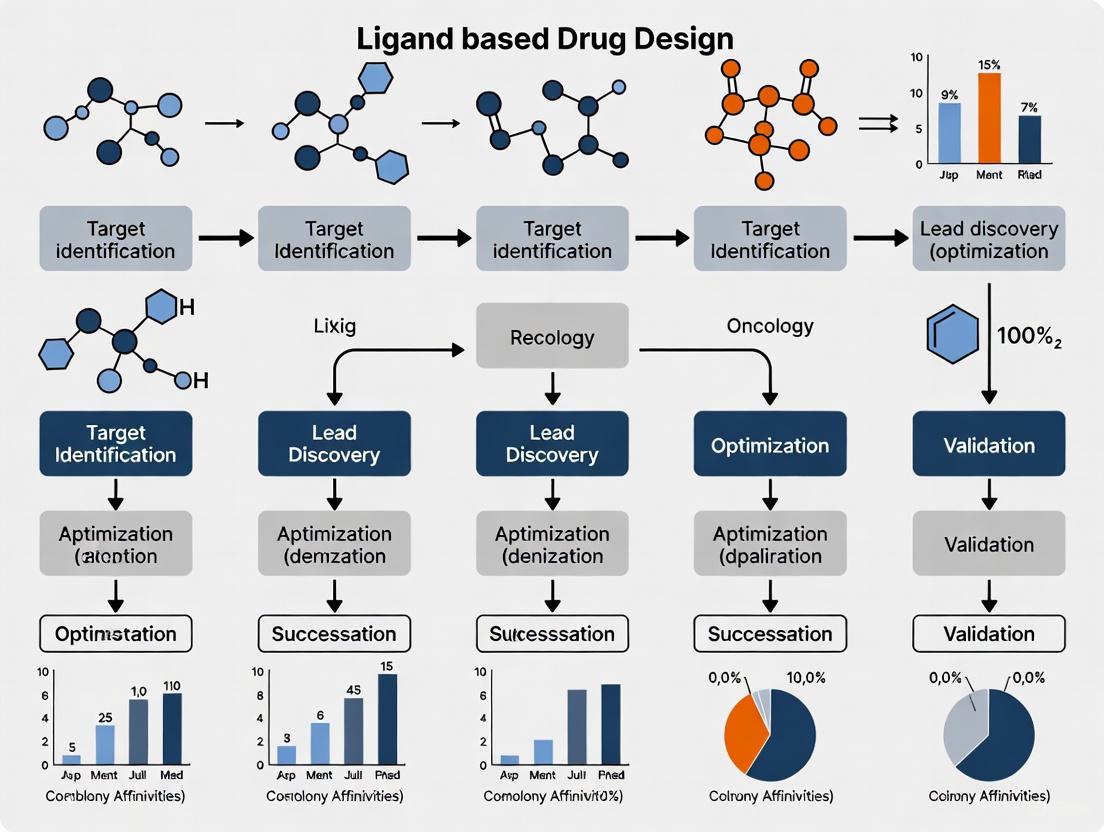
This article provides a comprehensive overview of modern ligand-based drug design (LBDD) and its critical role in oncology drug discovery.
Ligand-Based Drug Design in Oncology: AI-Driven Approaches, Applications, and Future Frontiers
Abstract
This article provides a comprehensive overview of modern ligand-based drug design (LBDD) and its critical role in oncology drug discovery. Aimed at researchers and drug development professionals, it explores the foundational principles of LBDD, detailing key methodologies like Quantitative Structure-Activity Relationship (QSAR) modeling, pharmacophore modeling, and AI-enhanced virtual screening. The content addresses common challenges and optimization strategies, offers insights into validating LBDD models, and compares its effectiveness with structure-based approaches. By synthesizing current trends and real-world case studies, this article serves as a practical guide for leveraging LBDD to accelerate the development of novel cancer therapeutics.
The Principles and Power of Ligand-Based Design in Oncology
In the relentless pursuit of effective oncology therapeutics, ligand-based drug design (LBDD) stands as a cornerstone methodology for initiating discovery when the three-dimensional structure of the target protein is unavailable or incomplete. This approach facilitates the development of pharmacologically active compounds by systematically studying the chemical and structural features of molecules known to interact with a biological target of interest [1]. Within oncology, this is particularly valuable for targeting novel oncogenic drivers or resistant cancer phenotypes where structural data may be scarce. The fundamental hypothesis underpinning LBDD is that similar molecules exhibit similar biological activities; therefore, understanding the essential features of a known active compound enables the rational design or identification of novel chemical entities with comparable or improved therapeutic properties [1]. This paradigm allows researchers to navigate the vast chemical space efficiently, focusing on regions more likely to yield bioactive compounds against cancer targets.
The strategic importance of LBDD has been magnified by contemporary challenges in oncology research, including the need to overcome drug resistance and the pursuit of targeting previously "undruggable" oncoproteins. Modern LBDD has evolved from simple analog generation to sophisticated computational approaches that can extract critical pharmacophoric patterns and quantify structure-activity relationships from increasingly complex chemical datasets [2]. As the field of anticancer agents has expanded to include targeted therapies, immunomodulators, and protein degraders, LBDD methodologies have adapted to address diverse mechanism-of-action categories, from traditional cytotoxic agents to modern modalities like PROTACs and molecular glues [2]. The integration of artificial intelligence with classical LBDD principles is now reshaping the oncology drug discovery landscape, enabling the extraction of deeper insights from known active compounds and accelerating the path to novel clinical candidates [3].
Foundational Methodologies and Current Approaches
Quantitative Structure-Activity Relationship (QSAR) Modeling
QSAR represents one of the most established and powerful methodologies in ligand-based drug design. This computational approach quantitatively correlates the physicochemical properties and structural descriptors of a series of compounds with their biological activity, creating a predictive model that can guide lead optimization [1]. The general QSAR methodology follows a systematic workflow: (1) identification of ligands with experimentally measured biological activity; (2) calculation of molecular descriptors representing structural and physicochemical properties; (3) discovery of correlations between these descriptors and the biological activity; and (4) statistical validation of the model's stability and predictive power [1]. The molecular descriptors function as a chemical "fingerprint" for each molecule, encoding features critical for biological activity, which may include electronic, steric, hydrophobic, or topological characteristics.
Advanced QSAR implementations have incorporated increasingly sophisticated statistical and machine learning techniques to handle complex biological data. Traditional linear methods include multivariable linear regression (MLR), principal component analysis (PCA), and partial least squares (PLS) analysis [1]. For capturing non-linear relationships often present in biological systems, neural networks and Bayesian regularized artificial neural networks (BRANN) have demonstrated significant utility [1]. A critical aspect of robust QSAR modeling is rigorous validation through both internal methods (e.g., leave-one-out cross-validation) and external validation using test sets not included in model development [1]. When properly validated, QSAR models provide medicinal chemists with actionable insights into which structural modifications are most likely to enhance potency, selectivity, or other desirable pharmacological properties for anticancer agents.
Pharmacophore Modeling and Molecular Similarity
Pharmacophore modeling embodies the essential concept of identifying the spatial arrangement of molecular features necessary for a compound to interact with its biological target. A pharmacophore model abstractly represents these critical features—such as hydrogen bond donors/acceptors, hydrophobic regions, aromatic rings, and charged groups—without explicit reference to specific chemical structures [1] [4]. This abstraction enables the identification of structurally diverse compounds that share the fundamental elements required for bioactivity, effectively facilitating scaffold hopping in drug discovery. Pharmacophore models can be derived either directly from a set of known active ligands (ligand-based) or from protein-ligand complex structures when available (structure-based) [5].
In practice, pharmacophore models serve as powerful 3D queries for virtual screening of compound databases. A recent study targeting telomerase inhibitors for cancer therapy demonstrated this approach, where researchers generated a pharmacophore model from oxadiazole derivatives that exhibited five distinct features: two hydrophobic and three aromatic rings [4]. This model was subsequently used to screen the ZINC database, identifying compounds with similar pharmacophore features and good fitness scores for further investigation through molecular docking and dynamics simulations [4]. Complementing pharmacophore approaches, molecular similarity methods utilize various molecular descriptors and fingerprinting techniques to calculate chemical similarity, operating under the similar property principle that structurally similar molecules are likely to have similar biological properties [5]. These ligand-based methods have proven particularly valuable in the early stages of oncology drug discovery for identifying novel starting points from extensive chemical libraries.
Table 1: Key Ligand-Based Drug Design Methods and Applications
| Method | Core Principle | Common Applications in Oncology | Key Advantages |
|---|---|---|---|
| QSAR | Quantifies relationship between molecular descriptors and biological activity | Lead optimization for potency, ADMET prediction, toxicity assessment | Provides quantitative guidance for structural modification |
| Pharmacophore Modeling | Identifies essential 3D structural features required for bioactivity | Virtual screening for novel chemotypes, scaffold hopping, target identification | Enables identification of structurally diverse active compounds |
| Molecular Similarity | Calculates structural or property similarity to known actives | Compound library screening, lead expansion, side effect prediction | Rapid screening of large chemical libraries |
| Machine Learning Classification | Uses algorithms to distinguish active vs. inactive compounds | High-throughput virtual screening, multi-parameter optimization | Can handle complex, high-dimensional data |
Integrating Machine Learning and AI in Modern Workflows
The incorporation of machine learning (ML) and artificial intelligence (AI) has fundamentally transformed ligand-based drug design from a primarily heuristic approach to a data-driven predictive science. ML algorithms can identify complex, non-linear patterns in chemical data that may not be apparent through traditional methods, enabling more accurate prediction of biological activity and optimization of multiple drug-like properties simultaneously [6] [3]. In contemporary workflows, supervised ML approaches are frequently employed to distinguish between active and inactive molecules based on their chemical descriptor profiles, significantly accelerating the virtual screening process [6]. For instance, in a study aimed at identifying natural inhibitors of the αβIII tubulin isotype for cancer therapy, researchers used ML classifiers to refine 1,000 initial virtual screening hits down to 20 high-priority active natural compounds, dramatically improving the efficiency of the discovery pipeline [6].
The application of deep generative models represents a particularly advanced frontier in AI-driven ligand-based design. These models learn the underlying distribution of known bioactive compounds and can generate novel molecular structures that conform to the same chemical and pharmacological patterns [7]. Language-based models such as REINVENT process molecular representations (e.g., SMILES strings) and use reinforcement learning to optimize generated molecules toward desired property profiles defined by scoring functions [7]. While traditionally dependent on ligand-based scoring functions, which can bias generation toward previously established chemical space, recent innovations incorporate structure-based approaches like molecular docking to guide exploration toward novel chemotypes with potentially superior properties [7]. This integration of ligand-based generative AI with structural considerations exemplifies the evolving sophistication of computational oncology drug discovery, enabling the navigation of chemical space with unprecedented efficiency and creativity.
Experimental Protocols and Practical Implementation
Protocol 1: Pharmacophore-Based Virtual Screening
Objective: To identify novel telomerase inhibitors for cancer therapy using ligand-based pharmacophore modeling and virtual screening [4].
Step-by-Step Workflow:
- Training Set Compilation: Curate a structurally diverse set of known active compounds (e.g., oxadiazole derivatives with reported telomerase inhibitory activity) from scientific literature.
- Pharmacophore Model Generation: Use molecular modeling software (e.g., Schrödinger Phase) to generate multiple pharmacophore hypotheses based on the conformational and feature analysis of the training set compounds.
- Model Validation & Selection: Validate generated hypotheses by screening against a test dataset of known actives and decoys. Select the model with best enrichment (e.g., a five-feature model with two hydrophobic and three aromatic rings) [4].
- Database Screening: Employ the validated pharmacophore model as a 3D query to screen large chemical databases (e.g., ZINC) using tools like ZINCPharmer.
- Hit Identification & Filtering: Select molecules that match the pharmacophore features with high fitness scores for subsequent molecular docking studies.
- ADMET Prediction: Evaluate pharmacokinetics and toxicity profiles of top hits using tools like pkCSM and SwissADME to identify promising candidates with favorable properties [4].
- Experimental Validation: Subject the final selected hit compounds to in vitro and in vivo biological testing to confirm telomerase inhibitory activity and anticancer efficacy.
Diagram 1: Pharmacophore virtual screening workflow for novel telomerase inhibitors.
Protocol 2: Machine Learning-Enhanced Screening for Anti-Tubulin Agents
Objective: To identify natural inhibitors targeting the 'Taxol site' of human αβIII tubulin isotype using a combination of structure-based and ligand-based machine learning approaches [6].
Step-by-Step Workflow:
- Compound Library Preparation: Retrieve natural compounds (e.g., 89,399 from ZINC database) and prepare structures (energy minimization, format conversion to PDBQT).
- Initial Structure-Based Virtual Screening: Perform high-throughput molecular docking against the target site (e.g., 'Taxol site' of αβIII-tubulin) using software such as AutoDock Vina to generate initial hit list based on binding energy.
- Training Data Curation for ML: Prepare two training datasets: (1) known Taxol-site targeting drugs as active compounds, and (2) non-Taxol targeting drugs as inactive compounds. Generate decoys using Directory of Useful Decoys - Enhanced (DUD-E) server [6].
- Molecular Descriptor Calculation: Calculate molecular descriptors and fingerprints for both training sets and virtual screening hits using software like PaDEL-Descriptor, which generates 797 descriptors and 10 fingerprint types [6].
- Machine Learning Classifier Training: Train supervised ML models (e.g., using 5-fold cross-validation) on the training data to distinguish active from inactive compounds based on their descriptor profiles.
- Hit Refinement with ML: Apply the trained ML classifier to the initial virtual screening hits to identify compounds with high probability of activity, substantially narrowing the candidate list (e.g., from 1,000 to 20 compounds) [6].
- Comprehensive Biological Property Evaluation: Subject ML-refined hits to ADME-T (Absorption, Distribution, Metabolism, Excretion, Toxicity) and PASS (Prediction of Activity Spectra for Substances) analysis to evaluate drug-likeness and potential biological activities.
- Binding Confirmation and Stability Assessment: Perform molecular dynamics simulations (100+ ns) with analysis of RMSD, RMSF, Rg, and SASA to evaluate complex stability and binding modes of top candidates.
- Binding Affinity Quantification: Calculate binding free energies (e.g., using MM-PBSA) to rank final candidates by predicted binding affinity.
Diagram 2: Machine learning-enhanced screening workflow for anti-tubulin agents.
Table 2: Key Research Reagent Solutions for Ligand-Based Drug Design
| Tool/Category | Specific Examples | Function in Research | Application Context |
|---|---|---|---|
| Chemical Databases | ZINC Natural Compound Database, CAS Content Collection | Source of compounds for virtual screening | Provides chemically diverse starting points for discovery [6] [8] |
| Molecular Modeling Software | Schrödinger Phase, Open-Babel, PyMol | Pharmacophore generation, structure preparation, visualization | Creates and applies 3D chemical feature models [6] [4] |
| Descriptor Calculation Tools | PaDEL-Descriptor, Chemistry Development Kit | Generates molecular descriptors and fingerprints | Converts chemical structures to numerical data for ML [6] |
| Machine Learning Platforms | Python Scikit-learn, REINVENT, Custom ML scripts | Builds classification models, generative molecule design | Distinguishes actives from inactives, generates novel structures [6] [7] |
| Docking Software | AutoDock Vina, Glide, Smina | Structure-based virtual screening, binding pose prediction | Evaluates protein-ligand complementarity and binding affinity [6] [7] |
| Molecular Dynamics Packages | GROMACS, AMBER, Desmond | Simulates dynamic behavior of protein-ligand complexes | Assesses binding stability and calculates free energies [6] [4] |
| ADMET Prediction Tools | pkCSM, SwissADME, PASS | Predicts pharmacokinetics, toxicity, activity spectra | Evaluates drug-likeness and safety profiles early in discovery [6] [4] |
Case Studies in Oncology Drug Discovery
Case Study 1: Overcoming Taxol Resistance in Cancer Therapy
A compelling application of integrated ligand- and structure-based approaches addressed the significant challenge of taxane resistance in various carcinomas, particularly associated with overexpression of the βIII-tubulin isotype [6]. Researchers initiated this discovery campaign by screening 89,399 natural compounds from the ZINC database against the 'Taxol site' of αβIII-tubulin using structure-based virtual screening, identifying 1,000 initial hits based on binding energy [6]. The critical innovation involved applying machine learning classifiers trained on known Taxol-site targeting drugs (actives) versus non-Taxol targeting drugs (inactives) to refine these hits to 20 high-priority compounds [6]. Subsequent ADME-T and PASS biological property evaluation identified four exceptional candidates—ZINC12889138, ZINC08952577, ZINC08952607, and ZINC03847075—that exhibited both favorable drug-like properties and notable predicted anti-tubulin activity [6].
Comprehensive molecular dynamics simulations (assessed via RMSD, RMSF, Rg, and SASA analysis) revealed that these natural compounds significantly influenced the structural stability of the αβIII-tubulin heterodimer compared to the apo form [6]. Binding energy calculations further demonstrated a decreasing order of binding affinity: ZINC12889138 > ZINC08952577 > ZINC08952607 > ZINC03847075, providing quantitative support for compound prioritization [6]. This case exemplifies how modern ligand-based design, enhanced by machine learning, can leverage known active compounds (Taxol-site binders) to identify novel chemotypes capable of targeting resistant cancer phenotypes, offering a promising foundation for developing therapeutic strategies against βIII-tubulin overexpression in carcinomas.
Case Study 2: AI-Driven De Novo Design for Dopamine Receptor D2
A groundbreaking study compared ligand-based and structure-based scoring functions for deep generative models focused on Dopamine Receptor D2 (DRD2), a target relevant to certain cancer types [7]. Researchers utilized the REINVENT algorithm, which employs a language-based generative model with reinforcement learning to optimize molecule generation toward desired property profiles [7]. The study revealed that using molecular docking as a structure-based scoring function produced molecules with predicted affinities exceeding those of known DRD2 active compounds, while also exploring novel physicochemical space not biased by existing ligand data [7]. Importantly, the structure-based approach enabled the model to learn and incorporate key residue interactions critical for binding—information inaccessible to purely ligand-based methods [7].
This case demonstrates the powerful synergy that emerges when generative AI models are guided by structural insights, particularly for targets where ligand data may be limited or where novel chemotypes are desired to overcome intellectual property constraints or optimize drug-like properties. The approach has direct applications in early hit generation campaigns for oncology targets, enriching virtual libraries toward specific protein targets while maintaining exploration of novel chemical space [7]. This represents an evolution beyond traditional similarity-based methods, enabling the discovery of structurally distinct compounds that nonetheless fulfill the essential interaction requirements for target binding and modulation.
The future of ligand-based drug design in oncology is intrinsically linked to advancing artificial intelligence methodologies and their integration with complementary structural approaches. Current trends indicate a shift toward hybrid models that simultaneously leverage both ligand information and structural insights, overcoming limitations inherent in either approach used in isolation [5] [7]. As noted in recent research, "the combination of structure- and ligand-based methods takes into account all possible information" [5], with sequential approaches being particularly successful in prospective virtual screening campaigns. The emerging paradigm utilizes ligand-based methods for initial broad screening and structure-based techniques for deeper mechanistic investigation and optimization [5].
The remarkable acceleration of generative AI in de novo molecule design points toward increasingly sophisticated applications in oncology drug discovery [9] [3]. Recent developments include AI models like BInD (Bond and Interaction-generating Diffusion model) that can design drug candidates tailored to a protein's structure alone—without needing prior information about binding molecules [9]. This technology considers the binding mechanism between the molecule and protein during the generation process, enabling comprehensive design that simultaneously satisfies multiple drug criteria including target binding affinity, drug-like properties, and structural stability [9]. As these technologies mature, they promise to further compress the oncology drug discovery timeline while increasing the success rate of identifying viable clinical candidates.
In conclusion, leveraging known active compounds through sophisticated ligand-based design methodologies remains a powerful strategy for oncology drug discovery, particularly when enhanced by modern machine learning and structural insights. As these approaches continue to evolve and integrate, they offer the potential to systematically address ongoing challenges in cancer therapy, including drug resistance, toxicity, and the targeting of previously intractable oncogenic drivers. The strategic combination of ligand-based pattern recognition with structural validation represents the most promising path forward for discovering novel therapeutic agents in the relentless fight against cancer.
In the field of oncology research, where the precise three-dimensional structure of a therapeutic target is often unavailable, ligand-based drug design (LBDD) provides a powerful alternative path to drug discovery. LBDD methodologies rely on the analysis of known active molecules to deduce the structural and chemical features responsible for biological activity, enabling the identification and optimization of new drug candidates [10] [11]. The core principle underpinning these approaches is the similarity-property principle, which posits that molecules with similar structures are likely to exhibit similar biological properties and activities [10]. This principle is particularly valuable in cancer research for tasks such as scaffold hopping to circumvent patent restrictions or to improve the drug-like properties of existing leads.
Three primary methodologies constitute the foundation of LBDD: Quantitative Structure-Activity Relationship (QSAR), pharmacophore modeling, and similarity searching. These techniques are not mutually exclusive; rather, they form an integrated toolkit that researchers can use to efficiently navigate the vast chemical space and prioritize the most promising compounds for synthesis and biological testing [10] [11]. This guide provides an in-depth technical examination of these three core methodologies, detailing their theoretical bases, standard protocols, and applications within modern oncology drug discovery pipelines, with a special emphasis on recent advances driven by artificial intelligence and machine learning.
Quantitative Structure-Activity Relationship (QSAR)
Theoretical Foundations and Evolution
Quantitative Structure-Activity Relationship (QSAR) modeling is a computational methodology that establishes a mathematical relationship between the chemical structure of compounds and their biological activity [10] [12]. The fundamental hypothesis is that the variance in biological activity among a series of compounds can be correlated with changes in their numerical descriptors representing structural or physicochemical properties [12]. A QSAR model takes the general form: Activity = f(physicochemical properties and/or structural properties) + error [12].
The roots of QSAR date back to the 19th century with observations by Meyer and Overton, but it formally began in the early 1960s with the seminal work of Hansch and Fujita, who extended Hammett's equation to include physicochemical properties [10]. The classical Hansch equation is: log(1/C) = b₀ + b₁σ + b₂logP, where C is the concentration required for a defined biological effect, σ represents electronic properties (Hammett constant), and logP represents lipophilicity [10]. This established the paradigm of using multiple descriptors to predict activity, a concept that has evolved dramatically with the advent of modern machine learning techniques.
Essential Steps in QSAR Modeling
The construction of a robust QSAR model follows a systematic workflow comprising several critical stages [12]:
- Data Set Selection and Preprocessing: A congeneric series of compounds with reliable, consistently measured biological activity data (e.g., IC₅₀, Ki) is assembled. The activity values are typically converted to a logarithmic scale (e.g., pIC₅₀, pKi) to normalize the distribution.
- Molecular Descriptor Calculation and Extraction: Numerical representations of molecular structures are computed. These can be 1D (e.g., molecular weight), 2D (e.g., topological indices), 3D (e.g., molecular shape), or even 4D descriptors that account for conformational flexibility [13]. Quantum chemical descriptors (e.g., HOMO-LUMO energy) are also used [13].
- Variable Selection: To avoid overfitting, dimensionality reduction techniques such as Principal Component Analysis (PCA), Least Absolute Shrinkage and Selection Operator (LASSO), or Recursive Feature Elimination (RFE) are employed to identify the most relevant descriptors [10] [13].
- Model Construction: A statistical or machine learning algorithm is applied to correlate the selected descriptors with the biological activity.
- Model Validation and Evaluation: The model's predictive power and robustness are rigorously assessed using internal cross-validation, external validation with a test set, and data randomization (Y-scrambling) to rule out chance correlations [12].
Table 1: Common Molecular Descriptors in QSAR Modeling
| Descriptor Category | Description | Example Descriptors | Application Context |
|---|---|---|---|
| 1D Descriptors | Global molecular properties | Molecular Weight, logP, Number of H-Bond Donors/Acceptors | Preliminary screening, ADMET prediction |
| 2D Descriptors | Topological descriptors from molecular connectivity | Molecular Connectivity Indices, Graph-Theoretic Indices | Large-scale virtual screening |
| 3D Descriptors | Based on 3D molecular structure | Molecular Surface Area, Volume, Comparative Molecular Field Analysis (CoMFA) | Lead optimization, understanding steric/electrostatic requirements |
| 4D Descriptors | Incorporate conformational flexibility | Ensemble-averaged properties | Improved realism for flexible ligands |
| Quantum Chemical | Electronic structure properties | HOMO/LUMO energies, Dipole Moment, Partial Charges | Modeling electronic effects on activity |
Classical and Machine Learning Approaches
QSAR modeling has evolved from classical statistical methods to advanced machine learning (ML) and deep learning (DL) algorithms.
Classical QSAR relies on methods like Multiple Linear Regression (MLR) and Partial Least Squares (PLS). These models are valued for their interpretability and are still used in regulatory toxicology (e.g., REACH compliance) and for preliminary screening [13]. However, they often struggle with highly nonlinear relationships in complex data [13].
Machine Learning in QSAR has significantly enhanced predictive power. Standard algorithms include:
- Support Vector Machines (SVM): Effective in high-dimensional descriptor spaces.
- Random Forests (RF): Robust against overfitting and provide built-in feature importance ranking.
- k-Nearest Neighbors (kNN): A simple, instance-based learning method [13].
Modern developments focus on improving interpretability using methods like SHAP (SHapley Additive exPlanations) and LIME (Local Interpretable Model-agnostic Explanations) to elucidate which molecular descriptors most influence the model's predictions [13].
Deep Learning QSAR utilizes architectures such as Graph Neural Networks (GNNs) that operate directly on molecular graphs, or Recurrent Neural Networks (RNNs) that process SMILES strings, to automatically learn relevant feature representations without manual descriptor engineering [13] [14]. This is particularly powerful for large and diverse chemical datasets.
The following diagram illustrates the standard QSAR workflow, integrating both classical and ML approaches:
Pharmacophore Modeling
Definition and Core Concepts
A pharmacophore is defined by the International Union of Pure and Applied Chemistry (IUPAC) as "the ensemble of steric and electronic features that is necessary to ensure optimal supramolecular interactions with a specific biological target structure and to trigger (or block) its biological response" [11]. In simpler terms, it is an abstract model of the key functional elements of a ligand and their specific spatial arrangement that enables bioactivity. The most common pharmacophoric features include [11]:
- Hydrogen Bond Acceptor (HBA)
- Hydrogen Bond Donor (HBD)
- Hydrophobic (H)
- Positively/Negatively Ionizable (PI/NI)
- Aromatic Ring (AR)
Pharmacophore modeling is a powerful tool for scaffold hopping, as it focuses on interaction capabilities rather than specific atomic structures, allowing for the identification of chemically diverse compounds that share the same biological mechanism [15] [16].
Structure-Based vs. Ligand-Based Approaches
Pharmacophore models are generated using one of two primary approaches, depending on the available input data.
Structure-Based Pharmacophore Modeling This approach requires the 3D structure of the target protein, often from X-ray crystallography, NMR, or computational predictions (e.g., AlphaFold2) [11]. The workflow involves:
- Protein Preparation: Adding hydrogen atoms, assigning correct protonation states, and optimizing the structure.
- Binding Site Detection: Identifying the key ligand-binding pocket using tools like GRID or LUDI [11].
- Feature Generation: Analyzing the binding site to map potential interaction points (e.g., where a H-bond donor on a ligand would interact with a H-bond acceptor on the protein).
- Model Refinement: Selecting the most critical features for bioactivity and potentially adding exclusion volumes to represent steric constraints [11].
Ligand-Based Pharmacophore Modeling When the 3D structure of the target is unknown, models can be built from a set of known active ligands. The process involves:
- Ligand Selection and Conformational Analysis: Selecting a diverse set of active molecules and generating their low-energy 3D conformers.
- Molecular Alignment/Superimposition: Overlaying the molecules to find their common pharmacophoric elements.
- Hypothesis Generation: Deriving a pharmacophore model that represents the common spatial arrangement of features shared by all active ligands.
- Model Validation: Testing the model's ability to discriminate between known active and inactive compounds.
Quantitative Pharmacophore Activity Relationship (QPHAR)
An advanced extension is Quantitative Pharmacophore Activity Relationship (QPHAR), which builds quantitative models using pharmacophores as input rather than molecules [16]. This method aligns input pharmacophores to a consensus (merged) pharmacophore and uses the alignment information to construct a predictive model. QPHAR is especially useful with small datasets, as the high level of abstraction helps avoid bias from overrepresented functional groups, thereby improving model generalizability [16].
Applications and Case Study: TransPharmer
Pharmacophore models are extensively used in virtual screening to filter large compound libraries and identify novel hits [11]. They also play critical roles in lead optimization, multitarget drug design, and de novo drug design.
A state-of-the-art application is TransPharmer, a generative model that integrates ligand-based interpretable pharmacophore fingerprints with a Generative Pre-training Transformer (GPT) framework for de novo molecule generation [15]. TransPharmer conditions the generation of SMILES strings on multi-scale pharmacophore fingerprints, guiding the model to focus on pharmaceutically relevant features. It has demonstrated superior performance in generating molecules with high pharmacophoric similarity to a target and has been experimentally validated in a prospective case study for discovering Polo-like Kinase 1 (PLK1) inhibitors [15]. Notably, one generated compound, IIP0943, featuring a novel 4-(benzo[b]thiophen-7-yloxy)pyrimidine scaffold, exhibited potent activity (5.1 nM), high selectivity, and submicromolar activity in inhibiting HCT116 cell proliferation [15]. This showcases the power of pharmacophore-informed generative models to achieve scaffold hopping and produce structurally novel, bioactive ligands in oncology.
The logical flow of pharmacophore modeling and its applications is summarized below:
Similarity Searching
Principles and Molecular Representations
Similarity searching is a foundational LBDD method based on the similarity-property principle: molecules that are structurally similar are likely to have similar biological properties [10]. The core task is to quantify molecular similarity, which is typically achieved by comparing molecular representations or fingerprints. Common fingerprint types include:
- Structural Key Fingerprints: Predefined lists of substructures (e.g., MACCS keys).
- Hashed Fingerprints: Bit strings generated from the presence of molecular paths (e.g., Extended Connectivity Fingerprints - ECFP).
- Pharmacophore Fingerprints: Encode the spatial relationships between pharmacophoric features [15] [10].
Similarity is quantified using metrics such as the Tanimoto coefficient, which is the most widely used measure for binary fingerprints.
Application in Oncology Research
In an oncology drug discovery pipeline, similarity searching is typically employed after one or more lead compounds have been identified. Researchers use the lead compound as a query to search large chemical databases (e.g., ZINC, ChEMBL) to find structurally similar molecules [10] [6]. This approach serves several purposes:
- To find readily available analogs for initial SAR exploration.
- To prioritize compounds from an in-house library for high-throughput screening.
- To expand a congeneric series around a newly discovered hit.
A key advantage is its simplicity and computational efficiency, allowing for the rapid screening of millions of compounds.
Integrated Protocols and Research Toolkit
Representative Experimental Protocol
The following is a condensed protocol illustrating how these LBDD methods can be integrated into a unified workflow for identifying inhibitors against a cancer target, such as the human αβIII tubulin isotype [6].
Aim: To identify natural inhibitors of the 'Taxol site' of the human αβIII tubulin isotype using an integrated computational approach.
Methodology:
- Data Set Curation:
- Active Compounds: Collect known Taxol-site targeting drugs (e.g., from ChEMBL or literature) to form the active set.
- Inactive Compounds/Decoys: Generate decoy molecules with similar physicochemical properties but dissimilar topologies using the Directory of Useful Decoys - Enhanced (DUD-E) server [6].
- Screening Library: Retrieve natural compounds from the ZINC database (~90,000 compounds) for virtual screening [6].
Structure-Based Virtual Screening (SBVS):
- Prepare the 3D structure of the αβIII tubulin isotype (e.g., via homology modeling).
- Define the binding site around the 'Taxol site'.
- Perform high-throughput molecular docking (e.g., using AutoDock Vina) of the screening library.
- Select the top 1,000 hits based on binding energy for further analysis [6].
Machine Learning-Based Classification:
- Calculate molecular descriptors (e.g., using PaDEL-Descriptor) for the training set (active/inactive compounds) and the test set (top 1,000 hits from SBVS).
- Train a supervised ML classifier (e.g., Random Forest) on the training set to distinguish between active and inactive molecules.
- Apply the trained model to the test set to identify ML-predicted active compounds. This step refined the 1,000 hits down to 20 high-confidence candidates [6].
ADMET and Biological Property Prediction:
- Evaluate the 20 shortlisted compounds for drug-like properties using ADMET prediction tools.
- Predict biological activity spectra (e.g., using PASS prediction).
- Select the top 4 compounds (ZINC12889138, ZINC08952577, ZINC08952607, ZINC03847075) based on favorable ADMET profiles and predicted activity [6].
Validation with Molecular Dynamics (MD):
- Perform molecular docking and MD simulations (e.g., for 100 ns) on the final hits to assess the stability of the ligand-protein complexes and calculate binding free energies using methods like MM/PBSA [6].
Conclusion: The study identified four natural compounds with significant binding affinity and structural stability for the αβIII tubulin isotype, demonstrating a viable pipeline for discovering anti-cancer agents against a resistant target [6].
Table 2: Key Computational Tools and Databases for LBDD in Oncology
| Category | Resource Name | Description and Function |
|---|---|---|
| Chemical Databases | ZINC Database | A freely available database of commercially available compounds for virtual screening [6]. |
| ChEMBL | A manually curated database of bioactive molecules with drug-like properties, containing bioactivity data [16]. | |
| Descriptor Calculation & Feature Selection | PaDEL-Descriptor | Software to calculate molecular descriptors and fingerprints from chemical structures [6]. |
| RDKit | An open-source cheminformatics toolkit with capabilities for descriptor calculation, fingerprinting, and QSAR modeling [13]. | |
| DRAGON | A commercial software for the calculation of thousands of molecular descriptors [13]. | |
| QSAR & Machine Learning | scikit-learn | An open-source Python library providing a wide range of classical ML algorithms (SVM, RF, etc.) for model building [13]. |
| KNIME | An open-source platform for data analytics that integrates various cheminformatics and ML nodes for building predictive workflows [13]. | |
| Pharmacophore Modeling | LigandScout | Software for creating structure-based and ligand-based pharmacophore models and performing virtual screening [16]. |
| Phase (Schrödinger) | A comprehensive tool for developing 3D pharmacophore hypotheses and performing pharmacophore-based screening [16]. | |
| Similarity Searching & Docking | AutoDock Vina | A widely used open-source program for molecular docking and virtual screening [6]. |
| Open-Babel | A chemical toolbox designed to interconvert chemical file formats, crucial for preparing screening libraries [6]. |
The ligand-based drug design methodologies of QSAR, pharmacophore modeling, and similarity searching form a complementary and powerful toolkit for addressing the complex challenges in oncology research. While this guide has detailed their individual principles and protocols, their true strength lies in their integration. As demonstrated in the representative protocol, these methods can be chained together to create a robust pipeline that efficiently moves from target hypothesis to a shortlist of experimentally testable, high-confidence drug candidates.
The ongoing integration of artificial intelligence and machine learning is profoundly transforming these classical approaches. AI-enhanced QSAR models offer superior predictive power, pharmacophore-informed generative models like TransPharmer enable the de novo design of novel scaffolds, and sophisticated similarity metrics powered by deep learning are improving the accuracy of virtual screening [15] [13] [14]. For the oncology researcher, mastering these core LBDD methodologies and their modern, AI-driven implementations is no longer optional but essential for accelerating the discovery of the next generation of precise and effective cancer therapeutics.
The Role of Molecular Descriptors and Conformational Sampling
Molecular descriptors and conformational sampling constitute foundational elements in modern ligand-based drug design (LBDD), particularly within oncology research where efficient lead optimization is critical. Molecular descriptors provide quantitative representations of chemical structures and properties, enabling the correlation of structural features with biological activity through quantitative structure-activity relationship (QSAR) modeling. Conformational sampling explores the accessible three-dimensional space of molecules, which is essential for accurately determining their bioactive conformations and for pharmacophore modeling. This technical guide examines advanced methodologies in molecular descriptor computation, conformational analysis techniques, and their integrated application in anticancer drug discovery, with specific protocols and resources to facilitate implementation by computational researchers and medicinal chemists.
Ligand-based drug design represents a crucial computational approach when the three-dimensional structure of the biological target is unavailable. Instead of relying on direct target structural information, LBDD infers binding characteristics from known active molecules that interact with the target [1] [17]. This approach has become indispensable in oncology drug discovery, where rapid identification and optimization of lead compounds against validated targets can significantly impact development timelines.
The fundamental hypothesis underlying LBDD is that similar molecules exhibit similar biological activities [1]. This principle enables researchers to identify novel chemotypes through scaffold hopping and optimize lead compounds based on quantitative structure-activity relationship models. In oncology applications, where molecular targets often include kinases, nuclear receptors, and various signaling proteins, LBDD provides valuable insights for compound optimization even when structural data for these targets remains limited.
Molecular Descriptors: Fundamentals and Applications
Definition and Significance
Molecular descriptors are numerical representations of molecular structures and properties that encode chemical information into a quantitative format suitable for statistical analysis and machine learning algorithms [1]. These descriptors serve as molecular "fingerprints" that correlate structural and physicochemical characteristics with biological activity, forming the basis for predictive modeling in drug discovery.
The primary objective of descriptor-based analysis is to establish mathematical relationships between chemical structure and pharmacological activity, enabling medicinal chemists to prioritize compounds for synthesis and biological evaluation [1]. In oncology research, this approach is particularly valuable for optimizing potency, selectivity, and ADMET (absorption, distribution, metabolism, excretion, and toxicity) properties of anticancer agents.
Classification and Types of Molecular Descriptors
Molecular descriptors can be categorized based on their dimensionality and the structural features they encode, as summarized in Table 1.
Table 1: Classification of Molecular Descriptors with Applications in Oncology Drug Discovery
| Descriptor Type | Representation | Key Features | Oncology Applications |
|---|---|---|---|
| 1D Descriptors | Global molecular properties | Molecular weight, logP, rotatable bonds, hydrogen bond donors/acceptors | Preliminary screening, ADMET prediction |
| 2D Descriptors | Structural fingerprints | Substructure keys, path-based fingerprints, circular fingerprints | High-throughput virtual screening, similarity searching |
| 3D Descriptors | Spatial molecular representation | Molecular shape, potential energy fields, surface properties | Pharmacophore modeling, 3D-QSAR, conformational analysis |
| Quantum Chemical Descriptors | Electronic distribution | HOMO/LUMO energies, molecular electrostatic potential, partial charges | Reactivity prediction, covalent binder design, metalloenzyme inhibitors |
Descriptor Selection and Optimization Strategies
Effective QSAR modeling requires careful selection of molecular descriptors to avoid overfitting and ensure model interpretability. Several statistical approaches are employed for descriptor selection:
- Multivariable Linear Regression (MLR): Systematically adds or eliminates molecular descriptors to identify the optimal combination that correlates with biological activity [1].
- Principal Component Analysis (PCA): Reduces descriptor dimensionality by transforming possibly redundant variables into a smaller set of uncorrelated principal components [1].
- Partial Least Squares (PLS): Combines features of MLR and PCA, particularly advantageous when dealing with multiple dependent variables or more descriptors than observations [1].
- Genetic Algorithms: Employ evolutionary operations to select descriptor subsets that maximize predictive performance while minimizing redundancy [1].
- Bayesian Regularized Neural Networks: Utilize a Laplacian prior to automatically prune ineffective descriptors during model training [1].
For oncology applications, domain knowledge should guide initial descriptor selection, incorporating features relevant to anticancer activity such as hydrogen bonding capacity for kinase inhibitors, aromatic features for intercalating agents, and specific structural alerts for toxicity prediction.
Conformational Sampling: Methodologies and Protocols
Theoretical Basis and Significance
Conformational sampling refers to the computational process of exploring the accessible three-dimensional arrangements of a molecule by rotating around its flexible bonds [11]. This procedure is fundamental to ligand-based drug design because the biological activity of a compound depends not only on its chemical structure but also on its ability to adopt a conformation complementary to the target binding site.
The challenge of conformational sampling escalates significantly with molecular size and flexibility. For macrocyclic peptides and other constrained structures common in oncology therapeutics, the number of accessible conformers grows exponentially due to increased degrees of freedom, making exhaustive conformational sampling both computationally challenging and critically important for accurate predictions [17].
Conformational Sampling Techniques
Multiple computational approaches have been developed to address the conformational sampling problem, each with specific strengths and limitations:
Systematic Search Methods exhaustively explore the conformational space by incrementally rotating each rotatable bond through defined intervals. While comprehensive for small molecules, this approach becomes computationally prohibitive for compounds with numerous rotatable bonds.
Stochastic Methods, including Monte Carlo simulations and genetic algorithms, randomly sample conformational space through random changes to dihedral angles or molecular coordinates. These methods efficiently explore diverse conformational regions but may miss energetically favorable conformations.
Molecular Dynamics (MD) Simulations model the time-dependent evolution of molecular structure by numerically solving Newton's equations of motion. MD provides insights into conformational dynamics and flexibility but requires substantial computational resources for adequate sampling of relevant timescales [18].
Umbrella Sampling enhances sampling along specific reaction coordinates by applying bias potentials that constrain the system to predefined regions of conformational space. This method is particularly valuable for studying transitions between conformational states and calculating associated free energy changes [18] [19].
Protocol: Conformational Sampling for Pharmacophore Modeling
The following protocol outlines a comprehensive approach to conformational sampling for pharmacophore generation in ligand-based drug design:
Molecular Preparation
- Generate 3D structures from 2D representations using programs like CORINA or OMEGA
- Assign proper protonation states corresponding to physiological pH (7.4)
- Perform initial geometry optimization using molecular mechanics force fields (MMFF94, GAFF)
Conformational Exploration
- Apply a systematic or stochastic search algorithm to generate diverse conformers
- Set energy window threshold to 10-15 kcal/mol above the global minimum to include biologically relevant conformations
- Implement redundancy checking using root-mean-square deviation (RMSD) criteria (typically 0.5 Å)
Conformer Selection and Analysis
- Cluster similar conformations using hierarchical or k-means clustering based on torsion angles or atomic coordinates
- Select representative conformers from each cluster for subsequent analysis
- Evaluate conformational coverage using spatial parameters relevant to molecular recognition
Pharmacophore Hypothesis Generation
- Identify common chemical features (hydrogen bond donors/acceptors, hydrophobic areas, aromatic rings, ionizable groups) across active conformations
- Define spatial relationships between features using distance and angle constraints
- Validate the pharmacophore model using known inactive compounds to eliminate false positives
Integrated Workflows in Oncology Drug Discovery
Combined Ligand-Based and Structure-Based Approaches
Modern drug discovery increasingly leverages both ligand-based and structure-based methods in complementary workflows, as illustrated in Figure 1. This integrated approach maximizes the utility of available chemical and structural information, particularly valuable in oncology where target information may be incomplete.
Figure 1: Integrated drug discovery workflow combining ligand-based and structure-based approaches
Machine Learning-Enhanced QSAR Modeling
Recent advances in machine learning (ML) and deep learning (DL) have significantly enhanced QSAR modeling capabilities [20] [21]. Traditional ML models require explicit feature engineering and descriptor selection, while DL algorithms can automatically learn relevant feature representations from raw molecular input.
The integration of wet laboratory experiments, molecular dynamics simulations, and machine learning techniques creates a powerful iterative framework for QSAR model development [21]. Molecular dynamics provides mechanistic interpretation at atomic/molecular levels, while experimental data offers reliable verification of model predictions, creating a virtuous cycle of model refinement and validation.
Protocol: QSAR Model Development and Validation
A robust QSAR modeling workflow involves multiple stages to ensure predictive reliability:
Data Curation
- Collect biological activity data (IC50, Ki, EC50) for a congeneric series with adequate chemical diversity
- Apply rigorous curation to remove duplicates, errors, and compounds with uncertain activity measurements
- Divide dataset into training (70-80%), validation (10-15%), and test sets (10-15%) using rational splitting methods
Descriptor Calculation and Preprocessing
- Compute relevant 1D, 2D, and 3D molecular descriptors using software such as Dragon or RDKit
- Remove descriptors with low variance or high correlation to reduce dimensionality
- Apply appropriate data scaling (autoscaling, range scaling) to normalize descriptor values
Model Building
- Select appropriate algorithm based on dataset size and complexity (PLS for linear relationships, random forest or neural networks for non-linear patterns)
- Implement feature selection using genetic algorithms, recursive feature elimination, or Bayesian methods
- Optimize hyperparameters through grid search or Bayesian optimization with cross-validation
Model Validation
- Perform internal validation using k-fold cross-validation (typically 5-10 folds) and calculate Q²
- Apply external validation using the held-out test set to assess predictive performance
- Utilize Y-randomization to confirm model robustness against chance correlations
- Define applicability domain to identify compounds for which predictions are reliable
Model Interpretation and Application
- Identify critical molecular descriptors and their relationship to biological activity
- Utilize the model to predict activity of virtual compounds and prioritize synthesis candidates
- Iteratively refine the model as new experimental data becomes available
Computational Tools and Research Reagent Solutions
Successful implementation of molecular descriptor analysis and conformational sampling requires specialized software tools and computational resources. Table 2 summarizes essential resources for establishing a computational drug discovery pipeline in oncology research.
Table 2: Essential Computational Tools for Molecular Descriptor Analysis and Conformational Sampling
| Tool Category | Software/Resource | Primary Function | Application Context |
|---|---|---|---|
| Descriptor Calculation | Dragon, RDKit, PaDEL | Compute 1D-3D molecular descriptors | QSAR model development, similarity assessment |
| Conformational Sampling | OMEGA, CONFLEX, MacroModel | Generate representative conformer ensembles | Pharmacophore modeling, 3D-QSAR, shape-based screening |
| Molecular Dynamics | GROMACS, AMBER, NAMD | Simulate temporal evolution of molecular structure | Conformational dynamics, binding mechanism studies |
| Machine Learning | Scikit-learn, TensorFlow, DeepChem | Build predictive QSAR models | Activity prediction, toxicity assessment, property optimization |
| Visualization & Analysis | PyMOL, Chimera, Maestro | Molecular visualization and interaction analysis | Result interpretation, hypothesis generation |
Applications in Oncology Drug Discovery
Molecular descriptors and conformational sampling techniques have enabled significant advances in anticancer drug development across multiple target classes:
Kinase Inhibitor Design: 3D-QSAR models combining steric, electrostatic, and hydrogen-bonding descriptors have guided the optimization of selective kinase inhibitors, minimizing off-target effects while maintaining potency against oncology targets.
Epigenetic Target Modulation: For targets such as histone deacetylases (HDACs) and bromodomain-containing proteins, conformational sampling of flexible linkers has been crucial in designing effective protein-domain binders with improved cellular permeability.
PROTAC Design: The development of proteolysis-targeting chimeras (PROTACs) benefits extensively from conformational sampling to model the ternary complex formation between the target protein, E3 ligase, and bifunctional degrader molecule [22].
Antibody-Drug Conjugates (ADCs): Descriptor-based approaches optimize the chemical properties of warhead molecules, linker stability, and conjugation chemistry to improve therapeutic index and reduce systemic toxicity [22] [23].
Molecular descriptors and conformational sampling represent cornerstone methodologies in ligand-based drug design with profound implications for oncology research. As computational power increases and algorithms become more sophisticated, the integration of these techniques with experimental data and structural biology will continue to enhance their predictive accuracy and utility. The ongoing development of machine learning approaches, particularly deep learning architectures that operate directly on molecular graphs or 3D structures, promises to further revolutionize this field by enabling more accurate activity predictions and efficient exploration of chemical space. For oncology researchers, mastery of these computational techniques provides powerful tools to accelerate the discovery and optimization of novel therapeutic agents against challenging cancer targets.
The development of new oncology treatments is critically important, with cancer affecting one in three to four people globally and projected to reach 35 million new cases annually by 2050 [24]. However, the drug discovery process remains extraordinarily challenging, with success rates for cancer drugs sitting well below 10% and an estimated 1 in 20,000-30,000 compounds progressing from initial development to marketing approval [24]. Ligand-based drug design (LBDD) represents a powerful computational approach that accelerates oncology drug discovery by leveraging known bioactive compounds, particularly when three-dimensional target protein structures are unavailable. This whitepaper examines the technical methodologies, advantages, and experimental protocols of LBDD, demonstrating how it enhances efficiency in hit identification, reduces resource expenditure, and enables targeting of previously "undruggable" proteins through integration with emerging technologies.
Ligand-based drug design is a computational methodology employed when the three-dimensional structure of the target protein is unknown or difficult to obtain [20] [25]. Instead of relying on direct structural information of the target, LBDD infers critical binding characteristics from known active molecules that bind and modulate the target's function [17]. This approach has become indispensable in oncology research, where many therapeutic targets lack experimentally determined structures due to technical challenges such as membrane protein complexity or conformational flexibility [25].
The fundamental premise of LBDD is the "similarity principle" – structurally similar molecules are likely to exhibit similar biological activities [17]. By quantitatively analyzing the chemical features, physicochemical properties, and spatial arrangements of known active compounds, researchers can build predictive models to identify new chemical entities with enhanced therapeutic potential for cancer treatment. LBDD serves as a strategic starting point in early-stage drug discovery when structural information is sparse, with its inherent speed and scalability making it particularly attractive for initial hit identification campaigns [17].
Key Methodologies in Ligand-Based Drug Design
Quantitative Structure-Activity Relationship (QSAR) Modeling
QSAR modeling employs statistical and machine learning methods to establish mathematical relationships between molecular descriptors and biological activity [17] [20]. These models quantitatively correlate structural features of compounds with their pharmacological properties, enabling prediction of activity for novel compounds before synthesis.
Experimental Protocol: QSAR Model Development
- Data Curation: Collect chemical structures and corresponding bioactivity data (e.g., IC₅₀, Ki) for a series of compounds with known activity against the oncology target.
- Molecular Descriptor Calculation: Generate numerical representations of molecular structures using descriptors such as:
- Physicochemical properties (logP, molecular weight, polar surface area)
- Electronic parameters (HOMO/LUMO energies, partial charges)
- Topological descriptors (molecular connectivity indices)
- 3D-field descriptors (molecular shape, electrostatic potentials)
- Feature Selection: Identify the most relevant descriptors contributing to biological activity using statistical methods (genetic algorithms, stepwise regression).
- Model Building: Apply machine learning algorithms (multiple linear regression, partial least squares, random forest, support vector machines) to establish the mathematical relationship between descriptors and activity.
- Model Validation: Assess predictive performance using cross-validation and external test sets to ensure robustness and prevent overfitting.
Recent advances in 3D-QSAR methods, particularly those grounded in causal, physics-based representations of molecular interactions, have improved their ability to predict activity even with limited structure-activity data [17]. Unlike traditional 2D-QSAR models that require large datasets, these advanced 3D-QSAR approaches can generalize well across chemically diverse ligands for a given target [17].
Pharmacophore Modeling
A pharmacophore model abstractly defines the essential steric and electronic features necessary for molecular recognition at a therapeutic target [25]. It captures the key interactions between a ligand and its target without reference to explicit molecular structure.
Experimental Protocol: Pharmacophore Model Development
- Ligand Set Selection: Choose a structurally diverse set of known active compounds with varying potency levels.
- Conformational Analysis: Generate representative conformational ensembles for each ligand to account for flexibility.
- Molecular Superimposition: Align compounds based on common chemical features (hydrogen bond donors/acceptors, hydrophobic regions, aromatic rings, charged groups).
- Feature Abstraction: Identify the conserved spatial arrangement of features responsible for biological activity.
- Model Validation: Test the model's ability to discriminate between known active and inactive compounds, then use it for virtual screening of compound libraries.
Similarity-Based Virtual Screening
Similarity-based virtual screening compares candidate molecules against known active compounds using molecular fingerprints or 3D shape descriptors [17]. This technique rapidly identifies potential hits from large chemical libraries by measuring structural similarity to established actives.
Experimental Protocol: Similarity-Based Virtual Screening
- Reference Compound Selection: Choose one or more confirmed active compounds with desired activity profile.
- Molecular Representation: Encode reference and database compounds using appropriate descriptors:
- 2D fingerprints (ECFP, FCFP, MACCS keys)
- 3D shape descriptors (ROCS, Phase Shape)
- Electrostatic potential maps
- Similarity Calculation: Compute similarity metrics (Tanimoto coefficient, Euclidean distance, cosine similarity) between reference and database compounds.
- Compound Ranking: Prioritize compounds based on similarity scores for further experimental testing.
Successful 3D similarity-based virtual screening requires accurate ligand structure alignment with known active molecules [17]. Additionally, alignments of multiple known active compounds can help generate a meaningful binding hypothesis for screening large compound libraries [17].
Comparative Advantages of Ligand-Based Approaches
Table 1: Quantitative Comparison of Drug Discovery Approaches in Oncology
| Parameter | Ligand-Based Design | Structure-Based Design | Traditional Experimental Screening |
|---|---|---|---|
| Time Requirements | Weeks to months for virtual screening | Months for structure determination plus screening | 6-12 months for HTS campaigns |
| Cost Implications | Significant reduction in synthetic and screening costs | Moderate reduction, requires structural biology resources | High costs for compounds and screening (>$1-2 million per HTS) |
| Structural Dependency | No protein structure required | High-quality 3D structure essential | No structural information needed |
| Success Rates | Improved hit rates through enrichment | Variable, dependent on structure quality | Typically <0.01% hit rate in HTS |
| Chemical Space Coverage | Can explore 10⁶-10⁹ compounds virtually | Limited by docking computation time | Typically 10⁵-10⁶ compounds physically screened |
| Resource Requirements | Moderate computational resources | High computational and experimental resources | High laboratory and compound resources |
Table 2: Key Performance Metrics of Ligand-Based Design Methods
| Method | Typical Application | Data Requirements | Enrichment Factor | Limitations |
|---|---|---|---|---|
| 2D-QSAR | Lead optimization, property prediction | 20-50 compounds with activity data | 5-20x | Struggles with novel chemical scaffolds |
| 3D-QSAR | Scaffold hopping, novel hit identification | 15-30 aligned active compounds | 10-50x | Dependent on molecular alignment |
| Pharmacophore Screening | Virtual screening, scaffold hopping | 5-15 diverse active compounds | 10-100x | Sensitive to conformational sampling |
| Similarity Searching | Hit identification, library design | 1-5 known active compounds | 5-30x | Limited by reference compound choice |
Speed and Efficiency Advantages
Ligand-based approaches significantly accelerate early-stage oncology drug discovery by leveraging existing chemical and biological knowledge. The computational nature of these methods enables rapid evaluation of millions of compounds in silico before committing to synthetic efforts [17]. This virtual screening capability is particularly valuable in oncology, where chemical starting points are needed quickly for validation of novel targets emerging from genomic and proteomic studies.
The sequential integration of ligand-based and structure-based methods represents an optimized workflow for hit identification [17]. Large compound libraries are first filtered with rapid ligand-based screening based on 2D/3D similarity to known actives or via QSAR models. The most promising subset then undergoes more computationally intensive structure-based techniques like molecular docking [17]. This two-stage process improves overall efficiency by applying resource-intensive methods only to a narrowed set of candidates, making it particularly advantageous when time and resources are constrained [17].
Cost-Efficiency and Resource Optimization
The substantial cost reductions afforded by LBDD stem from several factors. By prioritizing compounds computationally, LBDD dramatically reduces the number of molecules that require synthesis and experimental testing [26]. This optimization is crucial in oncology research, where biological assays involving cell lines, primary tissues, or animal models are exceptionally resource-intensive.
Traditional high-throughput screening campaigns typically test hundreds of thousands to millions of compounds at significant expense, with success rates generally below 0.01% [20]. In contrast, virtual screening using LBDD methods can enrich hit rates by 10-100 fold, enabling researchers to focus experimental efforts on the most promising candidates [17]. This efficiency is particularly valuable for academic research groups and small biotech companies with limited screening budgets.
Capabilities When Target Structures Are Unavailable
LBDD provides a powerful solution for one of the most significant challenges in oncology drug discovery: targeting proteins that resist structural characterization [25]. Many important cancer targets, including various membrane receptors and protein-protein interaction interfaces, are difficult to study using structural methods like X-ray crystallography or cryo-EM due to challenges with expression, purification, or crystallization [25].
Even when structural information becomes available later in the discovery process, ligand-based approaches continue to provide value through their ability to infer critical binding features from known active molecules and excel at pattern recognition and generalization [17]. This complementary perspective often reveals structure-activity relationships that might be overlooked in purely structure-based approaches.
Integration with Advanced Technologies
Machine Learning and Deep Learning Enhancements
Machine learning has revolutionized LBDD by enabling the extraction of complex patterns from molecular structures that may not be captured by traditional QSAR approaches [20]. Deep learning algorithms, particularly graph neural networks and chemical language models, can automatically learn feature representations from raw molecular data with minimal human intervention [20] [27].
The DRAGONFLY framework exemplifies this advancement, utilizing interactome-based deep learning that combines graph neural networks with chemical language models for ligand-based generation of drug-like molecules [27]. This approach capitalizes on drug-target interaction networks, enabling the "zero-shot" construction of compound libraries tailored to possess specific bioactivity, synthesizability, and structural novelty without requiring application-specific reinforcement or transfer learning [27].
Table 3: Research Reagent Solutions for Ligand-Based Drug Design
| Research Tool | Function | Application in Oncology |
|---|---|---|
| Chemical Databases (ChEMBL, ZINC, PubChem) | Source of chemical structures and bioactivity data | Provides known active compounds for model building |
| Molecular Descriptors (ECFP, CATS, USRCAT) | Numerical representation of molecular features | Enables QSAR modeling and similarity searching |
| Machine Learning Platforms (scikit-learn, DeepChem) | Implementation of ML algorithms for model development | Builds predictive models for anticancer activity |
| 3D Conformational Generators (OMEGA, CONFIRM) | Samples accessible 3D shapes of molecules | Essential for 3D-QSAR and pharmacophore modeling |
| Similarity Metrics (Tanimoto, Tversky) | Quantifies structural resemblance between molecules | Ranks database compounds for virtual screening |
Synergy with Targeted Protein Degradation
LBDD has found particular utility in the emerging field of targeted protein degradation (TPD), which employs small molecules to tag undruggable proteins for degradation via the ubiquitin-proteasome system [26]. This approach provides a means to address previously untargetable proteins in oncology, offering a new therapeutic paradigm [26].
For degrader design, LBDD helps identify appropriate ligand warheads for both the target protein and E3 ubiquitin ligase, even when structural information about the ternary complex is unavailable. The optimal linker connecting these warheads can be designed using QSAR approaches that correlate linker properties with degradation efficiency [26].
Experimental Validation and Case Studies
The practical utility of LBDD in oncology is demonstrated by its successful application in various drug discovery programs. The DRAGONFLY framework has been prospectively validated through the generation of novel peroxisome proliferator-activated receptor gamma (PPARγ) ligands, with top-ranking designs chemically synthesized and exhibiting favorable activity and selectivity profiles [27]. Crystal structure determination of the ligand-receptor complex confirmed the anticipated binding mode, validating the computational predictions [27].
In comparative studies, DRAGONFLY demonstrated superior performance over standard chemical language models across the majority of templates and properties examined [27]. The framework consistently generated molecules with enhanced synthesizability, novelty, and predicted bioactivity for well-studied oncology targets including nuclear hormone receptors and kinases [27].
Diagram 1: Ligand-Based Drug Design Workflow. This flowchart illustrates the sequential process of LBDD application in oncology, from initial data collection to experimental validation.
Diagram 2: Core Advantages of LBDD. This diagram highlights the key benefits of ligand-based approaches in oncology drug discovery.
Ligand-based drug design represents a sophisticated computational approach that addresses critical challenges in oncology drug discovery. By leveraging known bioactive compounds, LBDD accelerates hit identification, optimizes resource allocation, and enables targeting of proteins that resist structural characterization. The integration of LBDD with machine learning and emerging modalities like targeted protein degradation further expands its utility in developing novel cancer therapeutics. As these computational methodologies continue to evolve alongside experimental technologies, LBDD will play an increasingly vital role in advancing precision oncology and delivering innovative treatments to cancer patients.
Modern LBDD Workflows: From AI Screening to Clinical Candidates
Integrating AI and Machine Learning for Enhanced Virtual Screening
Virtual screening has become an indispensable tool in modern oncology drug discovery, dramatically accelerating the identification of novel therapeutic candidates. The integration of artificial intelligence (AI) and machine learning (ML) has transformed this field from a relatively simplistic molecular docking exercise into a sophisticated, predictive science. Within ligand-based drug design—an approach critical for targets with poorly characterized or unknown 3D structures—AI enhances the ability to decipher complex relationships between chemical structure and biological activity. This is particularly vital in oncology, where the need for effective, targeted therapies is urgent. By leveraging AI, researchers can now sift through millions of compounds in silico to identify promising hits with a higher probability of success in preclinical and clinical stages, thereby reducing costs and development timelines [3] [28].
The traditional drug discovery process is notoriously lengthy, often exceeding a decade, and costly, with investments frequently surpassing $1-2.6 billion per approved drug [3]. AI-driven virtual screening confronts these challenges directly by introducing unprecedented efficiency and predictive power. In the specific context of ligand-based design for oncology, these technologies excel by learning from existing data on bioactive molecules. They can identify subtle, non-linear patterns in chemical data that are often imperceptible to human researchers, enabling the prediction of anti-cancer activity, toxicity, and pharmacokinetic properties prior to synthesis or testing [29] [28]. This capability is reshaping the early discovery pipeline, making the search for new cancer treatments more rational, data-driven, and effective.
Core AI Methodologies in Virtual Screening
The application of AI in virtual screening encompasses a diverse set of methodologies, each suited to particular tasks and data types. Understanding these core techniques is essential for deploying them effectively in oncology-focused ligand-based drug design.
Table 1: Core AI and ML Methodologies in Virtual Screening
| Methodology | Key Function | Application in Virtual Screening | Representative Algorithms |
|---|---|---|---|
| Supervised Learning | Learns a mapping function from labeled input data to outputs. | Quantitative Structure-Activity Relationship (QSAR) modeling, prediction of binding affinity/IC50, toxicity, and ADMET properties. | Random Forest, Support Vector Machines (SVMs), Deep Neural Networks [29] [28] |
| Unsupervised Learning | Discovers hidden patterns or intrinsic structures in unlabeled data. | Chemical clustering, diversity analysis, dimensionality reduction of chemical libraries, identification of novel compound classes. | k-means Clustering, Principal Component Analysis (PCA) [29] |
| Deep Learning (DL) | Models complex, non-linear relationships using multi-layered neural networks. | Direct learning from molecular structures (SMILES, graphs), de novo molecular design, advanced bioactivity prediction. | Convolutional Neural Networks (CNNs), Recurrent Neural Networks (RNNs), Graph Neural Networks (GNNs) [29] [3] |
| Generative Models | Learns the underlying data distribution to generate new, similar data instances. | De novo design of novel molecular structures with optimized properties for specific oncology targets. | Variational Autoencoders (VAEs), Generative Adversarial Networks (GANs) [29] |
A pivotal advancement is the development of quantitative pharmacophore activity relationship (QPhAR) modeling. Unlike traditional QSAR, which uses molecular descriptors, QPhAR utilizes abstract pharmacophoric features—representations of steroelectronic molecular interactions—as input for building predictive models. This abstraction reduces bias toward overrepresented functional groups in small datasets and enhances the model's ability to generalize, facilitating scaffold hopping to identify structurally distinct compounds with similar interaction patterns [30] [16]. This method has been validated on diverse datasets, demonstrating robust predictive performance even with limited training data (15-20 samples), making it highly suitable for lead optimization in drug discovery projects [16].
Experimental Protocols for AI-Enhanced Virtual Screening
Implementing a successful AI-driven virtual screening campaign requires a methodical, multi-stage workflow. The following protocols detail the key steps, from data preparation to experimental validation.
Protocol 1: QSAR Model Development and Validation for Anti-Breast Cancer Agents
This protocol is adapted from a study designing quinazolin-4(3H)-ones as breast cancer inhibitors [31].
Data Set Curation and Preparation
- Compound Selection: A series of 35 quinazolin-4(3H)-one derivatives with known experimental half-maximal inhibitory concentration (IC50) values against breast cancer cell lines were sourced from literature.
- Activity Representation: Biological activities (IC50 in µM) were converted to pIC50 (-log IC50) for analysis.
- Structure Optimization: 2D structures were sketched using ChemDraw software and converted to 3D formats. Geometry optimization was performed using Density Functional Theory (DFT) with a B3LYP/6-31G* basis set in Spartan v14.0 to obtain the most stable conformers.
Descriptor Calculation and Data Preprocessing
- Descriptor Calculation: Optimized 3D structures were used to compute molecular descriptors using the PADEL descriptor toolkit.
- Data Pretreatment: Calculated descriptors were pretreated to remove constants and highly correlated variables, reducing noise and redundancy.
- Data Set Division: The data set was divided into a training set (25 molecules) and a test set (10 molecules) using the Kennard-Stone algorithm to ensure representative sampling.
Model Building and Training
- Algorithm Selection: The Genetic Function Algorithm (GFA) coupled with Multiple Linear Regression (MLR) in Material Studio v8.0 was used for feature selection and model generation.
- Model Output: The algorithm produces multiple models. The best model was selected based on high internal validation metrics.
Model Validation
- Internal Validation: Assessed using the training set data. Key metrics include:
- Correlation coefficient (R²)
- Adjusted R² (R²adj)
- Cross-validated correlation coefficient (Q²cv)
- External Validation: The predictive power of the selected model was evaluated using the held-out test set, calculating the predictive R² (R²pred).
- Y-Scrambling: Performed to rule out chance correlation. The Y-scrambling test involves reshuffling the experimental activities and rebuilding models; a robust model will have significantly lower R² and Q² values in these trials. The parameter cR²p should be >0.5.
- Internal Validation: Assessed using the training set data. Key metrics include:
Ligand-Based Design and Activity Prediction
- The validated model was used to predict the activity of newly designed molecules. A template molecule (e.g., compound 4 with pIC50 = 5.18) was selected via applicability domain screening and structurally modified.
- The model predicted pIC50 values for seven designed compounds, which showed improved predicted activity (pIC50 = 5.43 to 5.91) compared to the template and the standard drug Doruxybucin (pIC50 = 5.35) [31].
Protocol 2: AI-Driven Virtual Screening for FGFR1 Inhibitors
This protocol exemplifies a large-scale screening approach using a voting classifier [32].
Machine Learning Classifier Training
- Model Integration: A voting classifier was constructed by integrating three distinct machine learning classifiers to improve prediction robustness.
- Training Data: The classifiers were trained on known active and inactive compounds against the FGFR1 target.
Primary Virtual Screening
- Database: The eMolecules database, containing 10 million compounds, was screened using the trained voting classifier.
- Selection Criterion: Compounds with a prediction probability of being active exceeding 80% were selected, yielding 44 promising candidates for further analysis.
Molecular Docking
- Setup: The 44 hits were subjected to molecular docking against the FGFR1 crystal structure.
- Evaluation: Binding affinity (in kcal/mol) was calculated for each compound. The top hits, such as a compound with PubChem CID 165426608 (binding affinity: -10.8 kcal/mol), showed comparable or superior binding to the native ligand (-10.4 kcal/mol).
Molecular Dynamics Simulations (MDS) and Free Energy Calculations
- Simulation: The stability of the top ligand-protein complexes was assessed using MDS over 200 nanoseconds.
- Energetics Analysis: The binding free energy (ΔG) was calculated using methods such as MM/GBSA or MM/PBSA to confirm the spontaneity of binding (negative ΔG values). Key stabilizing residues in the binding pocket were identified through energy decomposition.
Experimental Validation
- The top AI-predicted candidates are synthesized and subjected to in vitro biological assays (e.g., measuring IC50 values) to confirm their inhibitory activity and potential as hit candidates.
Protocol 3: Automated Quantitative Pharmacophore (QPhAR) Modeling
This protocol outlines a fully automated, end-to-end workflow for ligand-based pharmacophore modeling and virtual screening [30] [16].
Data Set Preparation
- A data set of 15-50 ligands with known activity values (e.g., IC50, Ki) for a specific oncology target is collected and curated.
- The data set is split into training and test sets.
QPhAR Model Generation
- Consensus Pharmacophore: The algorithm generates a consensus pharmacophore (merged-pharmacophore) from all training samples.
- Alignment and Feature Extraction: Input pharmacophores (generated from the input molecules) are aligned to the merged-pharmacophore. The relative positional information of their features is extracted.
- Model Training: This information serves as input for a machine learning algorithm, which constructs a quantitative model relating pharmacophore features to biological activity.
Pharmacophore Refinement and Virtual Screening
- Refinement: An automated algorithm selects the features that drive pharmacophore model quality using structure-activity relationship (SAR) information from the validated QPhAR model, resulting in a refined pharmacophore with high discriminatory power.
- Screening: The refined pharmacophore is used as a 3D query to screen large molecular databases.
Hit Ranking and Profiling
- Quantitative Prediction: Hits obtained from the virtual screening are ranked by their predicted activity, calculated using the QPhAR model.
- Interaction Guidance: The model can also visualize expected activity changes around a compound, guiding medicinal chemists on favorable regions for introducing specific pharmacophore features.
Visualization of Workflows and Signaling Pathways
AI-Enhanced Virtual Screening Workflow
The following diagram illustrates the integrated, multi-stage workflow for AI-driven virtual screening in oncology drug discovery, from initial data preparation to lead candidate identification.
AI-Enhanced Virtual Screening Workflow
Ligand-Based QSAR Modeling Process
This diagram details the specific workflow for developing and validating a robust QSAR model, a cornerstone of ligand-based drug design.
QSAR Modeling and Validation Process
The Scientist's Toolkit: Essential Research Reagents and Computational Solutions
Table 2: Key Research Reagent Solutions for AI-Enhanced Virtual Screening
| Tool/Resource Category | Name/Example | Primary Function in Workflow |
|---|---|---|
| QSAR & Modeling Software | Material Studio v8.0 [31] | Provides a suite for QSAR model building using algorithms like Genetic Function Algorithm (GFA) and Multi-Linear Regression (MLR). |
| Pharmacophore Modeling | QPhAR [30] [16] | Enables the construction of quantitative pharmacophore models and automated refinement for virtual screening. |
| Molecular Docking Software | Molegro Virtual Docker (MVD) [31] | Used for studying ligand-receptor interactions and predicting binding modes and affinities. |
| Geometry Optimization | Spartan v14.0 [31] | Utilizes Density Functional Theory (DFT) for quantum mechanical calculations to obtain stable 3D molecular conformations. |
| Descriptor Calculation | PADEL Descriptor Toolkit [31] | Computes molecular descriptors from optimized 3D structures for QSAR model input. |
| Pharmacological Prediction | SwissADME, pkCSM [31] | Online tools for predicting absorption, distribution, metabolism, excretion (ADME) and toxicity properties of designed molecules. |
| Generative AI Models | BoltzGen [33] | A generative AI model capable of de novo design of novel protein binders from scratch, expanding AI's reach in drug discovery. |
| Protein Data Bank | RCSB PDB (e.g., PDB ID: 2ITO) [31] | Repository for 3D structural data of biological macromolecules, essential for structure-based docking studies. |
| Chemical Database | eMolecules [32] | A large-scale database of commercially available compounds used for primary virtual screening. |
The integration of AI and machine learning into virtual screening represents a paradigm shift in ligand-based oncology drug discovery. Methodologies such as robust QSAR modeling, automated quantitative pharmacophore relationships, and generative AI for de novo design are providing researchers with powerful tools to navigate the vast chemical space with increasing precision. By following structured experimental protocols that emphasize rigorous validation—including internal and external testing for QSAR and stability assessments via molecular dynamics—research teams can significantly enhance the efficiency and success rate of discovering novel oncology therapeutics. As these AI technologies continue to evolve and integrate with multi-omics data, they hold the promise of delivering more effective, personalized cancer treatments by systematically translating chemical information into actionable therapeutic leads.
The pursuit of novel antiviral therapeutics necessitates innovative strategies that transcend conventional approaches. This case study details an integrated, artificial intelligence (AI)-driven pipeline for the identification of new herpes simplex virus type 1 (HSV-1) capsid inhibitors, framed within the conceptual context of ligand-based drug design for oncology. The approach mirrors strategies used in oncology to target protein-protein interactions, here applied to disrupt critical viral-host interfaces. The HSV-1 capsid, a robust icosahedral structure composed primarily of the major capsid protein VP5, is indispensable for viral replication [34]. Its assembly, nuclear egress, and intracellular transport represent a vulnerable axis susceptible to targeted disruption. Contemporary research has validated several capsid-associated proteins as promising antiviral targets, including the viral protease VP24 and host factors such as Pin1 and Hsp90 [35] [36] [37]. This study leverages AI to accelerate the discovery of ligands that allosterically or orthosterically inhibit these key nodes within the capsid lifecycle.
Biological Rationale: HSV-1 Capsid as a Therapeutic Target
The HSV-1 capsid lifecycle presents multiple druggable checkpoints. The following targets have been empirically validated through recent investigative efforts.
Pin1 (Peptidyl-prolyl cis/trans isomerase): HSV-infected cells overexpress the host enzyme Pin1, which is crucial for viral proliferation. Pin1 inhibitors, such as H-77, suppress HSV-1 replication by reinforcing the nuclear lamina, transforming it into a physical barrier that traps nucleocapsids within the nucleus, preventing their egress and subsequent spread. The 50% effective concentration (EC50) of H-77 against HSV-1 has been determined to be 0.75 μM [35] [38].
VP24 Protease: This viral enzyme is indispensable for the proteolytic maturation of the capsid scaffold. Novel inhibitors like KI207M and EWDI/39/55BF block the enzymatic activity of VP24, preventing the proper assembly of mature virions. This inhibition leads to the nuclear retention of capsids and suppresses cell-to-cell spread, demonstrating efficacy against acyclovir-resistant strains [36].
Hsp90 (Heat-shock protein 90): Hsp90 facilitates the microtubule-dependent nuclear transport of incoming viral capsids by interacting with acetylated tubulin. Pharmacological inhibition of Hsp90 abolishes the nuclear transport of the major capsid protein ICP5, thereby arresting the viral lifecycle at a very early, post-entry stage [37].
Table 1: Validated Capsid-Associated Targets for Anti-HSV-1 Drug Discovery
| Target | Target Type | Role in HSV-1 Capsid Lifecycle | Inhibitor Example | Mechanistic Consequence |
|---|---|---|---|---|
| Pin1 | Host Enzyme | Promotes nuclear egress of nucleocapsids | H-77 | Reinforces nuclear lamina, trapping virions in nucleus [35] [38] |
| VP24 Protease | Viral Enzyme | Essential for capsid maturation and assembly | KI207M, EWDI/39/55BF | Blocks capsid nuclear egress and cell-to-cell spread [36] |
| Hsp90 | Host Chaperone | Mediates capsid transport along microtubules | BJ-B11, 17-AAG | Inhibits nuclear transport of incoming capsids [37] |
AI and Computational Methodology
The drug discovery pipeline employed in this case study integrates several computational tiers to navigate the vast chemical space and prioritize high-probability candidates, thereby streamlining the experimental validation process.
Generative AI for de novo Molecular Design
An LSTM-based variational autoencoder (VAE) was trained on a curated library of Simplified Molecular Input Line Entry System (SMILES) strings representing known bioactive compounds. The model achieves a training accuracy of 91% on a dataset of 1,377 compounds. The generative arm of the VAE was used to produce novel molecular structures that populate the latent space regions associated with capsid-inhibitory activity, effectively performing de novo design [39].
Virtual Screening and Binding Affinity Prediction
The generated compound library was subjected to structure-based virtual screening. The 3D structures of target proteins (e.g., Pin1, VP24) were prepared, and binding pockets were defined. Molecular docking simulations were conducted to predict binding poses and score interaction affinities, filtering for compounds with optimal steric and electrostatic complementarity to the target sites.
In Silico ADMET Profiling
Promising hits were evaluated for drug-likeness and pharmacokinetic properties using computational models. Key filters included:
- Lipinski's Rule of Five: To ensure potential for oral bioavailability.
- ProTox-II Toxicity Prediction: All candidate compounds passed 17 toxicity endpoints and exhibited low acute toxicity (LD50 > 2000 mg/kg) [39].
Table 2: Key In Silico Filters and Their Criteria in the AI-Driven Pipeline
| Computational Filter | Primary Function | Key Criteria/Output |
|---|---|---|
| Generative AI (LSTM-VAE) | De novo molecular design | Generates novel, syntactically valid SMILES strings [39] |
| Molecular Docking | Virtual screening & affinity prediction | Docking score, predicted binding pose, interaction analysis |
| Lipinski's Rule of Five | Drug-likeness screening | MW ≤ 500, Log P ≤ 5, HBD ≤ 5, HBA ≤ 10 [39] |
| ProTox-II | Toxicity prediction | LD50 > 2000 mg/kg, passage of all 17 toxicity tests [39] |
Experimental Validation Workflow
The transition from in silico predictions to in vitro validation requires a robust and physiologically relevant experimental framework. The following workflow and associated toolkit were employed to rigorously assess the efficacy of the AI-predicted capsid inhibitors.
Research Reagent Solutions
Table 3: Essential Research Reagents for Experimental Validation
| Reagent / Assay System | Specific Example | Function in Validation Pipeline |
|---|---|---|
| Cell-Based Antiviral Screen | VeroE6 cells (African green monkey kidney) | Primary system for quantifying viral replication inhibition (EC50) and compound cytotoxicity (CC50) [35] [38]. |
| Physiologically Relevant 3D Model | 3D Bioprinted Human Skin Equivalent (HSE) | Recapitulates human skin architecture; identifies compounds effective in the primary cell target (keratinocytes) where acyclovir shows reduced potency [40]. |
| Mechanistic Analysis | Transmission Electron Microscopy (TEM) | Visualizes the intracellular fate of viral nucleocapsids (e.g., nuclear confinement) in inhibitor-treated cells [38] [36]. |
| Automated Quantification Assay | Stain-free automated viral plaque assay | Uses deep-learning and holographic imaging to rapidly and accurately quantify plaque-forming units (PFUs), accelerating high-throughput screening [41]. |
Detailed Experimental Protocols
Primary In Vitro Antiviral Potency and Cytotoxicity Assay
Objective: Determine the 50% effective concentration (EC50) and 50% cytotoxic concentration (CC50) of AI-prioritized compounds.
- Cell Culture: Maintain VeroE6 cells in appropriate medium (e.g., DMEM + 10% FBS) at 37°C and 5% CO2.
- Virus Infection and Compound Treatment: Infect cell monolayers in 96-well plates with HSV-1 at a multiplicity of infection (MOI) of 0.01-0.1. Simultaneously, treat with serially diluted compounds (e.g., 0.1 μM to 100 μM). Include acyclovir and untreated virus controls.
- Data Collection and Analysis: After 48-72 hours, quantify viral yield or cytopathic effect (CPE) using a cell viability stain (e.g., MTT or CellTiter-Glo). For reporter viruses (e.g., HSV-1-GFP), measure fluorescence. Calculate EC50 and CC50 using non-linear regression analysis of the dose-response curves [35] [40].
Cell-Type Specific Antiviral Profiling
Objective: Evaluate compound potency in physiologically relevant human primary cells.
- Cell Isolation and Culture: Isolate and culture primary human keratinocytes and donor-matched dermal fibroblasts from skin biopsies.
- Infection and Treatment: Infect both cell types with HSV-1 and treat with the test compound. Use real-time monitoring (e.g., with HSV-1 K26-GFP) to track infection kinetics and compound efficacy [40].
- Data Analysis: Calculate IC50 values in both cell types. A compound with similar potency across cell types is superior to acyclovir, which shows significantly reduced potency (e.g., ~200-fold higher IC50) in keratinocytes [40].
Results and Mechanistic Insights
The application of this integrated pipeline yielded promising candidate compounds targeting the HSV-1 capsid. The primary mechanism of action for the lead compound series was elucidated through advanced cell biology techniques.
Key Findings:
- Quantitative Efficacy: The lead Pin1 inhibitor, H-77, demonstrated potent antiviral activity with an EC50 of 0.75 μM in VeroE6 cells. Treatment resulted in a significant reduction in the expression of key viral proteins, including the immediate-early protein ICP0 and the late structural proteins VP5 and gC [38].
- Mechanistic Action: Immunofluorescence staining and transmission electron microscopy (TEM) confirmed that treatment with the lead compounds physically confined viral nucleocapsids to the nucleus. This was a direct result of the reinforced nuclear lamina, which acted as an "impregnable defensive wall," and/or the disruption of capsid maturation [35] [38] [36].
- Functional Outcome: Viral particles that were released from treated cells were found to be non-infectious, confirming the successful disruption of the viral production pathway [35].
This case study demonstrates the powerful synergy between AI-driven computational discovery and mechanistically grounded experimental biology in advancing antiviral drug development. The successful identification of novel HSV-1 capsid inhibitors underscores the viability of targeting host-capsid and viral-capsid interactions, a strategy directly borrowed from modern oncology drug design. The use of advanced in vitro models, such as 3D bioprinted human skin, was critical in identifying compounds capable of overcoming the limitations of current standard-of-care drugs like acyclovir, which shows reduced efficacy in primary keratinocytes [40].
The implications of this work extend beyond HSV-1. The target host factors, Pin1 and Hsp90, are implicated in the lifecycles of diverse viruses, including cytomegalovirus and SARS-CoV-2, suggesting broad-spectrum potential for the developed inhibitors [35]. Furthermore, the host-directed nature of these therapeutics presents a high barrier to the development of viral resistance, a significant clinical challenge, particularly in immunocompromised patients [35] [36]. In conclusion, this AI-guided pipeline provides a robust and generalizable framework for the rapid discovery and mechanistic validation of novel antiviral agents, positioning capsid-associated processes as a premier frontier in the ongoing battle against persistent viral infections.
The hit-to-lead (H2L) phase represents a critical bottleneck in traditional oncology drug discovery, a process historically characterized by lengthy timelines and high attrition rates [42]. In this phase, initial "hit" compounds, identified for their activity against a therapeutic target, must be rapidly optimized into "lead" candidates with improved potency, selectivity, and pharmacological properties [43]. The integration of artificial intelligence (AI) is fundamentally reshaping this workflow, enabling a shift from empirical, trial-and-error experimentation to a predictive, data-driven paradigm [42] [44]. AI-guided scaffold enumeration and optimization leverages machine learning (ML) and deep learning (DL) to systematically generate and evaluate thousands of virtual analogs, dramatically compressing development timelines from months to weeks and significantly improving the quality of the resulting lead compounds [42] [45].
Within oncology research, particularly in ligand-based drug design, AI models can learn the complex structure-activity relationships (SAR) from existing bioactivity data without requiring the 3D structure of the protein target [29] [45]. This approach is invaluable for targeting oncogenic drivers where structural information is limited. By applying generative algorithms and multi-parameter optimization, AI accelerates the exploration of chemical space around promising scaffolds, ensuring that optimized leads exhibit not only high affinity for their target but also desirable drug-like properties crucial for downstream success in the oncology therapeutic pipeline [42] [46].
Core AI Methodologies and Workflows
The acceleration of the hit-to-lead process is powered by a suite of sophisticated AI methodologies that automate and enhance molecular design.
Generative AI for De Novo Molecular Design
Generative models are at the forefront of AI-driven scaffold invention and decoration. These models learn the underlying probability distribution of known chemical structures and their properties to generate novel, synthetically accessible molecules [29].
- Variational Autoencoders (VAEs): VAEs encode molecules into a continuous latent space where interpolation and manipulation are possible. By sampling from specific regions of this latent space, researchers can generate novel molecular structures with targeted pharmacological profiles [29].
- Generative Adversarial Networks (GANs): GANs employ a generator network to create new molecules and a discriminator network to distinguish them from real, known molecules. This adversarial training process results in the generation of highly realistic and novel chemical entities [29].
- Diffusion Models: A more recent advancement, diffusion models (such as the BInD model), generate molecular structures by iteratively refining random noise into a coherent structure conditioned on the target protein's binding site. This approach allows for the simultaneous design of the molecule and its binding interactions, leading to more optimal drug candidates [47].
Reinforcement Learning (RL) for Multi-Parameter Optimization
Reinforcement learning frames molecular optimization as a sequential decision-making process [29]. An AI agent proposes incremental structural modifications to a molecule and receives "rewards" based on how these changes improve key parameters such as binding affinity, solubility, or metabolic stability. Over many iterations, the agent learns a policy for generating molecules that optimally balance multiple, often competing, design objectives [29] [45].
Predictive Modeling for Property Optimization
Predictive AI models are crucial for the virtual screening of generated compounds. These models forecast critical properties to prioritize the most promising candidates for synthesis and testing [42] [45].
- Quantitative Structure-Activity Relationship (QSAR) Modeling: ML-based QSAR models predict the biological activity of a compound based on its chemical descriptors [29] [45].
- ADMET Prediction: AI models trained on large chemical and biological datasets can predict the absorption, distribution, metabolism, excretion, and toxicity (ADMET) profiles of virtual compounds, enabling early-stage mitigation of safety risks and pharmacokinetic failures [29] [45].
The following workflow diagram illustrates the integrated, iterative cycle of an AI-driven hit-to-lead process.
Quantitative Performance and Benchmarking
The impact of AI on hit-to-lead acceleration is demonstrated by concrete performance metrics from recent research and development. The following table summarizes key quantitative benchmarks, illustrating the dramatic improvements in efficiency and compound potency.
Table 1: Quantitative Benchmarks of AI-Driven Hit-to-Lead Acceleration
| Performance Metric | Traditional H2L | AI-Accelerated H2L | Reference Case / Model |
|---|---|---|---|
| Timeline Compression | Several months to >1 year | Weeks to a few months | AI-driven DMTA cycles [42] |
| Potency Improvement | Incremental (e.g., 10-100 fold) | >4,500-fold | MAGL inhibitors via deep graph networks [42] |
| Virtual Analog Generation | Limited libraries (~10s-100s) | Extensive libraries (>26,000 compounds) | Deep graph network enumeration [42] |
| Hit Enrichment Rate | Baseline | >50-fold increase | AI integrating pharmacophoric & interaction data [42] |
| Candidate Success Rate | Low (High attrition) | Improved via multi-parameter optimization | AI balancing affinity, selectivity, ADMET [45] [46] |
A notable case study involved the use of deep graph networks for monoacylglycerol lipase (MAGL) inhibitor optimization. The AI model generated over 26,000 virtual analogs, leading to the identification of compounds with sub-nanomolar potency—a more than 4,500-fold improvement over the initial hit [42]. Furthermore, the integration of pharmacophoric features with protein-ligand interaction data has been shown to boost hit enrichment rates by more than 50-fold compared to traditional virtual screening methods [42]. These benchmarks underscore AI's capacity to not only speed up the process but also to yield significantly superior chemical matter.
Experimental Protocols for AI-Guided Scaffold Optimization
Implementing AI in the hit-to-lead phase requires a structured experimental protocol that seamlessly integrates in-silico and in-vitro workflows. Below is a detailed methodology for optimizing an oncology-targeted scaffold.
Protocol: AI-Driven Scaffold Hopping and Optimization for an Oncology Target
Objective: To optimize an initial hit compound against a defined oncology target (e.g., a kinase or transcription factor) into a lead series with nanomolar potency and improved drug-like properties using AI-guided scaffold enumeration.
Step 1: Data Curation and Model Training
- Input Data Collection: Compile a dataset of known actives and inactives against the target. Data should include chemical structures (SMILES strings), associated bioactivity data (e.g., IC50, Ki), and available ADMET profiles from public databases (e.g., ChEMBL, BindingDB) and internal assays [29] [45].
- Feature Engineering: Compute molecular descriptors (e.g., ECFP fingerprints, molecular weight, logP) and, if applicable, pharmacophoric features to represent the chemical structures in a machine-readable format [42] [45].
- Predictive Model Building: Train a suite of ML models (e.g., Random Forest, Deep Neural Networks) to predict bioactivity and key ADMET endpoints (e.g., hepatic metabolic stability, hERG inhibition) [29] [45].
Step 2: Generative Molecular Design
- Scaffold Identification: Input the initial hit structure into a scaffold analysis tool to identify its core scaffold [46].
- AI-Driven Enumeration: Use a generative model (e.g., VAE, GAN, or Diffusion Model) to perform two primary tasks:
- Scaffold Hopping: Generate novel core scaffolds that maintain the essential pharmacophore of the initial hit but offer improved properties or intellectual property space [46].
- Side-Chain Decorations: Systematically generate virtual libraries by decorating the original or novel scaffolds with diverse R-groups sourced from available building blocks or AI-proposed fragments [42] [46].
- The generation should be conditioned on the predictive models from Step 1 to ensure all proposed structures have a high probability of activity and favorable properties.
Step 3: In-Silico Prioritization
- Virtual Screening: Screen the generated virtual library (often containing 10,000+ compounds) using the pre-trained activity and ADMET models [45] [43].
- Binding Free Energy Calculations: For the top 100-500 candidates, perform more computationally intensive simulations, such as molecular dynamics (MD) coupled with free energy perturbation (FEP) calculations, to obtain accurate estimates of binding affinity (ΔG) [46].
- Synthetic Accessibility Scoring: Rank the final candidates using a synthetic accessibility score to prioritize compounds that can be readily synthesized [45]. The output of this stage is a prioritized list of 20-50 compounds for synthesis.
Step 4: Experimental Validation & Iteration
- Compound Synthesis: Synthesize the top-priority virtual candidates.
- In-Vitro Profiling: Test the synthesized compounds in a cascade of assays:
- Primary Assay: Determine potency (IC50) against the primary oncology target.
- Selectivity Panel: Test against related targets (e.g., kinase panel) to assess selectivity.
- Cellular Assay: Measure efficacy in relevant cancer cell lines (e.g., inhibition of proliferation).
- Early ADMET: Assess metabolic stability in liver microsomes, membrane permeability (e.g., Caco-2), and cytotoxicity [43].
- Data Integration & Model Refinement: Feed the experimental results from this new chemical data back into the AI models to retrain and improve them, closing the DMTA loop and initiating the next, more informed, optimization cycle [42] [43].
The relationship between the AI design tools and the experimental validation cascade is summarized in the following workflow.
The Scientist's Toolkit: Essential Research Reagents and Solutions
The successful execution of an AI-driven hit-to-lead campaign relies on a combination of computational tools, chemical libraries, and biological assays. The following table details key resources for constructing this workflow.
Table 2: Essential Research Toolkit for AI-Driven Hit-to-Lead Optimization
| Tool Category | Specific Tool / Resource | Function in H2L Workflow |
|---|---|---|
| Generative AI Platforms | BInD (Bond and Interaction-generating Diffusion model) [47] | De novo molecular design conditioned on target protein structure without prior ligand data. |
| Structure Prediction | AlphaFold [43] | Provides highly accurate protein structure predictions for structure-based design when experimental structures are unavailable. |
| Virtual Screening & Docking | AutoDock, SwissADME [42] | Predicts binding poses and drug-likeness parameters for virtual compound libraries. |
| Molecular Simulation | Quantum Mechanical/Molecular Mechanical (QM/MM) Simulations [46] | Calculates precise binding free energies for protein-ligand complexes. |
| Chemical Libraries | REAL Space, Enamine, drug-like libraries [45] | Provides vast collections of commercially available building blocks for virtual library construction and synthesis. |
| In-Vitro Profiling Assays | CETSA (Cellular Thermal Shift Assay) [42] | Validates target engagement and measures cellular permeability in a physiologically relevant context. |
| ADMET Profiling | Liver Microsomes, Caco-2 Assays, hERG Screening [45] [43] | Provides experimental data on metabolic stability, permeability, and cardiac toxicity risk for lead candidates. |
The integration of AI into hit-to-lead optimization marks a transformative leap for oncology drug discovery. By leveraging generative models for scaffold enumeration and predictive algorithms for virtual profiling, researchers can now navigate the vastness of chemical space with unprecedented speed and precision [42] [47]. This paradigm shift from sequential testing to integrated, data-driven design is effectively compressing timelines, reducing late-stage attrition, and producing lead compounds with superior optimized properties [44] [45].
The future of AI in this field points toward even greater integration and sophistication. The rise of biological foundation models—trained on massive multi-omics datasets—promises to enhance target selection and patient stratification by providing a deeper understanding of disease biology [48]. Furthermore, the development of automated AI agents capable of executing complex bioinformatics and chemistry workflows will further democratize and streamline the drug discovery process [48]. For the practicing medicinal chemist, these tools will not replace expert judgment but will instead augment their intuition, enabling a more focused and effective pursuit of the next generation of oncology therapeutics. The ongoing challenge will be to harmoniously fuse these powerful computational technologies with robust experimental validation, ensuring that the accelerated path from hit to lead also remains a reliable one.
Ligand-based drug design (LBDD) is a pivotal computational strategy in modern oncology research, employed when three-dimensional structural information of a target protein is limited or unavailable. This approach relies on analyzing a set of known active ligands to infer the essential structural and physicochemical properties required for binding and biological activity. By developing a quantitative structure-activity relationship (QSAR) model or a pharmacophore, researchers can virtually screen large chemical libraries to identify novel compounds with similar therapeutic potential. Within oncology, LBDD is instrumental in targeting critical protein families such as immune checkpoints, metabolic enzymes, and kinases. These targets are central to tumor proliferation, immune evasion, and survival, making them prime candidates for therapeutic intervention. This whitepaper provides an in-depth technical guide on the application of LBDD methodologies across these three key oncology target classes, detailing computational protocols, experimental validation, and the integration of advanced artificial intelligence (AI) techniques to accelerate drug discovery.
Table 1: Key Oncology Target Classes for Ligand-Based Drug Design
| Target Class | Example Targets | Biological Role in Cancer | Therapeutic Objective | Approved Agent Examples |
|---|---|---|---|---|
| Immune Checkpoints | PD-1/PD-L1, CTLA-4, IDO1 [49] [50] [29] | Regulate T-cell activation and exhaustion; tumors exploit these pathways for immune evasion [50] [29]. | Block inhibitory signals to restore anti-tumor T-cell activity [50] [51]. | Pembrolizumab (anti-PD-1), Atezolizumab (anti-PD-L1) [50]. |
| Metabolic Enzymes | IDO1, Arginase [29] | Create an immunosuppressive tumor microenvironment (TME) by depleting essential amino acids like tryptophan [29]. | Reverse metabolic immunosuppression to enhance efficacy of other immunotherapies [29]. | Epacadostat (IDO1 inhibitor, investigational) [29]. |
| Kinases | Serine/Threonine Kinases (e.g., CDKs, mTOR, MAPKs) [52] [2] | Drive oncogenic signaling cascades governing cell growth, proliferation, survival, and metabolism [52]. | Inhibit hyperactive kinase signaling to induce cell cycle arrest or apoptosis [52] [2]. | Palbociclib (CDK4/6 inhibitor), Temsirolimus (mTOR inhibitor) [52]. |
The clinical relevance of these targets is profound. For instance, immune checkpoint inhibitors like pembrolizumab have become first-line treatments for advanced non-small cell lung cancer (NSCLC) with high PD-L1 expression, significantly improving survival outcomes [50]. Similarly, kinase inhibitors targeting cell cycle regulators are standard care for specific cancer types, such as CDK4/6 inhibitors for hormone receptor-positive breast cancer [52] [2]. However, challenges remain, including low response rates to immune checkpoint inhibitors in many patients, development of resistance to kinase inhibitors, and on-target toxicity [52] [51]. These challenges underscore the need for continued innovation in drug discovery, where LBDD plays a critical role.
Computational Methodologies and Workflows
The application of LBDD involves a multi-stage computational workflow that integrates various techniques to efficiently identify and optimize lead compounds.
Data Curation and Molecular Descriptor Calculation
The initial and most critical step is the curation of a high-quality dataset of known active and inactive molecules against the target of interest. Public databases like ChEMBL and ZINC are valuable resources for this purpose [6]. Subsequently, molecular descriptors and fingerprints are calculated to numerically represent the structural and chemical properties of each compound. These descriptors can range from simple physicochemical properties (e.g., molecular weight, logP) to complex topological indices. Software such as PaDEL-Descriptor is commonly used, which can generate nearly 800 different molecular descriptors and 10 types of fingerprints, providing a comprehensive profile for each molecule in the dataset [6].
Model Building and Machine Learning
With the featurized dataset, machine learning (ML) models are trained to distinguish between active and inactive compounds. This is a classic supervised learning task. The training set, comprising known actives and inactives (or decoys with similar physicochemical properties but different topologies), is used to build a classifier [6] [29].
Table 2: Key Machine Learning Algorithms in Ligand-Based Drug Discovery
| Algorithm Type | Examples | Common Applications in LBDD | Key Considerations |
|---|---|---|---|
| Supervised Learning | Random Forest, Support Vector Machines (SVMs), Deep Neural Networks [29] | Quantitative Structure-Activity Relationship (QSAR) modeling, virtual screening, ADMET prediction [6] [29]. | Requires high-quality labeled data; performance depends on algorithm choice and feature selection. |
| Unsupervised Learning | k-means Clustering, Principal Component Analysis (PCA) [29] | Chemical space exploration, scaffold analysis, identification of novel compound classes [29]. | Used for data exploration and pattern recognition without pre-defined labels. |
| Deep Learning (Generative Models) | Variational Autoencoders (VAEs), Generative Adversarial Networks (GANs) [29] | De novo molecular design, generating novel chemical structures with optimized properties [29]. | Can design entirely new molecules; requires large datasets and significant computational resources. |
The performance of these models is rigorously evaluated using metrics such as precision, recall, accuracy, and the Area Under the Curve (AUC) of the Receiver Operating Characteristic (ROC) curve, typically validated through k-fold cross-validation [6]. A model with high predictive accuracy can then be deployed for virtual screening of millions of compounds to prioritize a manageable number of high-probability hits for experimental testing.
Experimental Validation Workflows
Computational hits require rigorous experimental validation to confirm biological activity. The following protocol outlines a standard cascade of experiments.
Protocol 1: In Vitro and In Vivo Validation of Computational Hits
Target Identification & Compound Screening:
- Utilize multi-omics data (genomics, proteomics) and bioinformatics to identify and prioritize novel therapeutic targets [53].
- Perform high-throughput virtual screening of large chemical libraries (e.g., ZINC natural compounds) against the target using molecular docking [6].
- Apply trained ML models to refine docking hits and identify the most promising active compounds [6].
In Vitro Binding and Functional Assays:
- Binding Affinity Measurement: Use Surface Plasmon Resonance (SPR) or similar biophysical techniques to quantify the binding affinity (KD) of the hit compounds to the purified target protein.
- Cell-Based Potency Assays: Treat relevant cancer cell lines with the compounds and measure half-maximal inhibitory concentration (IC50) using cell viability assays (e.g., MTT, CellTiter-Glo).
- Mechanistic Studies: Perform Western blotting or immunofluorescence to assess downstream effects on target pathway modulation (e.g., phosphorylation status for kinases).
ADMET Profiling:
- Evaluate Absorption, Distribution, Metabolism, Excretion, and Toxicity (ADMET) properties in vitro. This includes assessments of metabolic stability in liver microsomes, permeability in Caco-2 cells, and inhibition of key cytochrome P450 enzymes [6] [29].
- Tools like PASS prediction can be used computationally to anticipate biological activity and toxicity profiles [6].
In Vivo Efficacy and Toxicity Studies:
- Advance the most promising lead compounds to animal models, typically human tumor xenografts in immunocompromised mice or syngeneic models in immunocompetent mice.
- Monitor tumor growth inhibition or regression over time upon compound administration.
- Conduct histopathological analysis and serum chemistry analysis to evaluate overall toxicity and immune-related adverse events (irAEs), particularly for immunomodulatory agents [54].
Diagram 1: Ligand-based drug design workflow. The process flows from computational screening through in vitro profiling to in vivo validation.
Targeting Immune Checkpoints with Small Molecules
While monoclonal antibodies have dominated immune checkpoint inhibition, small molecules offer advantages such as oral bioavailability, better tumor penetration, and lower production costs [29]. LBDD is crucial for discovering these molecules, particularly for targets like the PD-1/PD-L1 axis and IDO1.
Case Study: Disrupting PD-1/PD-L1 Interaction
The PD-1/PD-L1 interaction presents a large, flat protein-protein interface, making it challenging for small molecules to inhibit. LBDD strategies can circumvent this by focusing on known ligand structures. For instance, natural compounds like myricetin have been identified that downregulate PD-L1 expression indirectly by interfering with the JAK-STAT-IRF1 signaling axis [29]. Machine learning models can be trained on such known modulators to discover novel chemical matter that either directly disrupts the interaction or promotes PD-L1 degradation, as seen with the small molecule PIK-93 [29].
Emerging Modalities: Prodrugs and Immune Checkpoint Targeting Drug Conjugates
Innovative approaches are being developed to enhance the safety and efficacy of immune checkpoint targeting. Prodrugs are designed to remain inactive until specifically activated within the tumor microenvironment (TME). This targeted activation aims to boost anti-tumor efficacy while minimizing systemic immune-related adverse events (irAEs) [54]. Another novel class is Immune-checkpoint targeting Drug Conjugates (IDCs). These are tripartite complexes consisting of an immune-checkpoint targeting antibody, a cleavable linker, and a cytotoxic payload [49]. IDCs, such as SGN-PDL1V (anti-PD-L1-MMAE) and ifinatamab deruxtecan (anti-B7-H3-deruxtecan), simultaneously block the checkpoint and deliver a potent cytotoxic agent directly to the TME, remodeling it for enhanced anti-tumor immunity [49].
Targeting Metabolic Enzymes in the Tumor Microenvironment
Cancer cells alter their metabolism to support rapid growth, and they also manipulate the metabolic landscape of the TME to suppress immune responses. Metabolic enzymes like indoleamine 2,3-dioxygenase 1 (IDO1) are key targets for LBDD.
IDO1 catalyzes the degradation of the essential amino acid tryptophan into kynurenine. Tryptophan depletion and kynurenine accumulation in the TME suppress T-cell function and promote T-regulatory cell activity, fostering an immunosuppressive environment [29]. LBDD efforts have produced small-molecule IDO1 inhibitors, such as epacadostat. The discovery and optimization of these inhibitors heavily rely on QSAR models built from known inhibitors' chemical structures and their half-maximal inhibitory concentration (IC50) values. These models help medicinal chemists prioritize compounds with improved potency and selectivity from virtual libraries before synthesis and biochemical testing.
Targeting Kinases with Small Molecule Inhibitors
Kinases represent one of the most successful families of drug targets in oncology. The high conservation of the ATP-binding site across the kinome makes LBDD exceptionally valuable for achieving selectivity.
Computational Workflow for Kinase Inhibitor Discovery
Protocol 2: Integrated Computational Protocol for Kinase Inhibitor Design
This protocol combines structure-based and ligand-based methods for a more robust discovery pipeline [52] [6].
Virtual Screening and Docking: Perform high-throughput virtual screening of compound libraries against the kinase's ATP-binding site or an identified allosteric site using molecular docking software like AutoDock Vina [6]. This step generates an initial ranked list of hits based on predicted binding affinity.
Machine Learning-Based Refinement: Apply a pre-trained ML classifier (e.g., Random Forest, SVM) to the top docking hits. The model is trained on known active and inactive kinase inhibitors, using their chemical descriptors as features. This step helps prioritize compounds that are not only strong binders but also possess kinase-inhibitor-like properties, reducing false positives [6].
Binding Mode Analysis and SAR Expansion: Visually inspect the predicted binding poses of the refined hit list. Identify key interactions with the hinge region, DFG motif, and other conserved residues. Use this structural information to guide the acquisition or design of analogs for establishing an initial structure-activity relationship (SAR).
Binding Free Energy Calculation: Use more computationally intensive methods like Molecular Mechanics/Poisson-Boltzmann Surface Area (MM/PBSA) calculations on molecular dynamics (MD) simulation trajectories to obtain a more accurate estimate of the binding free energy for the top candidates [6] [53].
Addressing Kinase Inhibitor Resistance
A major challenge in kinase drug discovery is the emergence of resistance mutations. MD simulations are critical for understanding these mechanisms at an atomic level. Simulations can reveal how mutations alter the kinase's conformational dynamics, affecting drug binding and leading to resistance [52]. This information can feed back into LBDD cycles; for example, pharmacophore models can be adjusted to include features necessary for engaging with the mutated residue or stabilizing a particular conformational state to overcome resistance.
Diagram 2: Oncology target interplay in the TME. The diagram shows interactions between a T-cell, tumor cell, and immunosuppressive cells, and how different drug classes intervene.
The Scientist's Toolkit: Essential Research Reagents and Materials
Table 3: Key Research Reagent Solutions for Experimental Validation
| Reagent / Material | Function / Application | Example in Context |
|---|---|---|
| Recombinant Human Proteins | In vitro binding assays (SPR, ITC) and enzymatic activity assays. | Purified PD-L1 protein for screening small-molecule inhibitors; recombinant kinase domains for profiling inhibitor selectivity [6]. |
| Validated Cancer Cell Lines | Cell-based potency (IC50) and mechanistic studies. | A549 (NSCLC), MCF-7 (breast cancer) for kinase inhibitor screening; IDO1-expressing lines for metabolic inhibitor testing [6]. |
| Humanized Mouse Models | In vivo efficacy testing of immunomodulatory agents. | PD-1/PD-L1 humanized mice to evaluate the antitumor activity and immune response of novel checkpoint inhibitors [49] [51]. |
| Phospho-Specific Antibodies | Detection of pathway modulation via Western Blot/IF. | Antibodies against phosphorylated Akt, ERK, or STAT proteins to confirm target engagement and functional inhibition of kinase or signaling pathways [53]. |
| LC-MS/MS Systems | Quantitative analysis of metabolites and drug concentrations. | Measuring kynurenine/tryptophan ratios to assess IDO1 inhibitor activity in cell culture or tumor samples [53]. |
Ligand-based drug design remains a cornerstone of oncology drug discovery, continuously evolving with the integration of new computational technologies. The synergy between traditional LBDD, structural biology, and machine learning is creating more predictive and powerful workflows for targeting immune checkpoints, metabolic enzymes, and kinases. The future of this field is pointed towards greater integration and personalization. AI-driven de novo molecular design will generate novel, optimized chemical entities beyond the scope of existing libraries [29]. The systematic integration of multi-omics data (genomics, proteomics) with bioinformatics and network pharmacology will enable the identification of novel targets and the design of polypharmacology agents that modulate multiple cancer pathways simultaneously [53]. Furthermore, the application of AI for patient stratification using multi-omics data will facilitate the development of personalized small-molecule therapies, ensuring the right patient receives the right drug [29] [53]. As these technologies mature, LBDD will continue to be an indispensable strategy in the relentless pursuit of more effective and safer cancer therapeutics.
Navigating Challenges and Optimizing LBDD Performance
In ligand-based drug design (LBDD) for oncology, the predictive power of computational models is fundamentally constrained by the data upon which they are built. The central thesis of this whitepaper is that data quality and quantity are not merely peripheral concerns but are foundational to the success of modern, AI-driven drug discovery pipelines. Ligand-based approaches, which deduce drug-target interactions from the known properties of active compounds, are particularly vulnerable to biases and gaps in underlying datasets [1] [55]. These limitations can skew predictions, lead to costly experimental dead-ends, and ultimately hinder the development of effective oncology therapeutics. This document provides a technical examination of these challenges, presents experimental evidence of their impact, and outlines robust methodologies for their mitigation, specifically within the context of cancer research.
The Centrality of Data in Ligand-Based Drug Design
LBDD is a cornerstone of computational oncology, employed when three-dimensional structures of target proteins are unavailable. Its core methodology involves establishing a quantitative relationship between the chemical features of a set of ligands and their biological activity, typically through Quantitative Structure-Activity Relationship (QSAR) modeling and pharmacophore development [1]. The process, as shown in Figure 1, is inherently data-centric.
Figure 1: The Ligand-Based Drug Design Workflow and Data Dependencies
The predictive accuracy of these models is entirely contingent on the quality, quantity, and representativeness of the training data. In oncology, this challenge is amplified by the complexity and heterogeneity of cancer biology. Data must accurately capture interactions across diverse protein families, cancer types, and chemical spaces. However, as detailed in the following sections, real-world datasets often fall short, introducing biases that can compromise model generalizability and lead to the failure of candidate compounds in later, costly experimental stages [55] [56].
Quantifying the Impact of Data on Predictive Performance
The influence of data on model efficacy is not merely theoretical; it is measurable and significant. A systematic investigation into deep learning for protein-ligand binding affinity prediction—a critical task in LBDD—quantified the effects of data quality and quantity. The study used the BindingDB database and introduced controlled errors into training sets to simulate quality issues and used data subsets to evaluate the impact of quantity [55].
Table 1: Impact of Data Quality on Binding Affinity Prediction Accuracy
| Error Introduced into Training Data | Pearson Correlation Coefficient (PCC) | Root Mean Square Error (RMSE) | Interpretation |
|---|---|---|---|
| No errors (Baseline) | 0.82 | 1.15 | High accuracy baseline |
| Low error rate | 0.78 | 1.24 | Noticeable performance drop |
| Medium error rate | 0.71 | 1.38 | Significant degradation |
| High error rate | 0.63 | 1.55 | Severe performance loss |
Table 2: Impact of Data Quantity on Model Performance
| Training Set Size | Pearson Correlation Coefficient (PCC) | Root Mean Square Error (RMSE) | Key Insight |
|---|---|---|---|
| 10% of data | 0.65 | 1.52 | Poor performance |
| 25% of data | 0.72 | 1.37 | Moderate improvement |
| 50% of data | 0.78 | 1.25 | Good performance |
| 100% of data (Full set) | 0.82 | 1.15 | Optimal results |
The results demonstrate that the performance discrepancies attributable to data quality and quantity can be larger than those observed between different state-of-the-art deep learning algorithms [55]. This underscores a critical point: advancing algorithmic complexity without parallel improvements in the underlying data offers diminishing returns.
Specific Data Challenges in Oncology LBDD
Data Quality and Curation Challenges
The foundation of any LBDD model is reliable, consistently annotated data. Key quality challenges include:
- Inconsistent Biological Entity Labeling: Proteins and genes often have multiple synonymous names (e.g., MAPK3 vs. ERK1). Without rigorous curation, data for the same entity can be fragmented across different labels, leading to incomplete models and missed connections [56].
- Erroneous Affinity Labels: Experimental data for binding affinities (e.g., Kd, Ki, IC50) can contain errors or be reported under inconsistent experimental conditions. As shown in Table 1, these errors directly and significantly reduce prediction accuracy [55].
- Fragmented and Non-Integrated Data: Biological and chemical data are often stored in separate databases with different structures and formats, making it difficult to obtain a unified view necessary for comprehensive model training [57] [56].
Data Quantity and Bias Challenges
The "unreasonable effectiveness of data" in machine learning means that limited datasets inherently constrain model performance [55]. In oncology, this is compounded by specific biases:
- Sparse Data for Novel Targets: For emerging or rare oncology targets, there may be very few known active ligands, making it difficult to build robust QSAR models [58].
- Over-representation of Certain Protein Families: Historically well-studied protein families (e.g., kinases) have abundant data, while others, such as transcription factors or proteins involved in large protein-protein interactions, are considered "undruggable" partly due to a lack of structural and ligand-binding data [58].
- Chemical Space Bias: Compound libraries used in high-throughput screening (HTS) may over-represent certain chemical scaffolds, leading to models that are poor at predicting the activity of structurally novel compounds [57].
Experimental Protocols for Data Validation and Model Assessment
To counter these challenges, researchers must implement rigorous experimental protocols for data validation and model assessment. The following methodology, adapted from a study on deep learning affinity prediction, provides a template for evaluating data's impact [55].
Protocol: Assessing Data Quality and Quantity Effects
Objective: To systematically evaluate the impact of data quality and quantity on the performance of a ligand-based binding affinity prediction model.
Materials:
- A large, well-curated database of protein-ligand binding affinities (e.g., BindingDB).
- Computational resources for deep learning (e.g., access to HPC cluster or cloud computing).
- Software tools like DeepPurpose or other configurable deep learning frameworks.
Methodology:
Data Curation:
- Download the raw dataset (e.g., "BindingDBAll2021m11.tsv.zip").
- Filter entries to retain only those with definitive affinity measurements (Kd, Ki).
- Remove duplicates and entries with obvious errors. This curated set forms the high-quality "ground truth" dataset.
Data Manipulation for Quality Assessment:
- To simulate data quality issues, intentionally introduce random errors of varying magnitudes (e.g., 10%, 25%, 50% error) into the affinity labels (pKi/pKd values) of the training set.
- Train separate deep learning models (e.g., using a CNN architecture in DeepPurpose) on each of these erroneous training sets.
- Evaluate all models on a pristine, held-out test set that was not used in training. Calculate performance metrics (PCC, RMSE) as shown in Table 1.
Data Manipulation for Quantity Assessment:
- From the full curated dataset, randomly select subsets of varying sizes (e.g., 10%, 25%, 50%).
- Train separate models on each of these data subsets.
- Evaluate all models on the same pristine, held-out test set. Calculate performance metrics (PCC, RMSE) as shown in Table 2.
Validation and Statistical Analysis:
- Perform k-fold cross-validation (e.g., 5-fold or 10-fold) for models to ensure statistical stability of the results [1].
- Compare the performance discrepancies arising from data manipulation against the performance gaps reported between different deep learning algorithms in the literature.
Expected Outcome: The experiment will quantitatively demonstrate that degraded data quality and reduced data quantity lead to a significant drop in prediction accuracy, potentially exceeding differences attributed to the choice of algorithm.
Mitigation Strategies and Future Directions
Addressing data challenges requires a multi-faceted approach combining technological innovation, curation rigor, and methodological awareness.
Data Curation and Integration Platforms
Investing in and utilizing human-curated, integrated data platforms is paramount. Platforms like CAS BioFinder standardize biological entity naming and integrate chemical, target, and disease data into a knowledge graph, directly addressing issues of fragmentation and inconsistent labeling [56]. The role of human experts in validating AI-extracted information from literature and patents remains critical to ensure relevance and accuracy.
Leveraging Multi-Omics Data
Integrating multi-omics data (genomics, proteomics, metabolomics) can provide a more holistic view of cancer biology and help identify novel therapeutic targets and biomarkers [57] [58]. AI models that can fuse these diverse data types can uncover non-linear relationships and biological contexts that are missed when analyzing single data modalities, thereby enriching the informational foundation for drug discovery.
Advanced AI and Modeling Techniques
- Generative AI for Data Augmentation: Generative models, such as Variational Autoencoders (VAEs) and Generative Adversarial Networks (GANs), can be used to design novel, synthetically accessible compounds in underrepresented regions of chemical space, effectively expanding the data available for model training [29].
- Transfer Learning: Models pre-trained on large, general chemical databases can be fine-tuned on small, high-quality, oncology-specific datasets. This approach leverages the broad knowledge from the large dataset while specializing for a specific task with limited data [58].
- Bayesian Regularized Neural Networks: These methods can help prevent overfitting, a common problem when working with small or noisy datasets, by introducing a penalty for model complexity, leading to more generalizable QSAR models [1].
Figure 2: A Multi-Faceted Strategy for Mitigating Data Challenges
Table 3: Key Resources for Addressing Data Challenges in LBDD
| Resource Category | Specific Examples | Function & Utility in LBDD |
|---|---|---|
| Public Databases | BindingDB [55], ChEMBL [55], TCGA [57] | Provide large-scale, publicly available data on binding affinities, compound bioactivity, and cancer genomics for model training and validation. |
| Curated Platforms | CAS BioFinder Discovery Platform [56] | Integrates fragmented biological and chemical data using human-curated, standardized ontologies to ensure data quality and connectivity. |
| Software & Libraries | DeepPurpose [55], QSAR Modeling Software [1] | Configurable deep learning frameworks and statistical tools for building, validating, and deploying predictive models. |
| Computational Resources | High-Performance Computing (HPC) Clusters [55], Cloud Computing | Essential for processing large datasets and training complex models, such as deep neural networks and generative AI. |
| Validation Assays | In vitro binding assays, Cell-based viability assays, In vivo models [3] | Critical for experimental validation of computational predictions, closing the loop and generating new high-quality data to feed back into the cycle. |
The journey toward more effective and personalized oncology therapeutics via ligand-based drug design is inextricably linked to the resolution of data quality and quantity challenges. As demonstrated, the integrity and volume of training data can have a more significant impact on model performance than the choice of algorithm itself. By adopting a rigorous, multi-pronged strategy—centered on enhanced data curation, intelligent integration of multi-omics information, and the application of sophisticated AI techniques—researchers can transform data chaos into a reliable foundation for discovery. This focused effort is not an auxiliary task but a primary catalyst for achieving the ultimate goal: accelerating the delivery of precise and life-saving cancer treatments to patients.
In the field of oncology research, ligand-based drug design (LBDD) has emerged as a powerful strategy, especially when 3D structural information of the target is unavailable. This approach relies on the analysis of known active and inactive molecules to derive models that predict the biological activity of new compounds. However, the computational demands of these methods—which include quantitative structure-activity relationship (QSAR) modeling, pharmacophore mapping, and molecular similarity calculations—present a significant bottleneck. The sheer volume of chemical space to be explored and the complexity of modern algorithms, particularly those integrating artificial intelligence (AI), require computational resources that far exceed the capabilities of traditional on-premise central processing unit (CPU) clusters. Fortunately, the convergence of cloud computing and graphics processing unit (GPU) acceleration is providing researchers with a powerful solution to these constraints. This technical guide explores how cloud and GPU resources are overcoming these limitations, thereby accelerating the pace of discovery in oncology drug development.
The GPU and Cloud Computing Advantage in Drug Discovery
Core Concepts: Parallel Processing and Computational Efficiency
GPUs are fundamentally different from CPUs in their architecture. While CPUs are designed with a few cores optimized for sequential serial processing, GPUs are composed of thousands of smaller, more efficient cores designed for handling multiple tasks simultaneously. This architecture makes them exceptionally well-suited for the mathematical computations that underpin drug discovery [59].
- Parallel Processing: In tasks like molecular docking or virtual screening, researchers must evaluate millions of potential ligand-protein interactions. GPUs can split this work across thousands of cores, performing calculations concurrently rather than one at a time. This is akin to having a massive team of scientists working in parallel, dramatically accelerating the prediction process [59].
- High-Performance Computing (HPC): Cloud platforms provide on-demand access to clusters of GPUs, creating powerful HPC environments. These systems can handle the enormous datasets and complex calculations inherent to modern LBDD, such as training deep learning models on multi-omics data for target identification [53] [60].
- Computational Efficiency: Beyond raw speed, GPUs offer superior performance per watt of power consumed compared to traditional CPUs. This not only reduces operational costs but also enables more sustainable large-scale computing efforts. Lower power costs allow for more extensive simulations and the screening of larger virtual compound libraries, increasing the probability of identifying viable therapeutic candidates [59].
Quantifying the Impact: Performance Metrics
The theoretical advantages of GPU computing translate into tangible performance gains in real-world drug discovery applications. The table below summarizes the accelerated performance of key computational tasks relevant to ligand-based and structural drug design.
Table 1: Performance Acceleration of Drug Discovery Tasks with GPU Computing
| Computational Task | Traditional CPU Performance | GPU-Accelerated Performance | Application in LBDD |
|---|---|---|---|
| Molecular Docking [59] | Days to weeks for large libraries | Hours to days; high-throughput screening of hundreds of thousands of compounds per day is achievable [61] | Screening ligand libraries for potential activity |
| Molecular Dynamics (MD) Simulations [59] | Extremely slow for biologically relevant timescales | Enables simulation of molecular movement, flexibility, and interactions over time | Studying ligand stability and conformation |
| AI/ML Model Training [59] [62] | Weeks or months for complex models | Significantly faster training cycles; AI-designed drugs can reach clinical trials in ~2 years vs. traditional ~5-year discovery [63] | Building predictive QSAR and generative AI models |
Implementation Strategies: A Technical Blueprint
Orchestrating Workflows with Cloud-Native Tools
Deploying computational workloads in the cloud requires robust orchestration to manage scalability, resilience, and cost. Kubernetes, an open-source container orchestration system, has become a standard for managing complex drug discovery pipelines.
For a practical implementation, a cloud-based workflow for high-throughput virtual screening using a model like Boltz-2 can be structured as follows [61]:
- Environment Setup: Install command-line interface (CLI) tools for cloud resource management.
- Containerization: Package the model code and dependencies into a container image and push it to a cloud container registry.
- Cluster Creation: Launch a managed Kubernetes cluster with a node group of GPU-equipped virtual machines.
- Data Management: Attach a shared, high-performance network filesystem to the cluster to hold ligand libraries, model caches, and configuration files.
- Job Preprocessing: Pre-load model caches and organize input data (e.g., YAML batch files defining protein-ligand pairs) on the shared filesystem.
- Parallel Inference: Launch multiple parallel inference jobs via Kubernetes, with the orchestrator automatically distributing tasks across all available GPUs.
- Result Collection: Gather prediction results (e.g., structures and binding affinities) from the shared filesystem for analysis.
- Resource Cleanup: Delete GPU node groups and storage volumes after job completion to stop billing and control costs.
This workflow ensures that large-scale biomolecular inference is both manageable and cost-effective [61].
Infrastructure and Software Solutions
A variety of platforms and software solutions have been developed to leverage cloud and GPU power for drug discovery.
Table 2: Key Software Platforms and Tools for GPU-Accelerated Drug Discovery
| Platform / Tool | Primary Function | Relevance to LBDD in Oncology |
|---|---|---|
| NVIDIA BioNeMo [60] | A framework of open-source AI foundation models and microservices for biology and chemistry. | Offers models for protein structure prediction, generative chemistry, and virtual screening, which can be integrated into LBDD pipelines via APIs. |
| Boltz-2 [61] | A structural-biology foundation model for predicting protein-ligand complex structure and binding affinity. | Enables high-throughput ranking and screening of hundreds of thousands of compounds per day, useful for validating LBDD hypotheses. |
| Schrödinger [63] [62] | A computational platform integrating physics-based methods and machine learning. | Provides tools like Live Design for collaborative data analysis and DeepAutoQSAR for predictive modeling of molecular properties. |
| DeepMirror [62] | A generative AI platform for hit-to-lead and lead optimization. | Uses foundational models to generate novel molecules and predict protein-drug binding, accelerating the optimization of oncology drug candidates. |
Beyond core algorithms, the execution of a cloud-native, GPU-accelerated drug discovery project relies on a suite of essential data, software, and infrastructure components.
Table 3: Essential Reagents and Resources for Computational Oncology Research
| Category / Item | Function / Purpose | Specific Example / Implementation |
|---|---|---|
| Ligand Libraries | A collection of small molecules for virtual screening to identify potential hits. | Libraries are stored on a shared cloud filesystem for parallel access by all compute nodes [61]. |
| Canonical Components Dictionary (CCD) | A curated database of chemical components and their properties, essential for accurate molecular modeling. | Pre-downloaded into a shared cache to speed up model inference [61]. |
| Multi-omics Datasets [53] | Integrated genomic, proteomic, and metabolomic data used to identify novel cancer targets and understand disease mechanisms. | Analyzed using bioinformatics pipelines on GPU clusters to identify differentially expressed genes and potential drug targets. |
| Managed Kubernetes Service | Cloud-based orchestration service to deploy, manage, and scale containerized applications. | Used to automatically manage GPU nodes, schedule jobs, and ensure resilience for large-scale screening [61]. |
| NVIDIA L40S / A100 GPUs | High-performance GPUs with substantial video memory (VRAM). | Provides the computational power for complex model inference (~11 GB for structure prediction, ~7-8 GB for affinity prediction with Boltz-2) [61]. |
| NVIDIA CUDA-X Libraries [60] | Optimized libraries providing GPU-accelerated building blocks for AI and HPC applications. | Includes cuEquivariance for building high-performance neural networks for protein structure prediction and generative chemistry. |
Experimental Protocol: High-Throughput Virtual Screening for an Oncology Target
This protocol details a representative experiment for identifying potential inhibitors of a specific oncology target (e.g., KRAS G12C) using cloud and GPU resources.
Objective: To screen a virtual library of 1 million compounds against a model of the KRAS G12C protein to identify up to 100 top-ranking hits for further experimental validation.
Workflow Overview: The following diagram illustrates the high-level data and task flow for this virtual screening experiment.
Step-by-Step Methodology:
Input Data Preparation:
- Target Preparation: Obtain a 3D structure of the KRAS G12C protein from a database like the Protein Data Bank (PDB). Prepare the structure by adding hydrogen atoms, assigning protonation states, and defining the binding pocket.
- Ligand Library Curation: Acquire a library of 1 million commercially available compounds in a standard format (e.g., SDF). Prepare each ligand by generating plausible 3D conformations and optimizing their geometry.
Cloud Infrastructure Provisioning:
- Cluster Orchestration: Use a managed Kubernetes service on a cloud platform (e.g., Nebius, AWS, Google Cloud) to create a cluster.
- Compute Node Configuration: Create a node group within the cluster using virtual machines equipped with NVIDIA L40S or A100 GPUs (minimum 2 nodes, scalable to 16+). Ensure the cluster is configured with auto-scaling to manage costs [61].
- Shared Storage Setup: Provision a high-throughput network filesystem (e.g., SSD-based) and attach it to the cluster as a Persistent Volume. This will host the ligand library, prepared protein structure, and Boltz-2 model cache.
Screening Execution:
- Container Deployment: Use a pre-built container image containing the Boltz-2 inference code. Deploy this image as a Kubernetes Job.
- Job Parallelization: Configure the job to process the ligand library in parallel batches. The Kubernetes scheduler will distribute these batches across all available GPU nodes. With 16 GPUs, a throughput of approximately 1,000 predictions per hour can be expected, allowing the full library to be screened in roughly 40 days. Scaling to more nodes can drastically reduce this time [61].
- Monitoring: Monitor job progress and resource utilization through the Kubernetes dashboard and cloud monitoring tools.
Result Analysis and Hit Identification:
- Data Aggregation: Once all jobs are complete, aggregate the results from the shared filesystem. The primary output will be a ranked list of compounds based on predicted binding affinity.
- Hit Selection: Apply additional filters (e.g., drug-likeness based on Lipinski's Rule of Five, synthetic accessibility, absence of toxicophores) to the top 1% of compounds (10,000 compounds). From this subset, select the top 100 ranked compounds for downstream experimental testing.
The integration of cloud computing and GPU resources is fundamentally transforming ligand-based drug design in oncology. By overcoming the historical limitations of computational power, these technologies are enabling researchers to screen unprecedented volumes of chemical space, employ more sophisticated AI models, and extract deeper insights from complex biological data at a pace and scale that was previously unimaginable. This paradigm shift, moving from localized, sequential computing to distributed, parallel processing in the cloud, is not merely an incremental improvement but a fundamental enabler of the next generation of precision oncology therapies. As these computational strategies continue to evolve and become more accessible, they promise to significantly shorten the timeline from discovery to clinic, bringing us closer to more effective and personalized cancer treatments.
Mitigating Overfitting in QSAR Models with Robust Validation Techniques
In the field of oncology drug discovery, ligand-based drug design serves as a crucial approach when three-dimensional structures of cancer drug targets are unavailable. Quantitative Structure-Activity Relationship (QSAR) modeling is a cornerstone technique that correlates the chemical structures of compounds with their biological activity against oncology targets [1]. A persistent challenge in developing predictive QSAR models is overfitting, which occurs when a model learns not only the underlying structure-activity relationship but also the noise and random fluctuations present in the training data [20]. Overfit models demonstrate excellent performance on training compounds but fail to generalize to new, unseen molecules, potentially leading to costly misdirection in lead optimization campaigns for cancer therapeutics.
The implications of overfitting are particularly severe in oncology research, where the accurate prediction of compound activity can significantly impact the development timeline for new cancer therapies. This technical guide provides a comprehensive framework for mitigating overfitting in QSAR models through robust validation techniques, specifically contextualized for ligand-based approaches in oncology drug discovery. By implementing these practices, researchers can build more reliable models that effectively prioritize compounds for experimental validation in cancer-focused screening programs.
Foundations of QSAR Model Validation
The Overfitting Problem in QSAR Modeling
Overfitting arises in QSAR modeling when the model complexity exceeds what is justified by the available data. This typically occurs when the number of molecular descriptors used as independent variables approaches or exceeds the number of compounds in the training set [1]. In ligand-based oncology studies, where high-throughput screening data may contain thousands of compounds described by thousands of potential descriptors, the risk of overfitting is substantial. The model may appear to have excellent predictive capability for the training data while performing poorly on external test compounds, ultimately compromising its utility for virtual screening of new anticancer agents.
The Organization for Economic Cooperation and Development (OECD) has established fundamental principles for validating QSAR models to ensure their reliability for regulatory decision-making. These principles require that QSAR models have: (1) a defined endpoint, (2) an unambiguous algorithm, (3) a defined domain of applicability, (4) appropriate measures of goodness-of-fit, robustness, and predictivity, and (5) a mechanistic interpretation when possible [64]. Adherence to these principles provides a solid foundation for developing QSAR models that resist overfitting and maintain predictive power.
Core Validation Paradigms
Robust validation of QSAR models employs multiple complementary approaches to assess and ensure model generalizability:
- Internal Validation: Assesses the model's stability and predictive power within the training dataset using resampling techniques.
- External Validation: Evaluates the model's performance on completely independent data not used in model development.
- Domain of Applicability: Defines the chemical space where the model's predictions are reliable.
Each paradigm serves a distinct purpose in identifying and preventing overfitting, with internal validation providing initial checks and external validation offering the most rigorous assessment of generalizability.
Statistical Techniques for Internal Validation
Cross-Validation Methods
Cross-validation techniques represent a fundamental approach for internal validation, providing estimates of model performance without requiring a separate test set:
Leave-One-Out (LOO) Cross-Validation: In this approach, each compound is sequentially omitted from the training set and predicted by a model built on the remaining compounds. The process repeats until every compound has been left out once. The predictive power is assessed by calculating the cross-validated correlation coefficient (Q²) using the formula:
Q² = 1 - Σ(ypred - yobs)² / Σ(yobs - ymean)² [1]
While computationally intensive for large datasets, LOO provides nearly unbiased estimates of model performance for the available data.
K-Fold Cross-Validation: This method partitions the dataset into k subsets of approximately equal size. The model is trained k times, each time using k-1 subsets for training and the remaining subset for validation. Typical values for k range from 5 to 10, offering a practical compromise between computational expense and variance of the performance estimate [1].
Table 1: Comparison of Cross-Validation Techniques for QSAR Models
| Technique | Procedure | Advantages | Limitations | Recommended Use |
|---|---|---|---|---|
| Leave-One-Out (LOO) | Sequentially removes one compound, builds model on remaining data, predicts removed compound | Maximizes training data usage, low bias | Computationally intensive for large datasets, higher variance | Small datasets (<50 compounds) |
| K-Fold | Divides data into k subsets; uses k-1 for training, 1 for validation | Reduced computation time, lower variance than LOO | Smaller training set for each fold | Medium to large datasets (>50 compounds) |
| Leave-Many-Out | Removes multiple compounds (e.g., 20-30%) in each iteration | Better estimate of external prediction error | Requires sufficient data size | Large, diverse datasets |
Statistical Metrics for Model Performance
A comprehensive assessment of QSAR models requires multiple statistical metrics to evaluate different aspects of model performance:
- Goodness-of-Fit Metrics: The coefficient of determination (R²) measures how well the model explains the variance in the training data. However, a high R² value alone does not guarantee predictive ability and may indicate overfitting.
- Predictivity Metrics: The cross-validated R² (Q²) provides a more realistic estimate of model predictivity. A large gap between R² and Q² often signals overfitting.
- Balanced Accuracy: For classification models, balanced accuracy accounts for class imbalance, which is particularly relevant for oncology datasets where active compounds may be rare [65].
Advanced Machine Learning Approaches to Combat Overfitting
Regularization Techniques
Regularization methods introduce penalty terms to the model optimization process to discourage overcomplexity:
- LASSO (Least Absolute Shrinkage and Selection Operator): Applies L1 regularization that tends to force less important descriptor coefficients to zero, effectively performing descriptor selection [13].
- Ridge Regression: Uses L2 regularization that shrinks all coefficient magnitudes without eliminating them entirely.
- Elastic Net: Combines L1 and L2 regularization to leverage the benefits of both approaches.
These techniques are particularly valuable in high-dimensional descriptor spaces common in modern QSAR studies, where the number of potential descriptors can reach into the thousands.
Neural Networks and Dropout
Artificial Neural Networks (ANNs) and Deep Neural Networks (DNNs) have gained popularity in QSAR modeling due to their ability to capture complex nonlinear structure-activity relationships. However, their substantial parameter counts create significant overfitting risks. To address this, dropout has emerged as an effective regularization technique [66].
Dropout operates by randomly "dropping out" a proportion of neurons during each training iteration, preventing the network from becoming overly reliant on specific neurons and forcing it to develop redundant representations. Studies have demonstrated that ANNs trained with dropout show improved logAUC values in virtual screening benchmarks, with one study reporting a 0.02-0.04 improvement in logAUC through optimized dropout rates [66]. For oncology applications where early enrichment in virtual screening is critical, such improvements can significantly impact hit identification efficiency.
Table 2: Regularization Techniques for Complex QSAR Models
| Technique | Mechanism | Implementation | Advantages | QSAR Context |
|---|---|---|---|---|
| Dropout | Randomly disables neurons during training | Typically 20-50% dropout rate | Prevents co-adaptation of features, improves generalization | Deep Neural Networks for large chemical libraries |
| L1 Regularization (LASSO) | Adds penalty proportional to absolute coefficient values | Tuning parameter (λ) controls penalty strength | Performs feature selection, creates sparse models | High-dimensional descriptor spaces |
| L2 Regularization (Ridge) | Adds penalty proportional to squared coefficient values | Tuning parameter (λ) controls penalty strength | Handles multicollinearity, stabilizes coefficients | Standard ML algorithms (PLS, SVM) |
| Early Stopping | Halts training when validation performance stops improving | Monitors separate validation set during training | Prevents overtraining, reduces computation | Iterative algorithms (ANNs, gradient boosting) |
Ensemble Methods
Ensemble methods such as Random Forests and Gradient Boosting combine multiple models to reduce variance and improve generalization. Random Forests, in particular, are noted for their robustness to noisy data and built-in feature selection capabilities [13]. These methods introduce randomness through bootstrap sampling of both compounds and descriptors, creating diverse model ensembles that collectively produce more stable predictions than individual models.
Defining the Applicability Domain
The Applicability Domain (AD) defines the chemical space where the model's predictions are reliable. Establishing a well-defined AD is crucial for avoiding over extrapolation and ensuring that predictions are only made for compounds structurally similar to those in the training set [64]. Several approaches can delineate the applicability domain:
- Leverage Methods: Calculate the Mahalanobis distance or leverage for new compounds to determine their position relative to the training set in descriptor space. The Williams plot visualizes the relationship between leverage and prediction residuals, helping identify both structural outliers and activity outliers [67].
- Descriptor Range Methods: Define the AD based on the range of descriptor values observed in the training set.
- Similarity-Based Methods: Use molecular similarity metrics to assess how closely new compounds resemble the training set.
For oncology drug discovery, where chemical series may have specific structural constraints, carefully defining the applicability domain prevents overconfident predictions for structurally novel scaffolds that fall outside the model's reliable prediction space.
Emerging Best Practices and Metrics for Virtual Screening
Performance Metrics Beyond Balanced Accuracy
Traditional QSAR modeling has emphasized balanced accuracy as a key metric, particularly for classification models. However, recent research suggests that for virtual screening applications in oncology drug discovery, where the fraction of experimentally testable compounds is extremely small, Positive Predictive Value (PPV) may be a more relevant metric [65].
PPV, also known as precision, measures the proportion of predicted active compounds that are truly active. In practical terms, a model with high PPV will enrich true actives in the top-ranked compounds selected for experimental testing. Studies comparing QSAR models built on balanced versus imbalanced datasets found that models trained on imbalanced datasets with high PPV achieved hit rates at least 30% higher than models optimized for balanced accuracy when selecting plate-sized batches (e.g., 128 compounds) for experimental testing [65].
Data Curation as a Foundation for Robust Models
The quality of the training data fundamentally limits the quality of QSAR models. Rigorous data curation procedures are essential for developing predictive models [64]. Key steps include:
- Removal of organometallics, counterions, mixtures, and inorganics
- Normalization of specific chemotypes and standardization of tautomeric forms
- Structural cleaning to detect and correct valence violations
- Ring aromatization and stereochemistry standardization
- Aggregation or removal of duplicate compounds with inconsistent activity measurements
For oncology datasets, special attention should be paid to standardizing bioactivity measurements (IC₅₀, EC₅₀, etc.) across different experimental conditions and ensuring consistent reporting of values.
Experimental Protocol for Robust QSAR Model Development
The following workflow diagram illustrates a comprehensive protocol for developing validated QSAR models resistant to overfitting:
Diagram 1: QSAR Model Development Workflow
Detailed Protocol Steps
Dataset Curation and Preparation
- Collect bioactivity data from reliable sources (ChEMBL, PubChem) for specific oncology targets
- Apply rigorous curation procedures to standardize structures and activity data
- For classification models, consider the optimal balance between active and inactive compounds based on the intended virtual screening use case
Data Splitting
- Randomly divide the curated dataset into training (≈70-80%) and external test (≈20-30%) sets
- Ensure both sets adequately represent the chemical space and activity range
- Apply stratified splitting to maintain similar class distributions in classification tasks
Descriptor Calculation and Selection
- Calculate molecular descriptors using validated software (DRAGON, PaDEL, RDKit)
- Apply feature selection techniques (LASSO, mutual information, recursive feature elimination) to reduce dimensionality
- Remove highly correlated descriptors to minimize multicollinearity
Model Training with Regularization
- Select appropriate algorithms based on dataset size and complexity
- Implement regularization techniques (dropout for neural networks, penalty terms for linear models)
- Use cross-validation on the training set to optimize hyperparameters
Comprehensive Validation
- Perform internal validation using k-fold cross-validation
- Evaluate on the held-out test set to estimate external predictivity
- Calculate multiple performance metrics (R², Q², PPV, balanced accuracy) appropriate for the application
Applicability Domain Definition
- Characterize the chemical space of the training set using appropriate distance metrics
- Implement domain definition to flag predictions for compounds outside the AD
Model Deployment and Maintenance
- Deploy the validated model for virtual screening of compound libraries
- Periodically retrain the model with new experimental data to maintain predictive performance
- Document all procedures and parameters for reproducibility
Table 3: Essential Tools and Resources for Validated QSAR Modeling
| Resource Category | Specific Tools/Software | Key Functionality | Application in Validation |
|---|---|---|---|
| Cheminformatics Libraries | RDKit, PaDEL-Descriptor, CDK | Molecular descriptor calculation, structure standardization | Generate validated molecular representations |
| Machine Learning Platforms | scikit-learn, KNIME, Weka | Implementation of ML algorithms with built-in cross-validation | Standardized model training and evaluation |
| Deep Learning Frameworks | TensorFlow, PyTorch, DeepChem | Neural network implementation with dropout regularization | Complex nonlinear model development |
| QSAR-Specific Software | QSARINS, BIOVIA CODESA, Open3DQSAR | Specialized QSAR modeling with validation workflows | Domain-specific model development and analysis |
| Validation Metrics Packages | scikit-learn, R Caret, BCL::ChemInfo | Comprehensive performance metric calculation | Standardized model evaluation and comparison |
| Cloud Platforms | Google Cloud AI, AWS Deep Learning AMIs | Scalable computing resources for large-scale validation | Handling large oncology compound libraries |
Mitigating overfitting in QSAR models requires a systematic, multi-faceted approach combining statistical rigor, appropriate machine learning techniques, and domain-aware validation practices. For oncology research, where accurate prediction of anticancer activity is critical, implementing these robust validation techniques ensures that computational models genuinely accelerate the drug discovery process rather than leading it astray. As QSAR methodologies continue to evolve with advances in artificial intelligence and machine learning, maintaining focus on validation principles will remain essential for building trust in computational predictions and successfully advancing new cancer therapeutics.
In the competitive landscape of oncology research, the pursuit of novel chemical entities is perpetually challenged by the rapid rediscovery of known chemotypes. Ligand-based drug design, while powerful for optimizing activity against well-characterized oncology targets, often struggles to escape the gravitational pull of established chemical space, leading to limited structural novelty and the inherent intellectual property and efficacy limitations that follow. This whitepaper outlines strategic frameworks and practical methodologies for transcending these boundaries, enabling research teams to systematically explore uncharted chemical territory while maintaining critical pharmacophoric features essential for target engagement in cancer therapeutics.
The core challenge resides in the fundamental paradox of ligand-based approaches: they must leverage known structure-activity relationship (SAR) data to inform new compound design while simultaneously encouraging departure from the chemical scaffolds upon which those relationships were built. Advances in computational power, screening technologies, and biological model systems now provide multiple avenues for resolving this paradox. By integrating multi-objective optimization, complex disease models, and artificial intelligence, researchers can de-prioritize similarity to known actives as the primary design criterion and instead prioritize novel chemotypes that fulfill broader therapeutic objectives including polypharmacology, resistance mitigation, and efficacy within tumor microenvironments.
Strategic Framework for Novel Compound Generation
Multi-Objective Library Design for Expanded Target Coverage
The transition from targeted, single-objective compound libraries to multi-objective chemogenomic libraries represents a foundational strategy for breaking novelty constraints. This approach explicitly designs screening collections to interrogate diverse biological pathways while maintaining chemical diversity, thereby forcing expansion into novel chemical space to achieve broader target coverage.
Implementation Methodology: The construction of a Comprehensive anti-Cancer small-Compound Library (C3L) demonstrates this principle through a target-based design strategy that maximizes cancer target coverage while minimizing library size through rigorous filtering. The process begins with defining a comprehensive target space of proteins implicated in cancer development and progression, derived from resources like The Human Protein Atlas and PharmacoDB, ultimately encompassing approximately 1,655 cancer-associated proteins spanning all hallmark of cancer categories [68].
The library construction employs a multi-tiered filtering approach to balance novelty, potency, and feasibility:
- Theoretical Set Curation: Compile established compound-target pairs from public databases covering the defined cancer target space, resulting in an initial set of >300,000 unique compounds.
- Large-Scale Set Filtering: Apply activity and similarity filtering procedures with adjustable cutoff parameters to reduce library size while maintaining target coverage, resulting in approximately 2,300 compounds.
- Screening Set Refinement: Implement global target-agnostic activity filtering to remove non-active probes, select the most potent compounds for each target, and filter based on commercial availability, yielding a final set of 1,211 compounds that cover 84% of the initial cancer-associated targets [68].
Table 1: Key Metrics for Multi-Objective Anti-Cancer Compound Library
| Library Metric | Theoretical Set | Large-Scale Set | Screening Set |
|---|---|---|---|
| Number of Compounds | 336,758 | 2,288 | 1,211 |
| Target Coverage | 100% | 100% | 84% |
| Primary Application | In silico exploration | Large-scale screening | Focused phenotypic screening |
| Filtering Criteria | None | Activity & similarity | Potency, diversity, availability |
This methodology demonstrates that strategic contraction of chemical space (150-fold decrease from theoretical to screening set) need not compromise biological relevance when guided by explicit multi-objective design principles focused on broad target coverage rather than similarity to known chemotypes.
Advanced Screening Models for Functionally Relevant Novelty
Conventional two-dimensional (2D) cell culture models present a significant constraint on novelty by selecting for compounds effective under physiologically unrealistic conditions. Advanced three-dimensional (3D) screening models, particularly patient-derived organoids and multicellular tumor spheroids (MCTS), create selection environments that reward compounds with novel mechanisms necessary for efficacy in complex tissue-like contexts.
Patient-Derived Organoids: These self-organized 3D multicellular tissue cultures derived from cancerous stem cells share high similarity to corresponding in vivo organs, faithfully recapitulating histopathological, genetic, and phenotypic features of parent tumors [69]. Their application in screening enables identification of novel compounds effective against patient-specific cancer vulnerabilities that may be absent in conventional cell lines. Large-scale biobanking initiatives for colorectal cancer, pancreatic ductal adenocarcinoma, and breast cancer have generated genetically diverse organoid collections that enable population-level correlation of genetic markers with novel drug responses [69].
Multicellular Tumor Spheroid (MCTS) Models: The MCTS model significantly differs from monolayer culture in morphology, gene expression profiles, and resistance to conventional chemotherapy, better recapitulating in vivo tumor growth [70]. Implementation for high-content screening requires specialized methodologies for 3D culture and analysis:
- Culture Protocol: Utilize liquid overlay method with 96-well plates coated with 1.5% agarose solution, plate cells at density of 10,000 cells/well, centrifuge to induce aggregation (1000 rpm for 15 min), and coat with extracellular matrix (5% Matrigel) [70].
- High-Content Imaging: Employ automated Z-stack acquisition to capture 3D structure, with algorithms to quantify fluorescence intensity, positive cell area, and expression distribution throughout the spheroid [70].
- Validation Metrics: Achieve statistical robustness for high-content screening (Z' factor ≥0.85) through standardized culture conditions and analysis methods [70].
The integration of these complex models creates selection environments where novelty is functionally defined by efficacy in physiological relevant contexts rather than mere structural dissimilarity from known compounds.
AI-Driven Exploration of Underexplored Chemical Space
Artificial intelligence has evolved from promising tool to essential platform for systematic exploration of underexplored chemical space in oncology drug discovery. The strategic application of AI moves beyond simple similarity-based compound generation to identify novel chemotypes with desired polypharmacology or resistance-breaking properties.
Generative AI and Virtual Screening: AI models now routinely design novel drug candidates and predict protein structures, with recent demonstrations showing integration of pharmacophoric features with protein-ligand interaction data can boost hit enrichment rates by more than 50-fold compared to traditional methods [42]. Implementation protocols include:
- Molecular Docking: Utilize platforms like PyRx, which incorporates AutoDock Vina and other docking engines, to screen large virtual compound libraries against protein targets [71].
- QSAR Modeling: Build predictive quantitative structure-activity relationship models for activity and ADMET properties to prioritize compounds with desirable efficacy and safety profiles [72].
- Free Energy Perturbation (FEP) Calculations: Employ advanced computational methods like those implemented in Flare software to accurately predict activity of congeneric ligands and guide optimization [72].
Ligand Efficiency Metrics: Incorporate size-targeted ligand efficiency values as hit identification criteria rather than relying solely on potency, encouraging identification of novel, smaller compounds with optimal binding properties [73]. Analysis of virtual screening results published between 2007-2011 revealed that only 30% of studies reported clear, predefined hit cutoffs, with minimal use of ligand efficiency as a selection metric despite its value in identifying optimal starting points for novelty-focused optimization [73].
Table 2: Experimentally Validated AI-Generated Compound Optimization
| Optimization Parameter | Initial Hit | AI-Optimized Compound | Fold Improvement |
|---|---|---|---|
| Virtual Analogs Generated | 1 | 26,000+ | - |
| MAGL Inhibitor Potency | Baseline | Sub-nanomolar | 4,500-fold |
| Target Engagement | Biochemical assay | CETSA cellular validation | Functional confirmation |
| Primary Screening Method | Traditional HTS | AI-guided virtual screening | 50x hit enrichment |
The data-driven approach exemplified by Nippa et al. (2025), where deep graph networks generated over 26,000 virtual analogs resulting in sub-nanomolar MAGL inhibitors with 4,500-fold potency improvement over initial hits, demonstrates the power of AI-guided exploration of chemical space for unprecedented novelty and efficacy [42].
Experimental Protocols for Novelty-Focused Discovery
Computational Framework for Pattern-Based Drug Repurposing
The identification of novel therapeutic applications for existing compounds through pattern-based computational approaches represents a powerful strategy for expanding functional novelty without de novo compound generation. This methodology is particularly valuable in oncology for discovering new indications for existing targeted therapies.
Sequence Pattern Analysis Protocol:
- Disease and Compound Selection: Select treatments for a specific cancer type (e.g., non-small cell lung cancer) and compile comprehensive list of target proteins [74].
- Pattern Identification: Implement algorithms to detect significant amino acid sequence patterns within drug target proteins, defined as subsequences that commonly appear in target proteins of a drug [74].
- Cross-Disease Pattern Matching: Search identified patterns against proteins associated with other cancer types to uncover potential repurposing opportunities based on shared sequence features [74].
- Biological Validation: Conduct literature review and experimental testing to confirm biological relevance of identified pattern-based connections [74].
This approach successfully established connections between lung cancer drug-target proteins and proteins associated with breast, colon, pancreas, and head and neck cancers, revealing shared amino acid sequence features that suggest mechanistic relationships and repurposing opportunities [74].
Targeted Protein Degradation for Novel Mechanism Exploration
Targeted protein degradation technologies, particularly PROteolysis TArgeting Chimeras (PROTACs), represent a strategic approach for engaging novel biology with compounds that defy conventional assessment of "novelty" through their unique mechanism rather than sheer structural dissimilarity.
PROTAC Implementation Workflow:
- E3 Ligase Expansion: Move beyond the four commonly used E3 ligases (cereblon, VHL, MDM2, IAP) to explore novel ligases including DCAF16, DCAF15, DCAF11, KEAP1, and FEM1B to enable targeting of previously inaccessible proteins [8].
- Ternary Complex Design: Optimize PROTAC molecules for simultaneous binding to target protein and E3 ligase, creating stable complex that triggers ubiquitination and proteasomal degradation [8].
- Cellular Potency Validation: Employ cellular thermal shift assays (CETSA) to confirm target engagement and degradation in physiologically relevant environments [42].
The therapeutic potential of this approach is demonstrated by the sharp increase in PROTAC-related publications in less than 10 years, with more than 80 PROTAC drugs currently in development pipelines and over 100 commercial organizations involved in the field [8].
Visualization of Experimental Workflows
High-Content Screening in 3D Models
Diagram 1: HCS in 3D Models Workflow
Multi-Objective Library Design Process
Diagram 2: Multi-Objective Library Design
The Scientist's Toolkit: Essential Research Reagents and Platforms
Table 3: Research Reagent Solutions for Novelty-Focused Discovery
| Tool Category | Specific Tools | Function in Novelty Expansion |
|---|---|---|
| Virtual Screening Platforms | PyRx [71], Flare [72] | Docking and scoring of novel compound libraries against cancer targets |
| 3D Culture Systems | Matrigel, Agarose-coated plates | Support complex 3D models (MCTS, organoids) for functionally relevant screening |
| Extracellular Matrix | Growth factor-reduced Matrigel (7.1 mg/mL) [70] | Provide physiological context for 3D culture and stem cell differentiation |
| Target Engagement Assays | CETSA (Cellular Thermal Shift Assay) [42] | Confirm direct binding of novel compounds in intact cells and tissues |
| Gene Editing Tools | CRISPR-Cas9 [8] [69] | Engineer disease models and validate novel targets |
| AI/ML Platforms | Deep graph networks, Protein language models | Generate novel compounds and predict protein structures/functions |
| Specialized Media Components | Tissue-specific growth factors, R-spondin, Noggin [69] | Maintain stem cell populations and direct differentiation in organoid cultures |
The strategic expansion beyond known chemistry in oncology drug discovery requires systematic implementation of multi-faceted approaches that prioritize biological relevance and functional novelty over mere structural dissimilarity. By integrating computational frameworks for exploring underexplored chemical space, advanced screening models that reward efficacy in physiologically relevant contexts, and mechanism-focused technologies like targeted protein degradation, research teams can successfully overcome the constraints of limited novelty. The methodologies outlined in this technical guide provide a roadmap for leveraging current technologies and experimental approaches to generate truly novel therapeutic candidates with improved potential for addressing unmet needs in cancer treatment. As the field continues to evolve, the integration of these strategies into unified discovery workflows will be essential for maximizing their collective impact on expanding the accessible chemical universe for oncology therapeutics.
Validating Models and Comparing LBDD with Structure-Based Approaches
In the field of ligand-based drug design (LBDD) for oncology research, the development of predictive computational models is paramount for efficiently identifying novel therapeutic candidates. Quantitative Structure-Activity Relationship (QSAR) models, which correlate the chemical structures of compounds with their biological activity against cancer targets, are indispensable tools in this endeavor [1] [67]. The reliability of these models, however, is critically dependent on the application of rigorous validation techniques. Without robust validation, models risk overfitting, where they perform well on training data but fail to predict the activity of new, unseen compounds, leading to costly failures in later experimental stages [75] [67]. This guide details the best practices for internal and external cross-validation, providing a framework for oncology researchers to develop statistically sound and reliable predictive models for drug discovery.
Core Concepts of Model Validation
Model validation in QSAR is the process of assessing the predictive power and robustness of a model. It is broadly categorized into two main types: internal and external validation.
- Internal Validation assesses the stability and predictability of the model using the original dataset. Its primary goal is to ensure the model is not overfitted and can generalize within the boundaries of the available data. A key technique here is cross-validation [1] [75].
- External Validation is the ultimate test of a model's predictive ability. It involves testing the model on a completely separate set of compounds that were not used in any part of the model building process [1] [67].
A fundamental principle underlying all validation is the proper division of data. The available dataset of compounds is typically split into a training set, used to build the model, and a test set, used to evaluate its performance. This separation prevents the methodological error of testing a model on the same data it was trained on, a situation that guarantees overfitting and an over-optimistic assessment of model quality [75].
The following workflow outlines the foundational steps for partitioning data and performing validation.
Internal Cross-Validation Techniques
Internal cross-validation provides an initial, critical assessment of a model's stability and predictive performance using only the training data.
k-Fold Cross-Validation
k-Fold Cross-Validation is a widely used internal validation method. The procedure is as follows [75]:
- Randomly split the training dataset into k approximately equal-sized subsets (folds).
- For each of the k folds:
- Retain the chosen fold as a temporary validation set.
- Train the model on the remaining k-1 folds.
- Use the temporary validation set to compute a performance metric (e.g., Q²).
- The overall reported performance is the average of the values computed in the loop.
This method is computationally intensive but does not waste data, which is a major advantage when the number of samples is small [75]. A common choice in practice is 5-fold or 10-fold cross-validation.
Leave-One-Out Cross-Validation
Leave-One-Out (LOO) Cross-Validation is a special case of k-fold cross-validation where k is equal to the number of compounds (N) in the training set [1]. The model is built N times, each time leaving out one compound for validation. The cross-validated correlation coefficient Q² is calculated using the formula:
Q² = 1 - Σ(ypred - yobs)² / Σ(yobs - ymean)²
where y_pred is the predicted activity, y_obs is the observed activity, and y_mean is the mean of the observed activities [1]. A key drawback is that the computation time increases significantly with the size of the training set.
Table 1: Comparison of Internal Validation Methods
| Method | Procedure | Advantages | Disadvantages |
|---|---|---|---|
| k-Fold Cross-Validation | Data split into k folds; each fold used once as a validation set. | Good balance of bias and variance; efficient use of data. | Computationally more intensive than a single split. |
| Leave-One-Out (LOO) | A single observation is used for validation; repeated N times. | Low bias; uses maximum data for training each model. | High computational cost; high variance in estimate. |
External Validation and Model Applicability
While internal validation checks for robustness, external validation tests the model's true predictive power on new chemical space. The hold-out test set, which is completely excluded from the model development process, is used for this purpose [67]. A model is considered predictive if it performs well on this external set.
Another critical concept is the Applicability Domain (AD), which defines the chemical space within which the model's predictions are considered reliable [67]. A model is only applicable for making predictions on new compounds that fall within its AD, which is often defined using methods like the leverage method to identify structurally extreme compounds [67].
Performance Metrics for QSAR Models
Selecting the right metrics is crucial for accurately evaluating model performance. These metrics are calculated from the confusion matrix, which tabulates true positives (TP), false positives (FP), true negatives (TN), and false negatives (FN) [76] [77].
Table 2: Key Classification Metrics for Predictive Models in Oncology
| Metric | Formula | Interpretation and Use Case in Oncology |
|---|---|---|
| Accuracy | (TP + TN) / (TP + TN + FP + FN) | Overall correctness. Can be misleading for imbalanced datasets (e.g., few active compounds among many inactives) [76] [77]. |
| Precision | TP / (TP + FP) | Measures the reliability of positive predictions. Crucial when the cost of false positives is high (e.g., wasting resources on synthesizing inactive compounds) [76] [77]. |
| Recall (Sensitivity) | TP / (TP + FN) | Measures the ability to find all active compounds. Vital in oncology to avoid missing a potentially therapeutic molecule (false negative) [77]. |
| F1-Score | 2 × (Precision × Recall) / (Precision + Recall) | Harmonic mean of precision and recall. Provides a single balanced metric when both false positives and false negatives are important [76] [77]. |
| AUC-ROC | Area Under the Receiver Operating Characteristic Curve | Measures the model's overall ability to discriminate between active and inactive compounds across all classification thresholds. An AUC of 1.0 represents a perfect model [76]. |
For regression tasks, where activity is a continuous value (e.g., IC₅₀), common metrics include:
- Mean Absolute Error (MAE): The average absolute difference between predicted and observed values [76].
- Root Mean Squared Error (RMSE): The square root of the average squared differences, which penalizes larger errors more heavily [76].
- R² (Coefficient of Determination): The proportion of variance in the dependent variable that is predictable from the independent variables [76].
Experimental Protocol: A Case Study in Oncology
The following detailed protocol is adapted from a published study developing QSAR models for Nuclear Factor-κB (NF-κB) inhibitors, a promising therapeutic target in cancer and immunoinflammatory diseases [67].
Data Curation and Preparation
- Compound Collection: Gather a dataset of 121 compounds with experimentally reported IC₅₀ values (concentration for 50% inhibition) against the NF-κB target [67].
- Descriptor Calculation: Use computational software (e.g., Dragon, PaDEL) to calculate molecular descriptors for each compound. These are numerical representations of the compounds' structural and physicochemical properties [67].
- Data Division: Randomly split the dataset into a training set (∼80%, ~97 compounds) for model development and a test set (∼20%, ~24 compounds) for external validation [67].
Model Development and Internal Validation
- Feature Selection: On the training set only, apply statistical methods like Analysis of Variance (ANOVA) to identify a subset of molecular descriptors that have a high statistical significance in predicting the NF-κB inhibitory activity [67].
- Algorithm Training: Build Multiple Linear Regression (MLR) and Artificial Neural Network (ANN) models using the selected descriptors and the training set data [67].
- Internal Validation: Perform 5-fold or LOO cross-validation on the training set to calculate the internal predictive metric Q² for the developed models [1] [67].
External Validation and Defining the Applicability Domain
- Final Model Building: Train the final model on the entire training set using the optimal parameters found.
- Prediction and Evaluation: Use the final model to predict the activity of the hold-out test set compounds. Calculate external validation metrics (e.g., R²ₑₓₜ, RMSEₑₓₜ) to assess true predictive power [67].
- Define Applicability Domain: Use the leverage method on the training set to define the model's applicability domain. Any new prediction should be checked to ensure the compound falls within this domain to be considered reliable [67].
The workflow below integrates these steps, highlighting the iterative internal validation and the critical final external test.
The Scientist's Toolkit: Essential Research Reagents and Materials
Building and validating a QSAR model requires a suite of computational tools and data resources.
Table 3: Essential Research Reagent Solutions for QSAR Modeling
| Tool/Resource Category | Examples & Functions |
|---|---|
| Molecular Descriptor Calculation | Dragon, PaDEL-Descriptor: Software used to generate thousands of molecular descriptors from chemical structures, quantifying physicochemical and structural properties [67]. |
| Cheminformatics & Modeling Platforms | Python/R with scikit-learn, KNIME: Programming environments and platforms that provide libraries for machine learning, statistical analysis, and cross-validation [75] [20]. |
| Chemical/Biological Databases | PubChem, ChEMBL: Public repositories containing bioactivity data, molecular structures, and assay information for millions of compounds, essential for data collection [78]. |
| Specialized AI/DL Drug Discovery Platforms | DrugAppy: An end-to-end deep learning framework that integrates AI algorithms for virtual screening and activity prediction, streamlining the computational drug discovery process [79]. |
The rigorous application of internal and external cross-validation is non-negotiable for developing trustworthy QSAR models in ligand-based oncology drug design. By adhering to the best practices outlined—including proper data partitioning, systematic internal validation via k-fold cross-validation, definitive external validation with a hold-out test set, and a clear definition of the model's applicability domain—researchers can significantly de-risk the drug discovery pipeline. These practices ensure that computational predictions are statistically sound, reliably identifying novel and potent anti-cancer compounds with a higher probability of success in subsequent experimental validation.
In the modern landscape of oncology drug discovery, the process of identifying and optimizing new therapeutic agents is both time-consuming and expensive, often taking over a decade and costing more than a billion dollars [80]. Computer-Aided Drug Design (CADD) has emerged as a transformative force, rationalizing and accelerating this process, potentially reducing costs by up to 50% [80]. CADD is broadly categorized into two principal methodologies: Structure-Based Drug Design (SBDD) and Ligand-Based Drug Design (LBDD) [81]. The choice between these approaches is fundamentally dictated by the availability of structural information for the biological target.
SBDD relies on the three-dimensional (3D) structure of the target protein, often obtained through techniques like X-ray crystallography, cryo-electron microscopy (Cryo-EM), or increasingly, from AI-powered prediction tools like AlphaFold [80] [81] [25]. In contrast, LBDD is employed when the target's structure is unknown or difficult to obtain. Instead, it leverages information from known active ligand molecules to infer the properties a new drug should possess [1] [25]. For oncology researchers, understanding the nuanced strengths, limitations, and optimal application of each method is crucial for efficiently developing novel, targeted cancer therapies. This review provides a comparative analysis of these two pivotal approaches within the context of oncology research.
Core Principles and Methodologies
Structure-Based Drug Design (SBDD)
SBDD is a direct approach that uses the 3D structural information of a biological target to design and optimize small-molecule drugs [25]. The core premise is that a drug's binding affinity and specificity can be rationally designed by complementing the shape and physicochemical properties of a target's binding site [80].
The typical SBDD workflow, as visualized in Figure 1, involves several key stages. It begins with obtaining a high-resolution structure of the target, often an oncology-relevant protein like a kinase or a GPCR. Following structure analysis and binding site identification, molecular docking is used to computationally screen vast libraries of compounds, predicting their binding orientation and affinity [80] [81]. The top-ranking hits are then optimized through iterative cycles of design and simulation to improve their drug-like properties before experimental validation.
Figure 1. A generalized workflow for Structure-Based Drug Design (SBDD). The process leverages the target's 3D structure for rational drug design, from target selection to experimental validation.
Ligand-Based Drug Design (LBDD)
LBDD is an indirect approach used when the 3D structure of the target is unavailable [1]. It operates on the principle that molecules with structural similarity to a known active compound are likely to exhibit similar biological activity [1] [25]. This methodology is particularly valuable in oncology for targeting proteins whose structures are elusive, such as certain protein-protein interaction interfaces [82].
The foundational techniques of LBDD include:
- Quantitative Structure-Activity Relationship (QSAR): This computational method builds mathematical models that correlate the physicochemical properties and structural features of a set of ligands with their known biological activity [1]. The resulting model can predict the activity of new compounds, guiding the optimization of lead series.
- Pharmacophore Modeling: A pharmacophore is an abstract description of the molecular features essential for a ligand's biological activity (e.g., hydrogen bond donors/acceptors, hydrophobic regions, aromatic rings) [1] [25]. A pharmacophore model can be used to screen virtual compound libraries for new molecules that share these critical features.
- Molecular Similarity and Machine Learning: These methods use molecular fingerprints or descriptors to compute the similarity between compounds. Advanced machine learning models, including Bayesian regularized artificial neural networks (BRANN), are increasingly used to model complex, non-linear structure-activity relationships [1].
The LBDD workflow, depicted in Figure 2, is inherently cyclical, relying on the continuous input of experimental bioactivity data to refine and validate its computational models.
Figure 2. A generalized workflow for Ligand-Based Drug Design (LBDD). This iterative process uses information from known active compounds to predict and test new potential drugs, with experimental results feeding back to improve the models.
Comparative Analysis: SBDD vs. LBDD
A direct comparison of the technical and practical aspects of SBDD and LBDD reveals a complementary relationship between the two approaches. The choice depends heavily on the available data, the nature of the target, and the project's goals.
Table 1. Technical comparison of SBDD and LBDD methodologies.
| Feature | Structure-Based Drug Design (SBDD) | Ligand-Based Drug Design (LBDD) |
|---|---|---|
| Primary Data | 3D structure of the target protein (e.g., from PDB, AlphaFold) [80] [25] | Chemical structures and bioactivity data of known ligands [1] |
| Key Techniques | Molecular docking, molecular dynamics (MD) simulations, structure-based virtual screening [80] [81] | QSAR, pharmacophore modeling, molecular similarity, machine learning [1] [25] |
| Data Requirement | Requires a reliable 3D target structure [25] | Requires a set of ligands with known activity data [1] |
| Target Flexibility Handling | Can be limited; often treats protein as rigid. Advanced MD simulations (e.g., aMD, Relaxed Complex Method) can model flexibility but are computationally expensive [80] | Implicitly accounts for flexibility by using multiple active ligands that sample different binding modes [1] |
| Chemical Space Exploration | Directly screens ultra-large libraries (billions of compounds) via docking [80] [83] | Screens based on similarity to known actives; can miss novel chemotypes [25] |
| Lead Optimization Insight | Provides atomic-level details of binding interactions to guide synthetic chemistry [80] [25] | Identifies physicochemical properties correlated with activity but lacks atomic-level binding context [1] |
Table 2. Practical considerations for SBDD and LBDD in drug discovery projects.
| Consideration | Structure-Based Drug Design (SBDD) | Ligand-Based Drug Design (LBDD) |
|---|---|---|
| Ideal Use Case | Targets with known, high-resolution structures; targeting novel binding sites (e.g., allosteric sites) [80] [25] | Targets with unknown structure but many known active ligands (e.g., established target classes) [1] [25] |
| Relative Speed | Docking is fast, but structure determination and complex simulations can be time-consuming [80] | Model development and virtual screening are typically very fast once data is available [25] |
| Resource Intensity | High for experimental structure determination and long MD simulations; cloud/GPU computing has reduced docking costs [80] [84] | Generally lower computational cost, but dependent on the scale of chemical library screening [25] |
| Key Challenge | Handling protein flexibility and solvation effects; accuracy of scoring functions [80] | Model applicability domain; inability to design outside known chemical space [1] |
| Output | Predicted binding pose and affinity score [81] | Predicted biological activity and/or similarity score [1] |
Integrated Approaches and Future Outlook in Oncology
The distinction between SBDD and LBDD is increasingly blurred in modern oncology drug discovery, where integrative approaches are becoming the gold standard. The surge in available structural data, fueled by advances in Cryo-EM and the public release of over 214 million predicted protein structures by AlphaFold, has massively expanded the potential for SBDD [80]. Simultaneously, the growth of on-demand virtual compound libraries, which now contain billions of readily synthesizable molecules, provides an unprecedented chemical space for both SBDD and LBDD to explore [80] [83].
The integration of molecular dynamics (MD) simulations is a key advancement that addresses a major SBDD limitation: target flexibility. Methods like the Relaxed Complex Method (RCM) use MD to generate an ensemble of protein conformations, which are then used for docking. This helps in identifying cryptic pockets and accounting for binding-site flexibility, leading to more robust hit identification [80]. Furthermore, Artificial Intelligence (AI) and Machine Learning (ML) are revolutionizing both fields. In SBDD, AI improves scoring functions and enables the screening of gigascale libraries [84] [85]. In LBDD, deep learning models can now generate novel molecular structures with desired properties, moving beyond simple similarity searches [85].
A prime example of an integrated platform in an oncology setting is the ChemiSelect assay platform. This proprietary workflow is engineered for the functional characterization and prioritization of chemotypes for difficult-to-assay oncology targets. It operates within a physiologically relevant intracellular environment, facilitating the selection of the most potent cytotoxic compounds by building genetic perturbations of the target, screening compounds in clinically relevant cell lines, and conducting bioinformatics analysis [86]. This exemplifies how computational predictions, whether from SBDD or LBDD, must be tightly coupled with experimental validation in biologically relevant systems to advance cancer therapeutics.
The Scientist's Toolkit: Essential Research Reagents and Materials
Successful execution of LBDD and SBDD projects relies on a suite of computational and experimental tools. The following table details key resources essential for researchers in this field.
Table 3. Key research reagent solutions and computational tools for LBDD and SBDD.
| Item Name | Function / Application | Context of Use |
|---|---|---|
| AlphaFold Database | Provides predicted 3D protein structures for targets with no experimental structure available [80]. | SBDD initiation for novel oncology targets where experimental structures are lacking. |
| REAL Database (Enamine) | An ultra-large, commercially available on-demand library of over 6.7 billion synthesizable compounds for virtual screening [80]. | Virtual screening in both SBDD (docking) and LBDD (similarity/search). |
| ChemiSelect Platform | A cell-based assay platform for prioritizing chemotypes and conducting SAR for challenging intracellular oncology targets [86]. | Experimental validation of computational hits in a physiologically relevant environment. |
| AutoDock Vina / GOLD | Widely used molecular docking software for predicting ligand binding poses and affinities [81]. | Core technique in SBDD for virtual screening and binding mode analysis. |
| GROMACS / NAMD | Software for Molecular Dynamics (MD) simulations, used to study protein flexibility and dynamics [80] [81]. | Advanced SBDD to model protein movement and apply methods like the Relaxed Complex Method. |
| BRANN Algorithm | Bayesian Regularized Artificial Neural Network for developing robust, non-linear QSAR models [1]. | LBDD for building predictive models that correlate chemical structure with biological activity. |
| Cryo-EM | Technique for determining high-resolution 3D structures of large biomolecular complexes without crystallization [80] [25]. | SBDD initiation for membrane proteins and large complexes difficult to crystallize. |
| Pharmacophore Modeling Software | Software (e.g., in Catalyst) used to create and validate abstract models of essential ligand-receptor interactions [1]. | LBDD for virtual screening and identifying novel scaffold hops based on known active ligands. |
The development of effective oncology therapeutics is fraught with challenges, including the limitations of single-target drugs and the complex, adaptive nature of tumor mechanisms [57]. In this context, traditional drug discovery approaches, which rely exclusively on either ligand-based or structure-based methods, often prove inadequate. Ligand-based drug design (LBDD) utilizes knowledge of known active molecules to predict the activity of new compounds, while structure-based drug design (SBDD) relies on the three-dimensional structure of a biological target to guide drug development [87]. A hybrid approach that synergistically integrates both methodologies is increasingly recognized as a powerful strategy to accelerate the identification and optimization of novel anticancer agents.
The core strength of hybrid workflows lies in their ability to leverage the complementary advantages of each method. LBDD is particularly valuable when structural information on the target is limited or absent, allowing researchers to build predictive models based on chemical similarity and quantitative structure-activity relationships (QSAR). Conversely, SBDD provides an atomic-level understanding of drug-target interactions, enabling the rational design of novel chemotypes and the optimization of binding affinity [87]. When combined, these approaches can overcome individual limitations, leading to more efficient screening, higher-quality lead compounds, and a reduced attrition rate in later development stages. This is especially critical in oncology, where targeting specific mutations or resistant pathways can determine therapeutic success [47]. The integration of these methods, often powered by artificial intelligence (AI) and machine learning (ML), represents a paradigm shift in the drug discovery process, making it more efficient and predictive [29].
Core Components of the Hybrid Workflow
A hybrid drug design workflow is built upon several key technological pillars. The effective integration of these components into a cohesive pipeline is what generates the synergistic power of the approach.
Omics technologies provide the foundational data support for modern drug research. By integrating various levels of biological molecular information—such as genomics, proteomics, and metabolomics—omics technologies help identify disease-related genes, elucidate protein functions, and discover critical cancer treatment targets [57]. For instance, genomics can reveal specific mutations in proteins like K-RAS G12C, an important oncogenic driver, making it a promising target for new cancer therapies [88].
Bioinformatics utilizes computer science and statistical methods to process and analyze the vast biological datasets generated by omics technologies. It aids in the identification of drug targets and the elucidation of mechanisms of action [57]. However, the prediction accuracy in bioinformatics largely depends on the chosen algorithm, which can affect the reliability of research results if not properly validated [57].
Network Pharmacology (NP) represents a shift from the traditional "one drug–one target" paradigm to a more holistic "drug–target–disease" network perspective. Based on systems biology, NP studies the complex interactions within biological systems, revealing the potential for multi-targeted therapies that can address the complexity of cancer pathogenesis [57]. A key limitation of NP is that it may overlook important aspects of biological complexity, such as variations in protein expression, potentially leading to overestimated effectiveness of multi-targeted therapies [57].
Structure-Based Methods, including molecular docking and molecular dynamics (MD) simulation, examine how drugs interact with target proteins at the atomic level. Molecular docking predicts the preferred orientation of a small molecule when bound to its target, while MD simulation tracks atomic movements over time, providing insights into the stability and dynamics of the drug-target complex [57] [6]. These methods face practical challenges such as high computational costs and sensitivity of model accuracy to force field parameters [57].
AI and Machine Learning are transformative technologies that are reshaping pharmaceutical research. ML algorithms can learn from data to make predictions or decisions without explicit programming, enabling tasks such as virtual screening, toxicity prediction, and quantitative structure-activity relationship (QSAR) modeling [29]. Deep learning, a subfield of ML, uses layered artificial neural networks to model complex, non-linear relationships within large datasets. Generative models like variational autoencoders (VAEs) and generative adversarial networks (GANs) are particularly transformative for de novo molecular design, creating novel structures with specific pharmacological properties [29].
The Scientist's Toolkit: Essential Research Reagents and Solutions
Table 1: Key computational tools and databases used in hybrid drug design workflows.
| Tool/Database Name | Type | Primary Function in Workflow |
|---|---|---|
| ZINC Database [6] | Chemical Database | Repository of commercially available compounds for virtual screening. |
| NCI Database [88] | Chemical Database | Extensive collection of compounds tested for antiproliferative activity against NCI60 cancer cell lines. |
| AutoDock Vina [6] | Docking Software | Performs molecular docking to predict binding poses and affinities of small molecules to target proteins. |
| InstaDock [6] | Docking Software | Facilitates high-throughput virtual screening and filtering of compounds based on binding affinity. |
| Modeller [6] | Homology Modeling Software | Constructs three-dimensional atomic coordinates of protein targets using template structures. |
| GROMACS/AMBER | MD Simulation Software | Simulates the physical movements of atoms and molecules over time to assess complex stability. |
| PaDEL-Descriptor [6] | Descriptor Calculator | Generates molecular descriptors and fingerprints from chemical structures for machine learning. |
| PyMOL [6] [89] | Molecular Visualization | Visualizes protein structures, molecular dynamics, and protein-ligand interactions in 3D space. |
| SwissADME/QikProp [88] | ADMET Prediction Tool | Filters compound libraries based on predicted absorption, distribution, metabolism, excretion, and toxicity properties. |
Workflow Demonstration: Case Studies in Oncology
Case Study 1: Identifying Dual VEGFR-2/K-RAS G12C Inhibitors
A recent study exemplifies the power of a hierarchical hybrid workflow for the challenging task of identifying dual-target inhibitors for cancer therapy [88]. The researchers aimed to discover small molecules that could simultaneously inhibit VEGFR-2, a key mediator of angiogenesis, and the K-RAS G12C mutant, a promoter of VEGF expression. This dual-targeting strategy offers potential synergistic benefits by suppressing both angiogenesis and RAS-driven tumor cell proliferation.
The workflow followed a sequential, hierarchical process that integrated both ligand-based and structure-based methods. The protocol began with ligand-based screening of 40,000 compounds from the National Cancer Institute (NCI) database. This initial phase involved ADME filtering using tools like QikProp and SwissADME to prioritize molecules with favorable drug-like properties, reducing the dataset to 15,632 compounds [88]. Subsequently, a ligand-based Biotarget Predictor Tool (BPT) operating in multitarget mode was used to identify compounds with a high probability of activity against both VEGFR-2 and K-RAS G12C, narrowing the list to 780 candidates.
The structure-based phase began with a hierarchical molecular docking workflow against both protein targets. The most promising hits from the initial docking underwent more sophisticated Induced Fit Docking (IFD) to account for protein flexibility, resulting in the identification of 23 potential dual-target inhibitors [88]. Finally, four top-ranked molecules were advanced to molecular dynamics (MD) simulations for in-depth stability assessment. The simulations, analyzed using parameters like RMSD, RMSF, Rg, and SASA, suggested that compound 737734 forms highly stable complexes with both VEGFR-2 and K-RAS G12C, highlighting its potential as a promising dual-target inhibitor for cancer therapy [88].
Diagram 1: Hierarchical virtual screening workflow for dual-target inhibitors.
Case Study 2: Machine Learning-Enhanced Discovery of βIII-Tubulin Inhibitors
Another study targeting the βIII-tubulin isotype, which is overexpressed in various cancers and associated with resistance to anticancer agents like Taxol, demonstrates the integration of machine learning into a hybrid workflow [6]. The research combined structure-based virtual screening with ML classifiers to identify natural compounds targeting the 'Taxol site' of αβIII-tubulin.
The process began with structure-based virtual screening of 89,399 natural compounds from the ZINC database against the Taxol-binding site of βIII-tubulin, yielding 1,000 initial hits based on binding energy [6]. A machine learning classifier was then employed to distinguish between active and inactive molecules based on their chemical descriptor properties. The training dataset consisted of known Taxol-site targeting drugs (active compounds) and non-Taxol targeting drugs (inactive compounds), with decoys generated by the Directory of Useful Decoys - Enhanced (DUD-E) server. Molecular descriptors for both training and test sets were calculated using PaDEL-Descriptor software [6]. This ML refinement narrowed the list to 20 active natural compounds. Subsequent evaluation of ADMET properties, molecular docking, and MD simulations identified four compounds—ZINC12889138, ZINC08952577, ZINC08952607, and ZINC03847075—as exceptional candidates with high binding affinity and significant influence on the structural stability of the αβIII-tubulin heterodimer [6].
Table 2: Quantitative results from the ML-enhanced discovery of βIII-tubulin inhibitors [6].
| Compound ID | Binding Affinity (kcal/mol) | ADMET Properties | Key Simulation Results |
|---|---|---|---|
| ZINC12889138 | Highest binding affinity | Exceptional | High complex stability (RMSD, Rg, SASA) |
| ZINC08952577 | High binding affinity | Exceptional | Significant structural stability |
| ZINC08952607 | Moderate binding affinity | Exceptional | Influences heterodimer stability |
| ZINC03847075 | Lower binding affinity | Exceptional | Stable binding complex |
Detailed Experimental Protocols
Protocol for Hierarchical Virtual Screening
This protocol outlines the key steps for implementing a hybrid virtual screening workflow to identify potential dual-target inhibitors, as demonstrated in Case Study 1 [88].
Database Curation:
- Obtain a compound library such as the NCI database (≈40,000 compounds).
- Prepare the structures by adding hydrogen atoms, generating probable tautomers and protonation states at physiological pH (e.g., using Open Babel [6]).
- Perform energy minimization to correct geometric distortions.
ADME-Based Filtering (Ligand-Based):
- Use predictive software tools like SwissADME or QikProp to calculate key pharmacokinetic properties.
- Apply standard drug-likeness filters (e.g., Lipinski's Rule of Five, Veber's rules) to exclude compounds with poor predicted oral bioavailability.
- Filter the library based on predicted absorption, distribution, and toxicity profiles to create a refined dataset of drug-like molecules.
Multitarget Ligand-Based Screening:
- Input the refined compound library into a ligand-based prediction tool (e.g., a multitarget Biotarget Predictor Tool).
- The tool predicts the probability of activity against the target proteins of interest (e.g., VEGFR-2 and K-RAS G12C) based on chemical similarity to known actives.
- Select the top-ranked compounds predicted to be active against all intended targets for structure-based analysis.
Hierarchical Molecular Docking (Structure-Based):
- Preparation of Protein Structures: Obtain 3D structures of the target proteins (e.g., from PDB or via homology modeling). Prepare the structures by adding hydrogen atoms, assigning partial charges, and defining the binding site.
- Initial Docking Screen: Perform standard docking (e.g., with AutoDock Vina [6]) of the ligand-based hits against all target proteins. Select compounds that show favorable binding affinity and plausible binding poses for all targets.
- Induced Fit Docking (IFD): For the final selection of hits, perform IFD simulations to account for side-chain and backbone flexibility of the protein upon ligand binding. This provides a more accurate prediction of binding modes and affinities.
Binding Stability Assessment via Molecular Dynamics (MD):
- Solvate the top protein-ligand complexes in an explicit water model and neutralize the system with ions.
- Run MD simulations (e.g., 100-200 ns) under physiological conditions (temperature: 310 K, pressure: 1 bar).
- Analyze the trajectories using parameters such as:
- Root Mean Square Deviation (RMSD): Measures the stability of the protein-ligand complex over time.
- Root Mean Square Fluctuation (RMSF): Assesses flexibility of specific protein regions.
- Radius of Gyration (Rg): Evaluates the compactness of the protein structure.
- Solvent Accessible Surface Area (SASA): Analyzes changes in surface area exposure.
- Calculate binding free energies using methods like MM/PBSA to confirm the stability and affinity of the top hits.
Protocol for Integrating Machine Learning in Virtual Screening
This protocol details the integration of a machine learning classifier to refine virtual screening hits, as applied in Case Study 2 [6].
Preparation of Training and Test Datasets:
- Training Set (Known Actives/Inactives): Compile a set of known active compounds (e.g., Taxol-site targeting drugs) and inactive compounds (e.g., non-Taxol targeting drugs). Generate decoys for the actives using the DUD-E server to create a robust negative set [6].
- Test Set (Virtual Screening Hits): Use the top compounds identified from the initial structure-based virtual screening.
Molecular Featurization:
- For all compounds in both training and test sets, generate molecular descriptors and fingerprints using software such as PaDEL-Descriptor [6]. This converts chemical structures into numerical representations suitable for machine learning.
Machine Learning Model Training and Validation:
- Train a supervised classification algorithm (e.g., Random Forest, Support Vector Machine) using the featurized training data to distinguish between active and inactive compounds.
- Validate the model's performance using 5-fold cross-validation and evaluate using performance indices such as precision, recall, F-score, accuracy, Matthews Correlation Coefficient (MCC), and Area Under Curve (AUC) [6].
Prediction and Hit Identification:
- Use the trained and validated ML model to predict the activity of the test set compounds (virtual screening hits).
- Select the compounds classified as "active" with high prediction confidence for subsequent experimental validation.
The future of hybrid drug design workflows is intrinsically linked to the advancement of Artificial Intelligence (AI). AI is transforming small-molecule development for precision cancer therapy through de novo design, virtual screening, multi-parameter optimization, and ADMET prediction [29]. Generative AI models, such as the Bond and Interaction-generating Diffusion model (BInD), represent a significant leap forward. Unlike previous models that generated molecules separately from evaluating their binding, BInD simultaneously designs drug candidates and predicts their binding mechanism with the target protein, leading to a higher likelihood of generating effective and stable molecules [47].
Another key direction is the push toward multimodal data integration. Future efforts will focus on using AI to establish standardized platforms that seamlessly integrate diverse data types, including genomic, proteomic, and clinical data [57]. This, combined with the development of multimodal analysis algorithms, will strengthen preclinical-to-clinical translational research. The ultimate vision is the creation of digital twin simulations—virtual patient models that can predict individual responses to therapeutics, thereby driving the realization of truly personalized cancer treatment [29].
In conclusion, the synergistic integration of ligand- and structure-based methods within hybrid workflows represents a powerful and evolving paradigm in oncology drug discovery. By leveraging the complementary strengths of each approach and harnessing new technologies like AI and multi-omics data integration, researchers can systematically overcome the historical challenges of drug development. This integrated strategy significantly shortens the drug development cycle and promotes precision and personalization in cancer therapy, ultimately bringing new hope to patients for successful treatment [57].
In the field of oncology drug discovery, structure-based virtual screening (SBVS) serves as a crucial computational approach for identifying novel therapeutic compounds. The efficacy of SBVS models depends on robust evaluation metrics that accurately measure their ability to discriminate true active compounds from inactive molecules in early enrichment scenarios. This technical review examines current enrichment metrics, highlighting limitations of traditional approaches and presenting emerging solutions such as the Bayes enrichment factor (EFB) and power metric. We provide a comprehensive analysis of metric performance across standardized benchmarks, experimental protocols for evaluation, and visualization of screening workflows. Within the context of ligand-based approaches for oncology research, this review establishes a framework for selecting appropriate validation metrics to improve the success rate of virtual screening campaigns in identifying promising anti-cancer agents.
Virtual screening has become an indispensable tool in computational oncology research, enabling researchers to efficiently prioritize compounds with potential therapeutic activity from vast chemical libraries. In ligand-based drug design approaches, which are particularly valuable when 3D protein structures are unavailable, the accurate evaluation of virtual screening performance is paramount for success. The fundamental goal of virtual screening metrics is to quantify a model's ability to rank active compounds early in an ordered list, maximizing the identification of true binders while minimizing false positives in the selection set [90].
The evaluation landscape presents significant challenges that researchers must navigate. Traditional metrics often exhibit statistical limitations when applied to real-world screening scenarios involving ultra-large compound libraries [91]. Additionally, the machine learning era has introduced problems of data leakage, where models achieve optimistically biased performance due to inappropriate splitting of training and test datasets [91]. These challenges are particularly acute in oncology research, where identifying novel chemical scaffolds against validated cancer targets can lead to breakthrough therapies.
This review addresses these challenges by providing an in-depth analysis of current and emerging metrics, experimental protocols for rigorous evaluation, and practical guidance for implementation within oncology drug discovery pipelines. By establishing robust benchmarking practices, researchers can more reliably translate computational predictions into genuine therapeutic advances.
Core Metrics for Virtual Screening Performance
Traditional Enrichment Metrics
Virtual screening performance has traditionally been assessed using metrics that focus on early recognition capability. These metrics evaluate how effectively a model prioritizes active compounds within the top fraction of a ranked database.
Table 1: Traditional Virtual Screening Metrics
| Metric | Formula | Interpretation | Limitations |
|---|---|---|---|
| Enrichment Factor (EF) | ( EF{\chi} = \frac{(ns/N_s)}{(n/N)} ) | Measures ratio of active fraction in selection set vs. random expectation [92] | Maximum value depends on ratio of actives to inactives; saturation effect [91] [92] |
| Relative Enrichment Factor (REF) | ( REF{\chi} = \frac{100 \times ns}{\min(N \times \chi, n)} ) | Percentage of maximum possible actives recovered [92] | Less susceptible to saturation effect but still dataset-dependent |
| ROC Enrichment (ROCE) | ( ROCE{\chi} = \frac{(ns/n)}{(Ns - ns)/(N - n)} ) | Fraction of actives found when given fraction of inactives found [92] | Lacks well-defined upper boundary; some saturation effect persists [92] |
| Power Metric | ( Power = \frac{TPR}{TPR + FPR} ) | Fraction of true positive rate divided by sum of true and false positive rates [92] | Statistically robust with well-defined boundaries; early recognition capable [92] |
The Enrichment Factor (EF) remains one of the most widely cited metrics in virtual screening literature despite its recognized limitations. The EF measures how much better a model performs at selecting active compounds compared to random selection [90]. A fundamental issue with EF is that its maximum achievable value is determined by the ratio of inactive to active compounds in the benchmark set [91]. In real-life screening scenarios where this ratio is extremely high, models must achieve much higher enrichments to be useful, but the standard EF formula cannot accurately measure these high enrichments without prohibitively large benchmark sets [91].
The Power Metric has been proposed as a statistically robust alternative that adheres to the characteristics of an ideal metric: independence to extensive variables, statistical robustness, straightforward error assessment, no free parameters, and easily interpretable with well-defined boundaries [92]. Its performance remains stable across variations in cutoff thresholds and the ratio of active to total compounds, while maintaining sensitivity to changes in model quality [92].
Emerging and Improved Metrics
Recent research has addressed limitations of traditional metrics through mathematical refinements and novel approaches:
Bayes Enrichment Factor (EFB) represents a significant advancement in enrichment calculation. This improved formula uses Bayes' Theorem to redefine enrichment as the ratio between the fraction of actives above a score threshold and the fraction of random molecules above the same threshold: ( EF{\chi}^B = \frac{\text{Fraction of actives above } S{\chi}}{\text{Fraction of random molecules above } S_{\chi}} ) [91].
The EFB offers several advantages: (1) it requires only random compounds rather than carefully curated decoys, eliminating a potential source of bias; (2) it has no dependence on the ratio of actives to random compounds in the set, avoiding the ceiling effect that plagues traditional EF; and (3) it achieves its maximum value at ( \frac{1}{\chi} ), the same maximum achievable by true enrichment [91]. The maximum Bayes enrichment factor (( EF_{max}^B )) can be calculated as the maximum EFB value across the measurable interval, providing the best estimate of model performance in real-life screens [91].
Predictiveness curves offer a graphical approach to virtual screening evaluation that complements traditional metrics. These curves, adapted from clinical epidemiology, plot the predicted activity probability against the percentiles of the screened compound library [90]. They provide intuitive visualization of score dispersion and enable quantification of predictive performance on specific fractions of a molecular dataset. The total gain (TG) and partial total gain (pTG) metrics derived from predictiveness curves quantify the explanatory power of virtual screening scores across the entire dataset or specific early portions, respectively [90].
Quantitative Performance Comparison
Metric Performance on Standard Benchmarks
Rigorous evaluation of virtual screening metrics requires standardized benchmarks that enable direct comparison across different methods and scoring functions. The Directory of Useful Decoys (DUD-E) and Comparative Assessment of Scoring Functions (CASF) datasets serve as common benchmarks for assessing metric performance.
Table 2: Performance of Various Models on DUD-E Benchmark Using Different Metrics
| Model | EF₁% | EF₁%B | EF₀.₁% | EF₀.₁%B | EFmaxB |
|---|---|---|---|---|---|
| Vina | 7.0 [6.6, 8.3] | 7.7 [7.1, 9.1] | 11 [7.2, 13] | 12 [7.8, 15] | 32 [21, 34] |
| Vinardo | 11 [9.8, 12] | 12 [11, 13] | 20 [14, 22] | 20 [17, 25] | 48 [36, 56] |
| General (Affinity) | 12 [10, 13] | 13 [11, 15] | 20 [17, 26] | 26 [21, 34] | 61 [43, 70] |
| Dense (Pose) | 21 [18, 22] | 23 [21, 25] | 42 [37, 45] | 77 [59, 84] | 160 [130, 180] |
Comparative studies reveal significant differences in metric behavior. In assessments of multiple models on the DUD-E benchmark, traditional EF and the newer EFB showed generally consistent ranking of model performance, though with absolute differences in values [91]. The ( EF_{max}^B ) metric typically achieved substantially higher values than fixed-percentage EFs, potentially offering better differentiation between top-performing models [91].
On the CASF-2016 benchmark, the RosettaGenFF-VS scoring function demonstrated exceptional performance with an EF₁% of 16.72, significantly outperforming the second-best method (EF₁% = 11.9) [93]. This highlights the importance of both the metric selection and the underlying scoring function when evaluating virtual screening performance.
Experimental Protocols for Benchmarking
Dataset Preparation and Curation
Proper experimental design begins with rigorous dataset preparation to avoid data leakage and ensure meaningful performance assessment:
- Structural Dissimilarity: The BayesBind benchmark exemplifies proper dataset construction by comprising protein targets structurally dissimilar to those in the BigBind training set, preventing inflation of performance metrics due to similarity between training and test compounds [91].
- Decoy Selection: Traditional benchmarks like DUD-E employ carefully selected decoys that resemble actives in physical properties but differ in topology to avoid artificial enrichment [91]. The Bayes enrichment factor (EFB) offers an advantage by requiring only random compounds rather than meticulously curated decoys [91].
- Activity Verification: For prospective validation, confirmed inactive compounds provide the most reliable assessment, though random compounds from the same chemical space as actives can serve as suitable alternatives for EFB calculation [91].
Benchmarking Workflow Implementation
The virtual screening benchmarking workflow encompasses multiple stages from initial preparation to final metric calculation:
Virtual Screening Benchmarking Workflow
Docking Protocol Assessment
Evaluation of docking protocols requires specialized methodologies to assess both binding pose prediction and virtual screening enrichment:
- Pose Prediction Accuracy: The root mean square deviation (RMSD) between docked and experimental ligand positions serves as the standard metric, with values <2Å indicating successful pose reproduction [94].
- Virtual Screening Power: ROC analysis with AUC calculation measures overall performance in distinguishing active from inactive compounds [94]. Studies comparing docking programs (GOLD, AutoDock, FlexX, MVD, Glide) have shown performance variations across different protein targets, with AUC values ranging between 0.61-0.92 and enrichment factors of 8-40 folds [94].
- Receiver Flexibility: Advanced protocols like RosettaVS incorporate receptor flexibility through virtual screening express (VSX) for rapid initial screening and virtual screening high-precision (VSH) for final ranking of top hits [93]. This proves critical for targets requiring modeling of induced conformational changes upon ligand binding [93].
Implementation and Visualization
Practical Implementation Guidelines
Successful implementation of virtual screening metrics requires attention to statistical robustness and computational efficiency:
Statistical Considerations:
- Both traditional EF and EFB formulae are biased estimators of true enrichment, necessitating careful interpretation of confidence intervals [91].
- The power metric demonstrates robustness to variations in the ratio of active compounds to total compounds and applied cutoff thresholds [92].
- For early recognition capability, the maximum Bayes enrichment factor (EFmaxB) with its lower confidence bound provides a conservative estimate of prospective screening performance [91].
Computational Efficiency:
- For ultra-large library screening, hierarchical approaches combining fast initial filtering (e.g., RosettaVS VSX mode) with more accurate refinement (e.g., VSH mode) optimize the trade-off between computational cost and accuracy [93].
- Active learning techniques that train target-specific neural networks during docking computations can efficiently triage compounds for expensive docking calculations [93].
Data Visualization Approaches
Effective visualization enhances interpretation of virtual screening results and facilitates comparison across multiple methods:
Predictiveness Curves plot activity probability against score percentiles, providing intuitive graphical representation of a method's ability to prioritize active compounds [90]. These curves complement ROC analysis by better representing the early recognition problem fundamental to virtual screening.
Color palettes for data visualization should be selected based on the nature of the data being presented:
- Qualitative palettes distinguish discrete categories without inherent ordering (e.g., different docking methods) [95] [96].
- Sequential palettes represent ordered numeric values through lightness progression, with lighter colors typically indicating lower values on white backgrounds [95] [96].
- Diverging palettes highlight deviation from a central value (e.g., zero or a threshold), using distinct hues for positive and negative deviations [95] [96].
Essential Research Reagents and Tools
Table 3: Virtual Screening Research Reagent Solutions
| Resource | Type | Function | Application Context |
|---|---|---|---|
| DUD-E Dataset | Benchmark Dataset | Provides actives and decoys for 40+ targets | Method validation and comparison [91] |
| CASF-2016 | Benchmark Dataset | Standardized set of 285 protein-ligand complexes | Scoring function evaluation [93] |
| BigBind/BayesBind | Benchmark Dataset | Structurally dissimilar train/test targets | ML model validation without data leakage [91] |
| ColorBrewer | Visualization Tool | Generate color palettes for data visualization | Creating accessible charts and graphs [95] |
| Coblis | Accessibility Tool | Color blindness simulator | Ensuring visualization accessibility [95] |
| AutoDock Vina | Docking Program | Molecular docking with empirical scoring | Structure-based virtual screening [94] [93] |
| Glide | Docking Program | High-accuracy molecular docking | Structure-based virtual screening [94] [93] |
| RosettaVS | Virtual Screening Platform | AI-accelerated screening with flexible receptors | Ultra-large library screening [93] |
The evolving landscape of virtual screening metrics reflects the field's ongoing pursuit of more accurate, statistically robust, and practically relevant evaluation methods. The limitations of traditional enrichment factors have spurred development of improved metrics like the Bayes enrichment factor and power metric, which offer better theoretical foundations and practical performance. For oncology researchers engaged in ligand-based drug design, selection of appropriate metrics should align with specific screening goals, with early recognition emphasized for ultra-large library screens and overall performance assessment for smaller focused libraries.
The implementation of rigorous benchmarking protocols using structurally dissimilar training and test sets prevents data leakage and provides realistic performance estimates. Emerging approaches that incorporate receptor flexibility and active learning demonstrate promising directions for improving both the accuracy and efficiency of virtual screening in oncology drug discovery. As chemical libraries continue to grow into the billions of compounds, these advanced metrics and protocols will play an increasingly vital role in translating computational predictions into tangible therapeutic advances against cancer.
Conclusion
Ligand-based drug design remains an indispensable and rapidly evolving pillar of oncology drug discovery. Its foundational principles, when augmented with modern AI and machine learning, enable the rapid identification and optimization of novel therapeutic candidates, especially for targets lacking high-resolution structural data. While challenges such as data dependency and model bias persist, robust validation and strategic integration with structure-based methods create a powerful, synergistic approach. The future of LBDD in oncology points toward even greater integration of multi-omics data, the use of generative AI for de novo design of novel chemotypes, and the development of sophisticated digital twins for patient-specific therapy prediction. These advancements promise to further accelerate the delivery of precise and effective cancer treatments to patients.
References
- 1. Recent Advances in Ligand-Based Drug Design [https://pmc.ncbi.nlm.nih.gov/articles/PMC2975775/]
- 2. Medicinal chemistry perspectives on anticancer drug design ... [https://pubs.rsc.org/en/content/articlehtml/2025/ra/d5ra05472a]
- 3. Artificial Intelligence-Driven Innovations in Oncology Drug ... [https://pmc.ncbi.nlm.nih.gov/articles/PMC12232943/]
- 4. Design of Potent Telomerase Inhibitors Using Ligand- ... [https://pubmed.ncbi.nlm.nih.gov/40289986/]
- 5. Combination of ligand- and structure-based methods in ... [https://www.sciencedirect.com/science/article/abs/pii/S1740674913000097]
- 6. Structure based drug design and machine learning ... [https://www.nature.com/articles/s41598-025-17708-5]
- 7. Comparison of structure- and ligand-based scoring functions ... [https://jcheminf.biomedcentral.com/articles/10.1186/s13321-021-00516-0]
- 8. The latest trends in drug discovery [https://www.cas.org/resources/cas-insights/2025-drug-discovery-trends]
- 9. Researchers develop AI that automatically designs optimal ... [https://oncologynews.com.au/latest-news/researchers-develop-ai-that-automatically-designs-optimal-drug-candidates-for-cancer-targeting-mutations/]
- 10. A (Comprehensive) Review of the Application ... [https://www.mdpi.com/2076-3417/15/3/1206]
- 11. Drug Design by Pharmacophore and Virtual Screening ... [https://pmc.ncbi.nlm.nih.gov/articles/PMC9145410/]
- 12. Quantitative structure–activity relationship [https://en.wikipedia.org/wiki/Quantitative_structure%E2%80%93activity_relationship]
- 13. AI-Integrated QSAR Modeling for Enhanced Drug Discovery [https://pmc.ncbi.nlm.nih.gov/articles/PMC12525248/]
- 14. Transforming modern drug discovery with machine learning [https://www.sciencedirect.com/science/article/abs/pii/S0065774325000016]
- 15. Accelerating discovery of bioactive ligands with ... [https://www.nature.com/articles/s41467-025-56349-0]
- 16. QPHAR: quantitative pharmacophore activity relationship [https://jcheminf.biomedcentral.com/articles/10.1186/s13321-021-00537-9]
- 17. Leveraging ligand-based and structure-based approaches ... [https://www.iptonline.com/articles/leveraging-ligand-based-and-structure-based-approaches-for-advan]
- 18. Molecular Dynamics and Umbrella Sampling Simulations ... [https://pmc.ncbi.nlm.nih.gov/articles/PMC6098415/]
- 19. Umbrella Sampling - an overview [https://www.sciencedirect.com/topics/biochemistry-genetics-and-molecular-biology/umbrella-sampling]
- 20. Transforming modern drug discovery with machine learning [https://www.sciencedirect.com/science/article/pii/S0065774325000016]
- 21. Comprehensive strategies of machine-learning-based ... [https://www.sciencedirect.com/science/article/pii/S2589004221010208]
- 22. Medicinal chemistry perspectives on anticancer drug ... [https://pubs.rsc.org/en/content/articlelanding/2025/ra/d5ra05472a]
- 23. Advancing oncology drug development: Innovative ... [https://www.sciencedirect.com/science/article/abs/pii/S0304419X25002094]
- 24. Exploring Artificial Intelligence's Potential to Enhance ... [https://pmc.ncbi.nlm.nih.gov/articles/PMC12582507/]
- 25. Structure-Based vs Ligand-Based Drug Design [https://www.iaanalysis.com/structure-based-vs-ligand-based-drug-design.html]
- 26. New strategies to enhance the efficiency and precision of ... [https://www.frontiersin.org/journals/pharmacology/articles/10.3389/fphar.2025.1550158/full]
- 27. Prospective de novo drug design with deep interactome ... [https://www.nature.com/articles/s41467-024-47613-w]
- 28. Role of artificial intelligence in cancer drug discovery and ... [https://www.sciencedirect.com/science/article/abs/pii/S030438352500388X]
- 29. Integrating artificial intelligence into small molecule ... [https://www.nature.com/articles/s44386-025-00029-y]
- 30. Applications of the Novel Quantitative Pharmacophore Activity ... [https://pmc.ncbi.nlm.nih.gov/articles/PMC9504690/]
- 31. Ligand-based drug design of quinazolin-4(3H)-ones as breast ... [https://jenci.springeropen.com/articles/10.1186/s43046-023-00182-3]
- 32. AI-assisted discovery of potent FGFR1 inhibitors via virtual ... [https://pubmed.ncbi.nlm.nih.gov/40934169/]
- 33. MIT scientists debut a generative AI model that could ... [https://news.mit.edu/2025/mit-scientists-debut-generative-ai-model-that-could-create-molecules-addressing-hard-to-treat-diseases-1125]
- 34. Mechanistic Perspectives on Herpes Simplex Virus ... [https://www.mdpi.com/1422-0067/26/13/5932]
- 35. Pin1 inhibitors could reduce or stop outbreaks of herpes ... [https://www.news-medical.net/news/20251017/Pin1-inhibitors-could-reduce-or-stop-outbreaks-of-herpes-simplex-virus-1.aspx]
- 36. Novel inhibitors of HSV-1 protease effective in vitro and in ... [https://www.sciencedirect.com/science/article/pii/S0166354223000827]
- 37. Heat-Shock Protein 90 Promotes Nuclear Transport of Herpes ... [https://journals.plos.org/plosone/article?id=10.1371/journal.pone.0099425]
- 38. Suppression of herpes simplex virus type 1 replication by ... [https://www.sciencedirect.com/science/article/abs/pii/S0166354225001706]
- 39. Computational drug discovery on human ... [https://pmc.ncbi.nlm.nih.gov/articles/PMC10864928/]
- 40. Limitations of acyclovir and identification of potent HSV ... [https://www.nature.com/articles/s41467-025-64245-w]
- 41. Artificial Intelligence Might Streamline Drug Development [https://www.uspharmacist.com/article/artificial-intelligence-might-streamline-drug-development]
- 42. Top 5 Drug Discovery Trends 2025 Driving Breakthroughs [https://www.pelagobio.com/cetsa-drug-discovery-resources/blog/drug-discovery-trends-2025/]
- 43. Integrating artificial intelligence in drug discovery and early ... [https://biomarkerres.biomedcentral.com/articles/10.1186/s40364-025-00758-2]
- 44. The future of pharmaceuticals: Artificial intelligence in drug ... [https://www.sciencedirect.com/science/article/pii/S2095177925000656]
- 45. Progress of AI-Driven Drug–Target Interaction Prediction and ... [https://pmc.ncbi.nlm.nih.gov/articles/PMC12563295/]
- 46. Hit to Lead Identification - AI powered Drug Discovery CRO [https://pozescaf.com/hit-to-lead-identification/]
- 47. Researchers develop AI that automatically designs optimal ... [https://ecancer.org/en/news/26879-researchers-develop-ai-that-automatically-designs-optimal-drug-candidates-for-cancer-targeting-mutations]
- 48. 2025 AI in Drug Discovery: Predictions [https://lizard.bio/knowledge-hub/2025-ai-in-drug-discovery-predictions]
- 49. Immune-checkpoint targeting drug conjugates: a novel ... [https://www.nature.com/articles/s41698-025-01011-7]
- 50. Immune Checkpoint Inhibitor‐Based Therapy as the First‐Line ... [https://pmc.ncbi.nlm.nih.gov/articles/PMC12185780/]
- 51. Novel strategies to boost immune checkpoint inhibitor drugs [https://www.drugdiscoverynews.com/novel-strategies-to-boost-immune-checkpoint-inhibitor-drugs-16792]
- 52. Molecular docking and dynamics in protein serine/threonine ... [https://pmc.ncbi.nlm.nih.gov/articles/PMC12598042/]
- 53. Strategies for the drug development of cancer therapeutics [https://www.frontiersin.org/journals/pharmacology/articles/10.3389/fphar.2025.1656012/full]
- 54. Research progress and future perspectives of prodrug ... [https://www.sciencedirect.com/science/article/pii/S1040842825002938]
- 55. Effects of data quality and quantity on deep learning for ... [https://www.sciencedirect.com/science/article/abs/pii/S0968089622003960]
- 56. From data chaos to drug design: a new platform speeds ... [https://www.nature.com/articles/d42473-024-00326-6]
- 57. Strategies for the drug development of cancer therapeutics [https://pmc.ncbi.nlm.nih.gov/articles/PMC12518319/]
- 58. Integrating artificial intelligence in drug discovery and early ... [https://pmc.ncbi.nlm.nih.gov/articles/PMC11909971/]
- 59. GPU Computing for Accelerating Drug Discovery Processes [https://blog.paperspace.com/gpu-computing-for-accelerating-drug-discovery-processes/]
- 60. Clara for Drug Discovery [https://www.nvidia.com/en-us/clara/drug-discovery/]
- 61. Running Boltz-2 inference at scale in Nebius [https://nebius.com/blog/posts/running-boltz-2-inference-at-scale]
- 62. Top Drug Discovery Software Solutions to Watch in 2025 [https://www.deepmirror.ai/post/top-drug-discovery-software-solutions-to-watch-in-2025]
- 63. Leading AI-Driven Drug Discovery Platforms [https://www.sciencedirect.com/science/article/abs/pii/S0031699725075118]
- 64. QSAR-Based Virtual Screening: Advances and ... [https://www.frontiersin.org/journals/pharmacology/articles/10.3389/fphar.2018.01275/full]
- 65. One size does not fit all: revising traditional paradigms for ... [https://jcheminf.biomedcentral.com/articles/10.1186/s13321-025-00948-y]
- 66. Integrating ligand- and receptor-based descriptors in deep ... [https://wp0.vanderbilt.edu/youngscientistjournal/article/integrating-ligand-and-receptor-based-descriptors-in-deep-neural-network-qsar]
- 67. Advancing QSAR models in drug discovery for best ... [https://www.sciencedirect.com/science/article/abs/pii/S0169743925002291]
- 68. Chemogenomic library design strategies for precision ... [https://pmc.ncbi.nlm.nih.gov/articles/PMC10359939/]
- 69. Organoids in high-throughput and high-content screenings [https://www.frontiersin.org/journals/chemical-engineering/articles/10.3389/fceng.2023.1120348/full]
- 70. Live Multicellular Tumor Spheroid Models For High- ... [https://pmc.ncbi.nlm.nih.gov/articles/PMC3941083/]
- 71. PyRx – Python Prescription – Virtual Screening Made Simple [https://pyrx.sourceforge.io/]
- 72. Drug Design Software Flare - Cresset Group [https://cresset-group.com/software/flare/]
- 73. Hit Identification and Optimization in Virtual Screening [https://pmc.ncbi.nlm.nih.gov/articles/PMC3772997/]
- 74. Finding patterns in lung cancer protein sequences for drug ... [https://pmc.ncbi.nlm.nih.gov/articles/PMC12058034/]
- 75. 3.1. Cross-validation: evaluating estimator performance [https://scikit-learn.org/stable/modules/cross_validation.html]
- 76. Evaluation Metrics in Machine Learning [https://www.geeksforgeeks.org/machine-learning/metrics-for-machine-learning-model/]
- 77. Classification: Accuracy, recall, precision, and related metrics [https://developers.google.com/machine-learning/crash-course/classification/accuracy-precision-recall]
- 78. Artificial Intelligence-Driven Innovations in Oncology Drug ... [https://www.dovepress.com/artificial-intelligence-driven-innovations-in-oncology-drug-discovery--peer-reviewed-fulltext-article-DDDT]
- 79. DrugAppy – An end-to-end deep learning framework for ... [https://www.sciencedirect.com/science/article/pii/S0010482525015549]
- 80. Structure and dynamics in drug discovery [https://www.nature.com/articles/s44386-024-00001-2]
- 81. Computer-Aided Drug Design and Drug Discovery [https://pmc.ncbi.nlm.nih.gov/articles/PMC10819513/]
- 82. , Small targets: molecules faces the... big drug discovery [https://pubmed.ncbi.nlm.nih.gov/27050677/]
- 83. Computational approaches streamlining drug discovery [https://www.nature.com/articles/s41586-023-05905-z]
- 84. Computer-Aided Drug Design (CADD) Market Competitive [https://www.globenewswire.com/news-release/2025/10/09/3164348/0/en/Computer-Aided-Drug-Design-CADD-Market-Competitive-Landscape-Report-Towards-Healthcare.html]
- 85. Artificial intelligence revolution in drug discovery [https://www.sciencedirect.com/science/article/pii/S037851732500626X]
- 86. Early Drug Discovery Services [https://www.championsoncology.com/early-drug-discovery-services]
- 87. Structure-based drug design: aiming for a perfect fit [https://pubmed.ncbi.nlm.nih.gov/29118091/]
- 88. A Hybrid In Silico Approach for Identifying Dual VEGFR/RAS ... [https://pmc.ncbi.nlm.nih.gov/articles/PMC12566778/]
- 89. How To Visualize Biological Data ? [https://medium.com/@hannahzae/how-to-visualize-biological-data-85722096f8e6]
- 90. Predictiveness curves in virtual screening - PMC [https://pmc.ncbi.nlm.nih.gov/articles/PMC4631717/]
- 91. An Improved Metric and Benchmark for Assessing the ... [https://pmc.ncbi.nlm.nih.gov/articles/PMC10980085/]
- 92. The power metric: a new statistically robust enrichment-type ... [https://jcheminf.biomedcentral.com/articles/10.1186/s13321-016-0189-4]
- 93. An artificial intelligence accelerated virtual screening ... [https://www.nature.com/articles/s41467-024-52061-7]
- 94. Benchmarking different docking protocols for predicting the ... [https://pmc.ncbi.nlm.nih.gov/articles/PMC10945300/]
- 95. How to choose colors for data visualizations [https://www.atlassian.com/data/charts/how-to-choose-colors-data-visualization]
- 96. data visualization color palettes [https://carbondesignsystem.com/data-visualization/color-palettes/]